
2013: Avishai Margalit, “The Historian as a Traitor: Loyalty to Rome and Loyalty to Jerusalem”
Avishai Margalit, “The Historian as a Traitor: Loyalty to Rome and Loyalty to Jerusalem”
Berlin Mosse Lecture
https://mosselectures.wisc.edu/berlin/
Thursday, 28 November 2013, 19:00 CET
Senatssaal of Humboldt University
Under den Linden 6
1. Stock
10117 Berlin
GERMANY
Sponsored by:
[mosse] LECTURES an der humboldt-universität zu berlin
The Mosse Foundation
Global Mosse Lecture Series
Fritz Thyssen Stiftung
Institut für deutsche Literatur
Humboldt University
Introduction: Michael Kämper-van der Boogaart (Humboldt University)
Respondent: Gary Smith (American Academy in Berlin)
Lecture Description: Der Vortrag verbindet sich mit dem Denken des deutsch-jüdischen Historikers George L. Mosse. Dabei greift er zurück in die Antike: jüdische Geschichtsschreibung zwischen Orient und Okzident, auch in ihrer Bedeutung für die Gegenwart. Josephus Flavius, im Hebräischen Yosef-ben Mattithu, war eine fragwürdige Figur: ein großer Historiker und ein Verräter, weil er bei der Belagerung Jerusalems auf der Seite der Römer stand. Ein Geschichtsbild wird in Form der Gerichtsverhandlung rekonstruiert, in der Josephus beispielhaft sowohl als Verteidiger und Staatsanwalt wie auch als kundiger Zeuge der Ereignisse auftritt. Im Loyalitätskonflikt zwischen der Treue zu „seinem Volk“ und dem Anspruch auf historische Wahrheit folgte Josephus zwei konkurrierenden Vorbildern: dem des griechischen Geschichtsschreibers Thukydides und dem des biblischen Propheten Jeremiah: aufklärende Historiographie steht gegen das auf die Bibel verpflichtete kollektive Gedächtnis. Was unter Orientalismus und Okzidentalismus zu verstehen ist, so wird deutlich, ist nicht zuletzt eine Frage der Macht und hängt davon ab, wie man im heutigen Israel die jeweils „Anderen“ wahrnimmt.
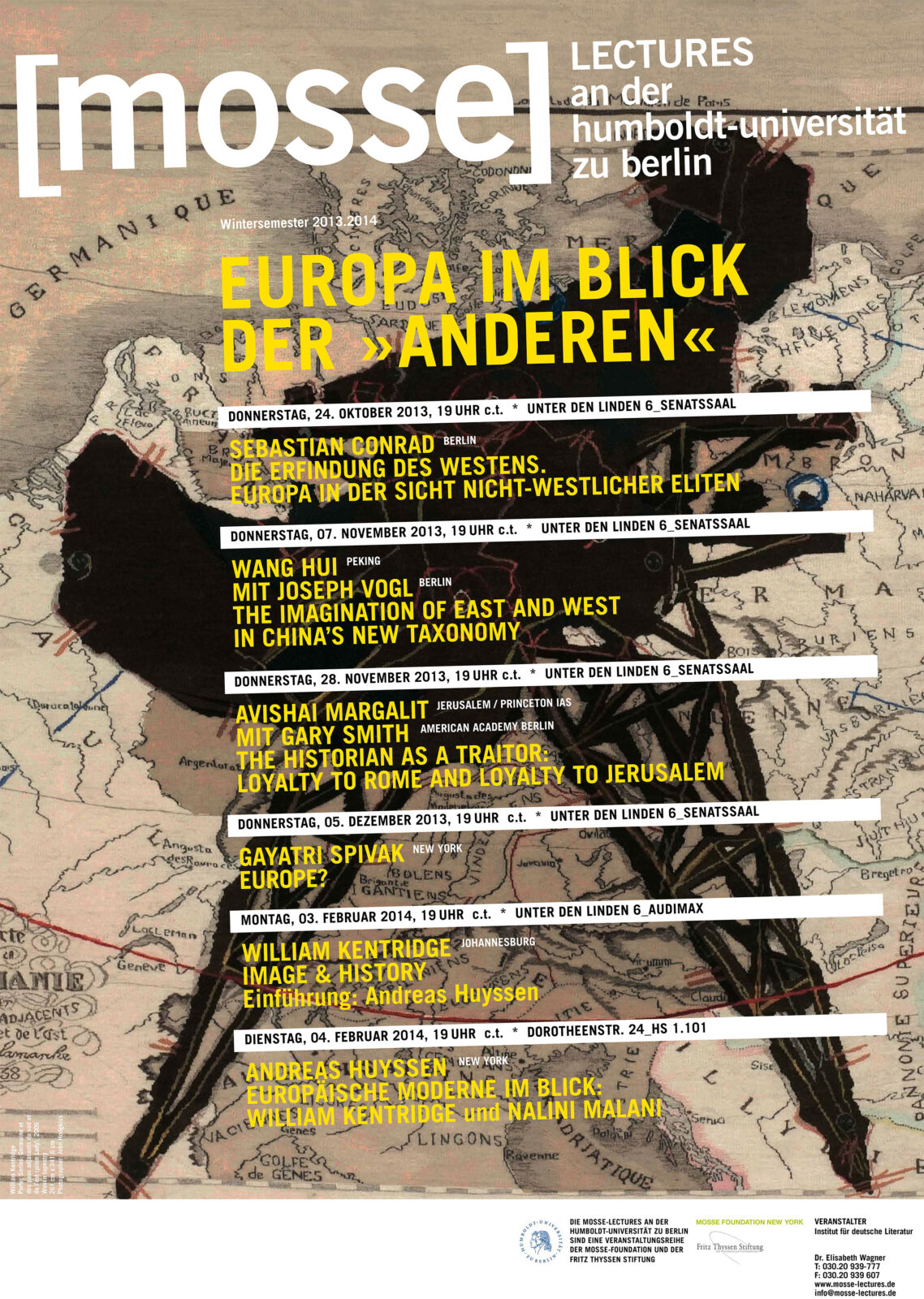
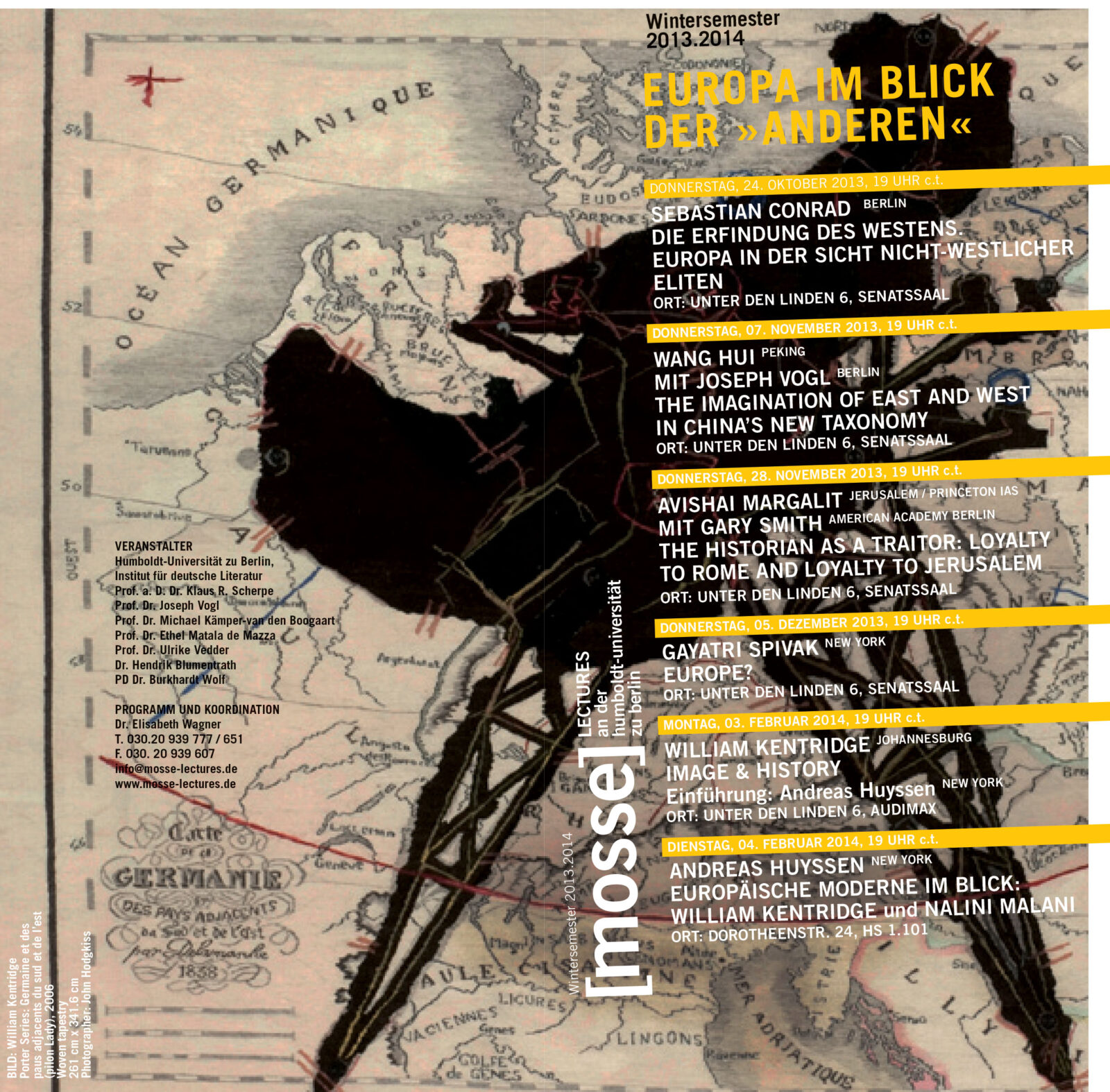
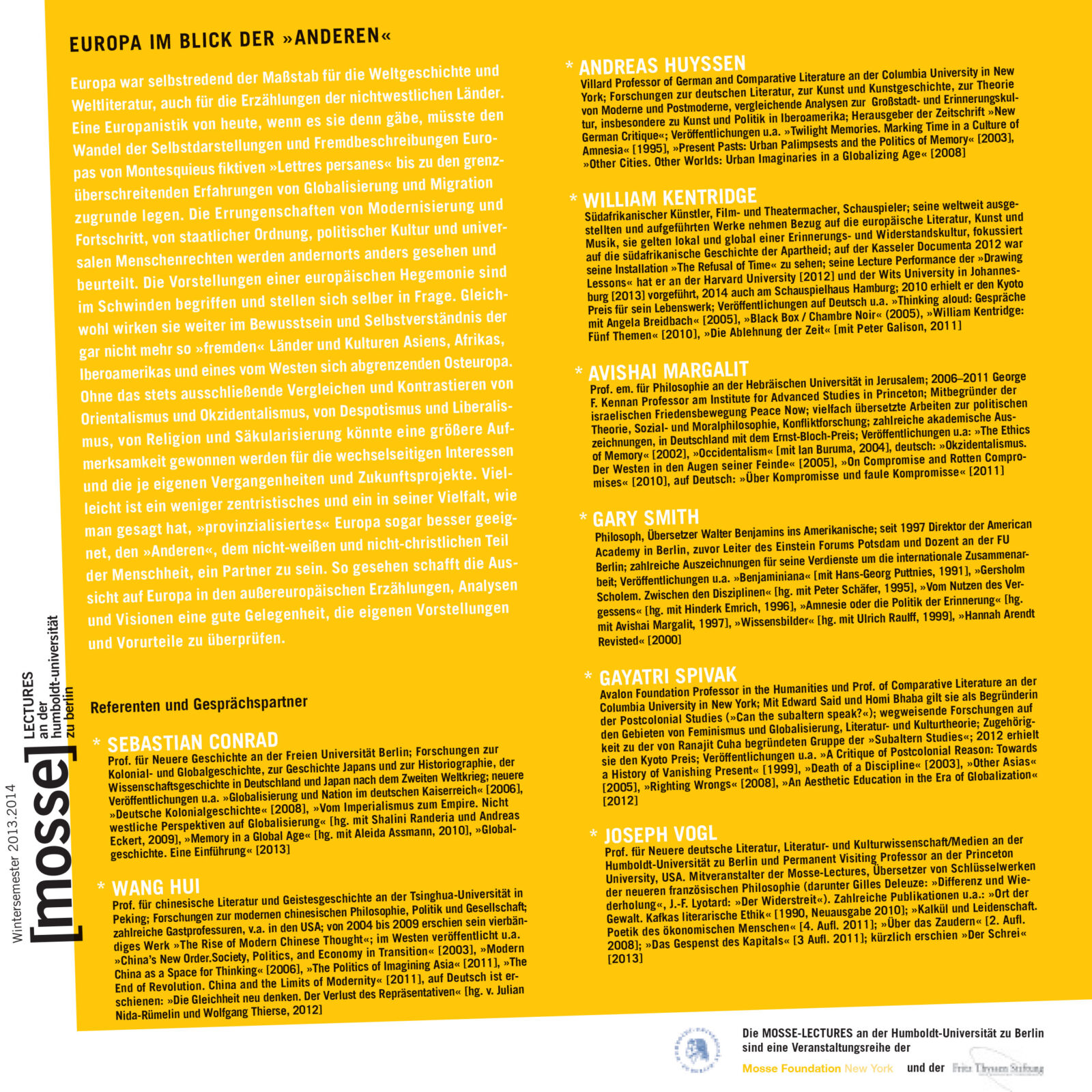
Lecture Series Description: It is taken for granted that Europe has been the measure of world history and world literature. It even appears as such in the narratives of non-Western countries. Any comprehensive study of Europe today would have to ground itself in the transformations of Europe’s self-representations and descriptions in the eyes of the “others” from Montesquieu’s fiction of the “Lettres persanes” up to the present day realities of border crossing globalization and migration. Key European ideas such as modernization and progress, democratic institutions, nation state regimes, political culture and human rights are viewed differently in other places. An overpowering European hegemony has waned in the wake of self-doubt and criticism, but it continues to have an effect on the consciousness and self-conception of other, nowadays perhaps less “alien” countries and cultures in Asia, Africa, Latin America, and an Eastern Europe that insists on its differences from the West. If we could avoid the usual exclusionary comparisons and hostile characterizations – orientalism versus occidentalism, despotism versus liberalism, religion versus secularization – a greater respect for mutual interests and for the very different understandings of the past and the divergent prospects of the future could be gained. Maybe a less Eurocentric and “provincialized” Europe would be more inclined to cooperate with the “others”, the non-white and non- Christian part of mankind. Thus the view of Europe in non-European narratives, analyses and visions will give us ample opportunities to revise our own beliefs and prejudices.
Avishai Margalit: Prof. em. für Philosophie an der Hebräischen Universität in Jerusalem; 2006-2011 George F. Kennan Professor am Institute for Advanced Studies in Princeton; Mitbegründer der israelischen Friedensbewegung Peace Now; vielfach übersetzte Arbeiten zur politischen Theorie, Sozial- und Moralphilosophie, Konfliktforschung; zahlreiche akademische Auszeichnungen, in Deutschland mit dem Ernst-Bloch-Preis; Veröffentlichungen u. a: The Ethics of Memory (2002), Occidentalism (mit Ian Buruma, 2004), deutsch: Okzidentalismus. Der Westen in den Augen seiner Feinde (2005), On Compromise and Rotten Compromises (2010), auf Deutsch: Über Kompromisse und faule Kompromisse (2011).
Gary Smith is a philosopher and a historian, who has been living in Germany since 1986. He founded the Einstein Forum in 1992 and in 1997 became director of the American Academy in Berlin. He was the co-author of works such as Benjaminiana. Eine biographische Recherche (1991), Amnestie, oder die Politik der Erinnerung in der Demokratie (1997) and Hannah Arendt Revisited: Eichmann in Jerusalem (2000).
Michael Kämper-van den Boogaart studied German and history, and taught at several schools before earning his PhD in 1990 from the University of Hamburg. In 2002, he was named professor of education and modern German literature at Humboldt University, Berlin, where, in 2011, he was elected vice president for Education and Teaching. He retired in 2023. He specializes in German language pedagogy, the history of education, and the history of 20th-century German literature. His many publications include Ästhetik des Scheiterns. Studien zu Erzähltexten von Botho Strauß, Jürgen Theobaldy, Uwe Timm u.a. (1992) and Thomas Mann für die Schule. Volk und Wissen (2001).
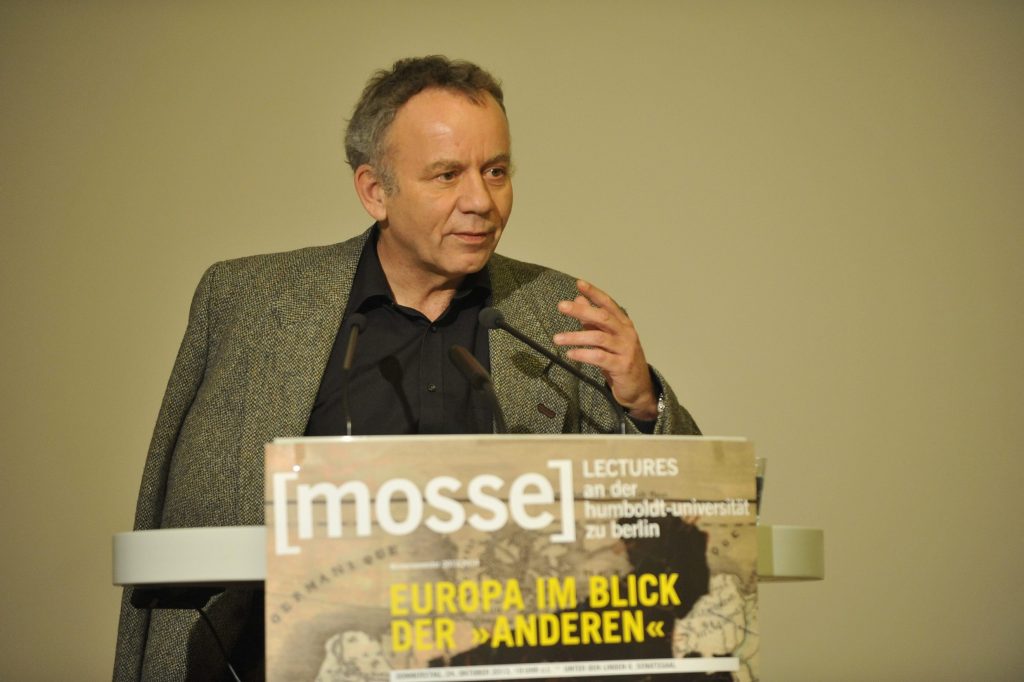
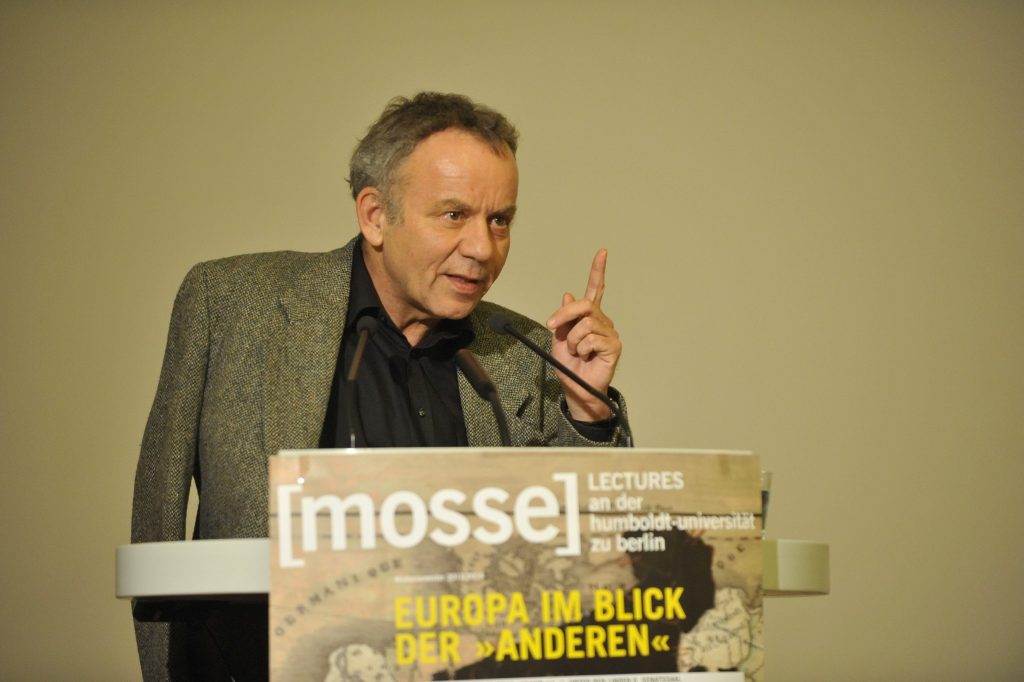
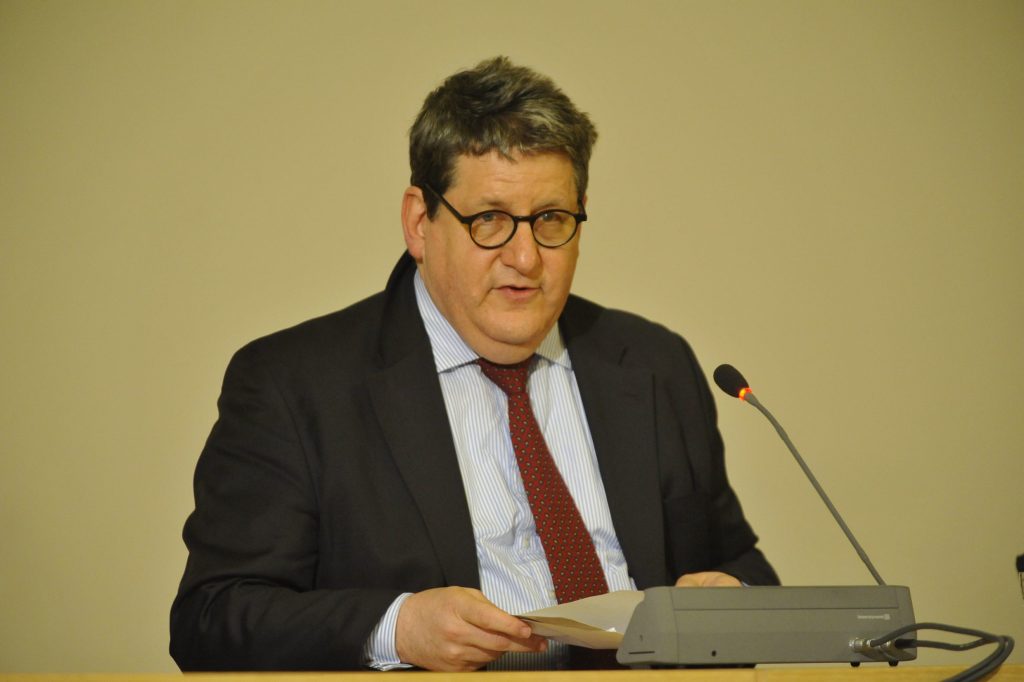
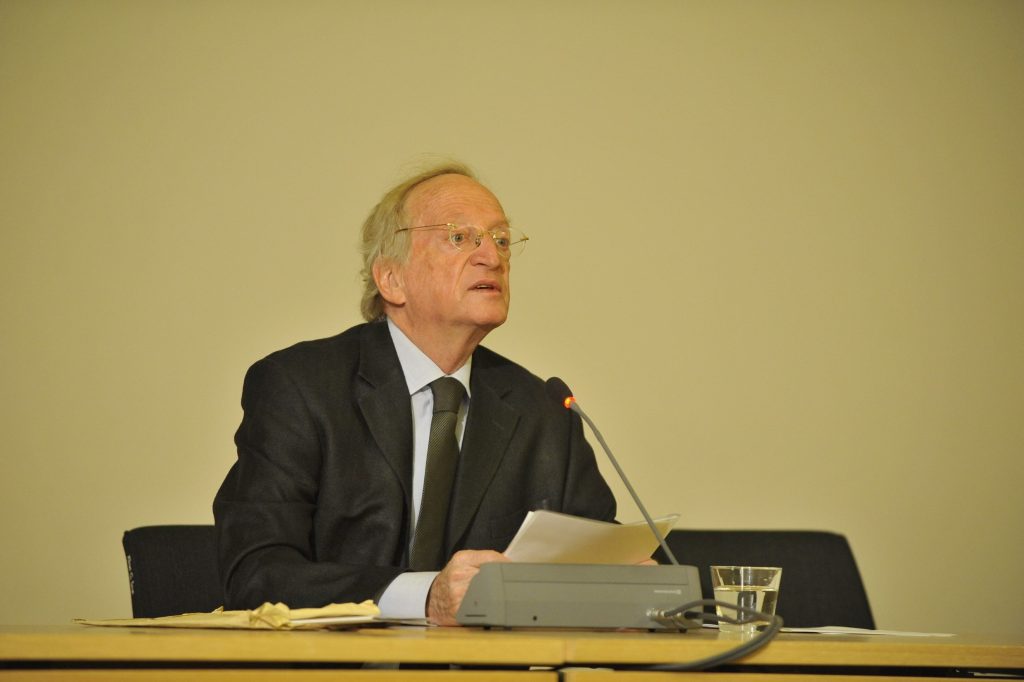
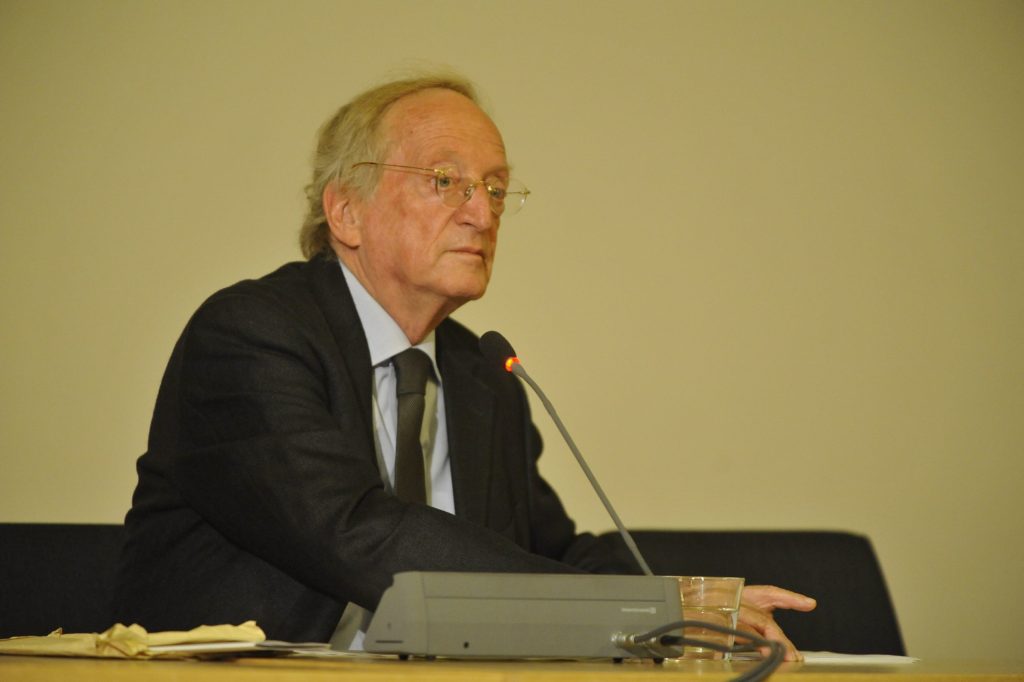
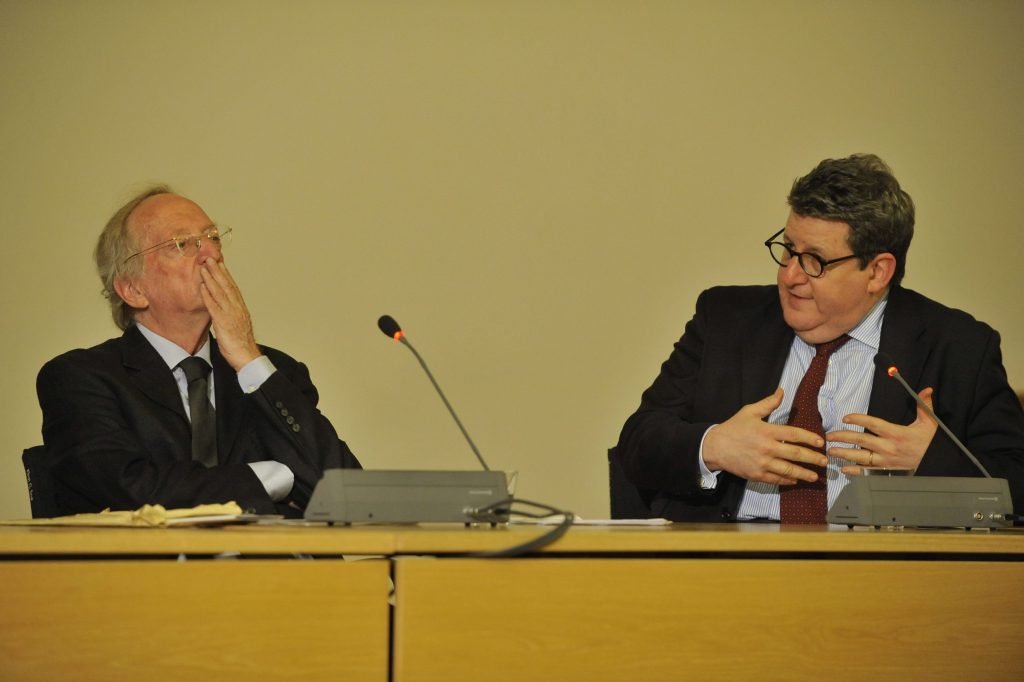
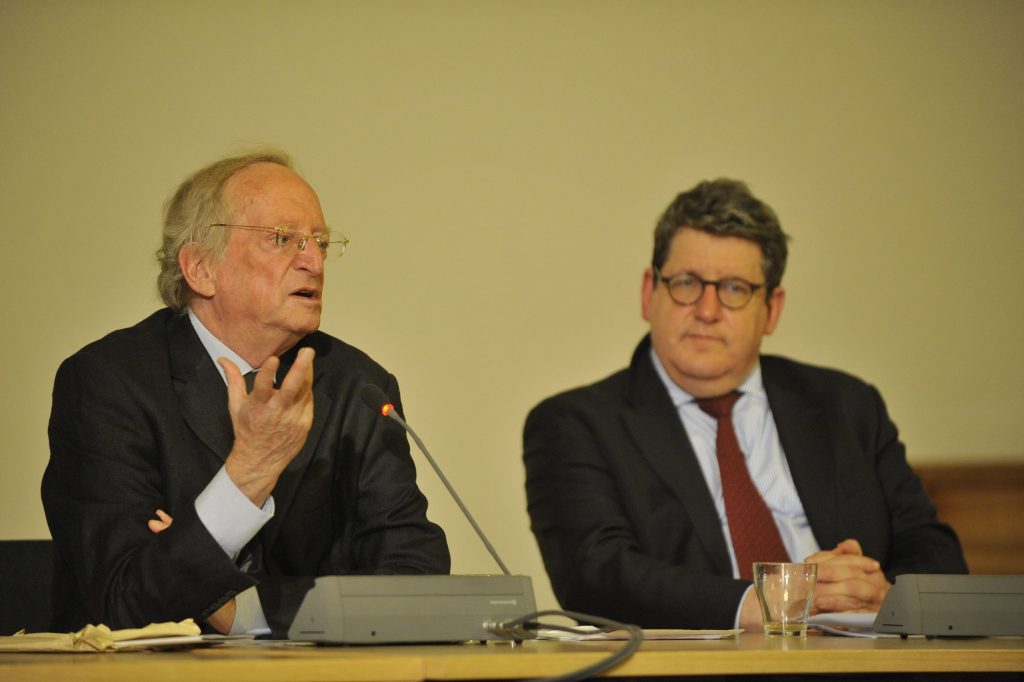
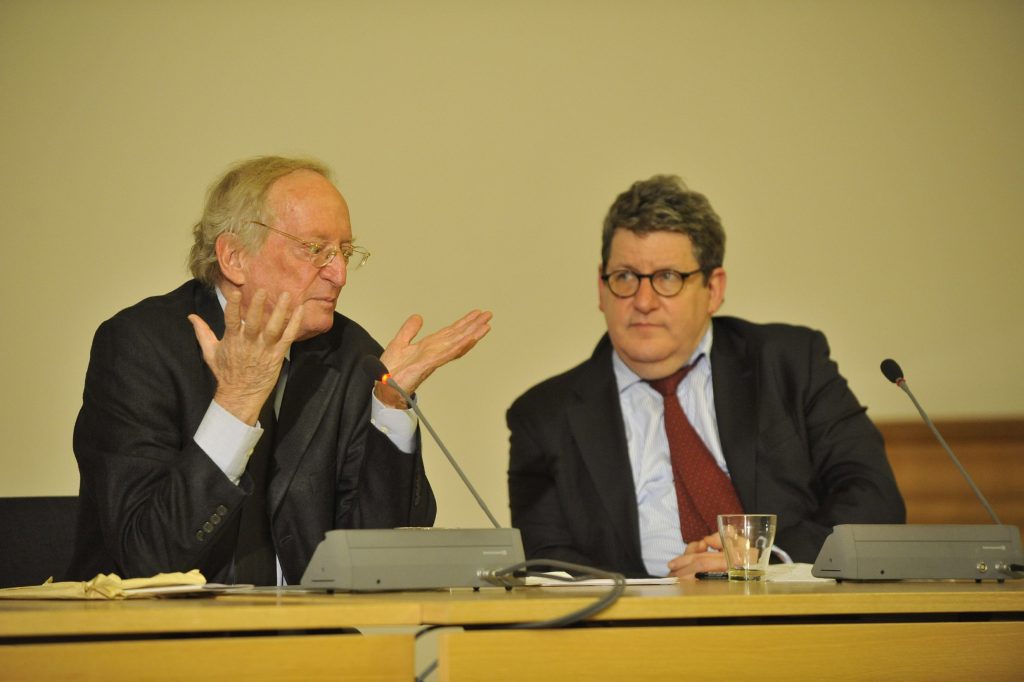
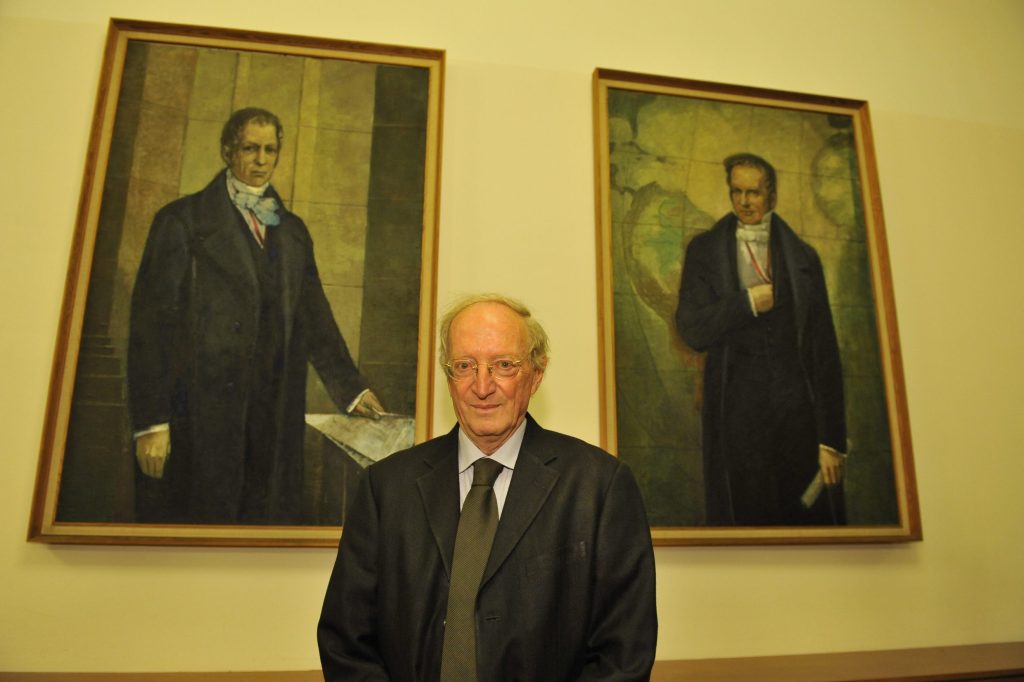
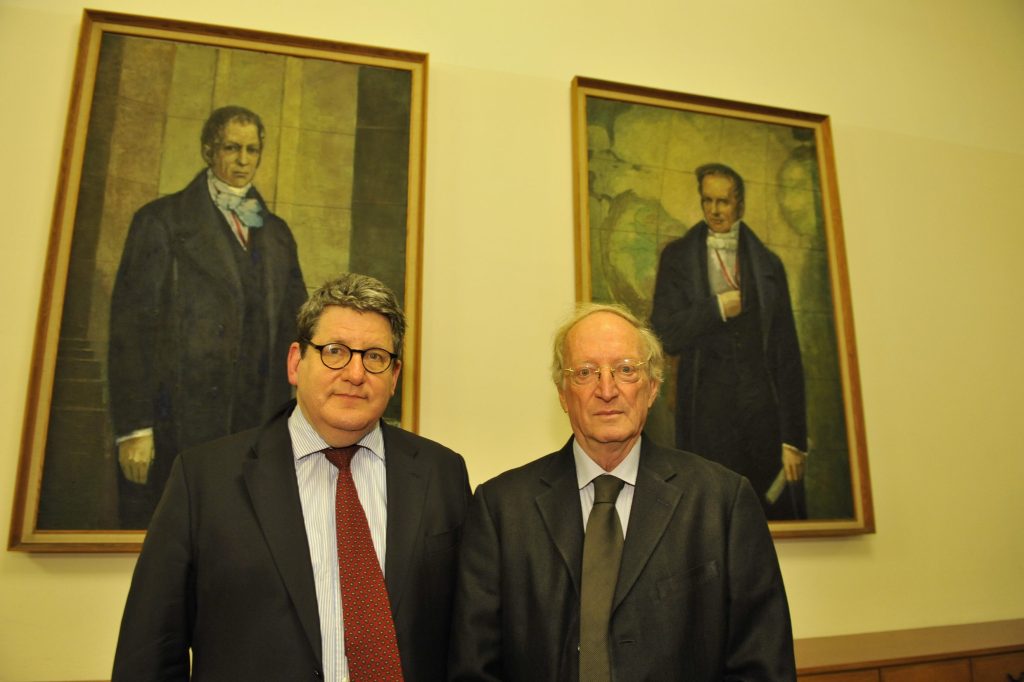
Photo Credit: Niels Leiser for the Mosse Lectures
