
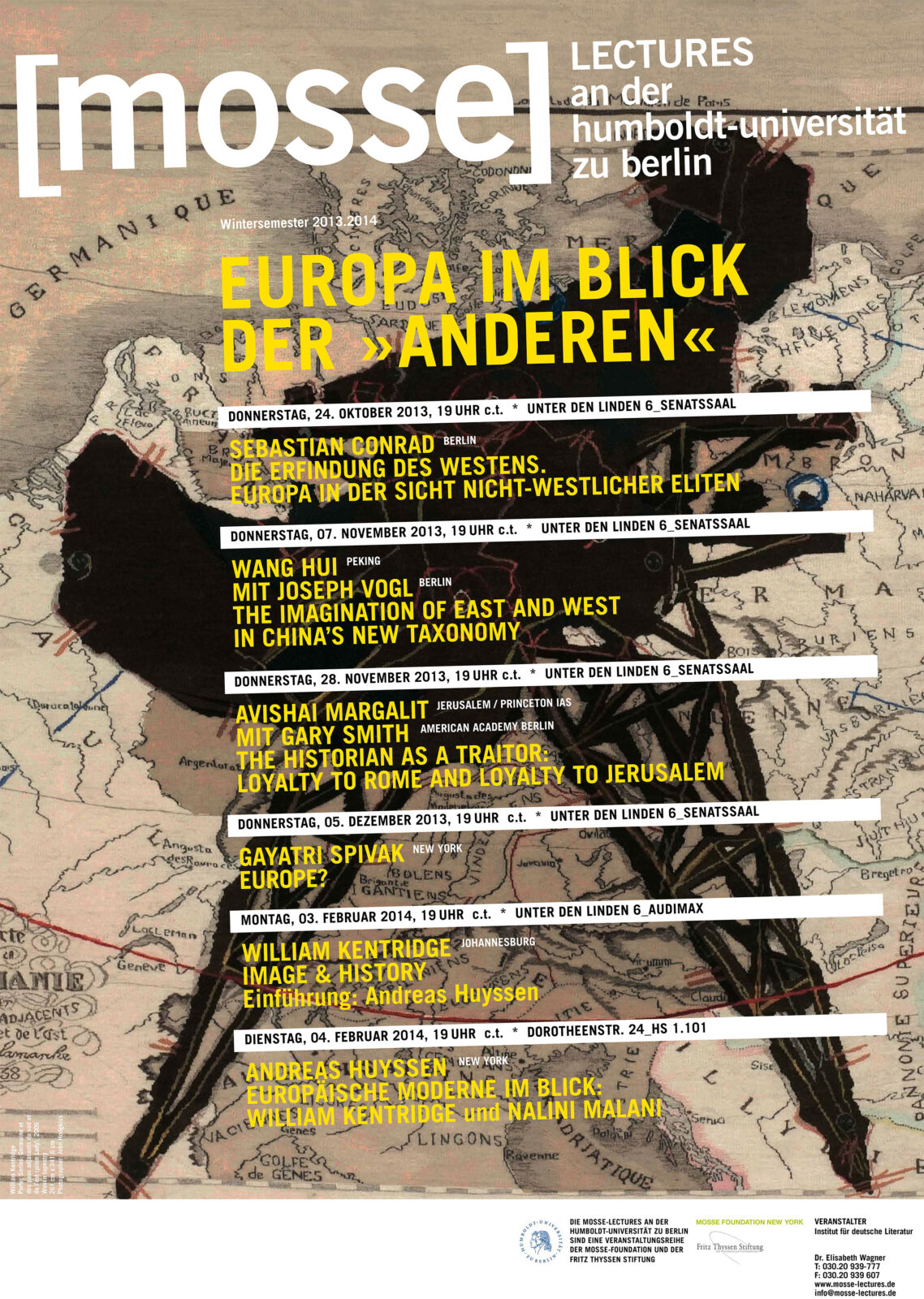
2013: Wang Hui, “The Imagination of East and West in China’s New Taxonomy”
Wang Hui, “The Imagination of East and West in China’s New Taxonomy”
Berlin Mosse Lecture
https://mosselectures.wisc.edu/berlin/
Thursday, 7 November 2013, 19:00 CET
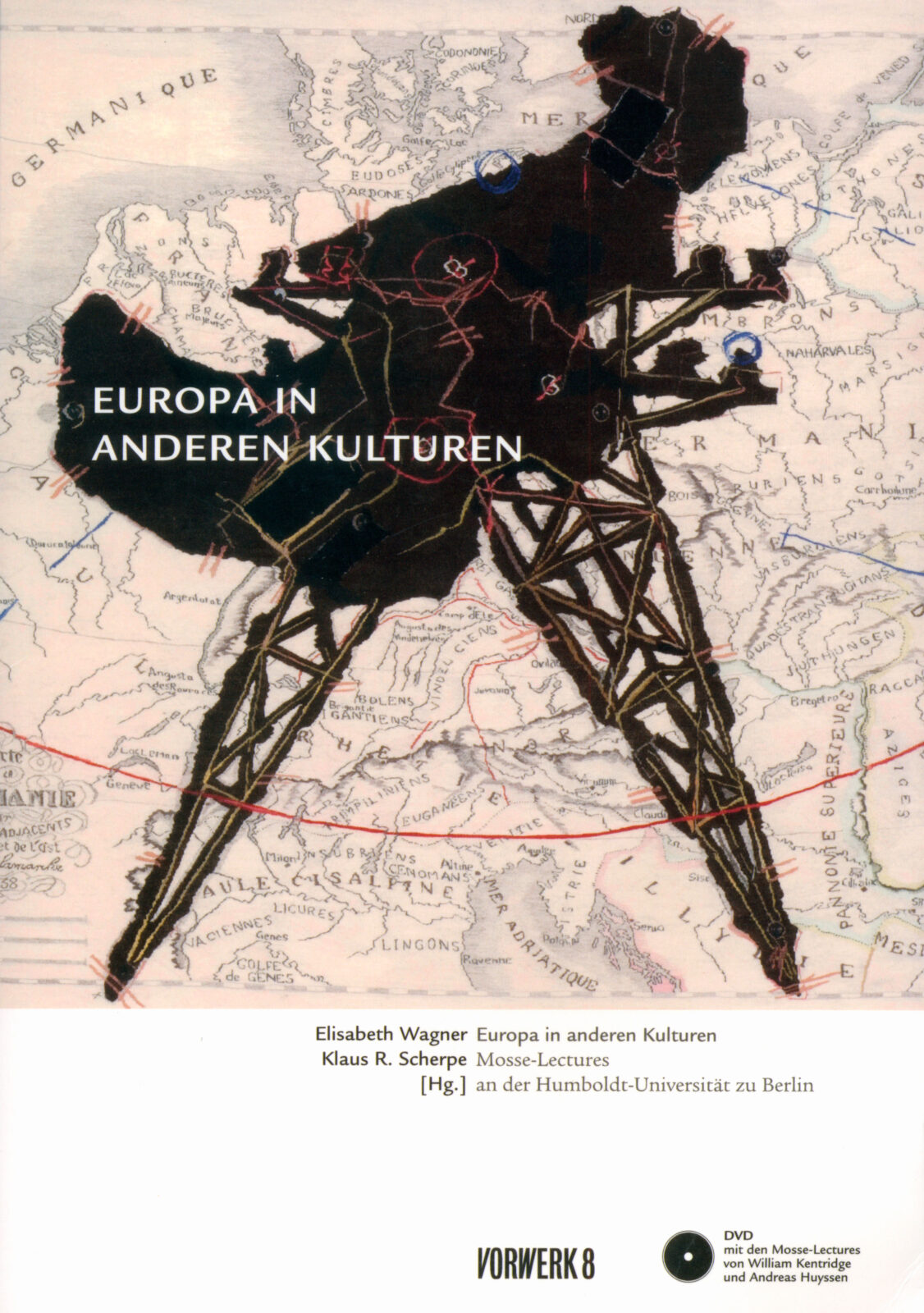
A version of this lecture was published in Elisabeth Wagner, Klaus R. Scherpe, ed. Europa in Anderen Kulturen. Mosse-Lectures an der Humboldt-Universität zu Berlin (Berlin: Vorwerk 8, 2015), 59-75. See table of contents below.
Senatssaal of Humboldt University
Under den Linden 6
1. Stock
10117 Berlin
GERMANY
Sponsored by:
[mosse] LECTURES an der humboldt-universität zu berlin
The Mosse Foundation
Global Mosse Lecture Series
Fritz Thyssen Stiftung
Institut für deutsche Literatur
Humboldt University
Moderator: Joseph Vogl (Humboldt University)
Lecture Description: Die umfassende Verwendung eines neuartigen Konzepts von Wissenschaft ist eines der wichtigsten Kennzeichen des chinesischen Denkens im 20. Jahrhundert. Die Macht von Wissenschaft liegt in der Tatsache begründet, dass mit ihr eine intime Beziehung hergestellt werden kann zwischen einer universalen Weltsicht und der Besonderheit der national bestimmten sozialen Ordnung. Hier wirken eine rationale Ordnung des Wissens und die sozial bedingte Aufteilung der Arbeit zusammen: in einer weit angelegten Genealogie des menschlichen Lebens, in all seinen Formen und Tendenzen. Der Prozess, in dem eine wissenschaftliche »Weltsicht, basierend auf universalistischen säkularen Prinzipien« (gongli shijie guan) die auf »religiöse Werte zurückgehende Weltanschauung« (tianli shijie guan) reformieren und schließlich ersetzen kann, ist konstitutiv für die Transformation des modernen Denkens in China. Die überkommenen Werte (Moral, Bildung usw.) sind jetzt nicht mehr allgemein gültig, sondern nur noch ein Element im neuen Wissenssystem. Seit der in den 1910er Jahren ausgetragenen Kontroverse über östliche und westliche Kultur und der Debatte über den Vorrang von Wissenschaft oder Metaphysik in den 1920er Jahren gilt »Kultur« in China als solider Bestandteil einer streng rationalisierten Ordnung des Wissens. Im Reich der Wissenschaften hat die Kultur – ihre Autonomie, Moralphilosophie, Ästhetik und Gefühlswelt – nicht nur ihre Position verteidigen und sichern können. In Rahmen dieser Taxonomie des Wissens ist auch der Gegensatz von Ost und West neu zu bedenken und anders zu organisieren.
Lecture Series Description: Ever since Platos Politeia and Aristotle’s concept of katharsis the discussion of aesthetic effective-ness and reception centers around the precarious, ultimately political relationship of music to the world. How does one speak politically about music, with music or within it? Music theory speaks of an „auditory system of communication“. In practice we have many efforts and experi-ments to change the habits of listening: beginning with Luigi Nono, disclosing new forms of sound to be effective politically in theatrical performances, up to Helmut Lachenmann’s idea of musique concrète instrumentale. Under hightech conditions of media storage and transmission new possibilities to act politically have been disclosed, in auditory pieces of musical experiments, innovative space-sound-samples and environmental installations, which aim at expanding musical experience, and challenge the „musical apparatus“ of institutions. Borders crossings of the arts and cultures are frequently and closely connected with social and political activities of both artists and their audiences. In a series of events, the Mosse-Lectures devoted to the „Public of Cultures and Sciences“ in a series of events thematize the political expressiveness of composition and concert music, „Neue Musik“ in particular, of theatrical presentation, and sound art in public spaces; special attention will be paid to interventions and cooperation with non-western cultures.
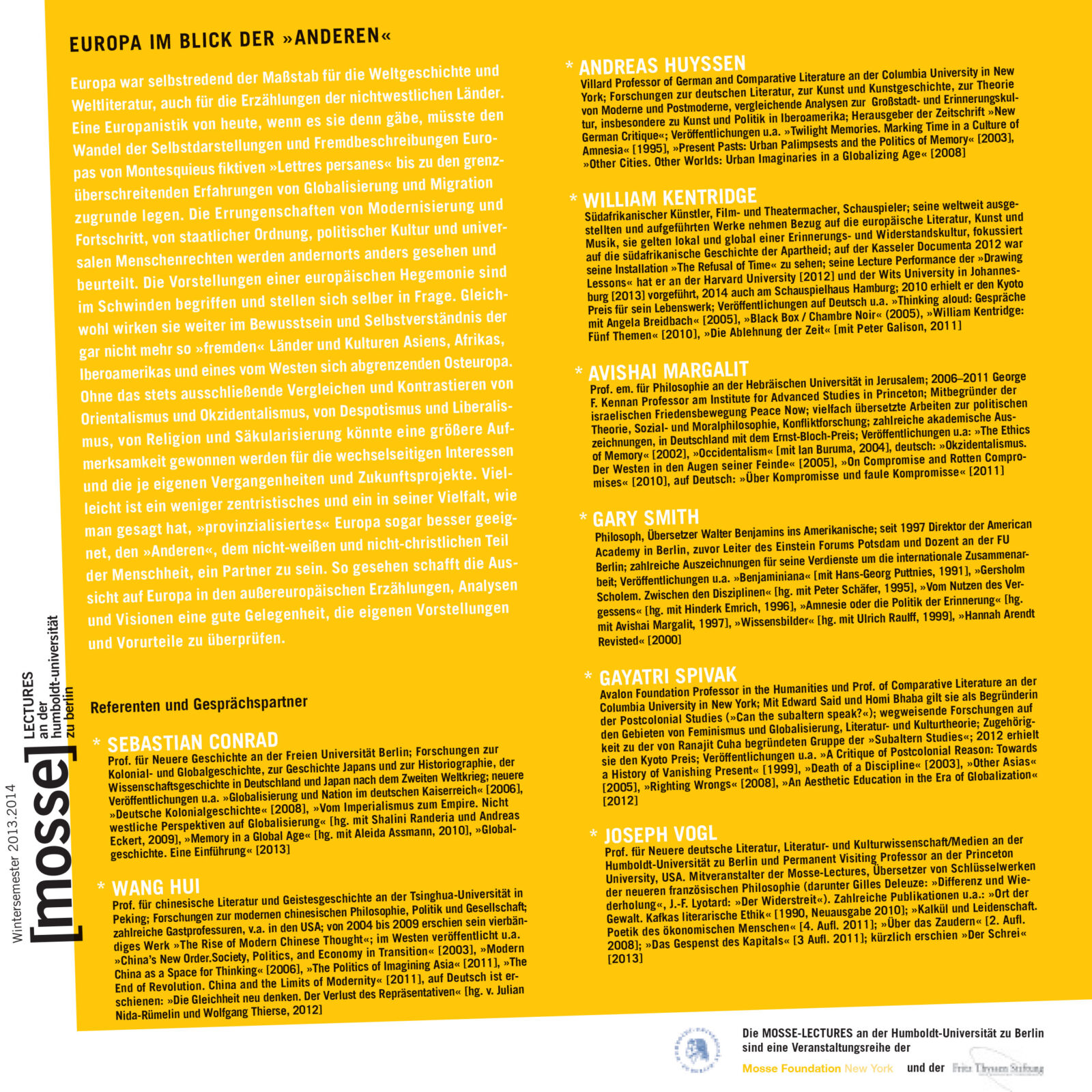
Wang Hui: Forschungen zur modernen chinesischen Philosophie, Politik und Gesellschaft; zahlreiche Gastprofessuren, v.a. in den USA; von 2004 bis 2009 erschien sein vierbändiges Werk The Rise of Modern Chinese Thought; im Westen veröffentlicht u.a. China’s New Order. Society, Politics, and Economy in Transition (2003), Modern China as a Space for Thinking (2006), The Politics of Imagining Asia (2011), The End of Revolution. China and the Limits of Modernity (2011), auf Deutsch ist erschienen: Die Gleichheit neu denken. Der Verlust des Repräsentativen (hg. v. Julian Nida-Rümelin und Wolfgang Thierse, 2012)
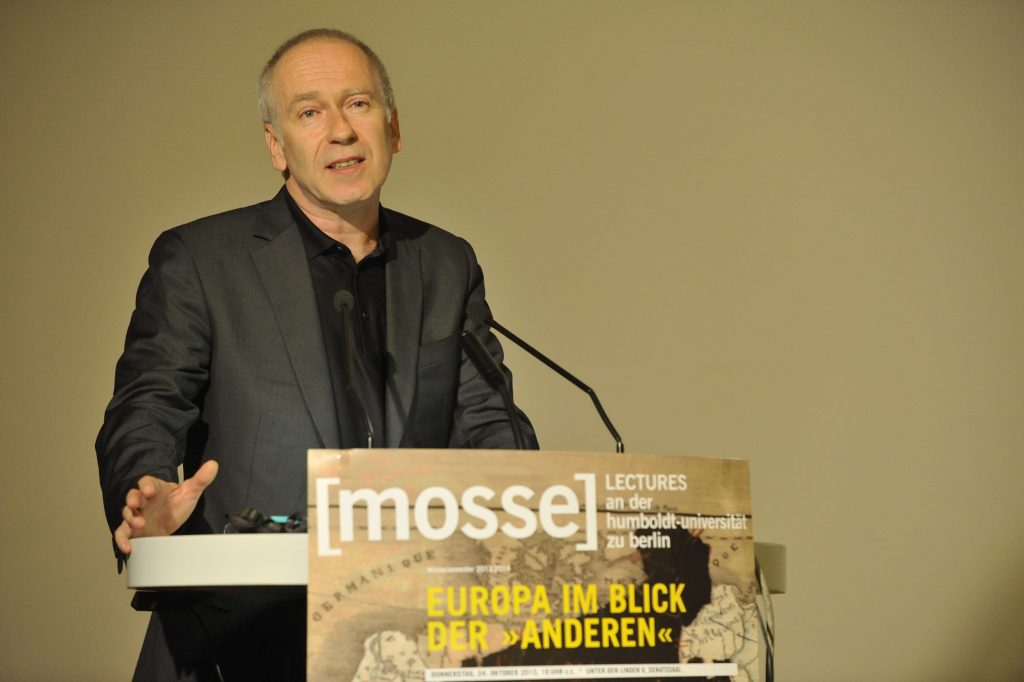
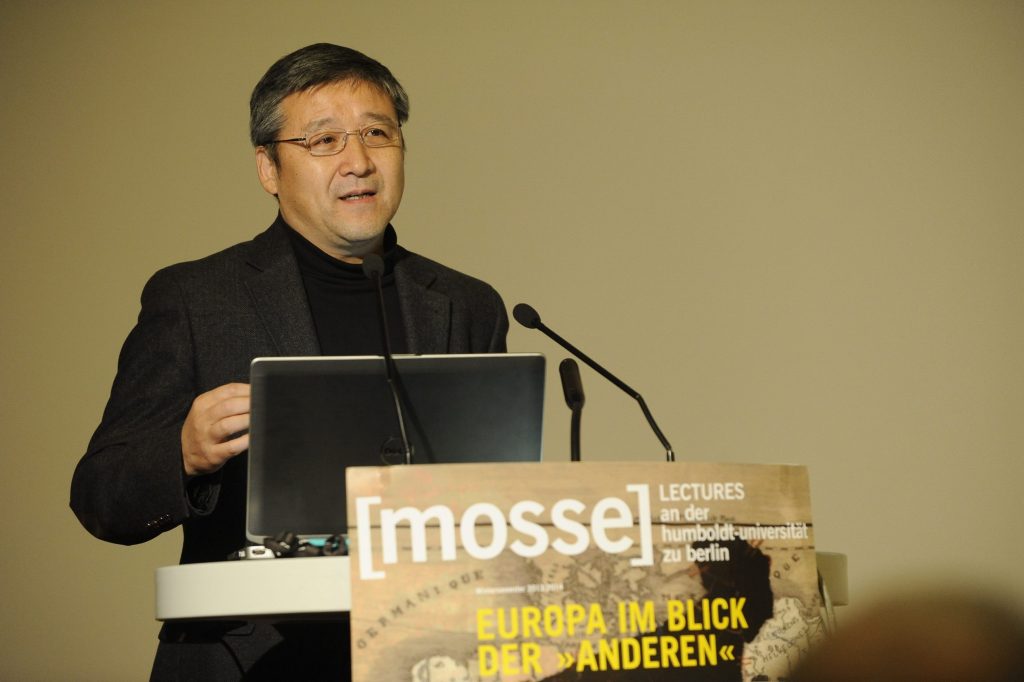
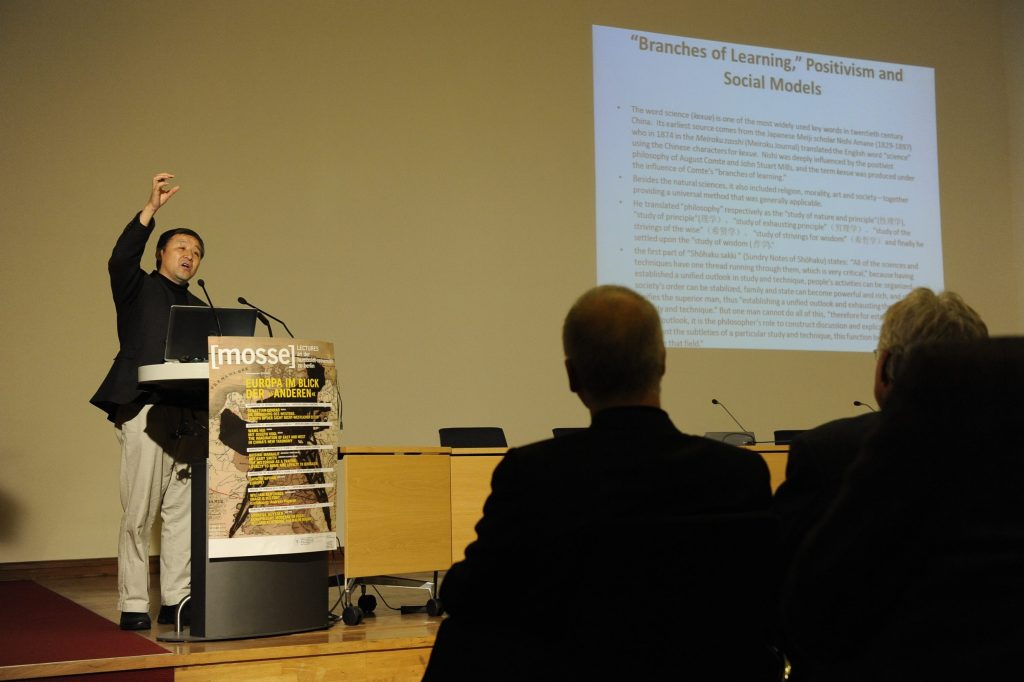
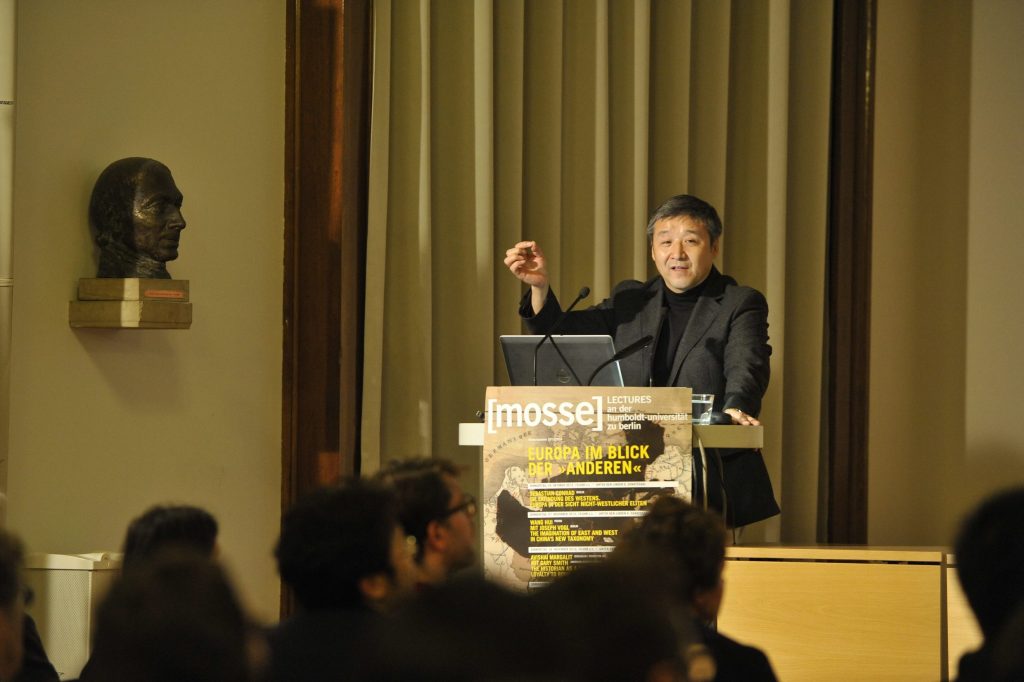
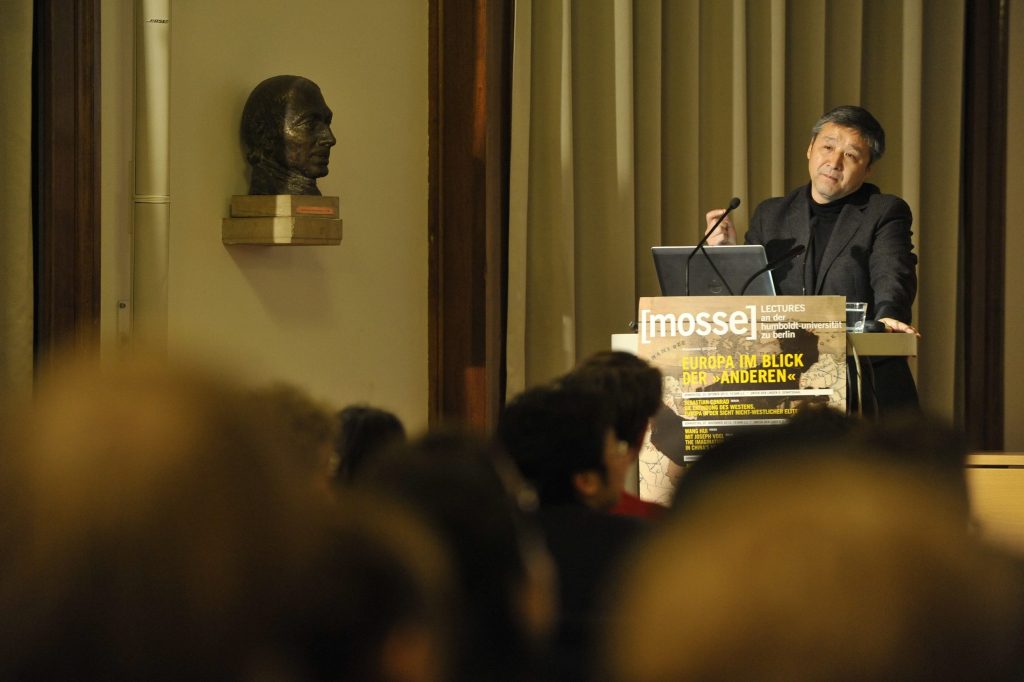
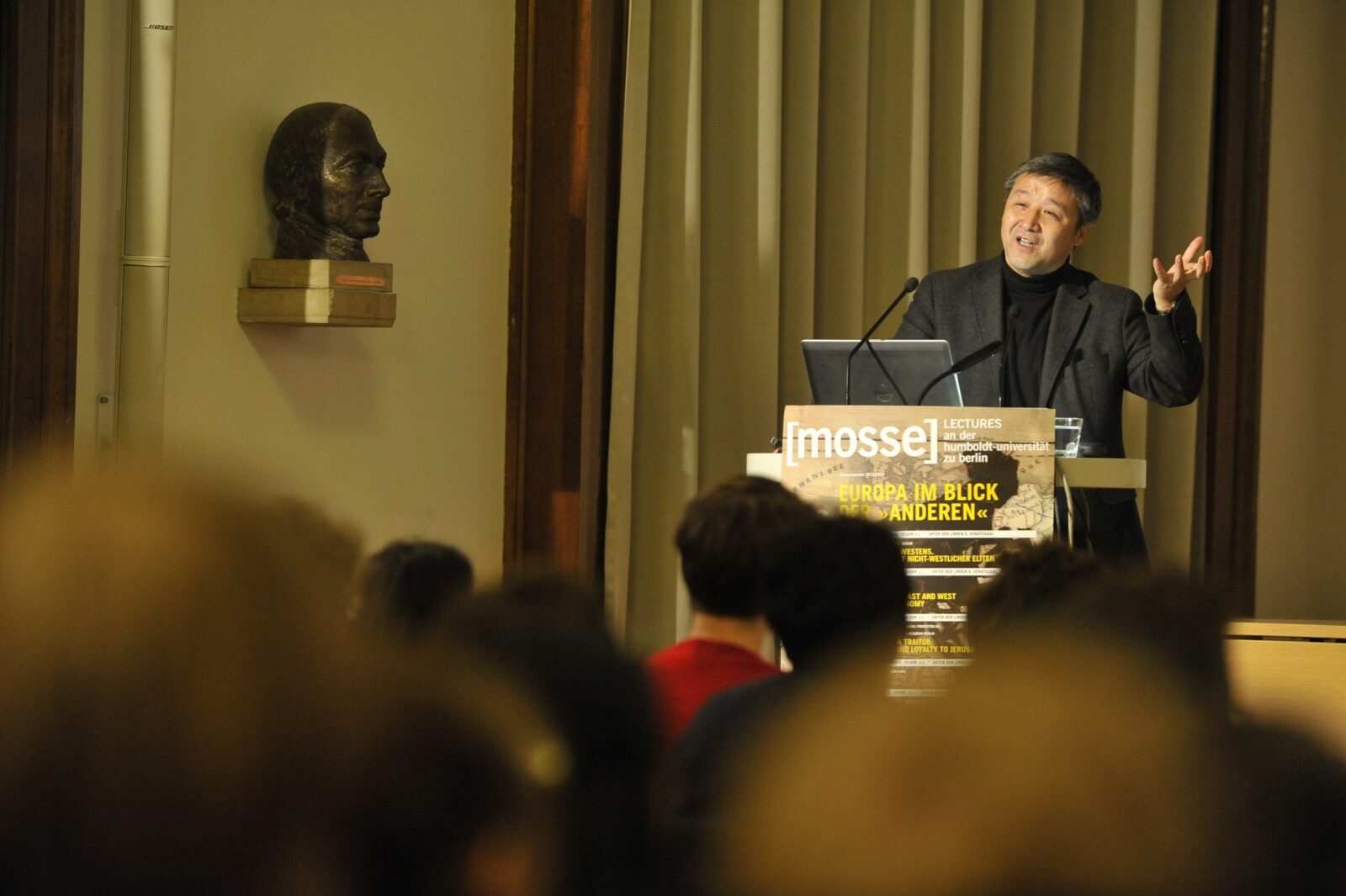
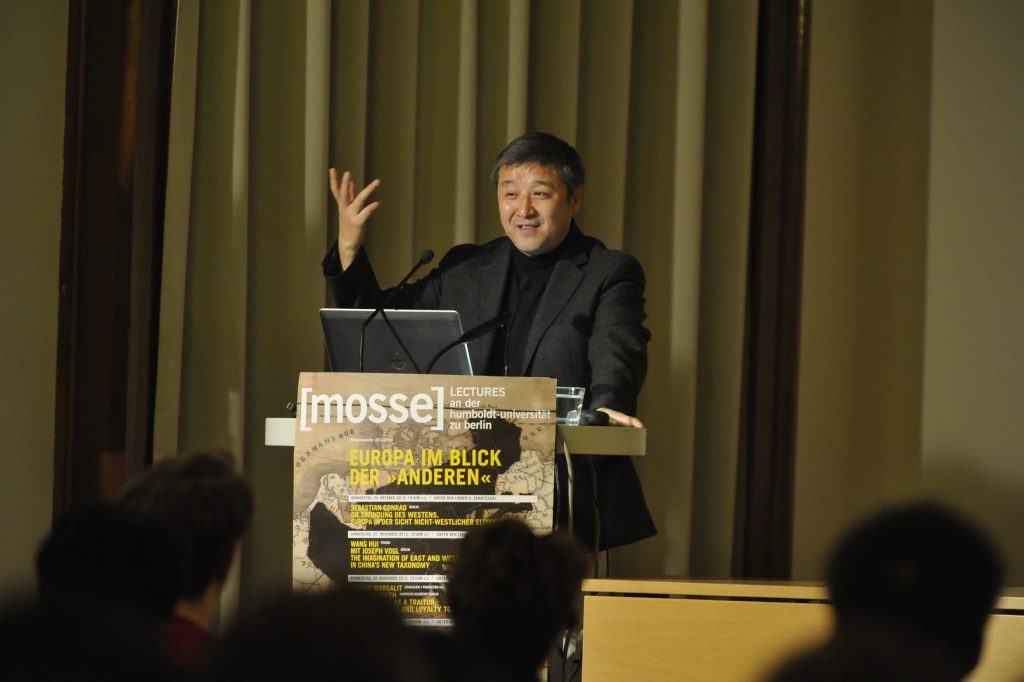
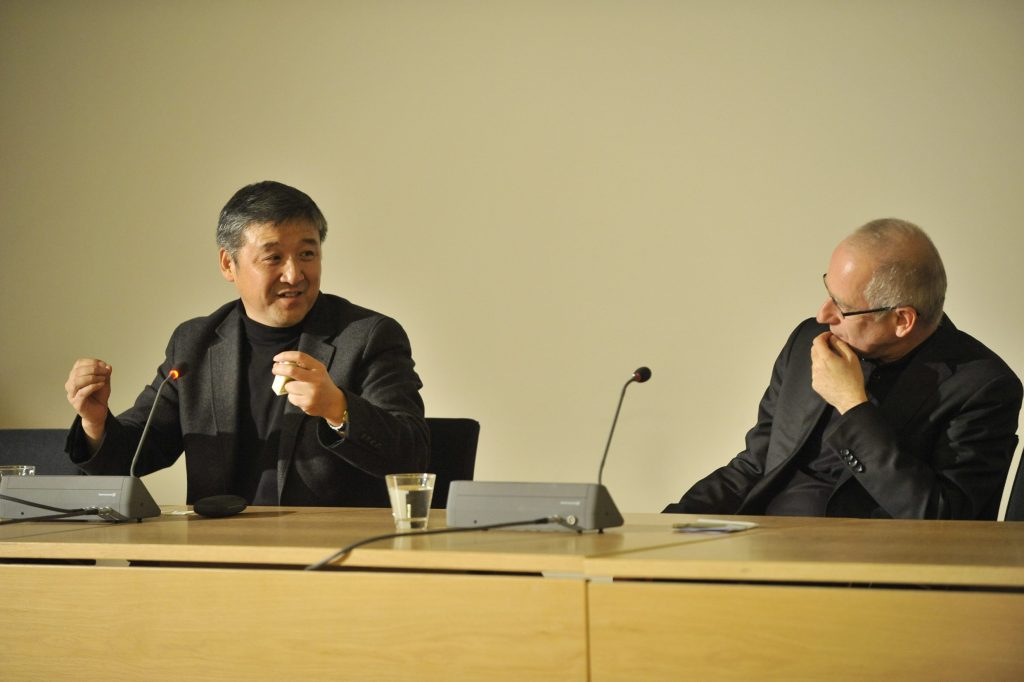
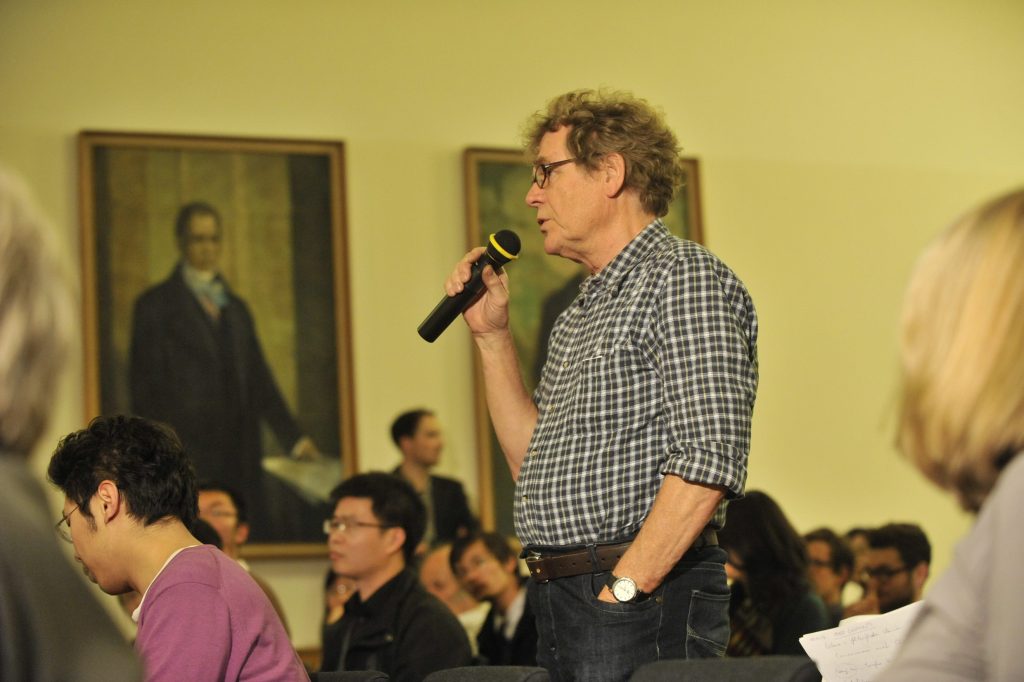
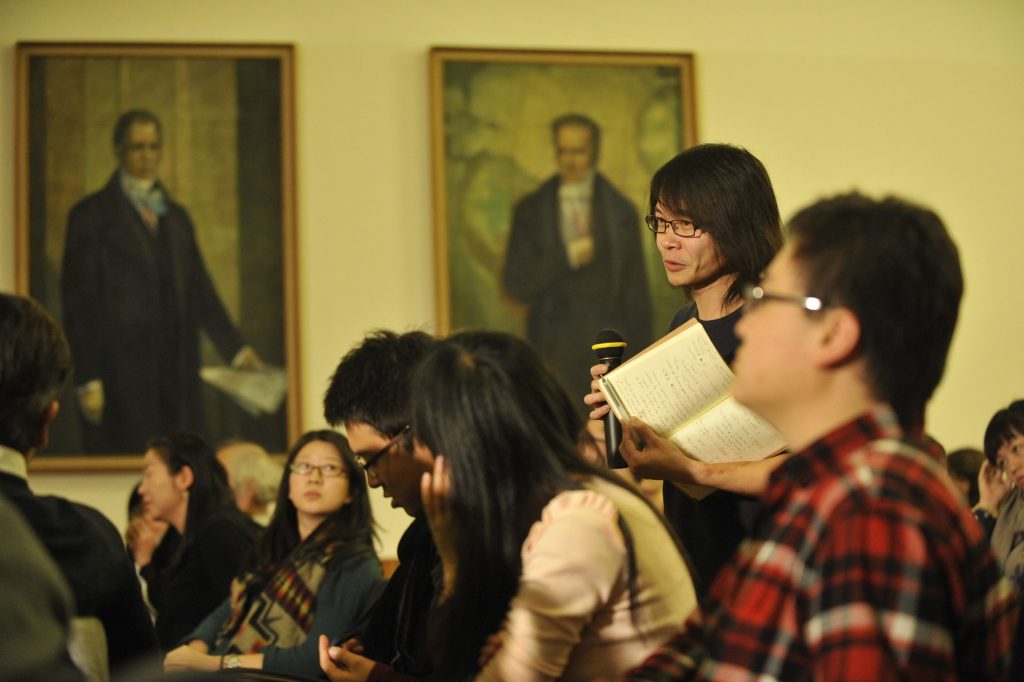
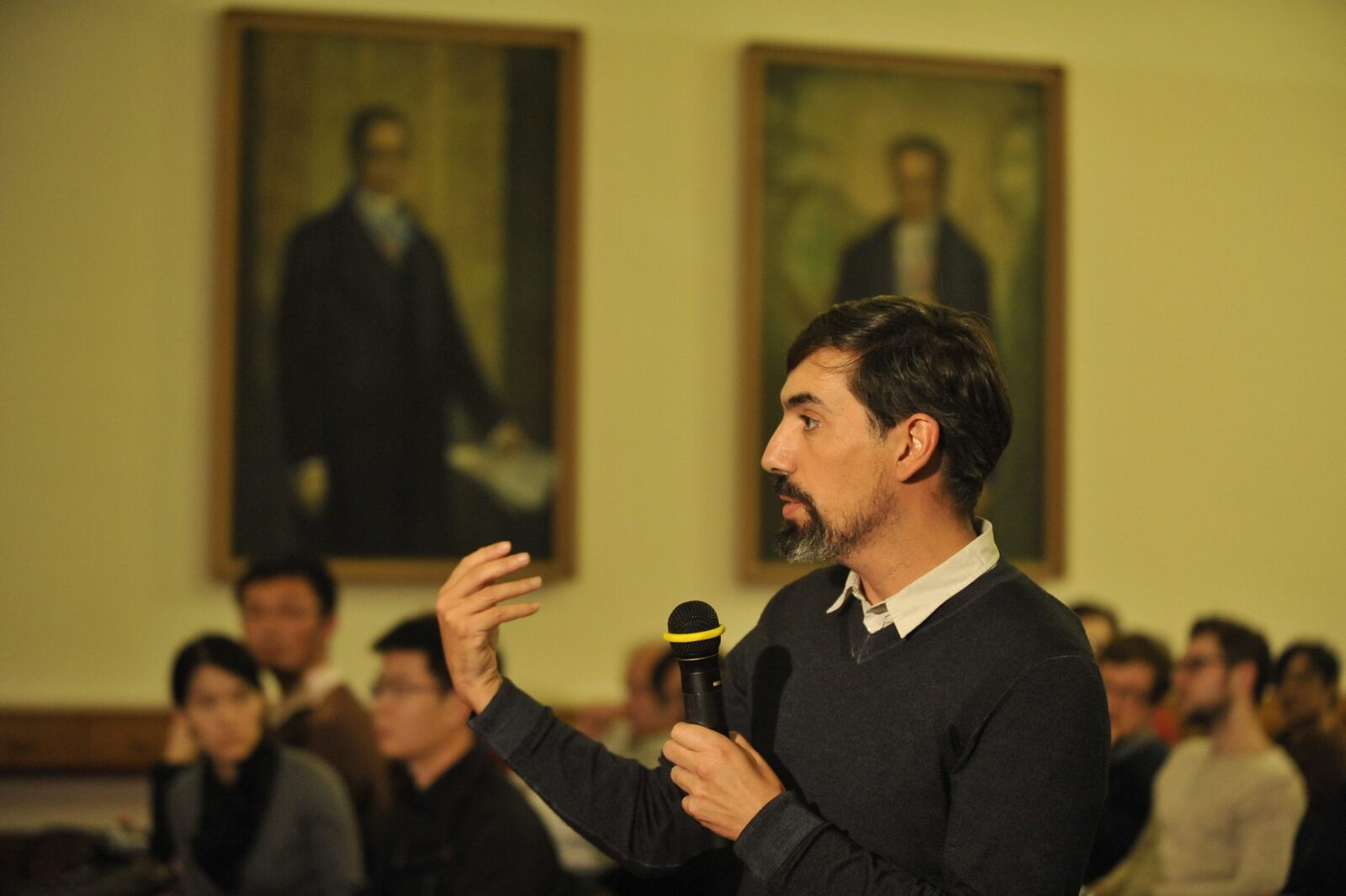
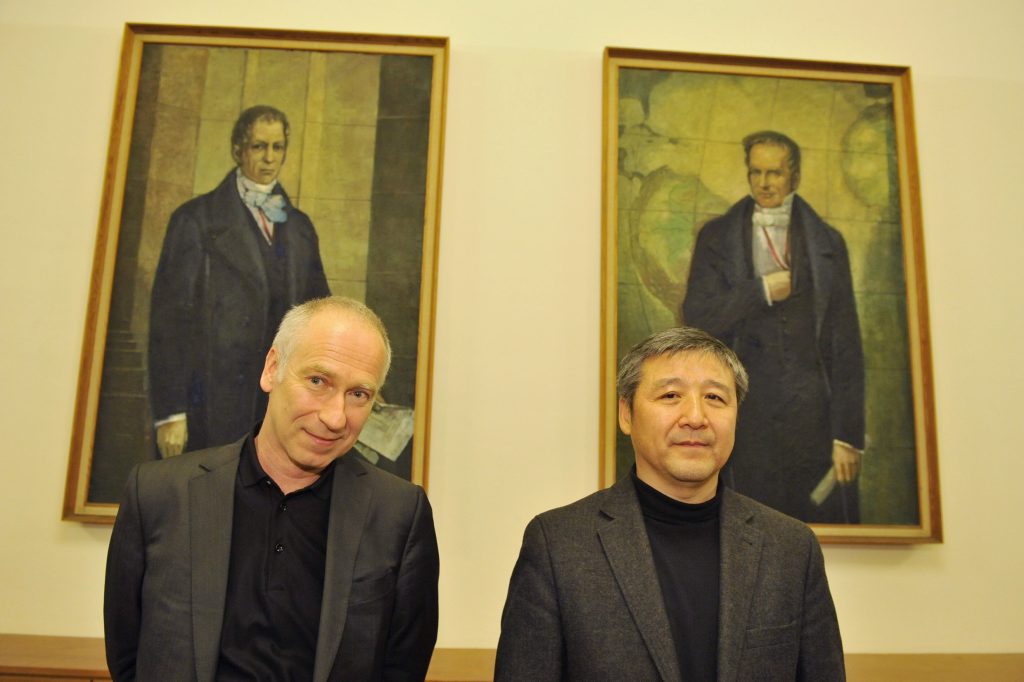
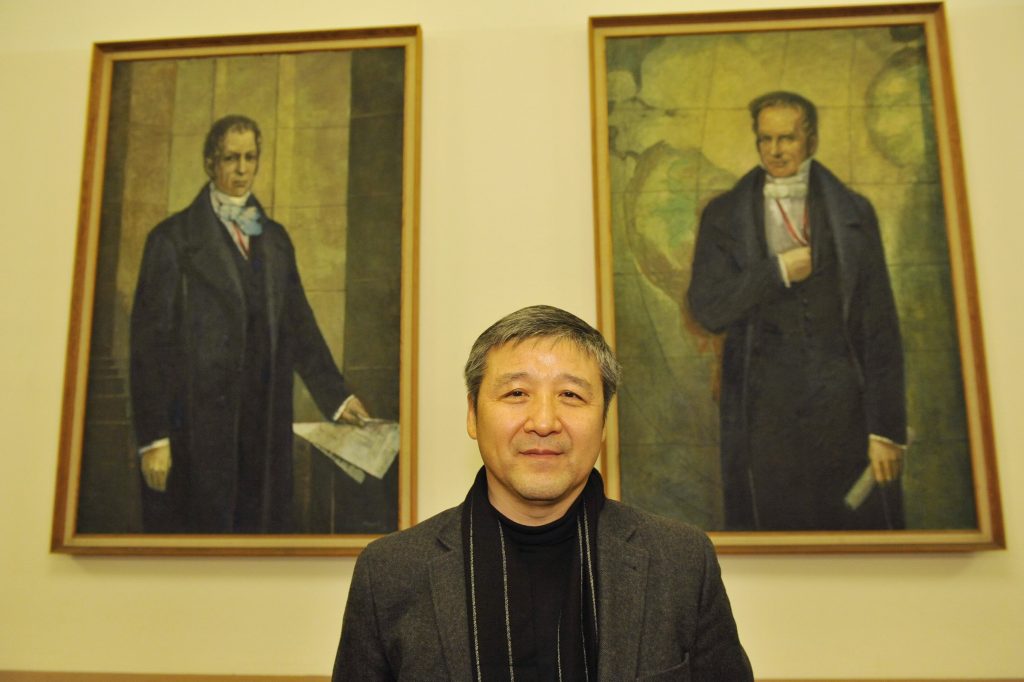
Photo Credit: Niels Leiser for the Mosse Lectures
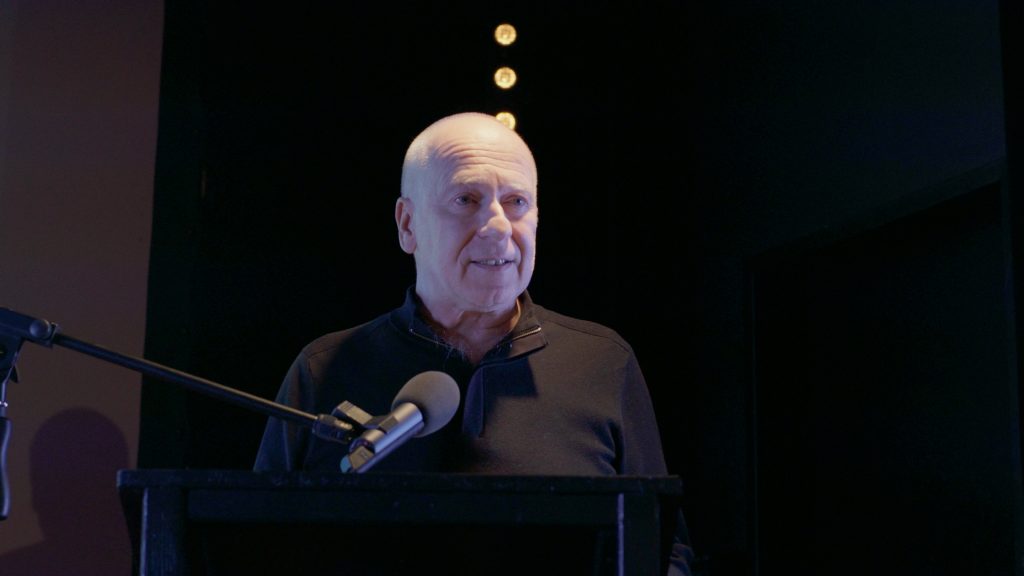
His research and teaching comprises literature from the eighteenth to the twentieth century, media and aesthetics, cultural and political theory. Recent research focuses on the history of financial economy, literature and economics, and the “poetics of knowledge” – the study of the relationships and interactions between forms of knowledge and poetic or aesthetic figures. He is the director or principal investigator of a range of research projects including “The Knowledge of Literature” (PhD-Net), “Small Forms in the History of Literature and Sciences” (Research Training Group), and “Matters of Activity: Image Space Material” (Cluster of Excellence).
Joseph Vogl published more than a hundred articles and book chapters, as well as numerous books and monographs. Among his most important written works are the monographs Ort der Gewalt. Kafkas literarische Ethik (1990); Kalkül und Leidenschaft. Poetik des ökonomischen Menschen (2002); Über das Zaudern (2007; On Tarrying, 2011). Besides his research in literature, cultural and media studies, he is well known for his intensive work on modern and present-day finance and economics, analyzing finance theories from the perspective of cultural history. This work culminated in his books Das Gespenst des Kapitals (2010; The Specter of Capital, 2014), Der Souveränitätseffekt (2015; The Ascendancy of Finance, 2017) and Kapital und Ressentiment. Eine kurze Theorie der Gegenwart (2021; Capital and Ressentiment: A Brief Theory of the Present, 2022), which received wide recognition in the fields of cultural studies as well as economics, and initiated a public debate. Further workings include translations from French to German (Deleuze, Lévi-Strauss, Lyotard) and numerous interviews on TV with Alexander Kluge (see Soll und Haben. Fernsehgespräche, 2009; Senkblei der Geschichten. Gespräche, 2020).
He was awarded the Günther Anders Prize for Critical Thinking (2022). For his book Der Souveränitätseffekt (The Ascendancy of Finance) Vogl was on the shortlist for the Leipzig Book Fair Prize 2015 in the category of non-fiction. In 1988 he received the Translation Prize for the Promotion of Franco-German Relations (DVA Foundation) for his translations of key works of modern French philosophy.
