
Vienna Mosse Lecture
“Chemisch Verfügbar. Zufluss und Entzug an den Grenzen der Petromoderne”
Speakers: Benjamin Steininger und Alexander Klose
7 Mai 2026, 19:00 CET
Red Bar
Volkstheater Wien
Arthur-Schnitzler-Platz 1
1070 Wien Austria
Moderated by Burkhardt Wolf
Sponsored by:
Global Mosse Lecture Series
Volkstheater Wien
Stadt Wien
Universität Wien
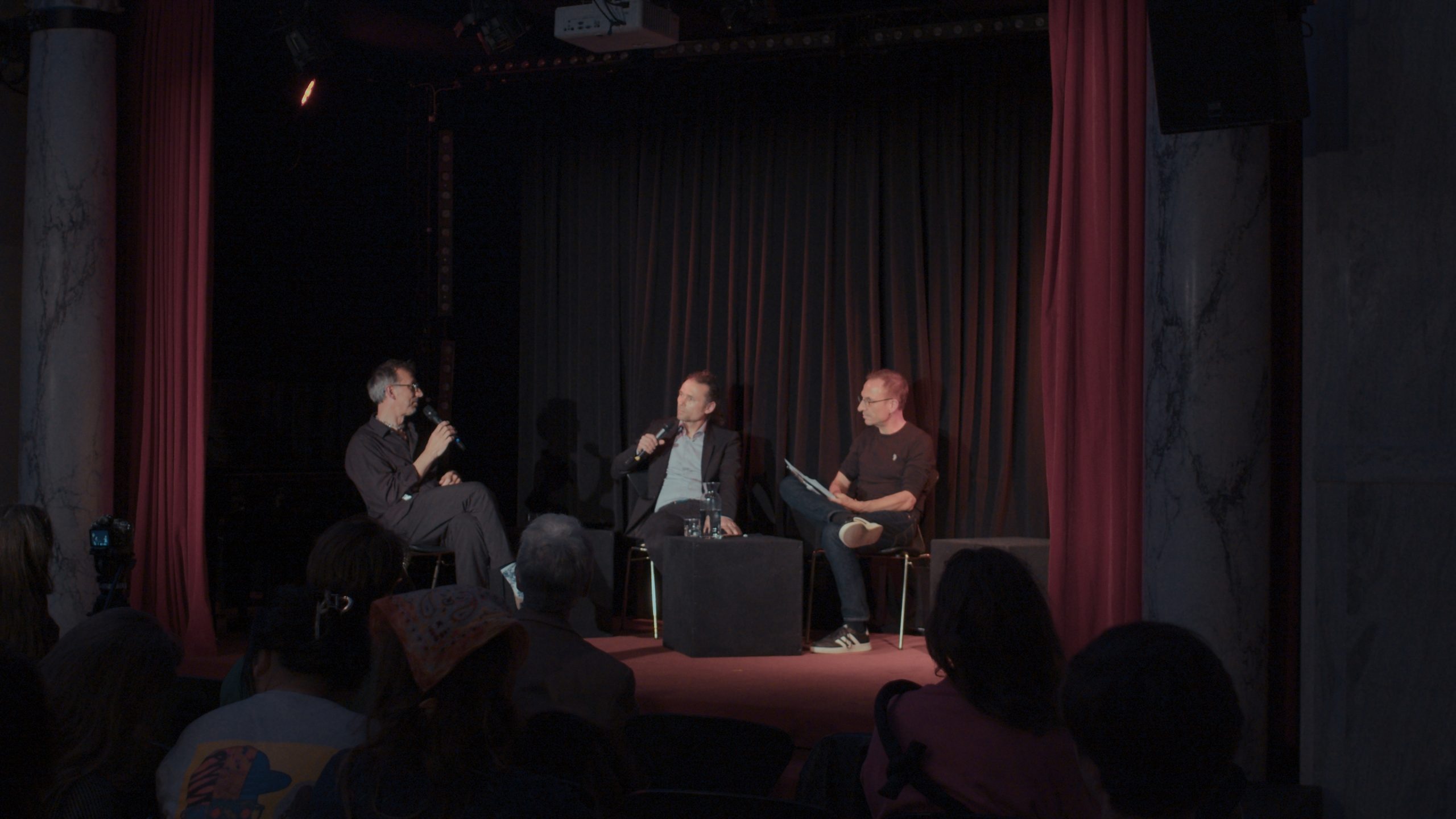
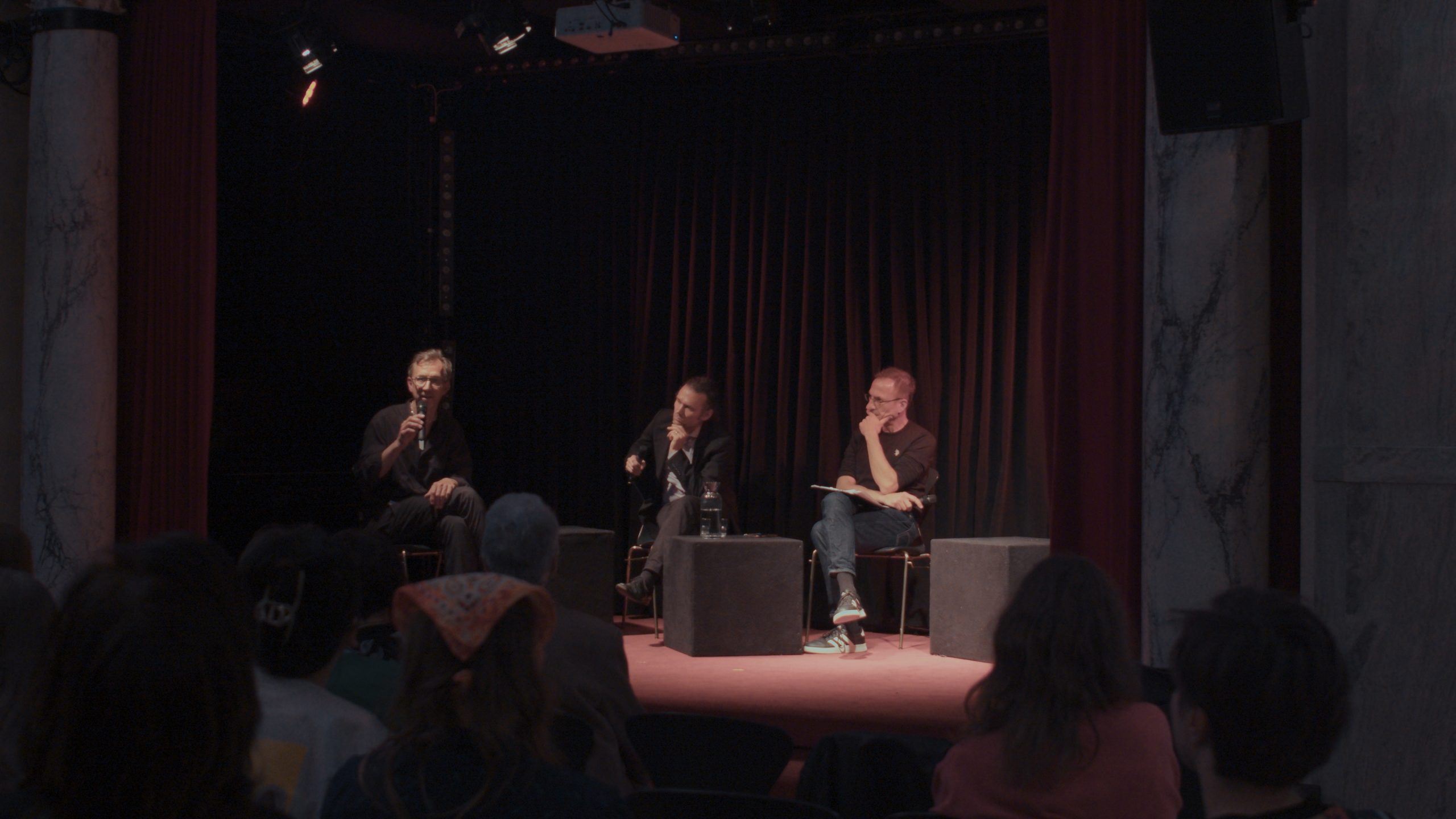
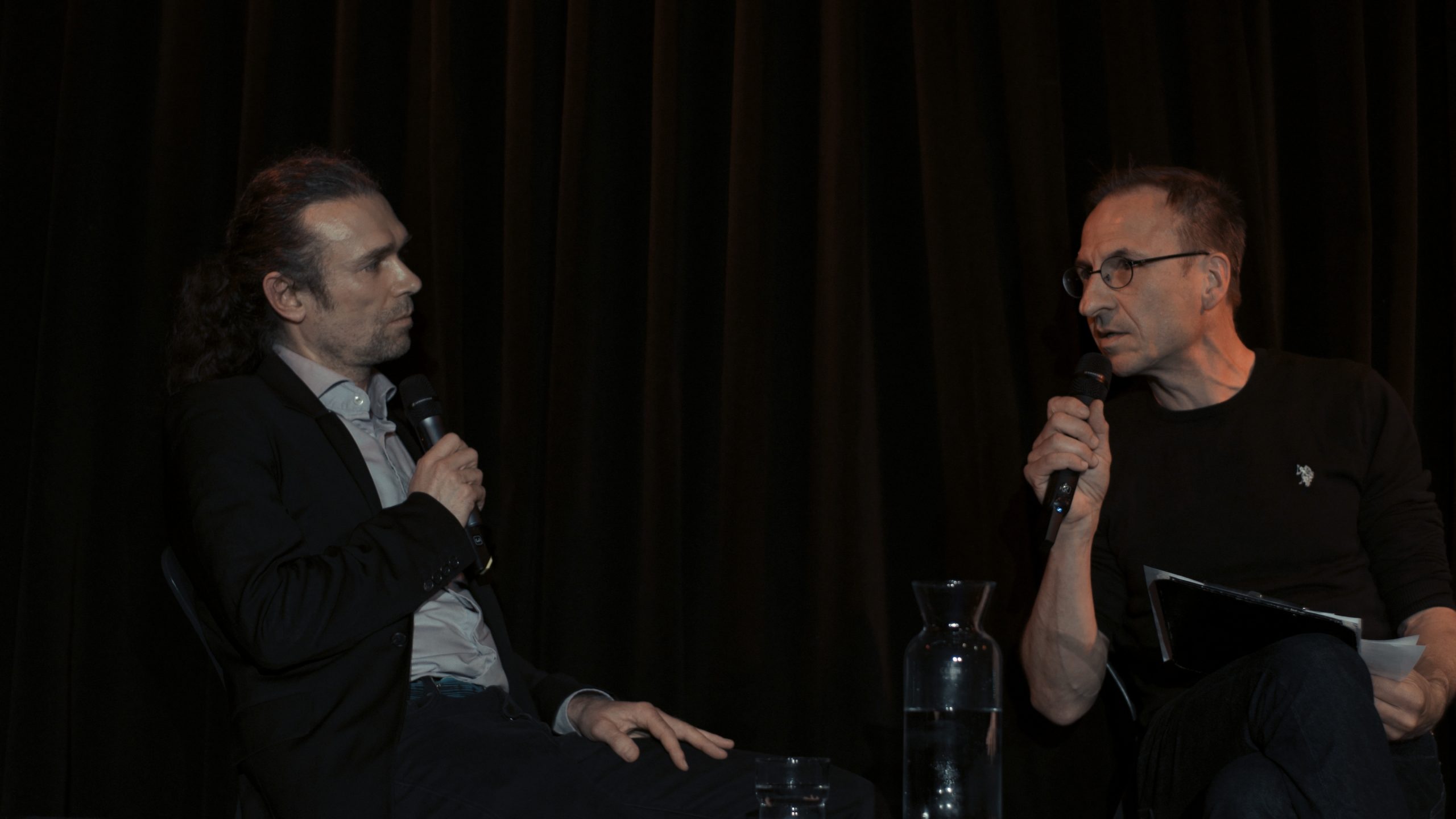
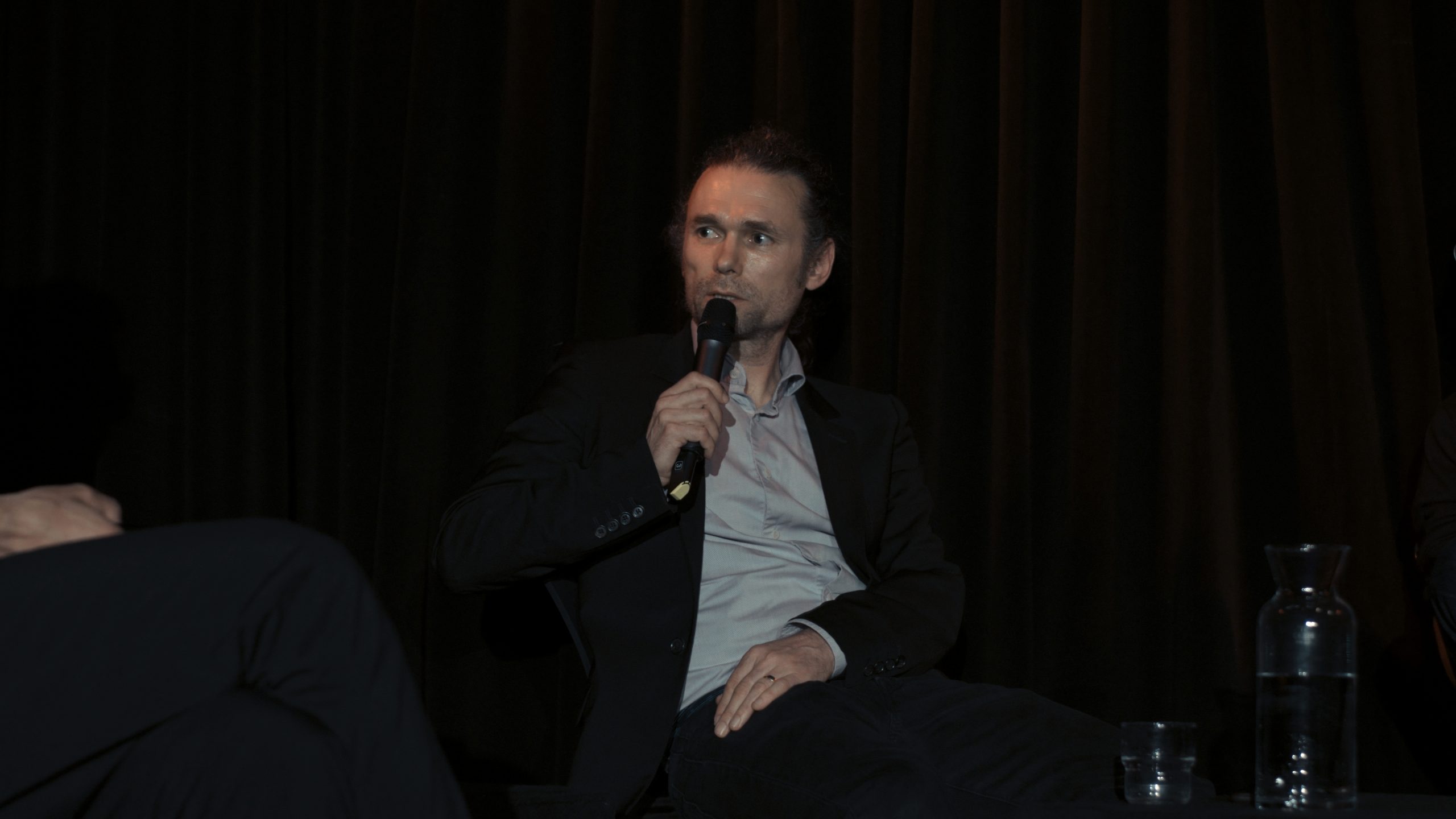
The lecture will be held in German. Entrance is free but please reserve your seat at volkstheater.at/spielplan/
Lecture Series Theme: Verfügbarkeit/Availability
Lecture Series Description: Als ökonomisches und politisches Problem betrifft ›Verfügbarkeit‹ heute nicht mehr nur die Bereitstellung basaler Ressourcen im Sinne von Gesundheit, Bildung oder Ernährung. Die Verfügbarmachung von allem und jedem scheint zur Leitlinie des Regierens geworden. Denn als entscheidend gilt nunmehr der ungehinderte Zugriff auf Rohstoffe, die prompte Lieferung von Waren, die bequeme Erreichbarkeit von Orten, die dauernde Zugänglichkeit von Information – und die Disposition über Personen, über ihre Arbeitskraft ebenso wie ihre Wünsche.
Doch ist es nicht gerade Unverfügbarkeit, an der sich Autonomie, vor allem aber das Politische zu bewähren hat? Und das Nicht-Disponible, worauf letztlich die Wertbildung und vor allem das Wünschen zielt? Die Vienna Mosse Lectures erkunden im Sommer 2026 die Frage der (Un-)Verfügbarkeit mit Blick auf unterschiedlichste Schauplätze: auf das umkämpfte Feld der Prostitution und Sexarbeit; auf die Arena politischer Teilhabe in der heutigen ›Plattform-Demokratie‹; auf die Sphäre einer Kunst, die sich zusehends autoritärer Zugriffe zu erwehren hat; und auf jene fiktionale Wirklichkeit, die zur Domäne künstlicher Intelligenz zu werden droht.
Burkhardt Wolf is a Professor of Modern German Literature (with a special focus on literary and media theory) at the University of Vienna. He is the principal applicant for the ongoing international WEAVE research project “Bureaugraphie: Administration After the Age of Bureaucracy.” His research focuses on the history of discourse on violence, economics, and governmentality; the poetics of knowledge of affect; the cultural and media history of seafaring, and the cultural techniques and literary history of administration. In addition to positions at Humboldt University in Berlin and a multi-year Heisenberg Fellowship from the DFG, his academic career has included visiting professorships in Berlin, Munich, Santa Barbara, Bloomington, Beijing, and Berkeley.
Benjamin Steininger‘s main research fields are the history and theory of industrial catalysis, history and theory of fossil resources, the project of a “chemical cultural theory”, and a “critique of fossil reason.” These interests follow a long-standing agenda on the cultural history of acceleration and energy use, on the industrial history and theory of the materials in modernity and in the Anthropocene. Concrete materials interpreted in his work are apart from catalysts the products of chemical industries: fuels, fertilizers, ammunition, refined fossil raw materials, building materials. Crucial are furthermore the respective process landscapes and the transformation of chemical science and industry itsel – into and out of the fossil system. Despite existing “material turns” in the humanities, the role of materials and of chemical technologies for the process of history in modernity and Anthropocene is still not enough reflected. To investigate the role of chemical catalysis provides some of the most important insights into the technicality of materials and the respective impact on the historical and geohistorical process in the Anthropocene.
The long-standing agenda was and is pursued within a large network of cooperation partners, including partners from industry and technology, scientific institutions (TU-Berlin, HU-Berlin, University of Halle, Petrocultures Network etc.), cultural institutions (such as Kunstmuseum Wolfsburg, Goethe-Institutes in Baku, Minsk, Novosibirsk, Oslo, Rotterdam, New York, Werkleitz Gesellschaft Halle, etc.). Some of the work in the last years was done in the collective “Beauty of Oil”. And together with Dr. Nona Schulte-Römer from HU-Berlin, Benjamin Steininger started to produce the podcast “Syntheziser – Listening to the Future of Chemistry”.
Alexander Klose is a cultural theorist and concept developer based in Berlin. His work focuses on the interplay between technologies of communication and transport and processes of social (re)formation. Between 2001 and 2009, he pursued an artistic and scientific research project on the principle of standardized containers and the rise of logistical thinking. Together with Bernd Hopfengärtner and Benjamin Steininger, Klose has been developing the speculative research project “Beauty of Oil.”