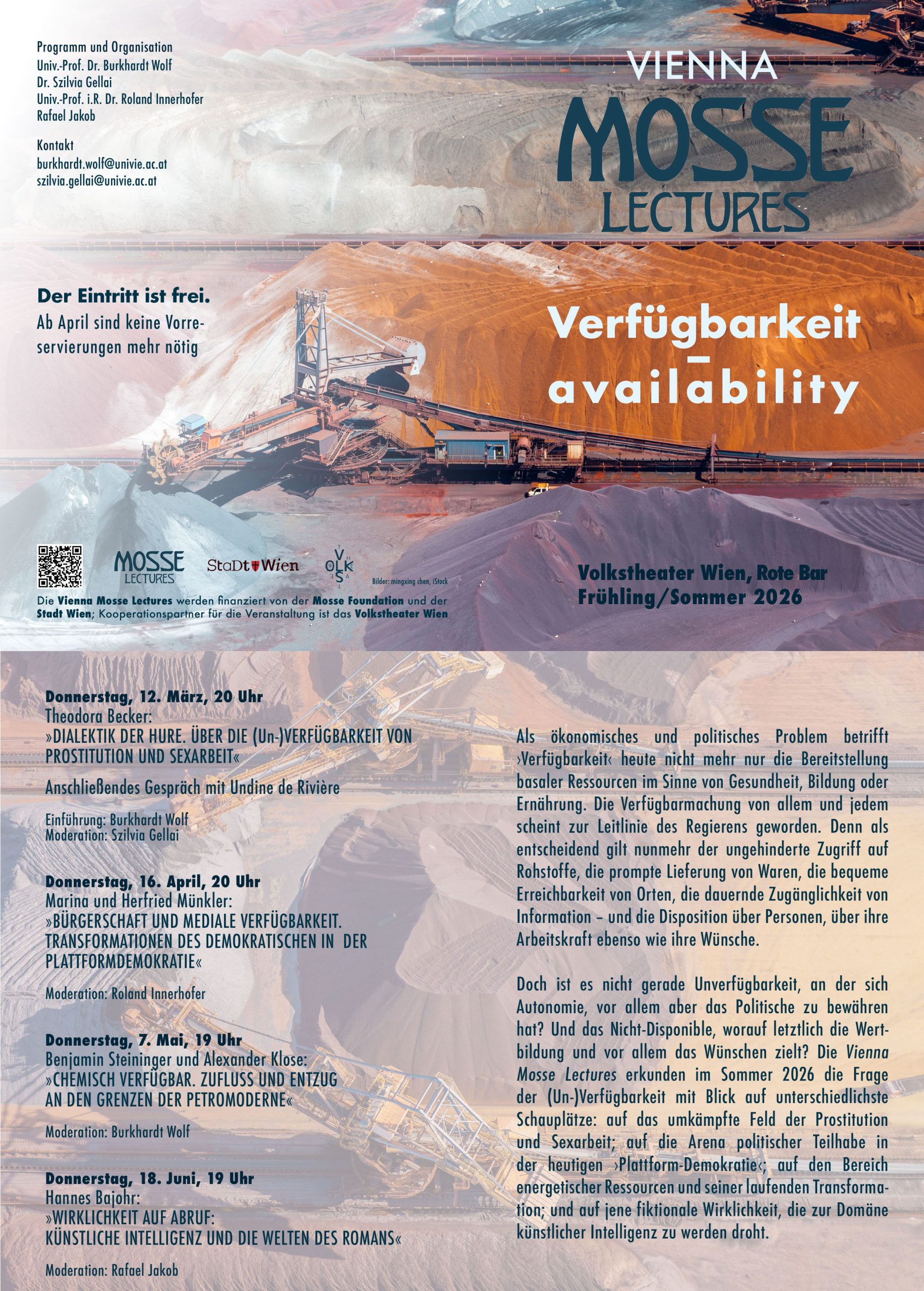
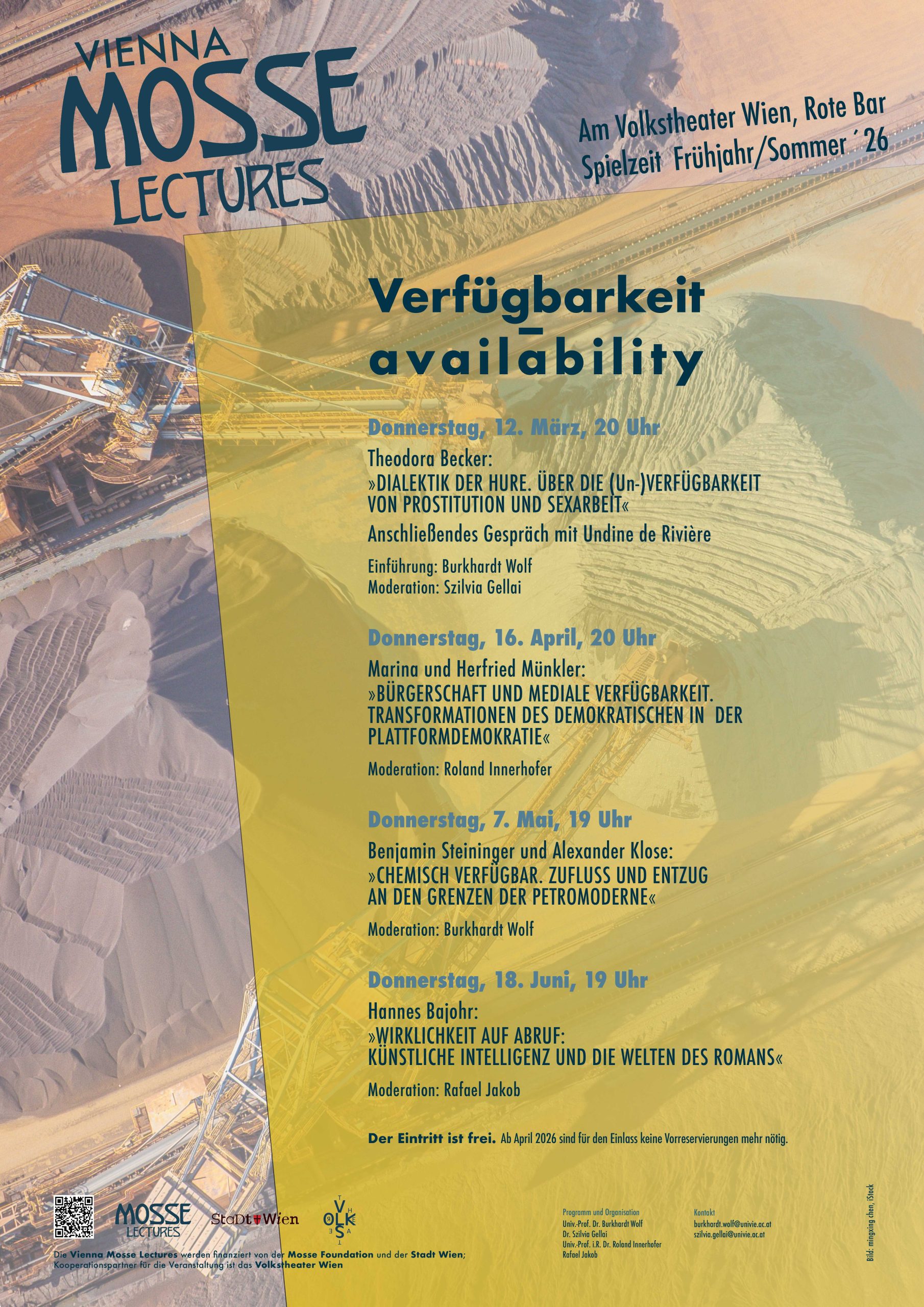
Marina and Herfried Münkler, “Bürgerschaft und Mediale Verfügbarkeit. Transformationen des Demokratischen in der Plattformdemokratie”/”Citizenship and Medial Availability. Transformations of the Democratic in the Platform-Democracy”
Vienna Mosse Lecture
16 April 20:00 CET
Red Bar
Volkstheater Wien
Arthur-Schnitzler-Platz 1
1070 Wien Austria
Welcome: Burkhardt Wolf
Moderator: Roland Innerhofer
Sponsored by:
Global Mosse Lecture Series
Volkstheater Wien
Stadt Wien
Universität Wien
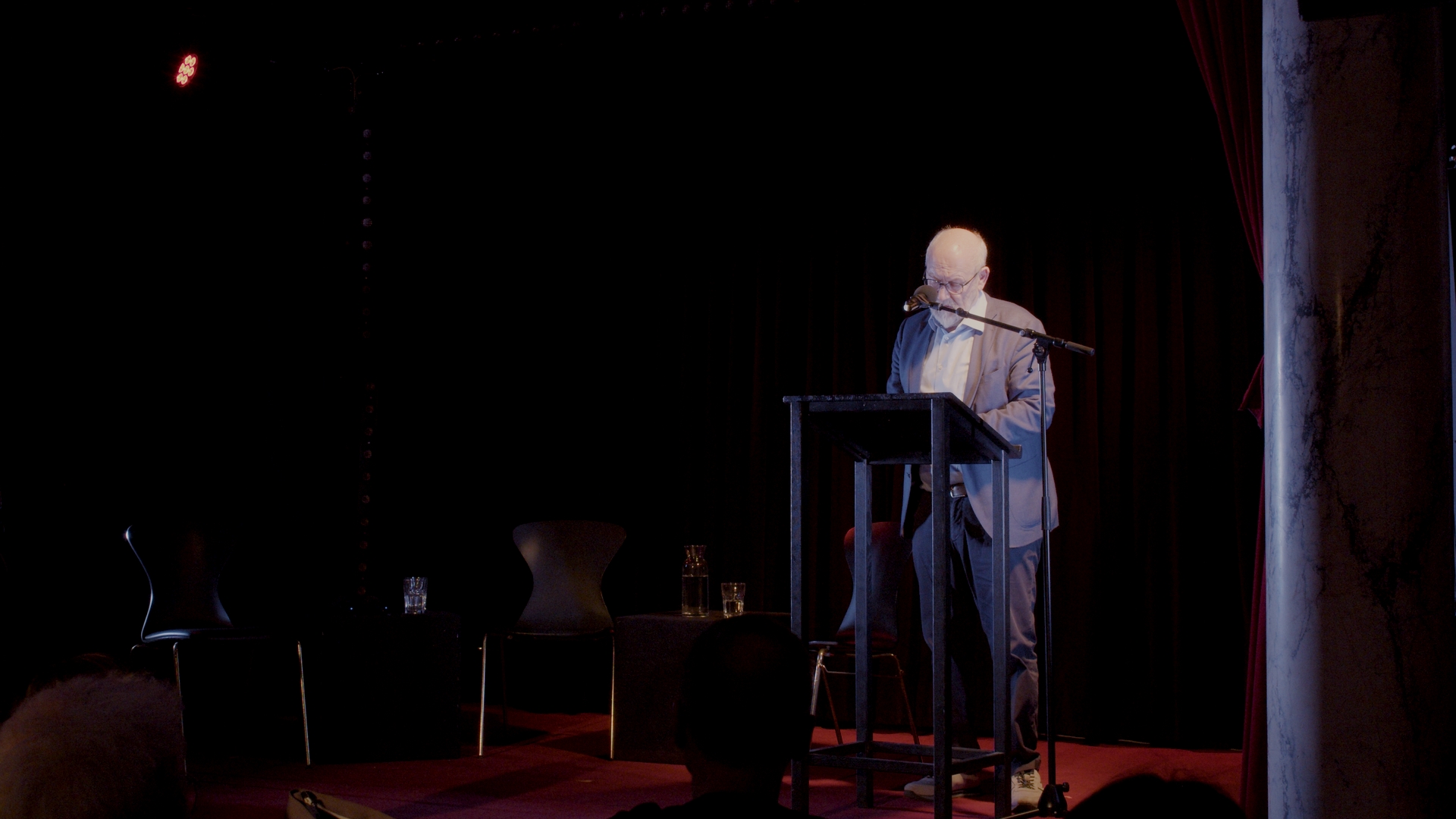
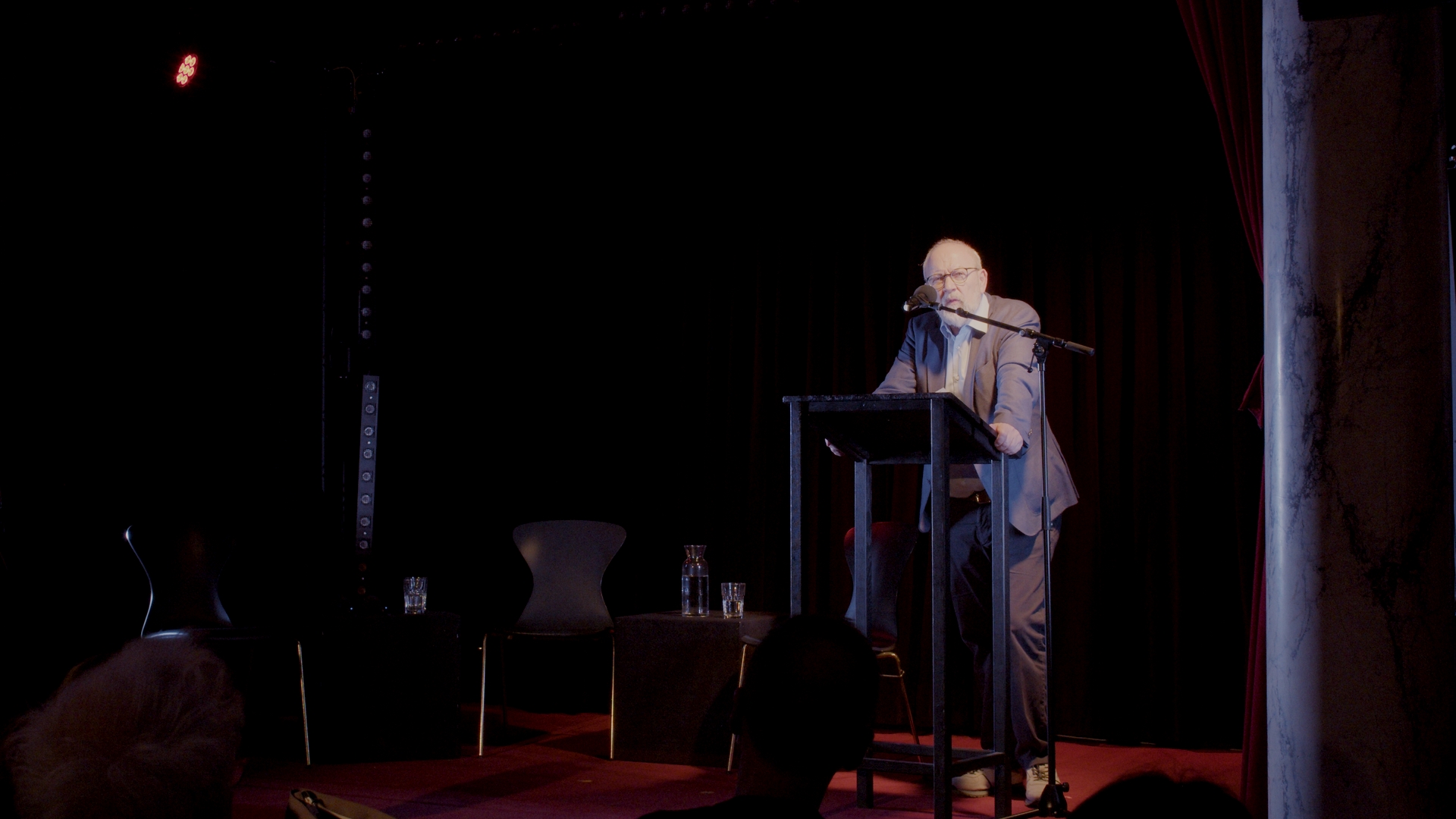
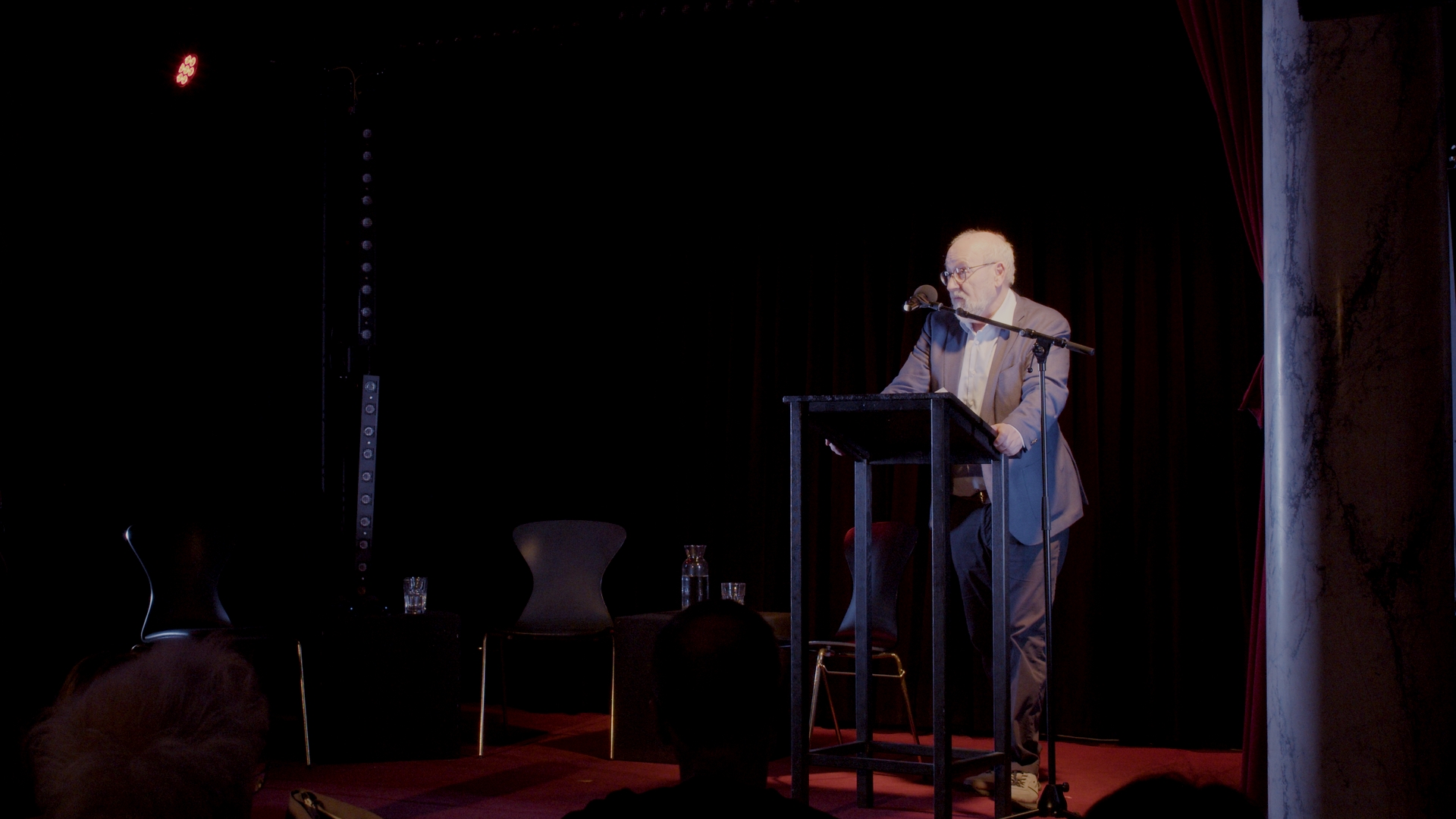
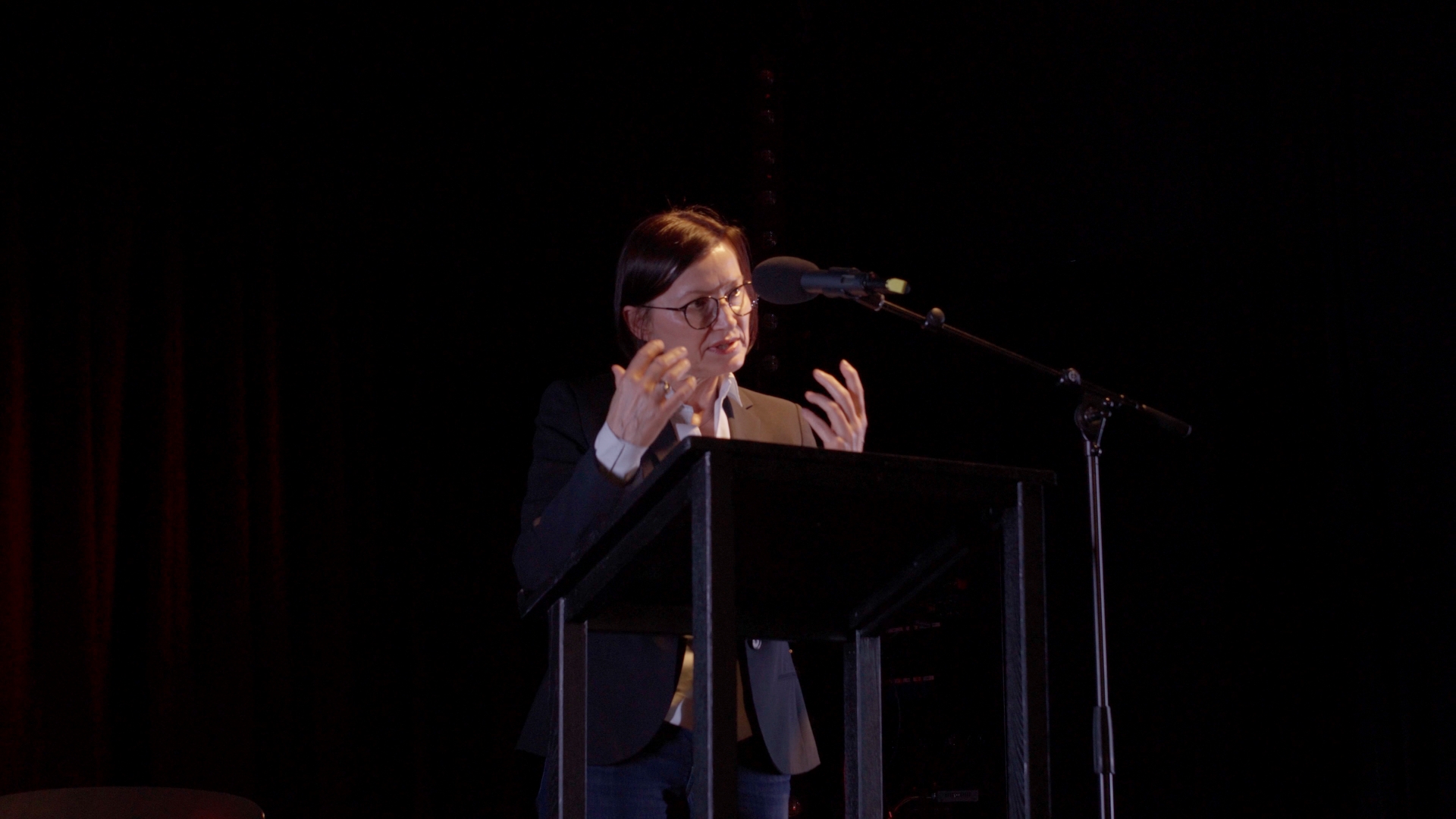
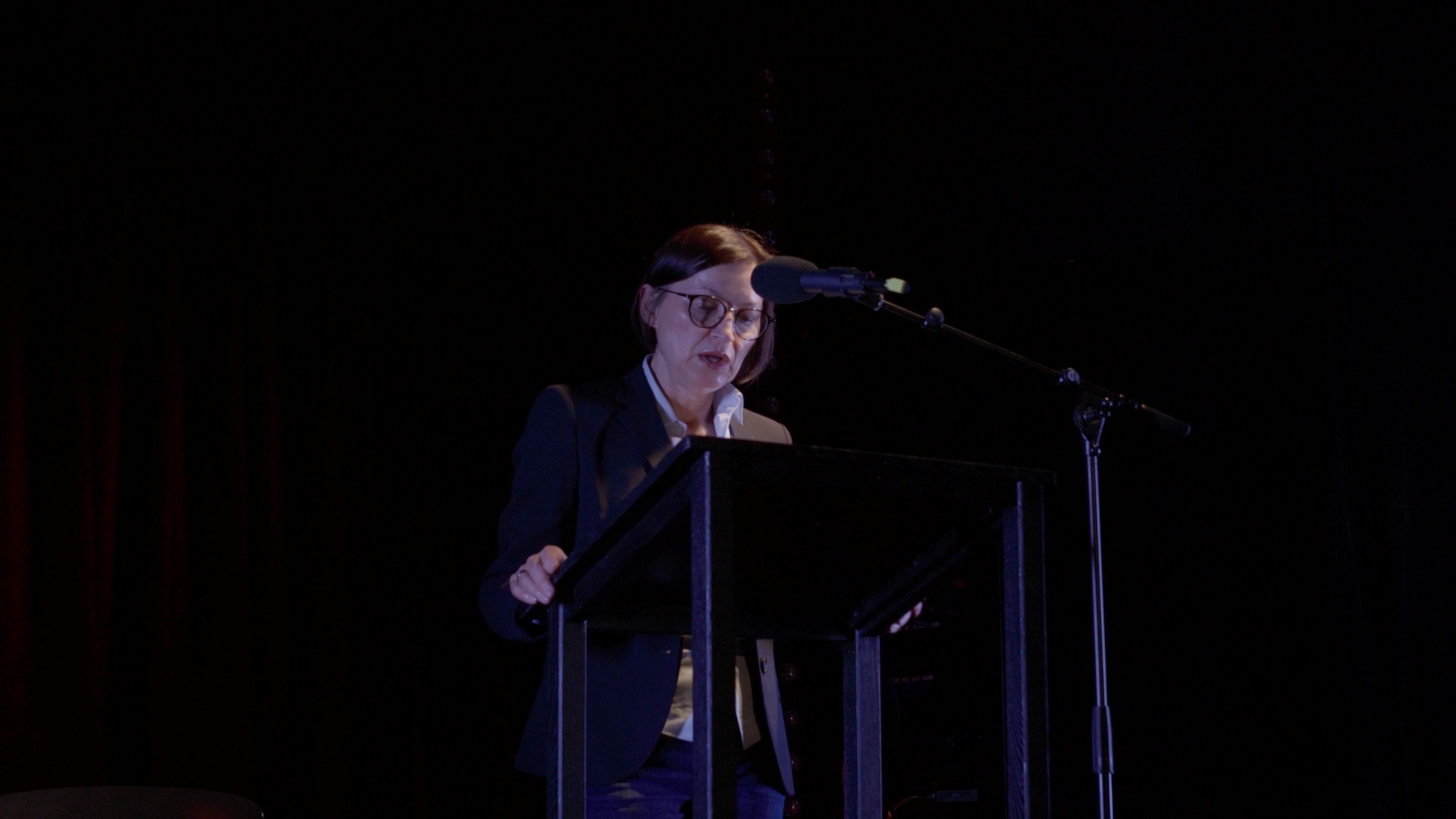
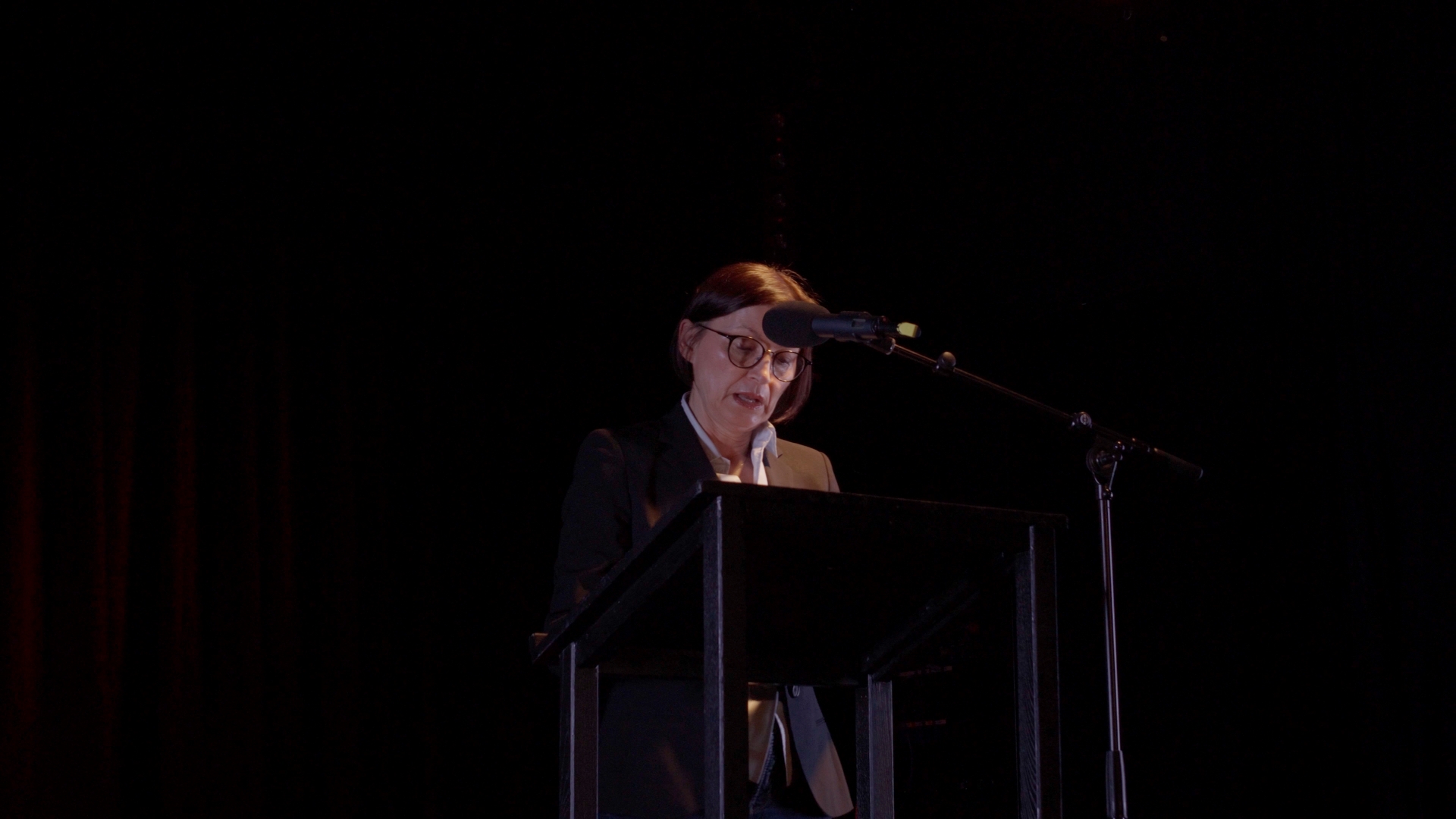
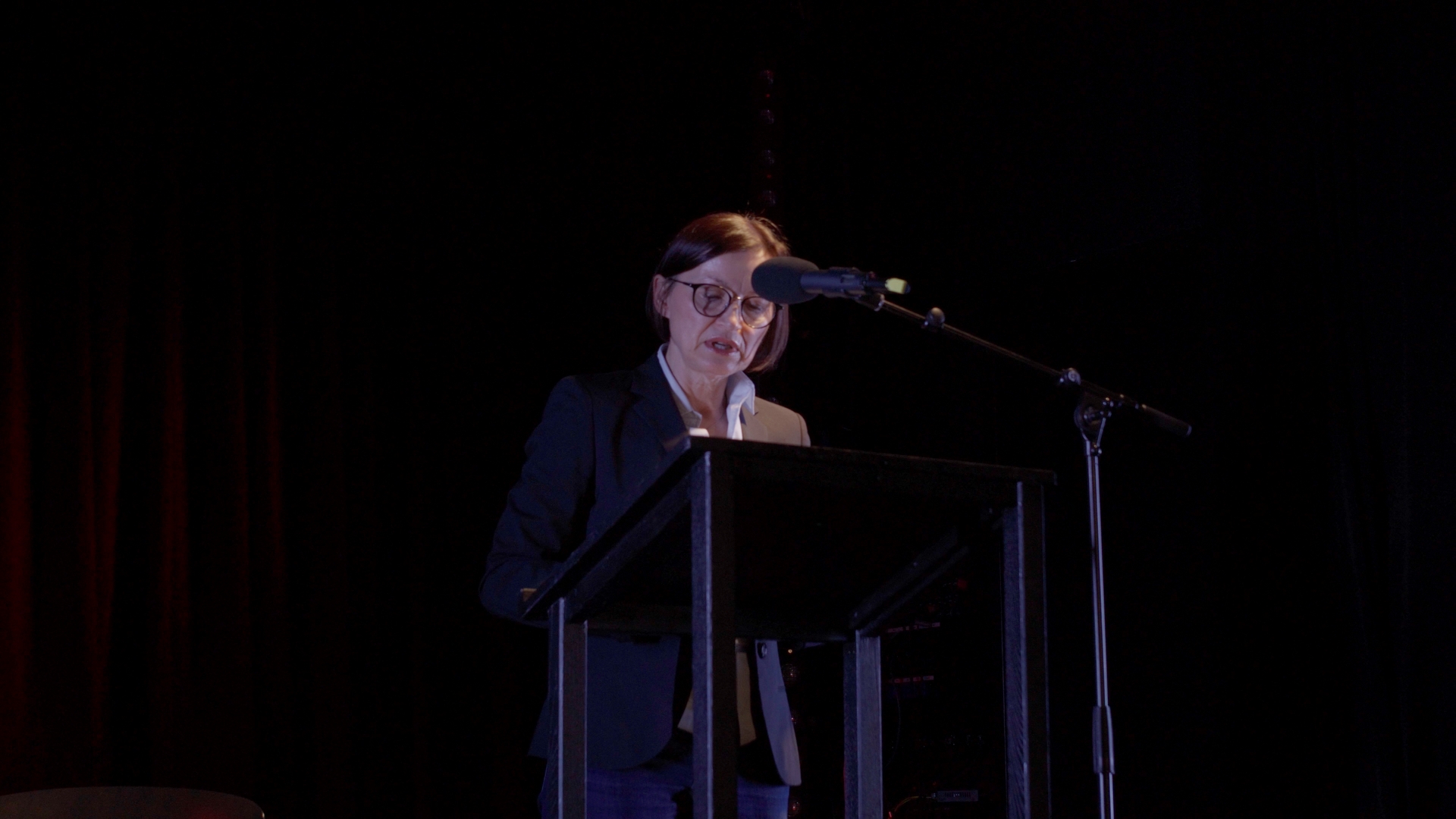
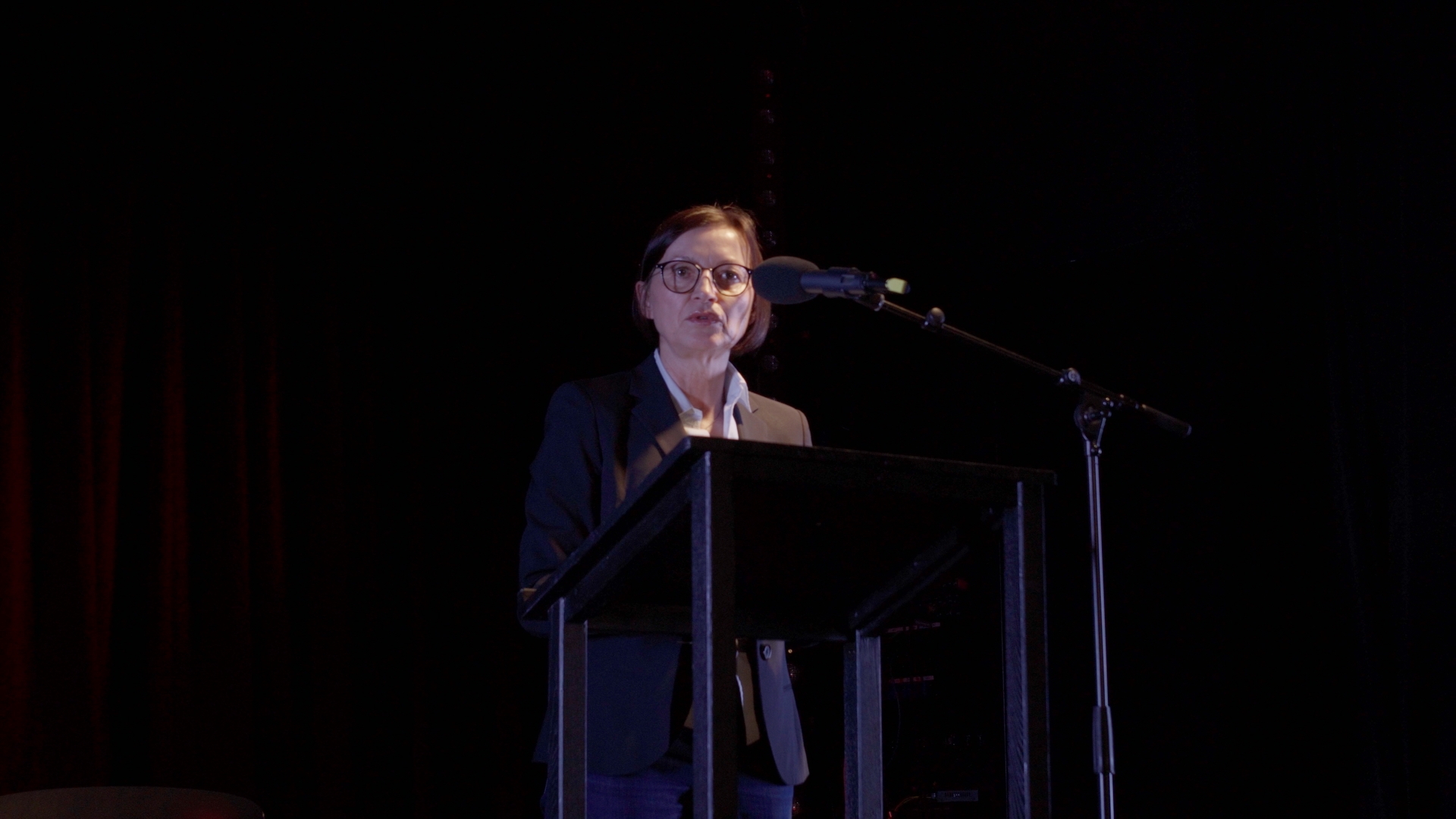
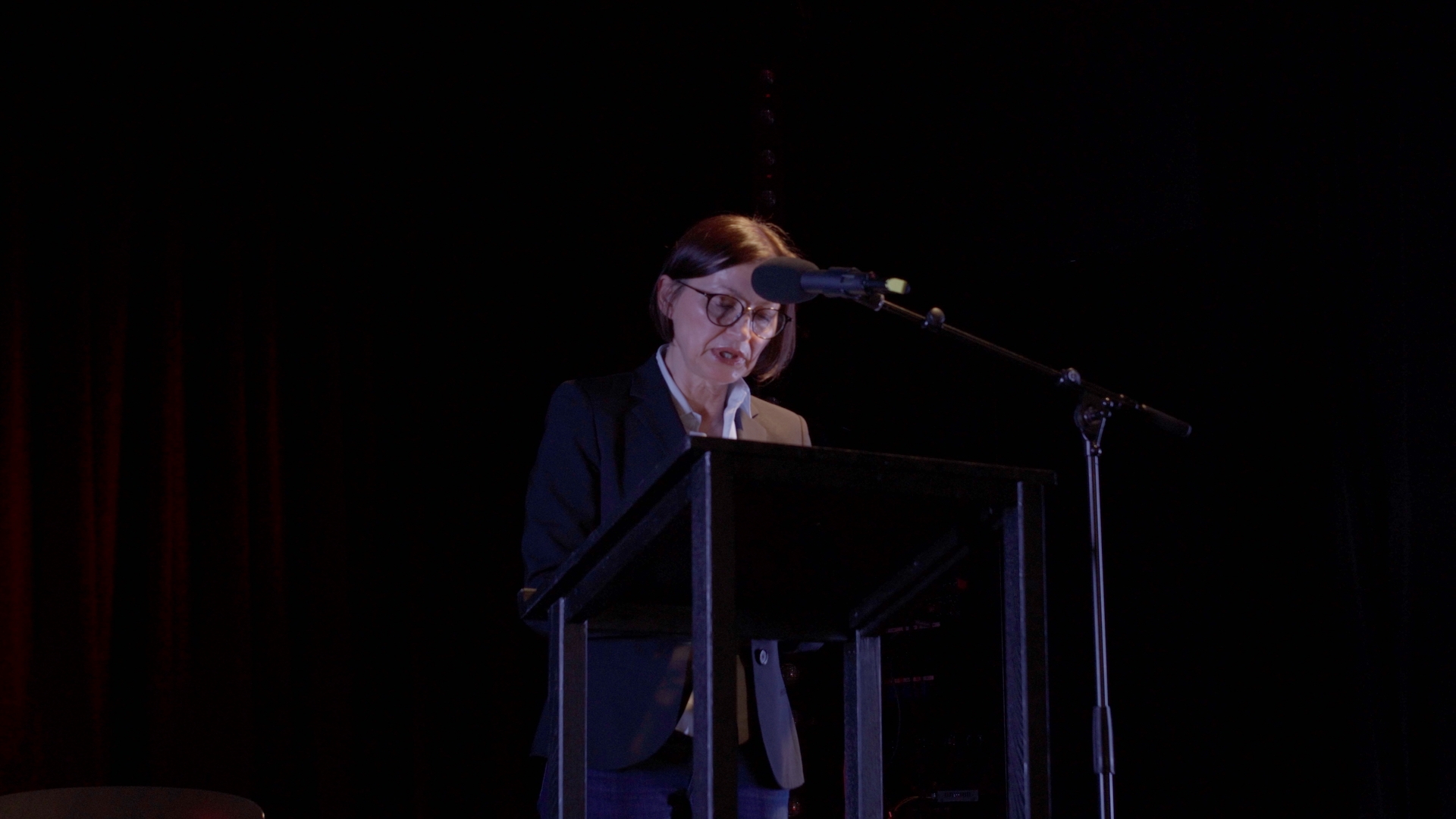
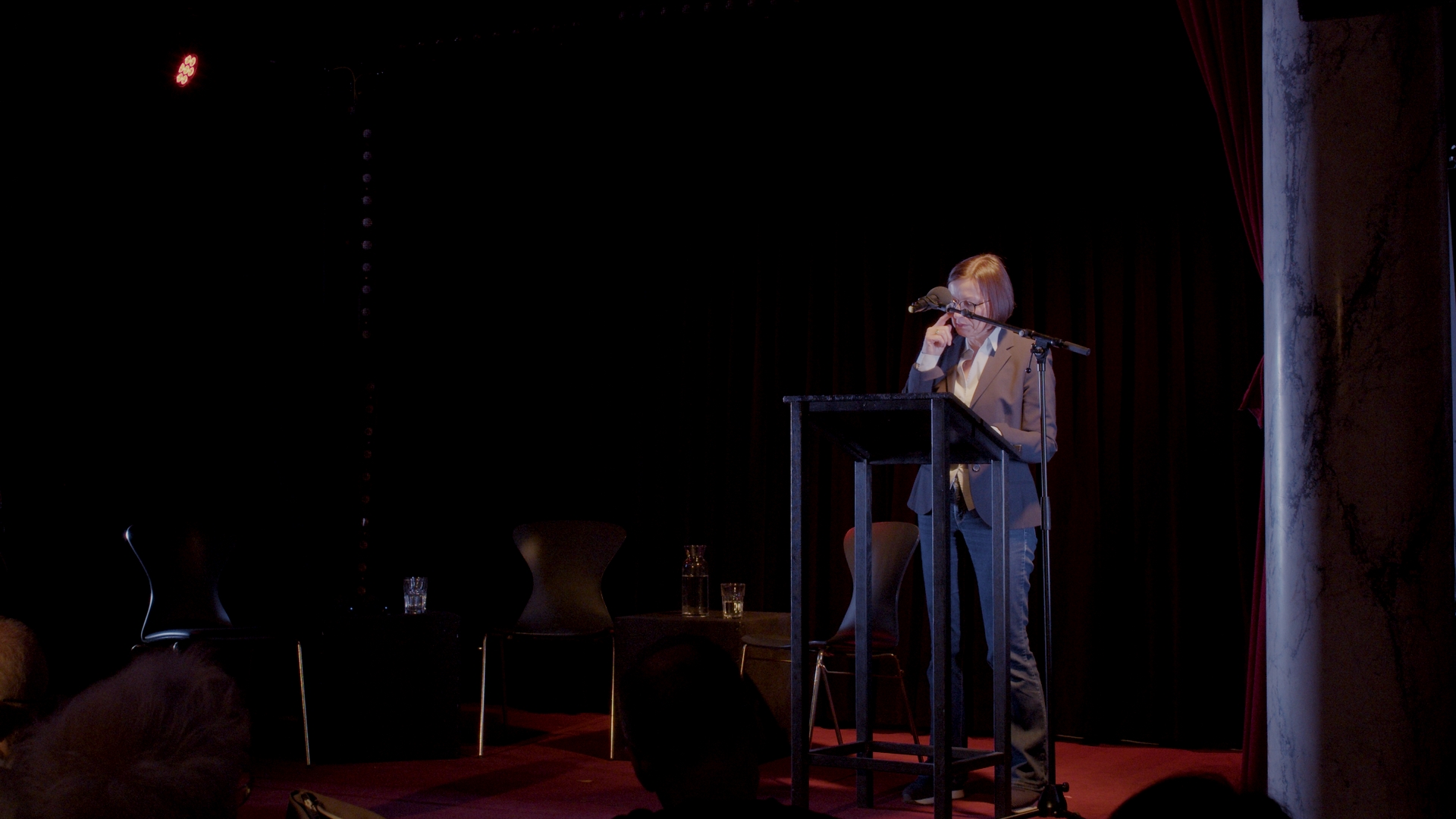
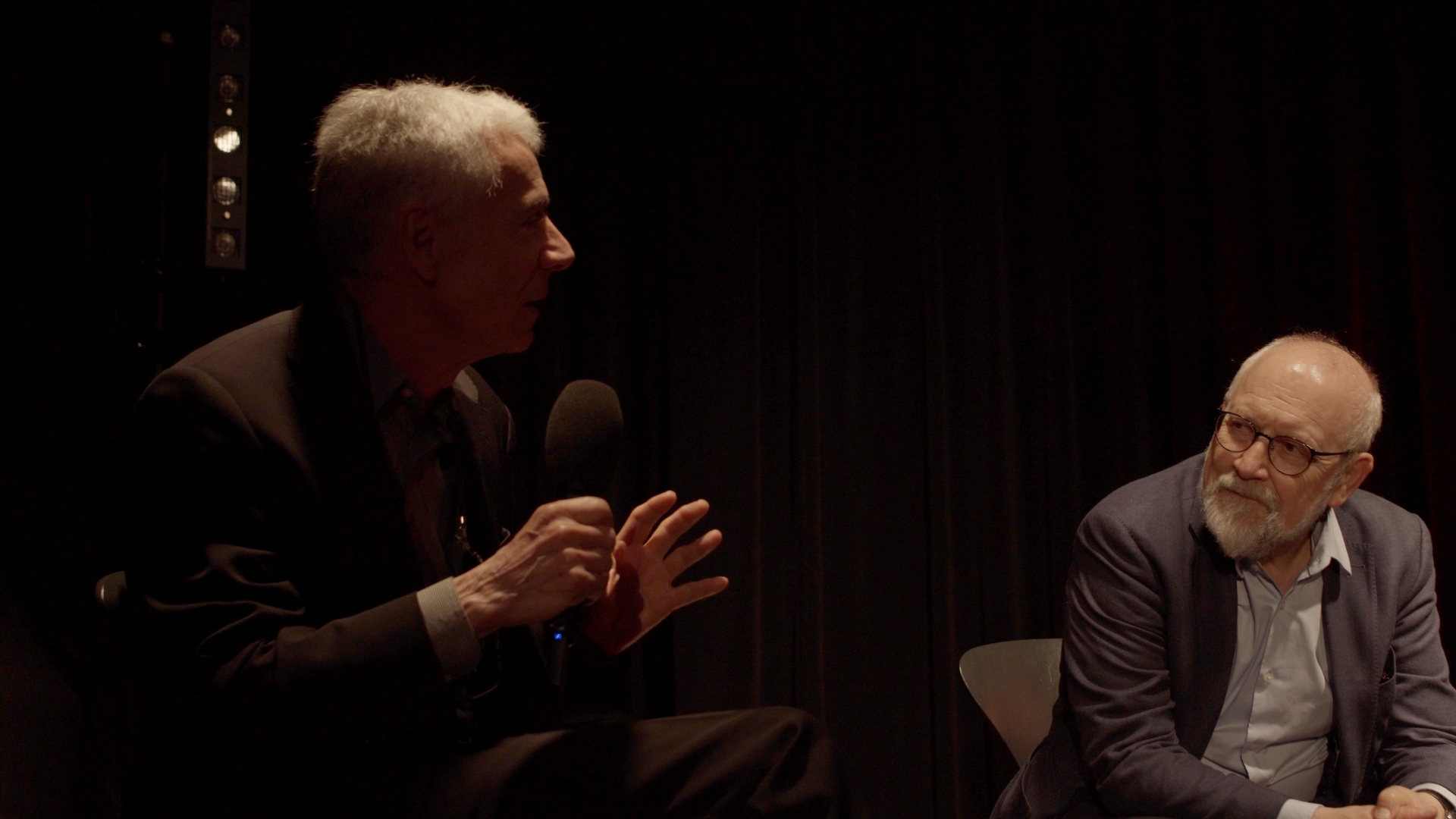
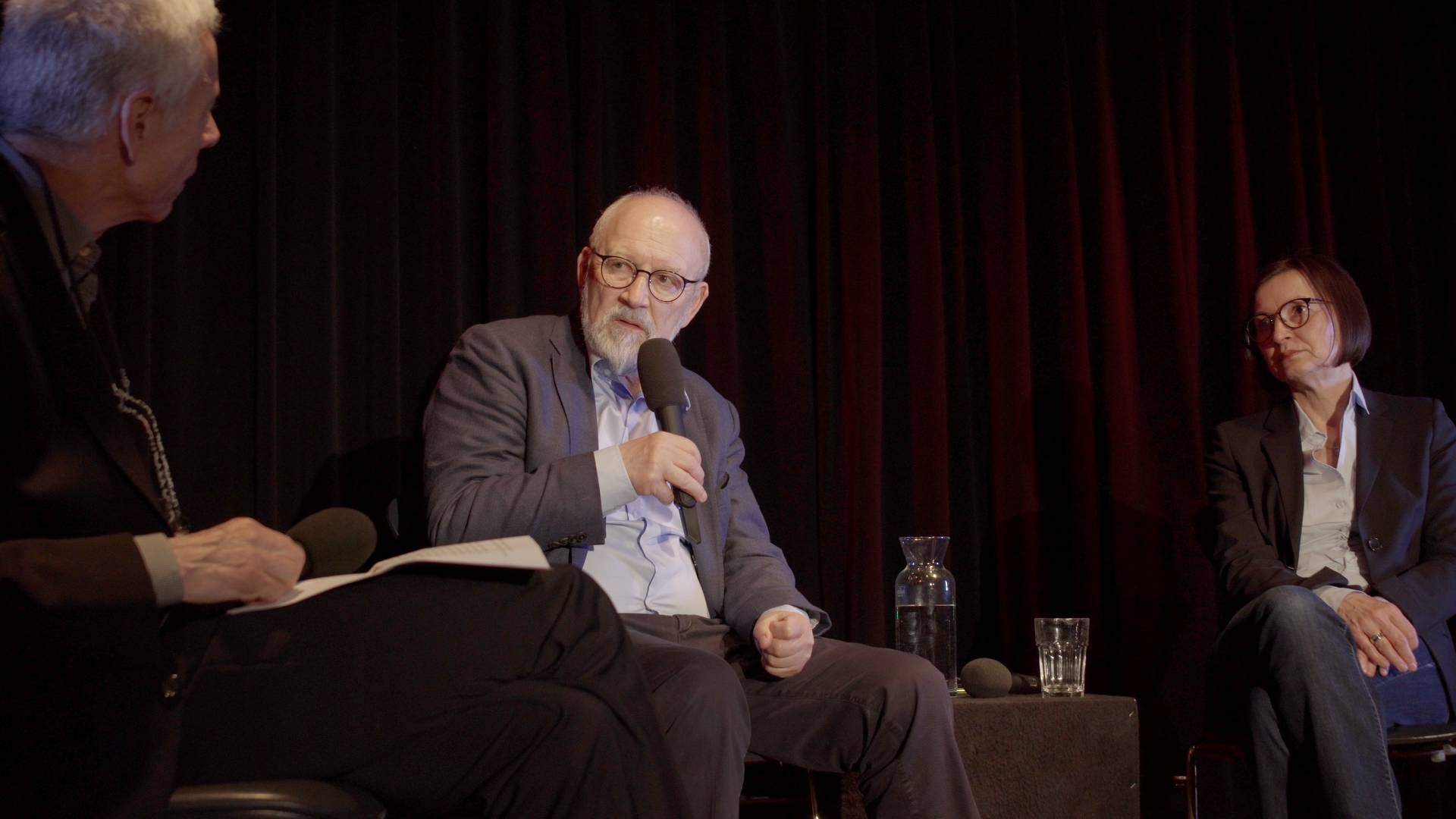
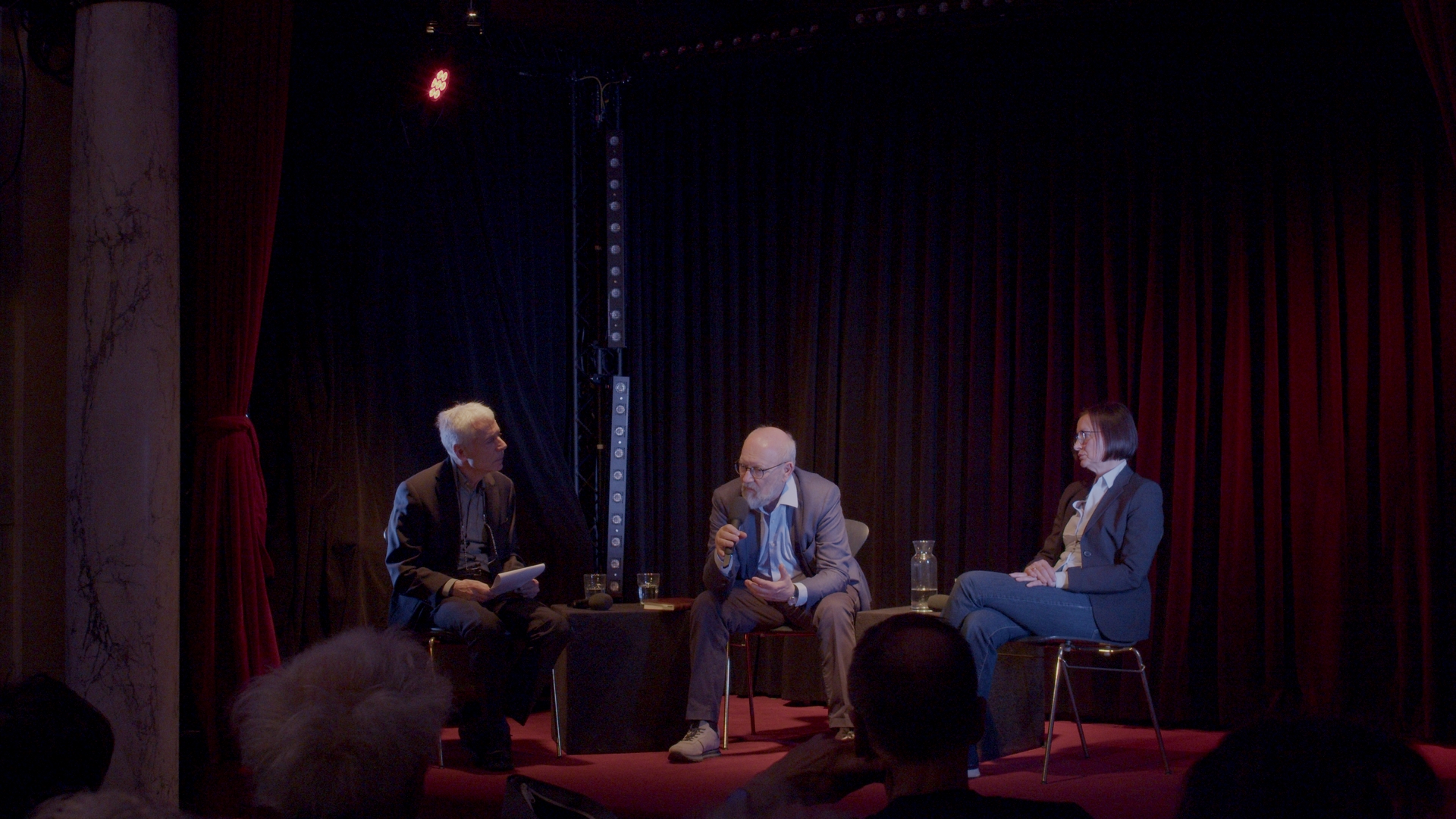
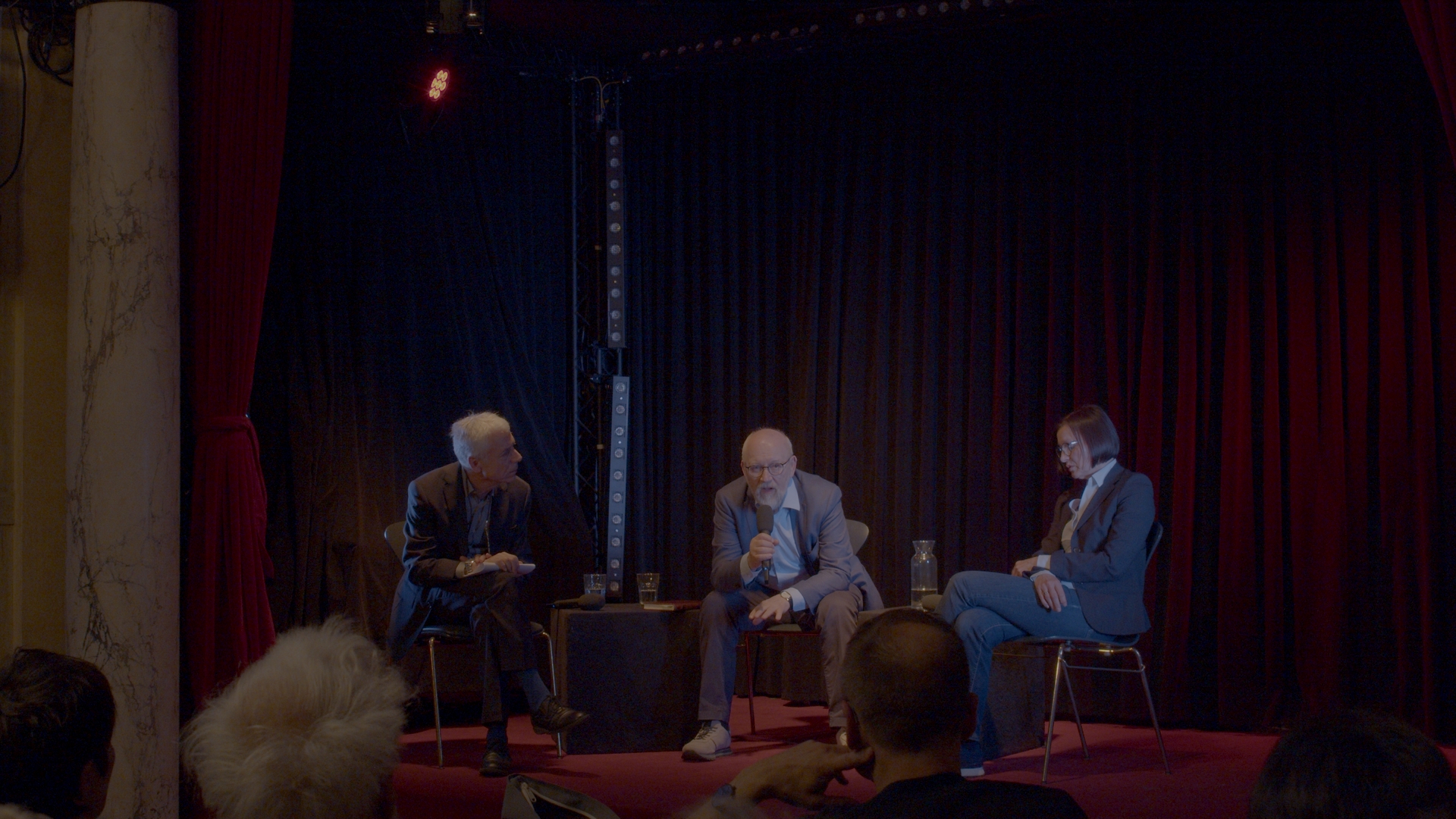
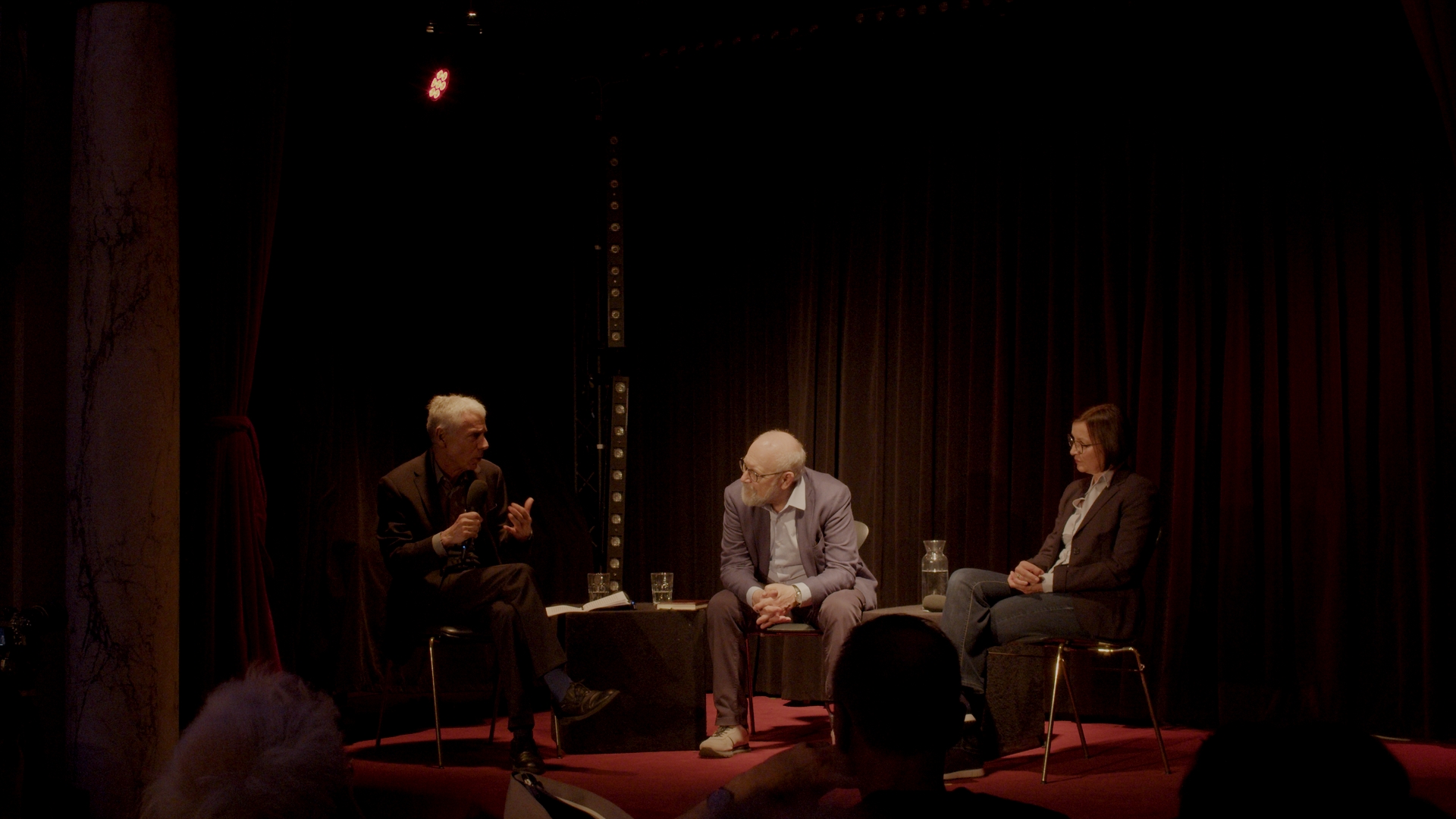
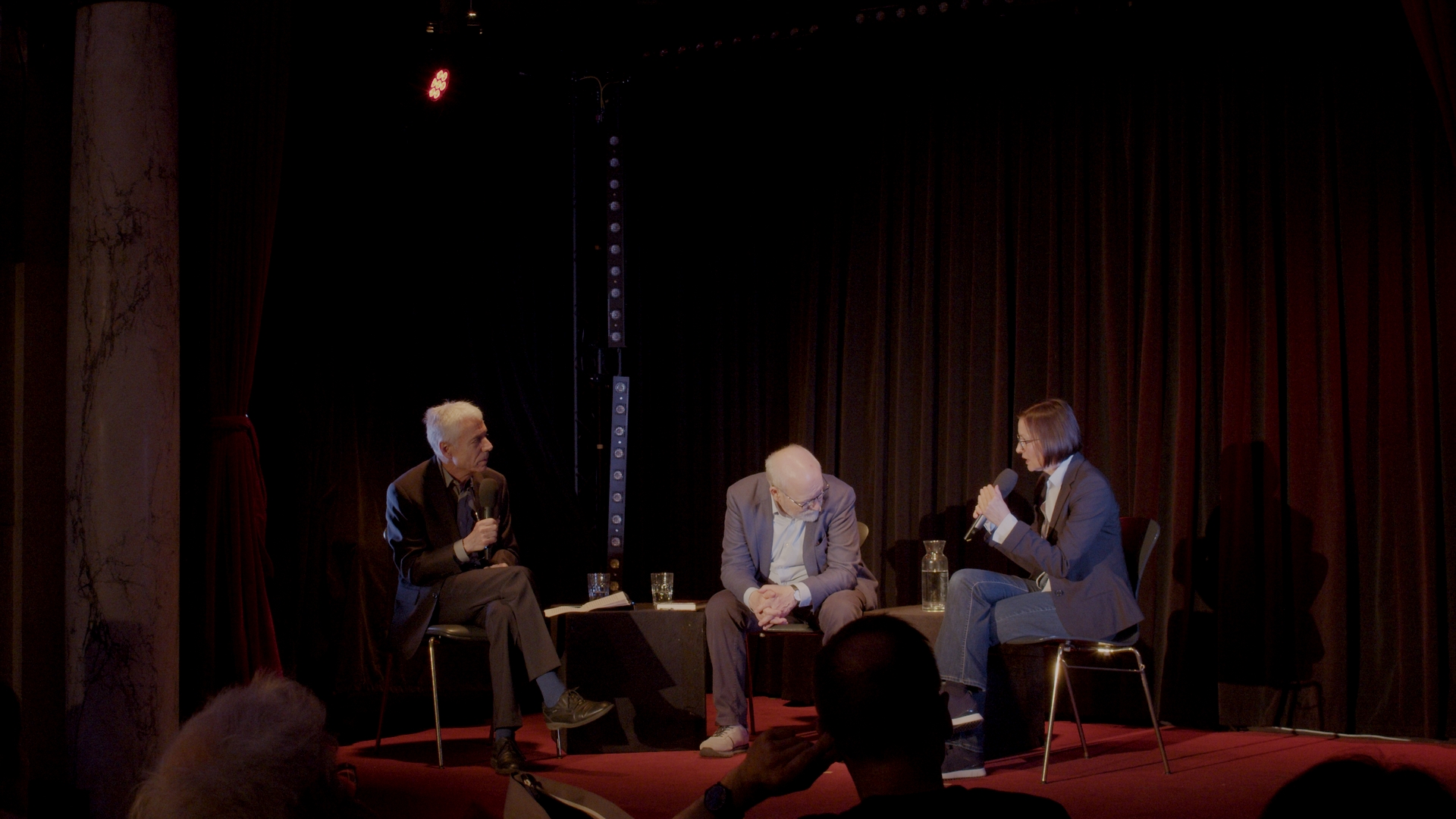
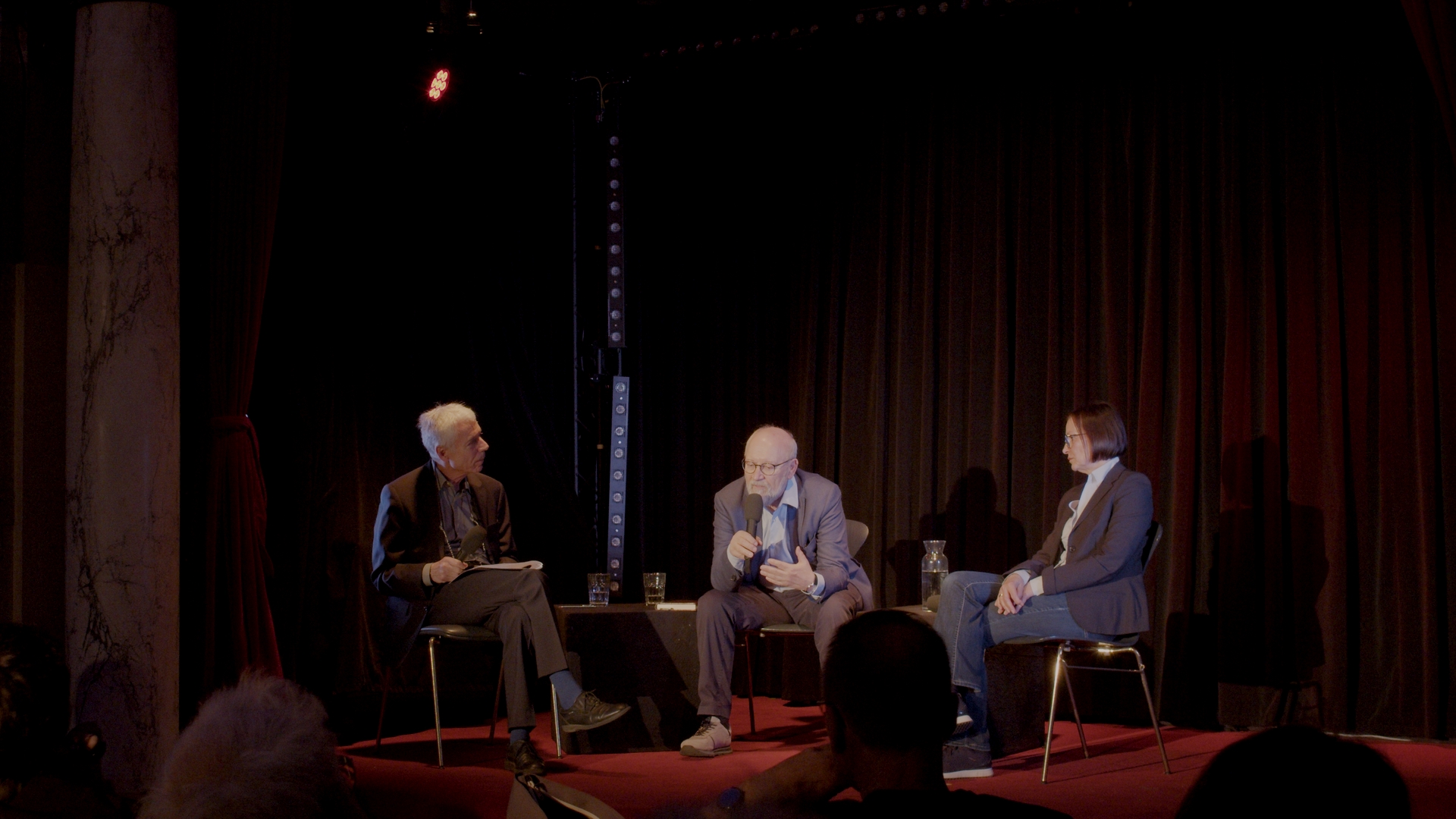
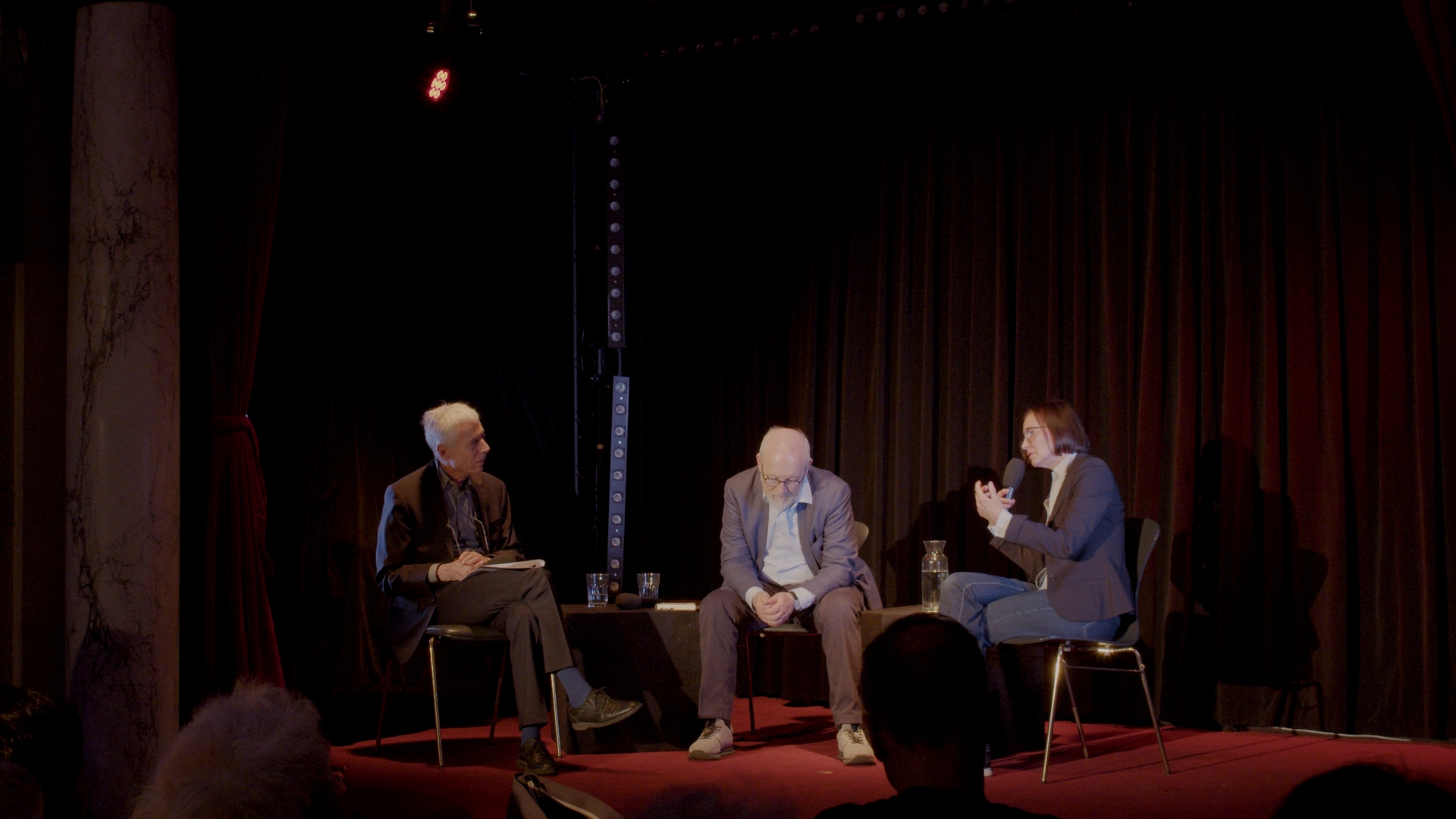
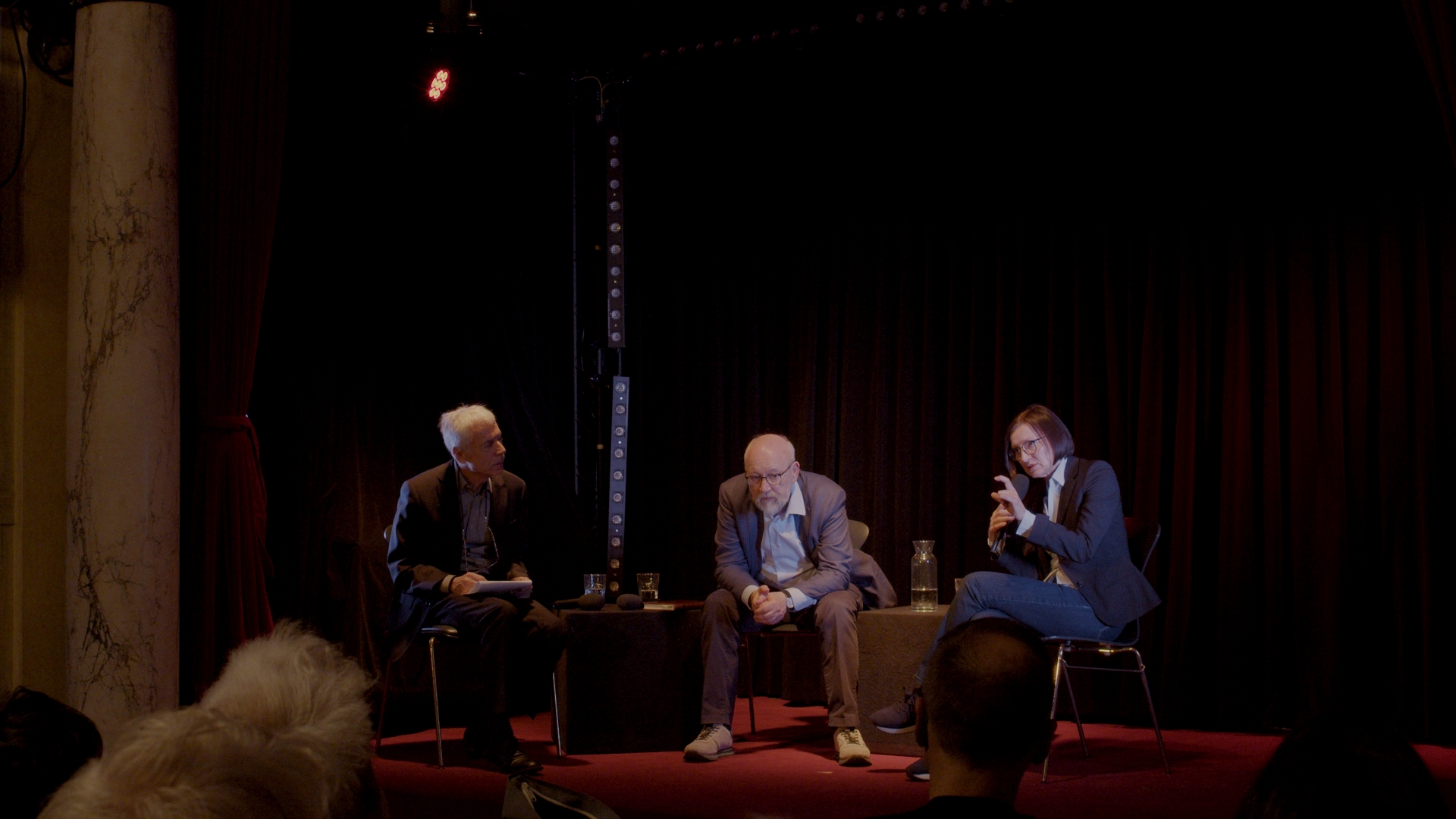
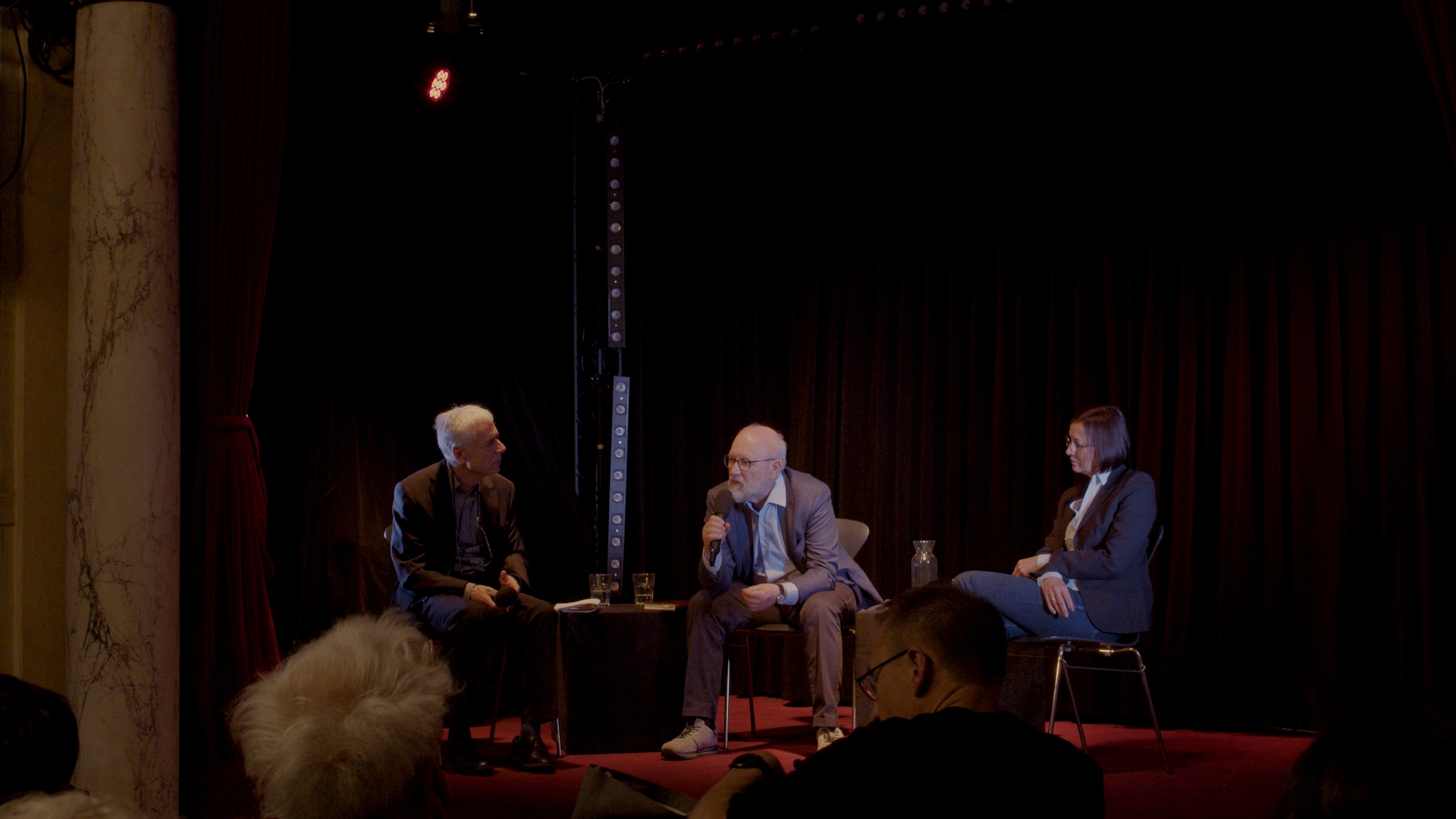
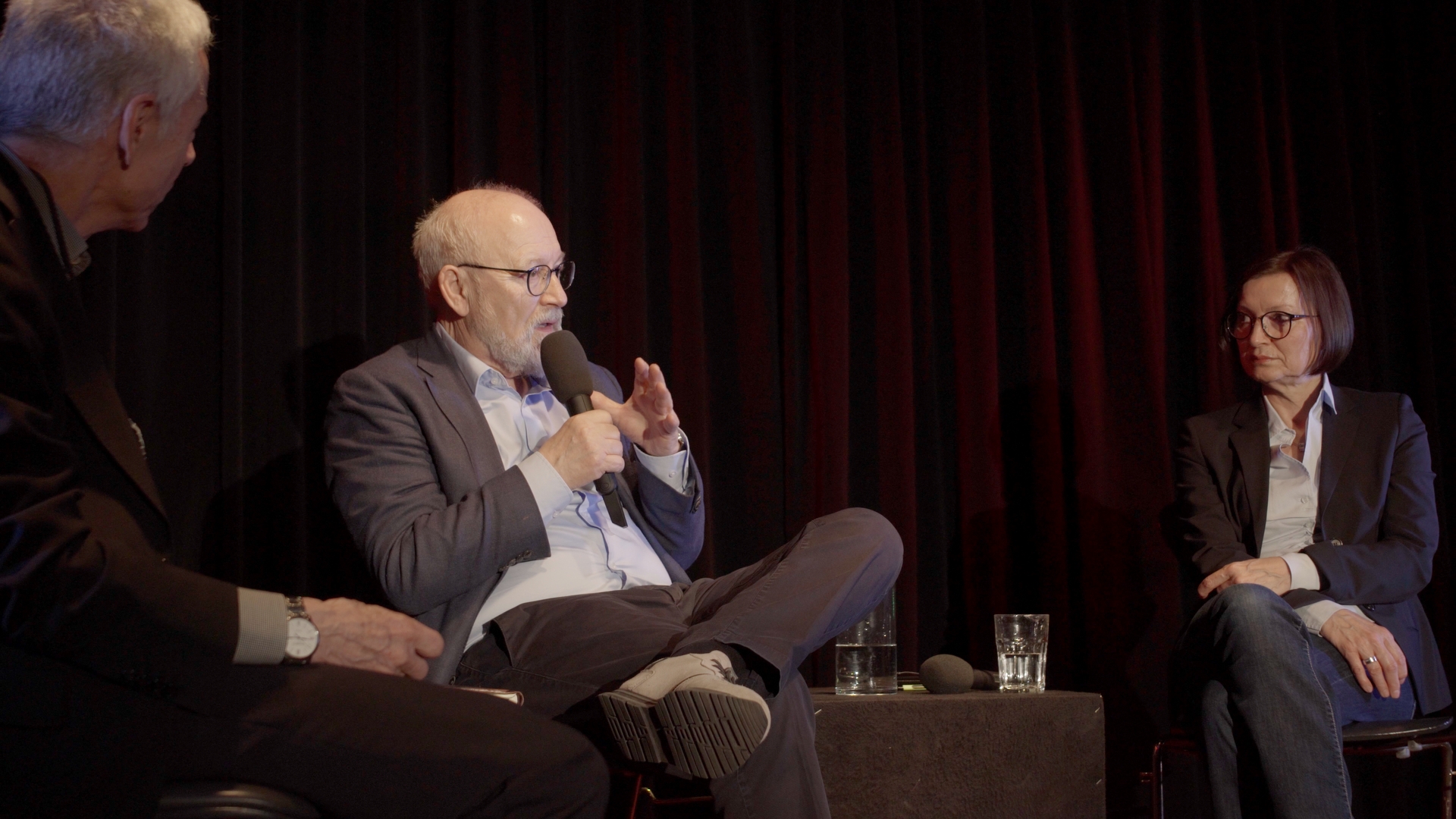
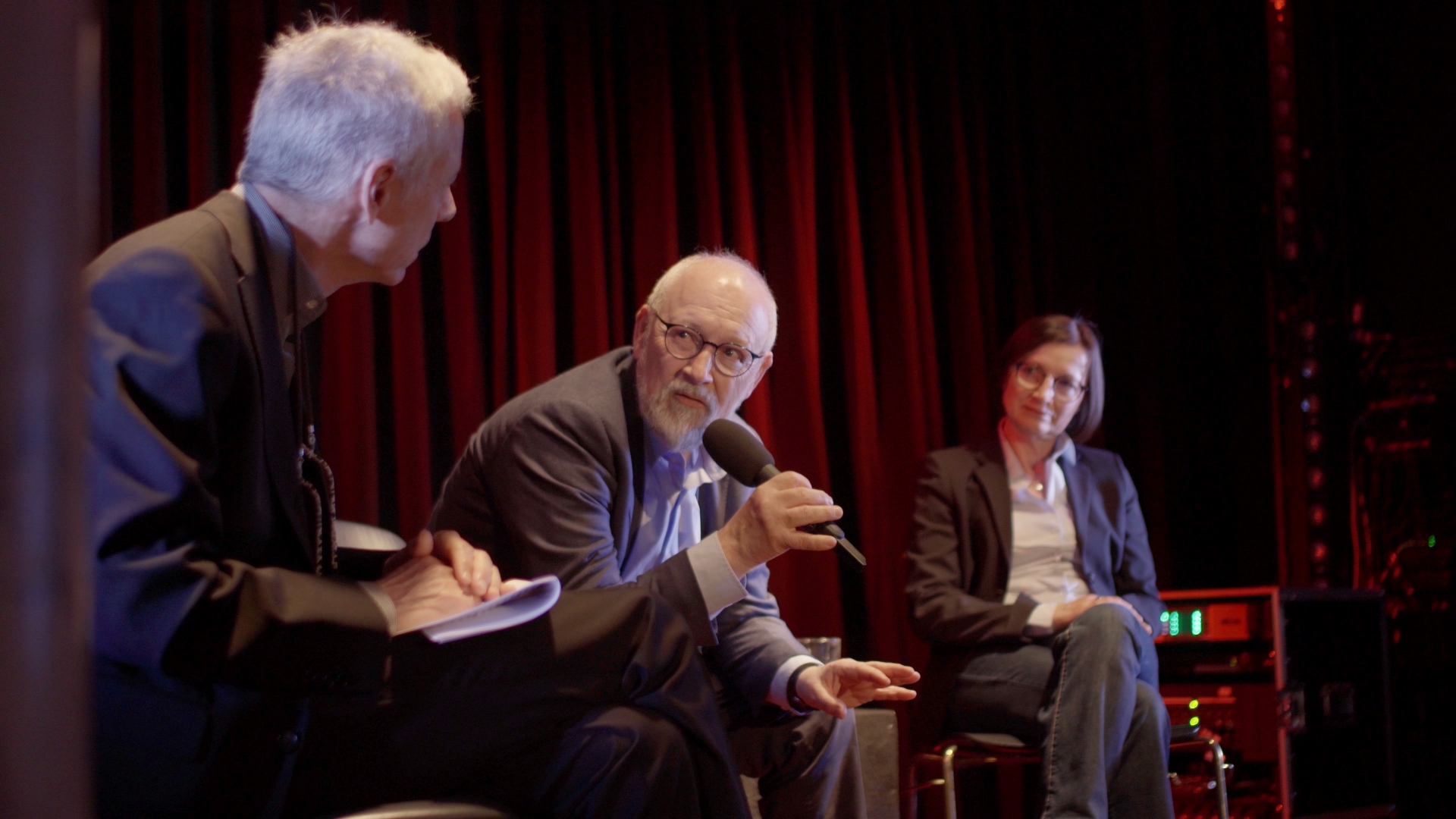
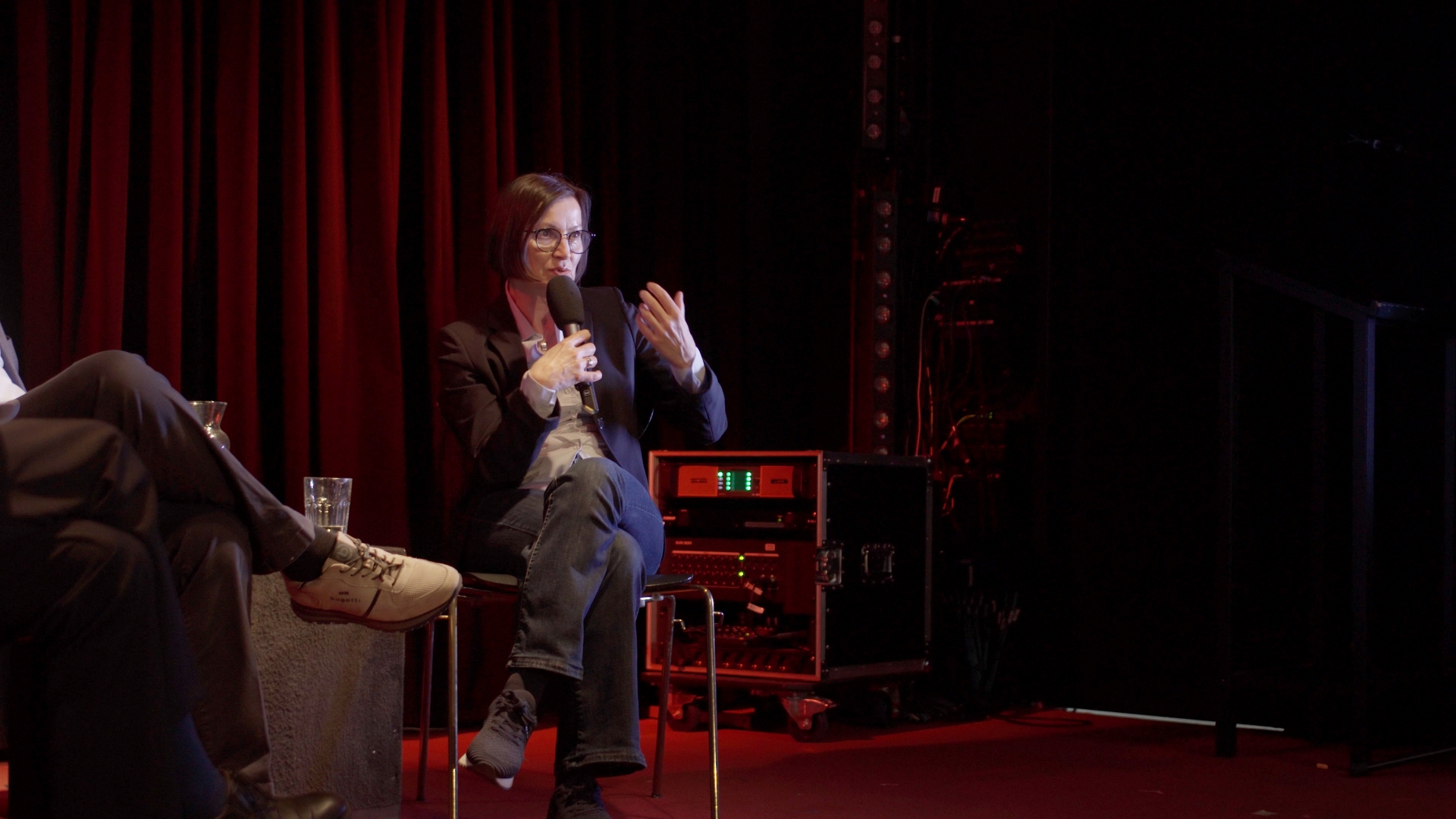
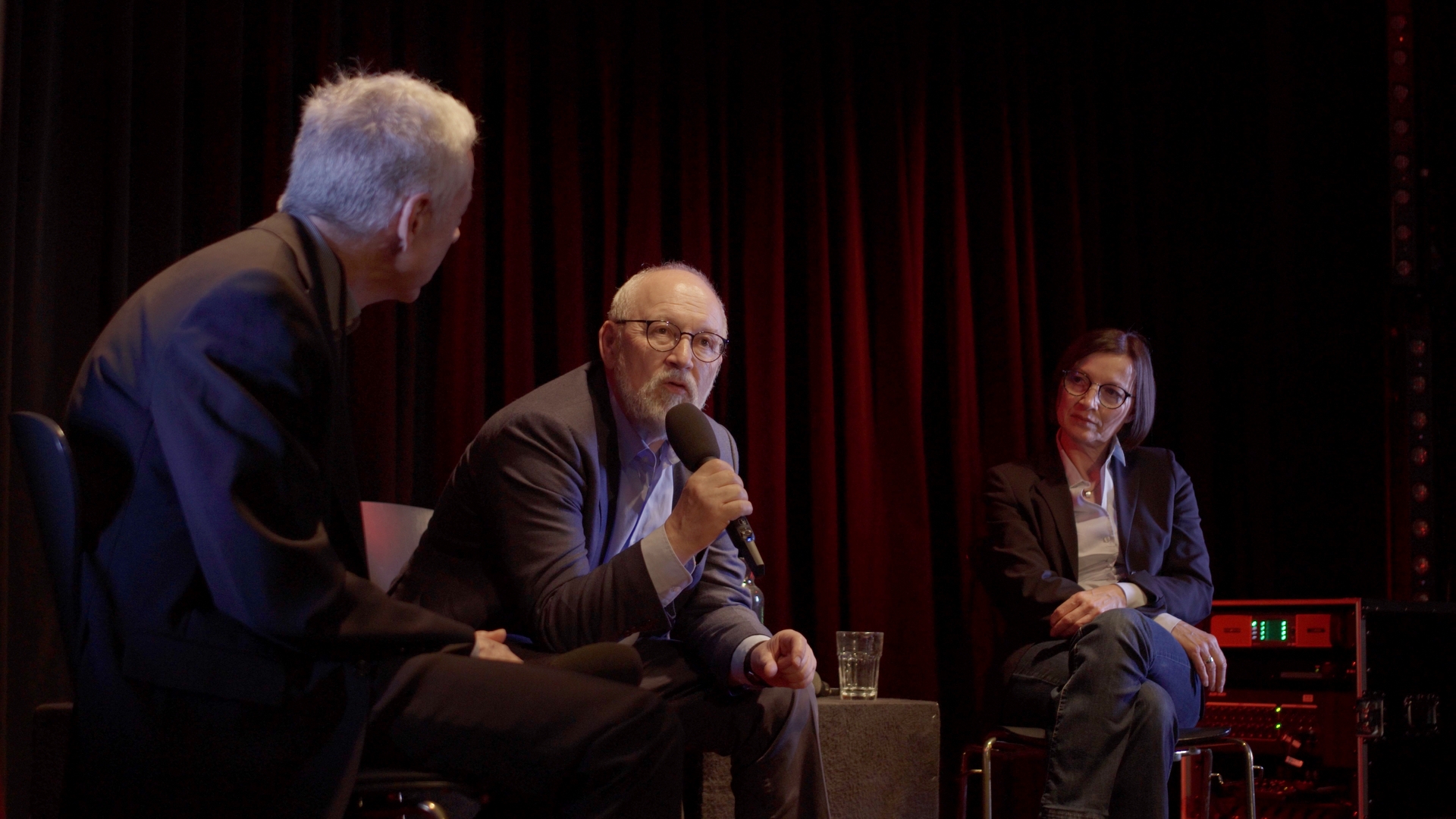
The lecture will be held in German. Entrance is free but please reserve your seat at volkstheater.at/spielplan/
Lecture Series Theme: Verfügbarkeit/Availability
Lecture Series Description: Als ökonomisches und politisches Problem betrifft ›Verfügbarkeit‹ heute nicht mehr nur die Bereitstellung basaler Ressourcen im Sinne von Gesundheit, Bildung oder Ernährung. Die Verfügbarmachung von allem und jedem scheint zur Leitlinie des Regierens geworden. Denn als entscheidend gilt nunmehr der ungehinderte Zugriff auf Rohstoffe, die prompte Lieferung von Waren, die bequeme Erreichbarkeit von Orten, die dauernde Zugänglichkeit von Information – und die Disposition über Personen, über ihre Arbeitskraft ebenso wie ihre Wünsche. Doch ist es nicht gerade Unverfügbarkeit, an der sich Autonomie, vor allem aber das Politische zu bewähren hat? Und das Nicht-Disponible, worauf letztlich die Wertbildung und vor allem das Wünschen zielt? Die Vienna Mosse Lectures erkunden im Sommer 2026 die Frage der (Un-)Verfügbarkeit mit Blick auf unterschiedlichste Schauplätze: auf das umkämpfte Feld der Prostitution und Sexarbeit; auf die Arena politischer Teilhabe in der heutigen ›Plattform-Demokratie‹; auf die Sphäre einer Kunst, die sich zusehends autoritärer Zugriffe zu erwehren hat; und auf jene fiktionale Wirklichkeit, die zur Domäne künstlicher Intelligenz zu werden droht.
Burkhardt Wolf is a Professor of Modern German Literature (with a special focus on literary and media theory) at the University of Vienna. He is the principal applicant for the ongoing international WEAVE research project “Bureaugraphie: Administration After the Age of Bureaucracy.” His research focuses on the history of discourse on violence, economics, and governmentality; the poetics of knowledge of affect; the cultural and media history of seafaring, and the cultural techniques and literary history of administration. In addition to positions at Humboldt University in Berlin and a multi-year Heisenberg Fellowship from the DFG, his academic career has included visiting professorships in Berlin, Munich, Santa Barbara, Bloomington, Beijing, and Berkeley.
Herfried Münkler held the chair of Theory of Politics at the Humboldt University in Berlin from April 1992 to September 2018. He has been a member of the Berlin-Brandenburg Academy of Sciences and Humanities since 1993. His research interests include political theory and the history of ideas, political culture research, the theory and history of war, and risk and security as sociopolitical categories. In 2009, he received the Leipzig Book Fair Prize for his book “The Germans and Their Myths.” His work “The Thirty Years’ War” attracted great interest in the media and the public. In 2019, together with his wife, he published the book Abschied vom Abstieg. 2021 saw the publication of the book Marx, Wagner, Nietzsche. Welt im Umbruch (Marx, Wagner, Nietzsche. World in Upheaval).
Marina Münkler has held the Chair of German Medieval and Renaissance Literature and Culture at TU Dresden since January 2010. She was deputy spokesperson of the SFB 1285 “Invectivity. Constellations and Dynamics of Degradation” and headed sub-project E: “Sacrality and Sacrilege. The Disparagement of the Sacred in the Interconfessional Controversy of the 16th Century”. She has been a member of the Academic Council from 2017-2023. Her teaching and research activities focus, among other things, on “Invectiveness in the disputes of the Reformation”, “Figurations and narratives of risk in the early modern period” and “The ethos of friendship. Discourses and narratives of public spirit in medieval literature”. She also teaches medieval German literature in all its breadth, from the Old High German “Hildebrandslied” to the Minnesang and the courtly novel to the Faust books of the sixteenth and seventeenth centuries.