
2013: Reinhard Kahl, “Gegenwart! Vorschläge für die Schule der Zukunft” / “Present! Proposals for the School of the Future”
Reinhard Kahl, “Gegenwart! Vorschläge für die Schule der Zukunft” / “Present! Proposals for the School of the Future”
Berlin Mosse Lecture
https://mosselectures.wisc.edu/berlin/
Thursday, 16 May 2013, 19:00 CET
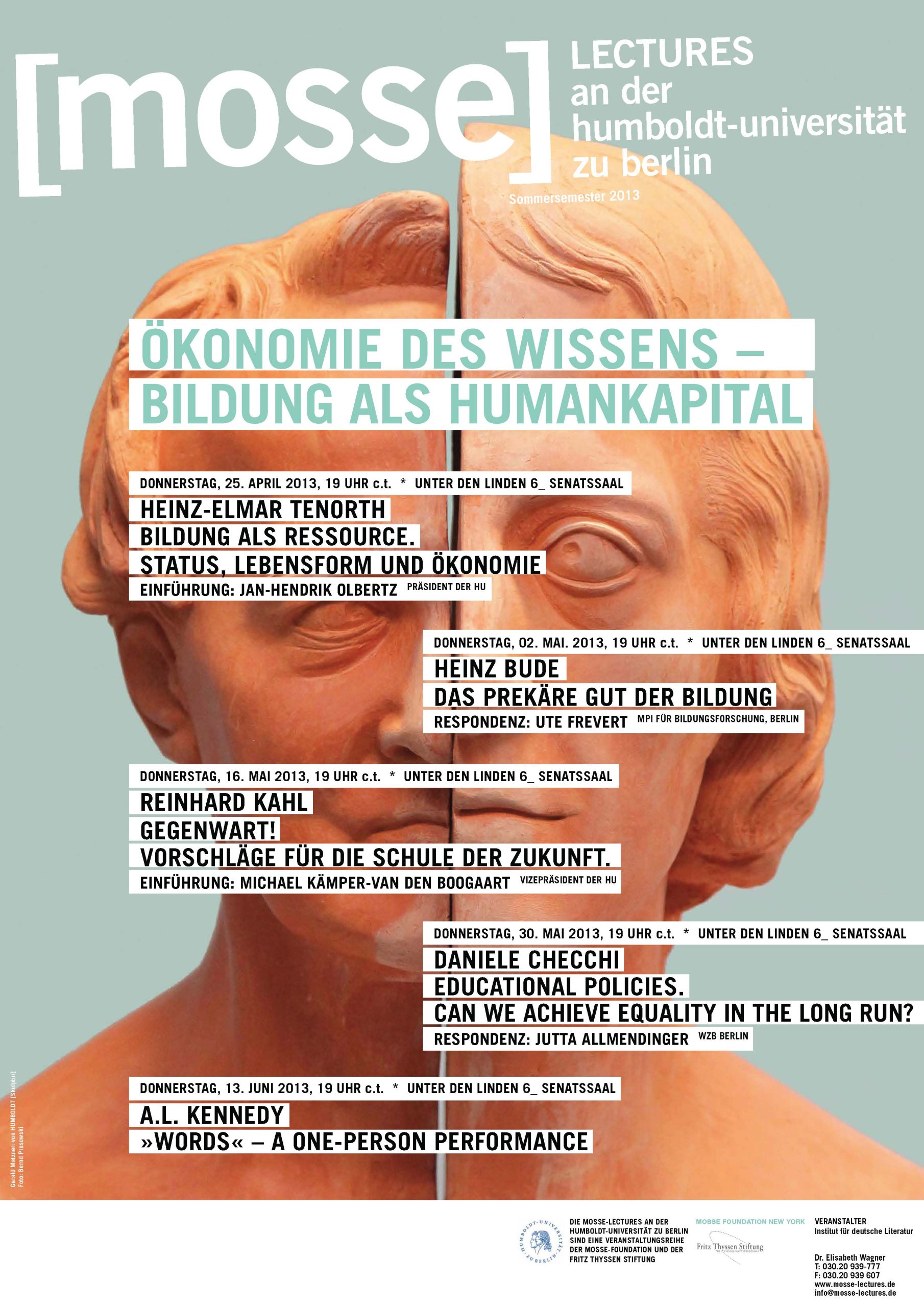
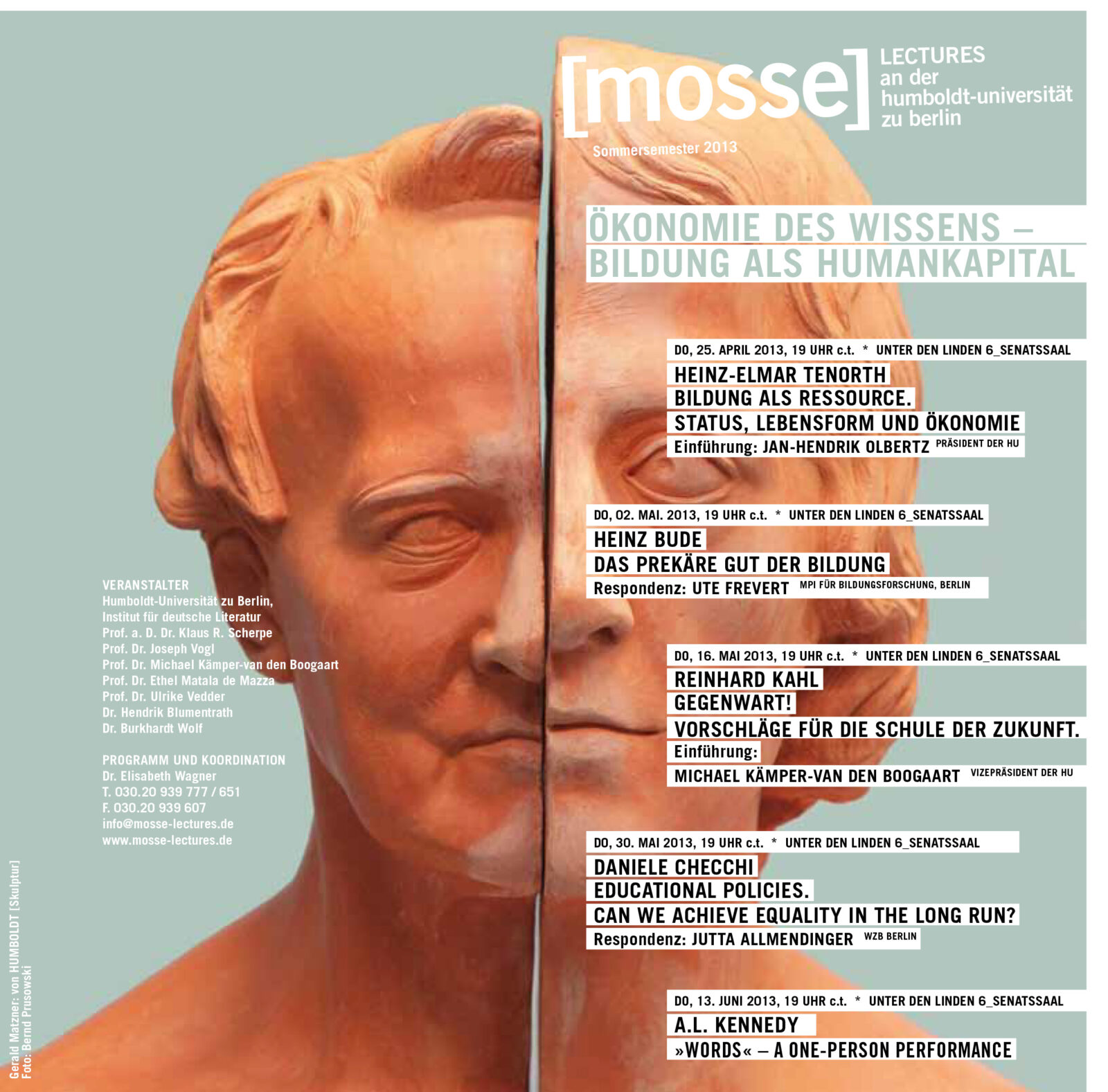
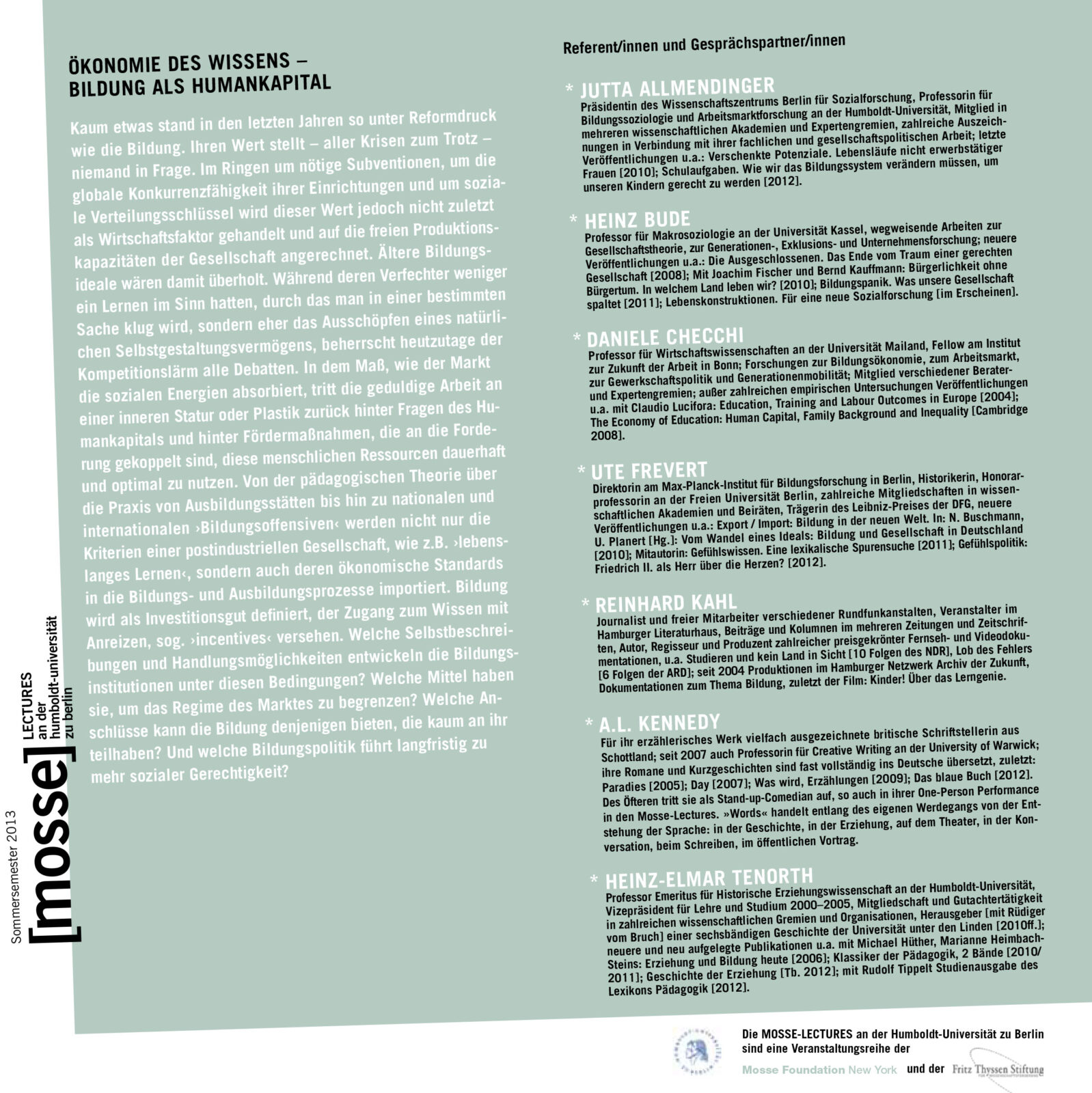
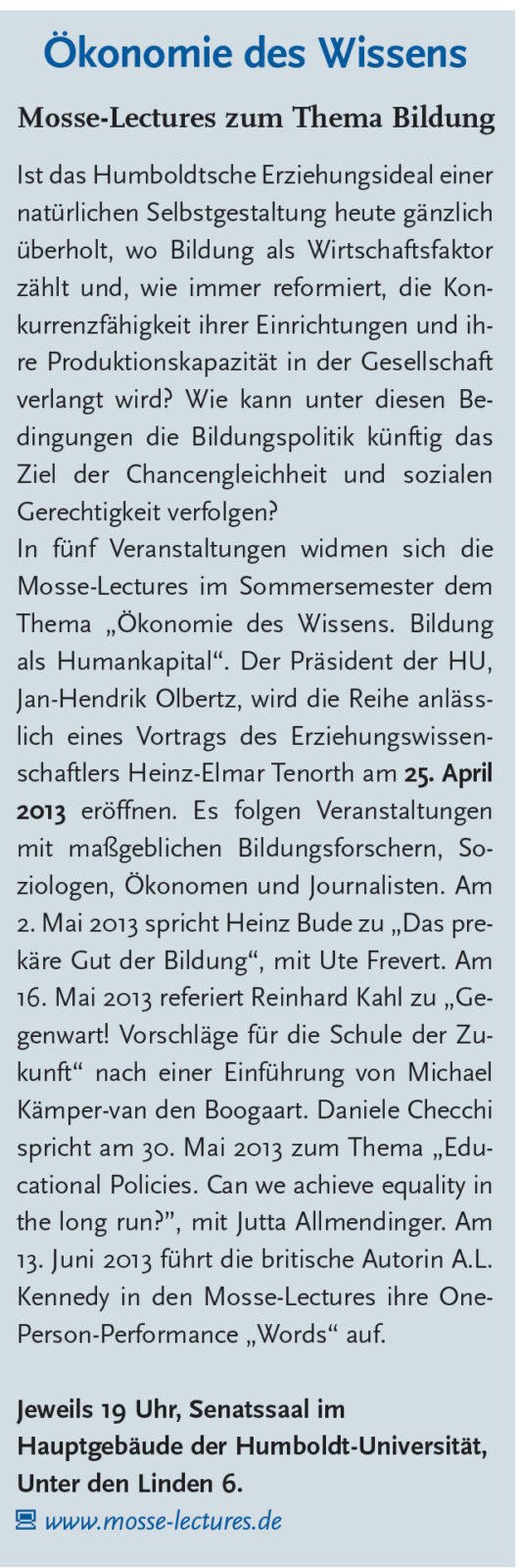
Senatssaal of Humboldt University
Under den Linden 6
1. Stock
10117 Berlin
GERMANY
Sponsored by:
[mosse] LECTURES an der humboldt-universität zu berlin
The Mosse Foundation
Global Mosse Lecture Series
Fritz Thyssen Stiftung
Institut für deutsche Literatur
Humboldt University
Moderator: Michael Kämper-van der Boogaart (Humboldt University)
Lecture Description: „Alle reden sie von der Zukunft“, schrieb Arthur Schopenhauer, „dieser opfern sie ihr Daseyn; und die Zukunft macht Bankrott.“ Eine treffliche Diagnose unserer Schulen, so Reinhard Kahl. Denn was Schülerinnen und Schülern und mehr und mehr auch den Studierenden am meisten fehlt, ist eine wache Gegenwart, in der Zukunft entsteht. Der laufende Betrieb lasse an einen aufheulenden Motor denken, dessen Kupplung defekt ist. Statt darüber nachzudenken, wie dem Erledigen mit anschließendem Vergessen zu entkommen sei, tunt man weiter den abgekoppelten Motor. Kein Wunder, dass in Schulen und auch in Hochschulen mehr und mehr vom „Bulimielernen“ die Rede ist, von dem Reinhard Kahl früher schon in einem Essay gesprochen hat, allerdings ohne Lamento. Seit Jahren ist er mit seinen Erkundungen den Schulen und anderen Bildungshäusern auf der Spur. Kahls Vorschlag für die Bildung der Zukunft heißt: Gegenwart schaffen! Der Vortrag skizziert Ideen für eine künftige Schule mit Filmausschnitten aus seinem Archiv der Zukunft.
Lecture Series Description:More than anything else, education in recent times has been pressured to reform. Despite its permanent crises, its value is not in question. While struggling for necessary subsidies, global competitiveness and socially broad accessibility, this value is actively traded as economic resource and judged in its potential for expanding productivity. Previous ideals of education have thus become outdated. While the advocates of education as Bildung had the natural capacity of self-creation in mind rather than the acquisition of skills, all of today’s noisy debates focus on competitiveness. In as much as the market absorbs most social energies, the patient commitment to an inward form or shape of the personal gives way to issues of human capital and to the promotion of demands for an enduring and optimal exploitation of human resources. Theories of education and practical experience gained in educational institutions as well as national and international so-called ‘offensives of education’ such as ‘life-long learning’ are measured according to the criterion of post-industrial society; economic standards are directly imported into the proceedings of practical learning and higher education. Education as durable investment gives access to knowledge, supported by a system of ,incentives’. How do institutions of education describe themselves under these conditions and what forms of governance do they develop? What means do they have to limit the rule of the market? What kind of accessibility can education provide for those who can hardly participate? If ever more people from educationally disadvantaged backgrounds end up socially as losers: How in the long run could reforms lead to less social inequality?
Reinhard Kahl: Journalist und freier Mitarbeiter verschiedener Rundfunkanstalten, Veranstalter im Hamburger Literaturhaus, Beiträge und Kolumnen im mehreren Zeitungen und Zeitschriften, Autor, Regisseur und Produzent zahlreicher preisgekrönter Fernseh- und Videodokumentationen, u.a. Studieren und kein Land in Sicht (10 Folgen des NDR), Lob des Fehlers (6 Folgen der ARD); seit 2004 Produktionen im Hamburger Netzwerk Archiv der Zukunft, Dokumentationen zum Thema Bildung, zuletzt der Film: Kinder! Über das Lerngenie.
Michael Kämper-van den Boogaart studied German and history, and taught at several schools before earning his PhD in 1990 from the University of Hamburg. In 2002, he was named professor of education and modern German literature at Humboldt University, Berlin, where, in 2011, he was elected vice president for Education and Teaching. He retired in 2023. He specializes in German language pedagogy, the history of education, and the history of 20th-century German literature. His many publications include Ästhetik des Scheiterns. Studien zu Erzähltexten von Botho Strauß, Jürgen Theobaldy, Uwe Timm u.a. (1992) and Thomas Mann für die Schule. Volk und Wissen (2001).
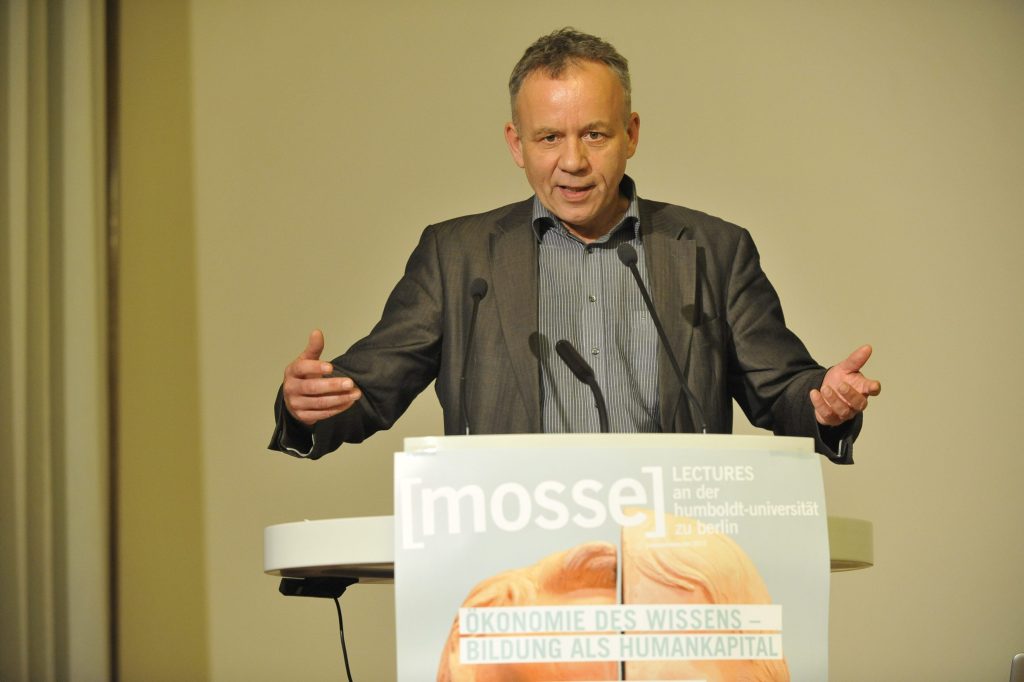
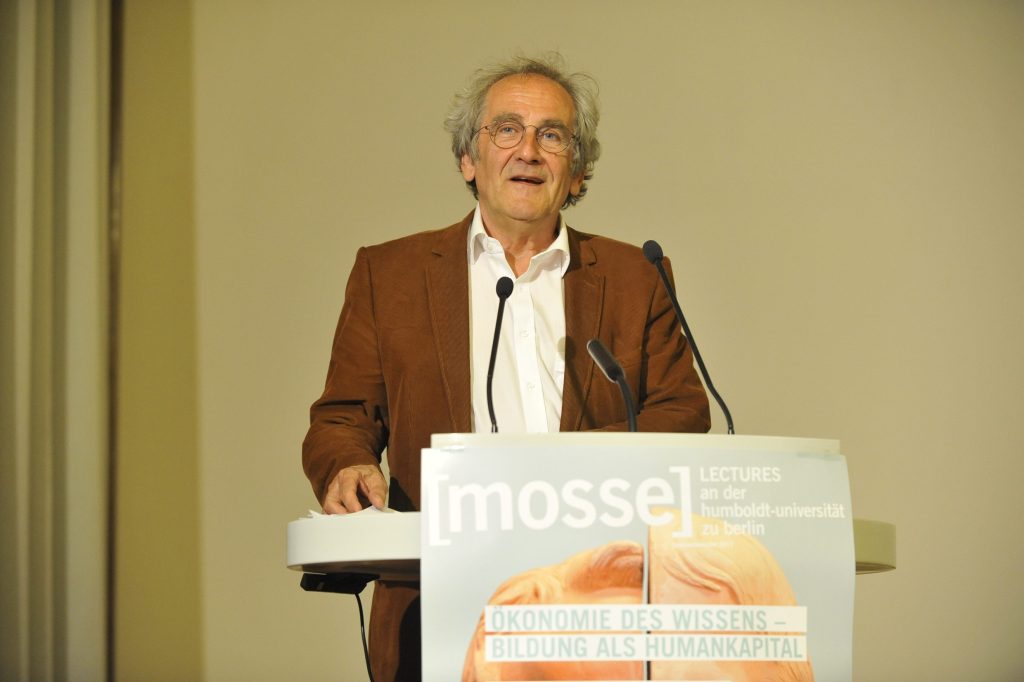
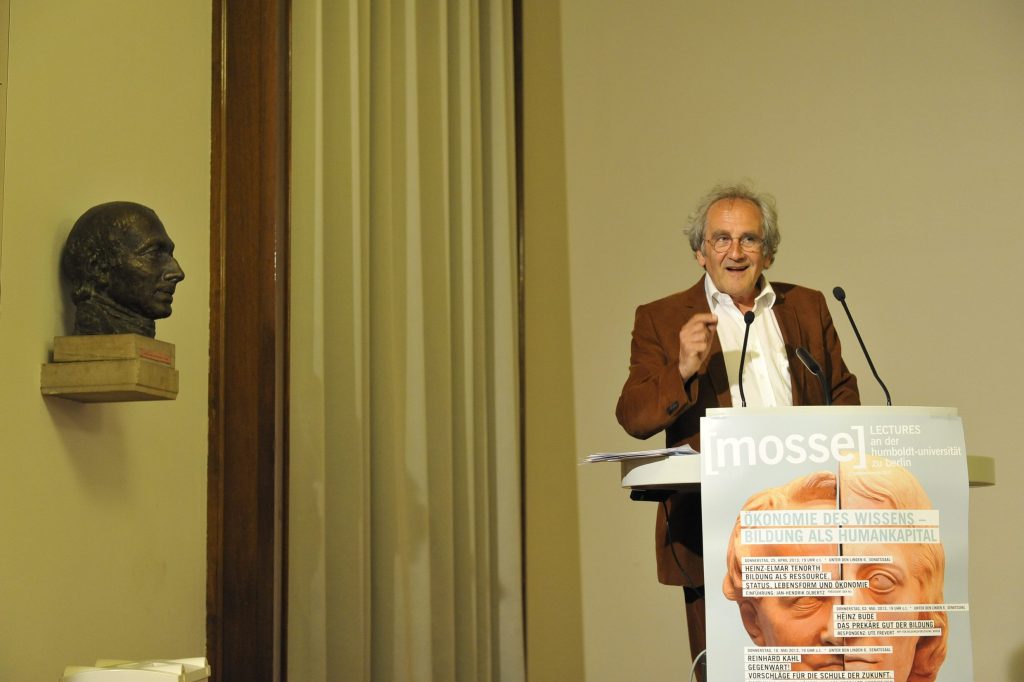
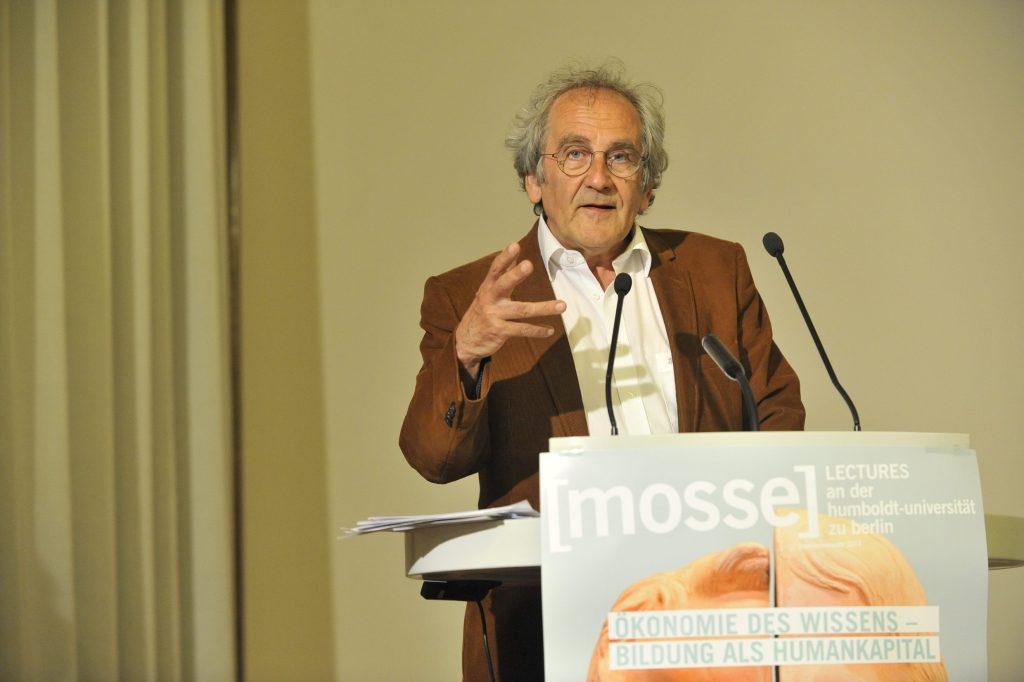
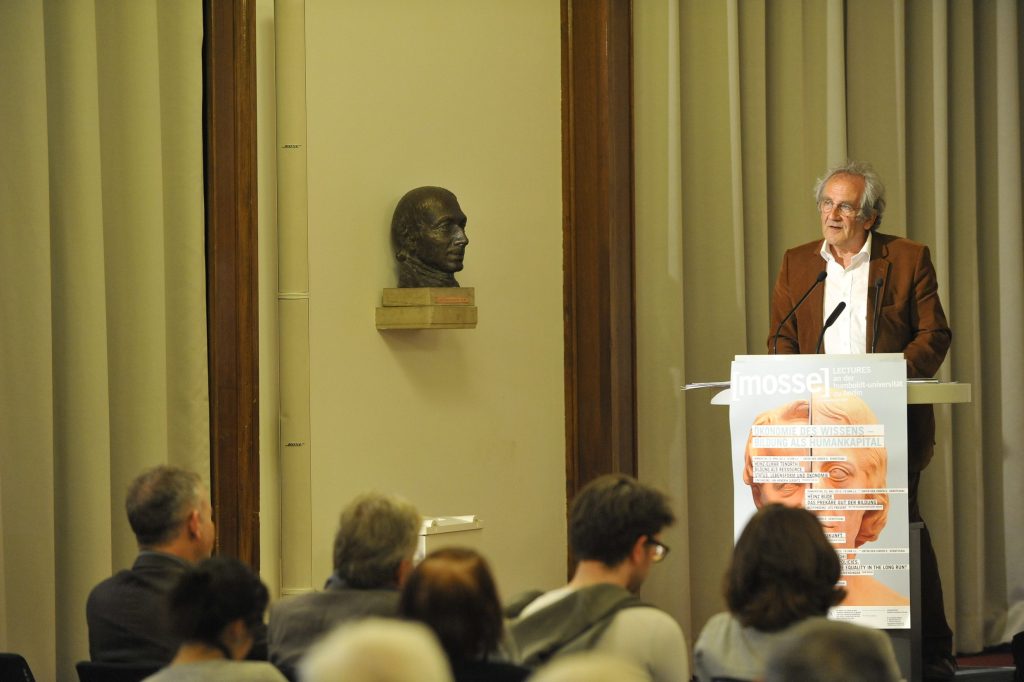
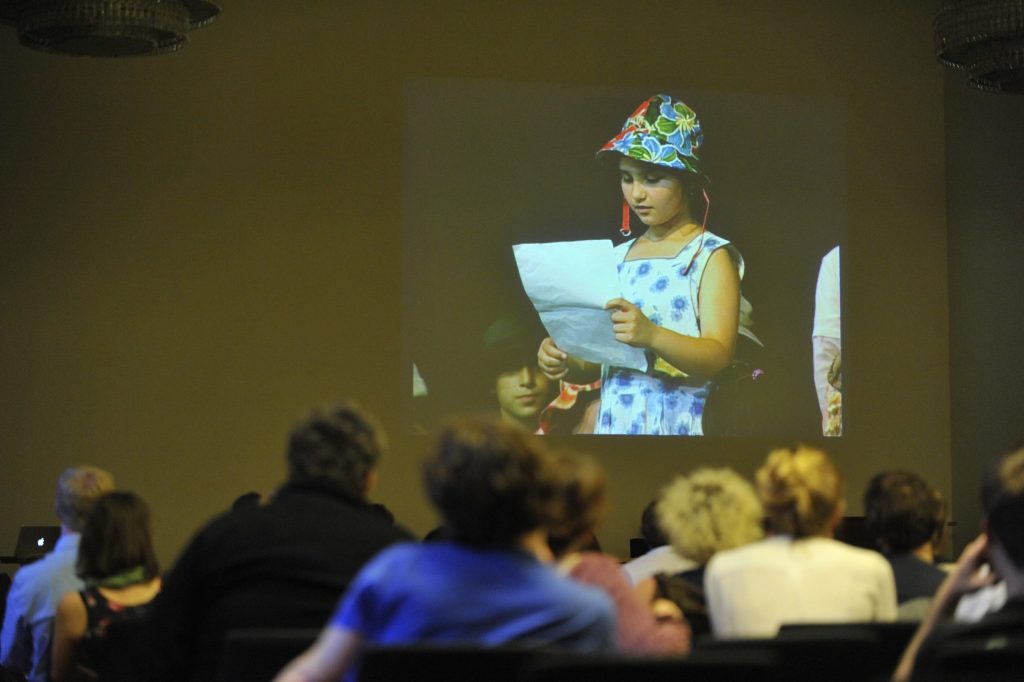
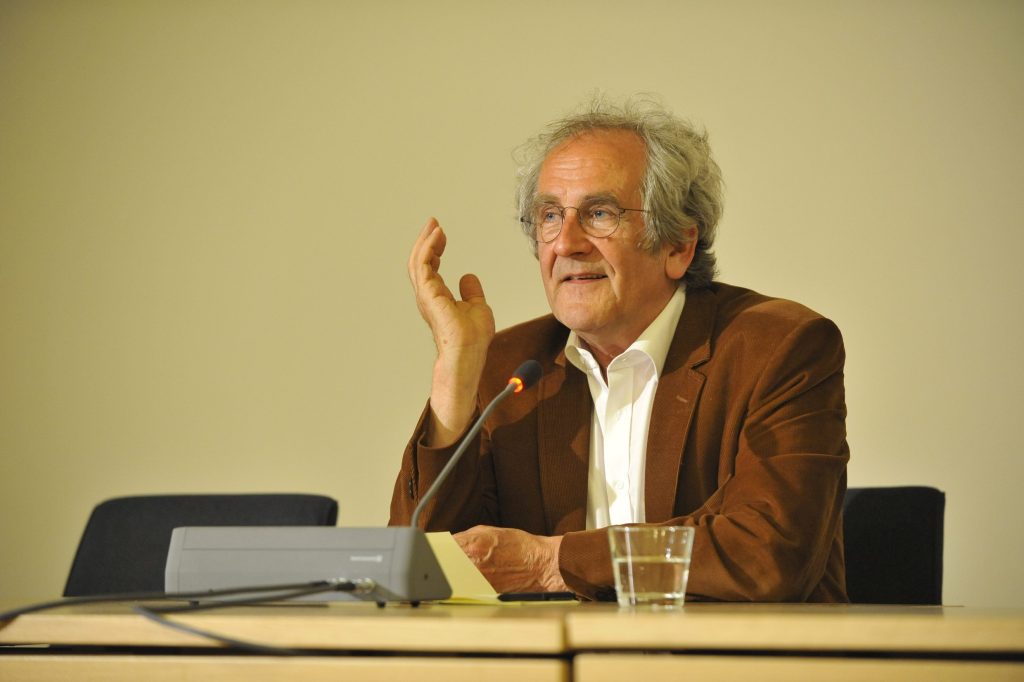
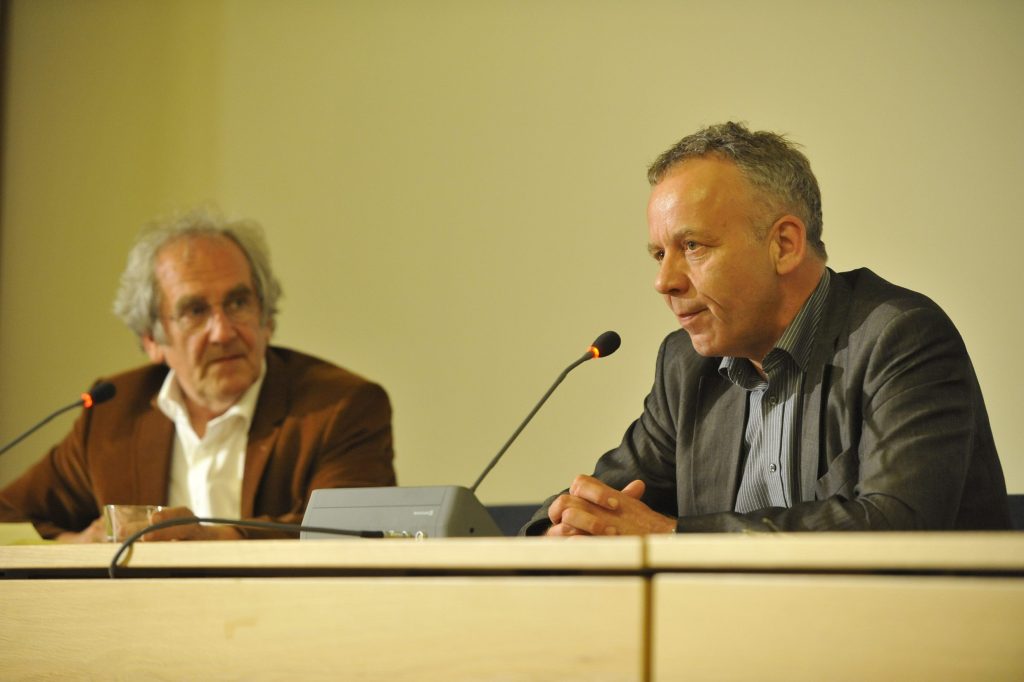
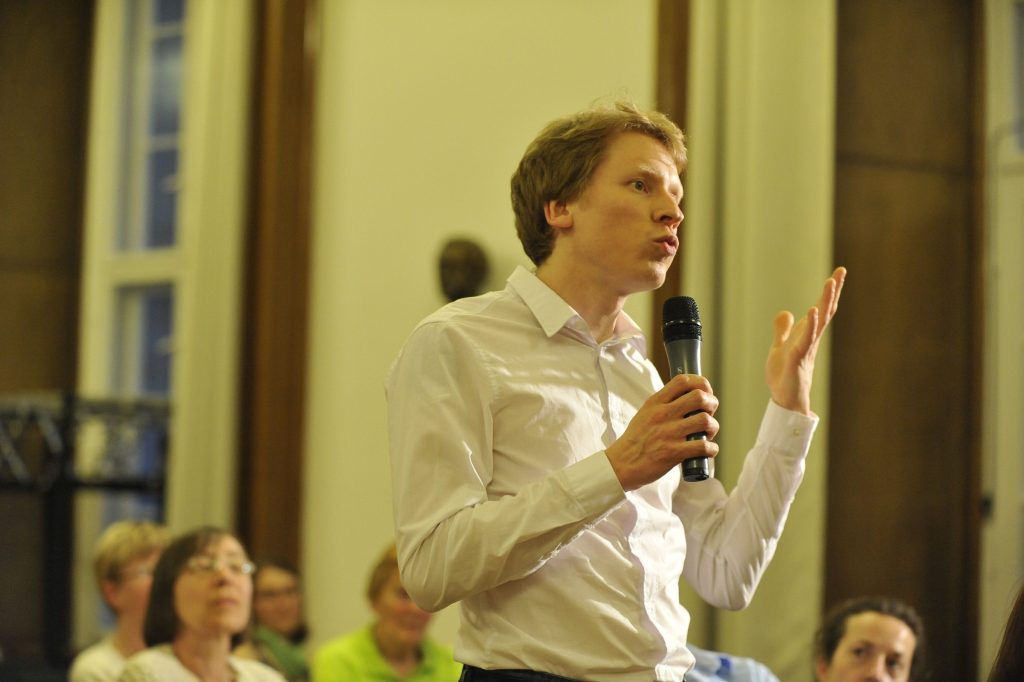
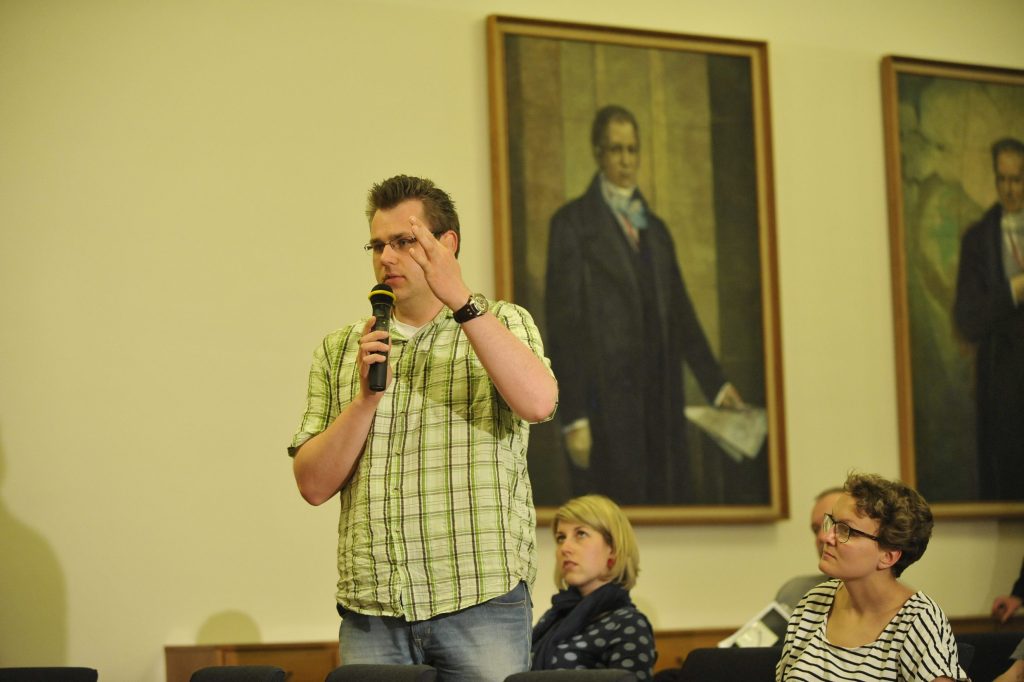
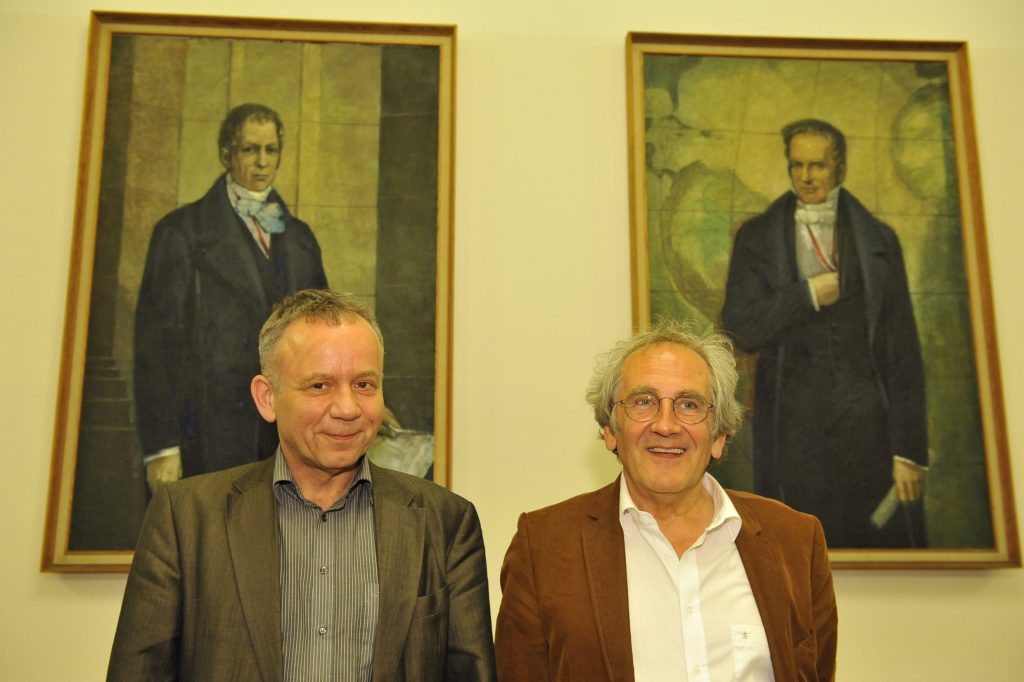
Photo Credit: Niels Leiser for the Mosse Lectures
