
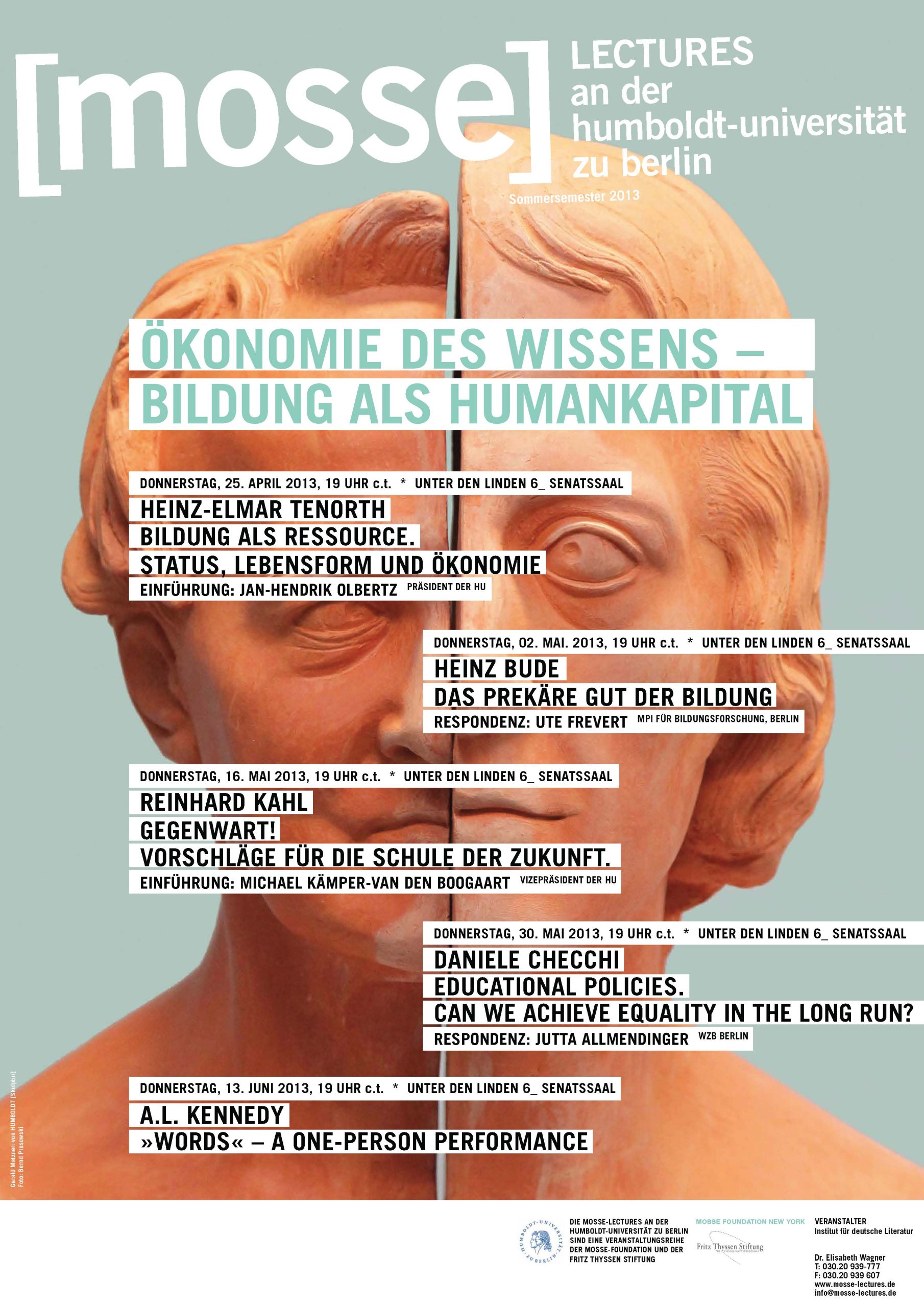
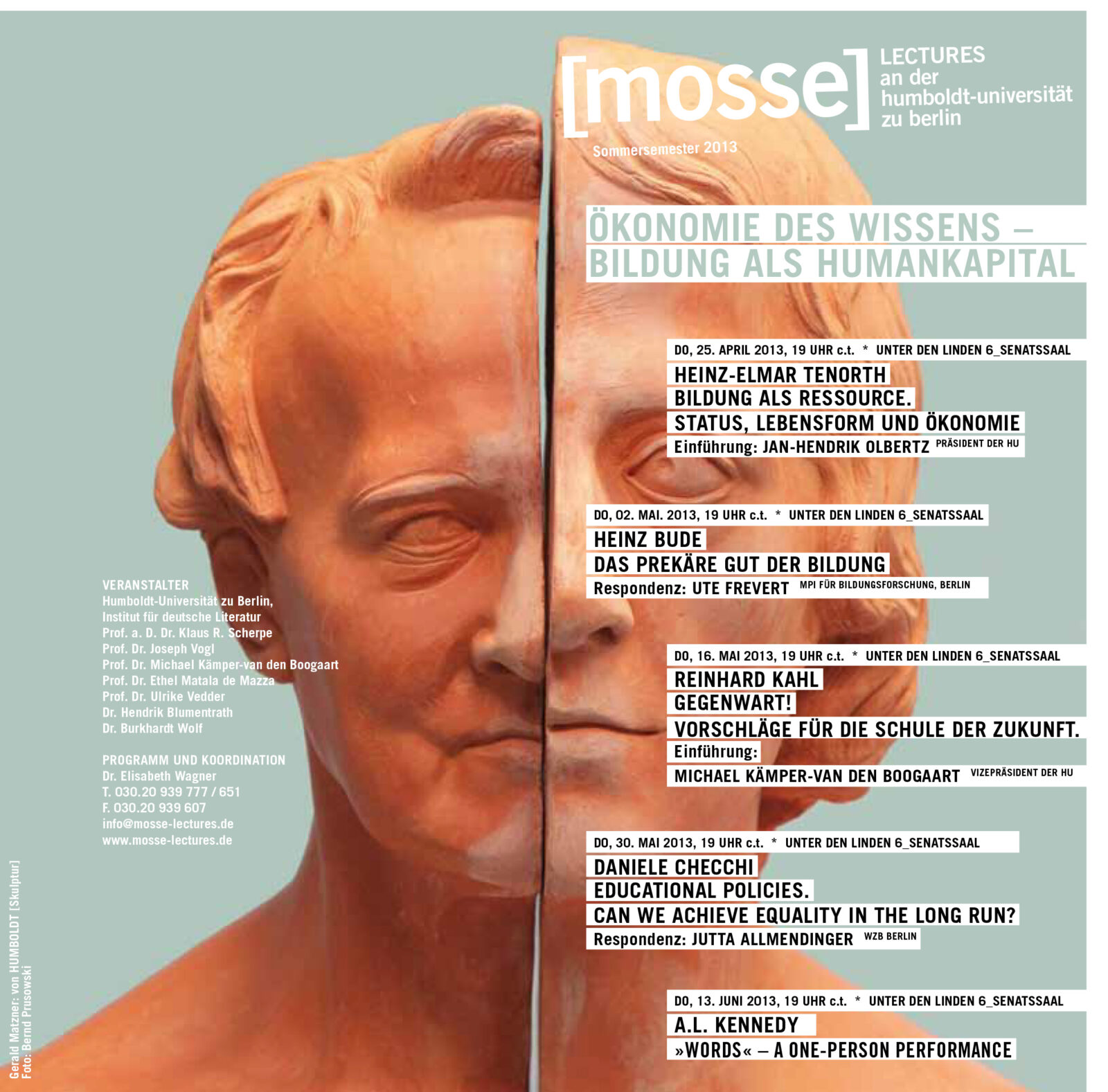
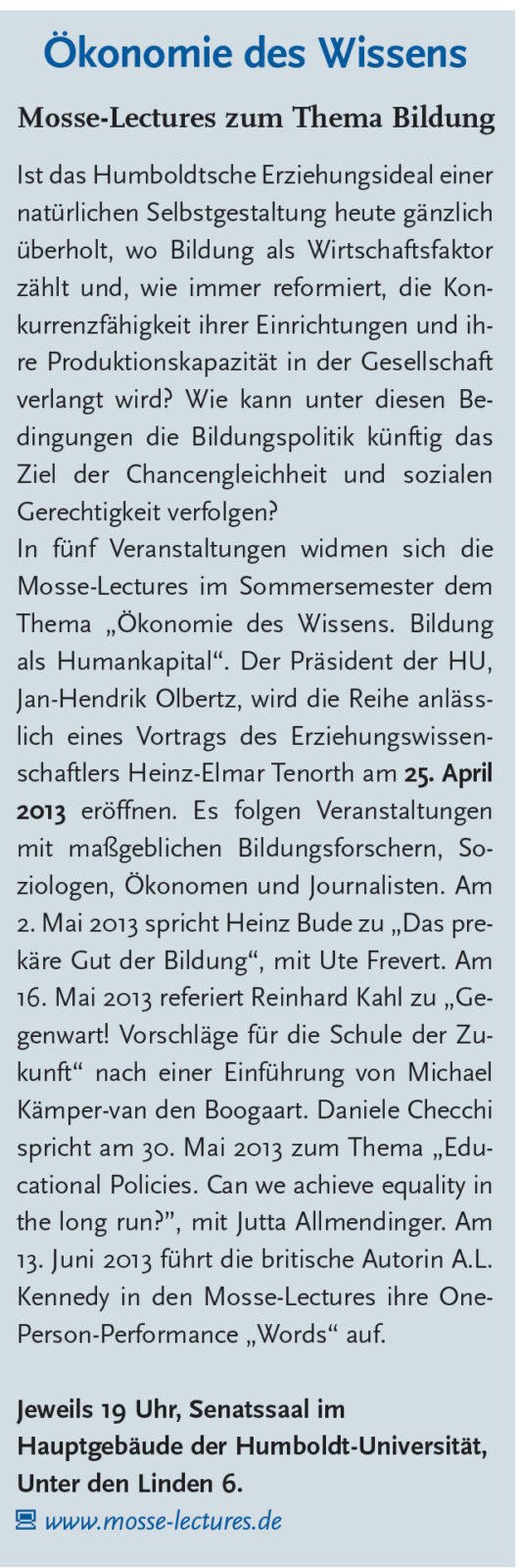
2013: Heinz Bude, “Das prekäre Gut der Bildung” / “The Precarious Good of Education”
Reinhard Kahl, “Gegenwart! Vorschläge für die Schule der Zukunft” / “Present! Proposals for the School of the Future”
Berlin Mosse Lecture
https://mosselectures.wisc.edu/berlin/
Thursday, 2 May 2013, 19:00 CET
Sponsored by:
[mosse] LECTURES an der humboldt-universität zu berlin
The Mosse Foundation
Global Mosse Lecture Series
Fritz Thyssen Stiftung
Institut für deutsche Literatur
Humboldt University
Introduction: Ethel Matala de Mazza (Humboldt University)
Respondent: Ute Frevert (Max Planck Institute for Human Development)
Lecture Description: Bildung gilt in modernen Gesellschaften als der große Schlüssel für die Gewinnung von Lebenschancen: für die Einzelnen wie für ganze Gesellschaften. Bildung erhöht wirtschaftliche Produktivität, fördert politische Partizipation und stärkt den sozialen Zusammenhalt. Dabei meint man in der Regel schulische oder universitäre Bildung, die durch entsprechende Zertifikate bescheinigt wird. Deshalb ist es ein unbestrittenes politisches Ziel, die Bildungsbeteiligung zu erweitern und das Bildungsniveau zu steigern.
Aber Bildung ist ein teuflisches Gut. Ermöglichung und Verhinderung sind die zwei Seiten einer Medaille. Die einen ernähren sich gesund, wohnen schön und drosseln die Heizung; die anderen sind fett, phlegmatisch und fremdenfeindlich. Sogar Befreiungsbewegungen passen ins Bild: Die Gebildeten proben den Aufstand für eine bessere Welt, die Ungebildeten unterstützen die Parteien der Repression und des Fundamentalismus. Wer eine anständige Gesellschaft will, wird sich über die populäre Ideologie der Bildung erschrecken: Bildung ist Bürgerrecht, aber kein Menschenmaß.
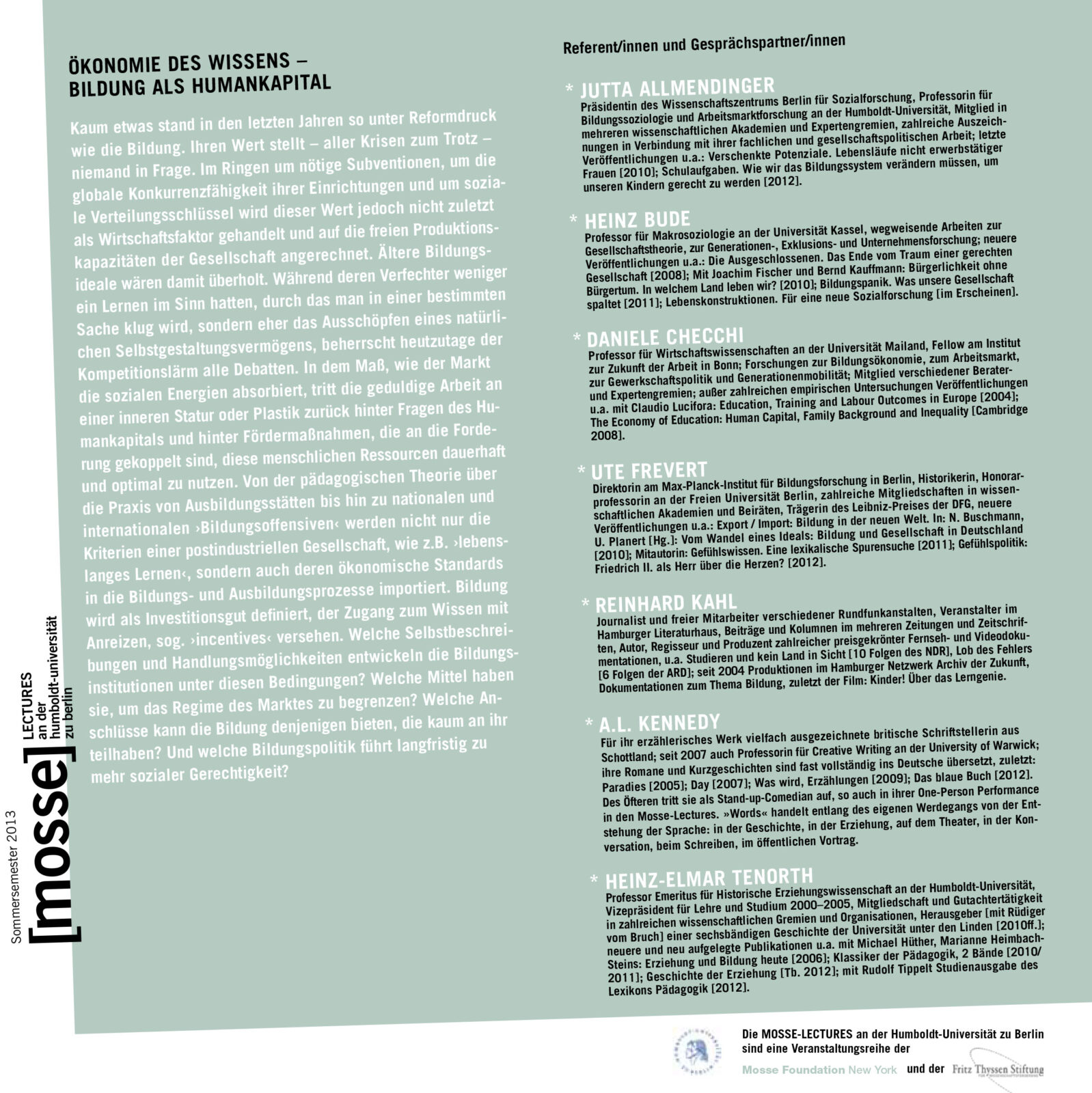
Lecture Series Description:More than anything else, education in recent times has been pressured to reform. Despite its permanent crises, its value is not in question. While struggling for necessary subsidies, global competitiveness and socially broad accessibility, this value is actively traded as economic resource and judged in its potential for expanding productivity. Previous ideals of education have thus become outdated. While the advocates of education as Bildung had the natural capacity of self-creation in mind rather than the acquisition of skills, all of today’s noisy debates focus on competitiveness. In as much as the market absorbs most social energies, the patient commitment to an inward form or shape of the personal gives way to issues of human capital and to the promotion of demands for an enduring and optimal exploitation of human resources. Theories of education and practical experience gained in educational institutions as well as national and international so-called ‘offensives of education’ such as ‘life-long learning’ are measured according to the criterion of post-industrial society; economic standards are directly imported into the proceedings of practical learning and higher education. Education as durable investment gives access to knowledge, supported by a system of ,incentives’. How do institutions of education describe themselves under these conditions and what forms of governance do they develop? What means do they have to limit the rule of the market? What kind of accessibility can education provide for those who can hardly participate? If ever more people from educationally disadvantaged backgrounds end up socially as losers: How in the long run could reforms lead to less social inequality?
Heinz Bude: Professor für Makrosoziologie an der Universität Kassel, wegweisende Arbeiten zur Gesellschaftstheorie, zur Generationen-, Exklusions- und Unternehmensforschung; neuere Veröffentlichungen u.a.: Die Ausgeschlossenen. Das Ende vom Traum einer gerechten Gesellschaft (2008); Mit Joachim Fischer und Bernd Kauffmann: Bürgerlichkeit ohne Bürgertum. In welchem Land leben wir? (2010); Bildungspanik. Was unsere Gesellschaft spaltet (2011); Lebenskonstruktionen. Für eine neue Sozialforschung (im Erscheinen).
Ethel Matala de Mazza has been professor of modern German literature at Humboldt University since 2010. She is the author of three monographs, including Der populäre Pakt. Verhandlungen der Moderne zwischen Operette und Feuilleton (Fischer, 2018) and Der verfaßte Körper. Zum Projekt einer organischen Gemeinschaft in der Politischen Romantik (Rombach, 1999). She has served as a visiting professor at Johns Hopkins University, the University of Indiana, Bloomington, and the University of California, Berkeley, Harvard University, and the University of Chicago. She received her terminal degree in German literature at the University of Munich in 2007.
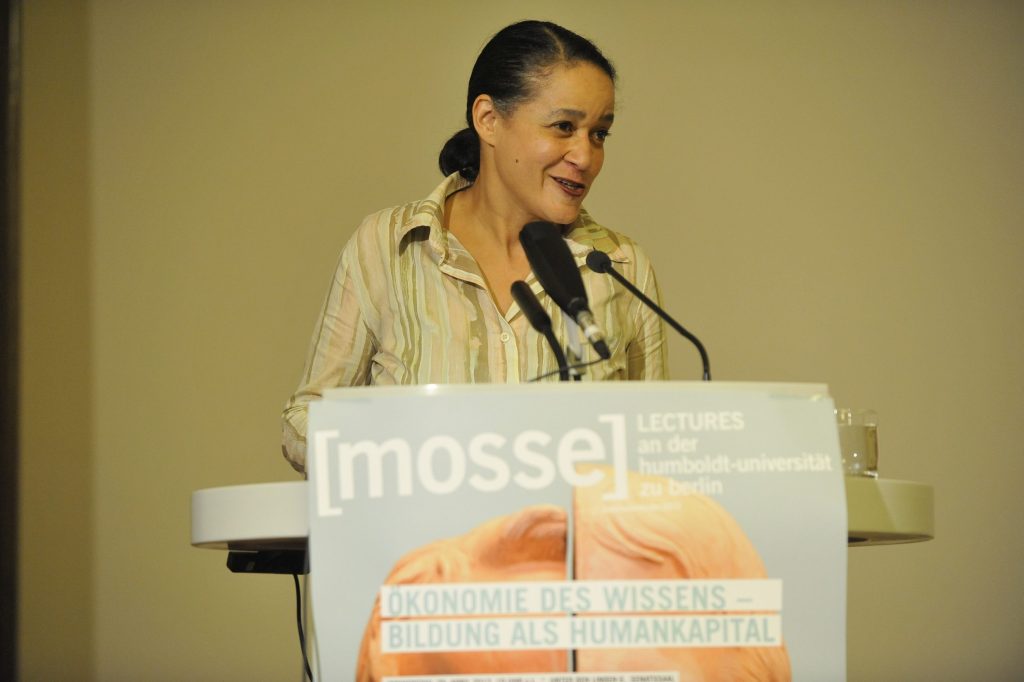
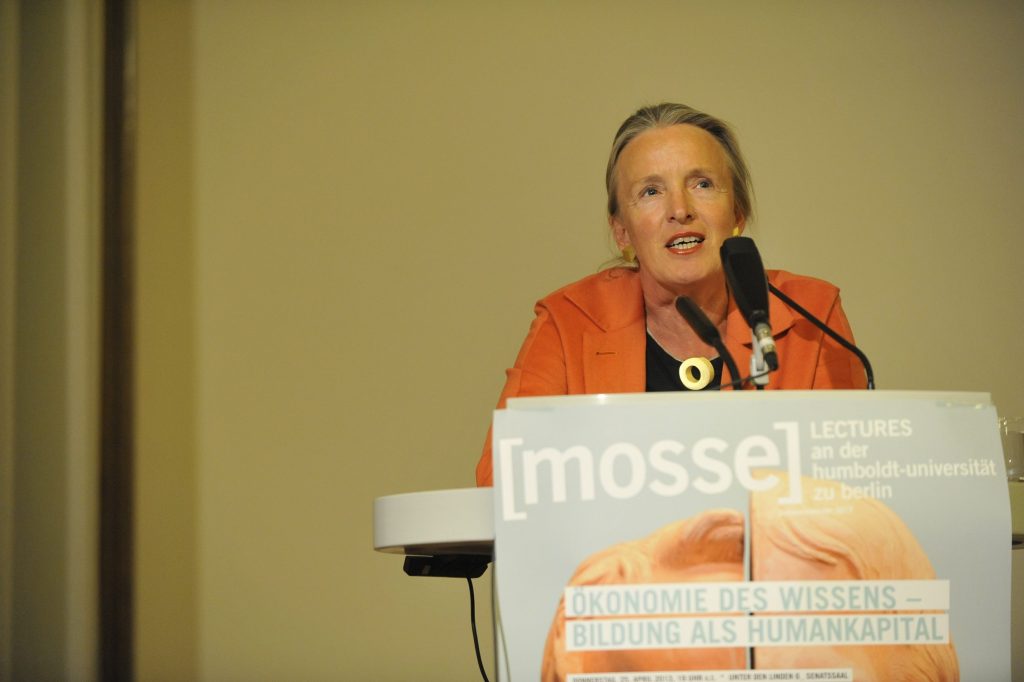
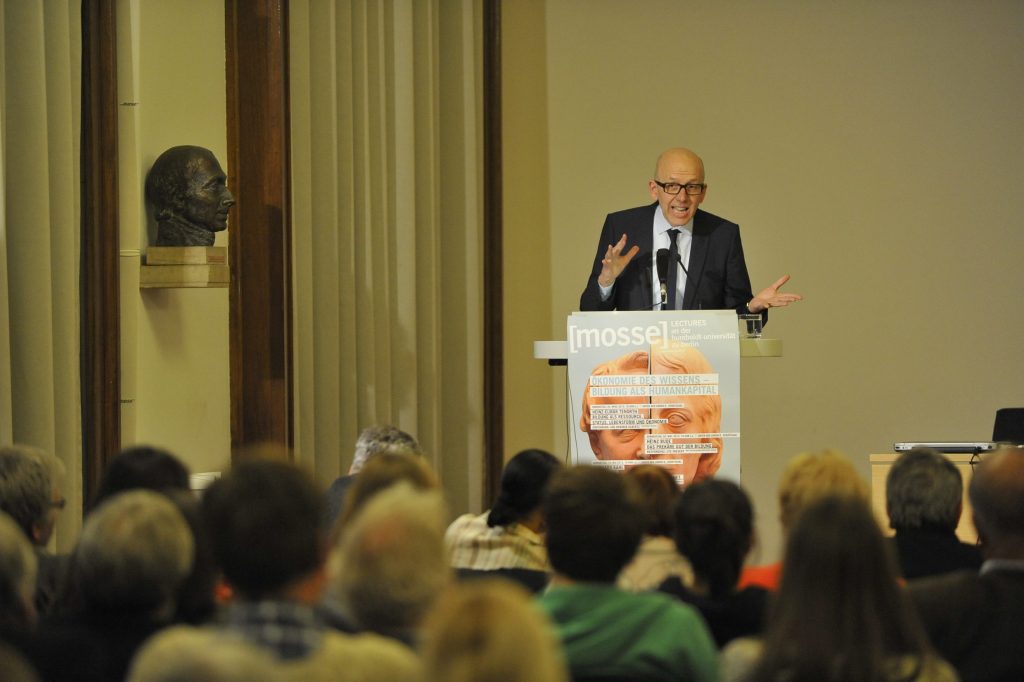
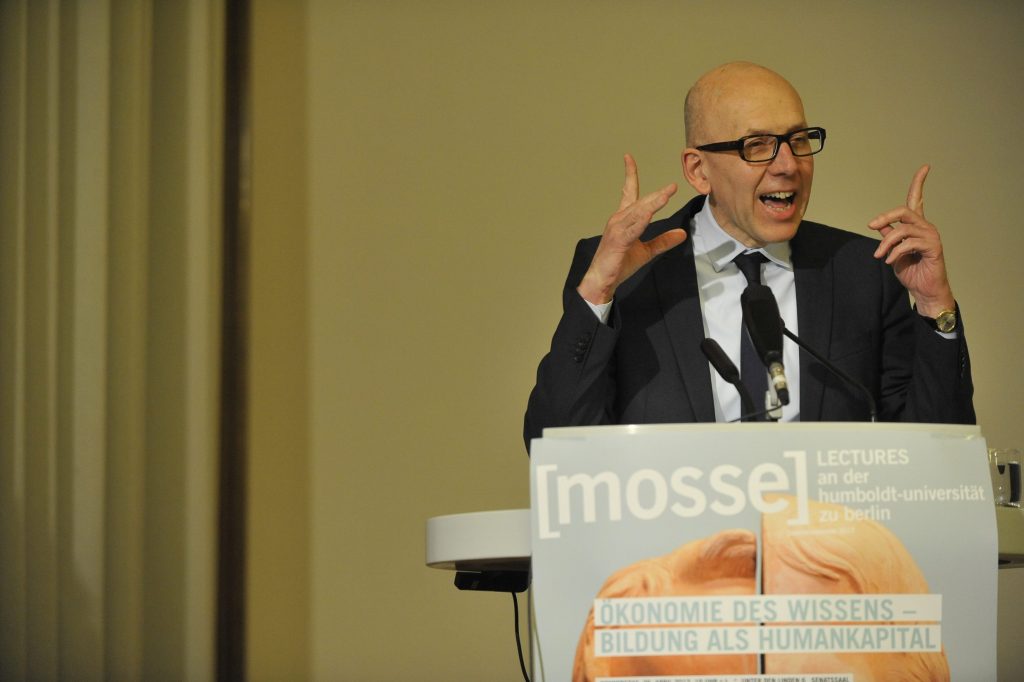
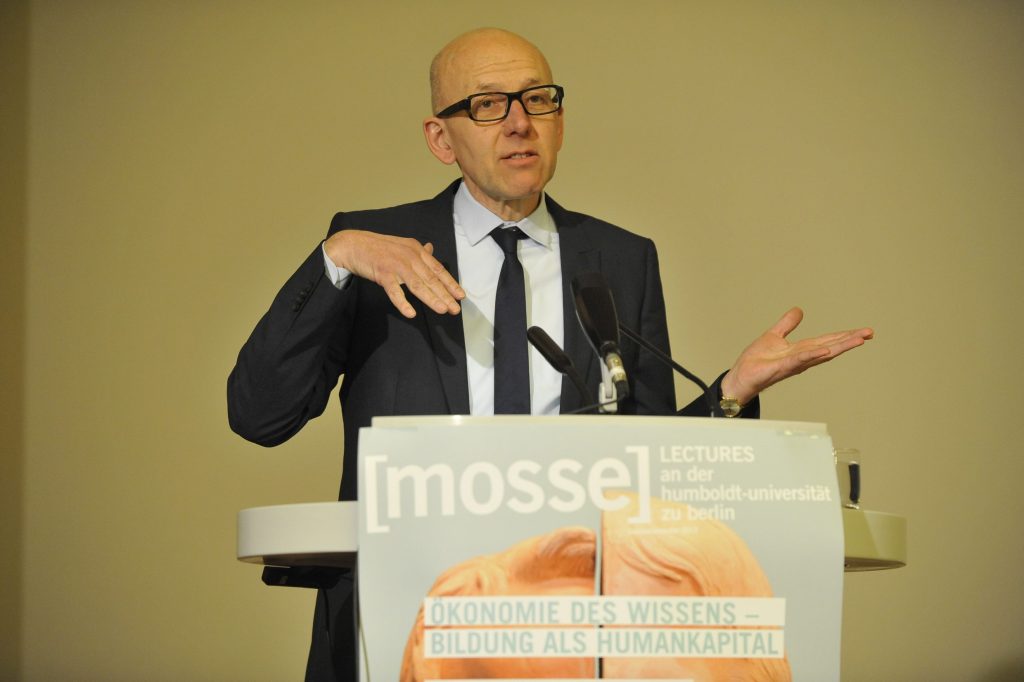
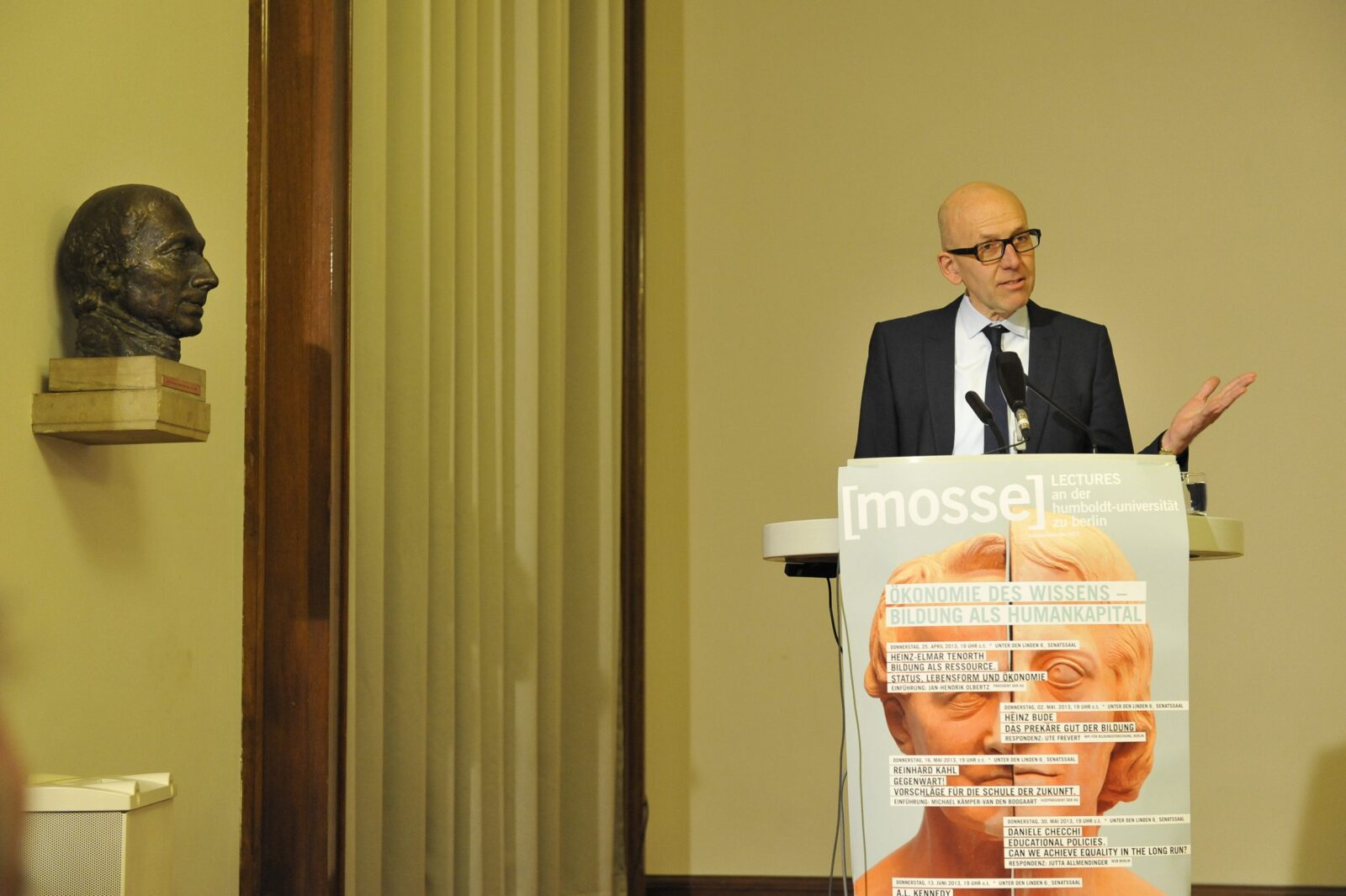
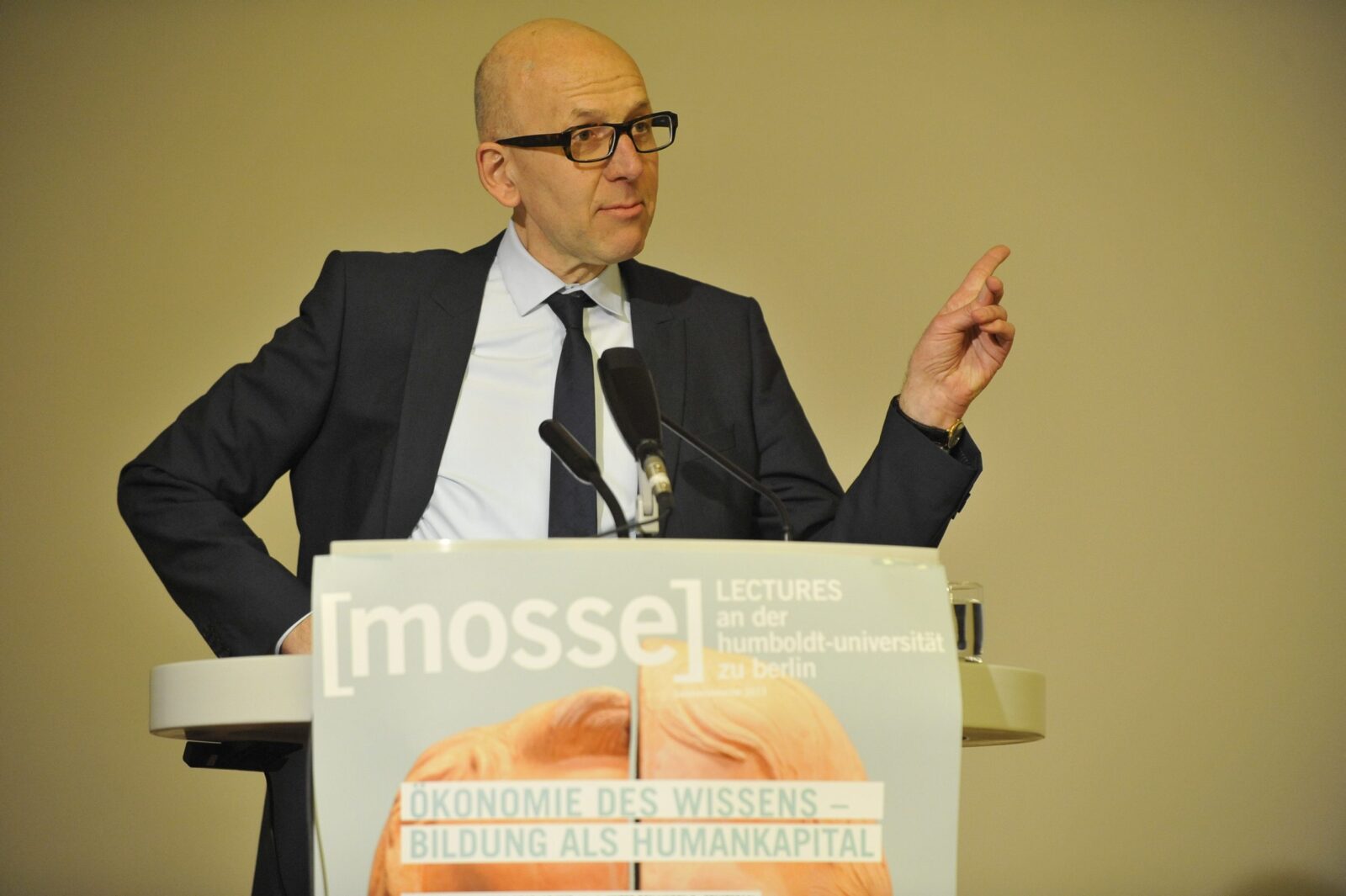
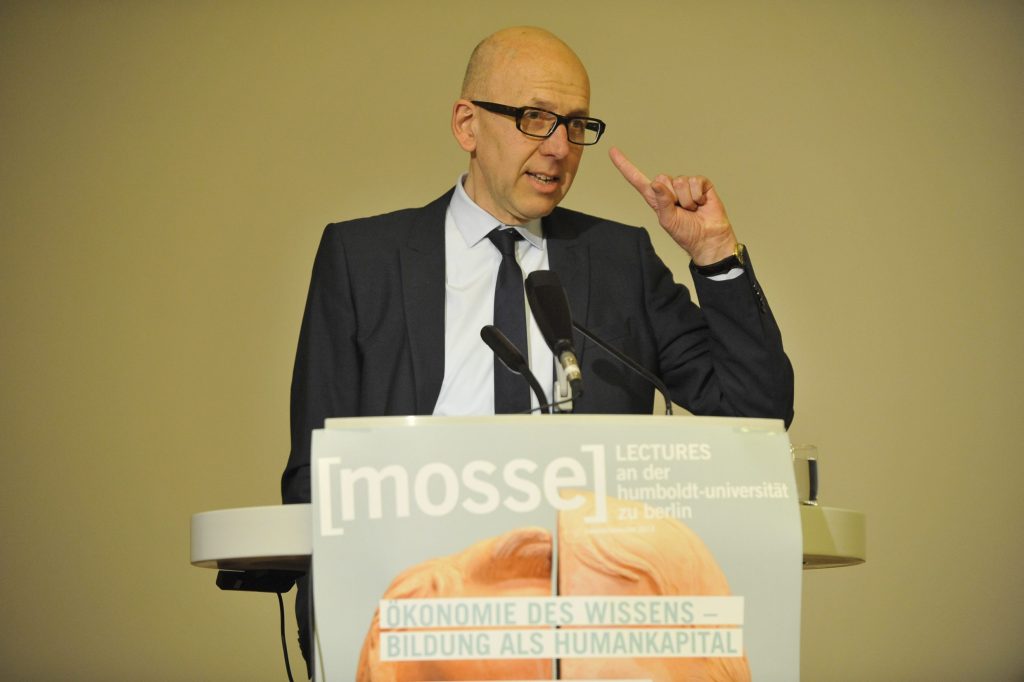
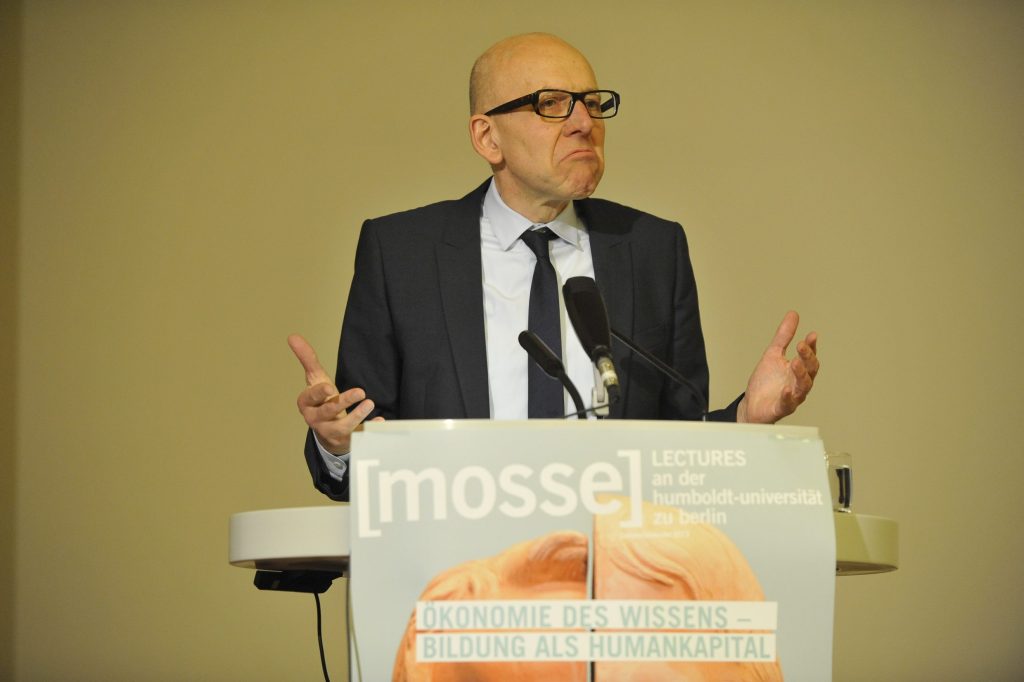
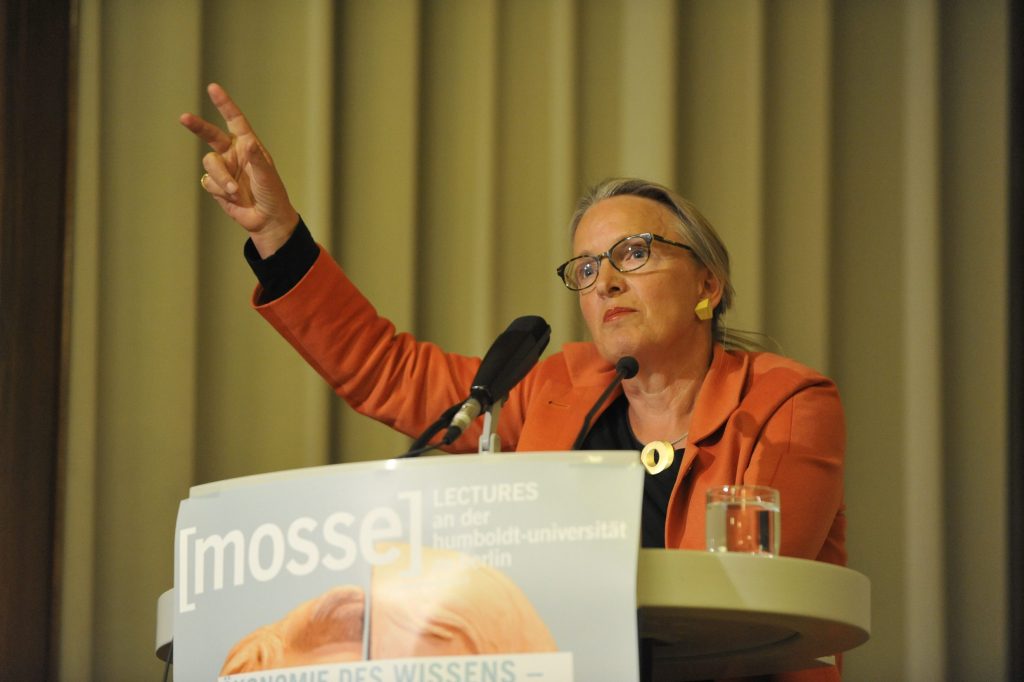
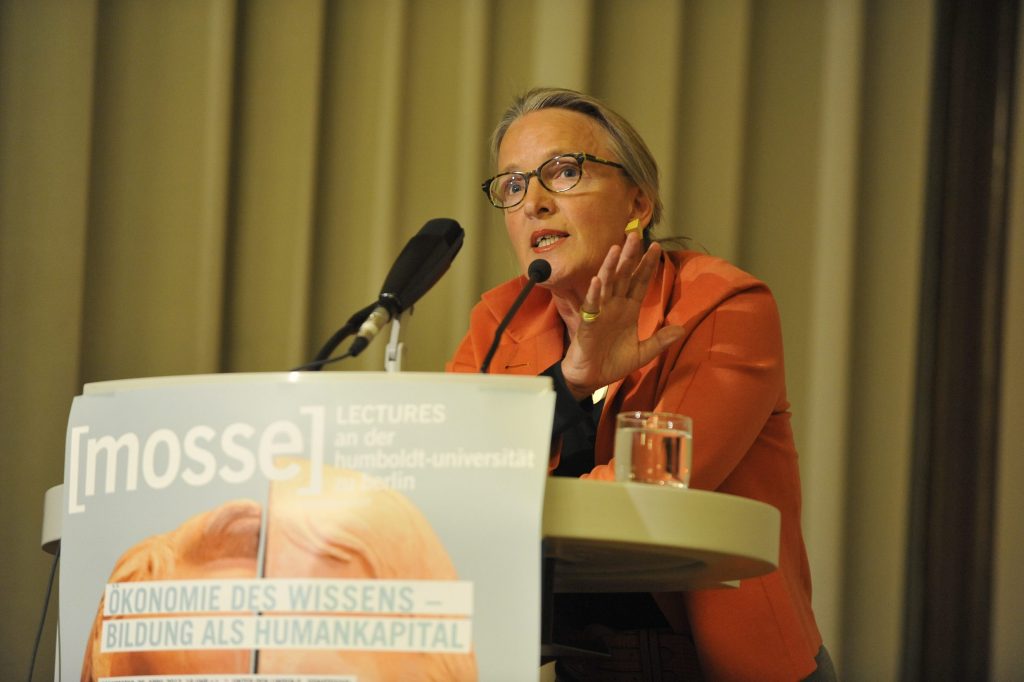
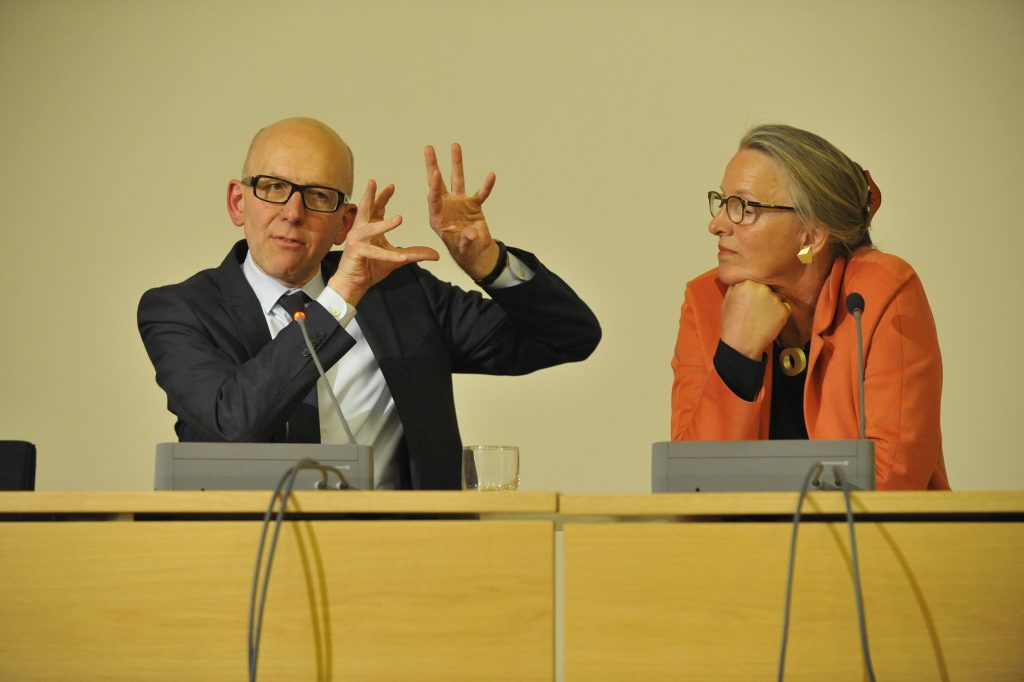
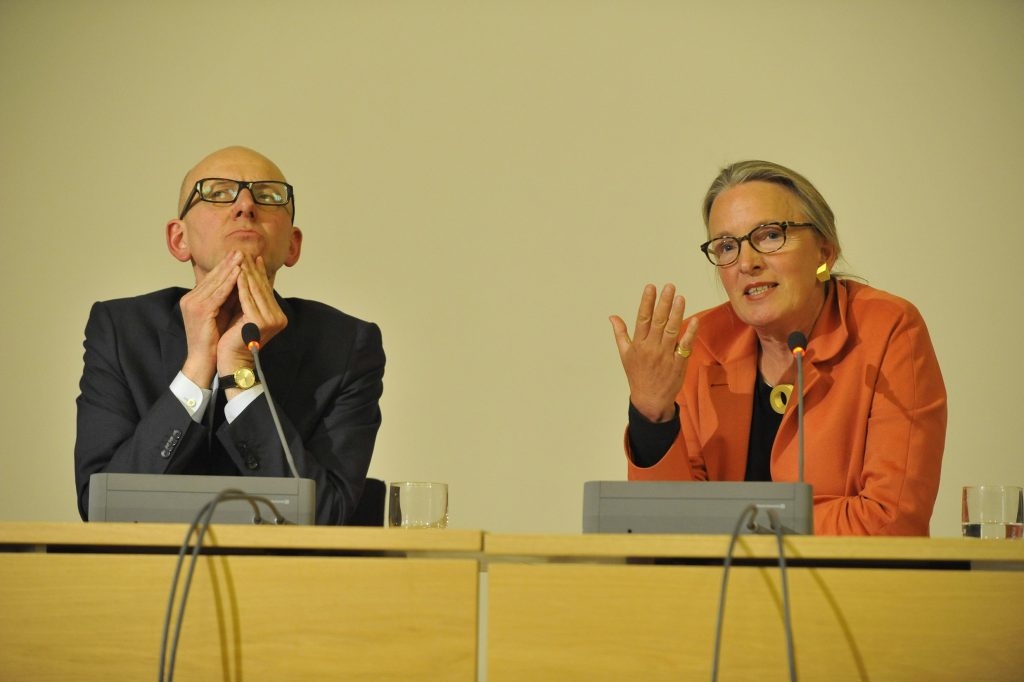
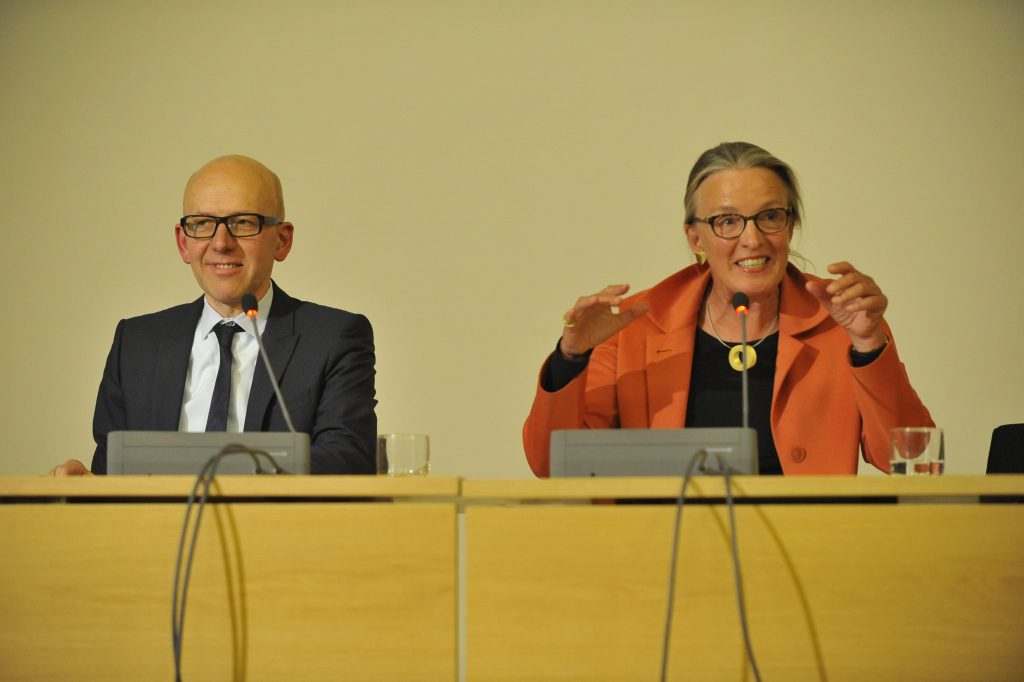
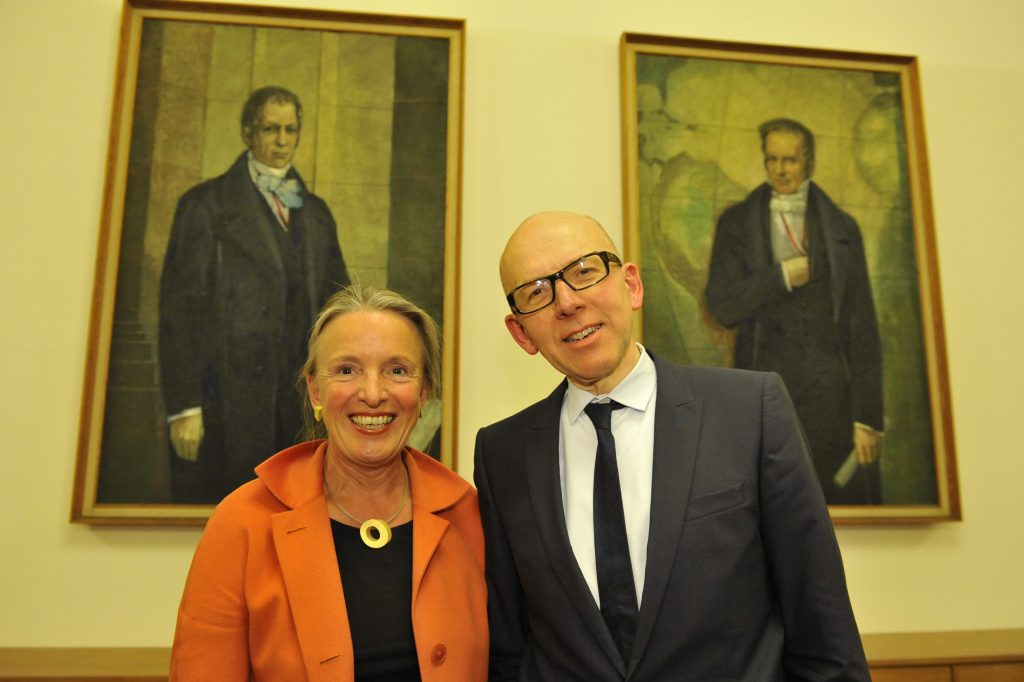
Photo Credit: Niels Leiser for the Mosse Lectures
