
Miami
Environmental Crisis
What is happening to our planet? The environmental crises that confront humanity today are
omnipresent and pressing. Wildfires, warming oceans, environmental degradation, collapsing
polar ice sheets, desertification, increasing humidity, and overall sea level rise: All present urgent
challenges to the sustainability of human society in both the immediate and longer term, and all
and serve to exacerbate other forms of human conflict indirectly. Scholars in every discipline
have illuminated the origins and evolution of our contemporary climate crises and have
examined the multiple ways that humanity has transformed the environment.1 Yet relatively few
have focused on explaining how the environmental crises of the past have transformed humanity.
Humans have confronted climate crises before, and those experiences of collapse hold valuable
insights for addressing the urgent environmental challenges of our own era and, ultimately,
responding to preserve a sustainable and resilient future.
How are we to understand and respond to increasing climate uncertainty? We are asking the
Mosse Lectures for support to host an annual, three-year series on the theme of ‘Environmental
Crisis’ at Florida International University in Miami. Our aim is to popularize and further our
understanding of the pressures on our planetary ecosystem. The climate crisis is perhaps nowhere
more palpable than in a city like Miami, where extreme weather, sea level rise and climate
effects like ‘sunny day flooding’ are part of daily life. These effects are not merely
meteorological: the city’s past as a site of arrival for refugees and diaspora communities and its
deep income inequality mean that the social effects of climate change are equally as evident.
Miami also offers an ideal site to foster a dialogue on environmental crises at Florida
International University. The Steven J. Green School of International and Public Affairs, which
would host the Mosse Lecture series, is home to a number of scholars working on the diverse
ways that international organizations, social movements, traditional forms of Earth stewardship
and community initiatives approach climate mitigation and long-term sustainability, and climate
resilience constitutes one of the school’s core strategic research themes. The lecture series will
also pair with the FIU Institute of Environment, one of the largest institutes of its kind in the
nation, and with the UNESCO Chair on Sustainable Water Security to promote the series and
develop auxiliary events around the annual lecture.
Environmental crises do not only pose challenges to infrastructure, the economy, the built
environment, or human habitation. They also exacerbate social conflicts, transform political
rhetoric, and serve as the basis for ideological ferment. In that sense, the Mosse Lectures, with
their long tradition of philosophical inquiry, offer a unique platform for addressing the urgent
topic of climate crises from a transnational and interdisciplinary perspective. By bringing
together scholars working across the sciences, social sciences, and humanities, the Mosse
Lectures at FIU aim to pose new and meaningful questions: How have human societies sought to
mitigate or adapt to climate crises of the past? What alternative foundations for sustainability
have humans sought to embrace? What constraints do existing economic and political structures
or intellectual practices place on our ability to imagine solutions to the problem of climate
sustainability? How can we make slow-moving environmental catastrophes seem imminent
amidst the attention economies of our era?
Miami Mosse Lectures Leadership:
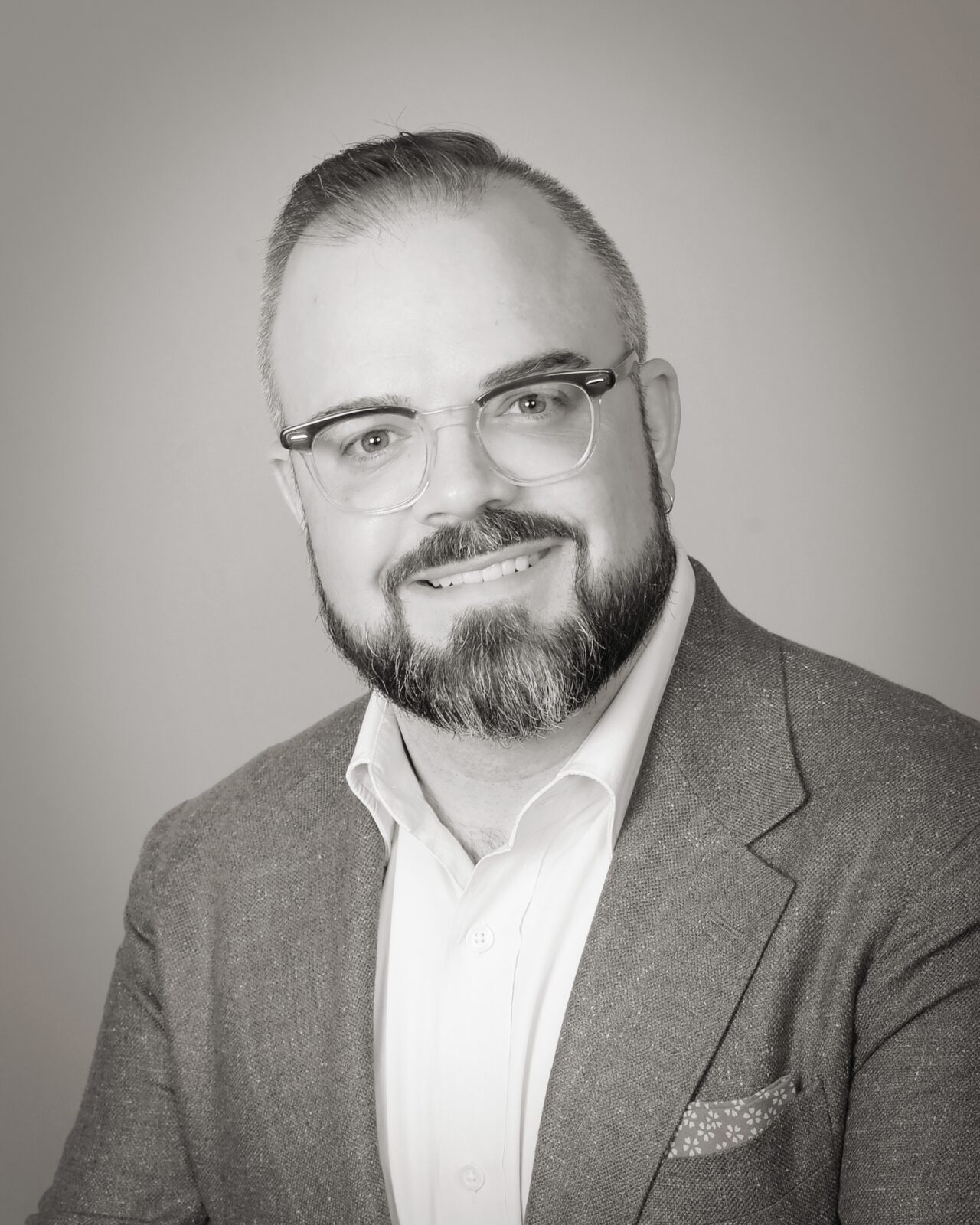
Terrence Peterson is Associate Professor of History at Florida International University. He specializes in modern Europe and European empires, with a focus on decolonization, migration, and warfare. His first book, Revolutionary Warfare: How the Algerian War Made Modern Counterinsurgency, examines how French officers sought to counter demands for Algerian independence by transforming warfare into an exercise in armed social reform. His current research examines the nearly seventy-year history of the Rivesaltes Camp in southern France to understand why migrant detention camps emerged as a quintessential tool of modern governance and why remain so today. Peterson’s work has appeared in a number of peer-reviewed journals, including the Journal of Social History, the Journal of Contemporary History, French Politics, Culture & Society, and the Journal of North African Studies, as well as in popular outlets such as War on the Rocks and the Mosse Blog.
Miami Mosse Lectures partners:
