
2012: Hasia Diner, “The United States: The Jews‘ Promised Land and Their Land of Promises”
Hasia Diner, “The United States: The Jews‘ Promised Land and Their Land of Promises”
Berlin Mosse Lecture
https://mosselectures.wisc.edu/berlin/
Thursday, 29 November 2012, 19:00 CET
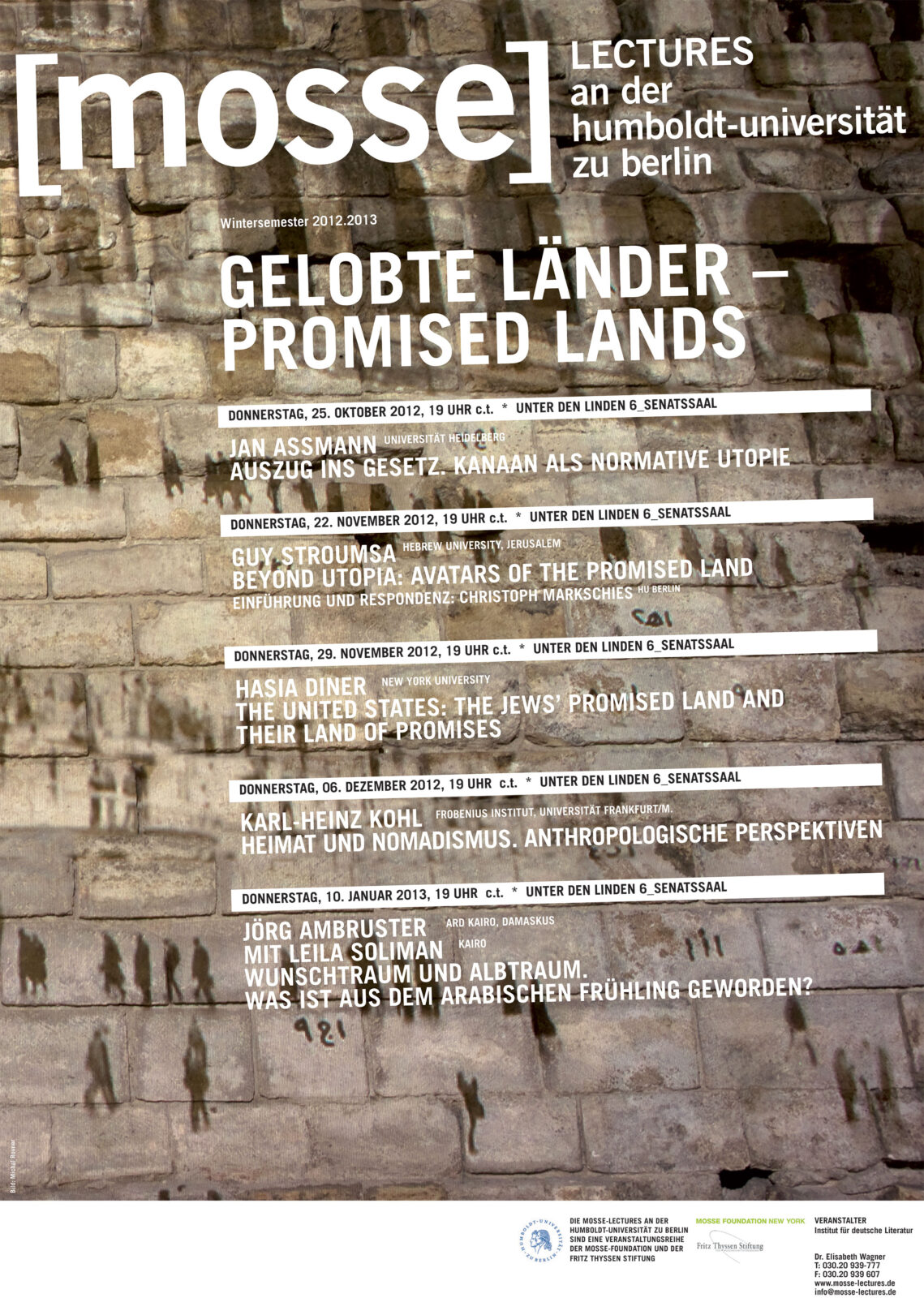
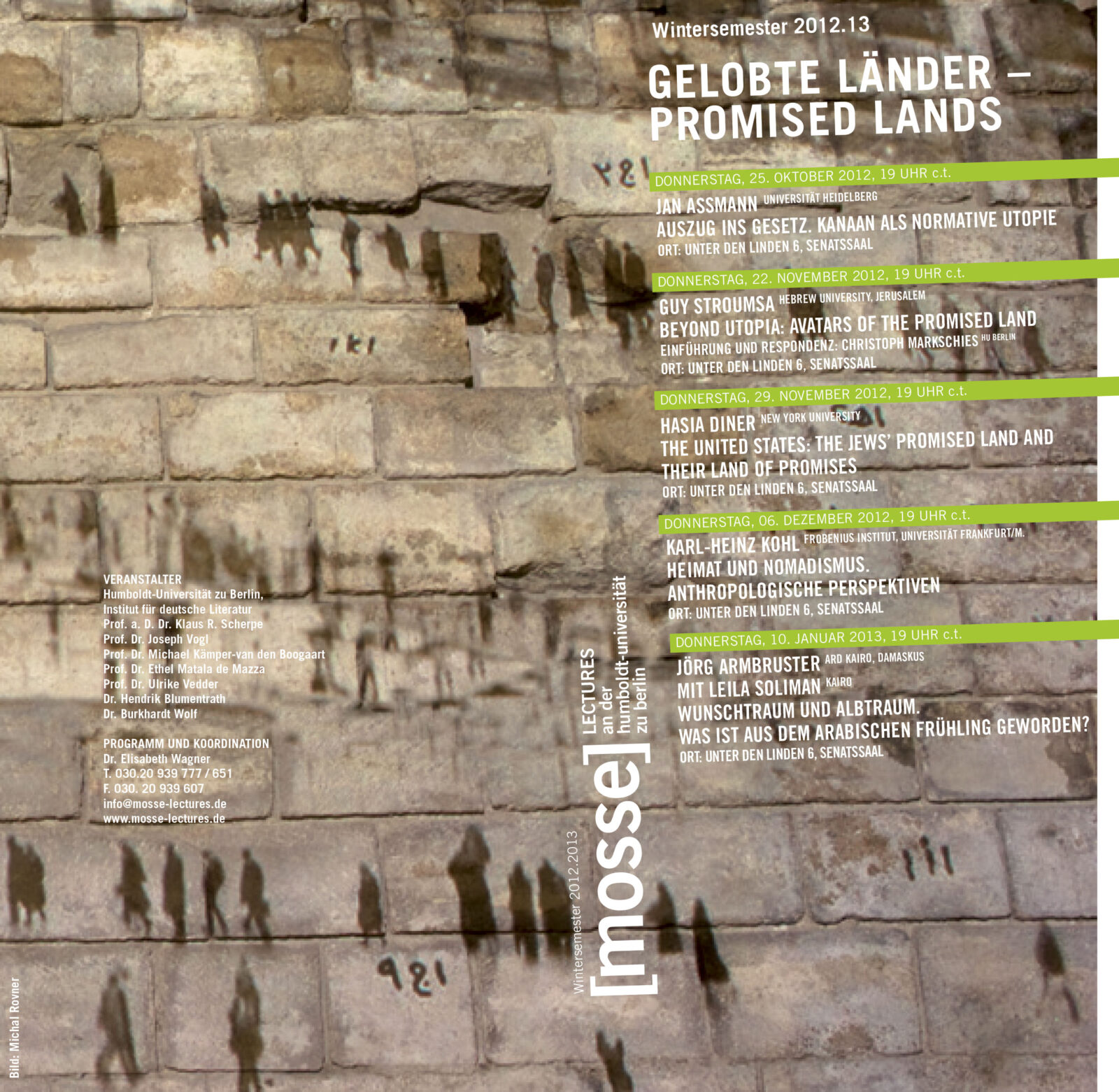
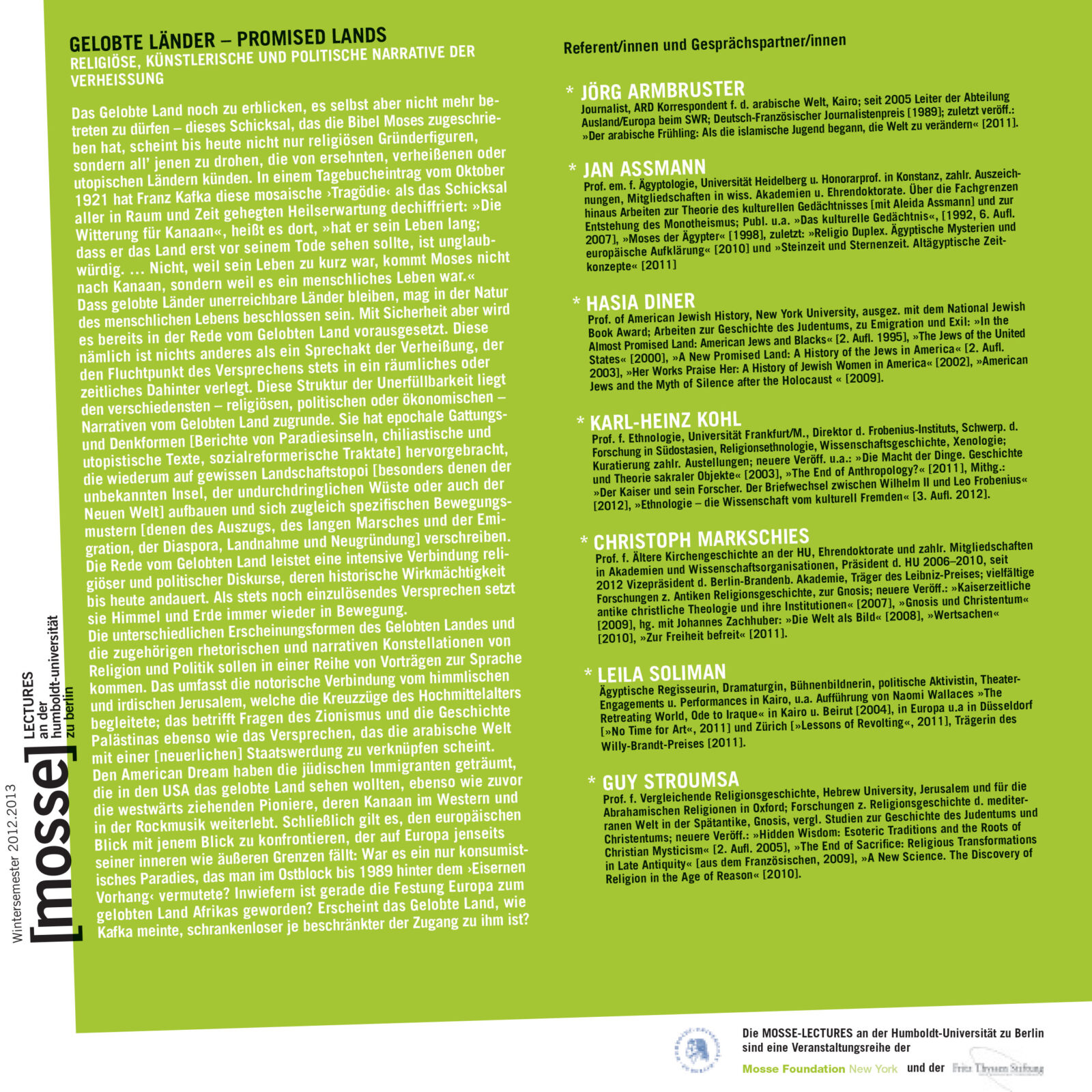
Senatssaal of Humboldt University
Under den Linden 6
1. Stock
10117 Berlin
GERMANY
Sponsored by:
[mosse] LECTURES an der humboldt-universität zu berlin
The Mosse Foundation
Global Mosse Lecture Series
Fritz Thyssen Stiftung
Institut für deutsche Literatur
Humboldt University
Moderator: Lothar Müller (Humboldt University)
Lecture Description: Was machte die USA und ihre Lebenswelt für die jüdischen Emigranten zum Gelobten Land: die Immigration, die in den 1820er Jahren im großen Stil begann und epochal mit mehreren Immigrationswellen ihren Fortgang nahm? Wie konnten die politischen, ökonomischen, demographischen und ethnischen Wirklichkeiten Amerikas für die europäischen Juden eine solche Anziehungskraft entfalten? Der Vortrag soll die inneramerikanischen Zusammenhänge in den Mittelpunkt rücken und Begründungen für die Tatsache aufzeigen, dass hundert Jahre lang, von den 1820er bis zu den 1920er Jahren, 85 % der jüdischen Emigranten sich für ein einziges Land entschieden: die Vereinigten Staaten von Amerika.
Lecture Series Description: To take a glance at the promised land but not being allowed to enter it – this fate, which the bible has attributed to Moses, seems forever to haunt the religious founders and all those who proclaim the land of desire, the longed for utopia. In his diary of October 1921 Franz Kafka has deciphered the Mosaic tragedy as fatal to all expectations of salvation in time and space: “The smell of Canaan”, it says, “he has had for all his life; that he should see the land only before his death is hard to believe … Moses does not reach for Canaan because his life was to short, but because his life was a human life.”
Given the nature of human life, promised lands remain beyond reach. This definitely is a prerequisite of its rhetoric, being nothing else but a speech act of promises, which always sets the vanishing point of great expectations, in time and space, into a there and not here. All religious, political and economic narratives of the promised land are based on this structure of never being realized. This has generated world-shattering forms of genre and thought (reports of paradise islands, chiliastic and utopian texts, treatises of social reform), based on certain topoi of landscape (the unknown island, the impenetrable desert, the New World as such), but at the same time dedicated to patterns of movement or mobilization ( the Exodus, the Long March, emigration, diaspora, settlement and founding). The rhetoric of the promised land enables to con-nect intensly religious and political discourses, effective and powerful in history up to the present day. As a promise never to be fulfilled it keeps heaven and earth in permanent motion and flux.
The Mosse-Lectures will review these different manifestations of the promised land in terms of their rhetoric and narrative constellations of religion and politics: the notorious conjunction of the heavenly and the earthly Jerusalem accompanying the crusades of the high middle ages, matters of Zionism bound to the history of Palestine, most recently the promise of Arabian unity in a state to come, and, of course, the American dream of the pioneers of frontier, their Canaan, which survives in the Western movies and in rock music, not to forget the Jewish and other immigrants welcoming America as their promised land. Finally European views must be confronted with the glance back from outside its borders, until 1989, Europe as a consumer paradise, a lure for the people behind the iron curtain. And how has Fortress Europe become the promised land for African? Do we want to suggest with Kafka that the promised land is all the more boundless the more access to it is limited or even closed down?
Hasia Diner: ist Paul and Sylvia Steinberg Professorin für amerikanisch-jüdische Geschichte und Direktorin des Goldstein Goren Centers an der New York University; Forschungen insbesondere zur Immigration und Ethnogeschichte, zur Geschichte des amerikanischen Judentums und der Geschichte von Frauen in den USA. Veröffentlichungen u.a: In the Almost Promised Land: American Jews and Blacks (1995), The Jews of the United States 1654-2000 (2000), Lower East Side Memories: The Jewish Place in America (2000), mit Beryl Leif Benderly: Her Works Praise Her: A History of Jewish Women in America (2002), We Remember with Reverence and Love: American Jews and the Myth of Silence after the Holocaust (2009), ausgezeichnet mit dem National Jewish Book Award and dem Saul-Viener-Preis der American Jewish Historical Society.
Lothar Müller has worked as an editor for the Frankfurter Allgemeine Zeitung and the Süddeutsche Zeitung, and lectured at the Institute for Comparative Literature at the Free University. Since 2010, he has served as Honorary Professor in the Institute for German Literature at the Humboldt University Berlin. He is the author of numerous publications, including Adrien Proust und sein Sohn Marcel. Beobachter der erkrankten Welt (2021) and Weiße Magie. Die Epoche des Papiers (2012). He was awarded the Berlin Prize for Literary Criticism in 2013.
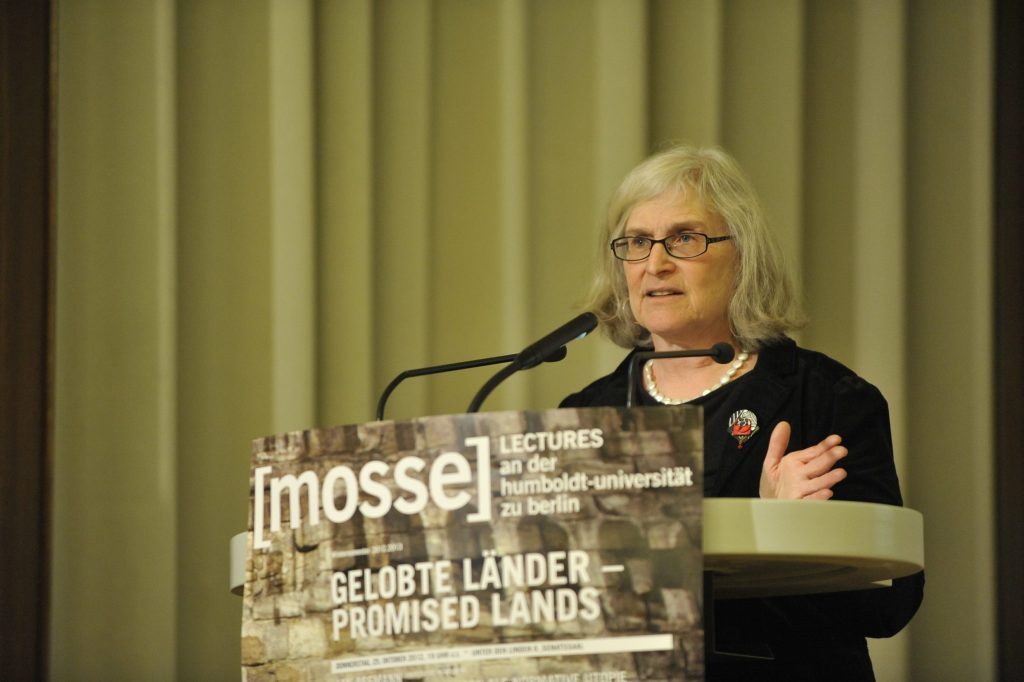
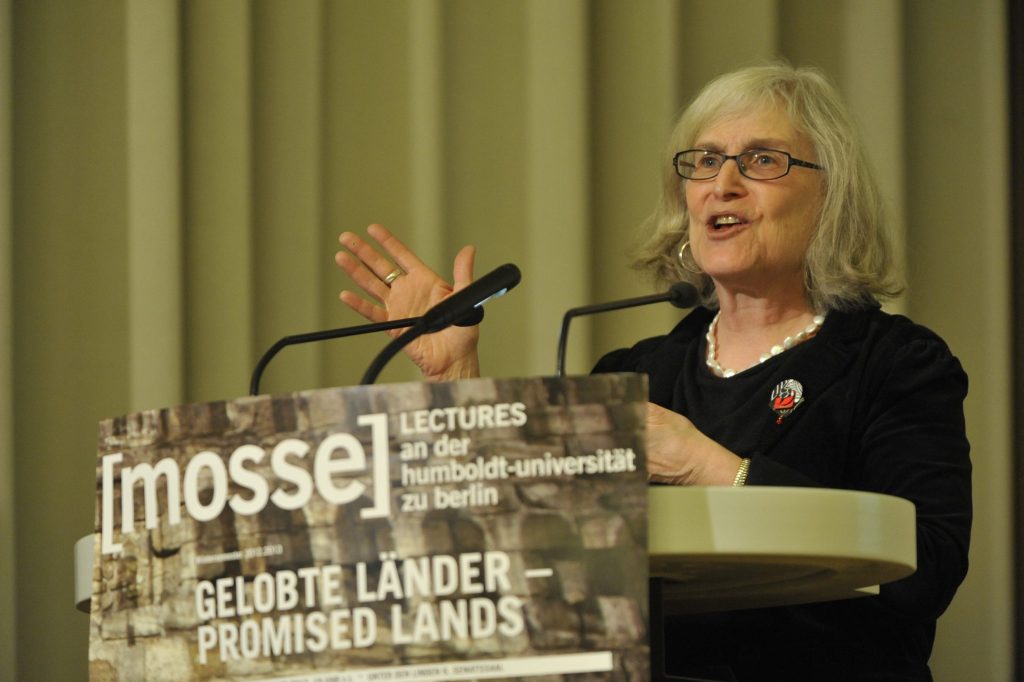
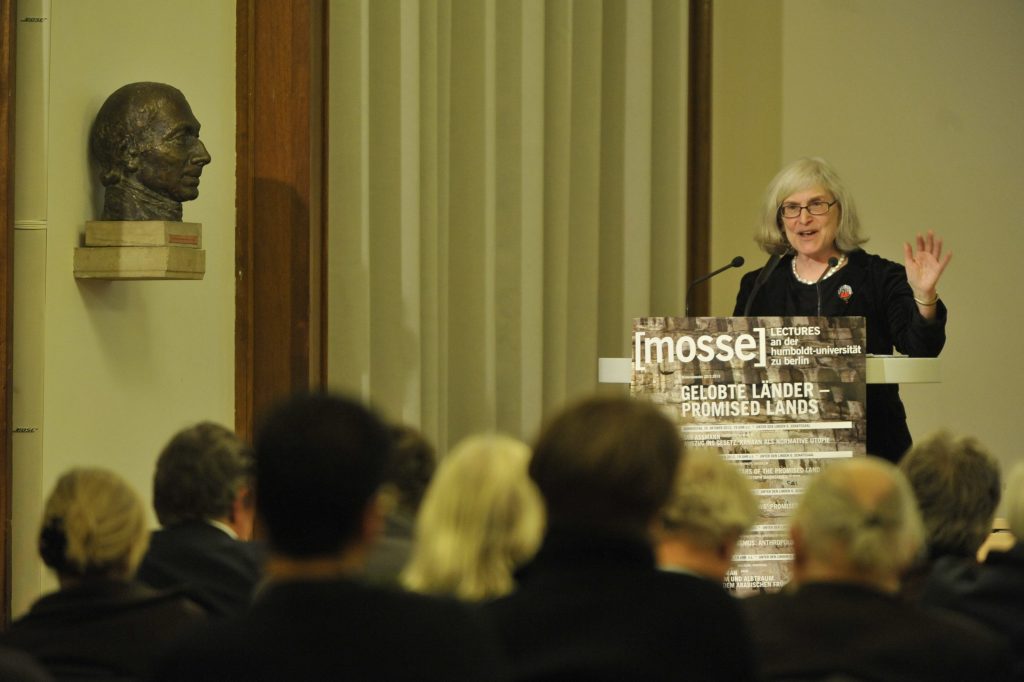
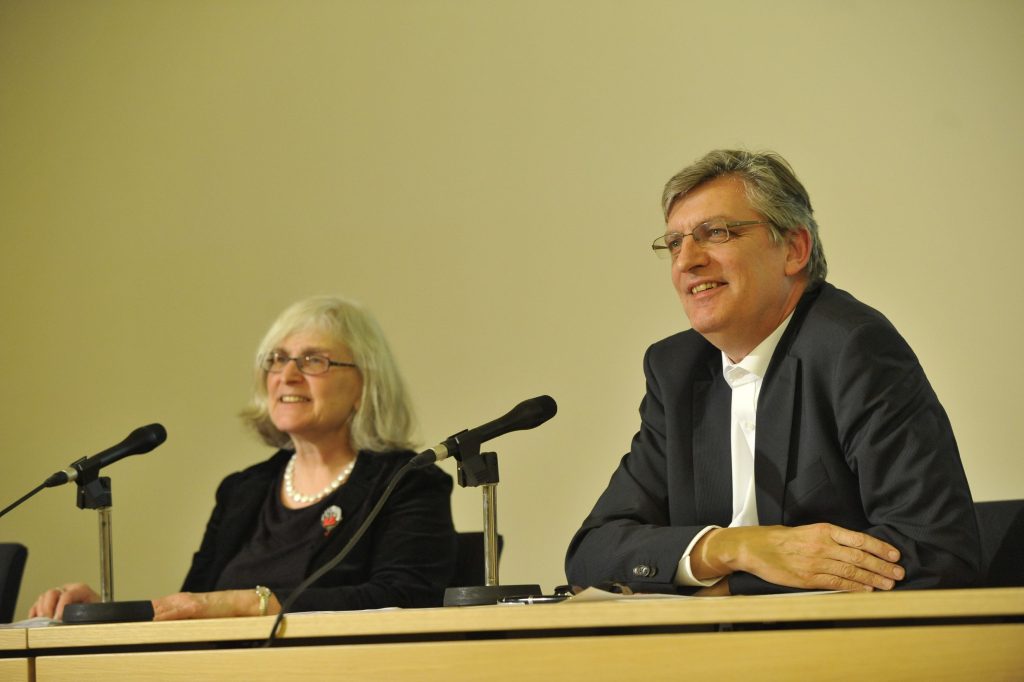
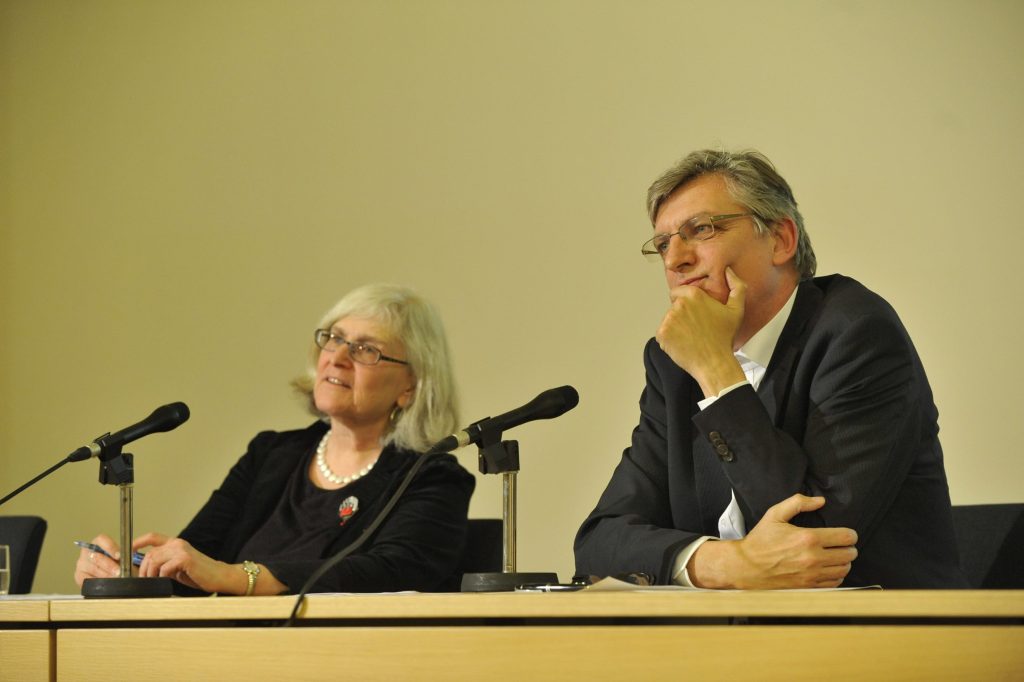
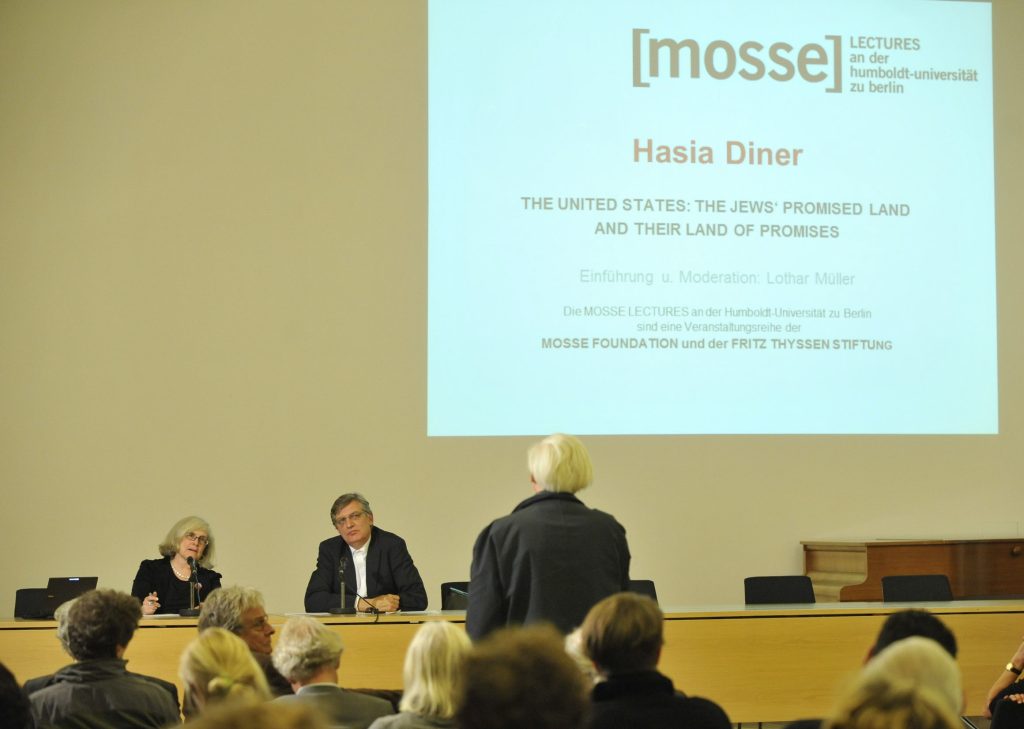
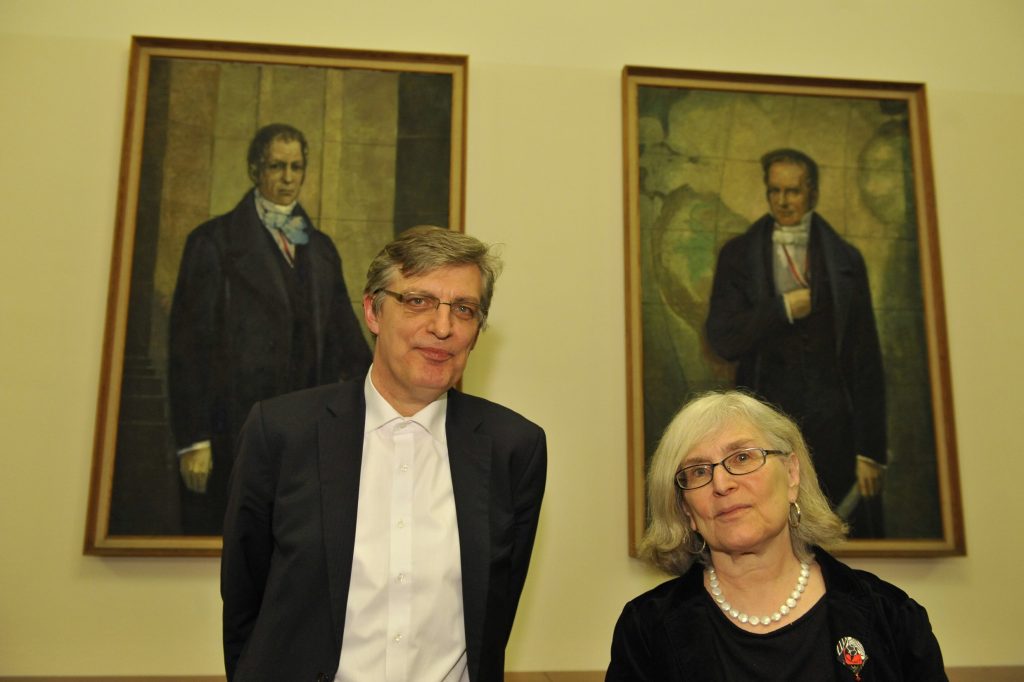
Photo Credit: Niels Leiser for the Mosse Lectures
