
2012: Hagai Levi and Elisabeth Bronfen, “Is Television The New Psychological Treatment?”
Hagai Levi & Elisabeth Bronfen, “Is Television The New Psychological Treatment?”
Berlin Mosse Lecture
https://mosselectures.wisc.edu/berlin/
Thursday, 14 June 2012, 19:00 CET
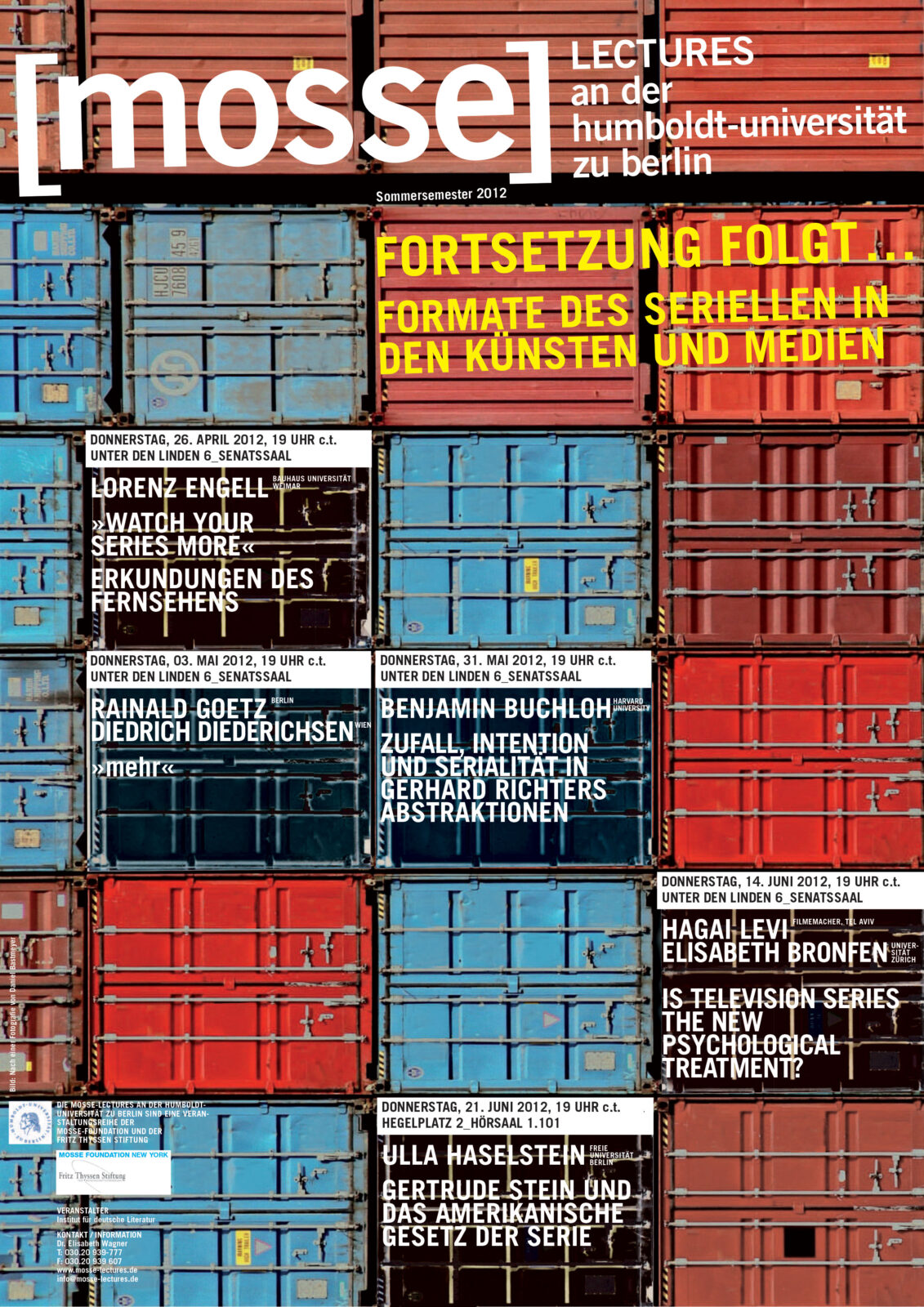
Senatssaal of Humboldt University
Unter den Linden 6
1. Stock
10117 Berlin
GERMANY
Sponsored by:
[mosse] LECTURES an der humboldt-universität zu berlin
The Mosse Foundation
Global Mosse Lecture Series
Fritz Thyssen Stiftung
Institut für deutsche Literatur
Humboldt University
Moderator: Ethel Matala de Mazza (Humboldt University)
Respondent: Elisabeth Bronfen (Universität Zürich)
Lecture Description: In seiner in Israel, den USA und mehreren anderen Ländern Europas und Südamerikas außerordentlich erfolgreichen Fernsehproduktion hat der Filmemacher und Produzent Hagai Levi die psychoanalytische Gesprächstherapie ins serielle Format übertragen. Im Rahmen dieser talking cure erweist sich die Analyse der früheren Lebensgeschichten und der aktuellen Lebenssituationen als ungemein seriengerecht. Darüber hinaus verweist der hohe Bekanntheitsgrad der Serie in Israel und der internationale Erfolg auf die immanente Darstellung der psychisch, sozial und politisch bedingten Lebensverhältnisse. In einer Art re-enactment dieses Projekts werden Vortrag und Gespräch seine Produktionsgeschichte, das Prinzip der Serialität, die literarischen und filmischen Bezüge und seine kulturelle Übertragbarkeit und Vergleichbarkeit zur Sprache bringen. Was als Wiederholung gilt, zeigt die Wandelbarkeit als Merkmal einer grundlegend instabilen Gegenwart.
Lecture Series Description: Creativity and Originality are bound up with the individual and unique work of art. But ever since “Arabian Nights” and the 19th century serial novels of Charles Dickens and Eugène Sue other forms of narrative representation became popular: namely stories spanning several episodes with the promise that the storyline is to be continued beyond the cliffhanger, maybe indefinitely. The single story becomes a variation in the narrative pattern with contingent beginnings and uncertain endings. The “aesthetics of the serial”, playfully elaborated by Umberto Eco, is not just a timely mode of industrial and media production, statistics and digital calculation. Not only the variant but variation as such, the regular irregularity with its potential of virtual infinity may cause aesthetic pleasure. Difference may be explored in repetition. To be sure, the narrative formats of telenovelas and soap operas foster consumerism. However, ritualization in the serial form of produc-tion can create more than affirmation. Gertrude Stein’s “rhythm of being” favors continuation und duration in mere presence, indulgence in the promotion of the ever same as divergent. The MOSSE-LECTURES of the summer semester 2012 will focus attention on the new narrative forms of complexity and ambiguity in high quality television series, revisiting at the same time the serial structures of novels, and observing the production of different forms of art, film, video and interactive modes of narration.
Hagai Levi: Filme und Fernsehproduktionen wurden in Israel und auf internationalen Festivals mehrfach preisgekrönt, so auch die Dokumentarfilme Fucked Up Generation und It Kinda Scares Me. Die psychoanalytische Fernsehserie Be‘ Tipul (erste Staffel 2005, zweite Staffel 2008) wurde mit dem Regiepreis der Israelischen Akademie ausgezeichnet. Sie diente als Vorlage für die amerikanische Serie In Treatment des PayTV Senders HBO (drei Staffeln 2007 bis 2010); auf 3SAT lief 2010 und 2011 eine Synchronfassung der ersten und zweiten Staffel der HBO-Version.
Elisabeth Bronfen: Professorin für Anglistik an der Universität Zürich und Global Distinguished Professor an der New York University. Viele ihre zahlreichen Aufsätze und Bücher aus den Bereichen von Kulturwissenschaft, Gender Studies, Psychoanalyse und Film wurden in mehrere Sprachen übersetzt, u.a. Die Diva (2002), Home in Hollywood (2004), Liebestod und Femme Fatale (2004), Tiefer als der Tag gedacht. Eine Kulturgeschichte der Nacht (2008), Stanley Cavell (2009), Crossmappings (2009); Demnächst erscheint Specters of War. Hollywood’s Engagement with Military Conflict.
Ethel Matala de Mazza has been professor of modern German literature at Humboldt University since 2010. She is the author of three monographs, including Der populäre Pakt. Verhandlungen der Moderne zwischen Operette und Feuilleton (Fischer, 2018) and Der verfaßte Körper. Zum Projekt einer organischen Gemeinschaft in der Politischen Romantik (Rombach, 1999). She has served as a visiting professor at Johns Hopkins University, the University of Indiana, Bloomington, and the University of California, Berkeley, Harvard University, and the University of Chicago. She received her terminal degree in German literature at the University of Munich in 2007.
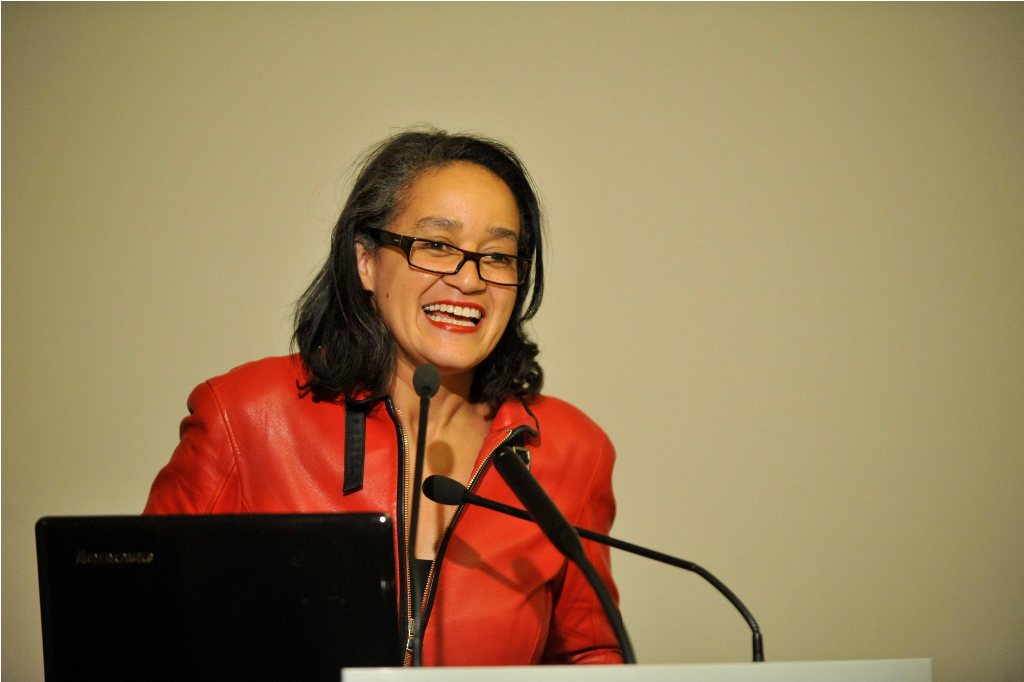
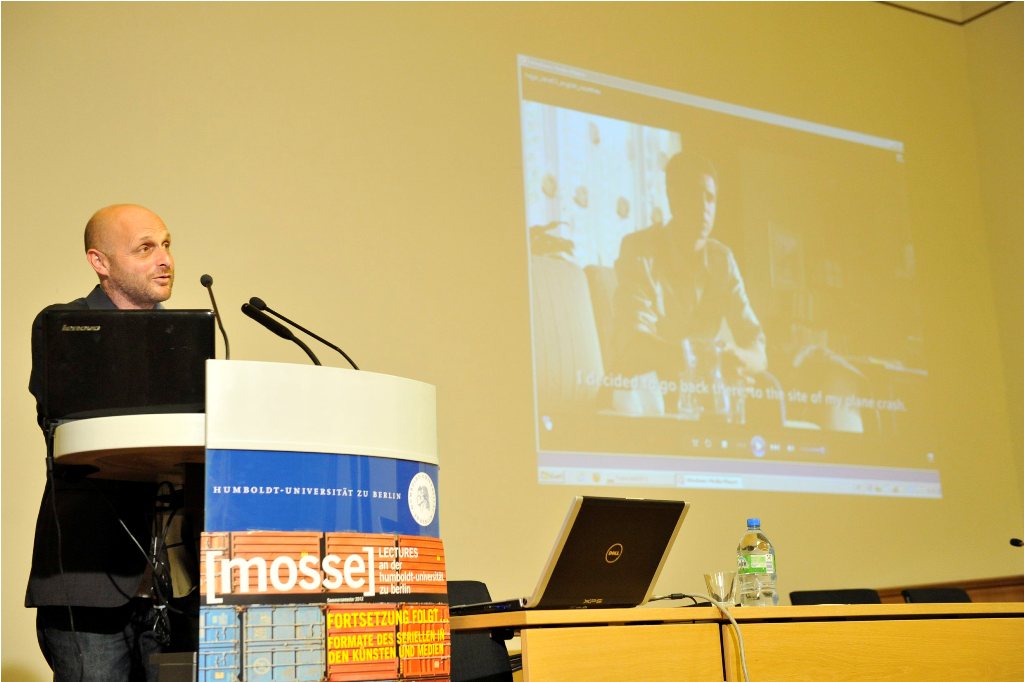
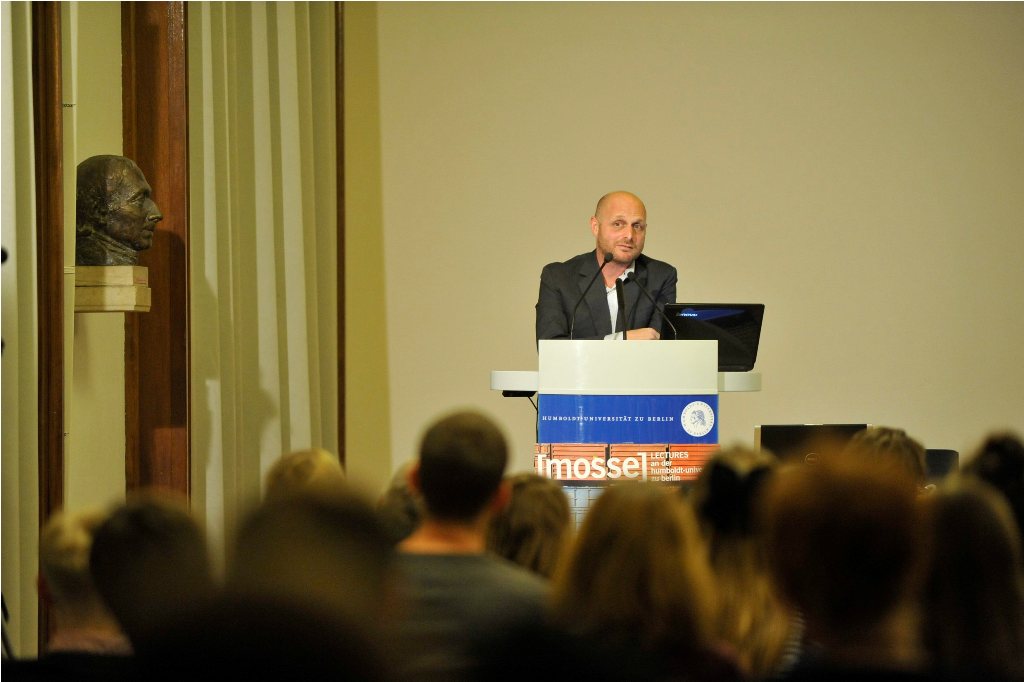
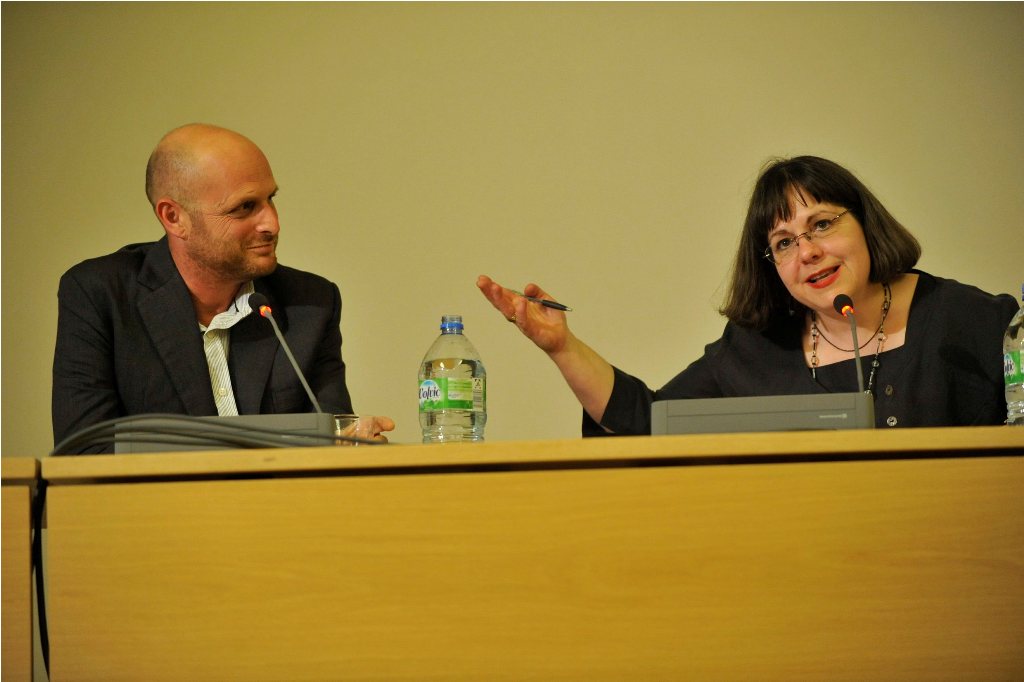
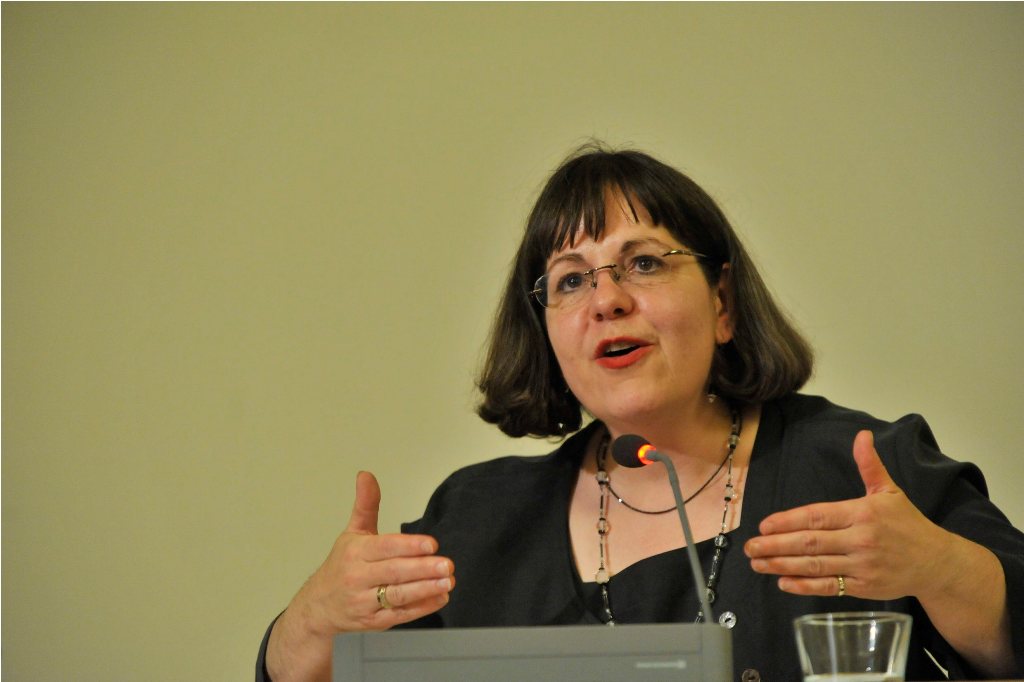
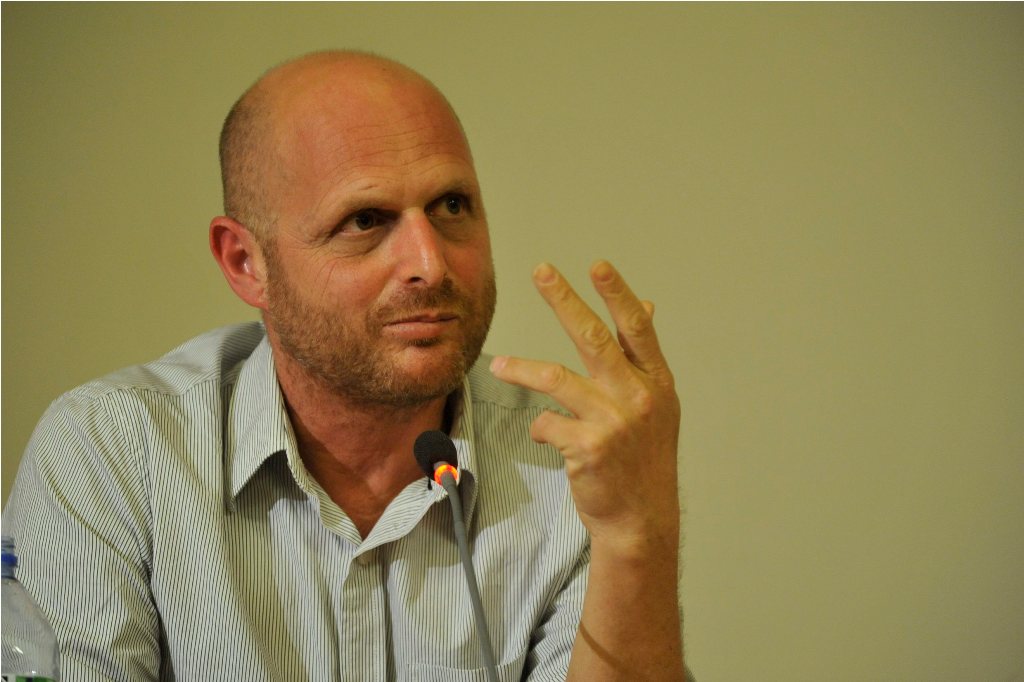
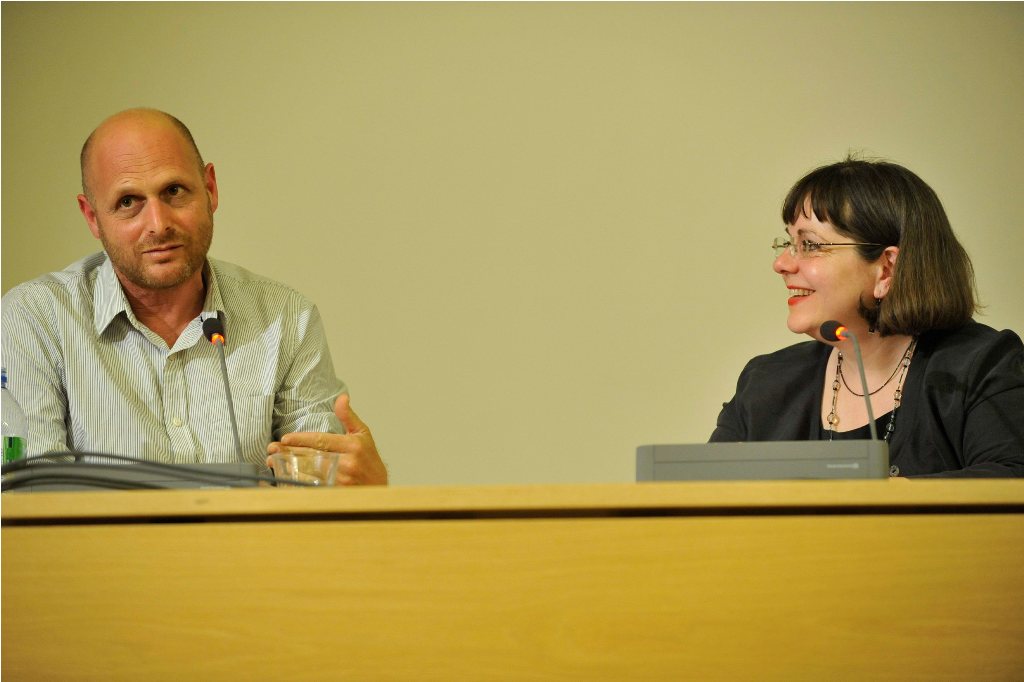
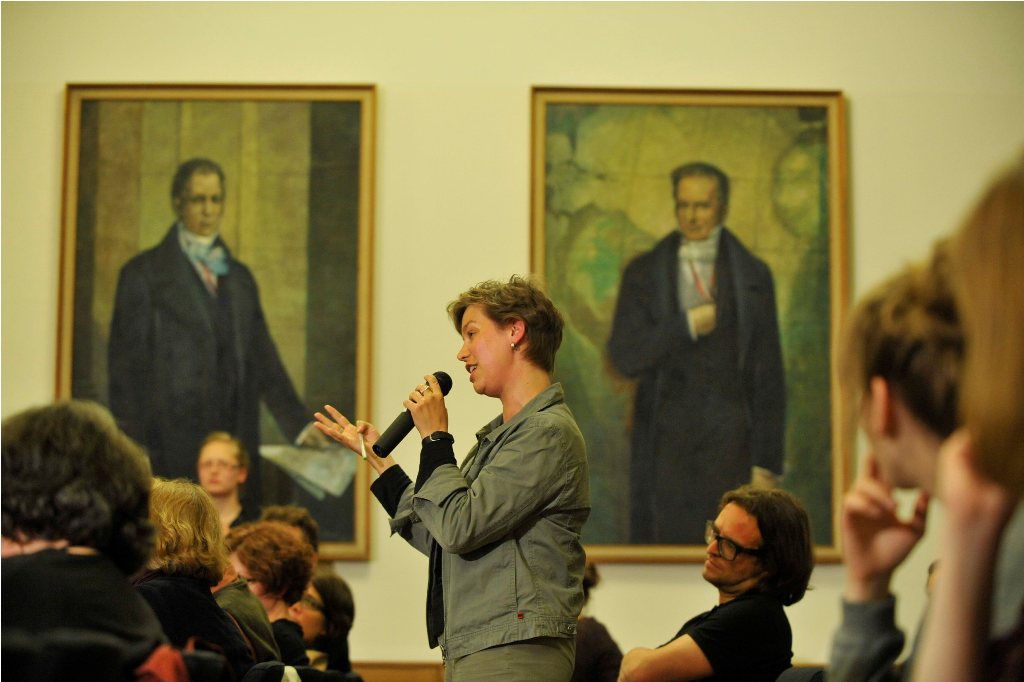
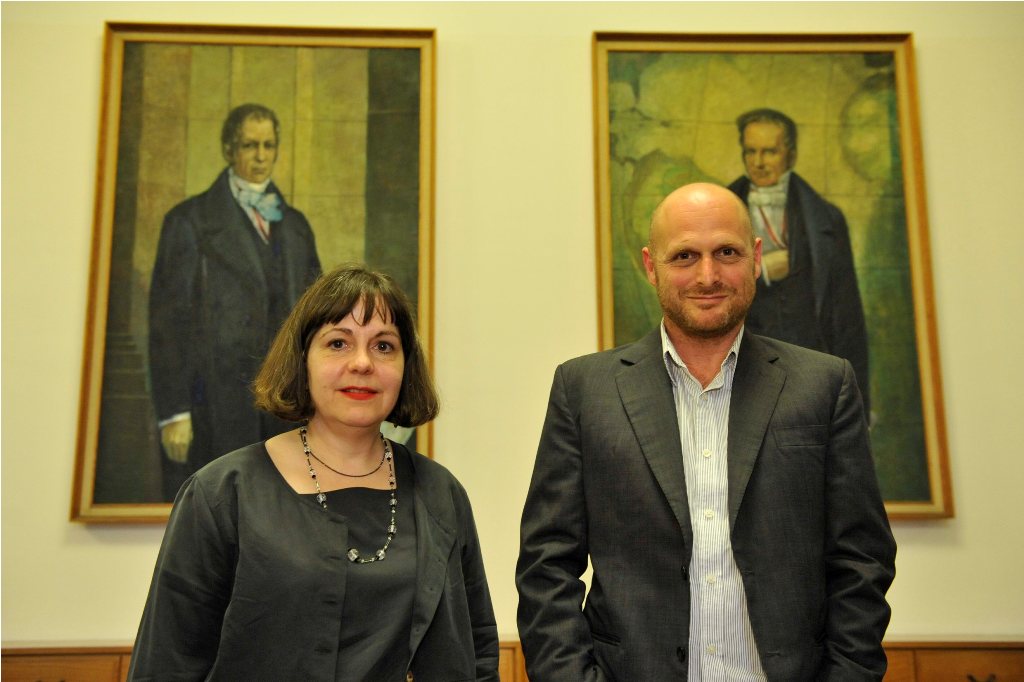
Photo Credit: Niels Leiser for the Mosse Lectures
