
2012: Lorenz Engell, “‘Watch your series more’ – Erkundungen des Fernsehens / “‘Watch Your Series More’: Explorations of Television”
Lorenz Engell, “‘Watch your series more’ – Erkundungen des Fernsehens / “‘Watch Your Series More’: Explorations of Television”
Berlin Mosse Lecture
https://mosselectures.wisc.edu/berlin/
Thursday, 26 April 2012, 19:00 CET
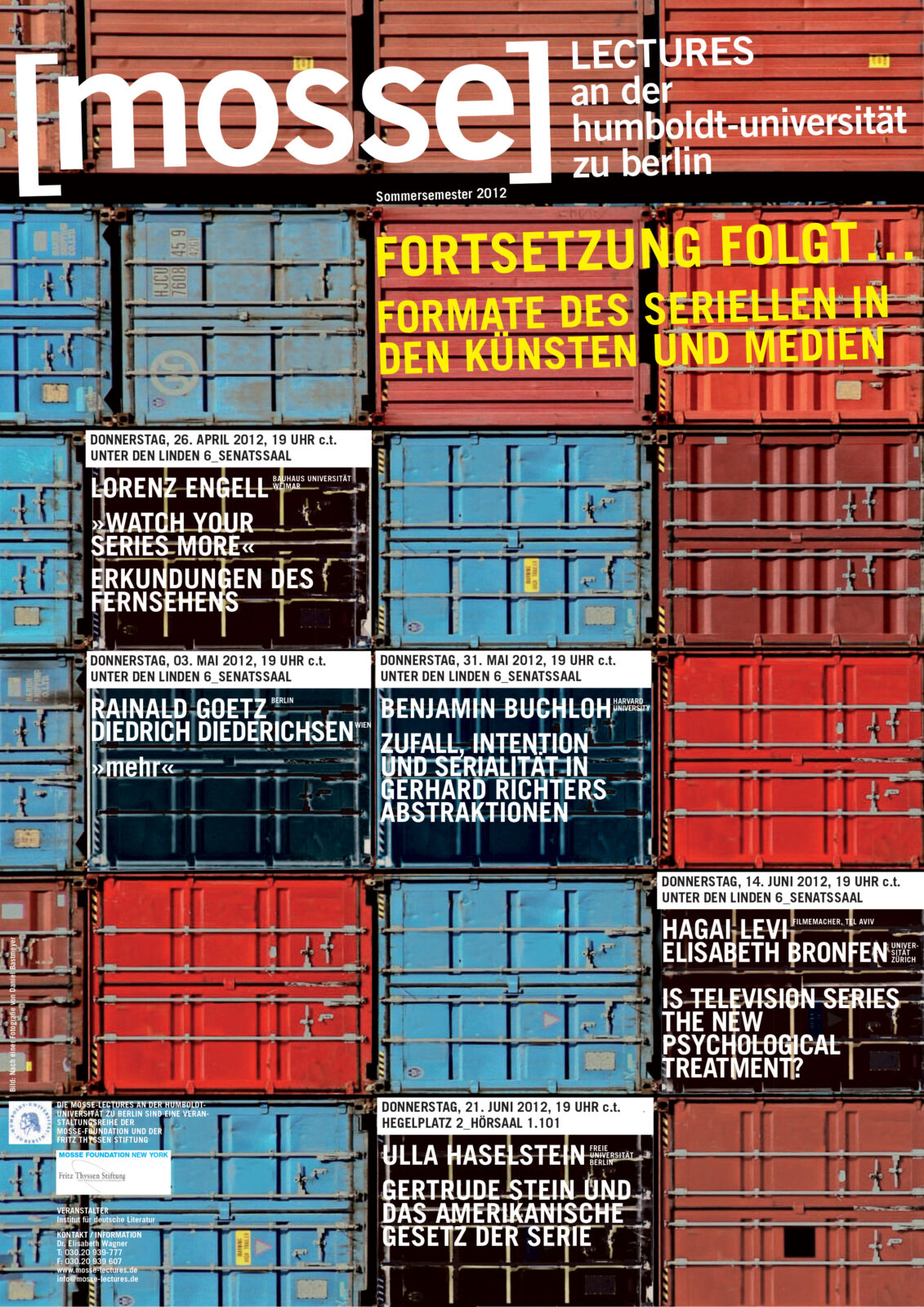
Senatssaal of Humboldt University
Unter den Linden 6
1. Stock
10117 Berlin
GERMANY
Sponsored by:
[mosse] LECTURES an der humboldt-universität zu berlin
The Mosse Foundation
Global Mosse Lecture Series
Fritz Thyssen Stiftung
Institut für deutsche Literatur
Humboldt University
Moderator: Klaus Scherpe (Humboldt University)
Lecture Description: „Read your Westerns more“ war die Empfehlung des amerikanischen Präsidenten Howard Taft an seine Landsleute, wollten sie sich selbst und ihr Gemeinwesen verstehen. Unverändert werden auch heute die drängendsten Fragen der Gegenwart an den scheinbar ungeeignetsten Stellen verhandelt, darunter in erstaunlichem Maße in den weltweit zirkulierenden Serien der amerikanischen Fernsehproduktion. Zu den Fragen, die in Form der Fernsehserie gestellt und variiert werden, gehören zunächst einmal thematische Besorgnisse. Die Verteilung von Macht und Herrschaft, das Geschlechterverhältnis, die uralte Frage nach der Herkunft des Bösen, die Kritik an wirtschaftlichen Zuständen, die Sorge um eine prinzipielle Unverstehbarkeit der Welt, all dem gehen Fernsehserien nach. Dahinter aber ist die Verhandlung der Phänomene der Serialität und der Serialisierung selbst ein Signum der Gegenwart. Der Philosoph Stanley Cavell vermutet hinter der flächendeckenden Ausbreitung der Serienform durch das Fernsehen den Versuch einer grundlegenden Stillstellung der Welt. Der Vortrag legt dagegen die These ein, dass Serienformate heute erproben, was das Andauern und was das Vorüberziehen überhaupt sei, was als Ereignis, was als Wiederholung, Gedächtnis und Geschichte gilt: die Wandelbarkeit als Merkmal einer grundlegend instabilen Gegenwart.
Lecture Series Description: Creativity and Originality are bound up with the individual and unique work of art. But ever since “Arabian Nights” and the 19th century serial novels of Charles Dickens and Eugène Sue other forms of narrative representation became popular: namely stories spanning several episodes with the promise that the storyline is to be continued beyond the cliffhanger, maybe indefinitely. The single story becomes a variation in the narrative pattern with contingent beginnings and uncertain endings. The “aesthetics of the serial”, playfully elaborated by Umberto Eco, is not just a timely mode of industrial and media production, statistics and digital calculation. Not only the variant but variation as such, the regular irregularity with its potential of virtual infinity may cause aesthetic pleasure. Difference may be explored in repetition. To be sure, the narrative formats of telenovelas and soap operas foster consumerism. However, ritualization in the serial form of produc-tion can create more than affirmation. Gertrude Stein’s “rhythm of being” favors continuation und duration in mere presence, indulgence in the promotion of the ever same as divergent. The MOSSE-LECTURES of the summer semester 2012 will focus attention on the new narrative forms of complexity and ambiguity in high quality television series, revisiting at the same time the serial structures of novels, and observing the production of different forms of art, film, video and interactive modes of narration.
Lorenz Engell: Professor für Medienphilosophie an der Bauhaus-Universität Weimar, Forschungen v.a. zur Mediengeschichte von Film und Fernsehen, Co-Direktor des Internationalen Kollegs für Kulturtechnik und Medienphilosophie, Mithg. des Archivs für Mediengeschichte und der Zeitschrift für Medien- und Kulturforschung, Buchveröffentlichungen u.a.: Ausfahrt Babylon (2000), Bilder des Wandels (2003), Bilder der Endlichkeit (2005), Philosophie des Fernsehens (2005), Philosophie des Films (2007), Playtime (2010).
Klaus Scherpe served as professor of modern German literature at Humboldt University Berlin starting in 1993, where he also directed the Institute for German Literature between 1996 and 1998 and co-founded the Mosse Lectures in 1997. He is the author of How German Is It, and How American? Ironic Replays in Literature (2005) and Die rekonstruierte Moderne. Studien zur deutschen Literatur nach 1945 (1992), among numerous other works. From 1973-1993 he served as professor of modern German literature at the Free University of Berlin. He has been active as a guest professor at numerous universities around the world, including in the US, Japan, Australia, and Argentina.
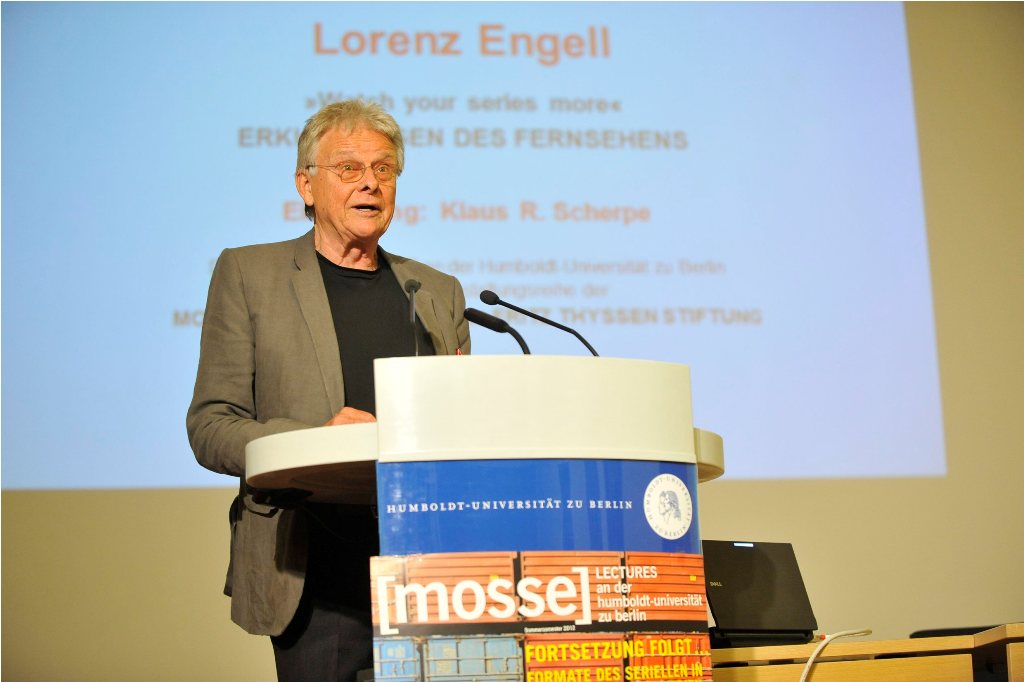
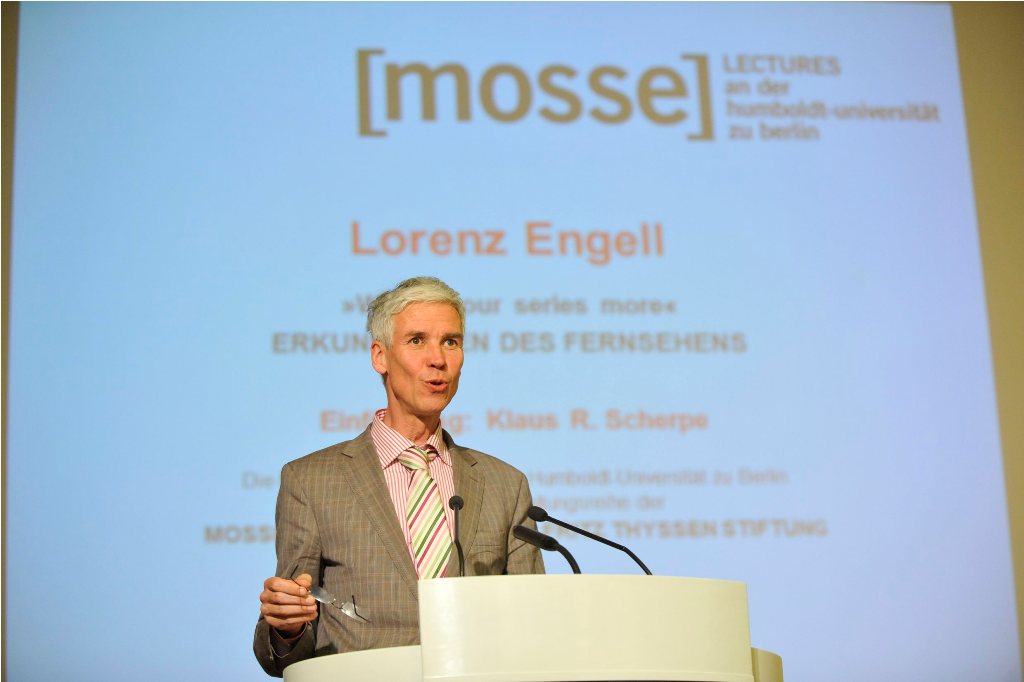
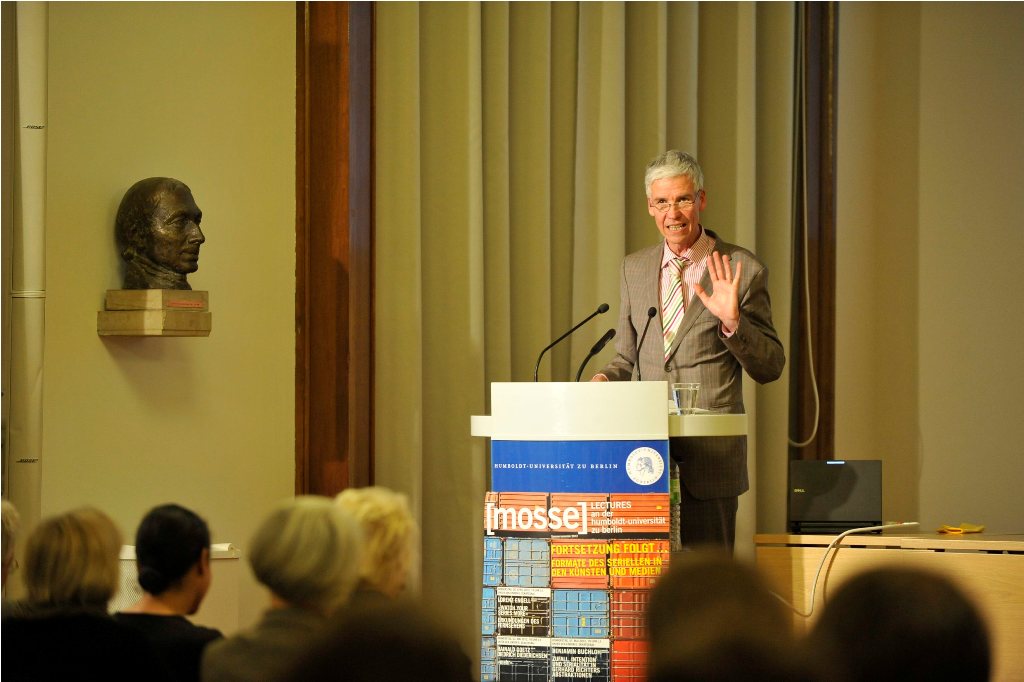
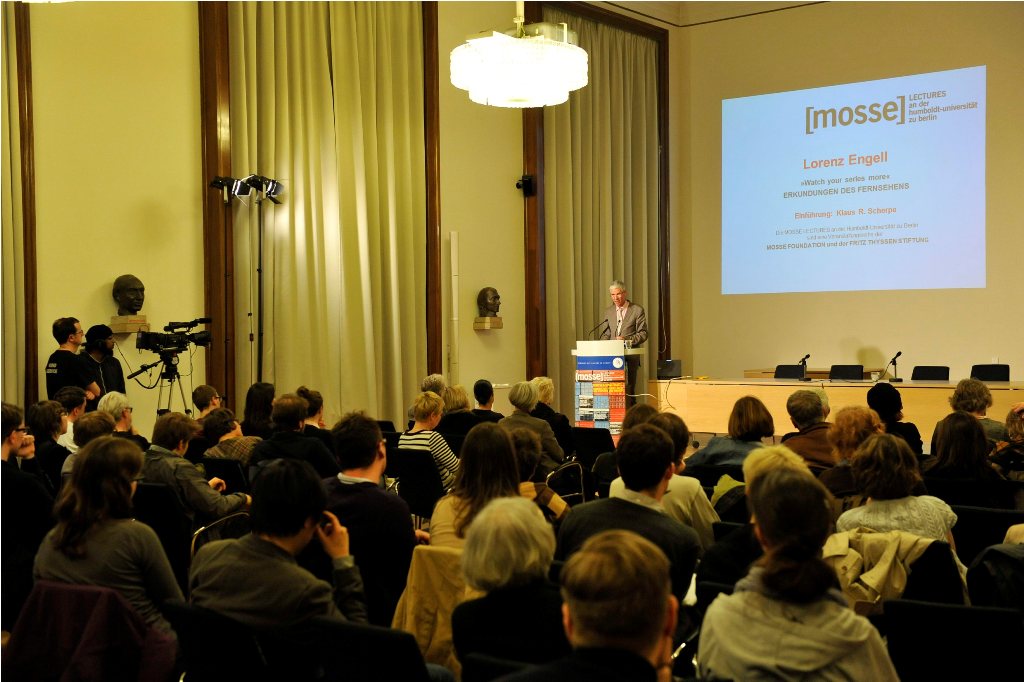
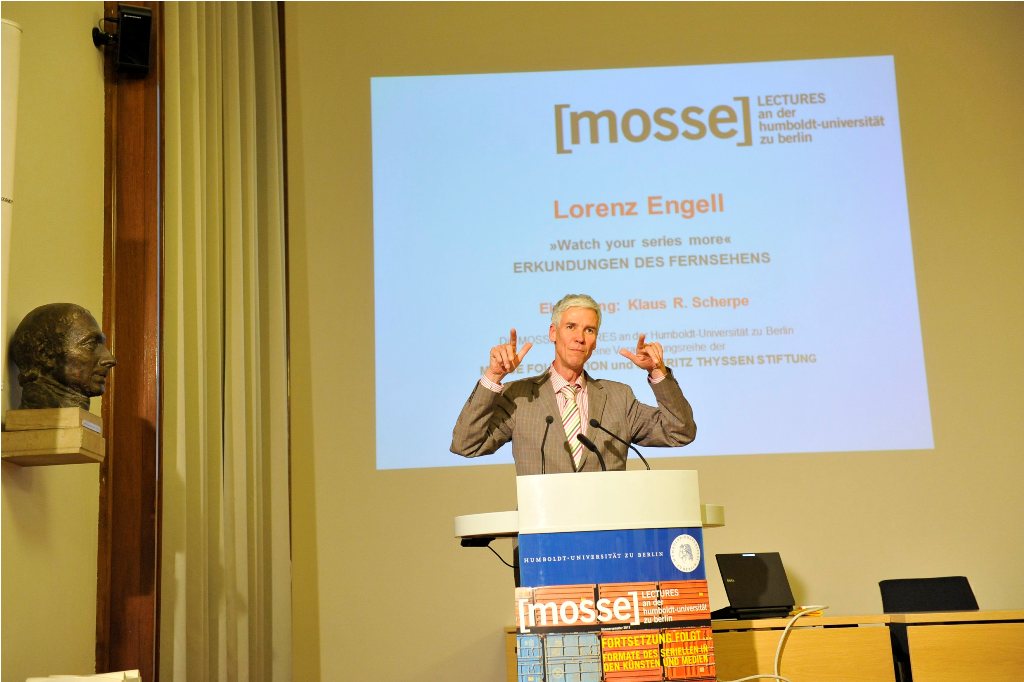
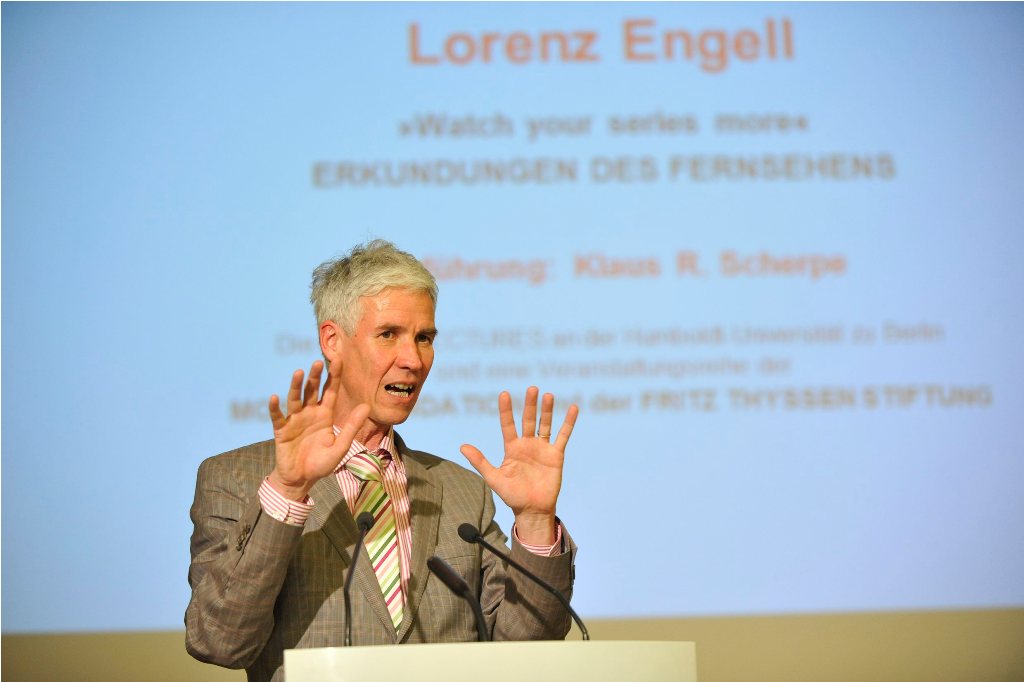
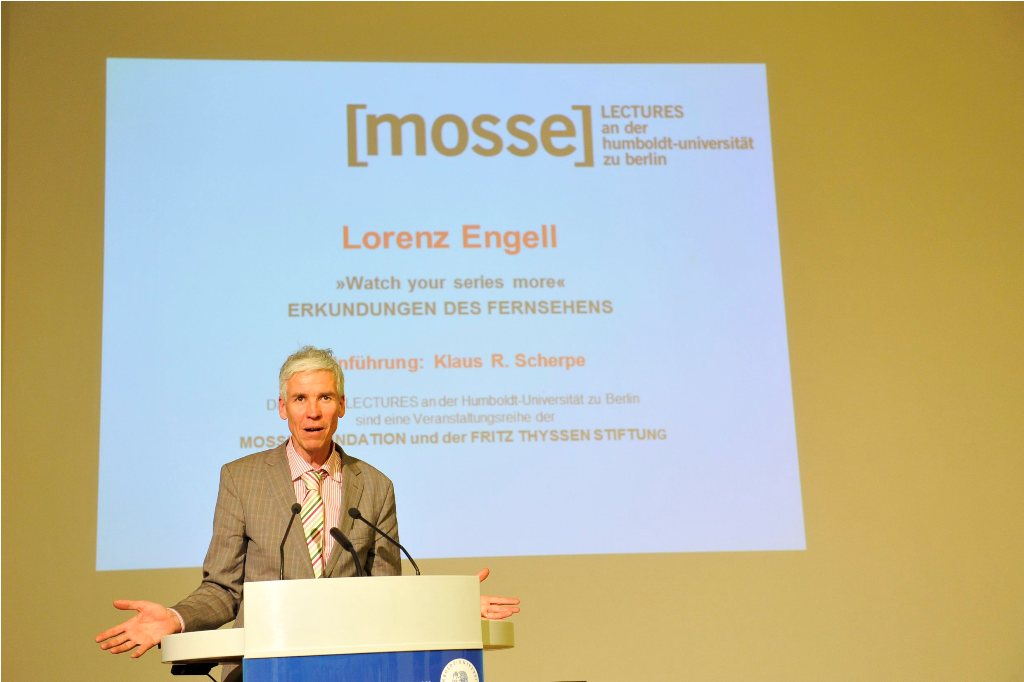
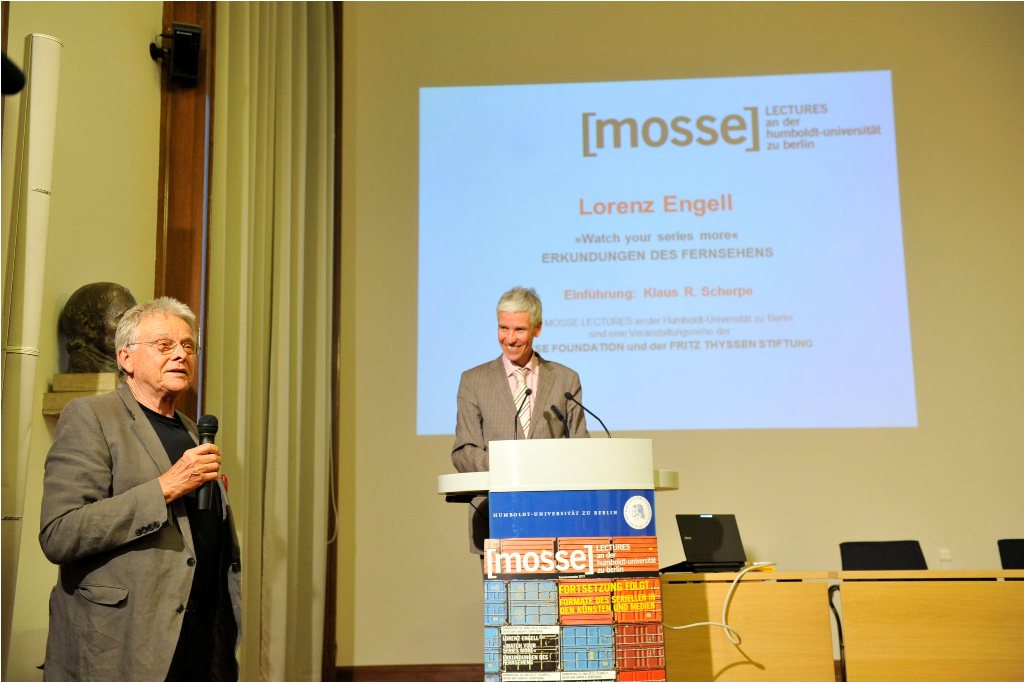
Photo Credit: Niels Leiser for the Mosse Lectures
