
2012: Benjamin H.D. Buchloh, “Zufall, Intention und Serialität in Gerhard Richters Abstraktionen” / “Coincidence, Intention and Seriality in Gerhard Richter’s Abstractions”
Benjamin Buchloh, “Zufall, Intention und Serialität in Gerhard Richters Abstraktionen” / “Coincidence, Intention and Seriality in Gerhard Richter’s Abstractions”
Berlin Mosse Lecture
https://mosselectures.wisc.edu/berlin/
Thursday, 31 May 2012, 19:00 CET
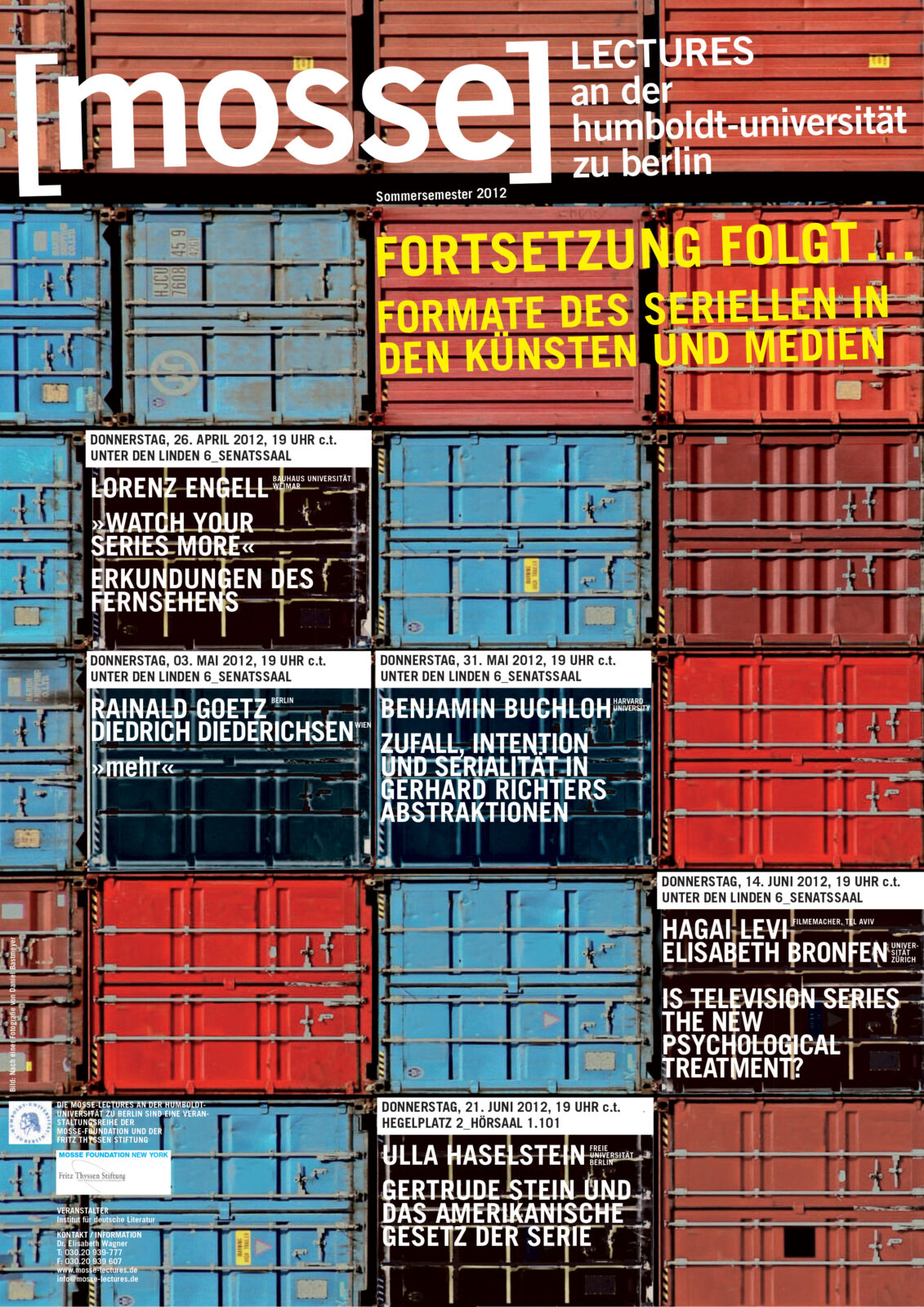
Senatssaal of Humboldt University
Unter den Linden 6
1. Stock
10117 Berlin
GERMANY
Sponsored by:
[mosse] LECTURES an der humboldt-universität zu berlin
The Mosse Foundation
Global Mosse Lecture Series
Fritz Thyssen Stiftung
Institut für deutsche Literatur
Humboldt University
Moderator: Elisabeth Wagner (Humboldt University)
Lecture Description: Der Vortrag wendet sich primär an das Spätwerk von Gerhard Richter: die neuen, digital erzeugten Bilder aus den Jahren 2011-2012. Es wird versucht diese neuen Bilder in einer langen und widersprüchlichen Geschichte von Serialität, Abstraktion und Zufall zu verstehen. Verschiedene historische Etappen, in denen das Prinzip des Zufalls in der Musik und in der Malerei eine wichtige Rolle gespielt hat, werden diskutiert, um die Frage ihrer gegenwärtigen interpretatorischen Anwendbarkeit zu klären. Oder aber um zu belegen, dass es sich um eine höchst eigenständige, historisch spezifische und völlig differente Anwendung dieser Prinzipien in Richters Abstraktion in der Gegenwart handelt.
Lecture Series Description: Creativity and Originality are bound up with the individual and unique work of art. But ever since “Arabian Nights” and the 19th century serial novels of Charles Dickens and Eugène Sue other forms of narrative representation became popular: namely stories spanning several episodes with the promise that the storyline is to be continued beyond the cliffhanger, maybe indefinitely. The single story becomes a variation in the narrative pattern with contingent beginnings and uncertain endings. The “aesthetics of the serial”, playfully elaborated by Umberto Eco, is not just a timely mode of industrial and media production, statistics and digital calculation. Not only the variant but variation as such, the regular irregularity with its potential of virtual infinity may cause aesthetic pleasure. Difference may be explored in repetition. To be sure, the narrative formats of telenovelas and soap operas foster consumerism. However, ritualization in the serial form of produc-tion can create more than affirmation. Gertrude Stein’s “rhythm of being” favors continuation und duration in mere presence, indulgence in the promotion of the ever same as divergent. The MOSSE-LECTURES of the summer semester 2012 will focus attention on the new narrative forms of complexity and ambiguity in high quality television series, revisiting at the same time the serial structures of novels, and observing the production of different forms of art, film, video and interactive modes of narration.
Benjamin H.D. Buchloh: ist Andrew W. Mellon Professor of Modern and Contemporary Art an der Harvard University, Herausgeber der Zeitschrift October und neben Hal Foster und Rosalind Krauss Autor des Sammelwerks Art Since 1900 (Neuausgabe 2011); zu seinen neuesten Publikationen gehören Essays über Claes Oldenburg (2011), Richard Hamilton, Gerhard Richter und Gabriel Orozco, zu dessen Retrospektive im Museum of Modern Art in New York (2010). Für October hat er zuletzt eine Sondernummer zu Andy Warhol ediert und 2009 eine Anthologie mit Aufsätzen zu Gerhard Richter in der MIT Press veröffentlicht. Der zweite Band seiner gesammelten Aufsätze mit dem Titel Formalism and Historicity erscheint 2013. Im Jahre 2007 wurde Benjamin Buchloh mit dem Goldenen Löwen der Biennale in Venedig ausgezeichnet; 2009 war er Fellow der American Academy in Berlin, um seine Monographie über Gerhard Richter zu vollenden.
Elisabeth Wagner completed her PhD in Art History at the Free University of Berlin in 1997, the same year she co-founded the Mosse Lectures at Humboldt University. She is the author of Die Mosse-Frauen: Deutsch-Jüdische Lebensgeschichten (2024) and is active as a research associate at Humboldt University.
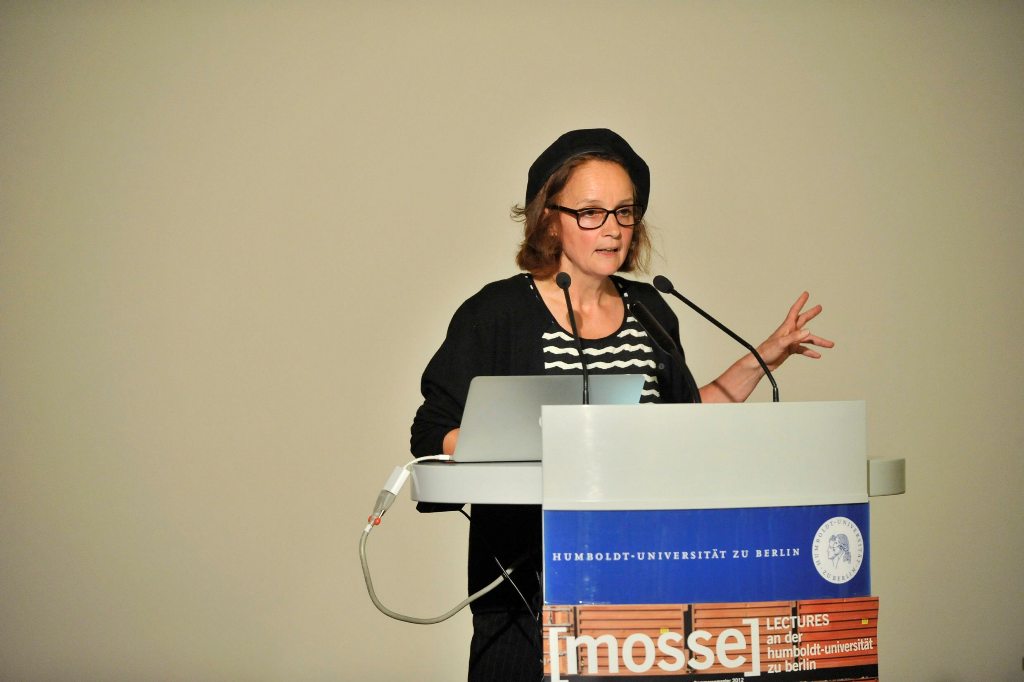
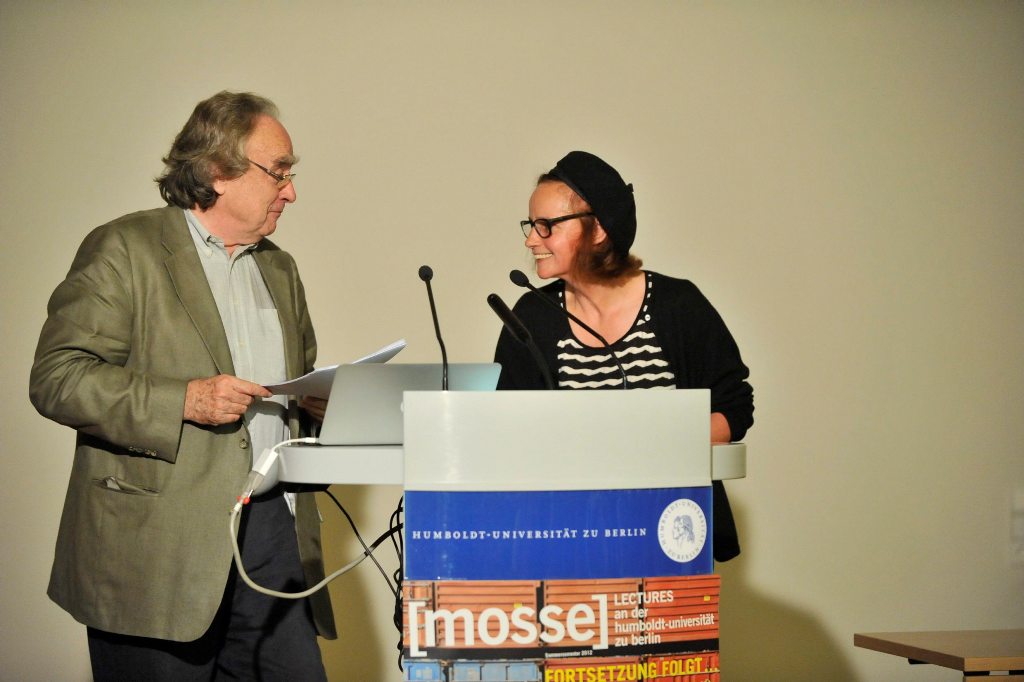
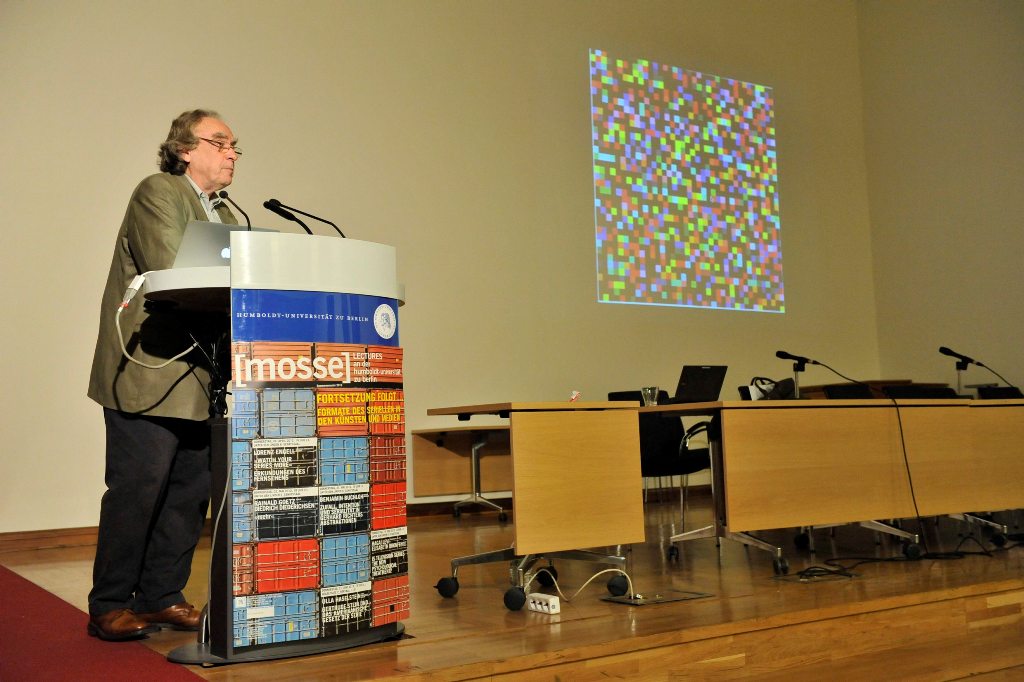
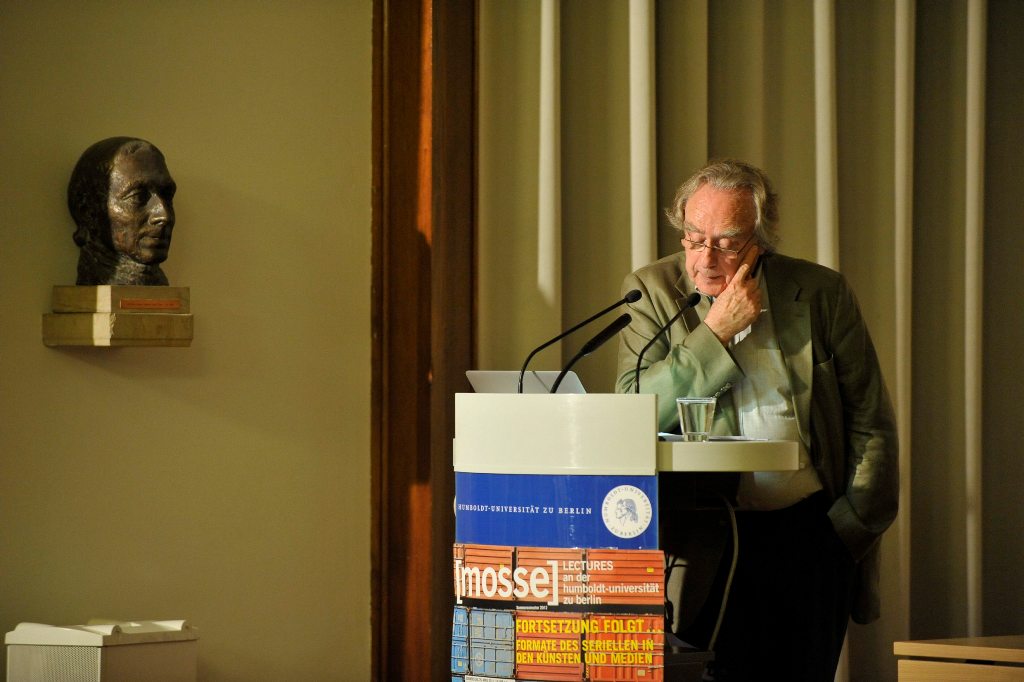
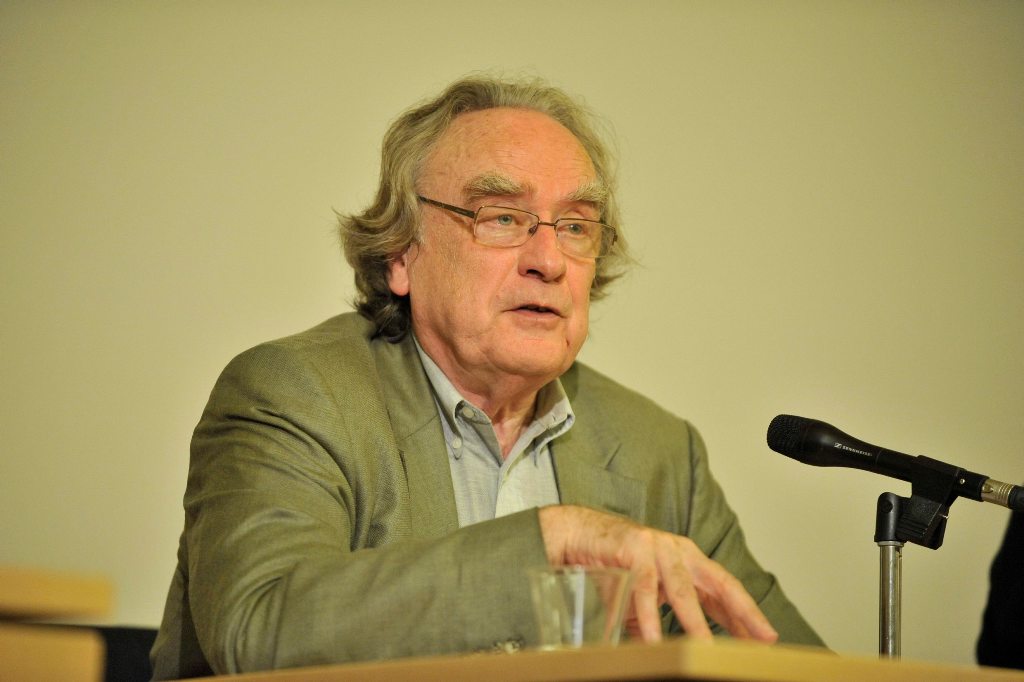
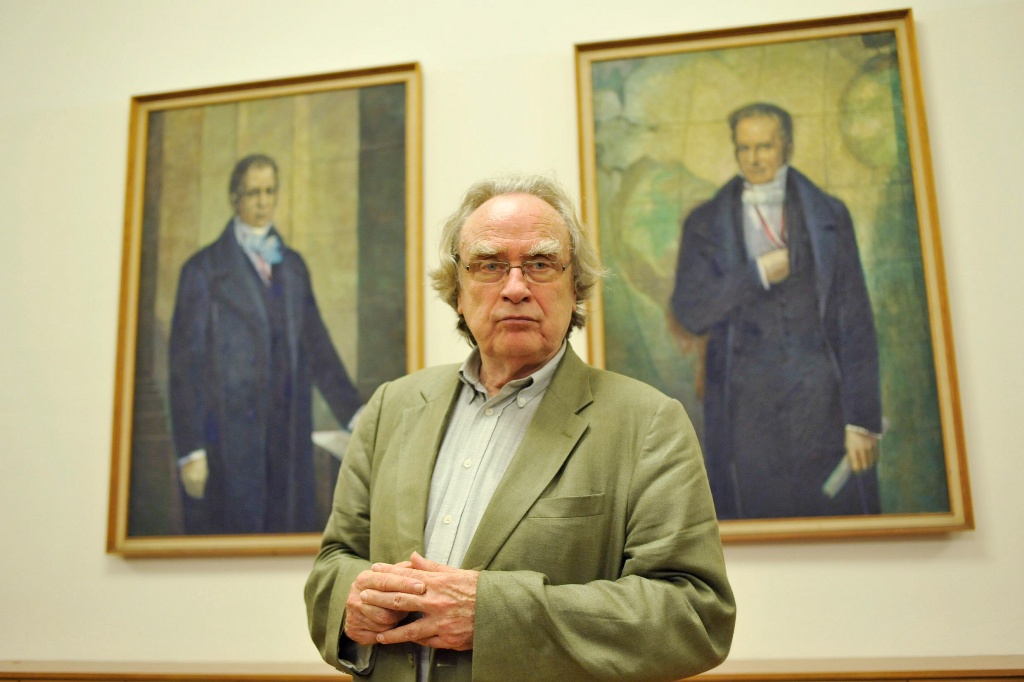
Photo Credit: Niels Leiser for the Mosse Lectures
