
2012: Karl-Heinz Kohl, “Heimat und Nomadismus. Anthropologische Perspektiven” / “Homeland and Nomadism: Anthropological Perspectives”
Karl-Heinz Kohl, “Heimat und Nomadismus. Anthropologische Perspektiven” / “Homeland and Nomadism: Anthropological Perspectives”
Berlin Mosse Lecture
https://mosselectures.wisc.edu/berlin/
Thursday, 6 December 2012, 19:00 CET
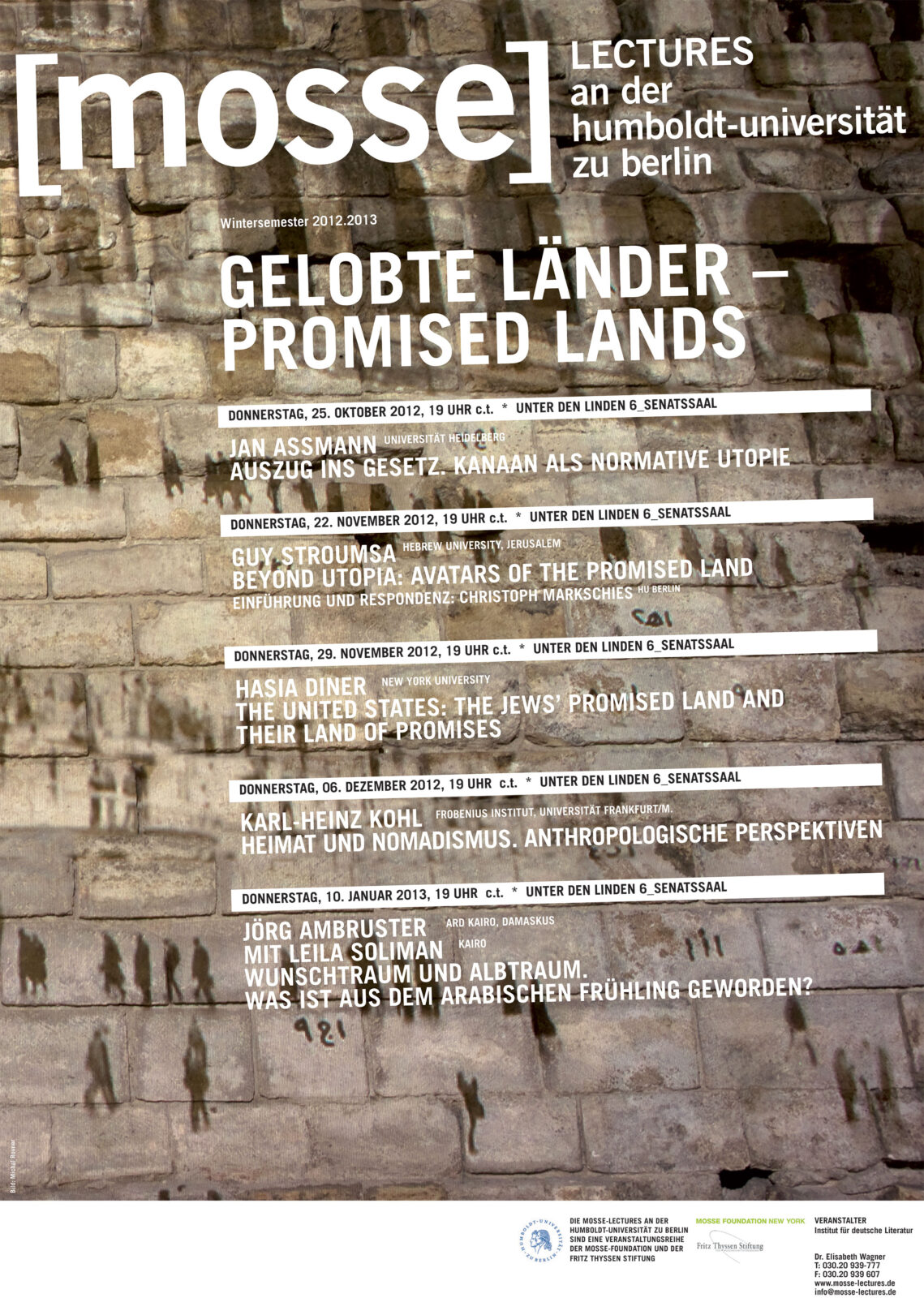
Senatssaal of Humboldt University
Under den Linden 6
1. Stock
10117 Berlin
GERMANY
Sponsored by:
[mosse] LECTURES an der humboldt-universität zu berlin
The Mosse Foundation
Global Mosse Lecture Series
Fritz Thyssen Stiftung
Institut für deutsche Literatur
Humboldt University
Moderator: Burkhardt Wolf (Universität Wien)
Lecture Description: Einer weit verbreiteten Vorstellung entgegen schweifen Nomaden nicht ziellos umher. Die Wanderungen klassischer nomadischer Gesellschaften sind vielmehr zyklischer Natur. Sie folgen geordneten Bahnen, die durch die wechselnden Jahreszeiten bedingt sind. Ihr „Gelobtes Land“ ist kein utopischer Ort, der in unbekannten Räumen oder fernen Zeiten liegt. Vielmehr wird „das Land, darin Milch und Honig fließt“ meist mit dem Land der Väter, mit der eigentlichen Heimat gleichgesetzt. Es ist der Ort, von dem man aufgebrochen ist und zu dem man immer wieder zurückkehrt, an dem man aber nicht für immer bleiben kann. In den globalen Migrationsbewegungen der Gegenwart hat diese archaische Konzeption eine unerwartete Wiederkehr erfahren. Das Leben in der Diaspora verlangt nach einem Ort, nach dem man sich sehnt und dem man sich zugehörig fühlt. Wie erträglich aber ist es dort, wenn man sich tatsächlich zur Rückkehr und zum Bleiben entschließt?
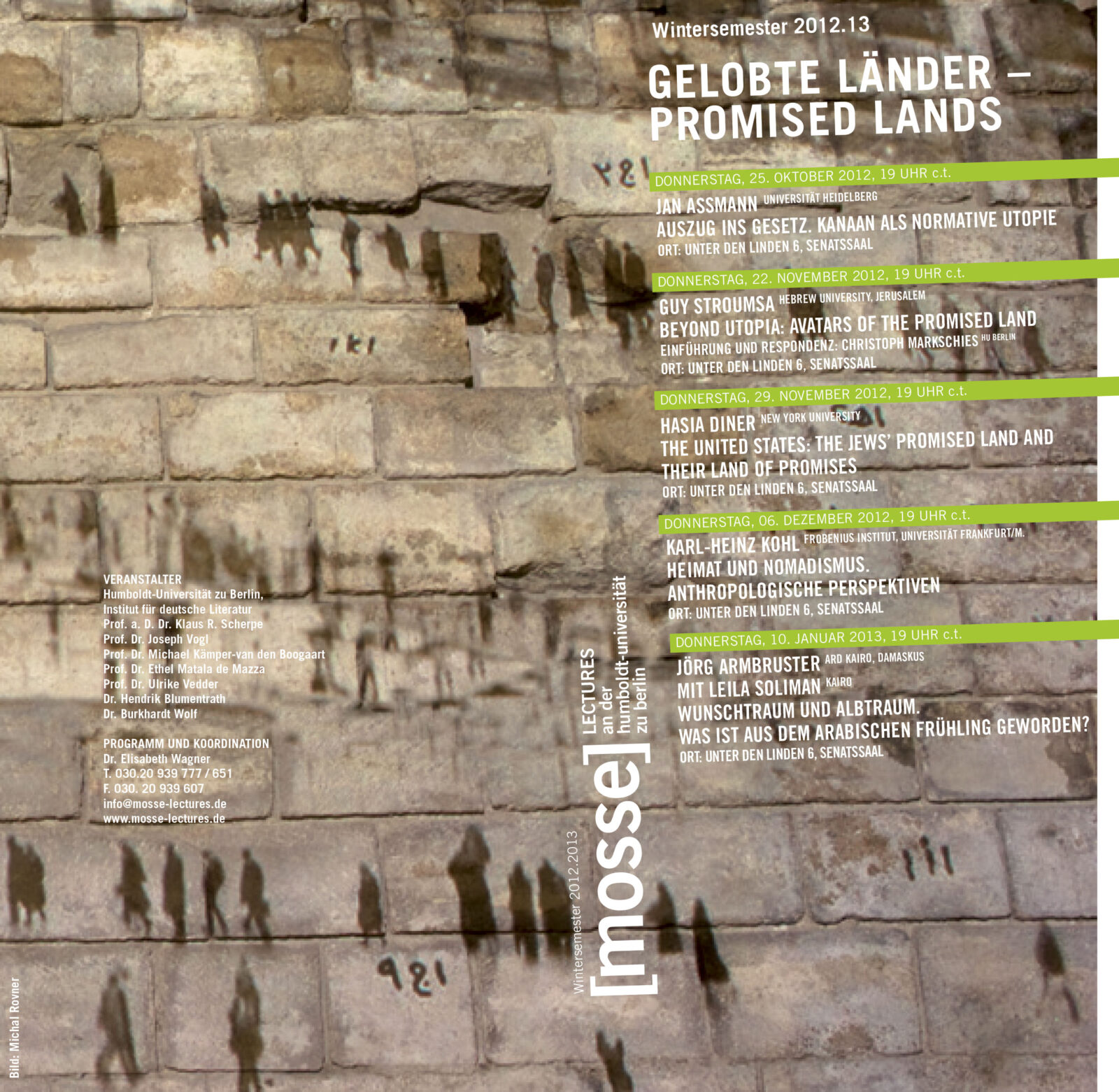
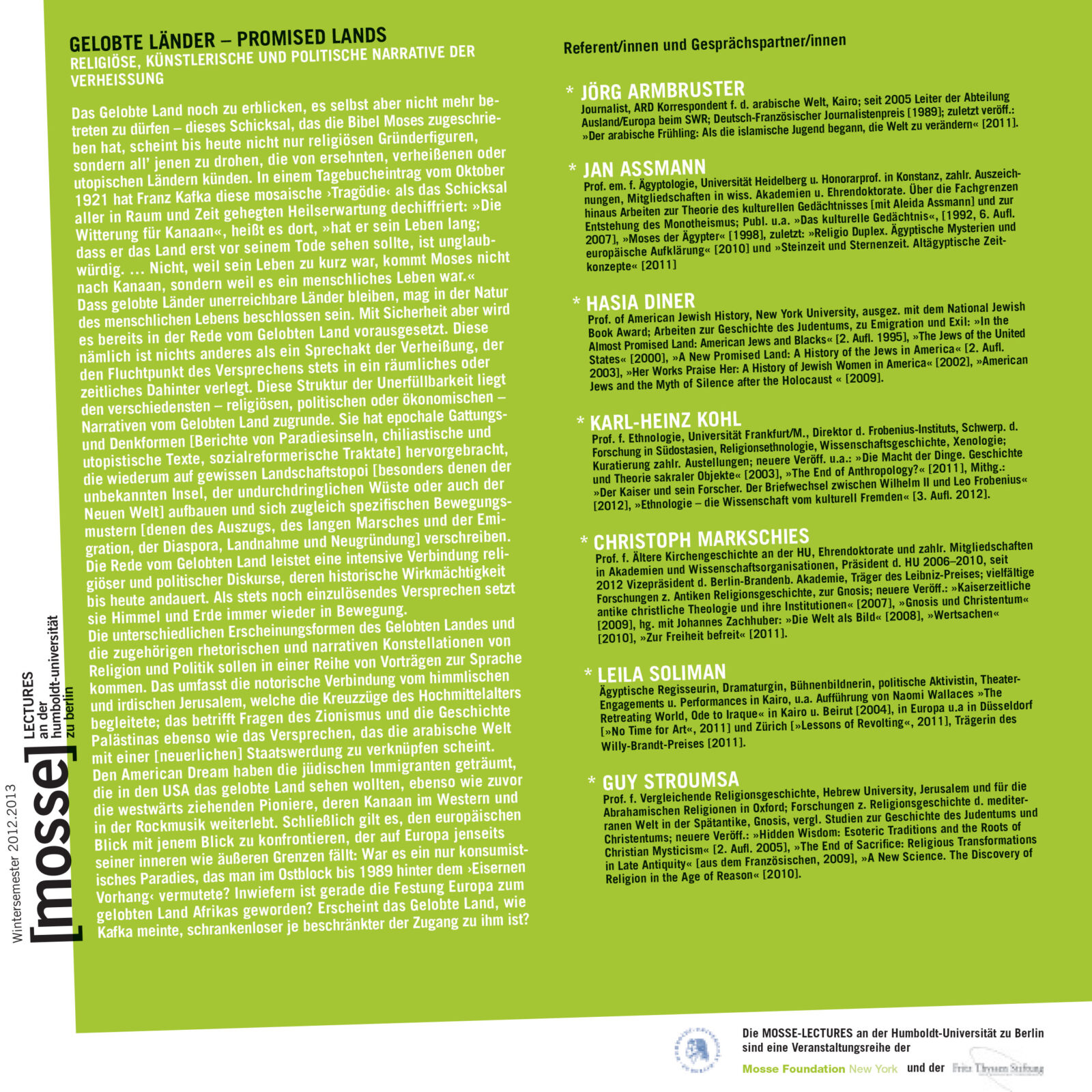
Lecture Series Description: To take a glance at the promised land but not being allowed to enter it – this fate, which the bible has attributed to Moses, seems forever to haunt the religious founders and all those who proclaim the land of desire, the longed for utopia. In his diary of October 1921 Franz Kafka has deciphered the Mosaic tragedy as fatal to all expectations of salvation in time and space: “The smell of Canaan”, it says, “he has had for all his life; that he should see the land only before his death is hard to believe … Moses does not reach for Canaan because his life was to short, but because his life was a human life.”
Given the nature of human life, promised lands remain beyond reach. This definitely is a prerequisite of its rhetoric, being nothing else but a speech act of promises, which always sets the vanishing point of great expectations, in time and space, into a there and not here. All religious, political and economic narratives of the promised land are based on this structure of never being realized. This has generated world-shattering forms of genre and thought (reports of paradise islands, chiliastic and utopian texts, treatises of social reform), based on certain topoi of landscape (the unknown island, the impenetrable desert, the New World as such), but at the same time dedicated to patterns of movement or mobilization ( the Exodus, the Long March, emigration, diaspora, settlement and founding). The rhetoric of the promised land enables to con-nect intensly religious and political discourses, effective and powerful in history up to the present day. As a promise never to be fulfilled it keeps heaven and earth in permanent motion and flux.
The Mosse-Lectures will review these different manifestations of the promised land in terms of their rhetoric and narrative constellations of religion and politics: the notorious conjunction of the heavenly and the earthly Jerusalem accompanying the crusades of the high middle ages, matters of Zionism bound to the history of Palestine, most recently the promise of Arabian unity in a state to come, and, of course, the American dream of the pioneers of frontier, their Canaan, which survives in the Western movies and in rock music, not to forget the Jewish and other immigrants welcoming America as their promised land. Finally European views must be confronted with the glance back from outside its borders, until 1989, Europe as a consumer paradise, a lure for the people behind the iron curtain. And how has Fortress Europe become the promised land for African? Do we want to suggest with Kafka that the promised land is all the more boundless the more access to it is limited or even closed down?
Karl-Heinz Kohl: Professor für Ethnologie, Goethe-Universität Frankfurt a. M., Direktor des Frobenius-Instituts; Schwerpunkte der Forschung in Südostasien, Religionsethnologie, Wissenschaftsgeschichte, Xenologie; Kuratierung zahlreicher Ausstellungen; Mitglied der Berlin-Brandenburgischen Akademie der Wissenschaften. Neuere Veröffentlichungen u.a.: Die Macht der Dinge. Geschichte und Theorie sakraler Objekte (2003), The End of Anthropology? (2011), Mithg.: Der Kaiser und sein Forscher. Der Briefwechsel zwischen Wilhelm II. und Leo Frobenius (2012), Ethnologie – die Wissenschaft vom kulturell Fremden (3. Aufl. 2012).
Burkhardt Wolf is a Professor of Modern German Literature (with a special focus on literary and media theory) at the University of Vienna. He is the principal applicant for the ongoing international WEAVE research project “Bureaugraphie: Administration After the Age of Bureaucracy.” His research focuses on the history of discourse on violence, economics, and governmentality; the poetics of knowledge of affect; the cultural and media history of seafaring, and the cultural techniques and literary history of administration. In addition to positions at Humboldt University in Berlin and a multi-year Heisenberg Fellowship from the DFG, his academic career has included visiting professorships in Berlin, Munich, Santa Barbara, Bloomington, Beijing, and Berkeley.
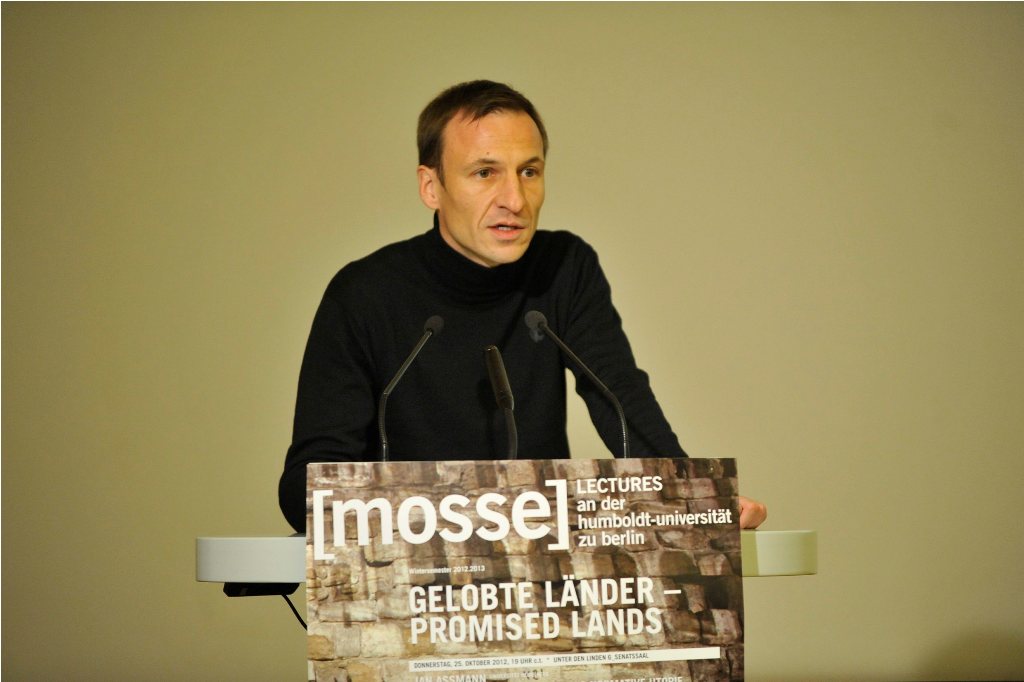
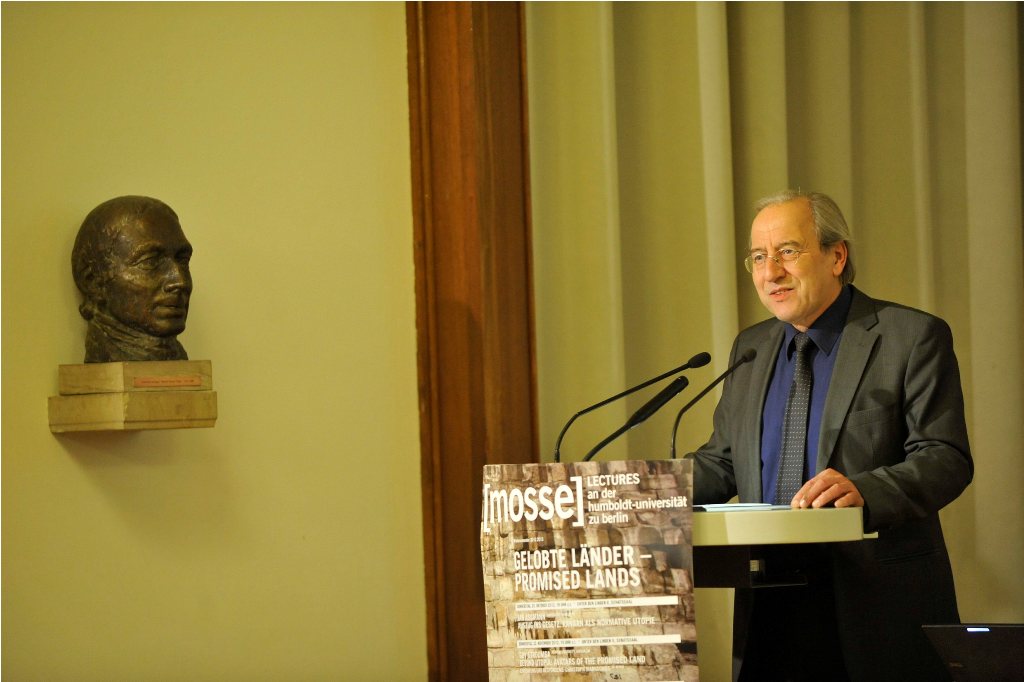
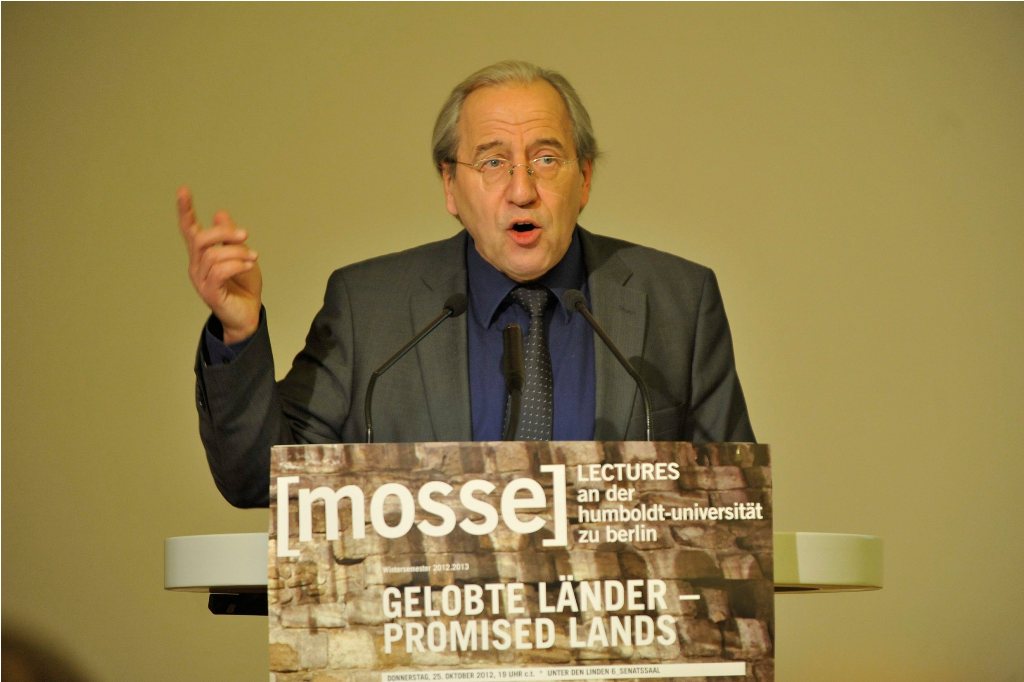
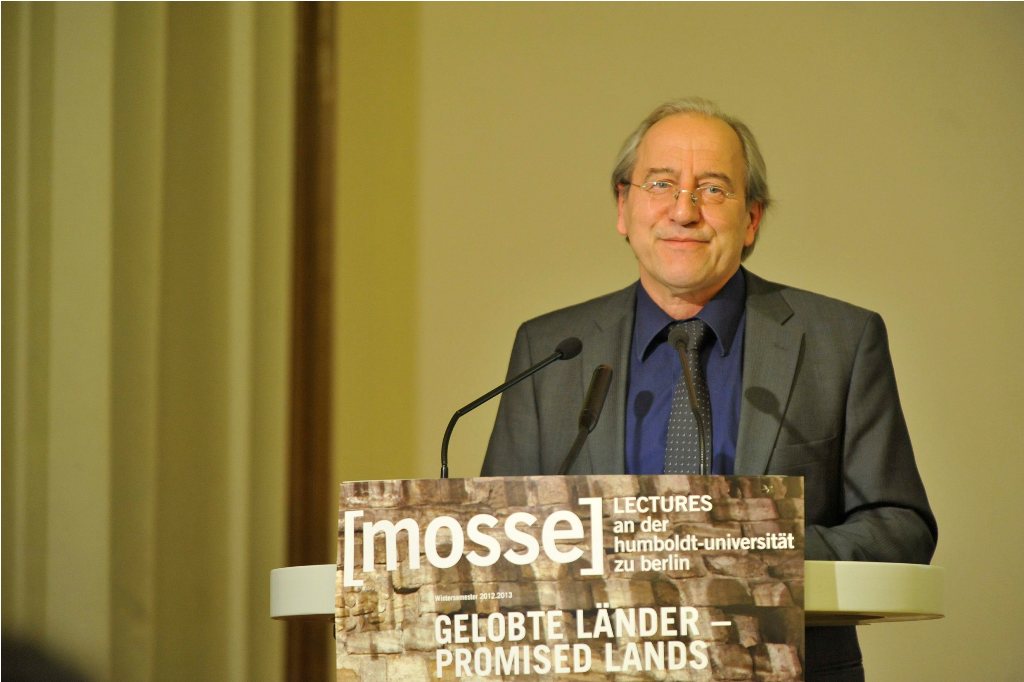
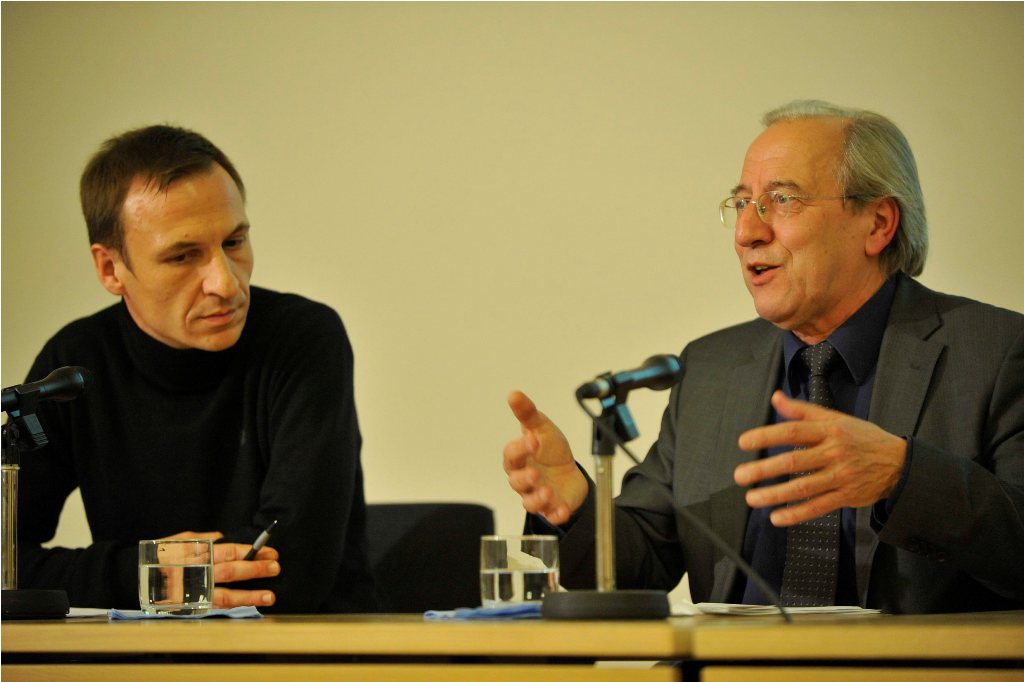
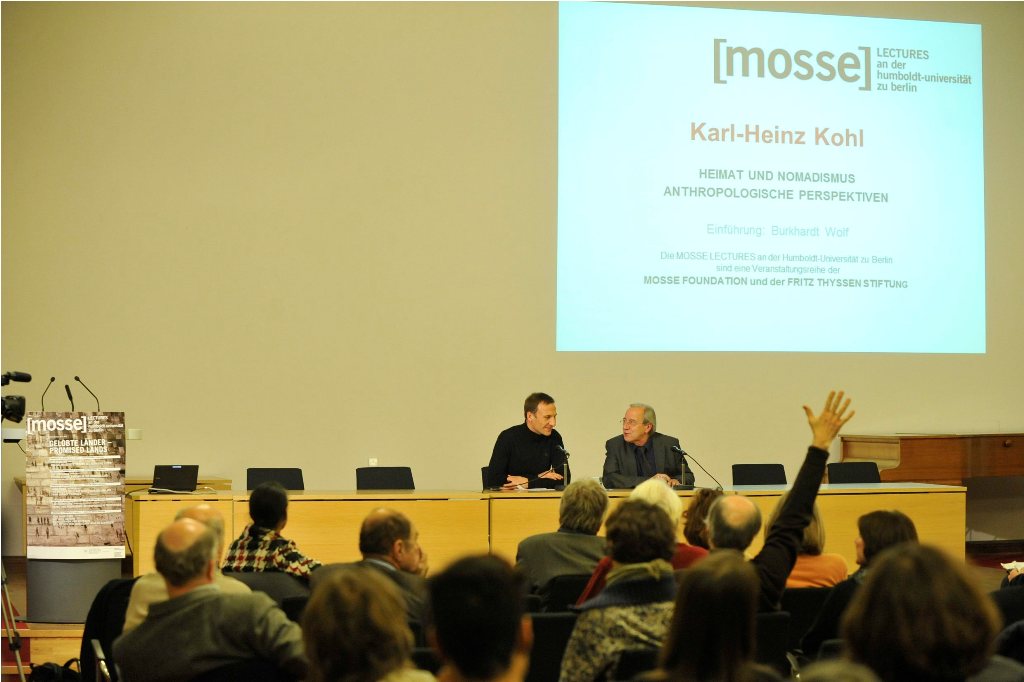
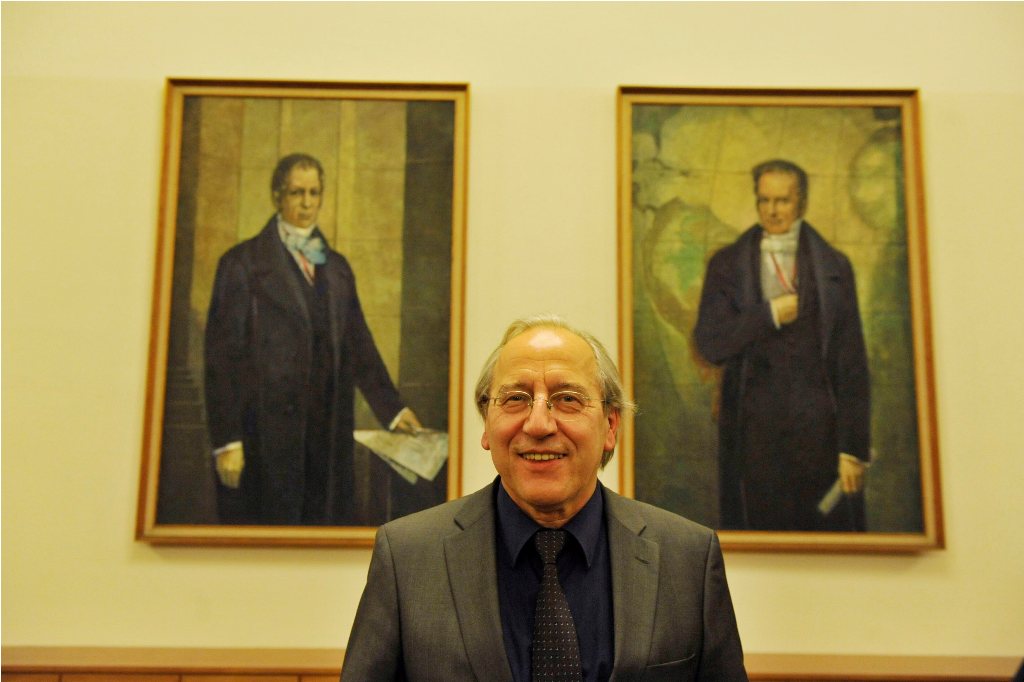
Photo Credit: Niels Leiser for the Mosse Lectures
