
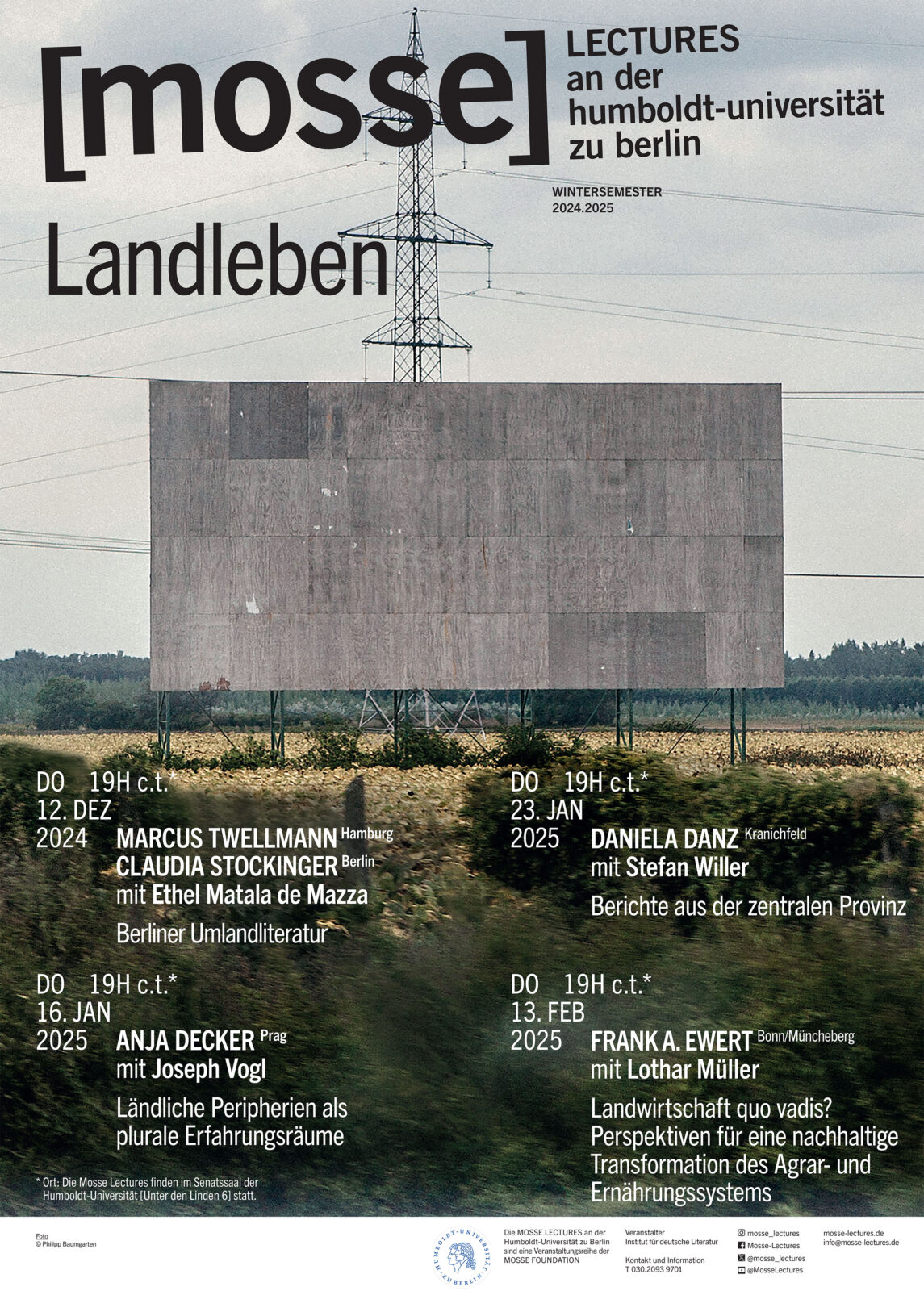
2024: Frank A. Ewert, “Landwirtschaft quo vadis? Perspektiven für eine nachhaltige Transformation des Agrar- und Ernährungssystems” / “Agriculture: Quo Vadis? Perspectives for a Sustainable Transformation of the Agri-Food System”
Frank A. Ewert, “Landwirtschaft quo vadis? Perspektiven für eine nachhaltige Transformation des Agrar- und Ernährungssystems” / “Agriculture: QUo Vadis? Perspectives for a Sustainable Transformation of the Agri-Food System”
Humboldt University Berlin Mosse Lecture
mosselectures.wisc.edu/berlin/
Thursday, 13 February 2024, 19:15 CET
In the Media:
This lecture series was covered by Torsten Flüh for night Night Out @ Berlin: Transformationen der Landwirtschaft zwischen Zeilensaat und Reallaboren
Senatssaal of Humboldt University
Unter den Linden 6
10117 Berlin
GERMANY
Sponsored by:
[mosse] LECTURES an der humboldt-universität zu berlin
The Mosse Foundation
Global Mosse Lecture Series
Institut für deutsche Literatur
Humboldt University
Moderator: Lothar Müller (Humboldt University)
Lecture Description: Agriculture faces enormous challenges in many areas, such as food security, climate change, degradation of natural resources, species loss, volatile prices and unstable supply chains. Future generations and people in the Global South must also be supplied with sufficient, high-quality food, which can only be produced and provided on the basis of intact ecosystems. Sustainable solutions go hand in hand with conflicting goals and require the best possible use of synergies.
From a historical perspective, agriculture has fundamentally shaped the development of human society, but has also undergone great leaps in change itself and is currently facing the most extensive transformation in recent centuries. However, the necessary and urgent transformation process of the agricultural and food system is progressing slowly and is less and less able to meet the growing demands. Last but not least, the size, speed and extent of the challenges and the scope of the necessary changes are overwhelming the agents involved from politics, practice, research, industry and society. Nevertheless, encouraging approaches can be found that promise a successful start to the complex transformation process. The lecture will shed light on the enormous challenges agriculture is facing and outlines prospects for a transformation to sustainable agricultural and food systems that fulfill a variety of functions, such as food security, the preservation of ecosystems and biodiversity and climate protection. Approaches are presented and discussed as examples of how they can accelerate the transformation process.
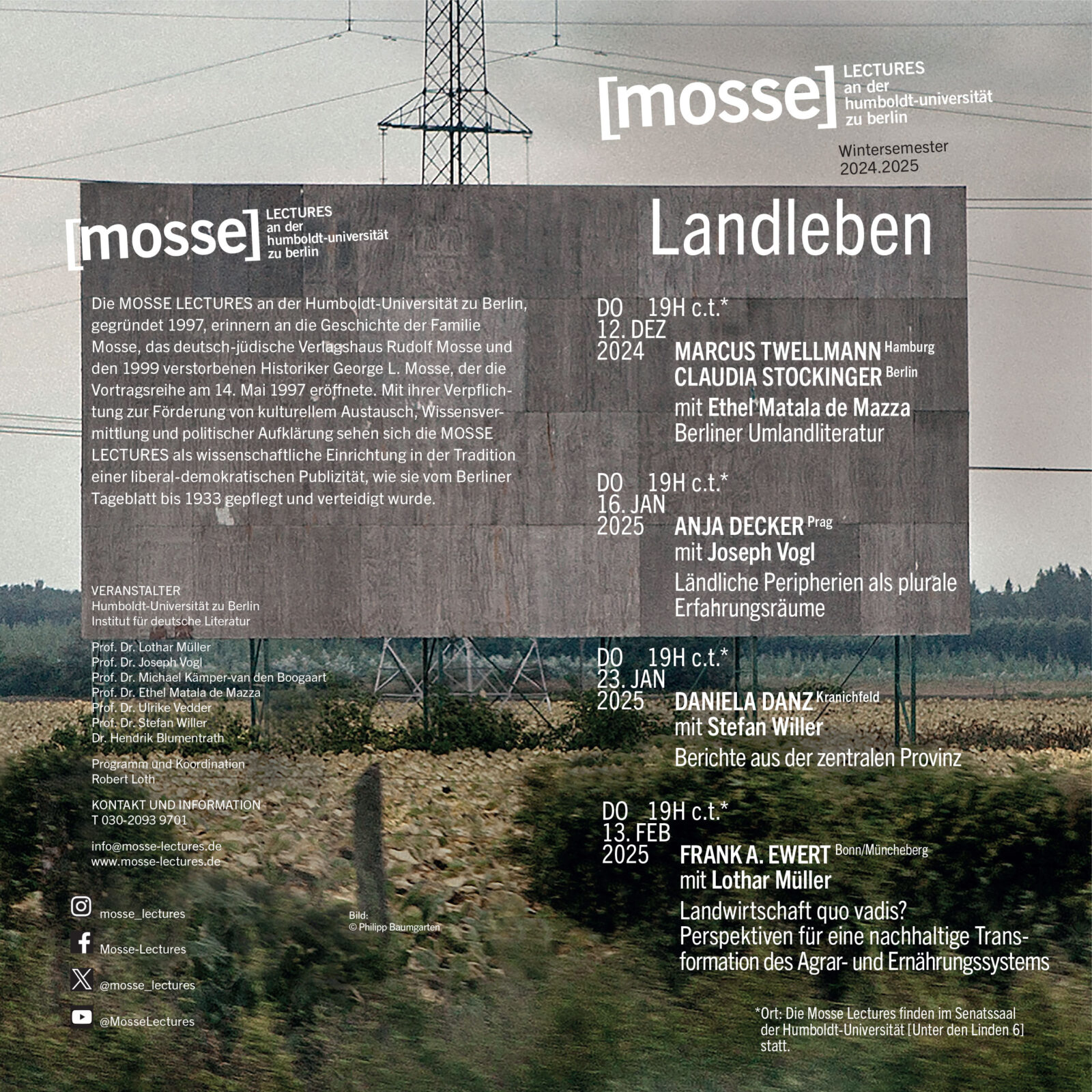
Lecture Series Theme: Landleben
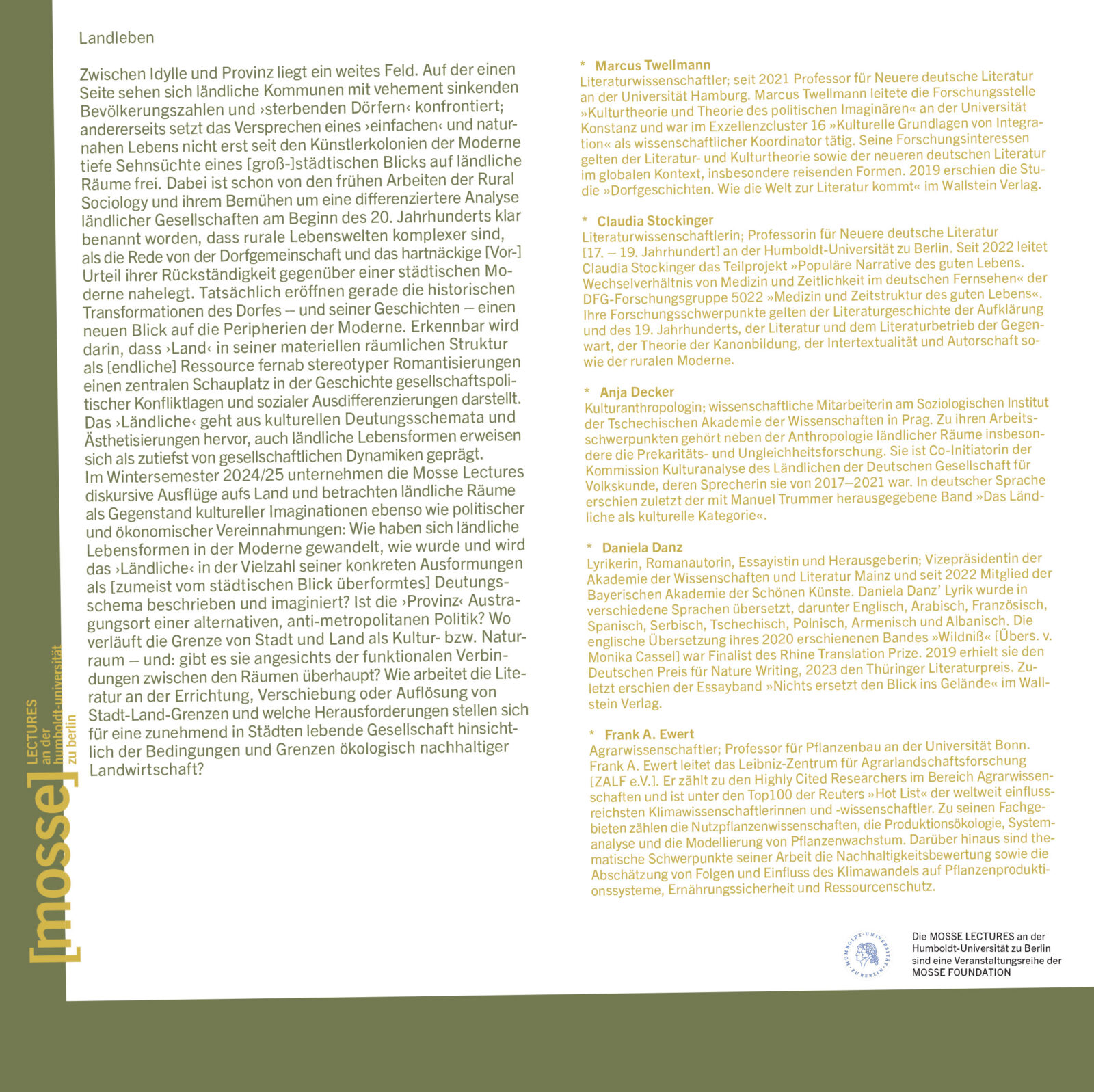
Lecture Series Description: There is too far afield between idyllic and provincial. On the one hand, rural communities are confronted with severe population decline and ‘dying villages’, on the other hand, the promise of a ›simple‹ life close to nature has unleashed deep longings by an urban view on rural spaces, not just since the artists’ colonies of modernism. Yet the early works of rural sociology and its efforts to achieve a more differentiated analysis of rural societies at the beginning of the 20th century already clearly stated that rural lifeworlds are more complex than the talk of the village community and the persistent (pre-)judgment of its backwardness compared to urban modernity would suggest. In fact, it is precisely the historical transformations of the village – and its stories – that open up a new perspective on the peripheries of modernity. It becomes apparent that ›rurality‹ in its material spatial structure as a (finite) resource, far removed from stereotypical romanticizations, represents a central arena in the history of socio-political conflicts and social differentiation. The ›rural‹ emerges from cultural interpretation schemes and aestheticizations, and rural ways of life also prove to be deeply shaped by social dynamics.
In winter 2024/25, the Mosse Lectures will take discursive excursions into the countryside and consider rural spaces as the subject of cultural imaginations as well as political and economic appropriations: How have rural ways of life changed in modernity, how has the “rural” been described and imagined in the multitude of its concrete forms as a scheme of interpretation (mostly shaped by the urban view)? Is the ›province‹ the venue for an alternative, anti-metropolitan politics? Where is the boundary between city and countryside as a cultural or natural space – and does it even exist considering the functional connections between the spaces? How does literature work on the construction, shifting or dissolution of urban-rural boundaries and what challenges does an increasingly urban society face with regard to the conditions and limits of ecologically sustainable agriculture?
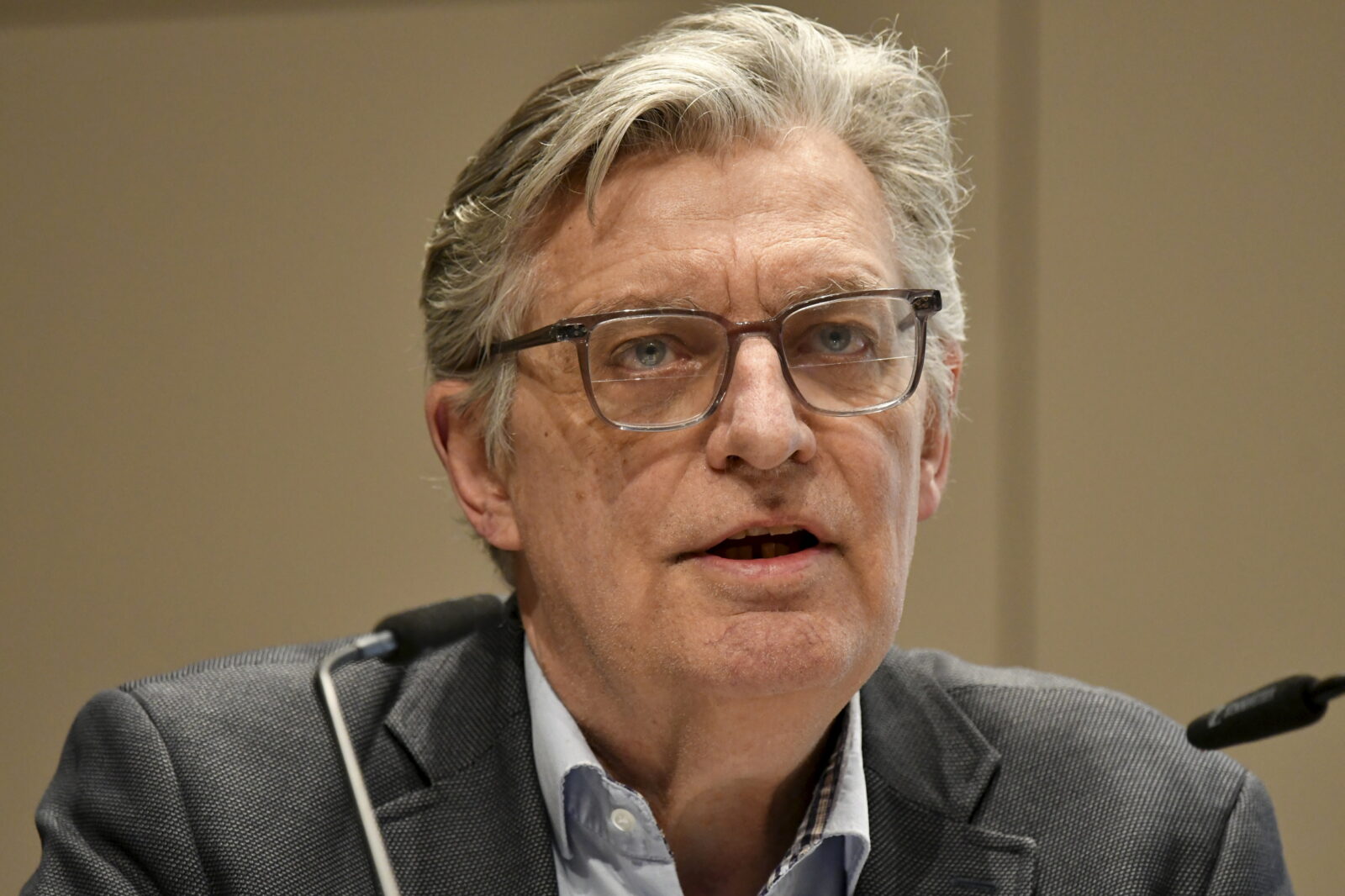
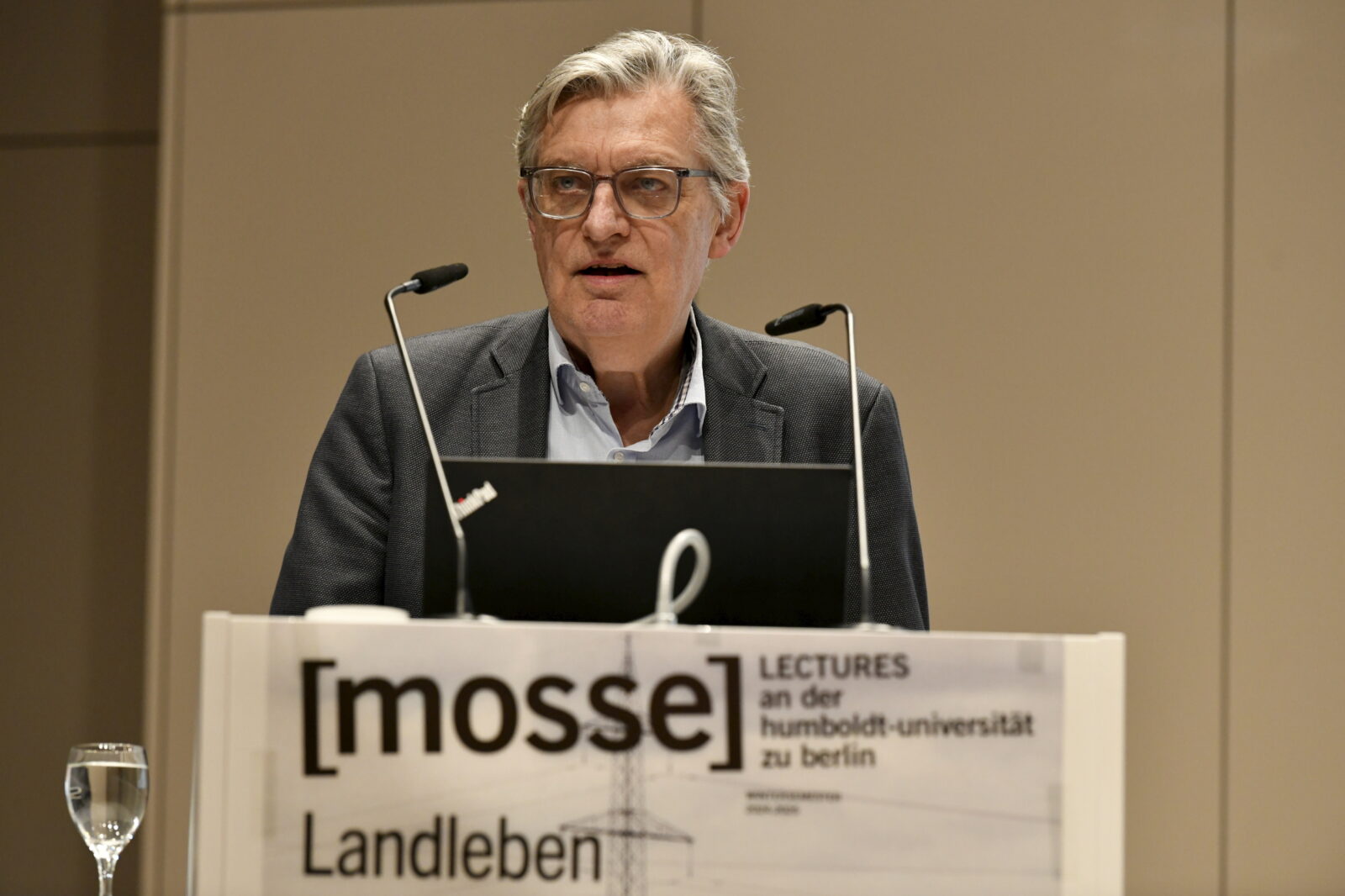
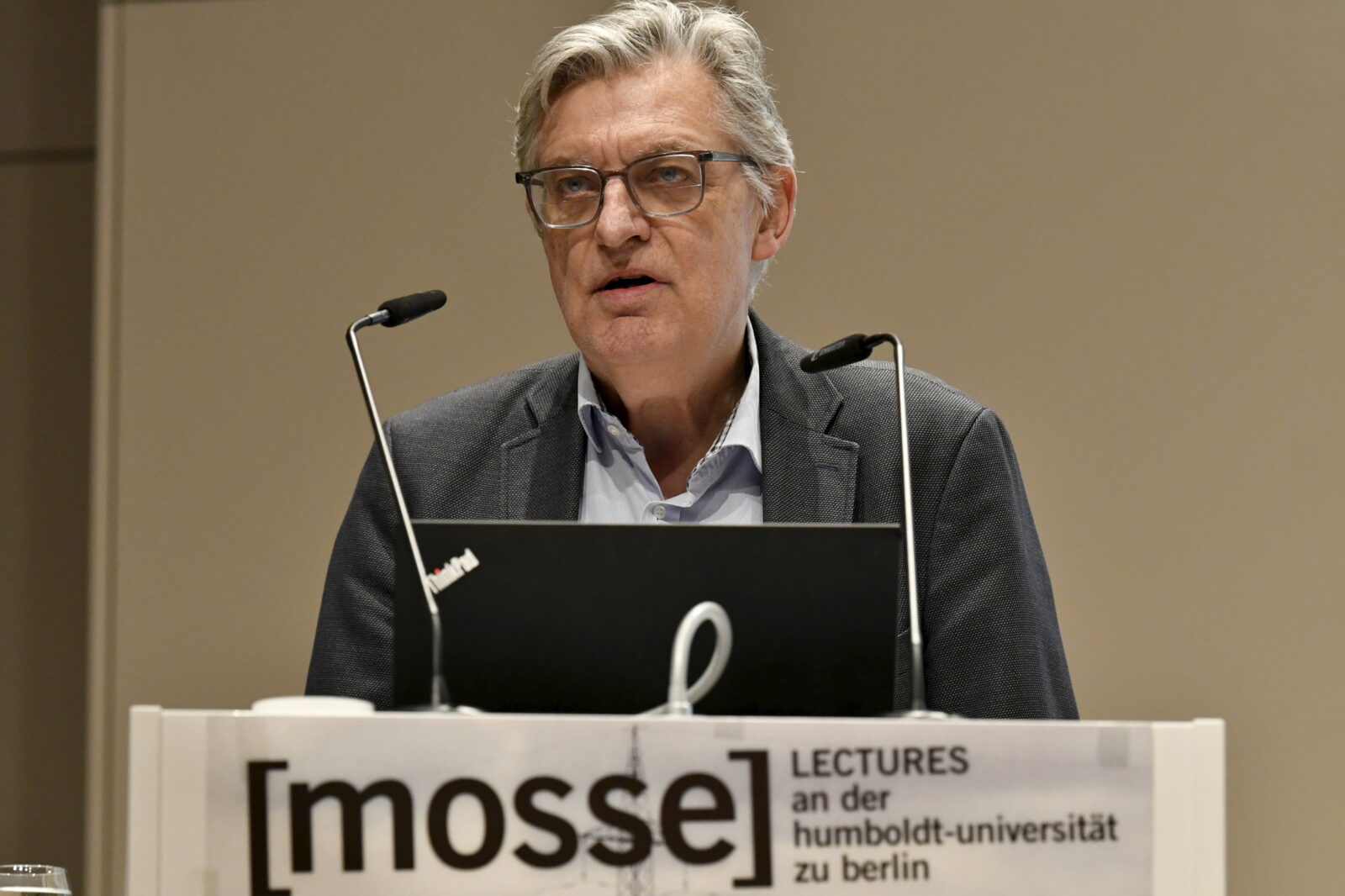
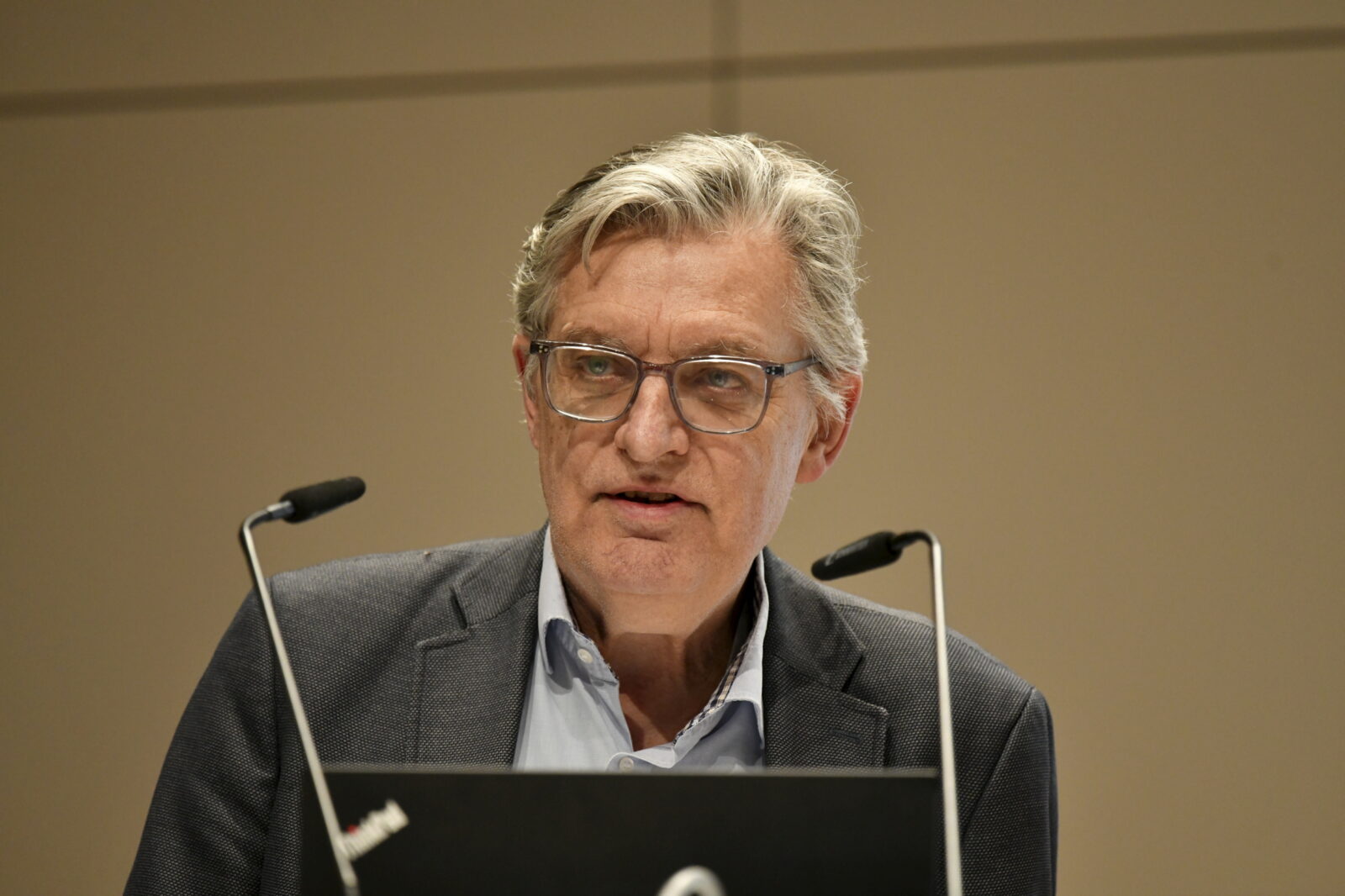
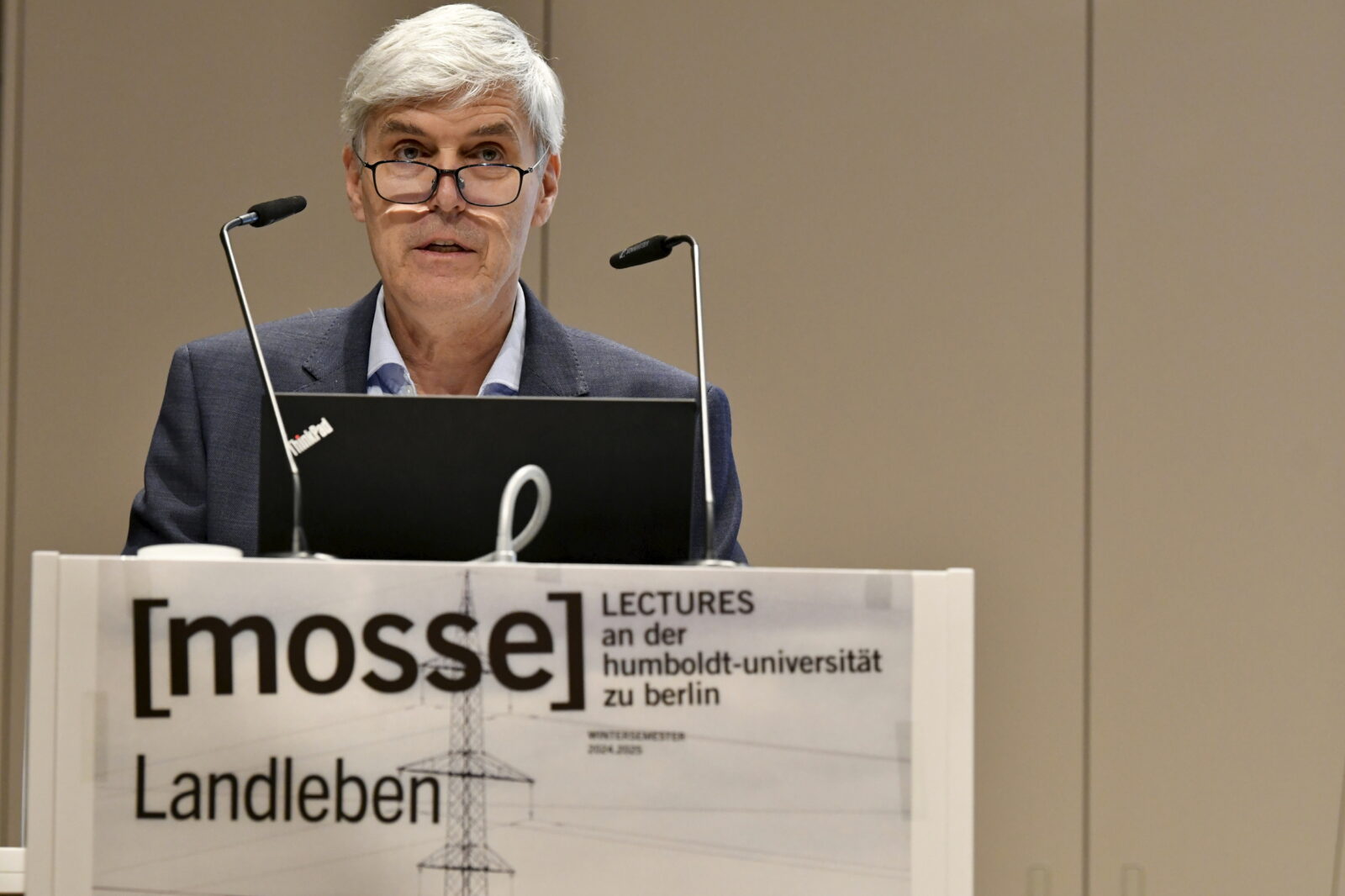
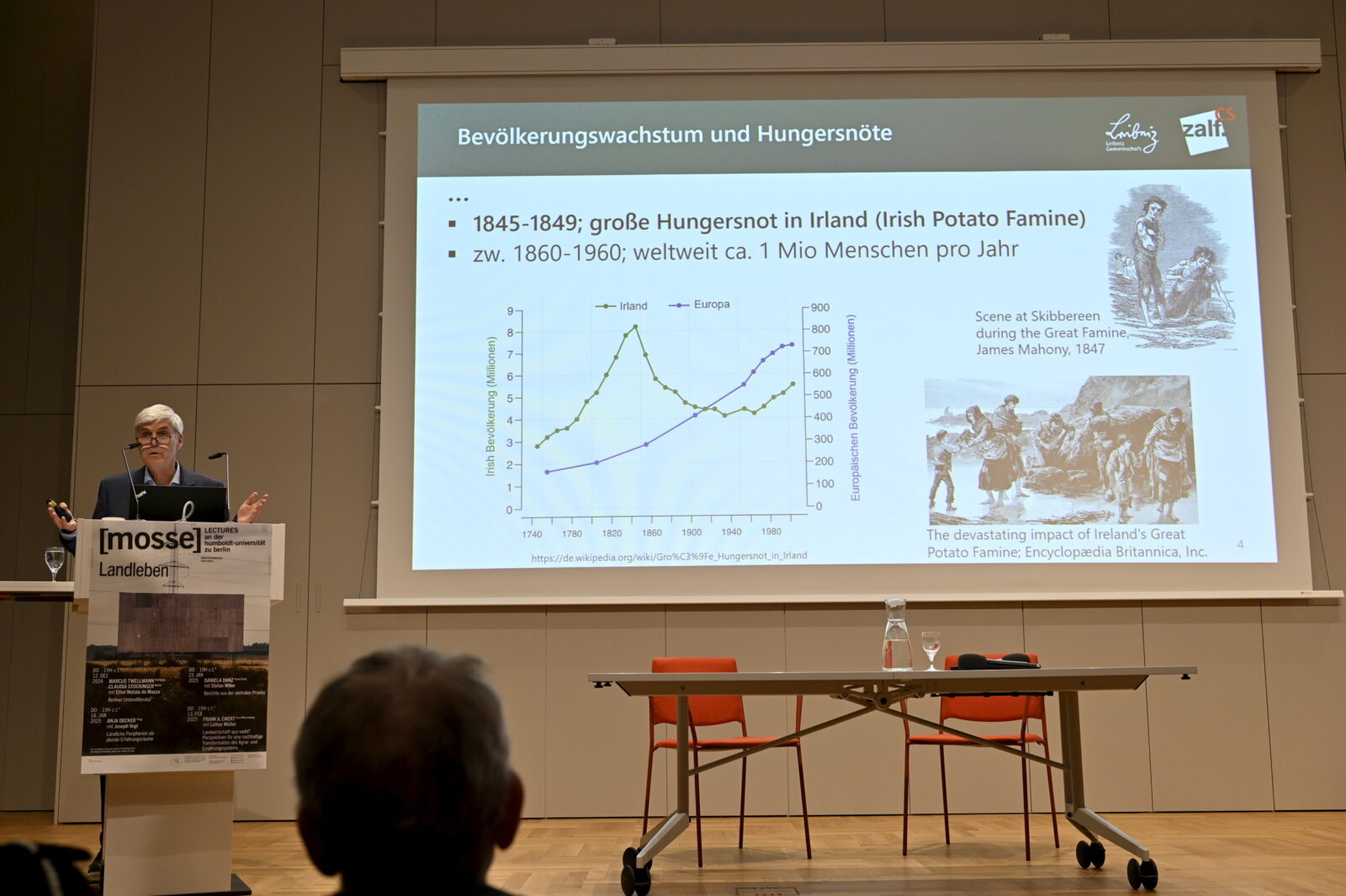
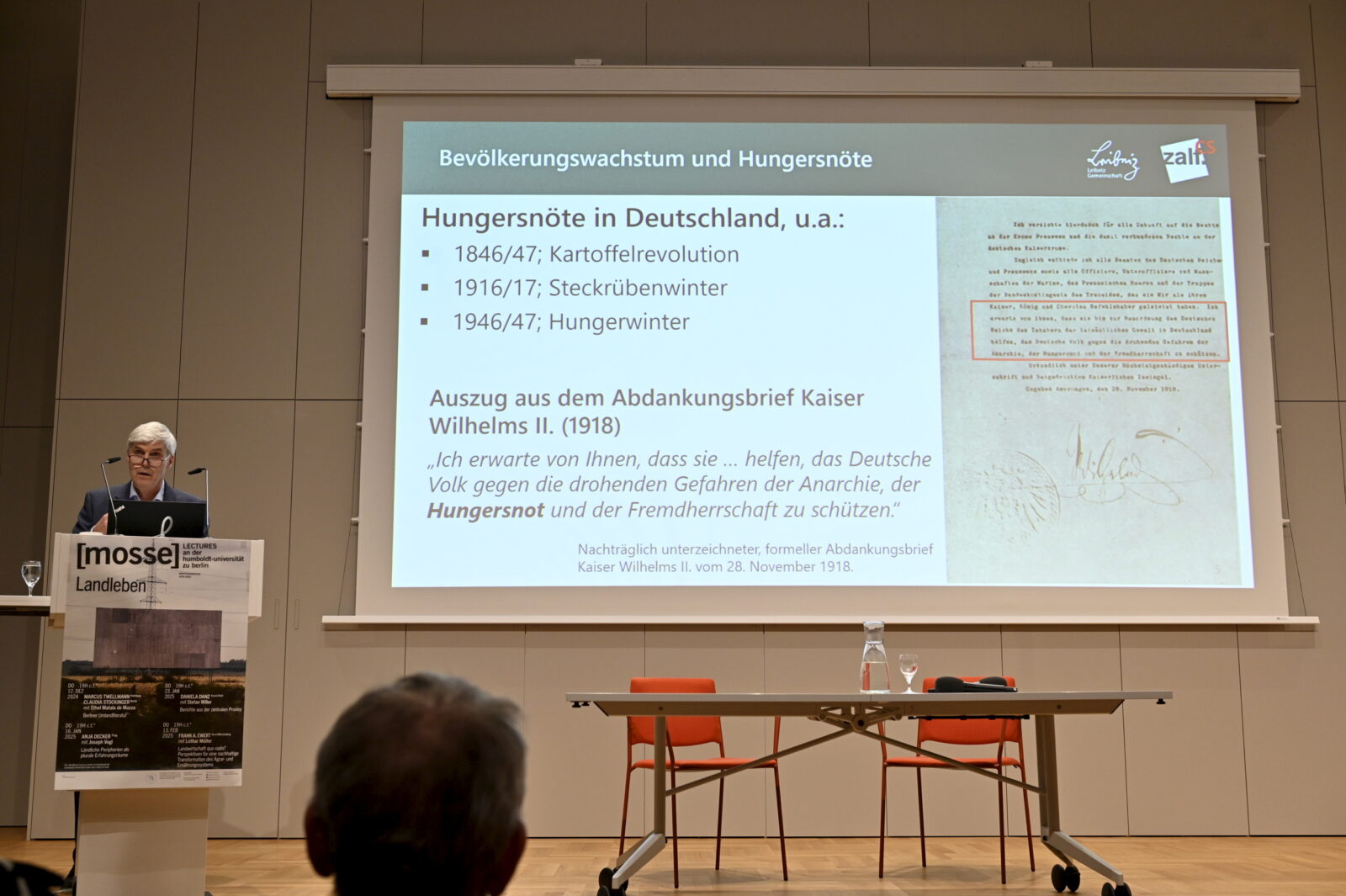
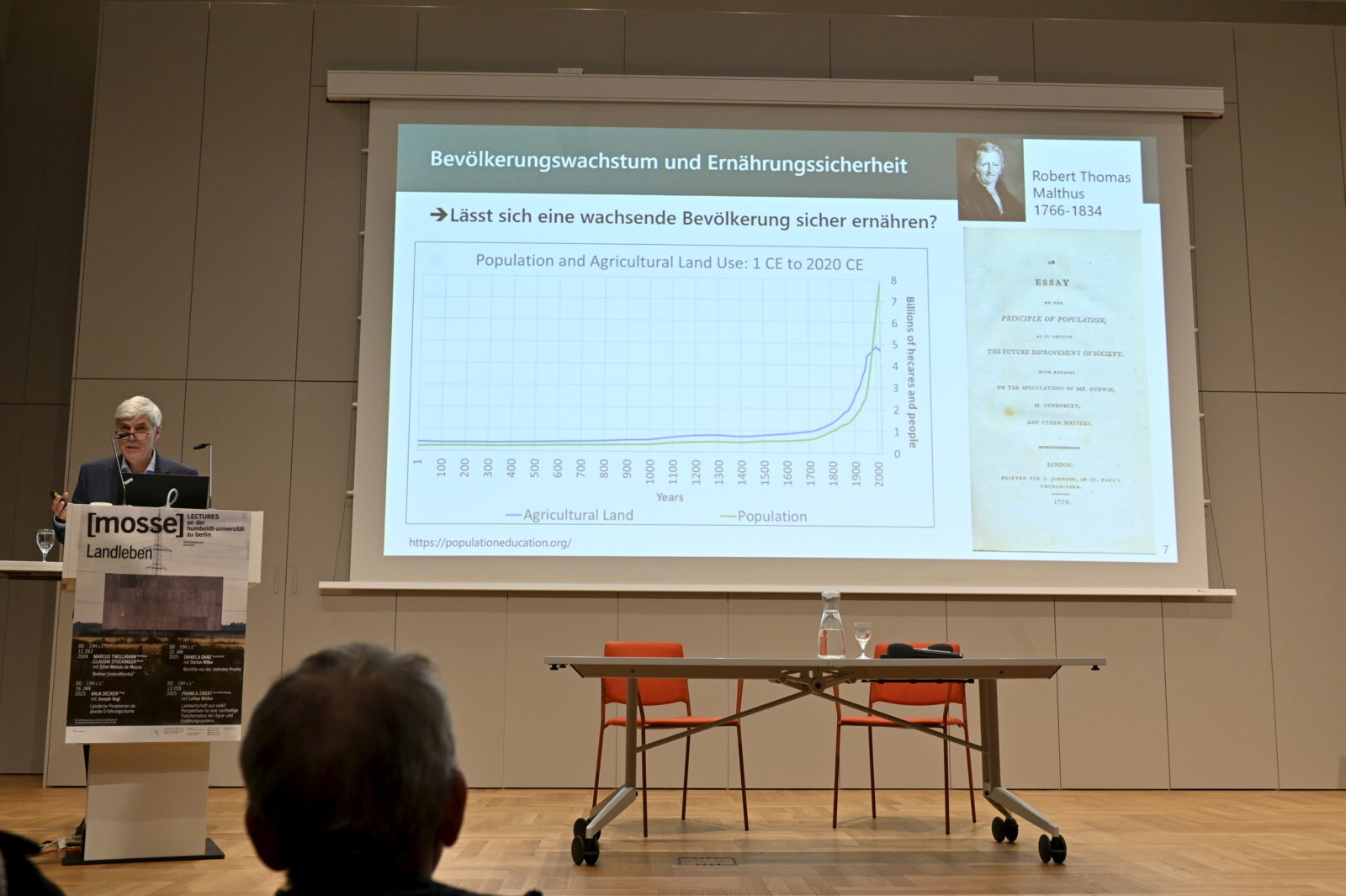
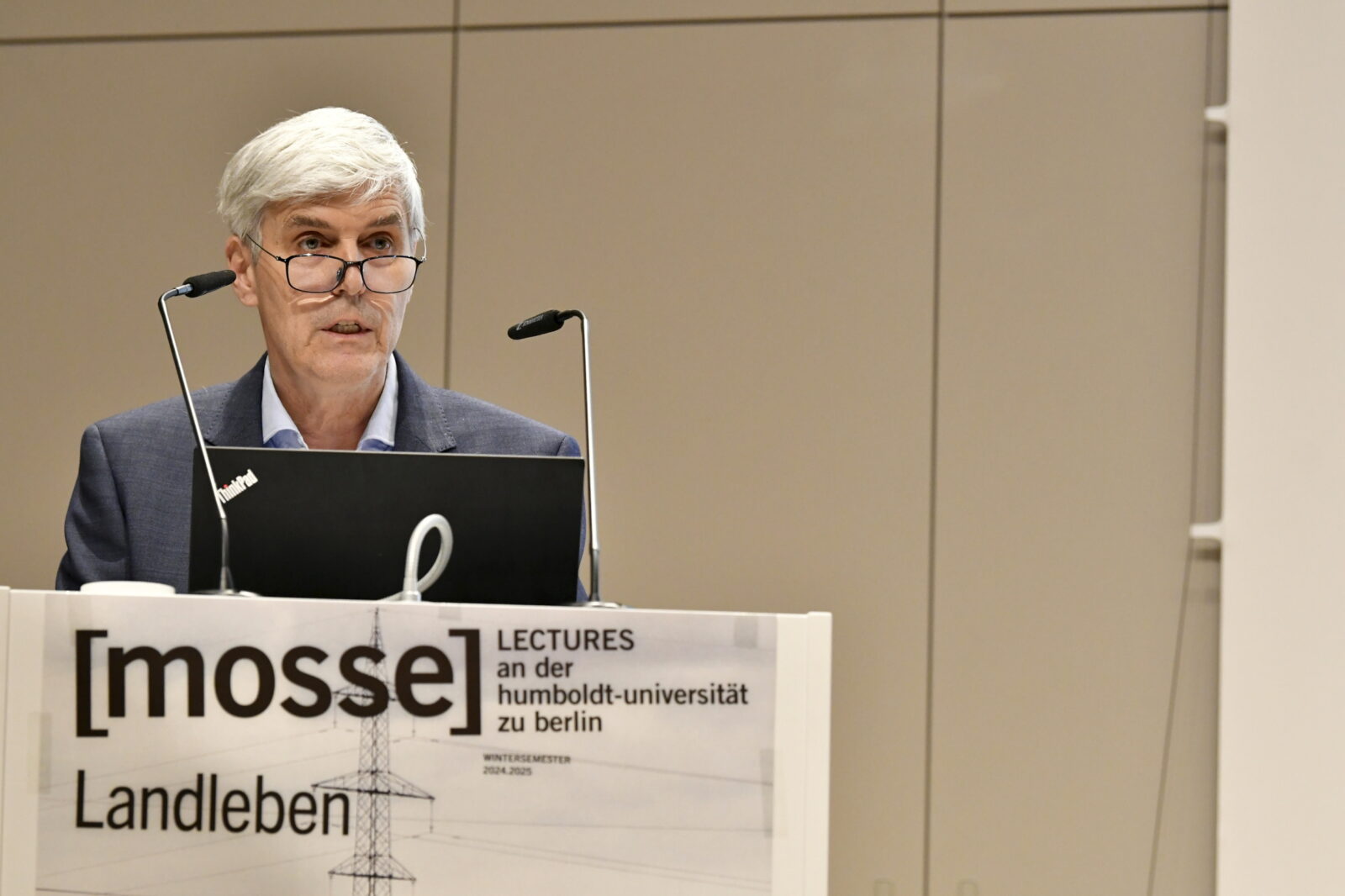
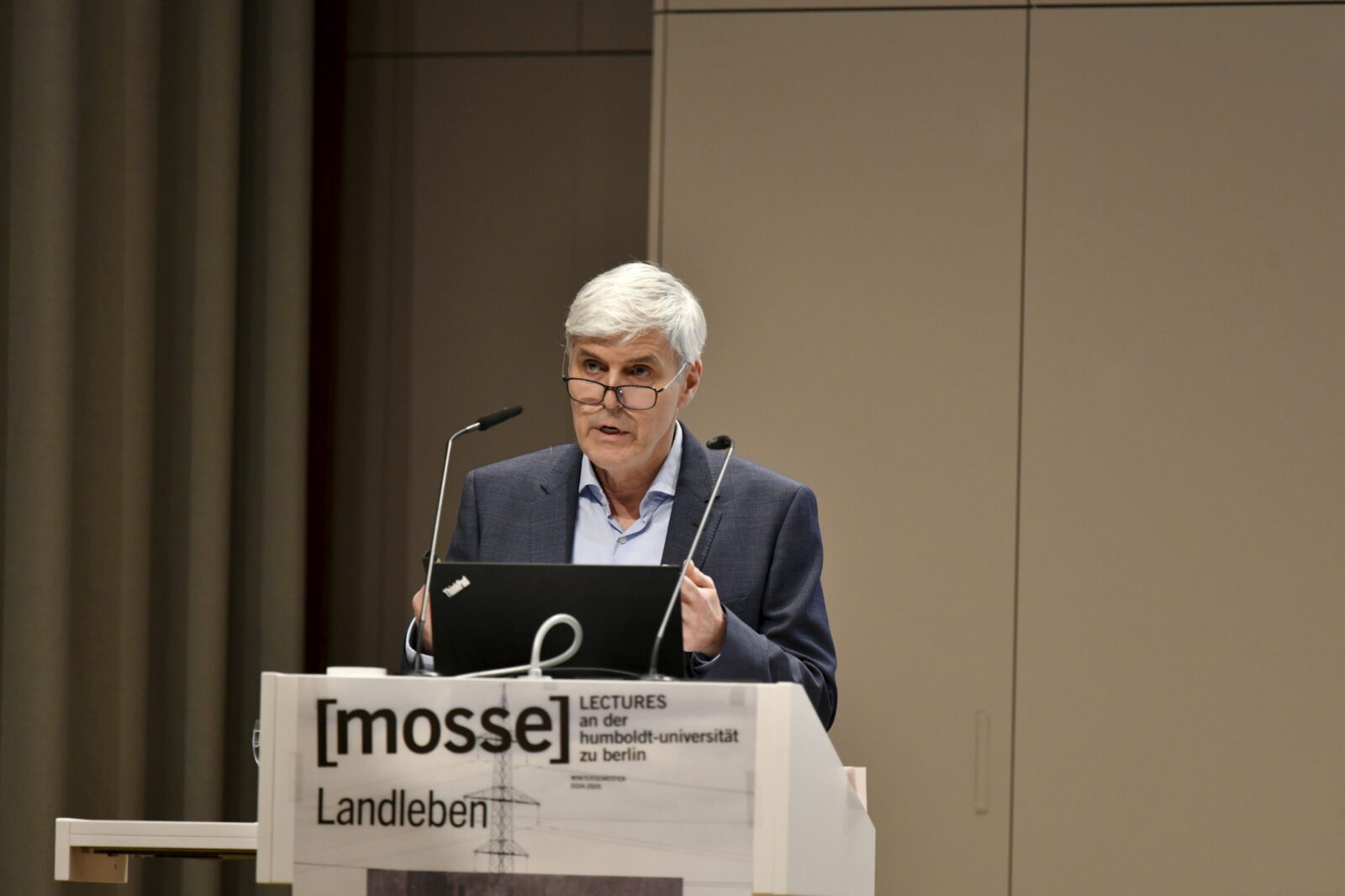
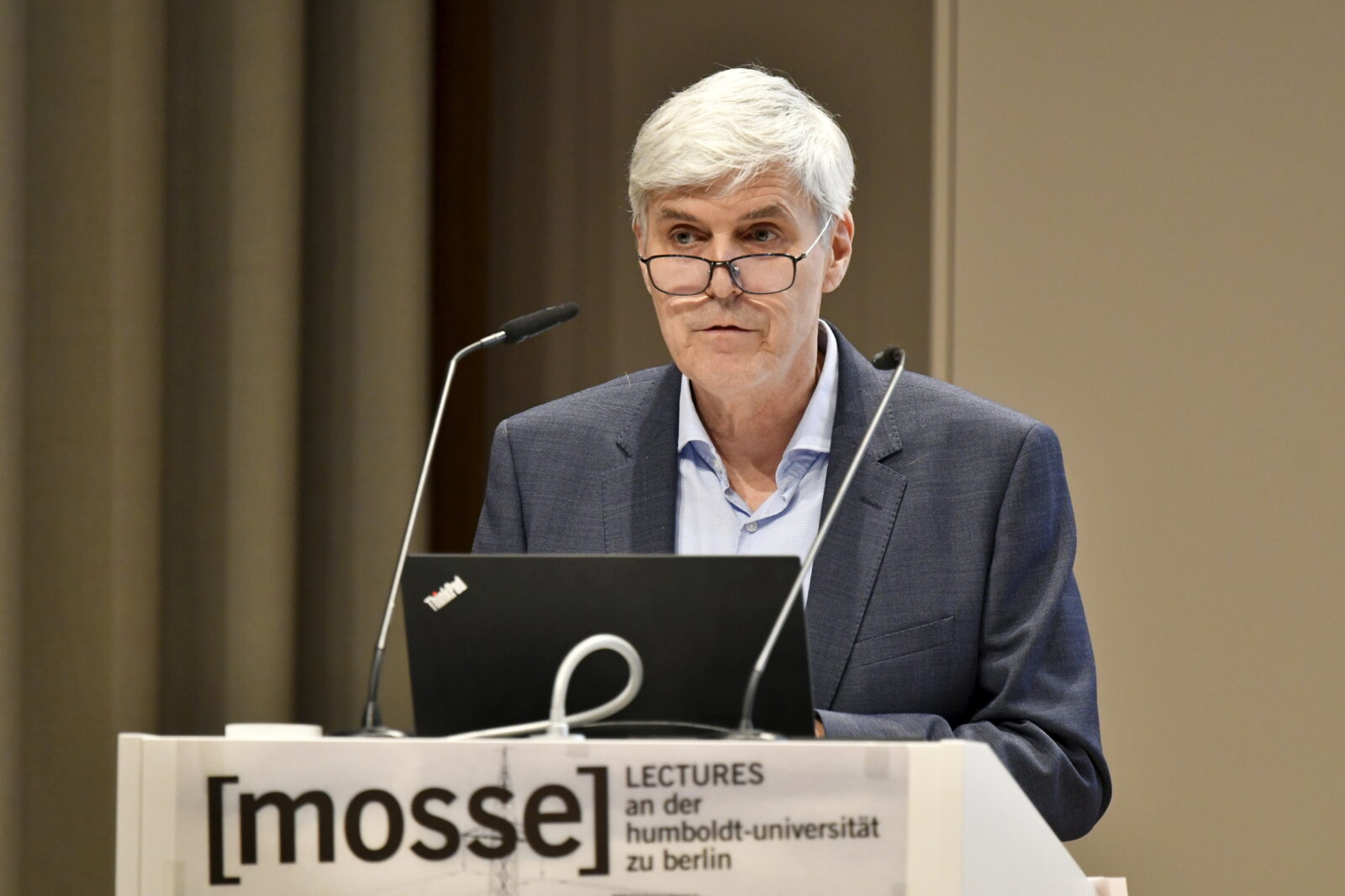
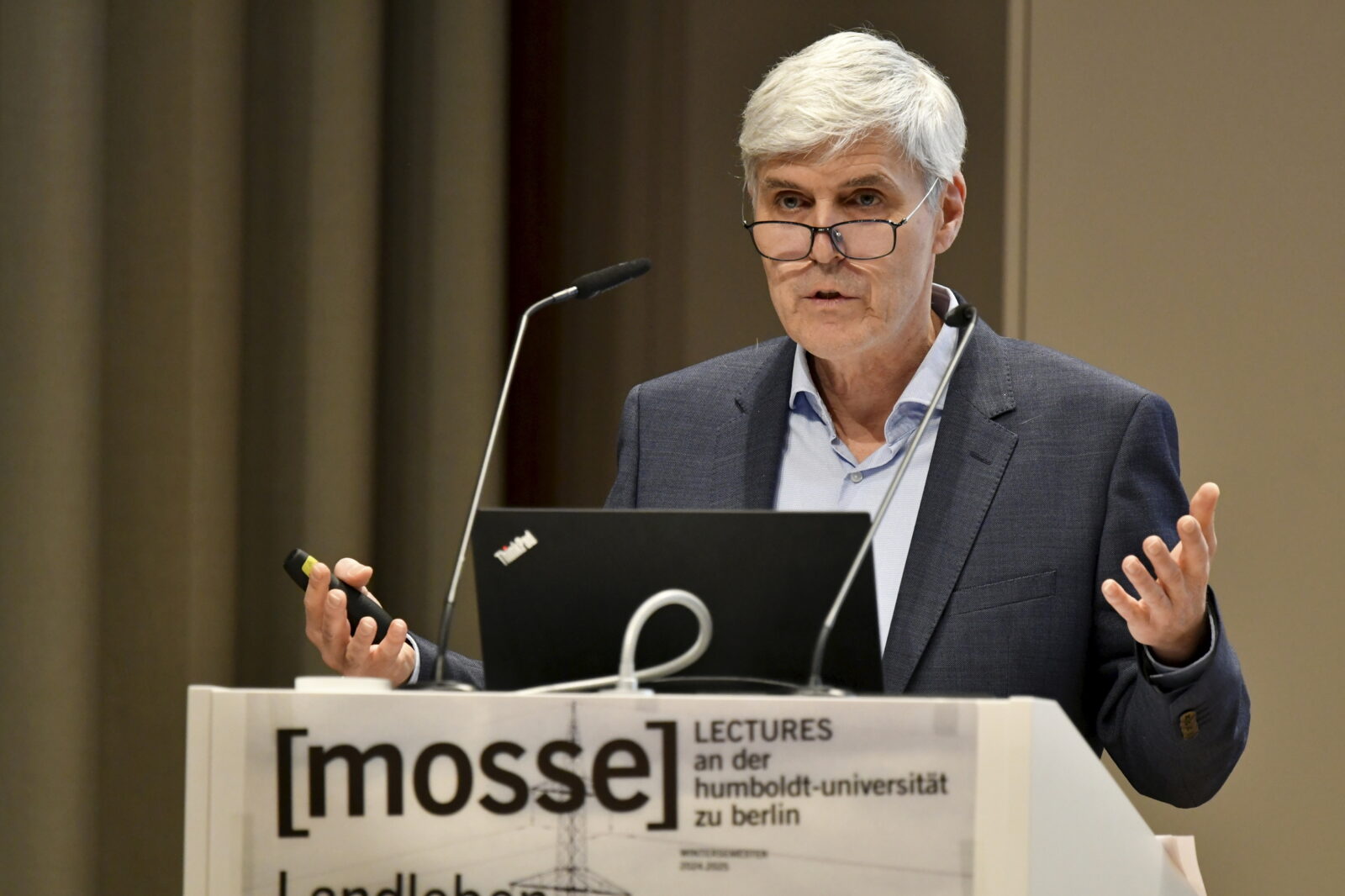
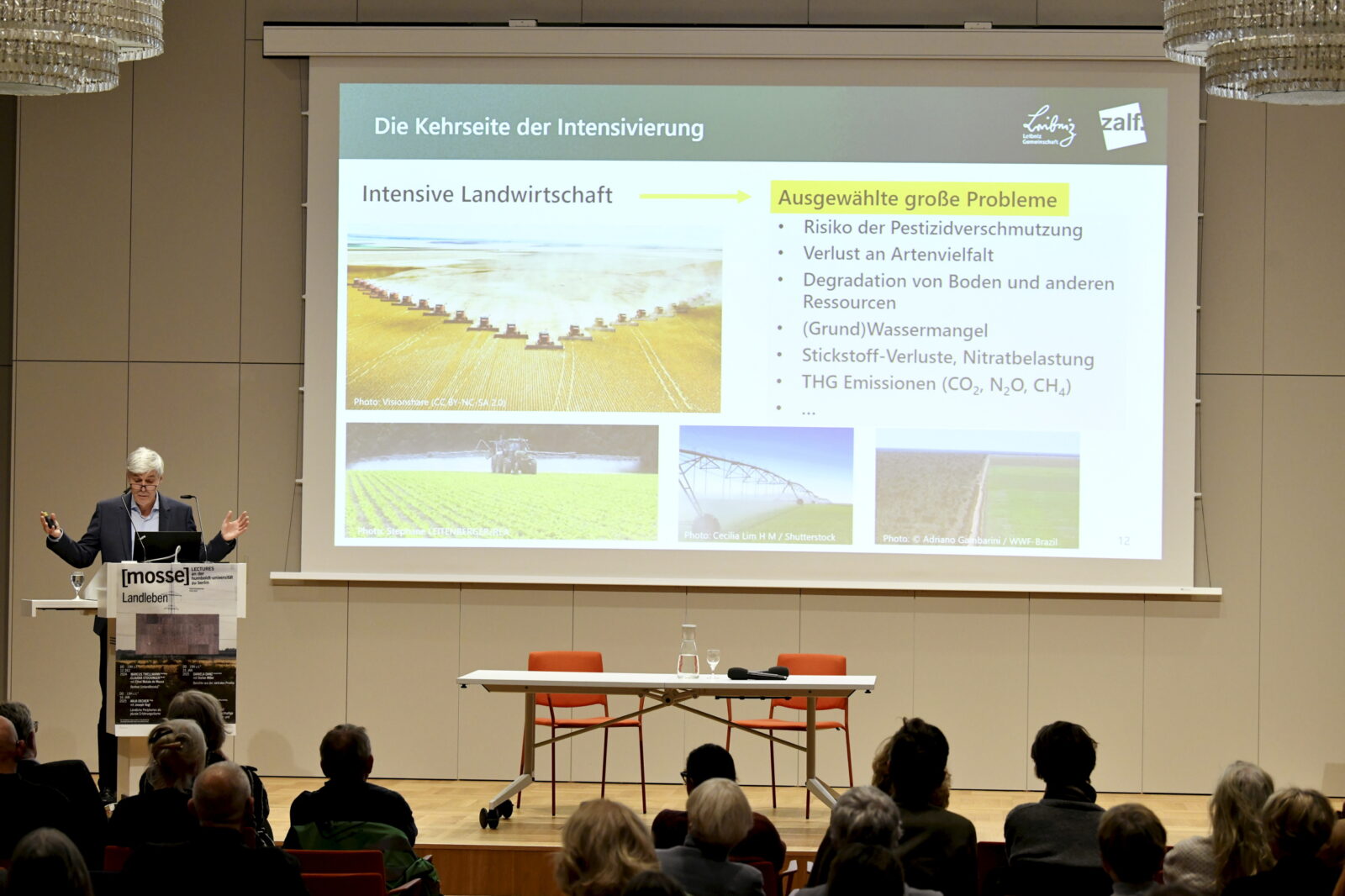
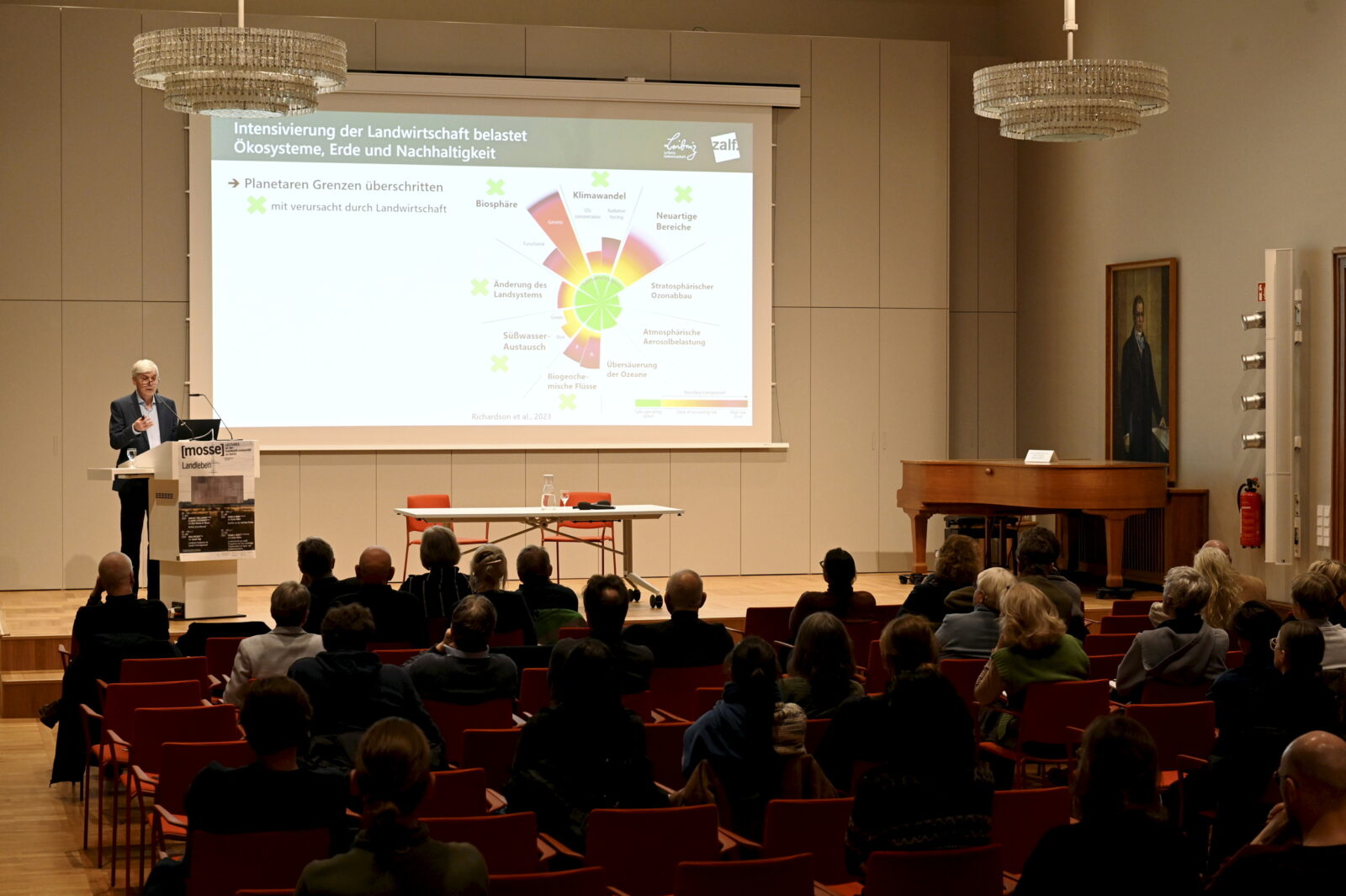
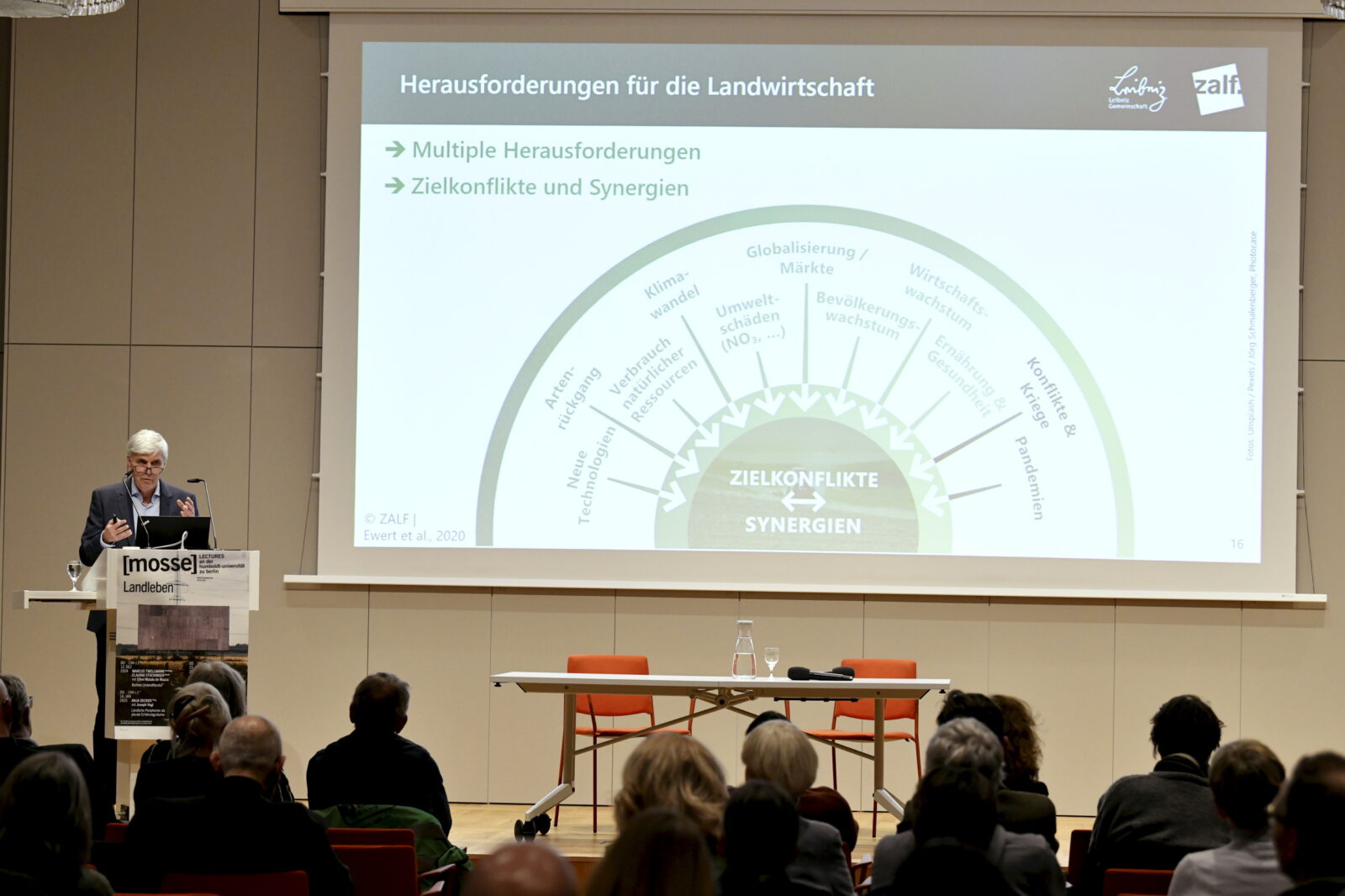
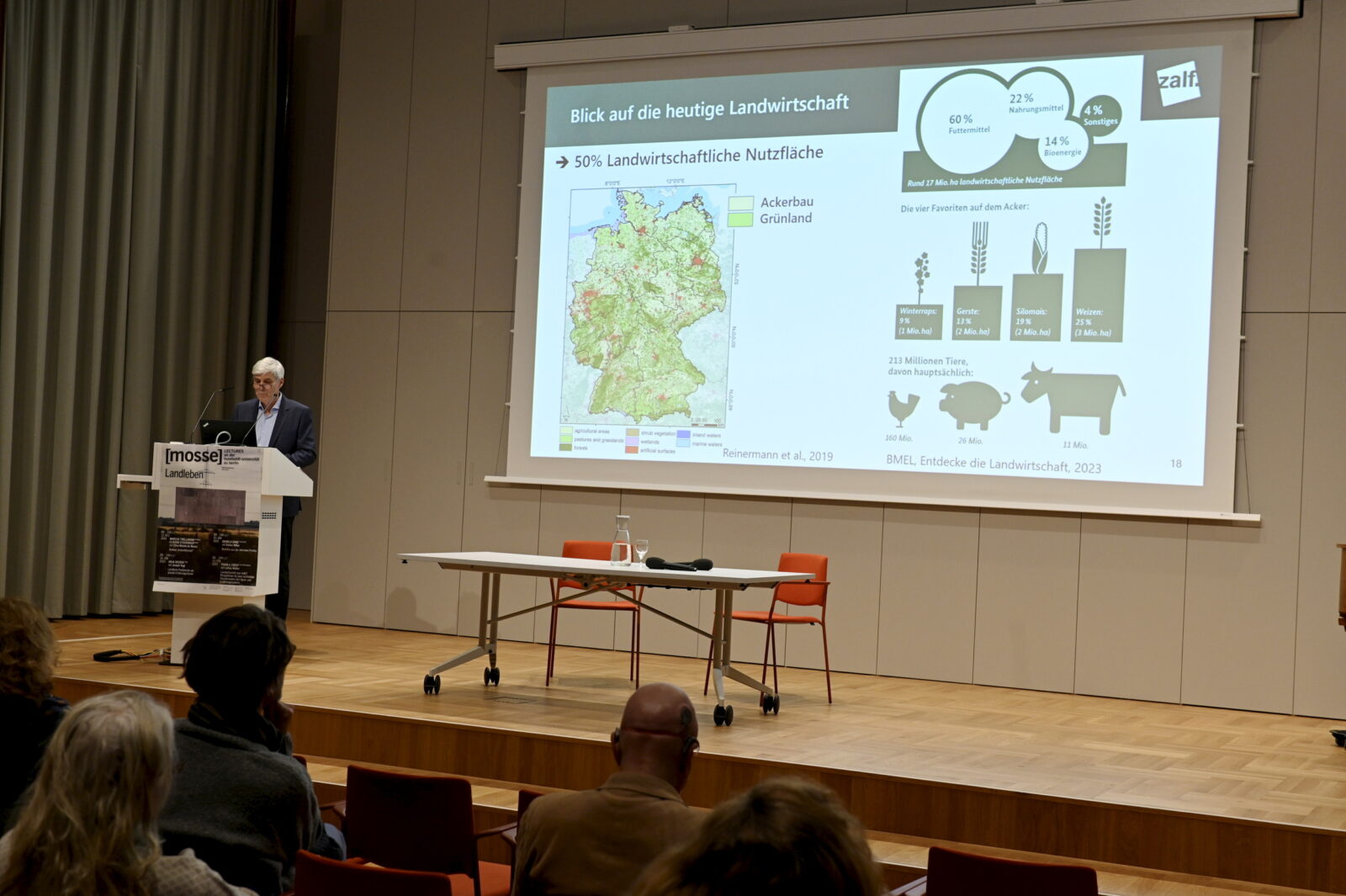
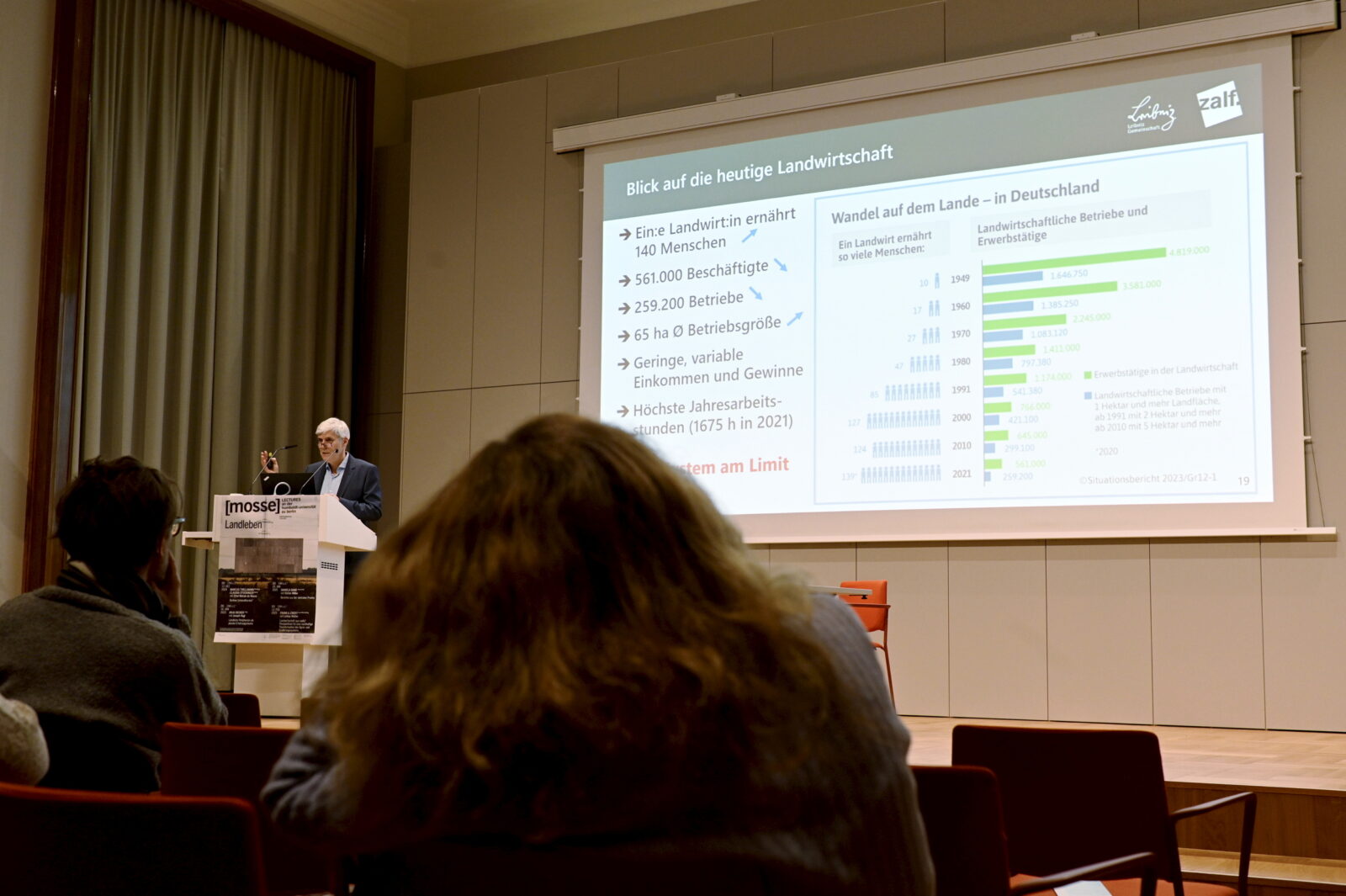
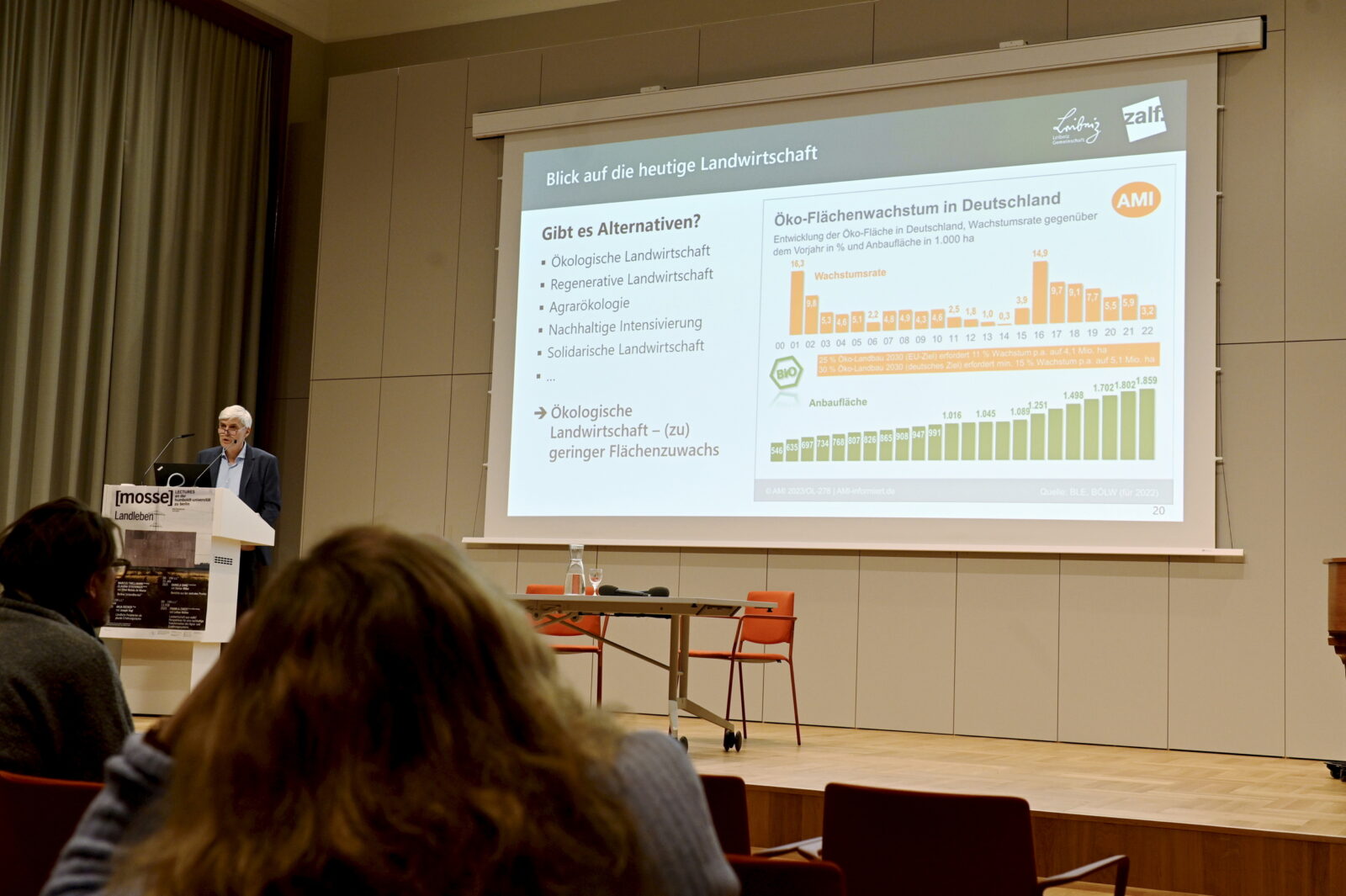
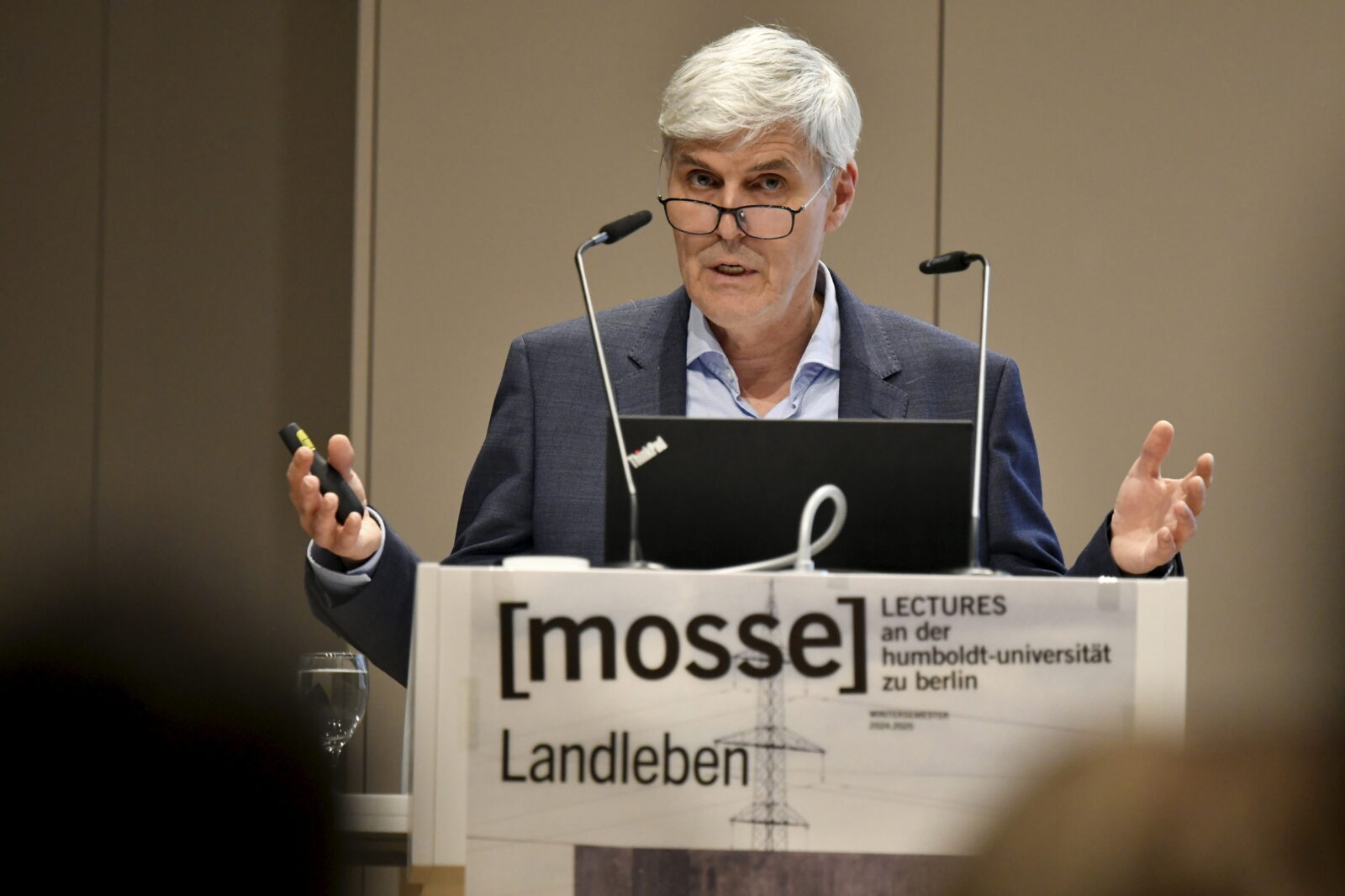
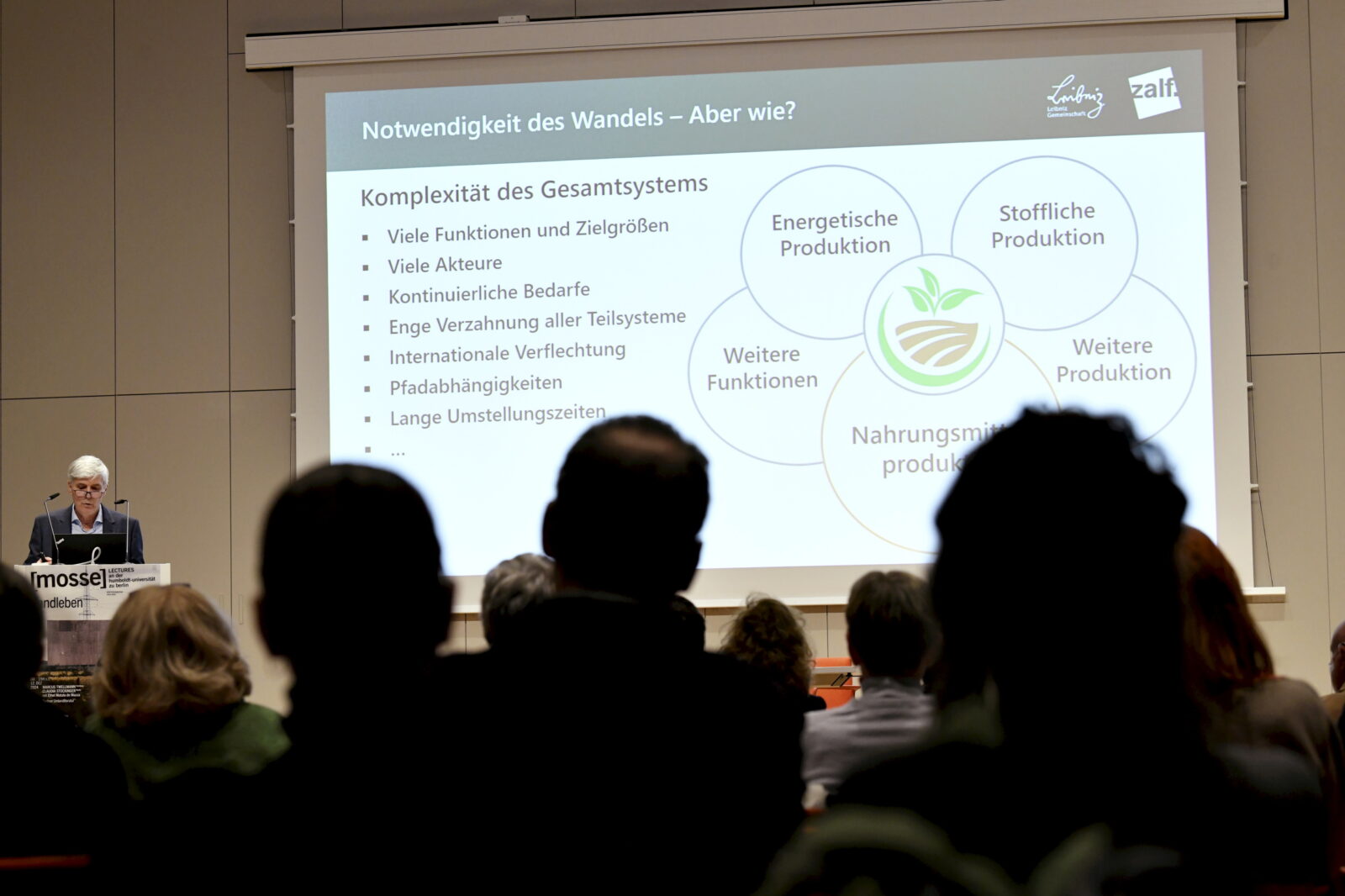
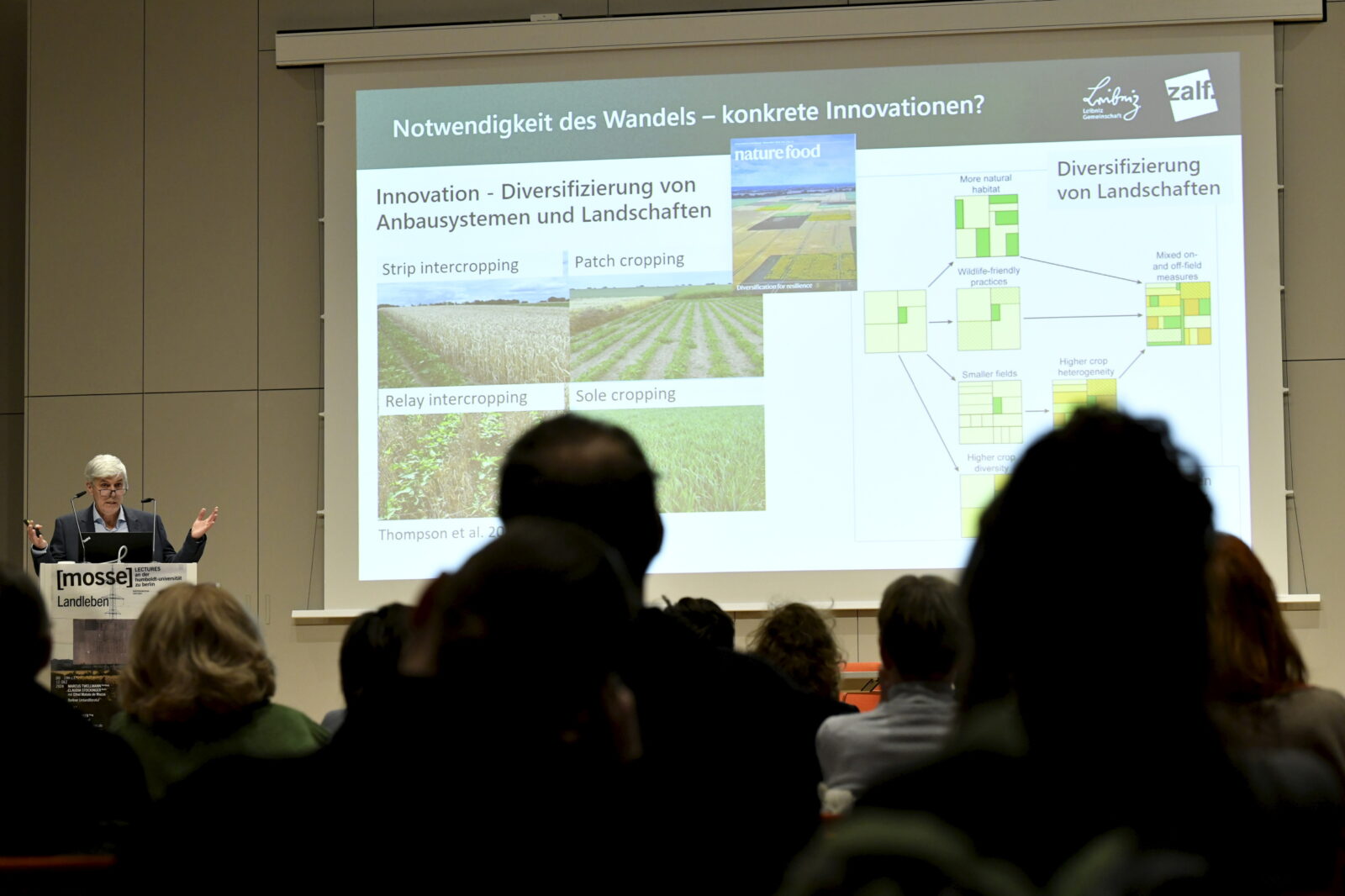
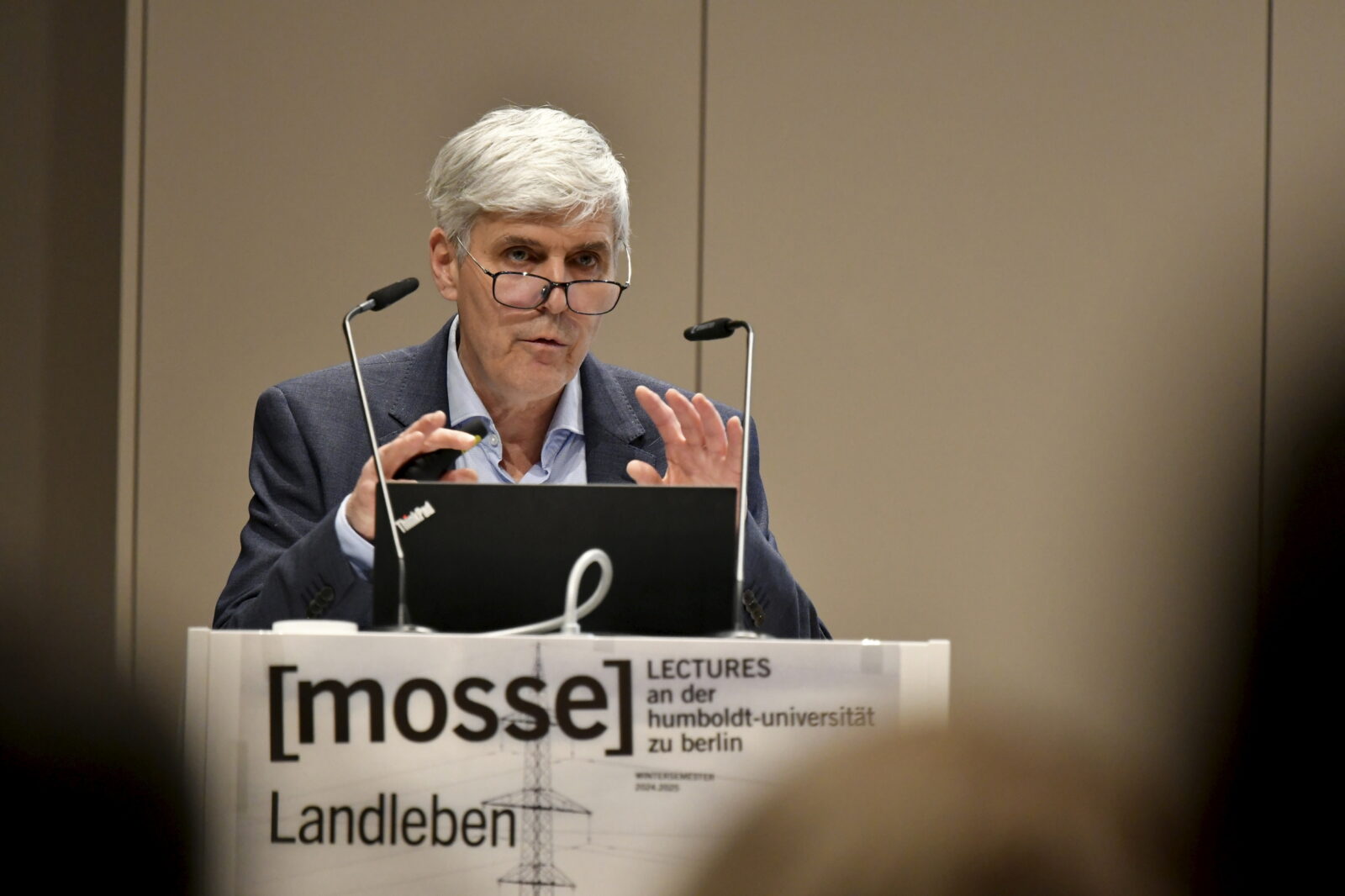
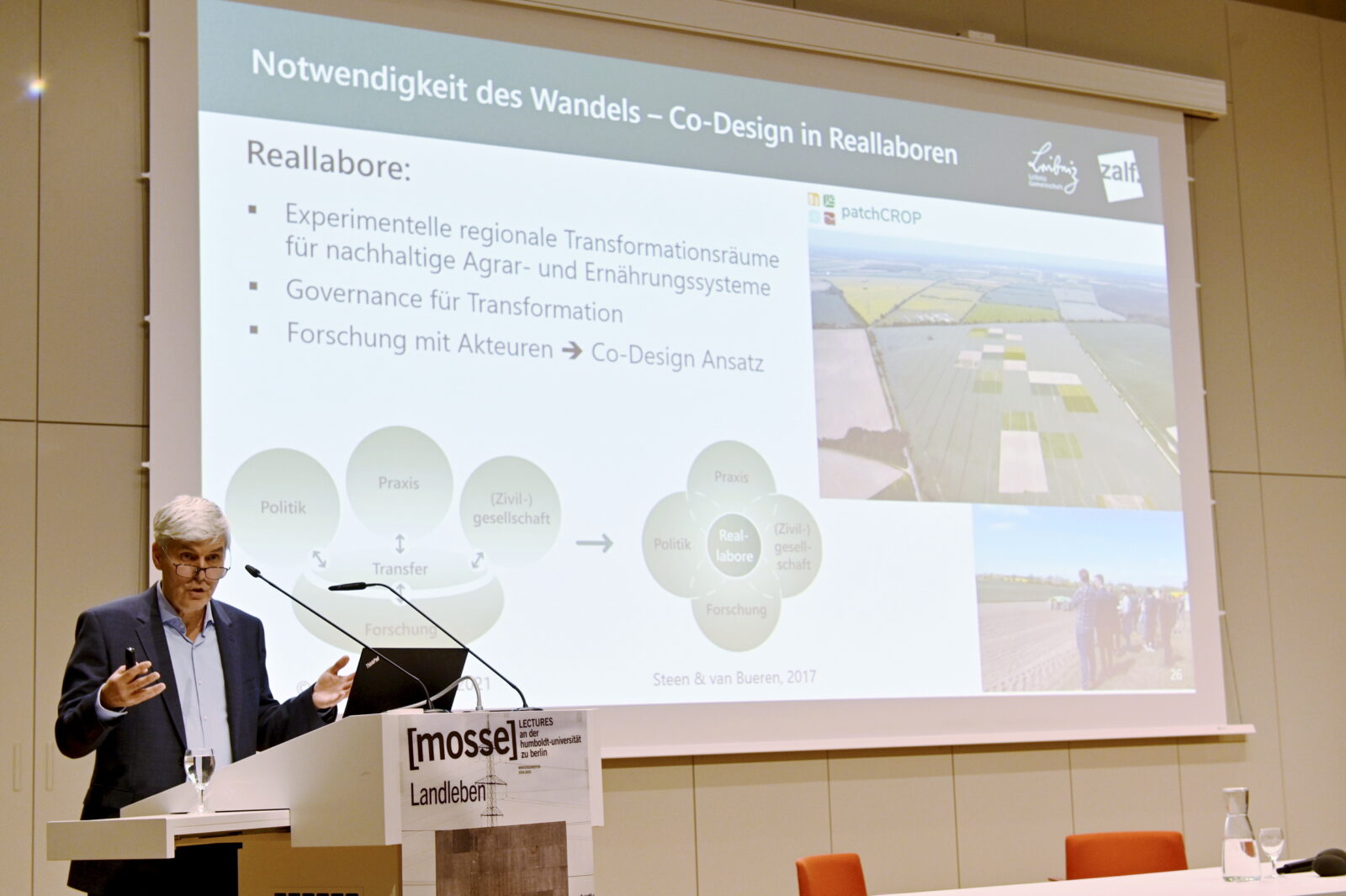
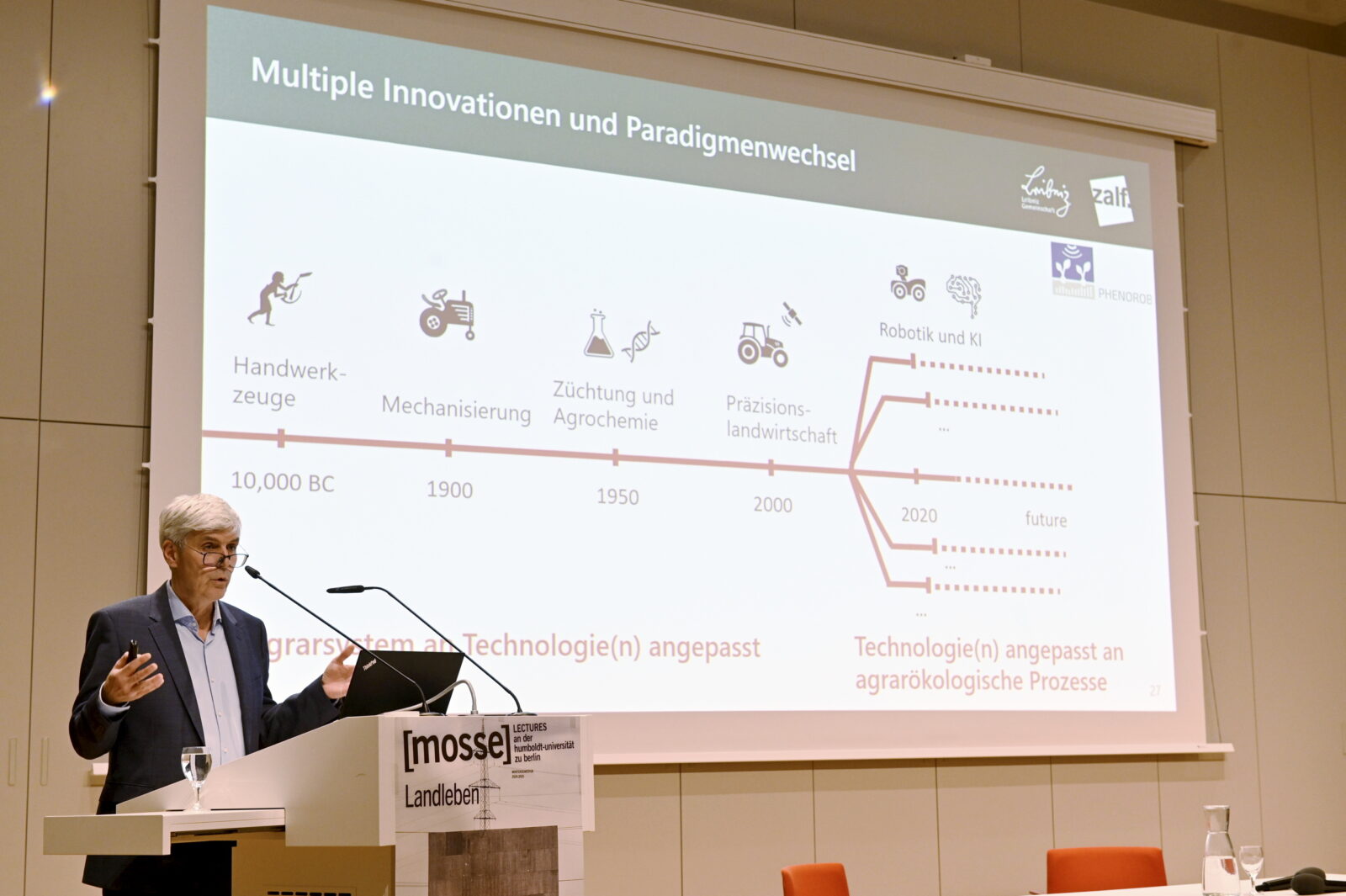
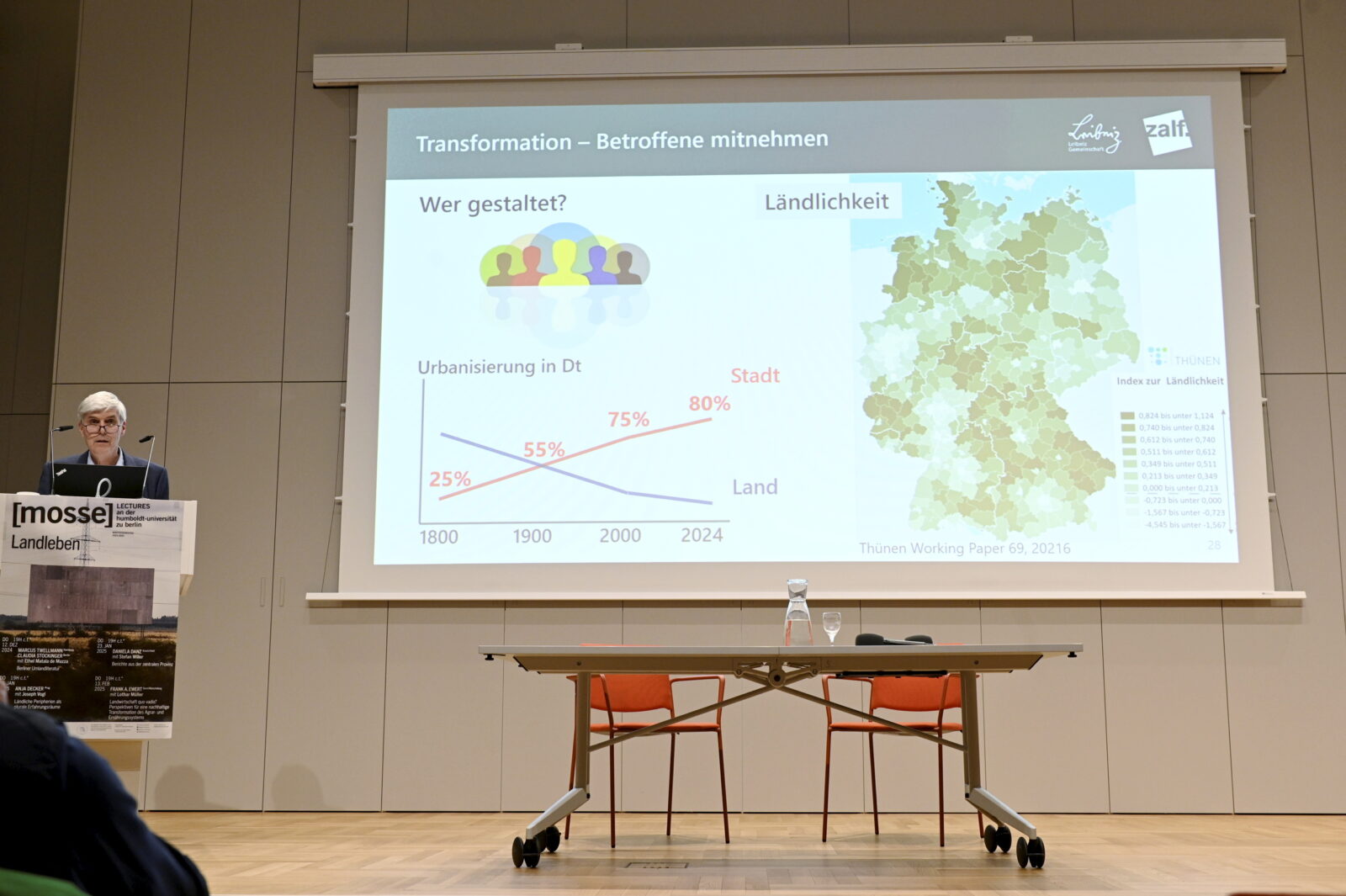
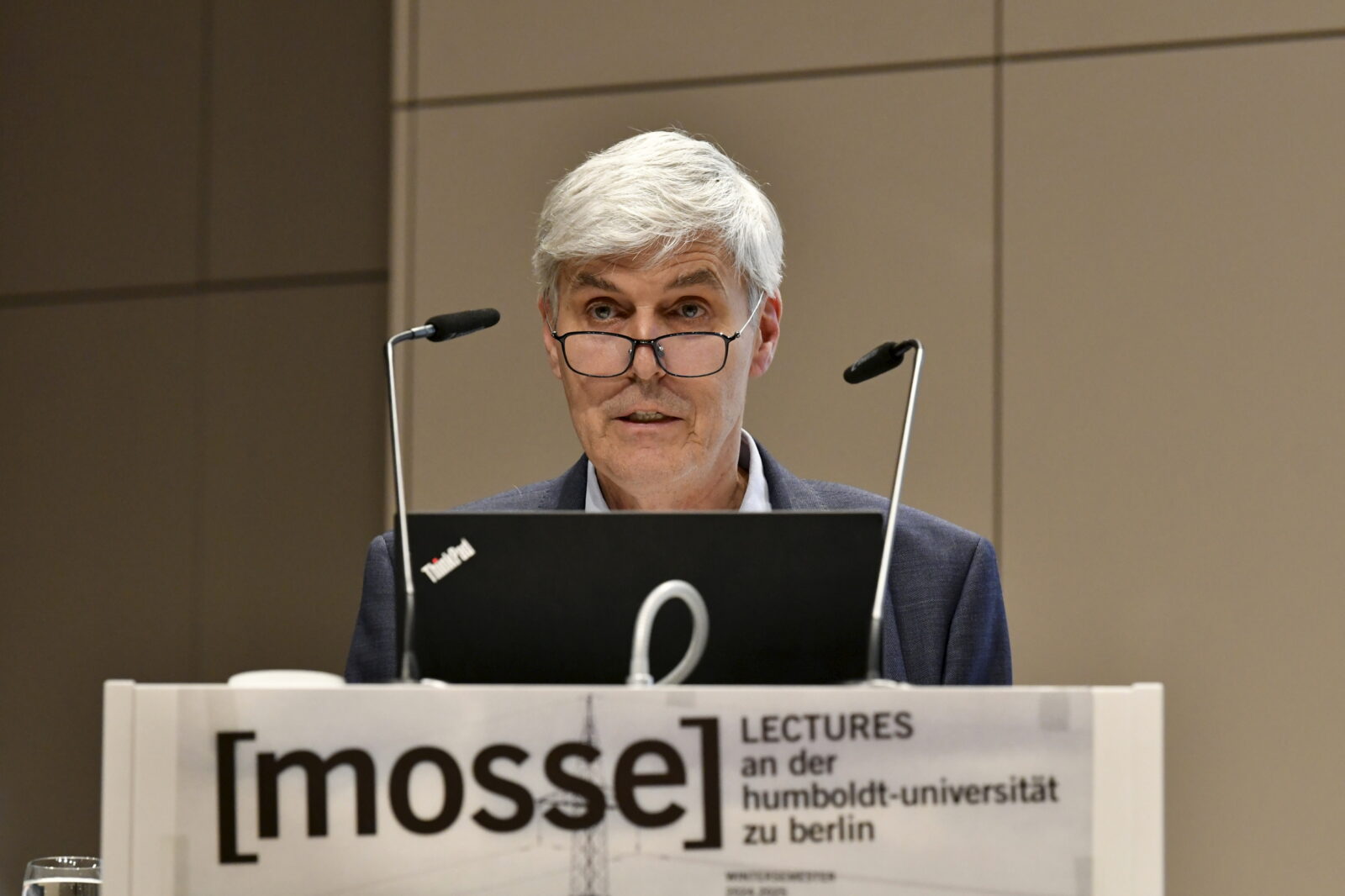
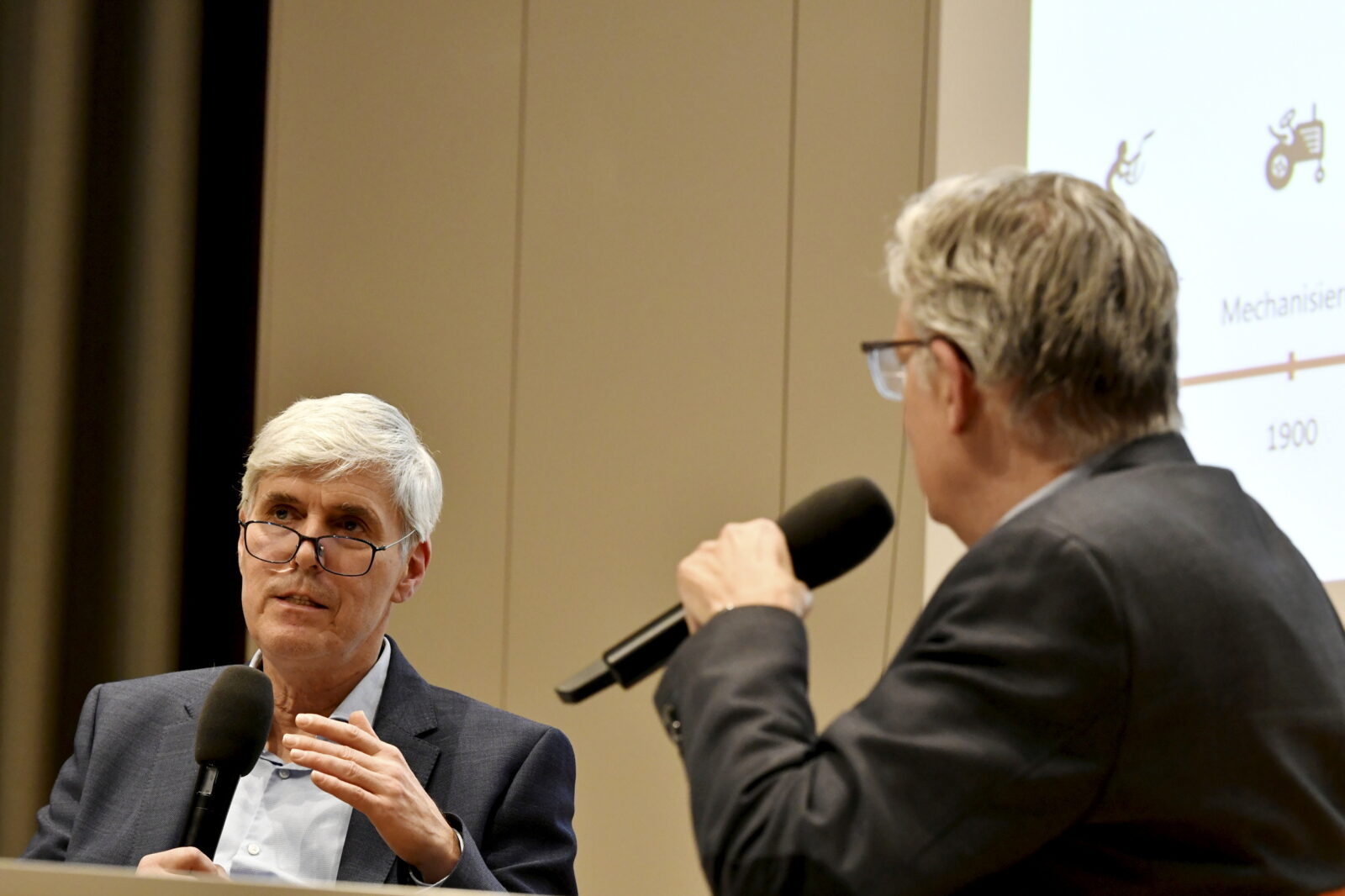
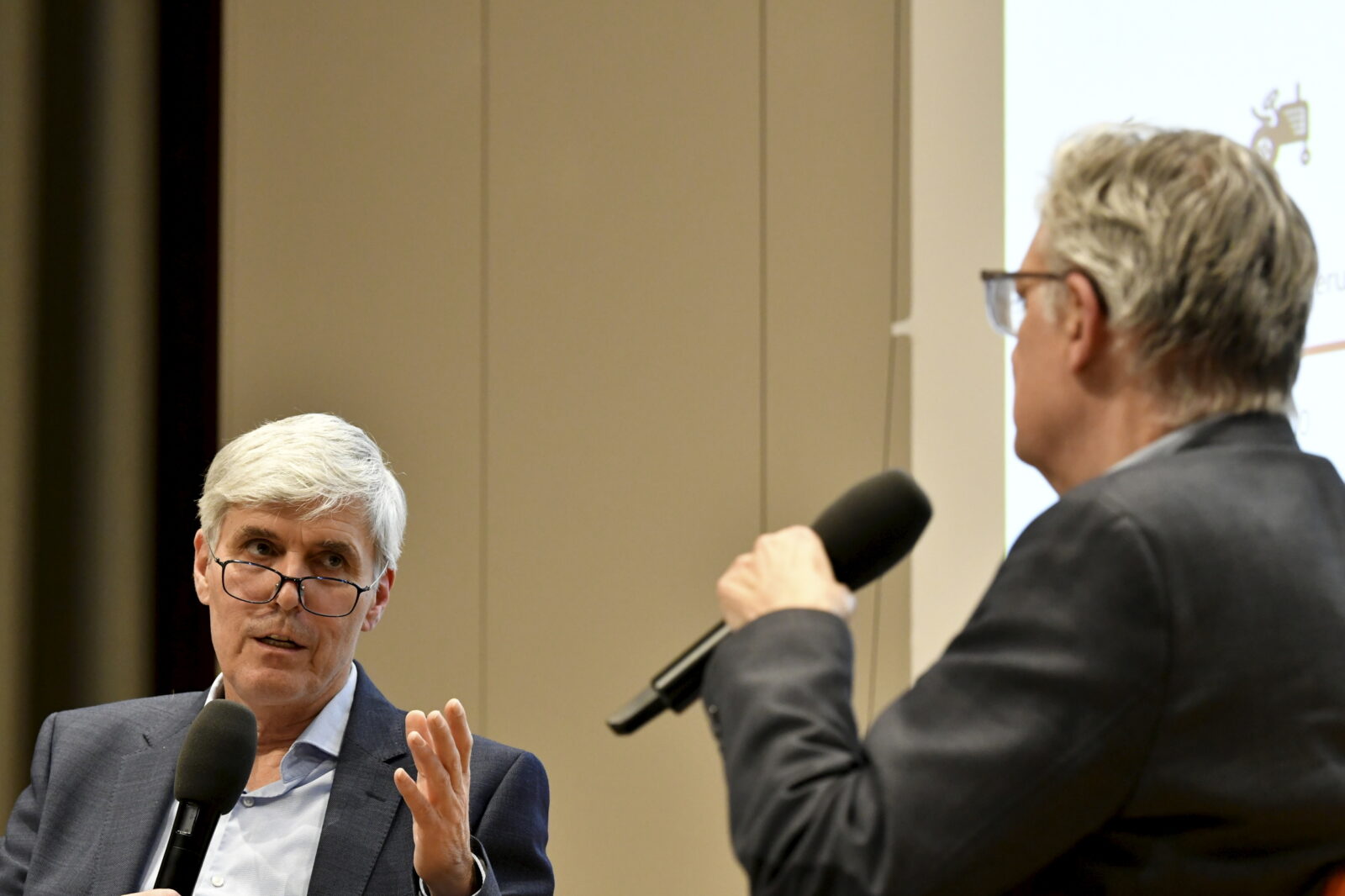
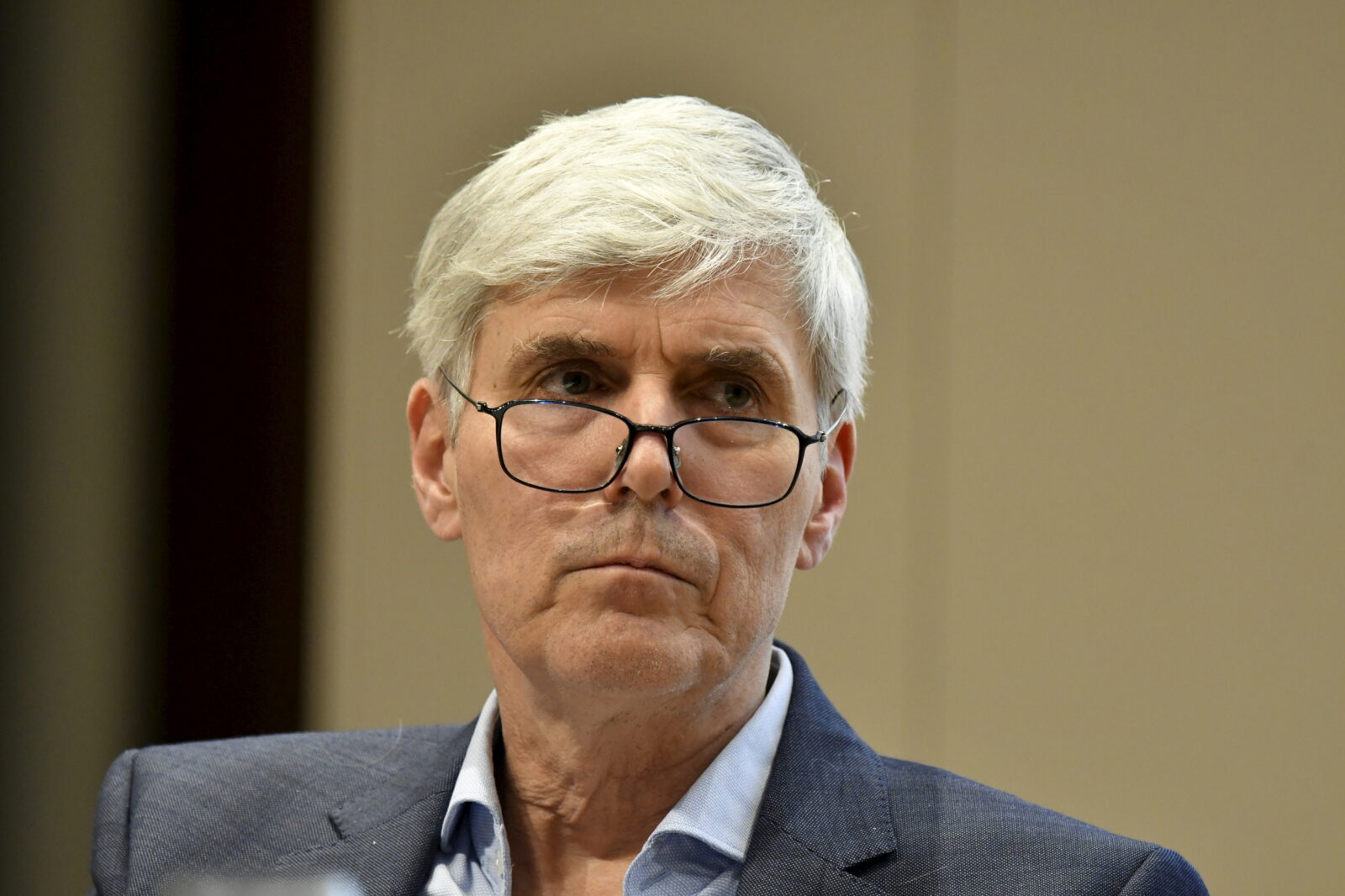
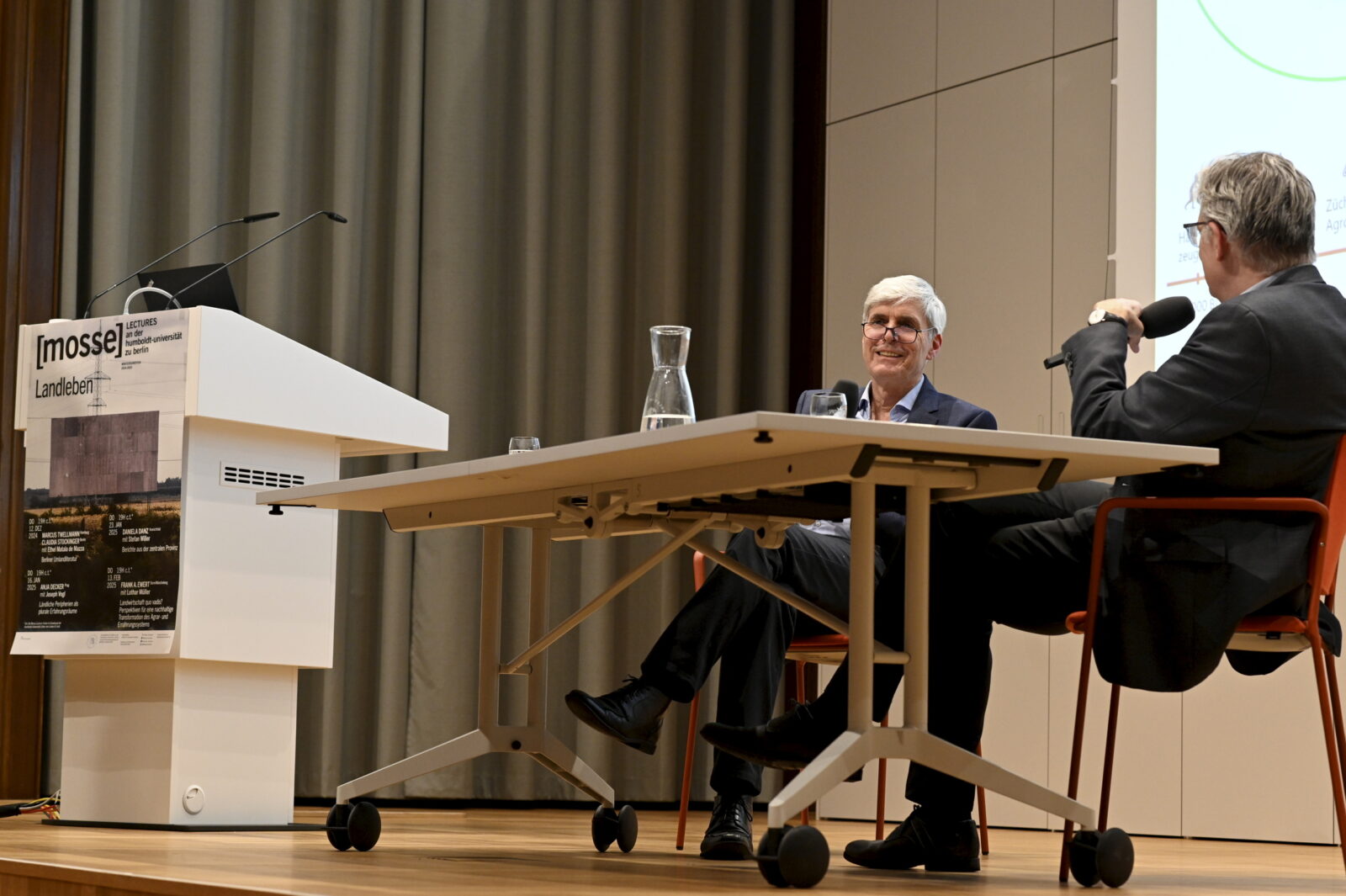
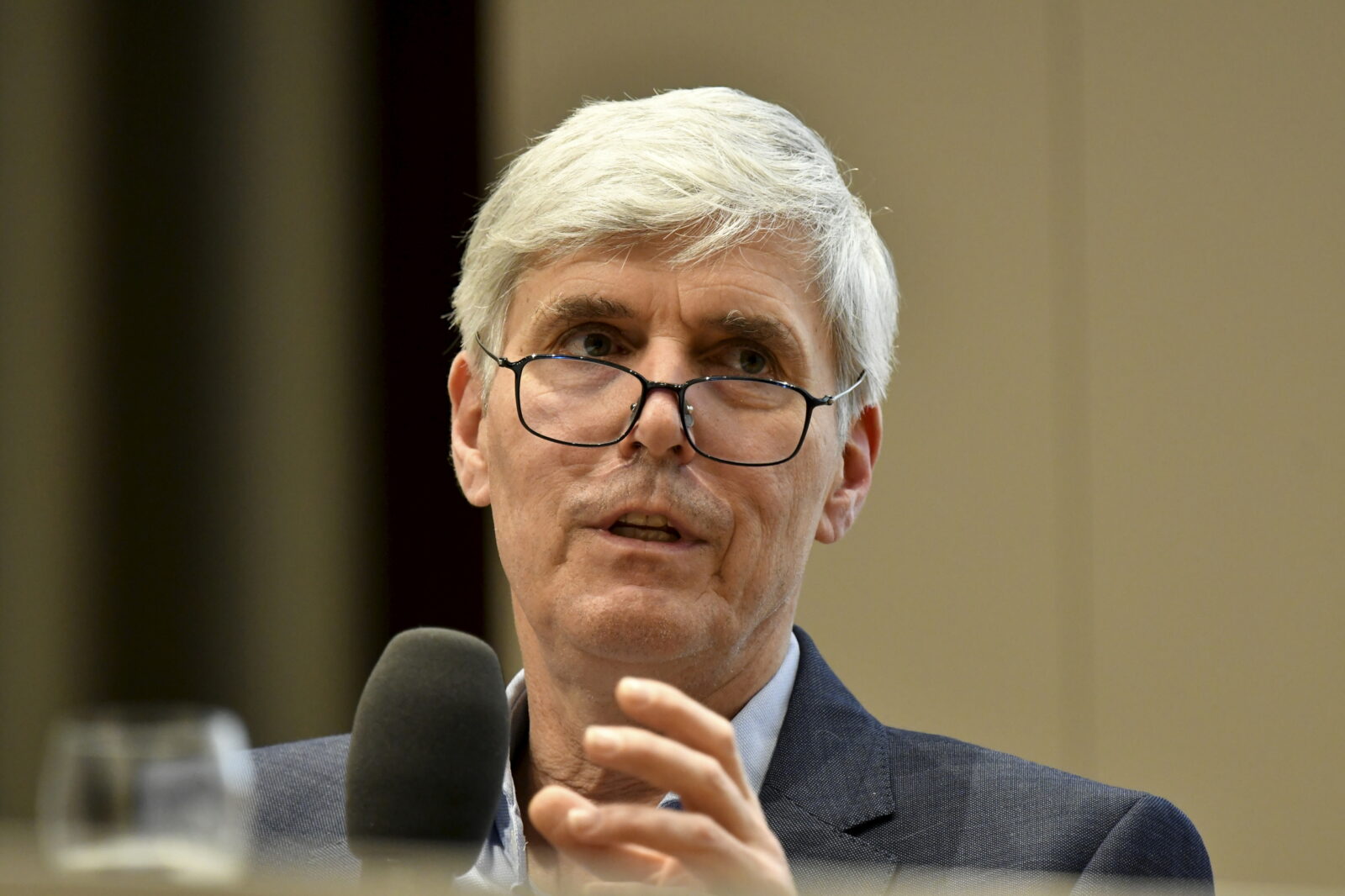
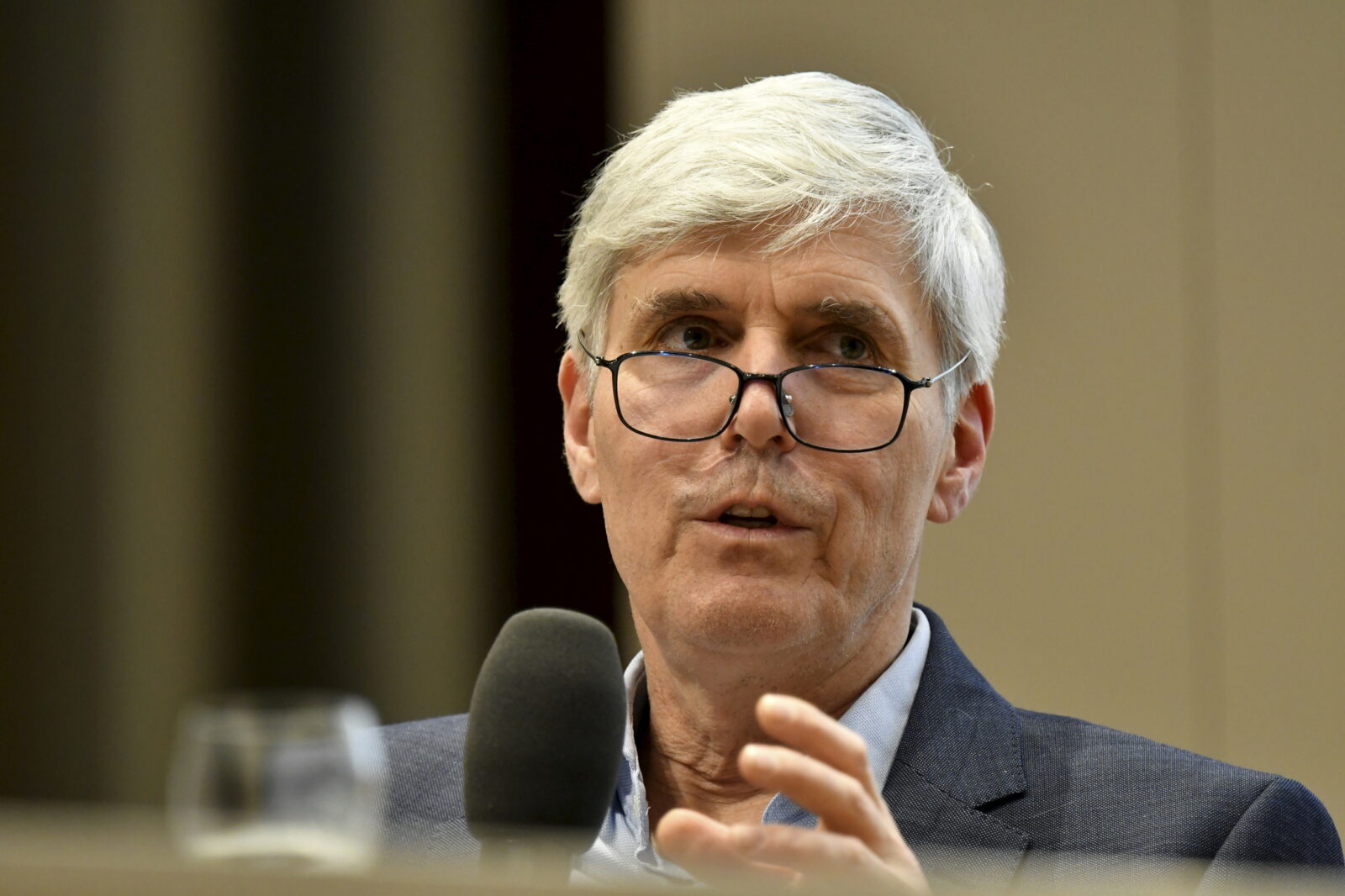
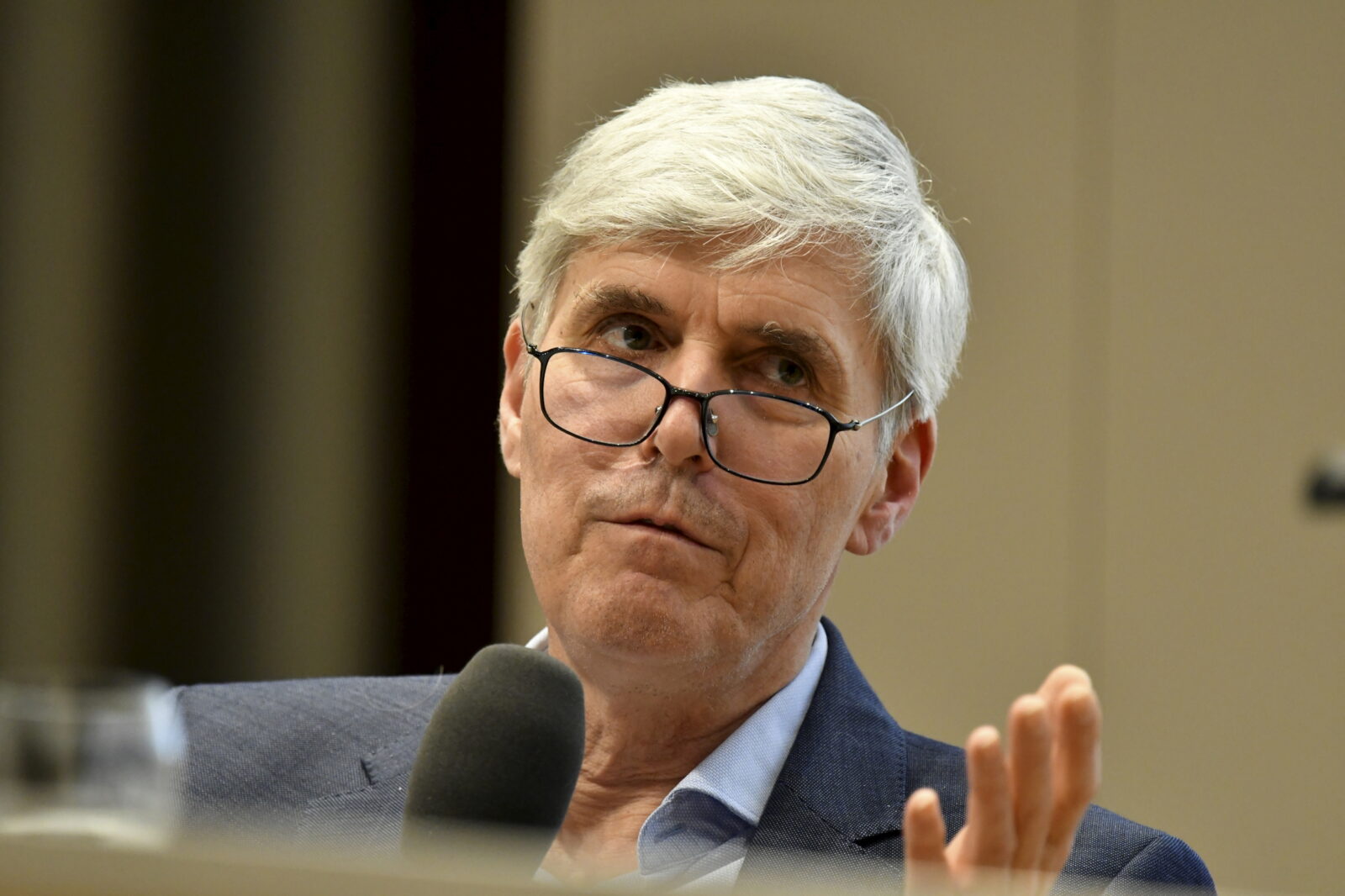
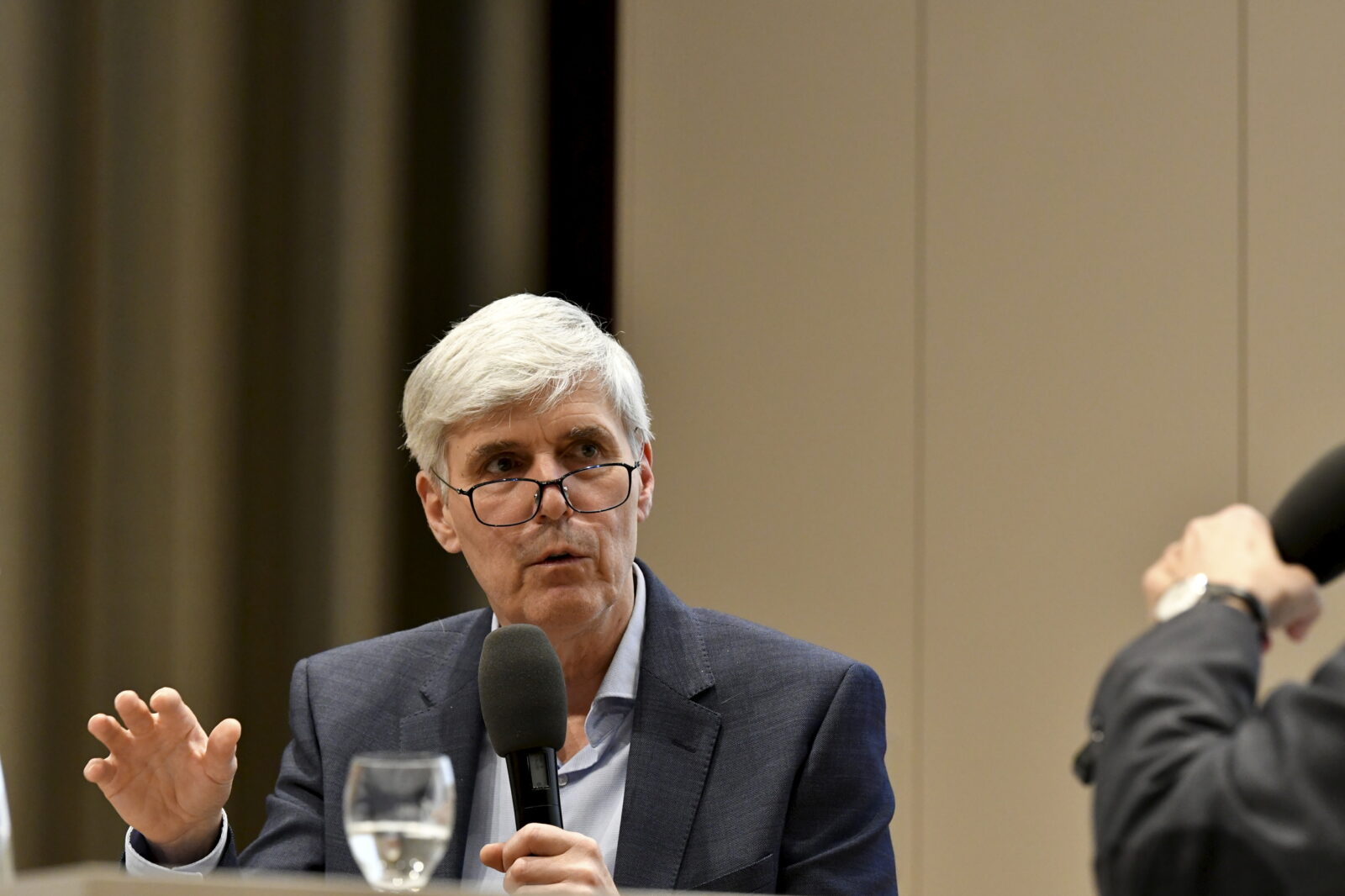
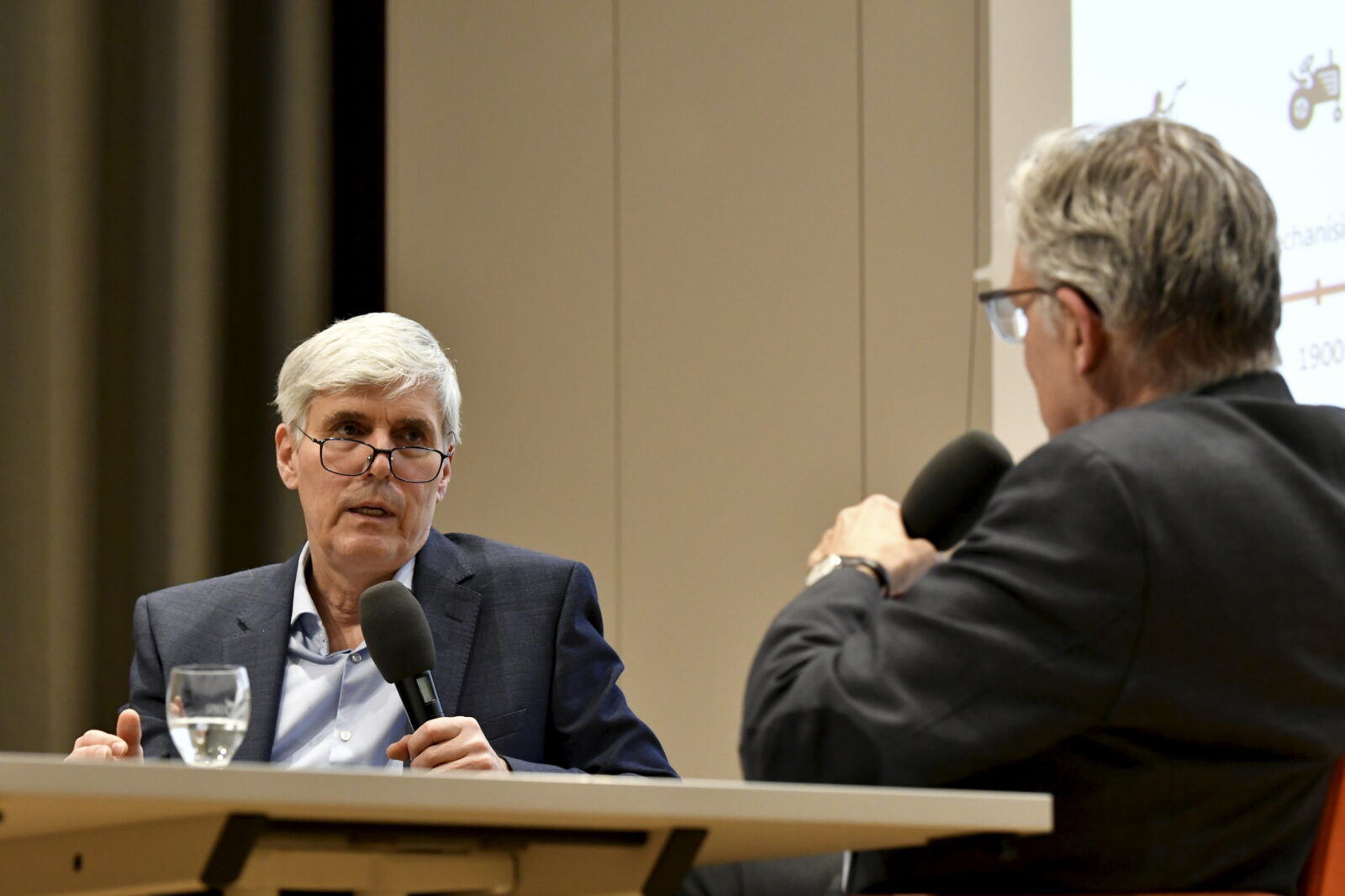
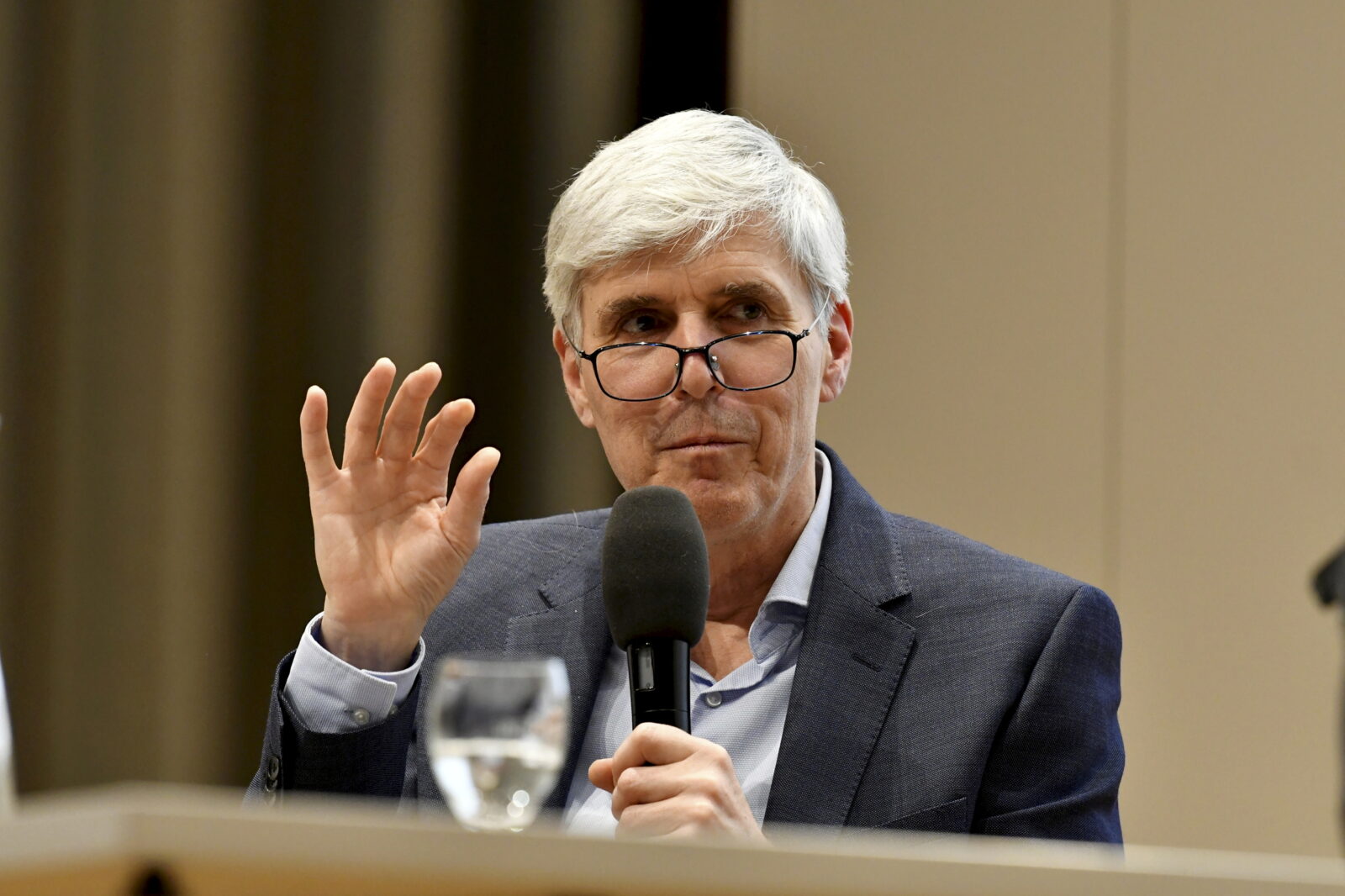
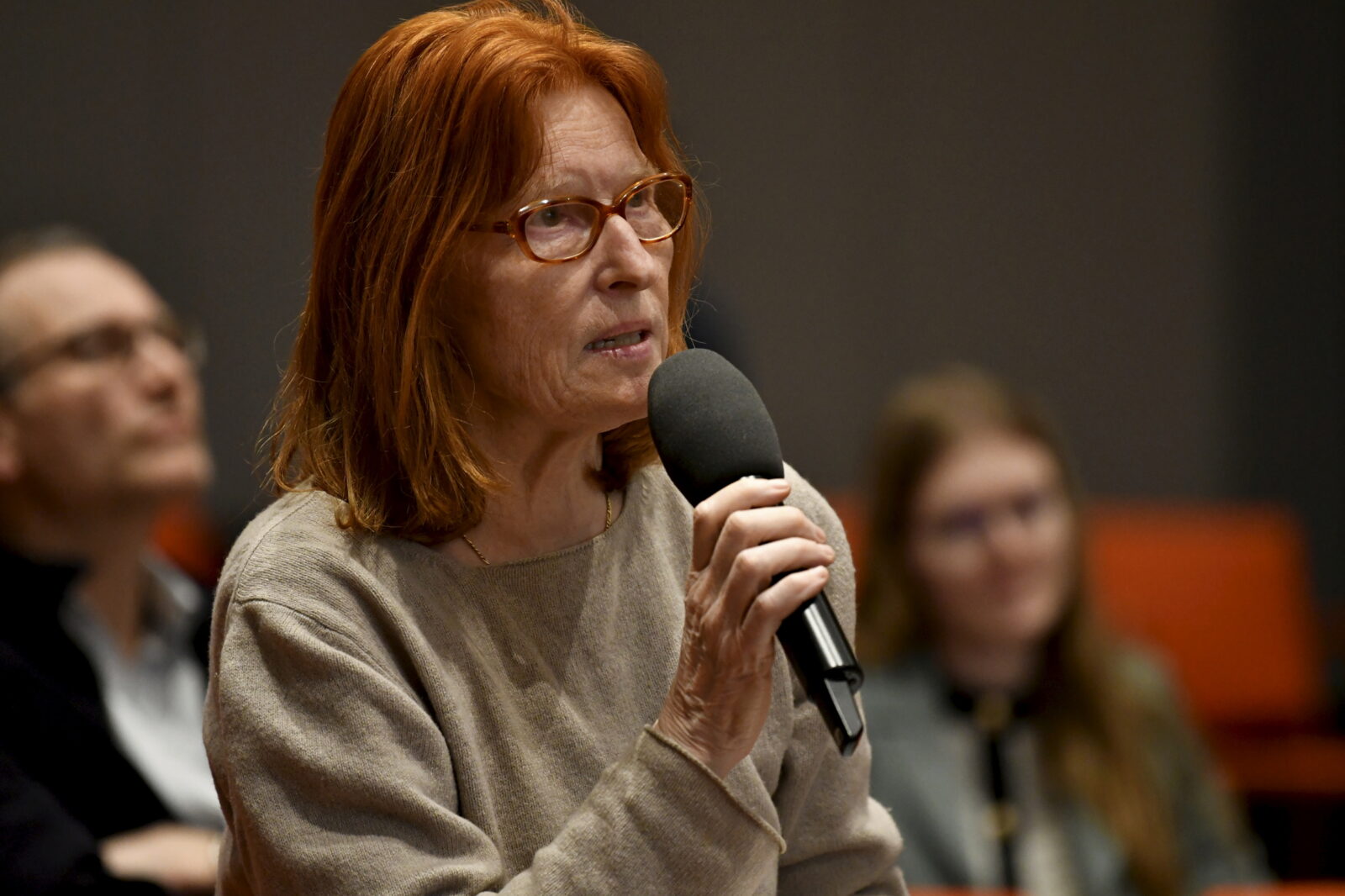
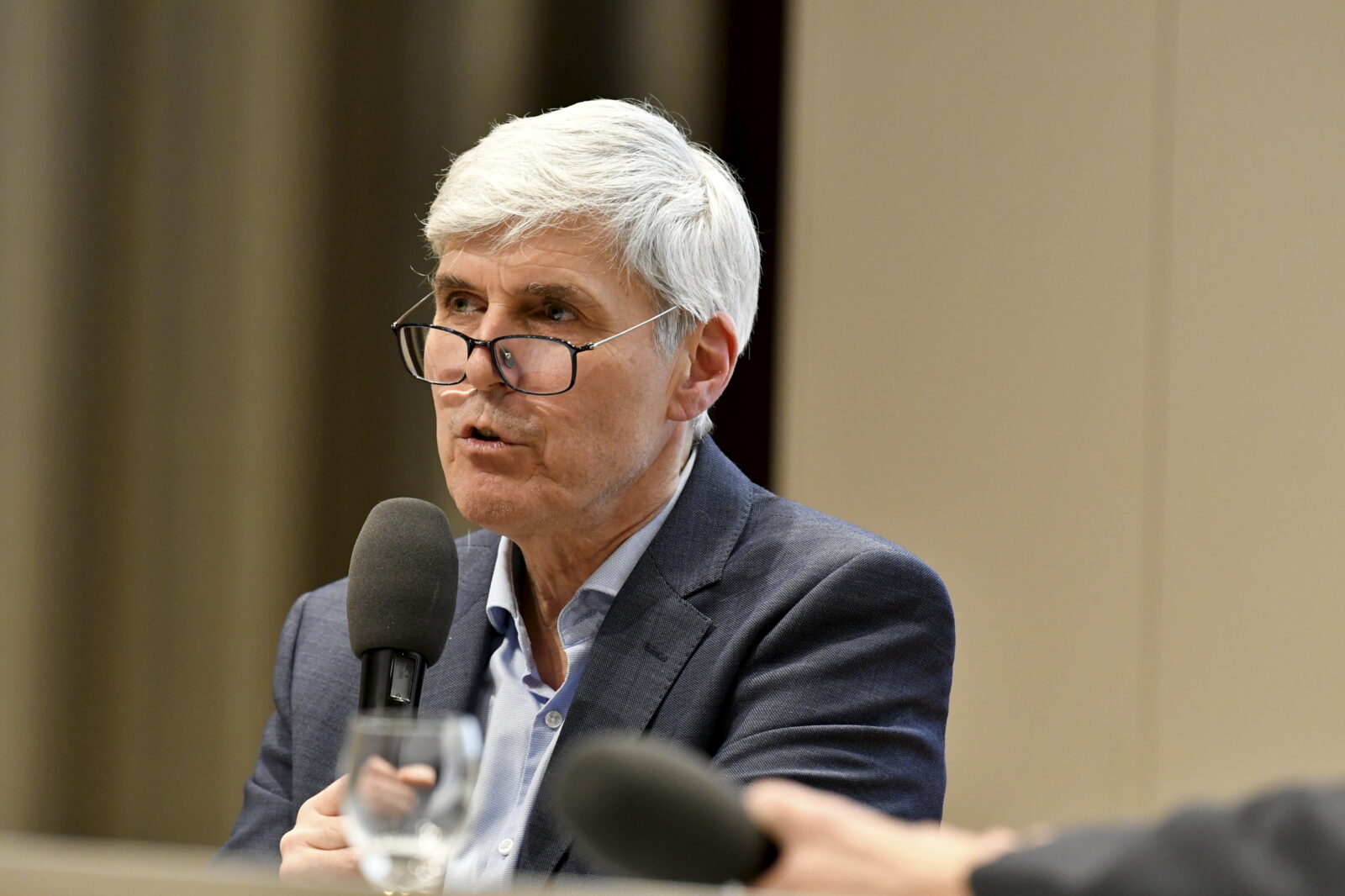
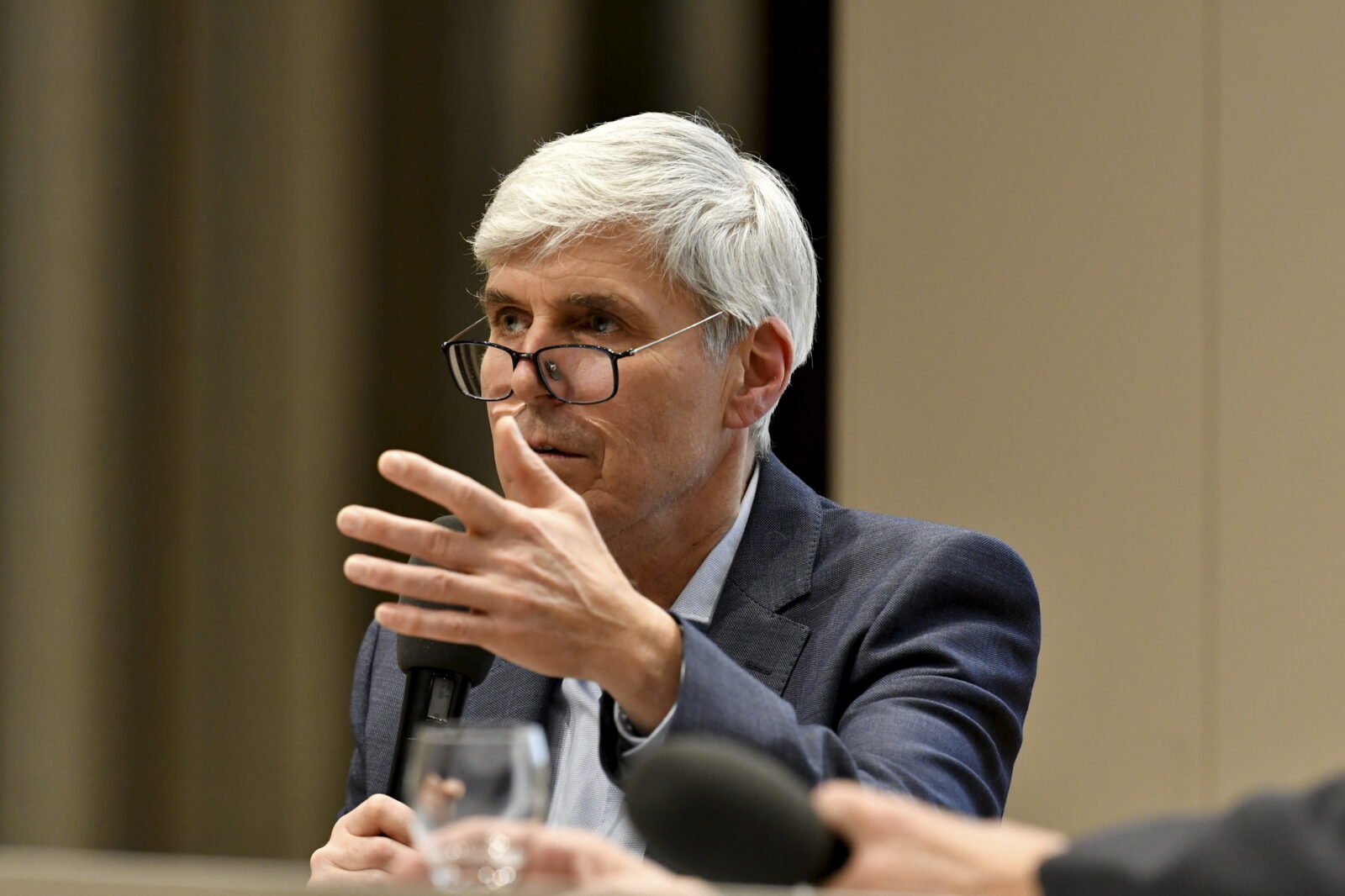
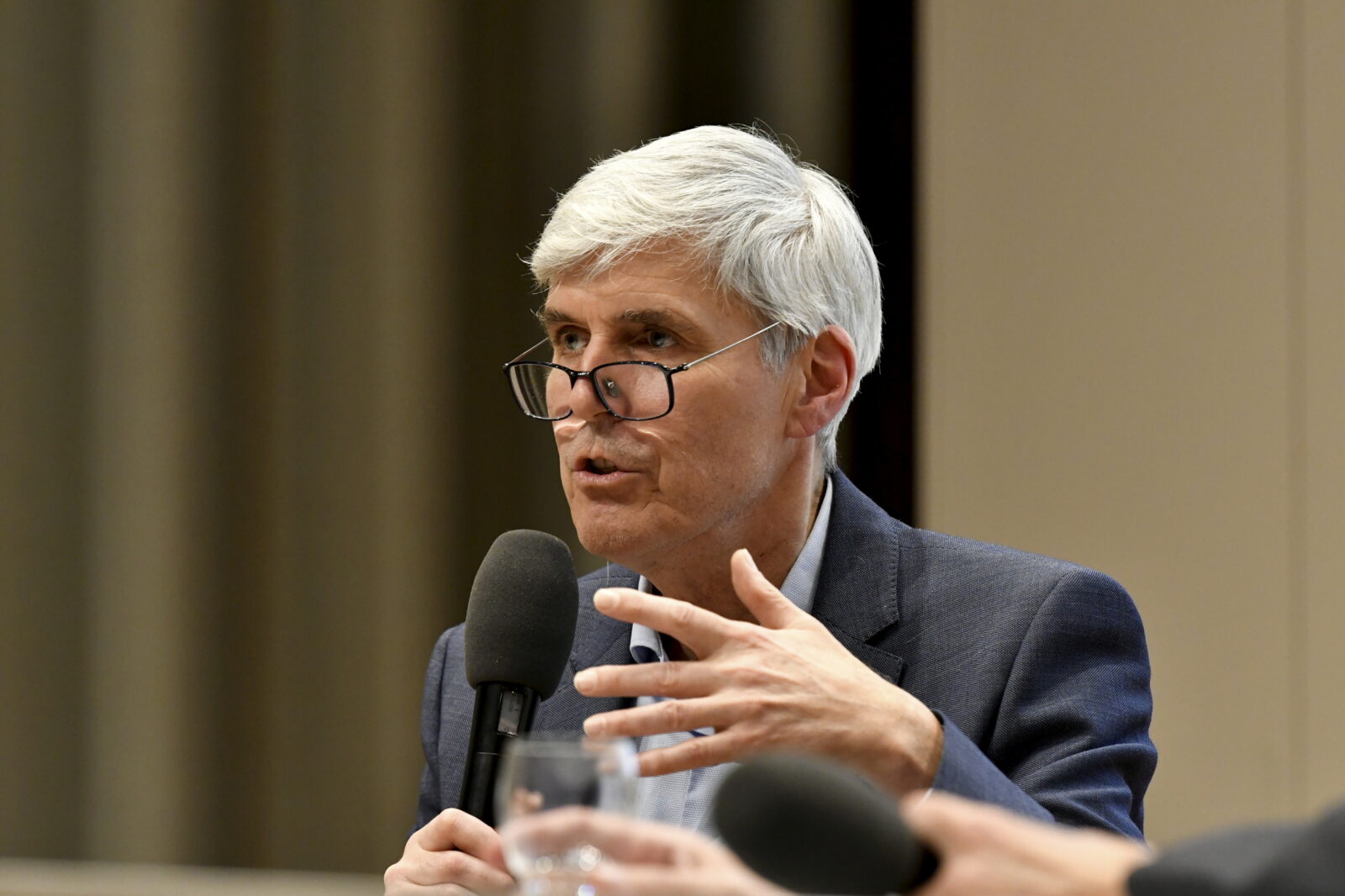
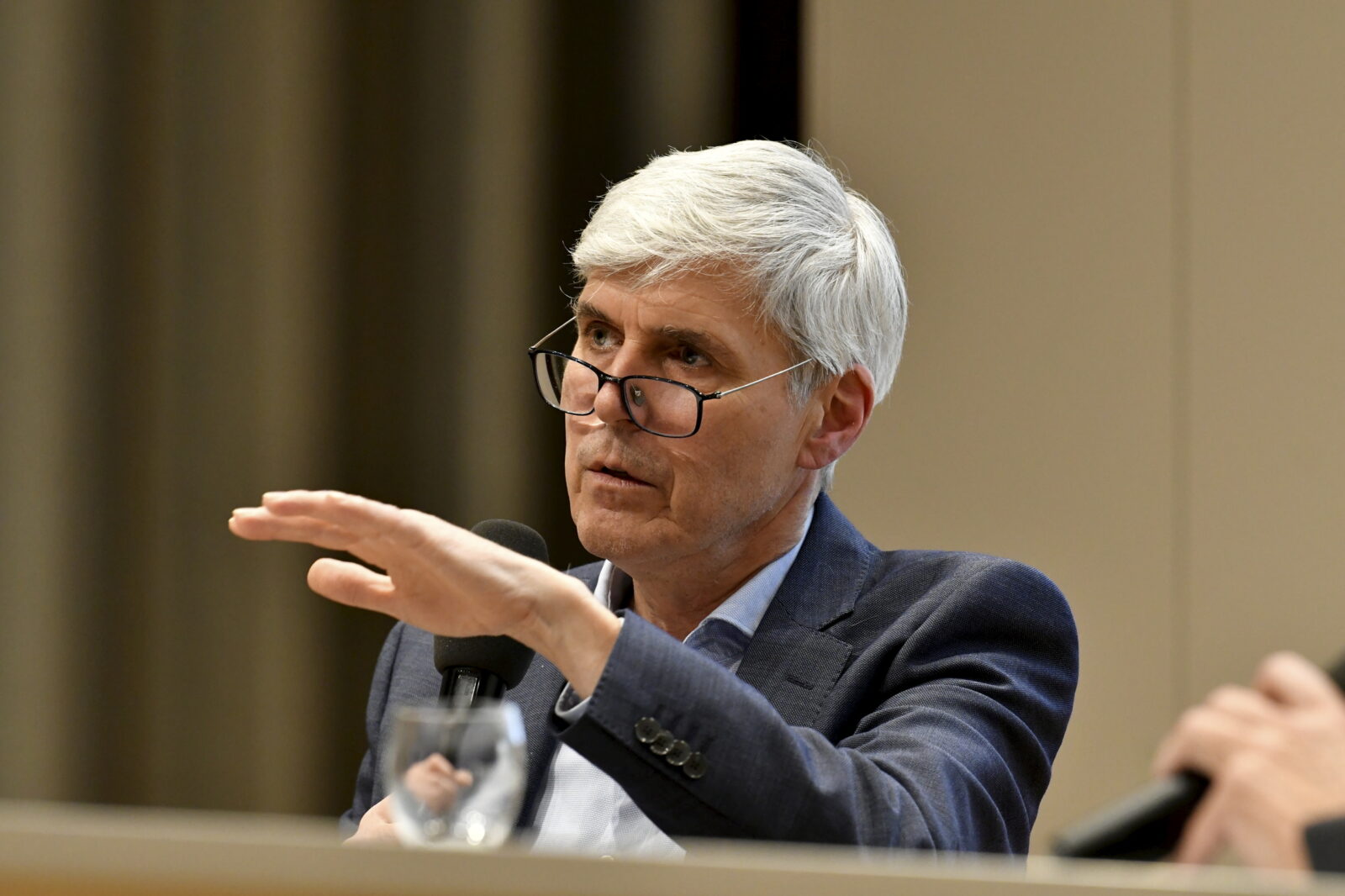
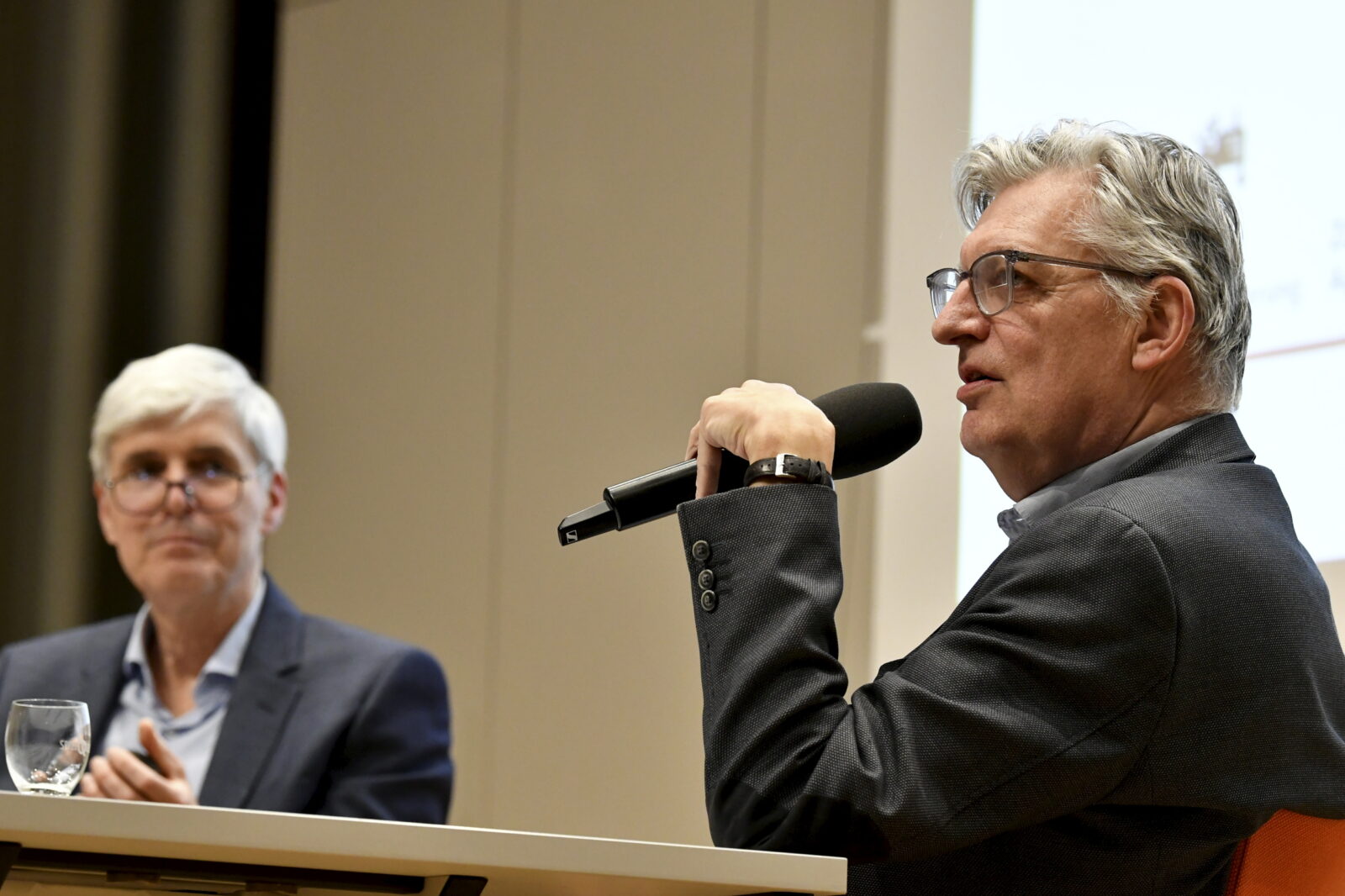
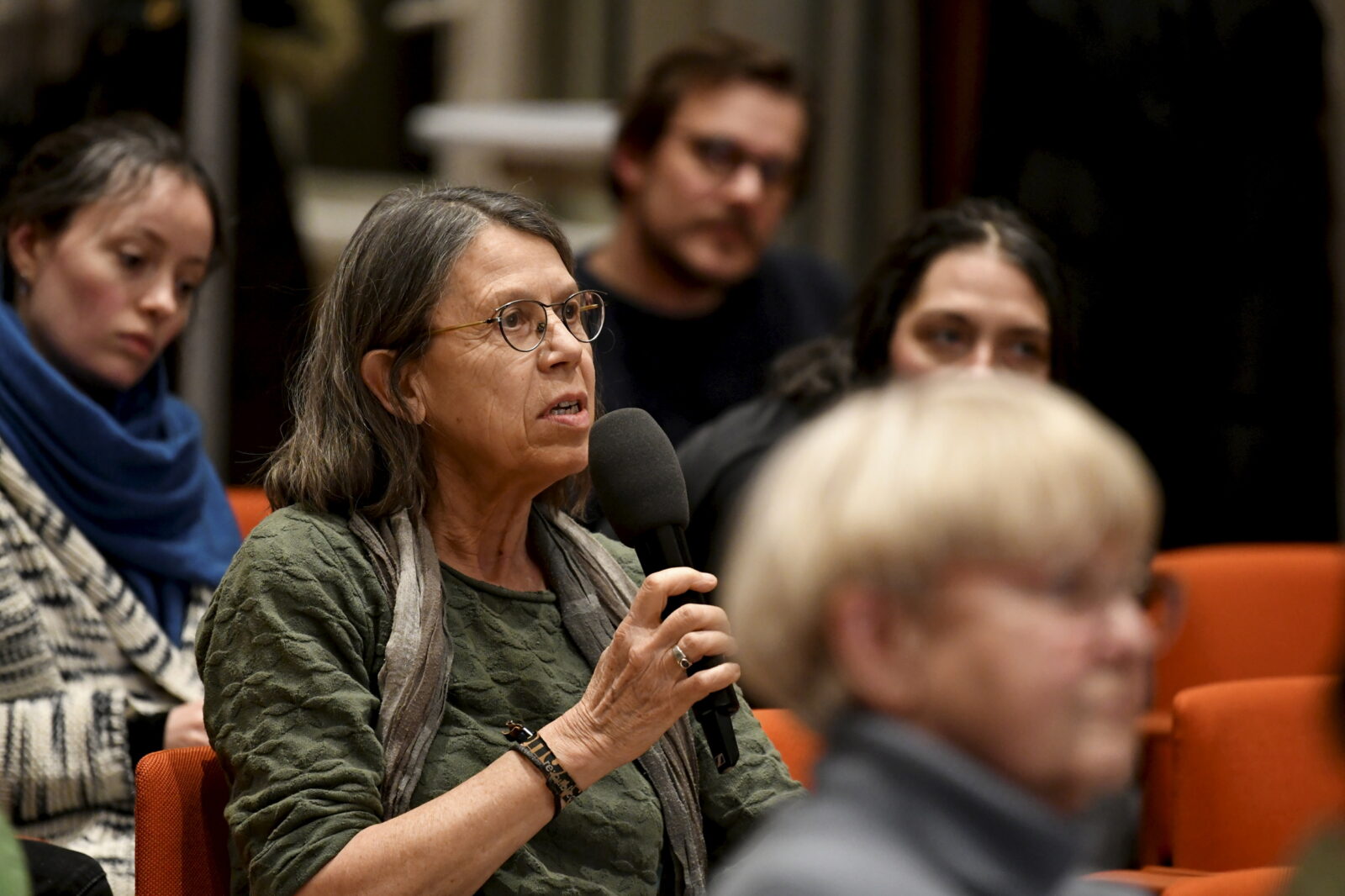
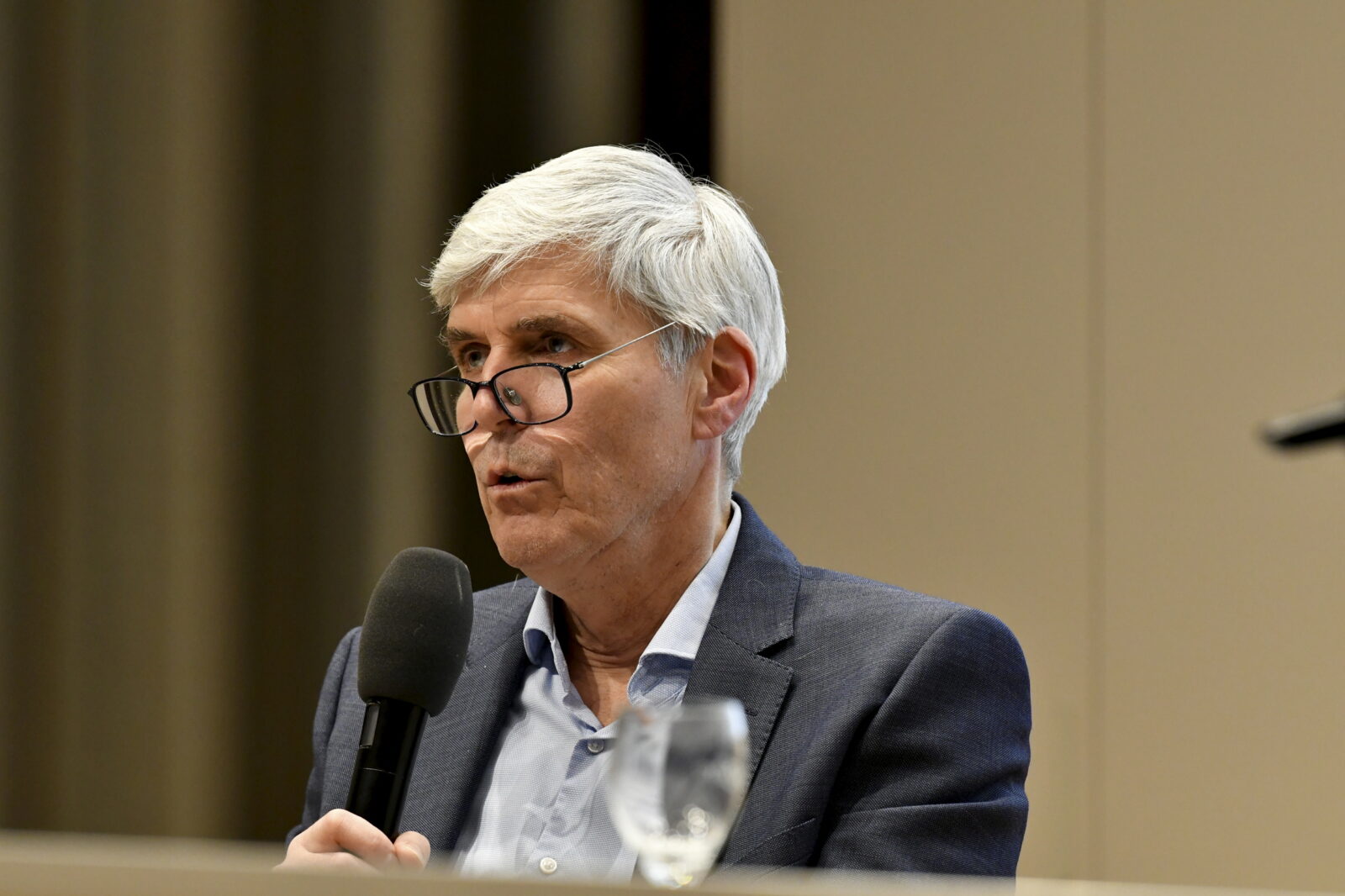
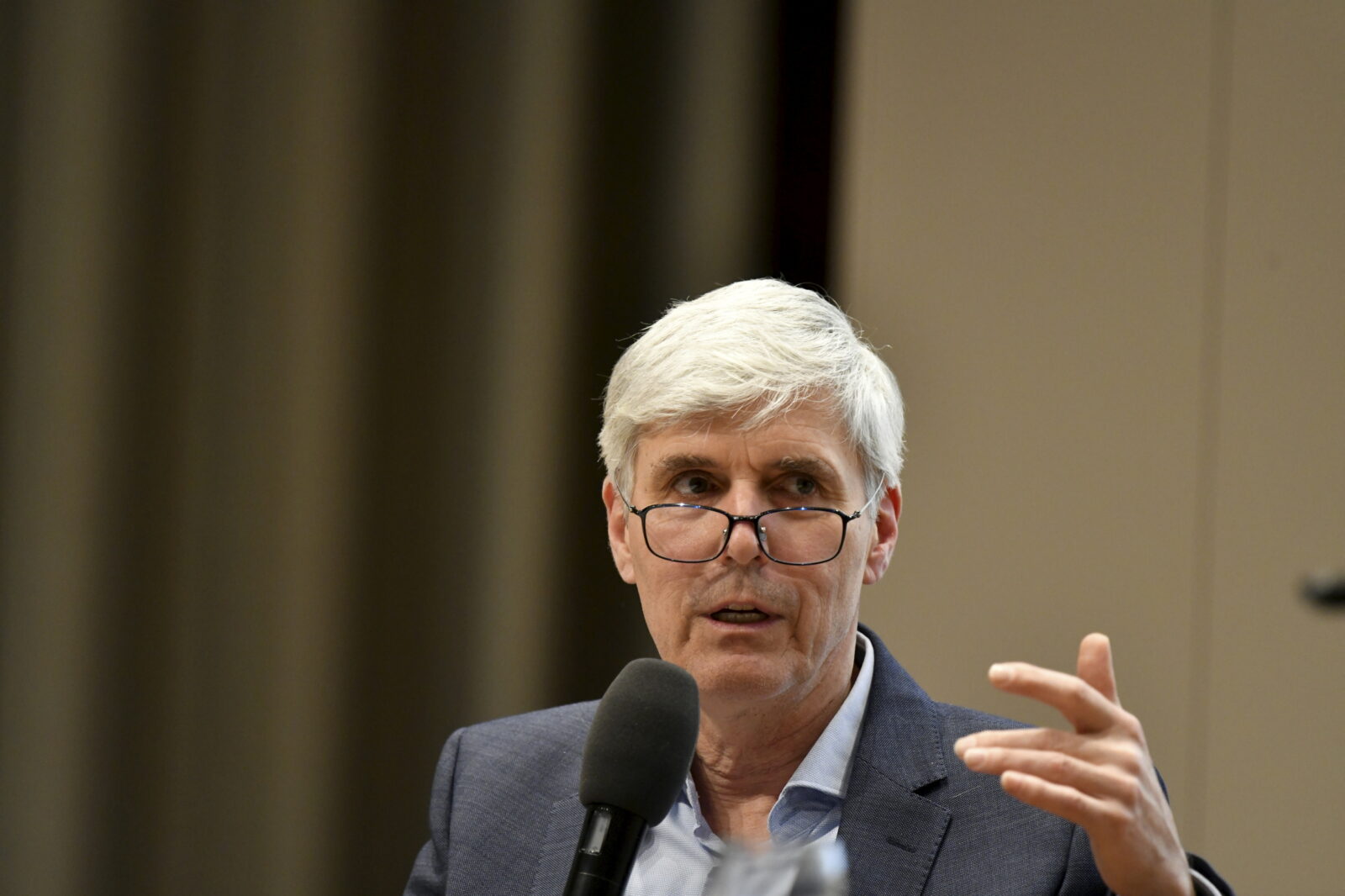
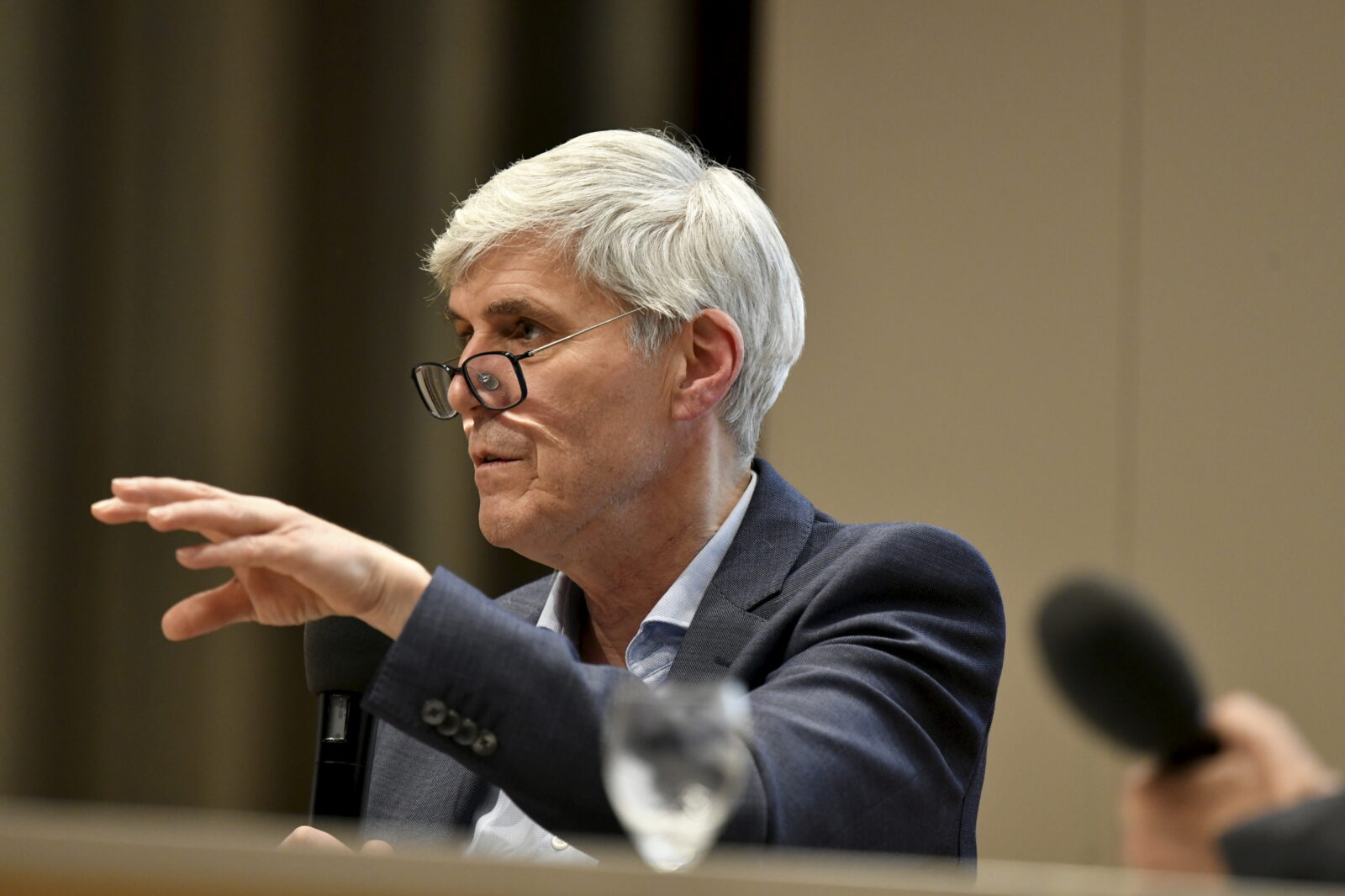
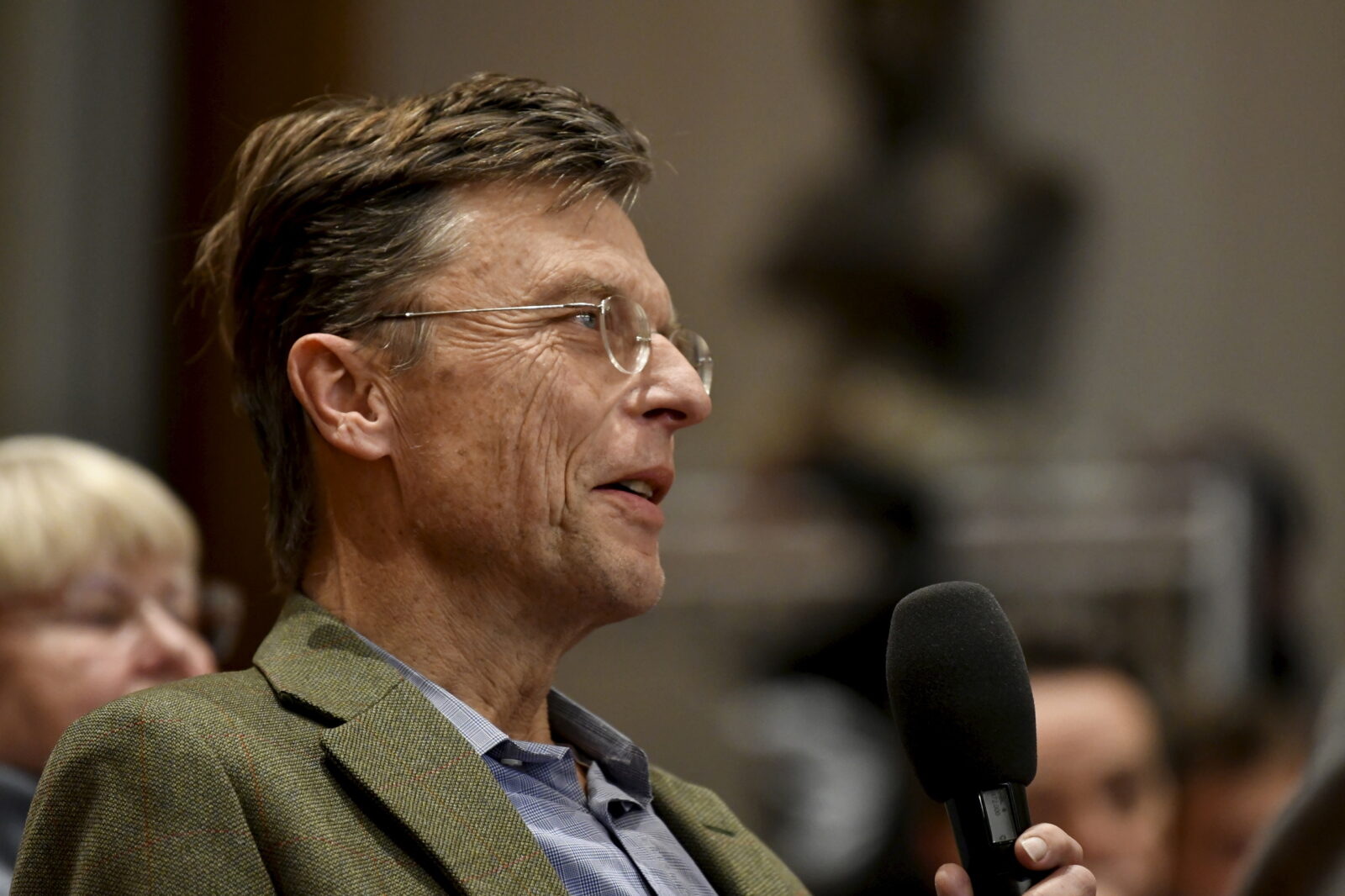
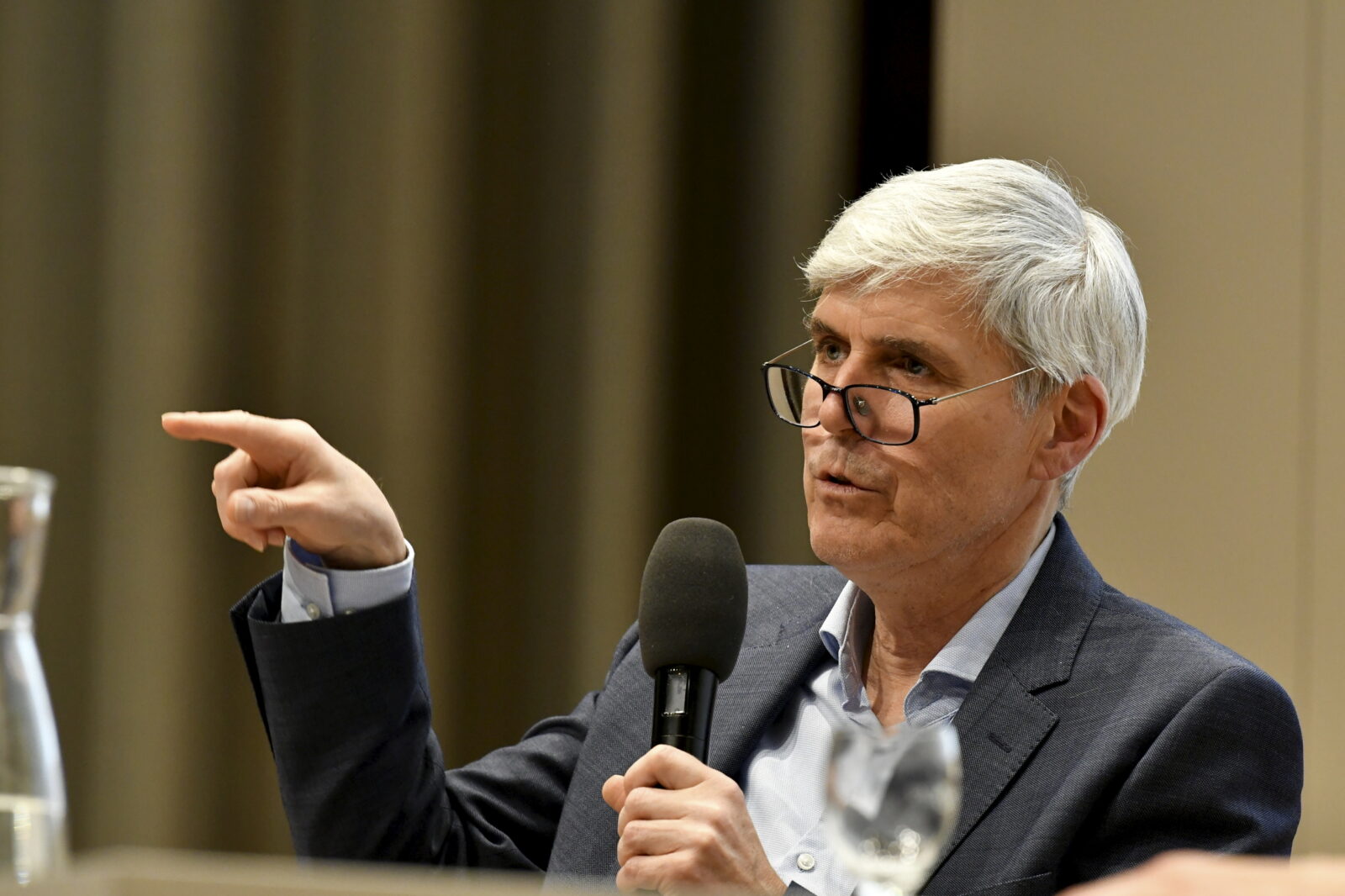
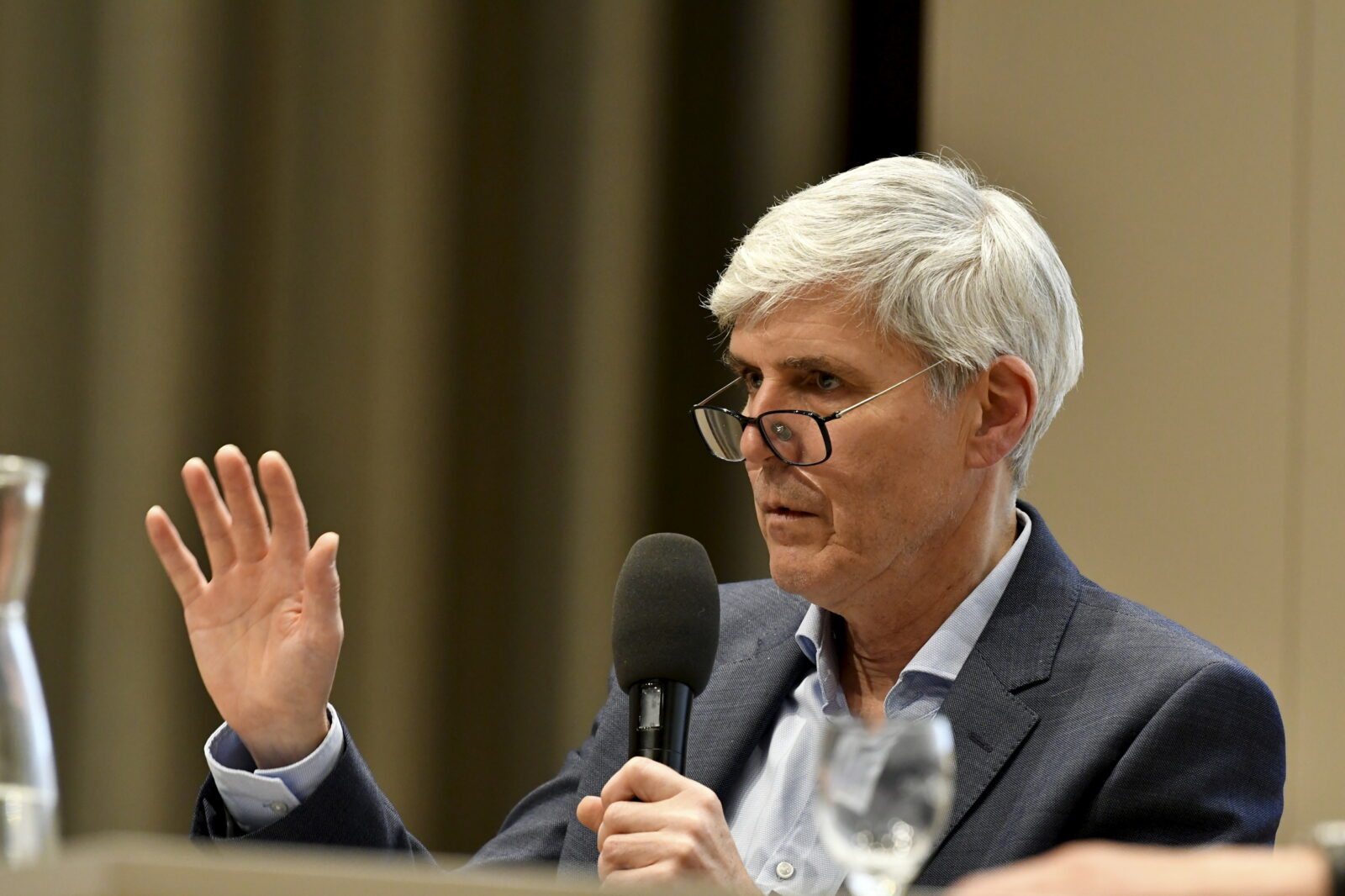
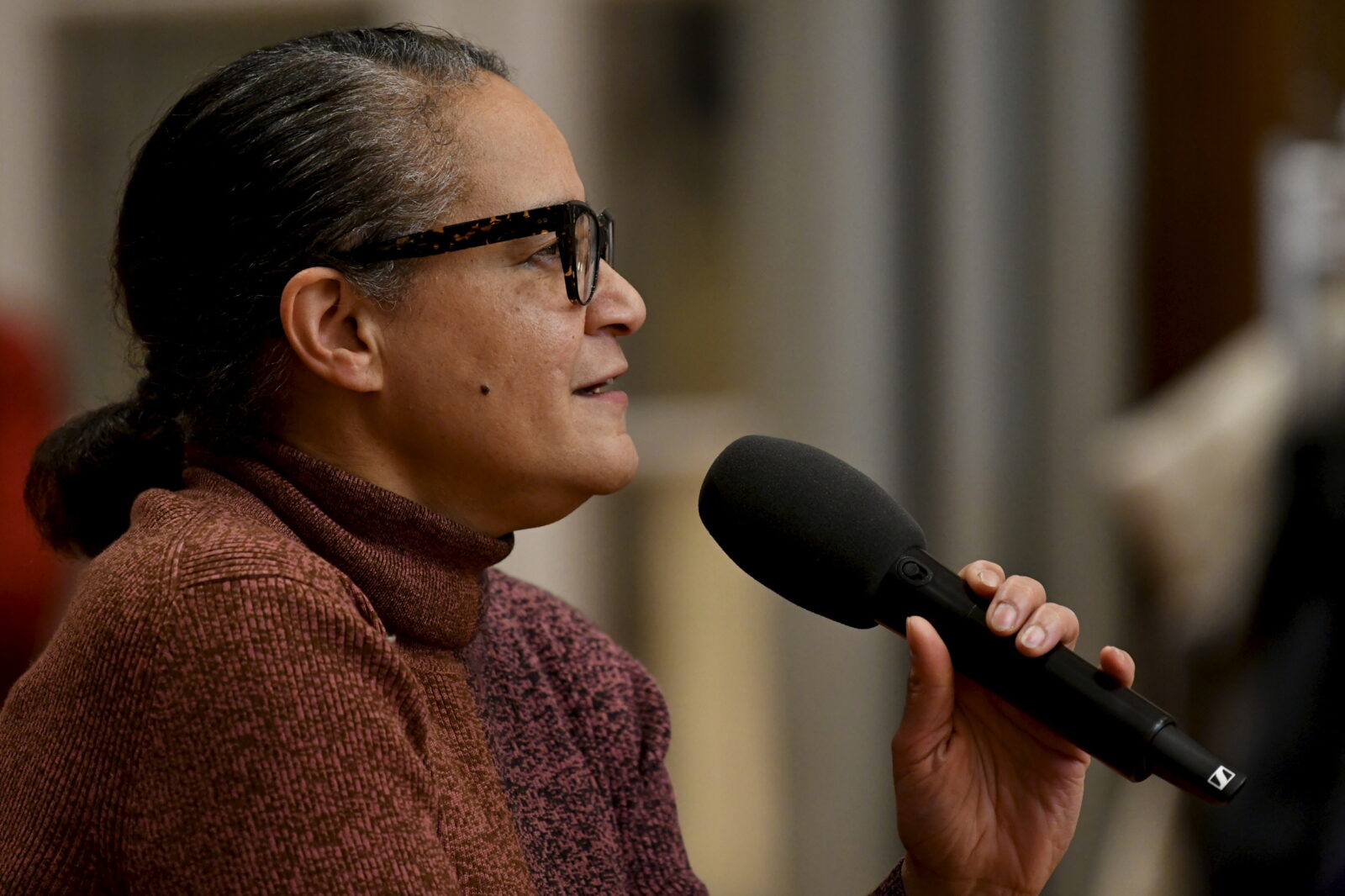
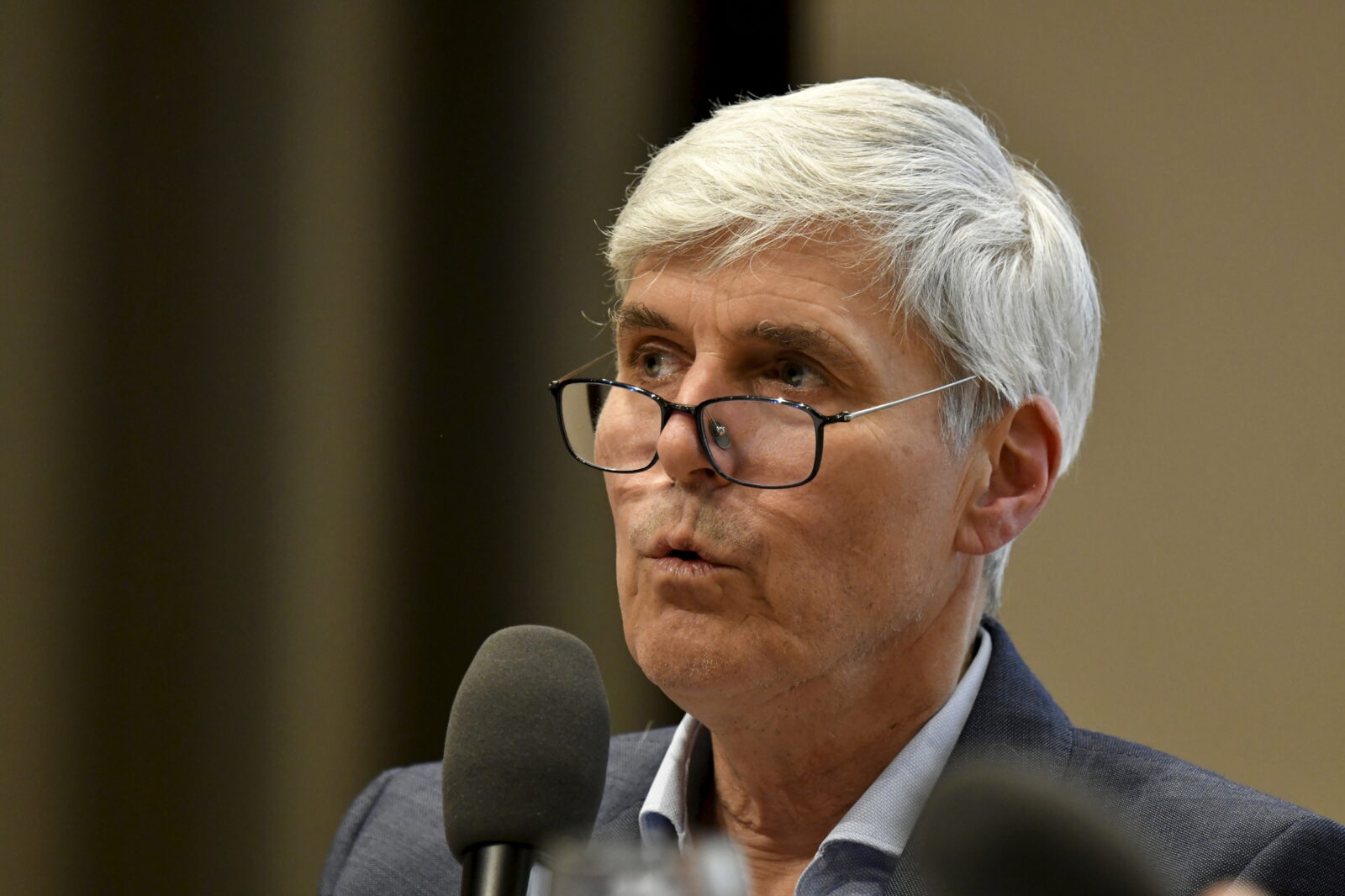
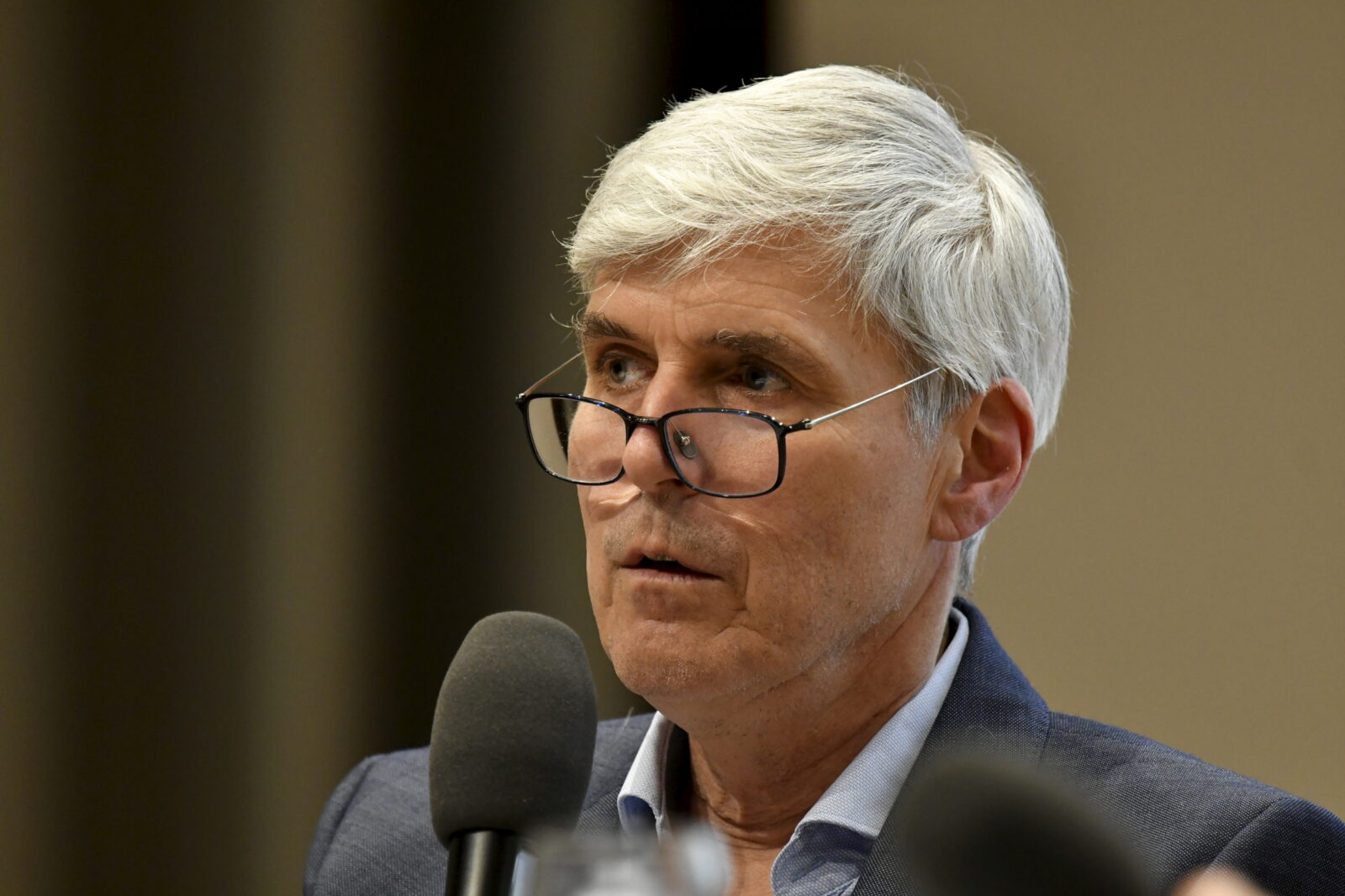
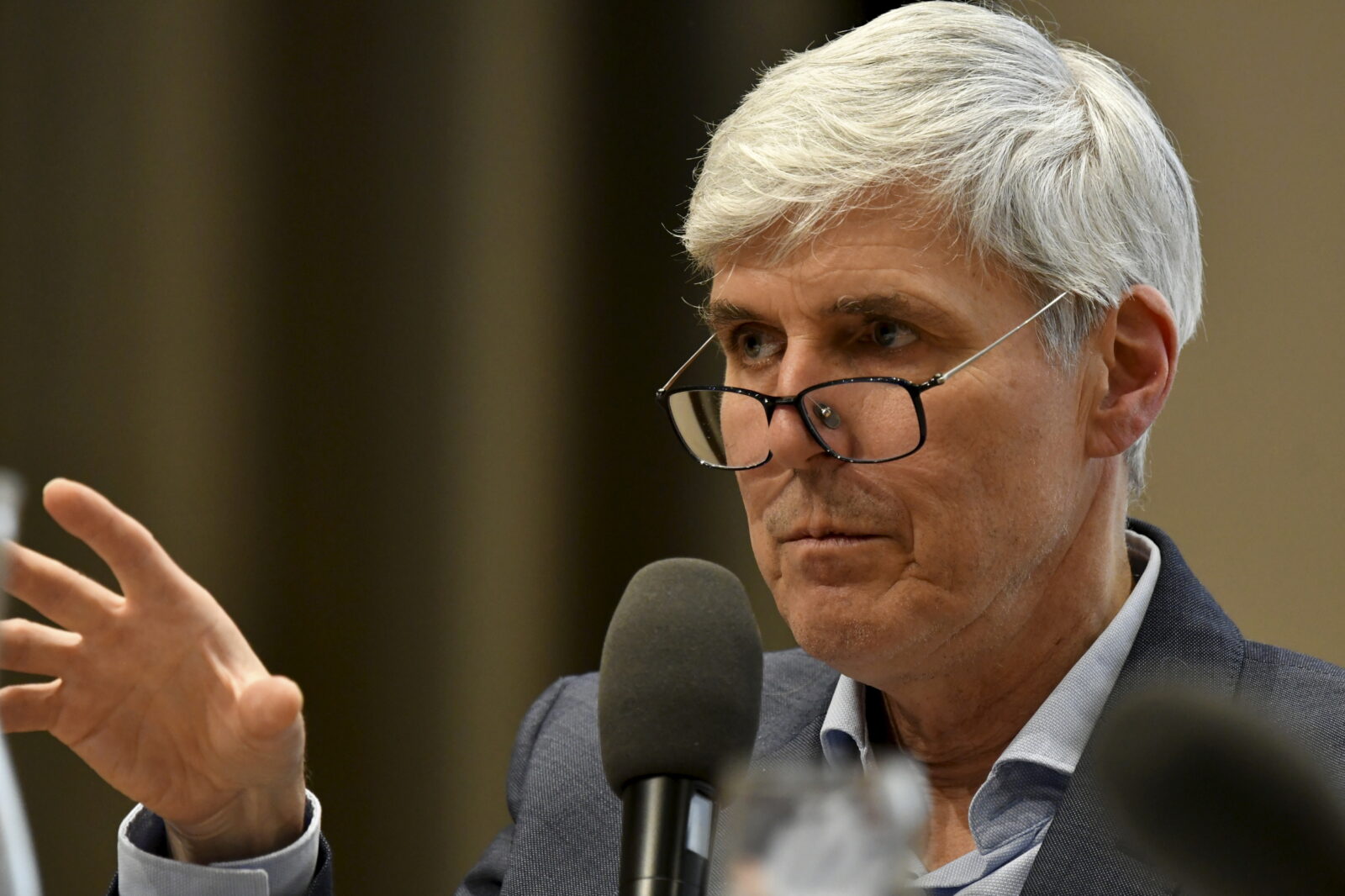
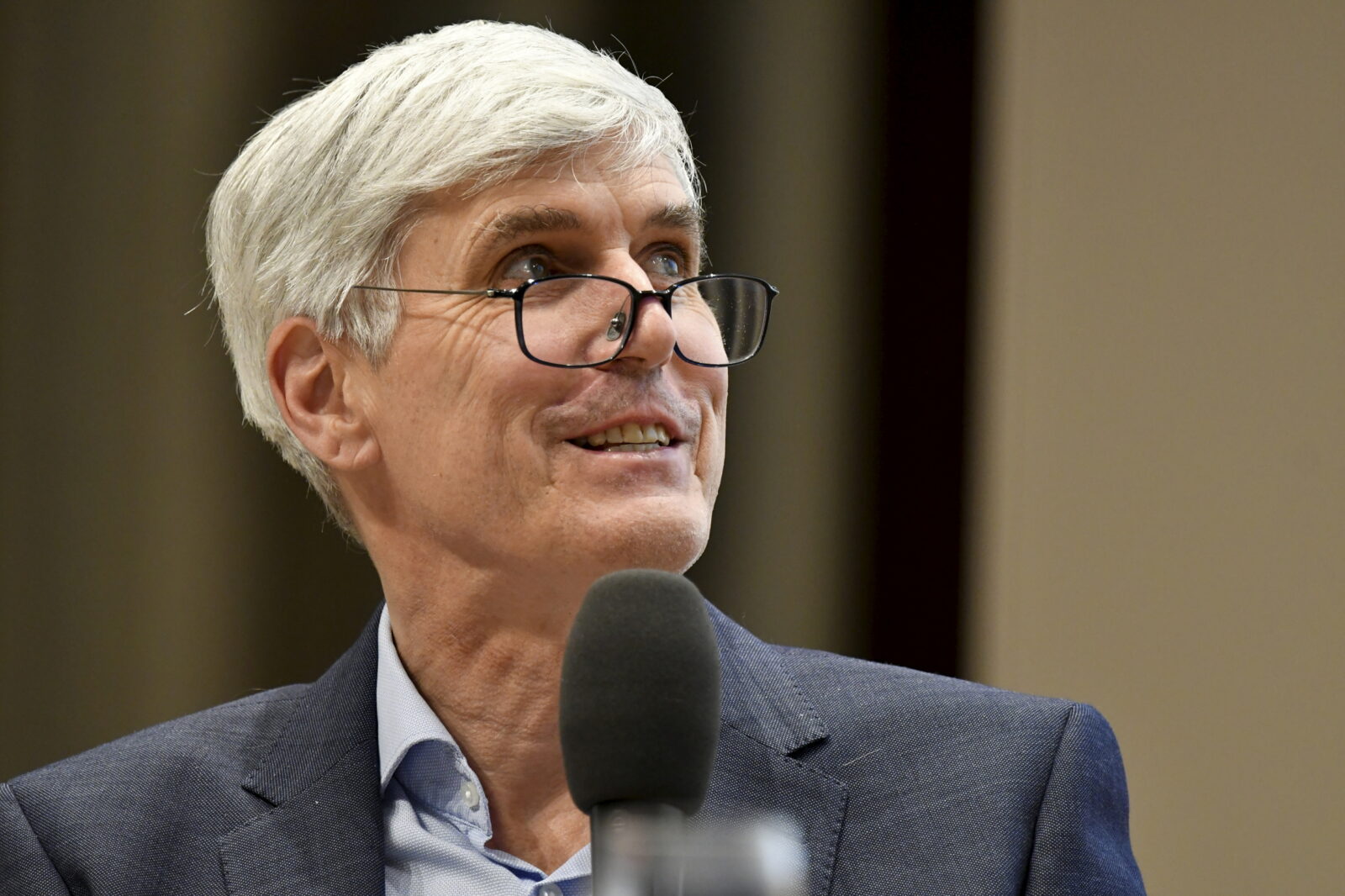
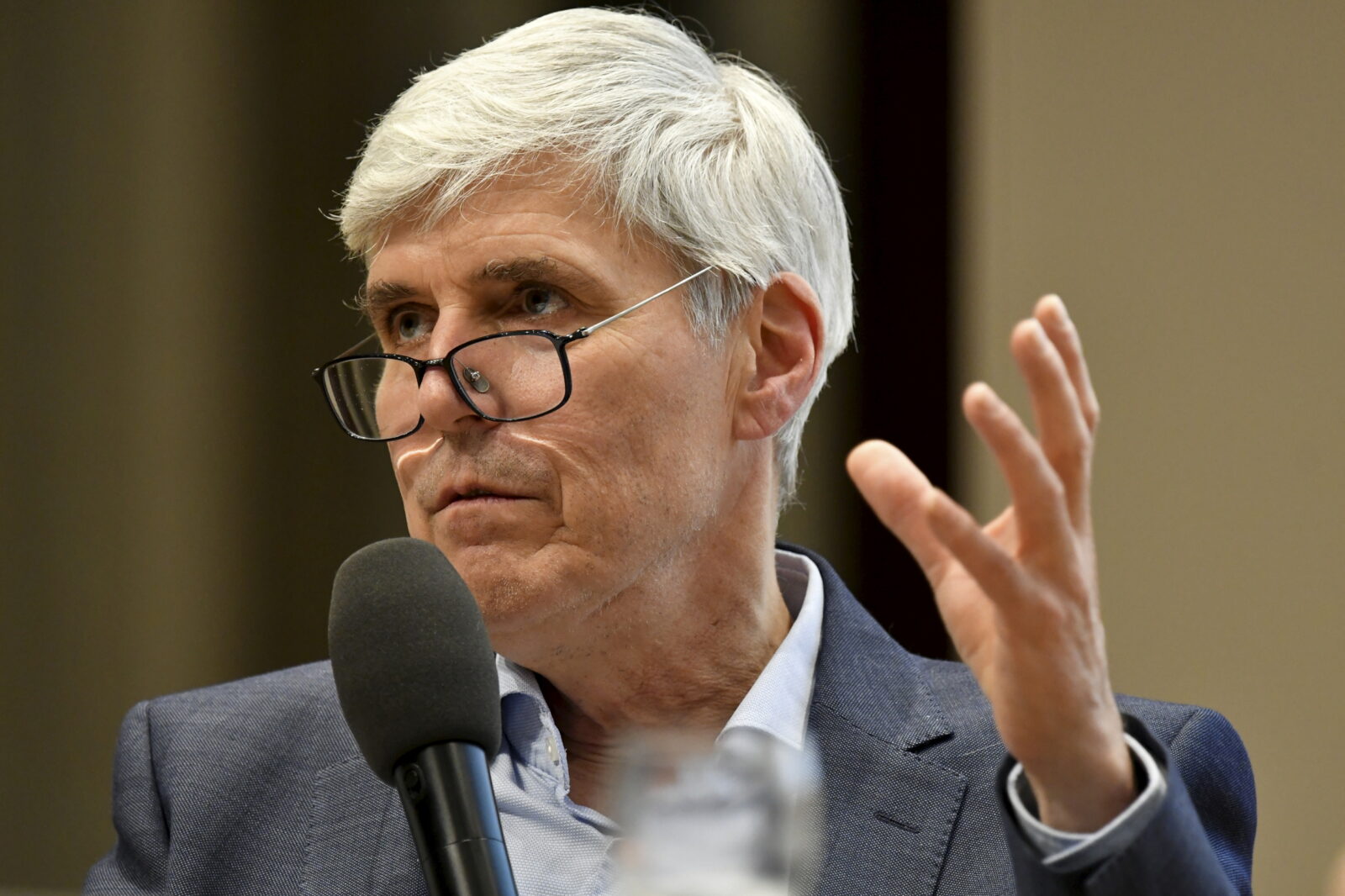
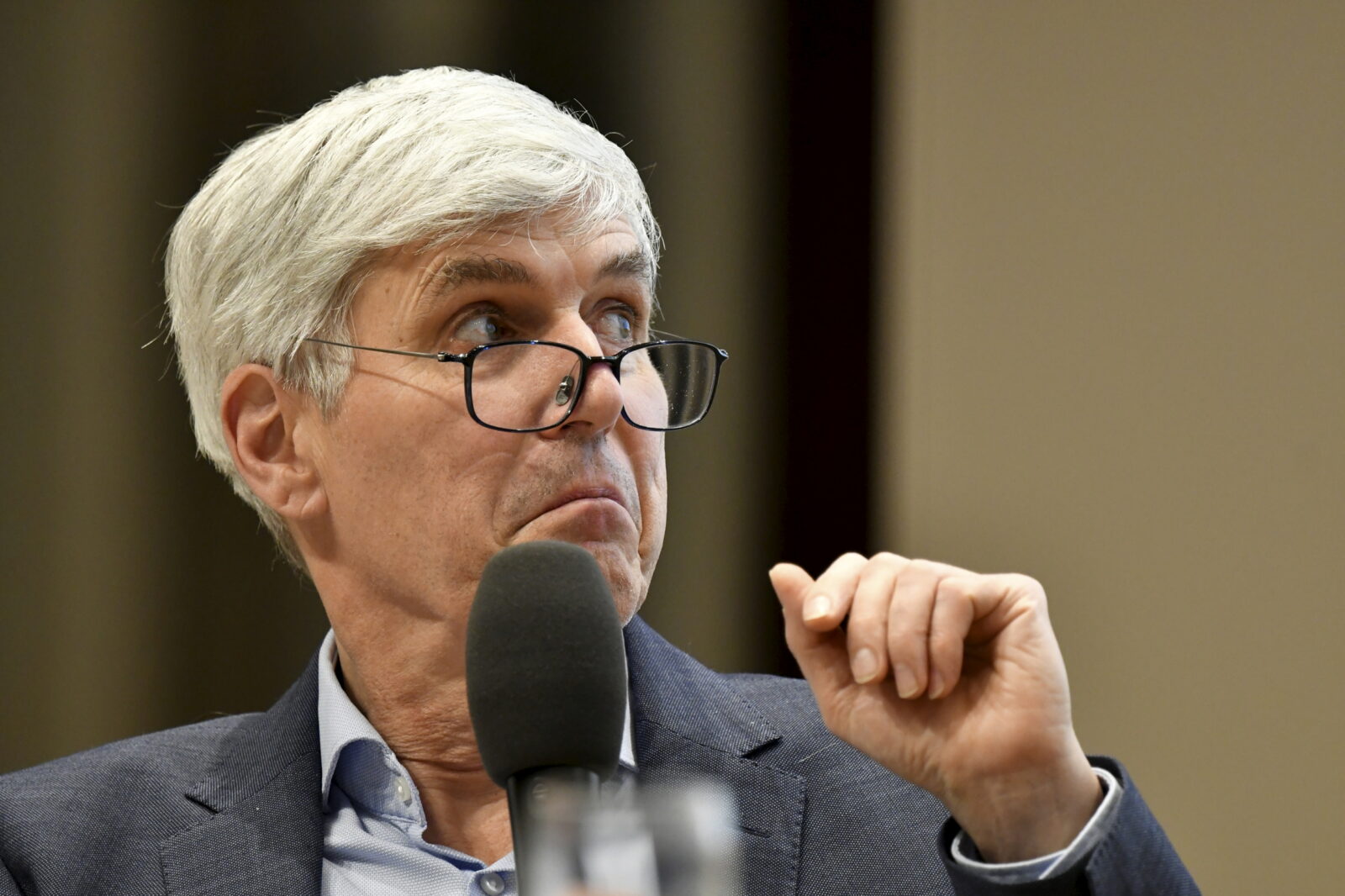
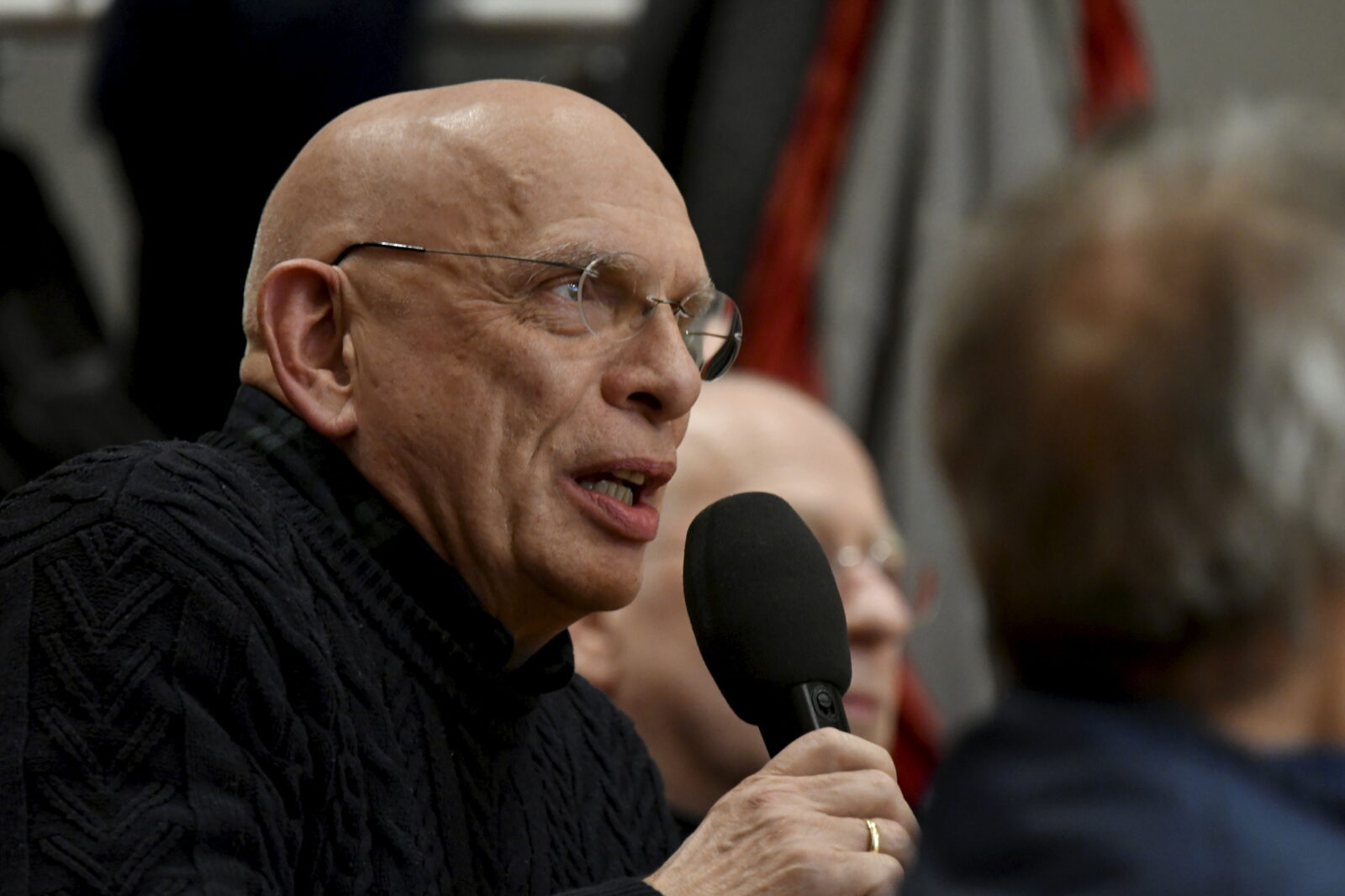
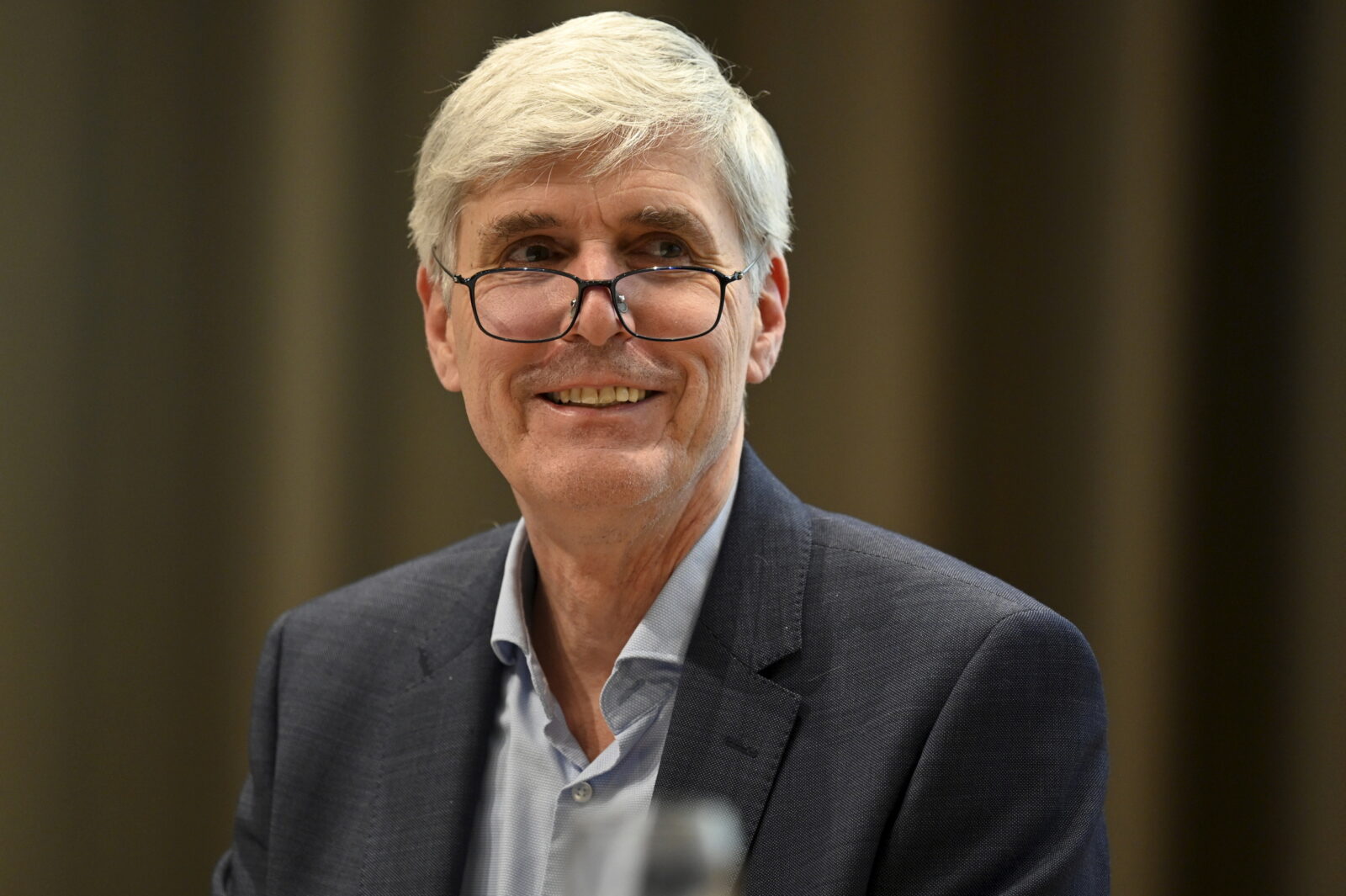
Photo credit: Neils Leiser for the Mosse Lectures
Frank A Ewert is an agricultural Scientist; Professor of Crop Science at the University of Bonn as well as the Scientific Director at the Leibniz Centre for Agricultural Landscape Research (ZALF e.V.). He is one of the Highly Cited Researchers in the field of agricultural sciences and is among the top 100 of the Reuters »Hot List« of the world’s most influential climate scientists. His areas of expertise include crop science, production ecology, systems analysis and crop growth modeling. In addition, his work focuses on sustainability assessment as well as the estimation of the consequences and impact of climate change on crop production systems, food security and resource conservation.
Lothar Müller has worked as an editor for the Frankfurter Allgemeine Zeitung and the Süddeutsche Zeitung, and lectured at the Institute for Comparative Literature at the Free University. Since 2010, he has served as Honorary Professor in the Institute for German Literature at the Humboldt University Berlin. He is the author of numerous publications, including Adrien Proust und sein Sohn Marcel. Beobachter der erkrankten Welt (2021) and Weiße Magie. Die Epoche des Papiers (2012). He was awarded the Berlin Prize for Literary Criticism in 2013.
