
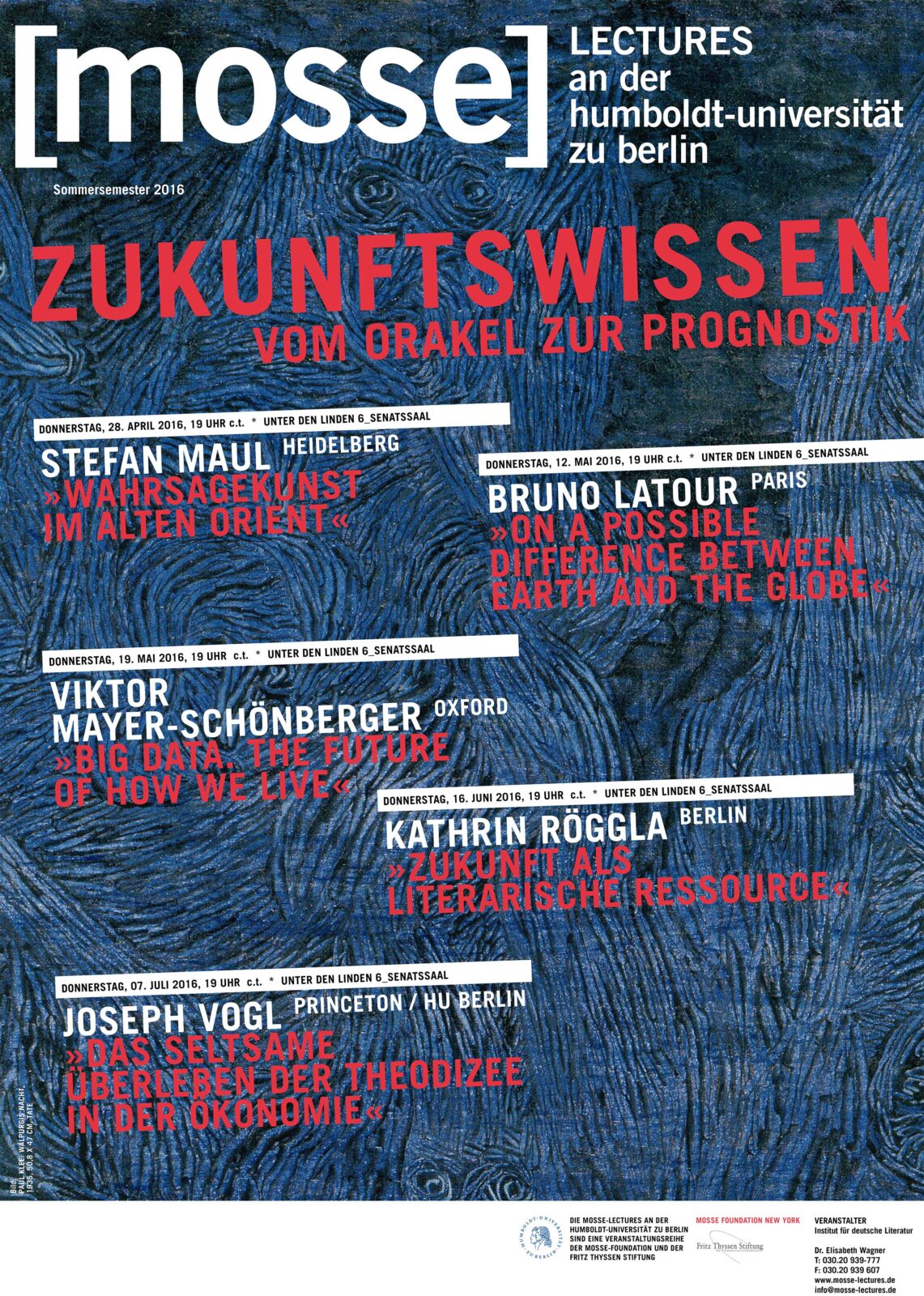
2016: Bruno Latour, “On a possible difference between Earth and the Globe”
Bruno Latour, “On a possible difference between Earth and the Globe”
Berlin Mosse Lecture
https://mosselectures.wisc.edu/berlin/
Thursday, 12 May 2016, 19:00 CET
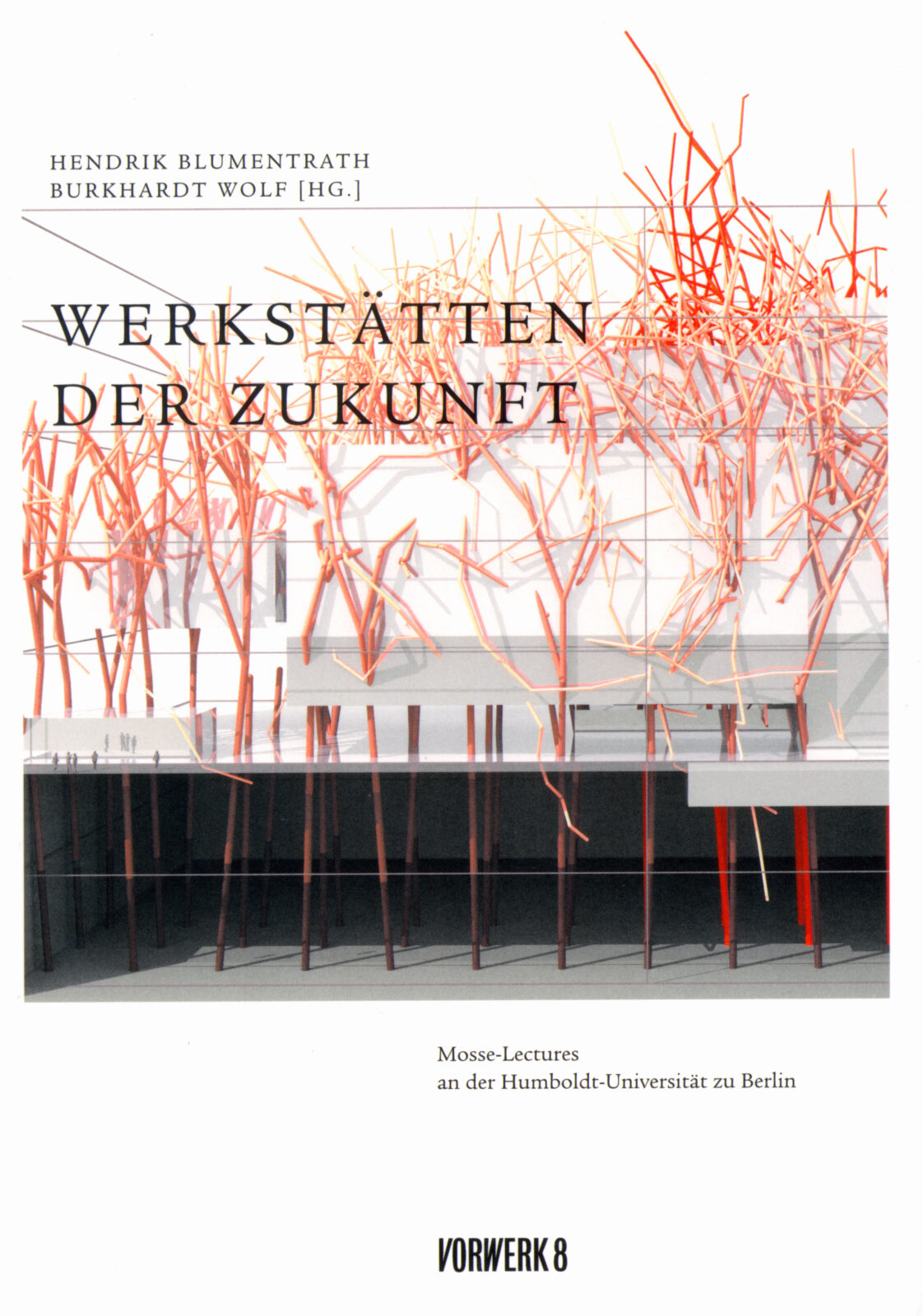
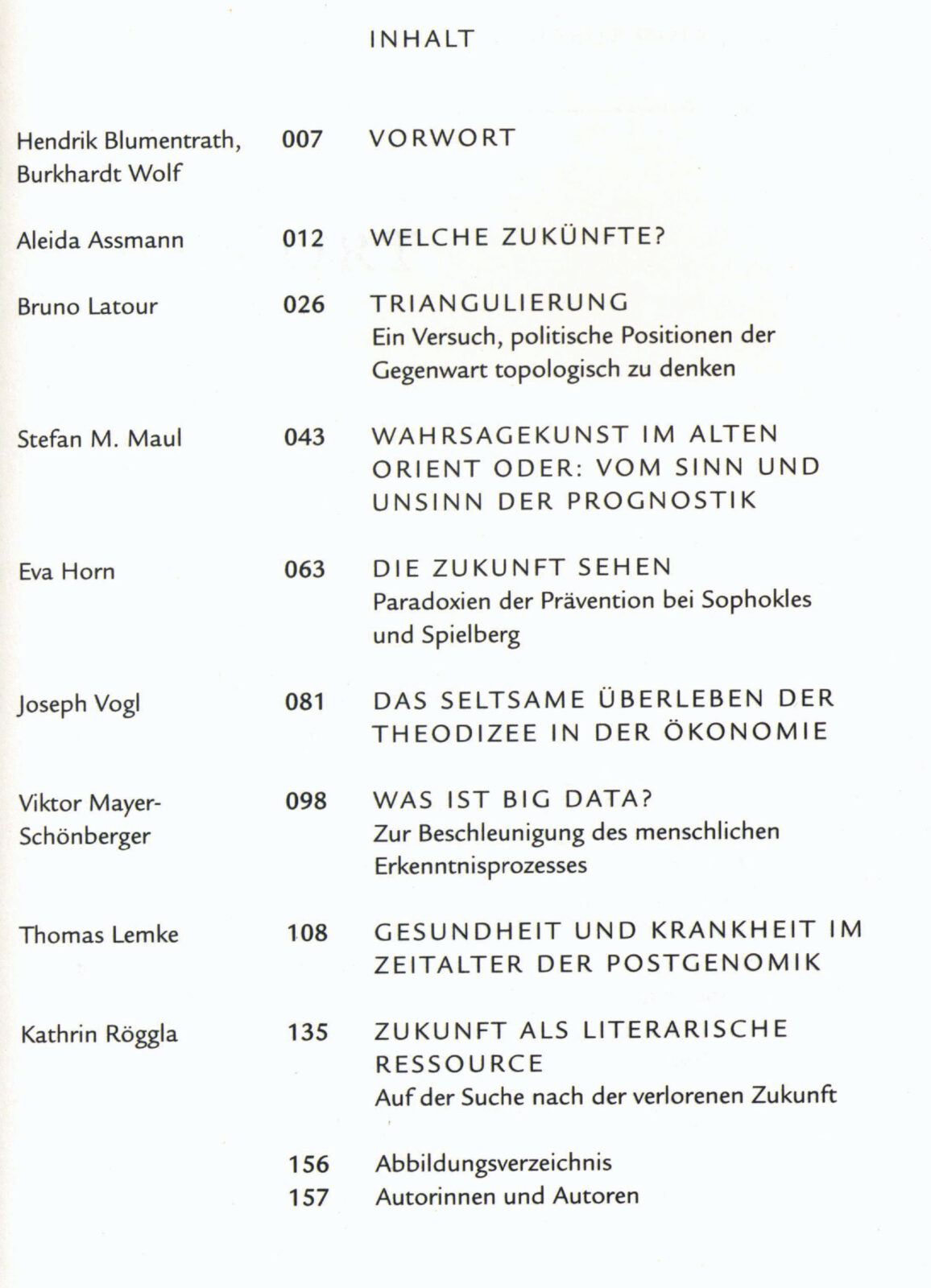
A version of this lecture was published in Hendrik Blumentrath, Burkhardt Wolf, ed. Werkstätten der Zukunft (Berlin: Vorwerk 8, 2018), 26-42. See table of contents below.
Kinosaal of Humboldt University
Unter den Linden 6
10117 Berlin
GERMANY
Sponsored by:
[mosse] LECTURES an der humboldt-universität zu berlin
The Mosse Foundation
Global Mosse Lecture Series
Fritz Thyssen Stiftung
Institut für deutsche Literatur
Humboldt University
Moderator: Wolfgang Schäffner (Humboldt University)
Lecture Description: Die Moderne kann in mancherlei Hinsicht als Entwicklung definiert werden, die unsere boden-ständige Lebenswelt (le terroir) im Horizont der Globalisierung (le globe) öffnet. Mit dieser Entwicklung kennzeichnen wir Vorstellungen des Progressiven und des Reaktionären. Dabei erscheint die Utopie des globalen Fortschritts zunehmend als fragwürdig; ebenso utopisch ist aber auch die Mimikry an dem, was einst als in Grund und Boden gefestigt galt und unsere Aufmerksamkeit noch einmal auf sich zieht. Es gibt aber noch eine andere Möglichkeit, politisch an Orientierung zu gewinnen: durch die Annahme eines dritten Pols, den der Erde selbst, unseres Planeten. Und dies sowohl im Unterschied zu jenem »alten Land« wie auch zur Modernisierung im globalen Maßstab. In diesem Vortrag sollen einige der Ansätze von Wissenschaftlern, Künstlern, politischen Aktivisten und Philosophen besprochen werden, welche die hier skizzierte Dreieckskonstellation vorsehen.
Lecture Series Description: When Future no longer indicates the final judgement of the world, or the lapse of time until its arrival, then our vision of the time to come has changed profoundly. Future then, as Reinhard Koselleck has pointed out, can only be projected as an “empty space of time”, and that means that a great number of institutions and practices make their appearance, promising to make safe with their scientific models the journey into the unknown, possible shifts and formations: demographic development, climate change, energy supply, technological and geopolitical impact assessments, prospects for the stock market. Prognostics if not prophecies of the Future are the result of the changing world of today, often experienced as insecure and menacing. We have to realize, that the Futures we have are nothing but social constructions, a texture of the presence. Even in antiquity the divinatory knowledge of the oracle was not meant to “really see” the future reality. Nonetheless mights and morals and their perspectives could well be named and judged from the currently visible, from recognition and plausibility. Future knowledge is orientation knowledge, relevant in any policy advising. In this program of the Mosse-Lectures the scientific and imaginary knowledge of the Future in different disciplines, in the arts and religions will be negotiated, also the unknowing we have to admit. From the art of fortune telling in the Ancient Orient up to the present time of Big Data’s future viability the genesis and legitimacy of prognostics will be discussed. What does the reference of the future tell about the self conception of society? What are the rhetorical, technical und media means and tools to shape and perform the knowledge of the future? Beyond the classical apocalypse, how can collective desires and anxieties coin our notion of an ultimate future?
Bruno Latour: ist Professor für Soziologie am Institut d´Études des Politiques in Paris und Direktor des dortigen Media-Labs, Autor maßgeblicher anthropologischer, soziologischer und wissenschaftsgeschichtlicher Werke, Begründer der Akteur-Netzwerk-Theorie; Kurator von Ausstellungen u.a. am ZKM Karlsruhe: »Iconoclash« (2002), »Rest Modernity« (2016), Albertus-Magnus-Professur an der Universität Köln (2015); ins Deutsche übersetzte Monographien u.a. »Wir sind nie modern gewesen« (1995, Neuauflage 2008), »Das Parlament der Dinge« (2001, Neuauflage 2009), »Die Hoffnung der Pandora« (2002), »Existenzweisen. Eine Anthropologie der Moderne« (2014).
Since 2009, Wolfgang Schäffner, historian of science and media technologies, has been chair of the History and Culture of Knowledge in the Department of the History and Theory of Culture at Humboldt University in Berlin. He has recently been elected as director of the Hermann von Helmholtz-Zentrum für Kulturtechnik (HZK), Berlin. His investigations focus on material epistemology, architectures of knowledge, history and theory of the analog code and structures, and transatlantic transfer of knowledge and technologies between Europe and Latin America. He is a member of the committee for the Master’s program “Ciencia, Cultura y Tecnología” at the Autonomous University of Madrid, and of “Diseño comunicacional” at the University of Buenos Aires. Since 2005, he has also been director of the Walter Gropius Program at the Faculty of Architecture, Design, and Urbanism at the University of Buenos Aires. Together with Horst Bredekamp, he is director of the Cluster of Excellence “Image, Knowledge, Gestaltung” at Humboldt University in Berlin.
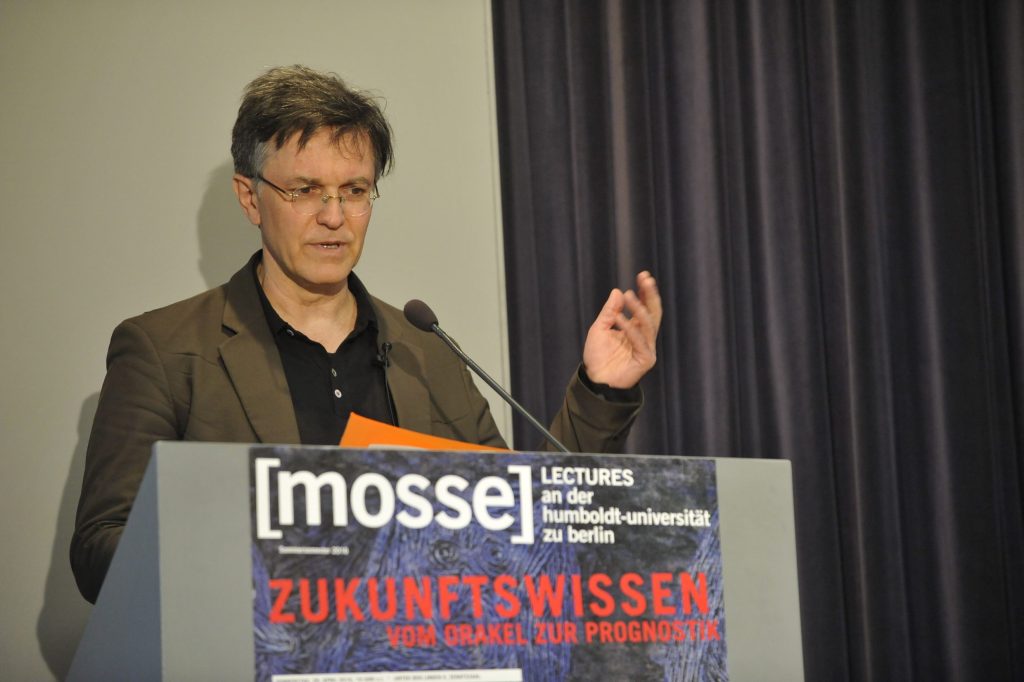
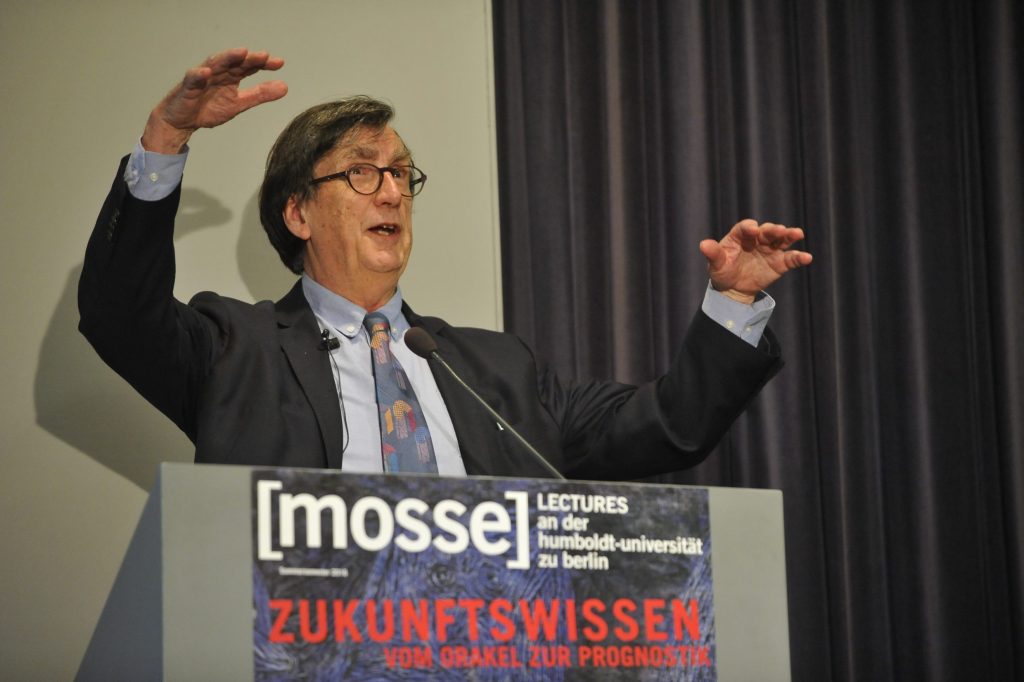
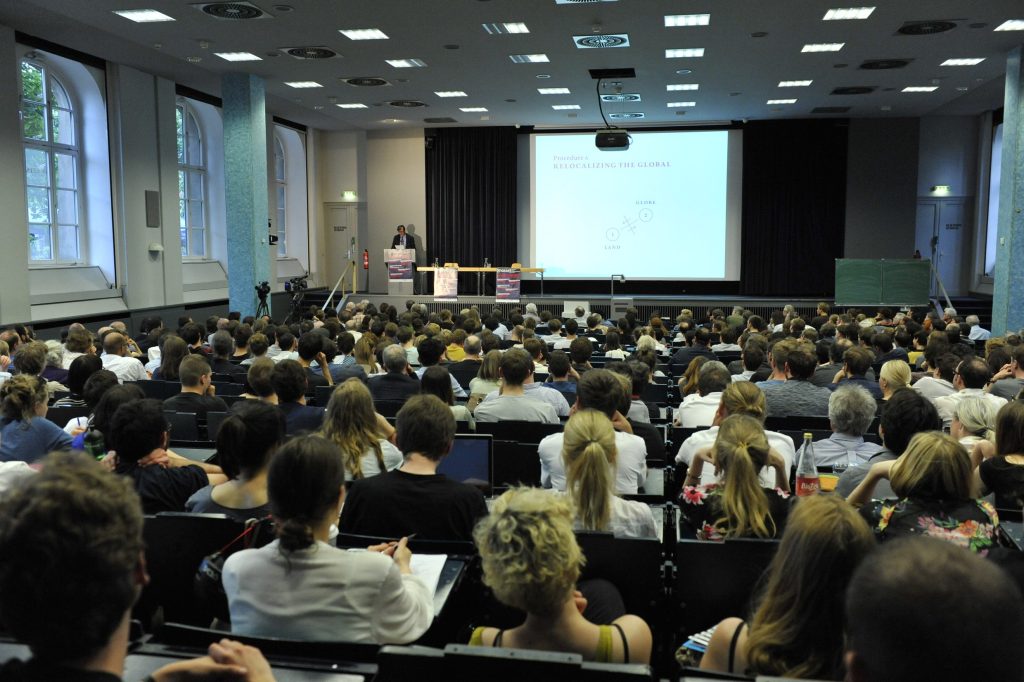
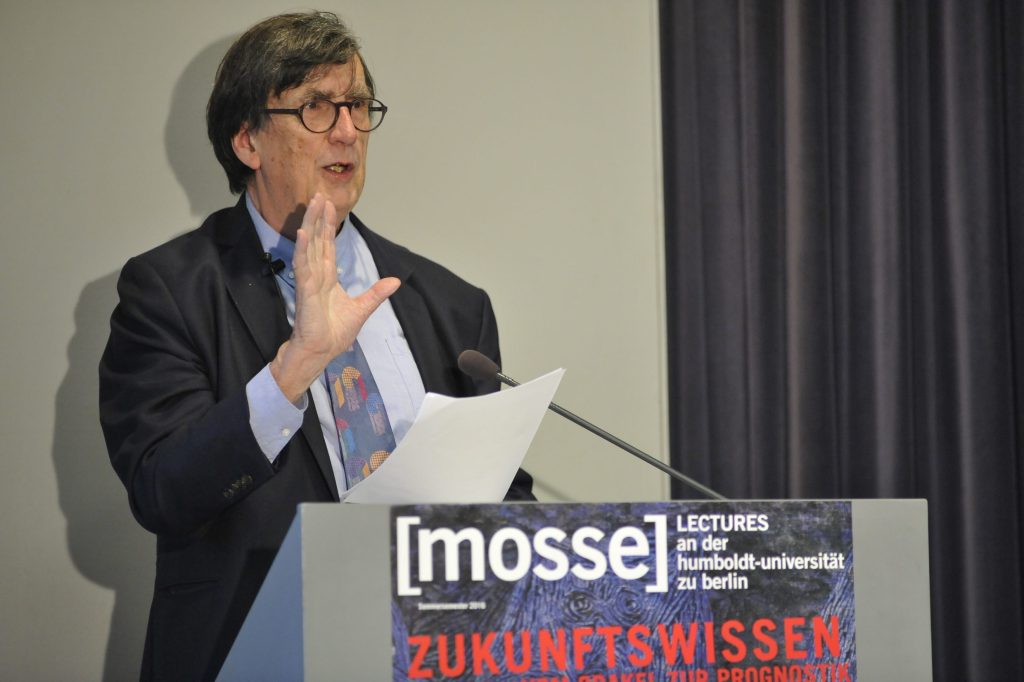
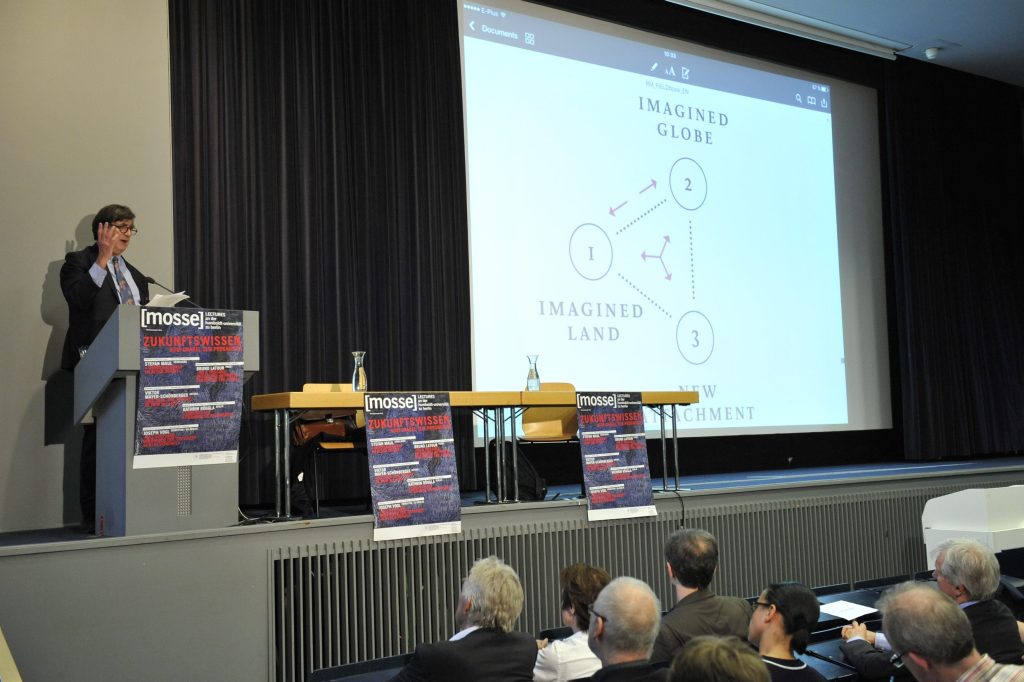
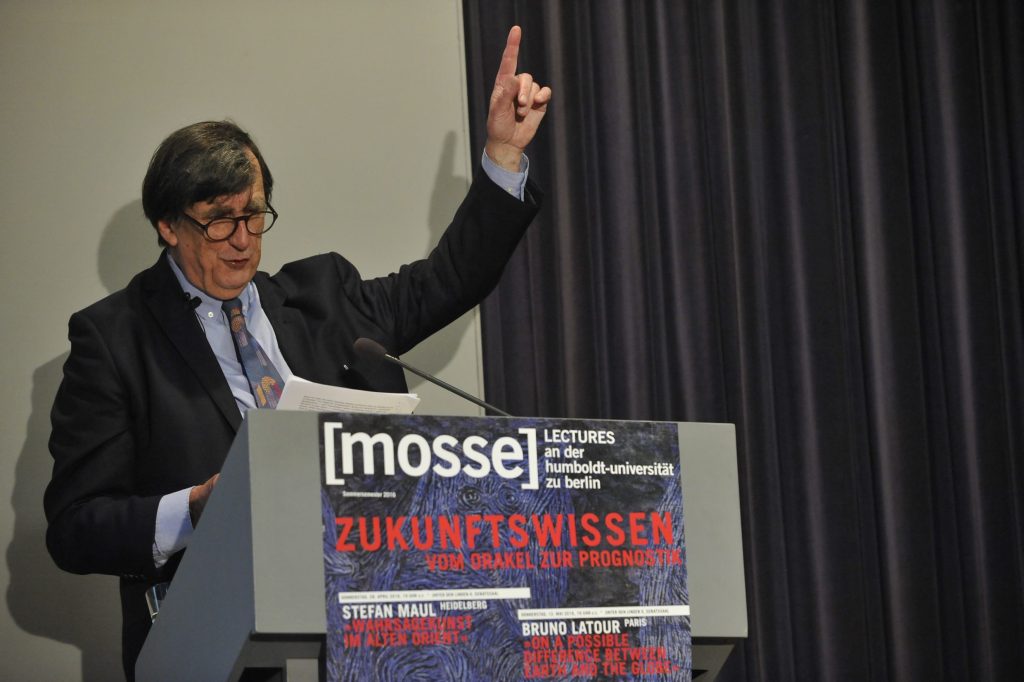
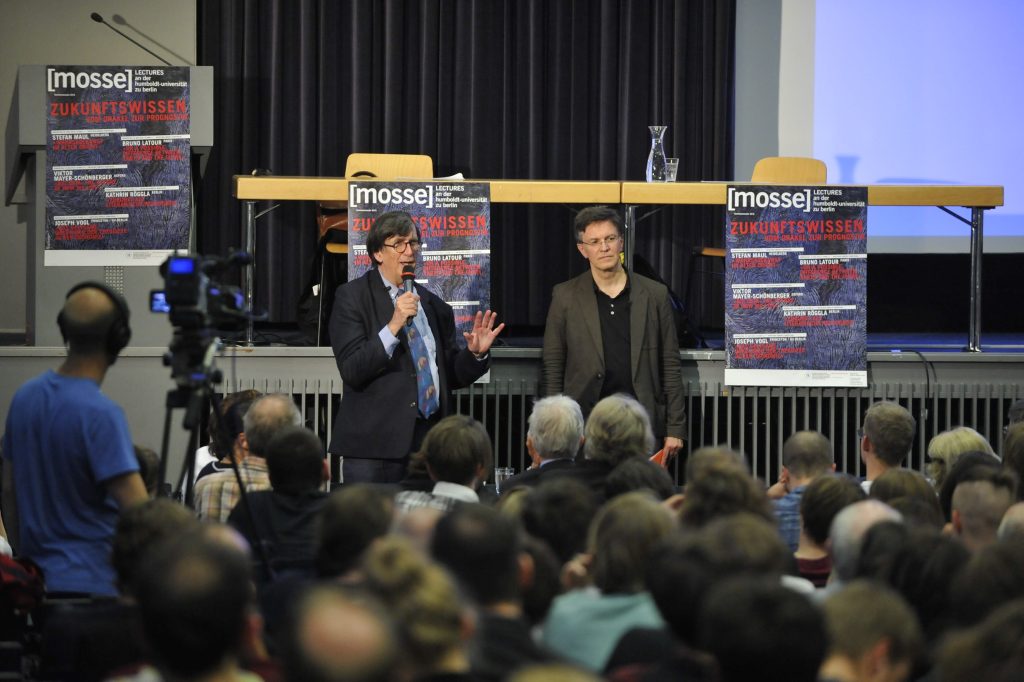
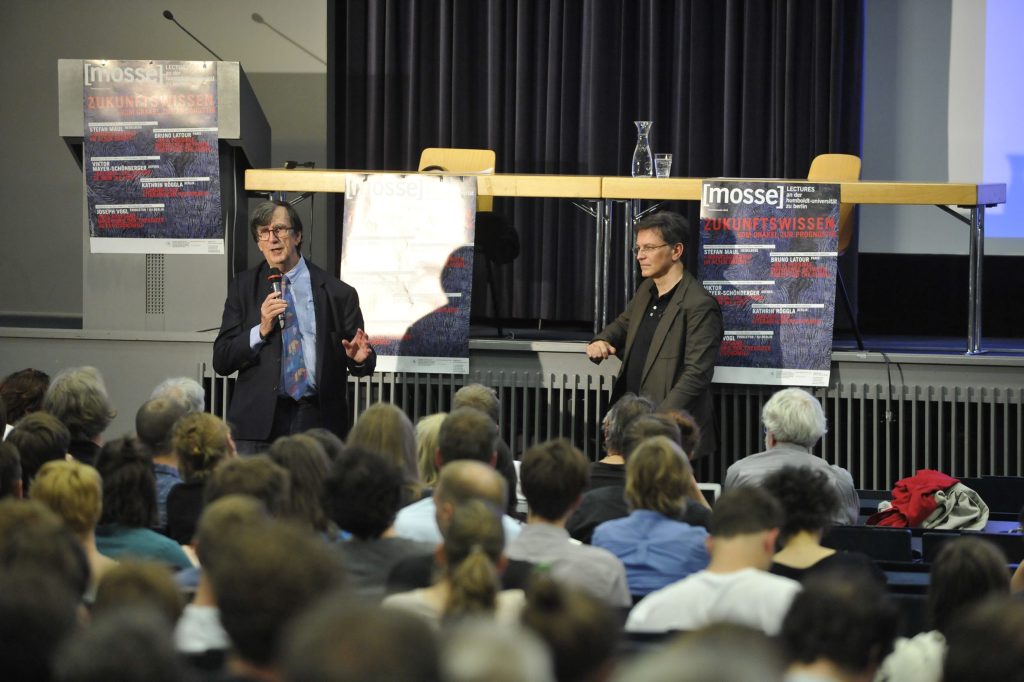
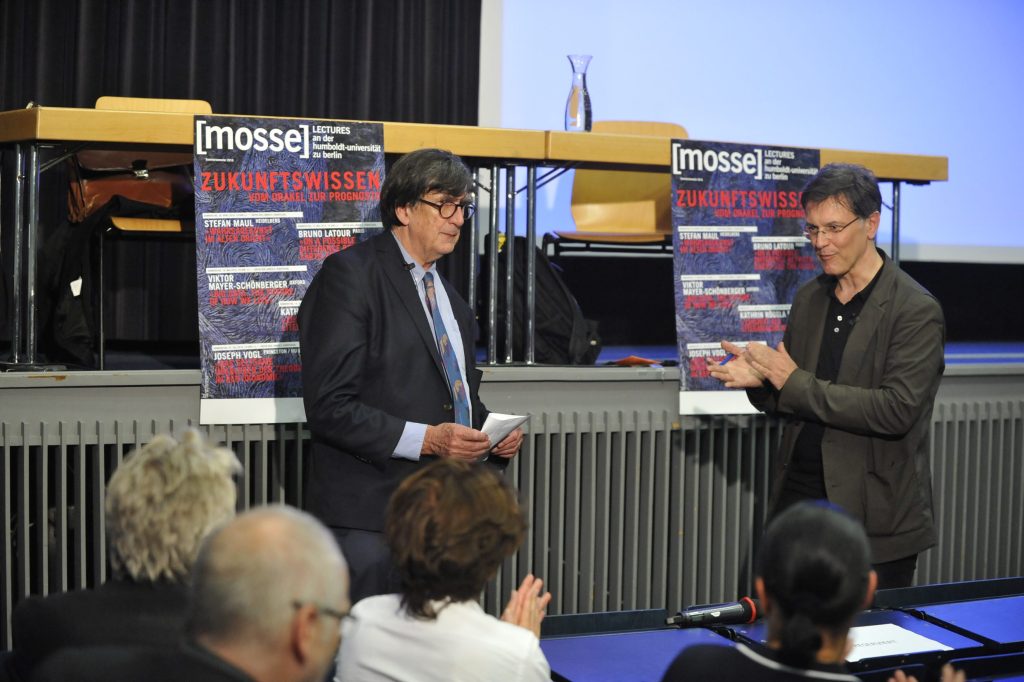
Photo credit: Niels Leiser for the Mosse Lectures
