
2016: Stefan Maul, “Wahrsagekunst im Alten Orient” / “Divination in the Ancient Orient”
Stefan Maul, “Wahrsagekunst im Alten Orient” / “Divination in the Ancient Orient”
Berlin Mosse Lecture
https://mosselectures.wisc.edu/berlin/
Thursday, 28 April 2016, 19:00 CET
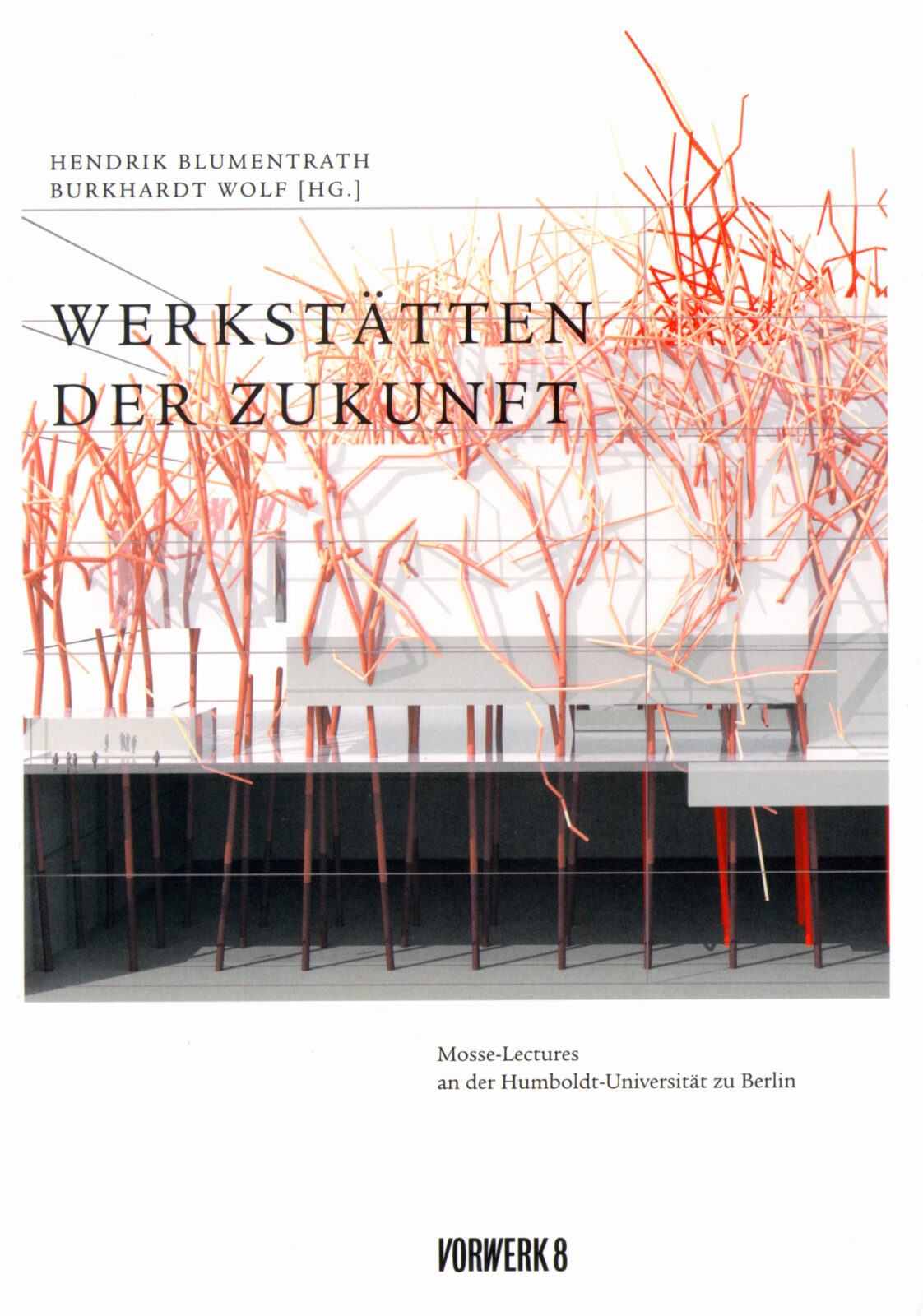
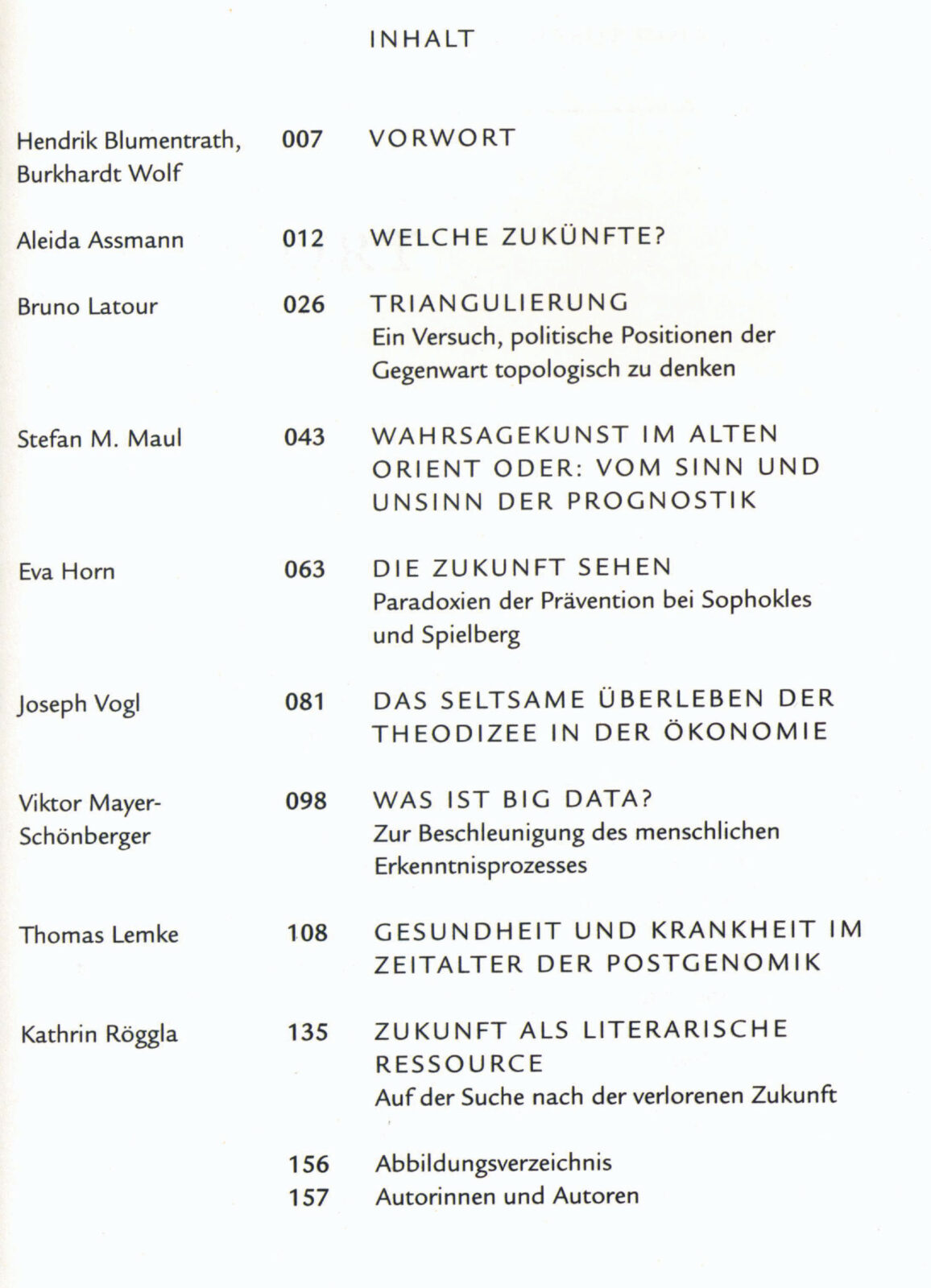
A version of this lecture was published in Hendrik Blumentrath, Burkhardt Wolf, ed. Werkstätten der Zukunft (Berlin: Vorwerk 8, 2018), 43-62. See table of contents below.
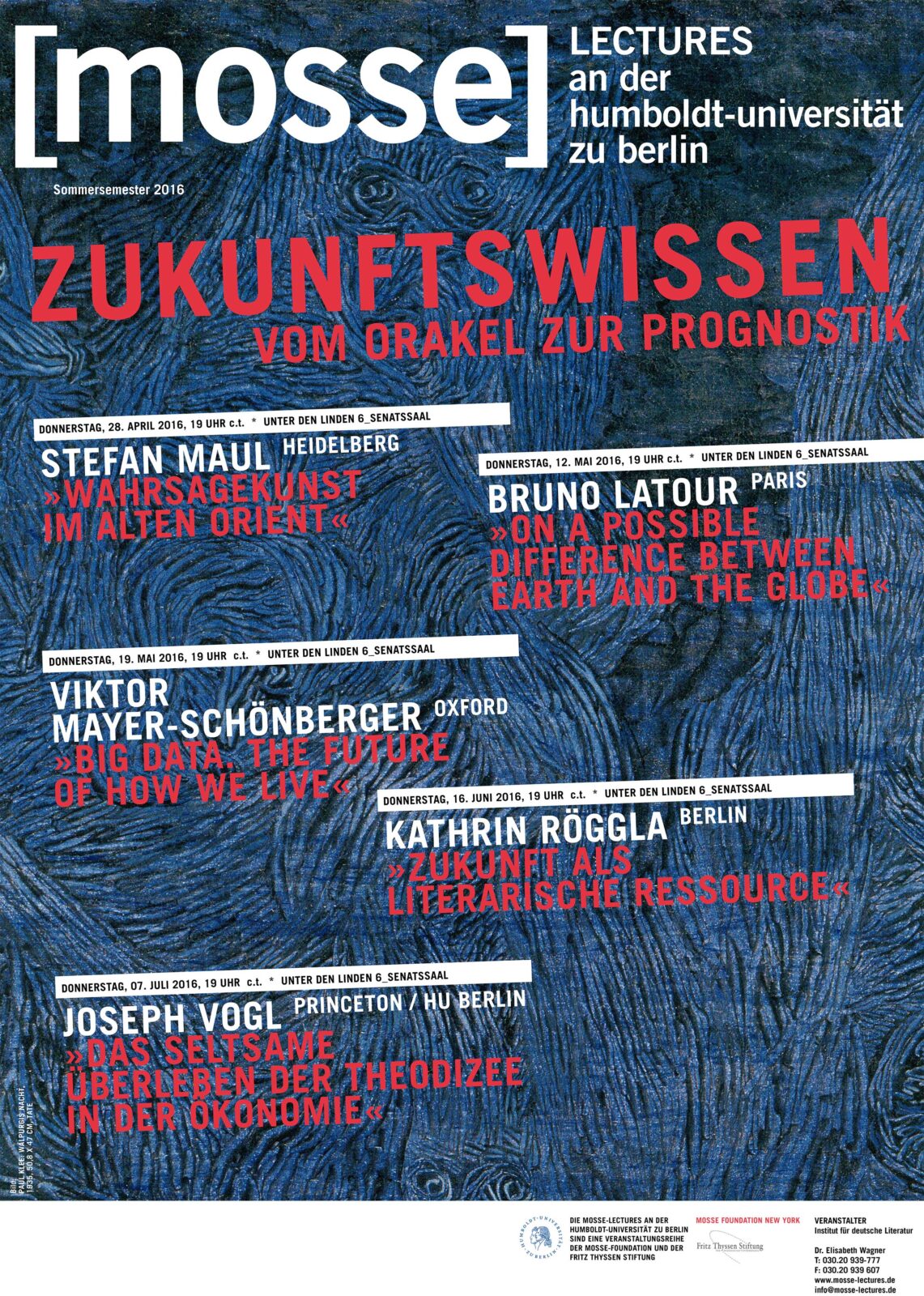
Senatssaal of Humboldt University
Unter den Linden 6
1. Stock
10117 Berlin
GERMANY
Sponsored by:
[mosse] LECTURES an der humboldt-universität zu berlin
The Mosse Foundation
Global Mosse Lecture Series
Fritz Thyssen Stiftung
Institut für deutsche Literatur
Humboldt University
Moderator: Ethel Matala de Mazza (Humboldt University)
Lecture Description: Im Alten Mesopotamien wollten weder Herrscher noch Generäle wichtige Beschlüsse in die Tat umsetzen, ohne dass Zeichendeuter ihnen zuvor deren sicheren Erfolg vorausgesagt hätten. Der Ruhm der altorientalischen Fachleute verbreitete sich im gesamten Mittelmeerraum. Auch im klassischen Griechenland und im antiken Rom wollte man angesichts ihrer Erfolge ohne den Rat von Sterndeutern und Opferschauern keine wichtigen politischen und militärischen Entscheidungen treffen. Heute lassen Tausende von Keilschrifttexten das von wissenschaftlicher Systematik geprägte komplexe Lehrgebäude der Zukunftsschauer erkennen. Diese Quellen sind darüber hinaus von größtem Interesse, da sie auch erlauben, eine Antwort auf die drängende Frage zu finden, wie es nur möglich war, dass eine auf der Beobachtung von Vorzeichen fußende Politikberatung über viele Jahrhunderte hinweg dauerhaft stabile politische Verhältnisse befördern konnte.
Lecture Series Description: When Future no longer indicates the final judgement of the world, or the lapse of time until its arrival, then our vision of the time to come has changed profoundly. Future then, as Reinhard Koselleck has pointed out, can only be projected as an “empty space of time”, and that means that a great number of institutions and practices make their appearance, promising to make safe with their scientific models the journey into the unknown, possible shifts and formations: demographic development, climate change, energy supply, technological and geopolitical impact assessments, prospects for the stock market. Prognostics if not prophecies of the Future are the result of the changing world of today, often experienced as insecure and menacing. We have to realize, that the Futures we have are nothing but social constructions, a texture of the presence. Even in antiquity the divinatory knowledge of the oracle was not meant to “really see” the future reality. Nonetheless mights and morals and their perspectives could well be named and judged from the currently visible, from recognition and plausibility. Future knowledge is orientation knowledge, relevant in any policy advising. In this program of the Mosse-Lectures the scientific and imaginary knowledge of the Future in different disciplines, in the arts and religions will be negotiated, also the unknowing we have to admit. From the art of fortune telling in the Ancient Orient up to the present time of Big Data’s future viability the genesis and legitimacy of prognostics will be discussed. What does the reference of the future tell about the self conception of society? What are the rhetorical, technical und media means and tools to shape and perform the knowledge of the future? Beyond the classical apocalypse, how can collective desires and anxieties coin our notion of an ultimate future?
Stefan Maul: Altorientalist, Professor für Assyriologie an der Universität Heidelberg, Träger des Leibniz-Preises, Forschungen zur Religions- und Kulturgeschichte des Alten Orients, Fellow des Wissenschafts-kollegs zu Berlin (2004/2005); neuere Veröffentlichungen u.a.: »Das Gilgamesch-Epos«, neu übersetzt und kommentiert (5. Auflage 2012), »Keilschriften aus Assur«, (Herausgabe 2007-2012), »Die Wahrsagekunst im Alten Orient« (2013).
Ethel Matala de Mazza has been professor of modern German literature at Humboldt University since 2010. She is the author of three monographs, including Der populäre Pakt. Verhandlungen der Moderne zwischen Operette und Feuilleton (Fischer, 2018) and Der verfaßte Körper. Zum Projekt einer organischen Gemeinschaft in der Politischen Romantik (Rombach, 1999). She has served as a visiting professor at Johns Hopkins University, the University of Indiana, Bloomington, and the University of California, Berkeley, Harvard University, and the University of Chicago. She received her terminal degree in German literature at the University of Munich in 2007.
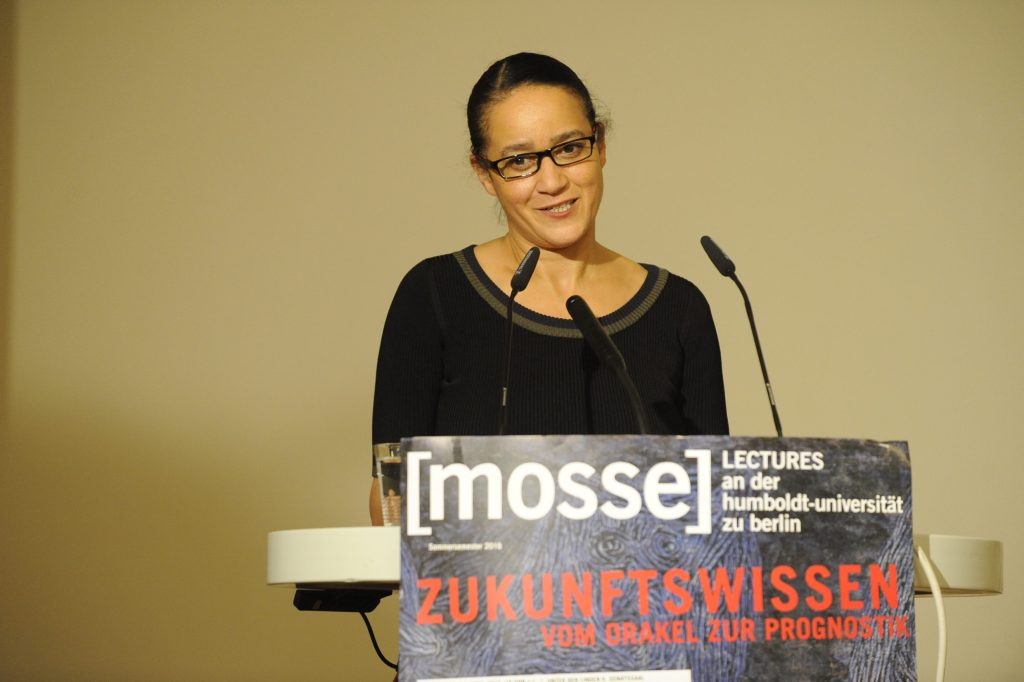
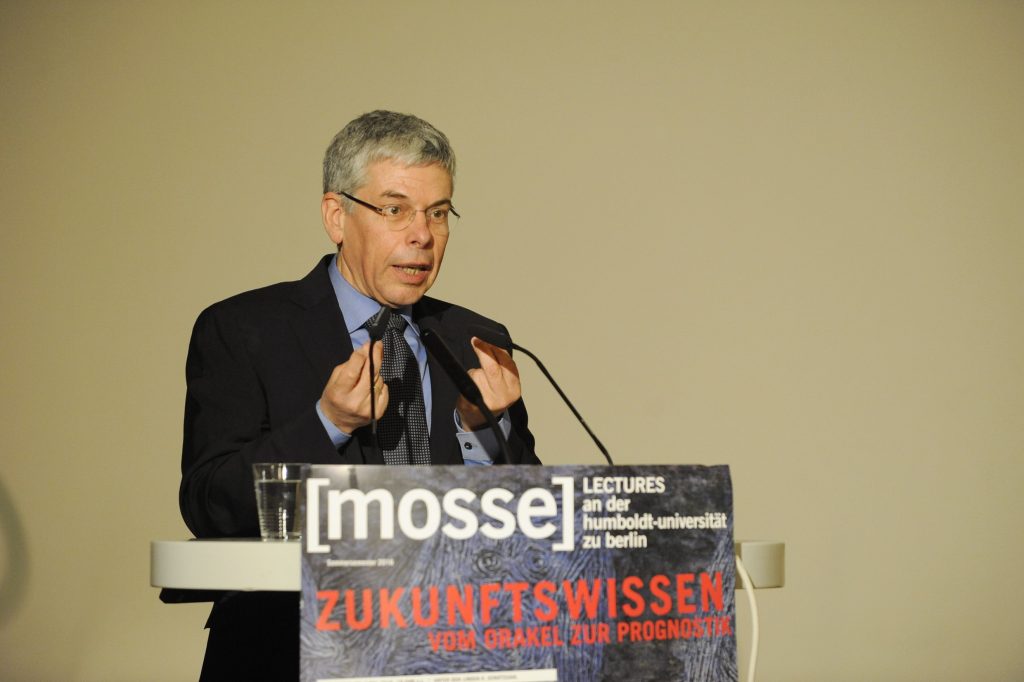
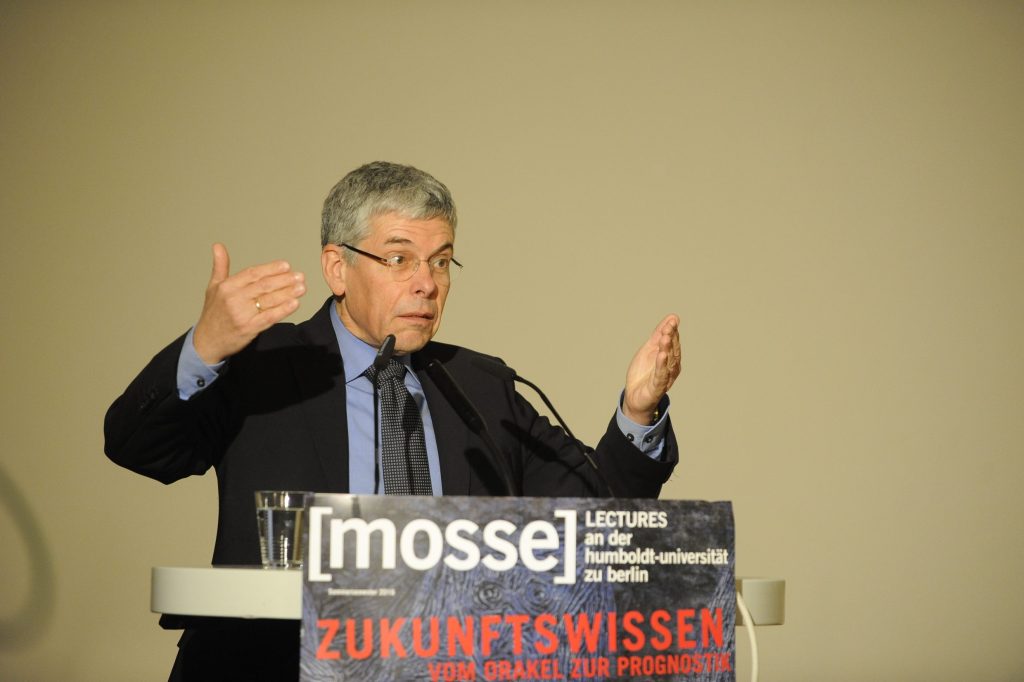
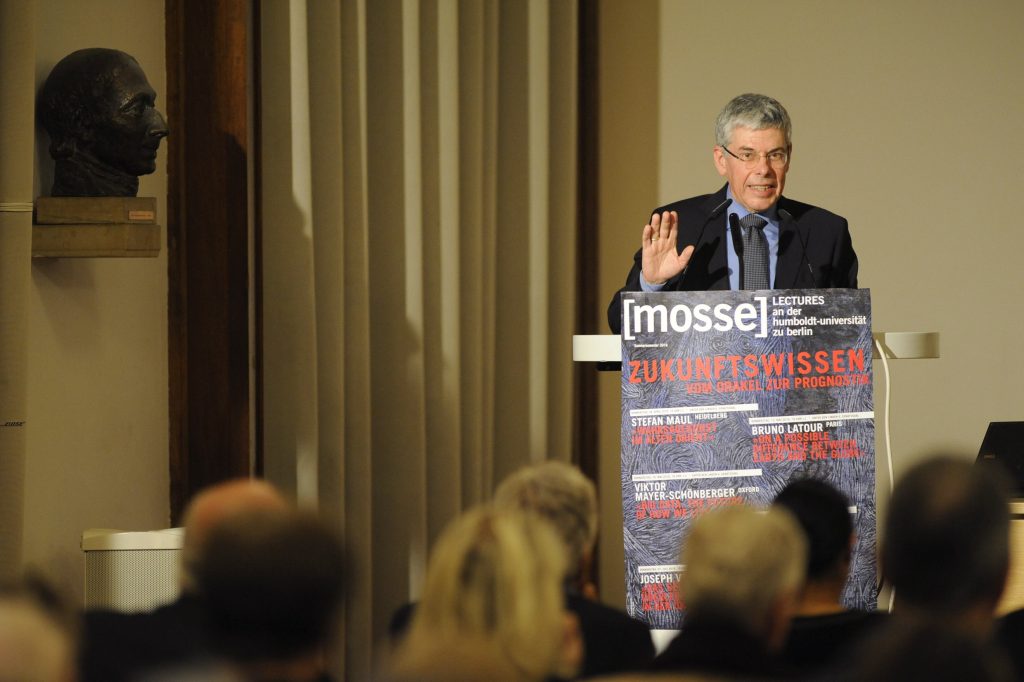
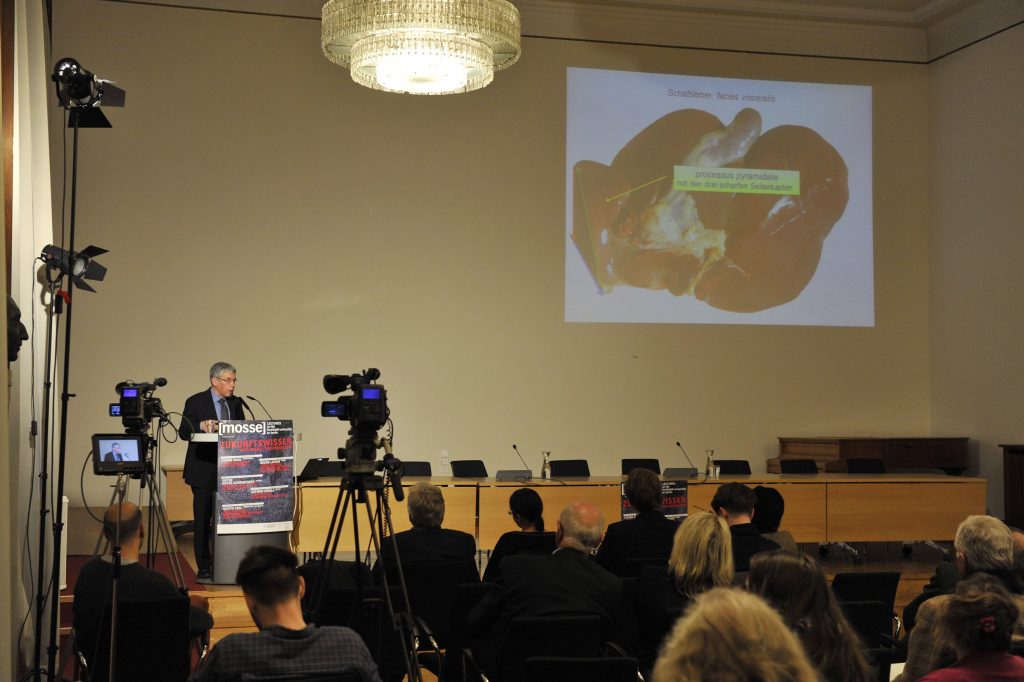
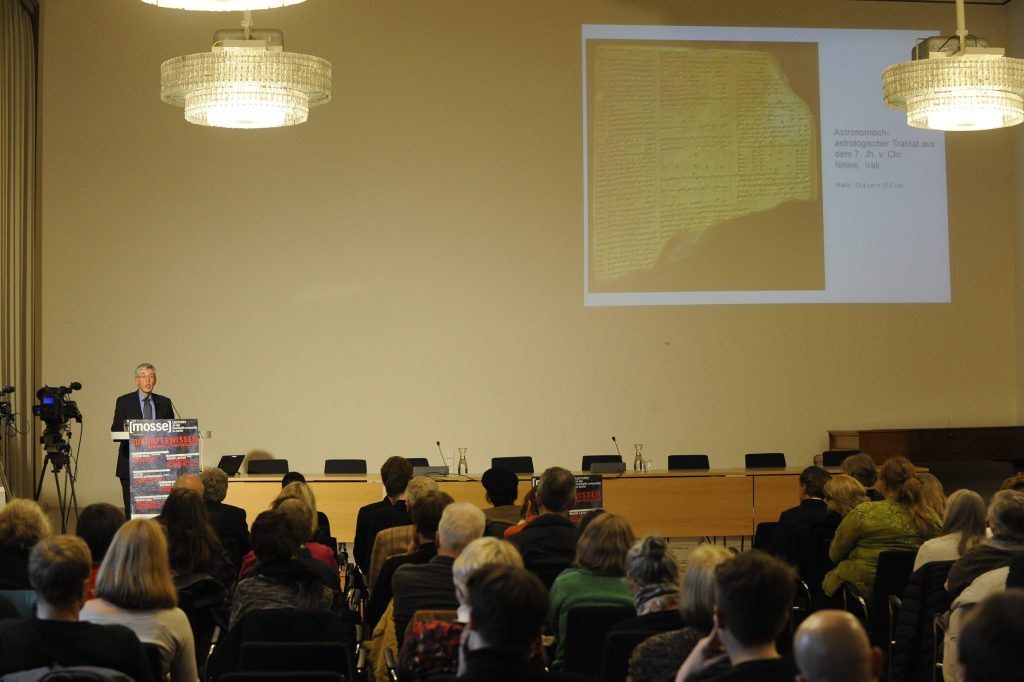
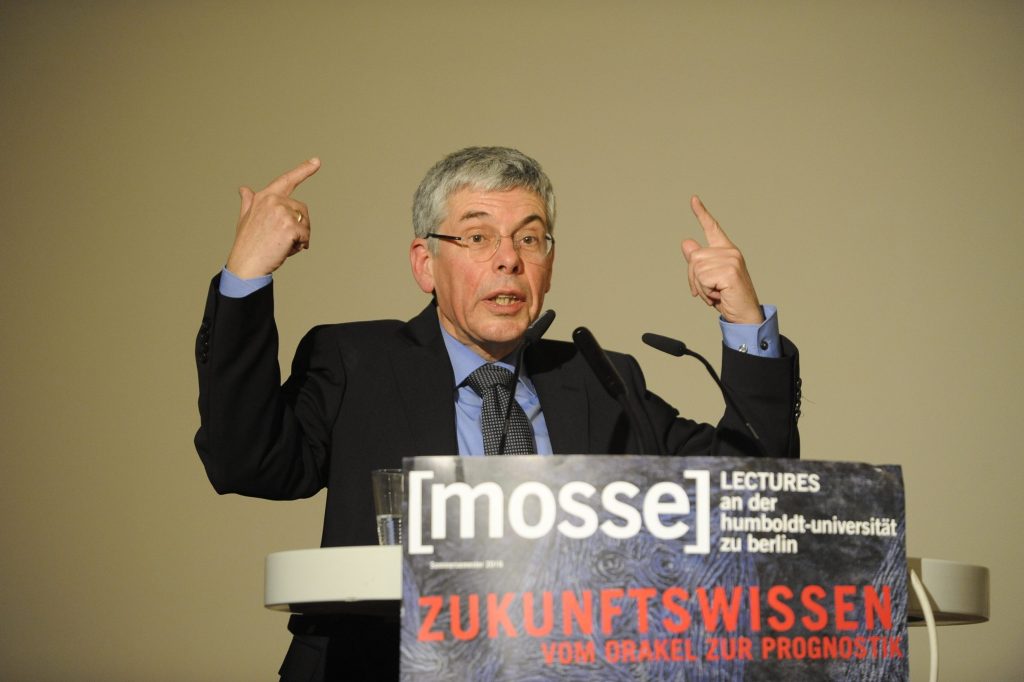
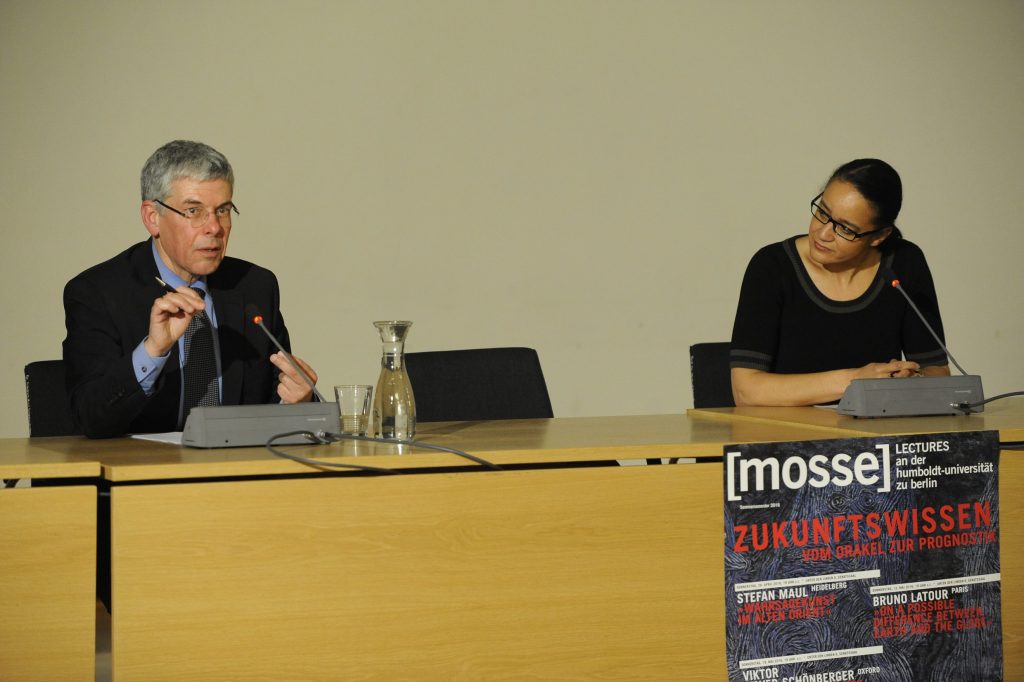
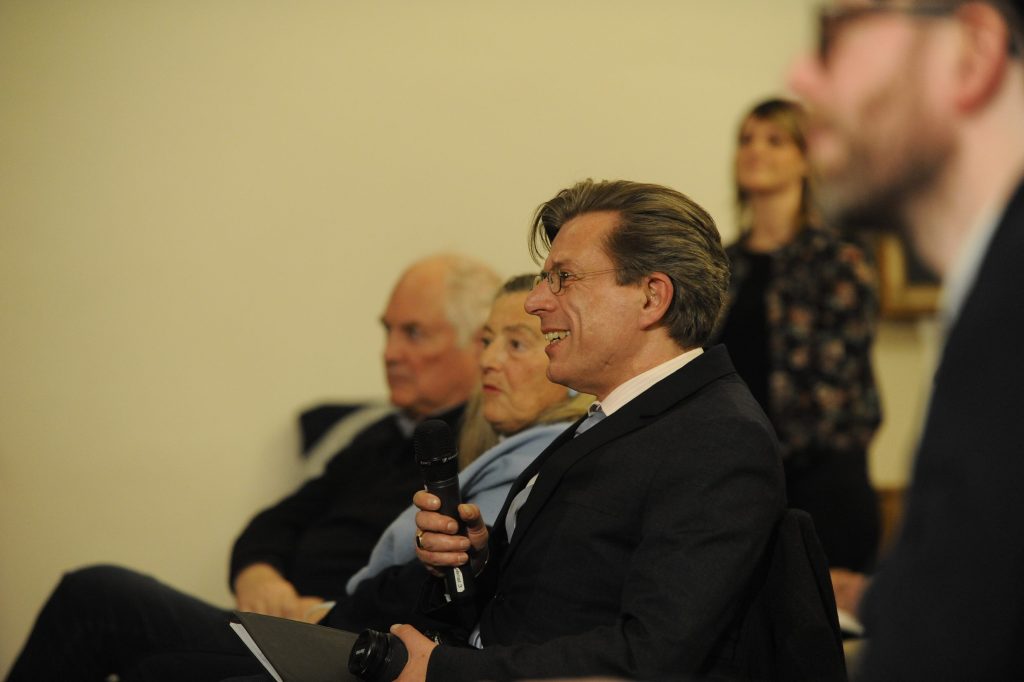
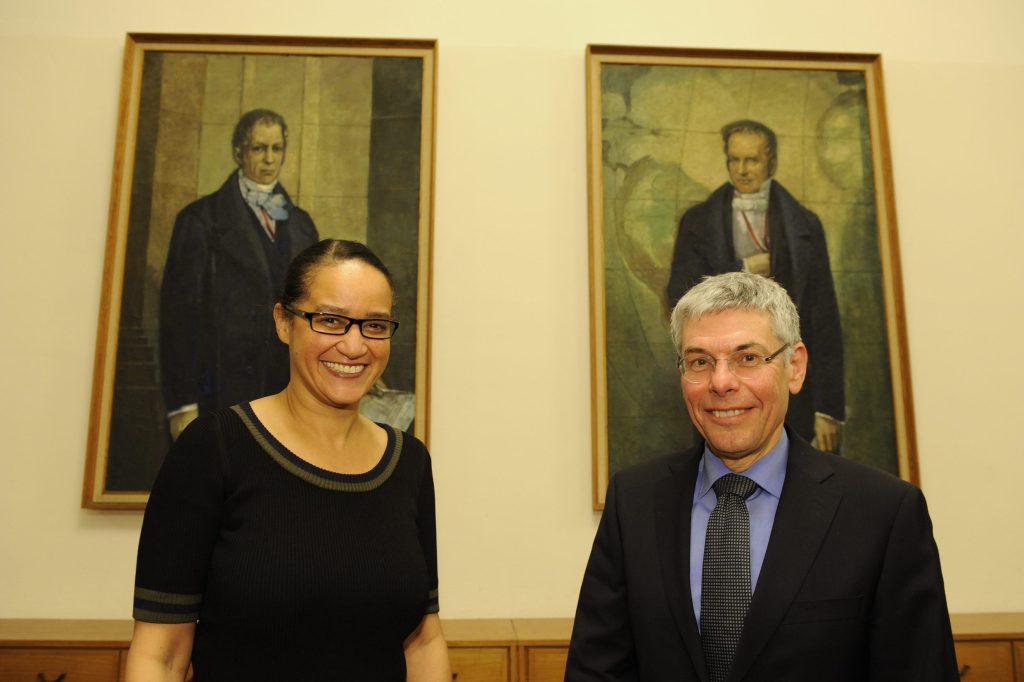
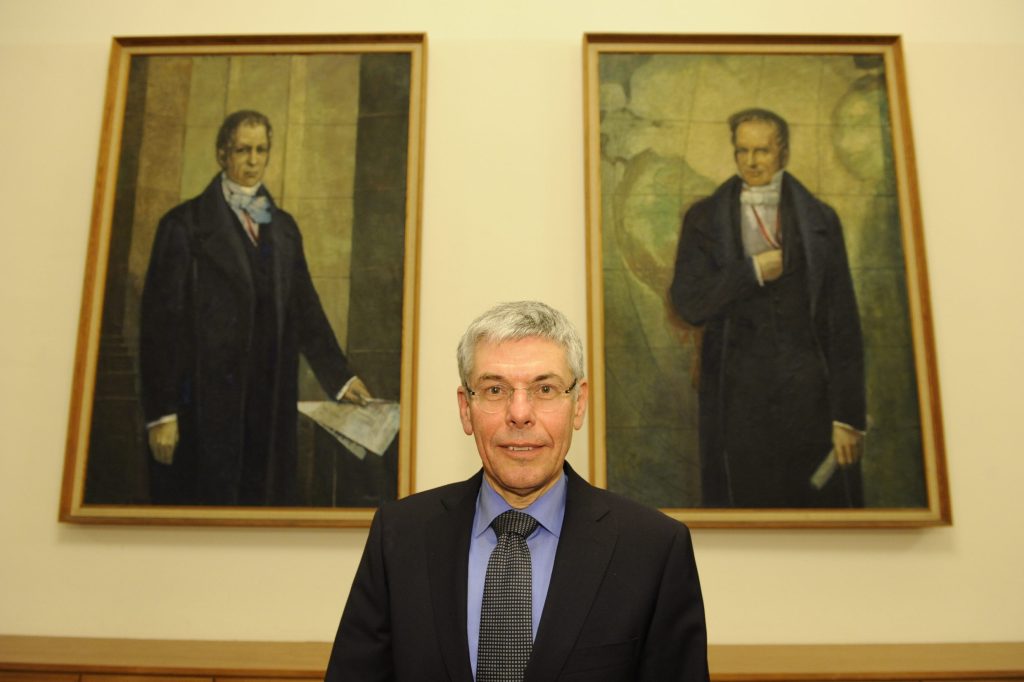
Photo credit: Niels Leiser for the Mosse Lectures
