
2011: Jon Rose, “Playing Music of Fences: The Sound of Politics, Social Control, Economic Exploitation, and History”
Jon Rose, “Playing Music of Fences: The Sound of Politics, Social Control, Economic Exploitation, and History”
Berlin Mosse Lecture
https://mosselectures.wisc.edu/berlin/
Thursday, 26 May 2011, 19:00 CET
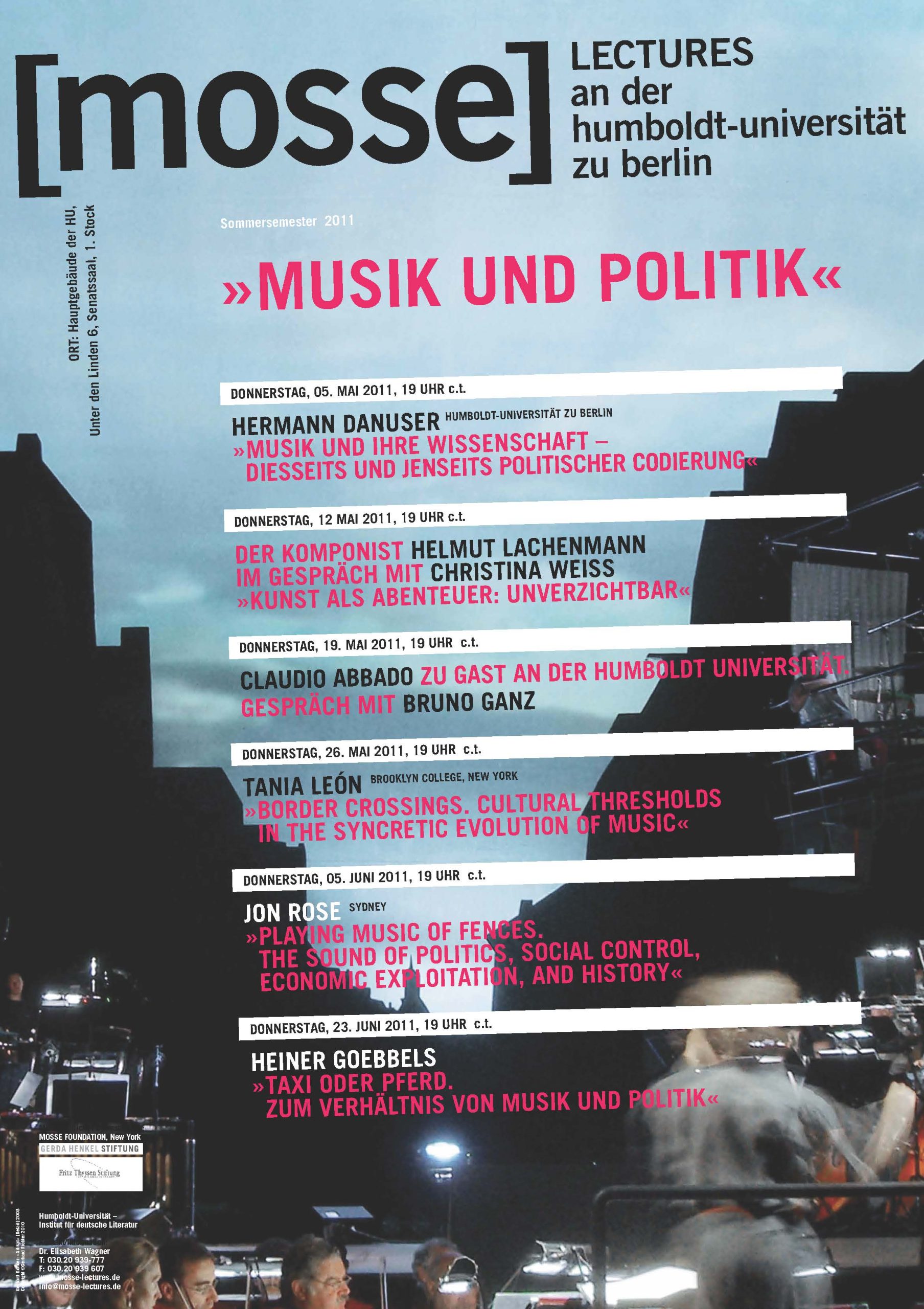
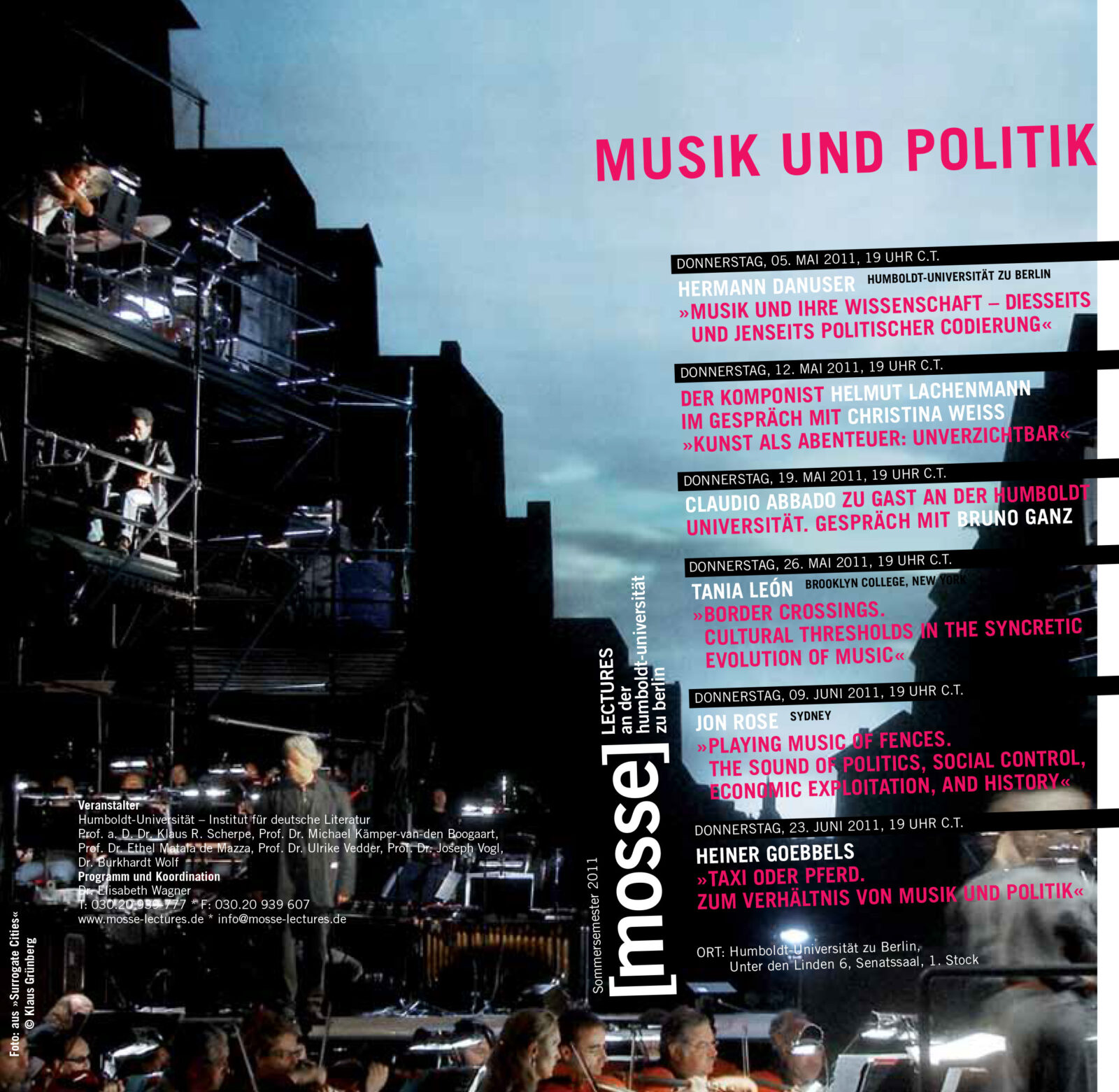
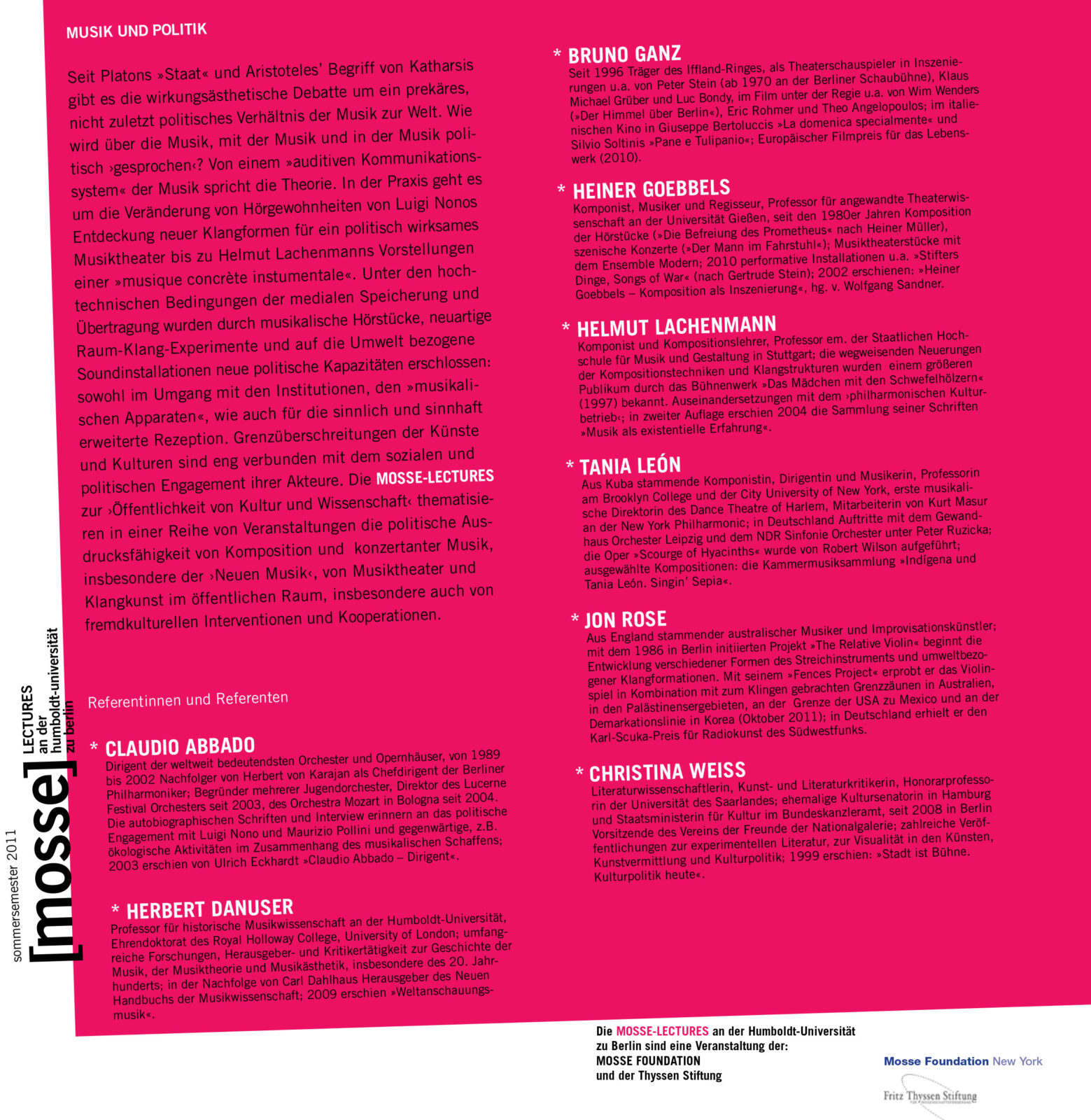
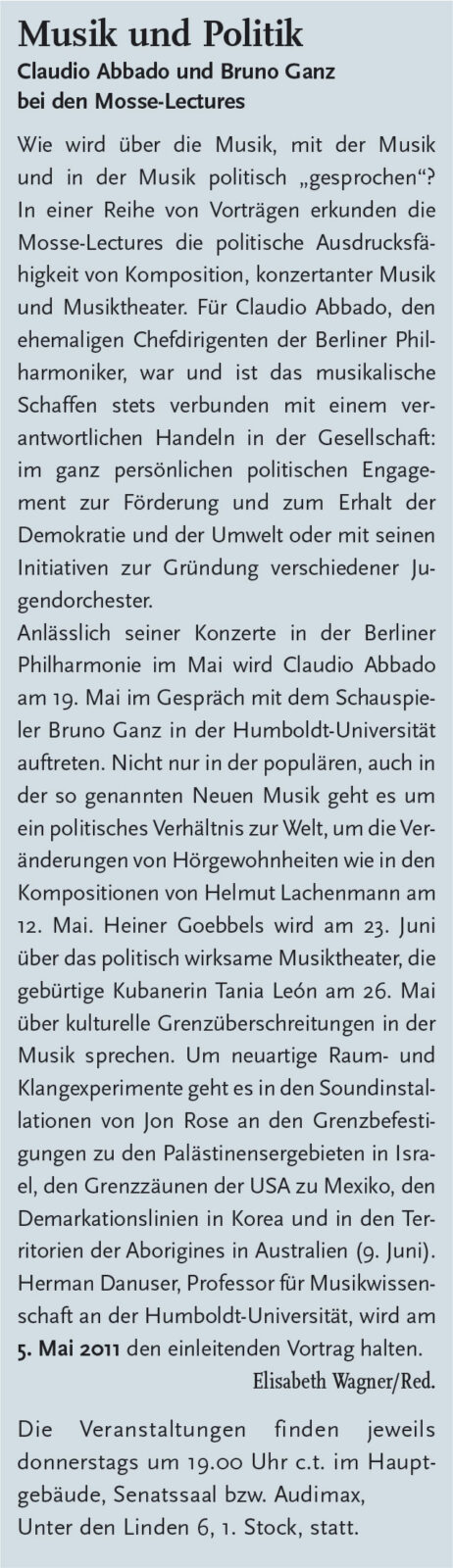
Senatssaal of Humboldt University
Under den Linden 6
1. Etage
10117 Berlin
GERMANY
Sponsored by:
[mosse] LECTURES an der humboldt-universität zu berlin
The Mosse Foundation
Global Mosse Lecture Series
Fritz Thyssen Stiftung
Gerda Henkel Stiftung
Institut für deutsche Literatur
Humboldt University
Moderator: Ulrike Vedder (Humboldt University)
Lecture Description: „Grenzzäune“,sagt Jon Rose, „sind perfekte Metaphern für jede Art von menschlichen Unternehmungen, von Widersprüchen, Unglücksfällen, von menschlicher Hybris. An ihnen zeigt sich die Polarität von Mensch und Natur, Zivilisation und Wildnis. An Grenzzäunen entzündet sich die Lust an Entdeckungen, der Wunsch nach Kontrolle und die Gier nach Ausbeutung von natürlichen Ressourcen.“ An Grenzzäunen haben sich auch Jon Rose’ musikalische Erfindungen und Improvisationskünste entzündet. Mit denen aus der Violine entwickelten Streichinstrumenten entlockt und verstärkt er einen den Zaunanlagen eigenen Klang und setzt in diesem seltsamen als körperlich empfundenen musikalischen Erlebnis eine emotionale Intensität frei, in der die konfliktreiche Geschichte eines Kontinents, eines Landes oder einer Region anklingt. In seiner Mosse-Lecture wird Jon Rose, begleitet von Klangbeispielen und Videos, sein seit 1983 in den australischen Grenzgebieten der Aborigines entstandenes „Great Fences Project“ vorstellen, das er seitdem für die Grenzanlagen in den Palästinensergebieten, an der Grenze der USA zu Mexico und demnächst an der Demarkationslinie beider Korea fortführt.
Im Umfeld einer experimentellen, improvisierten und interaktiven Soundart hat Jon Rose seit den 1980er Jahren seine Installationen und Performances („The Relative Violin“) weltweit auf Musikfestivals und an prominenten Musikhochschulen vorgestellt. In Zusammenarbeit mit vielen namhaften Interpreten, z.B. dem Kronos Quartet, haben sich seine Unternehmungen nach verschiedenen Anlässen, nicht zuletzt mit der Absicht der politischen Intervention des Künstlers im Grenzgebiet, immer weiter verzweigt. Zu seinen Auszeichnungen, auch in Deutschland, gehört der renommierte Karl-Scuka-Preis für Radiokunst des Südwestfunks. In Berlin ist er mehrmals in Veranstaltungen der MärzMusik aufgetreten.
Lecture Series Description: Ever since Platos Politeia and Aristotle’s concept of katharsis the discussion of aesthetic effective-ness and reception centers around the precarious, ultimately political relationship of music to the world. How does one speak politically about music, with music or within it? Music theory speaks of an „auditory system of communication“. In practice we have many efforts and experi-ments to change the habits of listening: beginning with Luigi Nono, disclosing new forms of sound to be effective politically in theatrical performances, up to Helmut Lachenmann’s idea of musique concrète instrumentale. Under hightech conditions of media storage and transmission new possibilities to act politically have been disclosed, in auditory pieces of musical experiments, innovative space-sound-samples and environmental installations, which aim at expanding musical experience, and challenge the „musical apparatus“ of institutions. Borders crossings of the arts and cultures are frequently and closely connected with social and political activities of both artists and their audiences. In a series of events, the Mosse-Lectures devoted to the „Public of Cultures and Sciences“ in a series of events thematize the political expressiveness of composition and concert music, „Neue Musik“ in particular, of theatrical presentation, and sound art in public spaces; special attention will be paid to interventions and cooperation with non-western cultures.
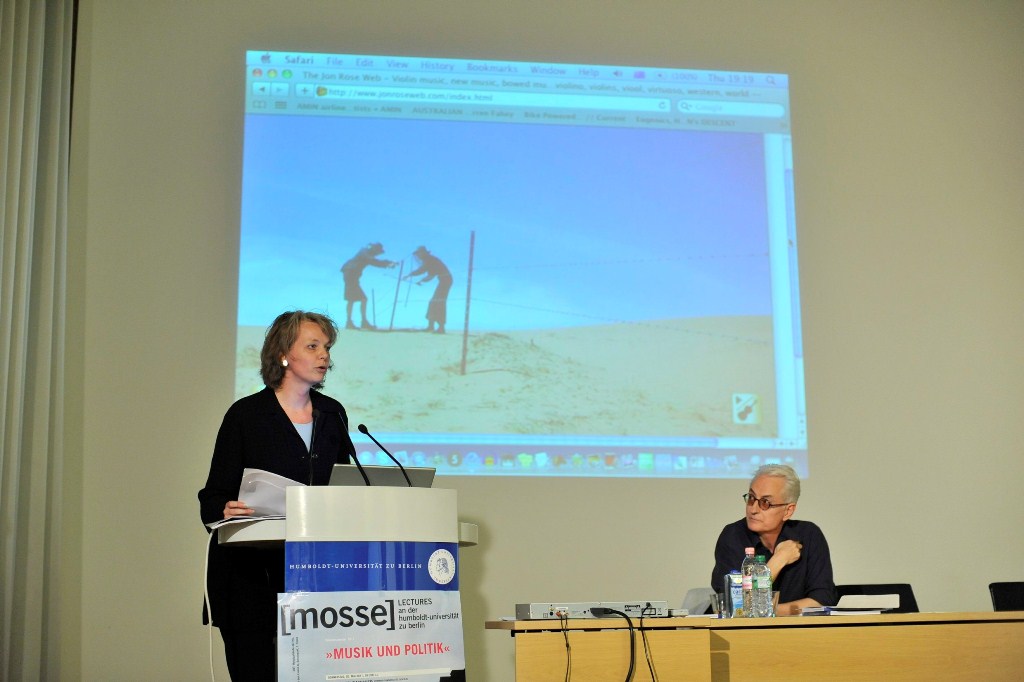
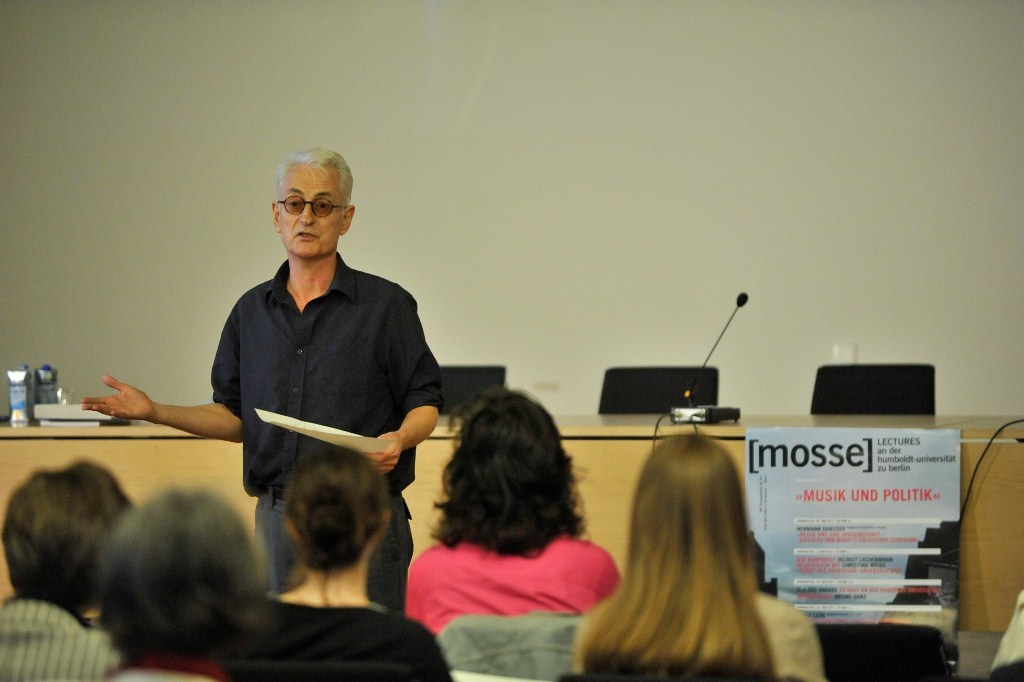
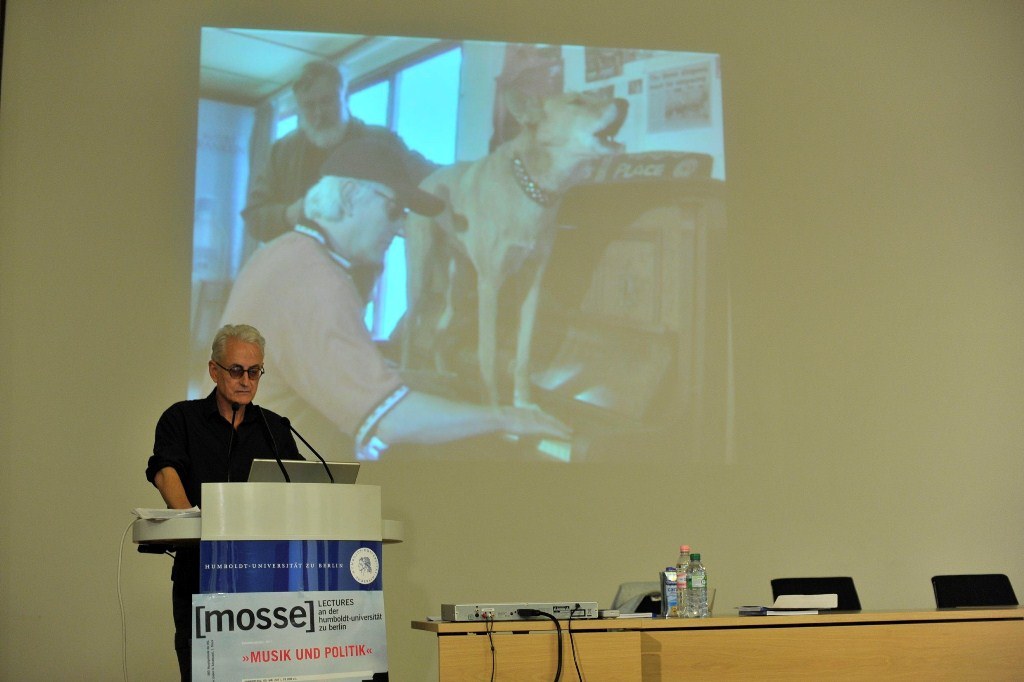
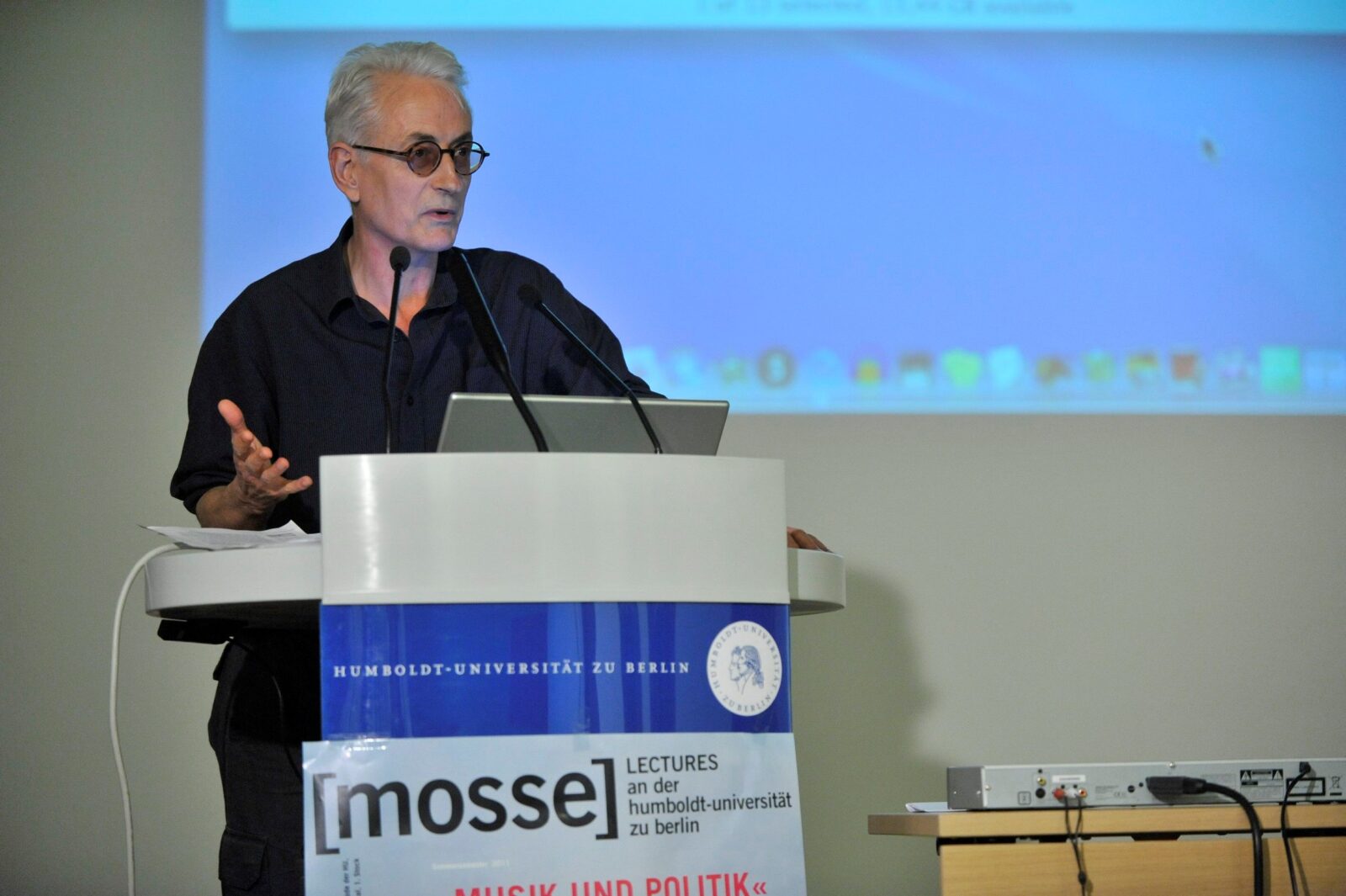
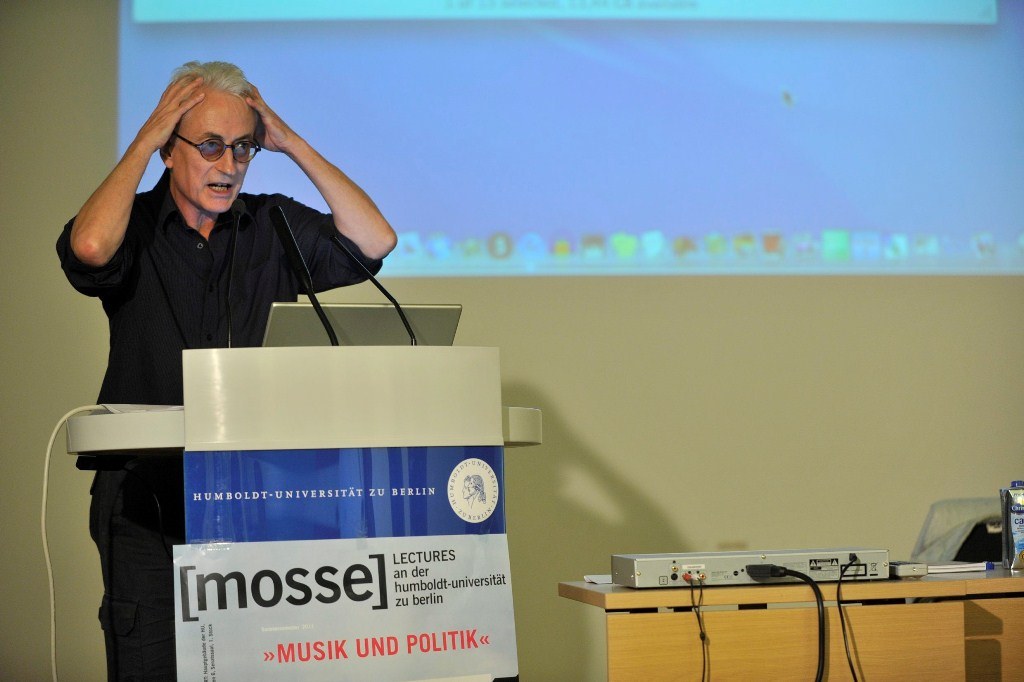
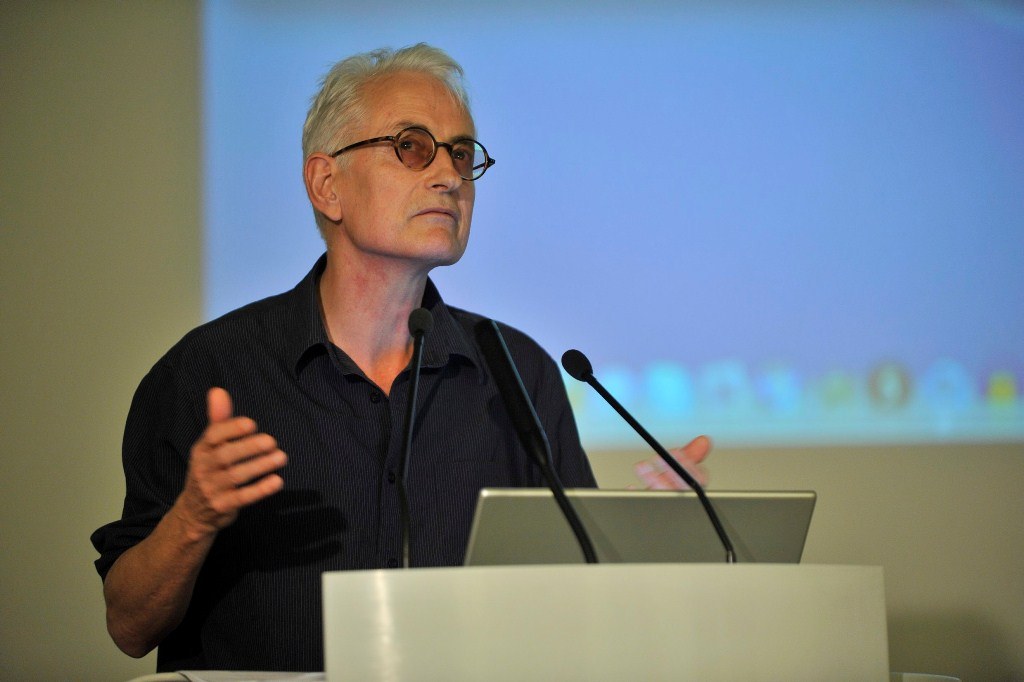
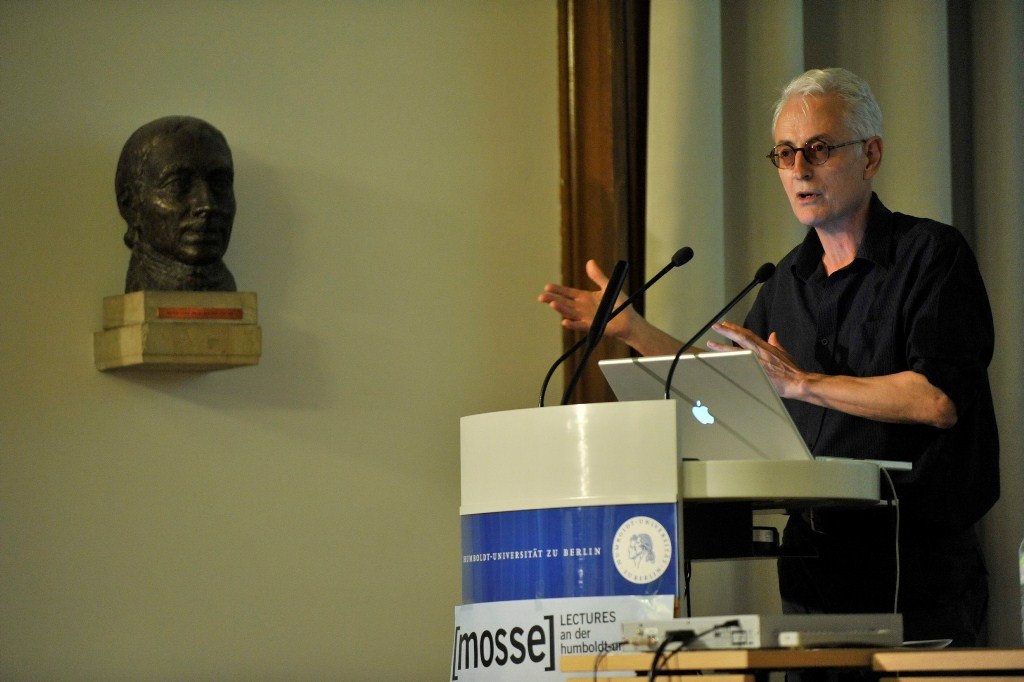
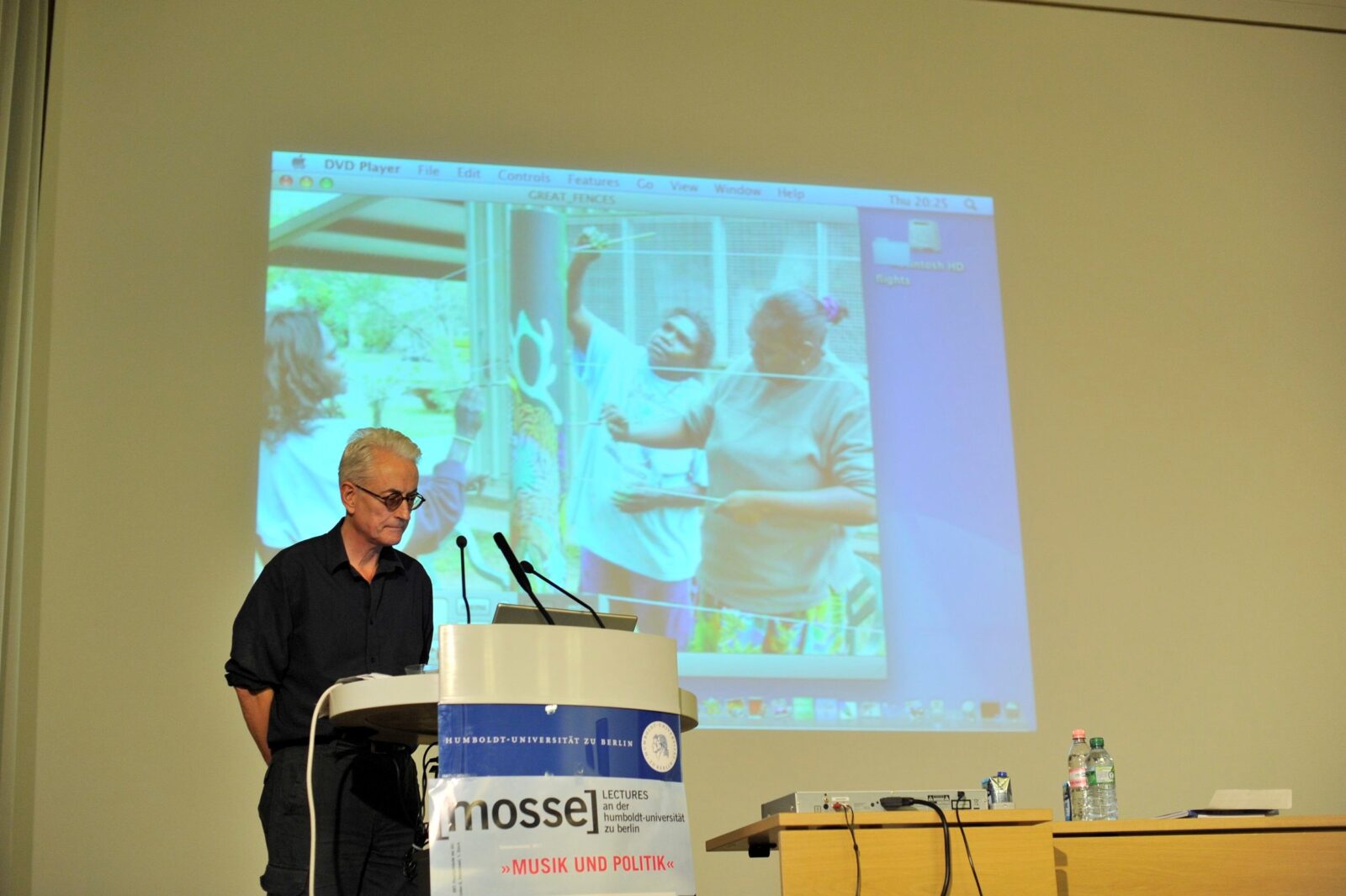
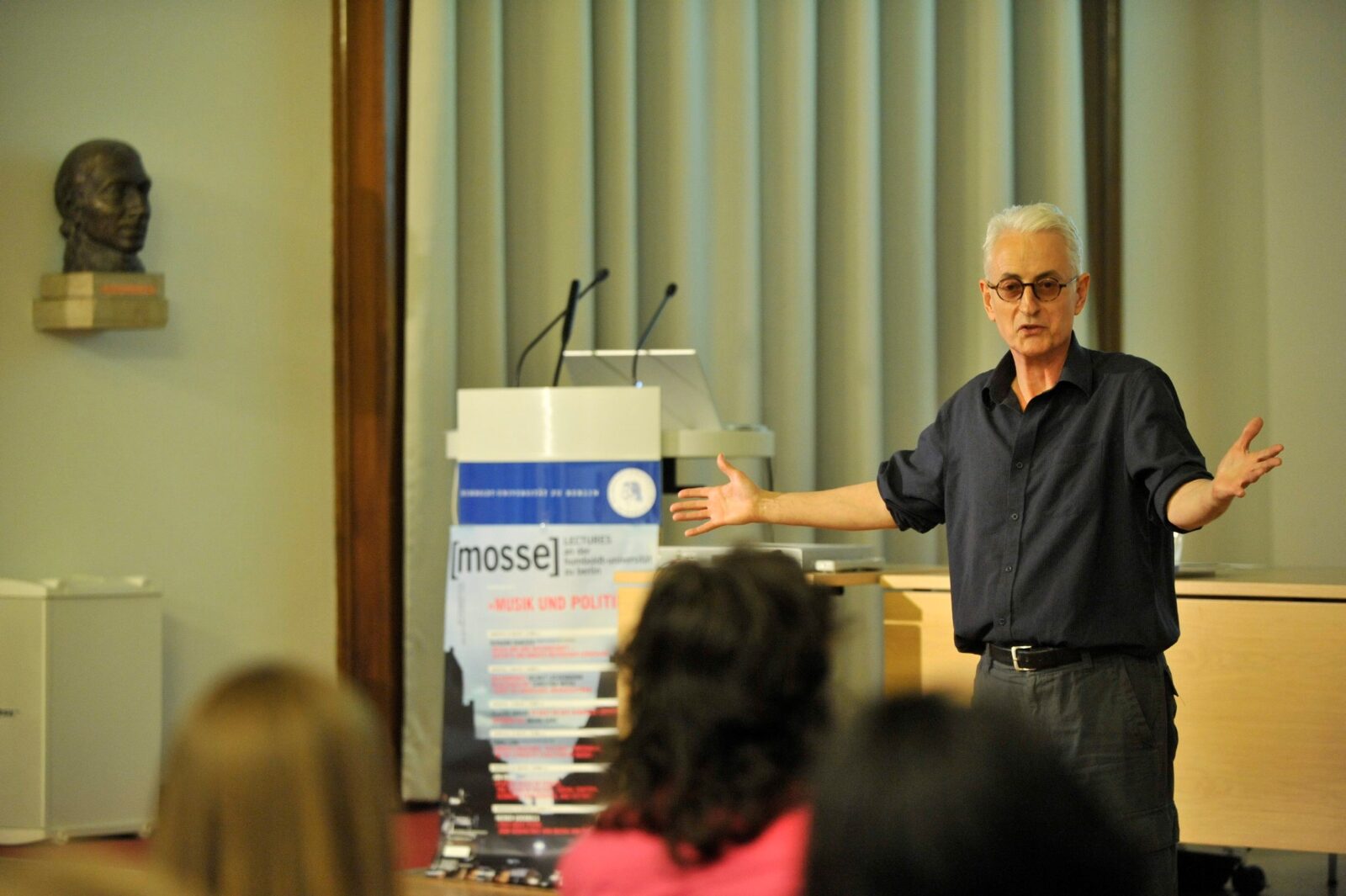
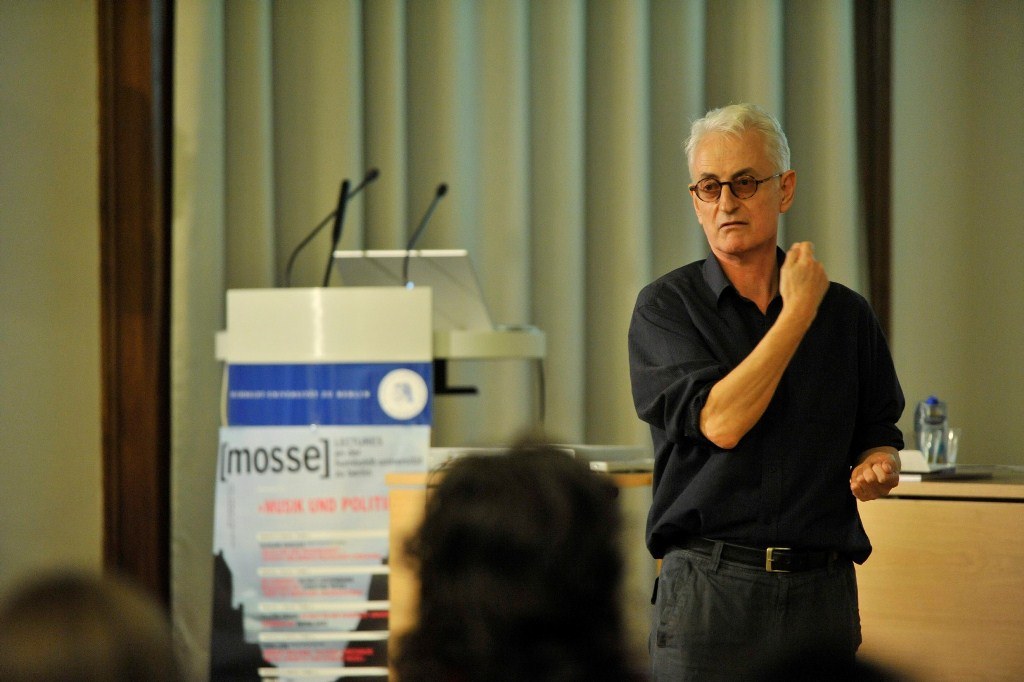
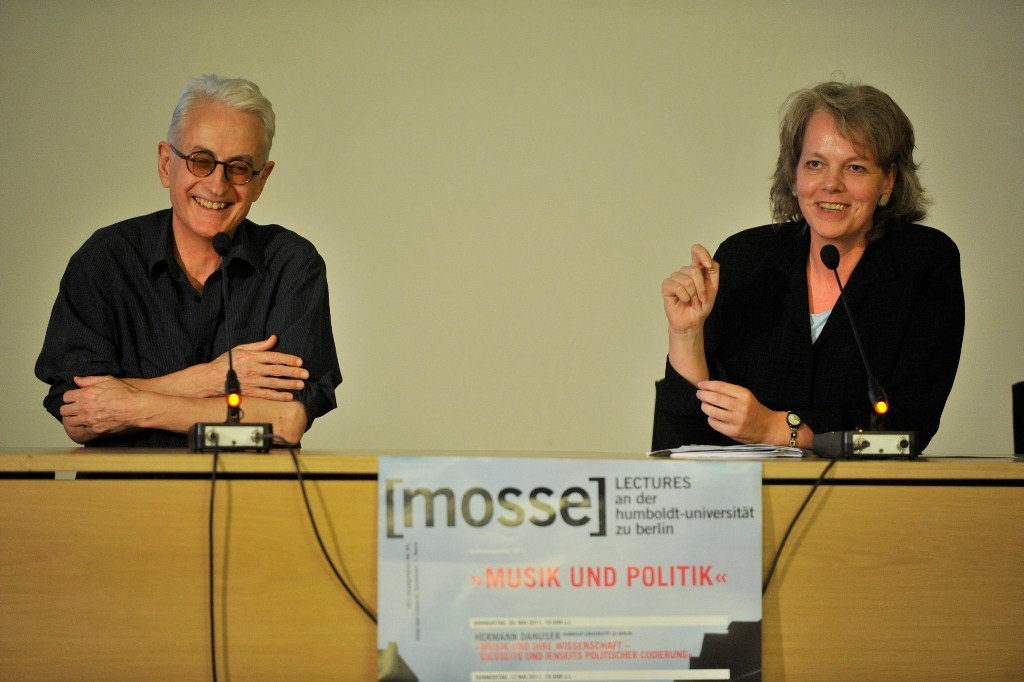
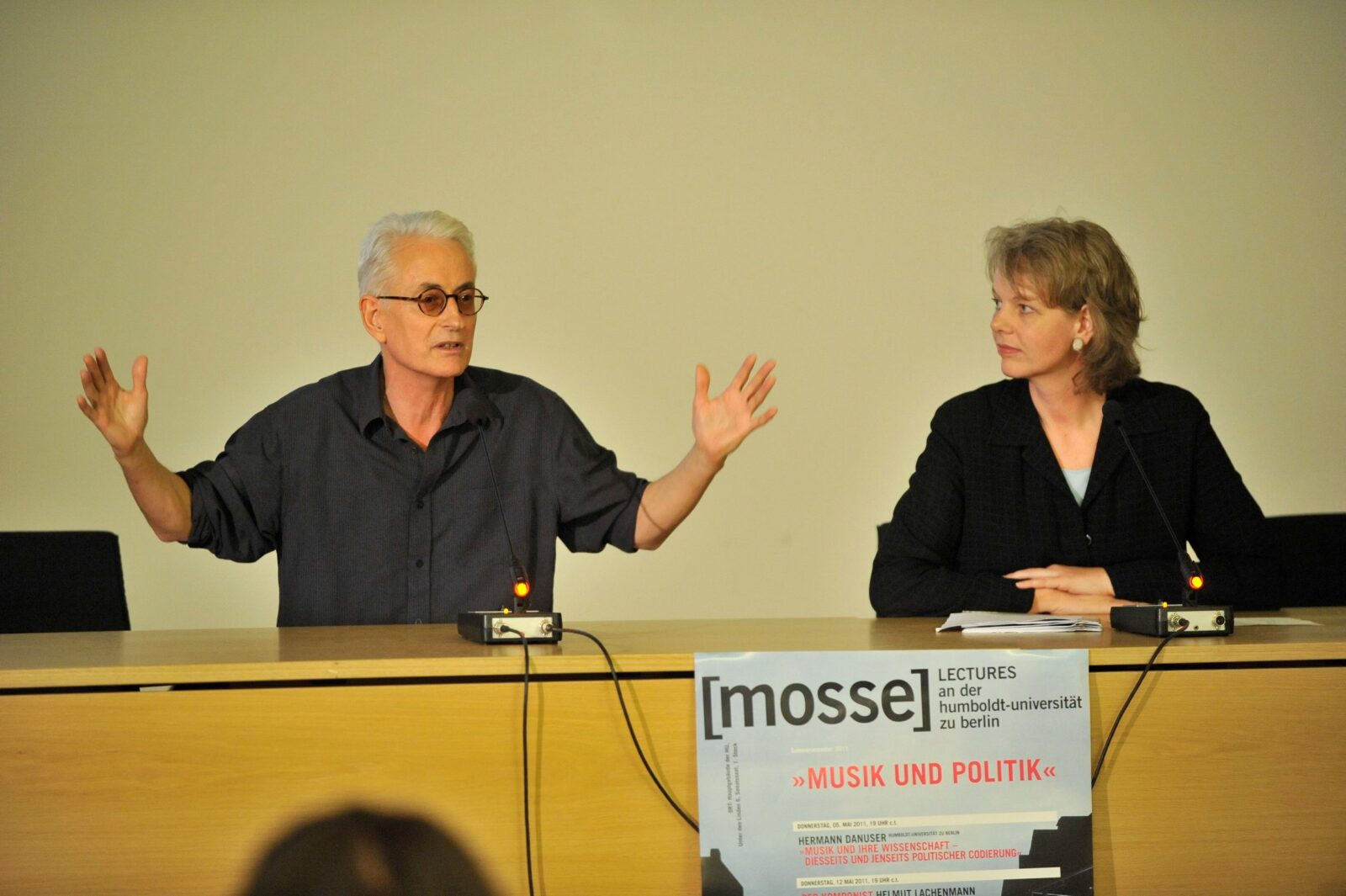
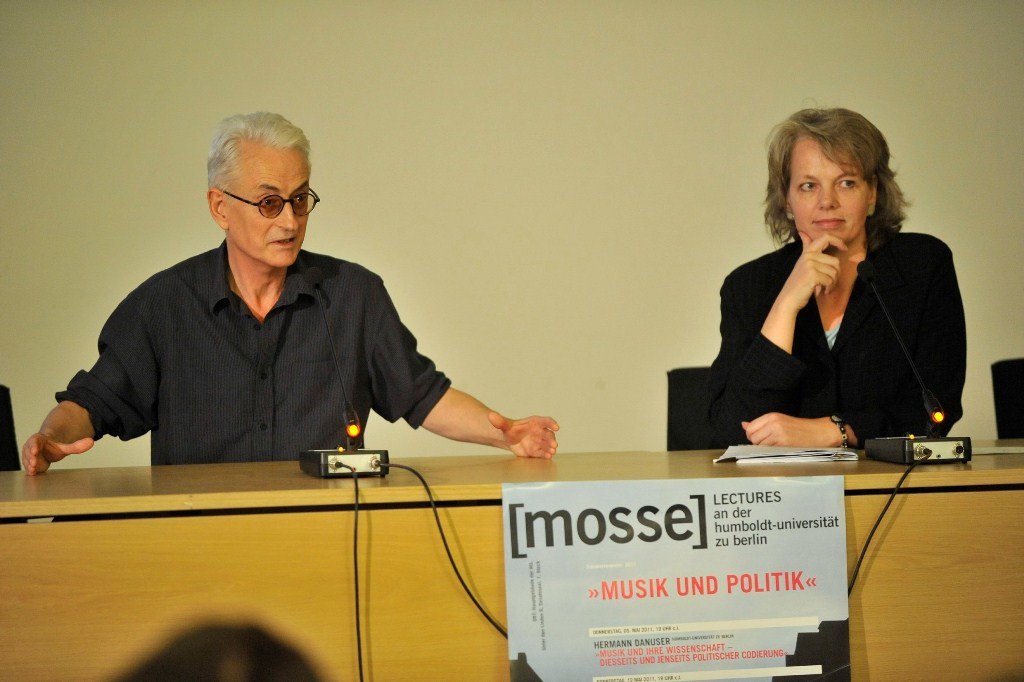
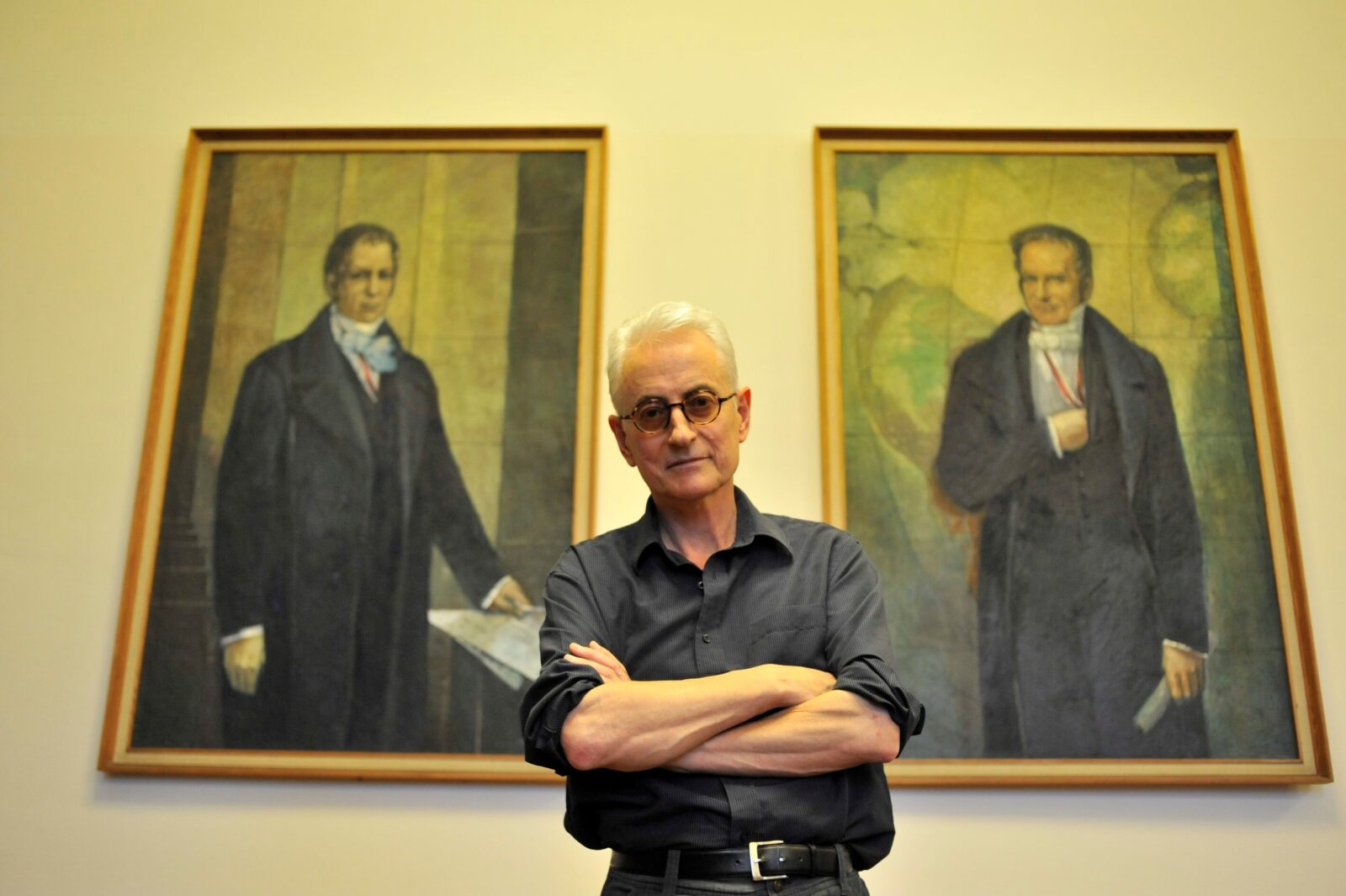
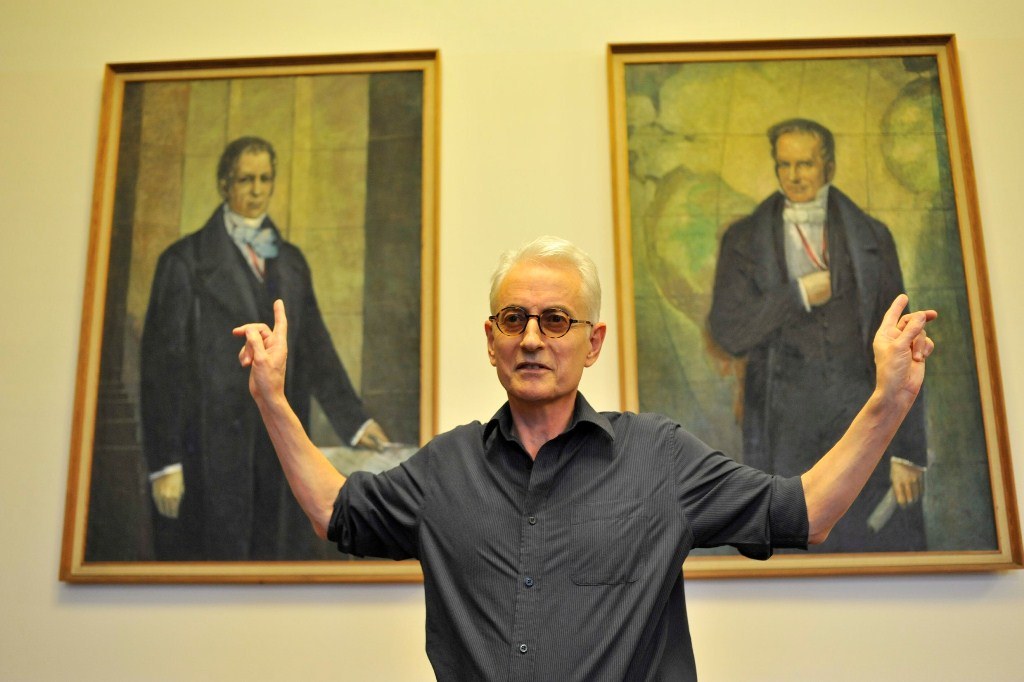
Photo Credit: Niels Leiser for the Mosse Lectures
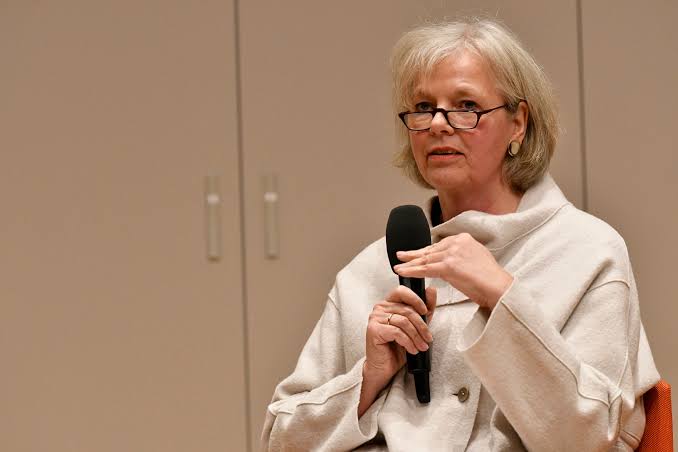
Her research focuses on literature and material culture (museum narratives, literary thing culture, poetics of collecting); literary and cultural history of genealogy, generation, heritage; gender studies in literary studies; narratives of liminality (death narratives, coma, old age, dementia, care, poetics of the afterlife).
She is part of the interdisciplinary project team of „Liminality and Transfer“ (funded by the Einstein Foundation Berlin, 2023-2027) and the Collège doctoral „Littérature et savoirs, XVIe – XXIe siècles“ (in cooperation with Sorbonne nouvelle).
