
2011: Heiner Goebbels, “Taxi oder Pferd. Zum Verhältnis von Musik und Politik” / “Taxi or Horse: On the Relationship between Music and Politics”
Heiner Goebbels: “Taxi oder Pferd. Zum Verhältnis von Musik und Politik” / “Taxi or Horse: On the Relationship between Music and Politics”
Berlin Mosse Lecture
https://mosselectures.wisc.edu/berlin/
Thursday, 23 June 2011, 19:00 CET
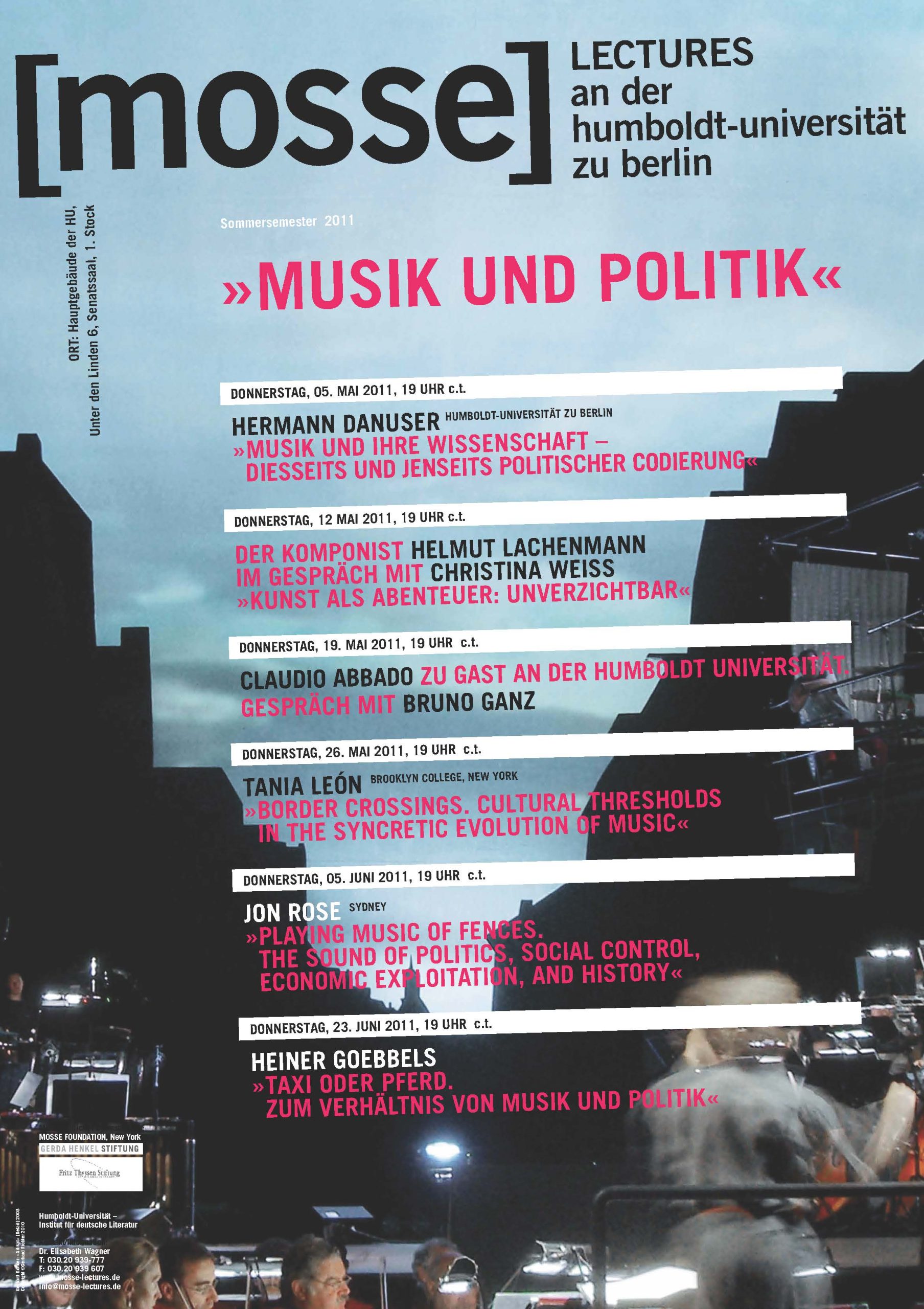
Senatssaal of Humboldt University
Unter den Linden 6
1. Stock
10117 Berlin
GERMANY
Sponsored by:
[mosse] LECTURES an der humboldt-universität zu berlin
The Mosse Foundation
Global Mosse Lecture Series
Fritz Thyssen Stiftung
Gerda Henkel Stiftung
Institut für deutsche Literatur
Humboldt University
Moderator: Joseph Vogl (Humboldt University)
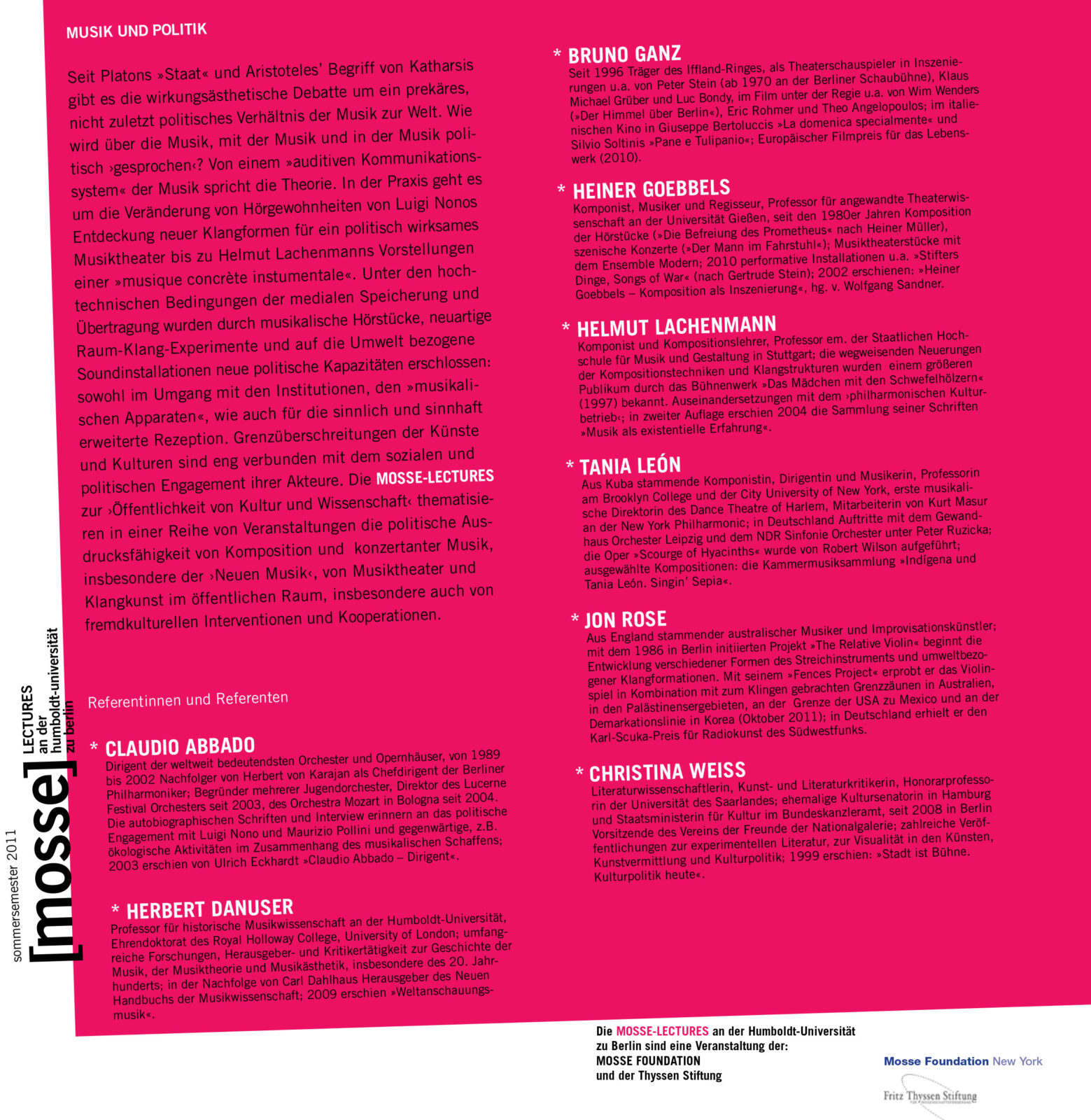
Lecture Series Description: Ever since Platos Politeia and Aristotle’s concept of katharsis the discussion of aesthetic effective-ness and reception centers around the precarious, ultimately political relationship of music to the world. How does one speak politically about music, with music or within it? Music theory speaks of an „auditory system of communication“. In practice we have many efforts and experi-ments to change the habits of listening: beginning with Luigi Nono, disclosing new forms of sound to be effective politically in theatrical performances, up to Helmut Lachenmann’s idea of musique concrète instrumentale. Under hightech conditions of media storage and transmission new possibilities to act politically have been disclosed, in auditory pieces of musical experiments, innovative space-sound-samples and environmental installations, which aim at expanding musical experience, and challenge the „musical apparatus“ of institutions. Borders crossings of the arts and cultures are frequently and closely connected with social and political activities of both artists and their audiences. In a series of events, the Mosse-Lectures devoted to the „Public of Cultures and Sciences“ in a series of events thematize the political expressiveness of composition and concert music, „Neue Musik“ in particular, of theatrical presentation, and sound art in public spaces; special attention will be paid to interventions and cooperation with non-western cultures.
Heiner Goebbels: ist durch seine integrativen Arbeiten des Musiktheaters, von Hörstücken, Installationen und „staged concerts“ in Verbindung mit Theater, Ballett und Videokunst, nicht zuletzt der akademischen Lehre zu einem der wichtigsten Exponenten einer auf Intervention in die gesellschaftlichen Befindlichkeiten und denkbare Veränderungen angelegten musikalischen Praxis geworden. Zu entdecken und zu erproben sind die Möglichkeiten des musikalischen Ausdrucks unter hochtechnischen Bedingungen: die Komposition als Inszenierung, die Aufführung als Appell an die bewussten und unbewussten Erfahrungs- und Handlungsmöglichkeiten des Publikums. Goebbels Vorstellungen von einem erweiterten Hören und Sehen sind beispielhaft realisiert in der Adaption von Heiner Müllers Texten und der performativen Installation „Stifters Dinge“ (seit 2007).
Außer seiner Tätigkeit als Komponist und Regisseur ist Heiner Goebbels seit 1999 Professor für Angewandte Theaterwissenschaft an der Universität Gießen; er ist Mitglied mehrerer Akademien u.a der Akademie der Künste in Berlin und Träger vieler Auszeichnungen und Preise. u.a. dem europäischen Theaterpreis (2001) und dem Deutschen Kritikerpreis für Musik (2003); seine Kompositionen wurden weltweit auf Festivals und in bedeutenden Theatern und Konzerthäusern aufgeführt, in jüngster Zeit u.a. auf dem Melbourne Festival, im Royal Danish Playhouse, Kopenhagen und dem Zürcher Schauspielhaus; Zusammenarbeit mit den wichtigen Ensembles moderner Musik (Ensemble Modern, Asko Ensemble Amsterdam) und Orchestern (Berliner Philharmoniker, Junge deutsche Philharmonie).
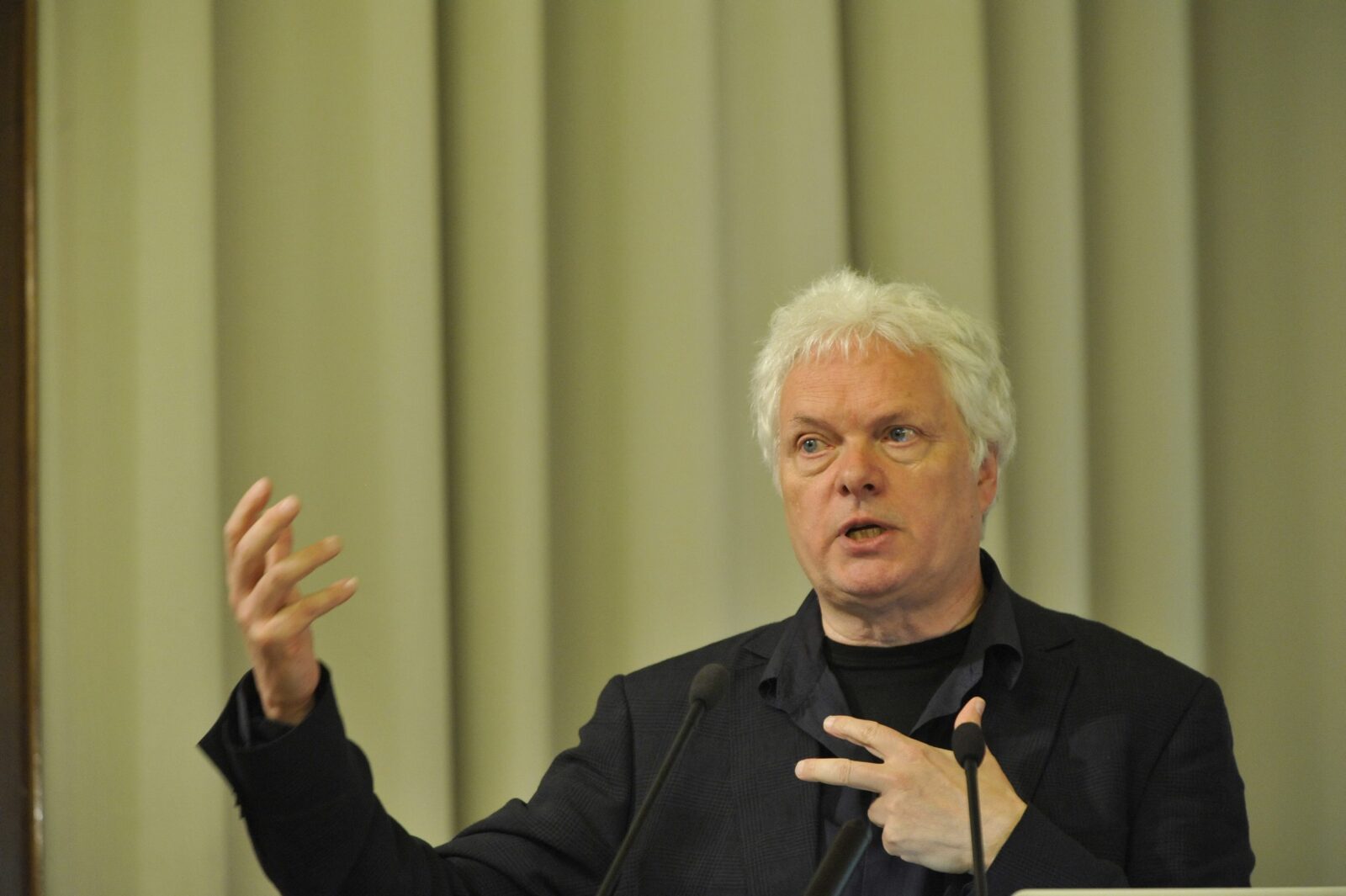
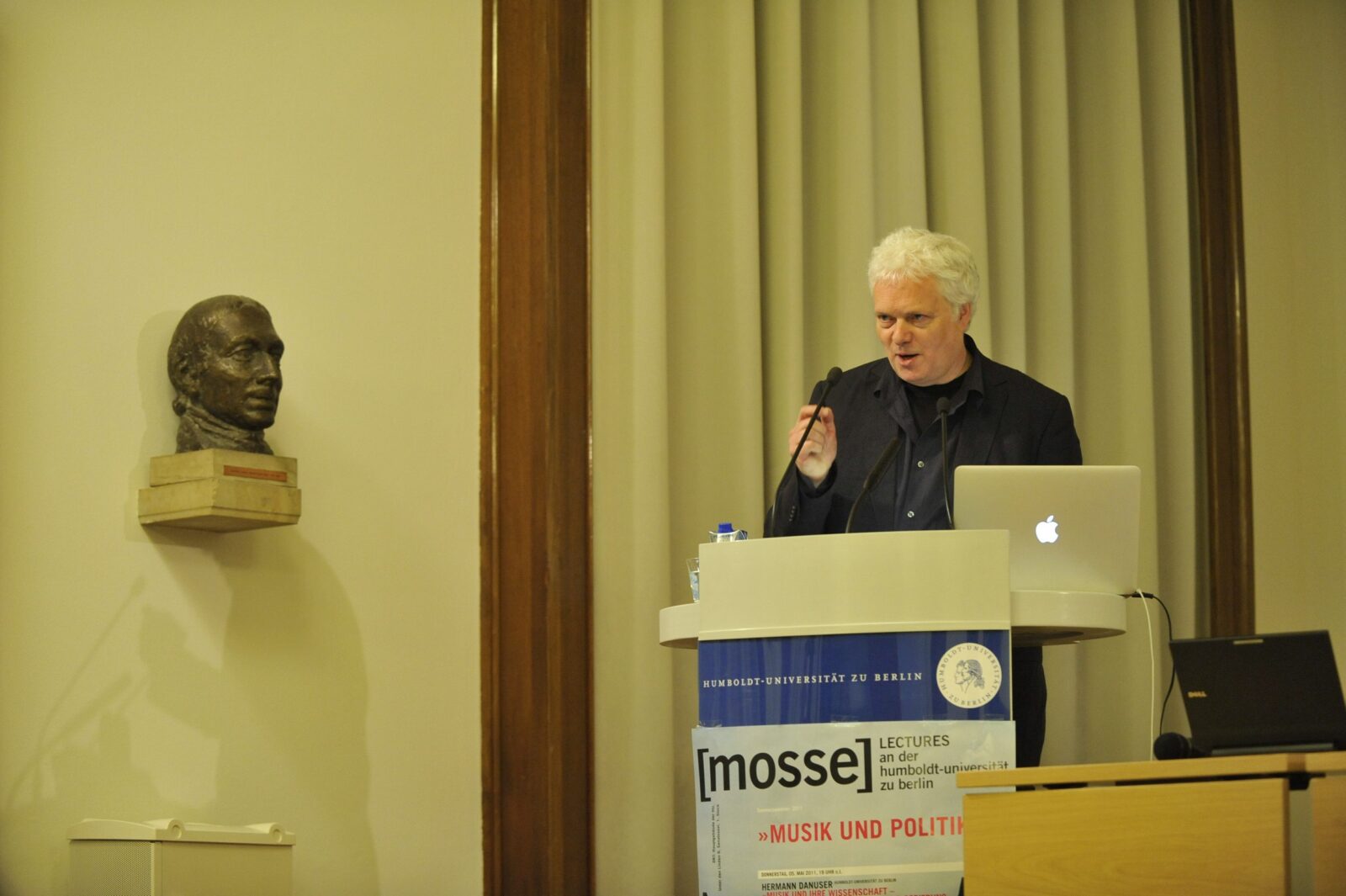
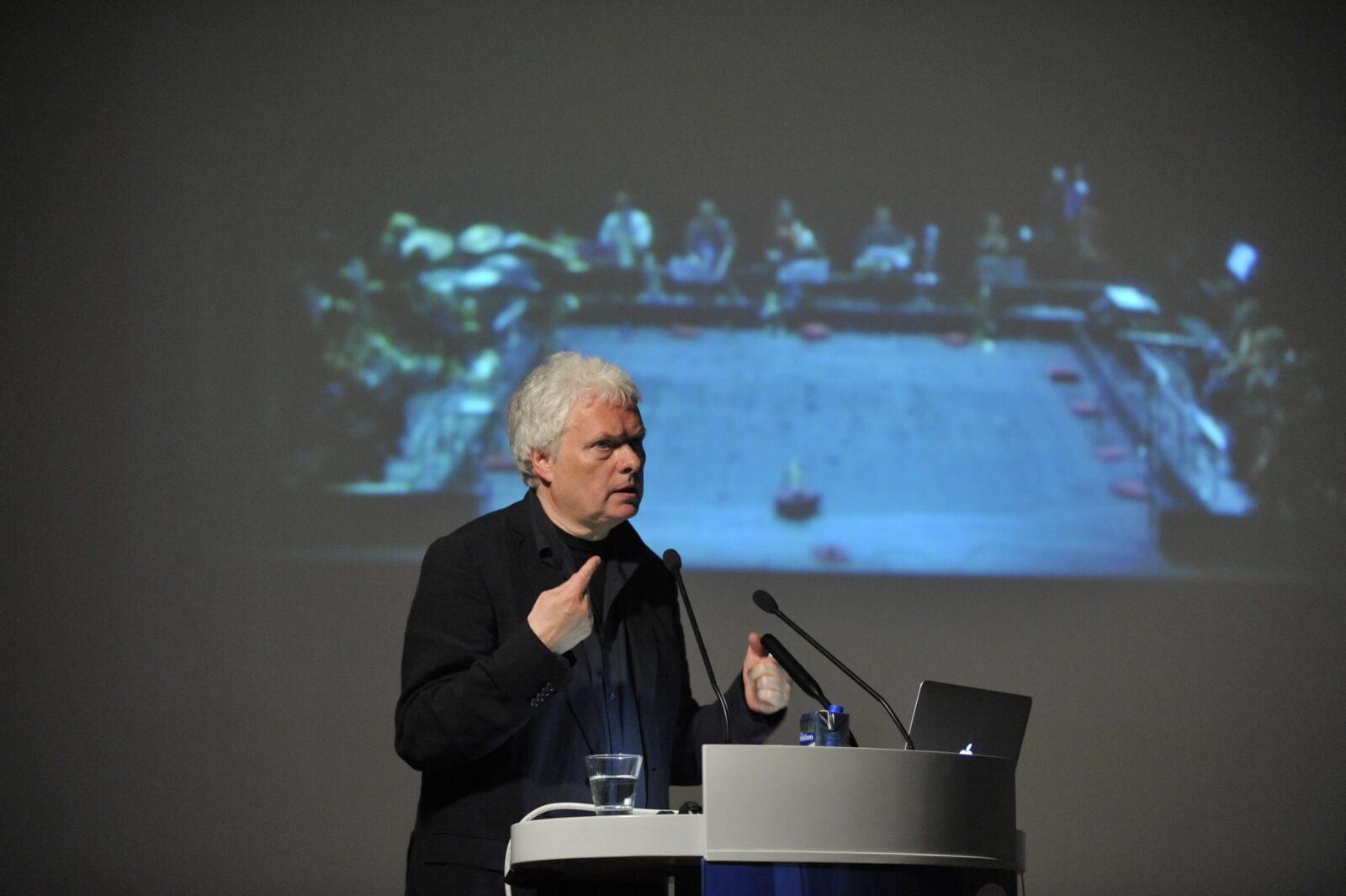
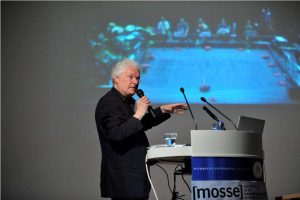
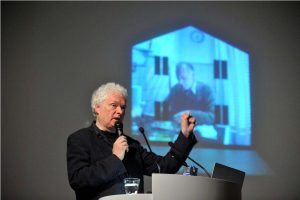
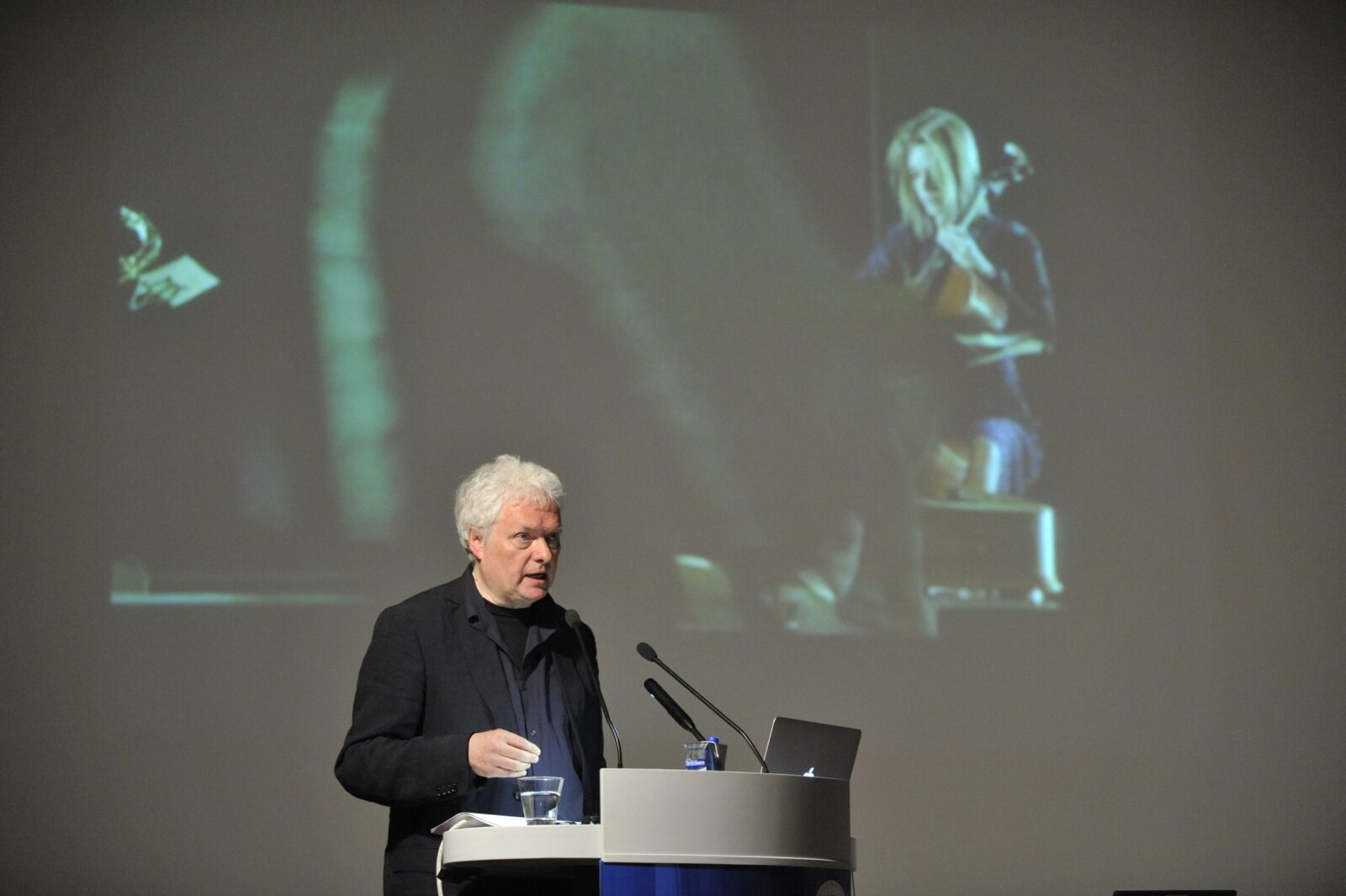
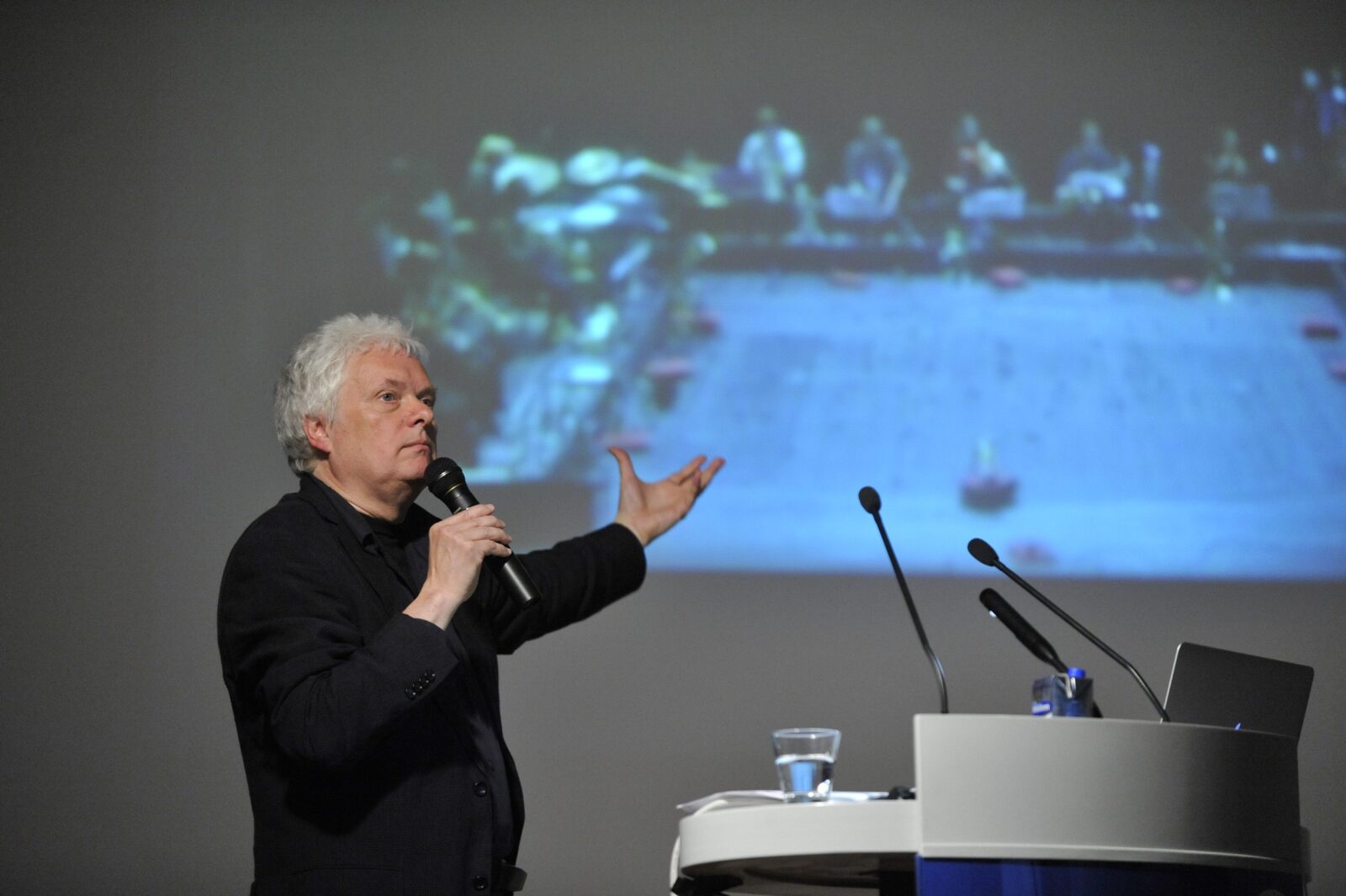
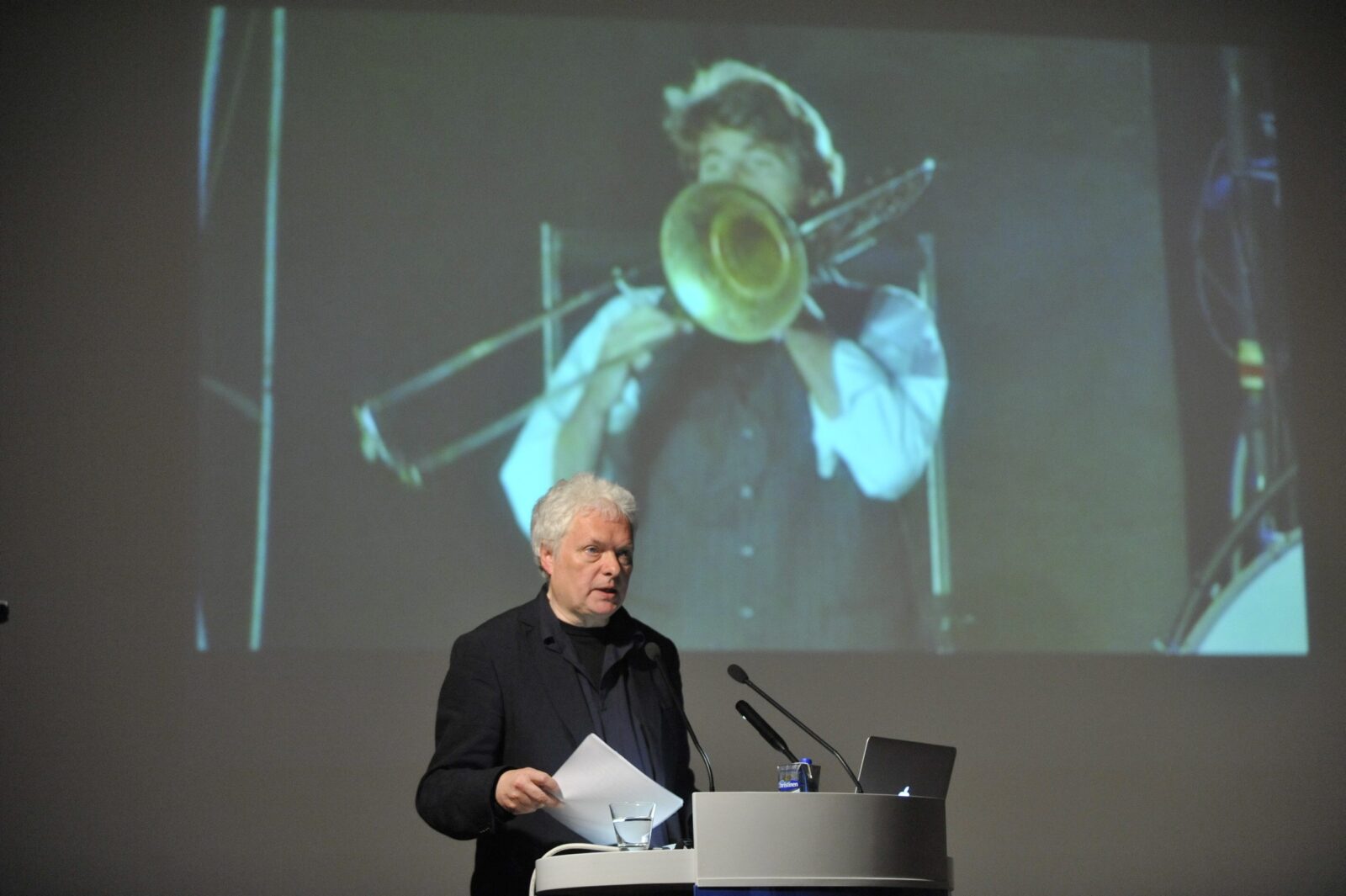
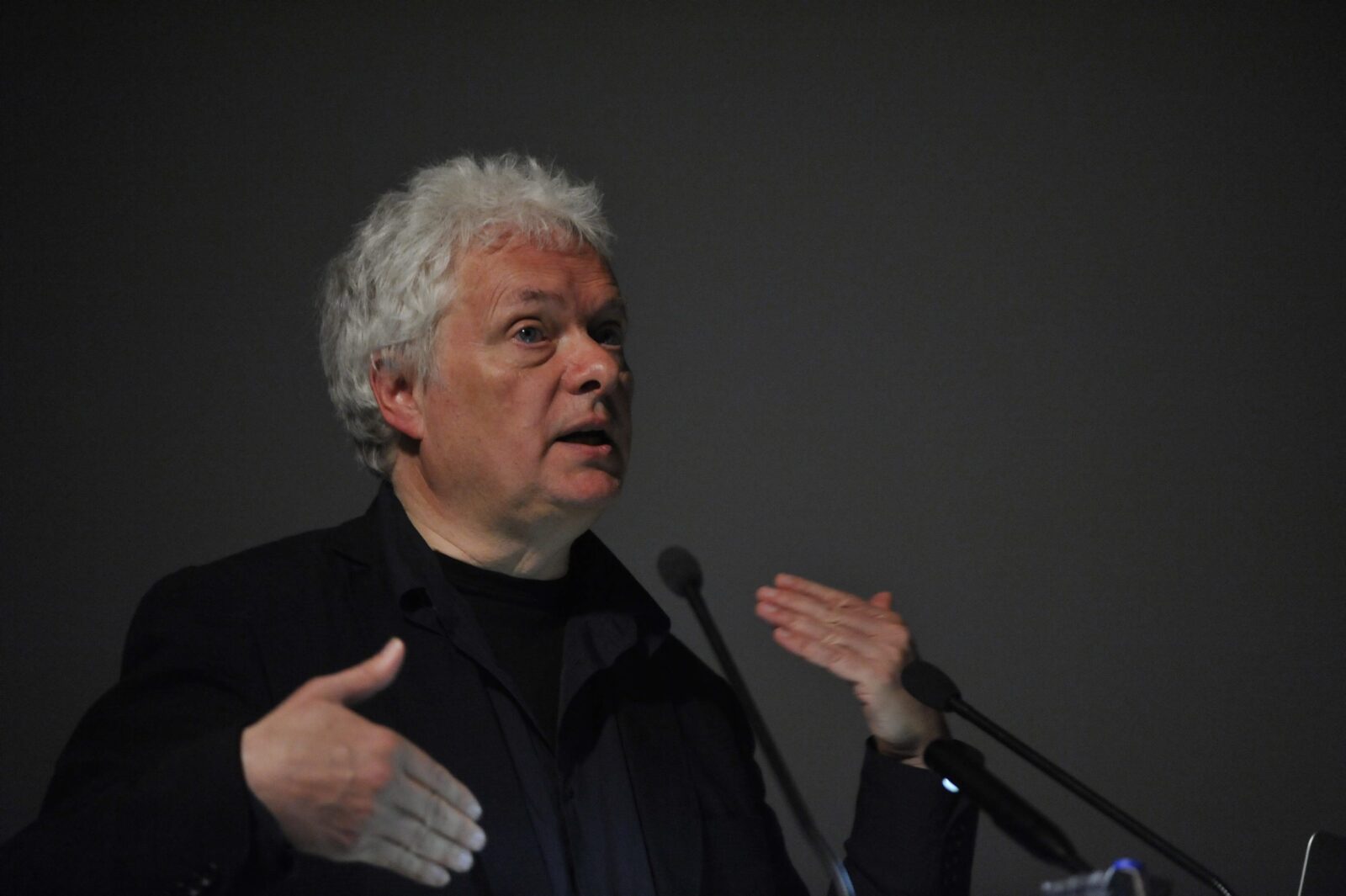
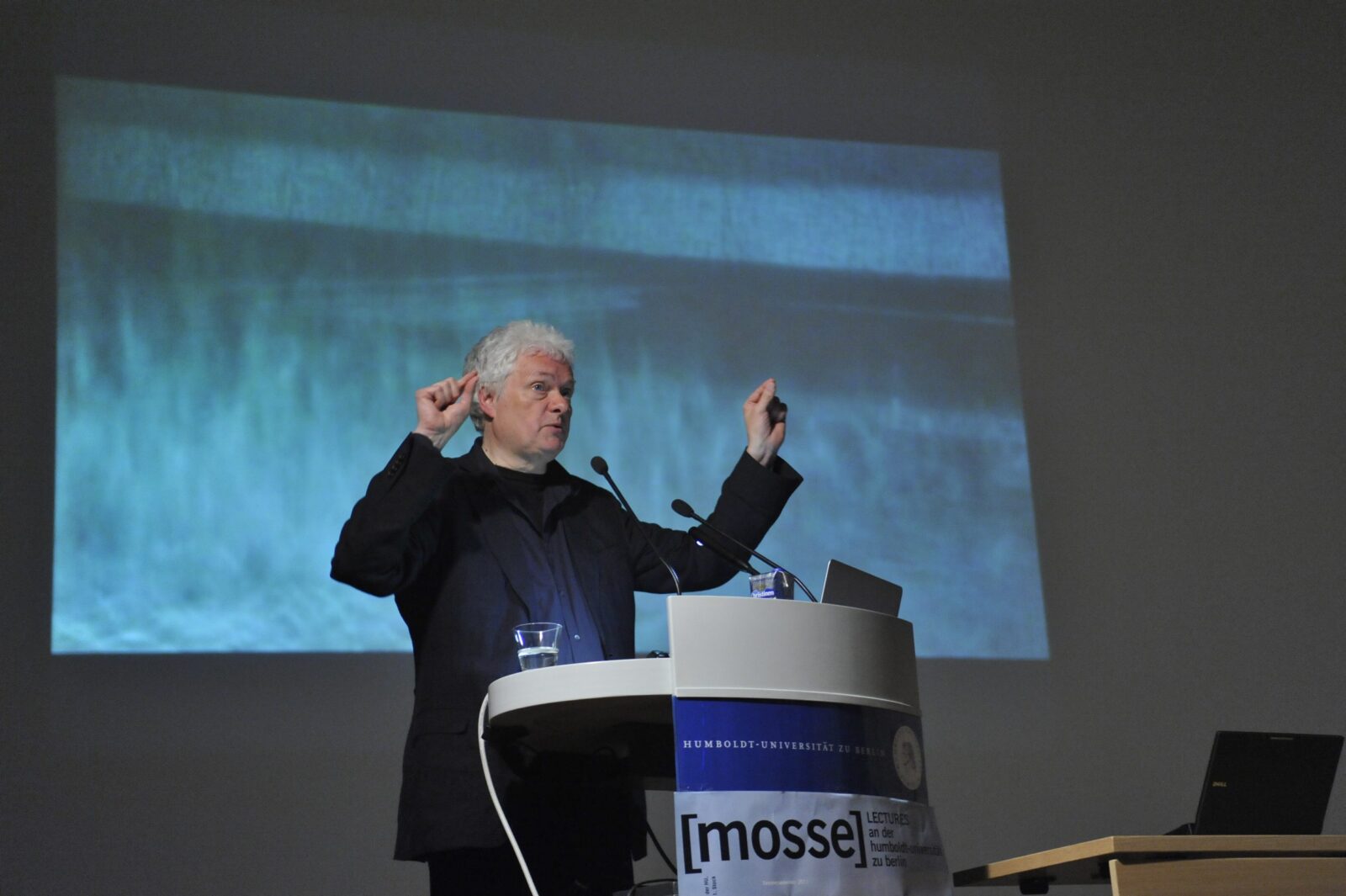
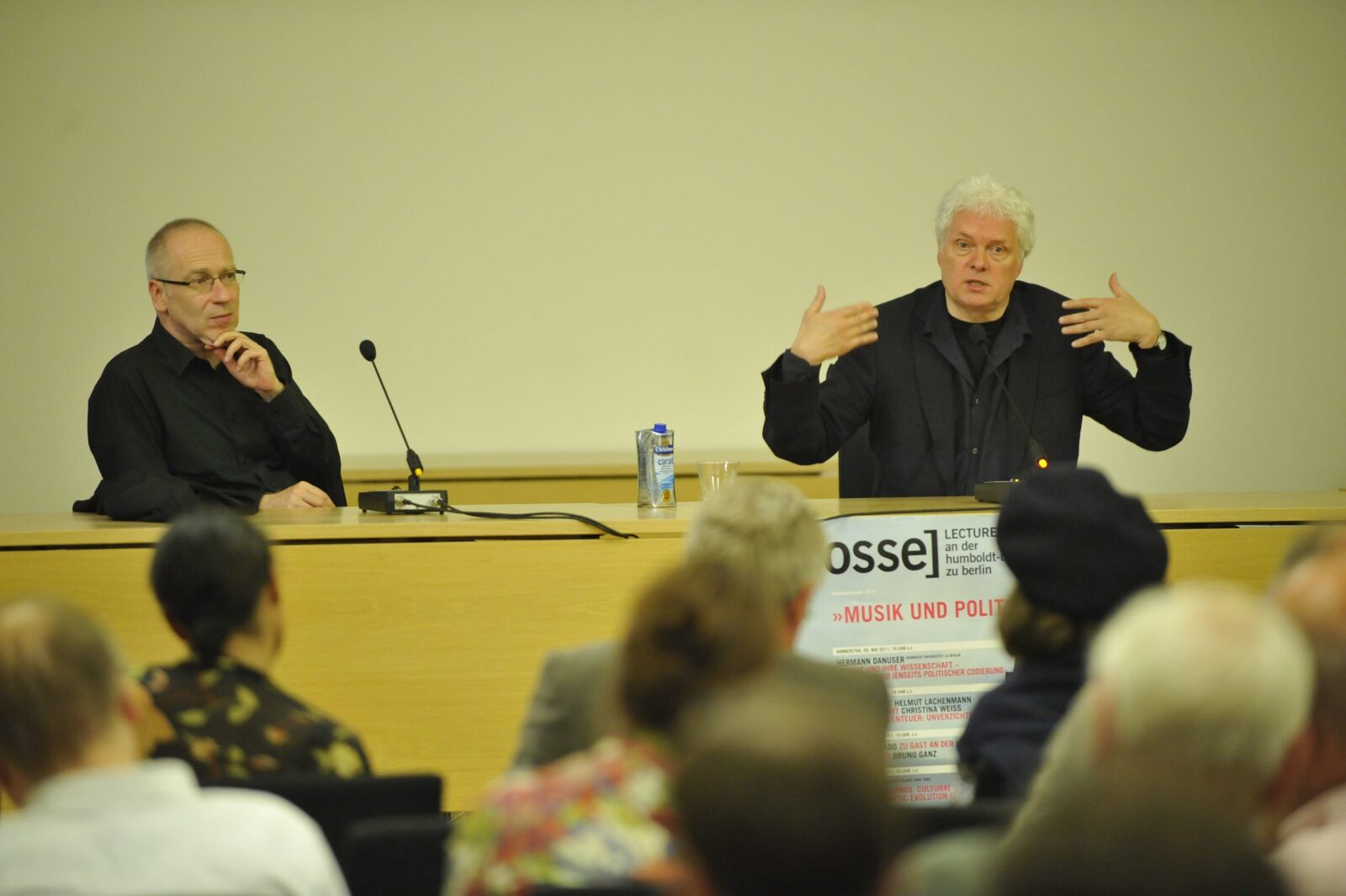
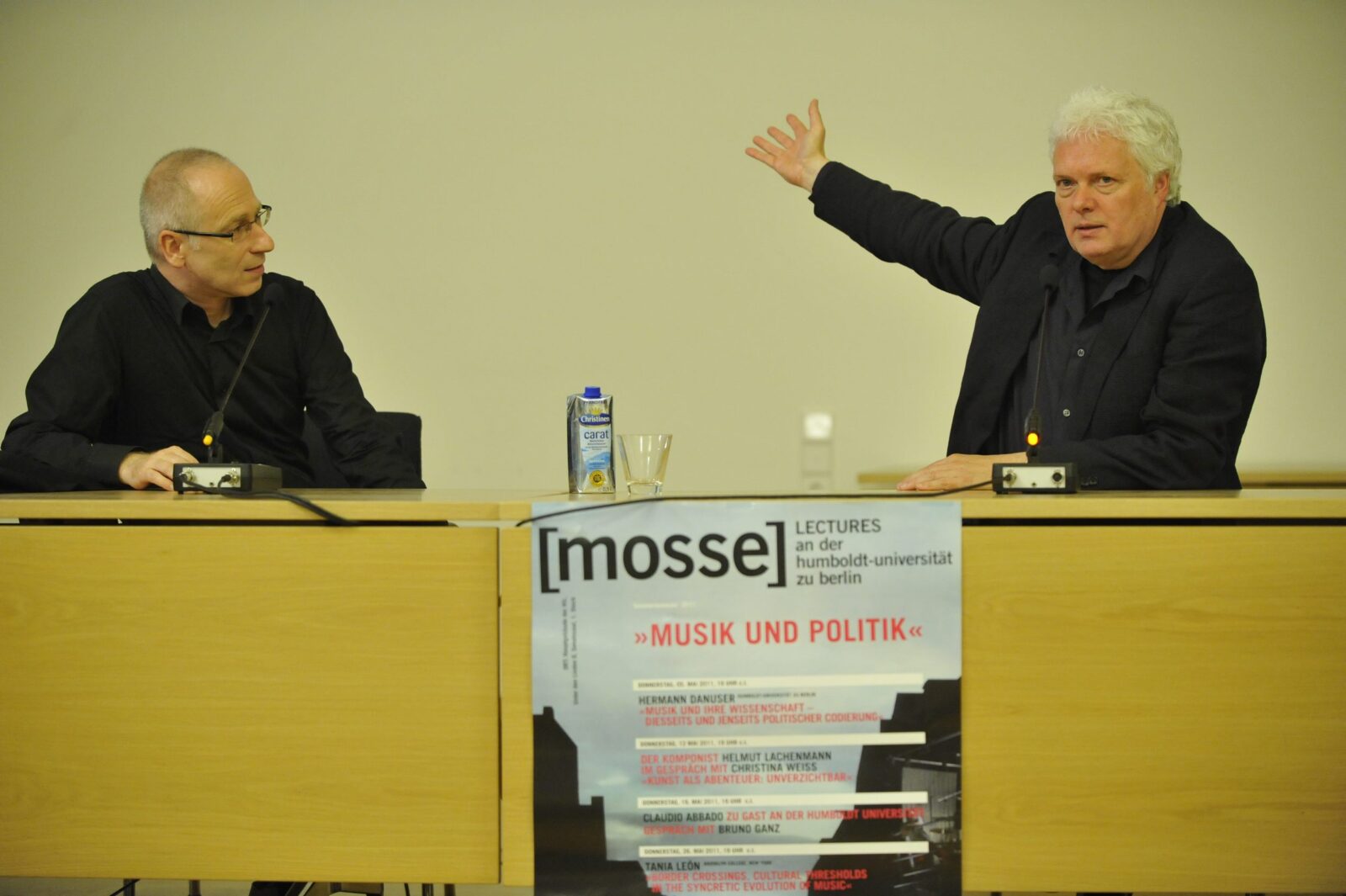
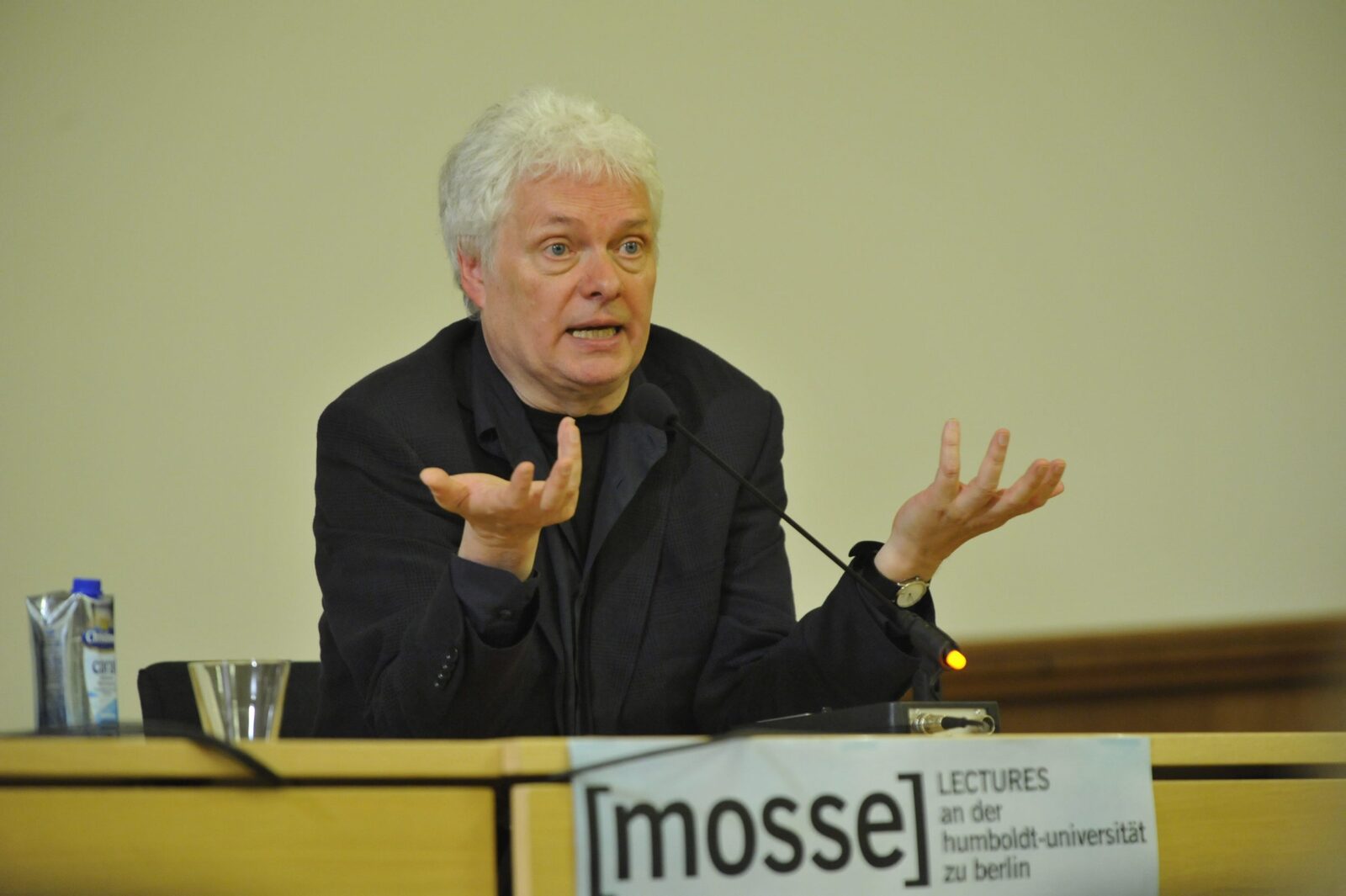
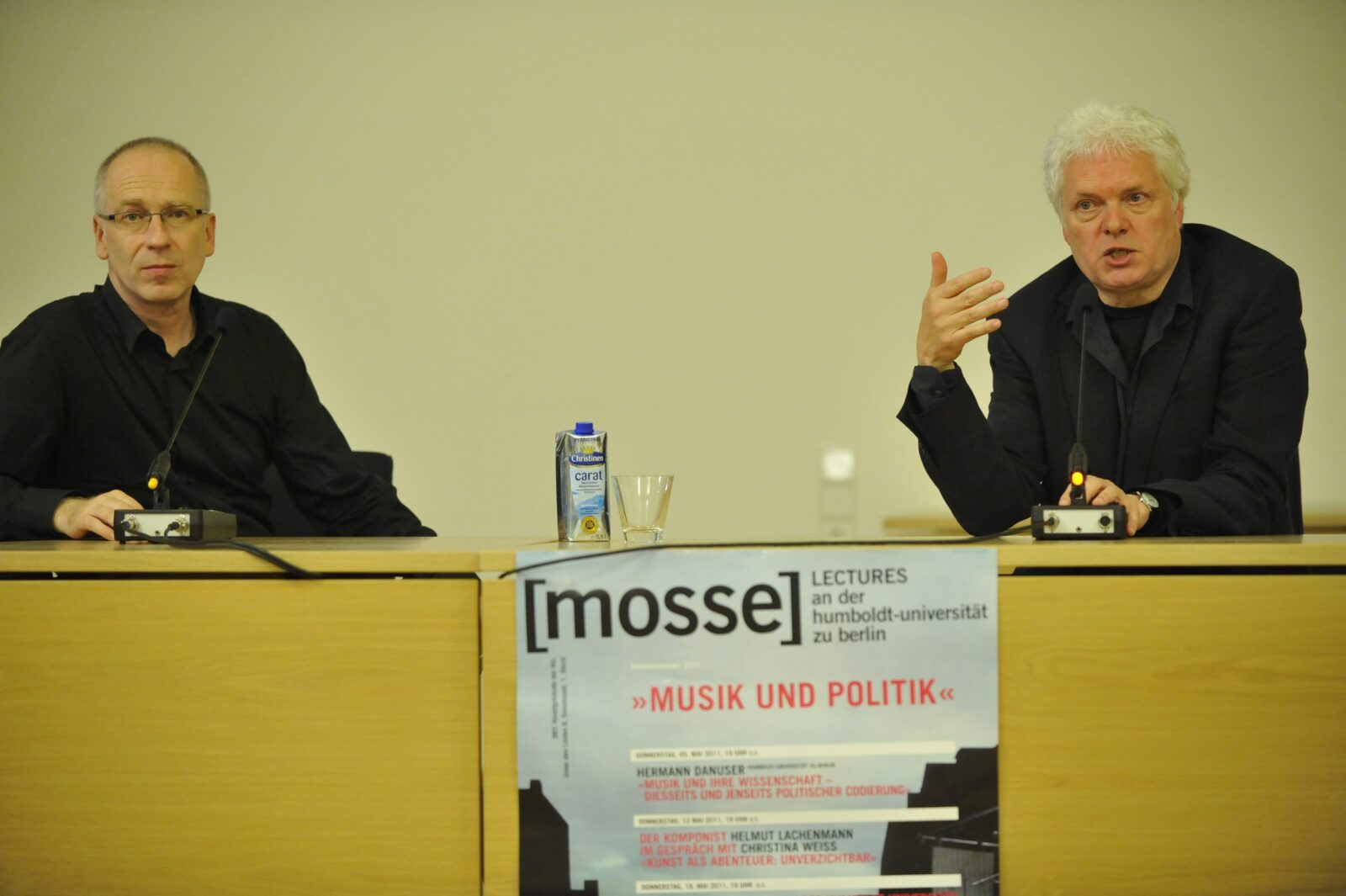
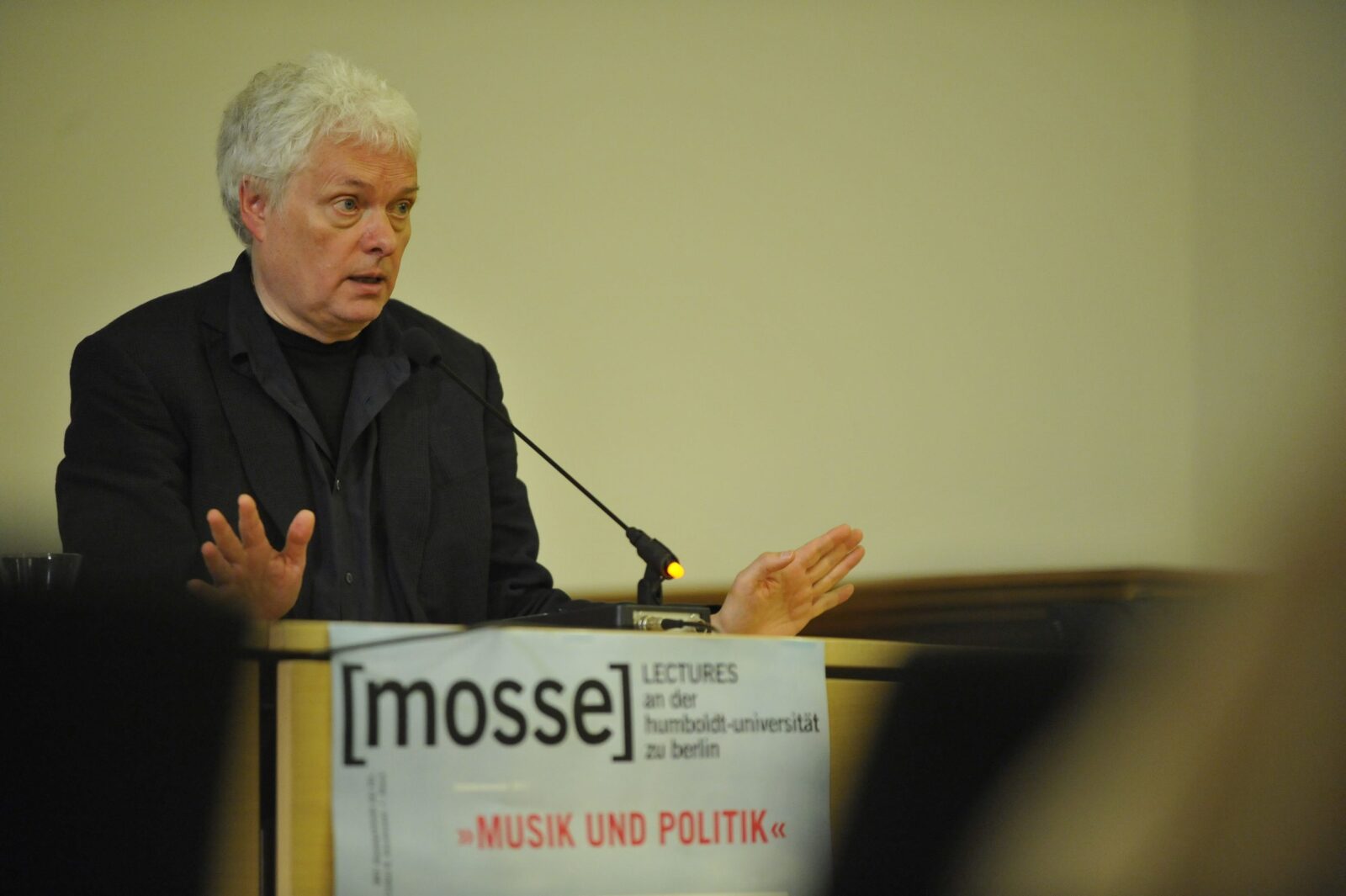
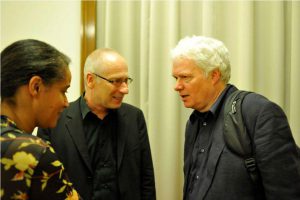
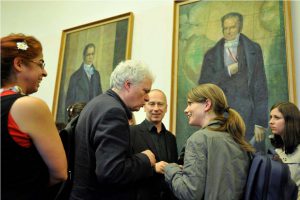
Photo Credit: Niels Leiser for the Mosse Lectures
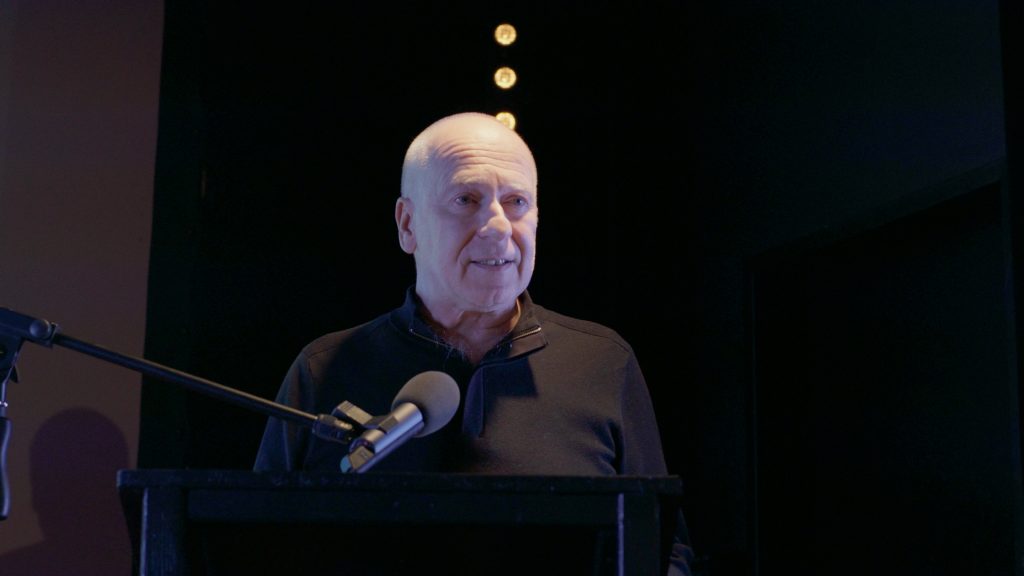
His research and teaching comprises literature from the eighteenth to the twentieth century, media and aesthetics, cultural and political theory. Recent research focuses on the history of financial economy, literature and economics, and the “poetics of knowledge” – the study of the relationships and interactions between forms of knowledge and poetic or aesthetic figures. He is the director or principal investigator of a range of research projects including “The Knowledge of Literature” (PhD-Net), “Small Forms in the History of Literature and Sciences” (Research Training Group), and “Matters of Activity: Image Space Material” (Cluster of Excellence).
Joseph Vogl published more than a hundred articles and book chapters, as well as numerous books and monographs. Among his most important written works are the monographs Ort der Gewalt. Kafkas literarische Ethik (1990); Kalkül und Leidenschaft. Poetik des ökonomischen Menschen (2002); Über das Zaudern (2007; On Tarrying, 2011). Besides his research in literature, cultural and media studies, he is well known for his intensive work on modern and present-day finance and economics, analyzing finance theories from the perspective of cultural history. This work culminated in his books Das Gespenst des Kapitals (2010; The Specter of Capital, 2014), Der Souveränitätseffekt (2015; The Ascendancy of Finance, 2017) and Kapital und Ressentiment. Eine kurze Theorie der Gegenwart (2021; Capital and Ressentiment: A Brief Theory of the Present, 2022), which received wide recognition in the fields of cultural studies as well as economics, and initiated a public debate. Further workings include translations from French to German (Deleuze, Lévi-Strauss, Lyotard) and numerous interviews on TV with Alexander Kluge (see Soll und Haben. Fernsehgespräche, 2009; Senkblei der Geschichten. Gespräche, 2020).
He was awarded the Günther Anders Prize for Critical Thinking (2022). For his book Der Souveränitätseffekt (The Ascendancy of Finance) Vogl was on the shortlist for the Leipzig Book Fair Prize 2015 in the category of non-fiction. In 1988 he received the Translation Prize for the Promotion of Franco-German Relations (DVA Foundation) for his translations of key works of modern French philosophy.
