
2025: Bashir Bashir, “The Holocaust and the Nakba: On the Ethics of Egalitarian Binationalism”
Bashir Bashir, “The Holocaust and the Nakba: On the Ethics of Egalitarian Binationalism”
Humboldt University Mosse Lecture
mosselectures.wisc.edu/berlin/
Thursday, 19 June 2025, 19:15 CET
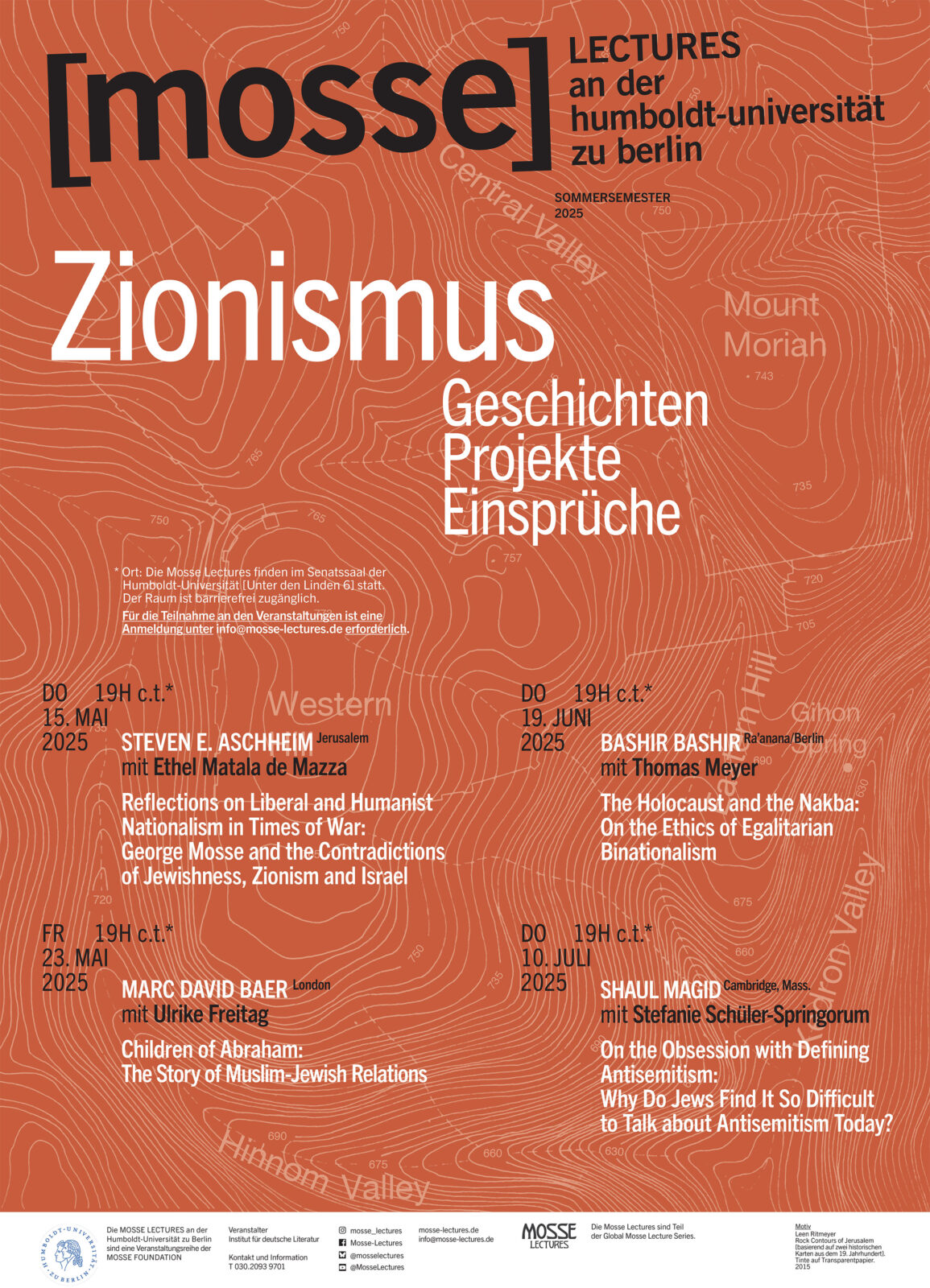
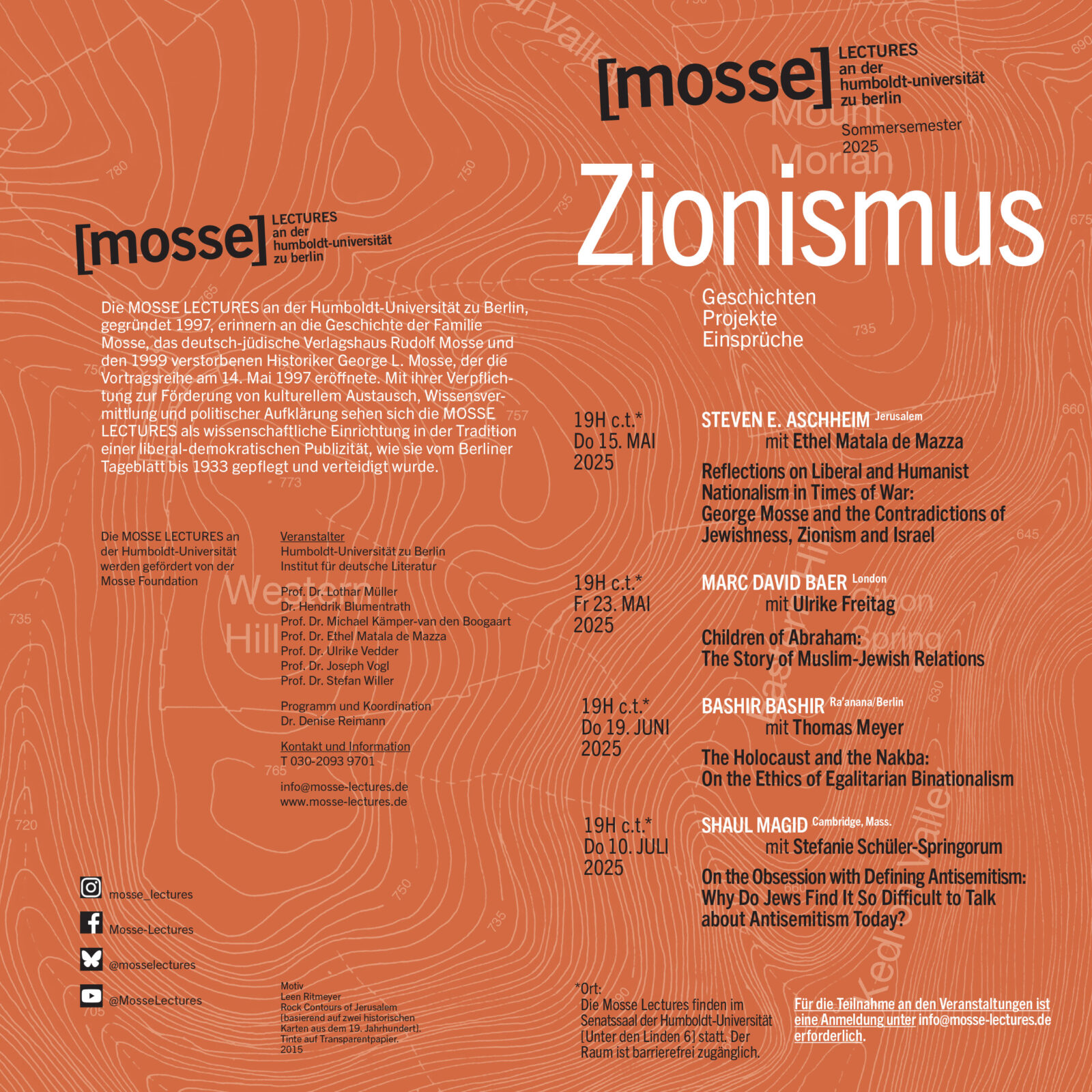
Senatssaal of Humboldt University
Unter den Linden 6
10117 Berlin
GERMANY
Sponsored by:
[mosse] LECTURES an der humboldt-universität zu berlin
The Mosse Foundation
Global Mosse Lecture Series
Institut für deutsche Literatur
Humboldt University
Moderator: Joseph Vogl (Humboldt University)
Respondent: Thomas Meyer (Ludwig-Maximilians-Universität München)
Lecture Description: This talk demonstrates the connections and entanglements between the memories and traumas of the Holocaust and the Nakba (though the events are different in magnitude and nature). Deliberating jointly on the Holocaust and the Nakba, this talk argues, gives rise to a new moral and political frame in Israel/Palestine, namely egalitarian binationalism. The talk concludes that egalitarian binationalism’s insistence on envisioning affective relations of co-belonging based on an ethics of equality, parity and cohabitation offers rich resources for historical reconciliation in Israel/Palestine.
Lecture Series Theme: Zionismus. Geschichten – Projekte – Einsprüche/Zionism. Histories – Projects – Objections.
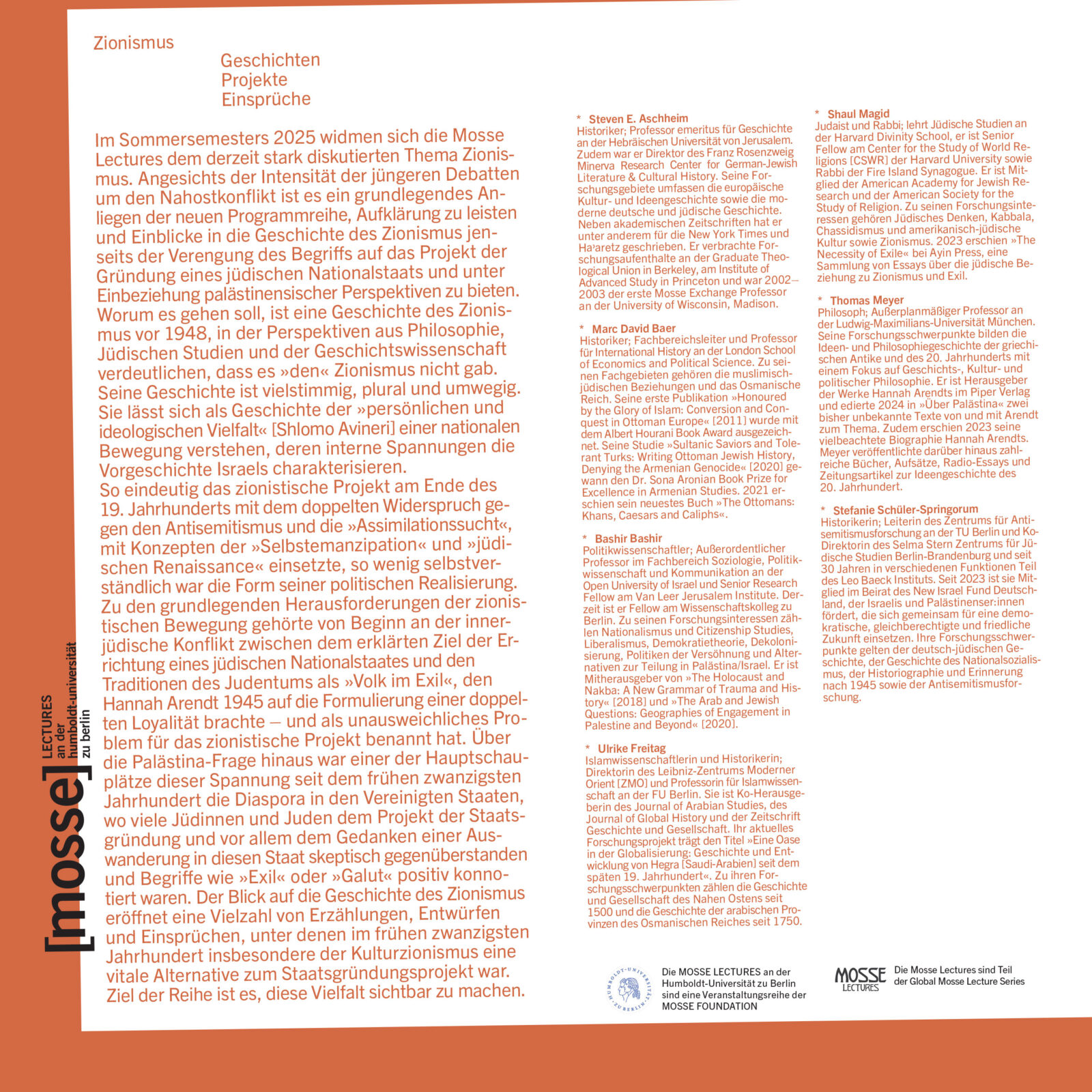
Lecture Series Description: In the summer term 2025, the Mosse Lectures will be dedicated to the currently much-discussed topic of Zionism. In view of the intensity of the recent debates surrounding the Middle East conflict, the new series of lectures aims to provide clarification and insight into the history of Zionism beyond the narrow definition of the term as the project of founding a Jewish nation-state and by including Palestinian perspectives. The aim is to outline a history of Zionism before 1948, in which perspectives from philosophy, Jewish studies and historiography make it clear that there was no such thing as the Zionism. Its history is polyphonic, plural and circuitous. It can be understood as the history of the »personal and ideological diversity« (Shlomo Avineri) of a national movement whose internal tensions characterize Israel’s prehistory.
As clearly as the Zionist project began at the end of the 19th century with the dual opposition to antisemitism and the »addiction to assimilation«, with concepts of »self-emancipation« and »Jewish renaissance«, the form of its political realization was not self-evident. One of the fundamental challenges facing the Zionist movement from the very beginning was the internal Jewish conflict between the declared goal of establishing a Jewish nation state and the traditions of Judaism as a »people in exile«, which Hannah Arendt formulated in 1945 as a dual loyalty – and identified as an unavoidable problem for the Zionist project. In addition to the question of Palestine, one of the main sites of this tension since the early twentieth century has been the diaspora in the United States, where many Jews were sceptical about the project of founding a state and, above all, about the idea of emigrating to it, and where terms such as »exile« or »galut« had positive connotations. A look at the history of Zionism opens up a multitude of narratives, drafts and objections, among which cultural Zionism in particular was a vital alternative to the project of founding a state in the early twentieth century. The aim of the series is to make this diversity visible.
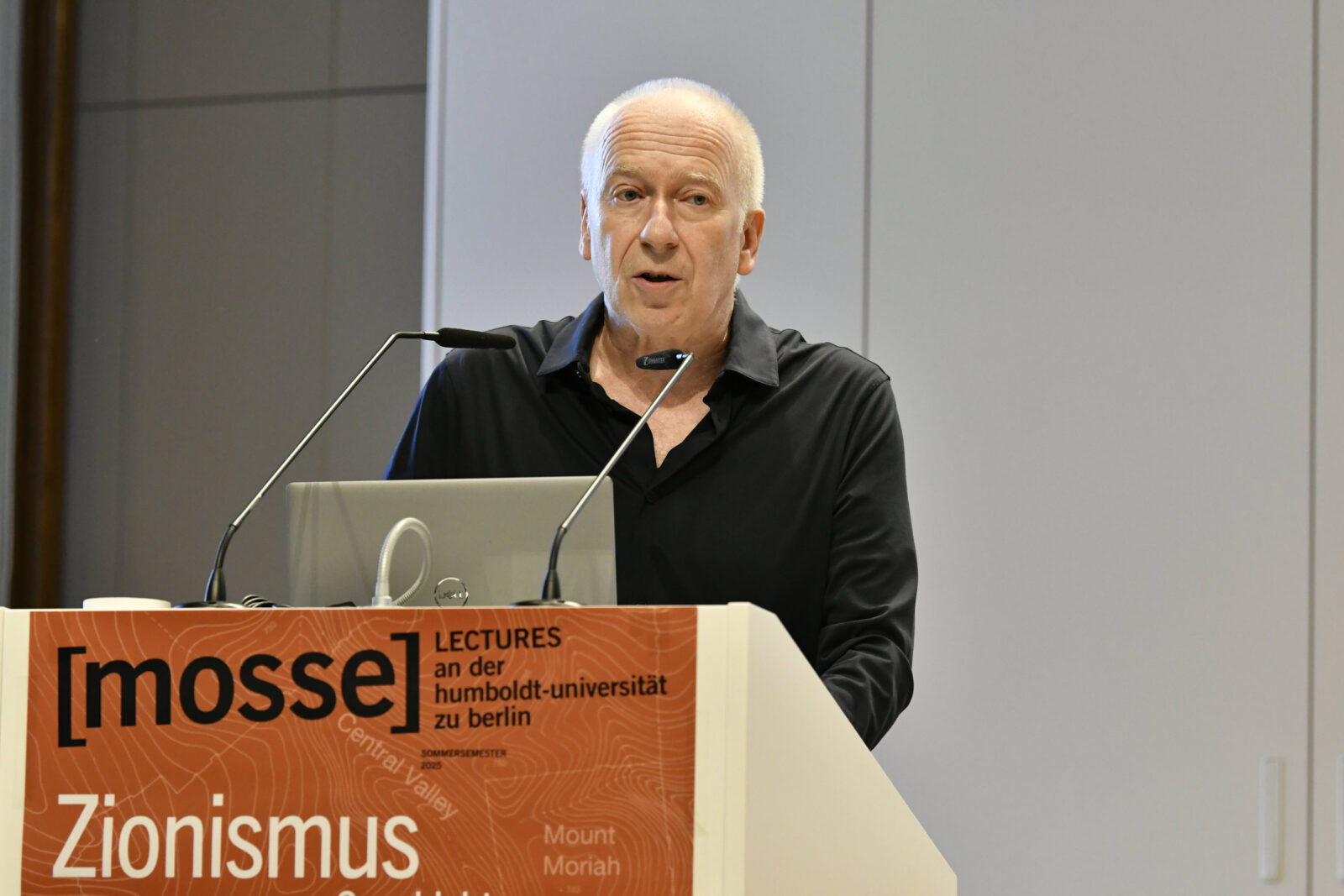
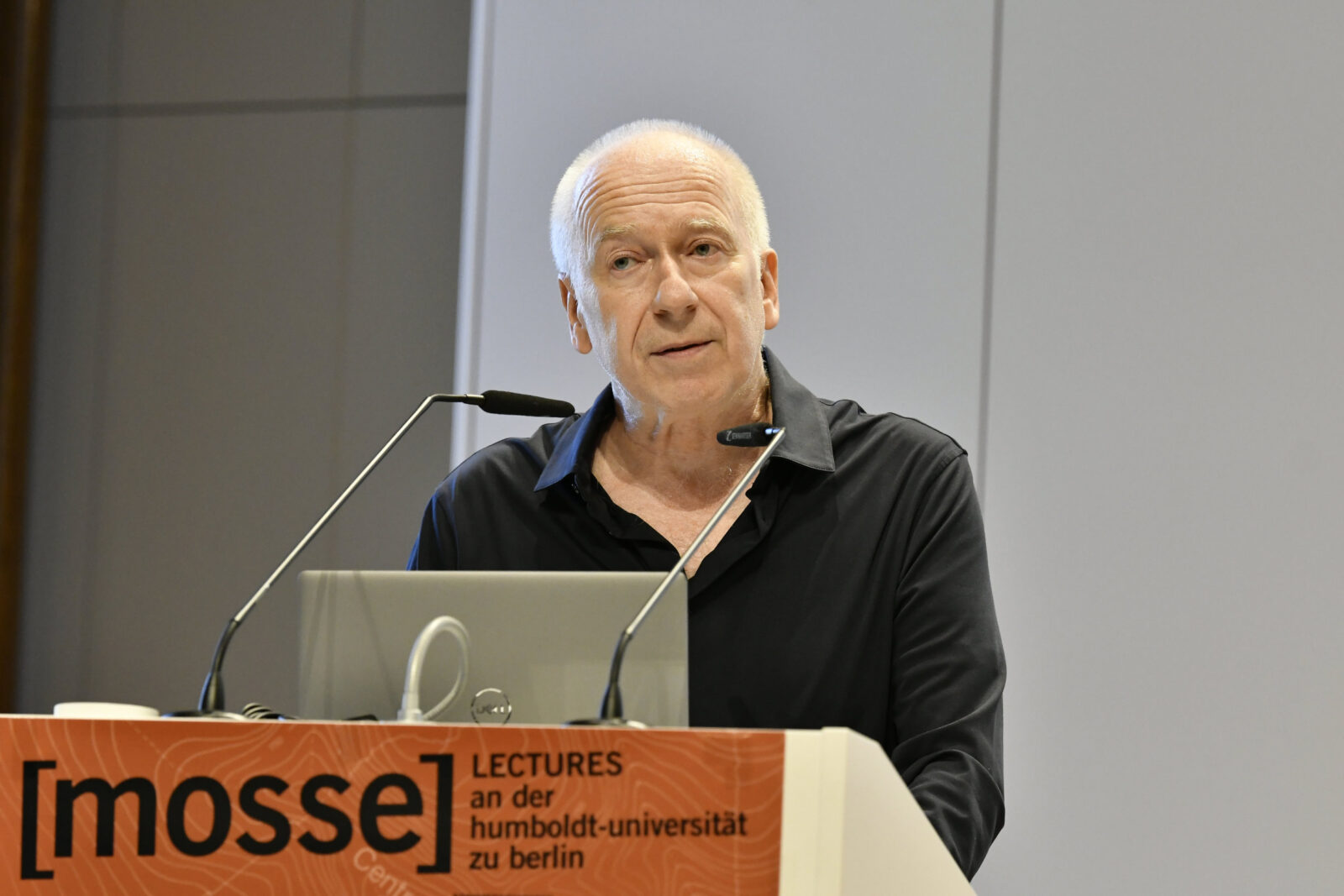
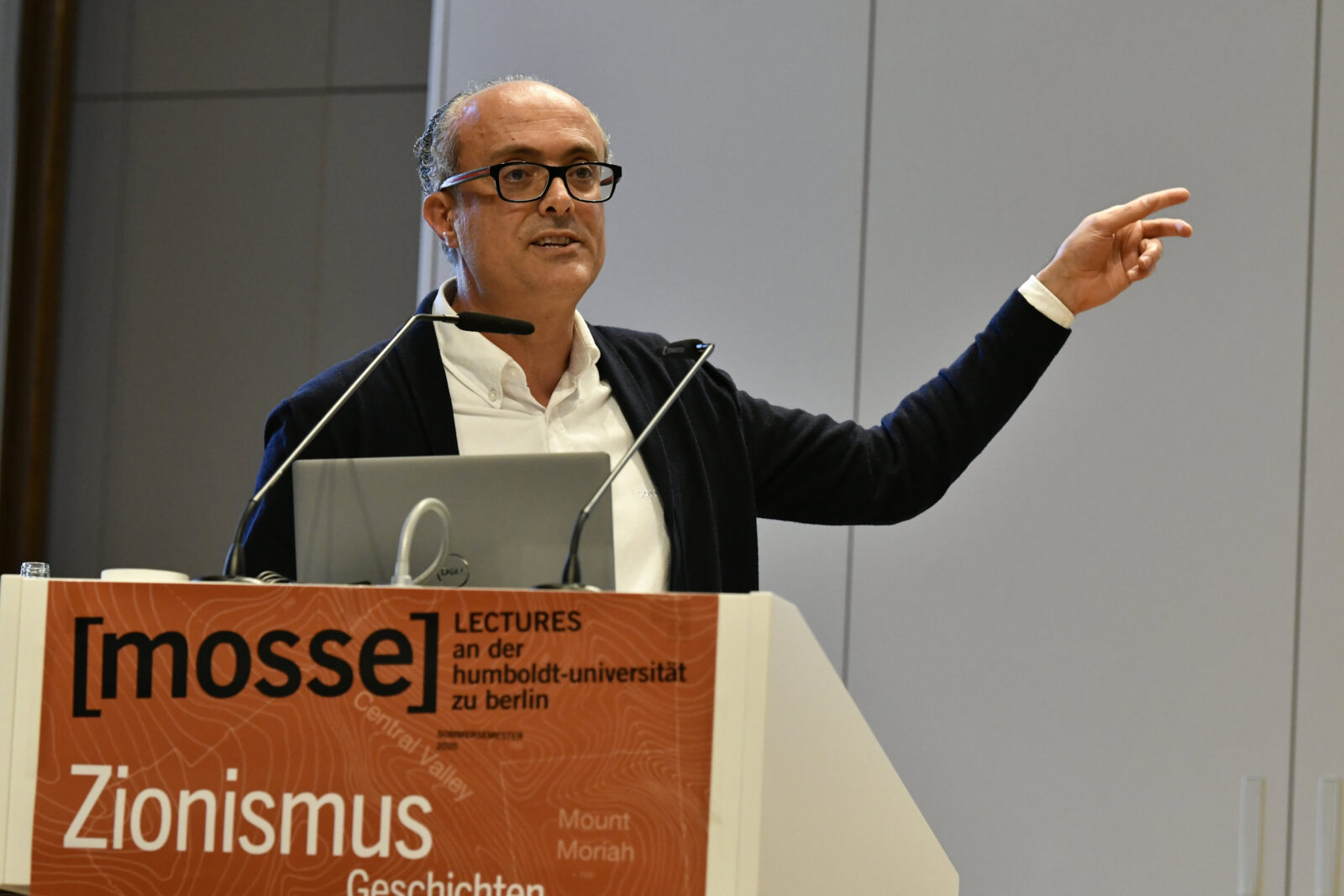
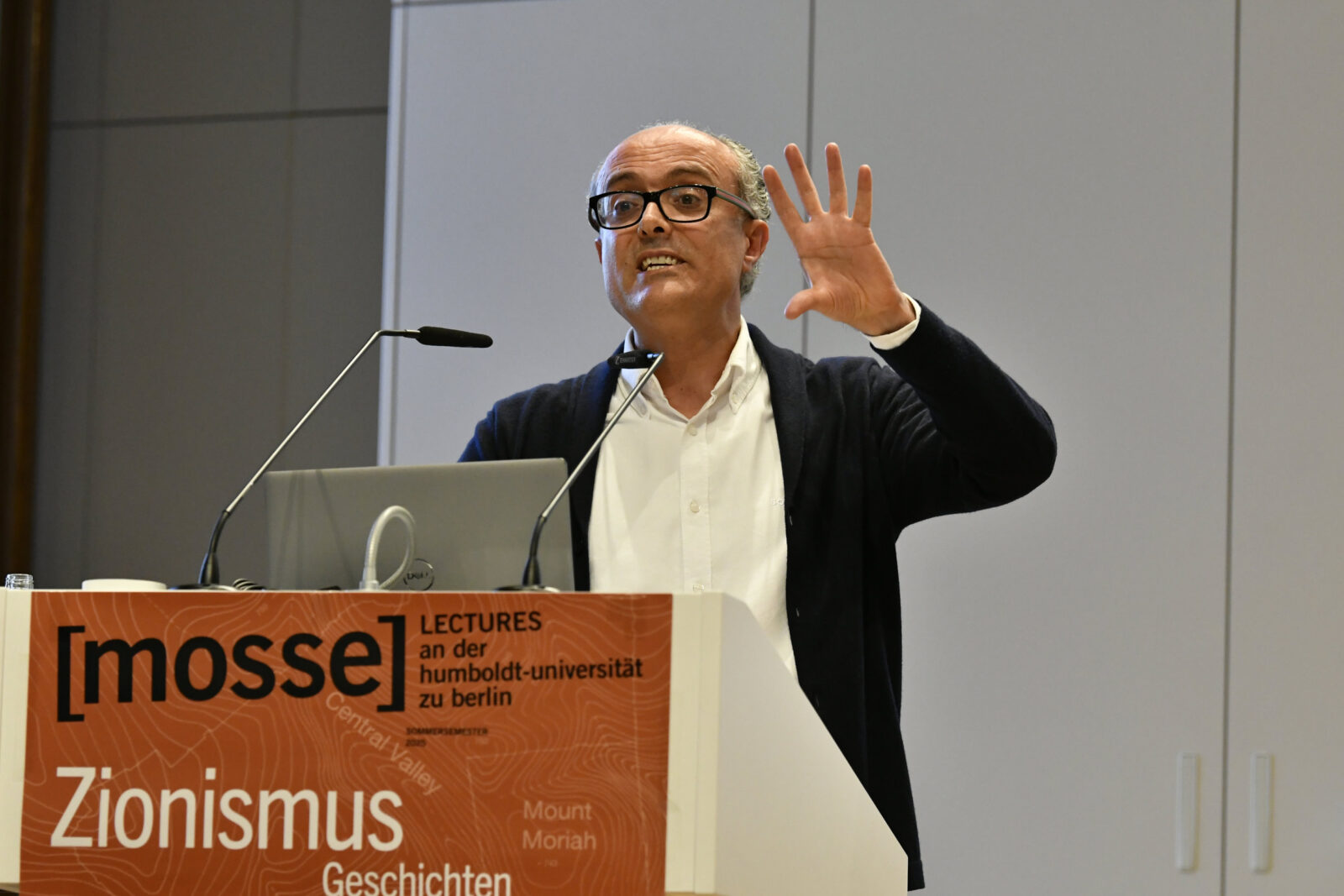
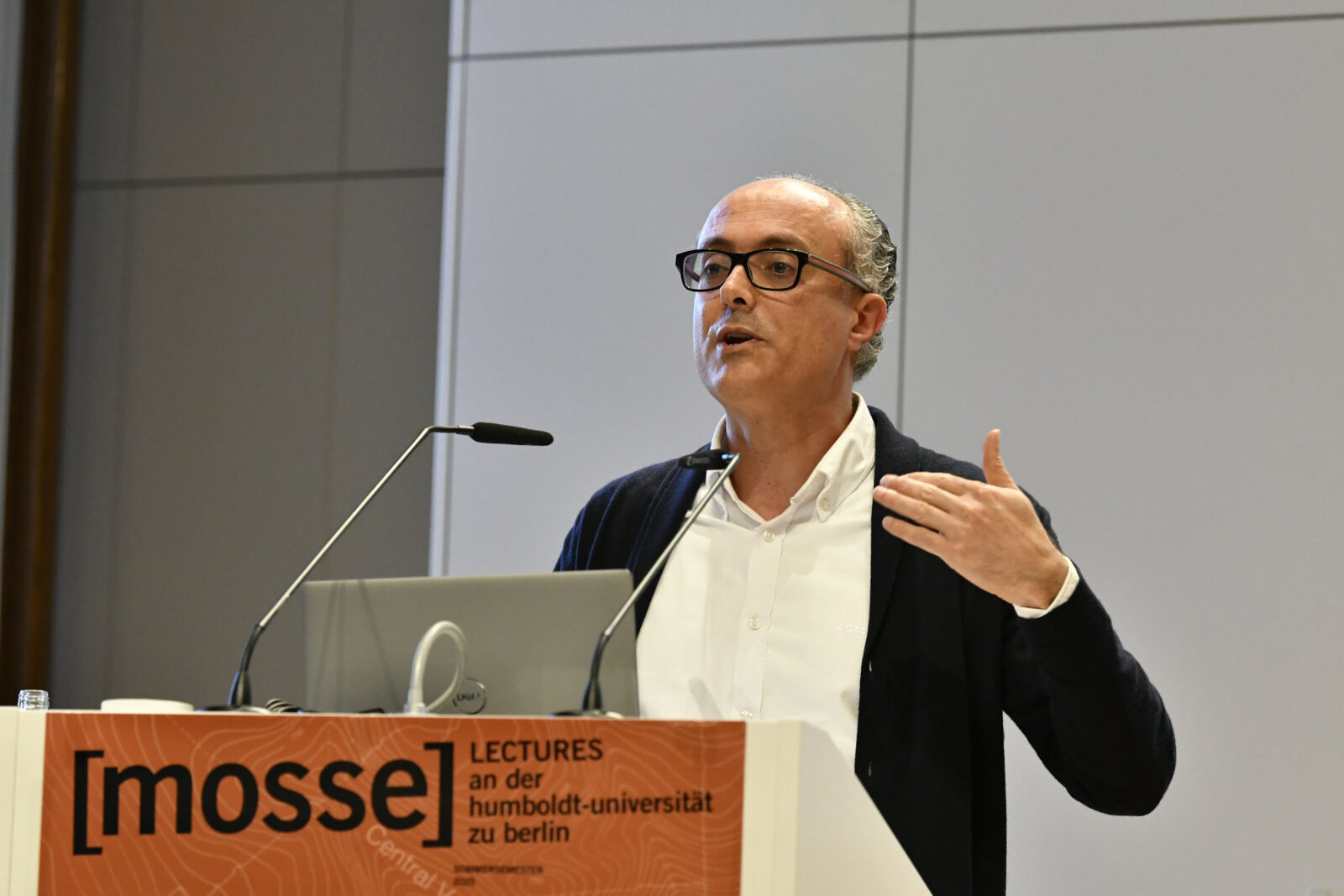
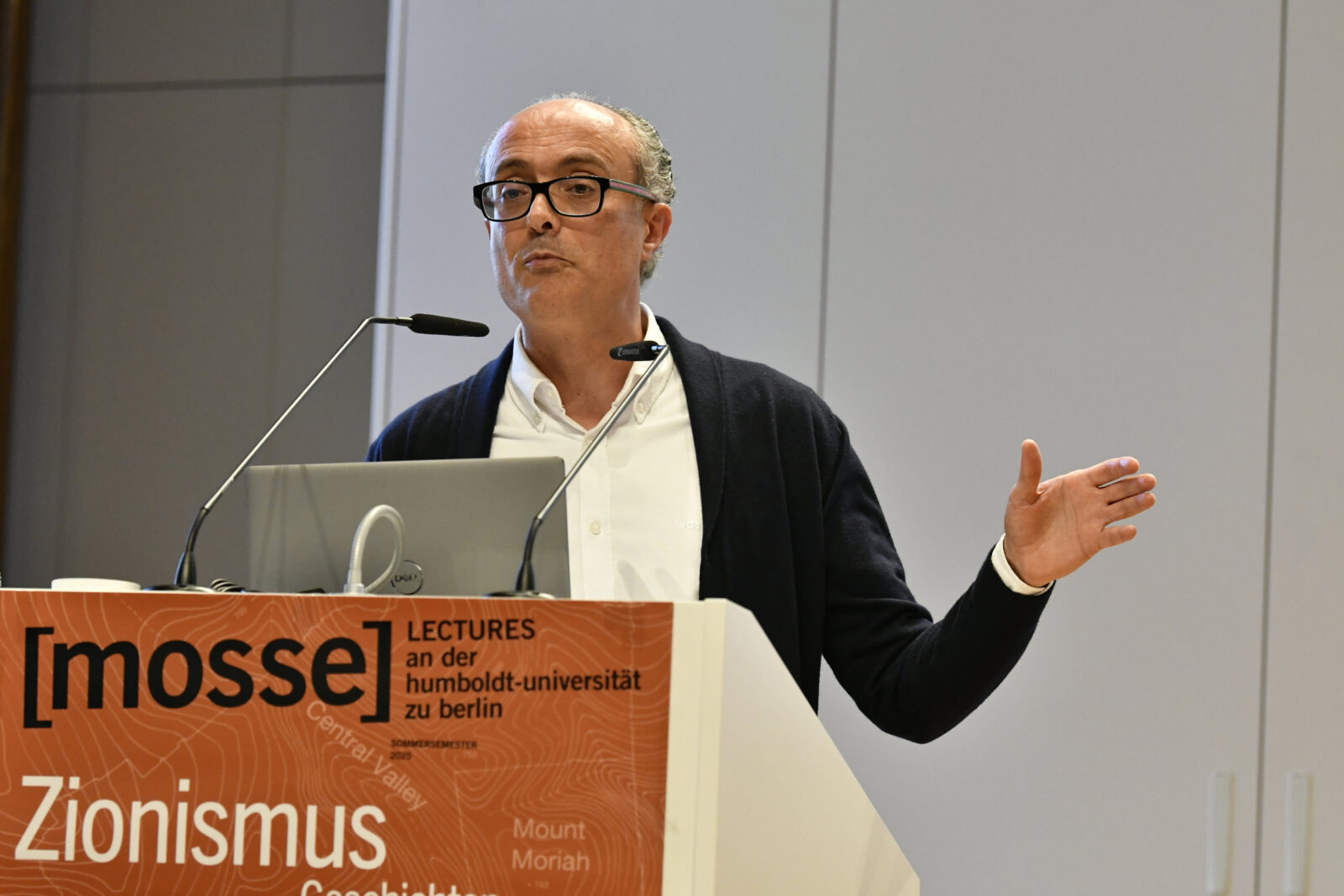
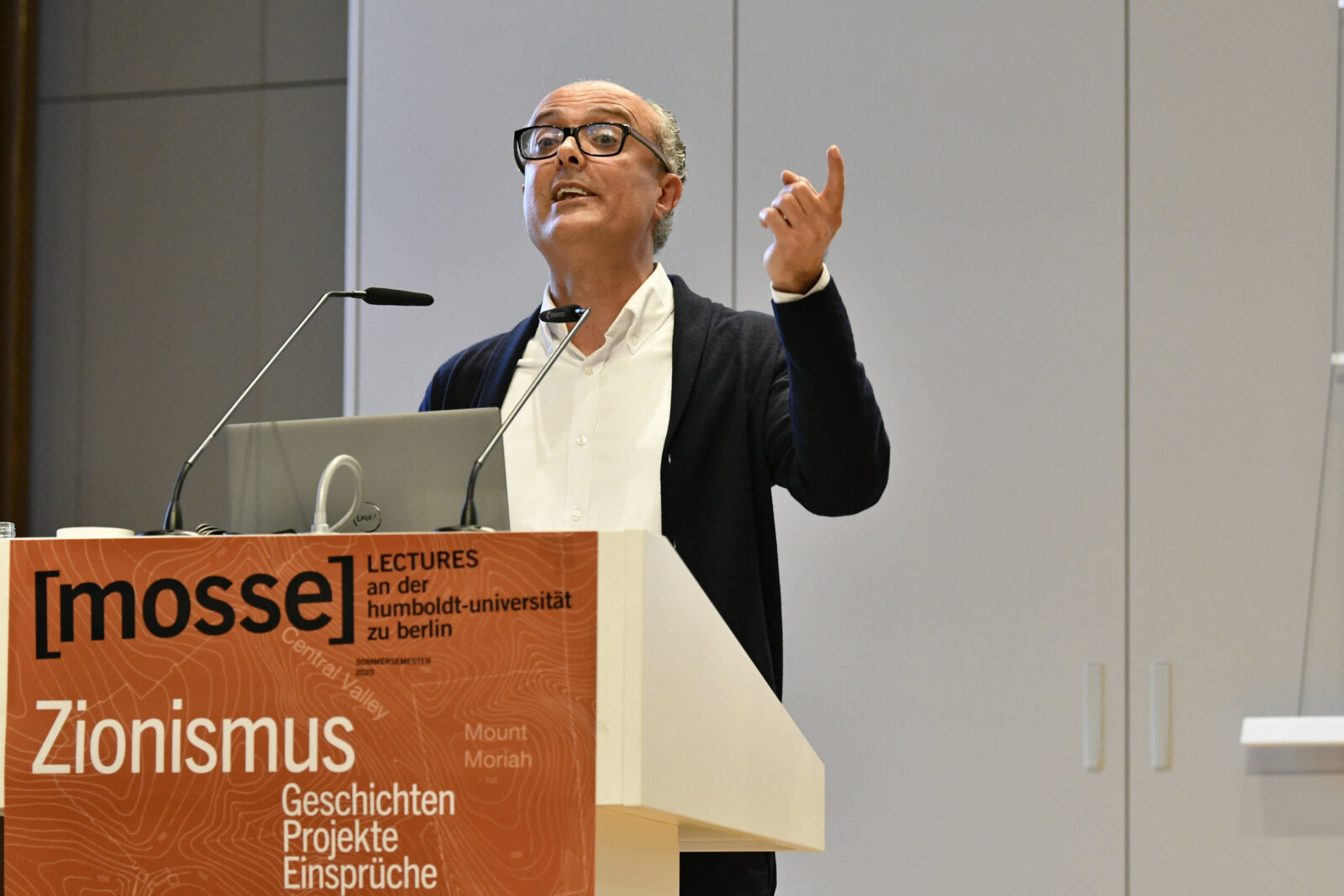
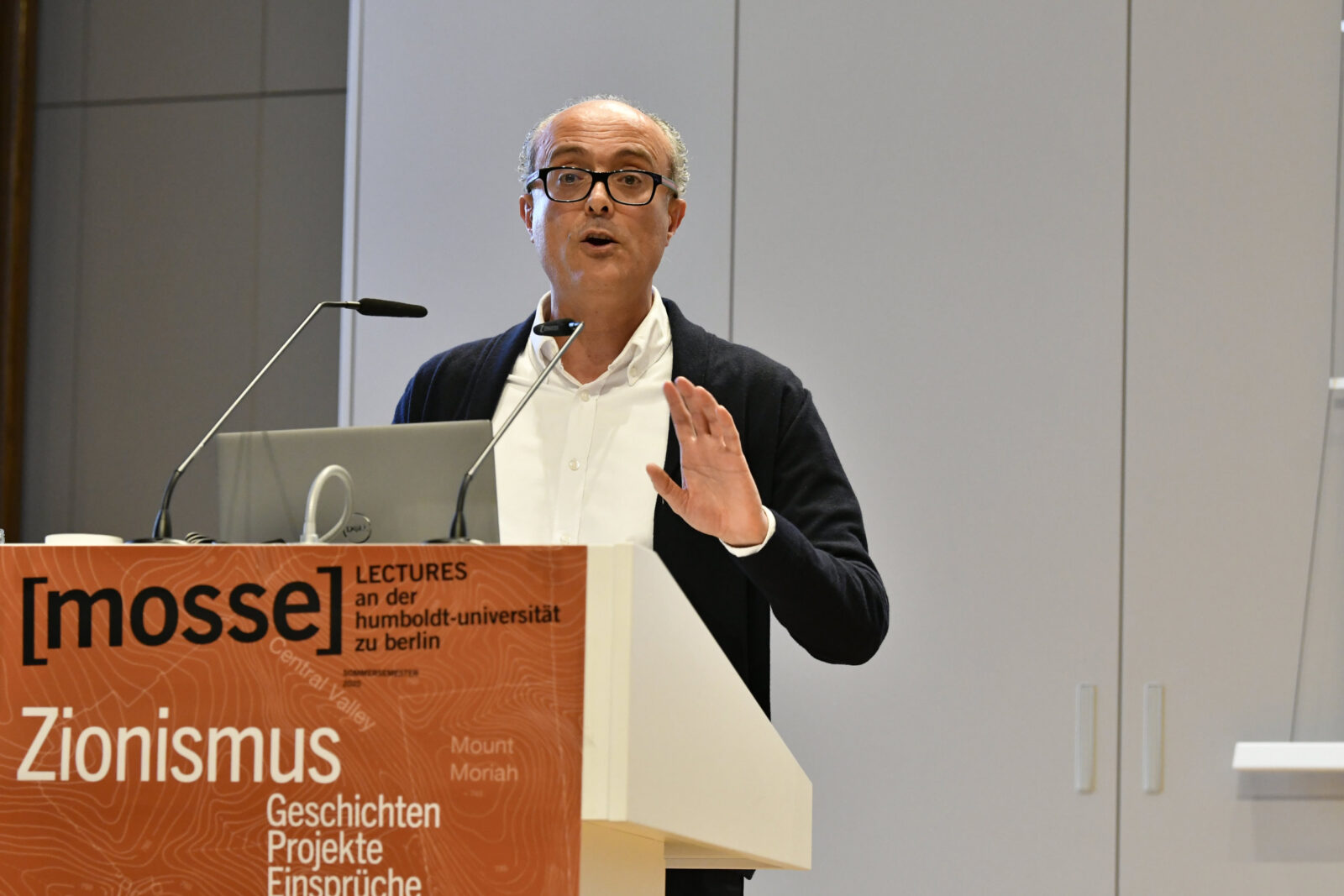
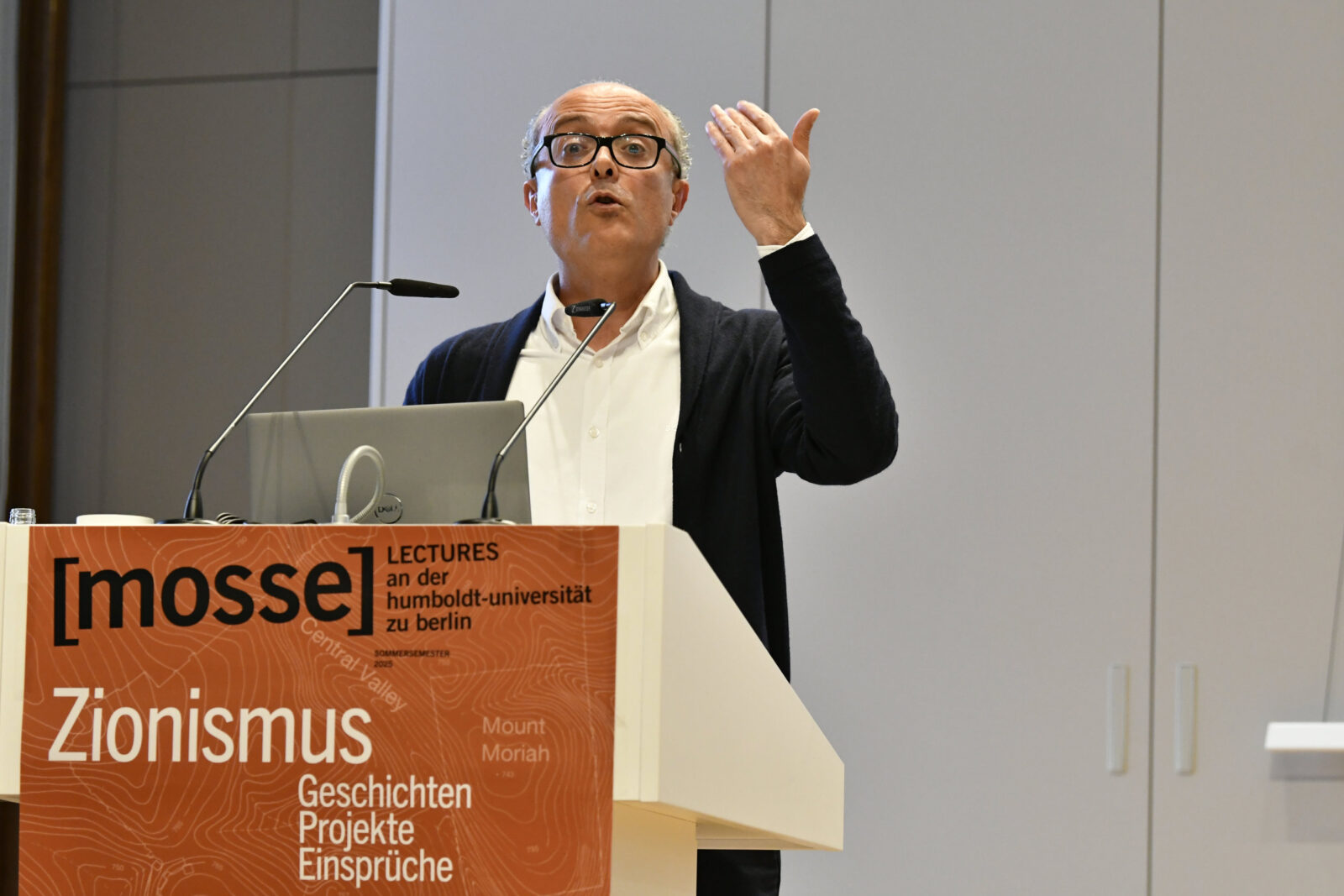
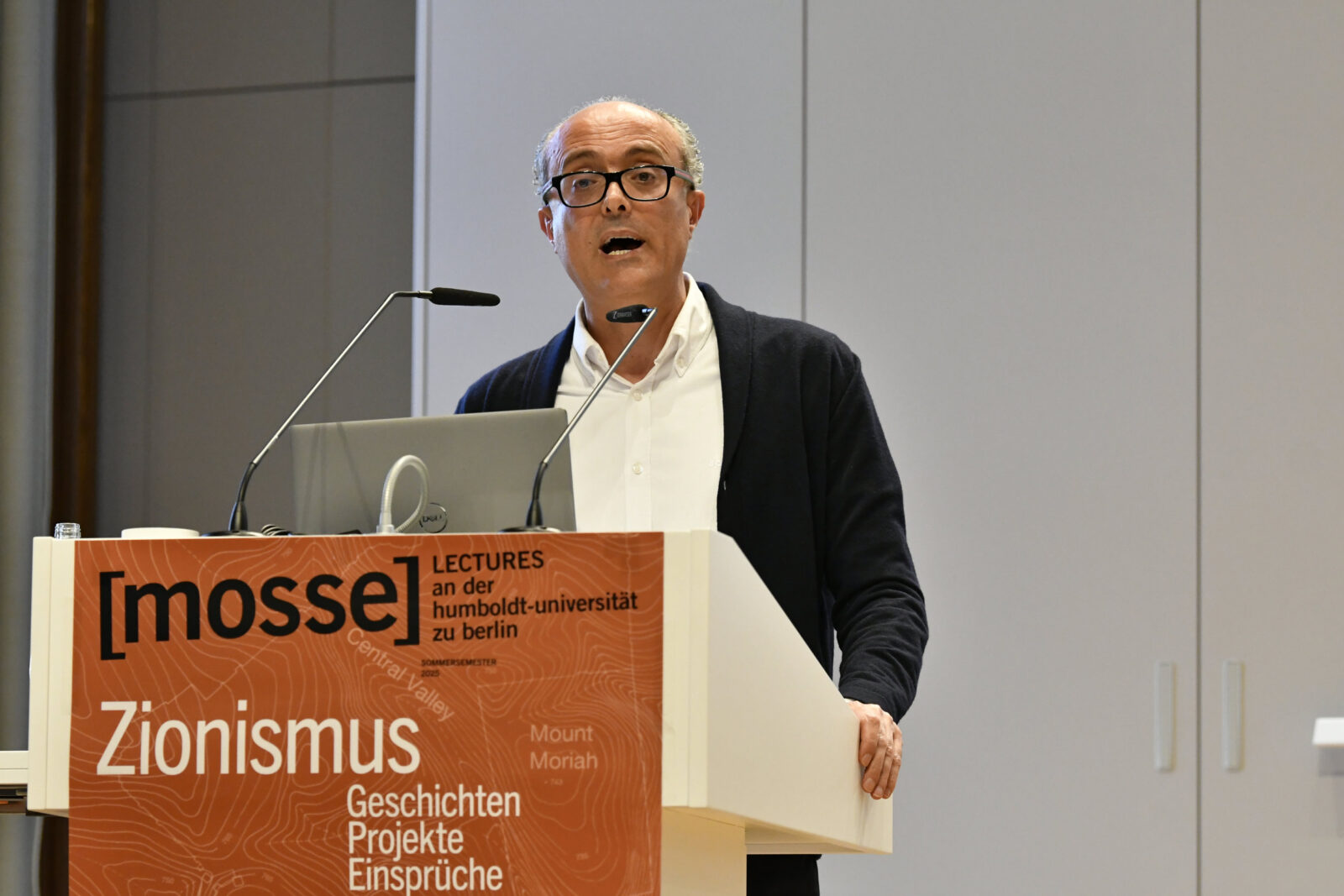
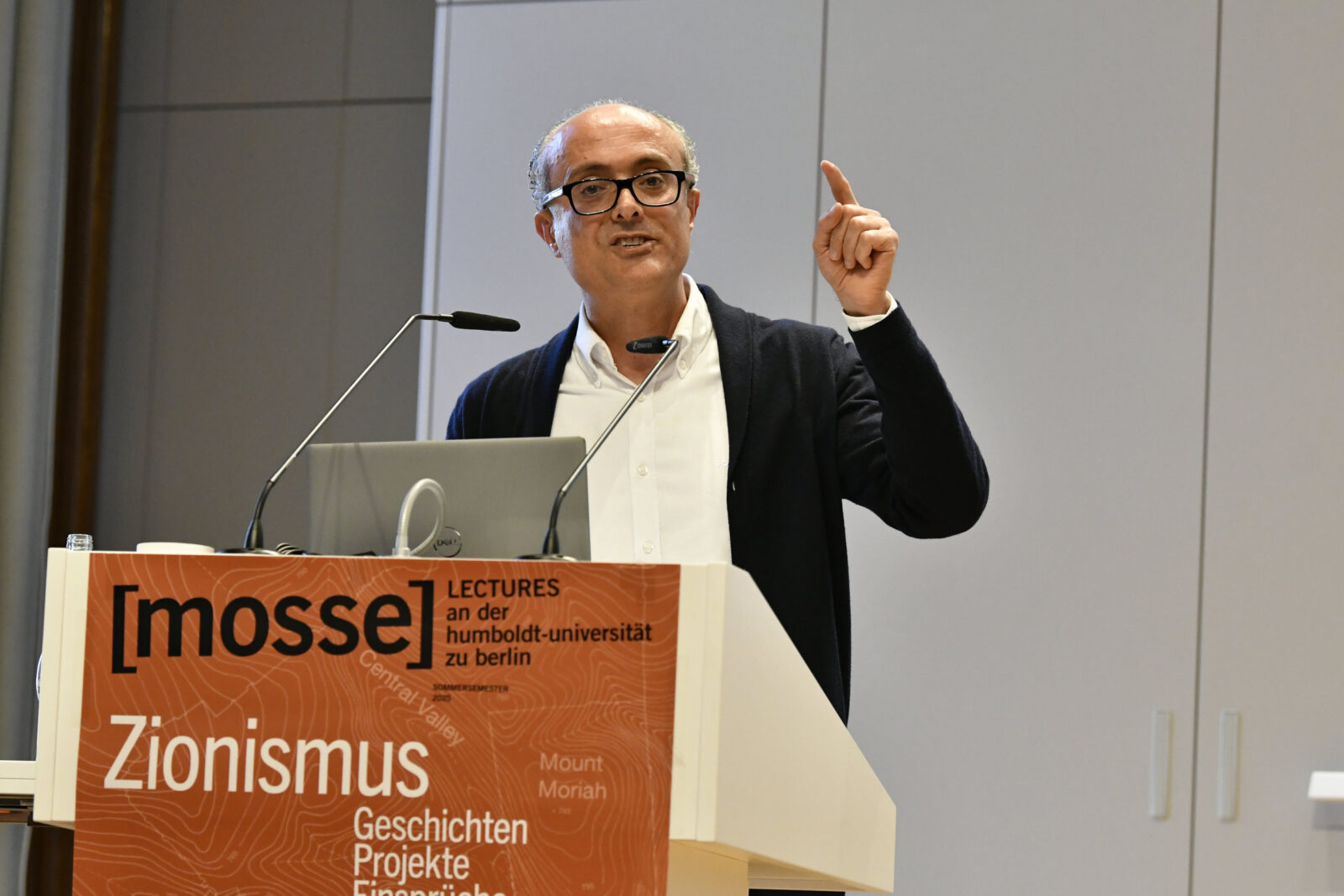
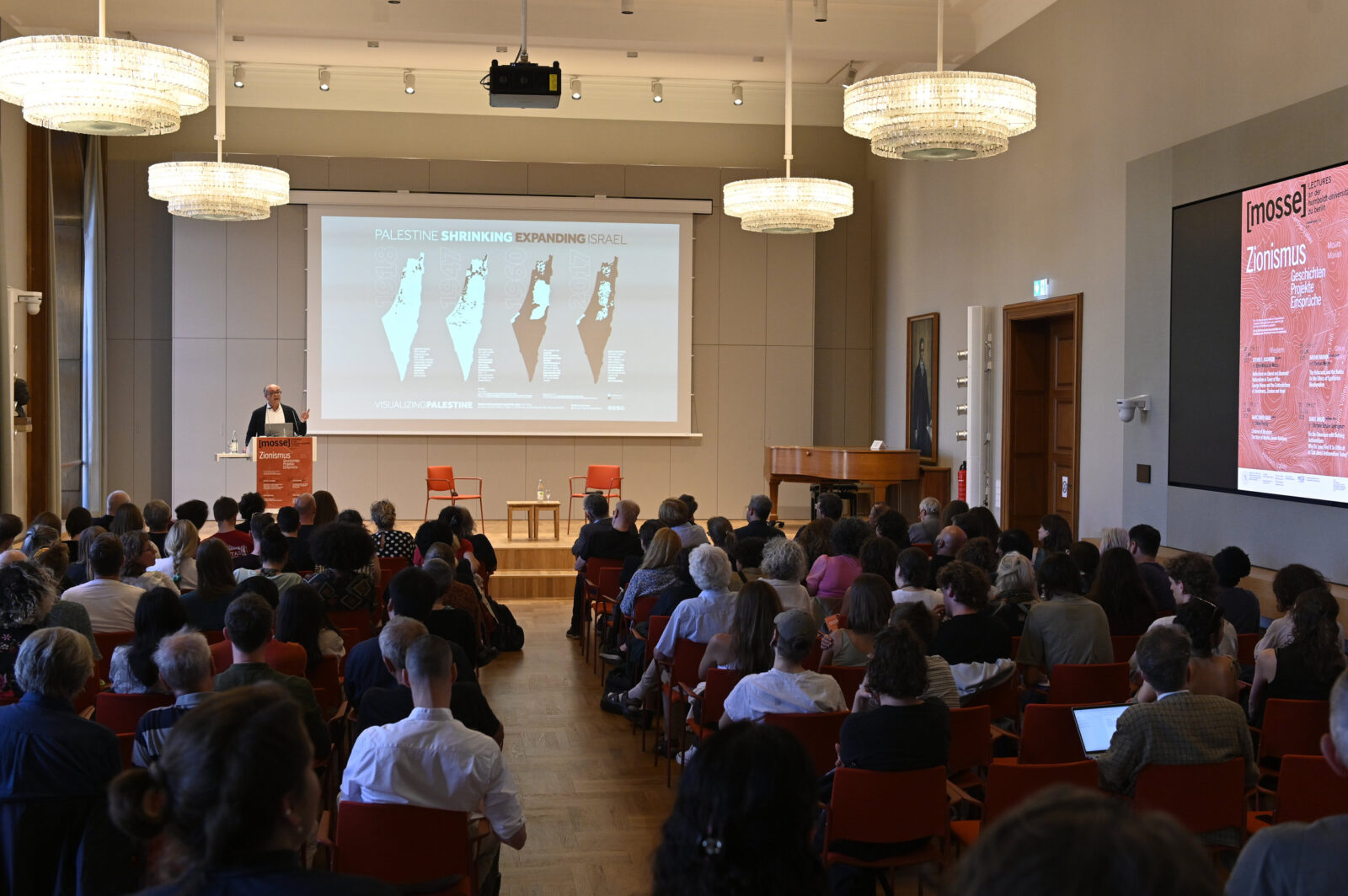
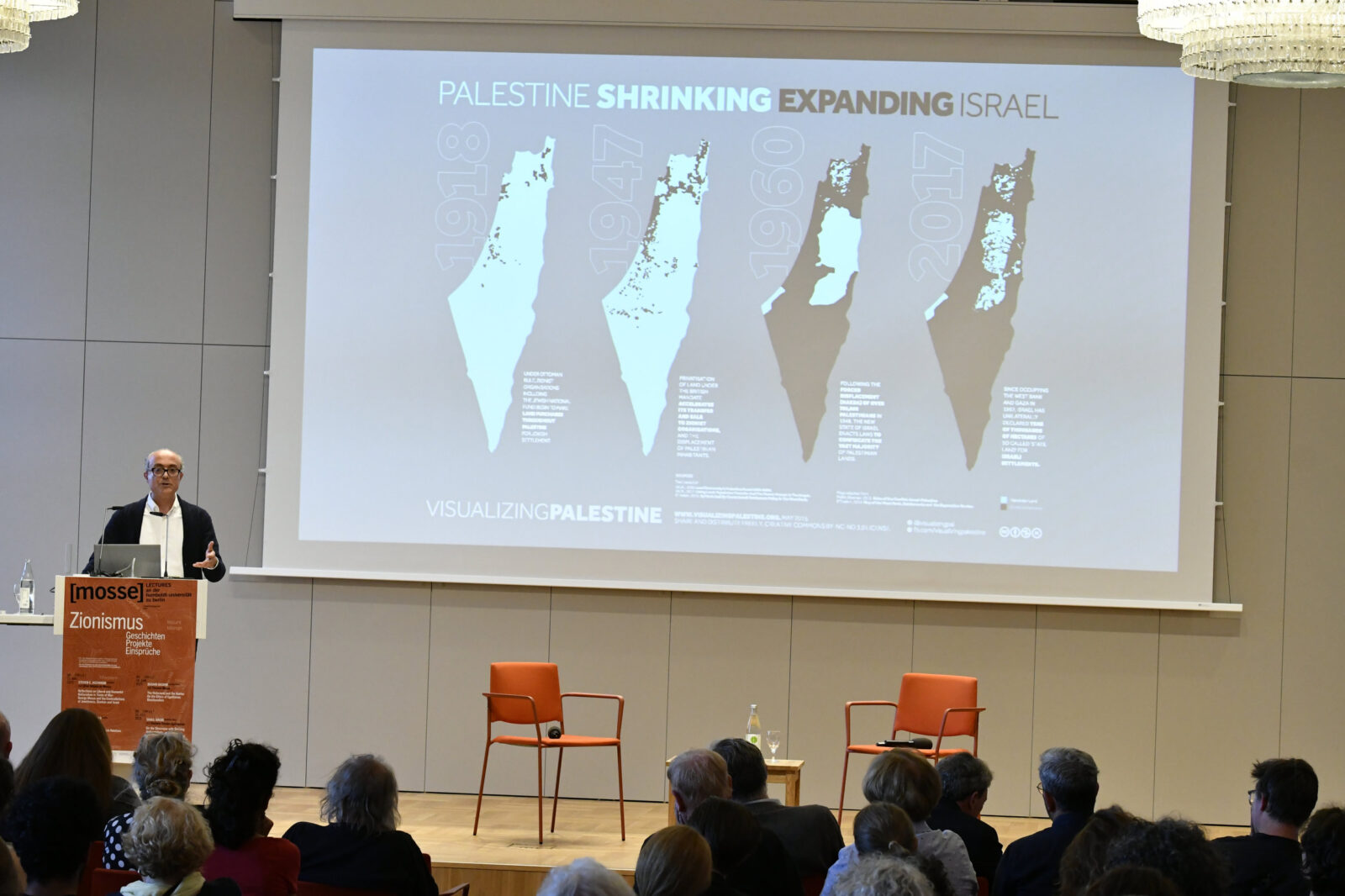
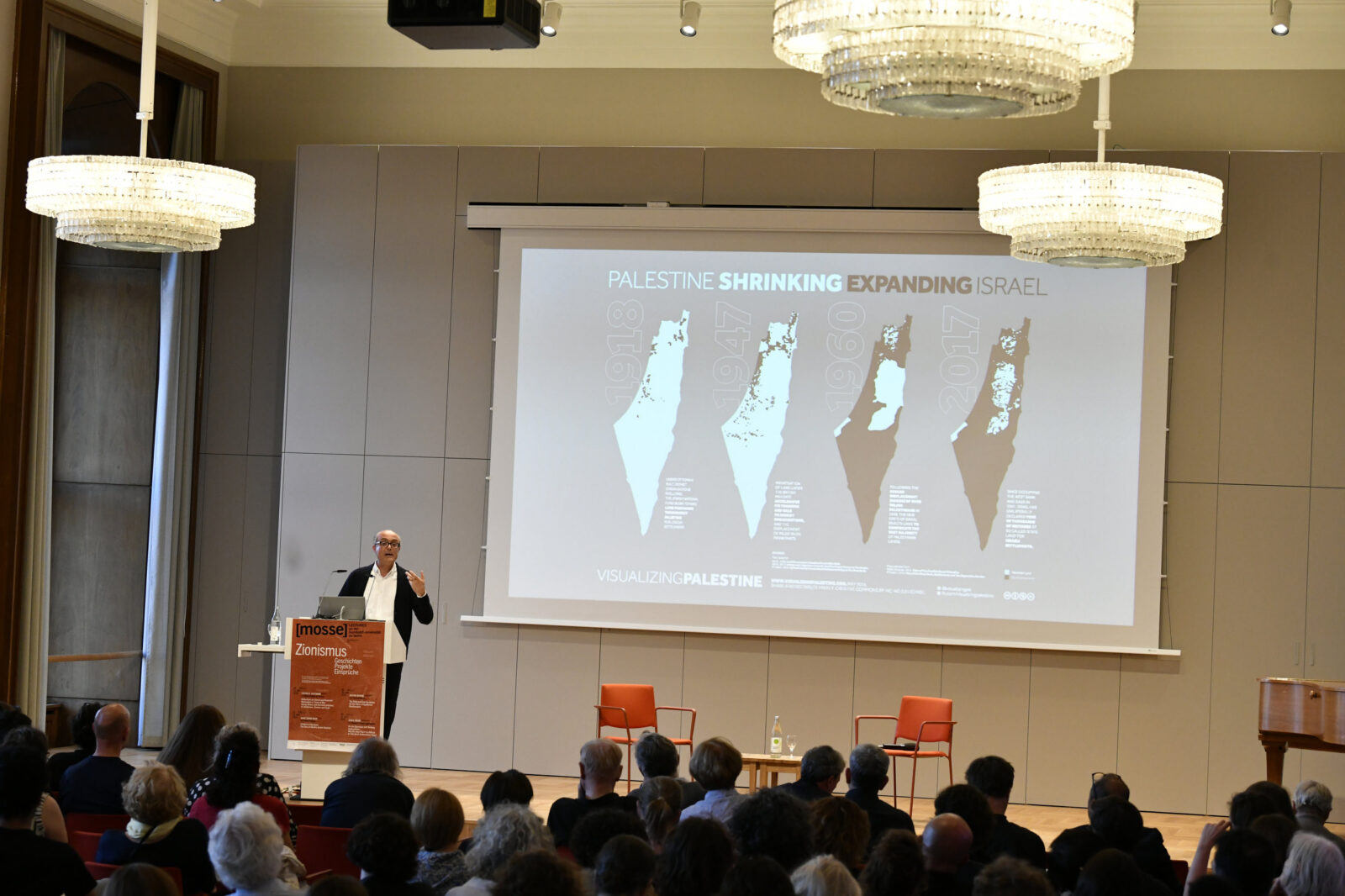
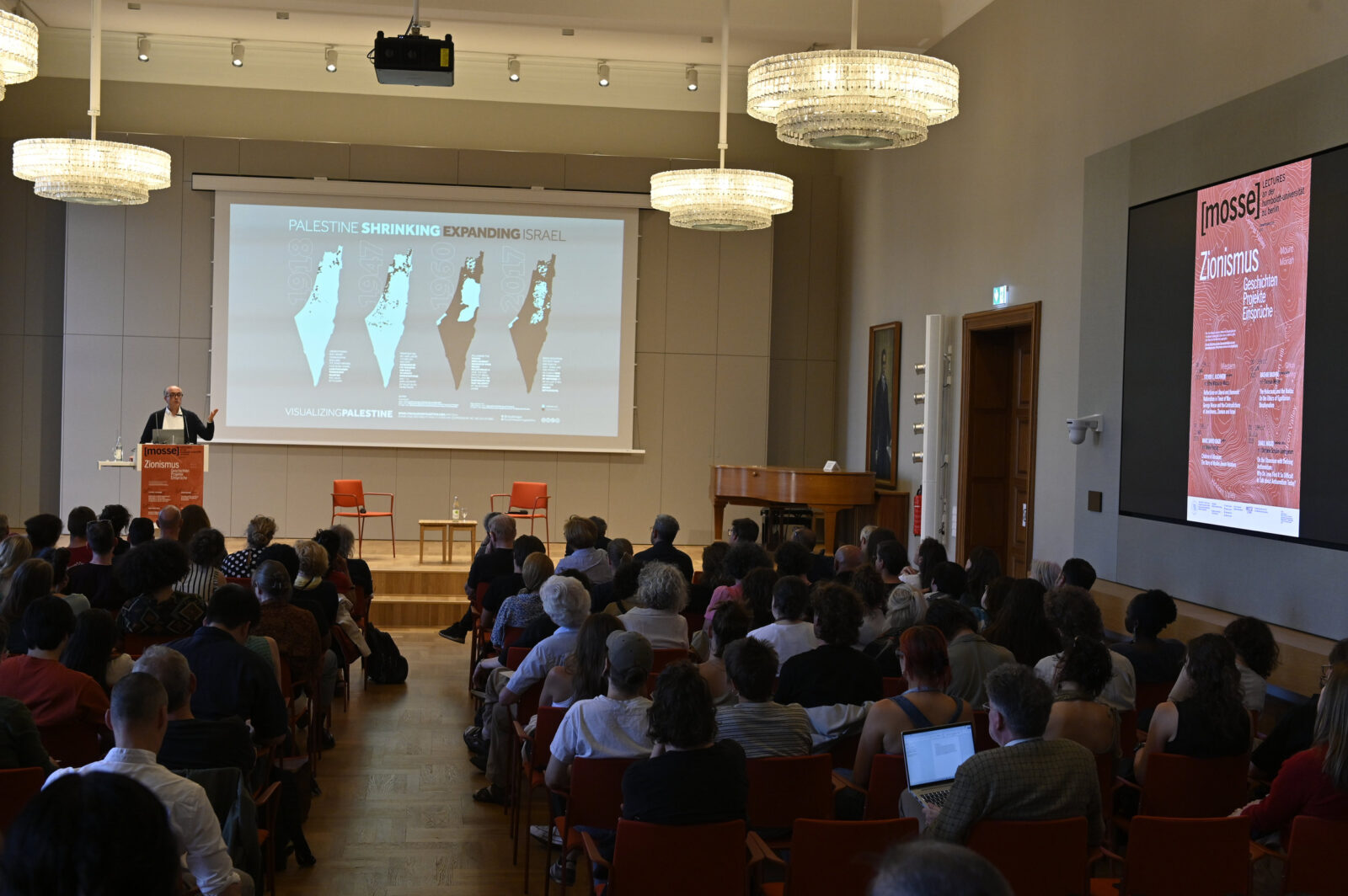
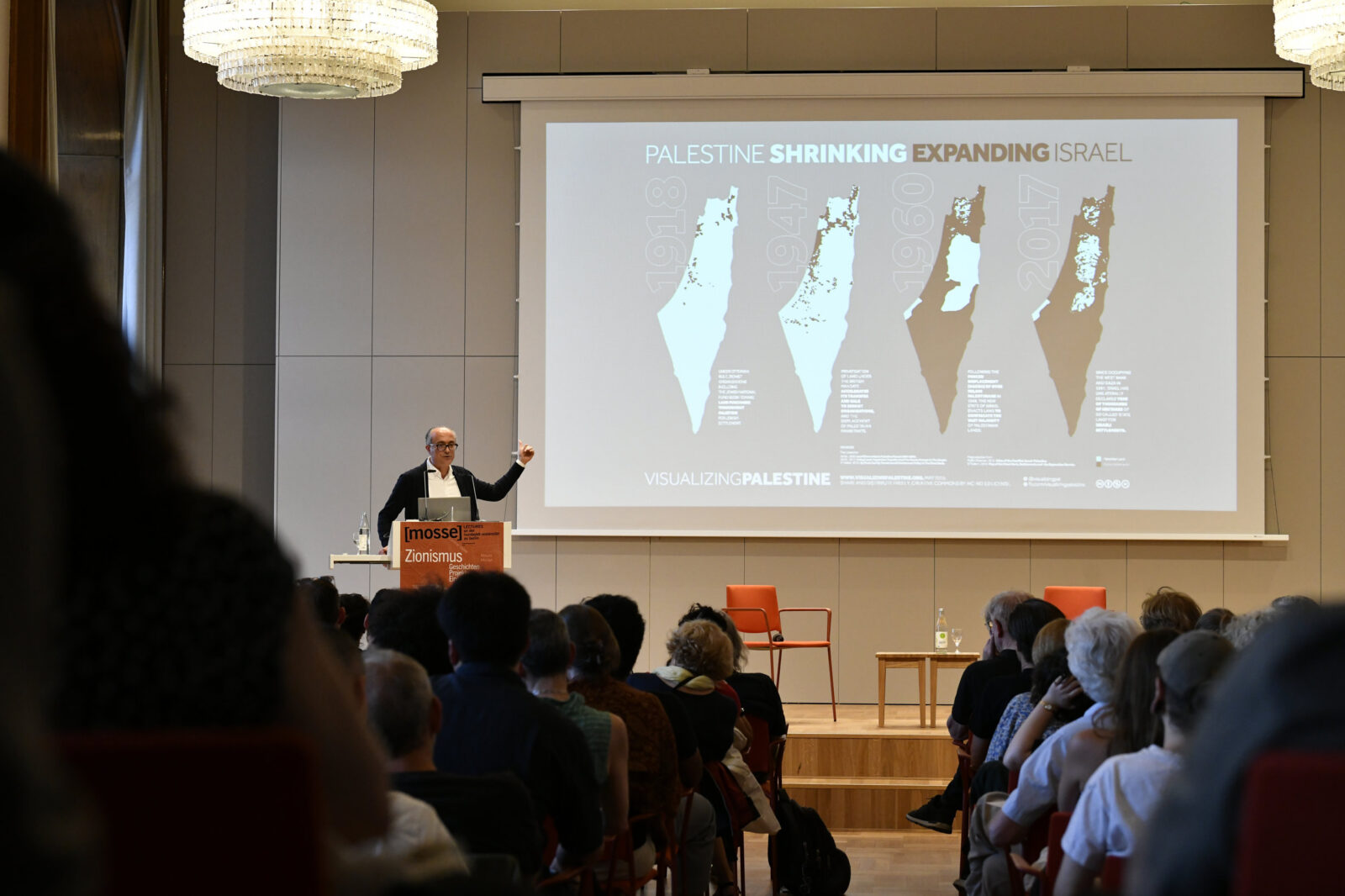
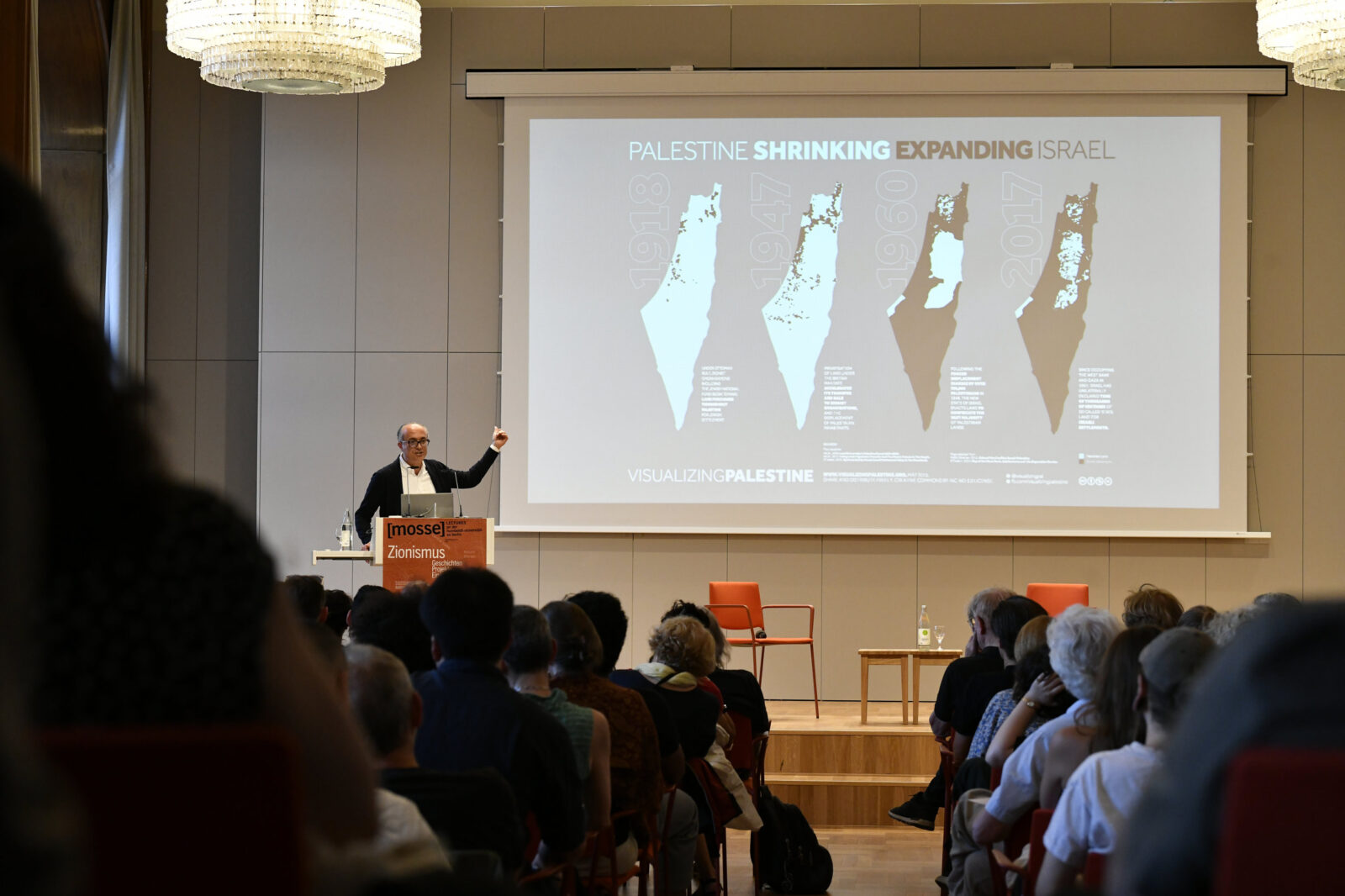
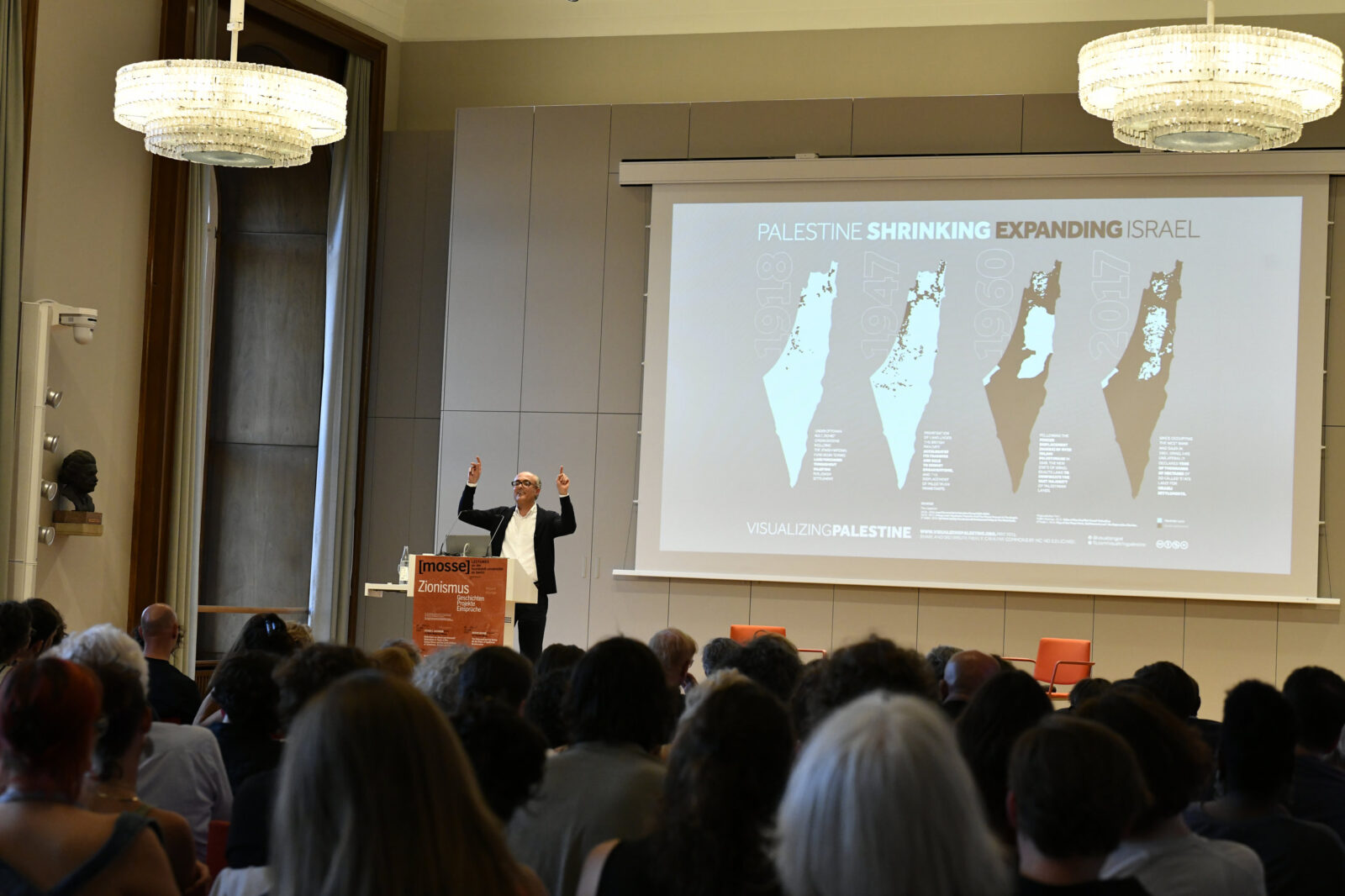
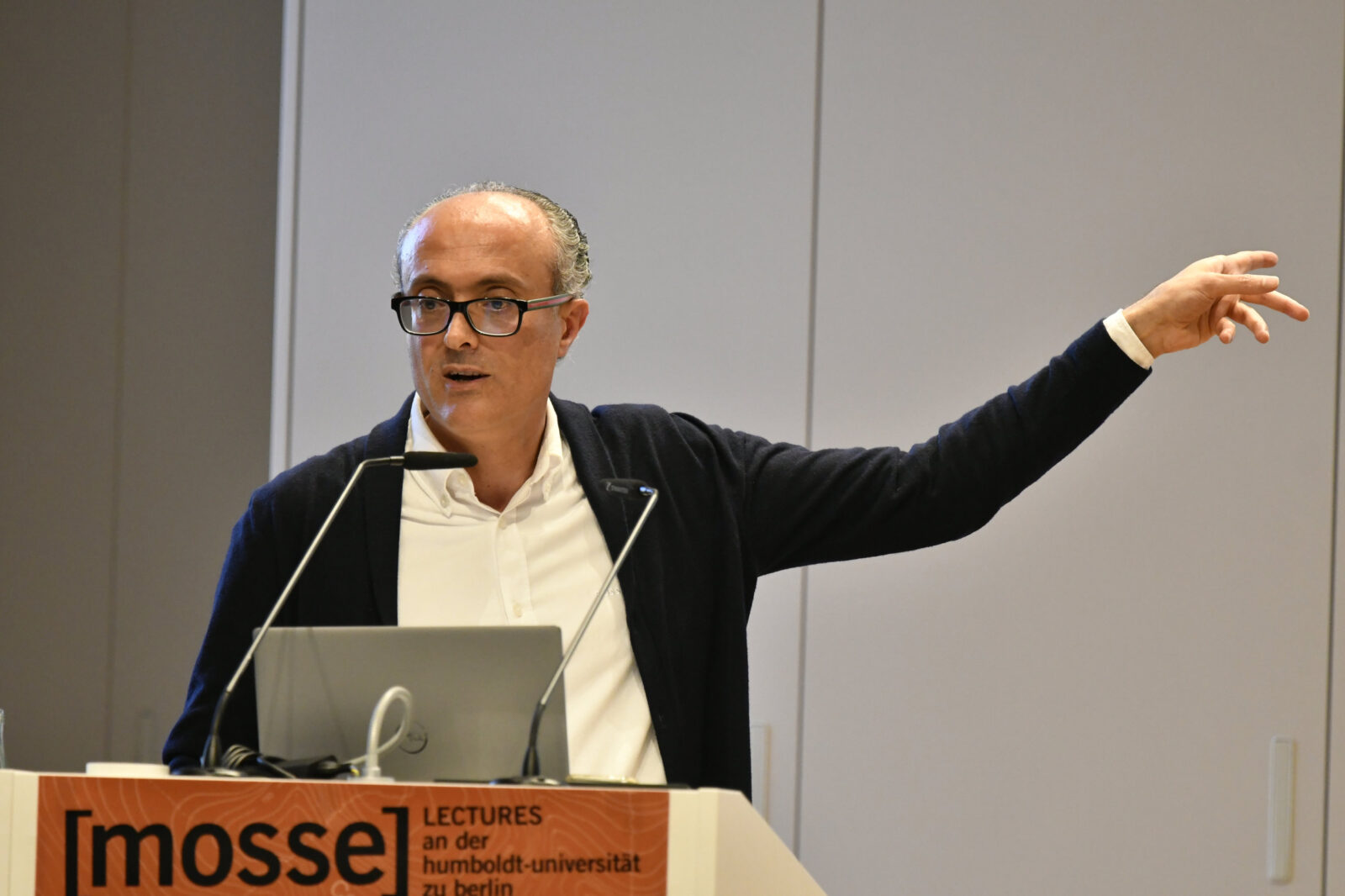
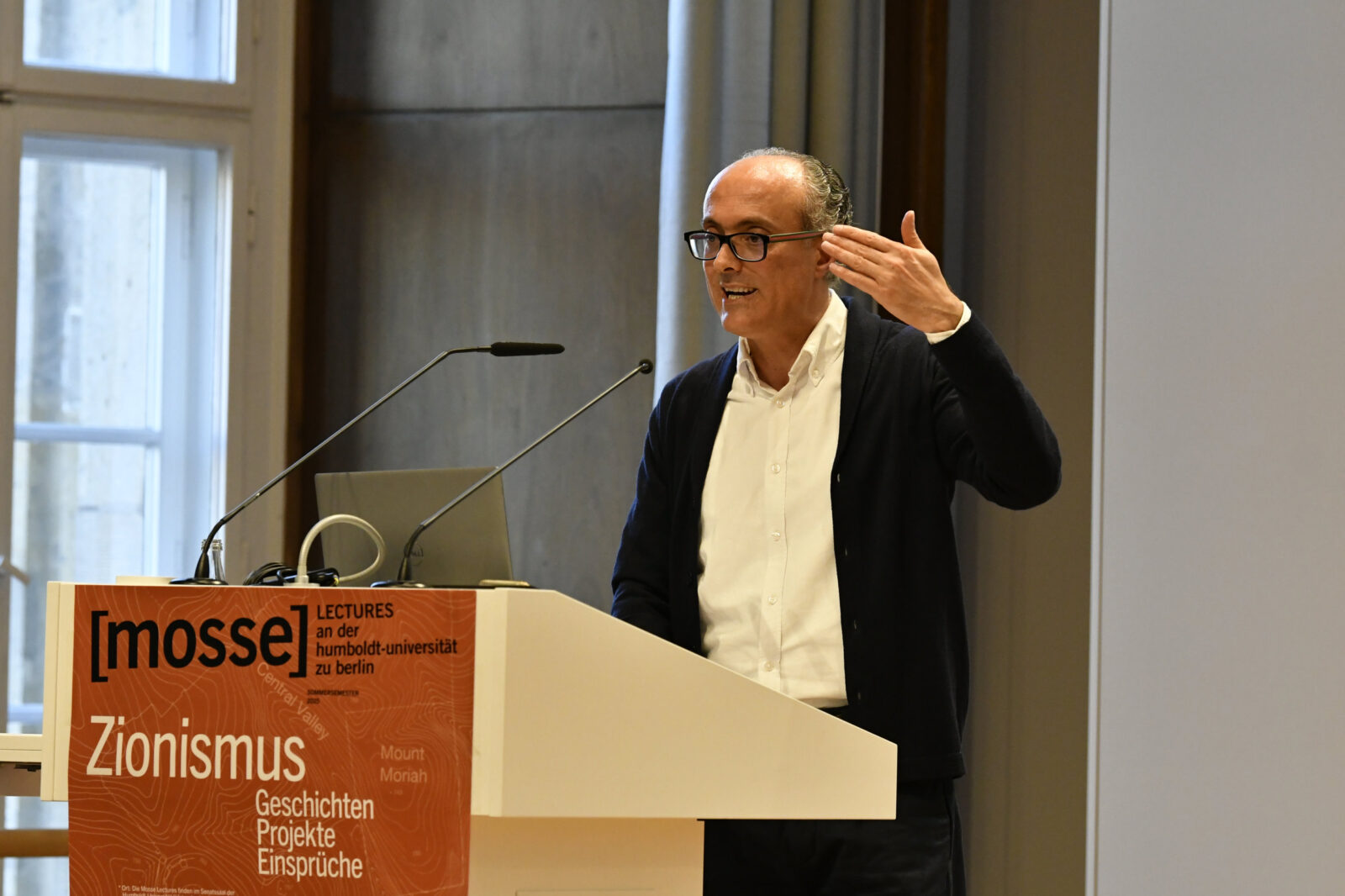
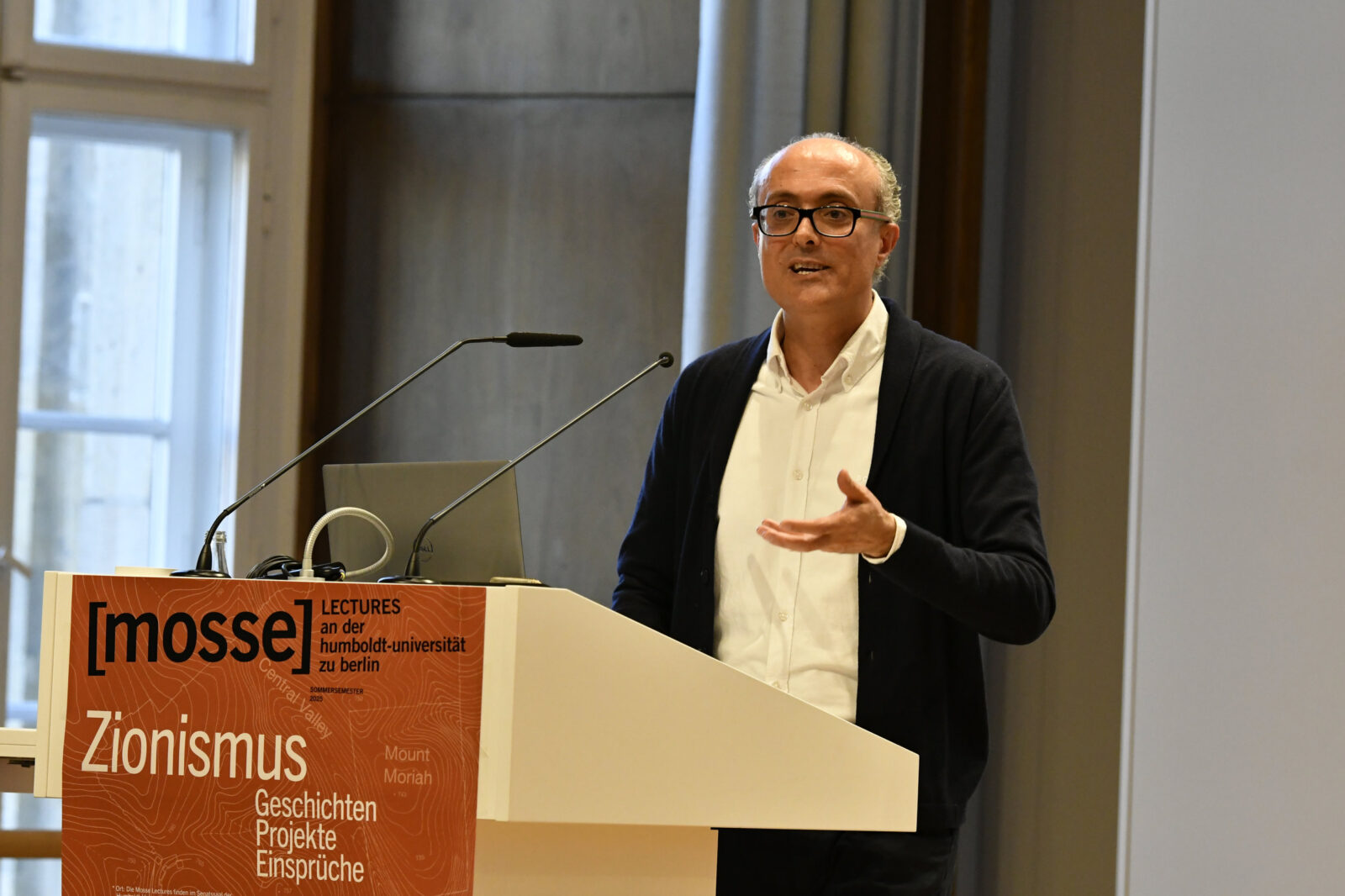
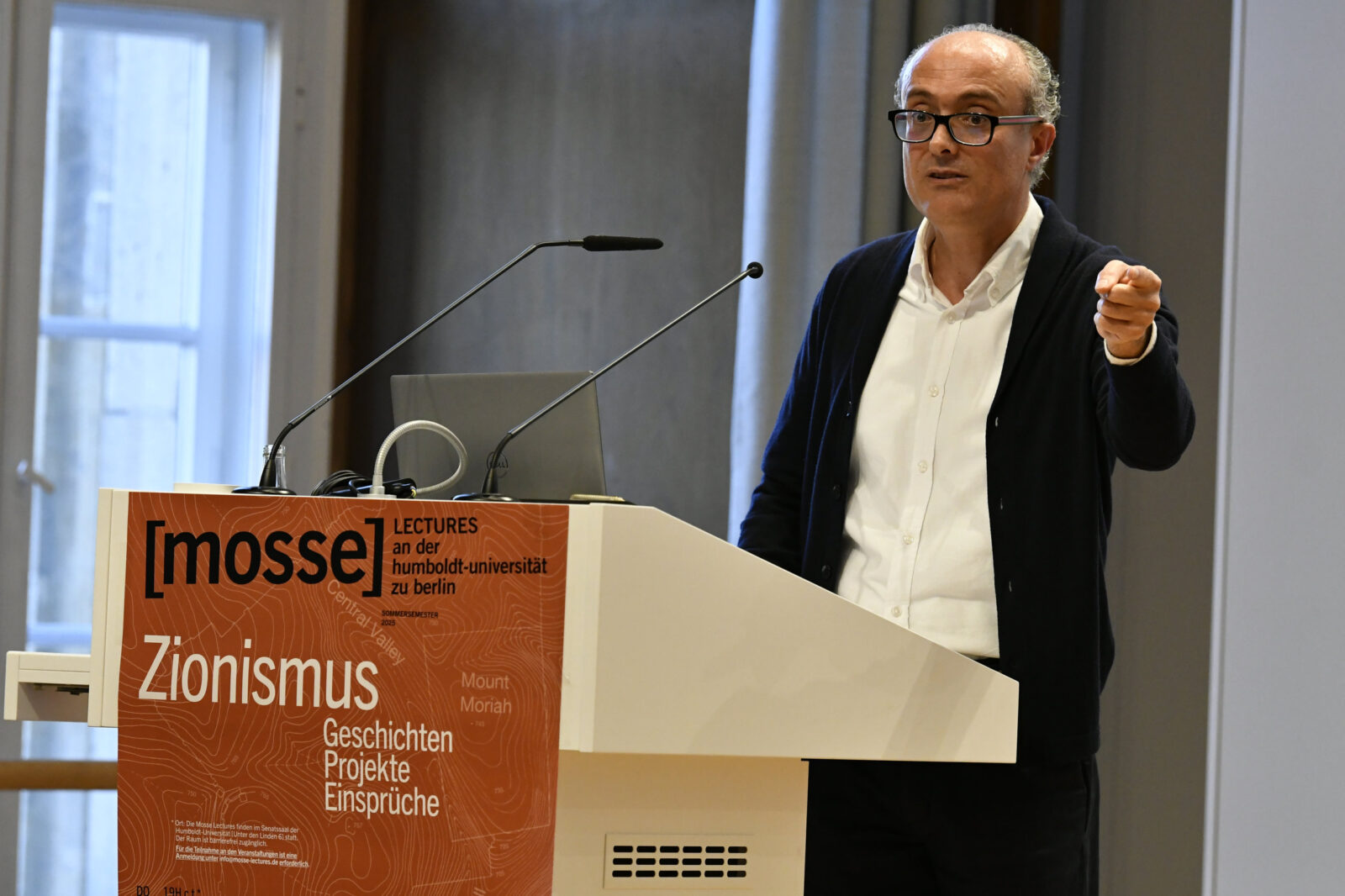
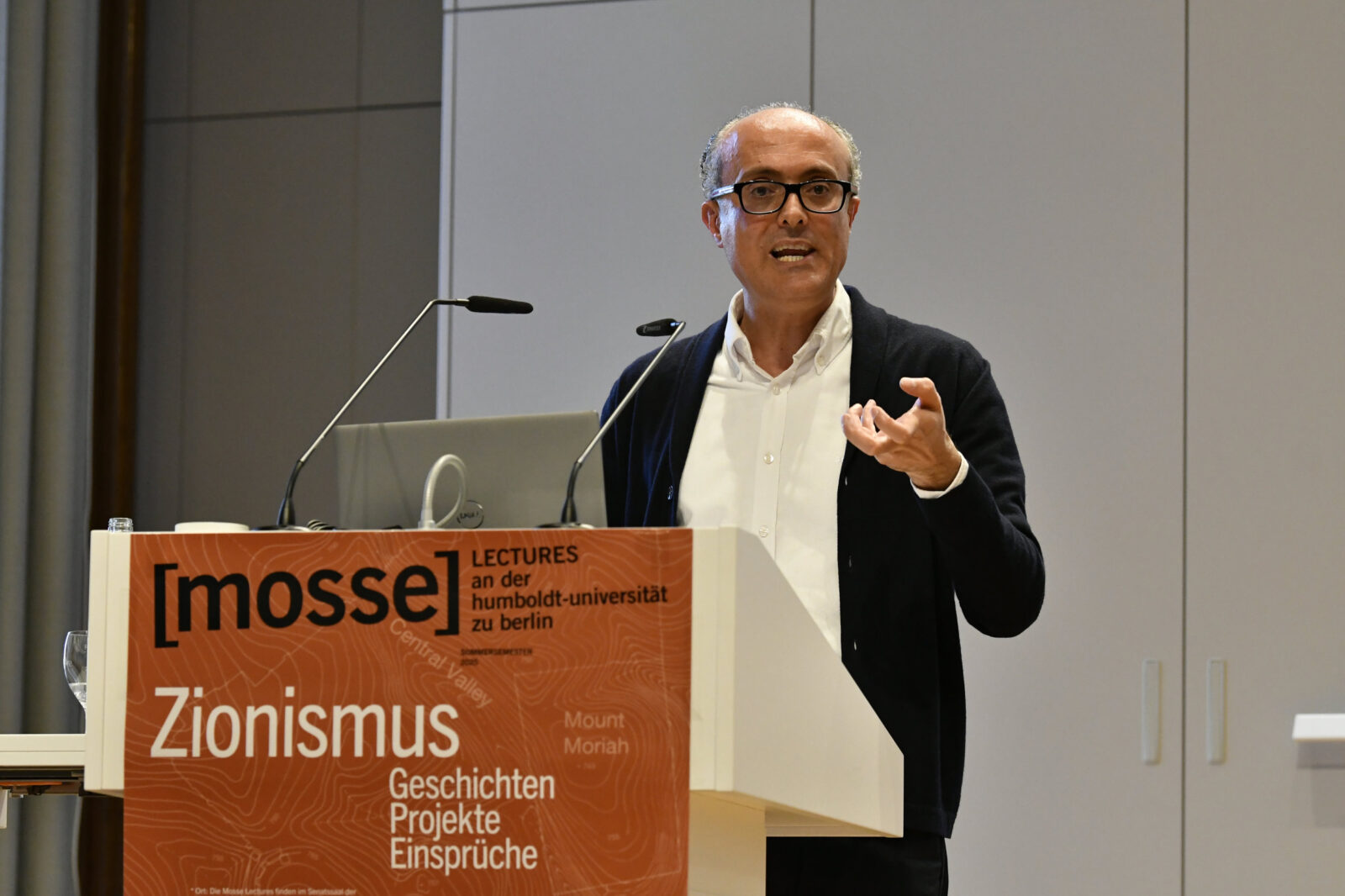
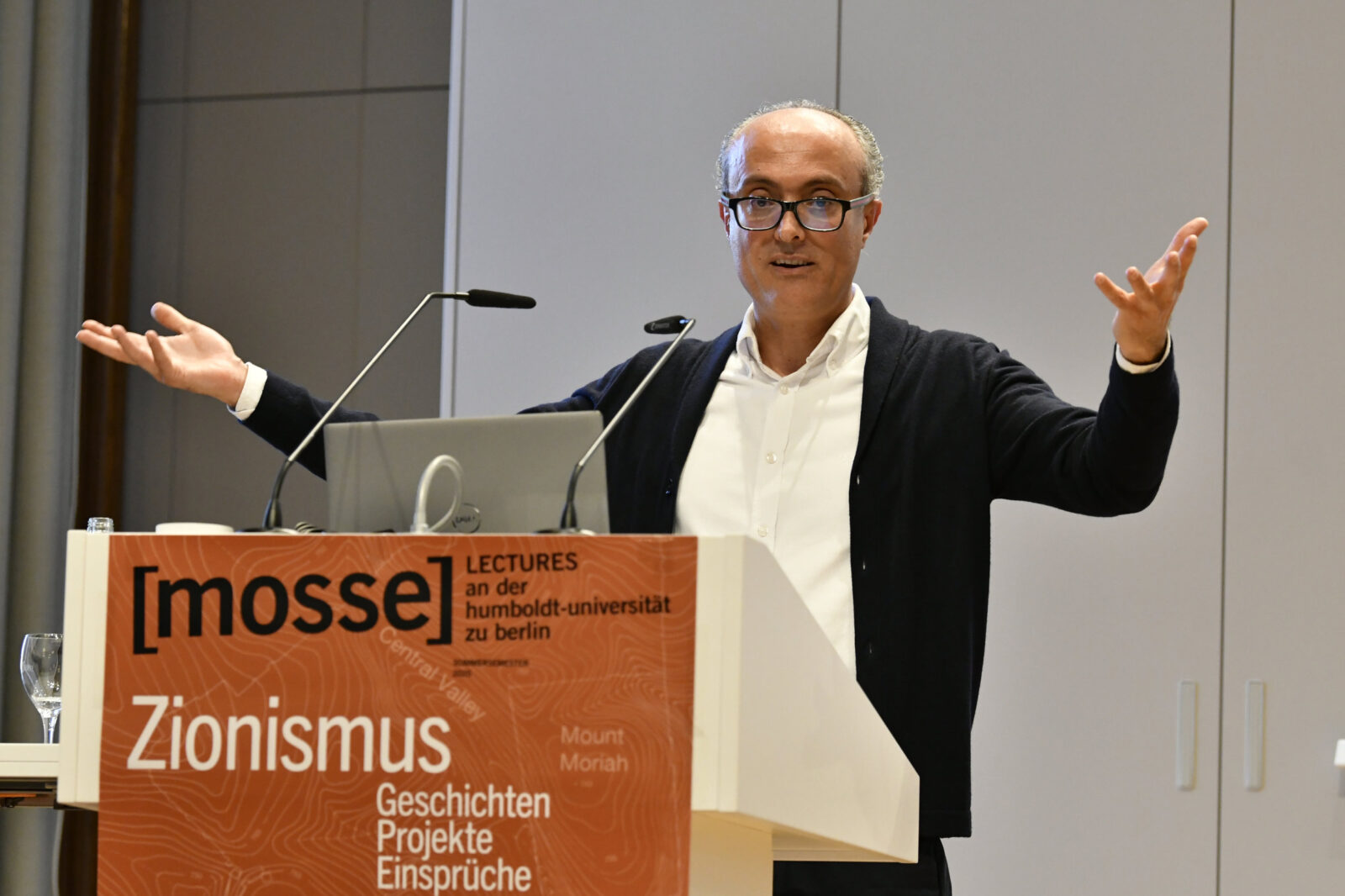
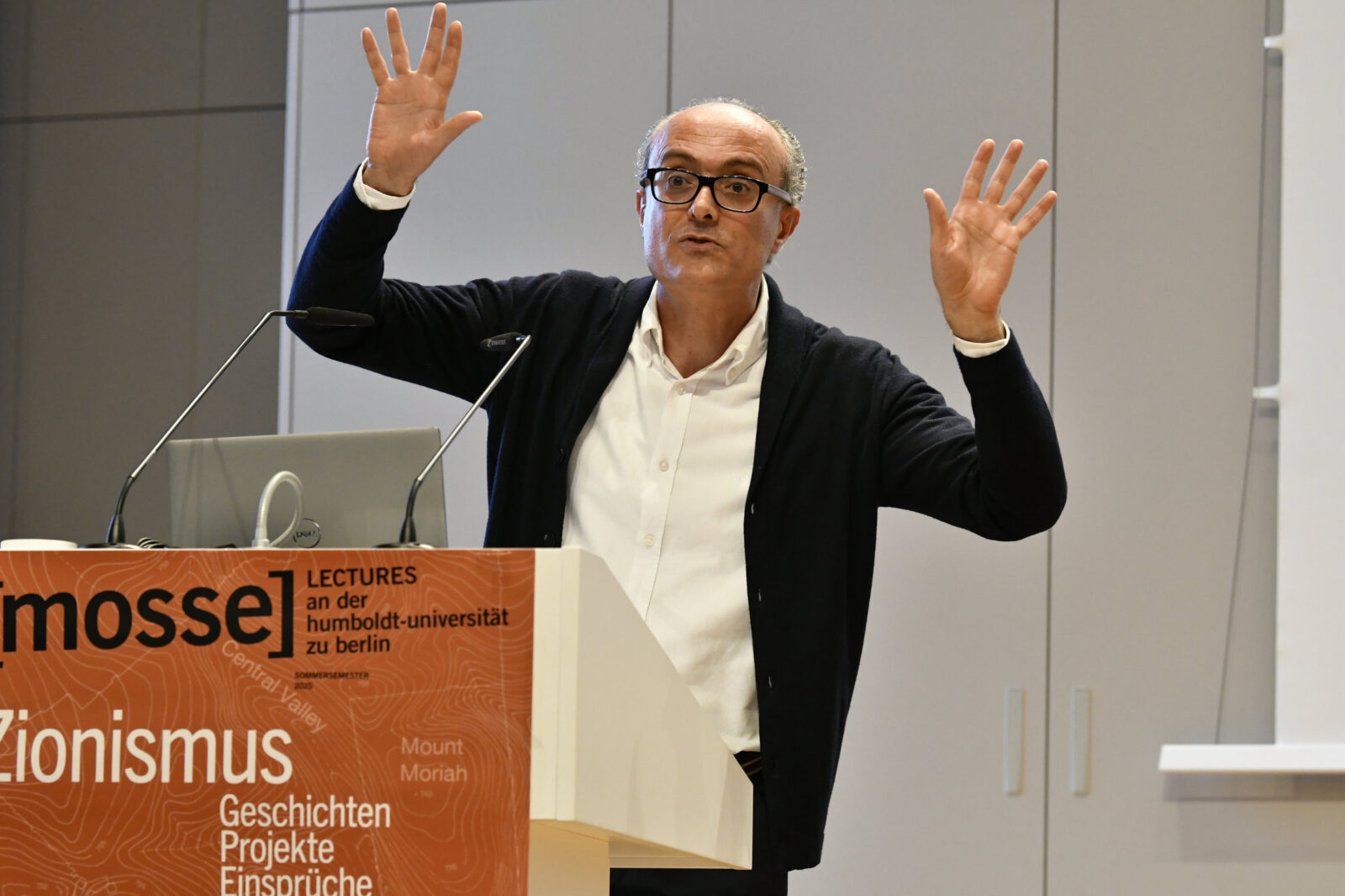
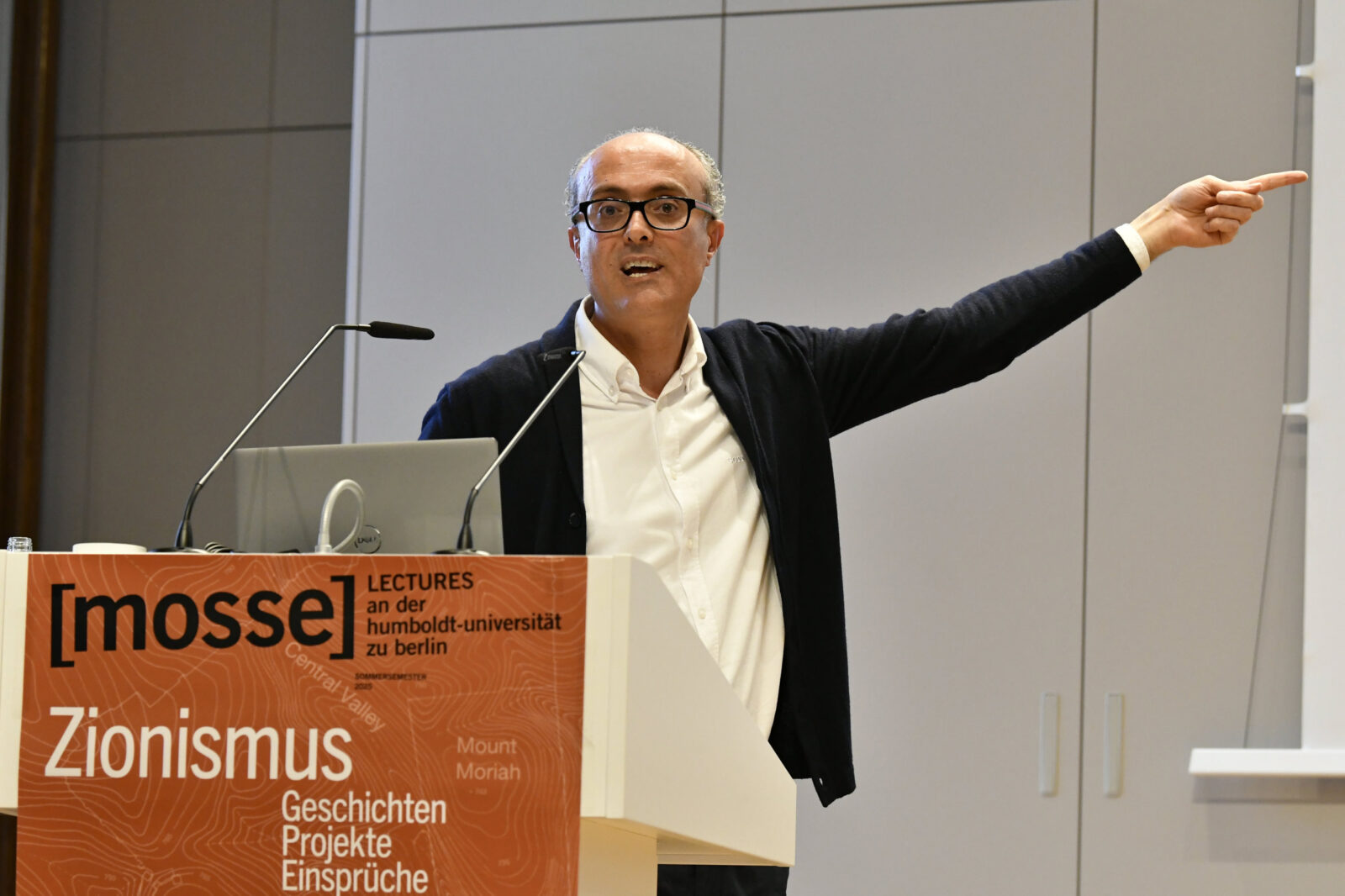
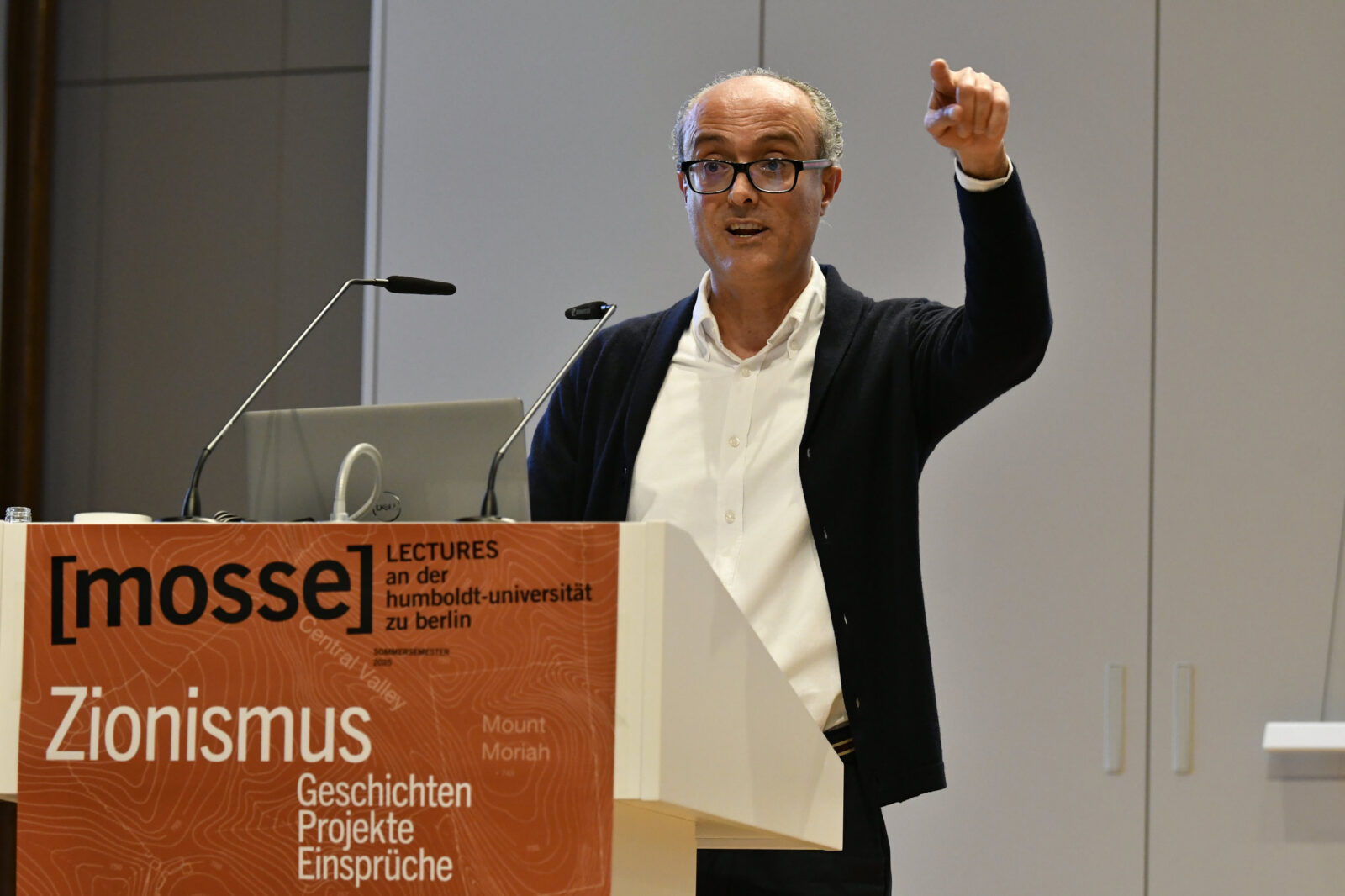
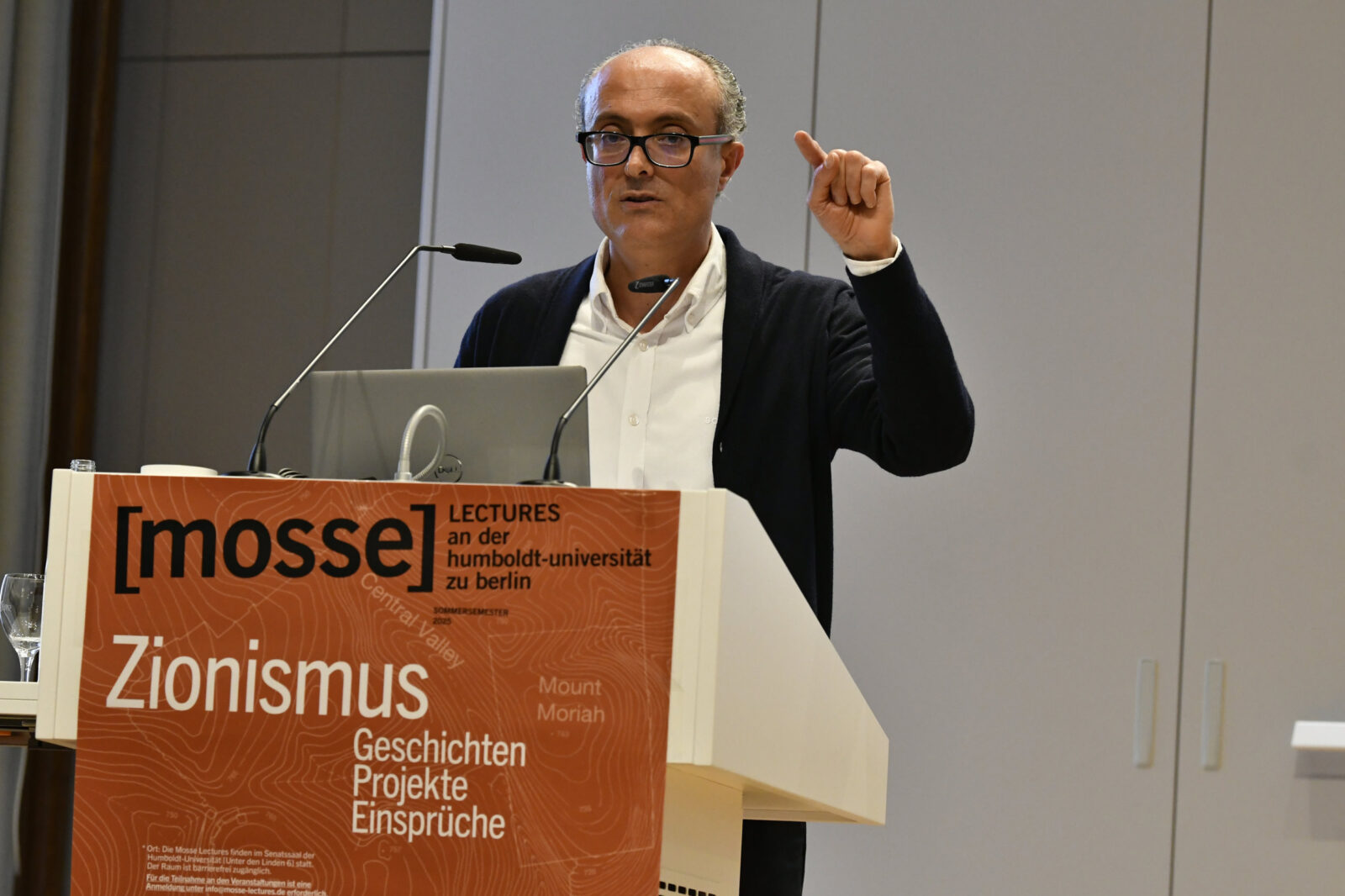
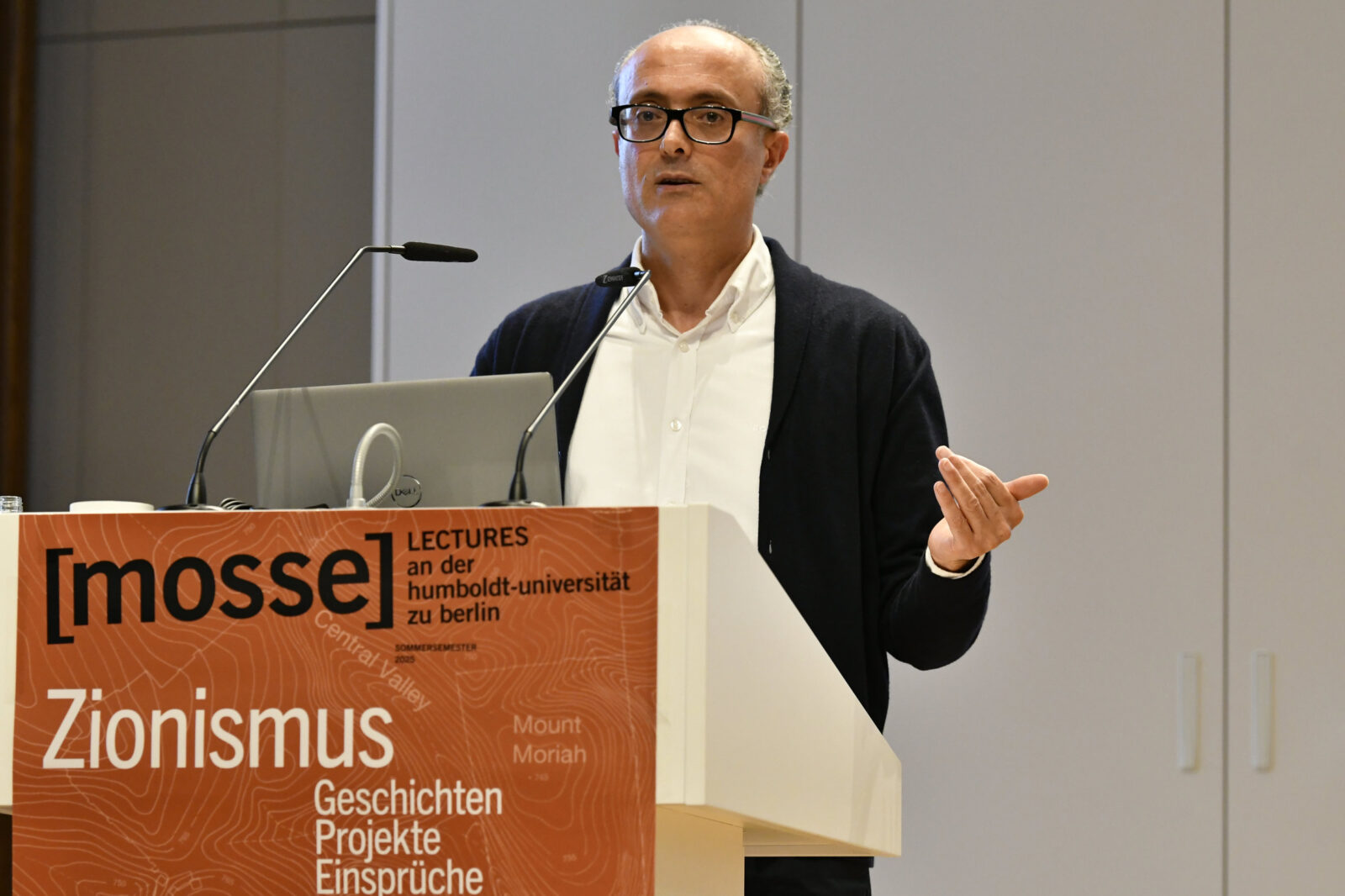
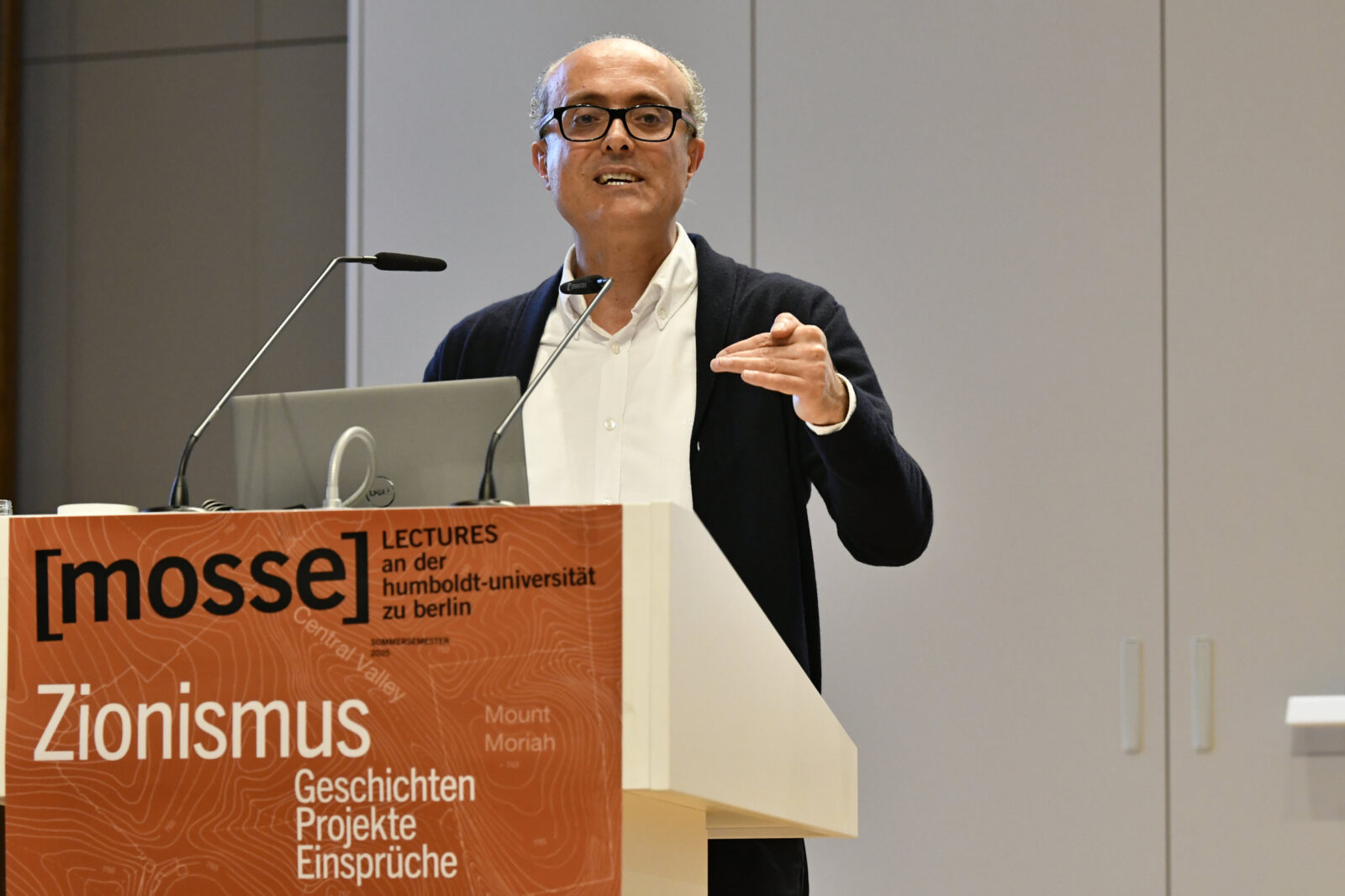
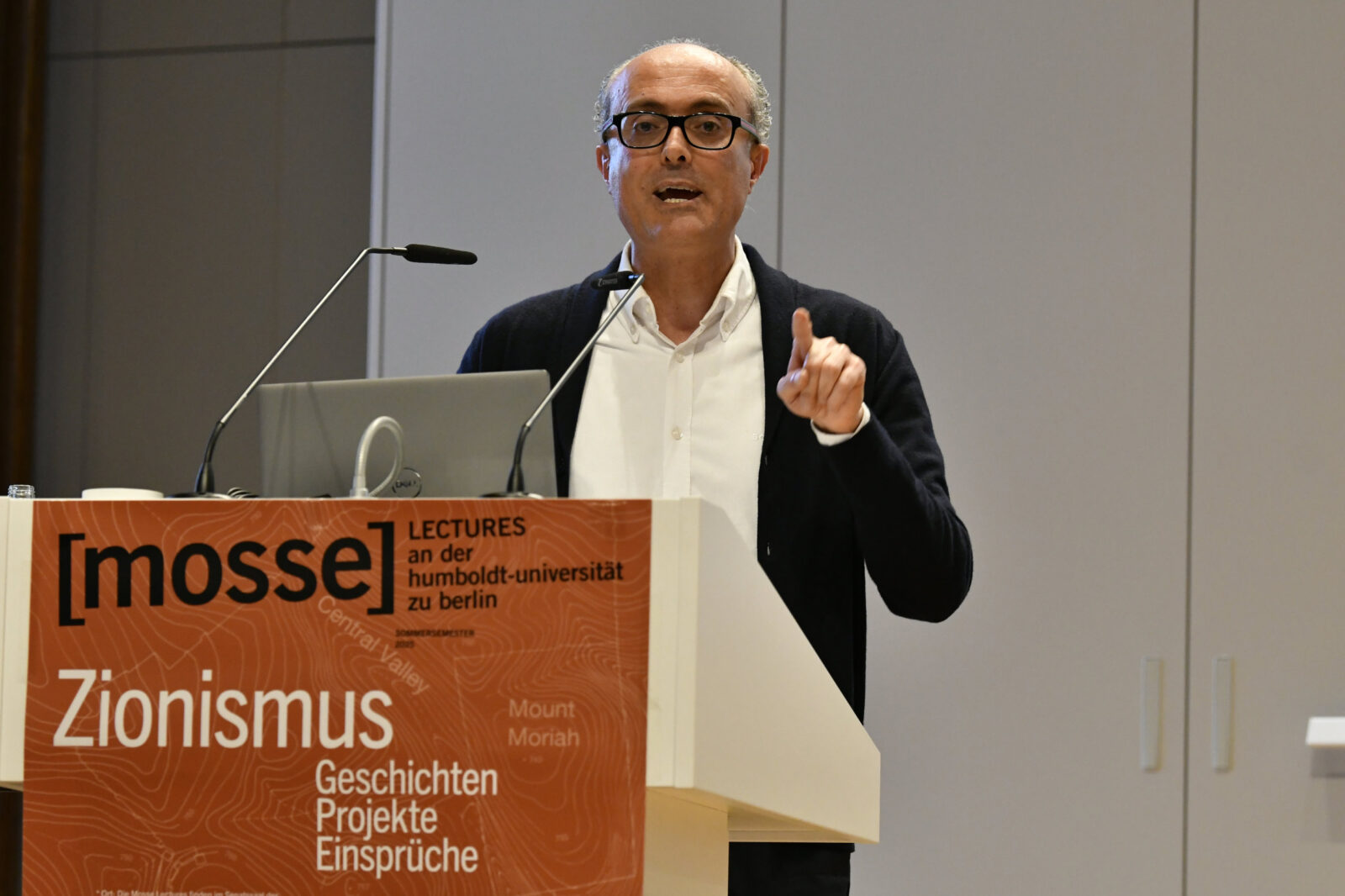
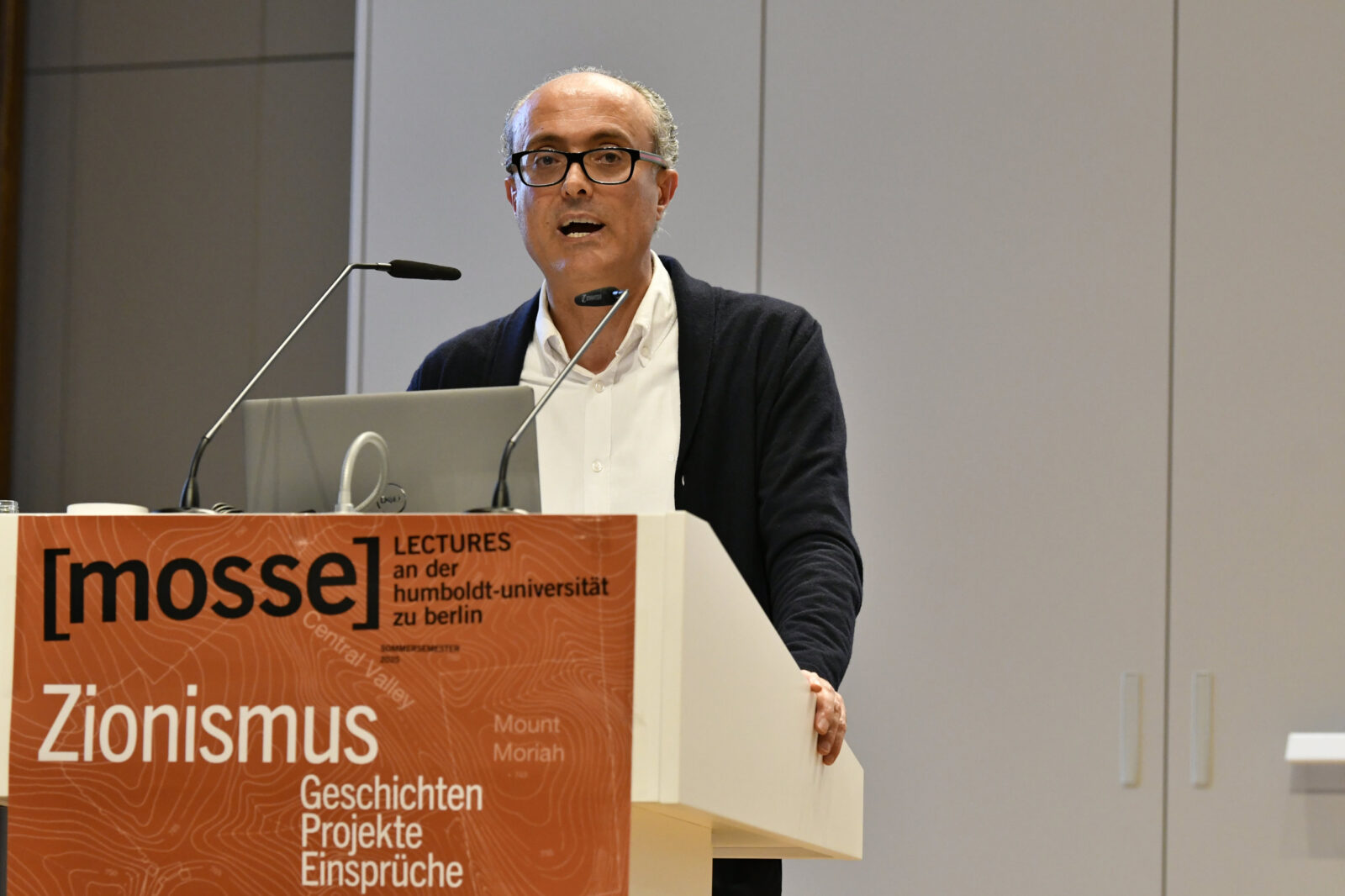
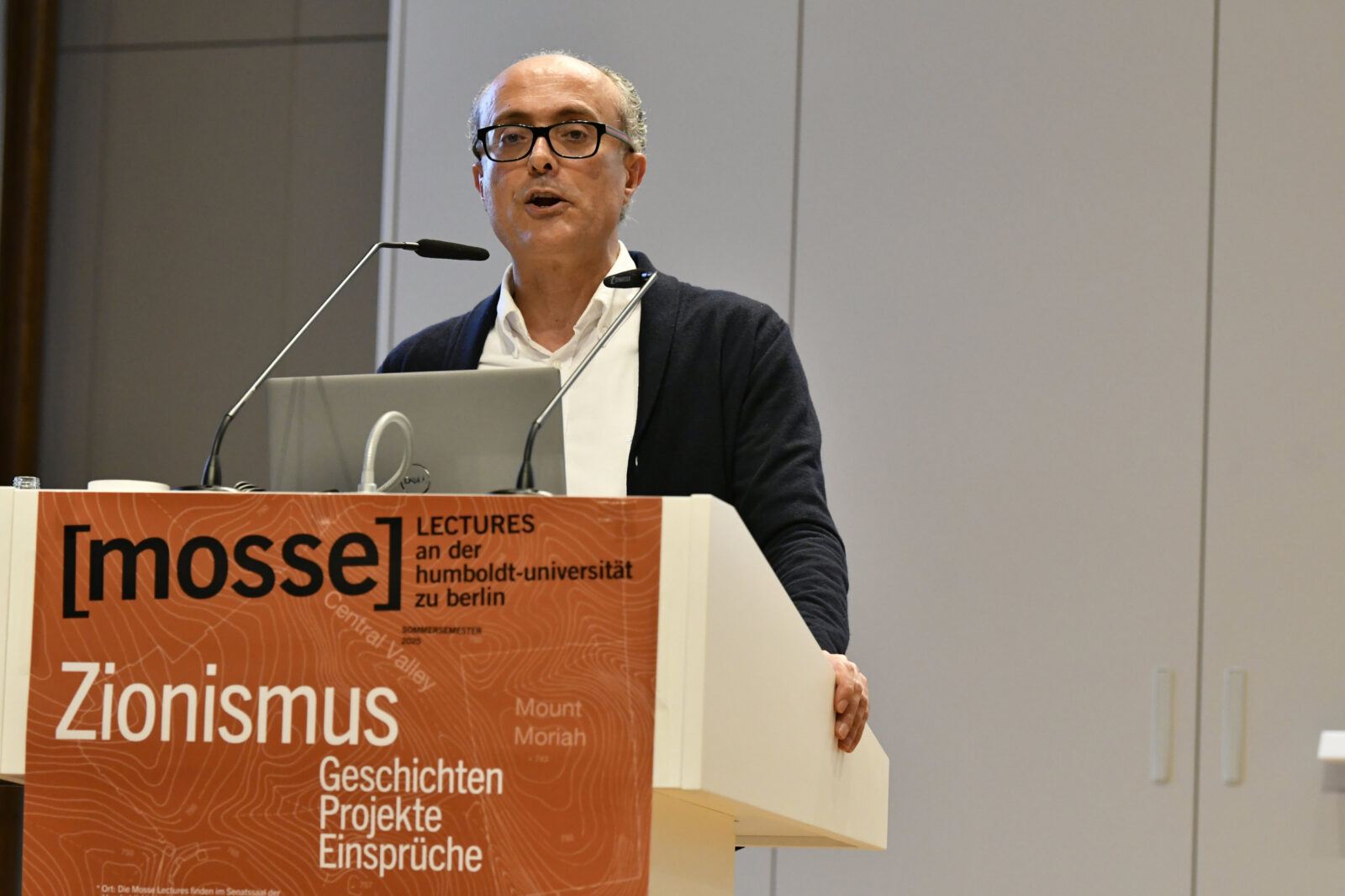
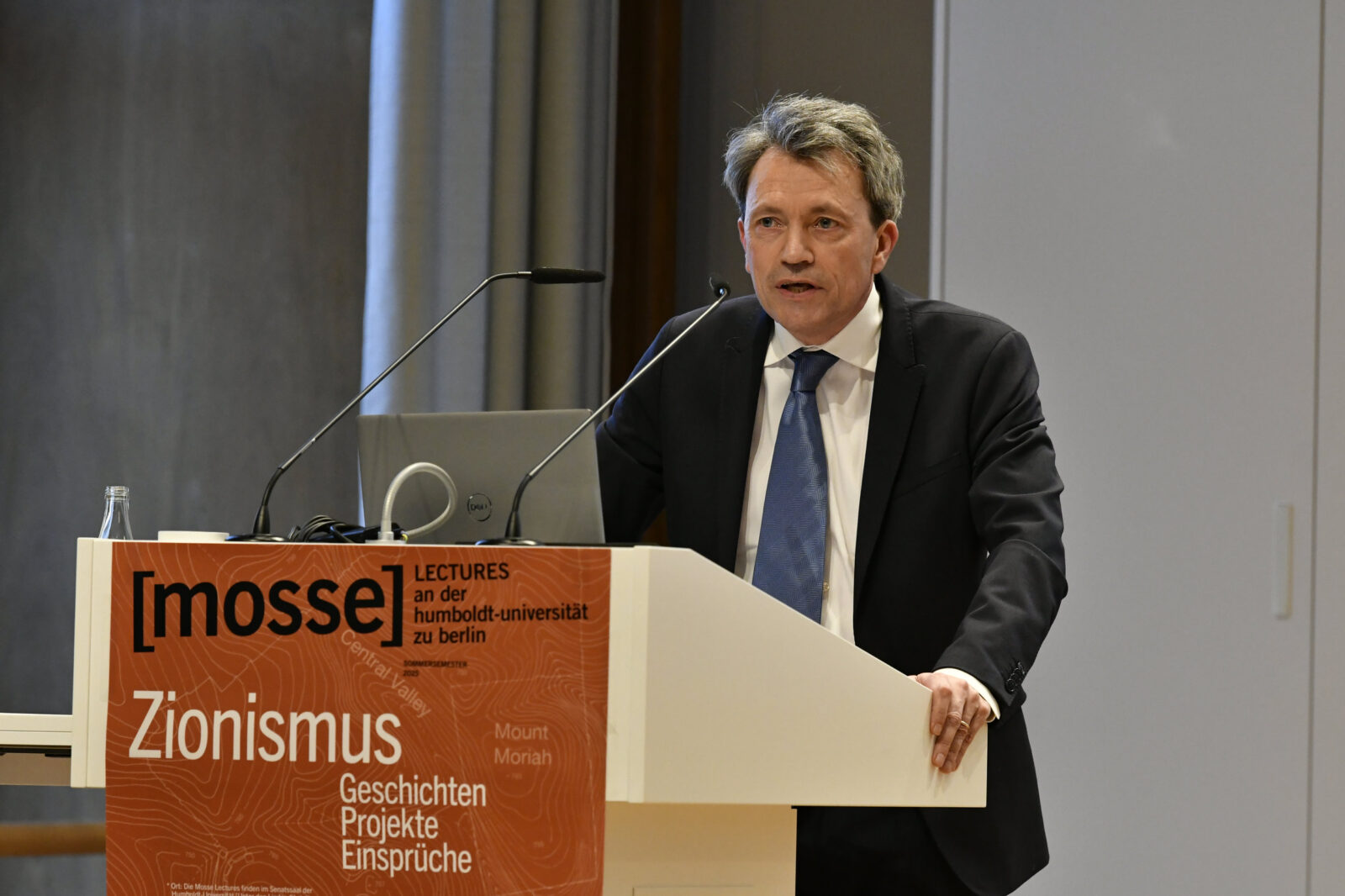
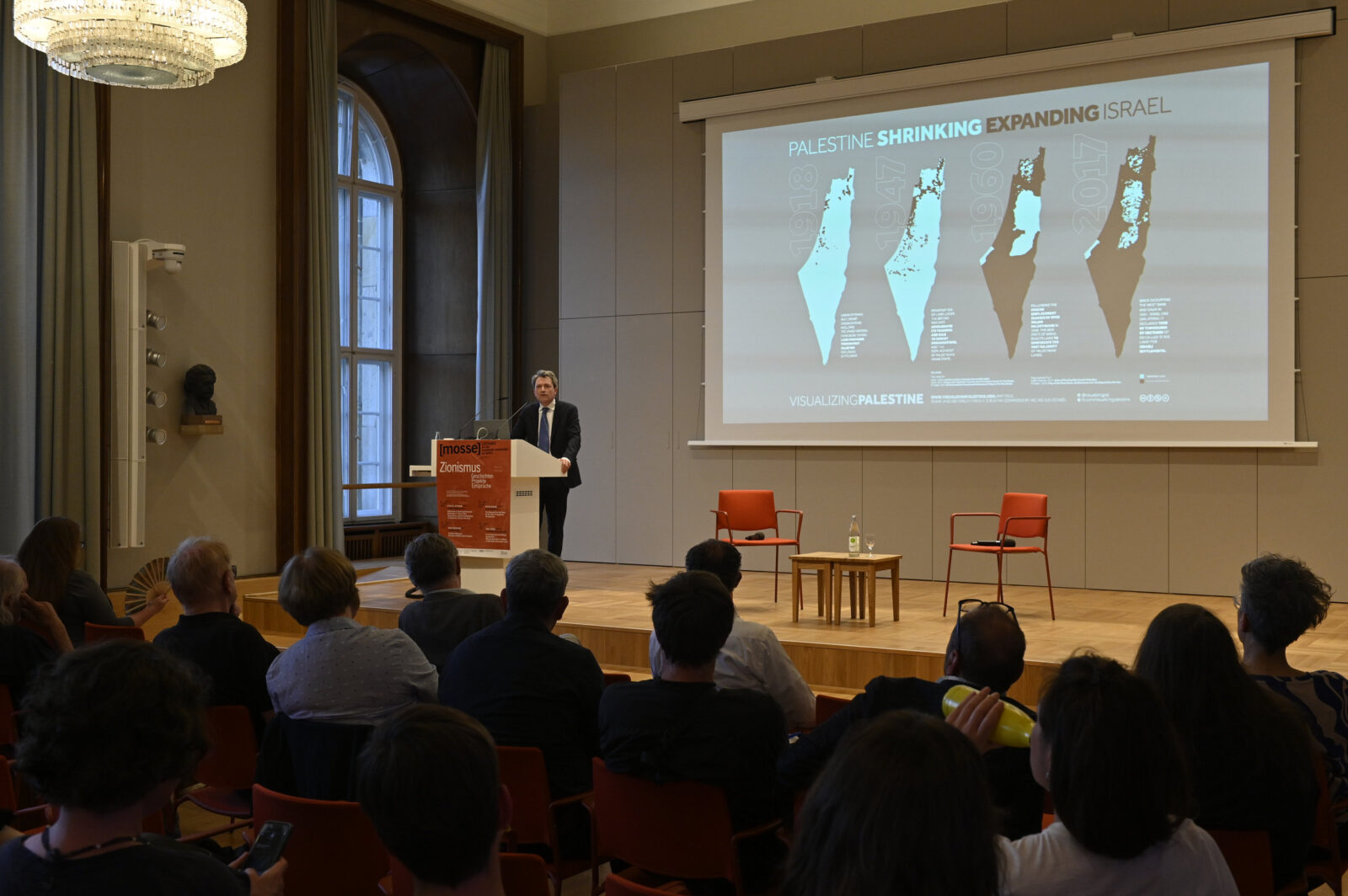
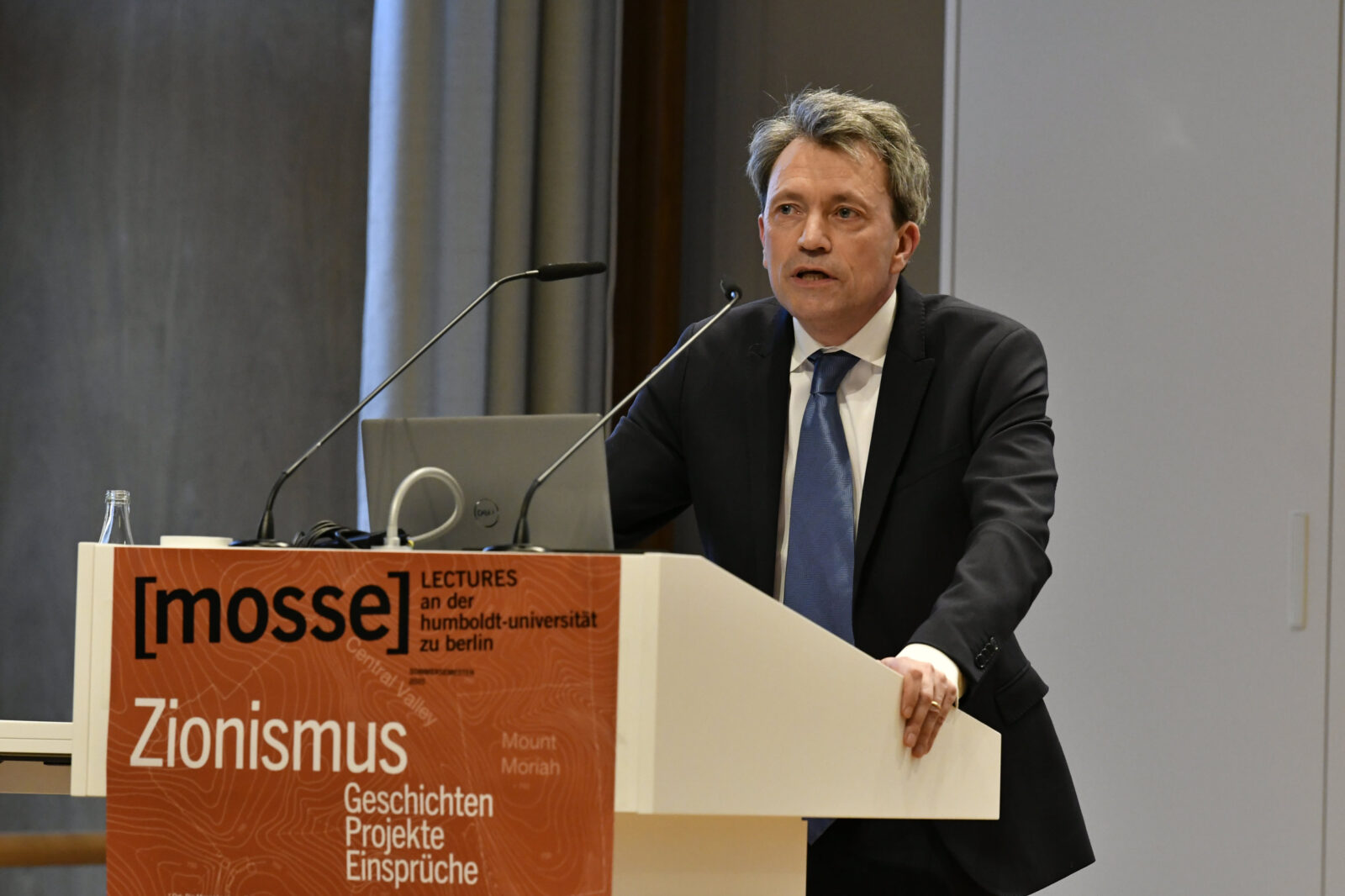
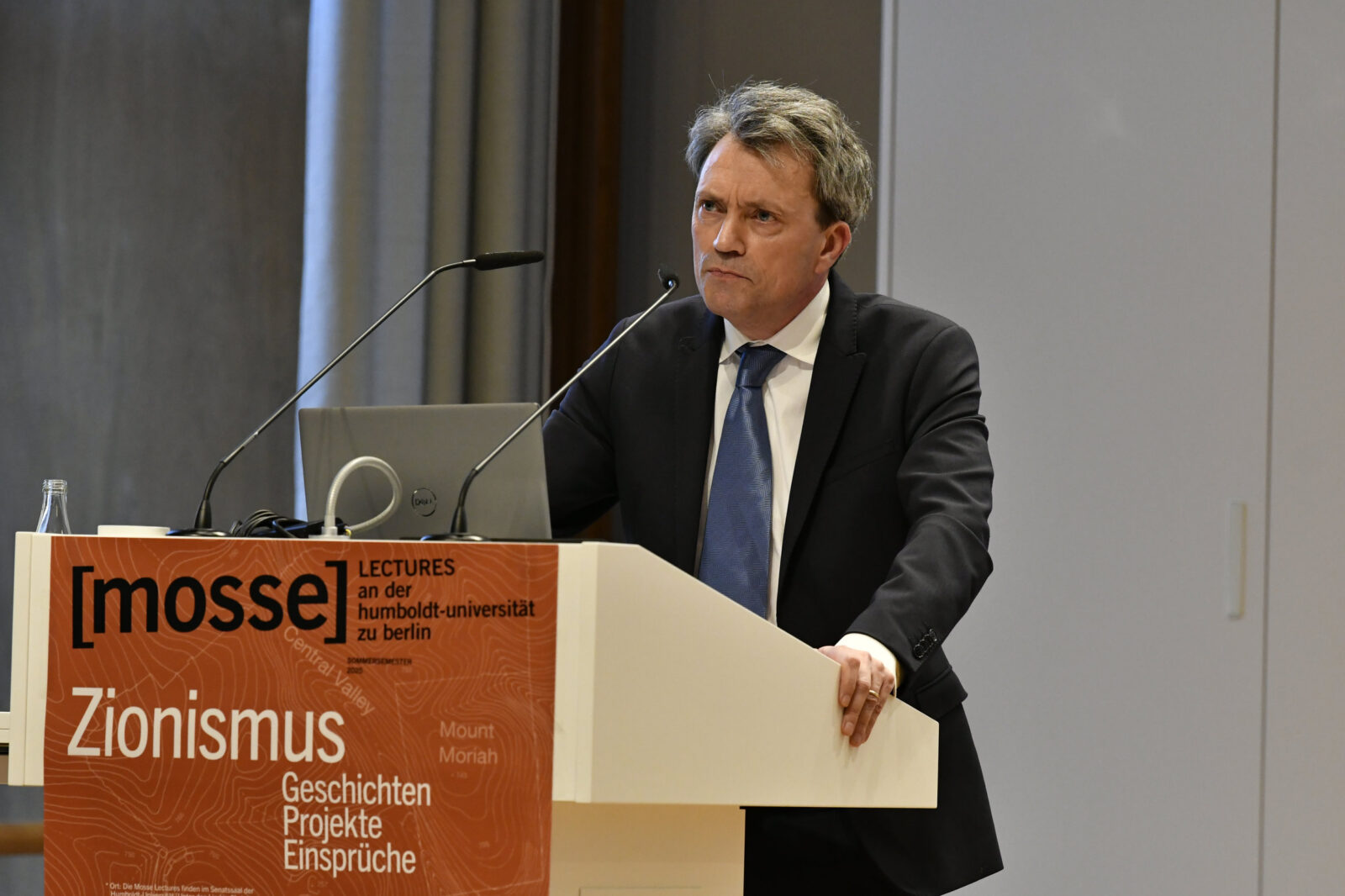
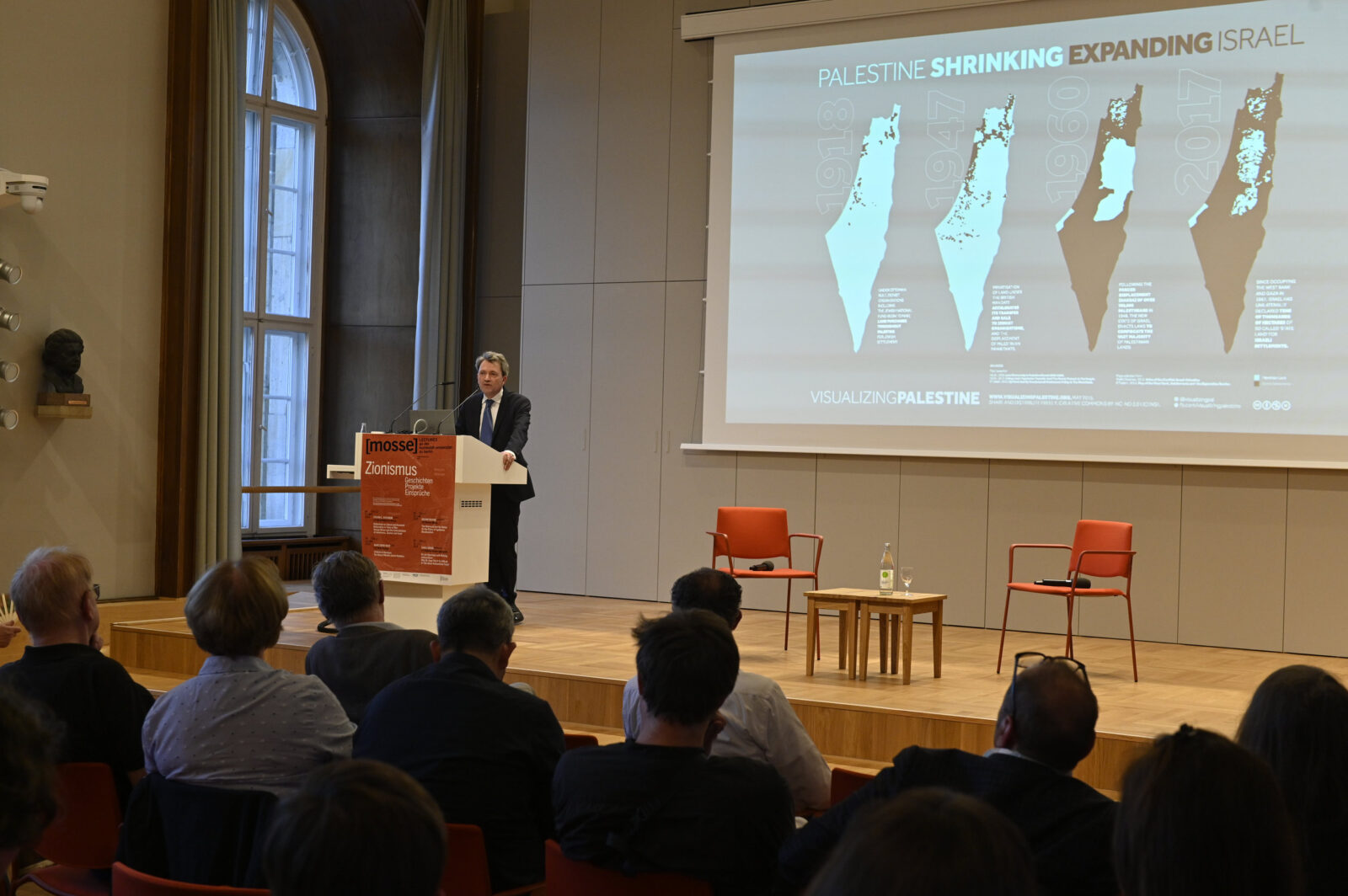
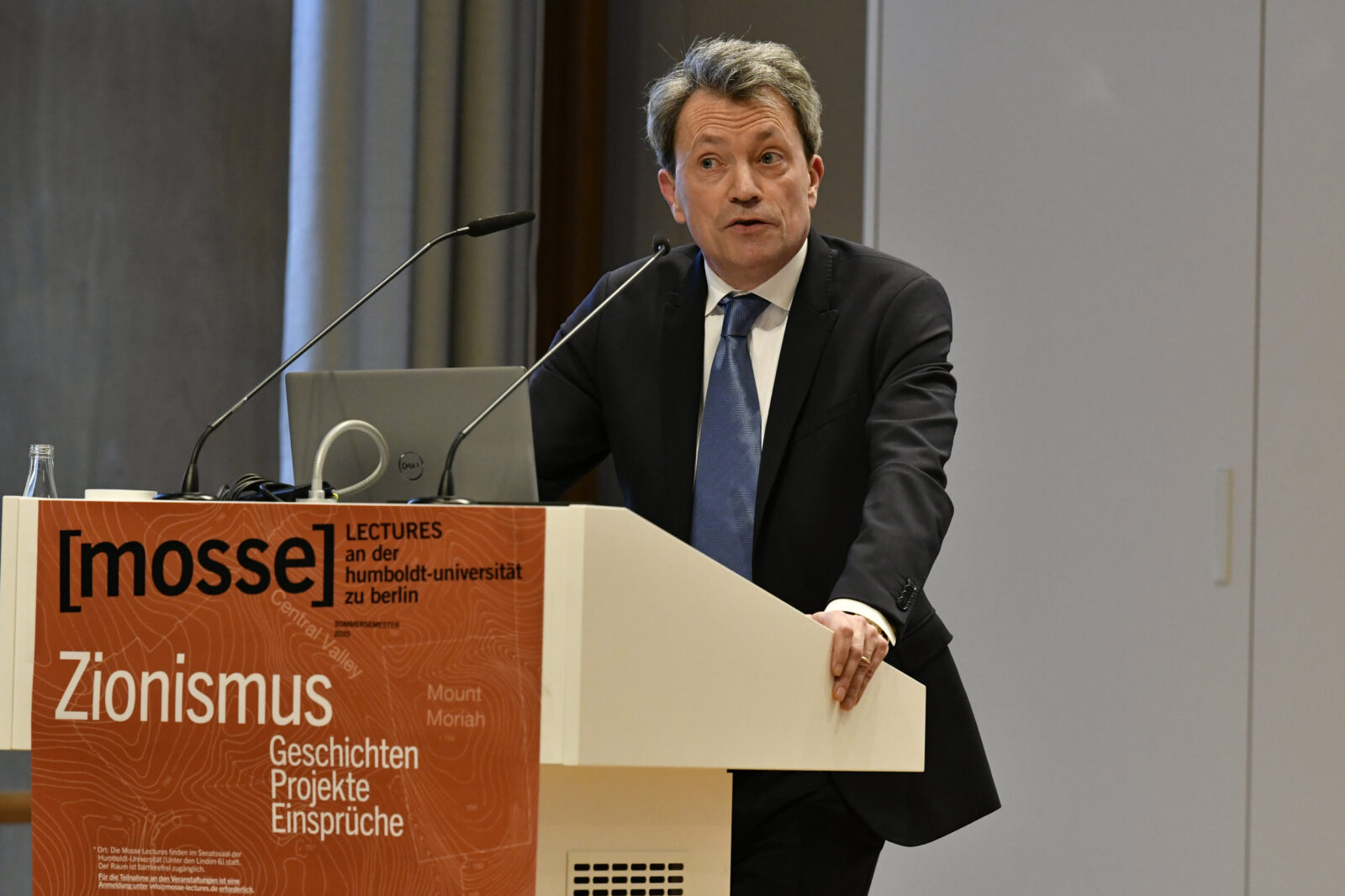
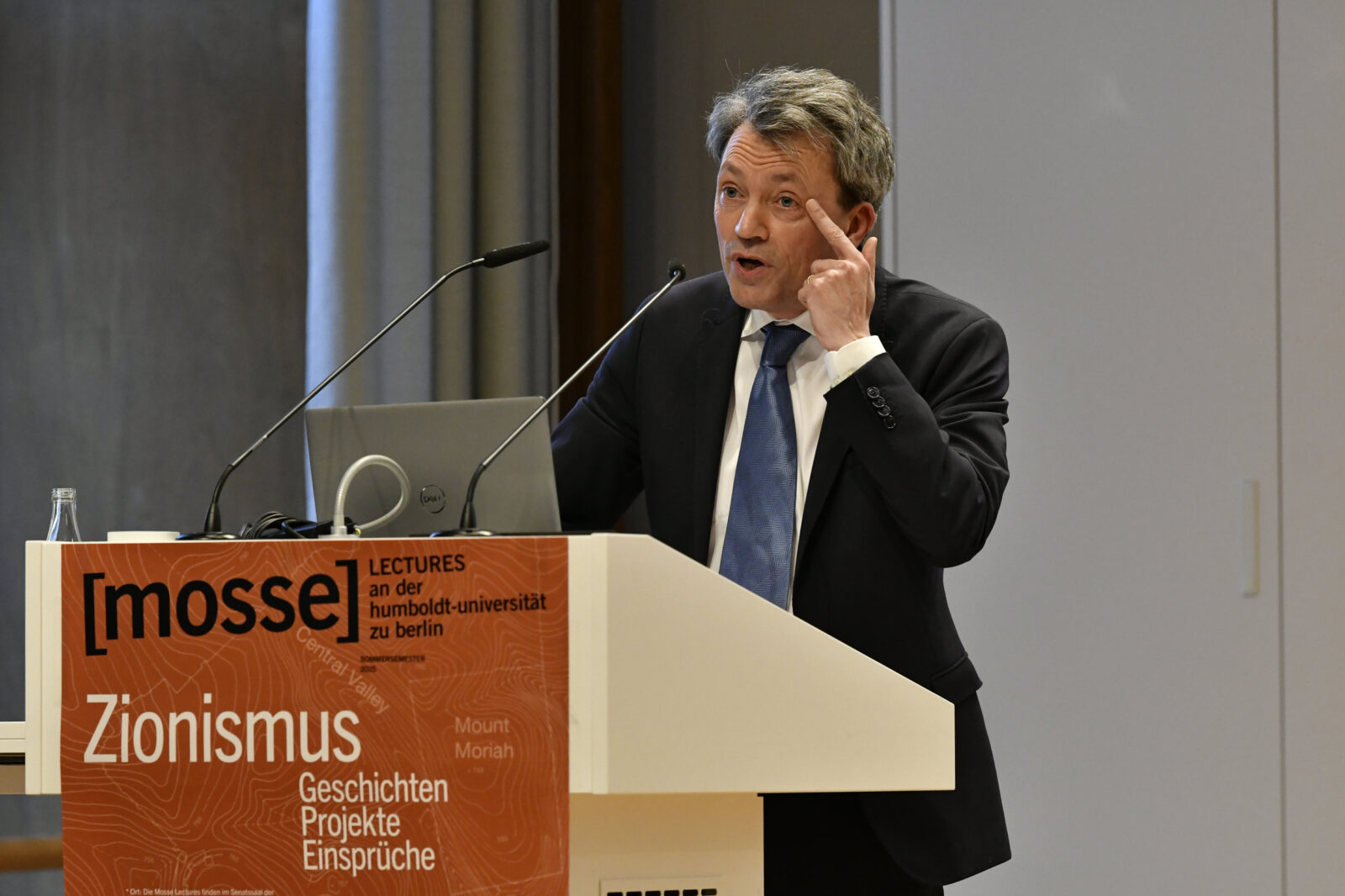
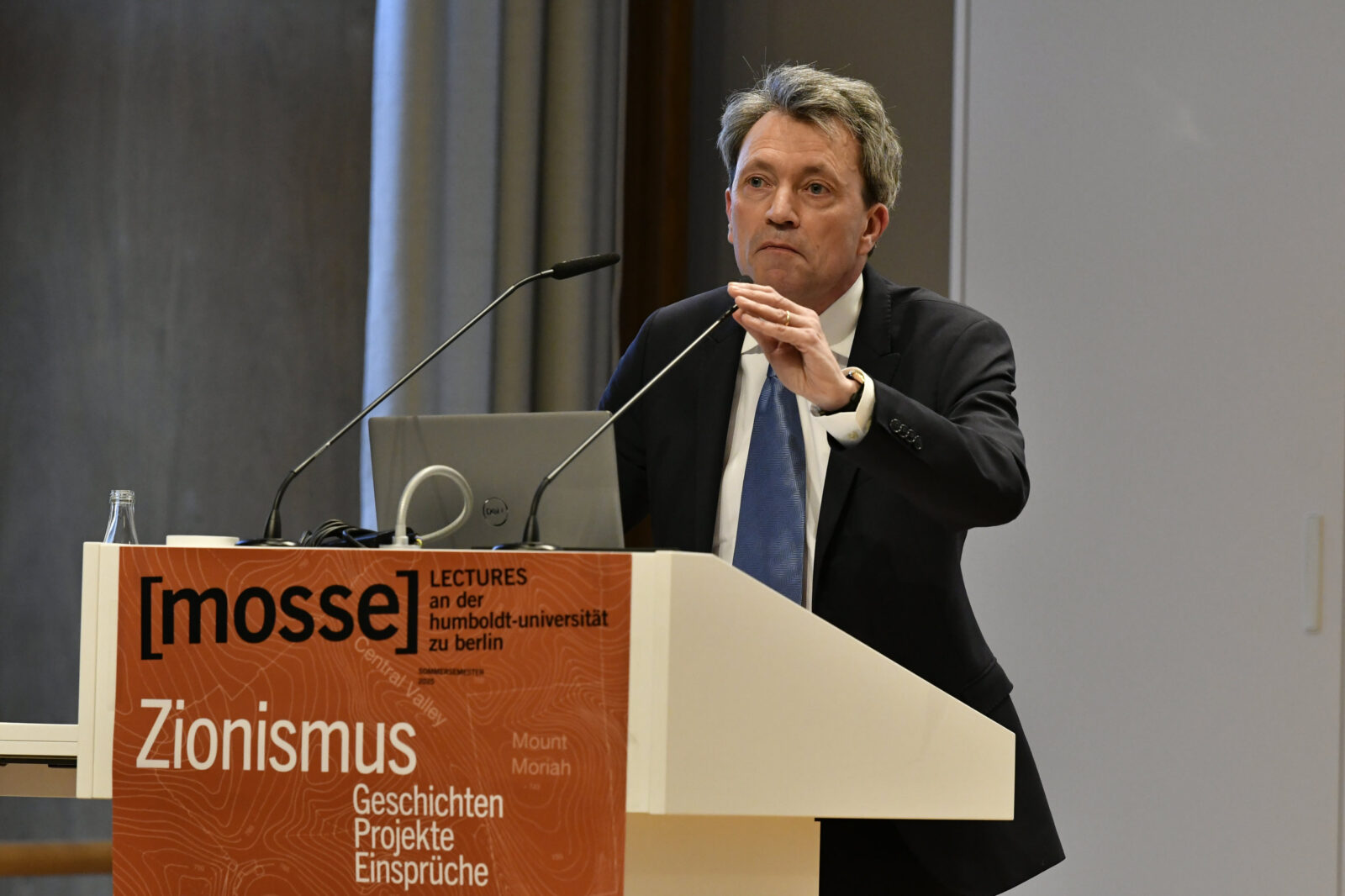
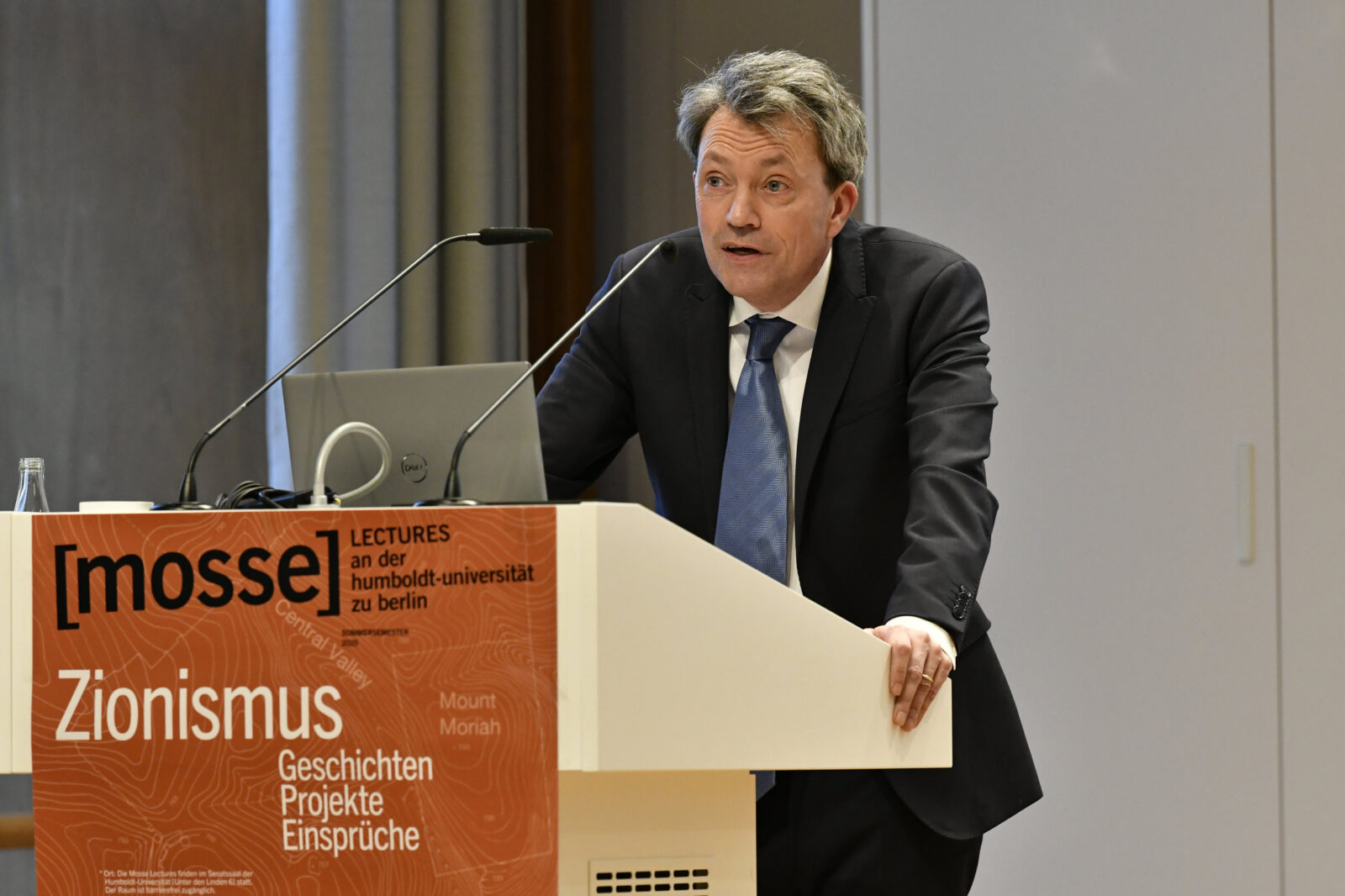
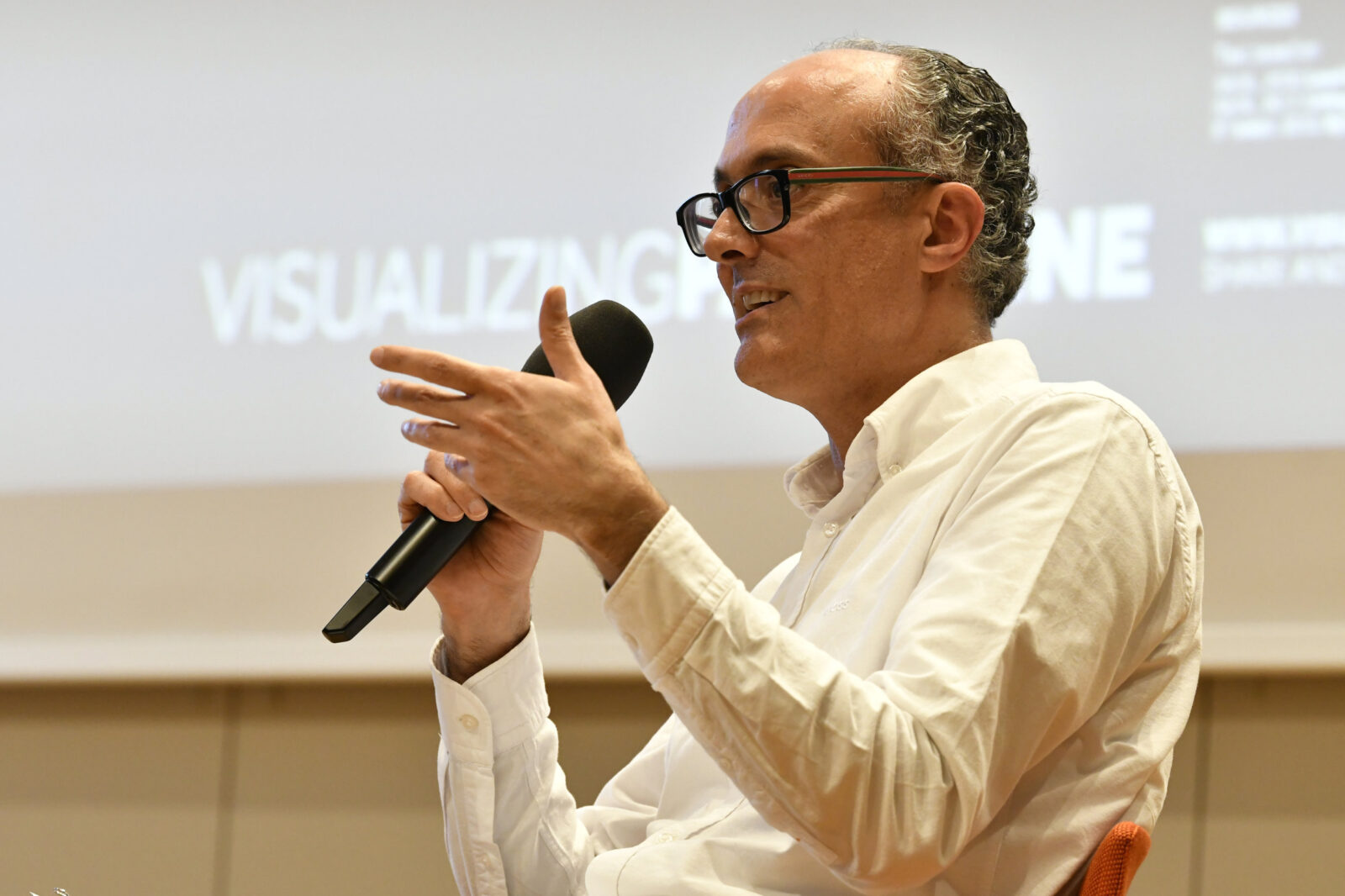
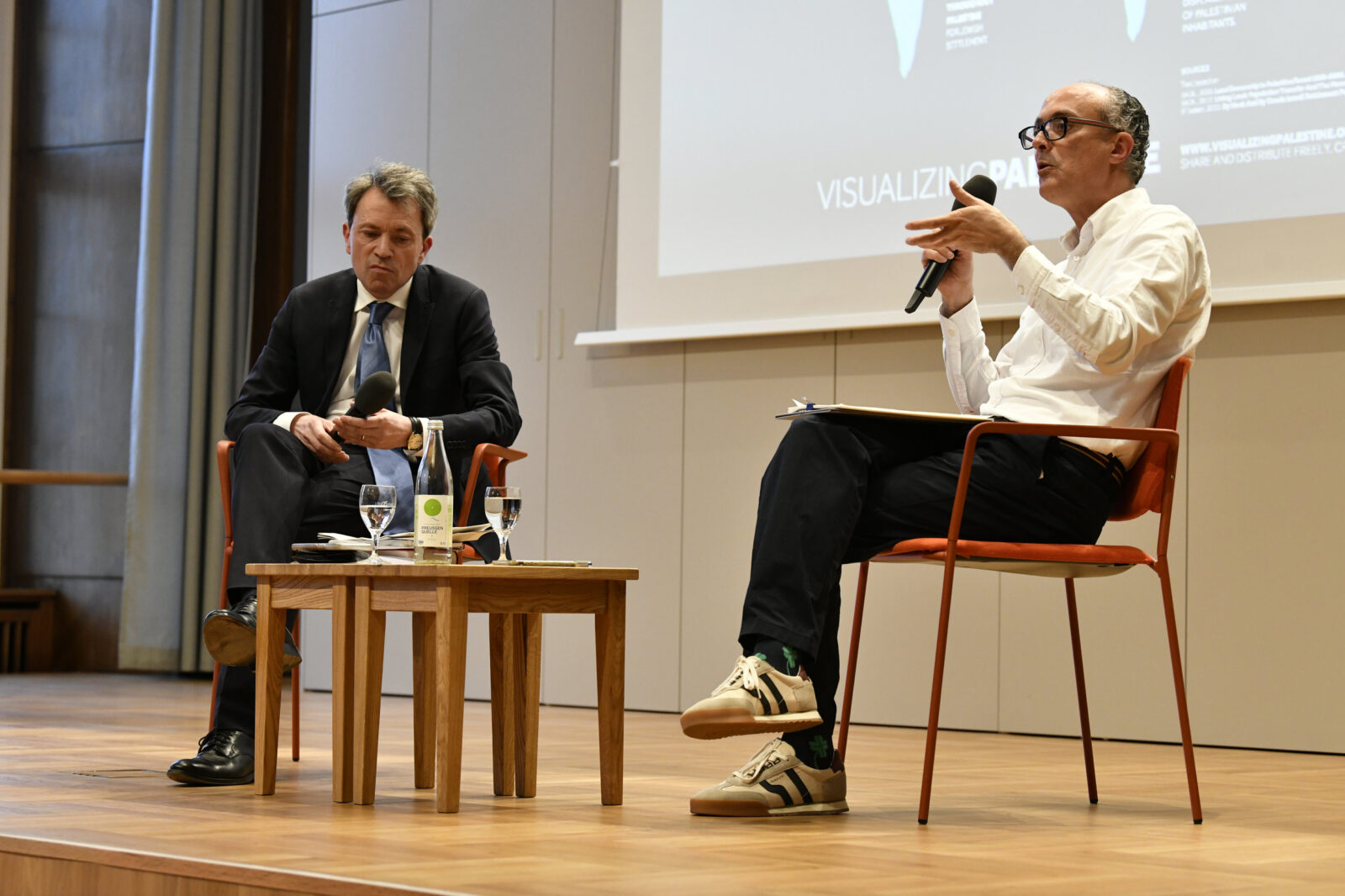
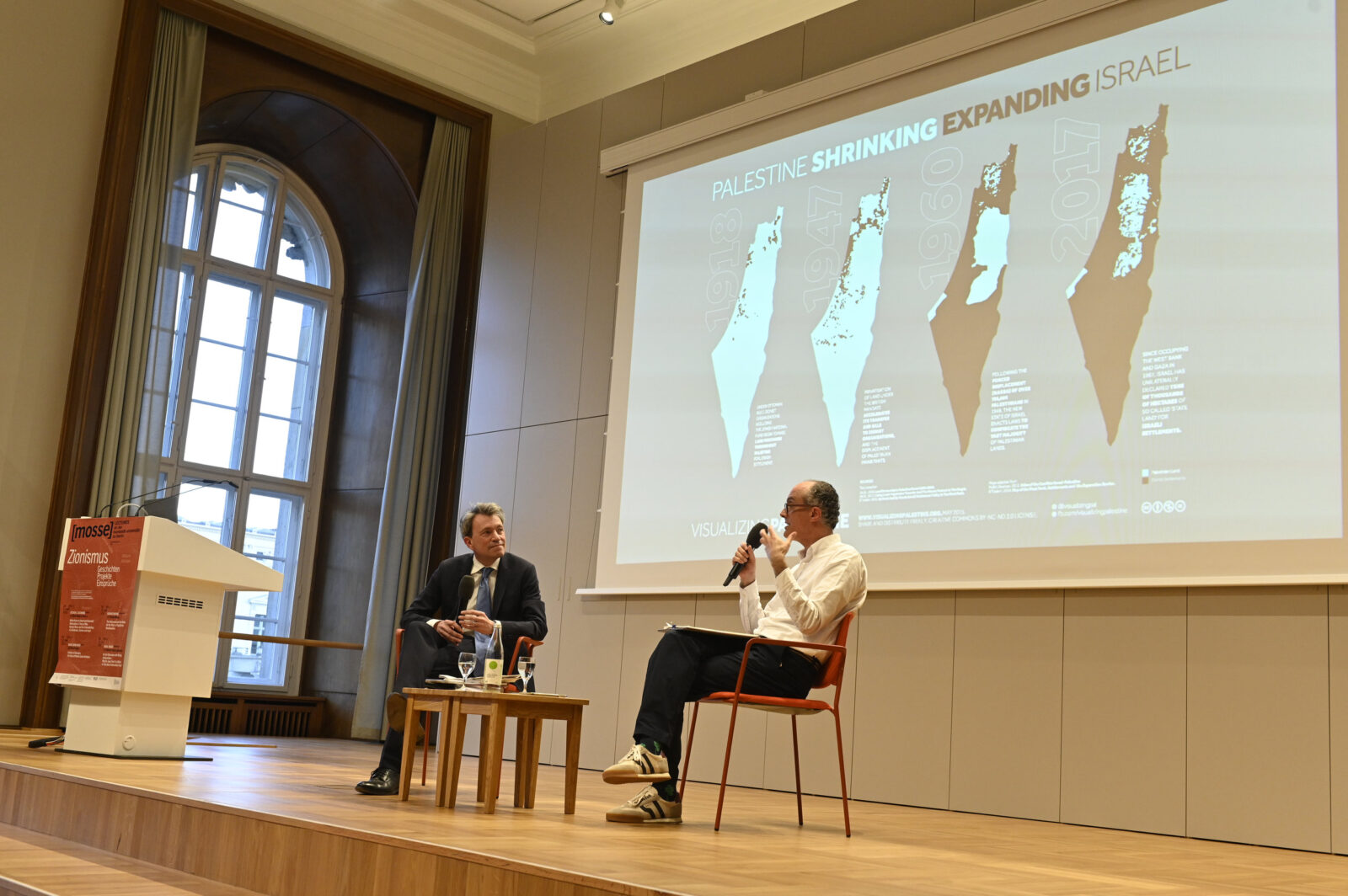
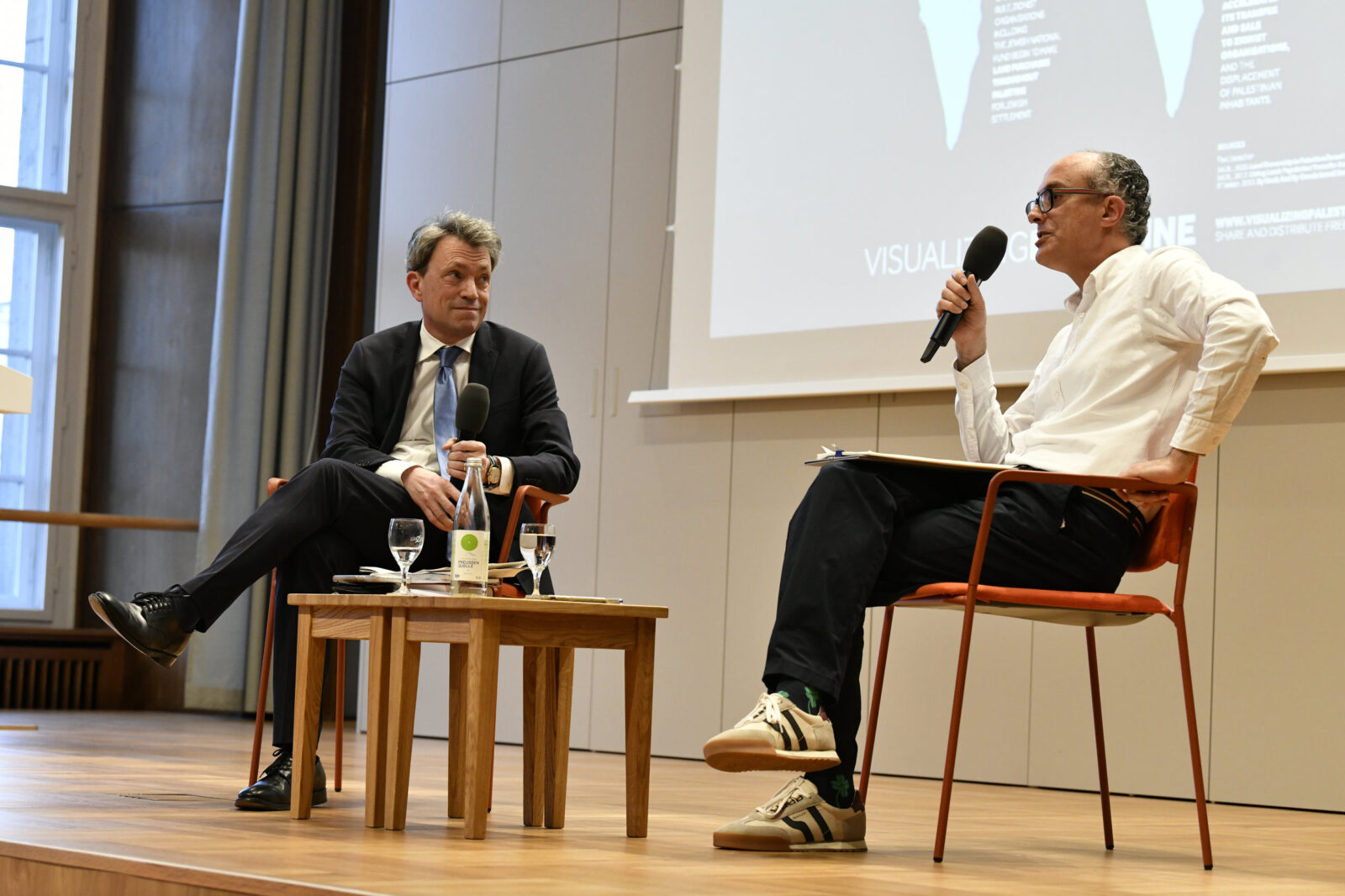
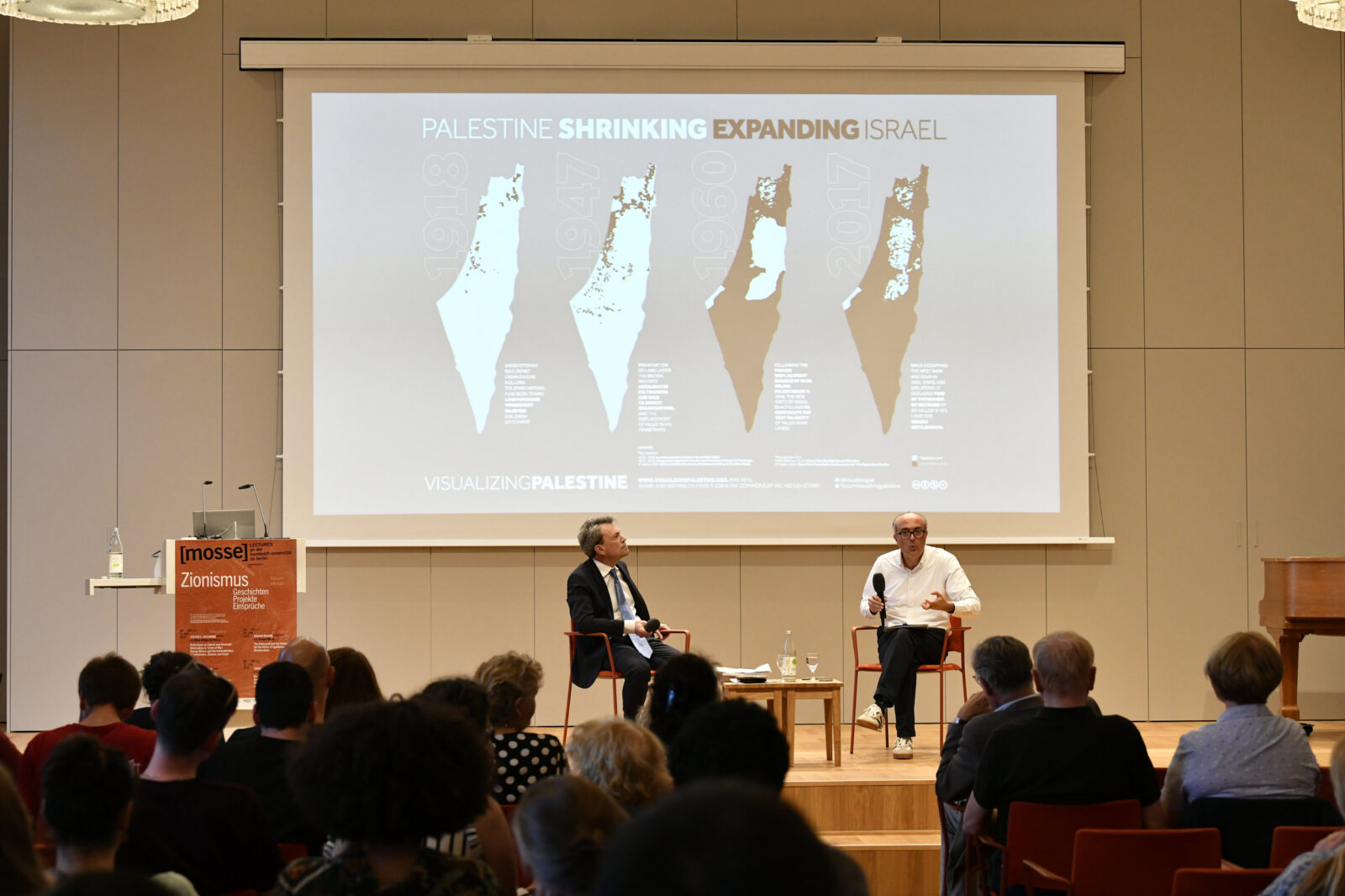
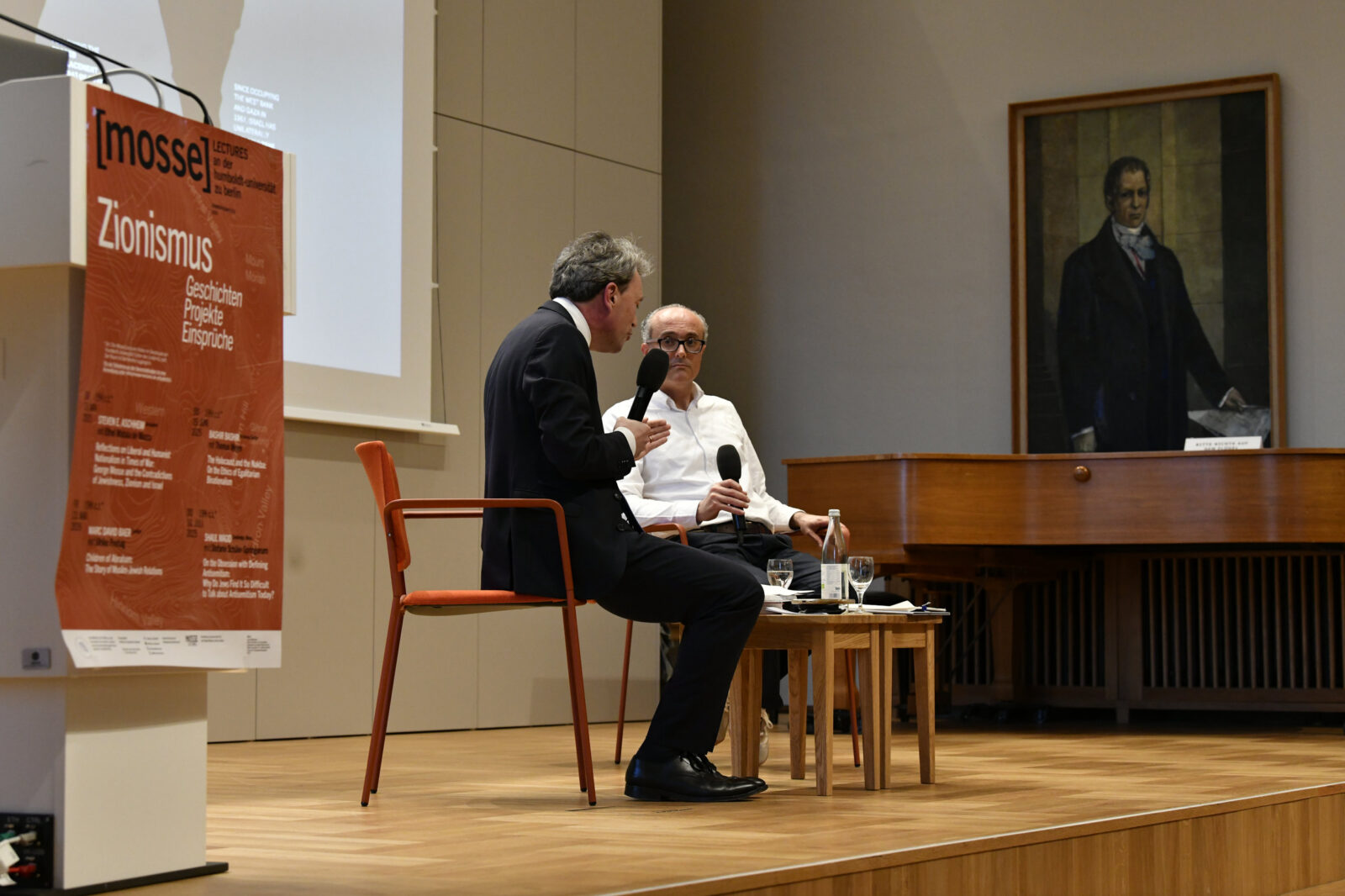
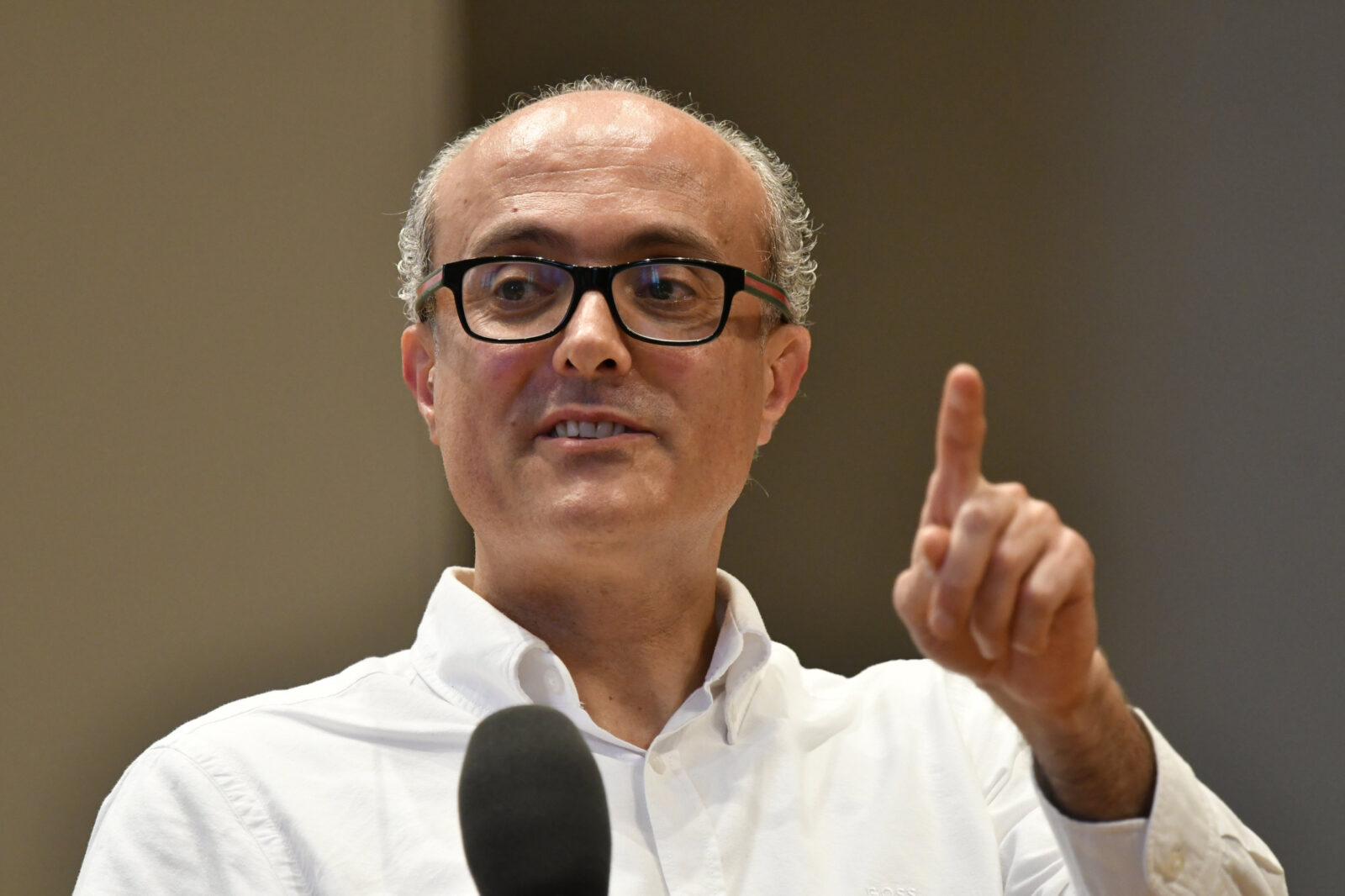
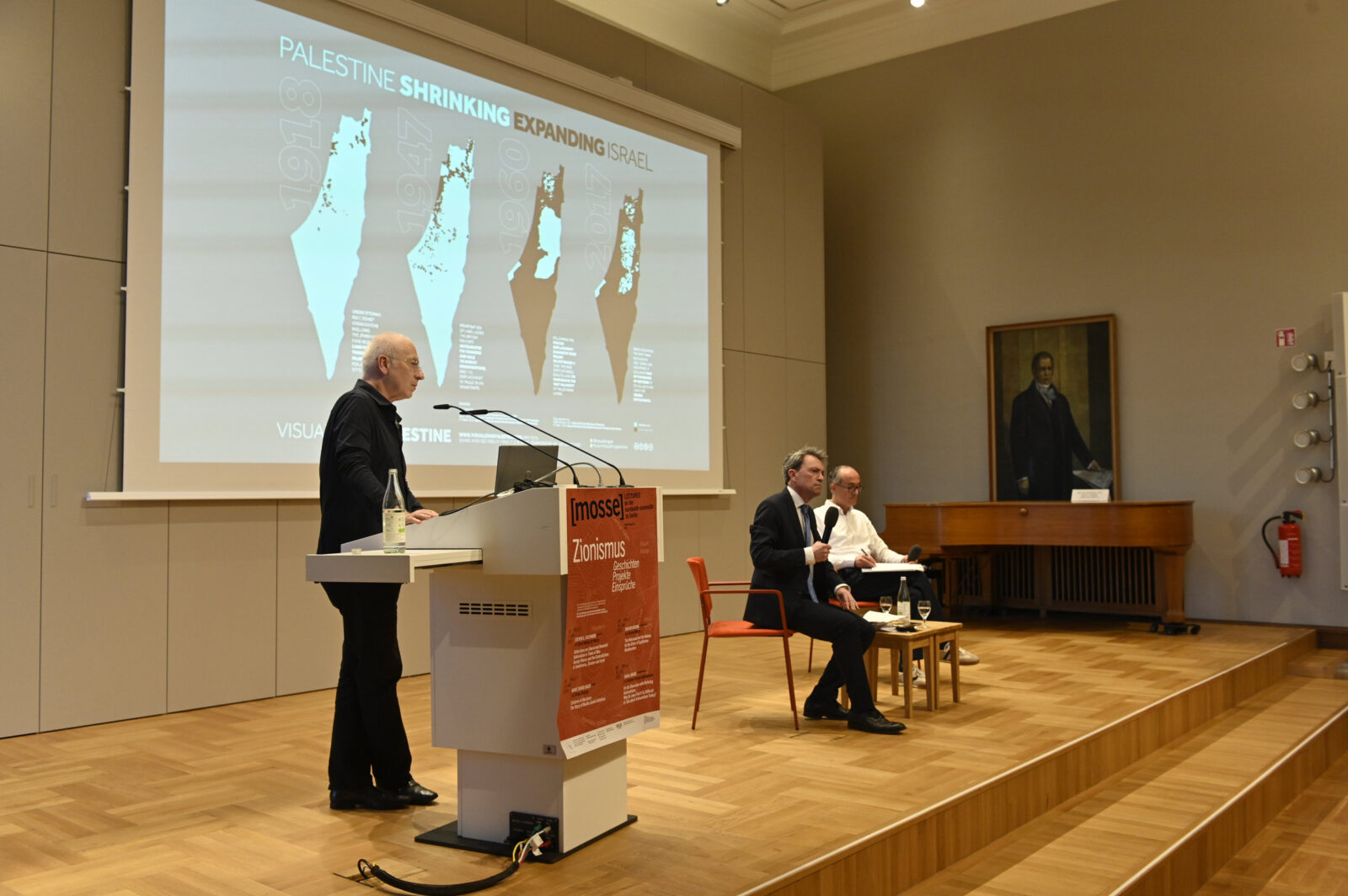
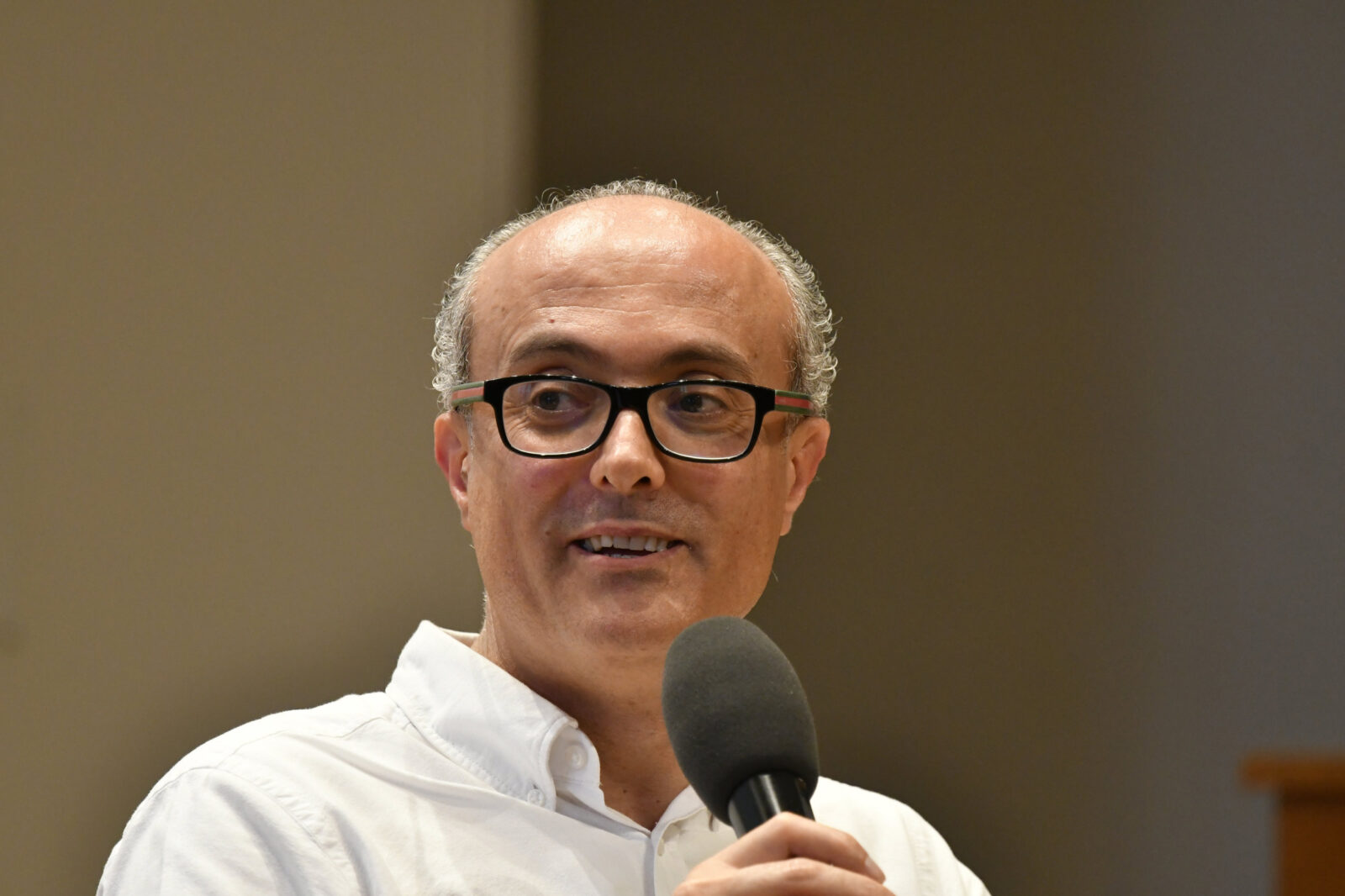


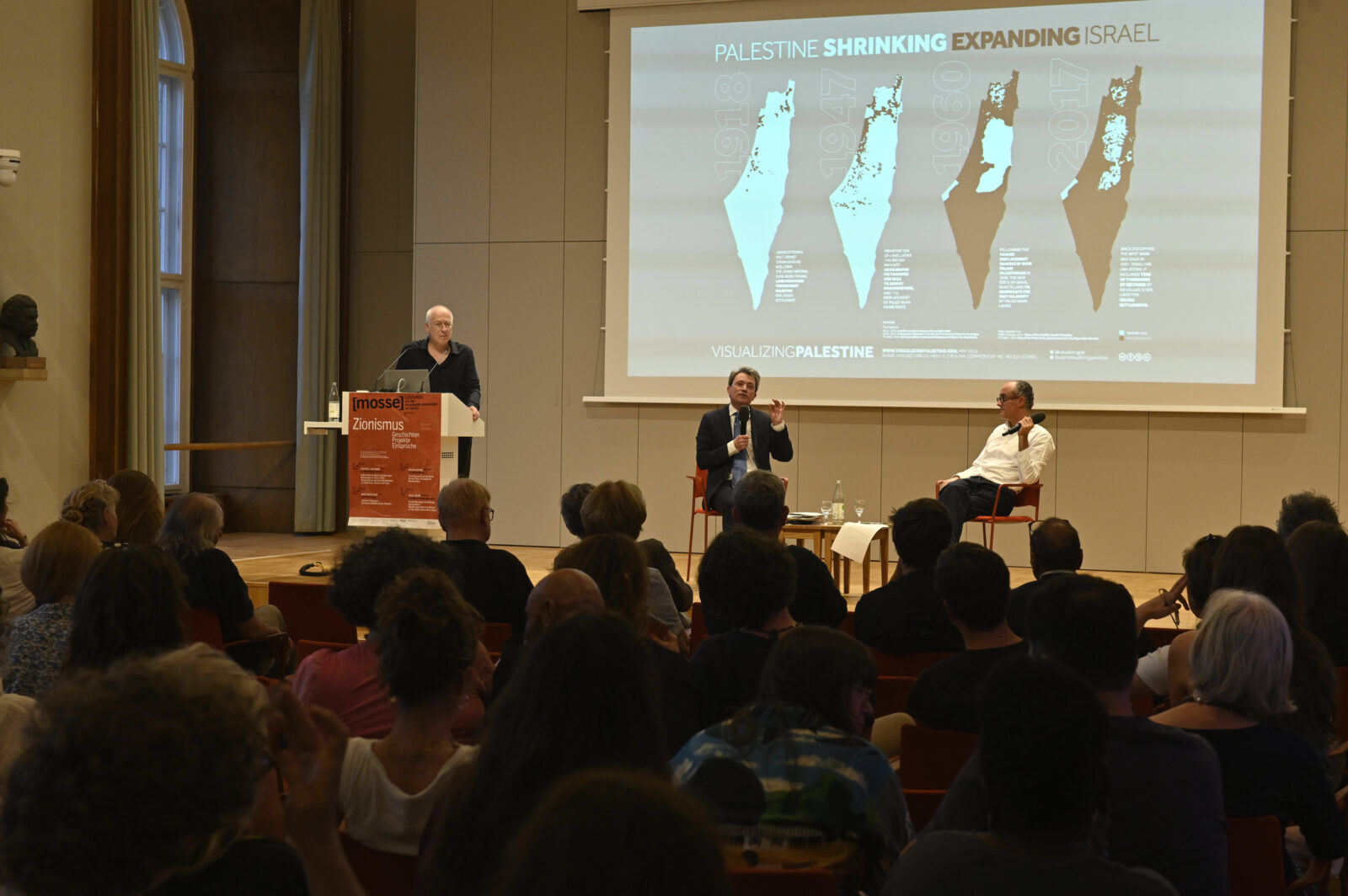
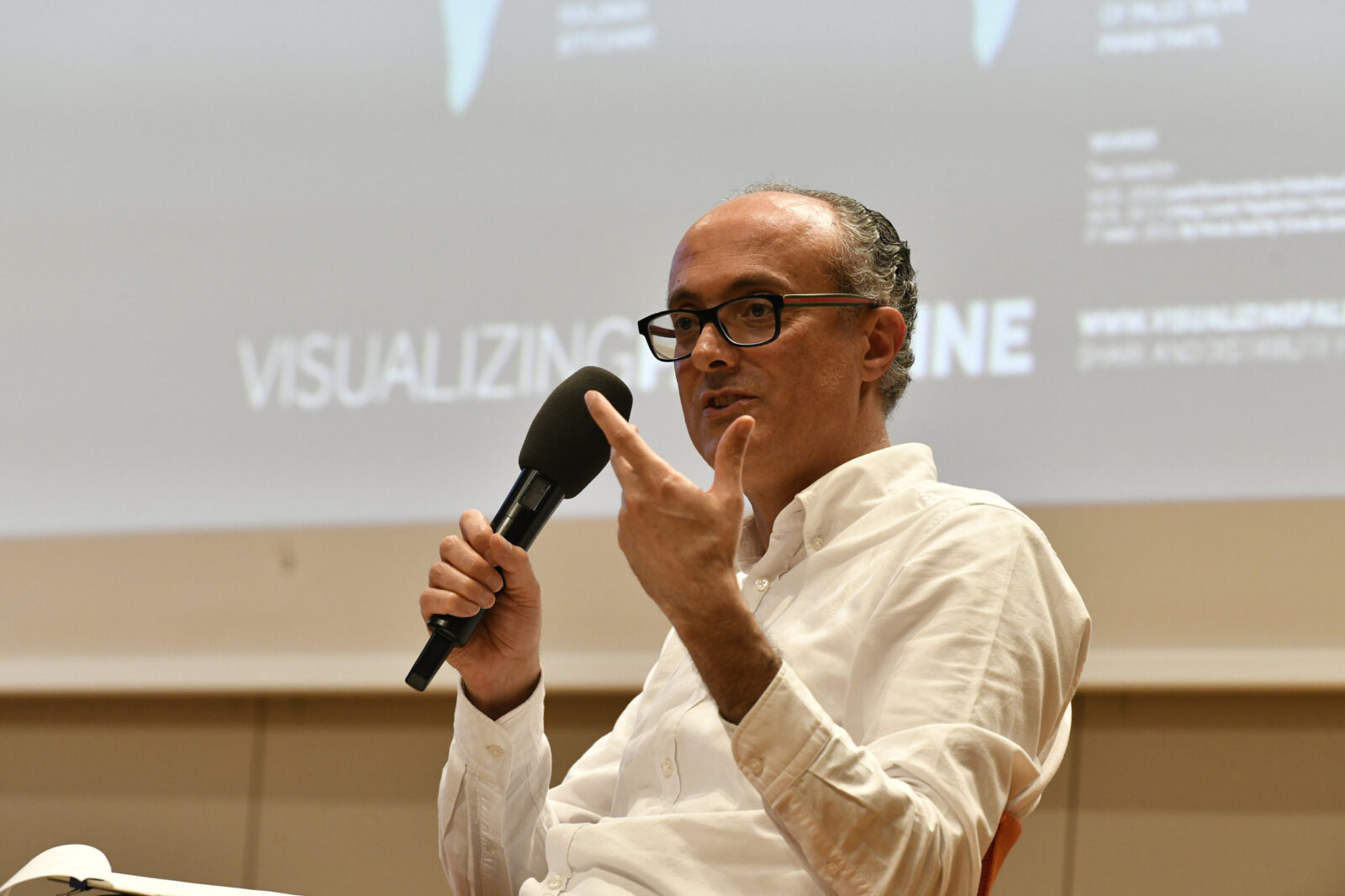
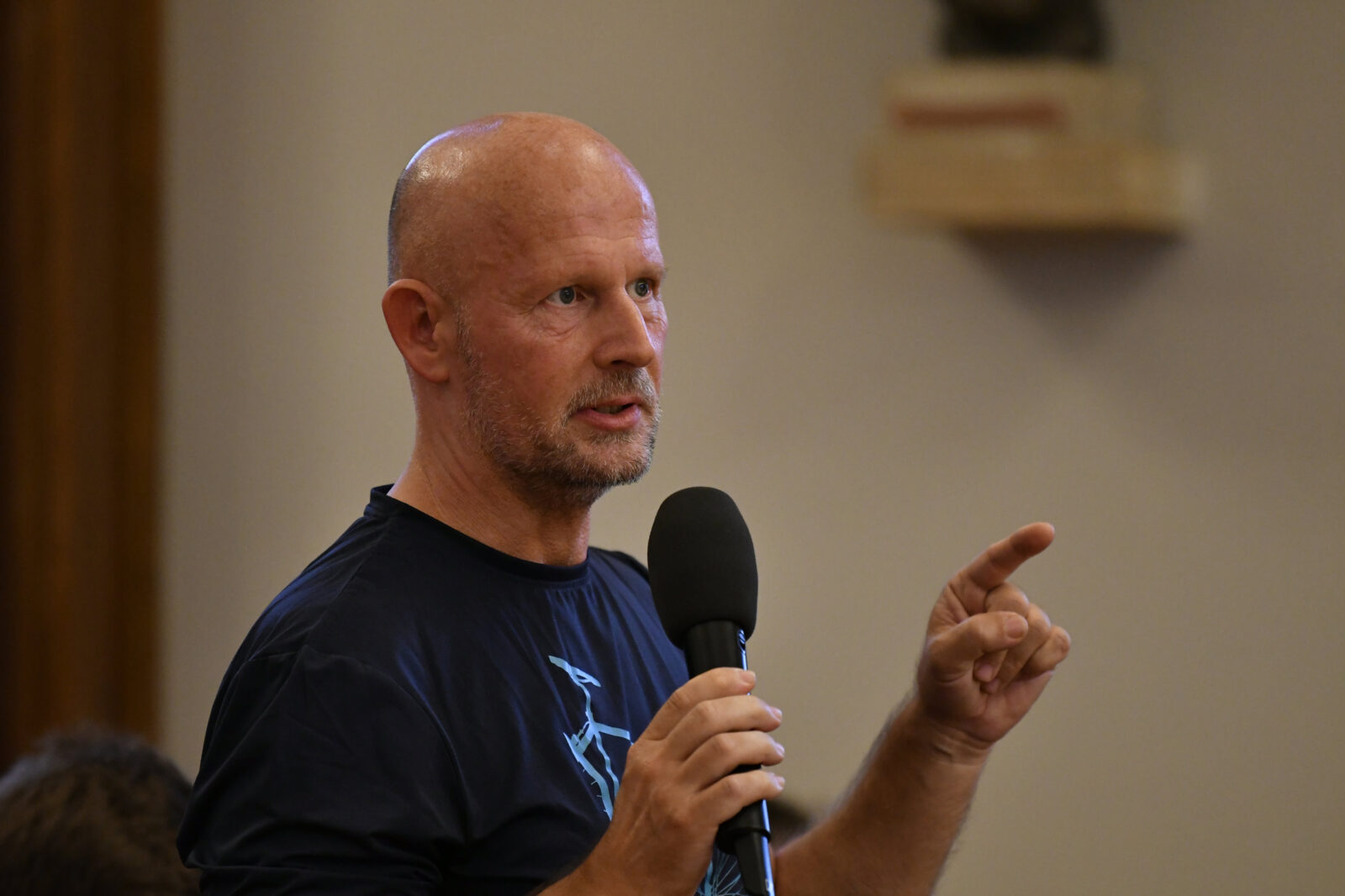
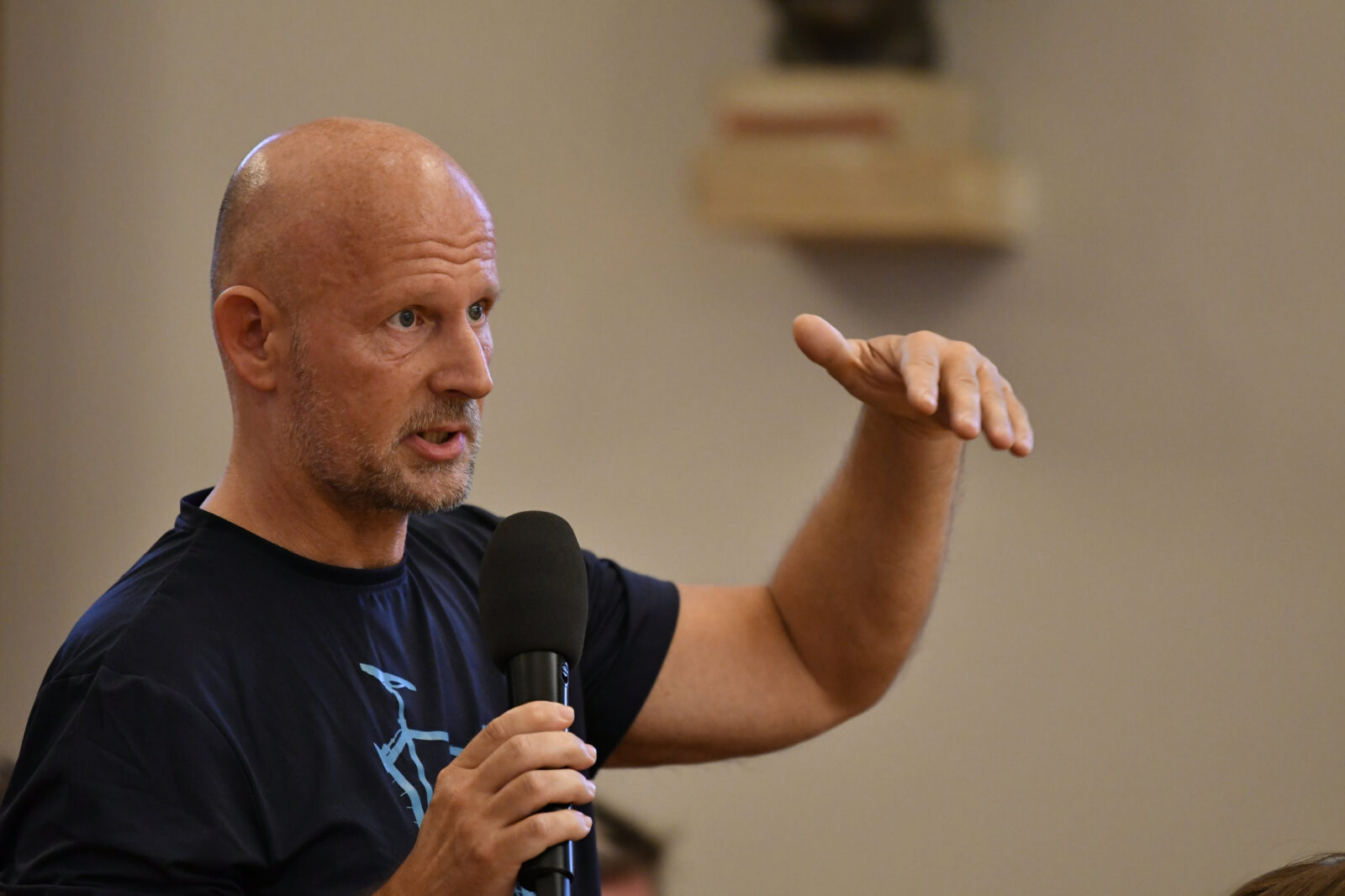
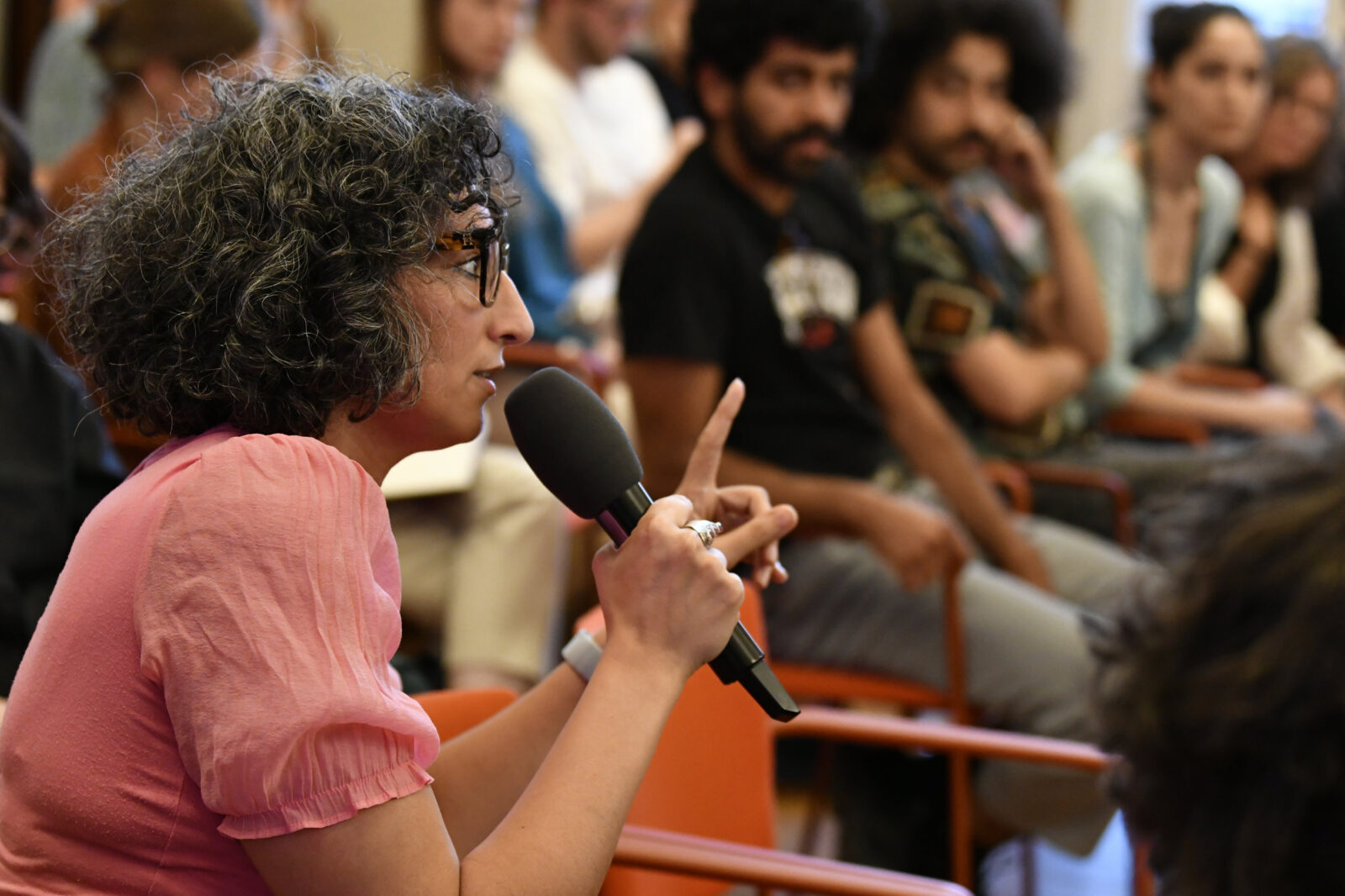
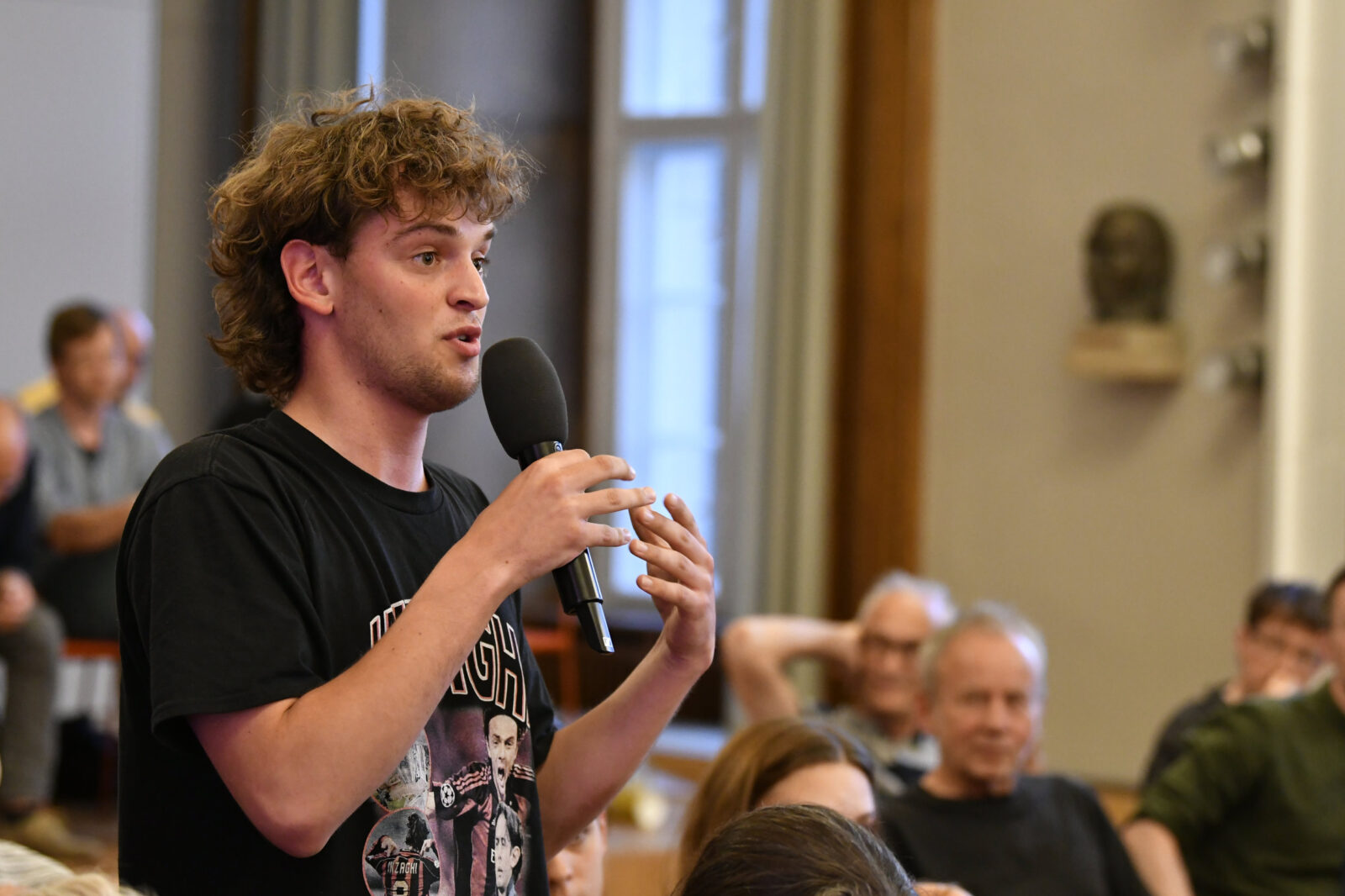
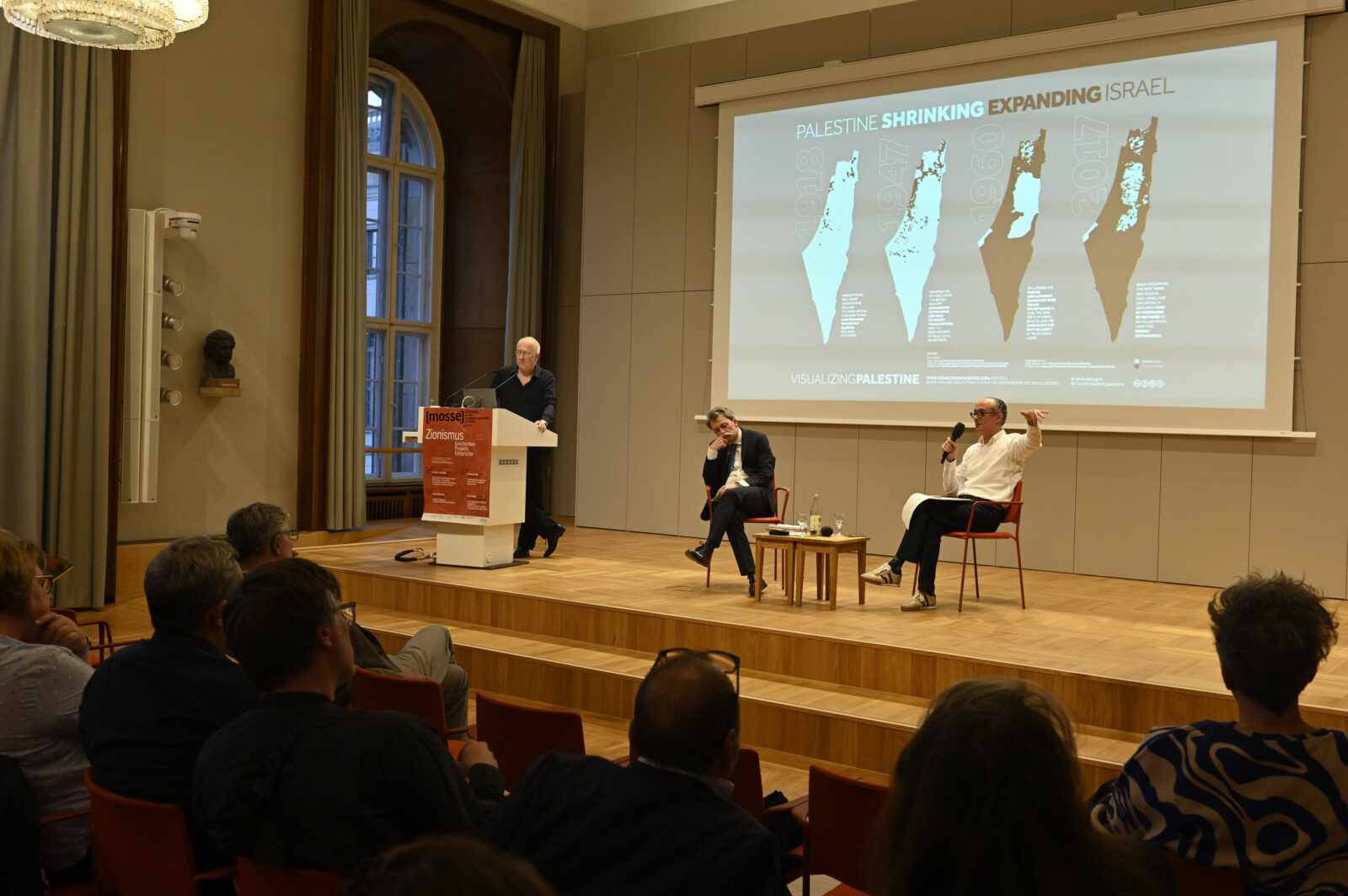
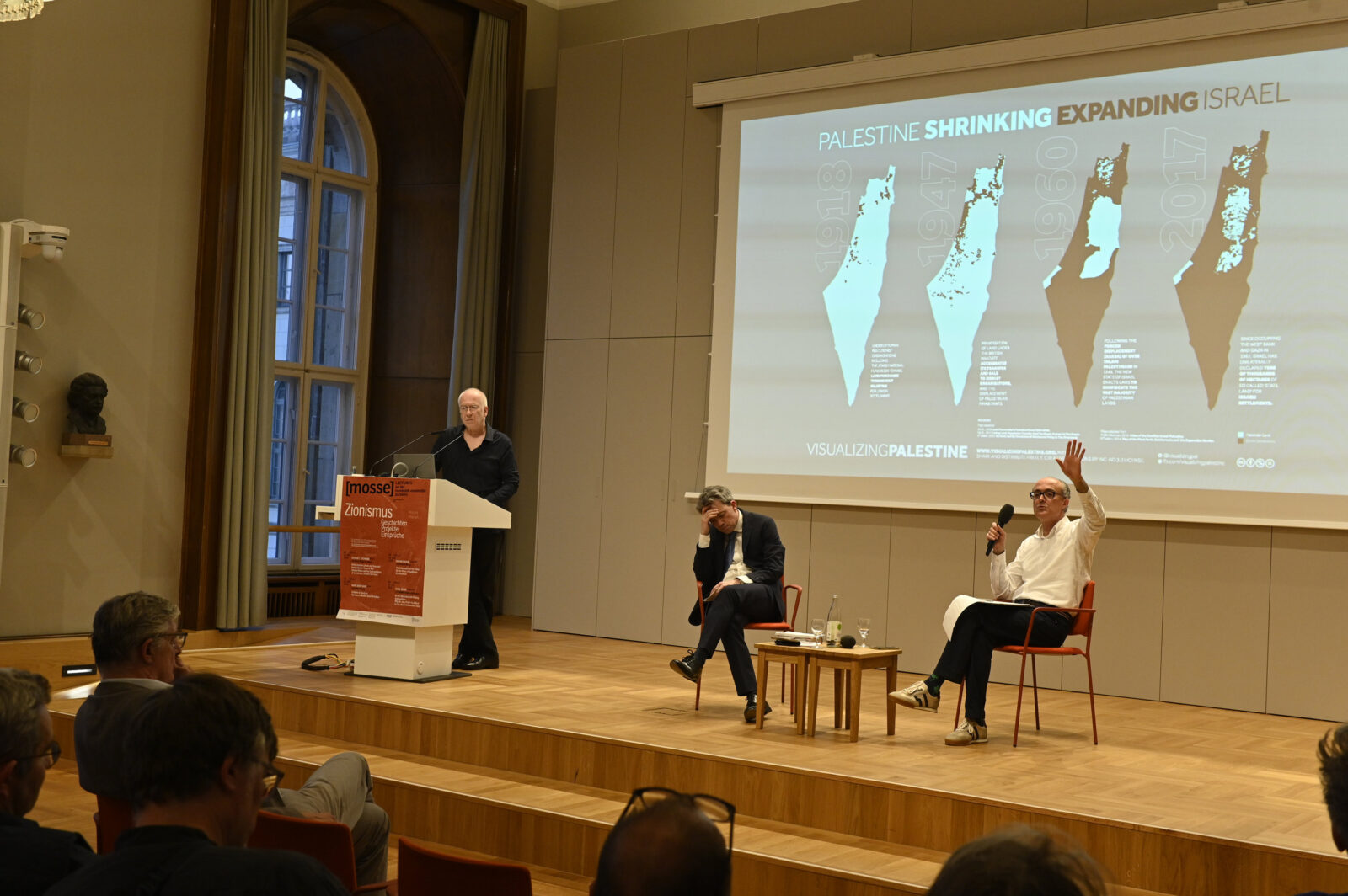
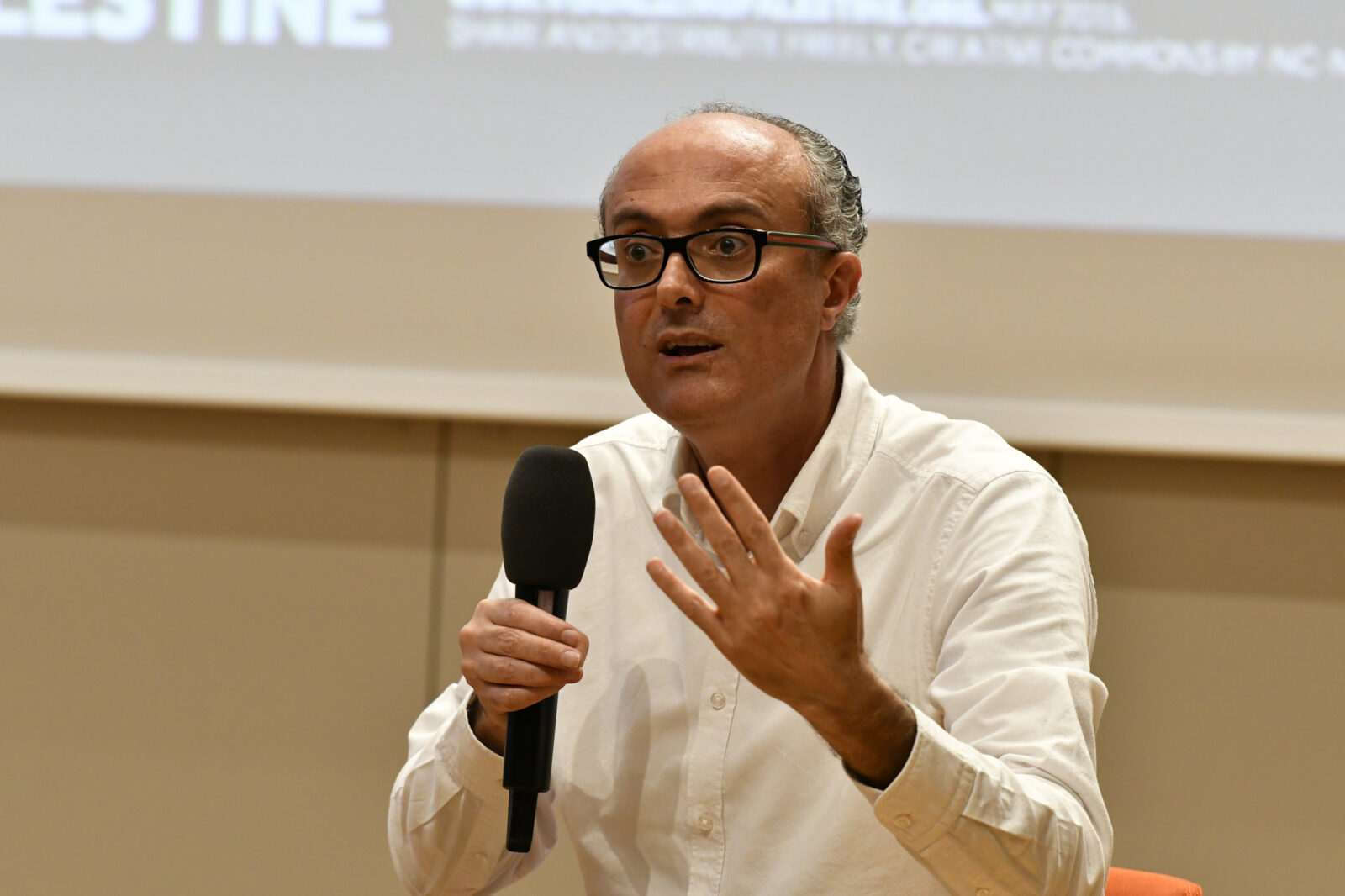
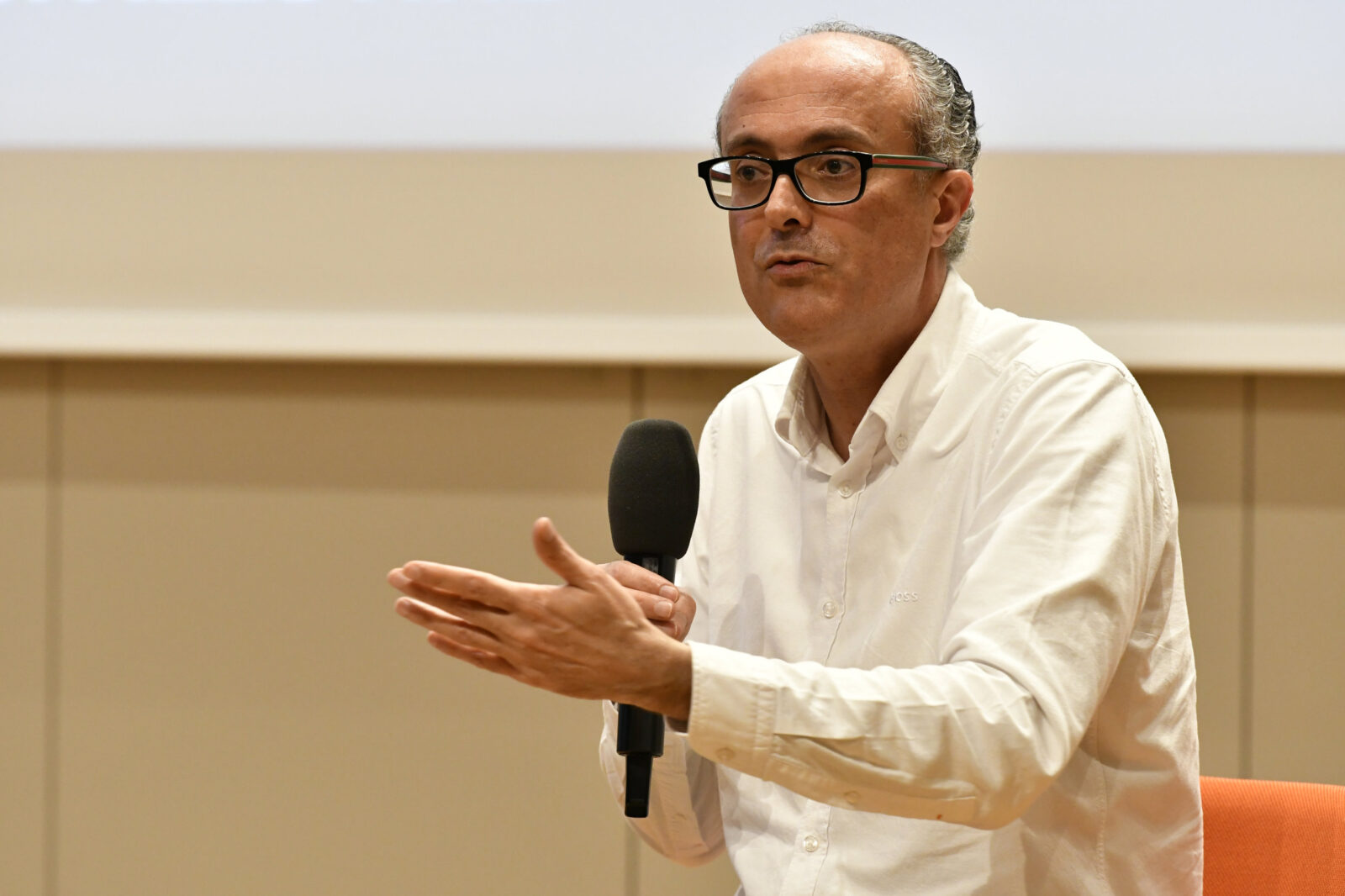
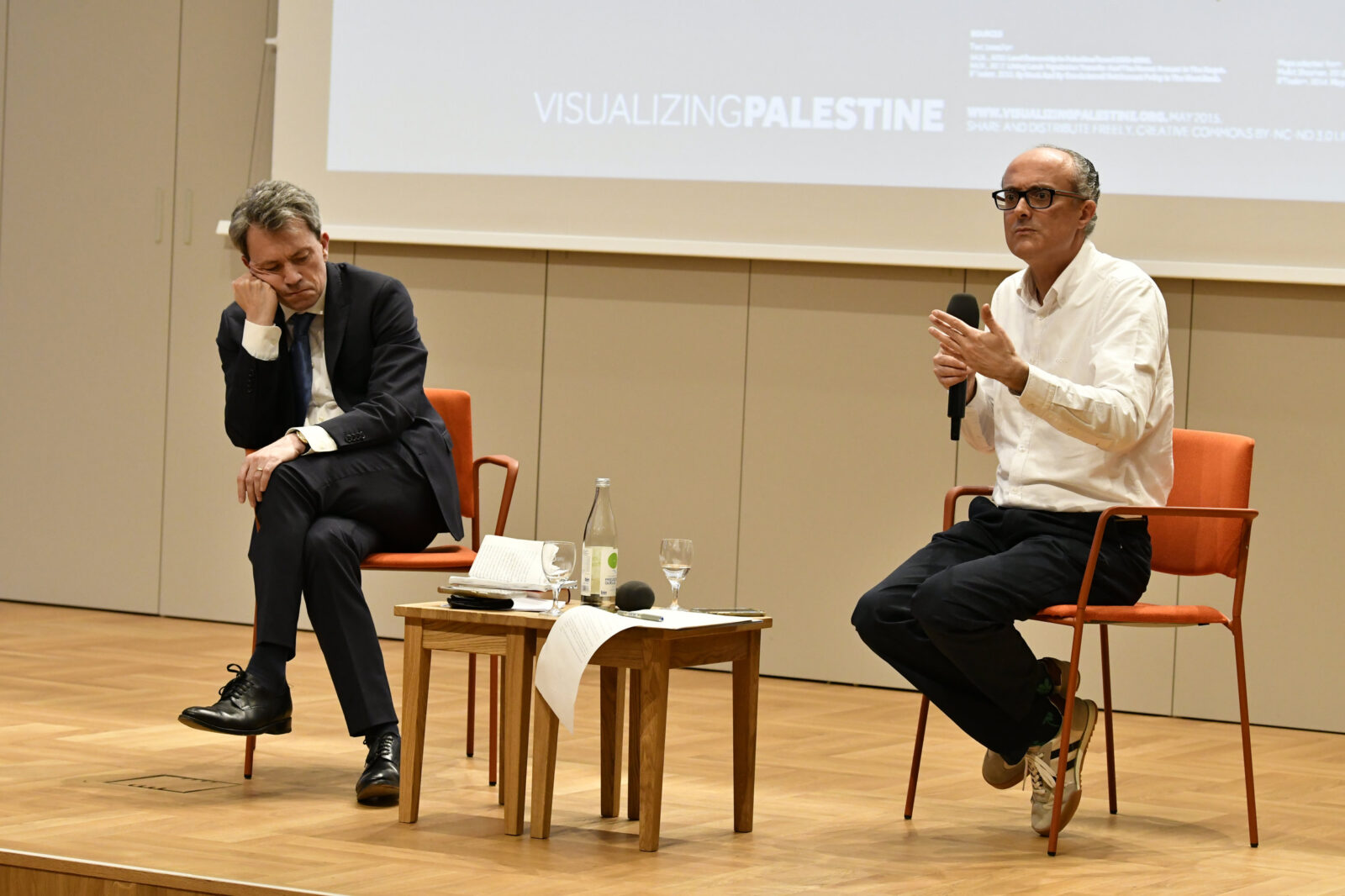
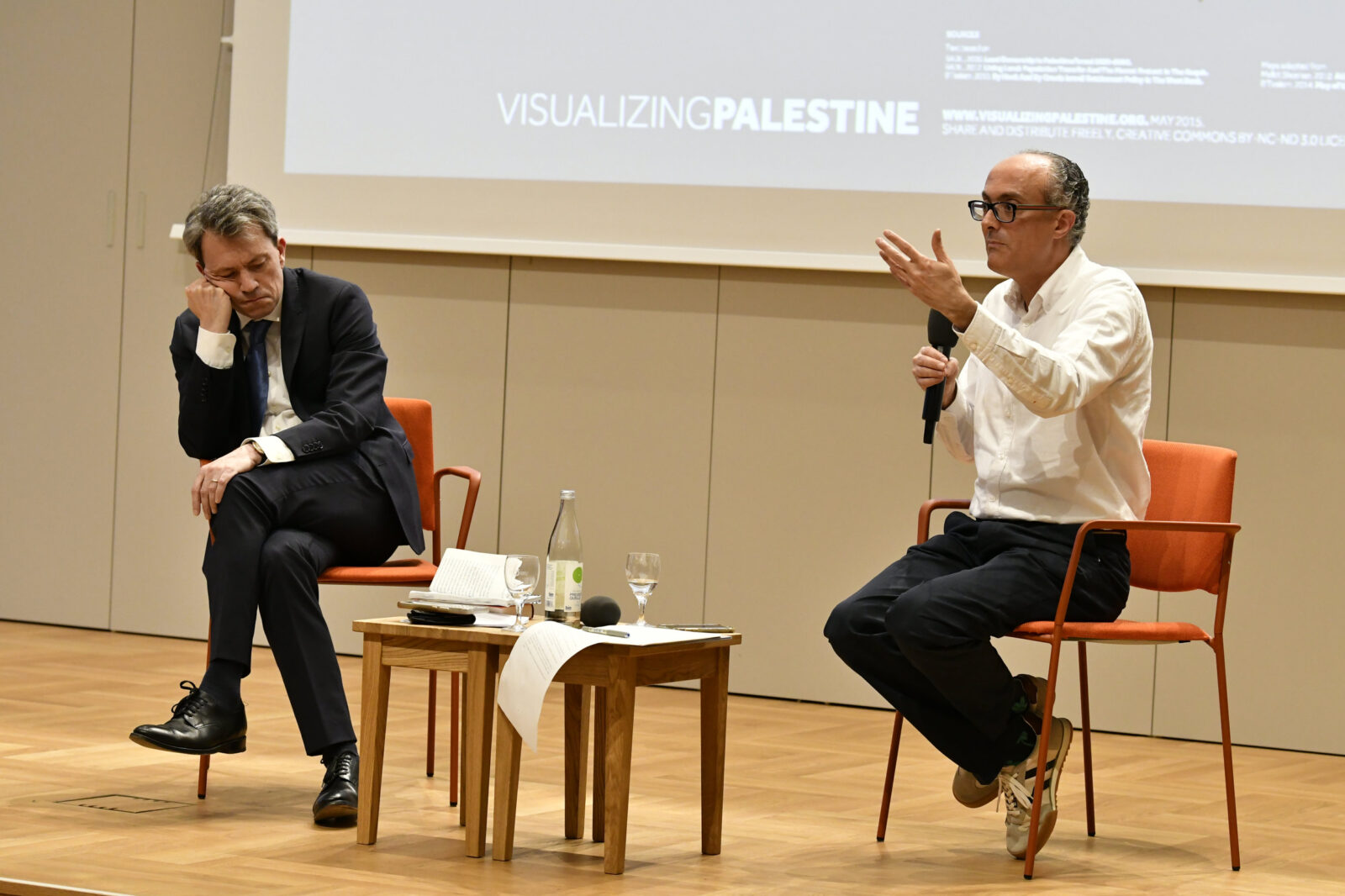
Photo credit: Neils Leiser for the Mosse Lectures

Bashir Bashir Politikwissenschaftler; Außerordentlicher Professor im Fachbereich Soziologie, Politikwissenschaft und Kommunikation an der Open University of Israel und Senior Research Fellow am Van Leer Jerusalem Institute. Derzeit ist er Fellow am Wissenschaftskolleg zu Berlin. Zu seinen Forschungsinteressen zählen Nationalismus und Citizenship Studies, Liberalismus, Demokratietheorie, Dekolonisierung, Politiken der Versöhnung und Alternativen zur Teilung in Palästina/Israel. Er ist Mitherausgeber von »The Holocaust and Nakba: A New Grammar of Trauma and History « [2018] und »The Arab and Jewish Questions: Geographies of Engagement in Palestine and Beyond« [2020].

Thomas Meyer Philosoph; Außerplanmäßiger Professor an der Ludwig-Maximilians-Universität München. Seine Forschungsschwerpunkte bilden die Ideen- und Philosophiegeschichte der griechischen Antike und des 20. Jahrhunderts mit einem Fokus auf Geschichts-, Kultur- und politischer Philosophie. Er ist Herausgeber der Werke Hannah Arendts im Piper Verlag und edierte 2024 in »Über Palästina« zwei bisher unbekannte Texte von und mit Arendt zum Thema. Zudem erschien 2023 seine vielbeachtete Biographie Hannah Arendts. Meyer veröffentlichte darüber hinaus zahlreiche Bücher, Aufsätze, Radio-Essays und Zeitungsartikel zur Ideengeschichte des 20. Jahrhundert.
In the Media:
Article by Patrick Bahners in the Frankfurter Allgemeine Zeitung of July 9, 2025 on Bashir Bashir’s Mosse Lecture: Hamas sei mehr als das: Ein Zionismuskritiker an der Humboldt-Universität
Response by Per Leo to Patrick Bahners’ critique of Bashir Bashir’s Mosse Lecture, published in Merkur on August 20th, 2025: Der Bote. Nachrichten zur palästinensischen Frage /The Palestinian Messenger of Old News
