
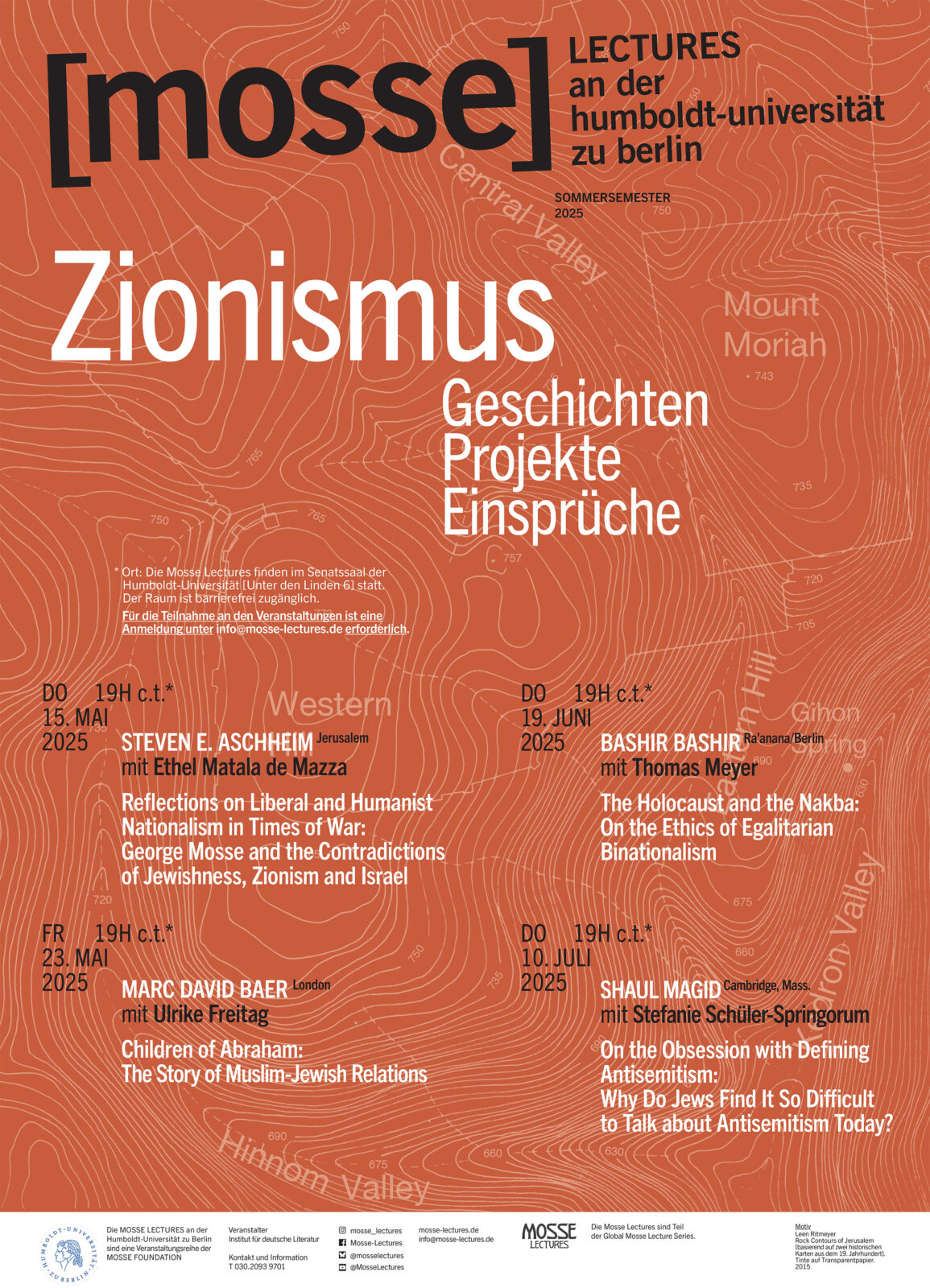
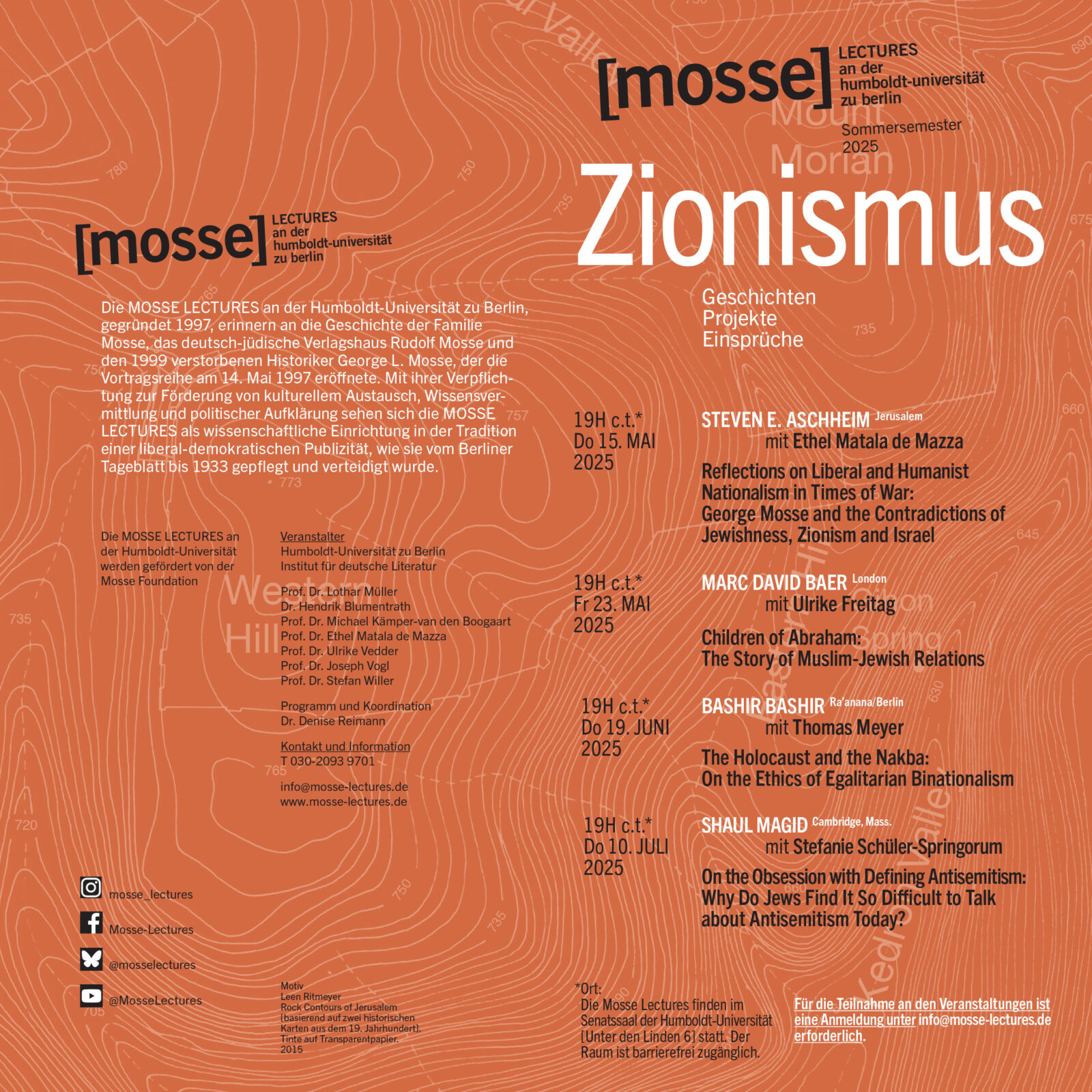
2025: Marc David Baer, “Children of Abraham: The Story of Muslim-Jewish Relations”
Marc David Baer, “Children of Abraham: The Story of Muslim-Jewish Relations”
Humboldt University Mosse Lecture
mosselectures.wisc.edu/berlin/
Friday, 23 May 2025 19:15 CET
Senatssaal of Humboldt University
Unter den Linden 6
10117 Berlin
GERMANY
Sponsored by:
[mosse] LECTURES an der humboldt-universität zu berlin
The Mosse Foundation
Global Mosse Lecture Series
Institut für deutsche Literatur
Humboldt University
Moderator: Lothar Müller (Humboldt University)
Respondent: Ulrike Freitag (Freie Universität Berlin)
Lecture Description: The talk presents the book, The Children of Abraham: The Story of Muslim-Jewish Relations, which explores the historical relationship between Jews and Muslims from the seventh century to the twenty first. It highlights key moments in their interaction, including the Biblical stories of Abraham, Ishmael, and Isaac, and the Qur’anic narrative of Ishmael and Hagar. The book identifies five relational dynamics that shape their relations: symbiosis, pact of protection, the Jew as ally of the Muslim, the Muslim as saviour of the Jew, and Christian hegemony. It argues against the myths of interfaith utopia and perpetual enmity, detailing how these dynamics have shaped Jewish-Muslim interactions over fourteen centuries, including periods of cooperation, conflict, and power struggles.
Lecture Series Theme: Zionismus. Geschichten – Projekte – Einsprüche/Zionism. Histories – Projects – Objections.
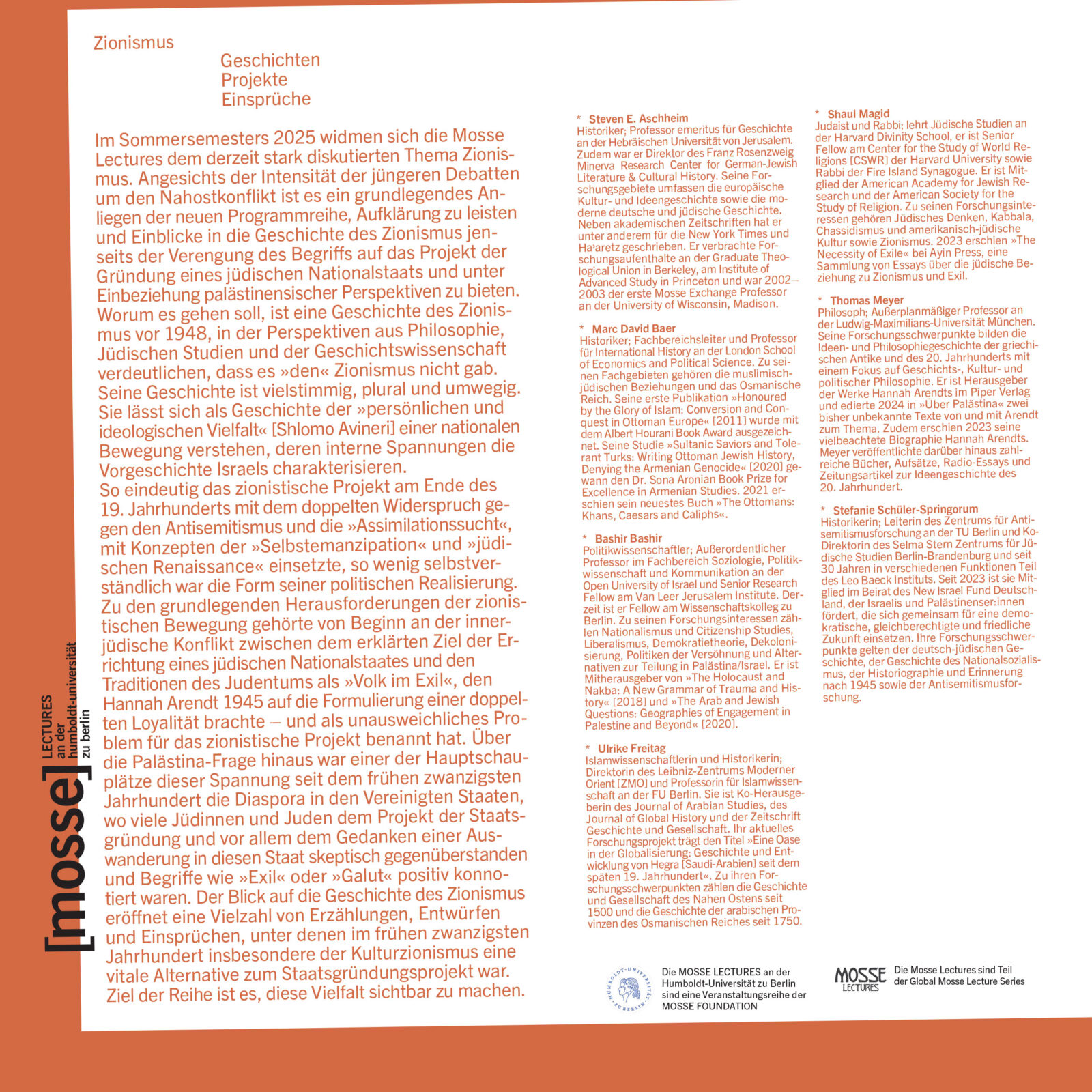
Lecture Series Description: In the summer term 2025, the Mosse Lectures will be dedicated to the currently much-discussed topic of Zionism. In view of the intensity of the recent debates surrounding the Middle East conflict, the new series of lectures aims to provide clarification and insight into the history of Zionism beyond the narrow definition of the term as the project of founding a Jewish nation-state and by including Palestinian perspectives. The aim is to outline a history of Zionism before 1948, in which perspectives from philosophy, Jewish studies and historiography make it clear that there was no such thing as the Zionism. Its history is polyphonic, plural and circuitous. It can be understood as the history of the »personal and ideological diversity« (Shlomo Avineri) of a national movement whose internal tensions characterize Israel’s prehistory.
As clearly as the Zionist project began at the end of the 19th century with the dual opposition to antisemitism and the »addiction to assimilation«, with concepts of »self-emancipation« and »Jewish renaissance«, the form of its political realization was not self-evident. One of the fundamental challenges facing the Zionist movement from the very beginning was the internal Jewish conflict between the declared goal of establishing a Jewish nation state and the traditions of Judaism as a »people in exile«, which Hannah Arendt formulated in 1945 as a dual loyalty – and identified as an unavoidable problem for the Zionist project. In addition to the question of Palestine, one of the main sites of this tension since the early twentieth century has been the diaspora in the United States, where many Jews were sceptical about the project of founding a state and, above all, about the idea of emigrating to it, and where terms such as »exile« or »galut« had positive connotations. A look at the history of Zionism opens up a multitude of narratives, drafts and objections, among which cultural Zionism in particular was a vital alternative to the project of founding a state in the early twentieth century. The aim of the series is to make this diversity visible.
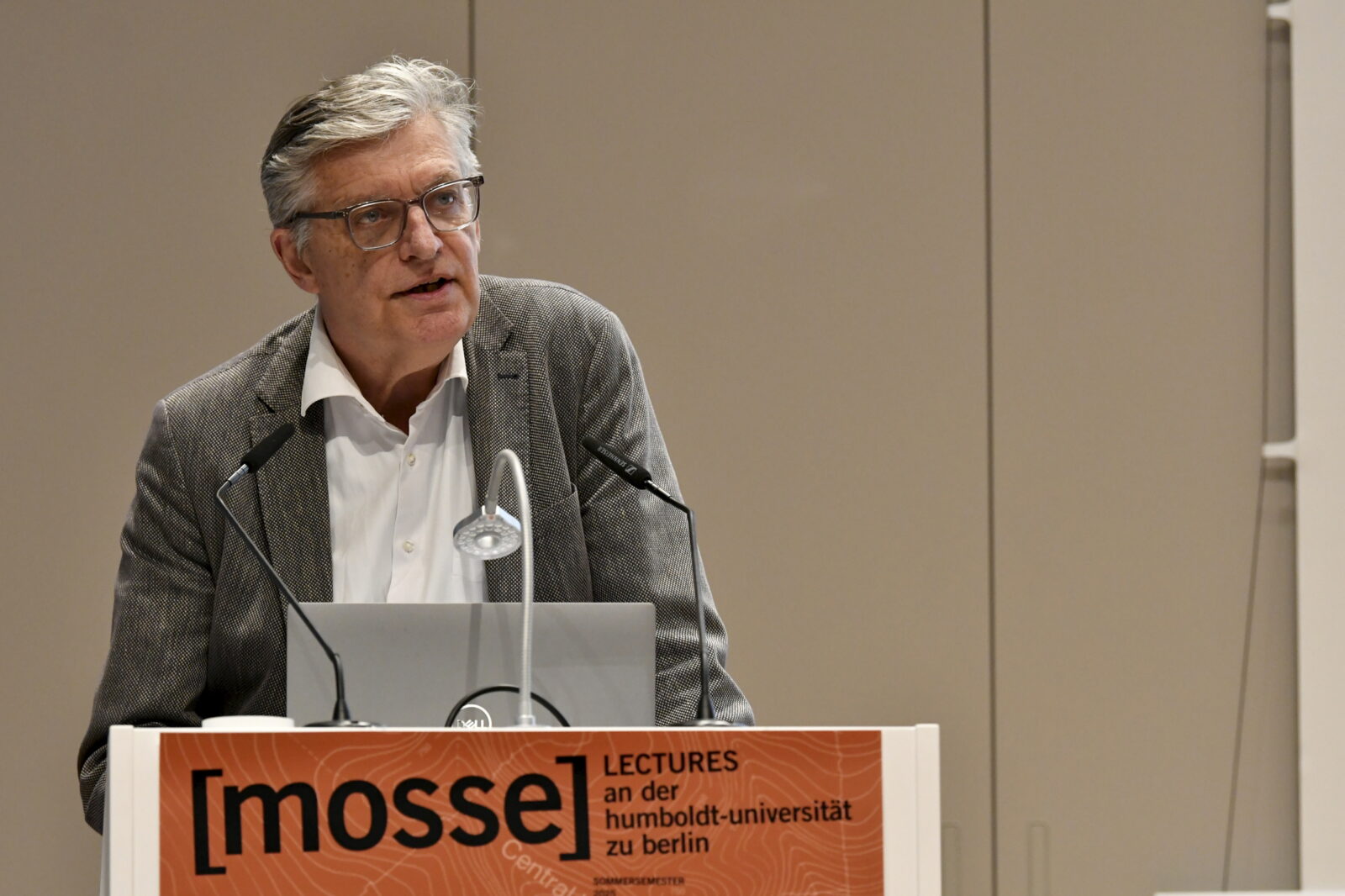
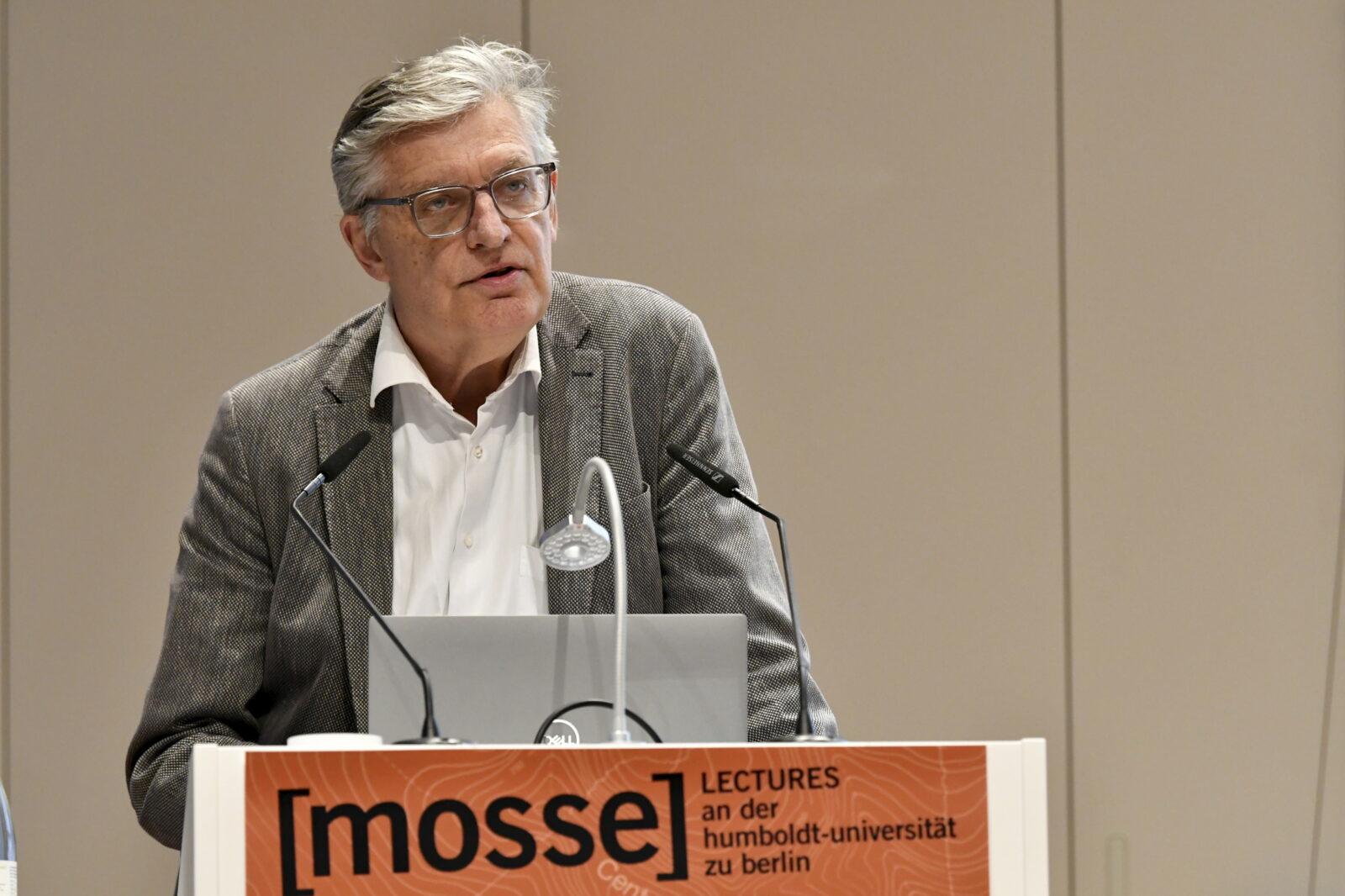
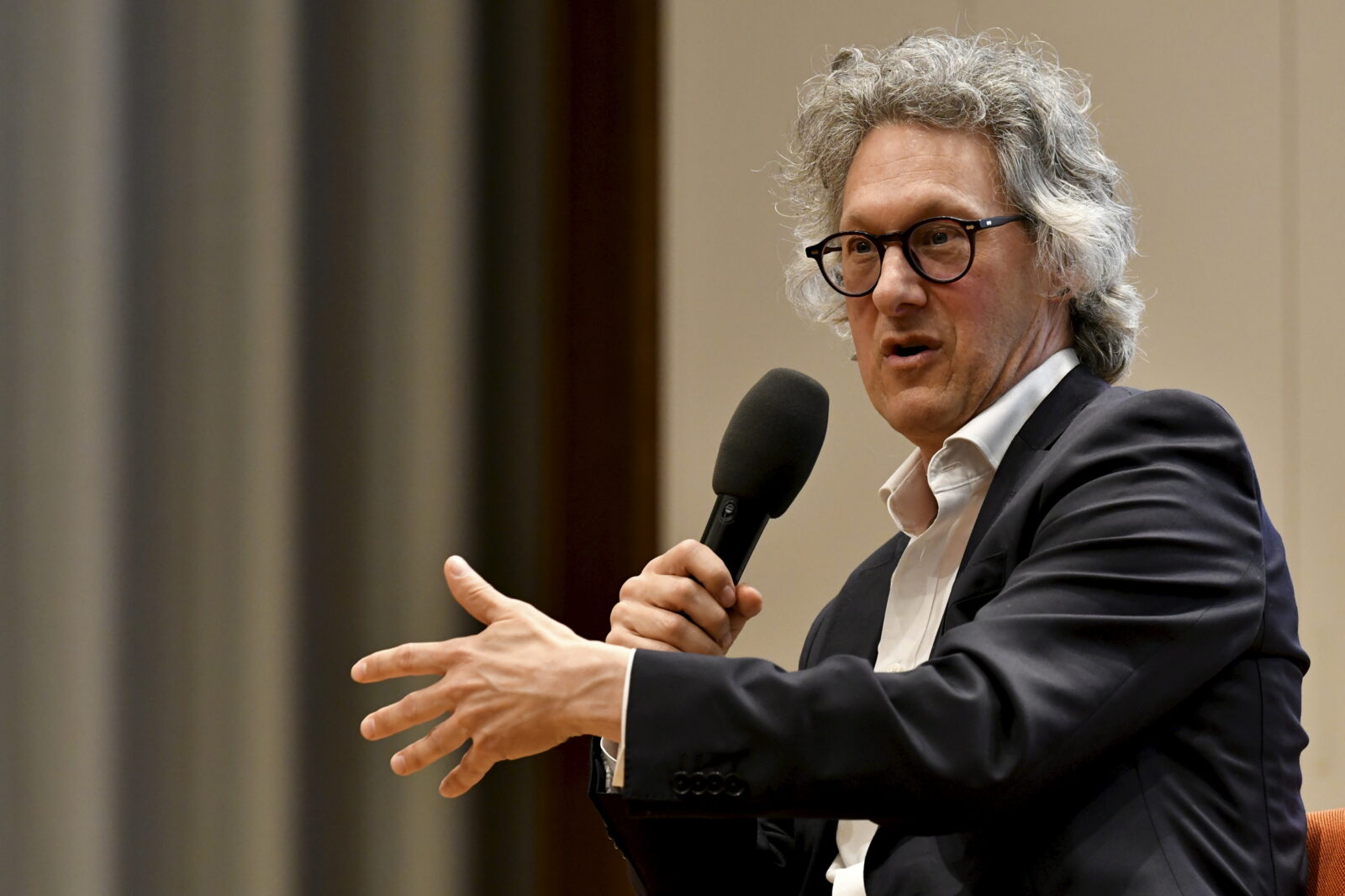
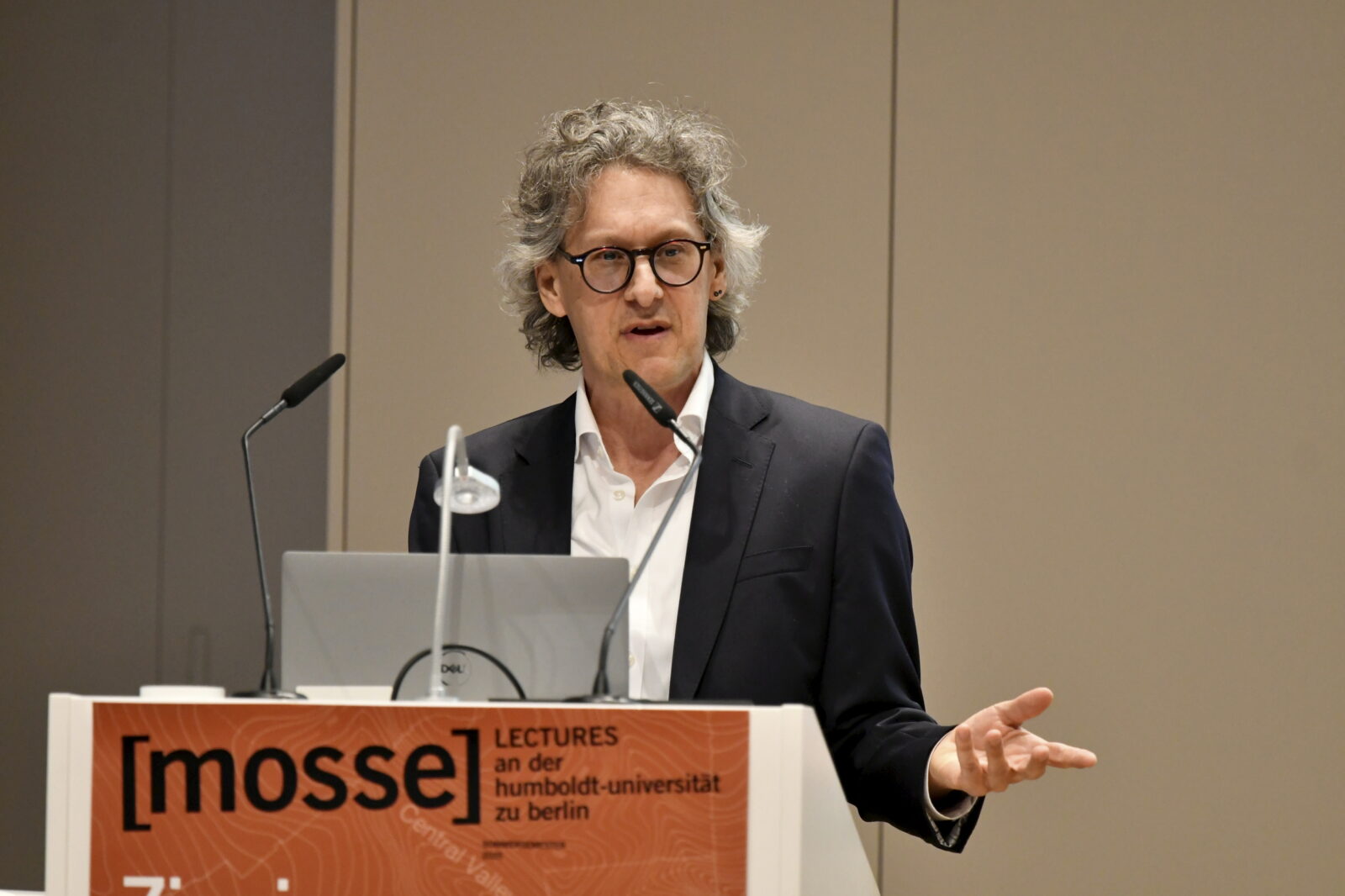
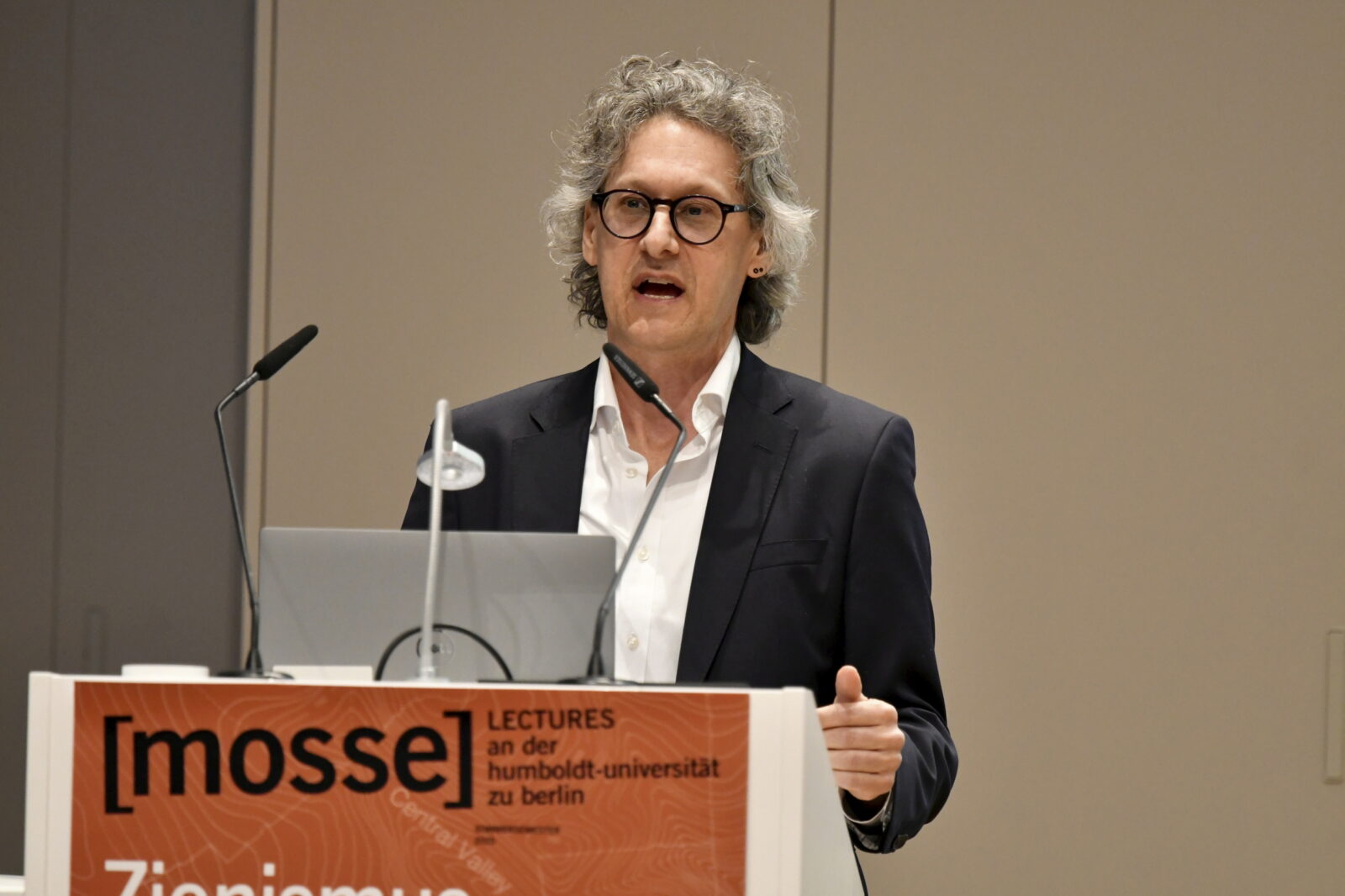
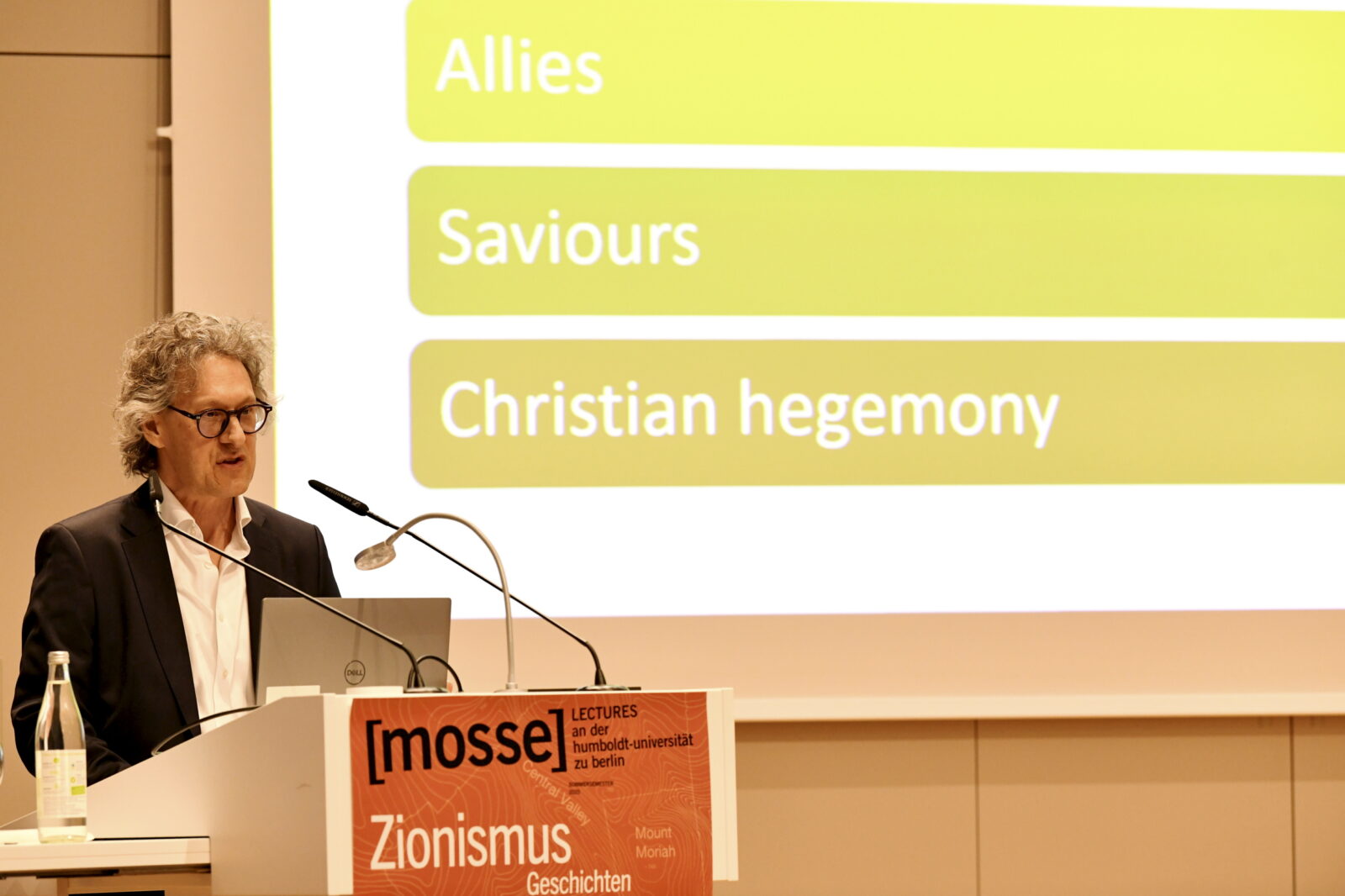
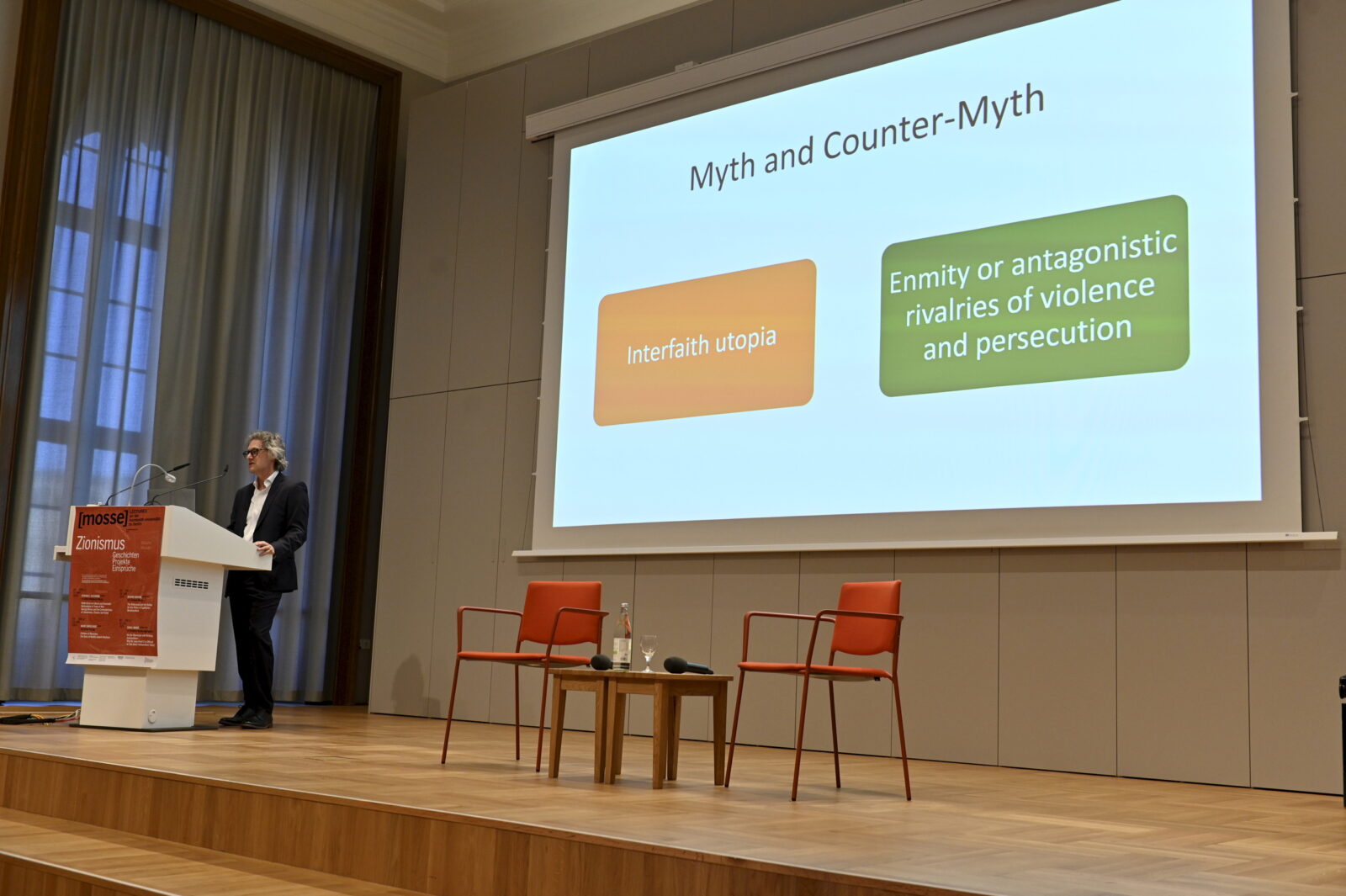
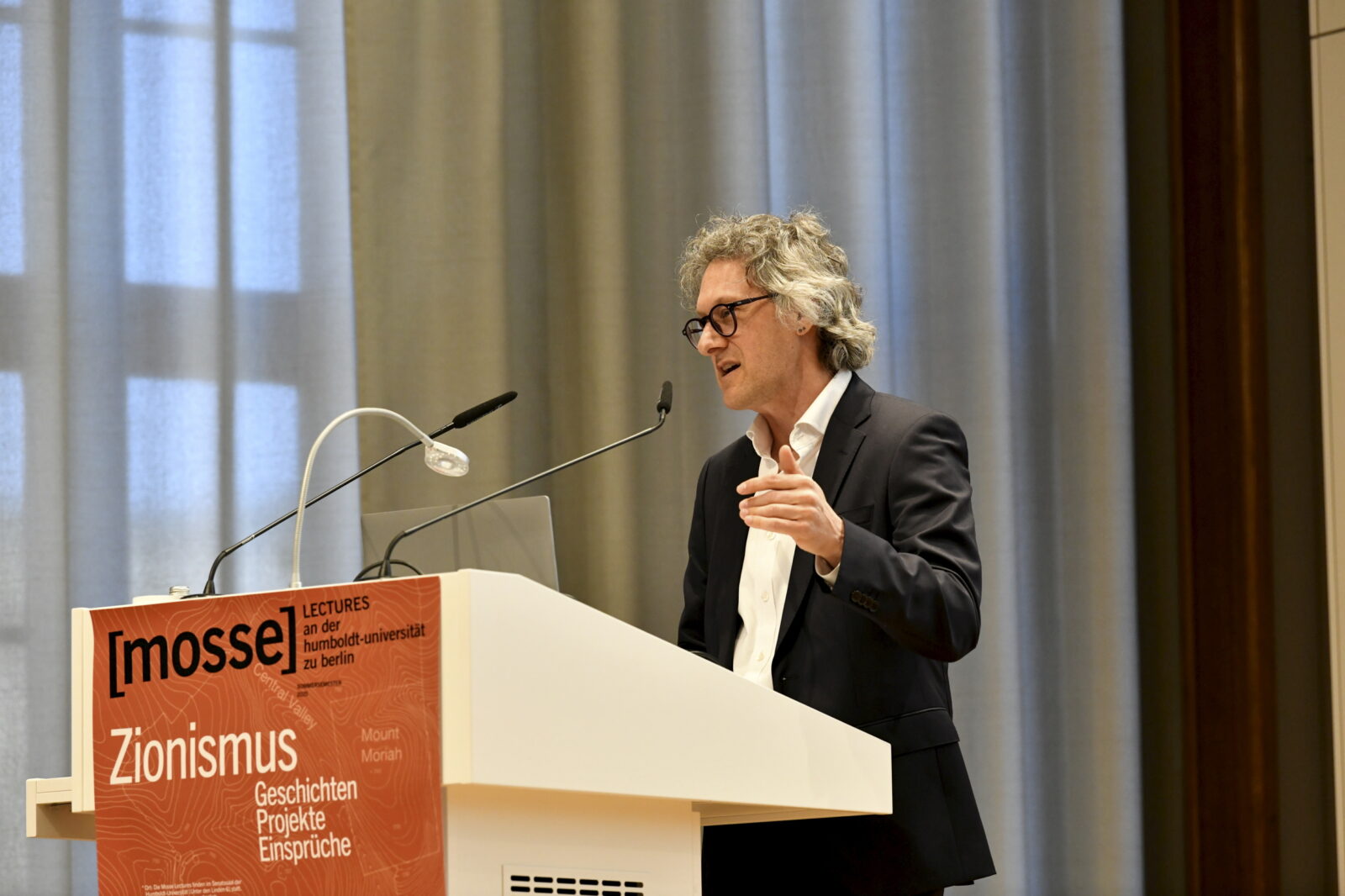
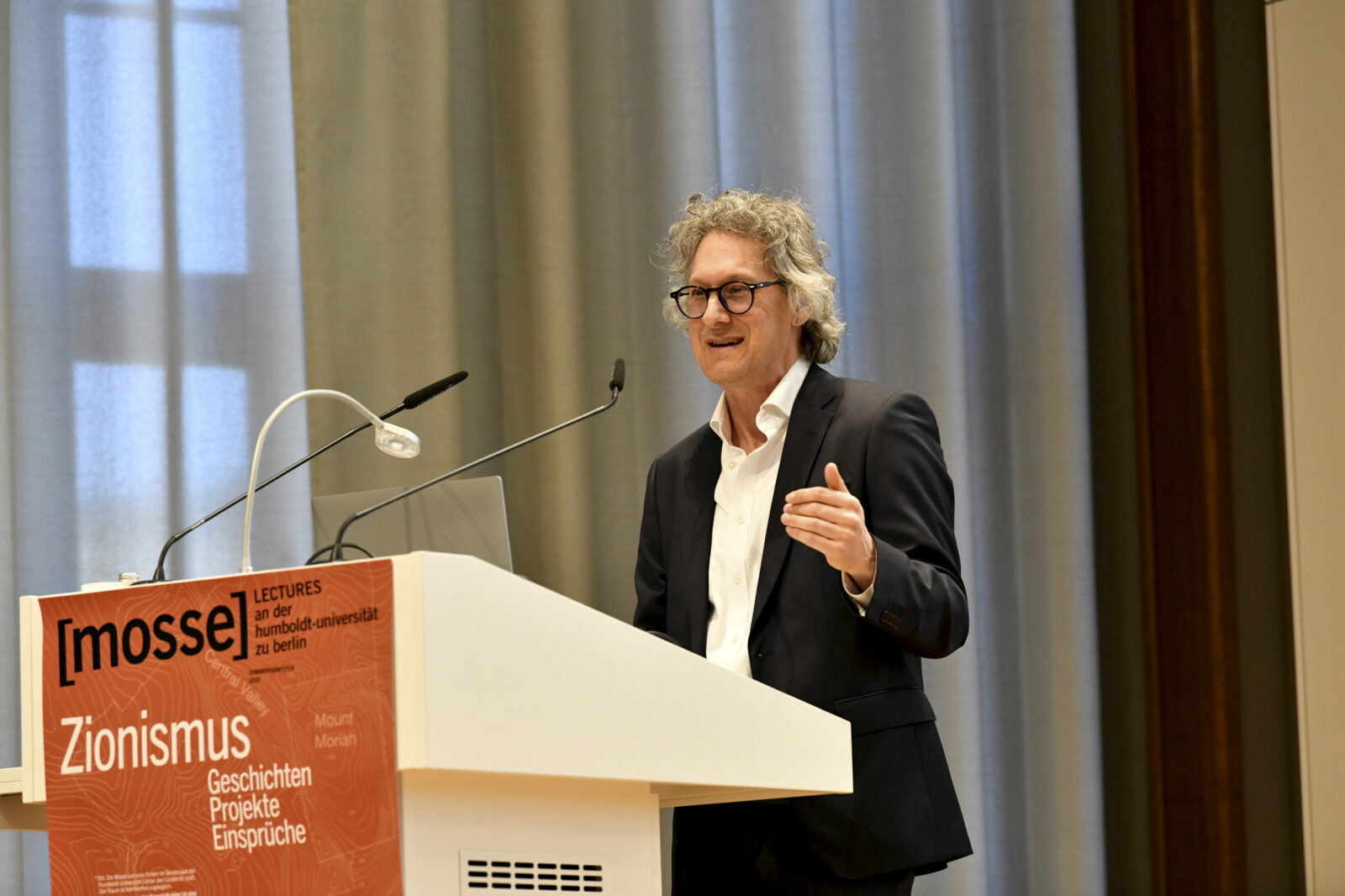
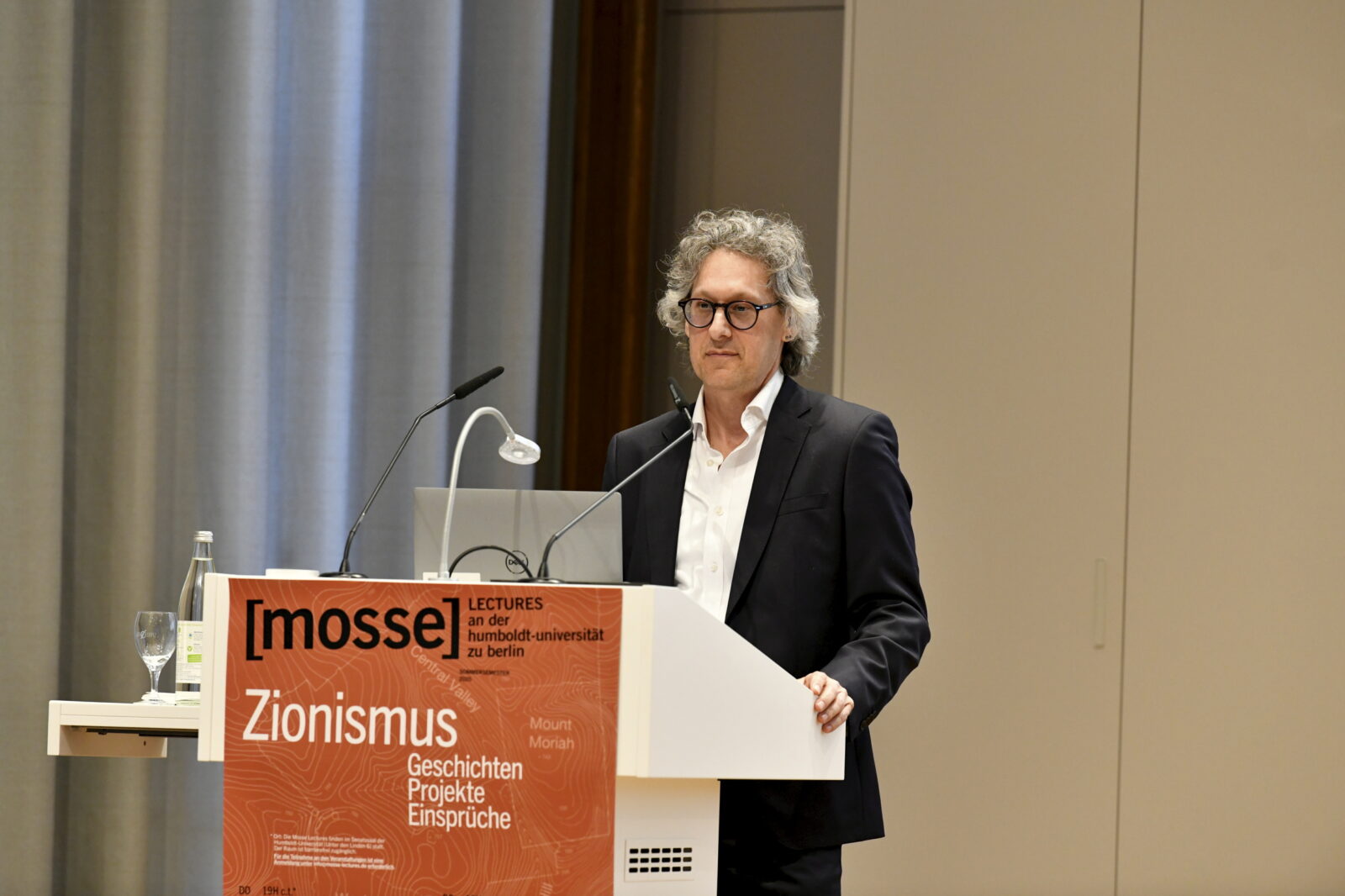
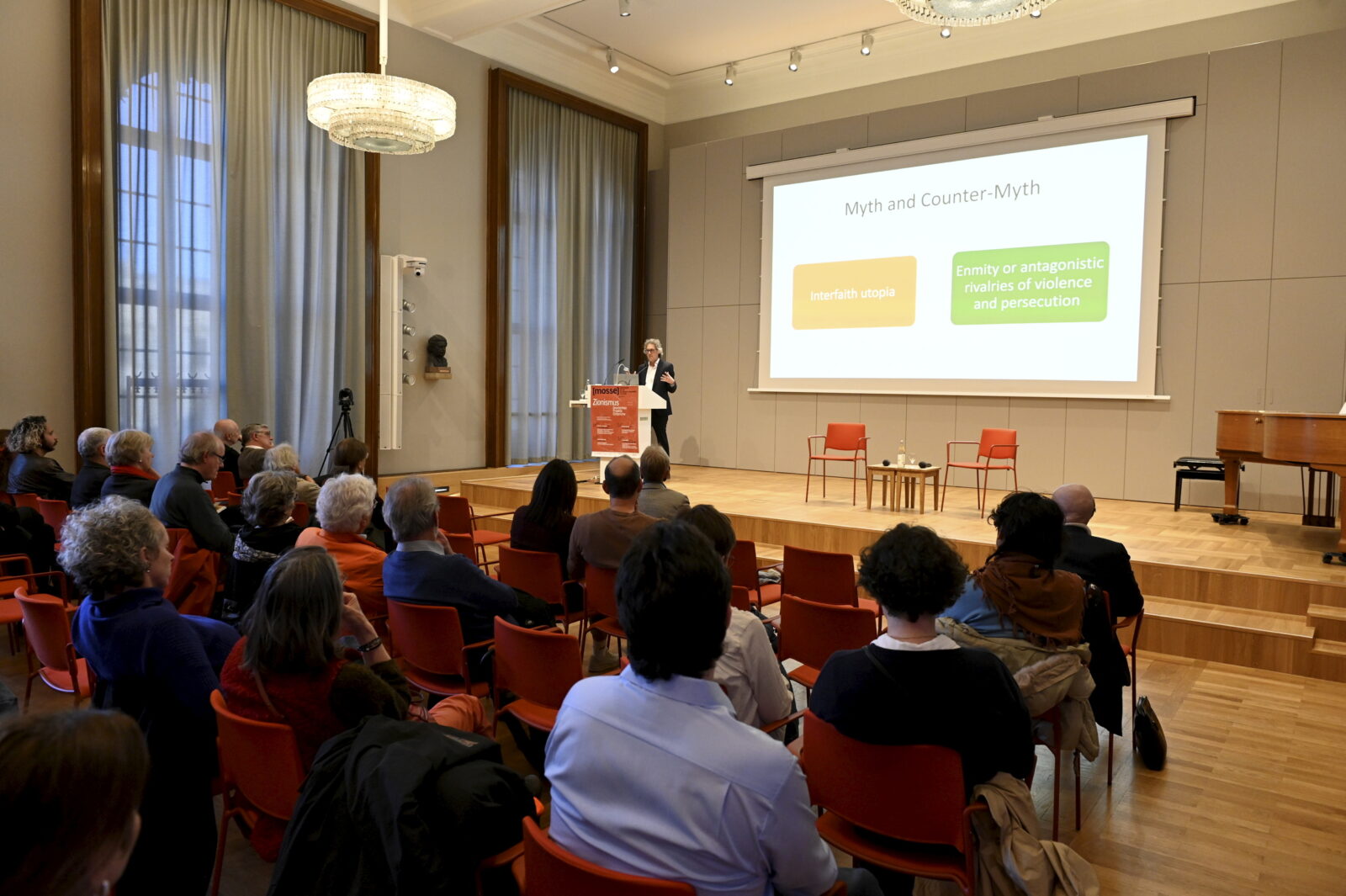
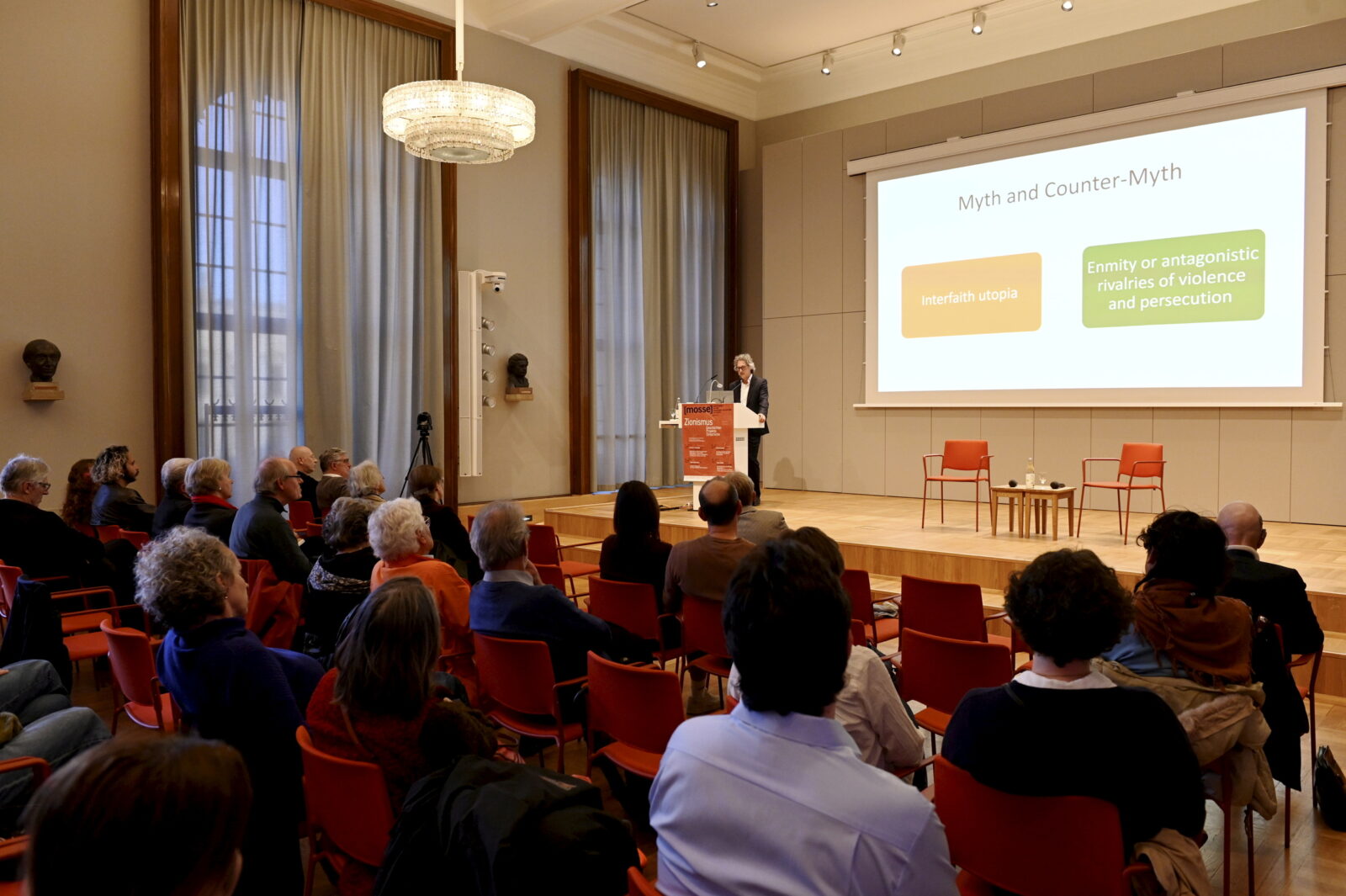
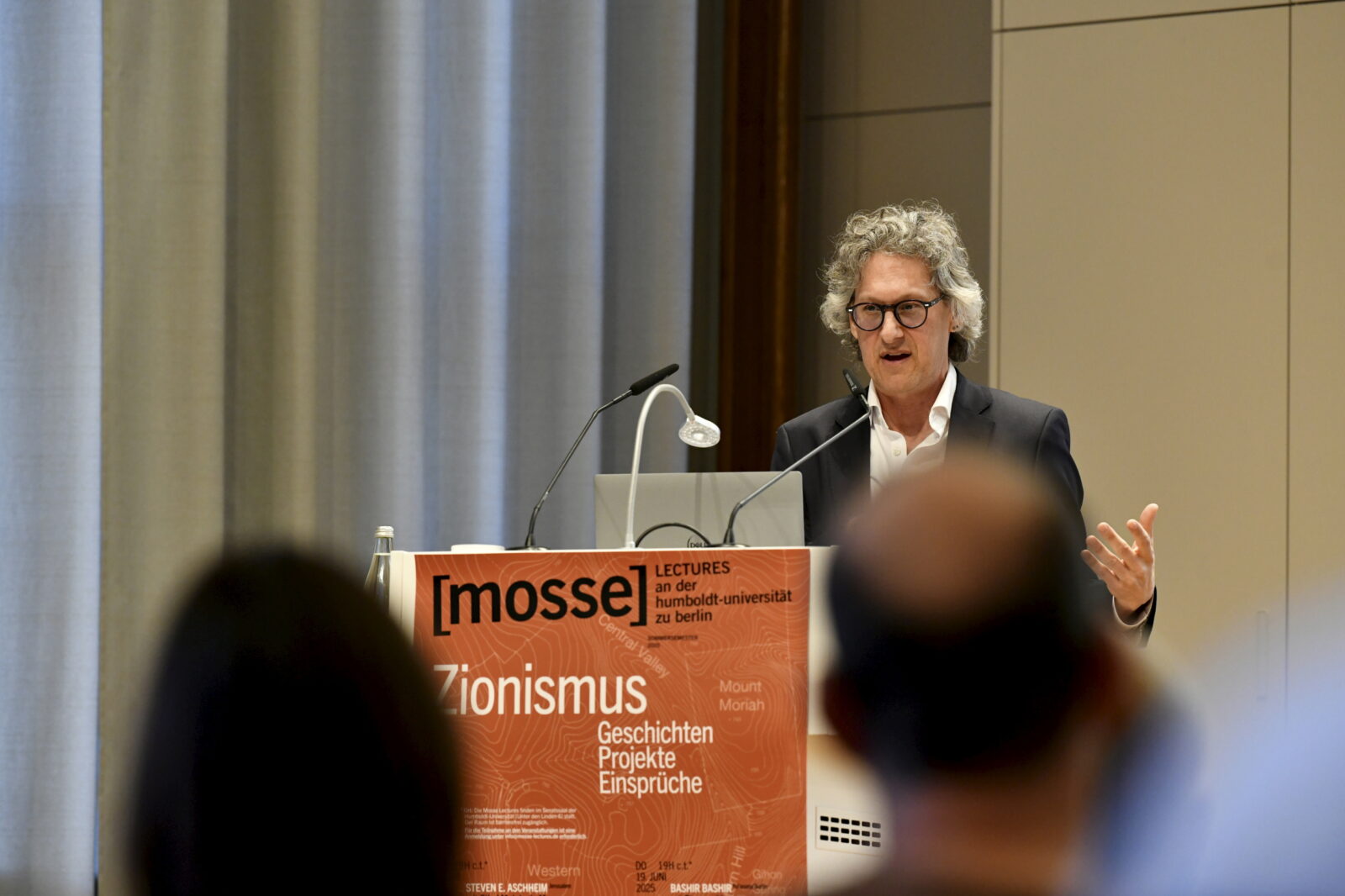
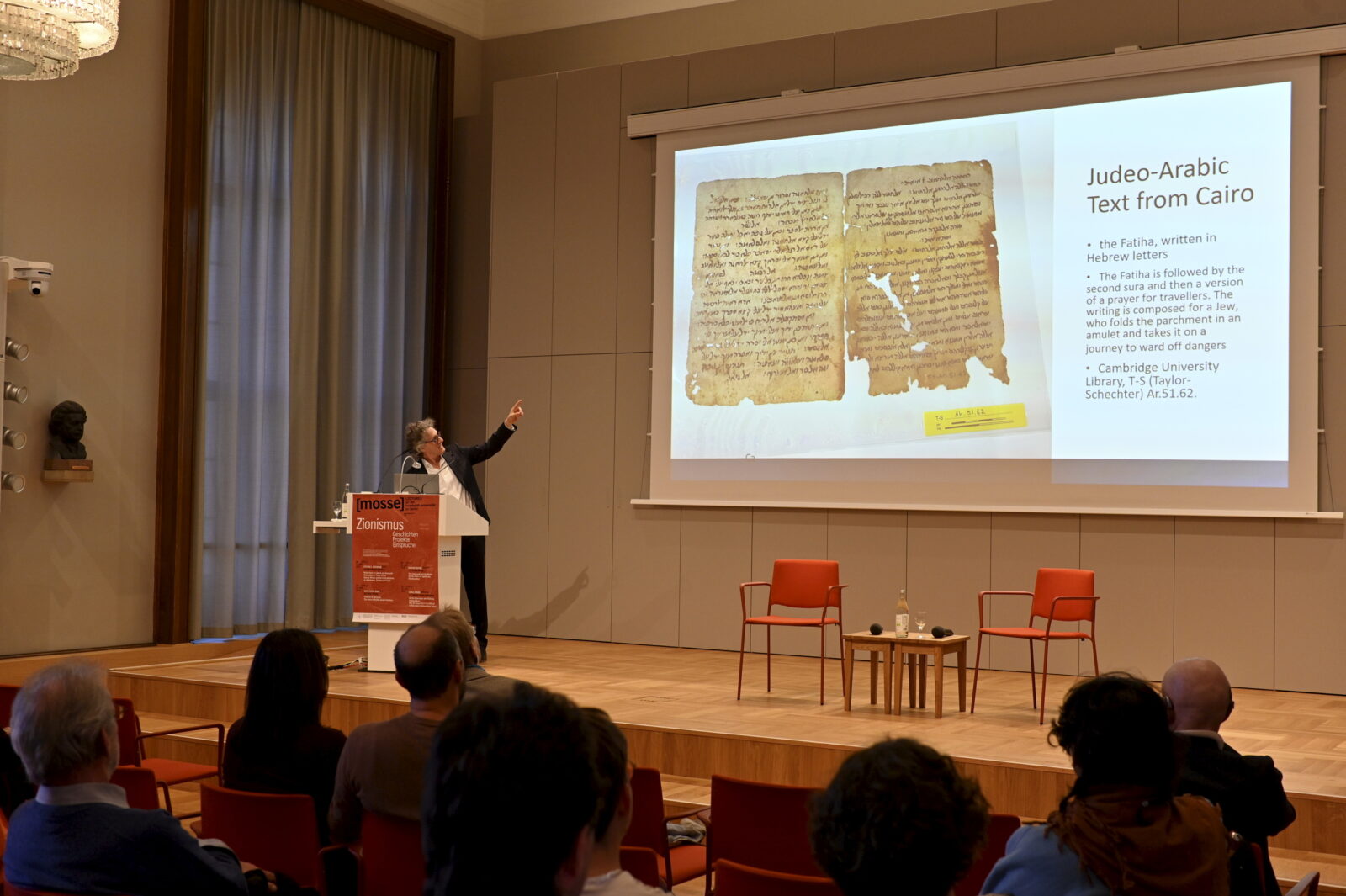
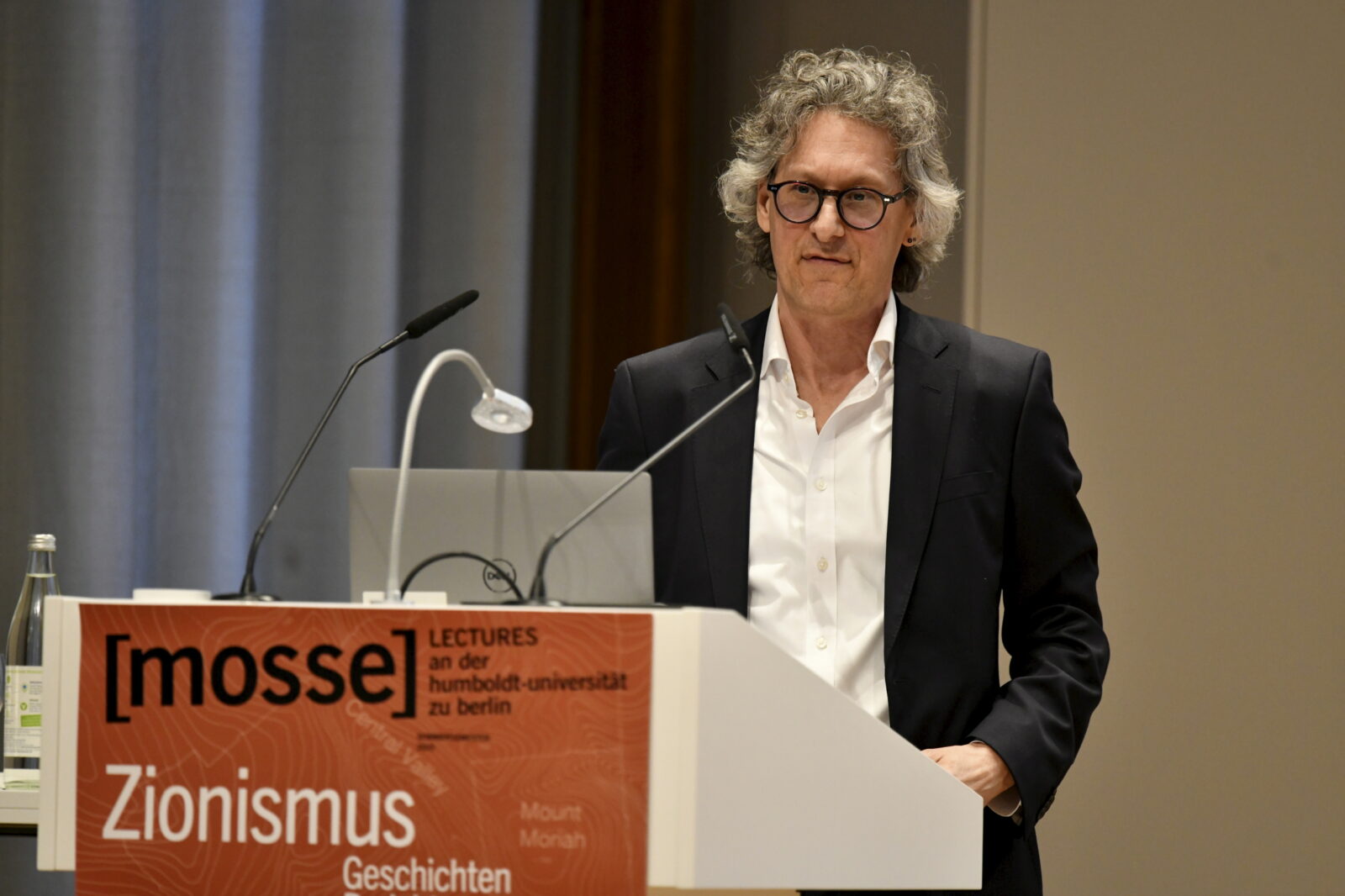
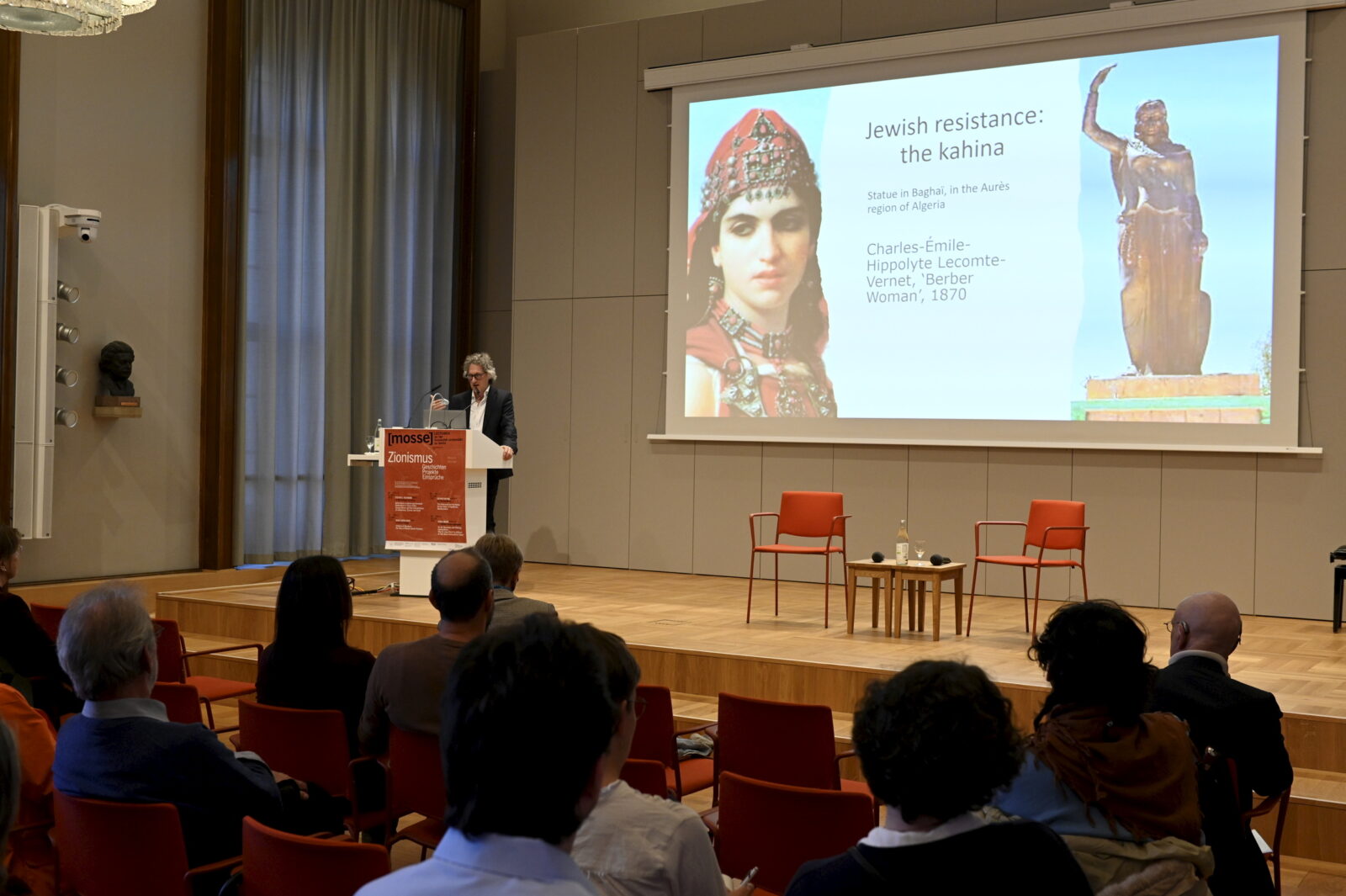
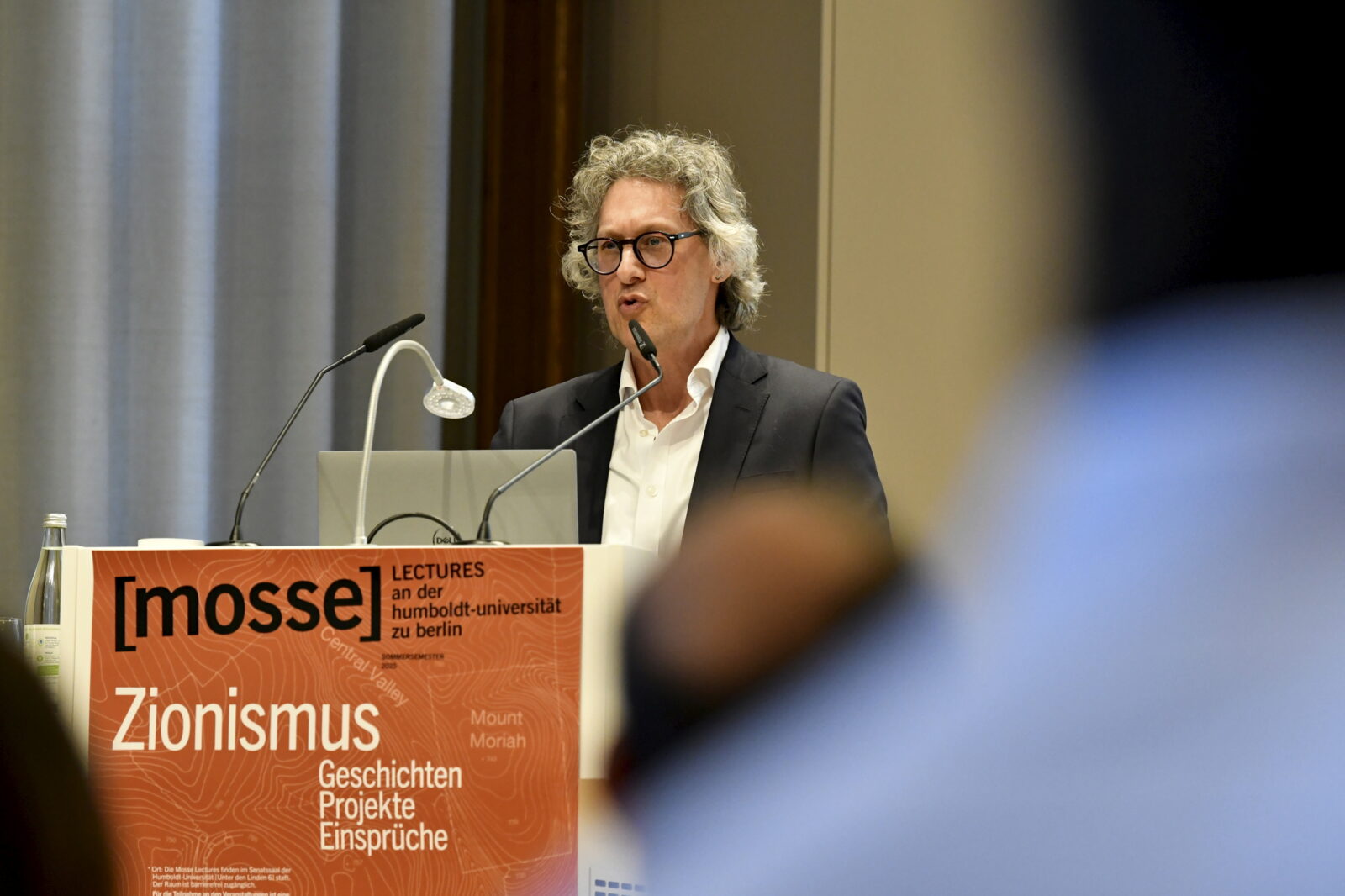
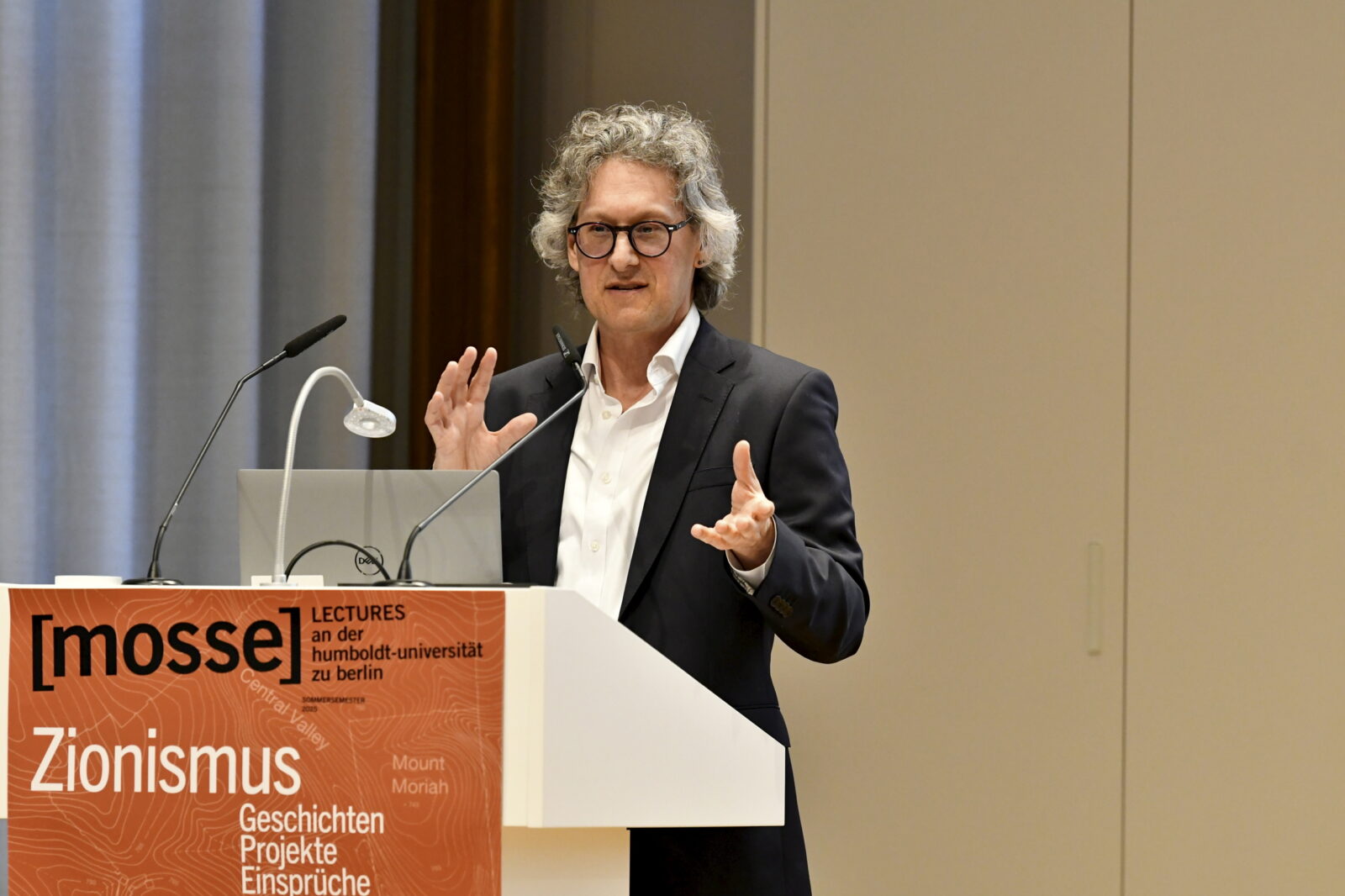
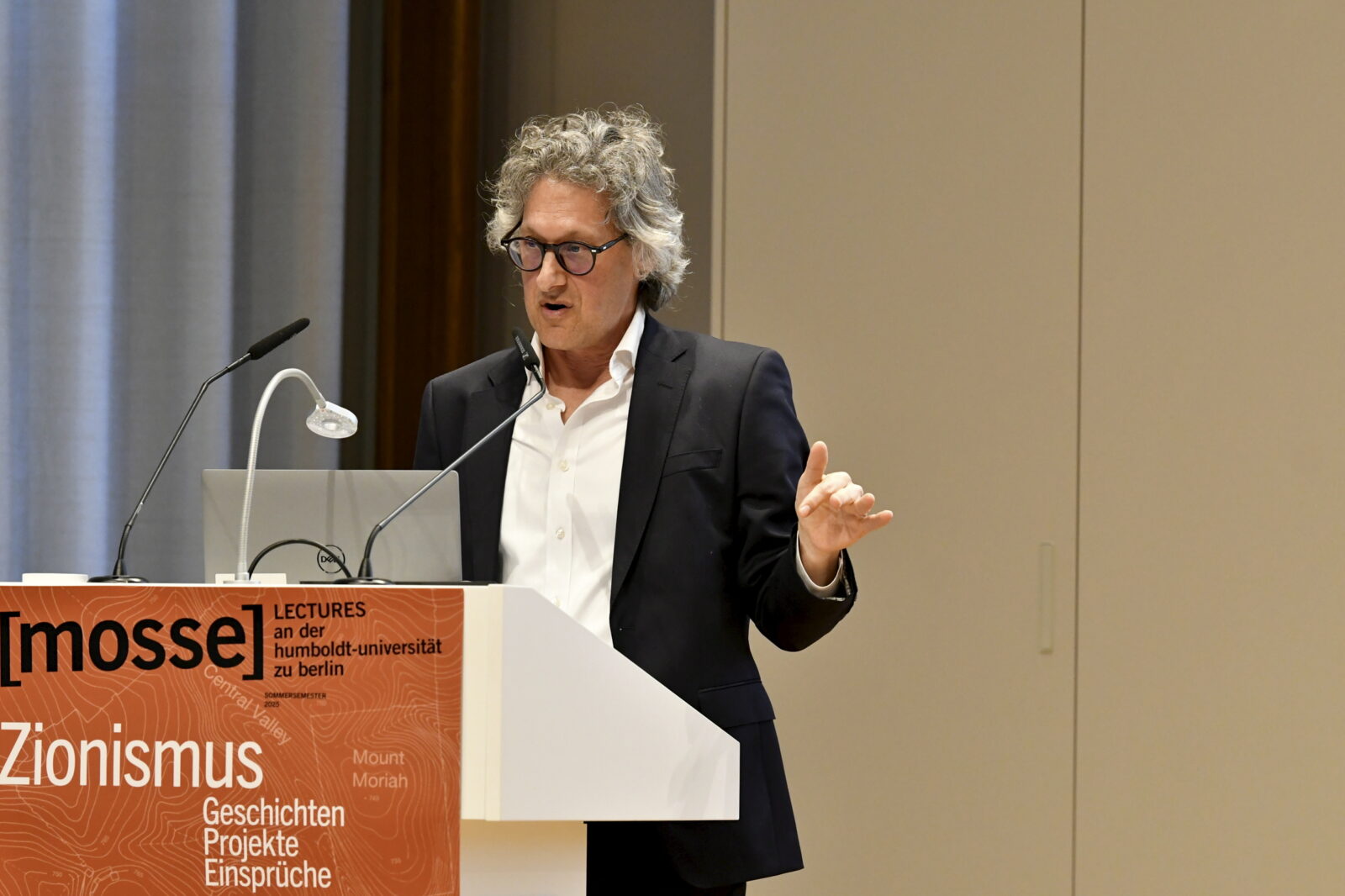
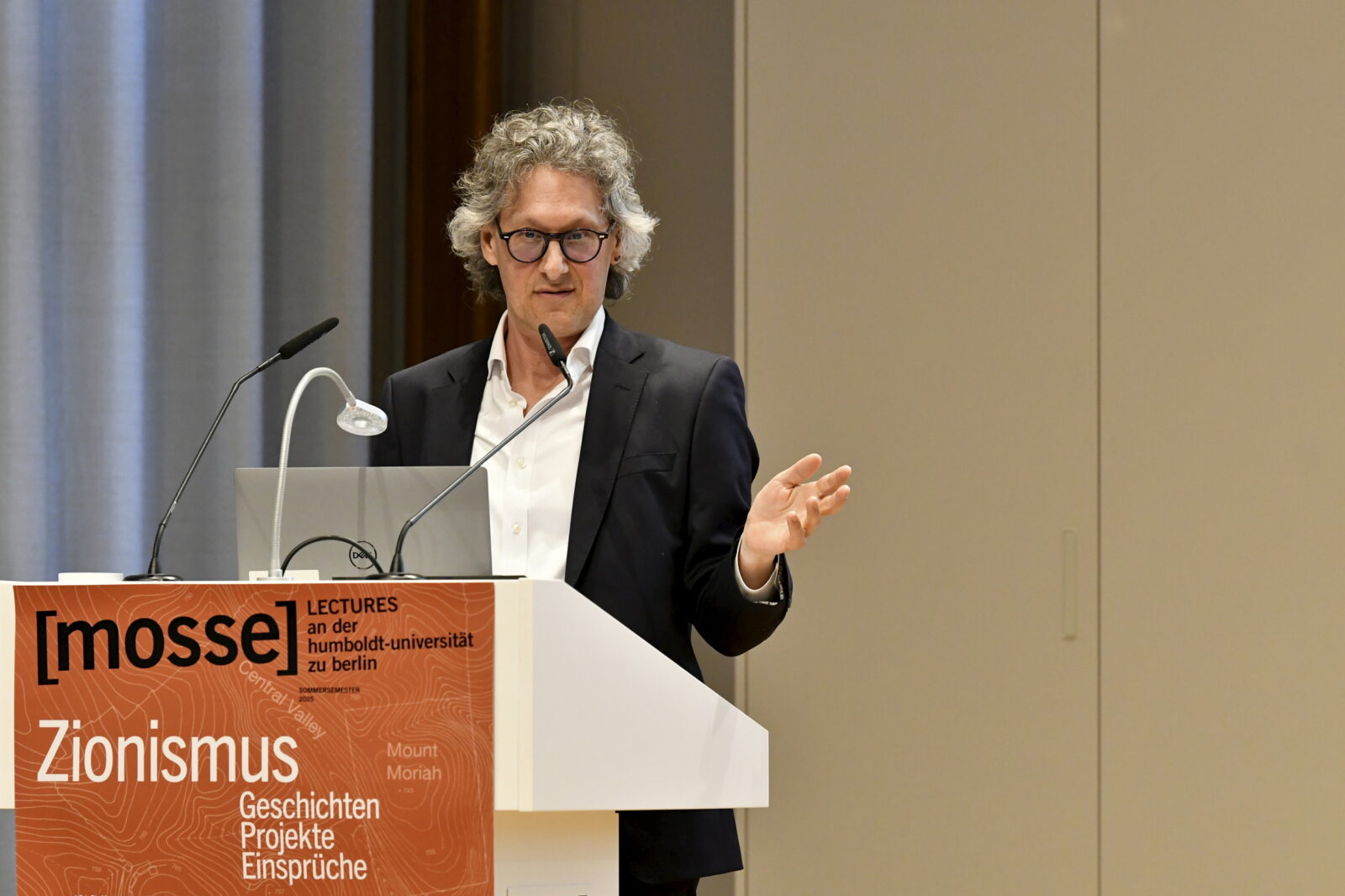
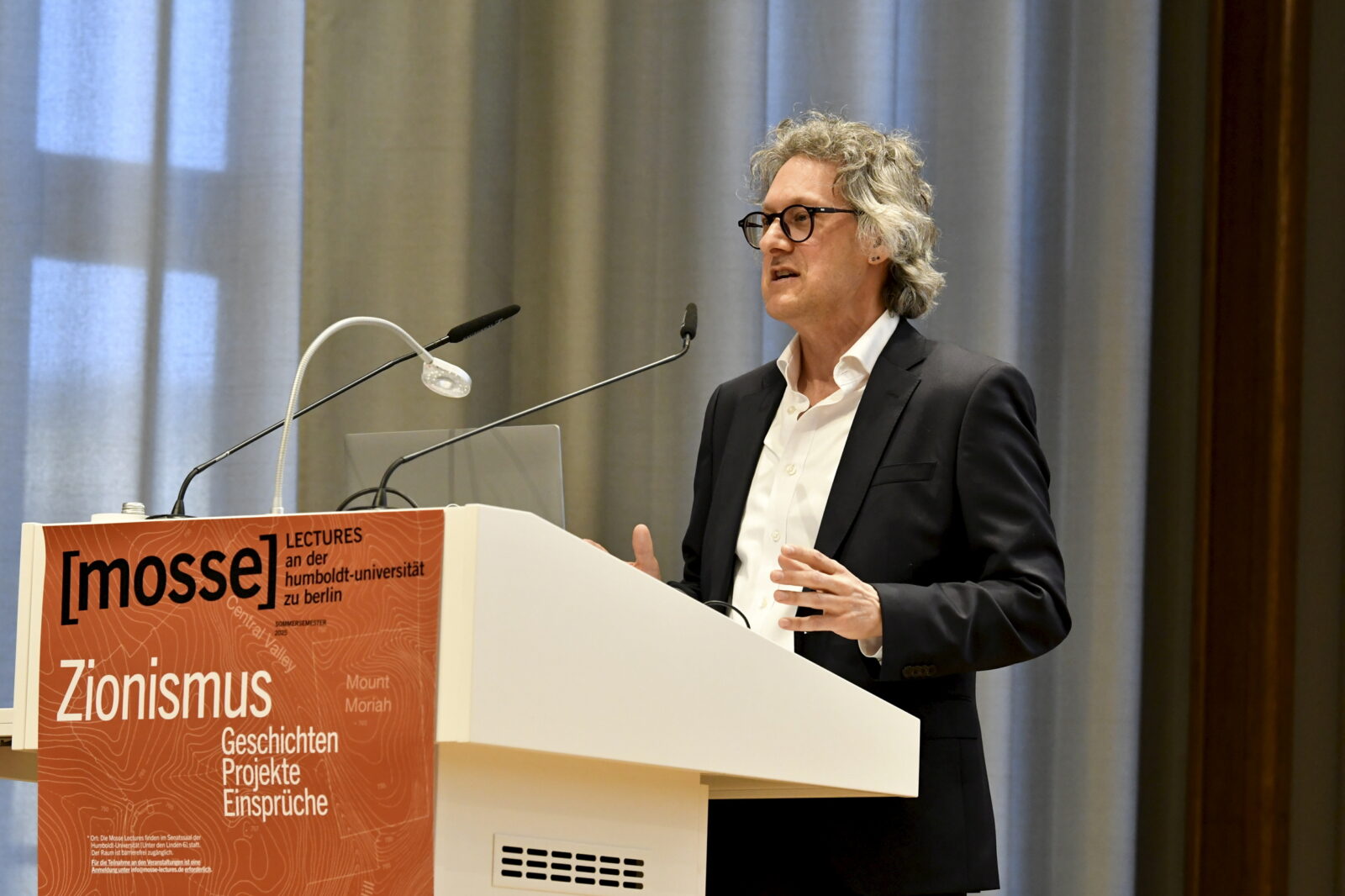
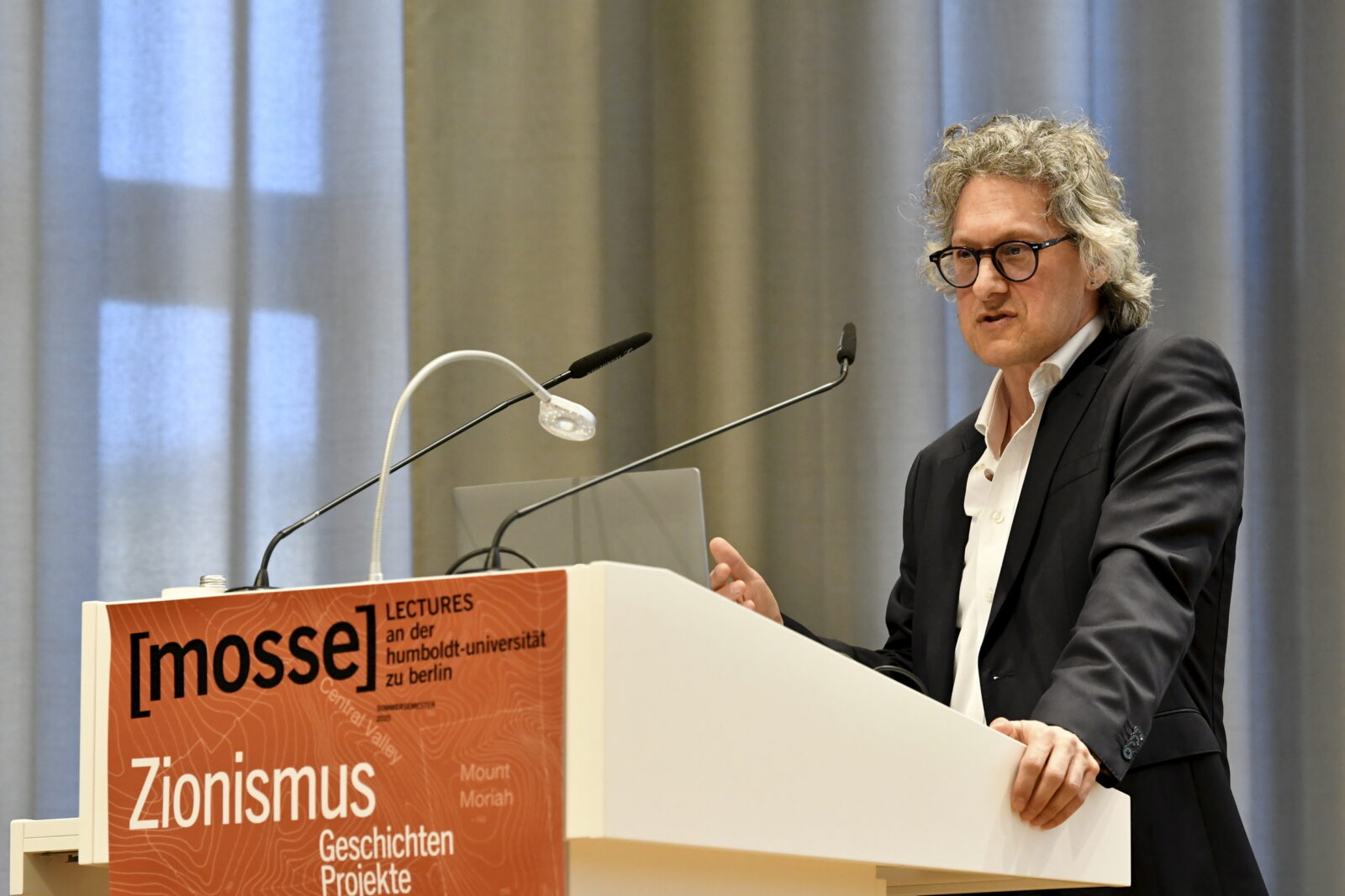
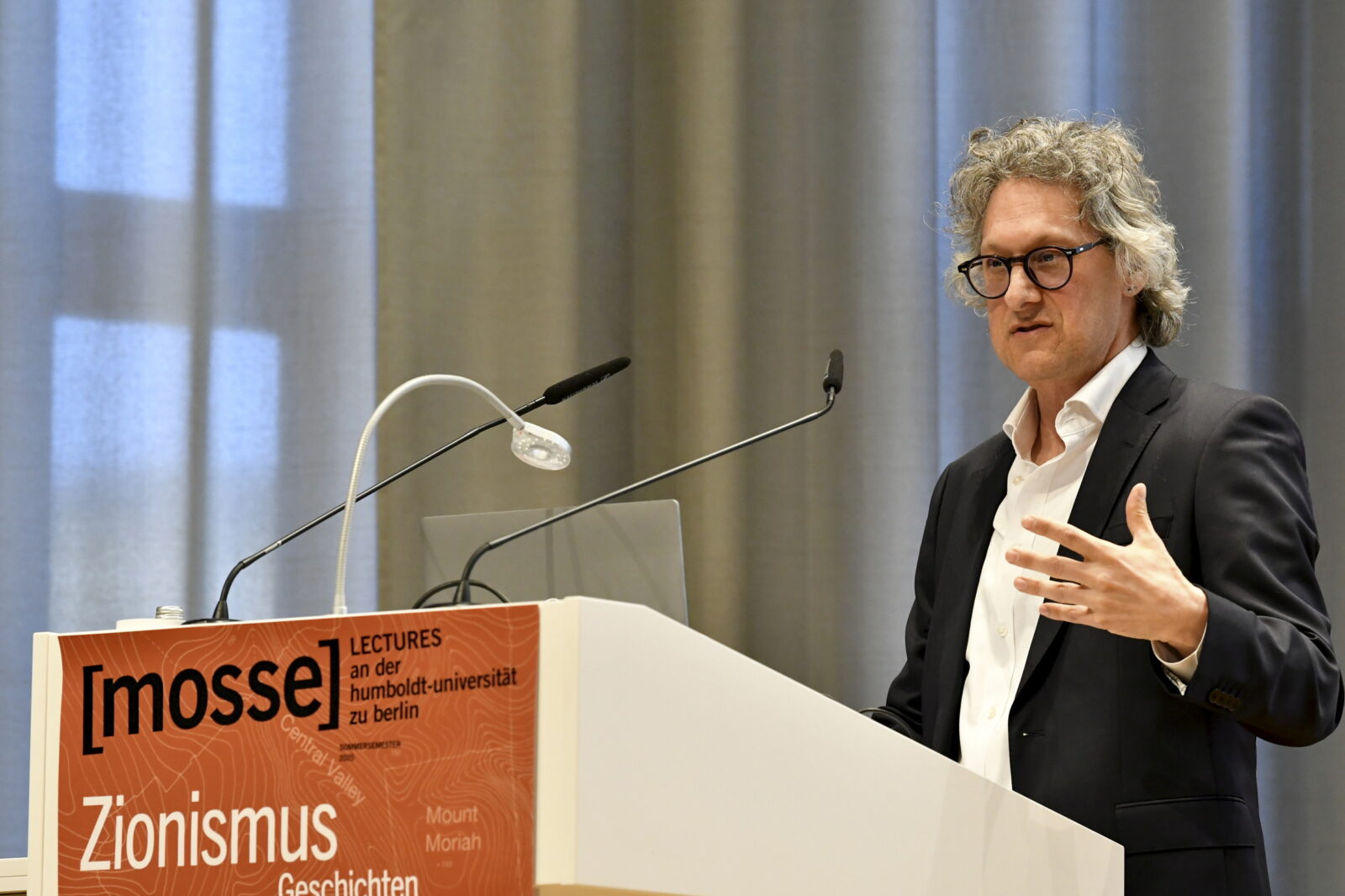
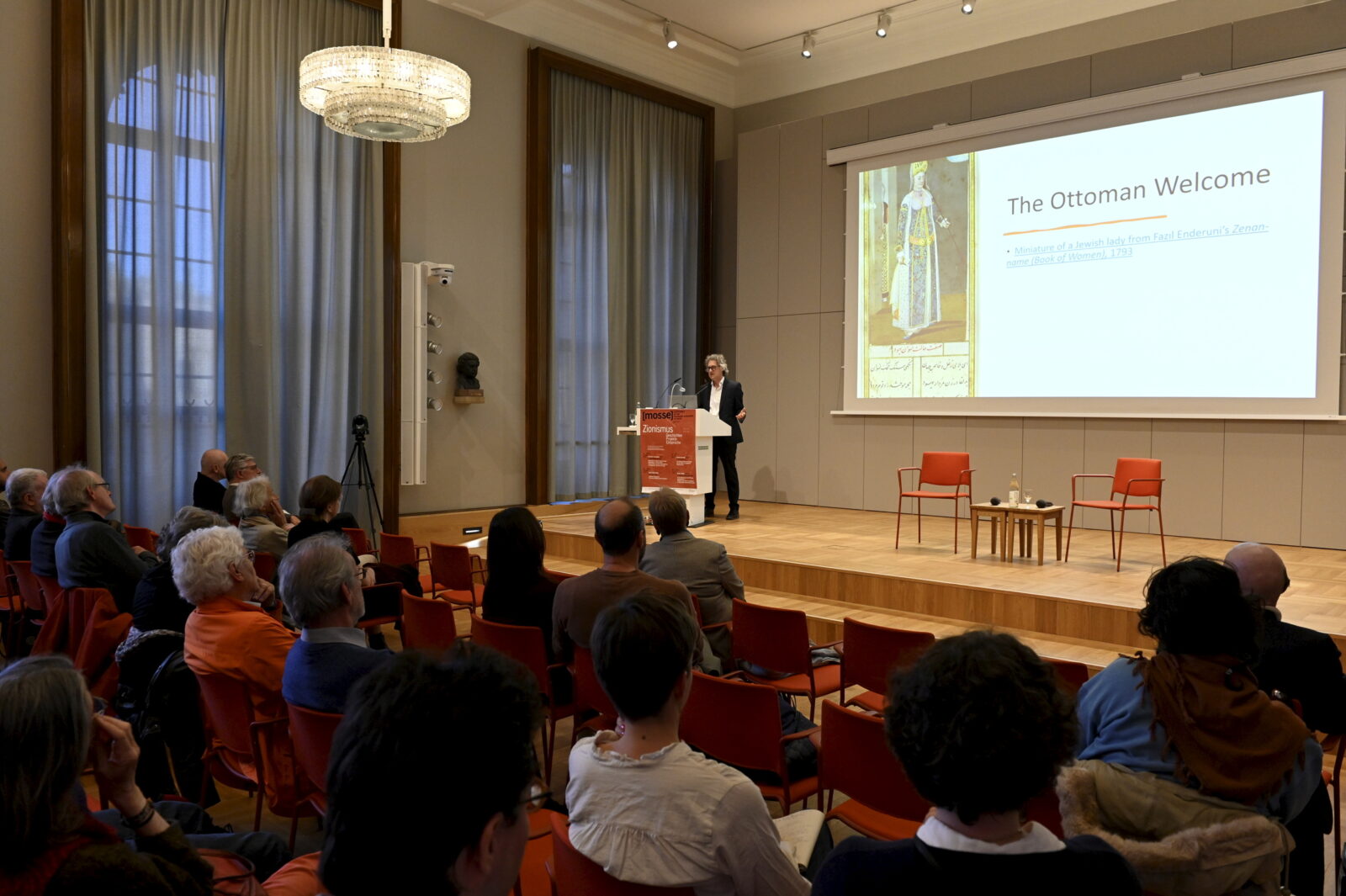
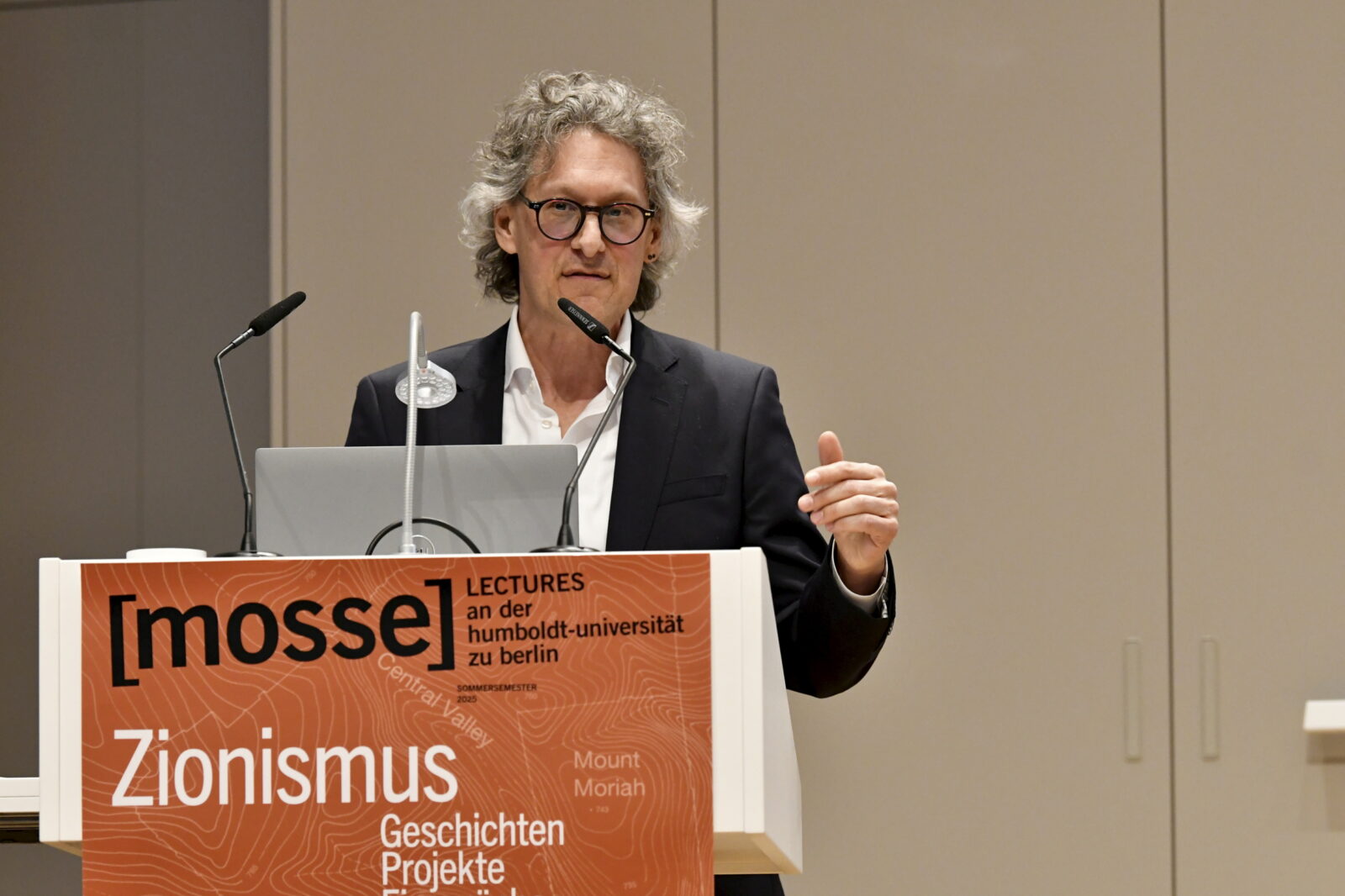
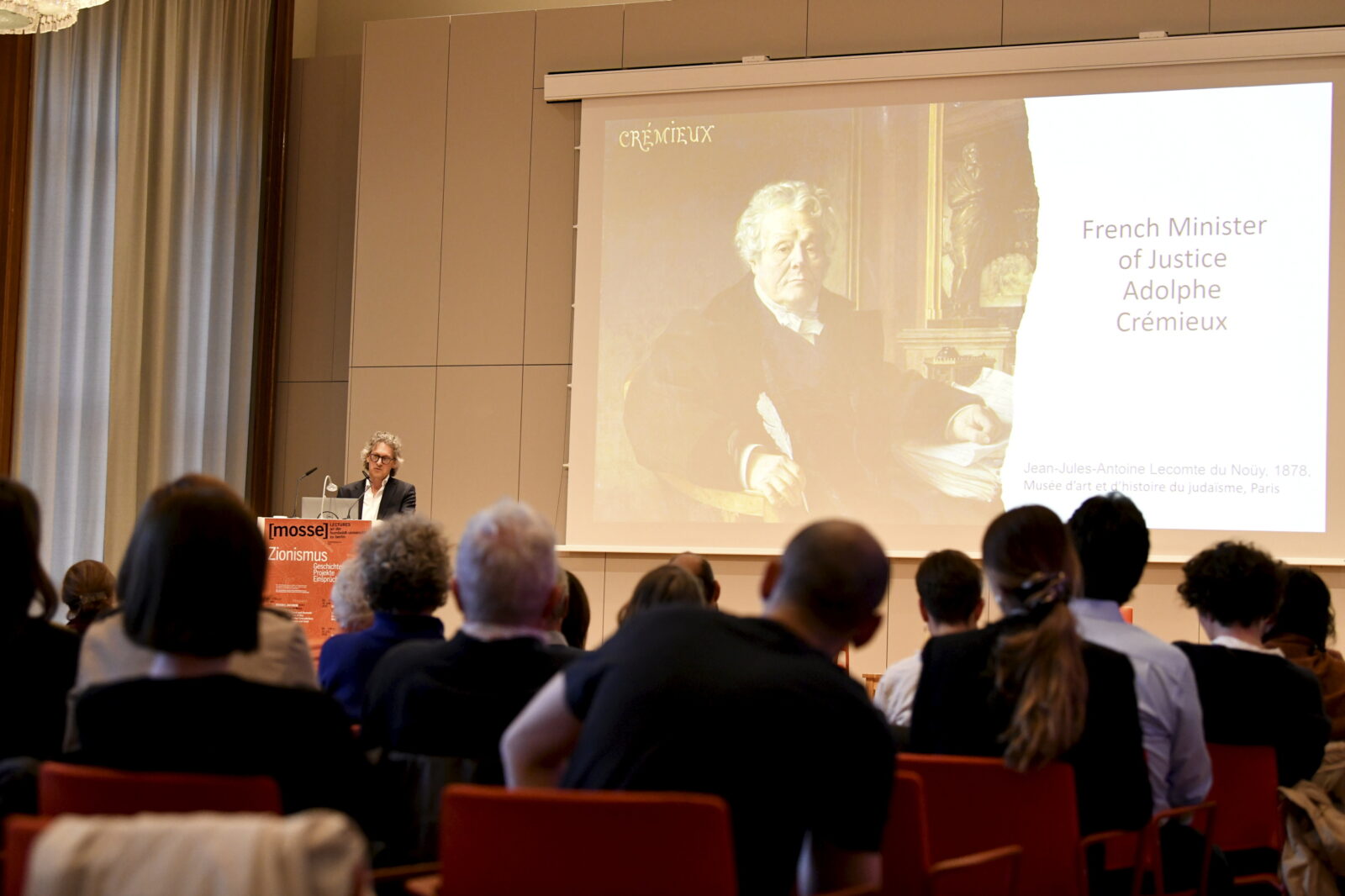
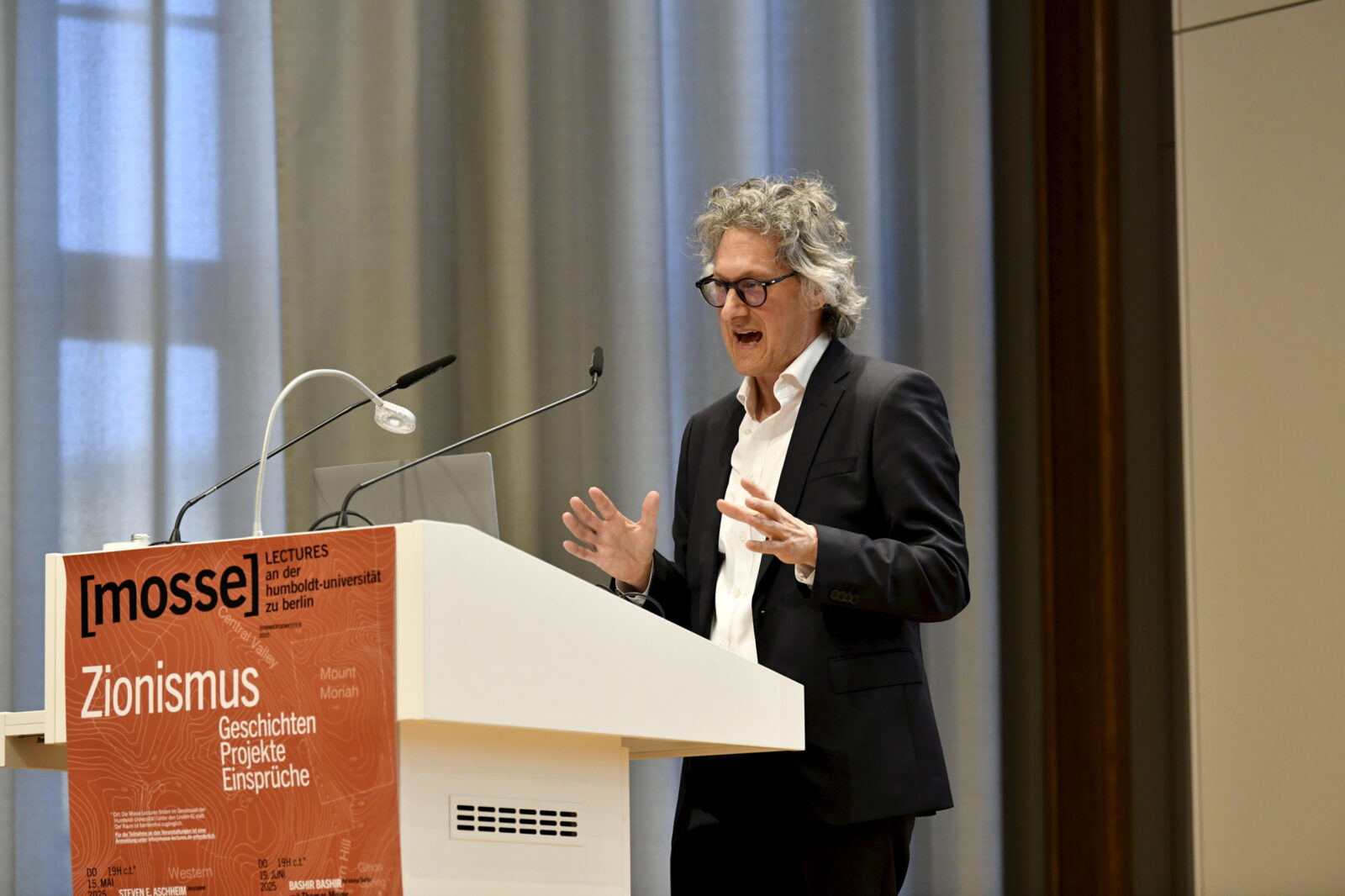
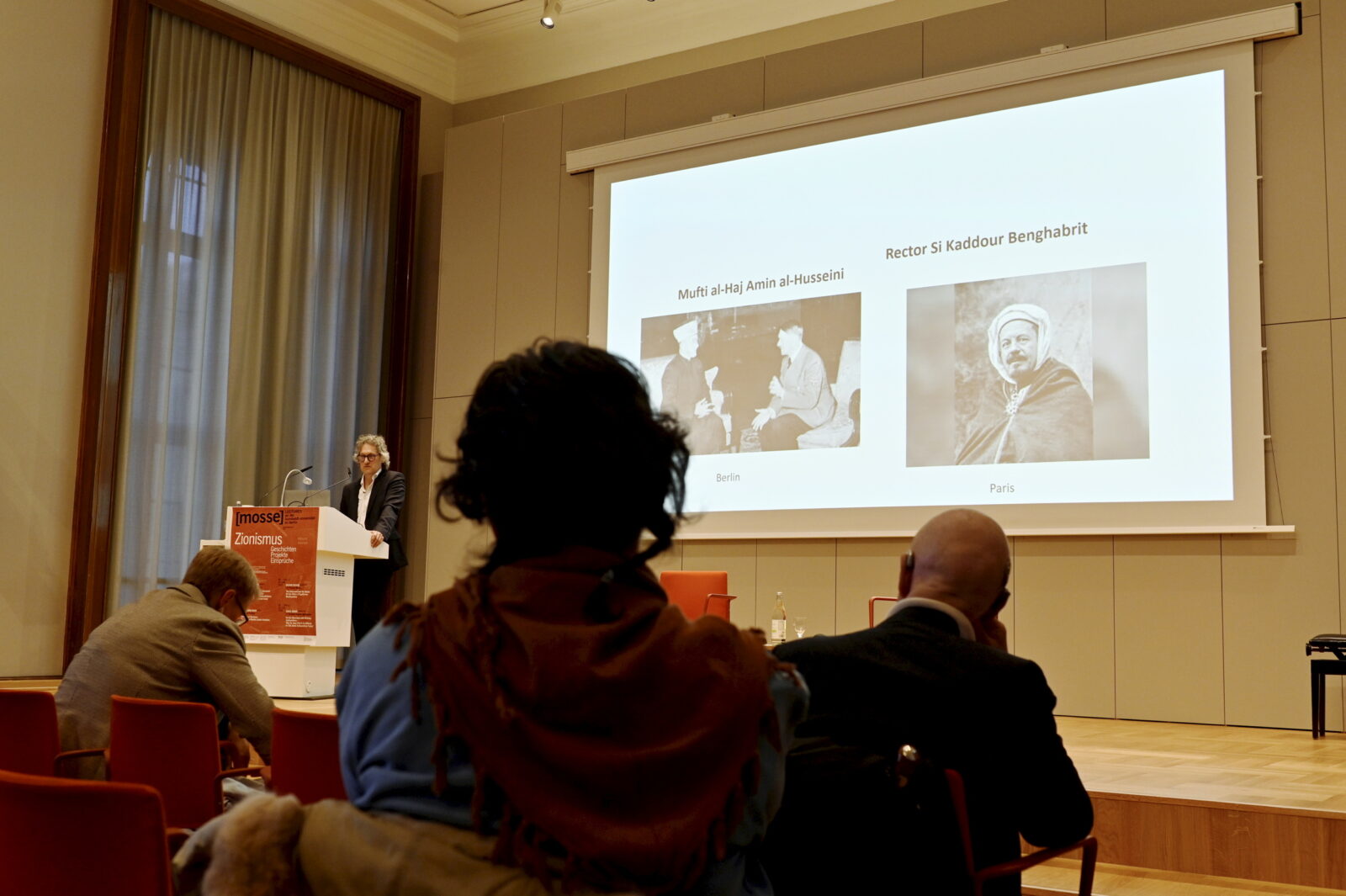
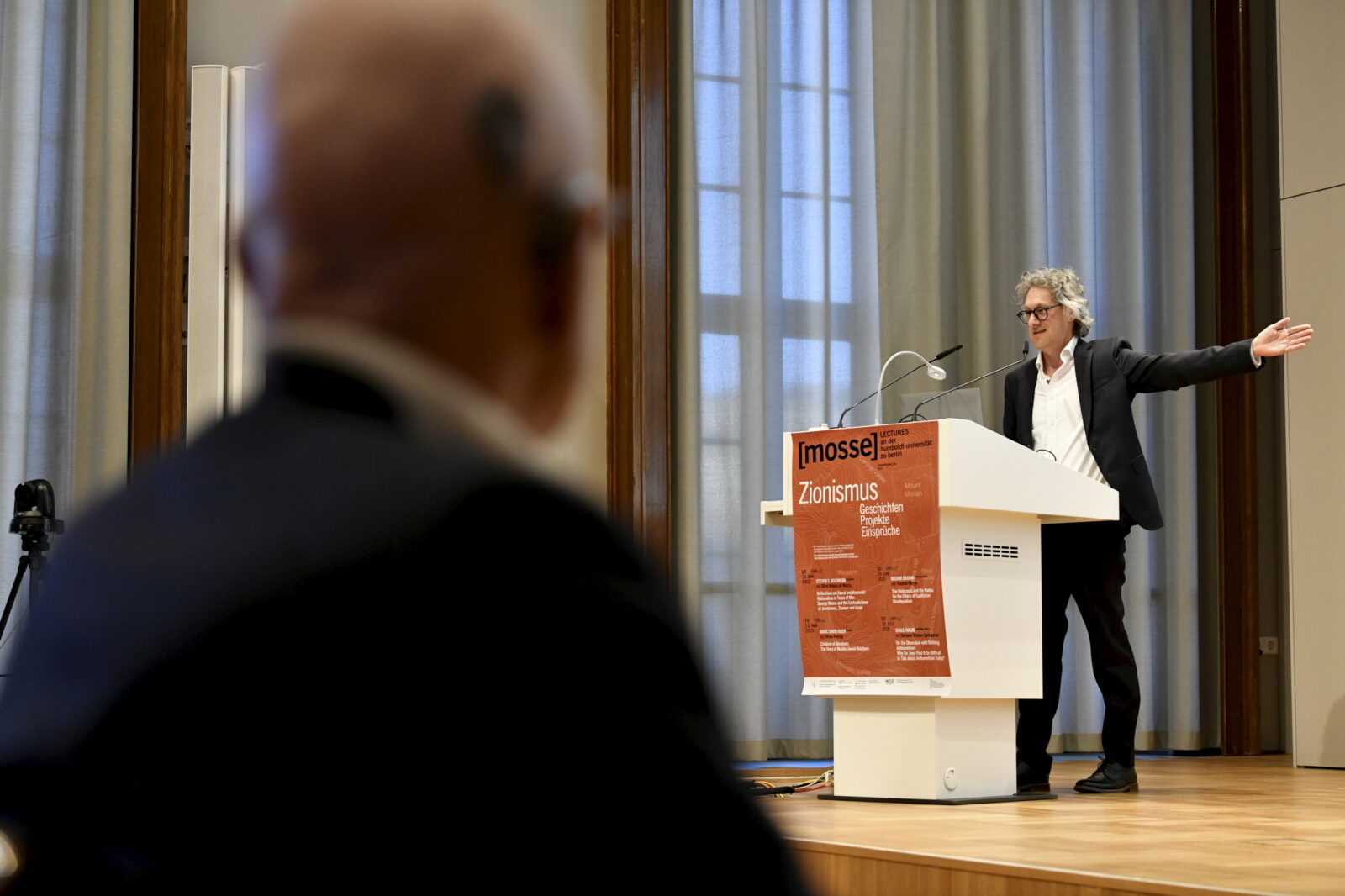
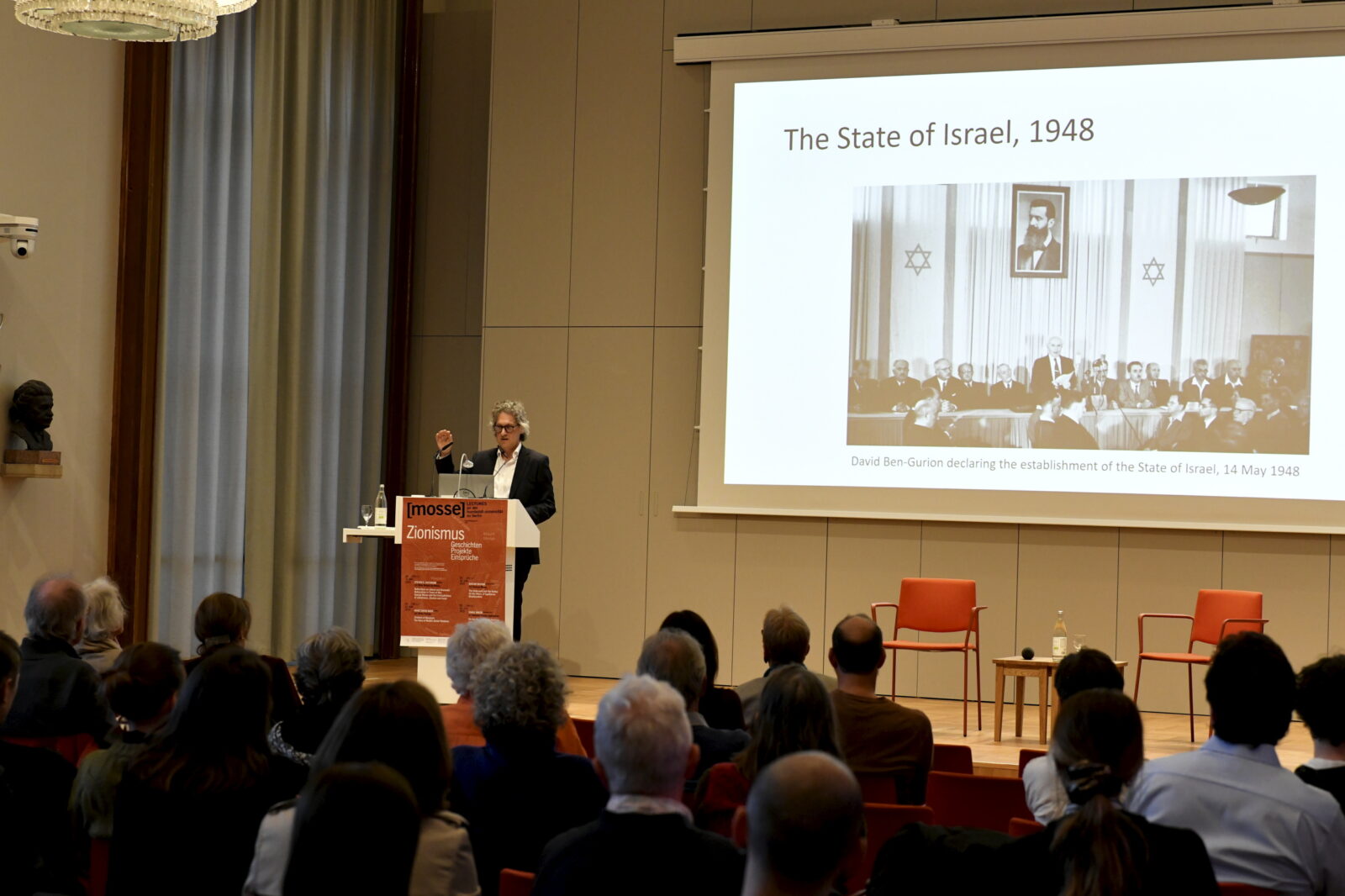
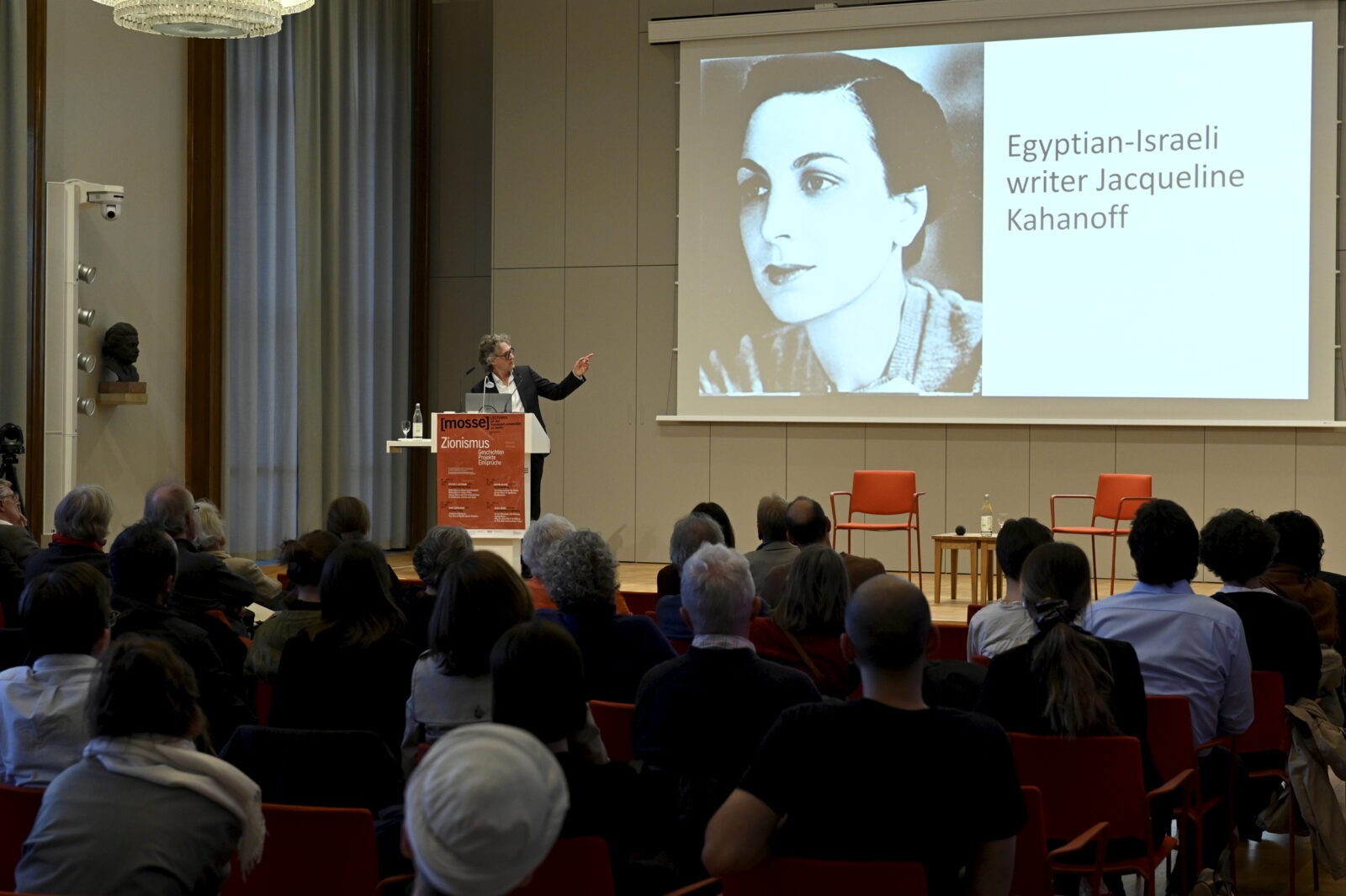
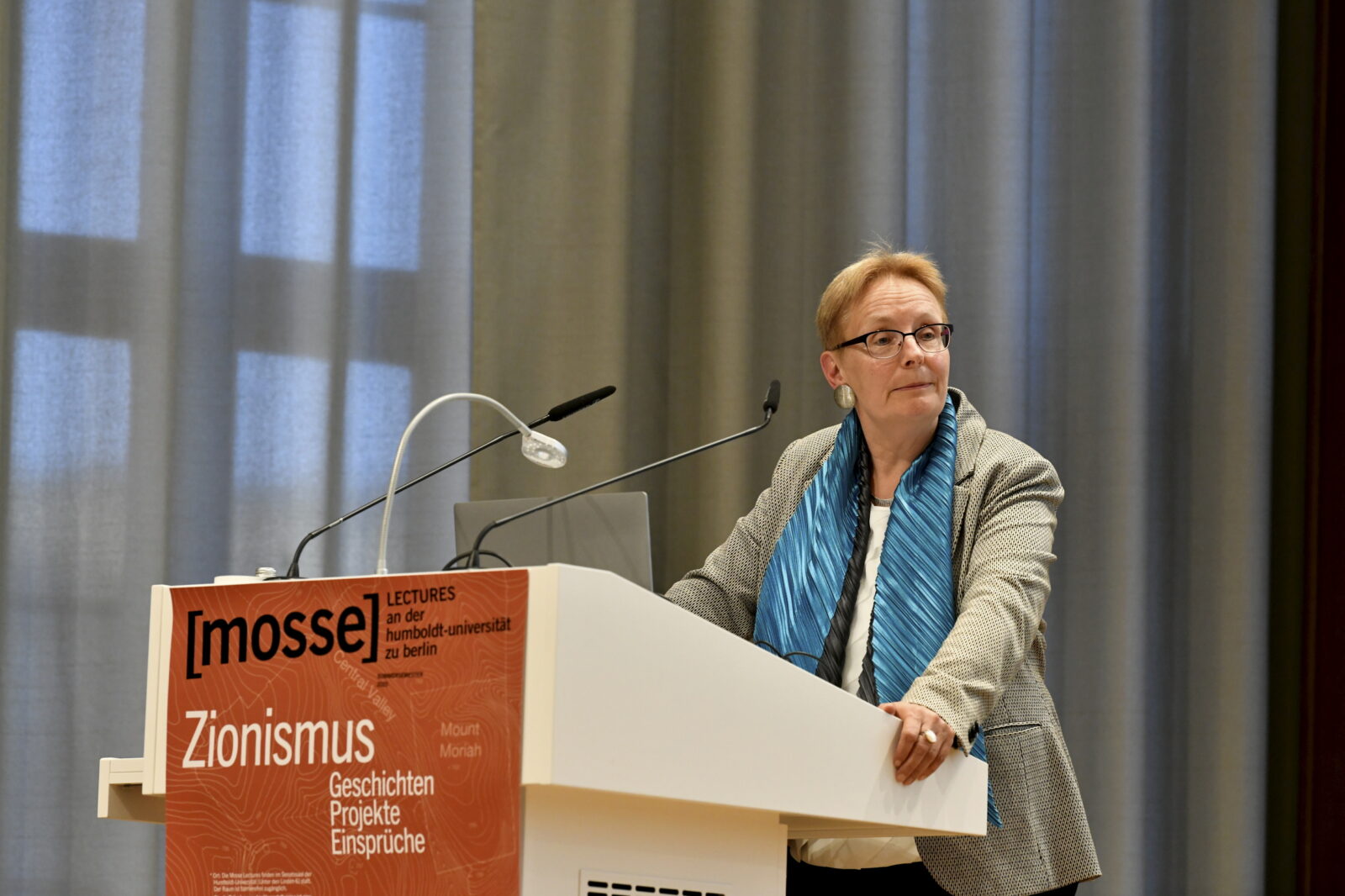
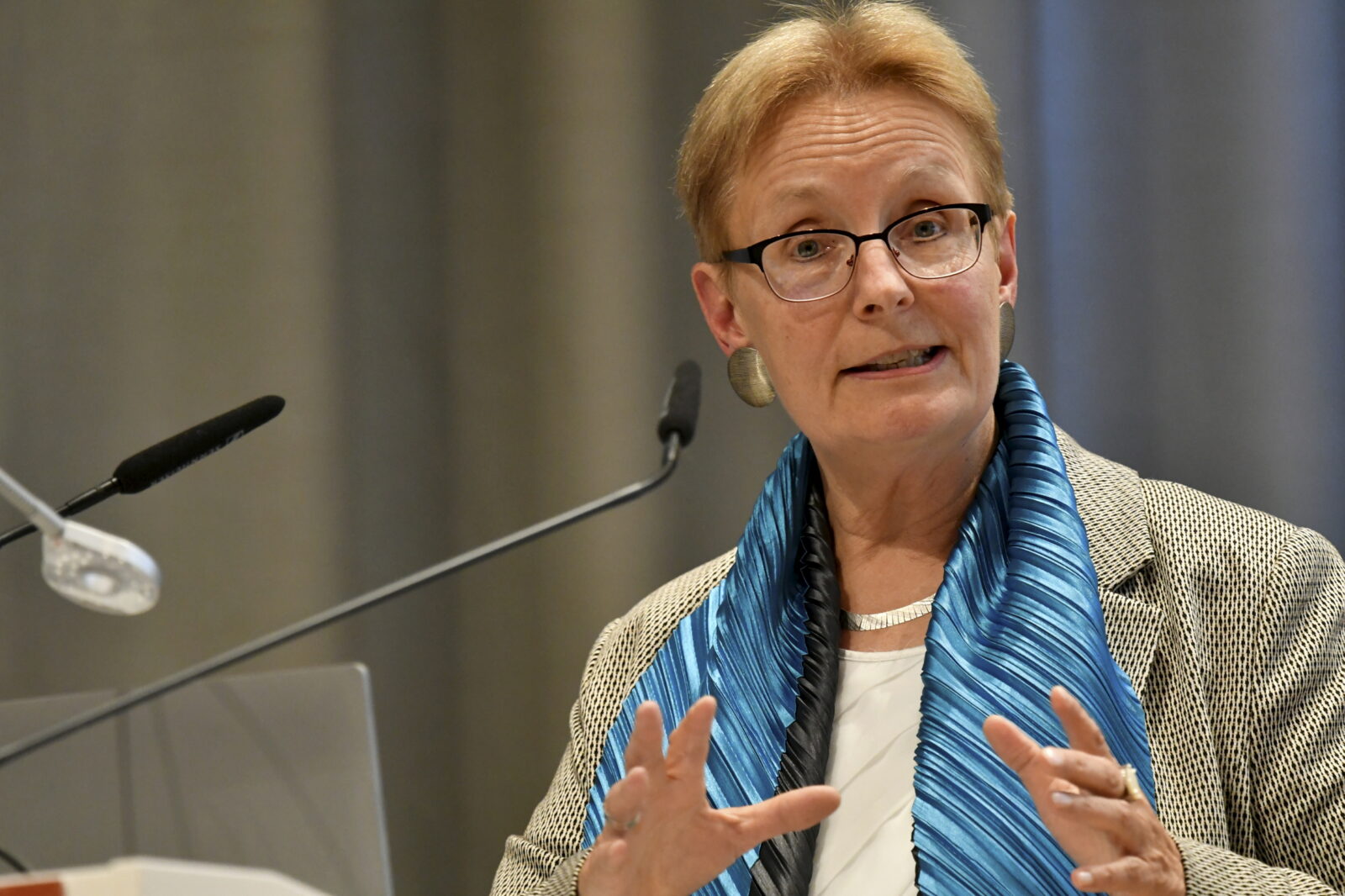
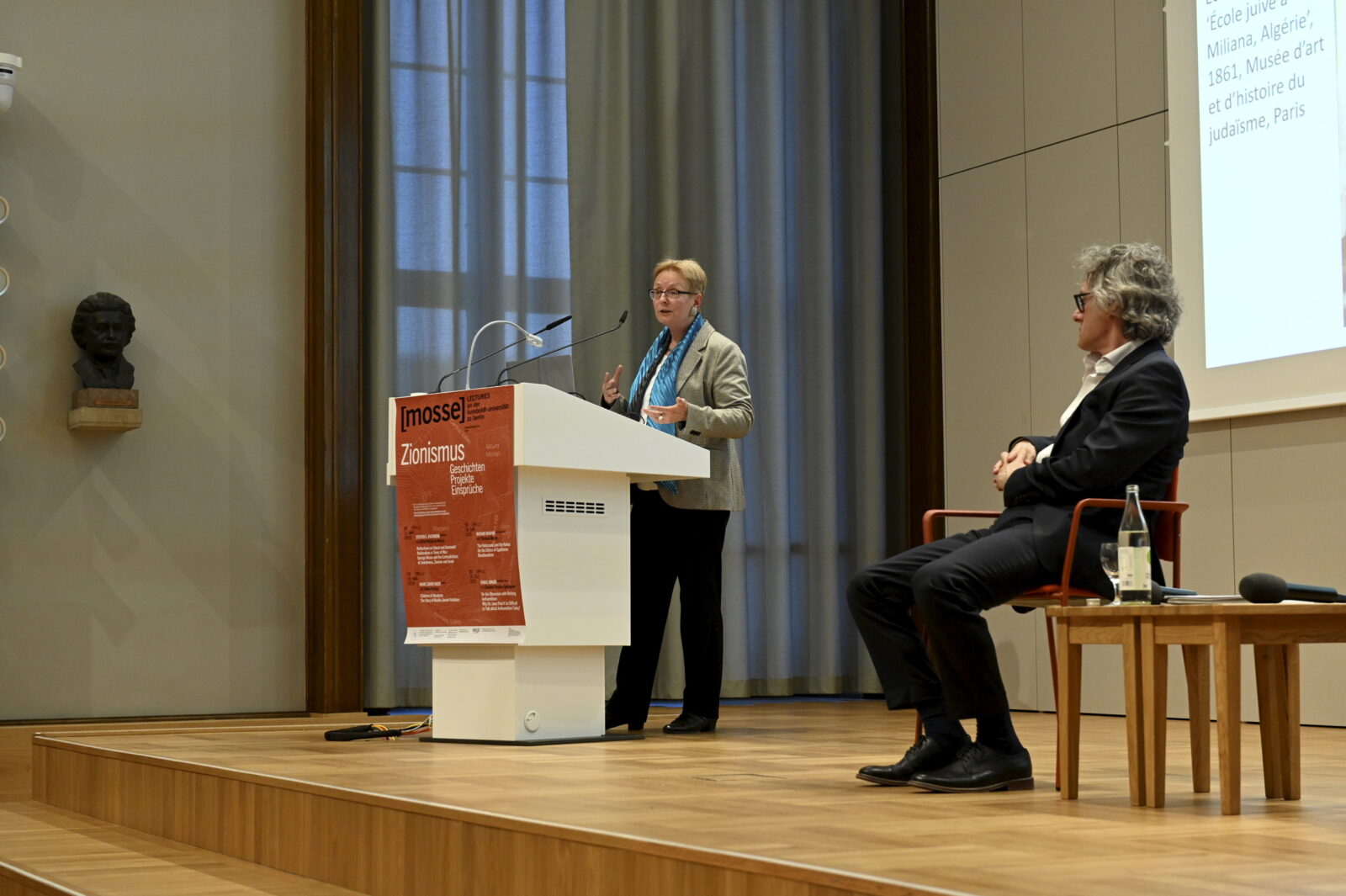
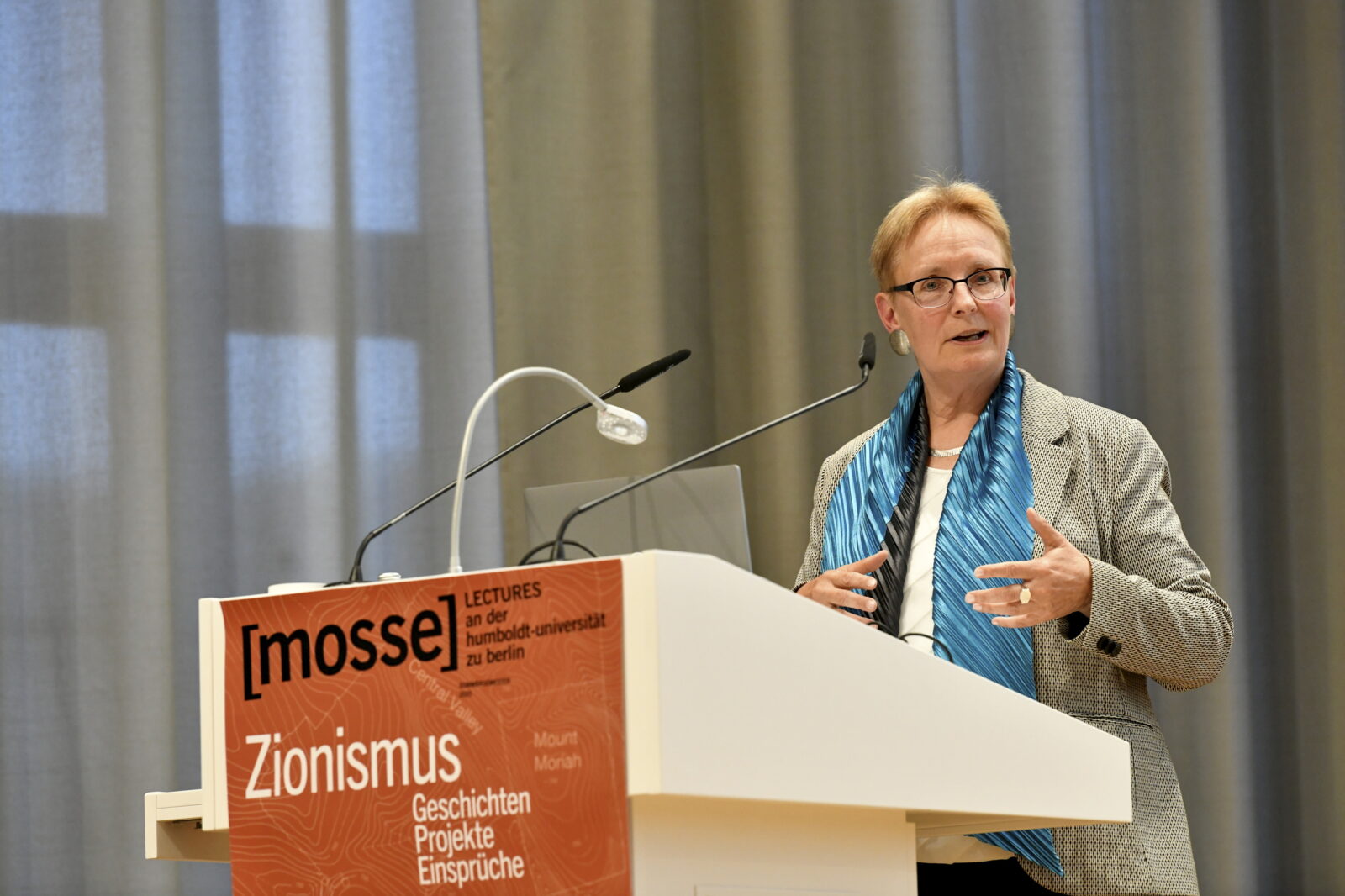
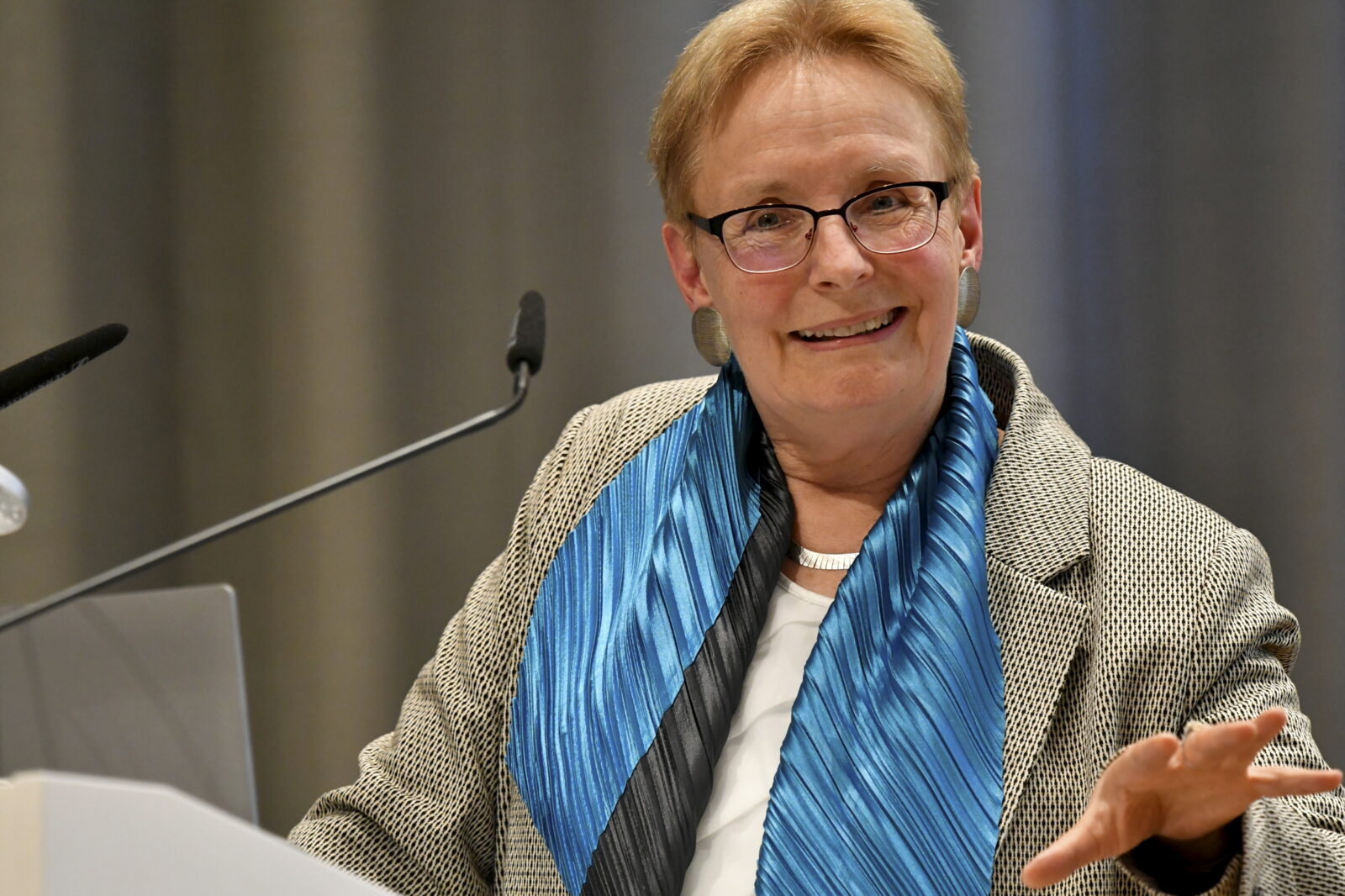
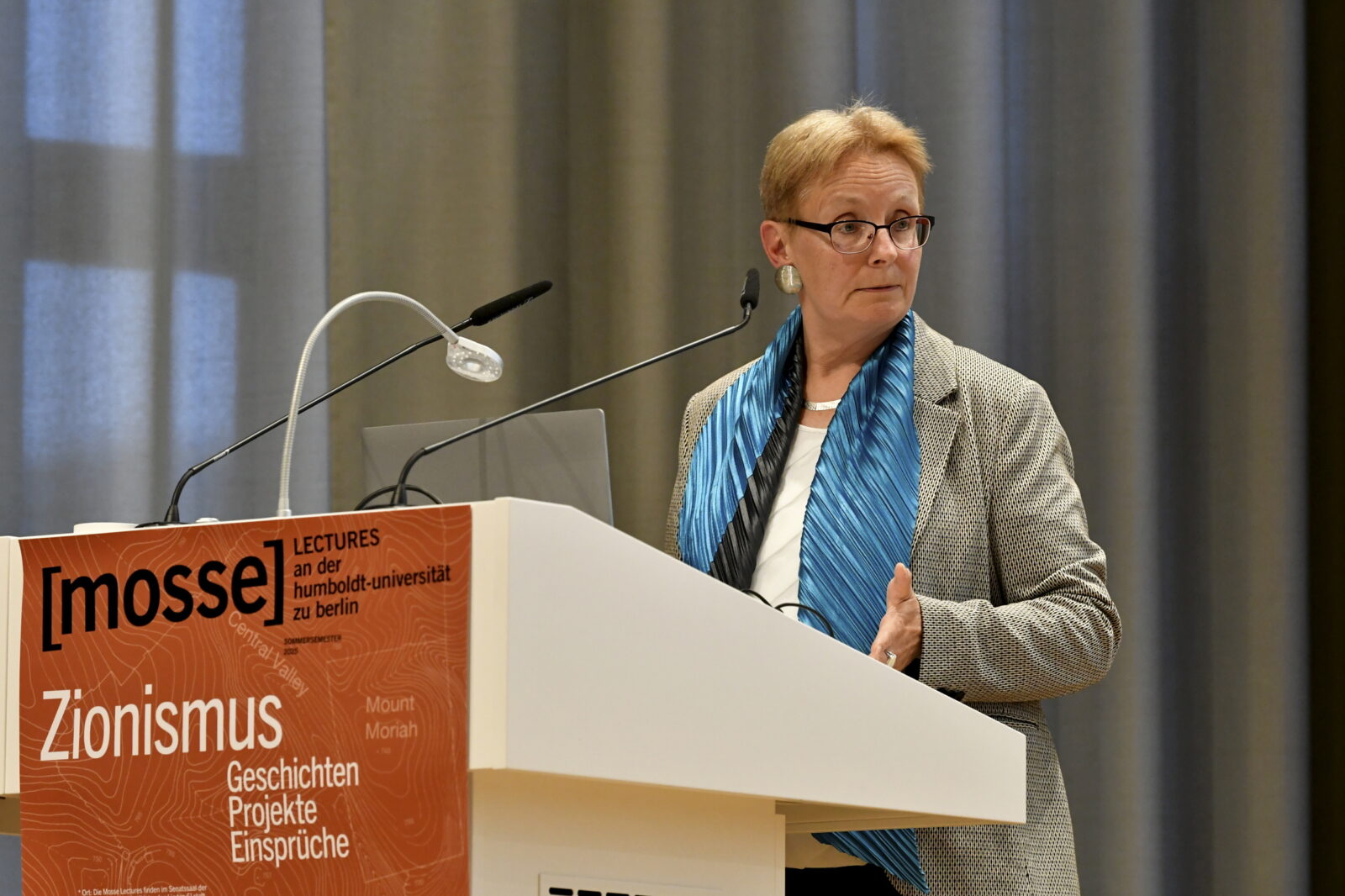
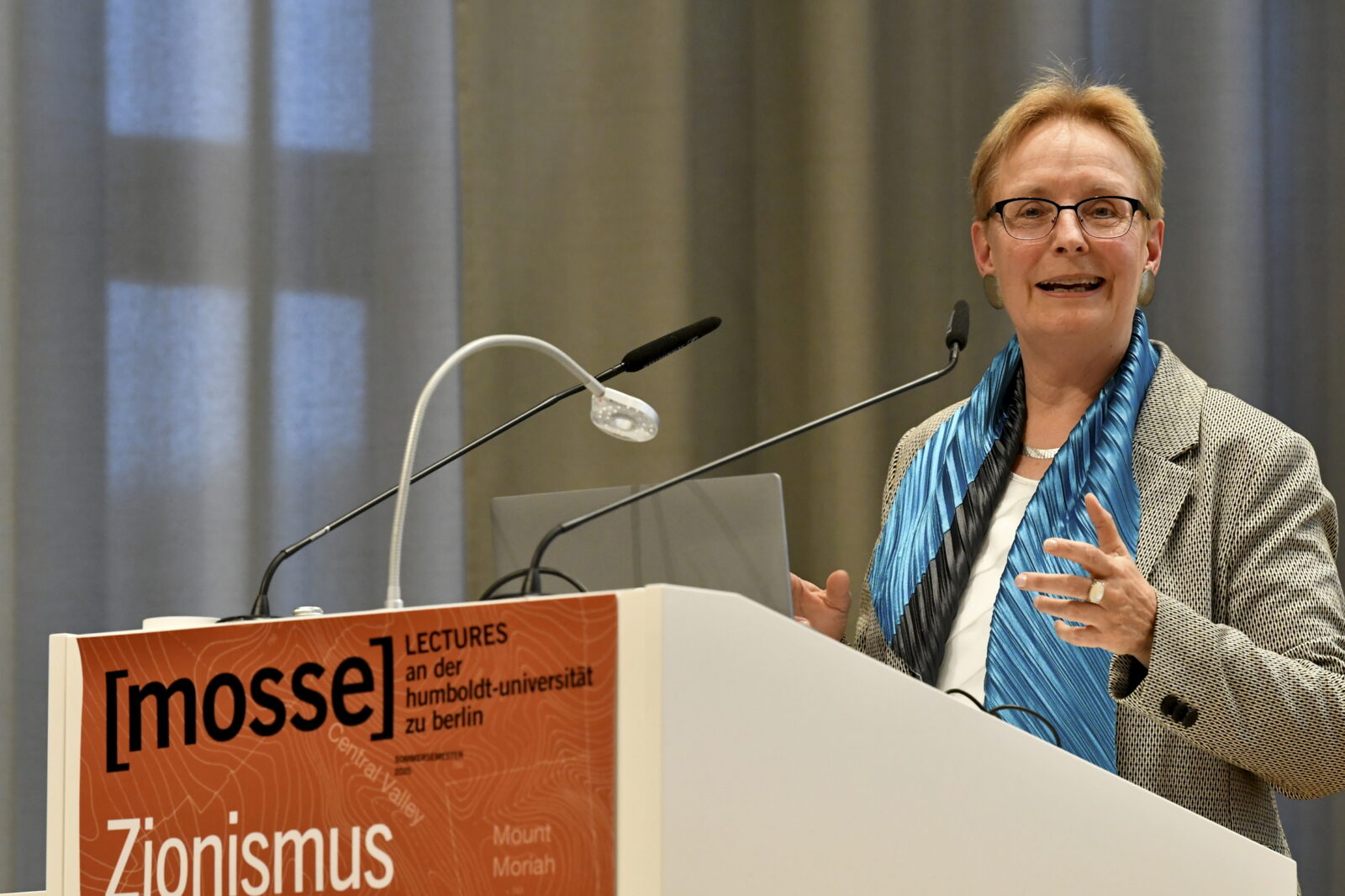
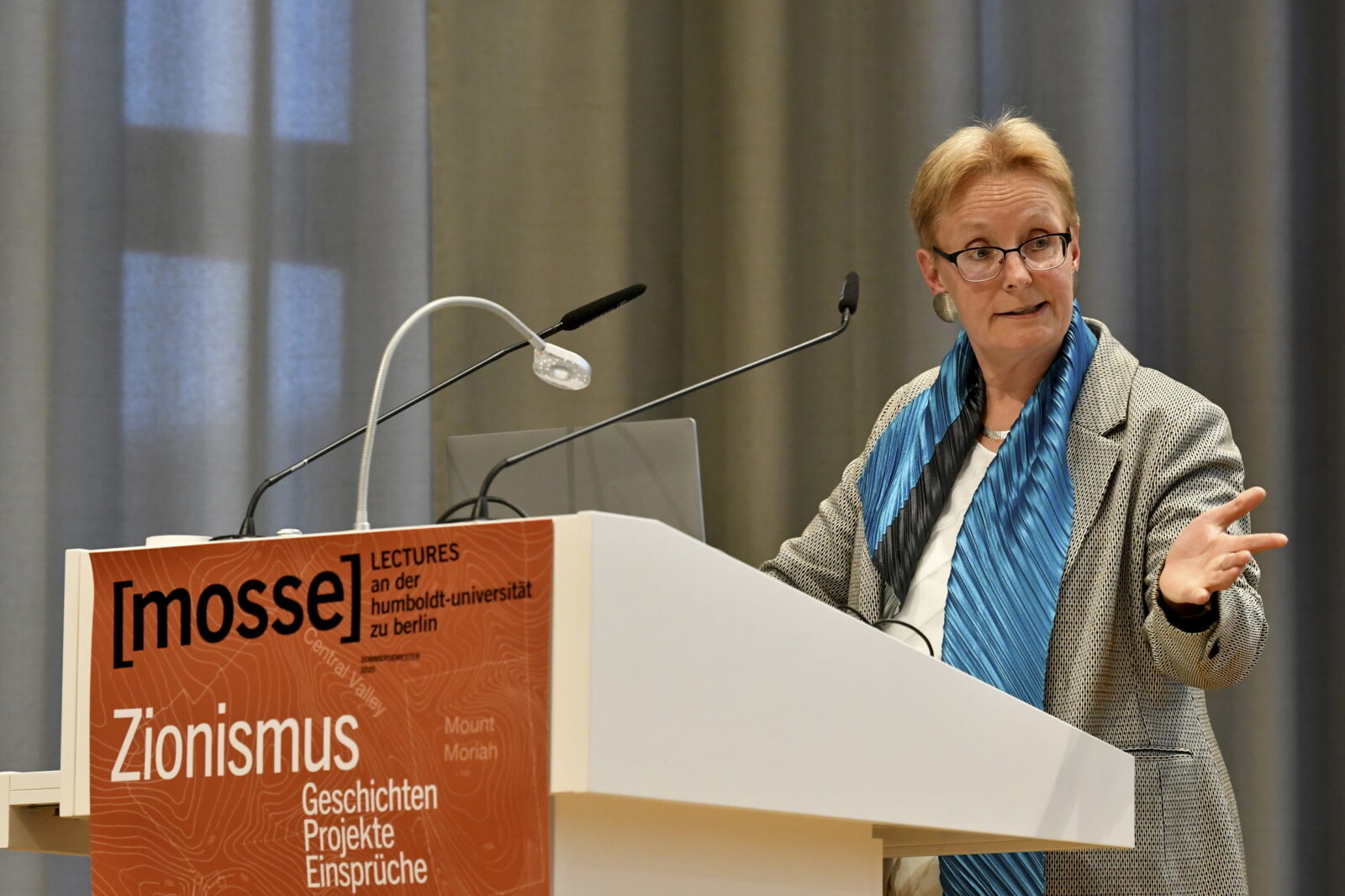
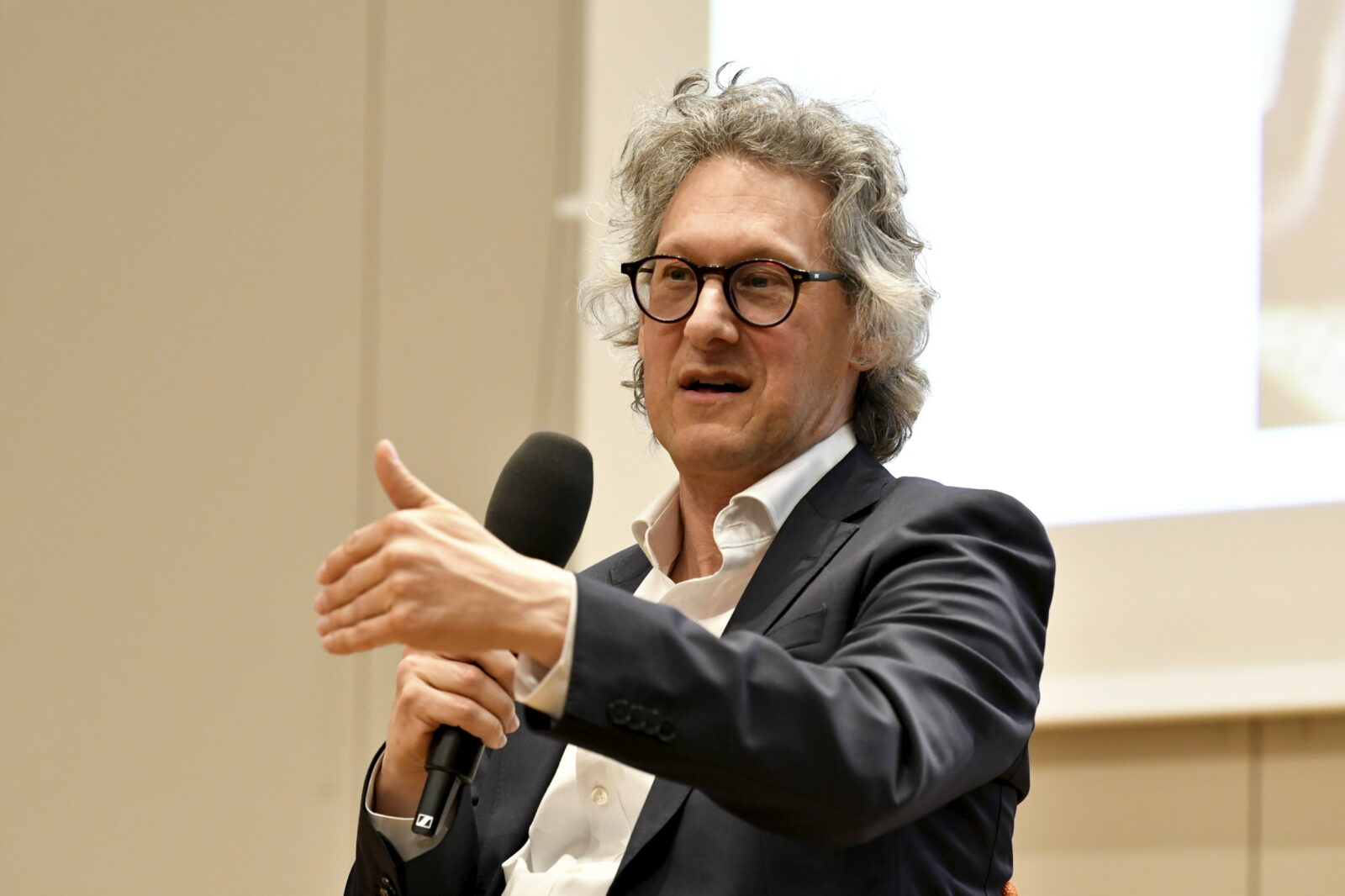
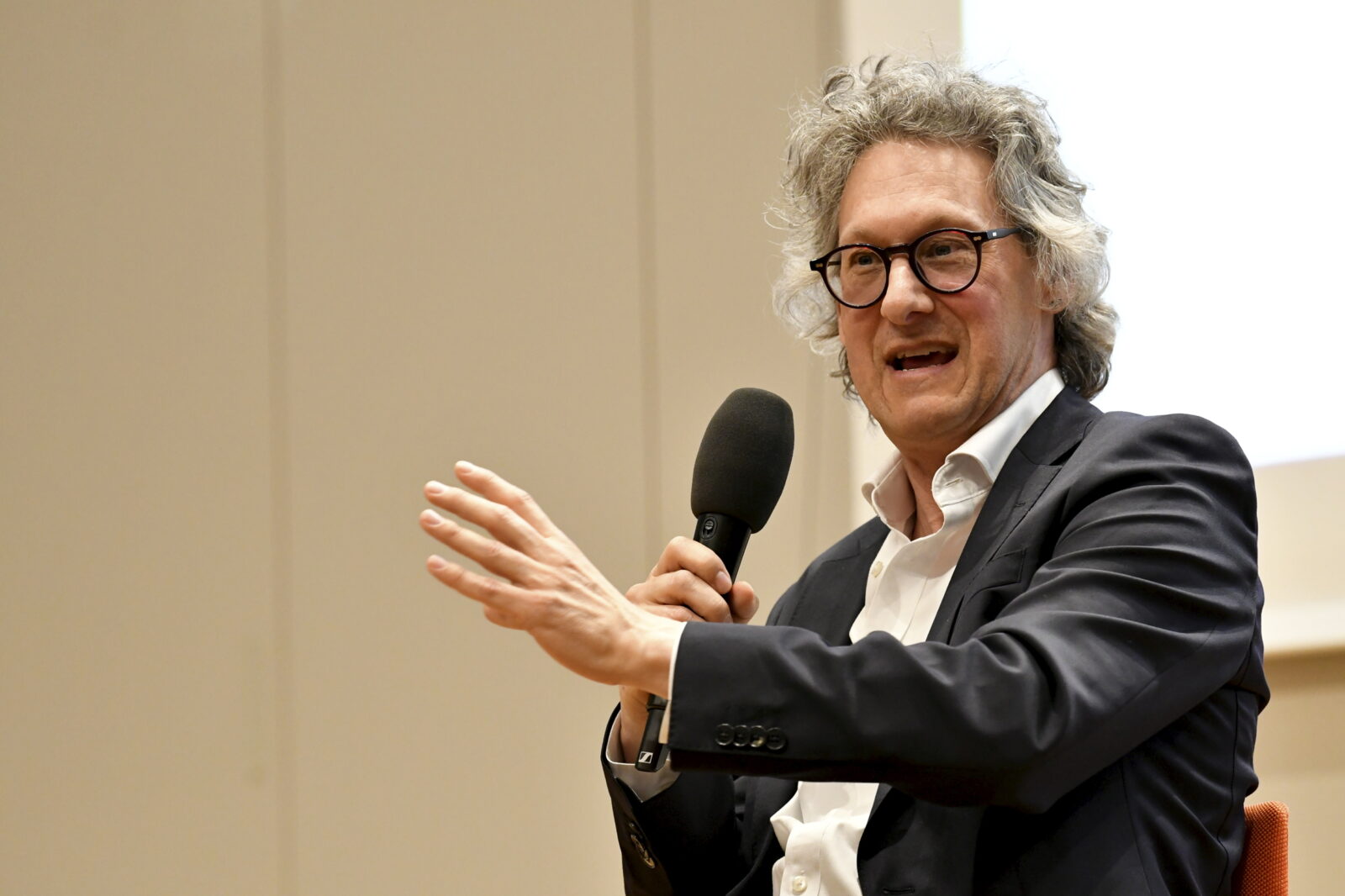
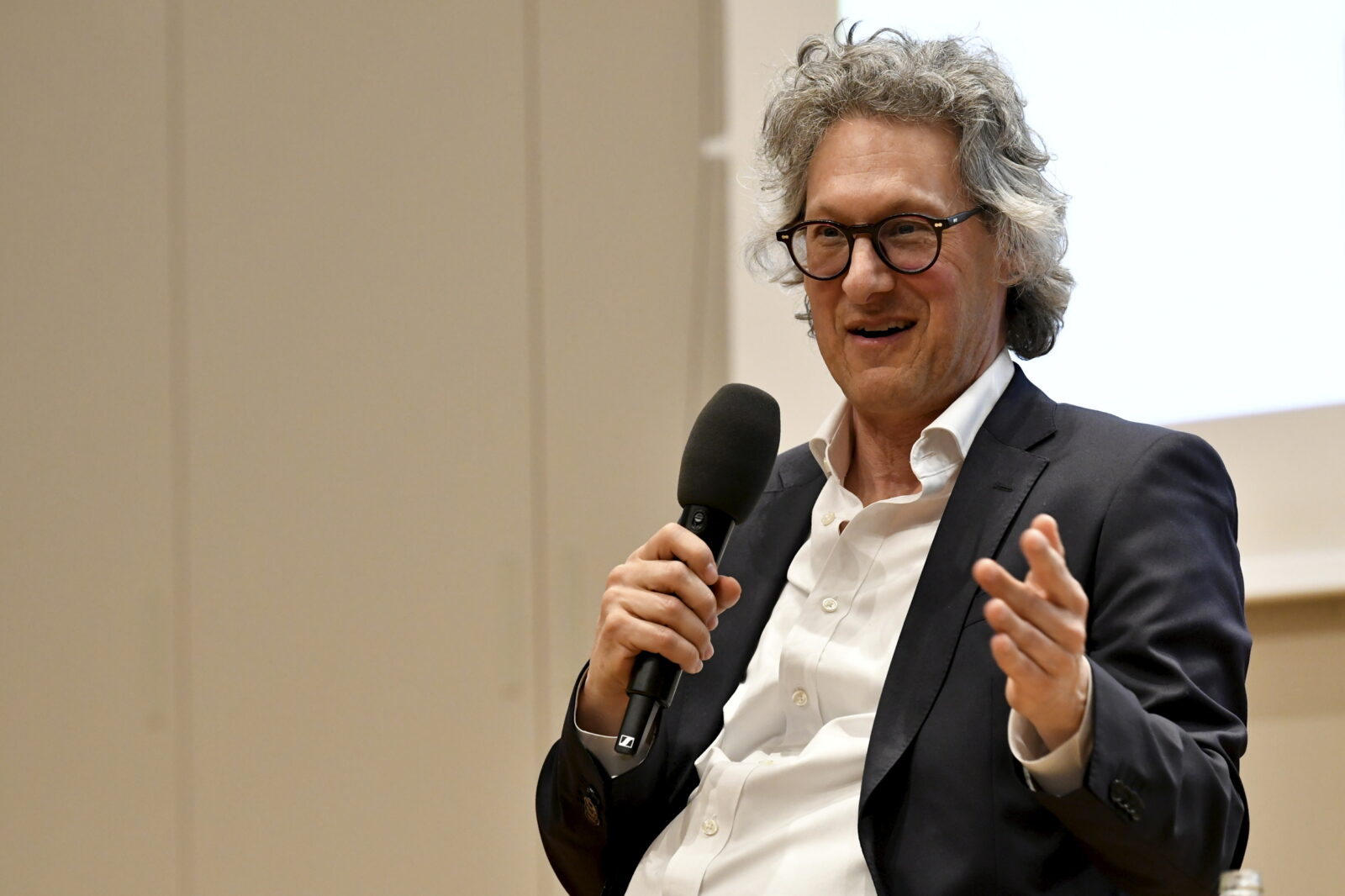
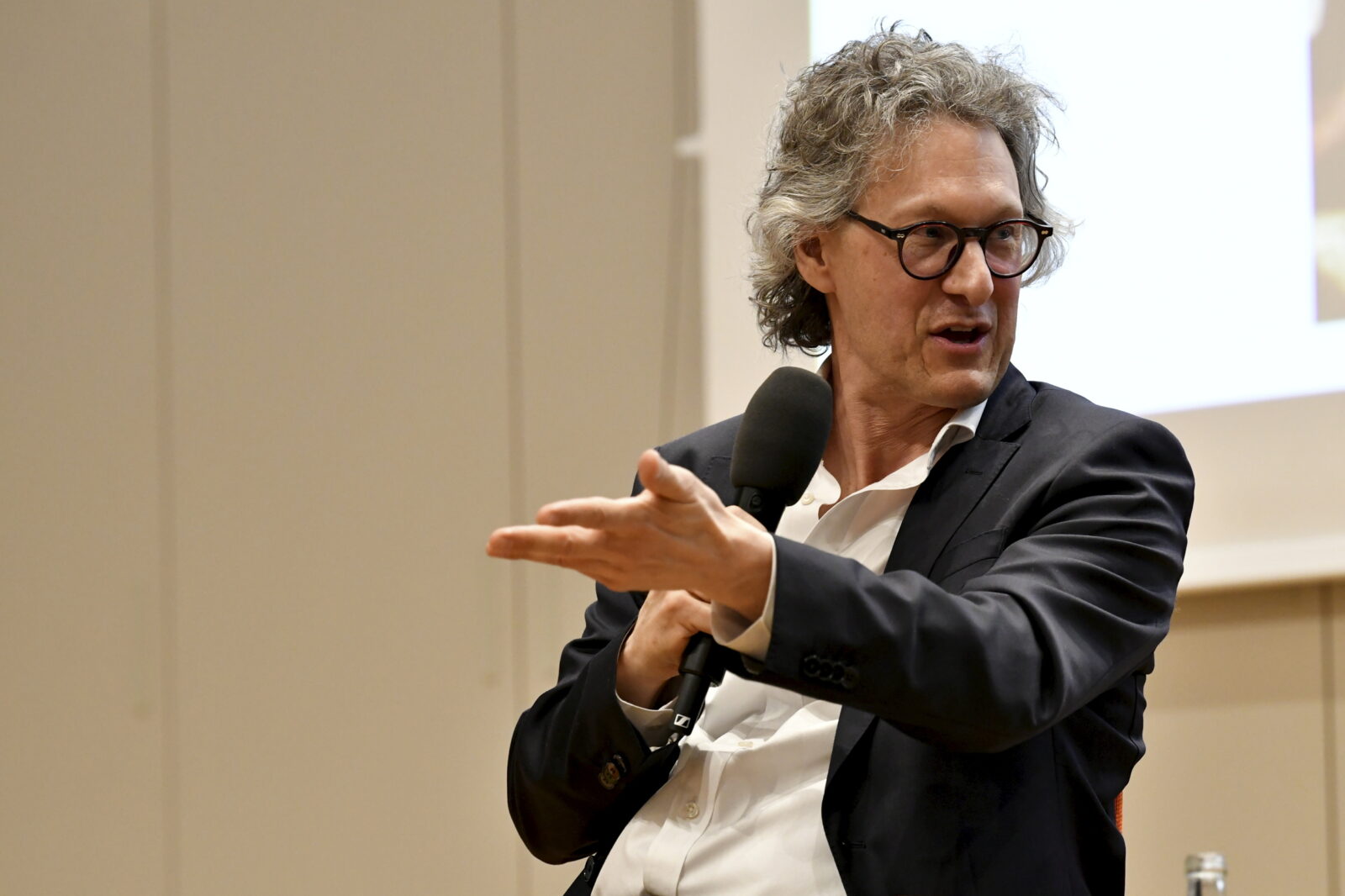
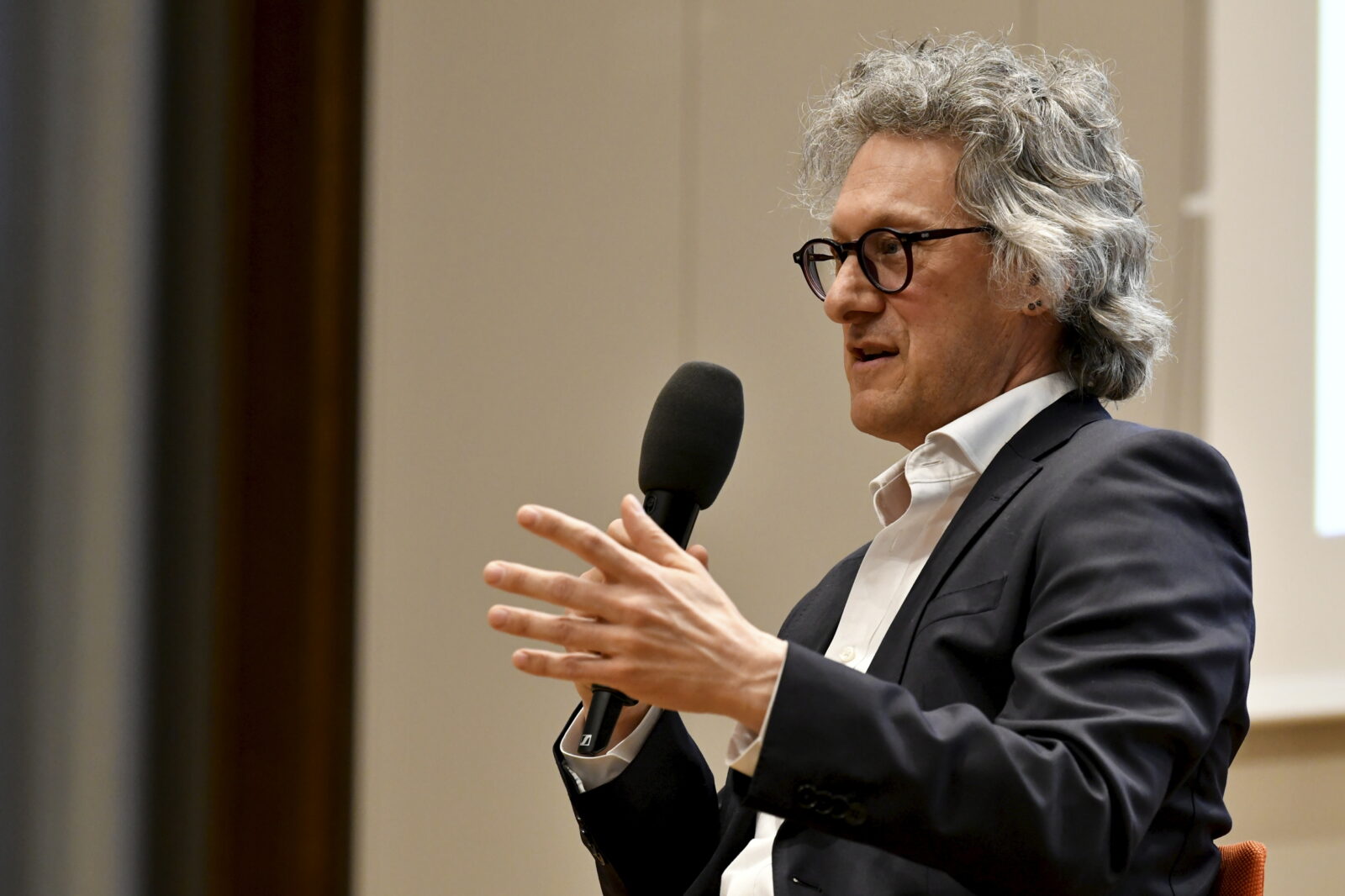
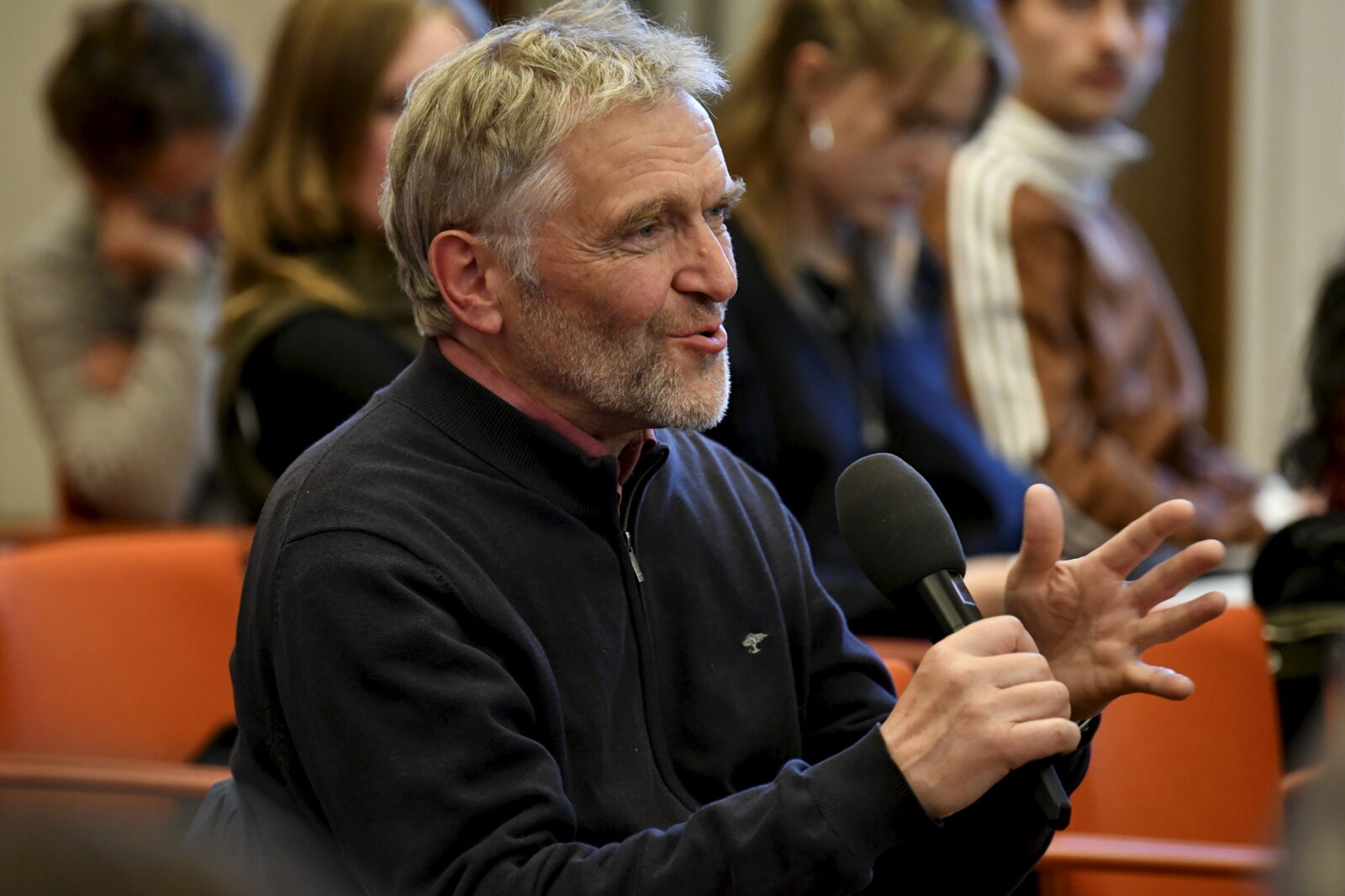
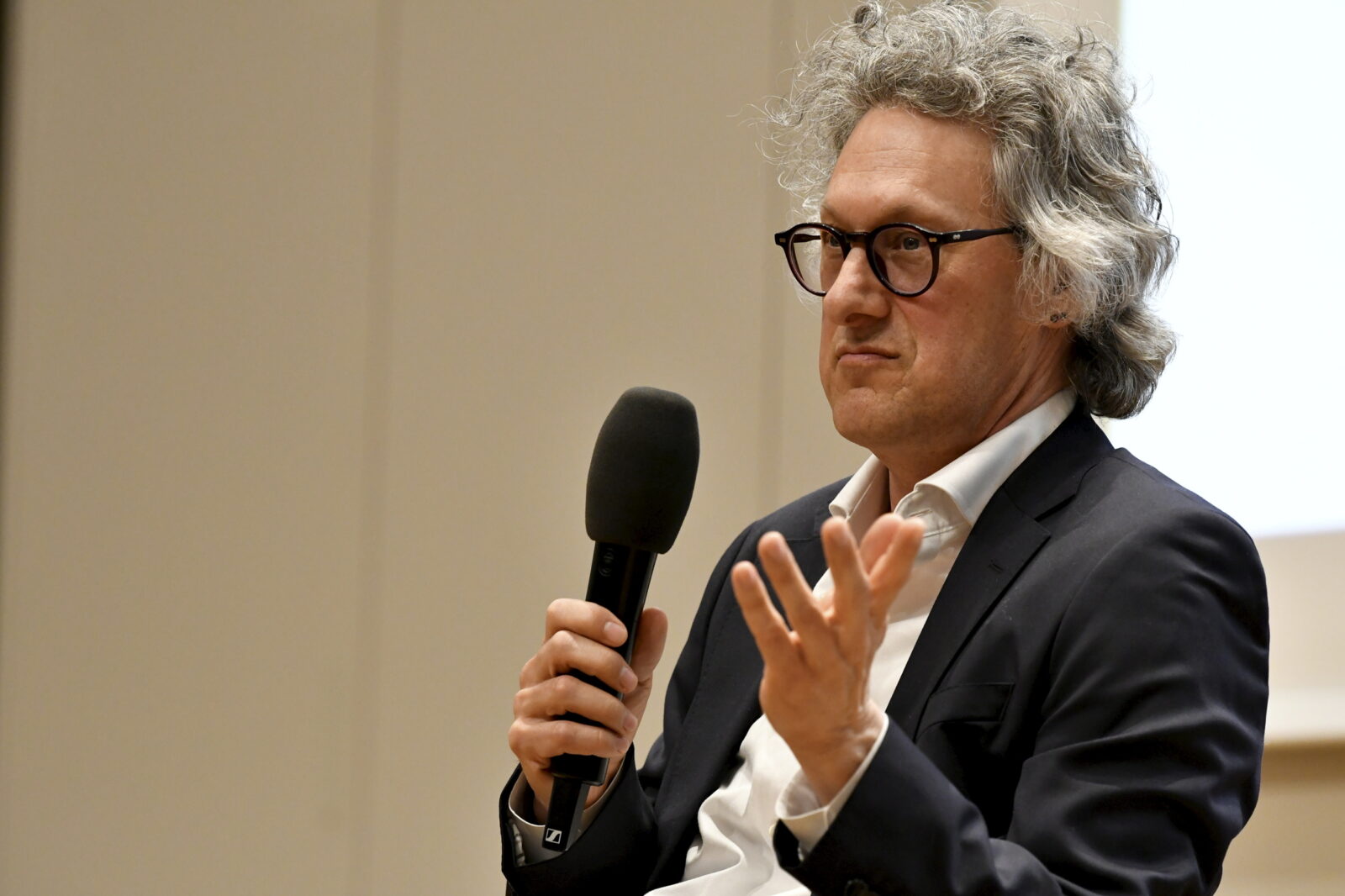
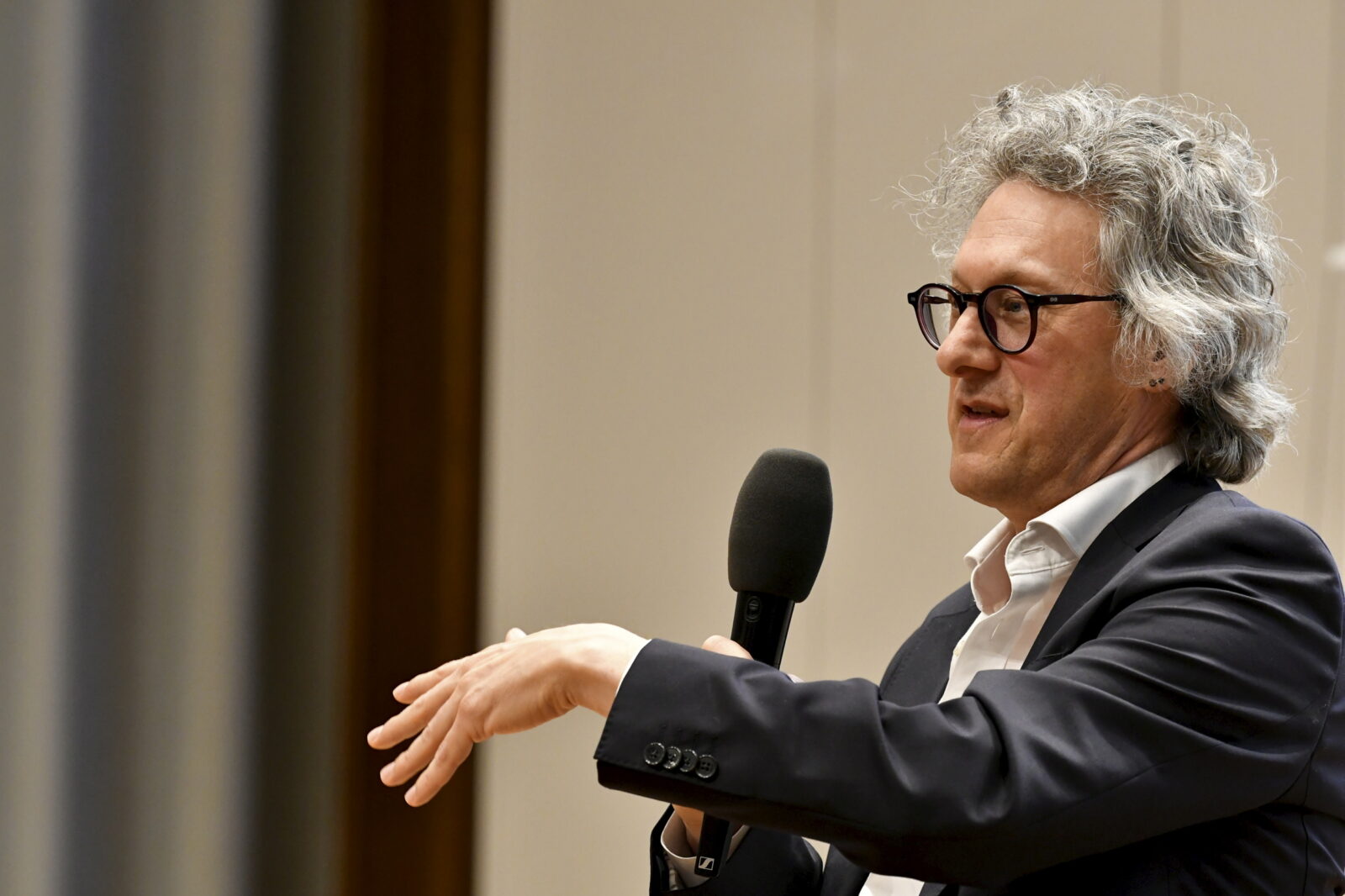
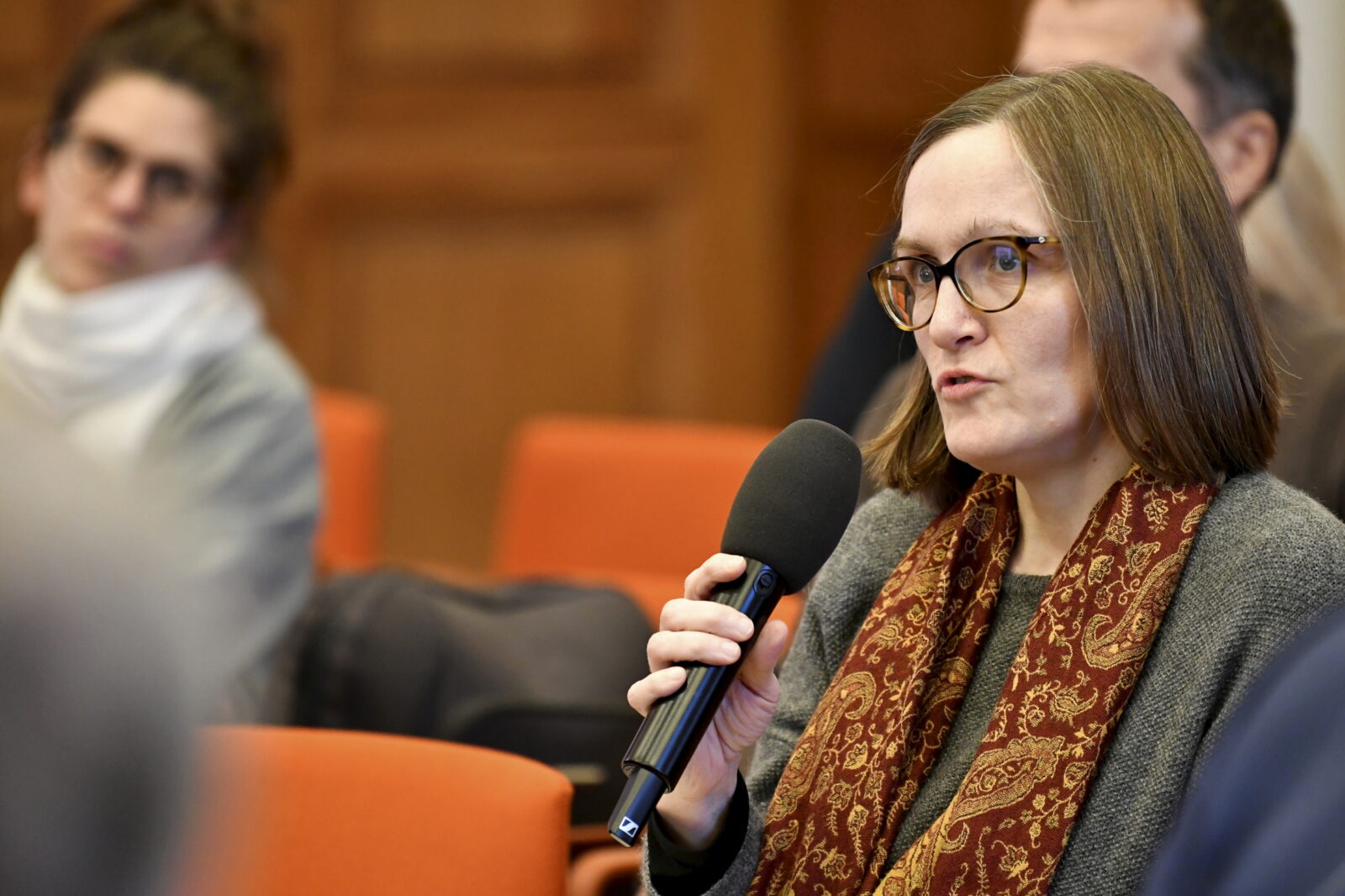
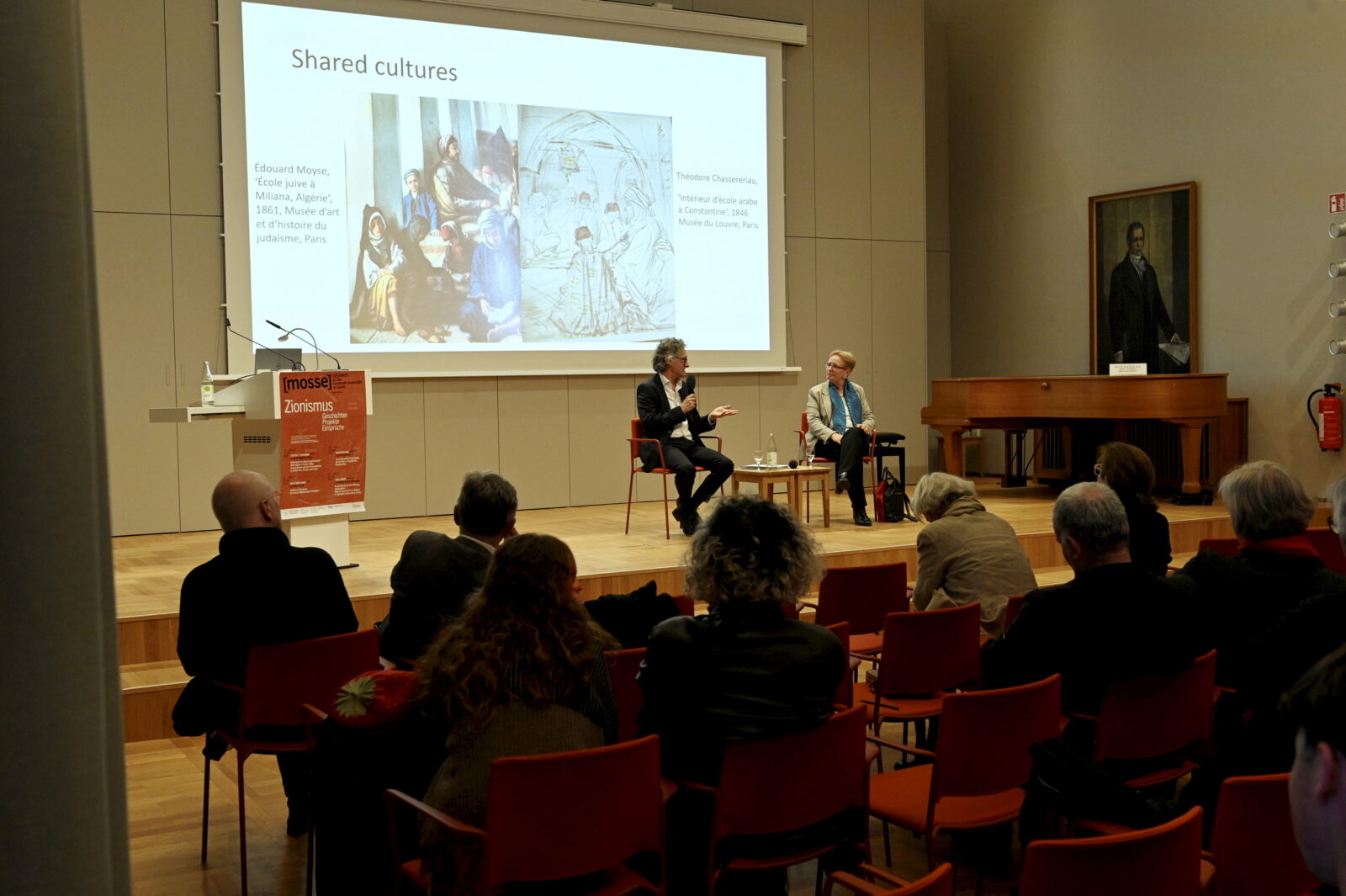
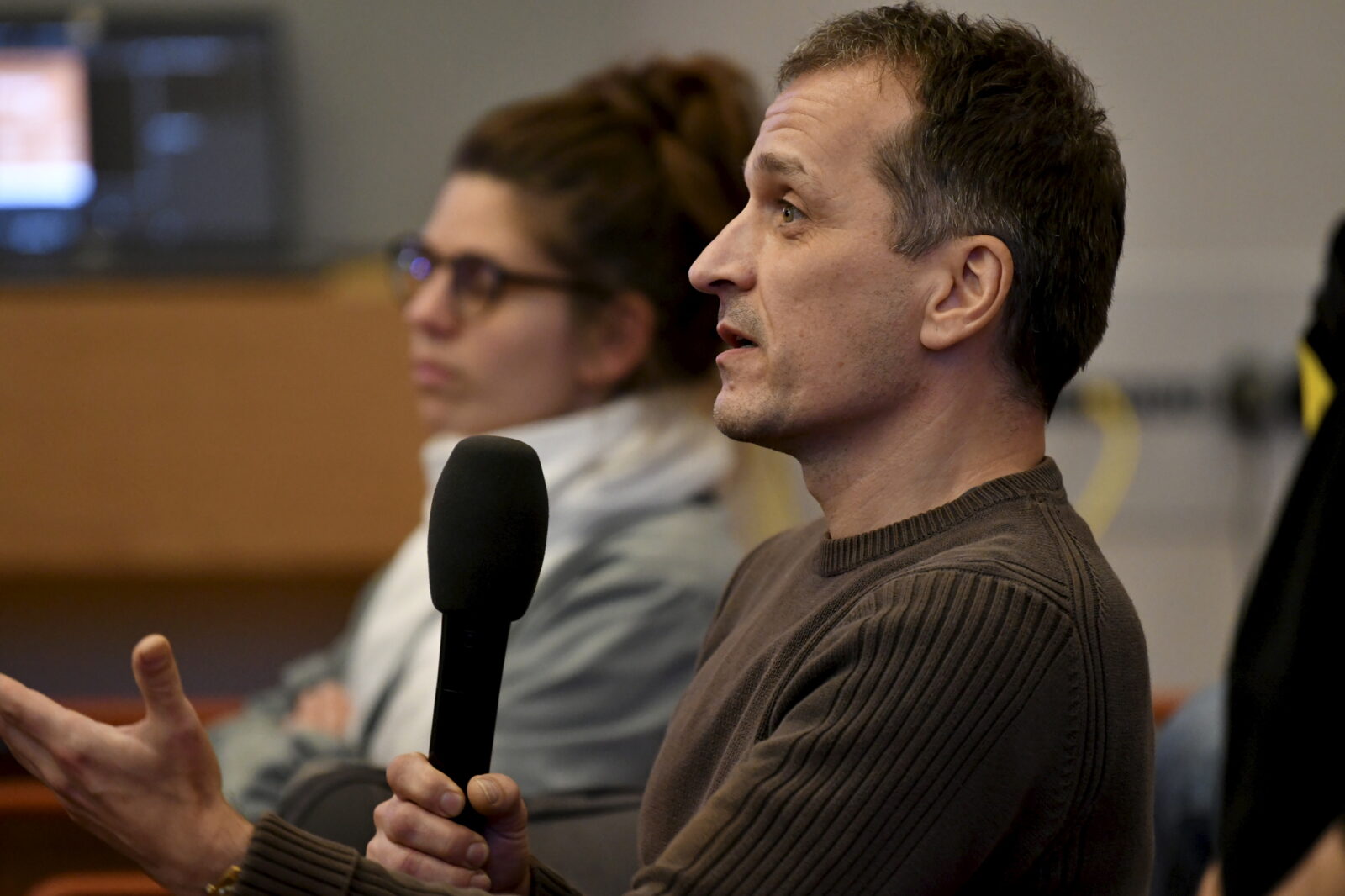
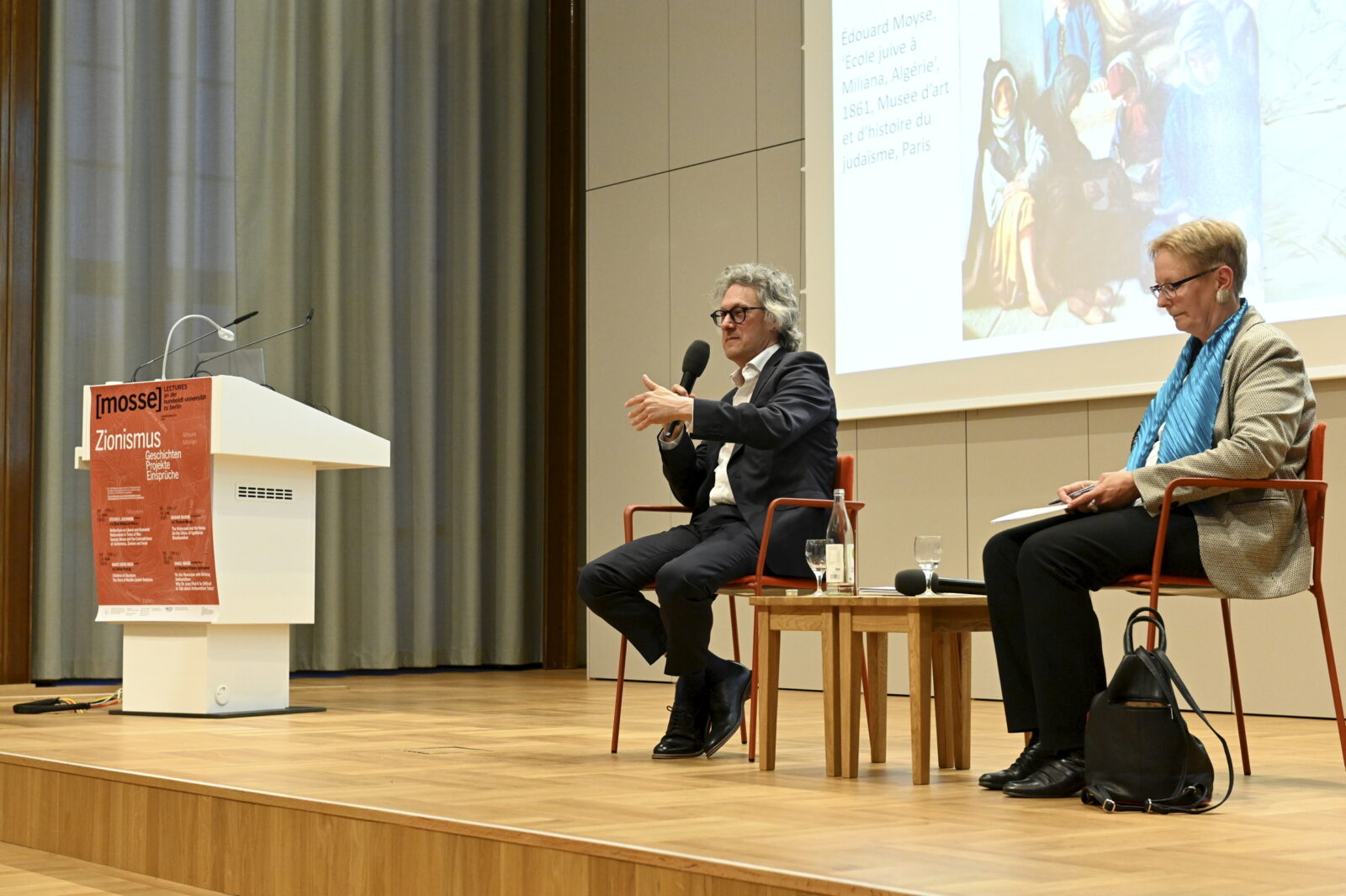
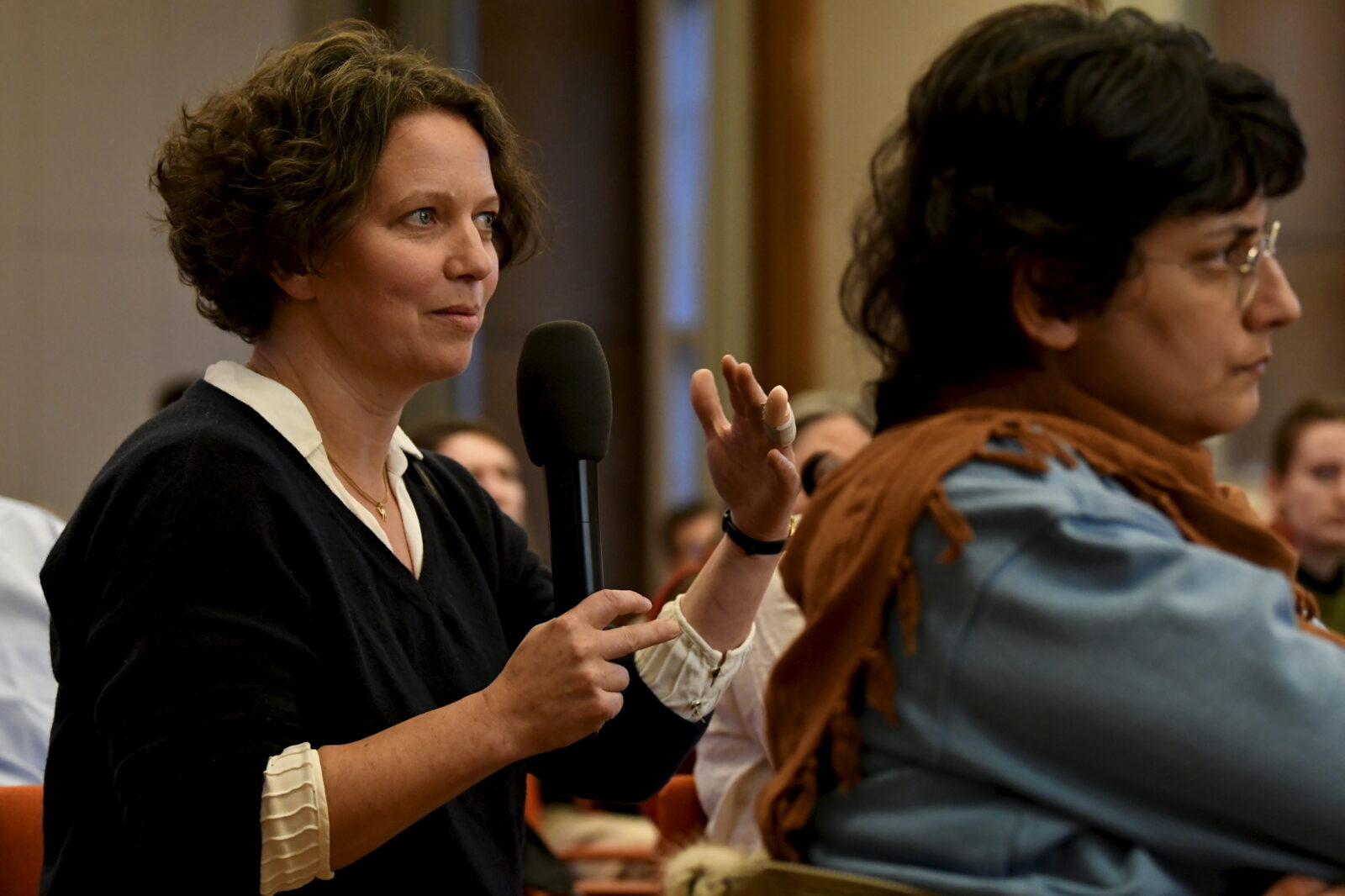
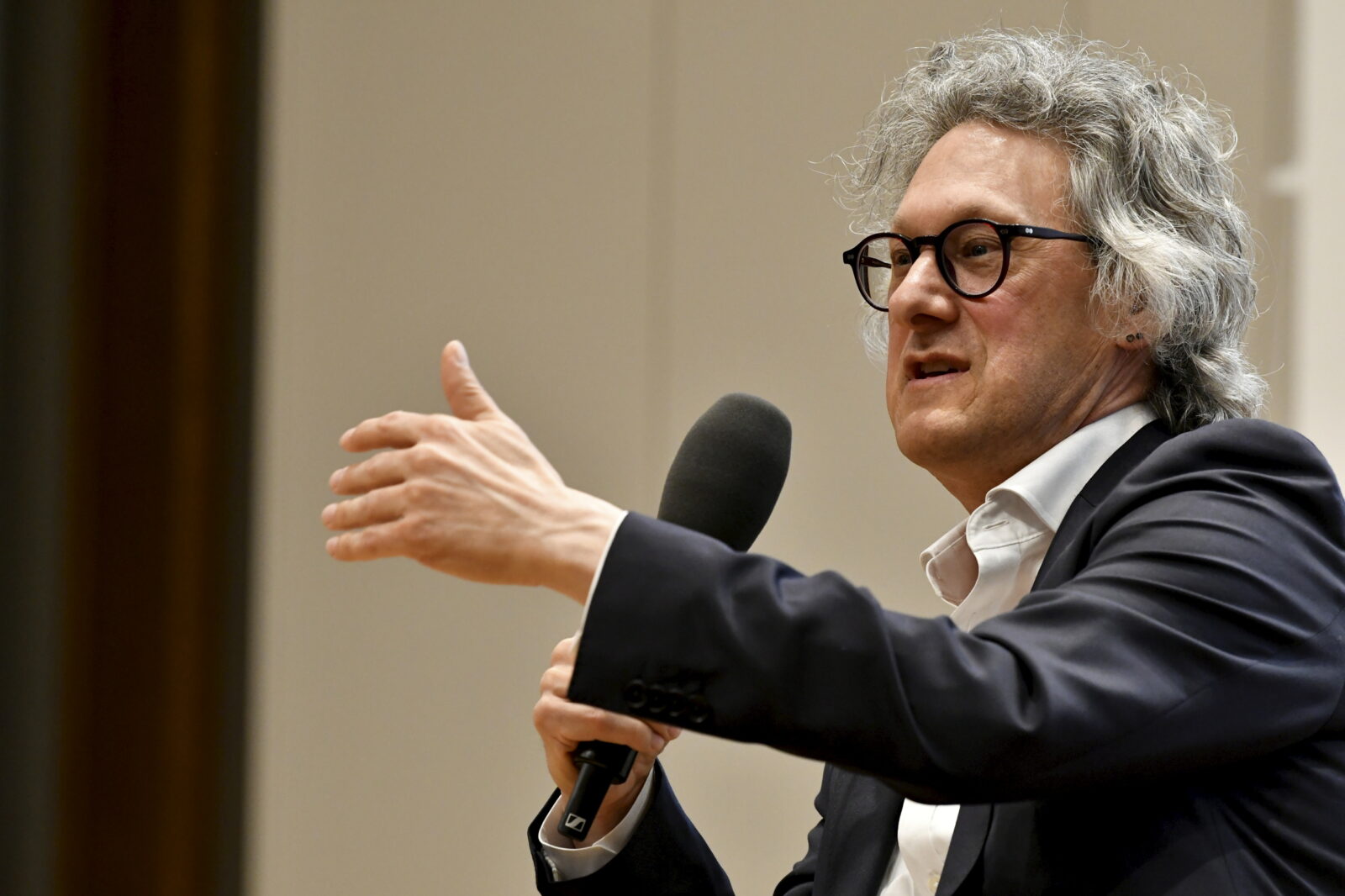
Photo credit: Neils Leiser for the Mosse Lectures

Marc David Baer Historiker; Fachbereichsleiter und Professor für International History an der London School of Economics and Political Science. Zu seinen Fachgebieten gehören die muslimischjüdischen
Beziehungen und das Osmanische Reich. Seine erste Publikation »Honoured by the Glory of Islam: Conversion and Conquest in Ottoman Europe« [2011] wurde mit dem Albert Hourani Book Award ausgezeichnet. Seine Studie »Sultanic Saviors and Tolerant Turks: Writing Ottoman Jewish History, Denying the Armenian Genocide« [2020] gewann den Dr. Sona Aronian Book Prize for Excellence in Armenian Studies. 2021 erschien sein neuestes Buch »The Ottomans: Khans, Caesars and Caliphs«.
Ulrike Freitag Islamwissenschaftlerin und Historikerin; Direktorin des Leibniz-Zentrums Moderner Orient [ZMO] und Professorin für Islamwissenschaft an der FU Berlin. Sie ist Ko-Herausgeberin des Journal of Arabian Studies, des Journal of Global History und der Zeitschrift Geschichte und Gesellschaft. Ihr aktuelles Forschungsprojekt trägt den Titel »Eine Oase in der Globalisierung: Geschichte und Entwicklung von Hegra [Saudi-Arabien] seit dem späten 19. Jahrhundert«. Zu ihren Forschungsschwerpunkten zählen die Geschichte und Gesellschaft des Nahen Ostens seit 1500 und die Geschichte der arabischen Provinzen des Osmanischen Reiches seit 1750.
Lothar Müller has worked as an editor for the Frankfurter Allgemeine Zeitung and the Süddeutsche Zeitung, and lectured at the Institute for Comparative Literature at the Free University. Since 2010, he has served as Honorary Professor in the Institute for German Literature at the Humboldt University Berlin. He is the author of numerous publications, including Adrien Proust und sein Sohn Marcel. Beobachter der erkrankten Welt (2021) and Weiße Magie. Die Epoche des Papiers (2012). He was awarded the Berlin Prize for Literary Criticism in 2013.
