
2025: Shaul Magid, “On the Obsession with Defining Antisemitism: Why Do Jews Find It So Difficult to Talk about Antisemitism Today?”
Shaul Magid, “On the Obsession with Defining Antisemitism: Why Do Jews Find It So Difficult to Talk about Antisemitism Today?”
Humboldt University Mosse Lecture
mosselectures.wisc.edu/berlin/
Thursday, 10 July 2025 19:15 CET
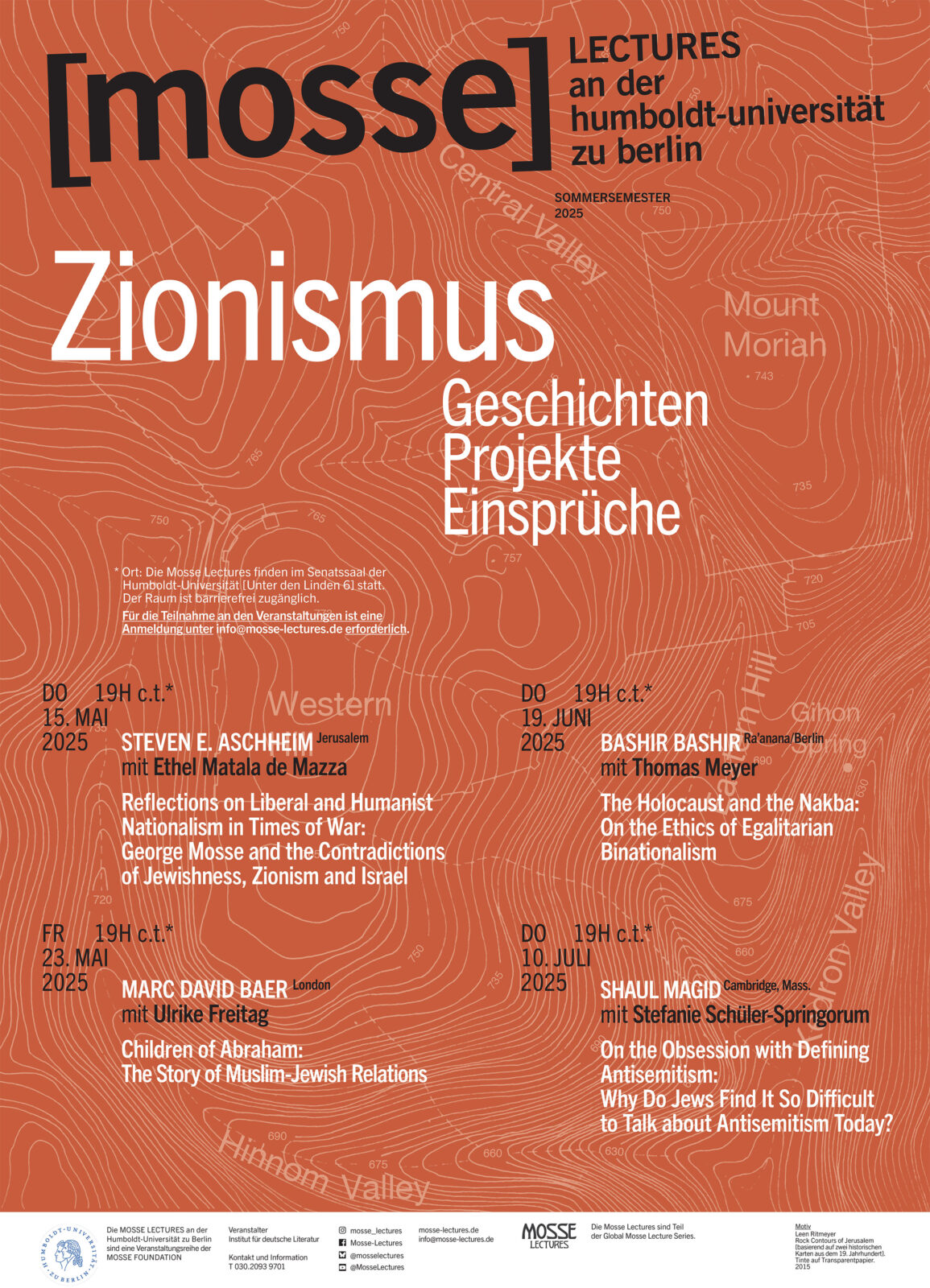
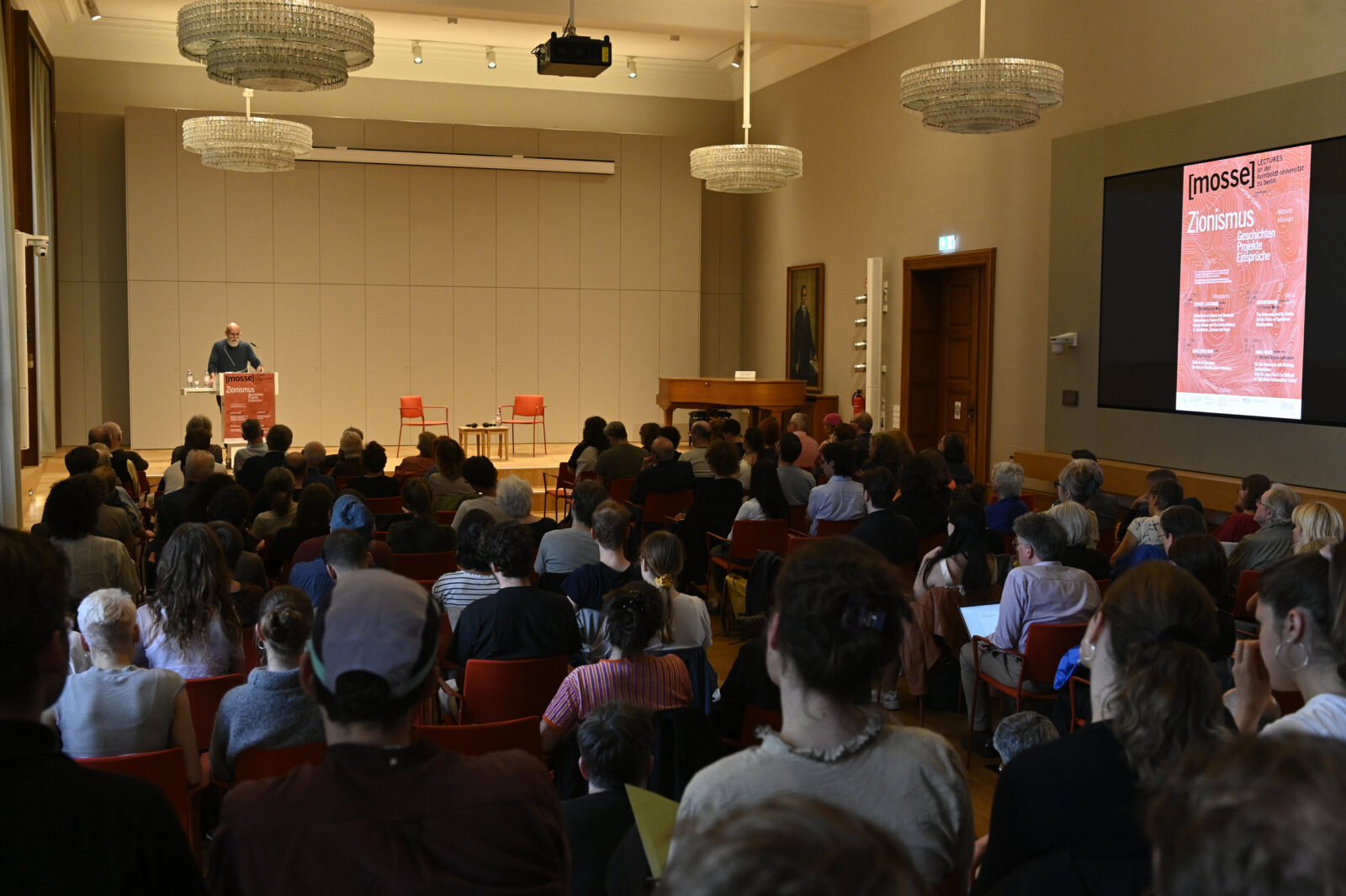
Senatssaal of Humboldt University
Unter den Linden 6
10117 Berlin
GERMANY
Sponsored by:
[mosse] LECTURES an der humboldt-universität zu berlin
The Mosse Foundation
Global Mosse Lecture Series
Institut für deutsche Literatur
Humboldt University
Moderator: Michael Kämper-van den Boogaart (Humboldt University)
Respondent: Stefanie Schüler-Springorum (Technische Universität Berlin)
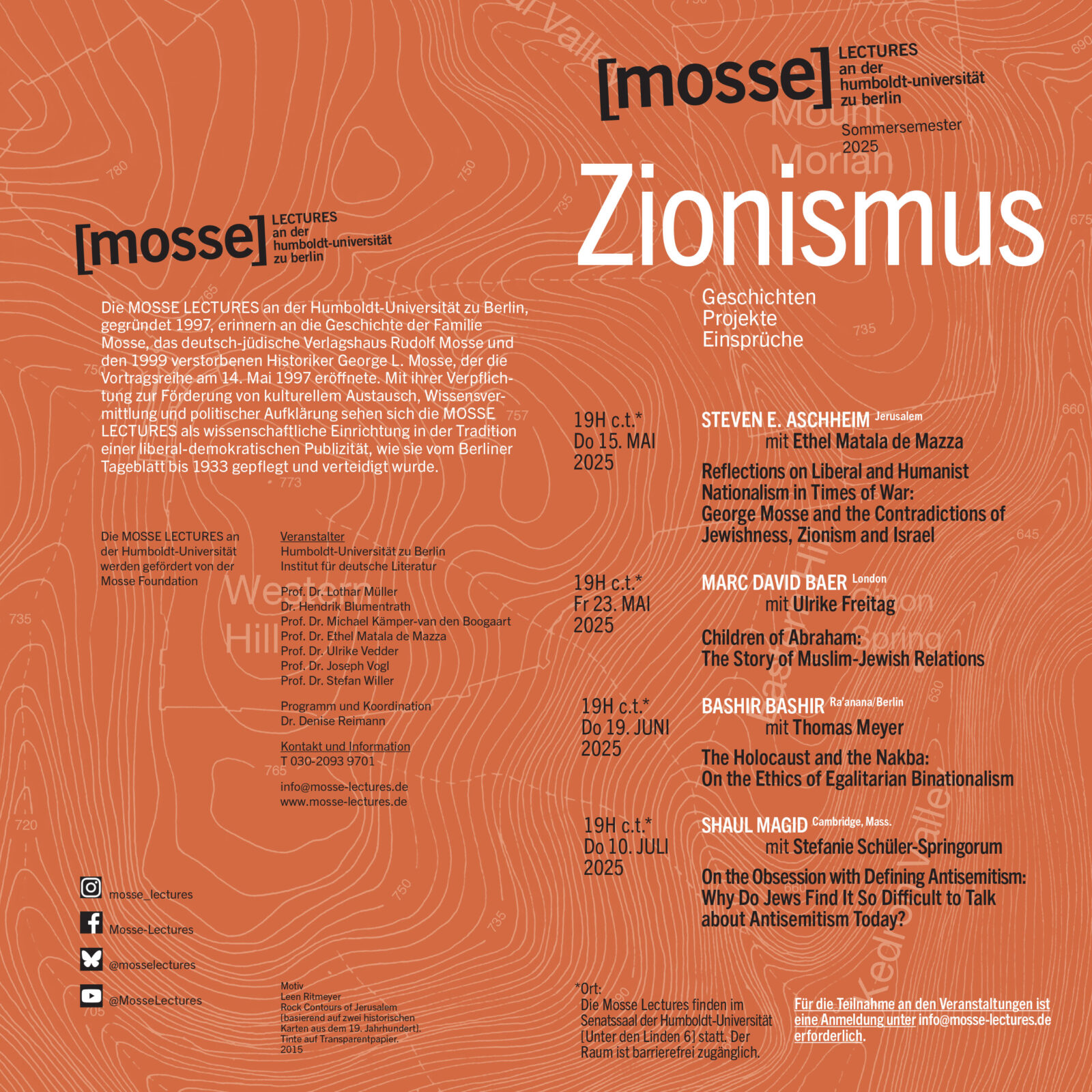
Lecture Description: Whereas Jews have often disagreed on almost all matters of their history and identity, one of the things they all seemed to agree about is antisemitism. Yet in our time there has been a robust debate among Jews about what constitutes antisemitism. Various documents have been written trying to define antisemitism, and various organizations have sparred about implementing those definitions. In this lecture I will discuss this problem in three parts. First, I will discuss the concept of »eternal antisemitism« that is, the claim that antisemitism is not conditional, contextual, or historical, but somehow »eternal«. Second, I will discuss the debate about the uniqueness of the Holocaust in Jewish scholarship as part of the antisemitism debate. Third, I will discuss questions around the exceptionalism of the state of Israel and how that plays into discussions about antisemitism. I argue that these three issues contribute to why antisemitism is so difficult to define and to discern.
Lecture Series Theme: Zionismus. Geschichten – Projekte – Einsprüche/Zionism. Histories – Projects – Objections.
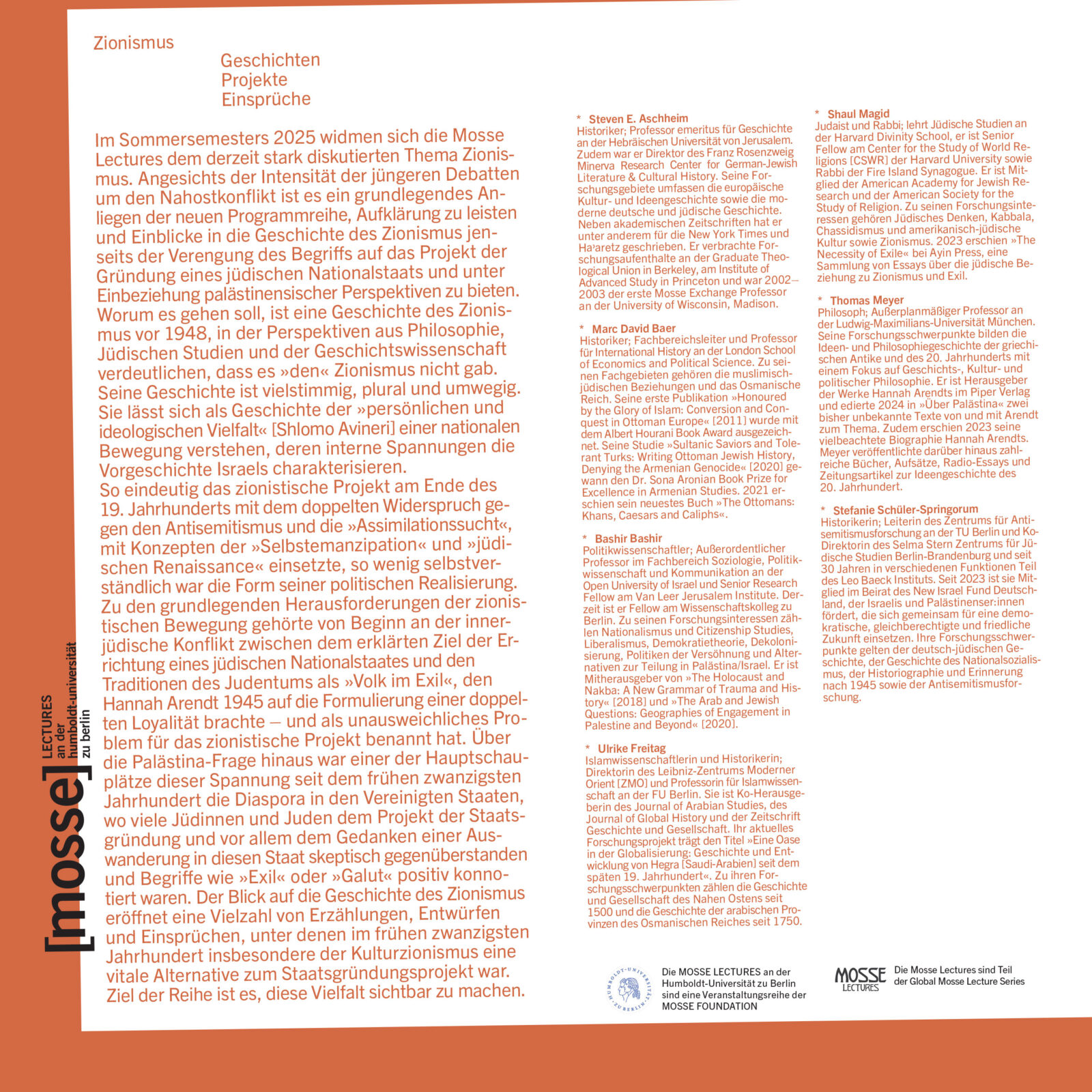
Lecture Series Description: In the summer term 2025, the Mosse Lectures will be dedicated to the currently much-discussed topic of Zionism. In view of the intensity of the recent debates surrounding the Middle East conflict, the new series of lectures aims to provide clarification and insight into the history of Zionism beyond the narrow definition of the term as the project of founding a Jewish nation-state and by including Palestinian perspectives. The aim is to outline a history of Zionism before 1948, in which perspectives from philosophy, Jewish studies and historiography make it clear that there was no such thing as the Zionism. Its history is polyphonic, plural and circuitous. It can be understood as the history of the »personal and ideological diversity« (Shlomo Avineri) of a national movement whose internal tensions characterize Israel’s prehistory.
As clearly as the Zionist project began at the end of the 19th century with the dual opposition to antisemitism and the »addiction to assimilation«, with concepts of »self-emancipation« and »Jewish renaissance«, the form of its political realization was not self-evident. One of the fundamental challenges facing the Zionist movement from the very beginning was the internal Jewish conflict between the declared goal of establishing a Jewish nation state and the traditions of Judaism as a »people in exile«, which Hannah Arendt formulated in 1945 as a dual loyalty – and identified as an unavoidable problem for the Zionist project. In addition to the question of Palestine, one of the main sites of this tension since the early twentieth century has been the diaspora in the United States, where many Jews were sceptical about the project of founding a state and, above all, about the idea of emigrating to it, and where terms such as »exile« or »galut« had positive connotations. A look at the history of Zionism opens up a multitude of narratives, drafts and objections, among which cultural Zionism in particular was a vital alternative to the project of founding a state in the early twentieth century. The aim of the series is to make this diversity visible.
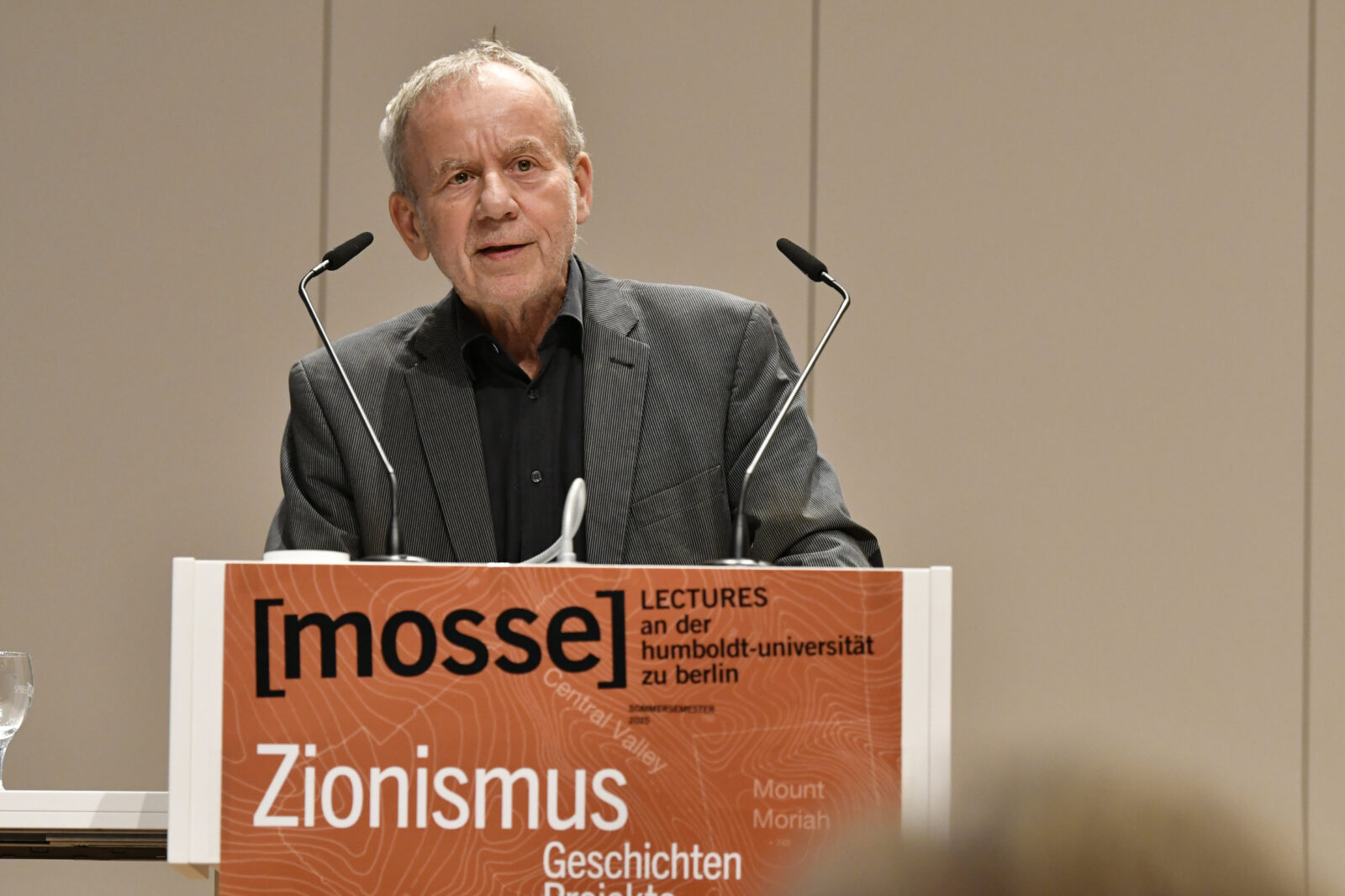
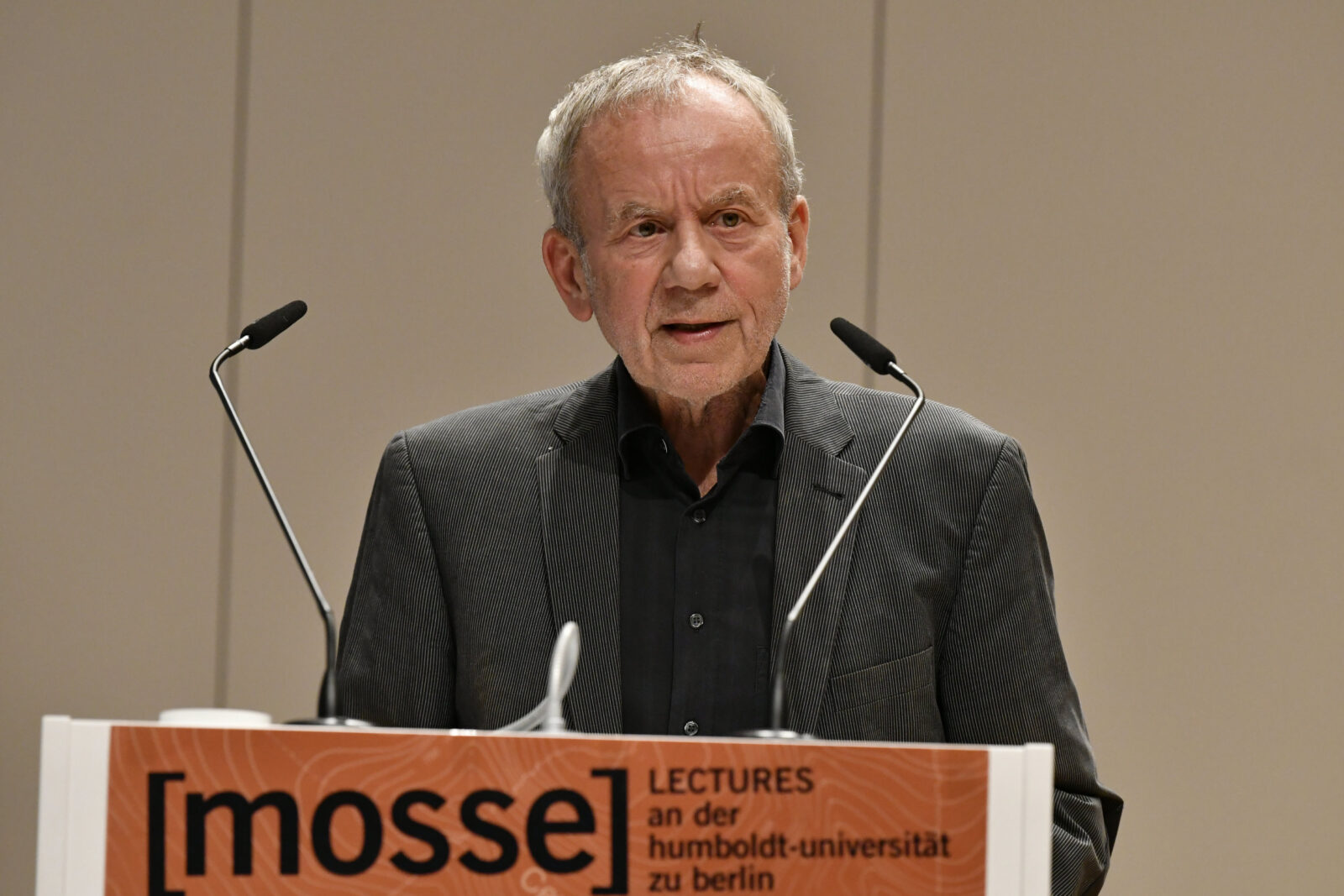
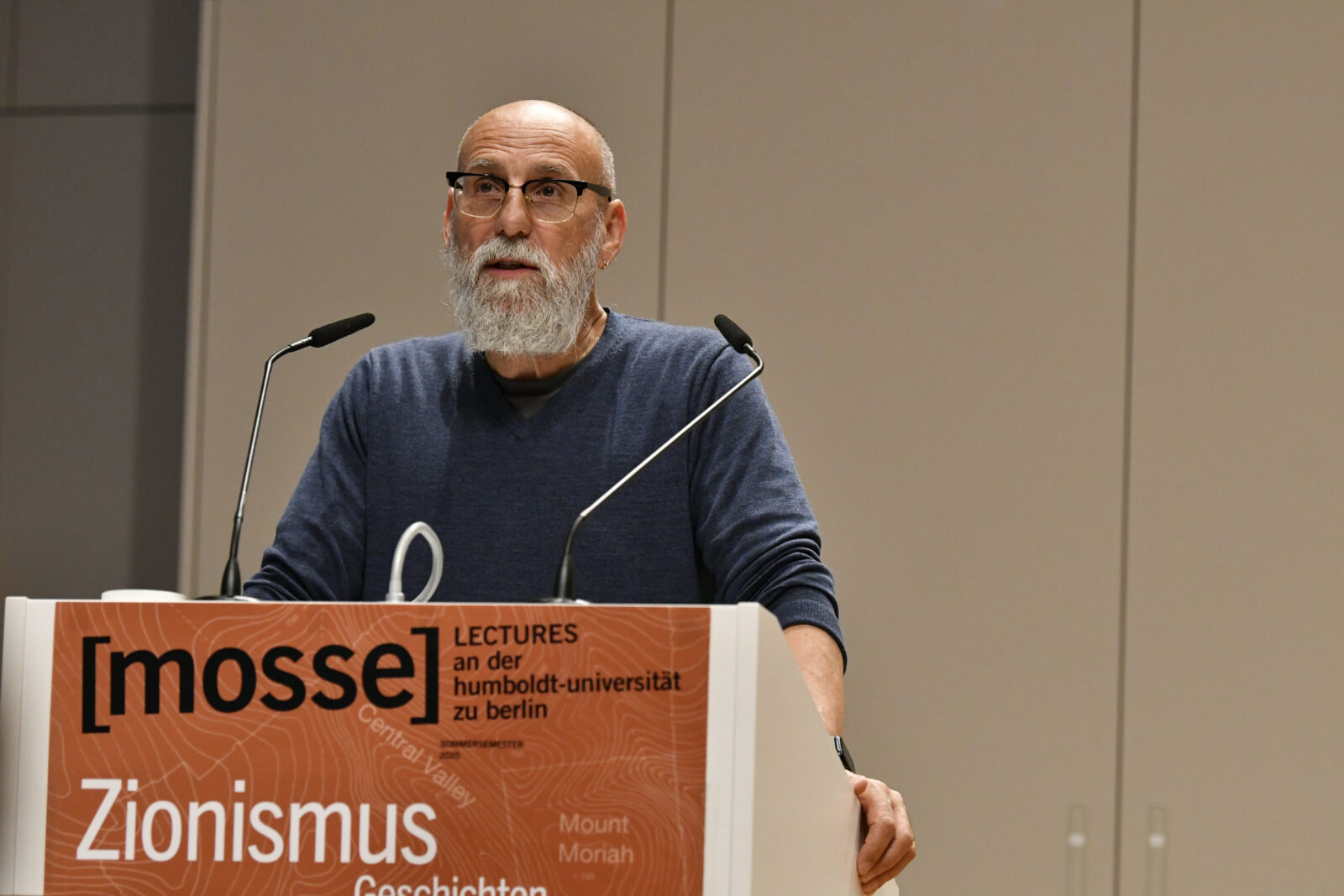
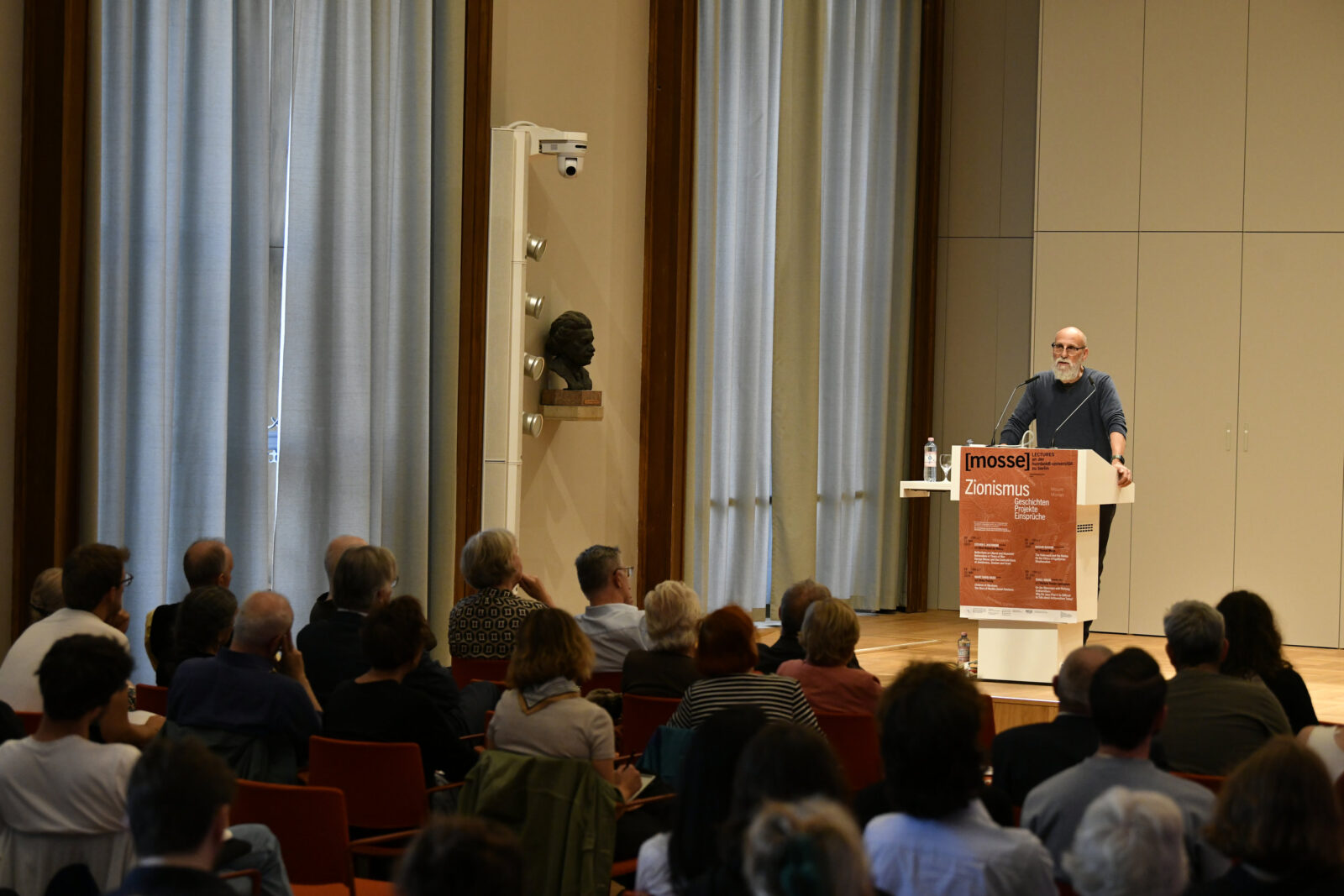
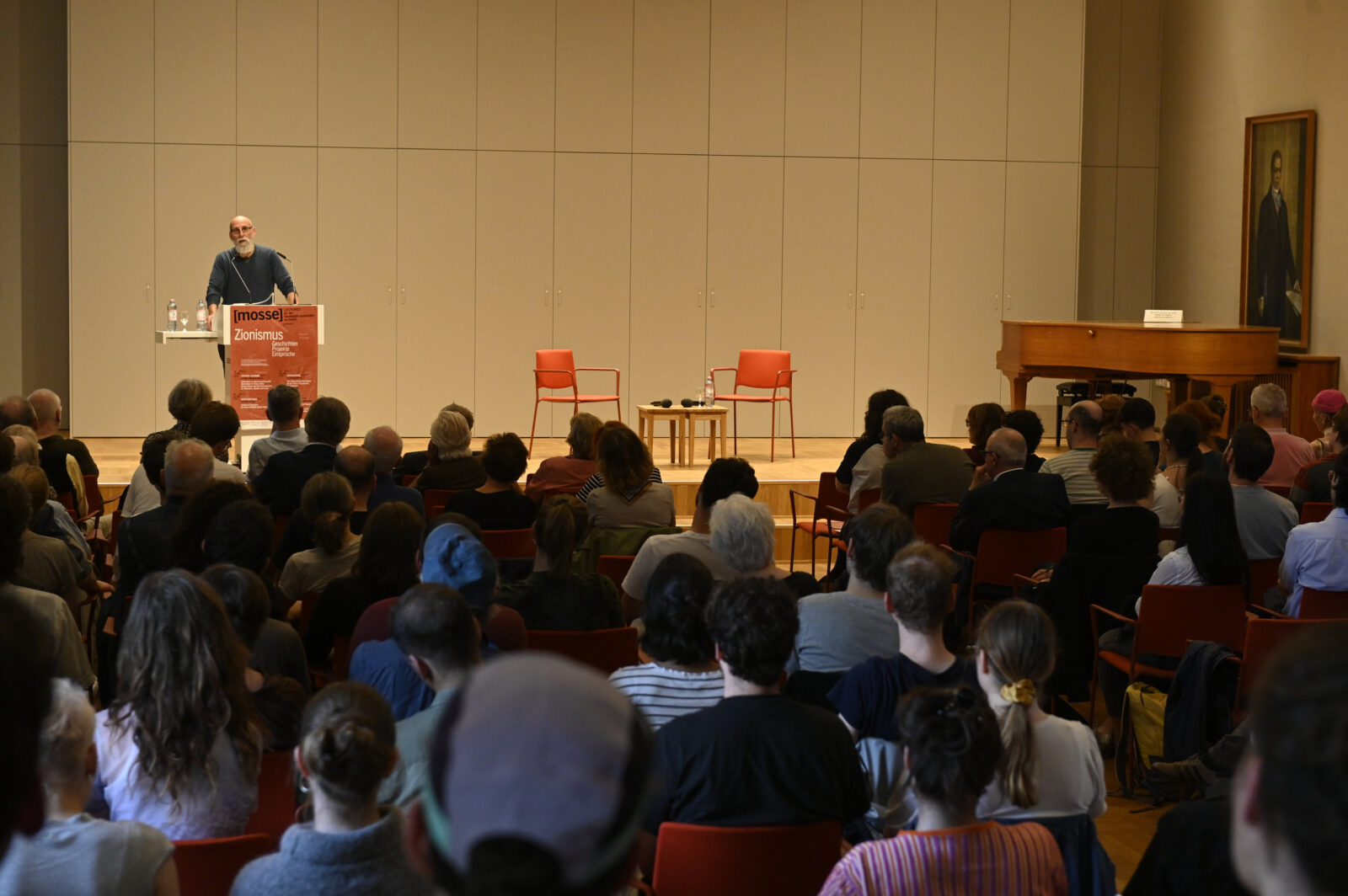
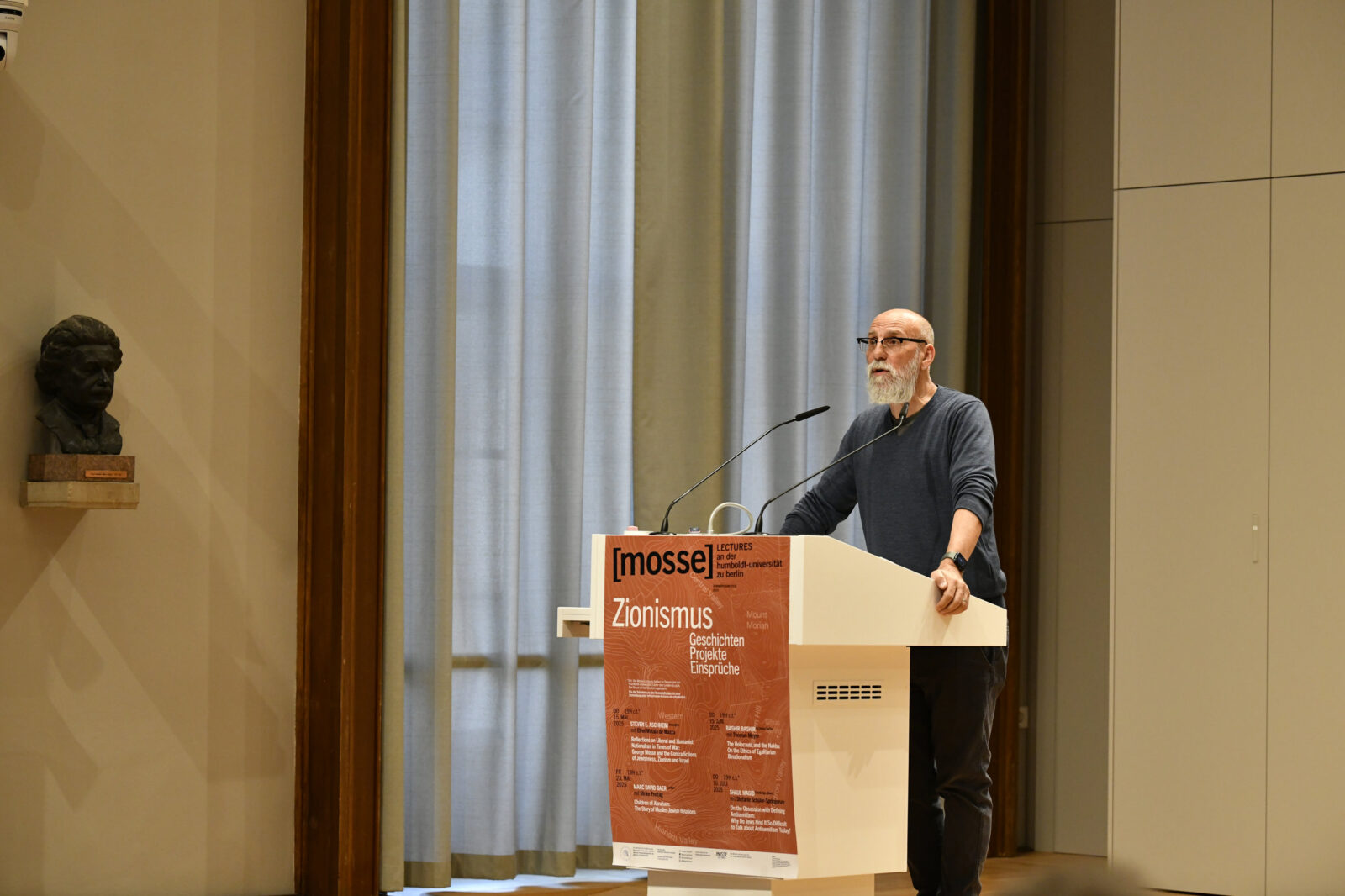
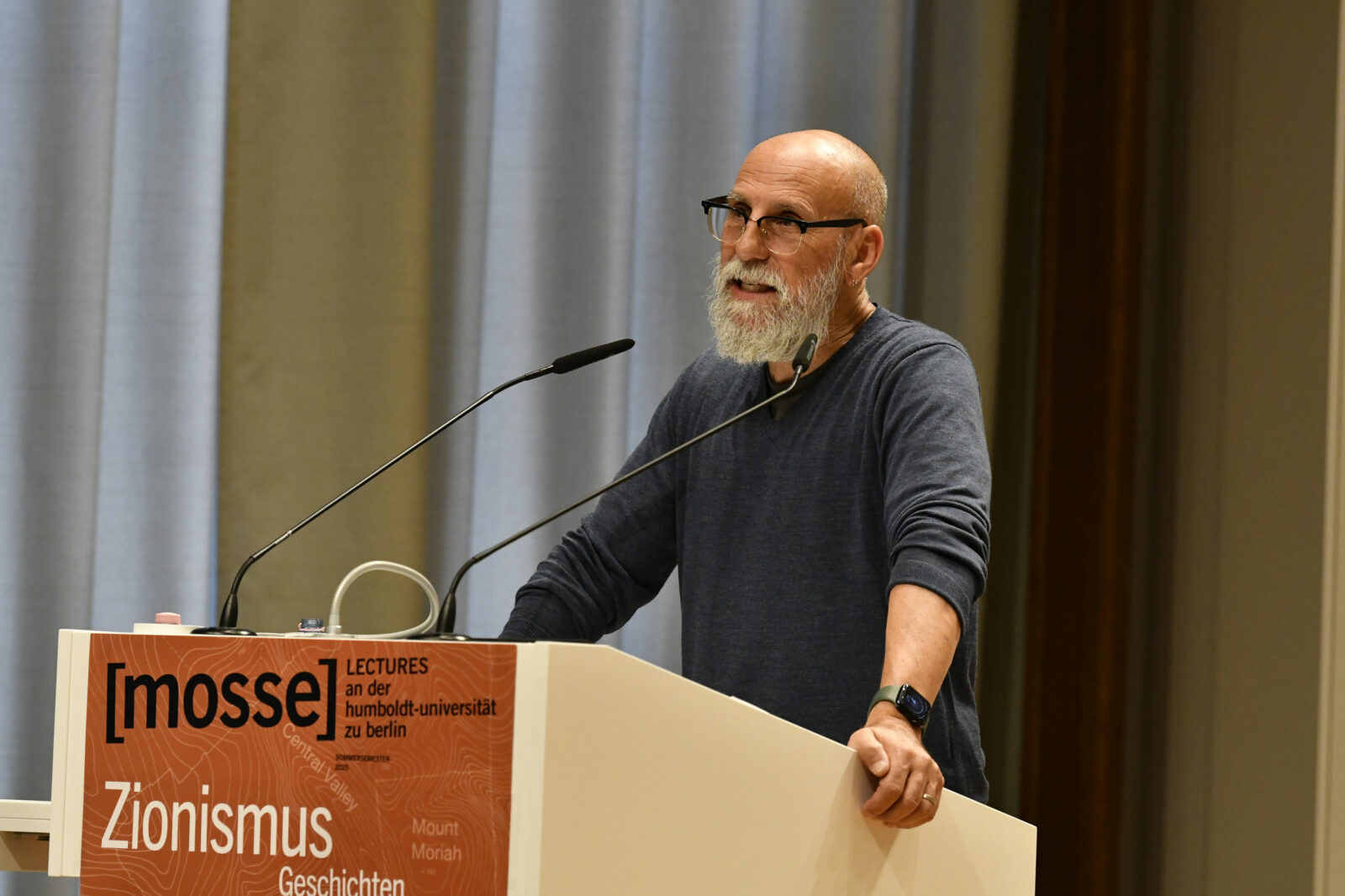
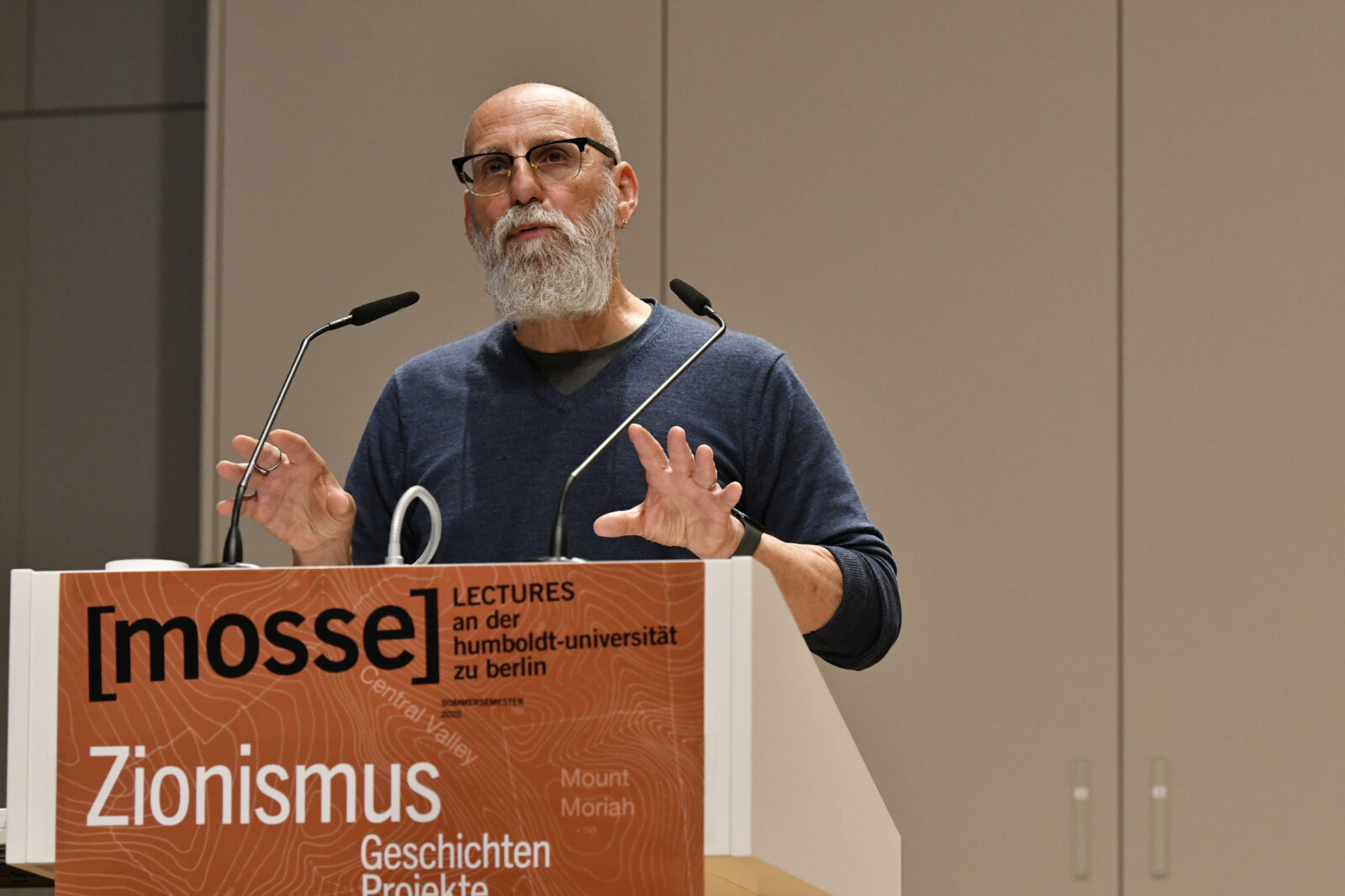
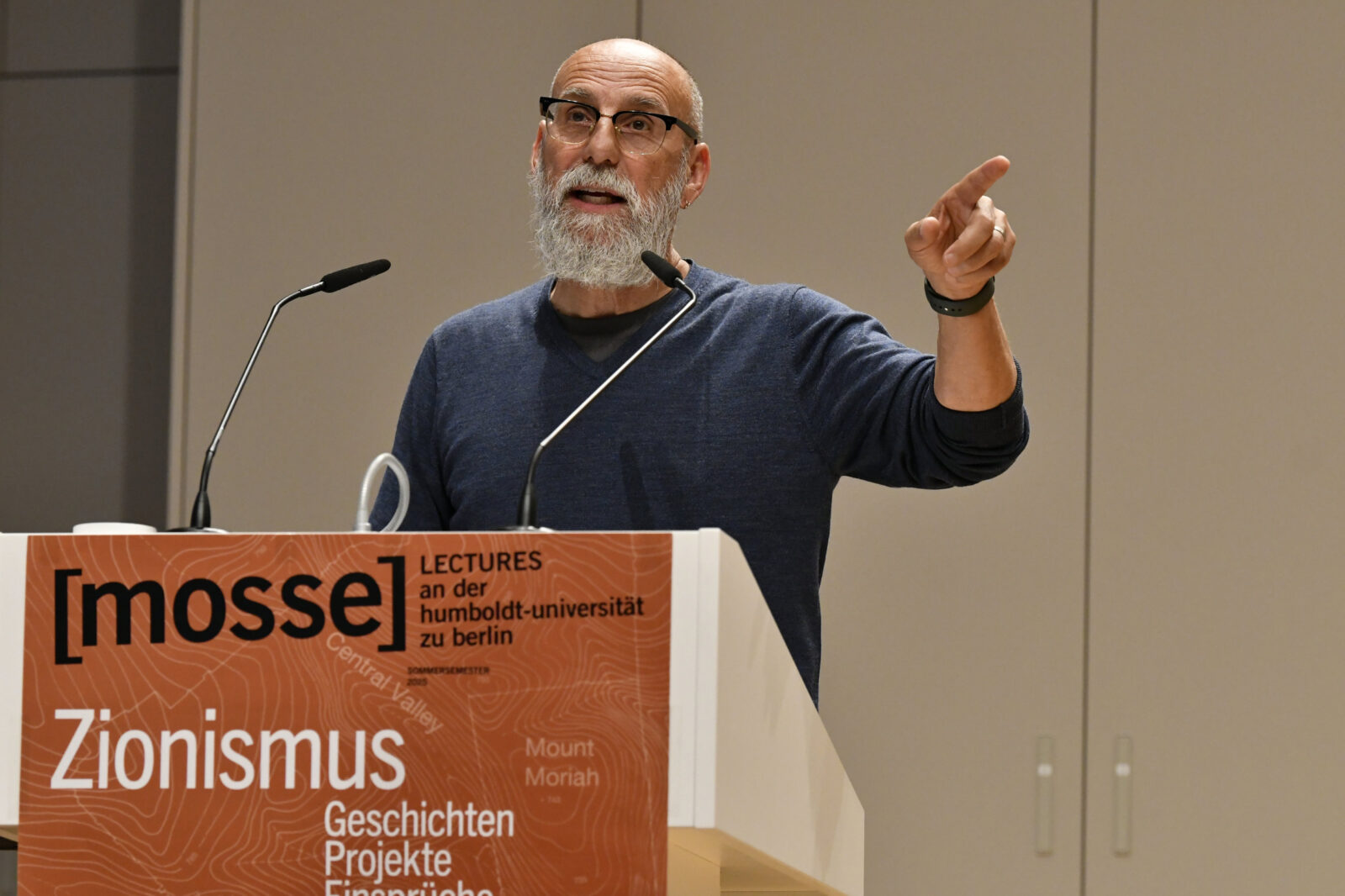
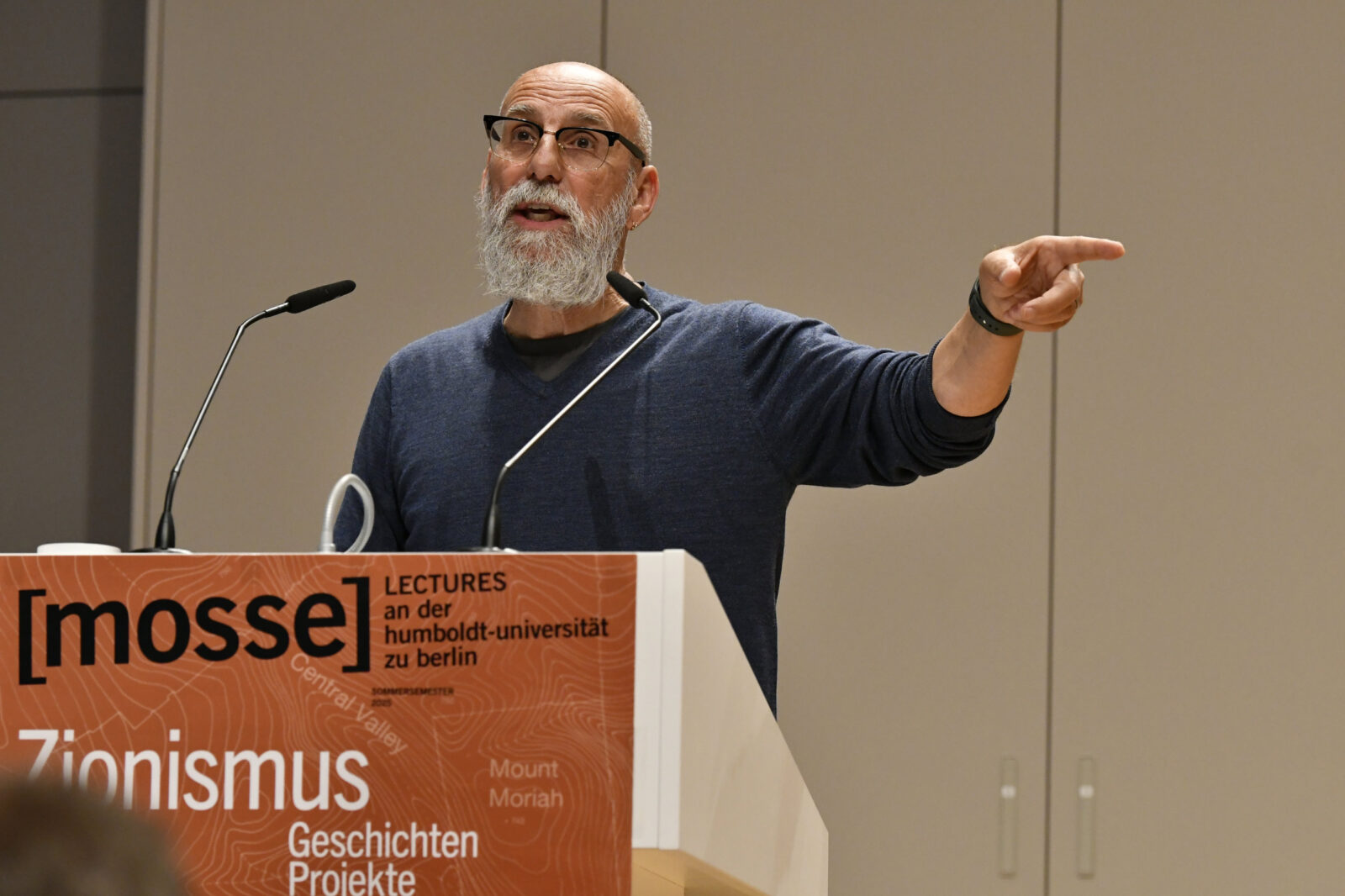
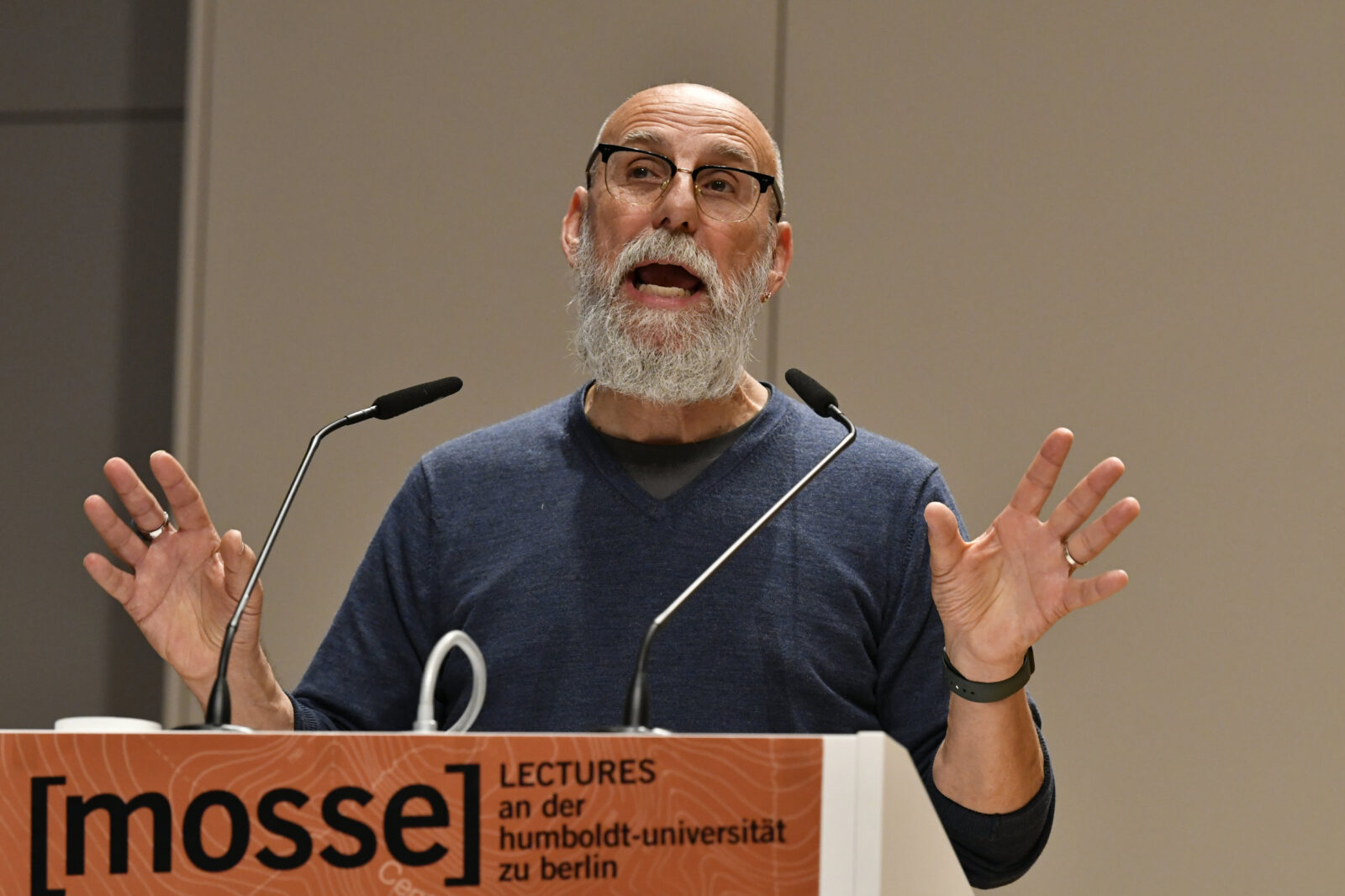
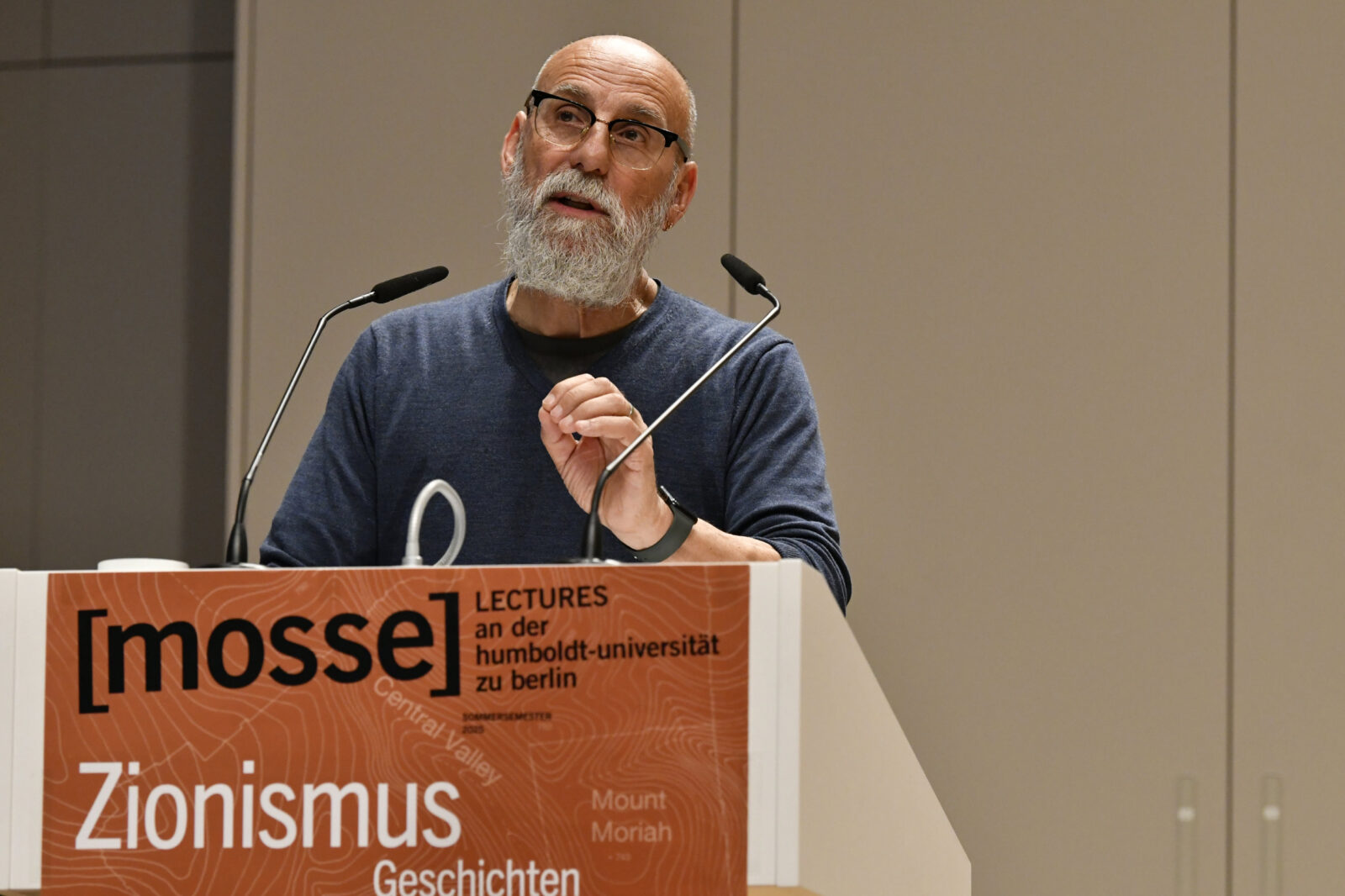
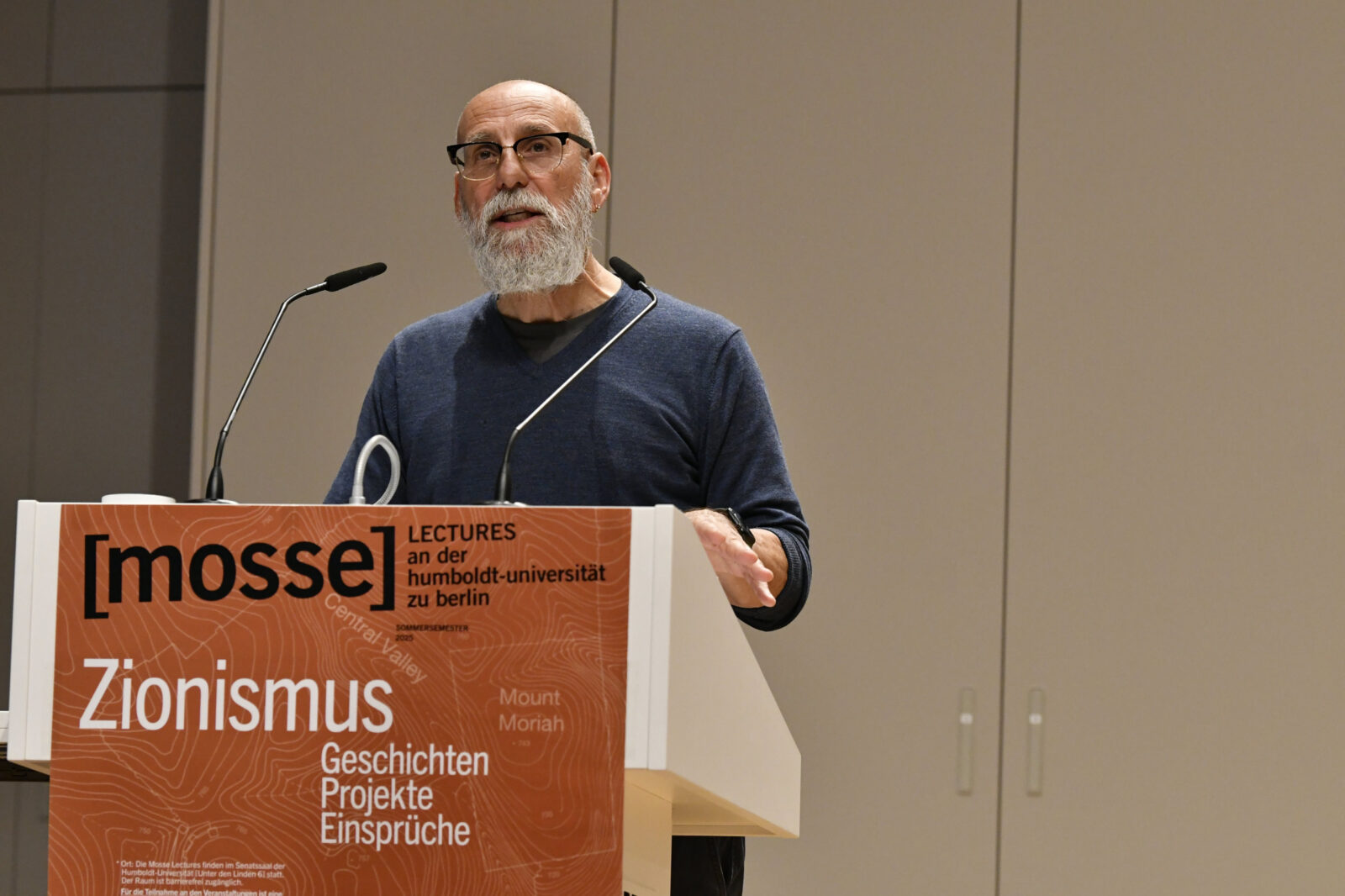
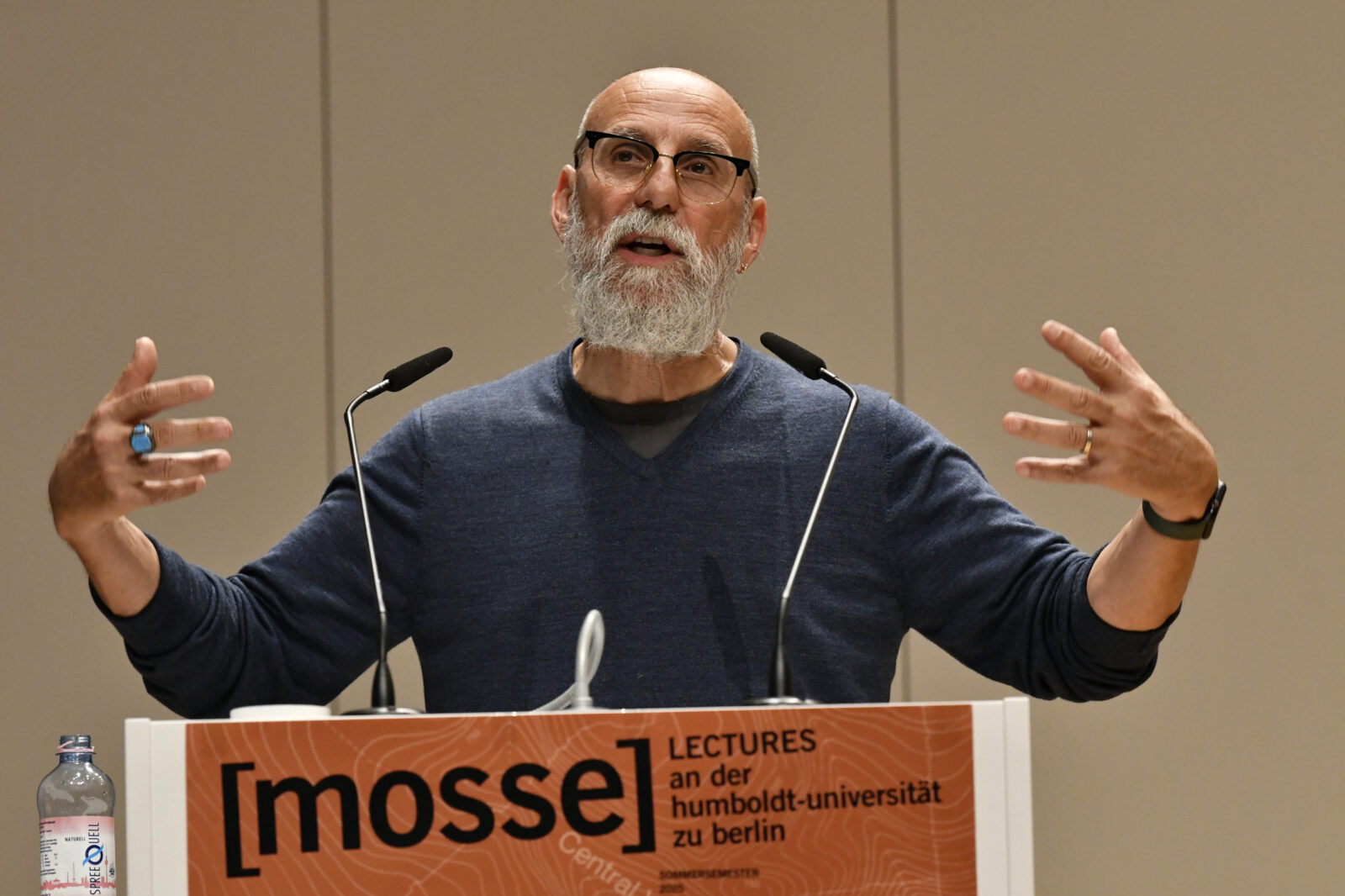
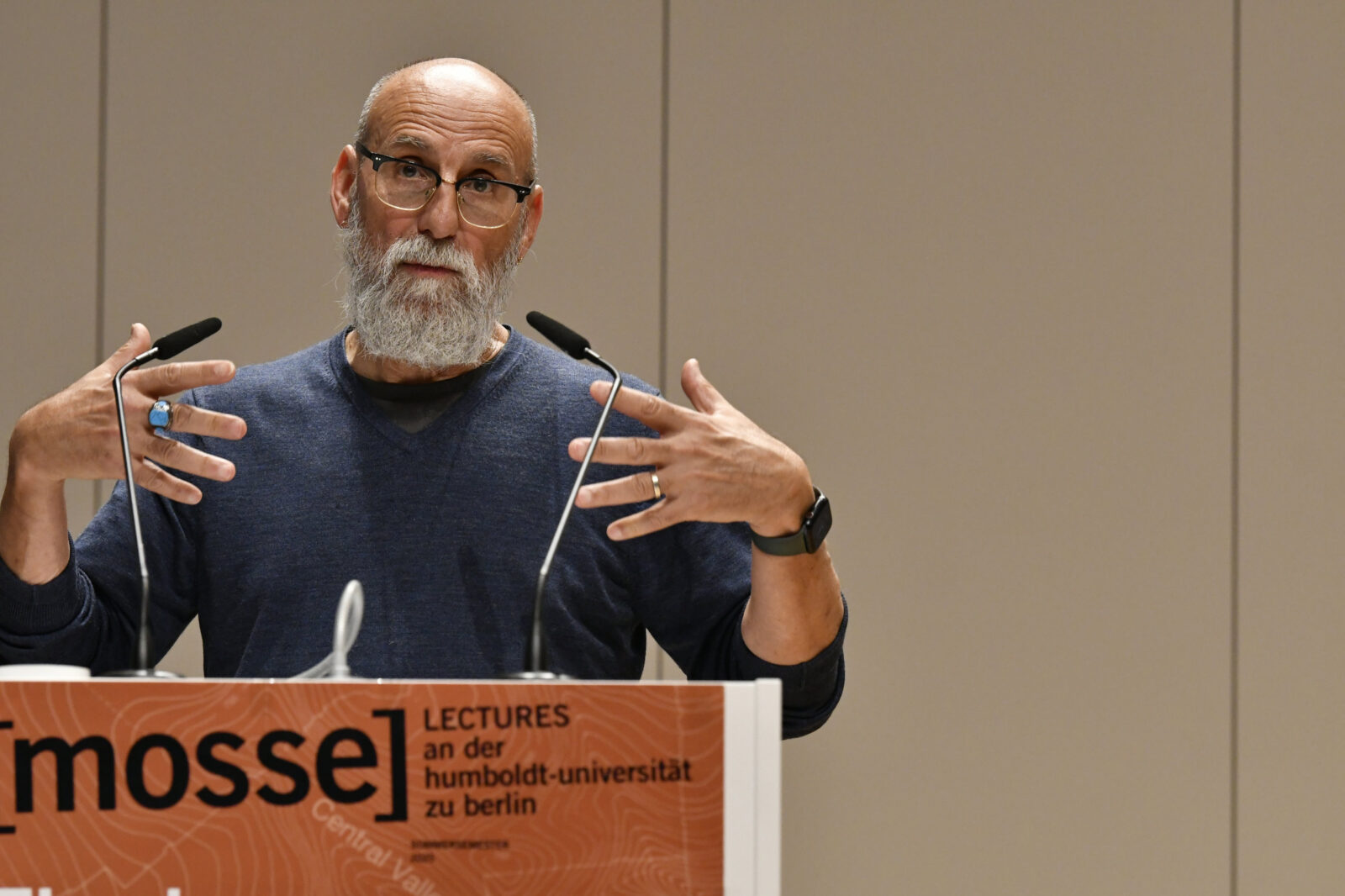
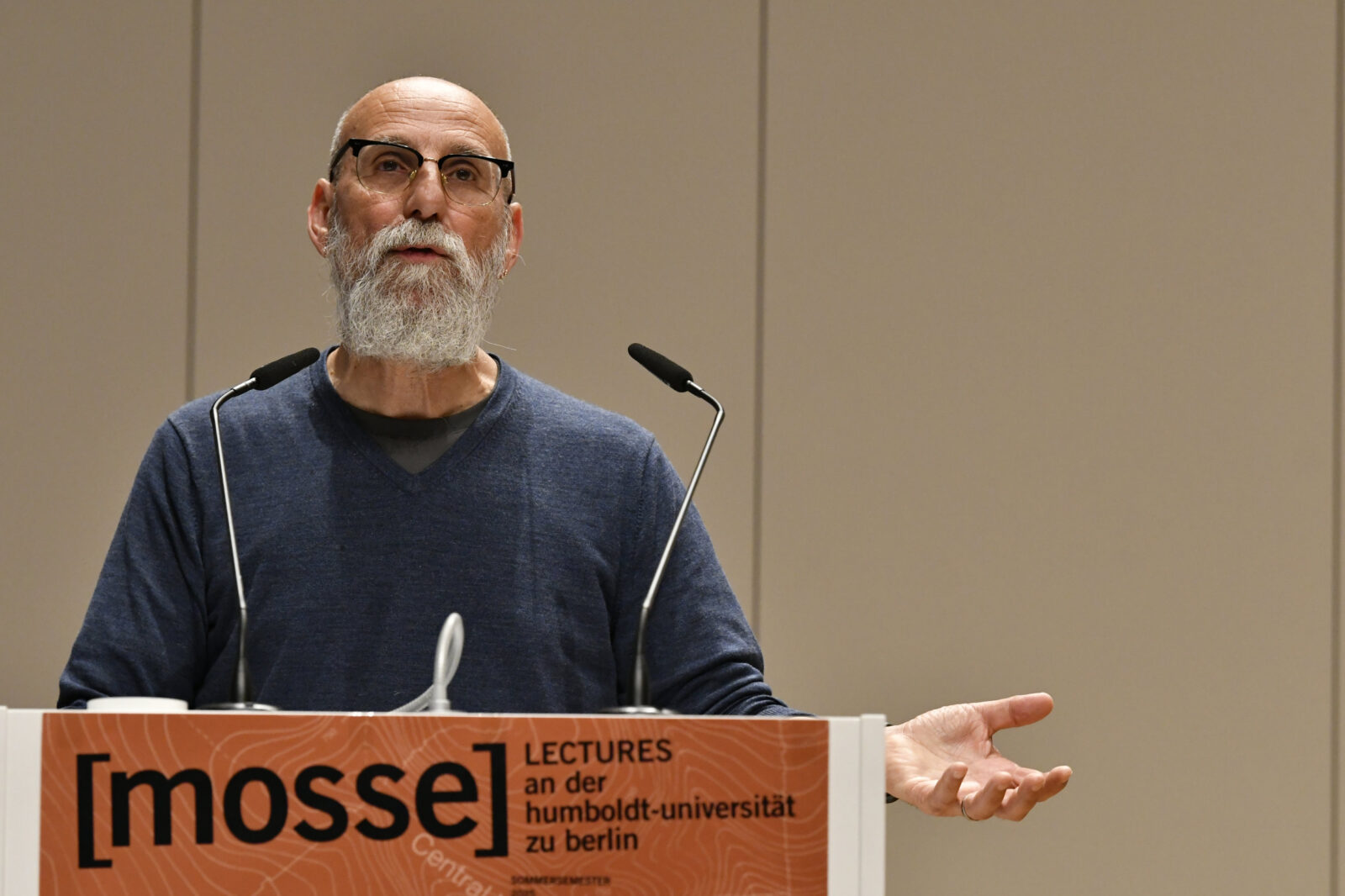
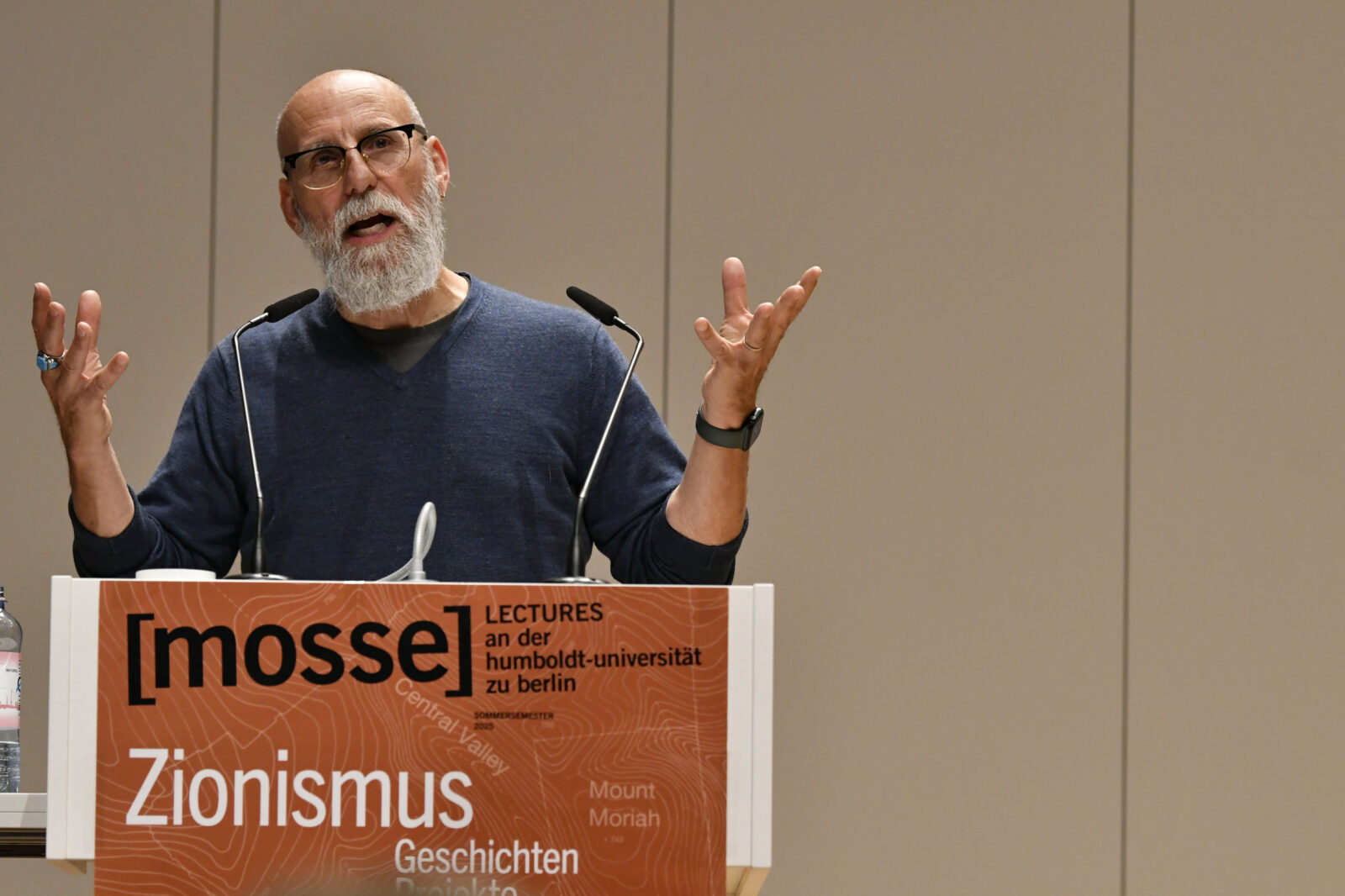
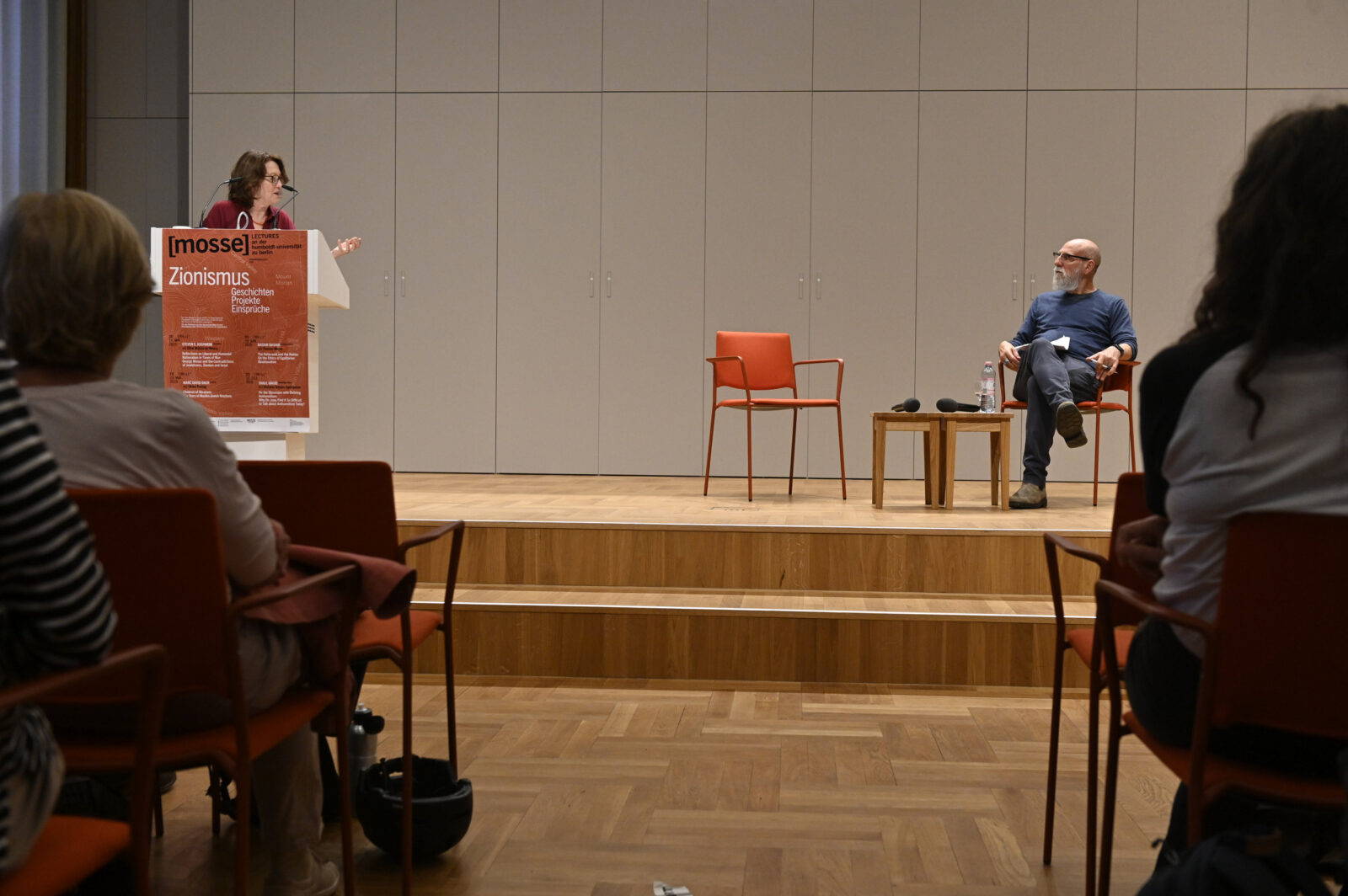
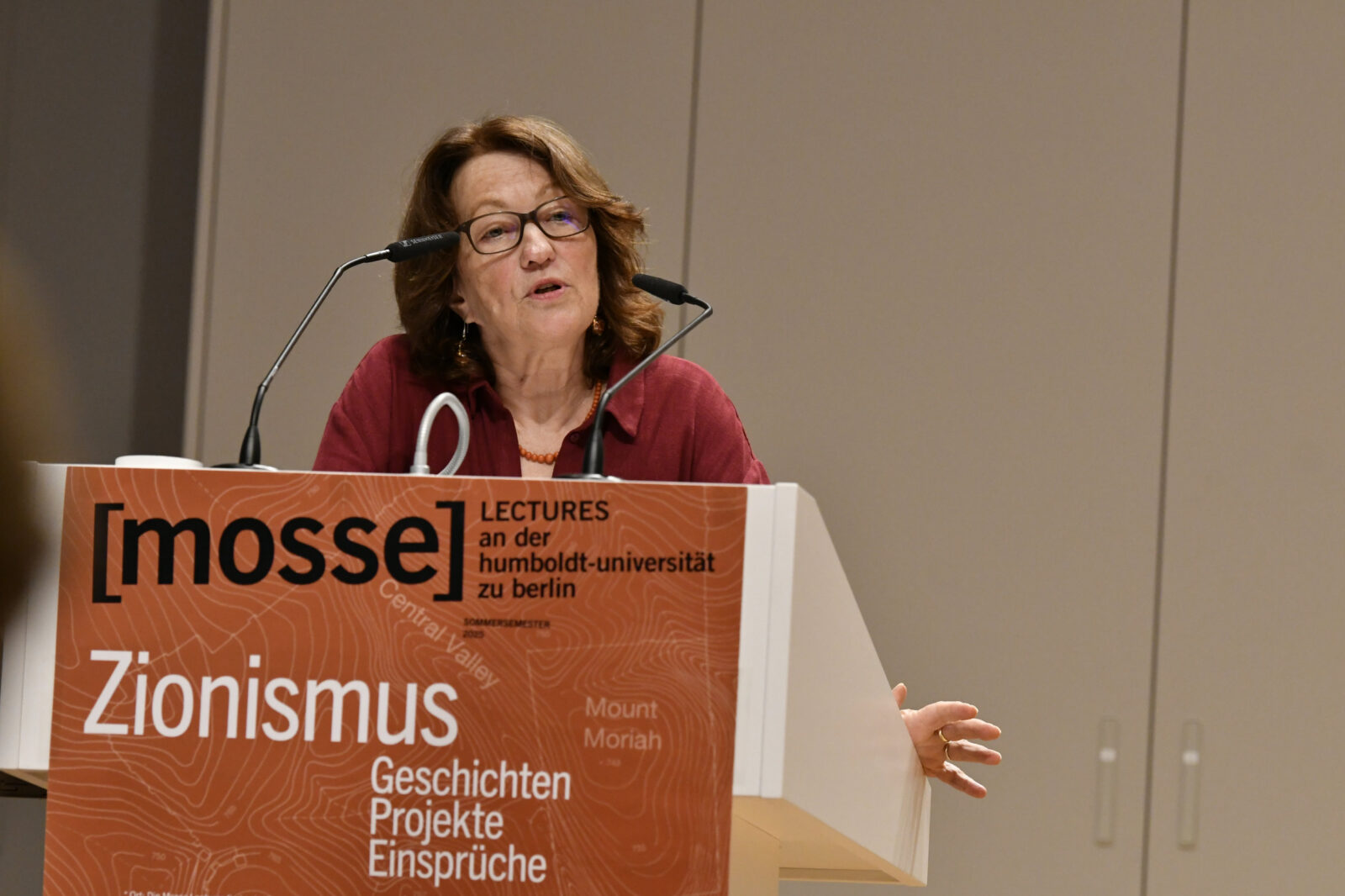
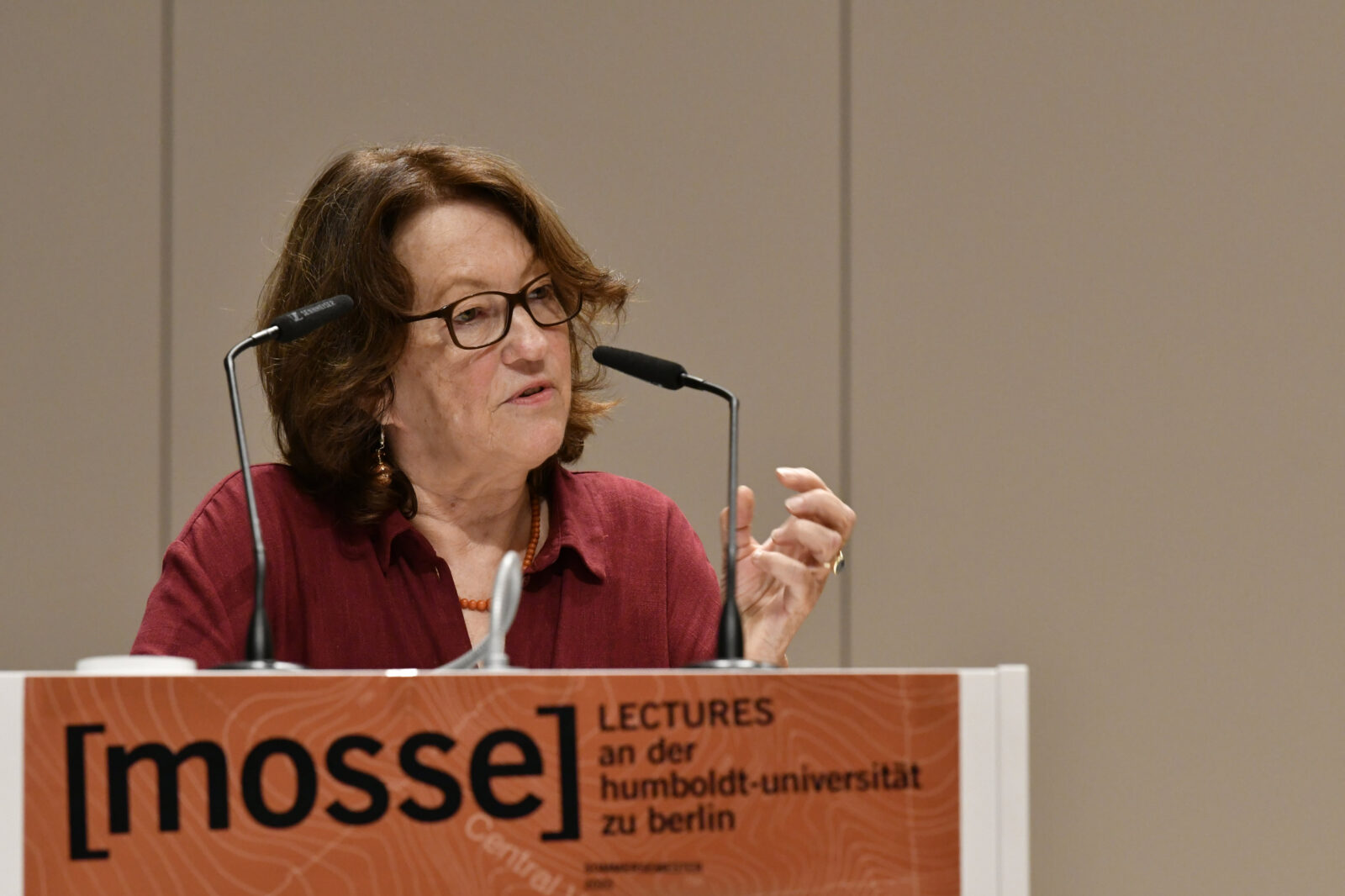
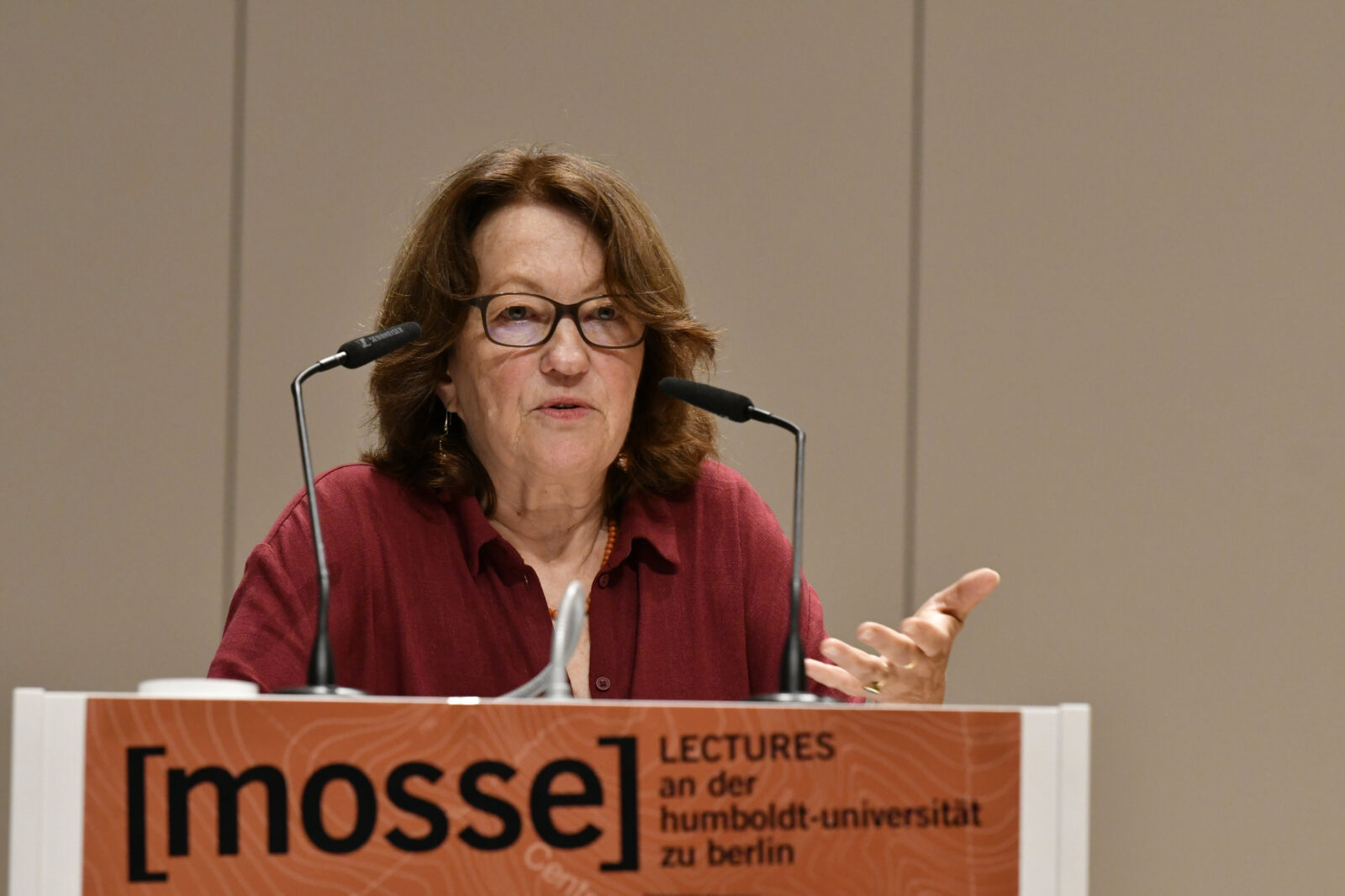
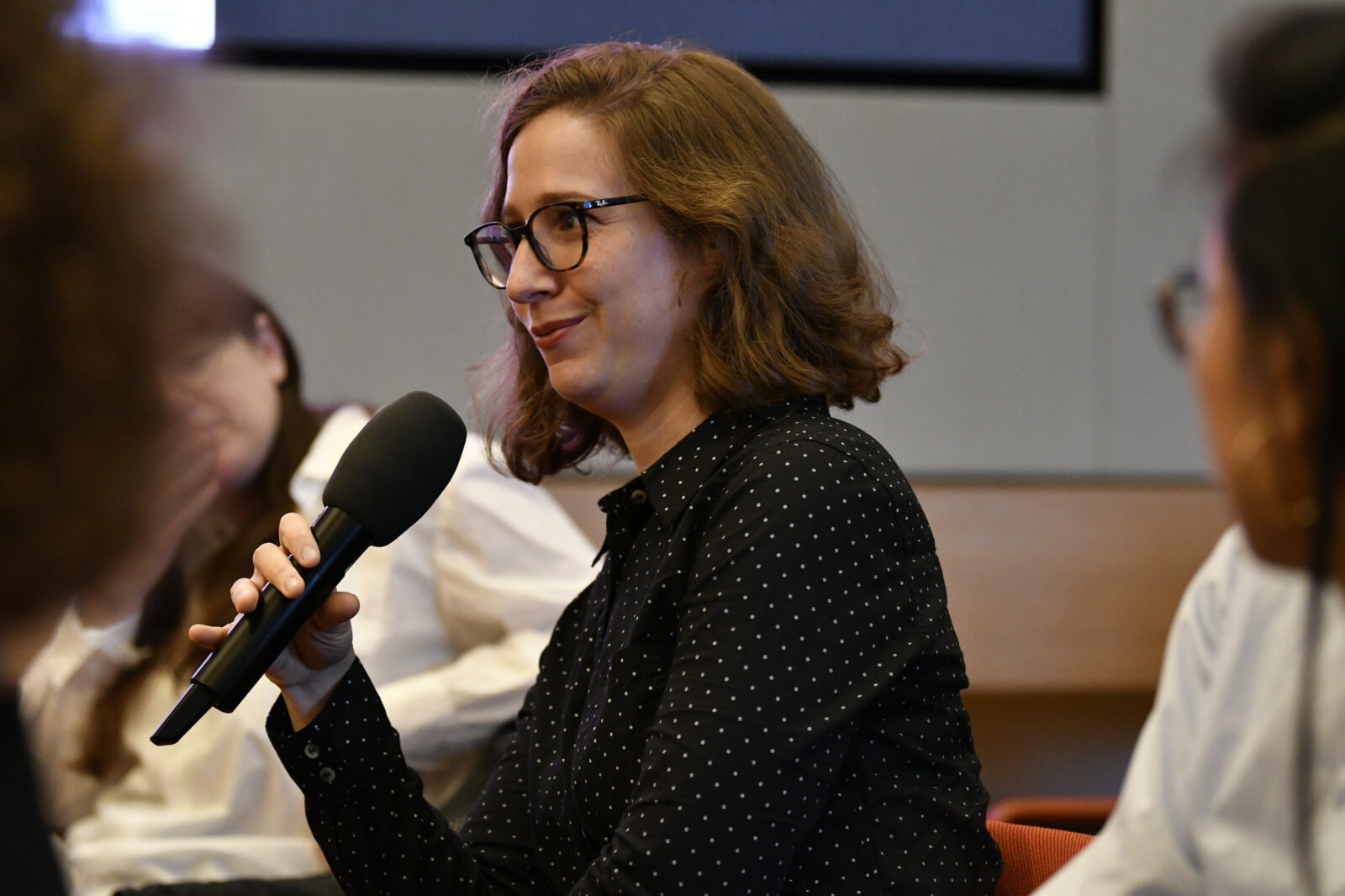
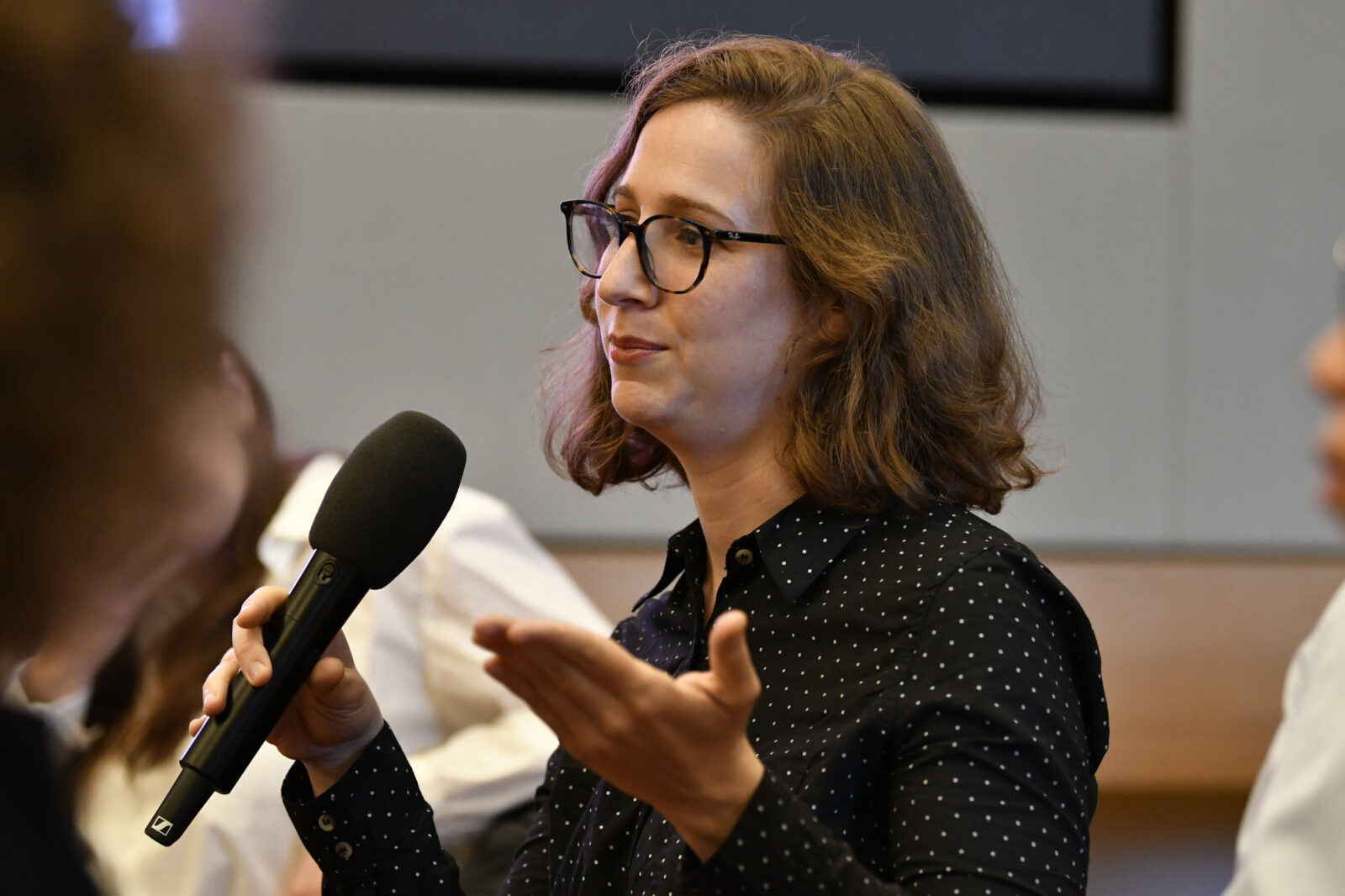
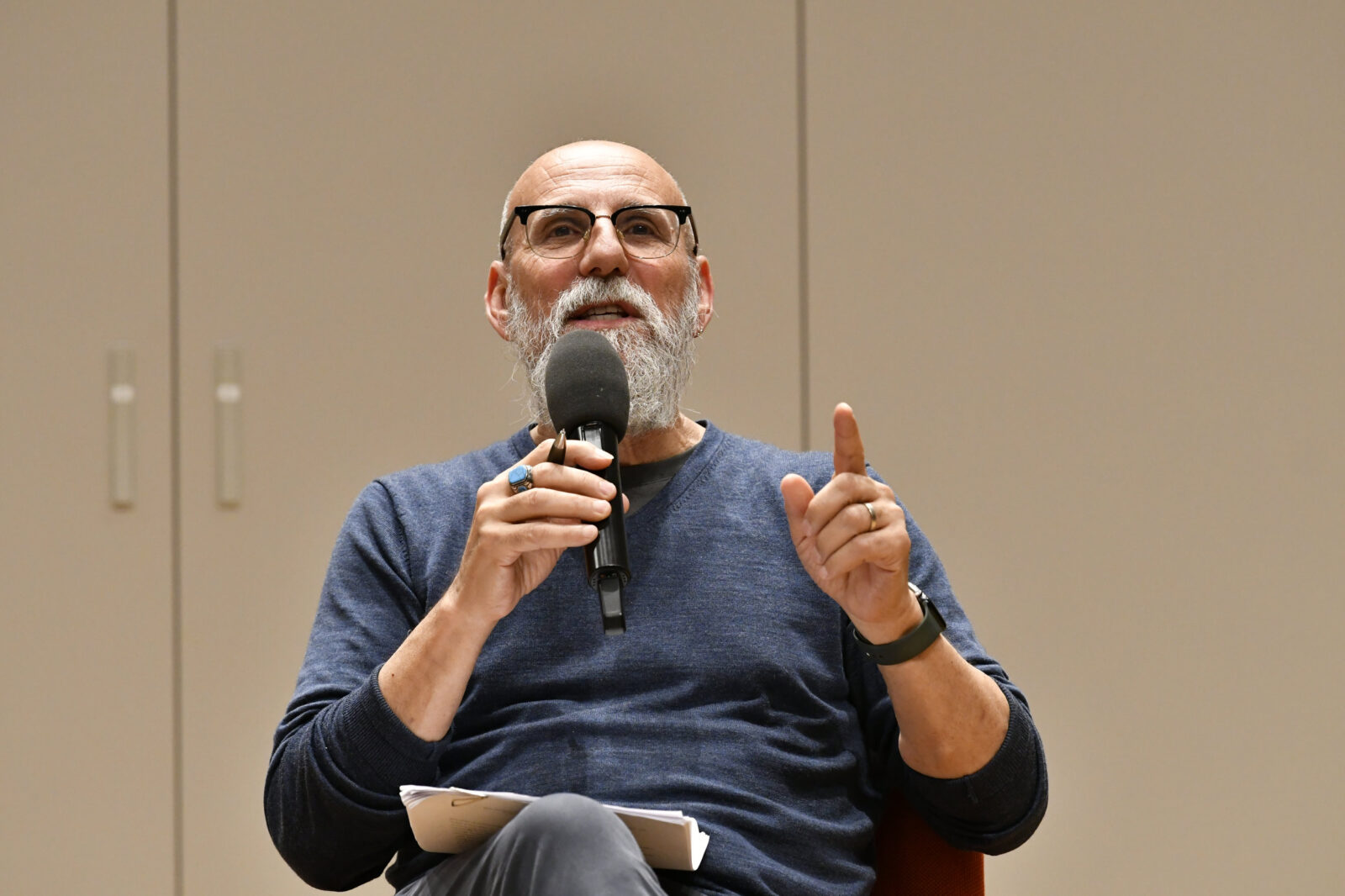
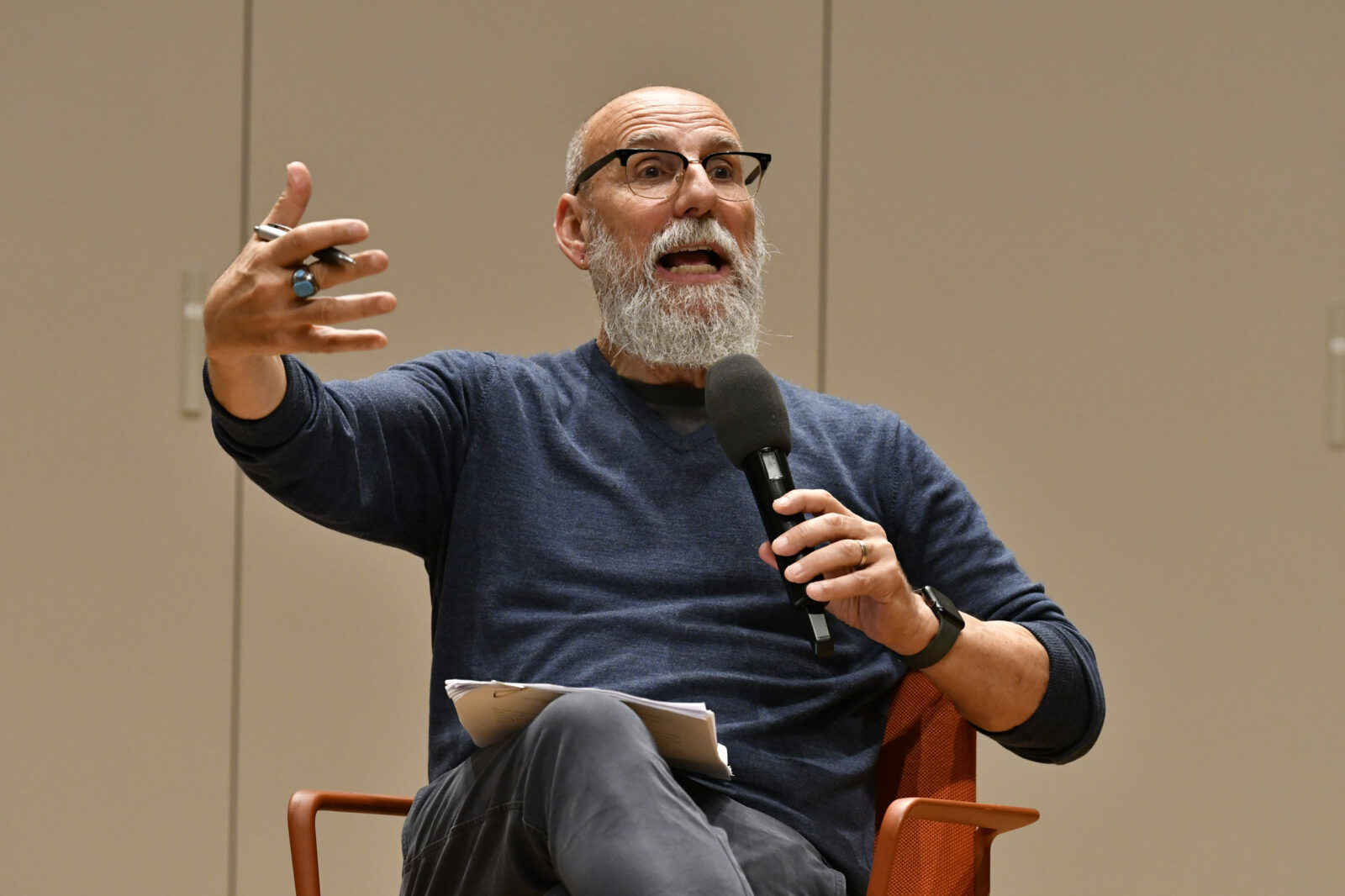
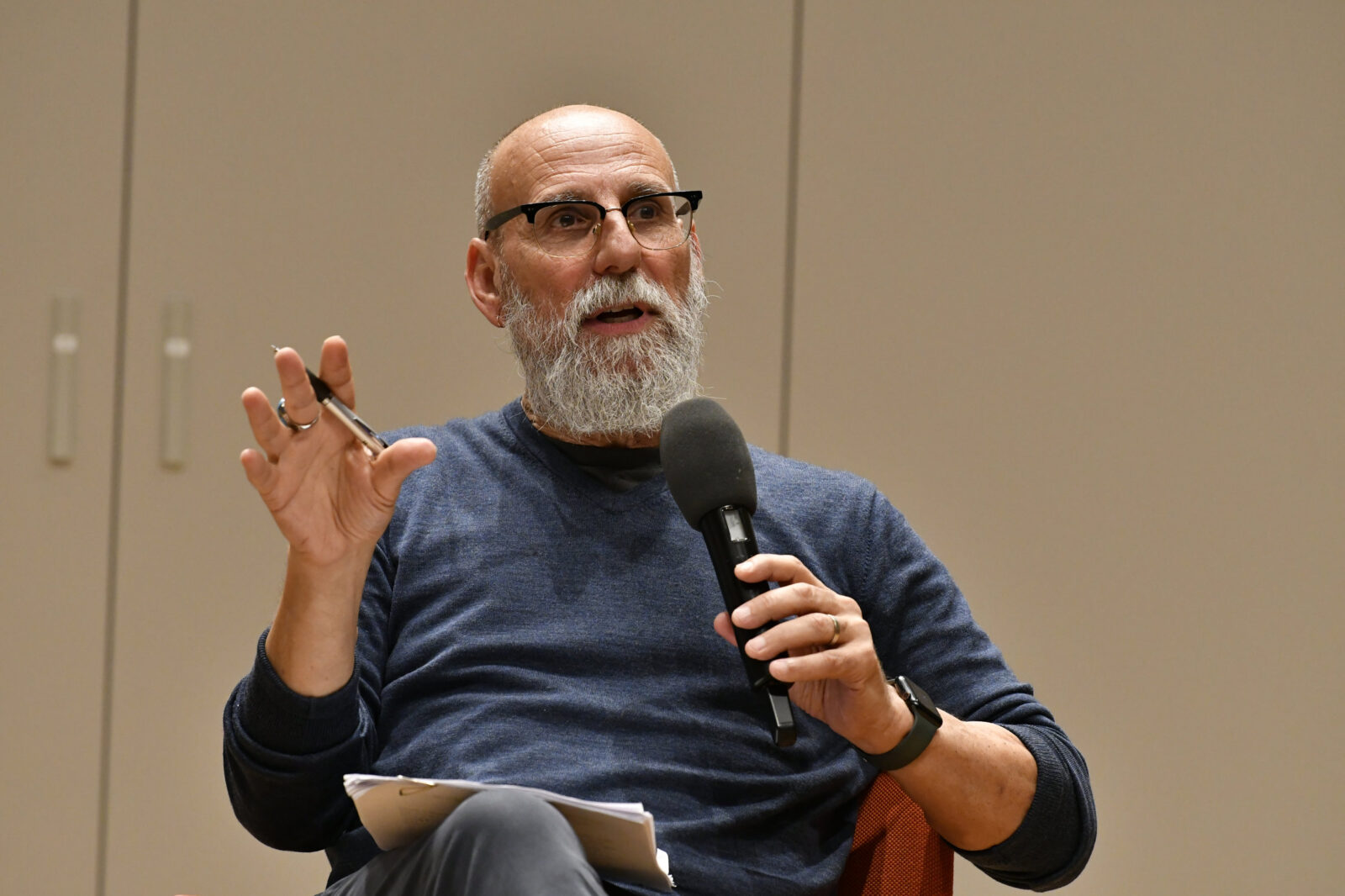
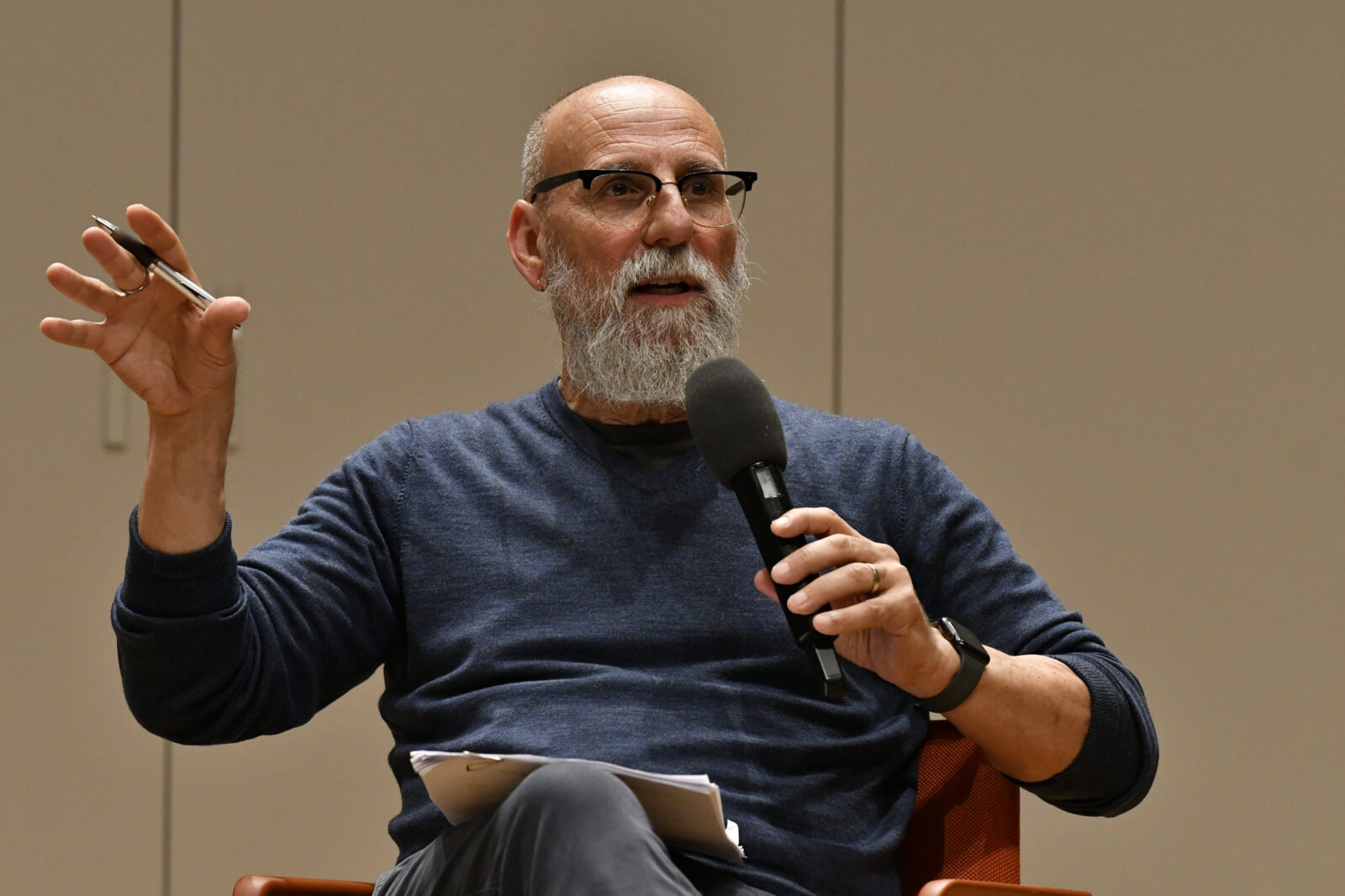
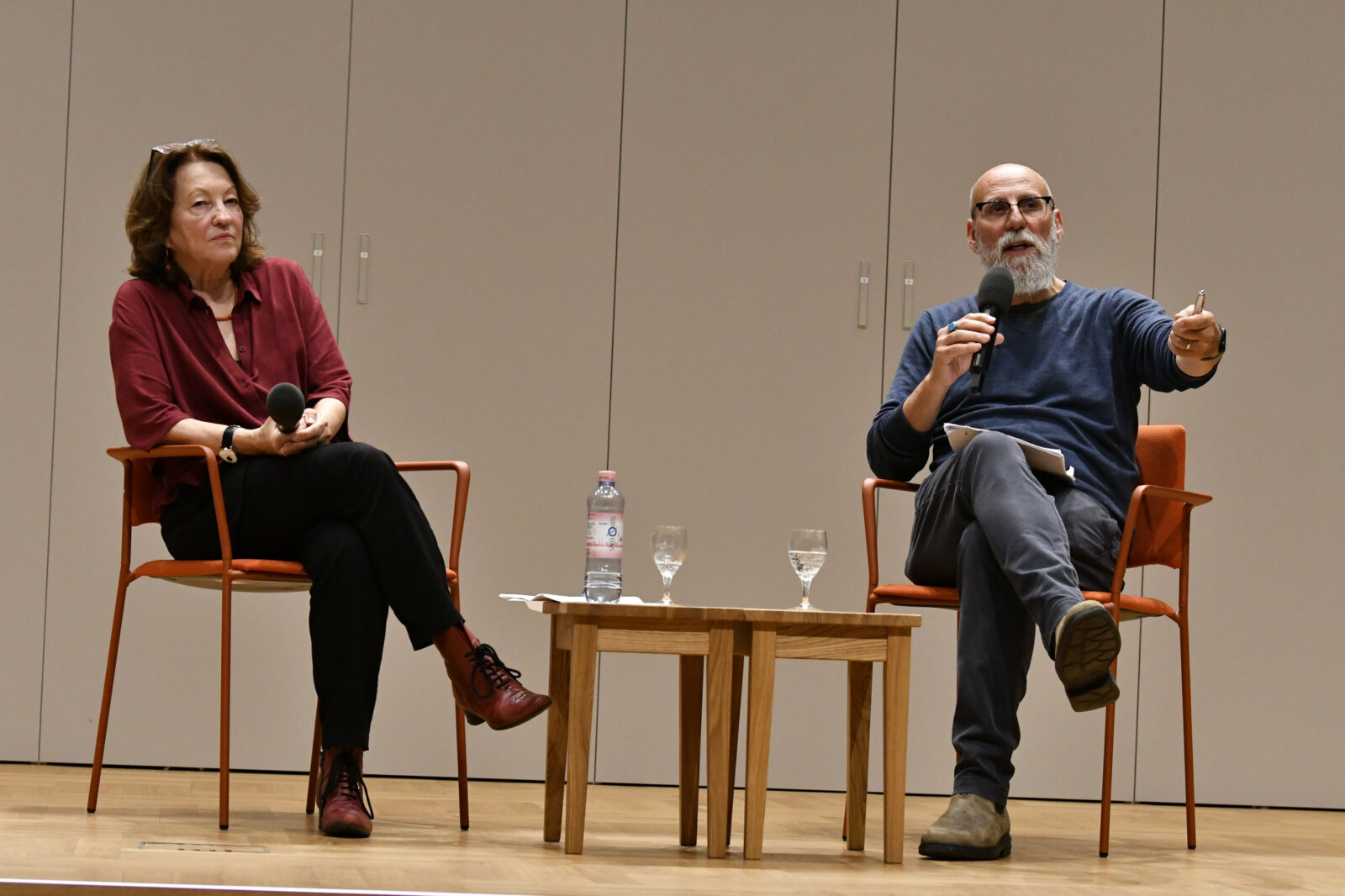
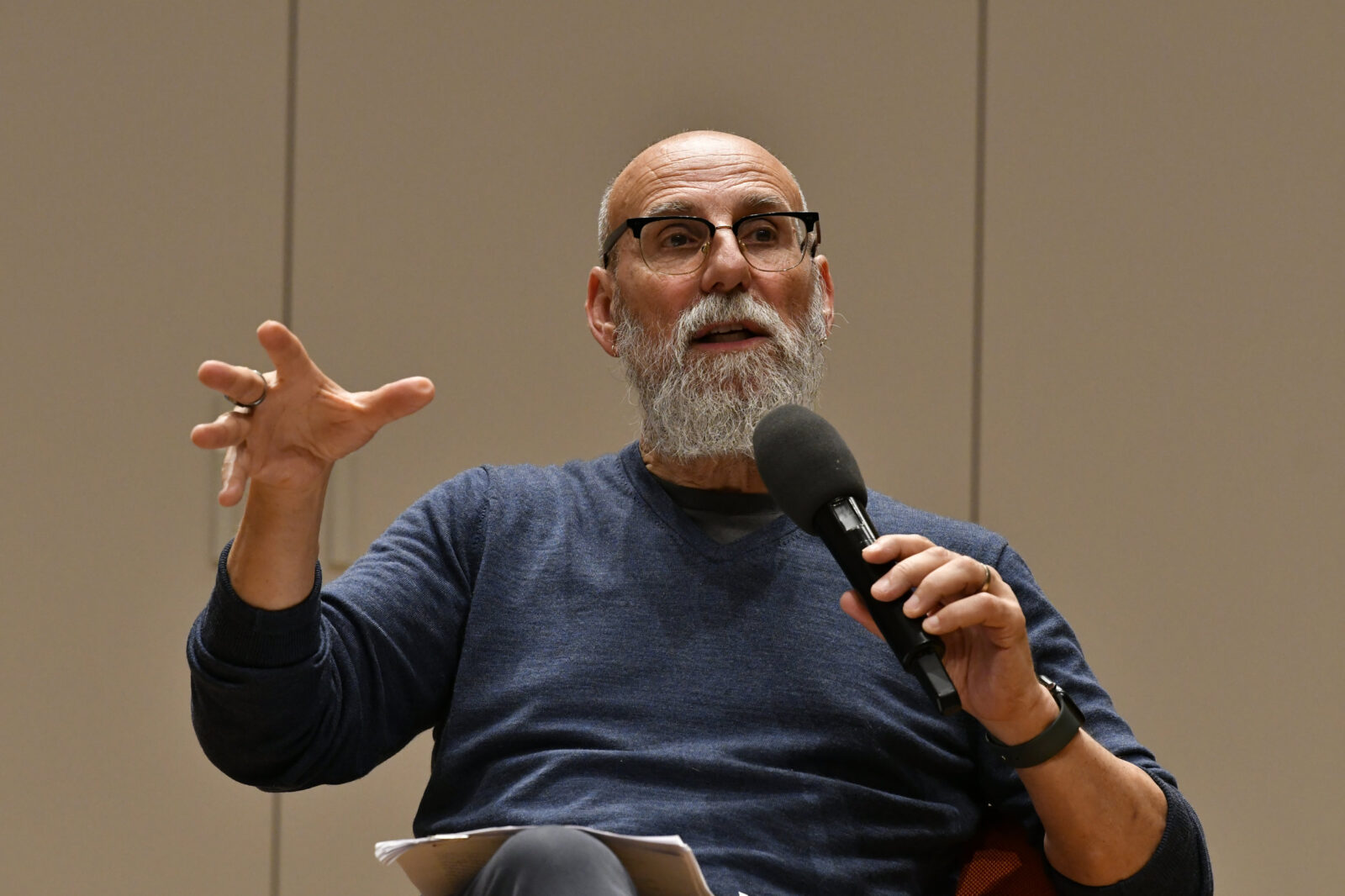
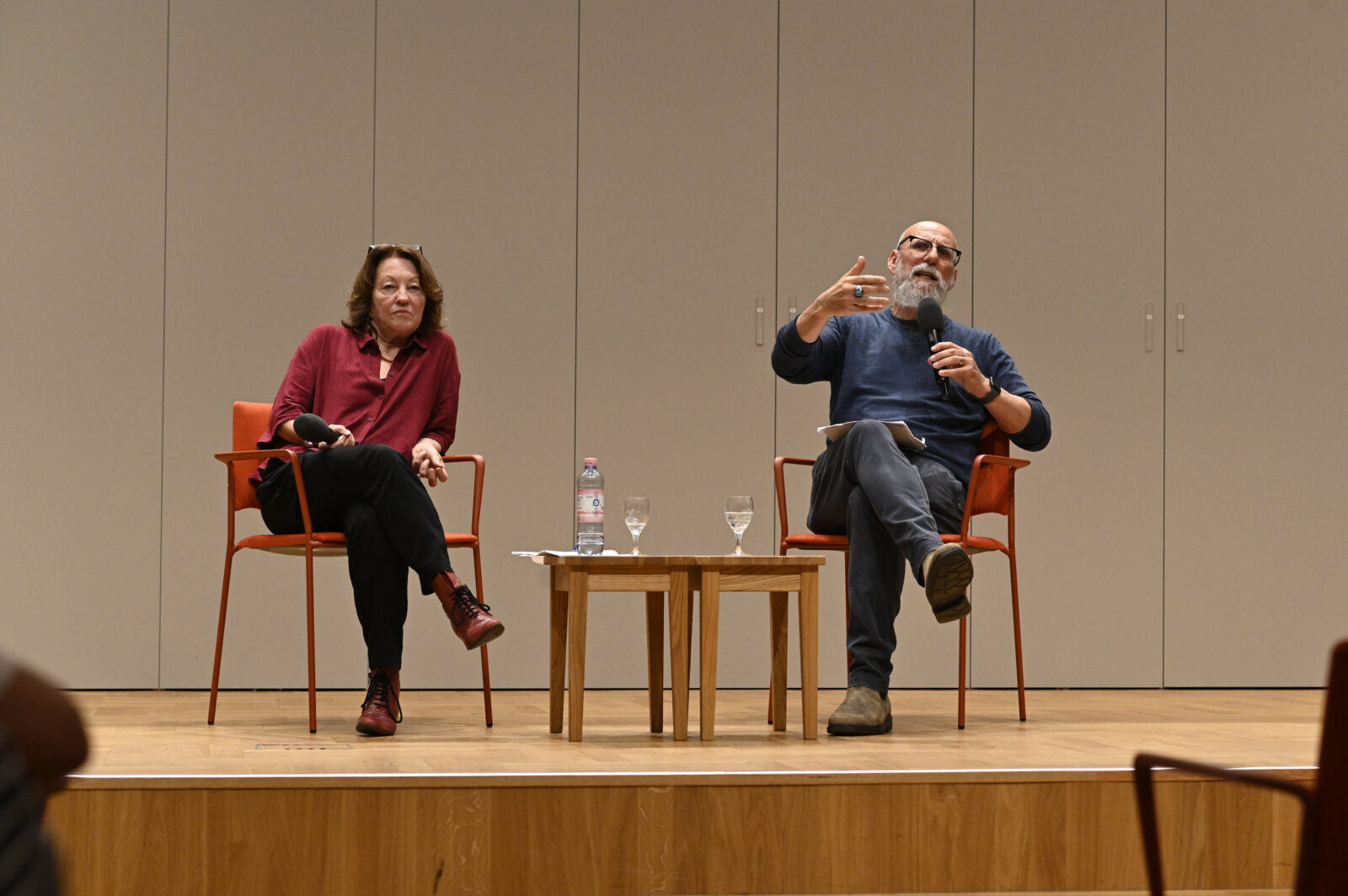
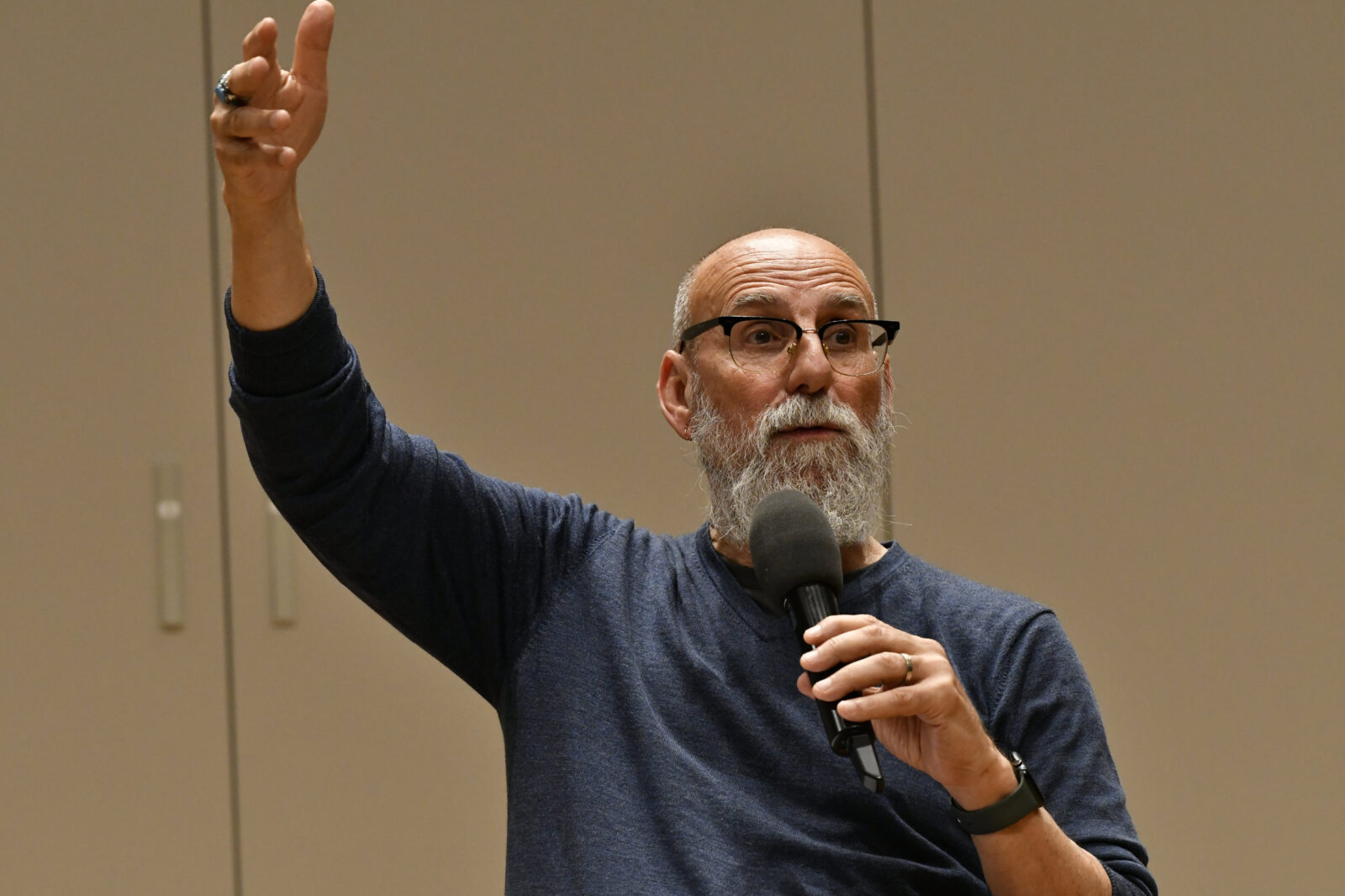
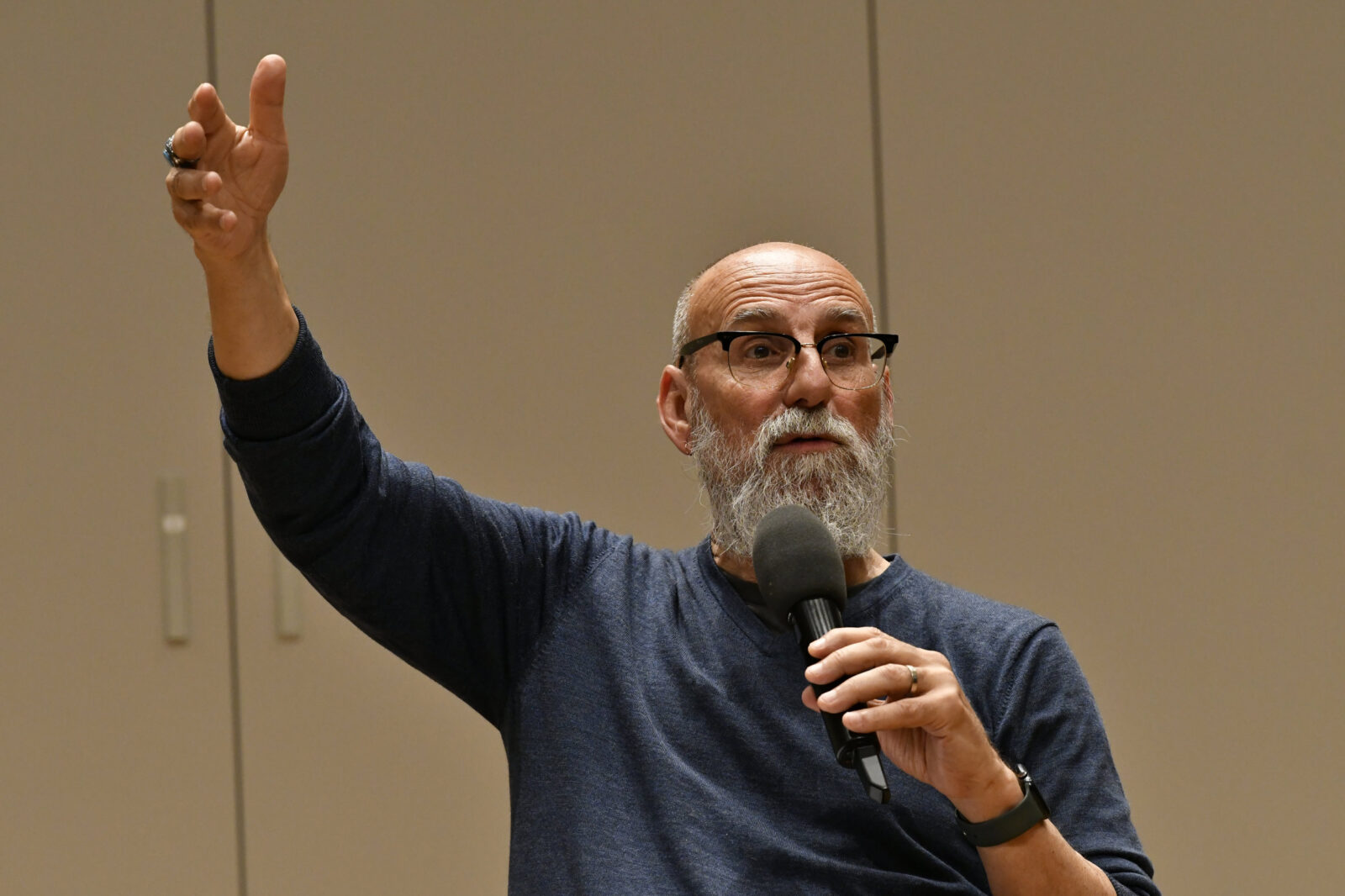
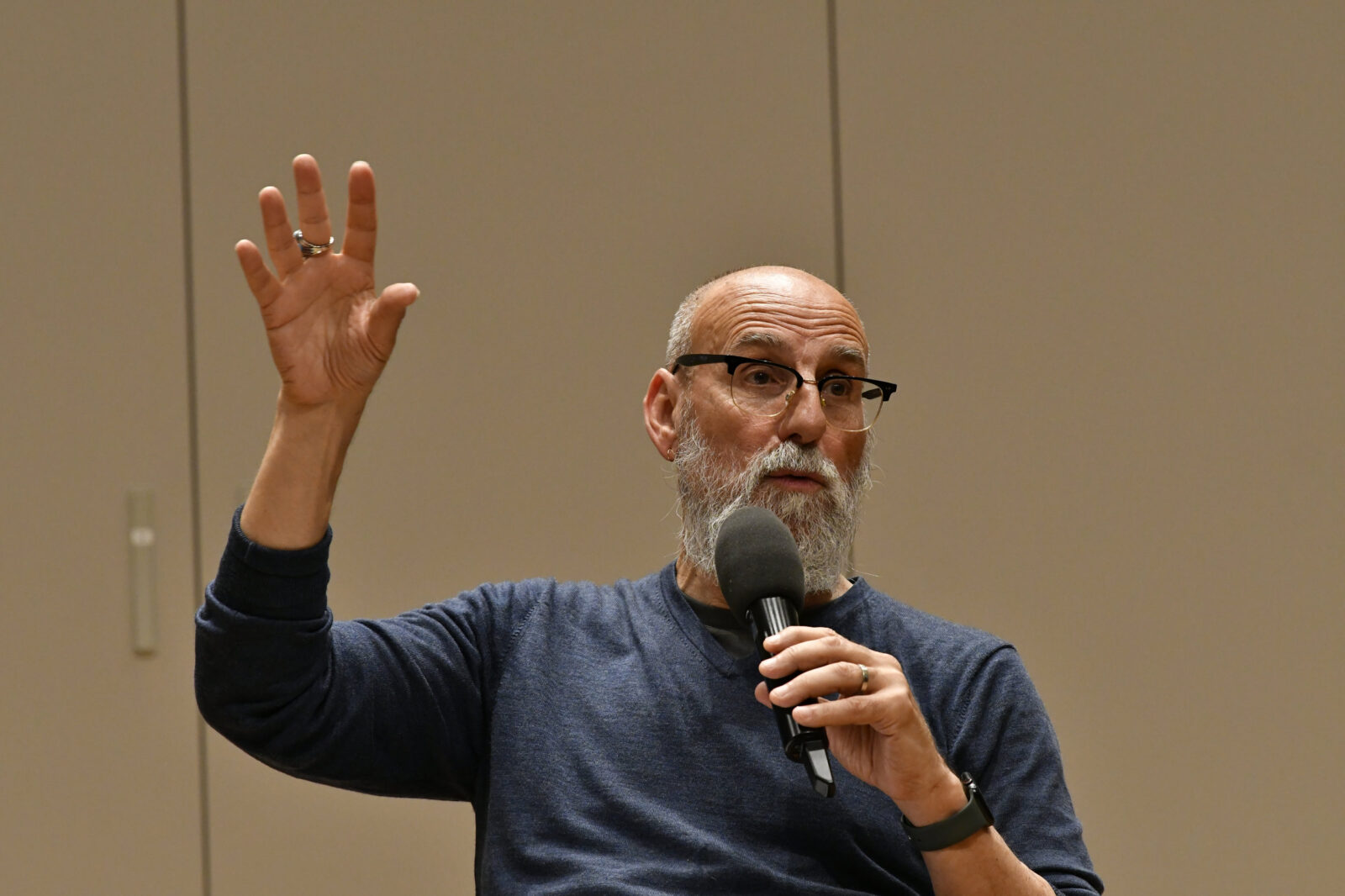
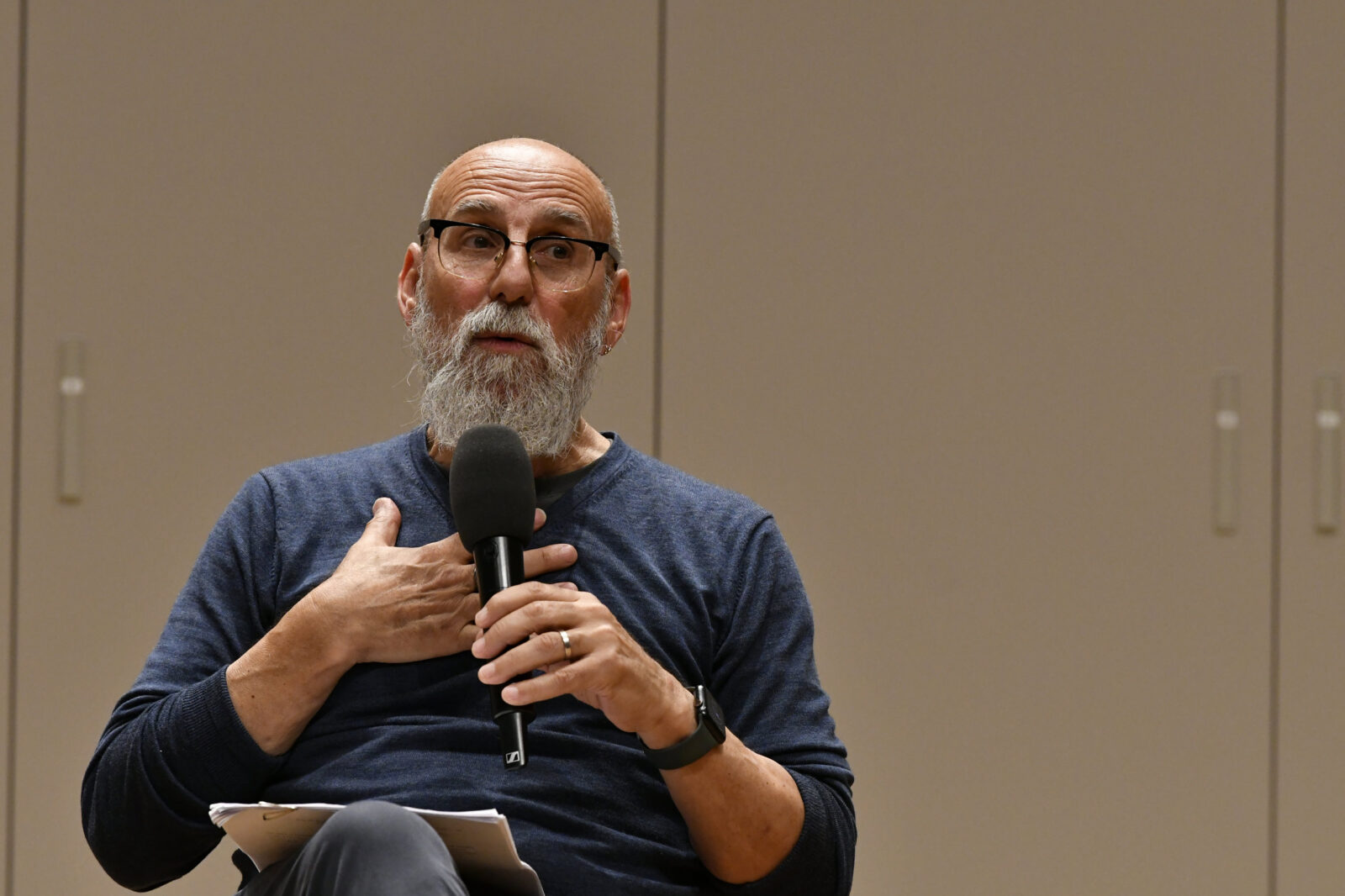
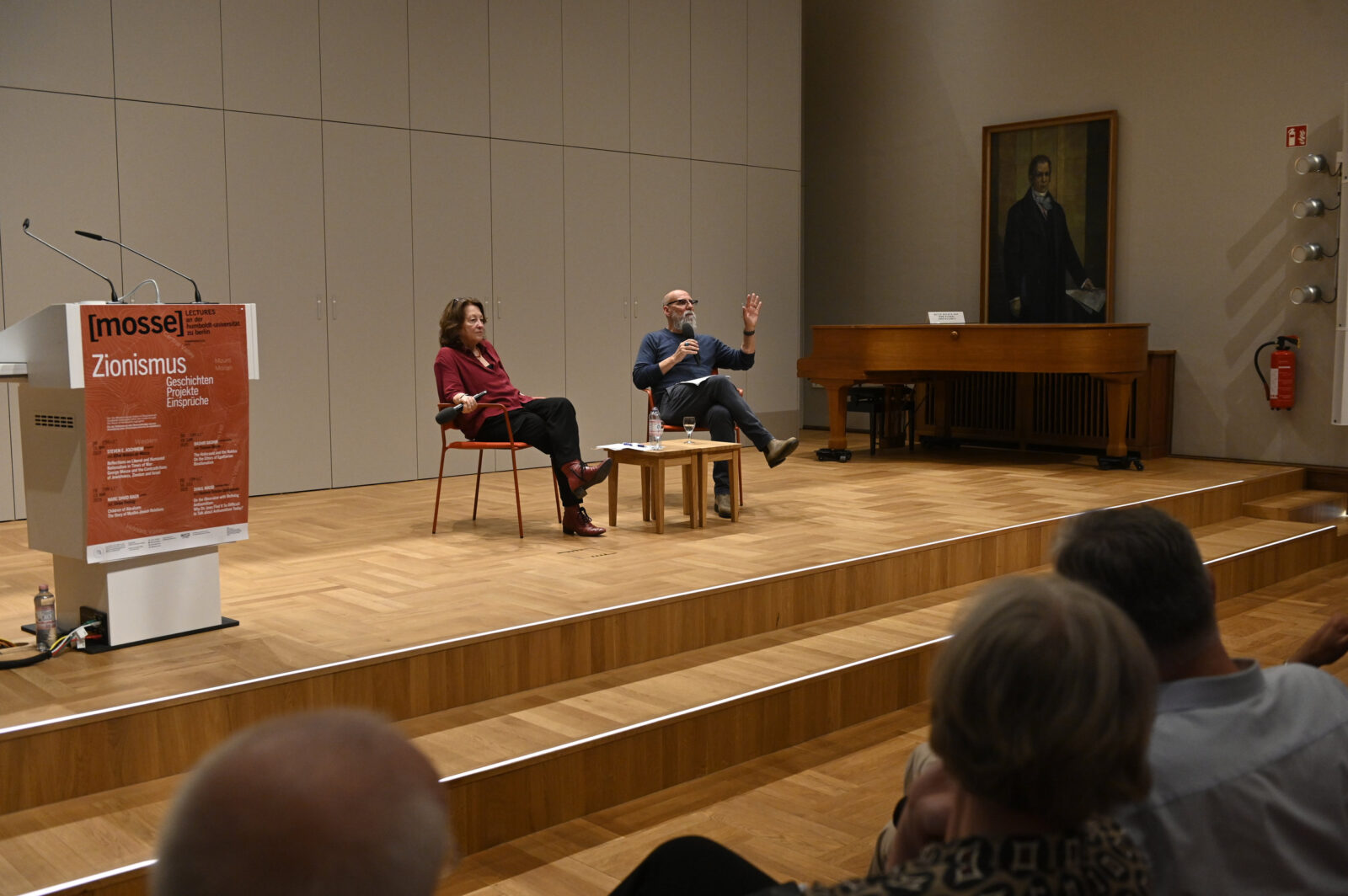
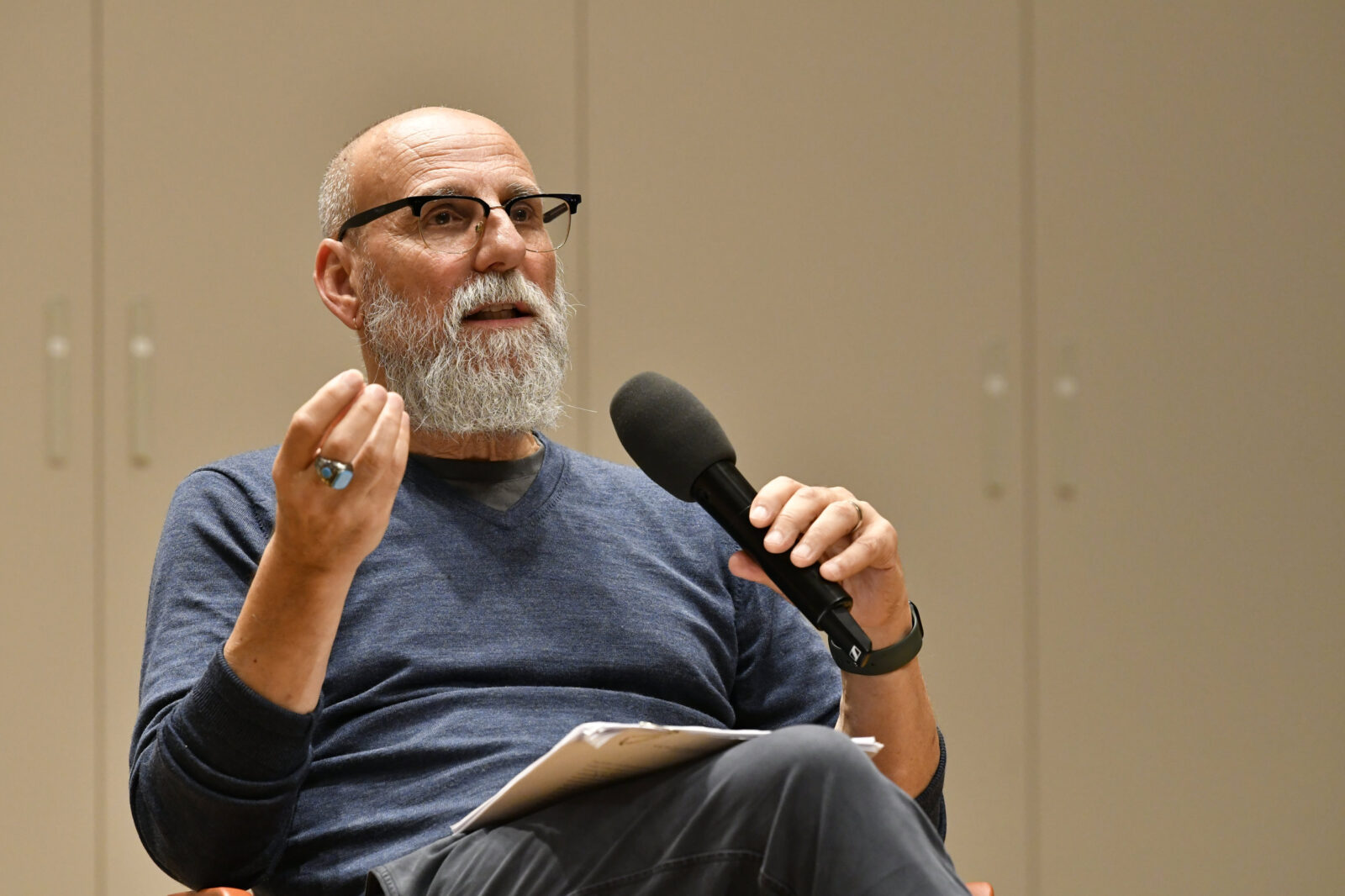
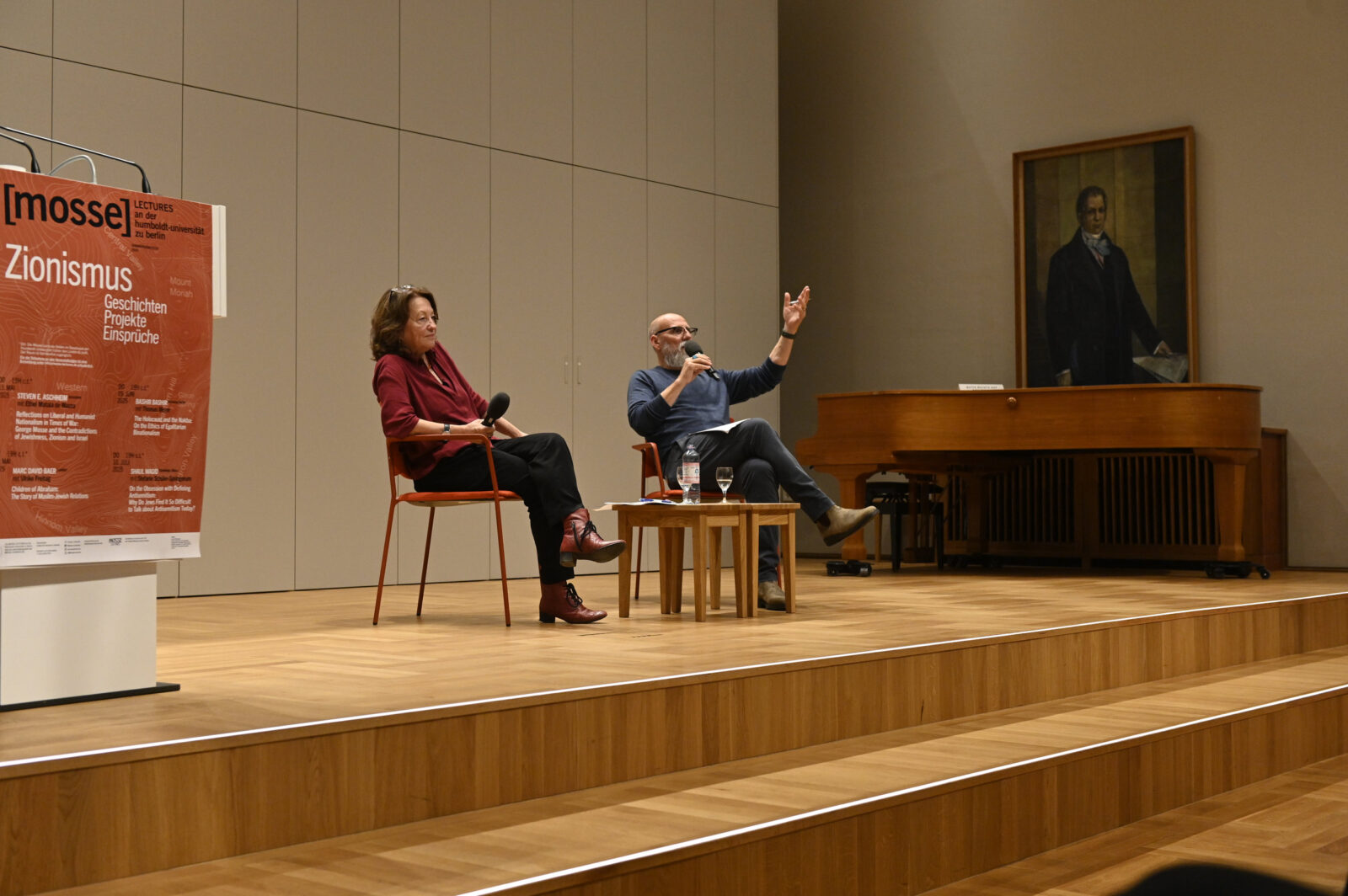
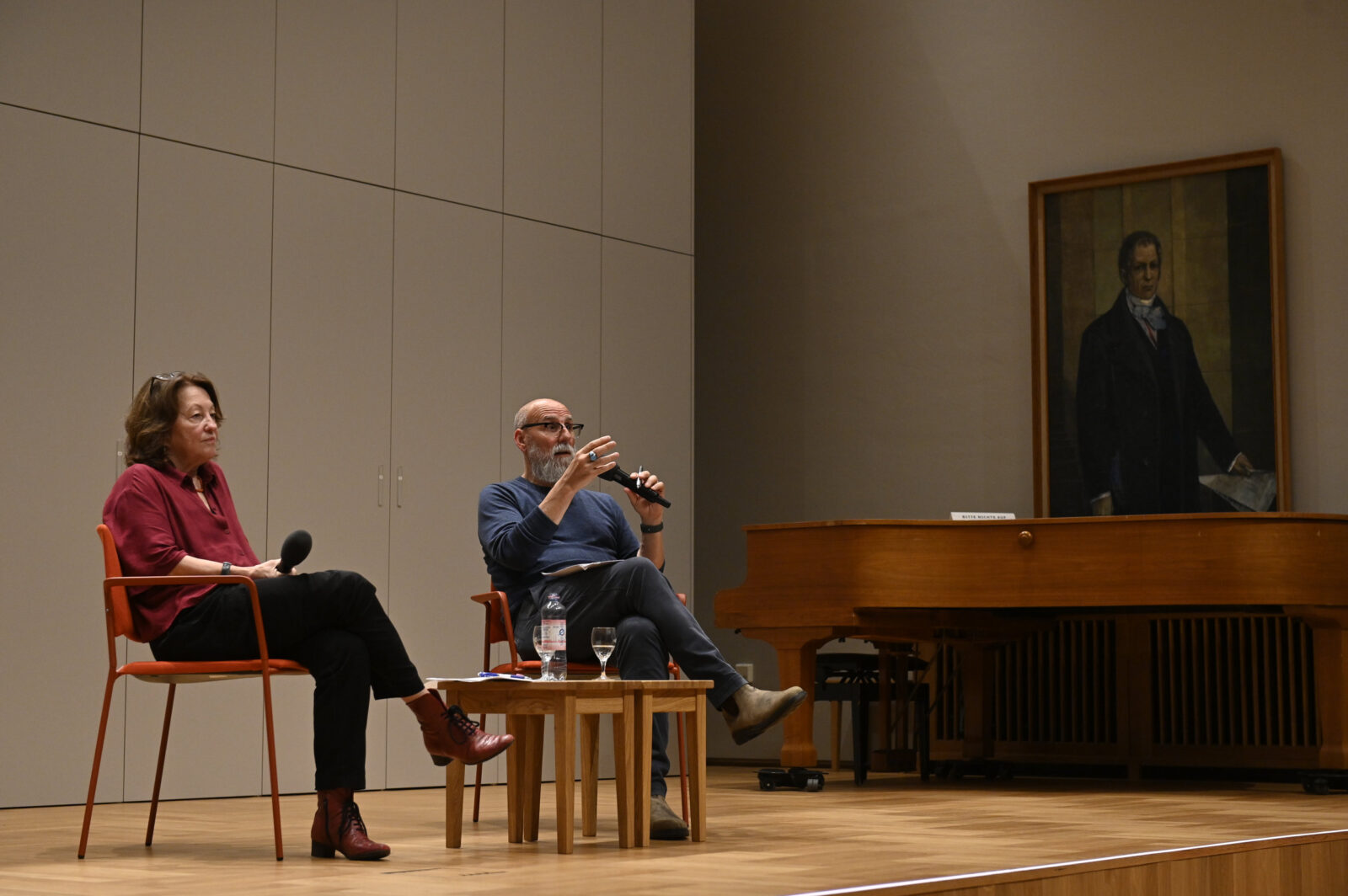
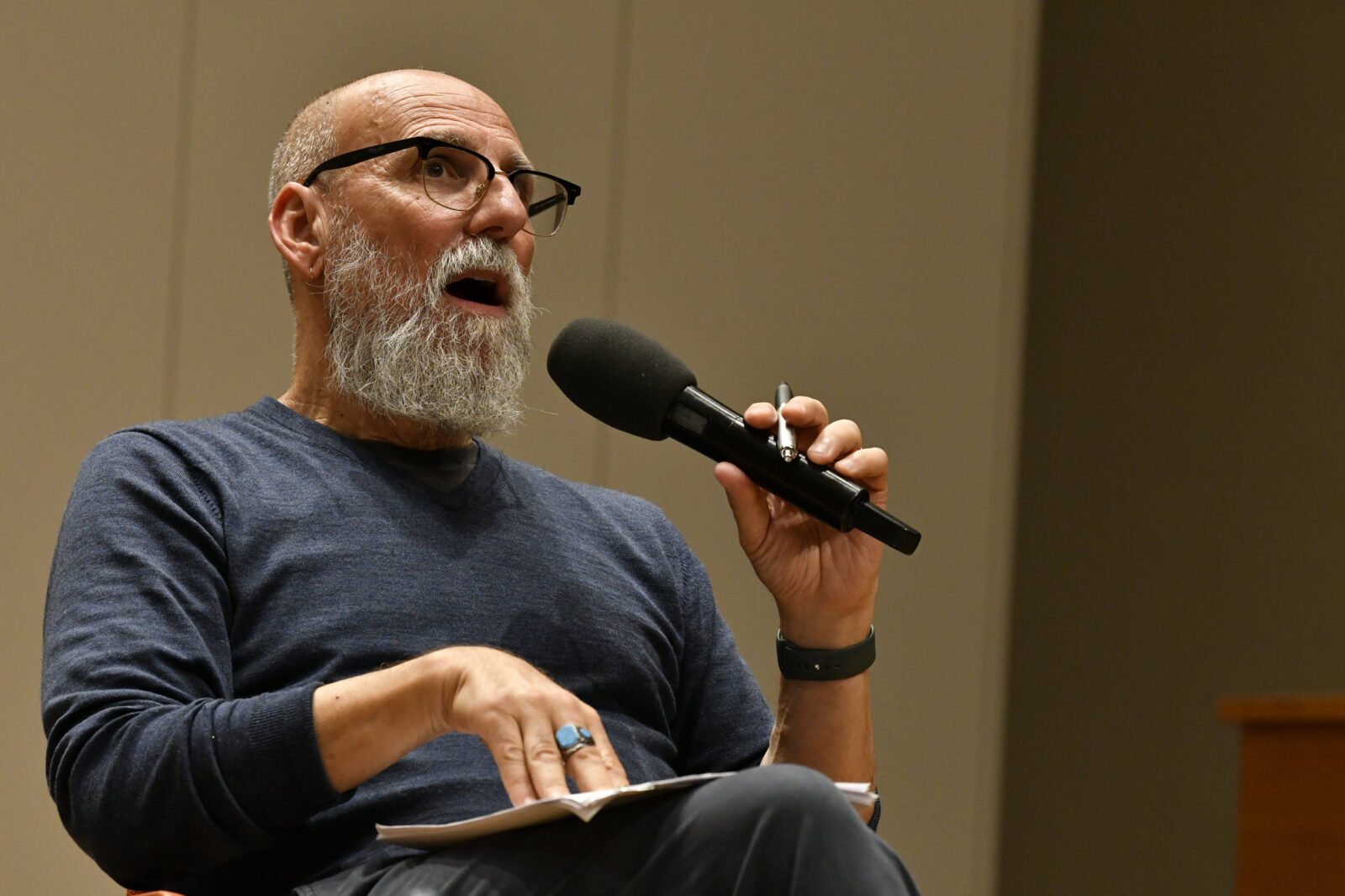
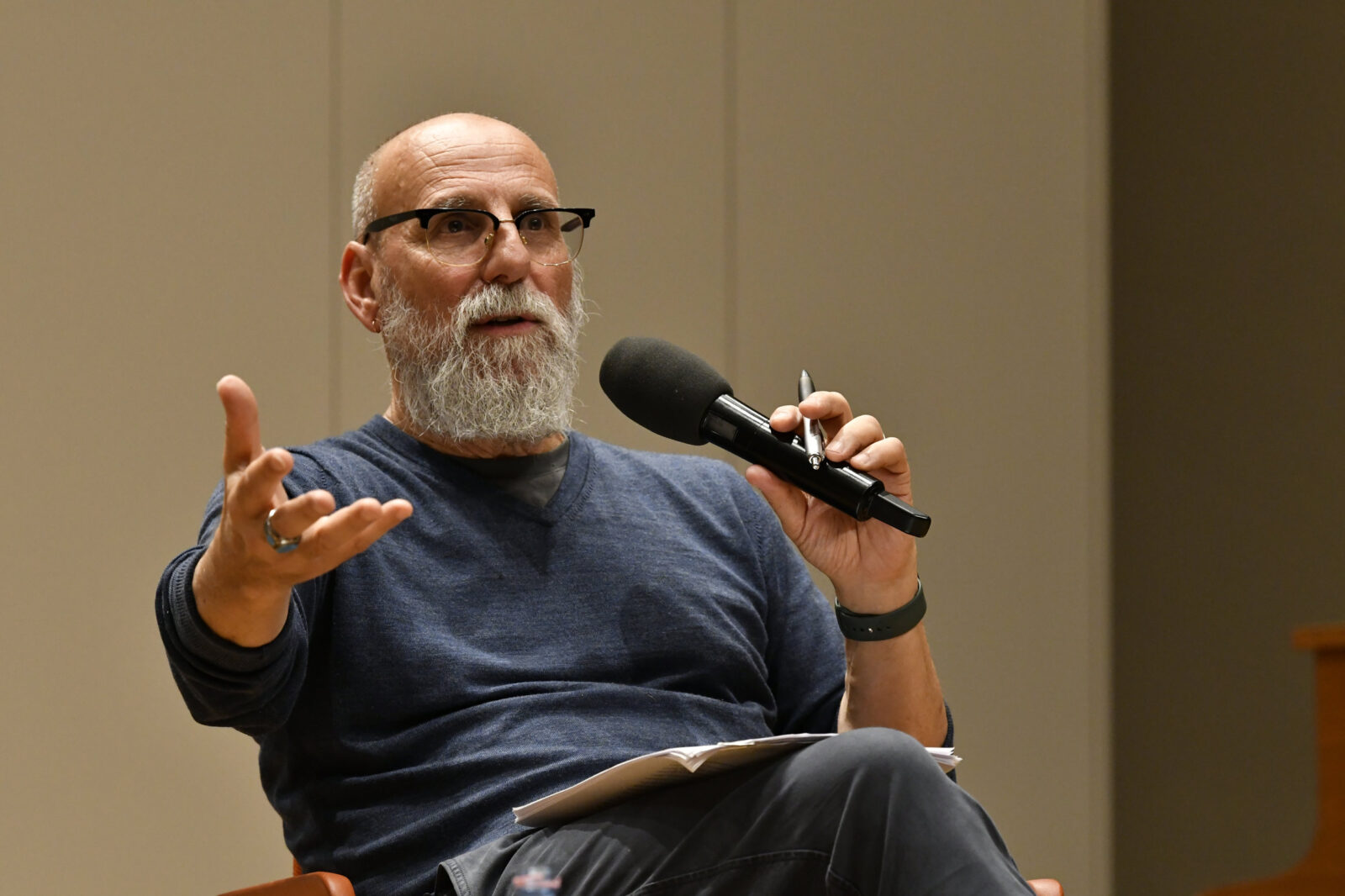
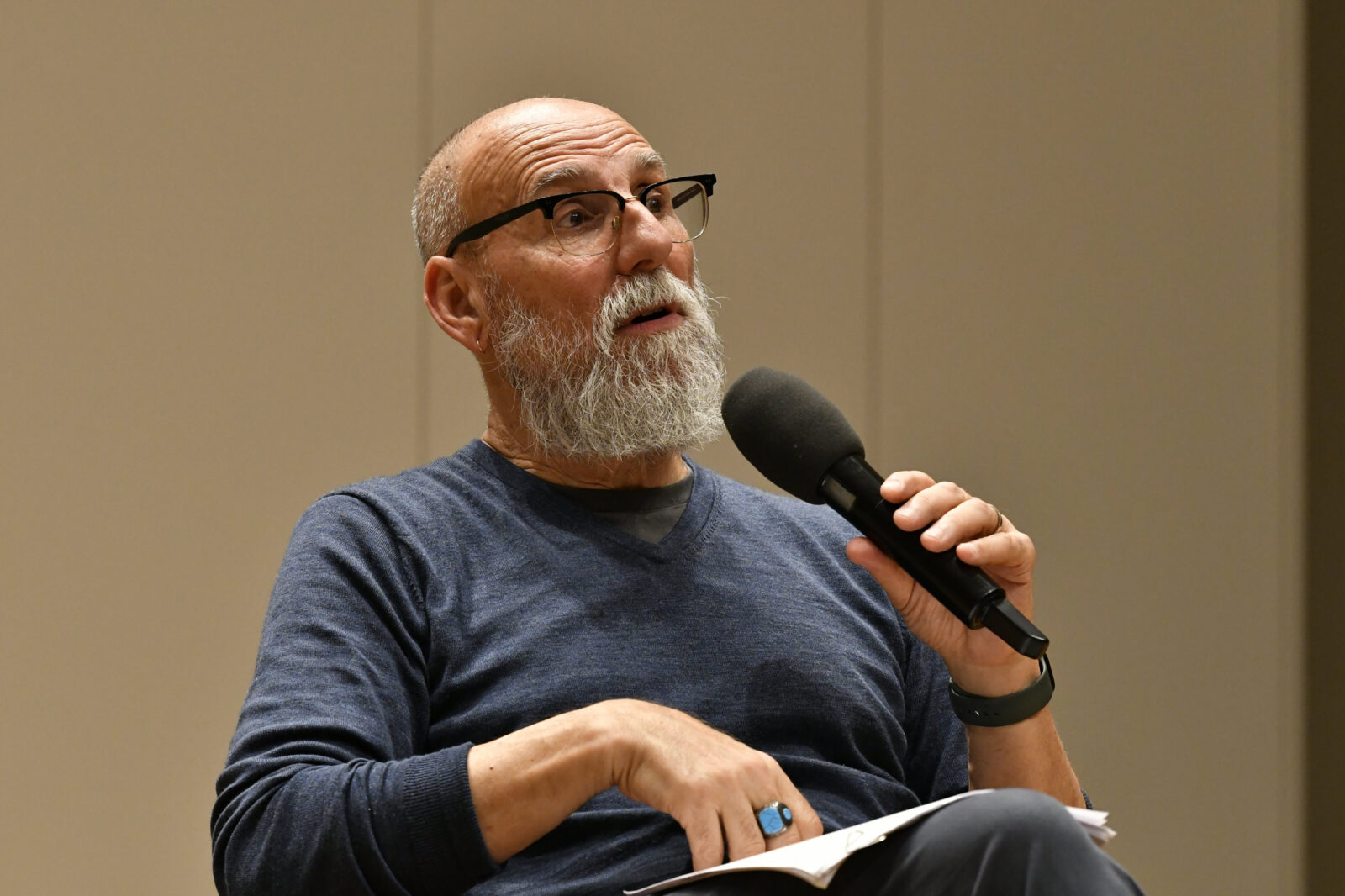
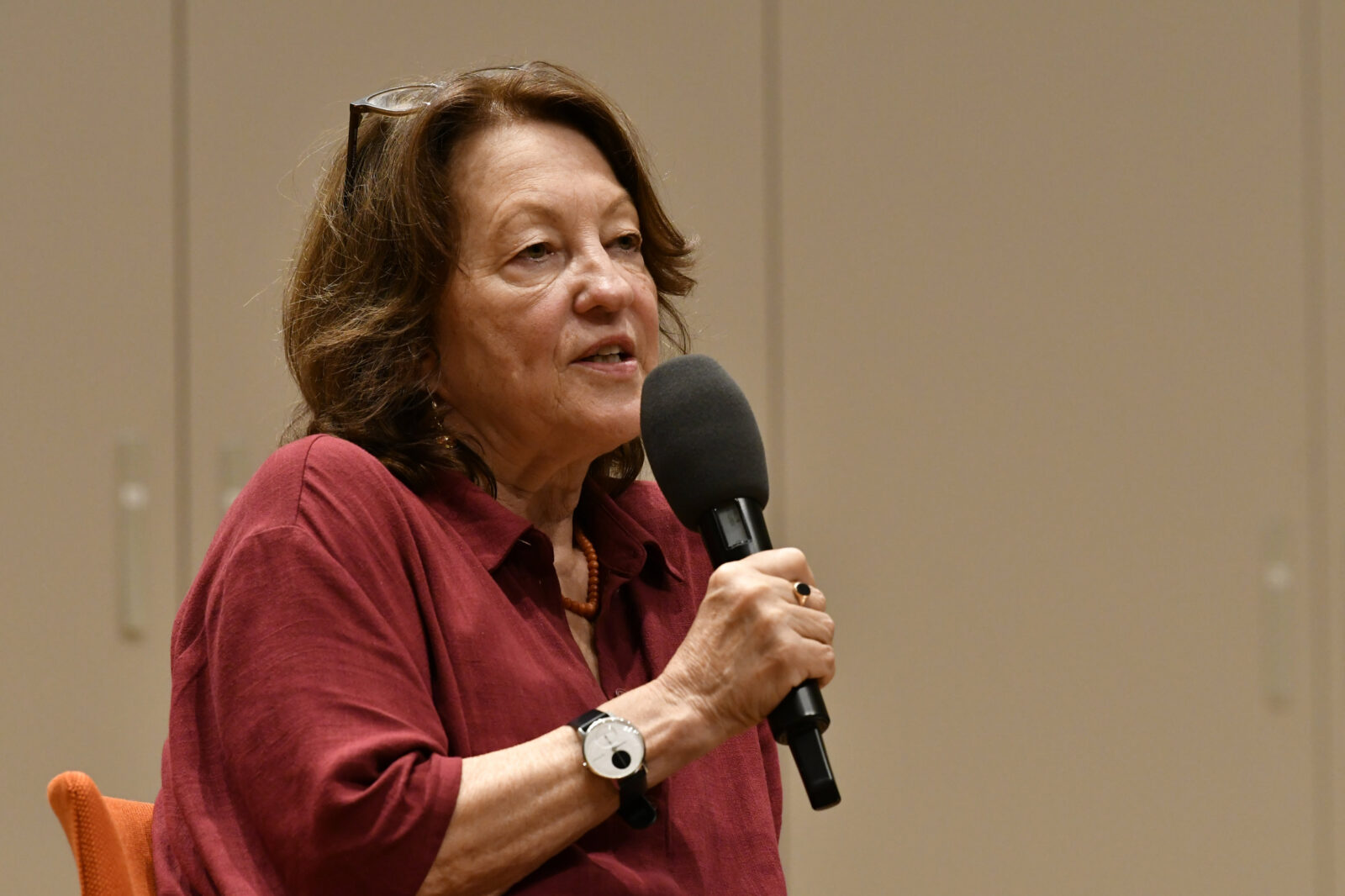
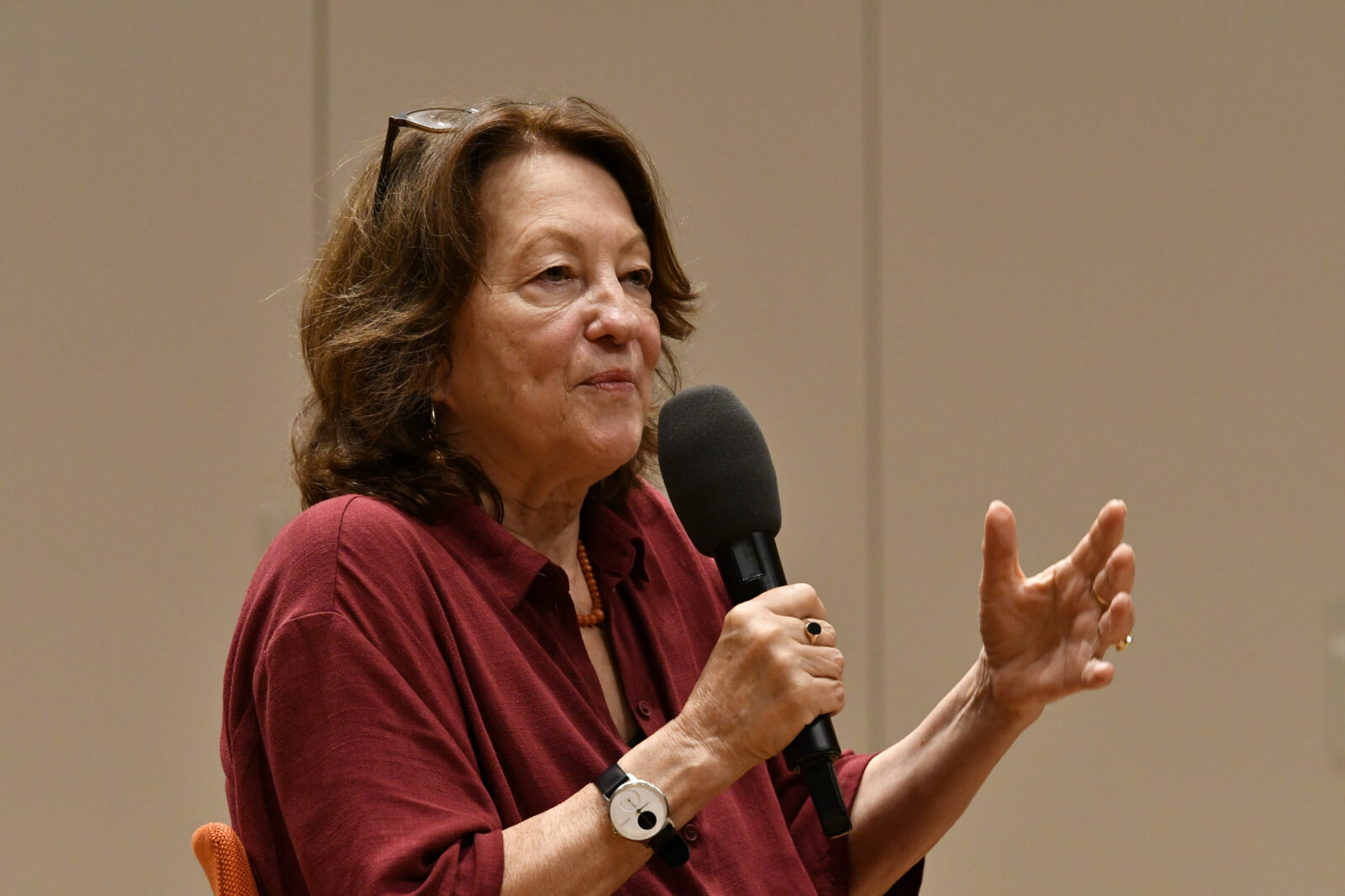
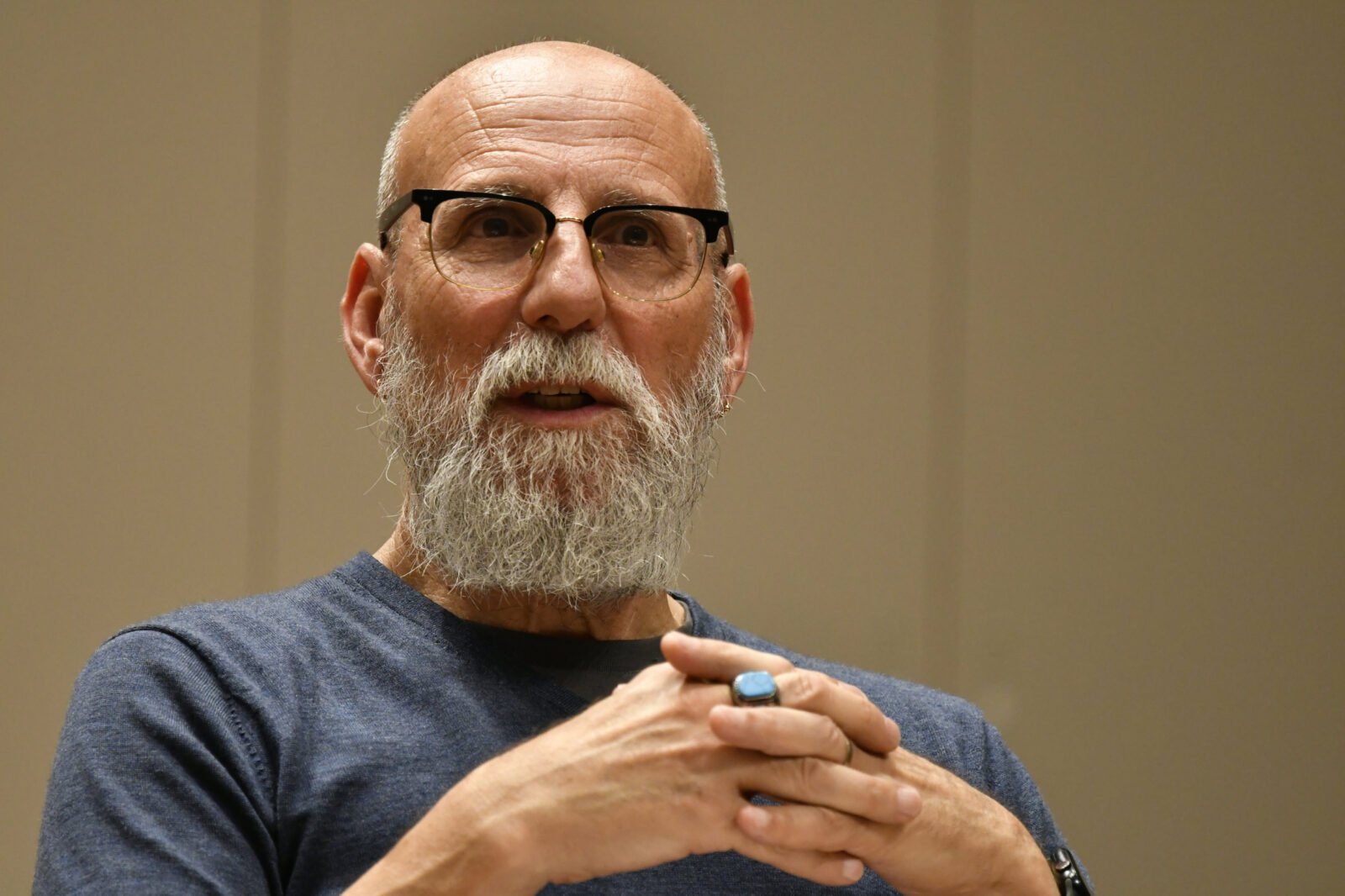
Shaul Magid Judaist und Rabbi; lehrt Jüdische Studien an der Harvard Divinity School, er ist Senior Fellow am Center for the Study of World Religions [CSWR] der Harvard University sowie Rabbi der Fire Island Synagogue. Er ist Mitglied der American Academy for Jewish Research und der American Society for the Study of Religion. Zu seinen Forschungsinteressen gehören Jüdisches Denken, Kabbala, Chassidismus und amerikanisch-jüdische Kultur sowie Zionismus. 2023 erschien »The Necessity of Exile« bei Ayin Press, eine Sammlung von Essays über die jüdische Beziehung zu Zionismus und Exil.
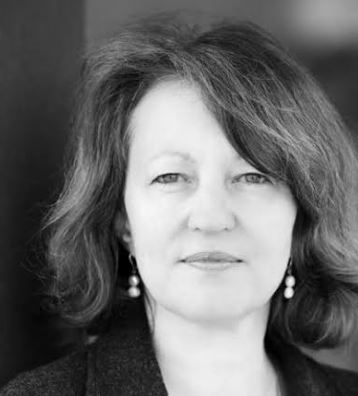
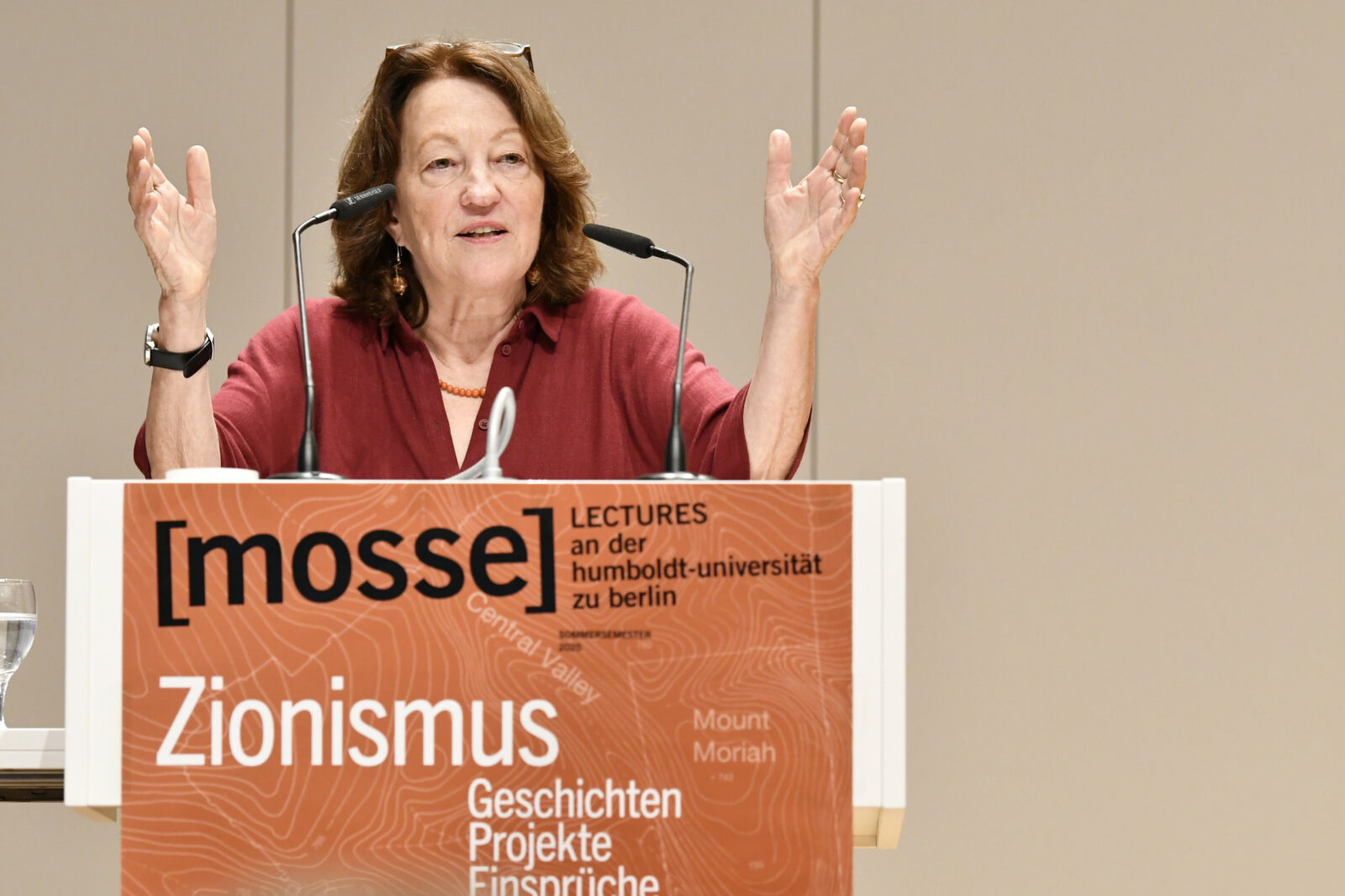
Stefanie Schüler-Springorum Historikerin; Leiterin des Zentrums für Antisemitismusforschung an der TU Berlin und Ko-Direktorin des Selma Stern Zentrums für Jüdische Studien Berlin-Brandenburg und seit 30 Jahren in verschiedenen Funktionen Teil des Leo Baeck Instituts. Seit 2023 ist sie Mitglied im Beirat des New Israel Fund Deutschland, der Israelis und Palästinenser:innen fördert, die sich gemeinsam für eine demokratische, gleichberechtigte und friedliche Zukunft einsetzen. Ihre Forschungsschwerpunkte gelten der deutsch-jüdischen Geschichte, der Geschichte des Nationalsozialismus, der Historiographie und Erinnerung nach 1945 sowie der Antisemitismusforschung.
Michael Kämper-van den Boogaart studied German and history, and taught at several schools before earning his PhD in 1990 from the University of Hamburg. In 2002, he was named professor of education and modern German literature at Humboldt University, Berlin, where, in 2011, he was elected vice president for Education and Teaching. He retired in 2023. He specializes in German language pedagogy, the history of education, and the history of 20th-century German literature. His many publications include Ästhetik des Scheiterns. Studien zu Erzähltexten von Botho Strauß, Jürgen Theobaldy, Uwe Timm u.a. (1992) and Thomas Mann für die Schule. Volk und Wissen (2001).
In the Media:
Shaul Magid’s lecture was published in German translation as »Antisemitismus, Holocaust und der Staat Israel. Warum fällt es Juden heute so schwer, über Antisemitismus zu sprechen?« in the Jahrbuch für Antisemitismusforschung, Volume 34 (2025).
Shaul Magid’s lecture was discussed by Patrick Bahners in the Frankfurter Allgemeine Zeitung on August 6, 2025: Ohne Lösung kein Problem: Shaul Magid definiert den Antisemitismus nicht
