
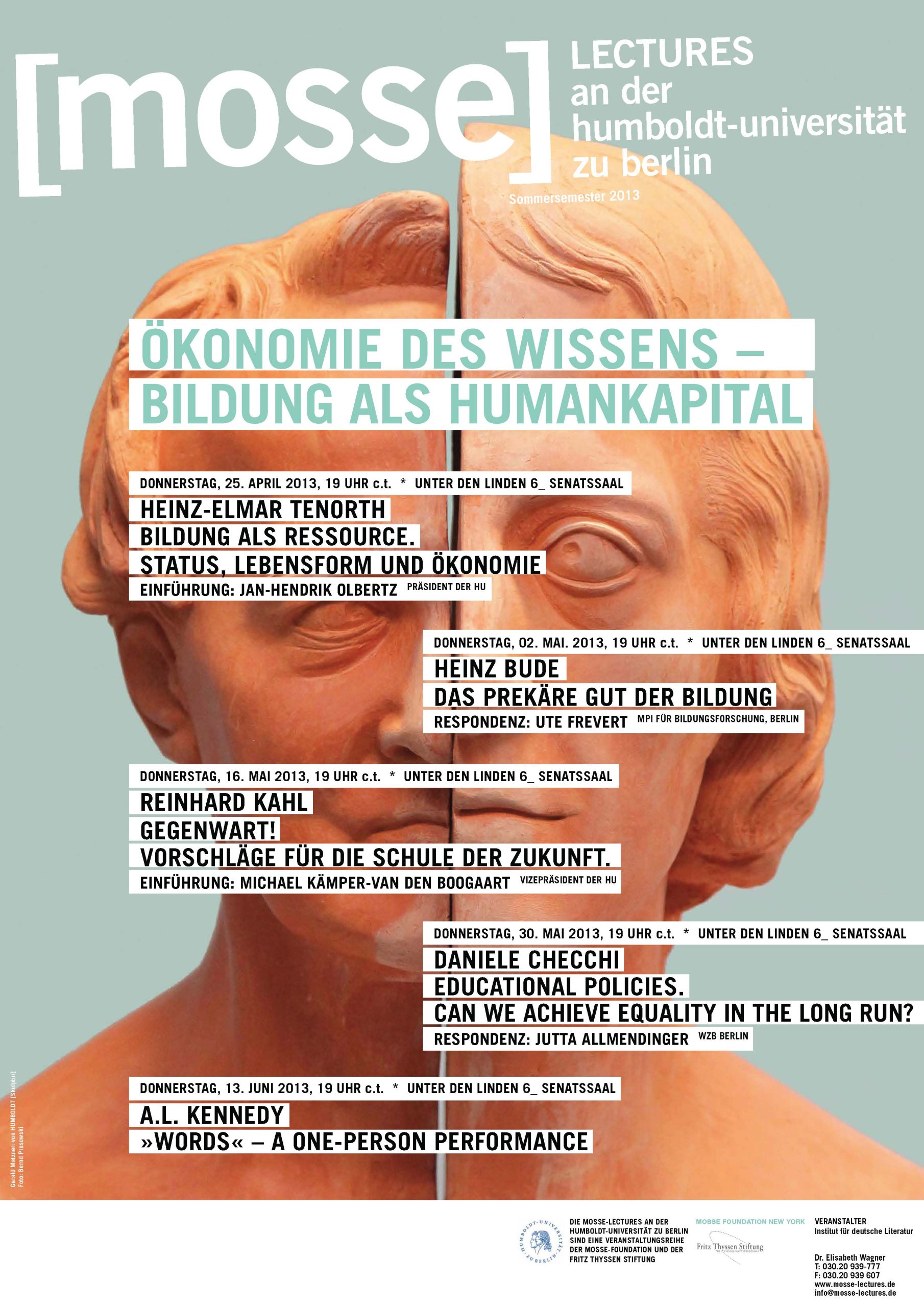
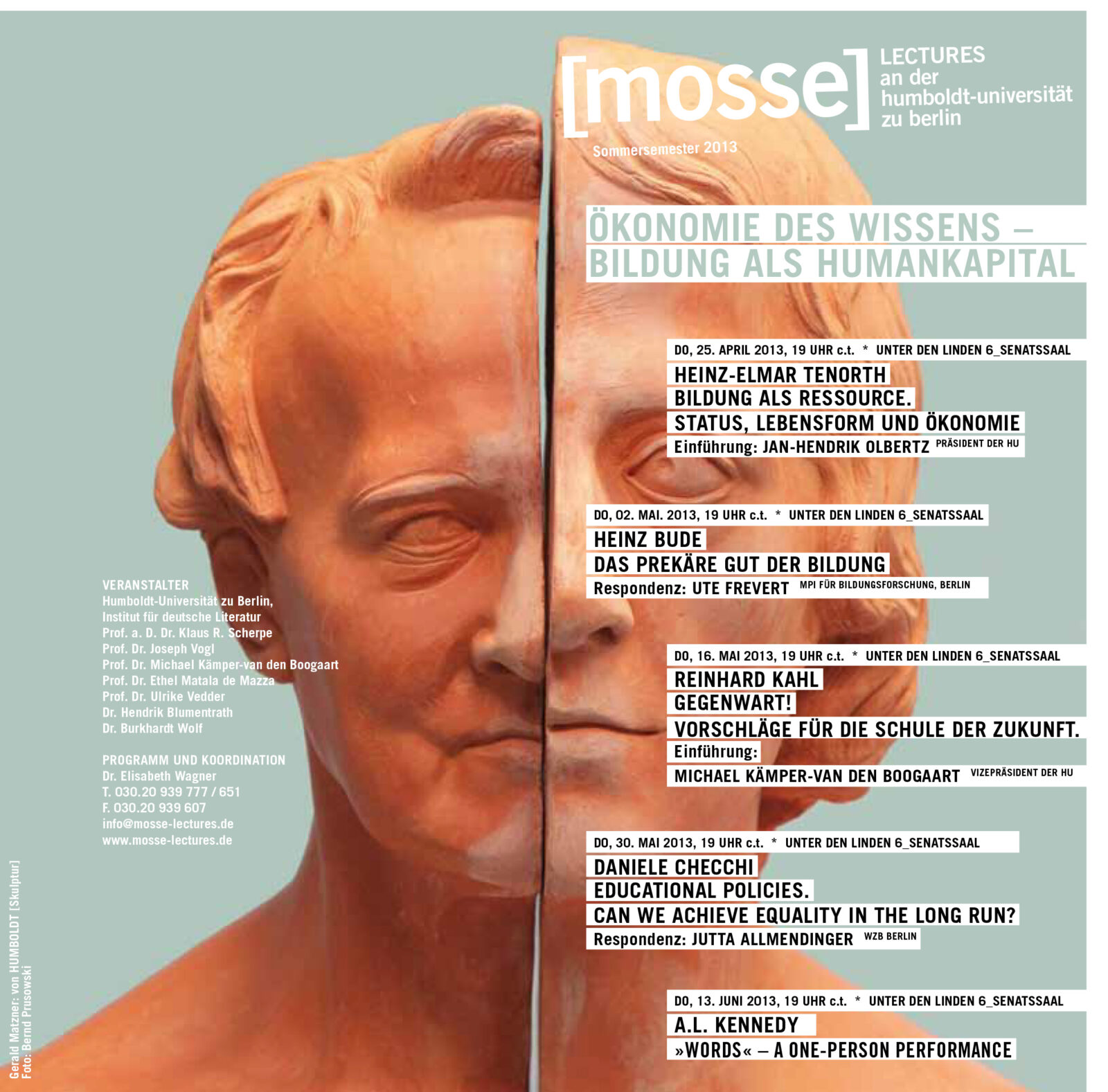
2013: Daniele Checchi, “Educational Policies. Can We Achieve Equality in the Long Run?”
Daniele Checchi, “Educational Policies. Can We Achieve Equality in the Long Run?”
Berlin Mosse Lecture
https://mosselectures.wisc.edu/berlin/
Thursday, 30 May 2013, 19:00 CET
Senatssaal of Humboldt University
Under den Linden 6
1. Stock
10117 Berlin
GERMANY
Sponsored by:
[mosse] LECTURES an der humboldt-universität zu berlin
The Mosse Foundation
Global Mosse Lecture Series
Fritz Thyssen Stiftung
Institut für deutsche Literatur
Humboldt University
Introduction: Ulrike Vedder (Humboldt University)
Respondent: Jutta Allmendinger (Wissenschaftszentrum Berlin für Sozialforschung)
Lecture Description: Reformen des Erziehungswesens sind keineswegs eindimensional: verschiedene Aspekte, die berücksichtigt sein wollen, wirken hier zusammen. Wenn man auf der Grundlage empirischer Untersuchungen die wichtigen nationalen Reformbewegungen der letzten hundert Jahre in verschiedenen europäischen Ländern analysiert, so gewinnt man interessante Erkenntnisse über die unterschiedlichen individuellen und kollektiven Bildungsstandards. Legt man die historisch bedingten geopolitischen Unterschiede und deren institutionelle Rahmenbedingungen zugrunde, so kann man feststellen, wie institutionelle Reformen und individuelle Bildungserfolge einander bedingen und im allgemeinen hier auch der Grund gelegt wird für eine generationenübergreifende ungleiche Verteilung der Bildungschancen. Zu unterscheiden sind „einschließende“ und „ausschließende“ Reformeansätze. „Inklusive“ Reformen erhöhen in der Regel die Bildungschancen von Schülern und Studenten aus sozial und kulturell benachteiligten Milieus, während andere Reformvorhaben, die man als „selektiv“ identifizieren kann, allein die Leistungsstarken fördern. Ideologische Vorgaben sind in der Regel dafür verantwortlich, dass die Politik dem einen oder dem anderen Bildungskonzept den Vorzug gibt. Linke Mehrheiten bringen eher „inklusive“ Reformen auf den Weg, nach rechts orientierten Volksvertretungen dagegen bieten eher „selektive“ Lösungen an.
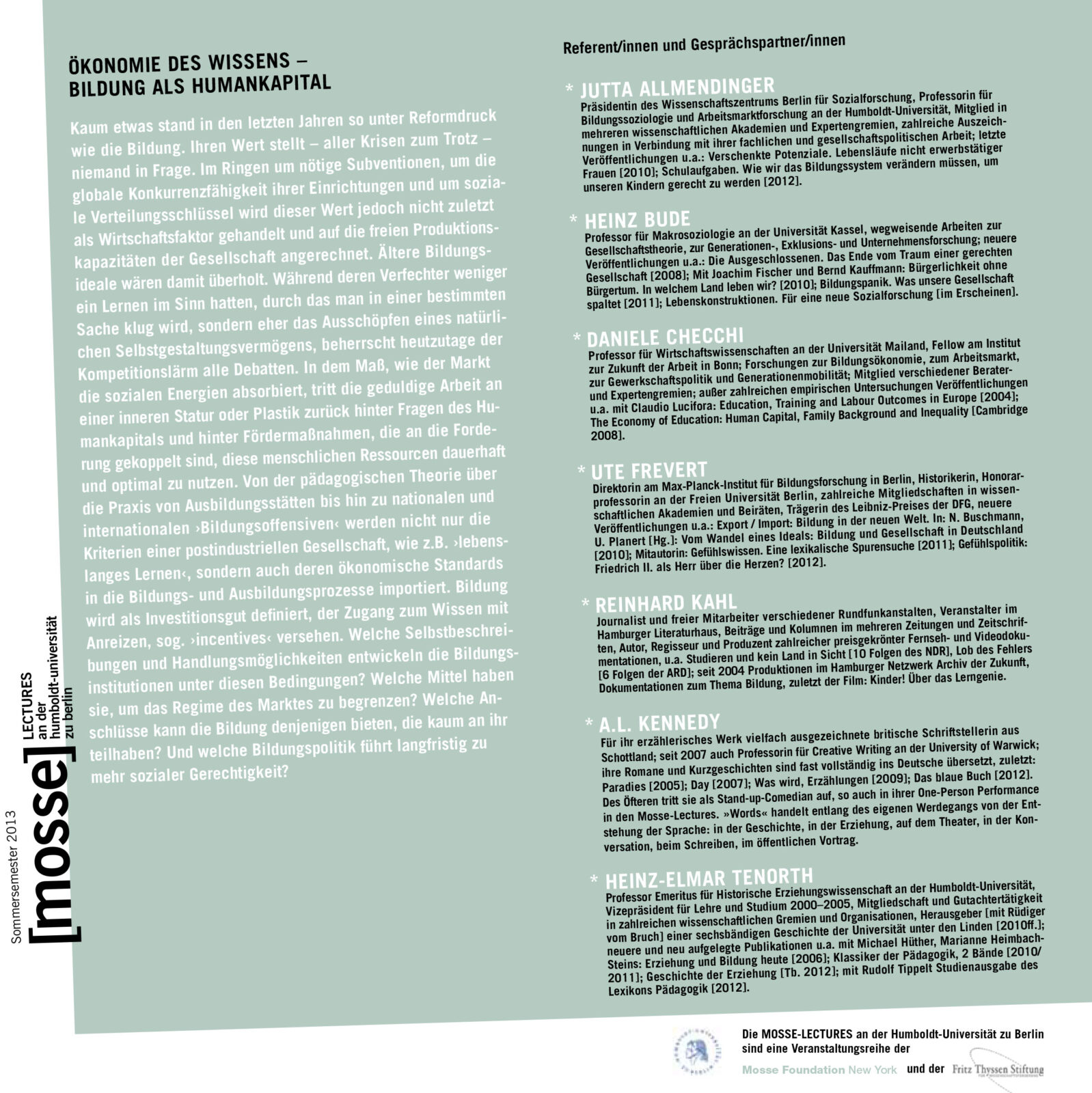
Lecture Series Description:More than anything else, education in recent times has been pressured to reform. Despite its permanent crises, its value is not in question. While struggling for necessary subsidies, global competitiveness and socially broad accessibility, this value is actively traded as economic resource and judged in its potential for expanding productivity. Previous ideals of education have thus become outdated. While the advocates of education as Bildung had the natural capacity of self-creation in mind rather than the acquisition of skills, all of today’s noisy debates focus on competitiveness. In as much as the market absorbs most social energies, the patient commitment to an inward form or shape of the personal gives way to issues of human capital and to the promotion of demands for an enduring and optimal exploitation of human resources. Theories of education and practical experience gained in educational institutions as well as national and international so-called ‘offensives of education’ such as ‘life-long learning’ are measured according to the criterion of post-industrial society; economic standards are directly imported into the proceedings of practical learning and higher education. Education as durable investment gives access to knowledge, supported by a system of ,incentives’. How do institutions of education describe themselves under these conditions and what forms of governance do they develop? What means do they have to limit the rule of the market? What kind of accessibility can education provide for those who can hardly participate? If ever more people from educationally disadvantaged backgrounds end up socially as losers: How in the long run could reforms lead to less social inequality?
Daniele Checchi: Professor für Wirtschaftswissenschaften an der Universität Mailand, Fellow am Institut zur Zukunft der Arbeit in Bonn; Forschungen zur Bildungsökonomie, zum Arbeitsmarkt, zur Gewerkschaftspolitik und Generationenmobilität; Mitglied verschiedener Berater- und Expertengremien; außer zahlreichen empirischen Untersuchungen Veröffentlichungen u.a. mit Claudio Lucifora: Education, Training and Labour Outcomes in Europe (2004); The Economy of Education: Human Capital, Family Background and Inequality (Cambridge 2008).
Jutta Allmendinger: Präsidentin des Wissenschaftszentrums Berlin für Sozialforschung, Professorin für Bildungssoziologie und Arbeitsmarktforschung an der Humboldt-Universität, Mitglied in mehreren wissenschaftlichen Akademien und Expertengremien, zahlreiche Auszeichnungen in Verbindung mit ihrer fachlichen und gesellschaftspolitischen Arbeit; letzte Veröffentlichungen u.a.: Verschenkte Potenziale. Lebensläufe nicht erwerbstätiger Frauen (2010); Schulaufgaben. Wie wir das Bildungssystem verändern müssen, um unseren Kindern gerecht zu werden (2012).
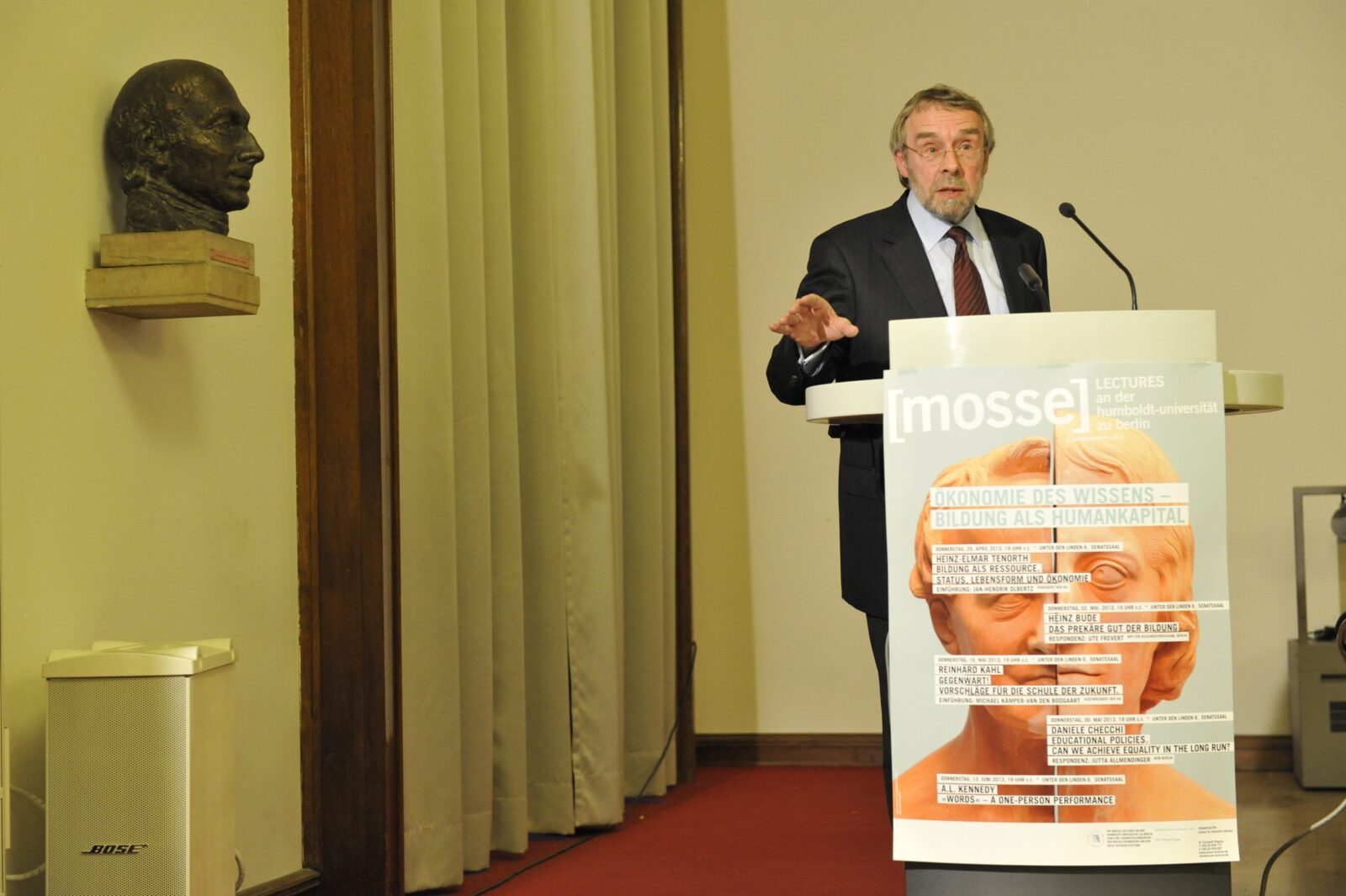
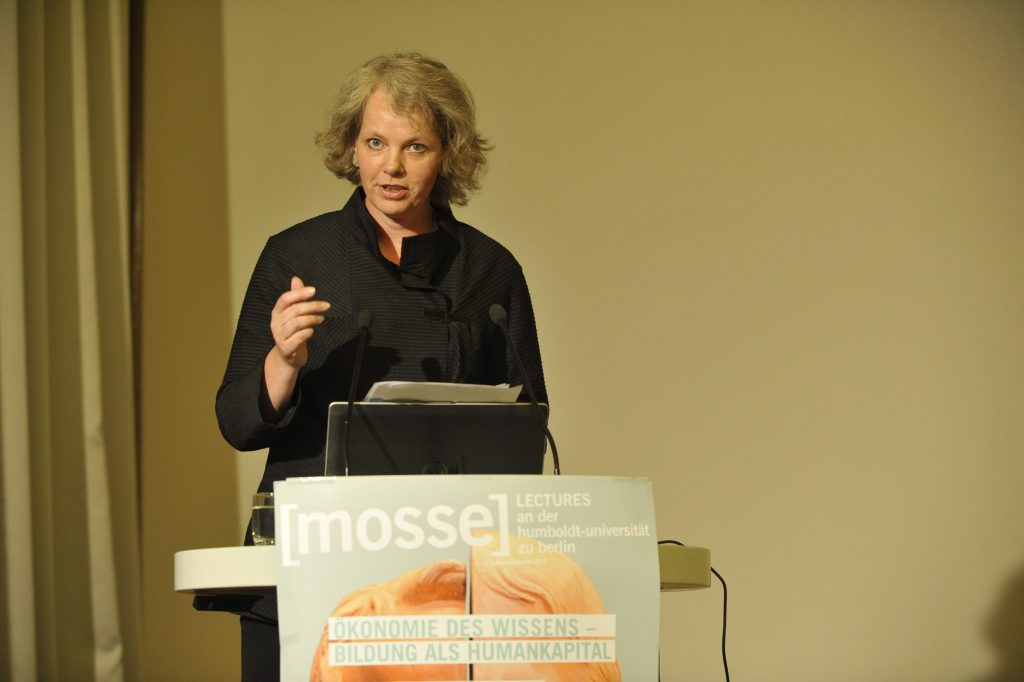
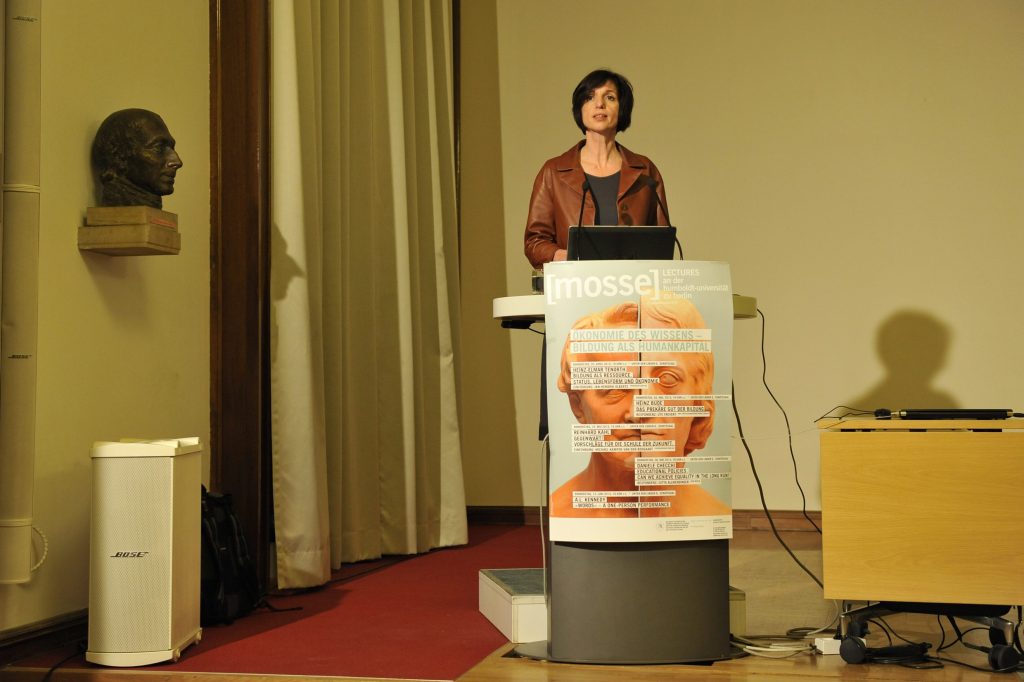
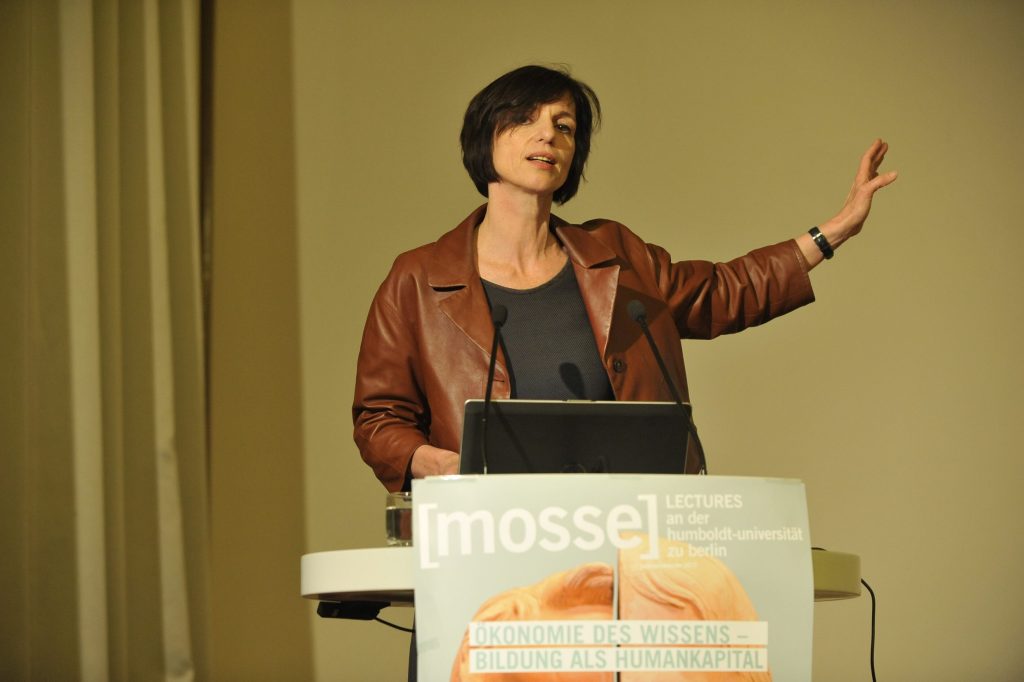
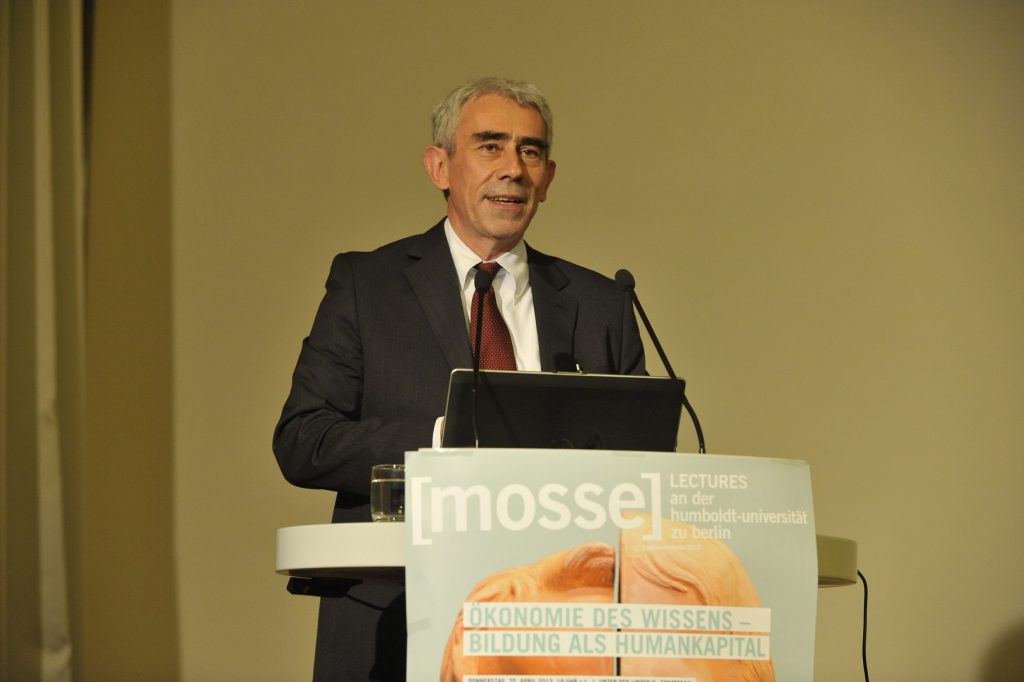
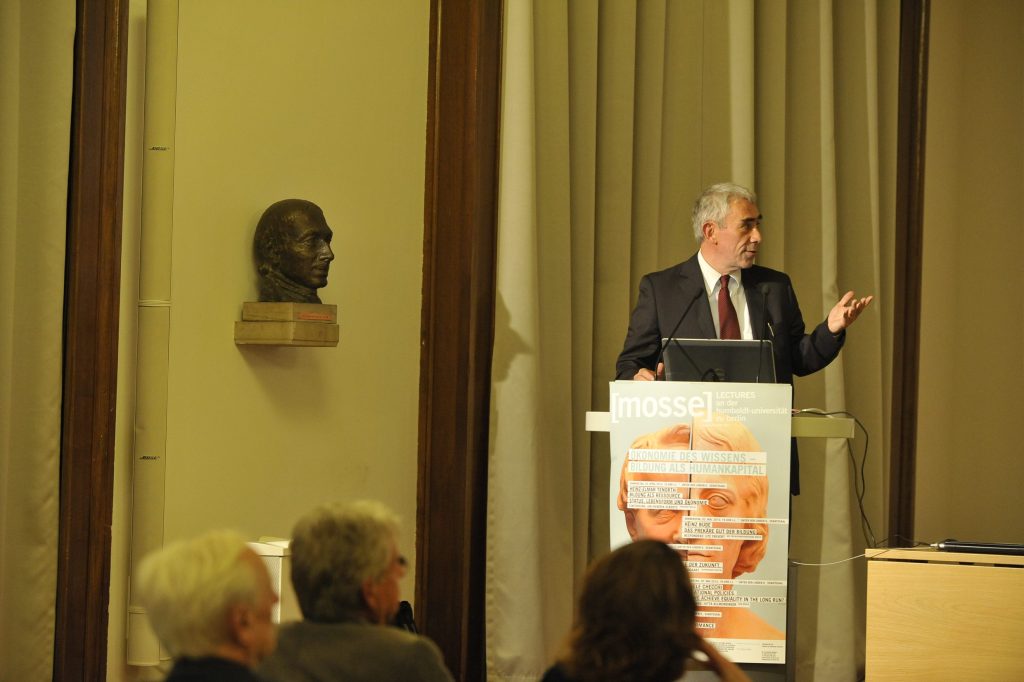
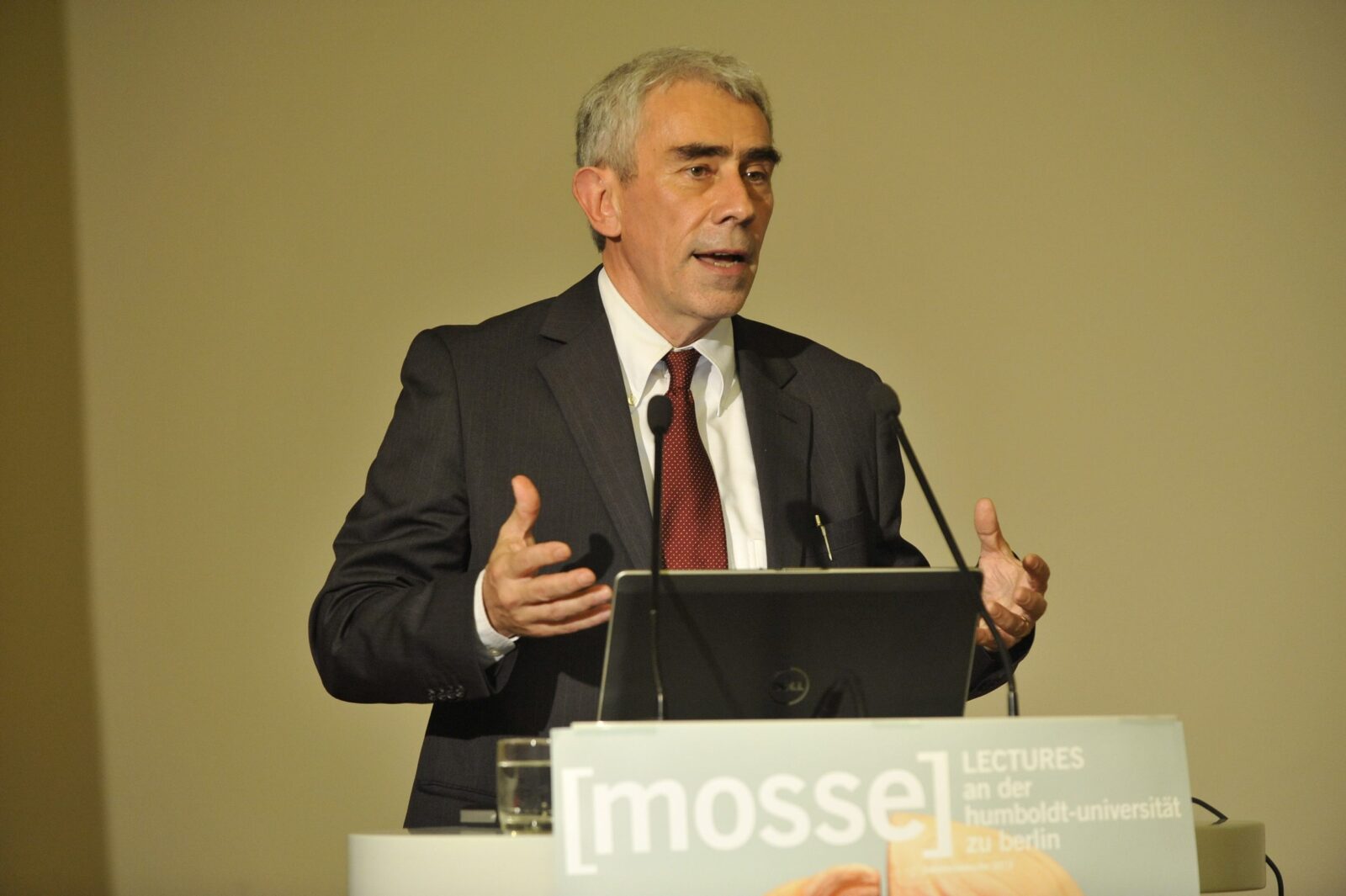
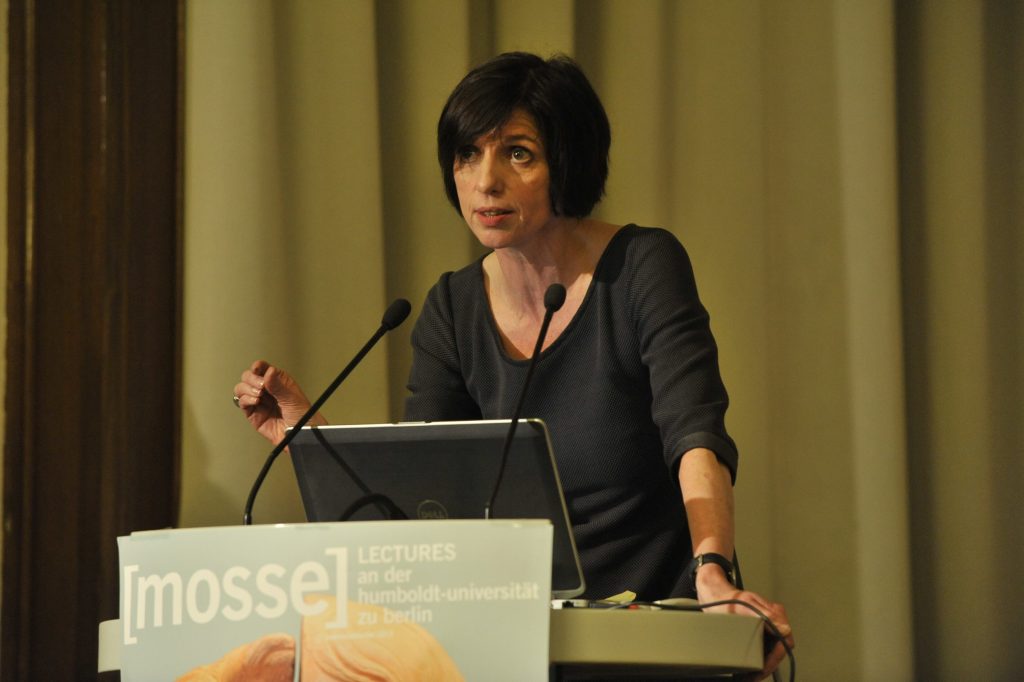
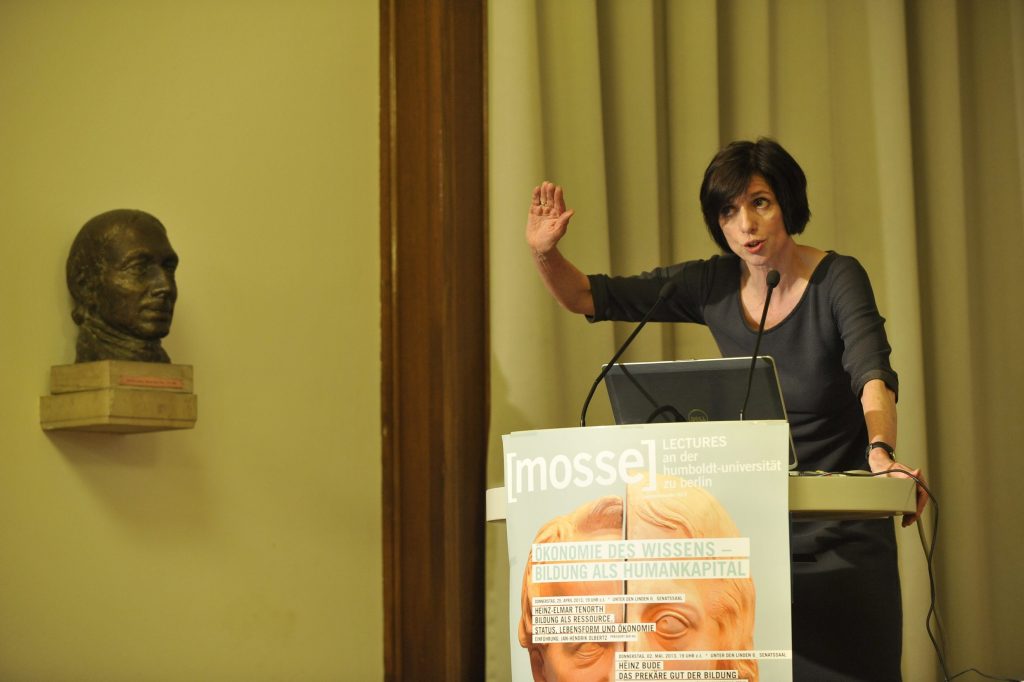
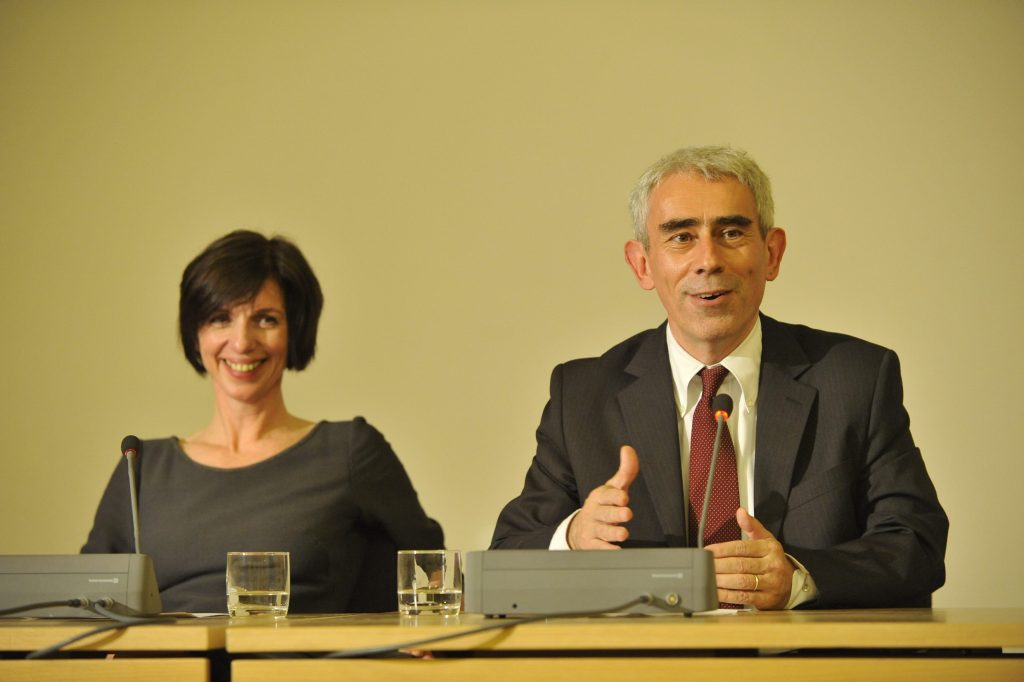
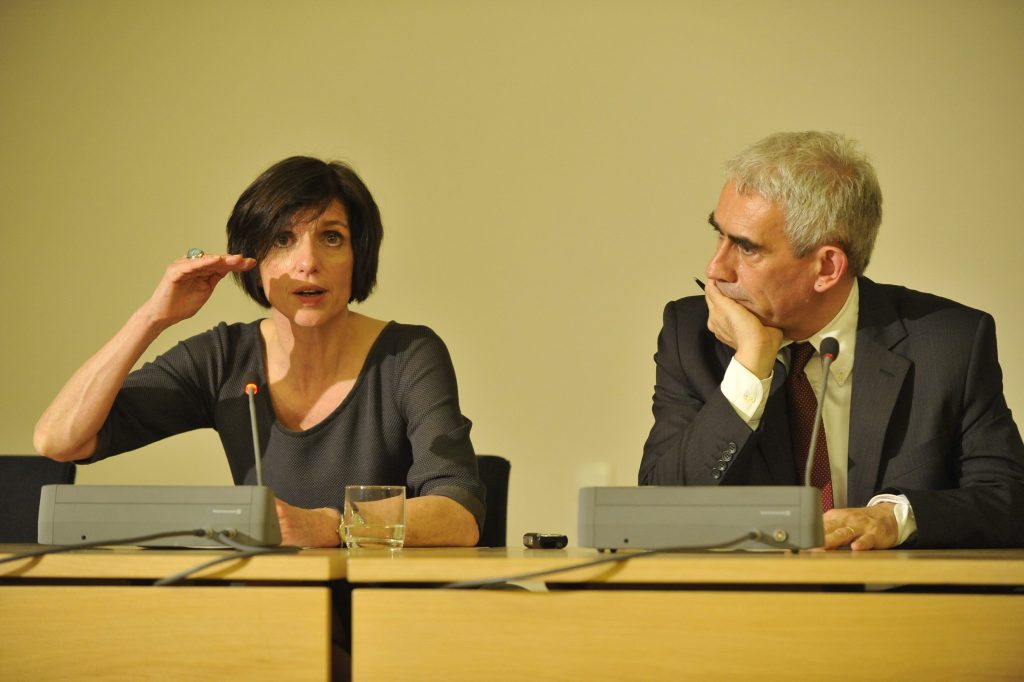
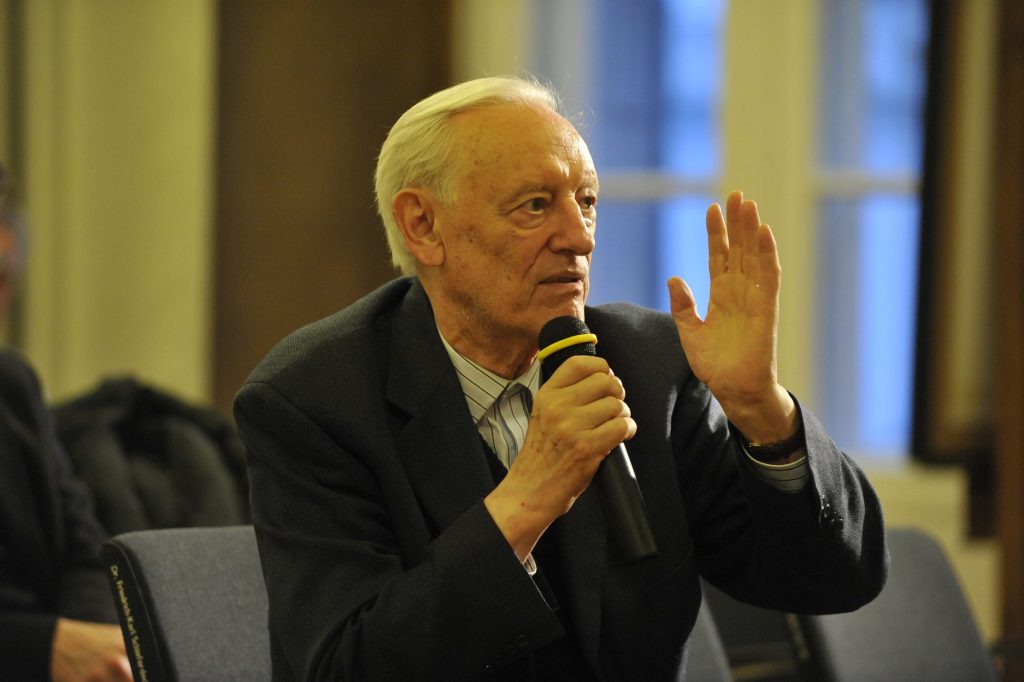
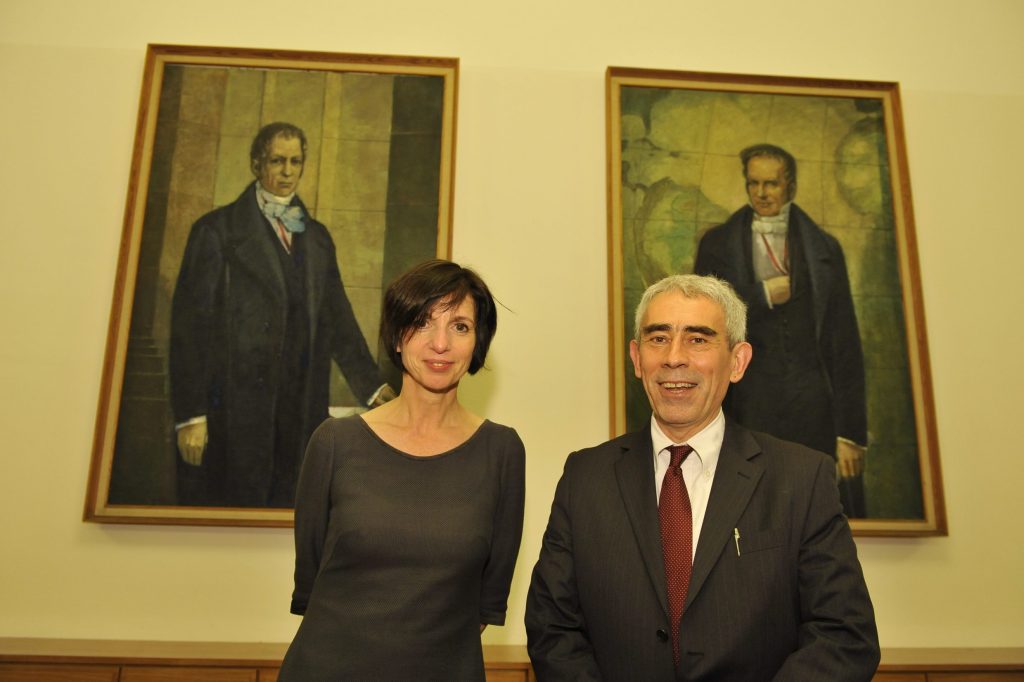
Photo Credit: Niels Leiser for the Mosse Lectures
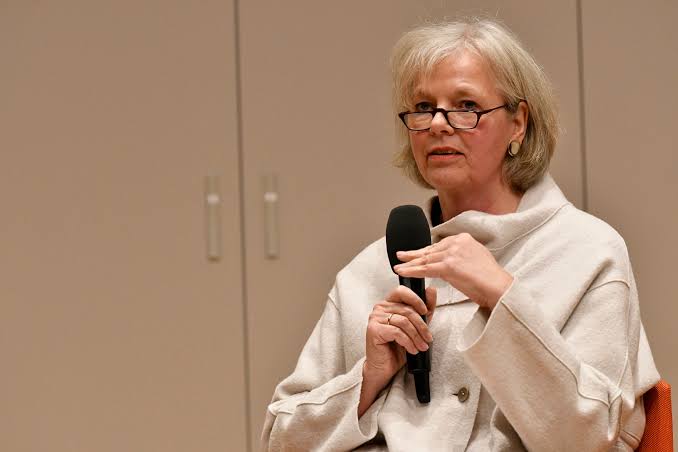
Her research focuses on literature and material culture (museum narratives, literary thing culture, poetics of collecting); literary and cultural history of genealogy, generation, heritage; gender studies in literary studies; narratives of liminality (death narratives, coma, old age, dementia, care, poetics of the afterlife).
She is part of the interdisciplinary project team of „Liminality and Transfer“ (funded by the Einstein Foundation Berlin, 2023-2027) and the Collège doctoral „Littérature et savoirs, XVIe – XXIe siècles“ (in cooperation with Sorbonne nouvelle).
