
2013: Sebastian Conrad, “Die Erfindung des Westens. Europa in der Sicht nicht-westlicher Eliten” / “The Invention of the West: Europe as Seen by Non-Western Elites”
Sebastian Conrad, “Die Erfindung des Westens. Europa in der Sicht nicht-westlicher Eliten” / “The Invention of the West: Europe as Seen by Non-Western Elites”
Berlin Mosse Lecture
https://mosselectures.wisc.edu/berlin/
Thursday, 24 October 2013, 19:00 CET
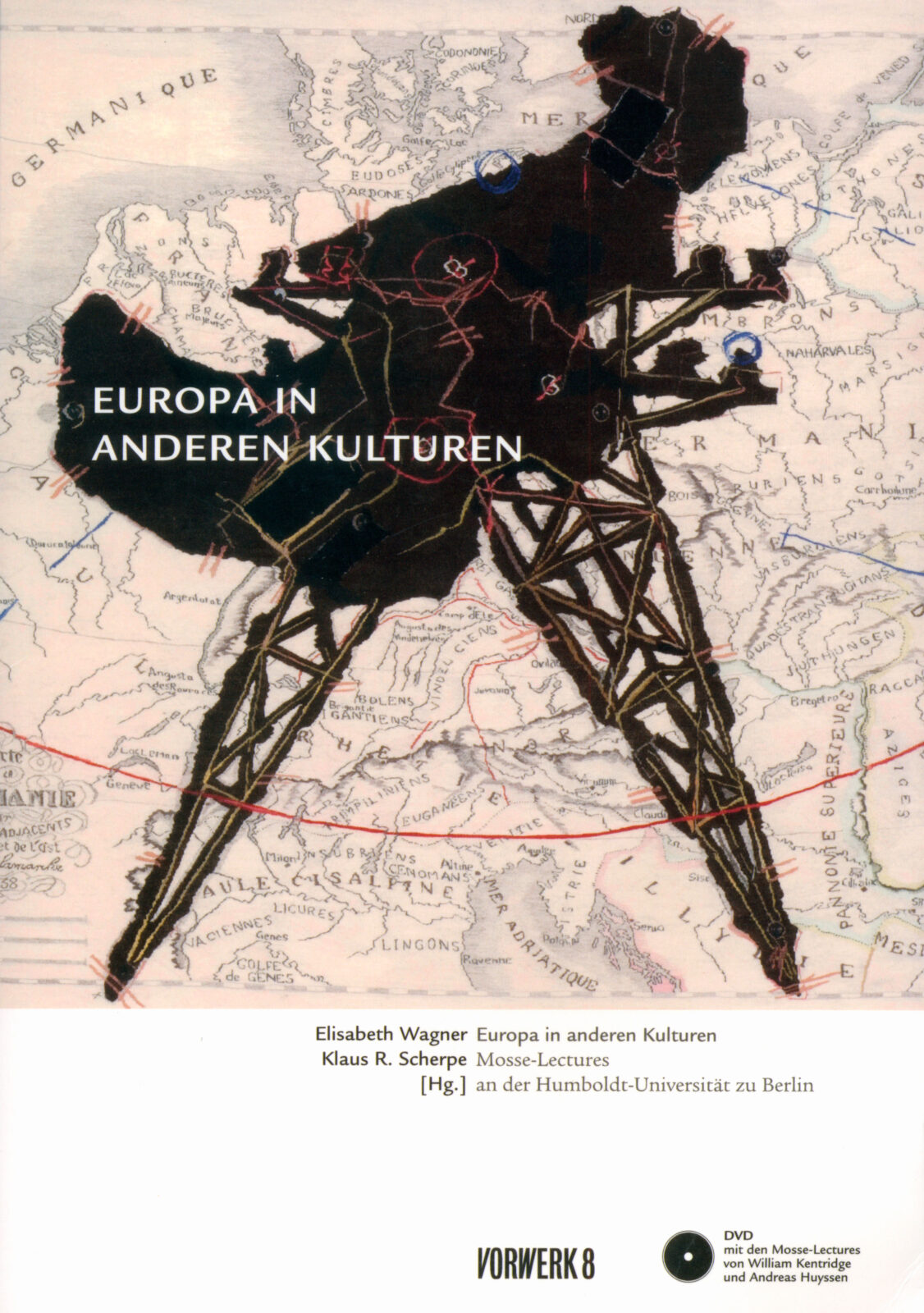
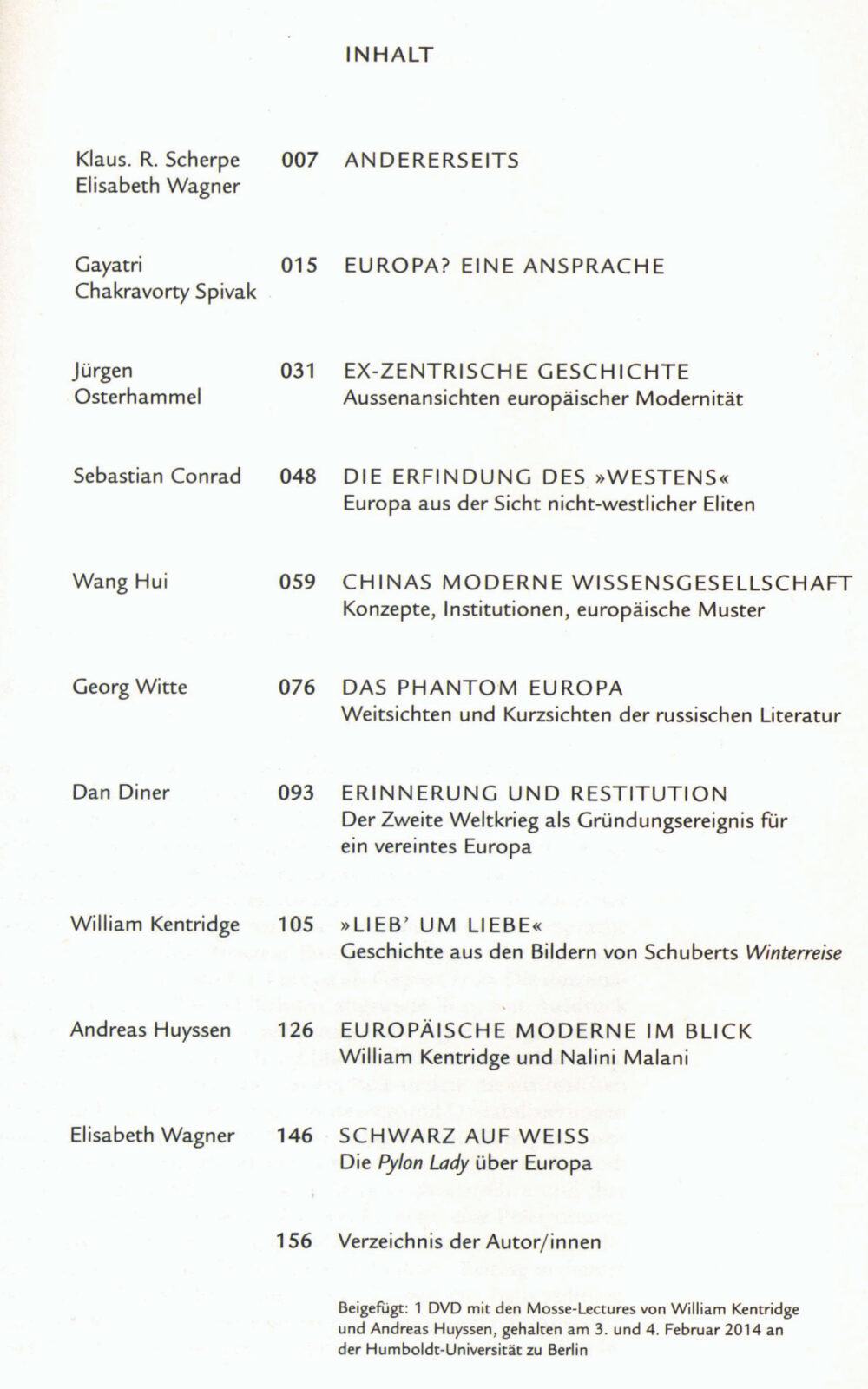
A version of this lecture was published in Elisabeth Wagner, Klaus R. Scherpe, ed. Europa in Anderen Kulturen. Mosse-Lectures an der Humboldt-Universität zu Berlin (Berlin: Vorwerk 8, 2015), 48-58. See table of contents below.
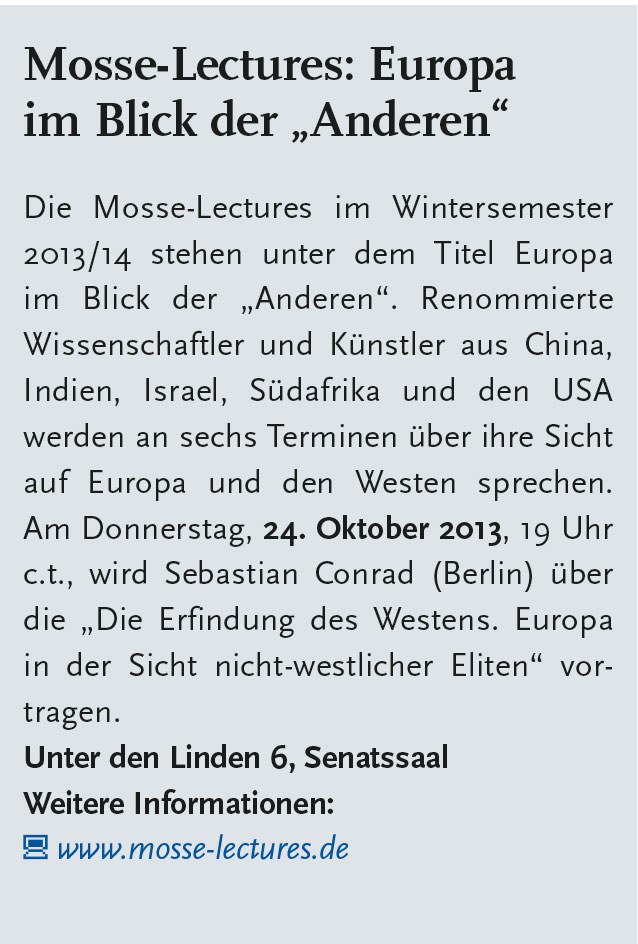
Senatssaal of Humboldt University
Under den Linden 6
1. Stock
10117 Berlin
GERMANY
Sponsored by:
[mosse] LECTURES an der humboldt-universität zu berlin
The Mosse Foundation
Global Mosse Lecture Series
Fritz Thyssen Stiftung
Institut für deutsche Literatur
Humboldt University
Moderator: Ethel Matala de Mazza (Humboldt University)
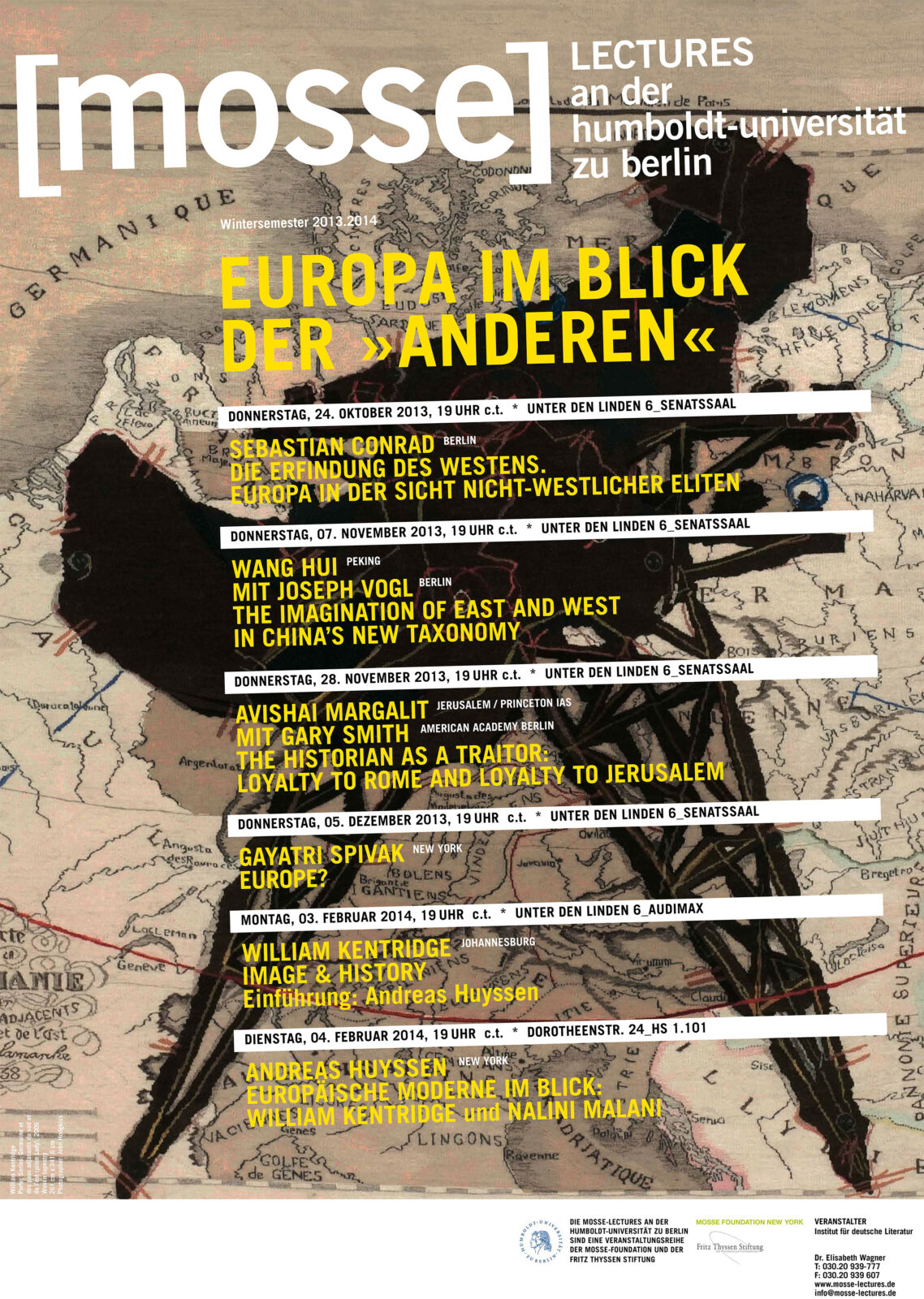
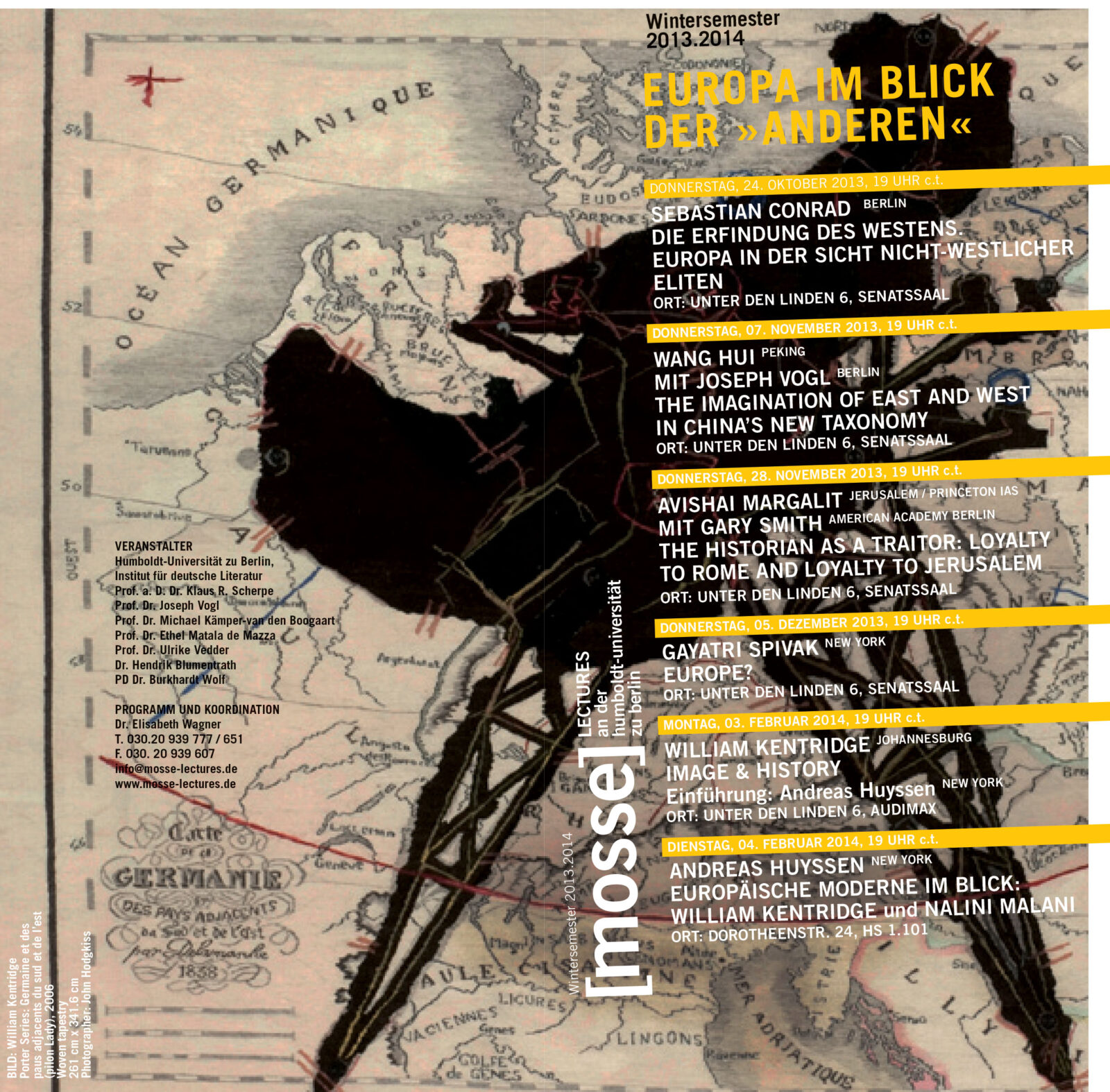
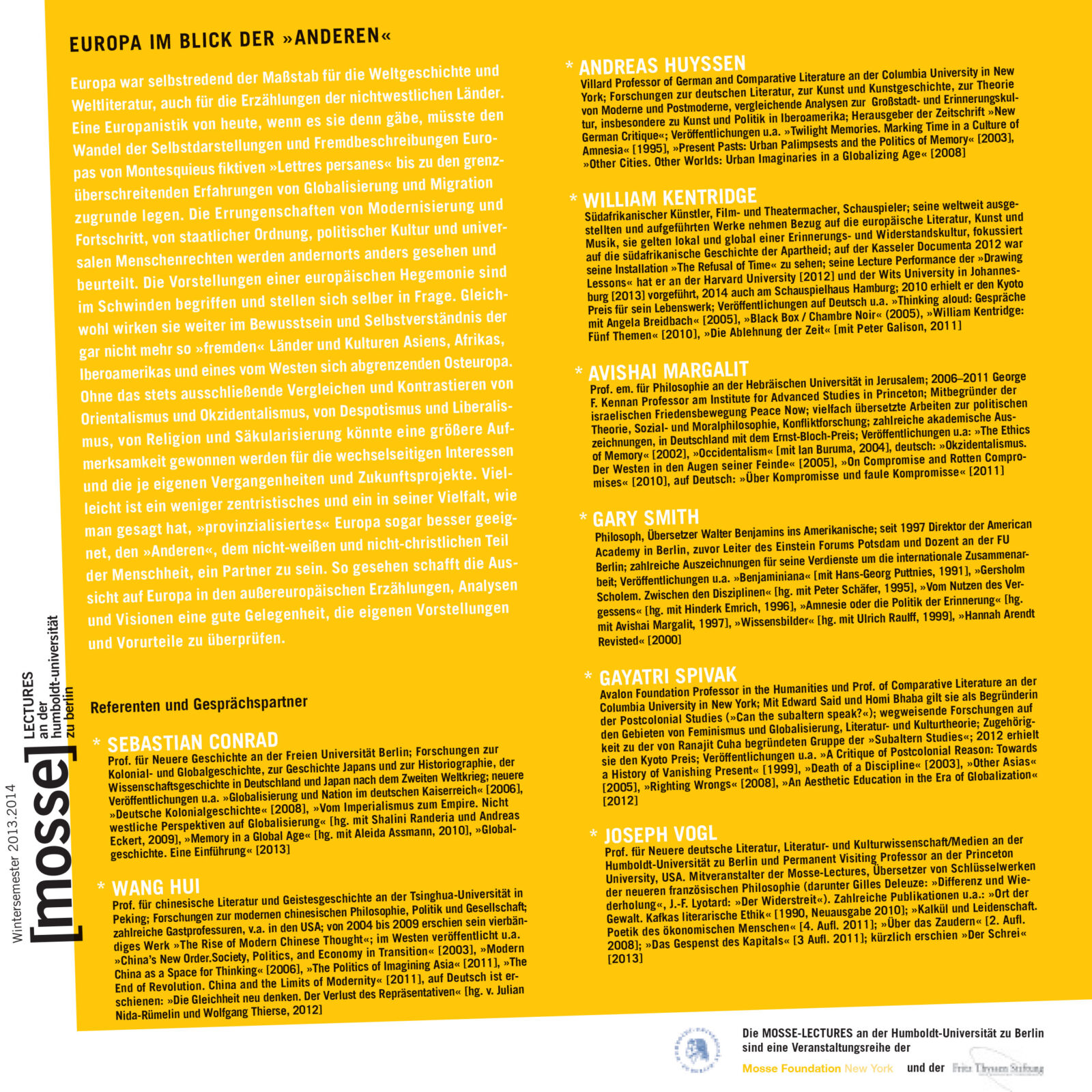
Lecture Description: Wie wird Europa in der Welt wahrgenommen? Wie sieht das Bild Europas – und des »Westens« – in den Gesellschaften Asiens und Afrikas aus? Dass diese Fragen auch in Europa von Bedeutung sind, ist ein relativ neues Phänomen. Der Vortrag unternimmt einen Ausflug in die längeren und tieferen Schichten dieser Beziehung. In der historischen Langzeitperspektive zeigt sich, dass »Europa« als Einheit und zusammenhängendes Konzept nicht nur in Europa selbst hergestellt wurde. Aber auch die Opposition, der Widerstand gegen Europa haben eine lange Geschichte, mit einer ganz eigenen Dynamik. Dabei geht es nicht zuletzt auch um die Chronologie – wie ordnen sich gegenwärtige antiwestliche Impulse in die längere Geschichte der Europa-Beziehungen ein? Erleben wir die Rückkehr des Verdrängten, die Wiederbelebung antiwestlicher Ressentiments, die im Zeitalter des Kolonialismus gesät wurden?
Lecture Series Description: It is taken for granted that Europe has been the measure of world history and world literature. It even appears as such in the narratives of non-Western countries. Any comprehensive study of Europe today would have to ground itself in the transformations of Europe’s self-representations and descriptions in the eyes of the “others” from Montesquieu’s fiction of the “Lettres persanes” up to the present day realities of border crossing globalization and migration. Key European ideas such as modernization and progress, democratic institutions, nation state regimes, political culture and human rights are viewed differently in other places. An overpowering European hegemony has waned in the wake of self-doubt and criticism, but it continues to have an effect on the consciousness and self-conception of other, nowadays perhaps less “alien” countries and cultures in Asia, Africa, Latin America, and an Eastern Europe that insists on its differences from the West. If we could avoid the usual exclusionary comparisons and hostile characterizations – orientalism versus occidentalism, despotism versus liberalism, religion versus secularization – a greater respect for mutual interests and for the very different understandings of the past and the divergent prospects of the future could be gained. Maybe a less Eurocentric and “provincialized” Europe would be more inclined to cooperate with the “others”, the non-white and non- Christian part of mankind. Thus the view of Europe in non-European narratives, analyses and visions will give us ample opportunities to revise our own beliefs and prejudices.
Sebastian Conrad ist Professor für neuere Geschichte an der Freien Universität Berlin; Forschungen zur Kolonial- und Globalgeschichte, zur Geschichte Japans und zur Geschichte der Geschichts-schreibung; neuere Veröffentlichungen u.a. Globalisierung und Nation im deutschen Kaiserreich [2006], Deutsche Kolonialgeschichte [2008], Memory in a Global Age [2010], Globalgeschichte. Eine Einführung [2013].
Ethel Matala de Mazza has been professor of modern German literature at Humboldt University since 2010. She is the author of three monographs, including Der populäre Pakt. Verhandlungen der Moderne zwischen Operette und Feuilleton (Fischer, 2018) and Der verfaßte Körper. Zum Projekt einer organischen Gemeinschaft in der Politischen Romantik (Rombach, 1999). She has served as a visiting professor at Johns Hopkins University, the University of Indiana, Bloomington, and the University of California, Berkeley, Harvard University, and the University of Chicago. She received her terminal degree in German literature at the University of Munich in 2007.
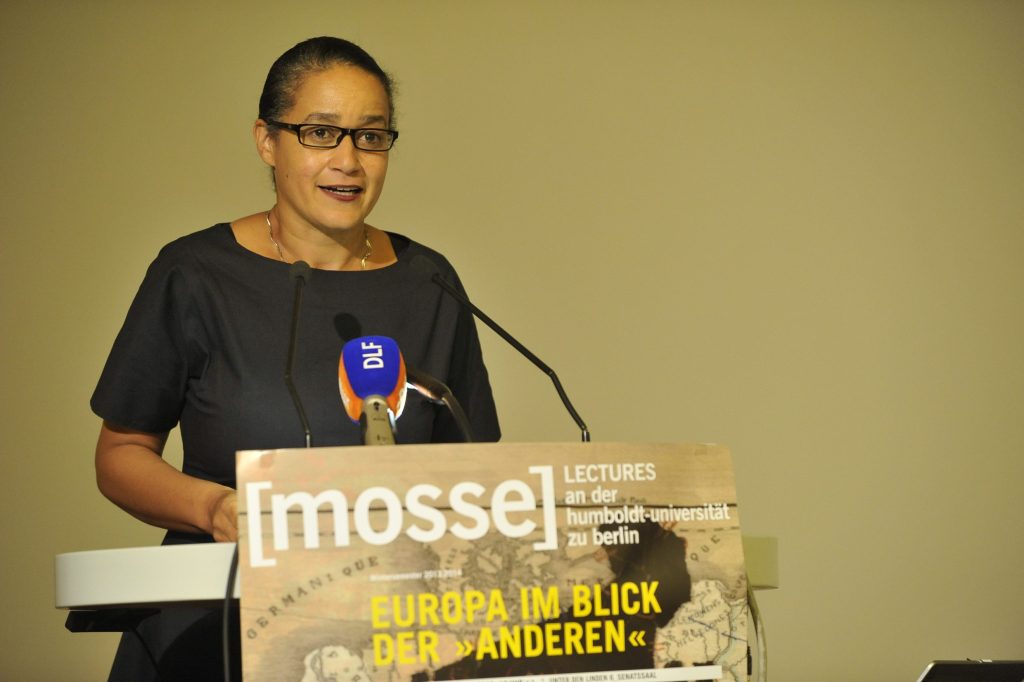
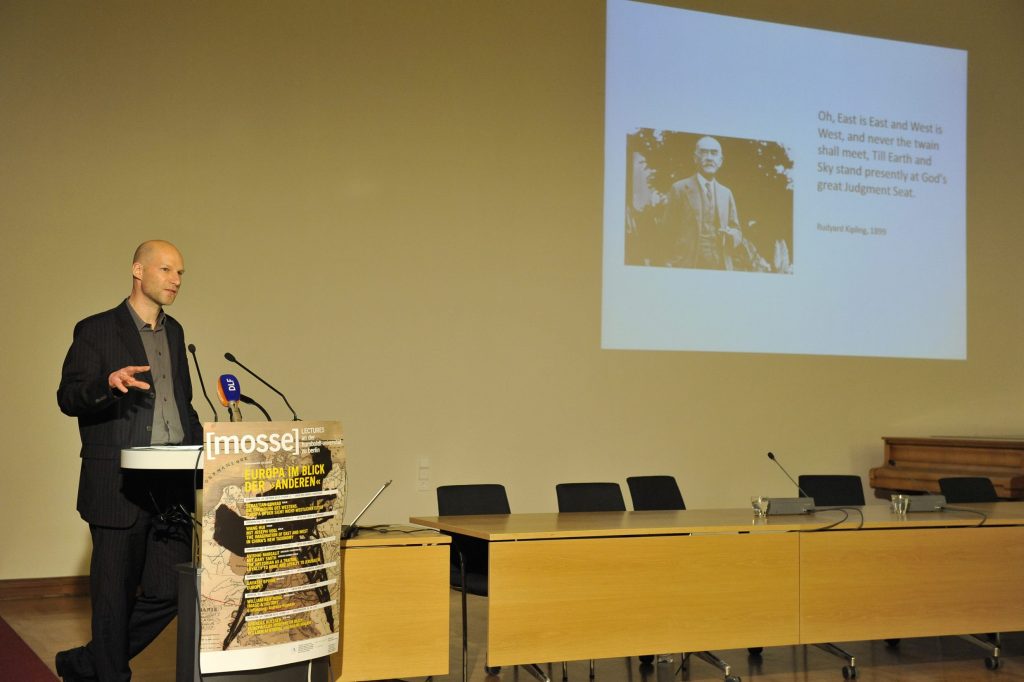
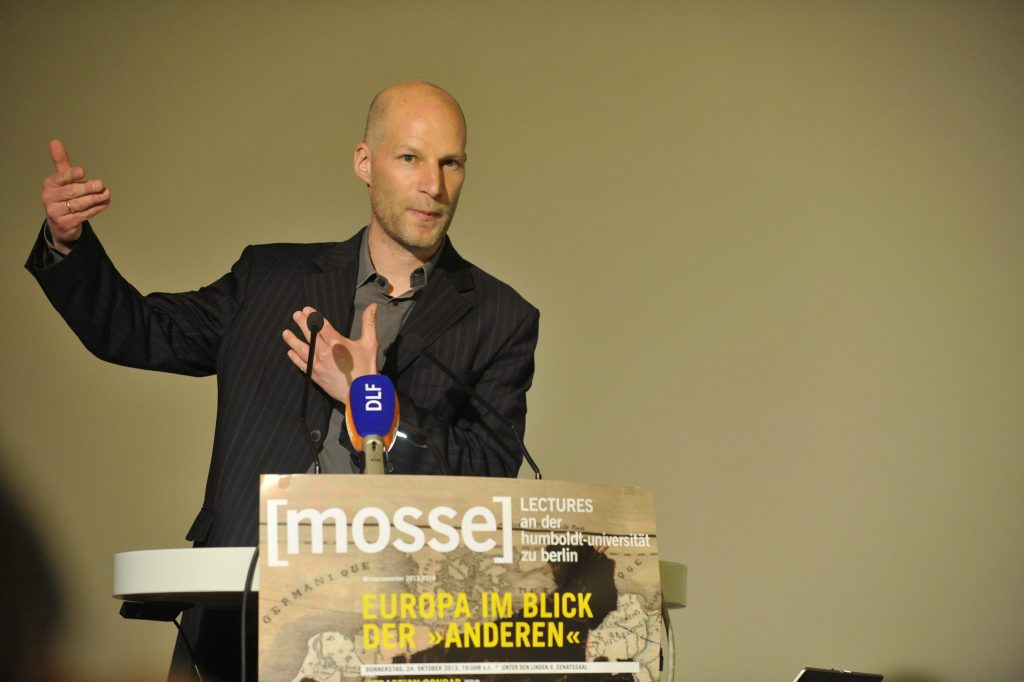
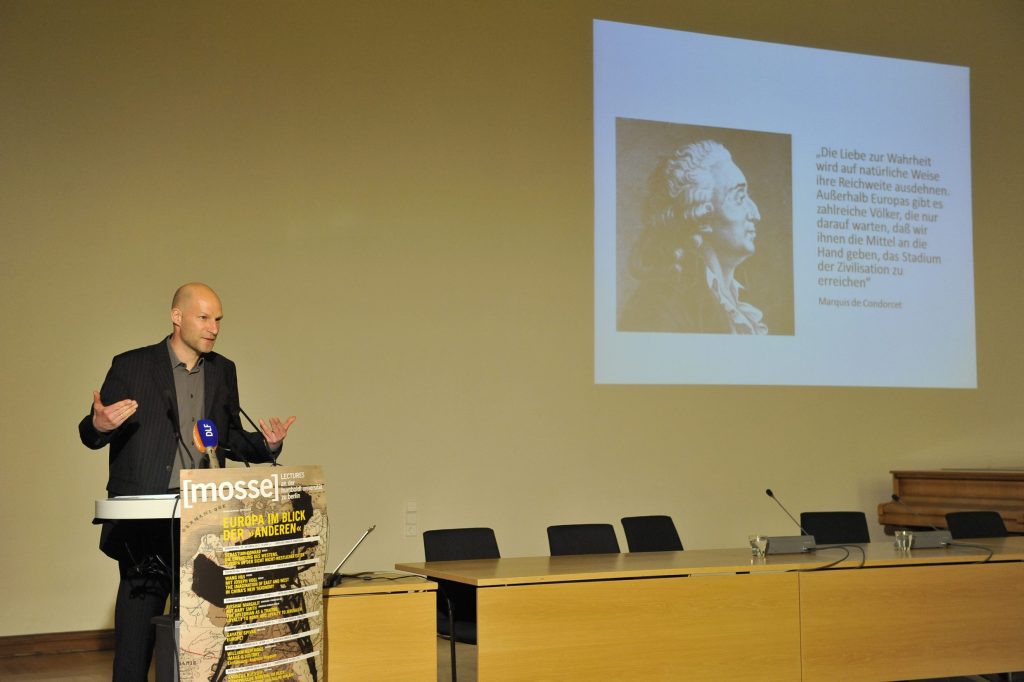
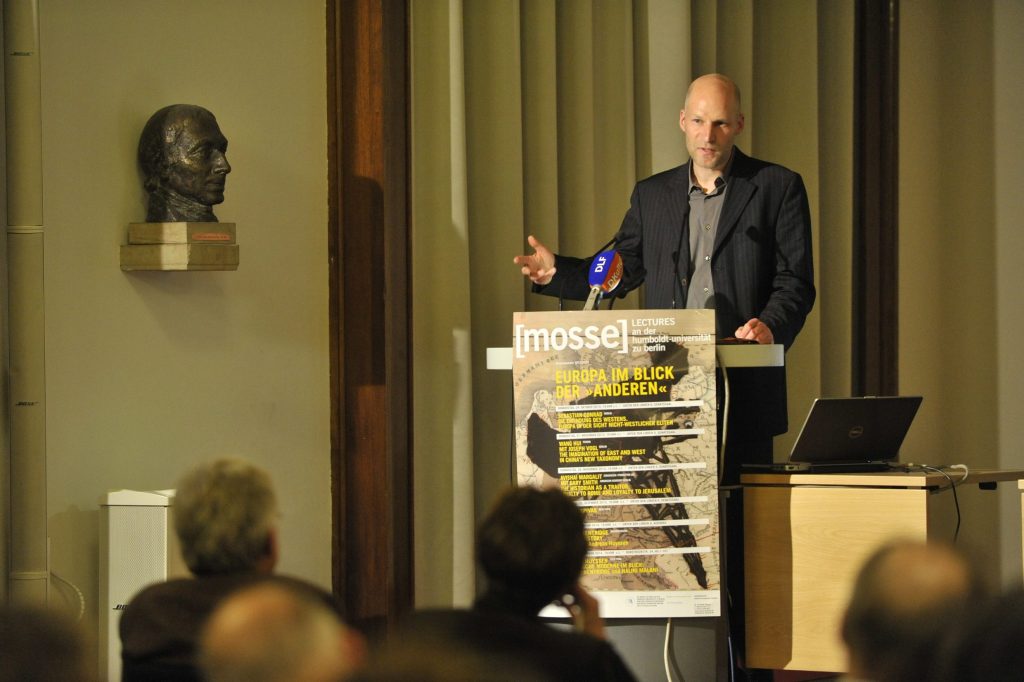
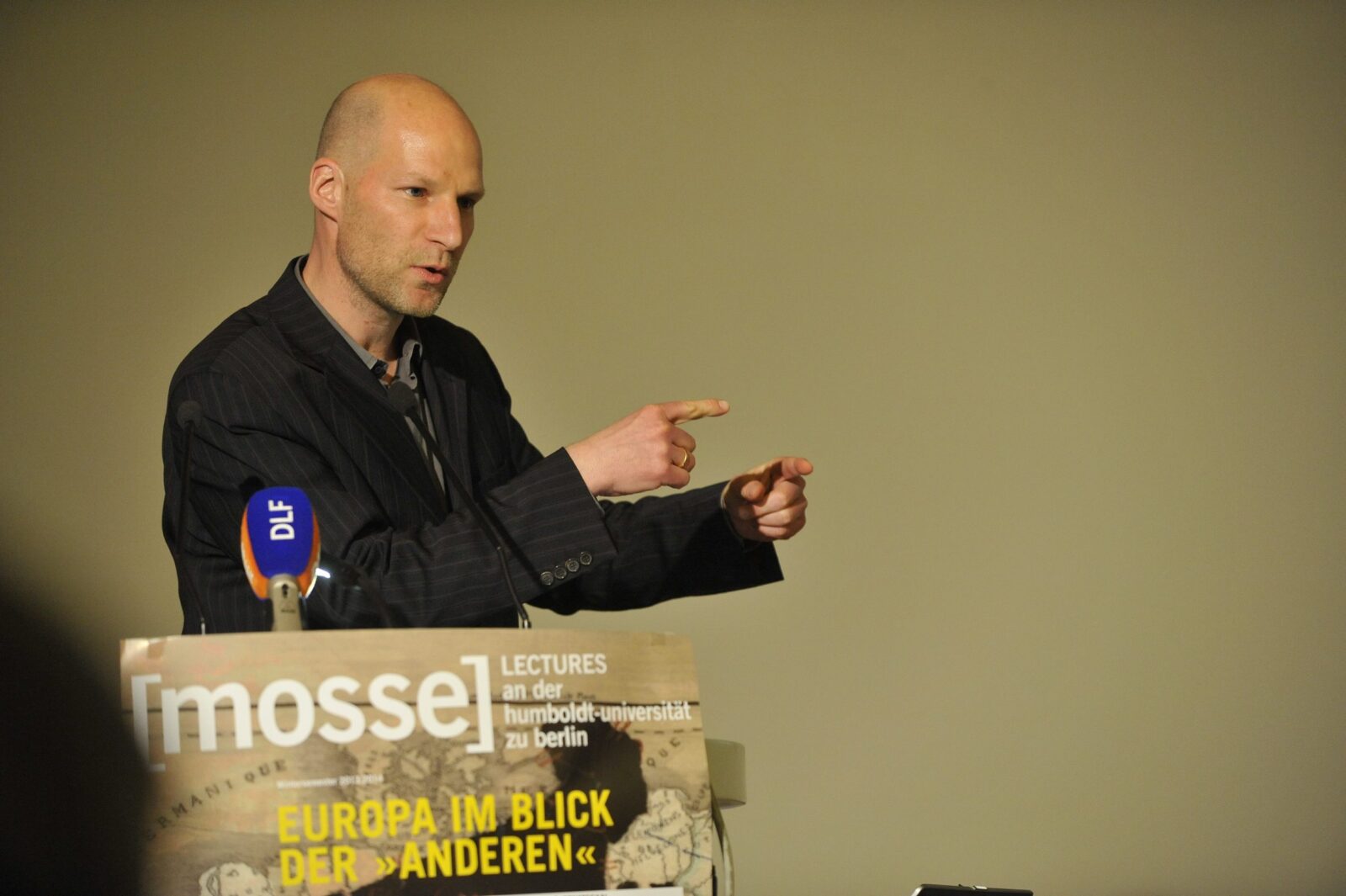
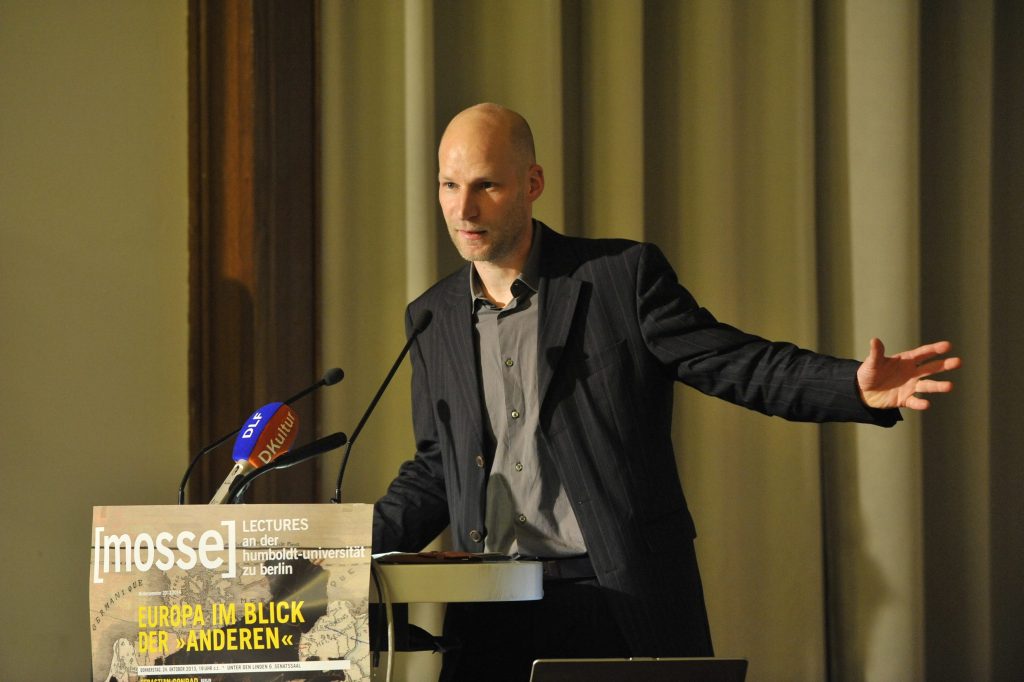
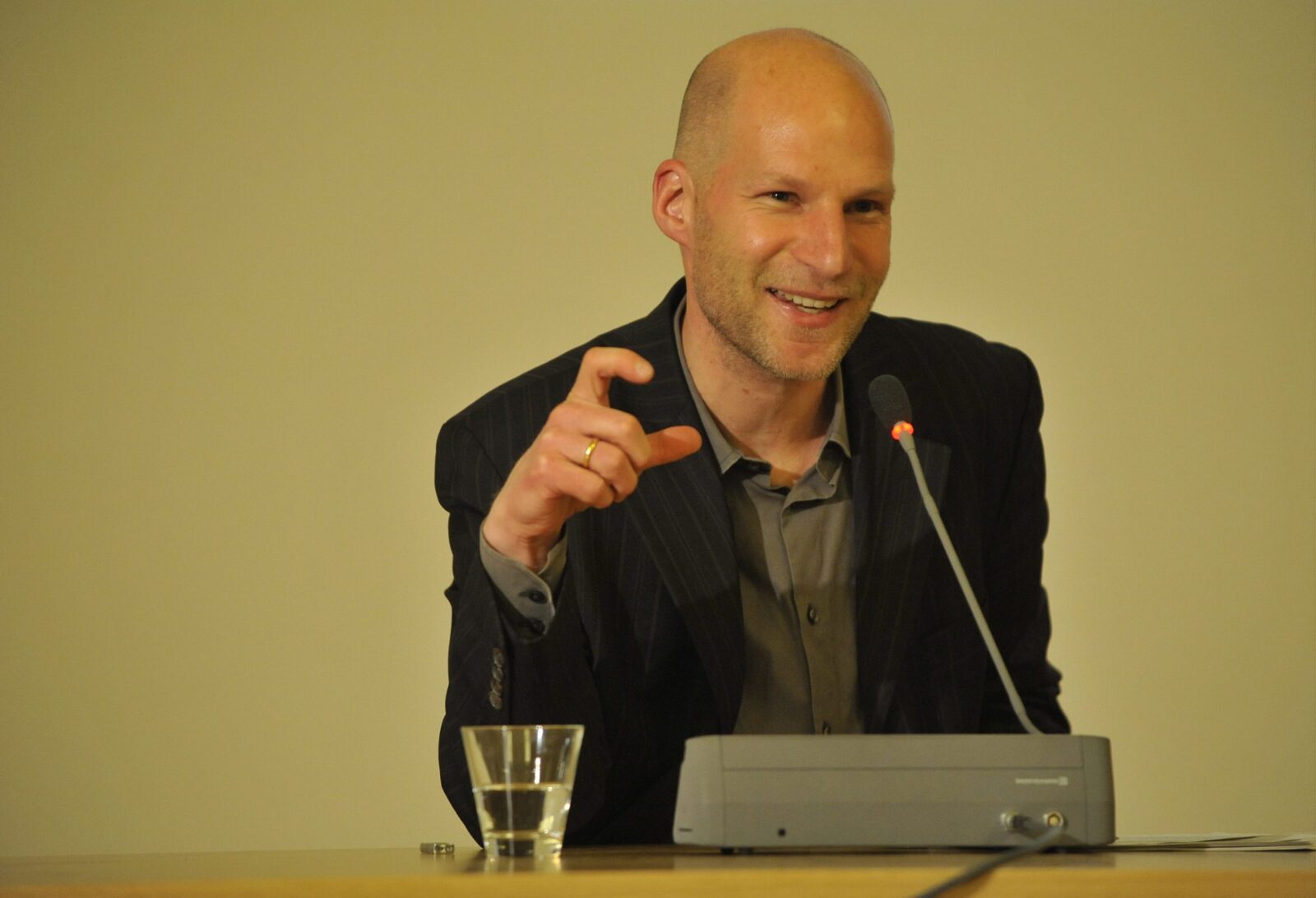
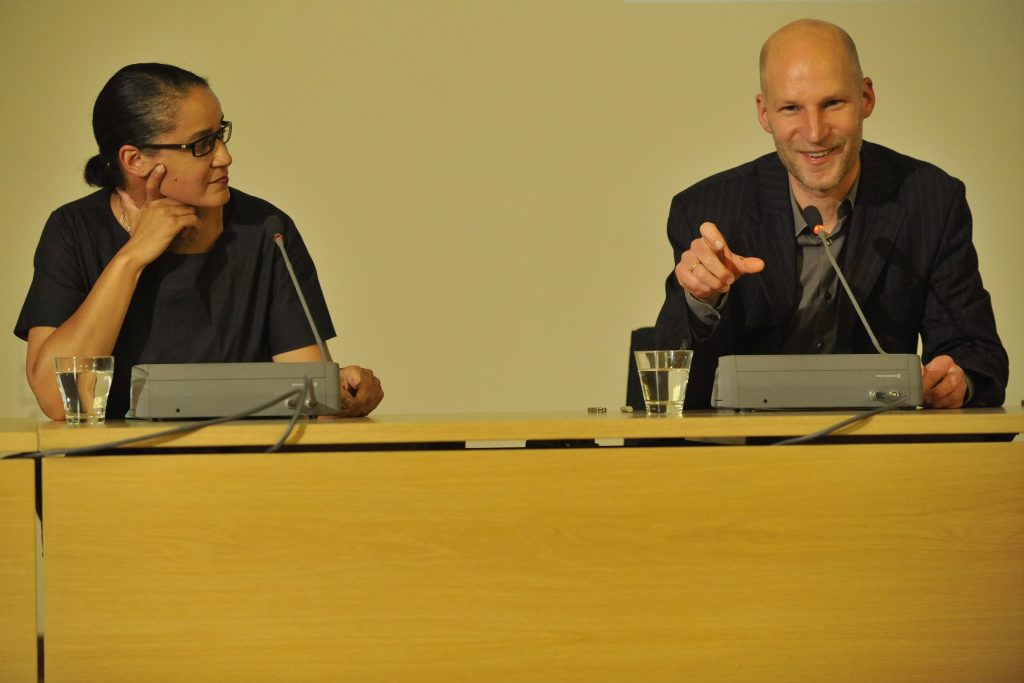
Photo Credit: Niels Leiser for the Mosse Lectures
