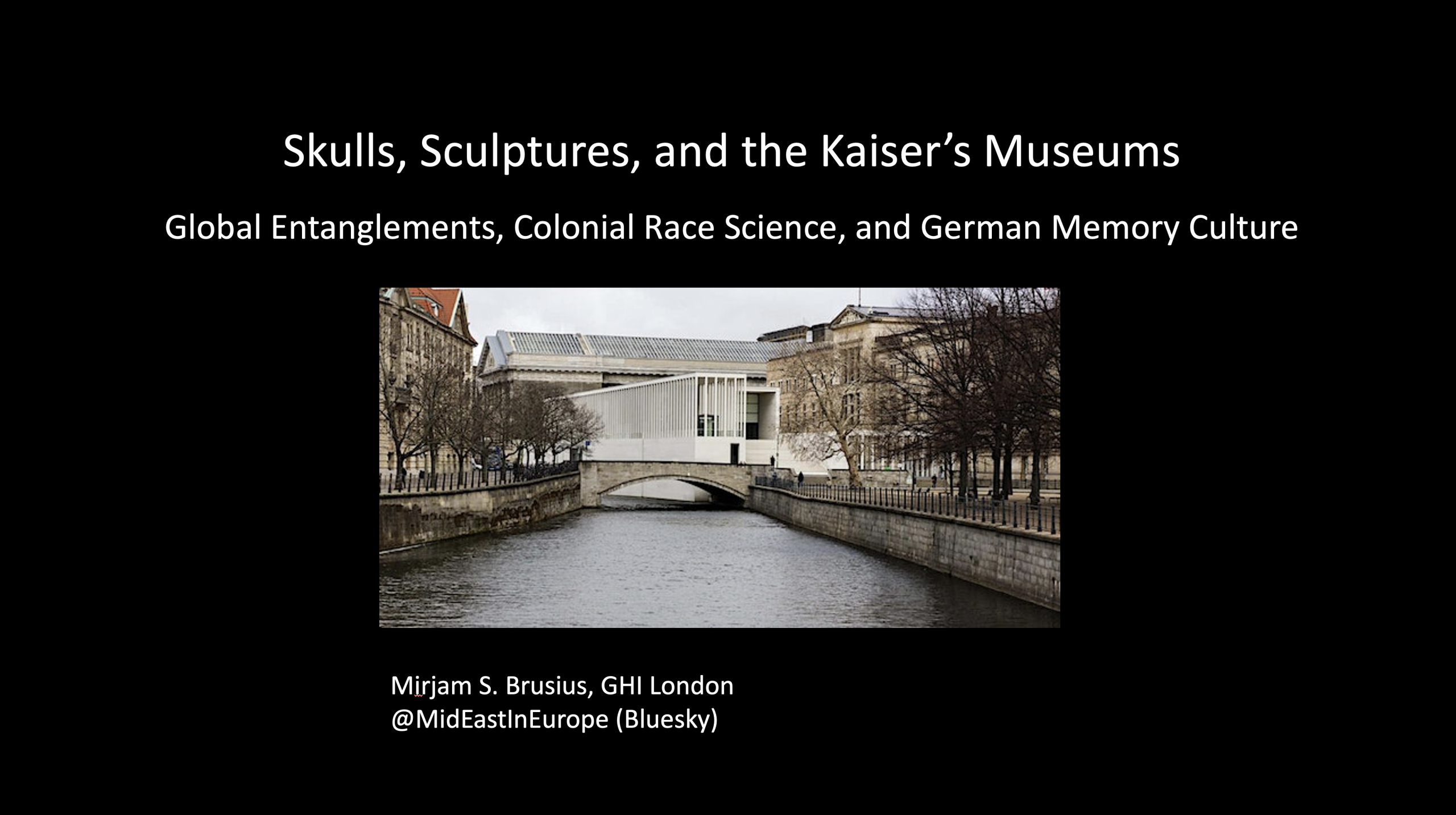
2025: Mirjam Sarah Brusius, “Skulls, Sculptures, and the Kaiser’s Museums: Global Entanglements, Colonial Race Science, and German Memory Culture”
Mirjam Sarah Brusius, “Skulls, Sculptures, and the Kaiser’s Museums: Global Entanglements, Colonial Race Science, and German Memory Culture”
Columbia University Mosse Lecture
mosselectures.wisc.edu/columbia
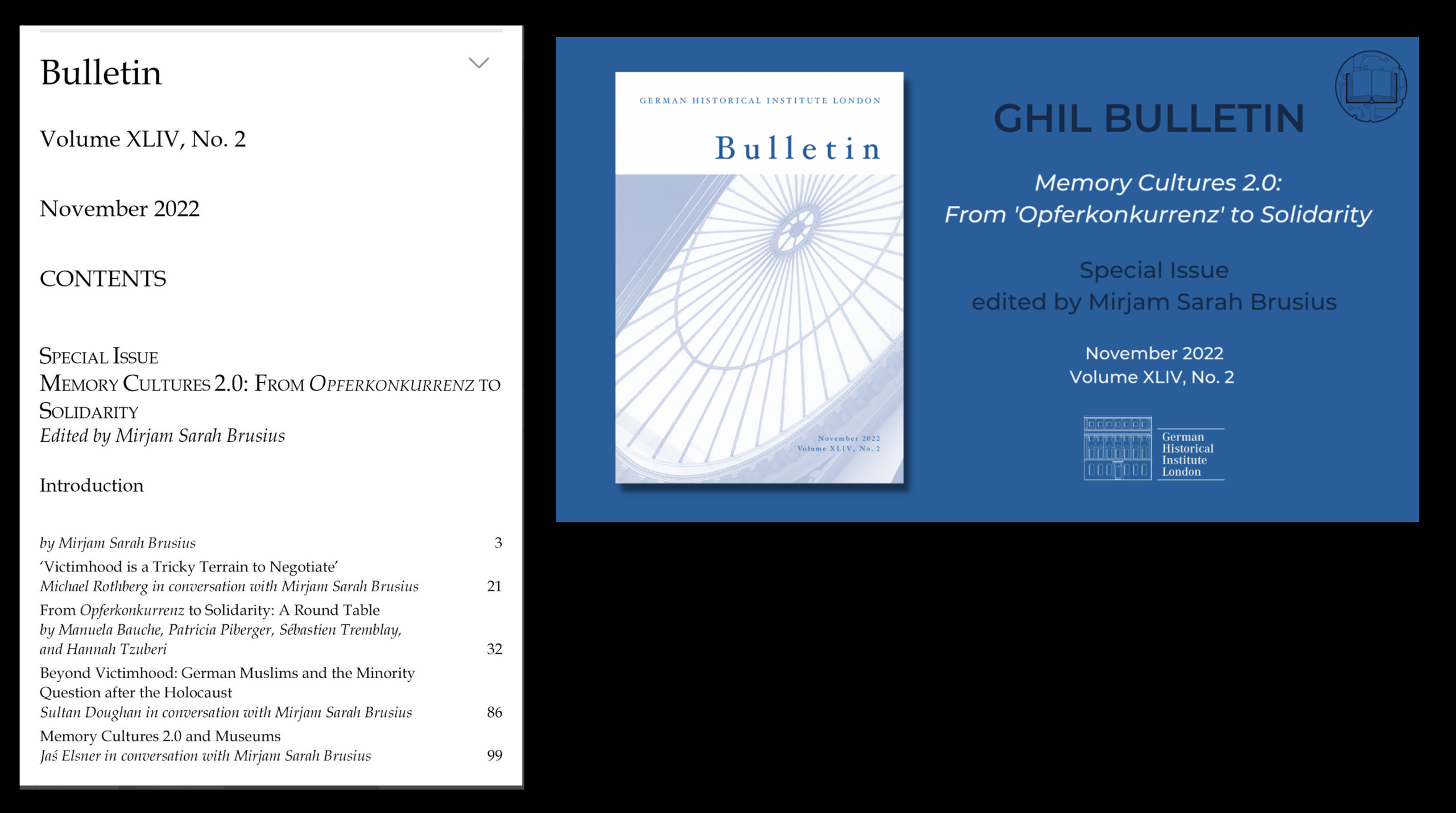
To read more: Mirjam Sarah Brusius, German Historical Institute London Bulletin: Memory Cultures 2.0: From ‘Opfrekonkurrenz’ to Solidarity 44, no. 2 (November 2022): 3-20.
Thursday, March 27th, 2025, 18:00-20:00 EST
Columbia University
Deutsches Haus
420 W. 116th St.
New York, NY 10027
Moderator: Claudia Breger (Columbia University)
Comment: Avinoam Shalem (Columbia University)
Sponsored by:
Global Mosse Lecture Series
The Mosse Foundation
Deutsches Haus
Columbia University Germanic Languages
Columbia University European Institute
Columbia University Institute for Contemporary Literature and Society
Columbia University Middle Eastern, South Asian, and African Studies
Columbia University University Seminar on Cultural Memory
Columbia University Society of Fellows and Heyman Center for the Humanities
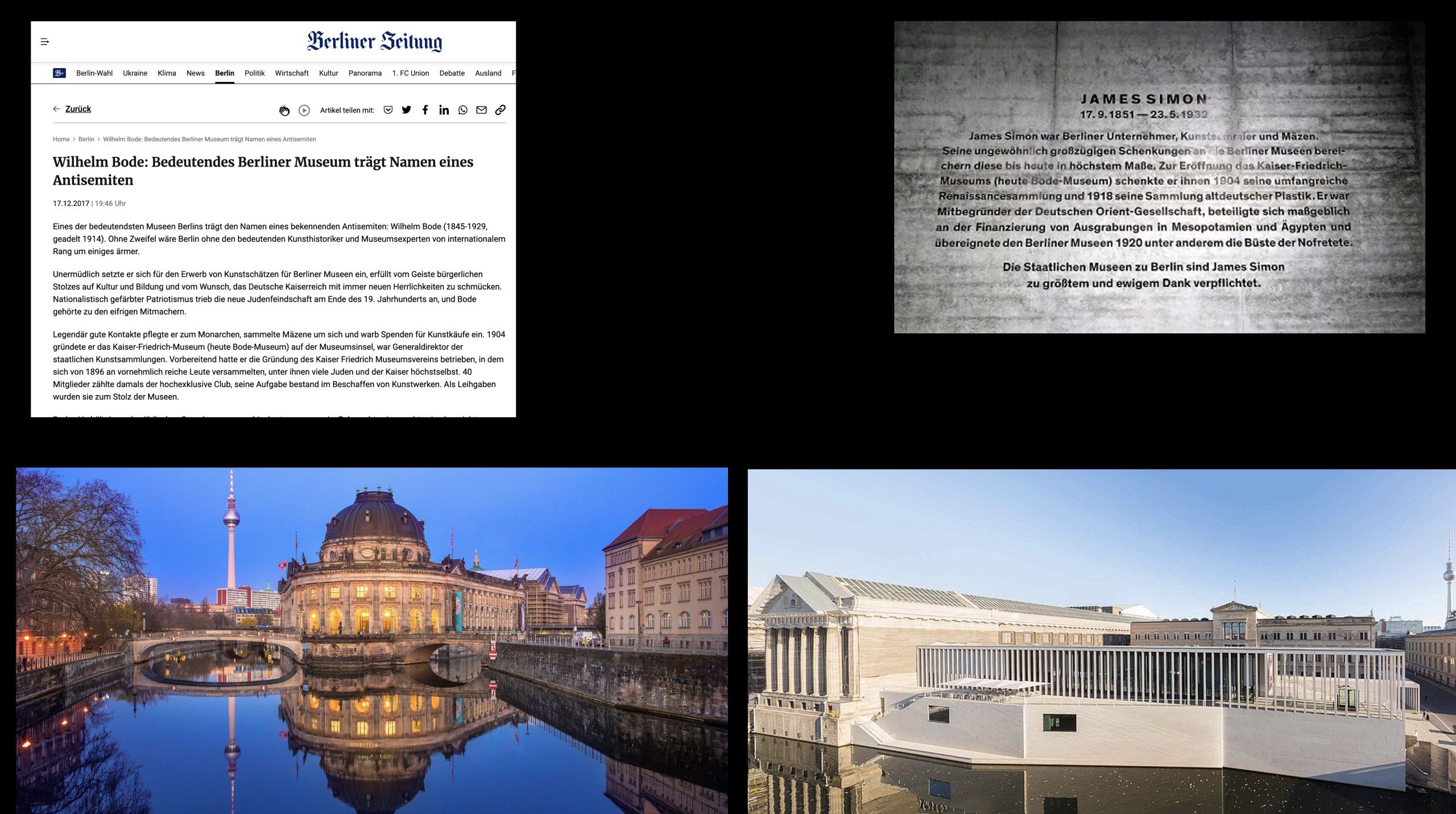
Lecture Description: What can museums tell us about a nation’s self-image? How does Germany approach its colonial past in light of the Holocaust? Berlin’s national museums have become the focus of current debates around repatriation and colonial collections – most visibly those now housed inside the contested Humboldt Forum. But the Humboldt Forum is just the beginning.This talk moves beyond the ethnological collections inside the resurrected Prussian castle in the center of Berlin. It ties recent discussions to other, hitherto neglected sites, such as the seemingly unproblematic antiquity collections from the former Ottoman Empire on Berlin’s Museum Island, and collections of human remains from ‘German East Africa’ held in the storage facilities on the city’s periphery. How were all these collections entangled not only with each other but also with global networks of trade, material extraction and exploitative labour? In the late nineteenth century, these collections were furthermore exploited to consolidate triumphalist narratives of ‘Western civilization’ and human history – not least by providing the raw materials for a new form of ‘scientific’ antisemitism and racism that developed around 1900 onwards: with fatal consequences in the twentieth century. In spite of these problematic legacies, however, Berlin’s urban center still reflects an imperial mindset in the wake of an affirmative monumentalization of the Wilhelmine era. This tells us as much about race and memory politics in Germany today.
Following the lecture, Mirjam Brusius will be joined in conversation by Professor Avinoam Shalem, Riggio Professor of the History of the Arts of Islam (Columbia University). A reception will conclude the evening.
This event is free and open to the public.
Lecture Series Description: Each year the annual Mosse Lecture, presented by the Columbia Department of Germanic Languages, seeks to honor the legacy of the progressive Mosse publishing house founded by Rudolf Mosse, which helped to shape the democratic public sphere during the German Weimar Republic. Descendants of the Mosse Family include Prof. George L Mosse, the acclaimed historian of fascism, Dr. Hilde L. Mosse, a distinguished child psychiatrist who worked with Harlem children suffering from reading disabilities, Hans Strauch, an accomplished architect, and Roger Strauch, a successful high technology entrepreneur and venture capitalist. Hans and Roger co-lead The Mosse Foundation’s efforts to sustain and promote the Mosse Family’s philanthropic legacy to support distinguished educational, research, health, and arts institutions and progressive causes.
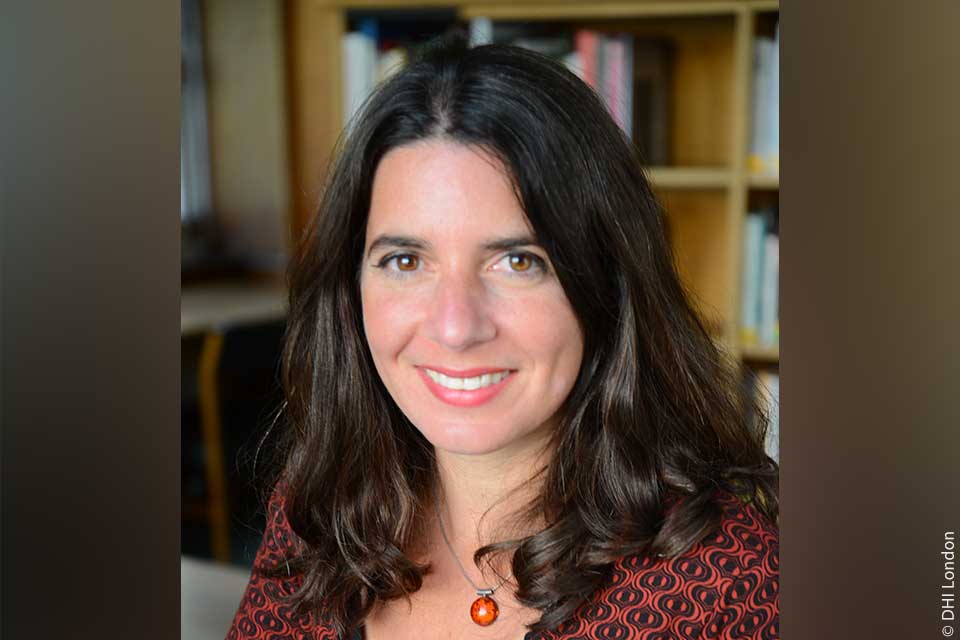
Brusius’ work centres on the material biographies of empire and on the entangled processes of preservation and destruction that shape heritage politics today. She is especially interested in museum storage as a critical site of knowledge production, loss, and ethical contestation. Across her work, she seeks to develop frameworks that move beyond Western epistemologies and to translate academic research into critical museum practice and public history. She is a Fellow of the Royal Historical Society, an alumna of the Global Young Academy, and a member of ICOM and MuseumDetox. Brusius is also a regular contributor to national and international media and can be found on Bluesky at @MidEastInEurope.
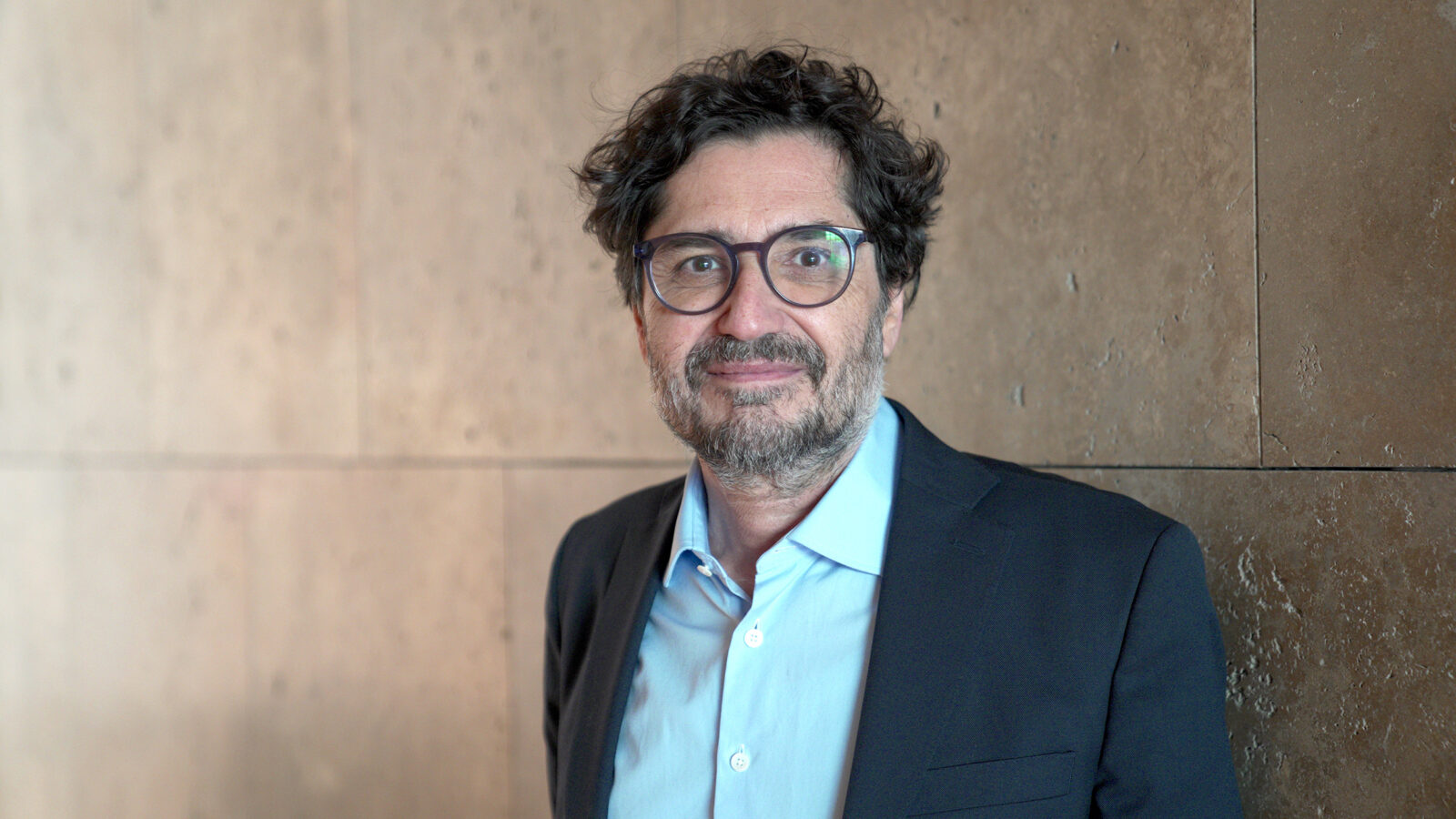
Shalem’s main fields of interest concern the global context of the visual cultures of the world of Islam in the Mediterranean, medieval aesthetic thoughts on visual arts and craftsmanship, and the making of the image of ‘Islamic’ art as well as the modern historiography of the field. He has published extensively on medieval Islamic, as well as on Jewish and Christian art. Professor Shalem is the author and editor of thirteen books and numerous articles. His current book project, “When Nature Becomes Ideology”, critically explores the varied approaches of ‘scaping’ and curating the rural landscape of Palestine after 1947.
Shalem acted as the initiator of the series of exhibitions Changing Views held in Munich in 2010/2011, co-curated the exhibition The Future of Tradition: the Tradition of Future in Haus der Kunst in Munich in 2010, directed (with Gerhard Wolf and Hannah Baader) the international, Getty-supported project Art Space and Mobility in the Early Ages of Globalization: The Mediterranean, Central Asia and the Indian Subcontinent 400-1650, and is currently running the research project Black Mediterranean/ Mediterraneo Nero – Artistic Encounters and Counter-narratives/ Incontri artistici e contronarrazioni, as part of the Getty Foundation’s Connecting Art Histories initiative (a joint project with Alina Payne, Villa I Tatti, Harvard University Center for Italian Renaissance Studies in Florence).
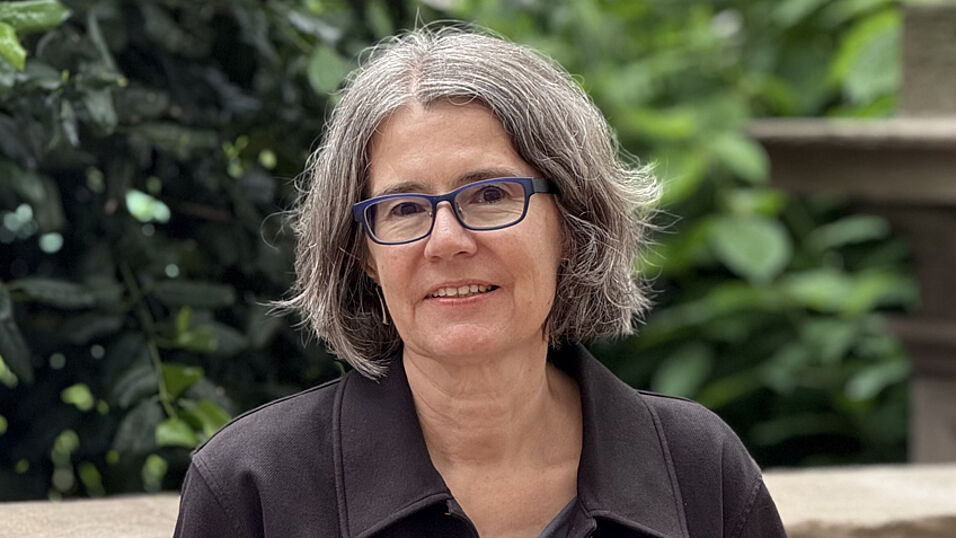
She is particularly interested in combining theory with historical perspectives, and cultural studies approaches with aesthetic inquiries and close reading practices. Her earliest book, Ortlosigkeit des Fremden (1998), traces the genealogy of modern representations of Romani and other itinerant people at the intersection of race and gender around 1800. Prof. Breger’s second book, Szenarien kopfloser Herrschaft (2004), investigates reconfigurations of royal imaginaries beyond sovereignty in twentieth-century German culture, in scenarios ranging from imperial Egyptology to queer drag king performances. More recent book publications include An Aesthetics of Narrative Performance: Transnational Theater, Literature and Film in Contemporary Germany (2012) and Making Worlds: Affect and Collectivity in Contemporary European Cinema (2020). She is currently completing a book manuscript that rethinks political aesthetics in a dialogue between twentieth-century Critical Theory and contemporary perspectives in new materialism and Actor-Network-Theory, affect, queer, and Black radical theory.