
2024: Samantha Harvey, “Brain on Fire: Insomnia and Sleepwriting”
Samantha Harvey, “Brain on Fire: Insomnia and Sleepwriting”
Humboldt University Berlin Mosse Lecture
mosselectures.wisc.edu/berlin/
Thursday, 25 January 2024, 19:15 CET
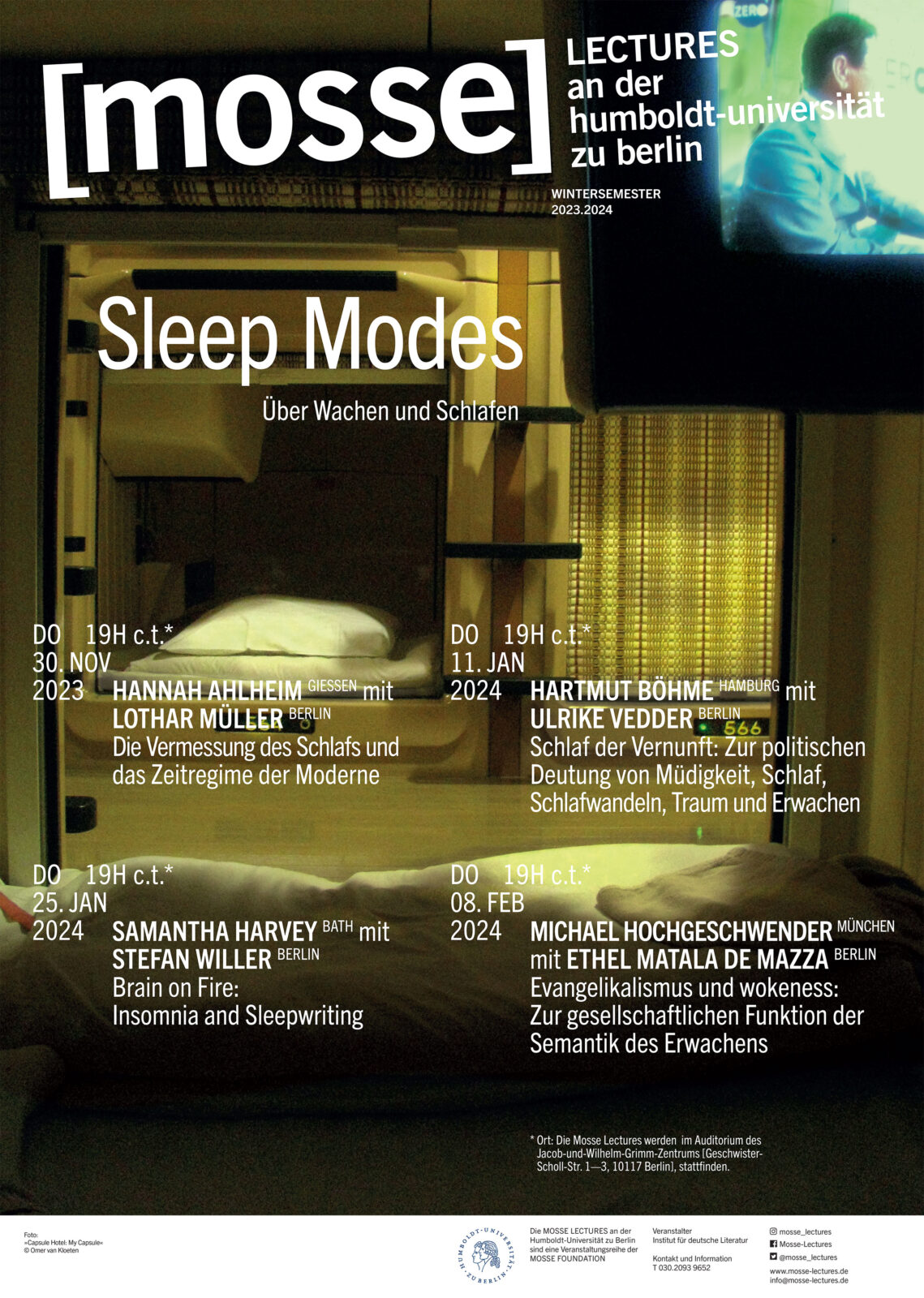
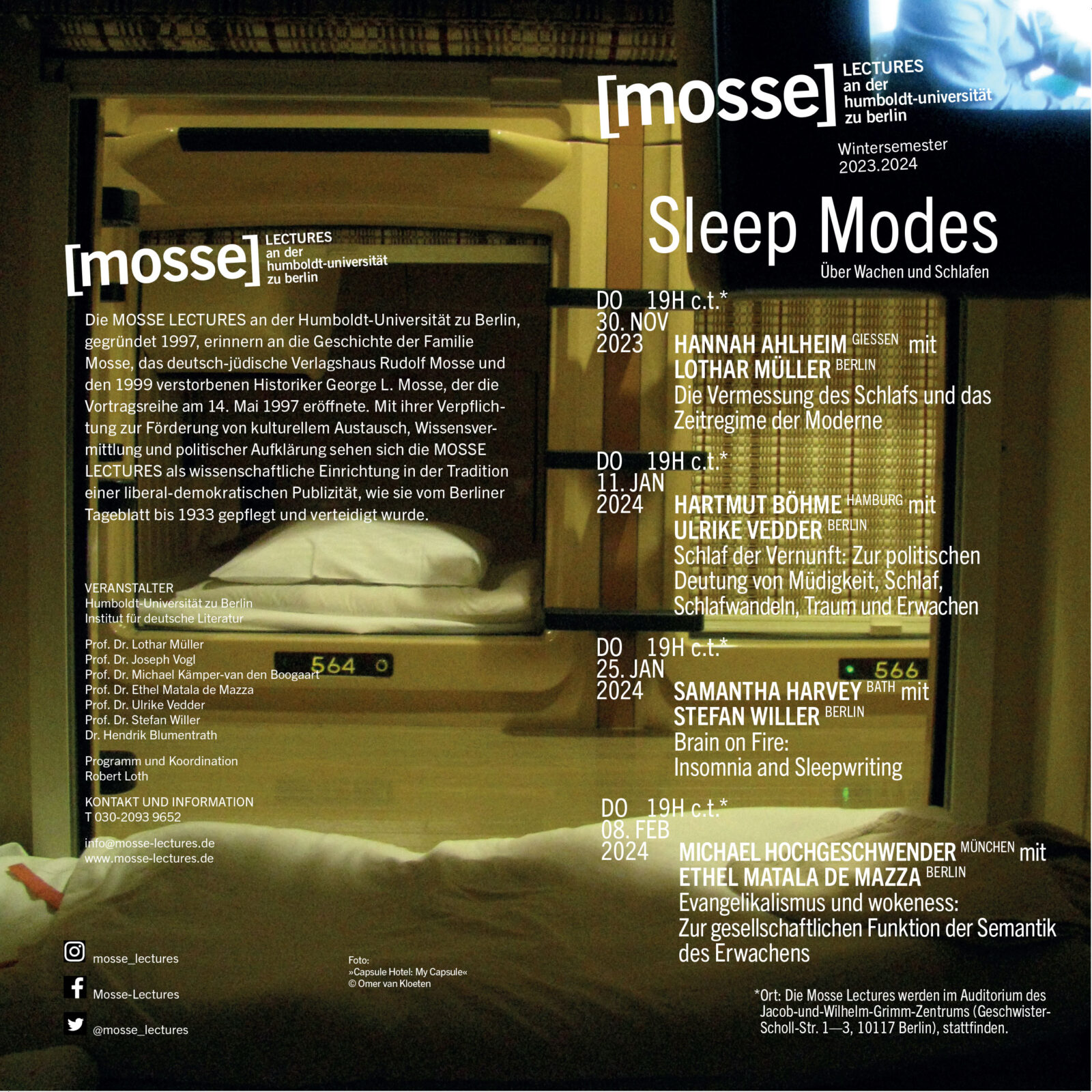
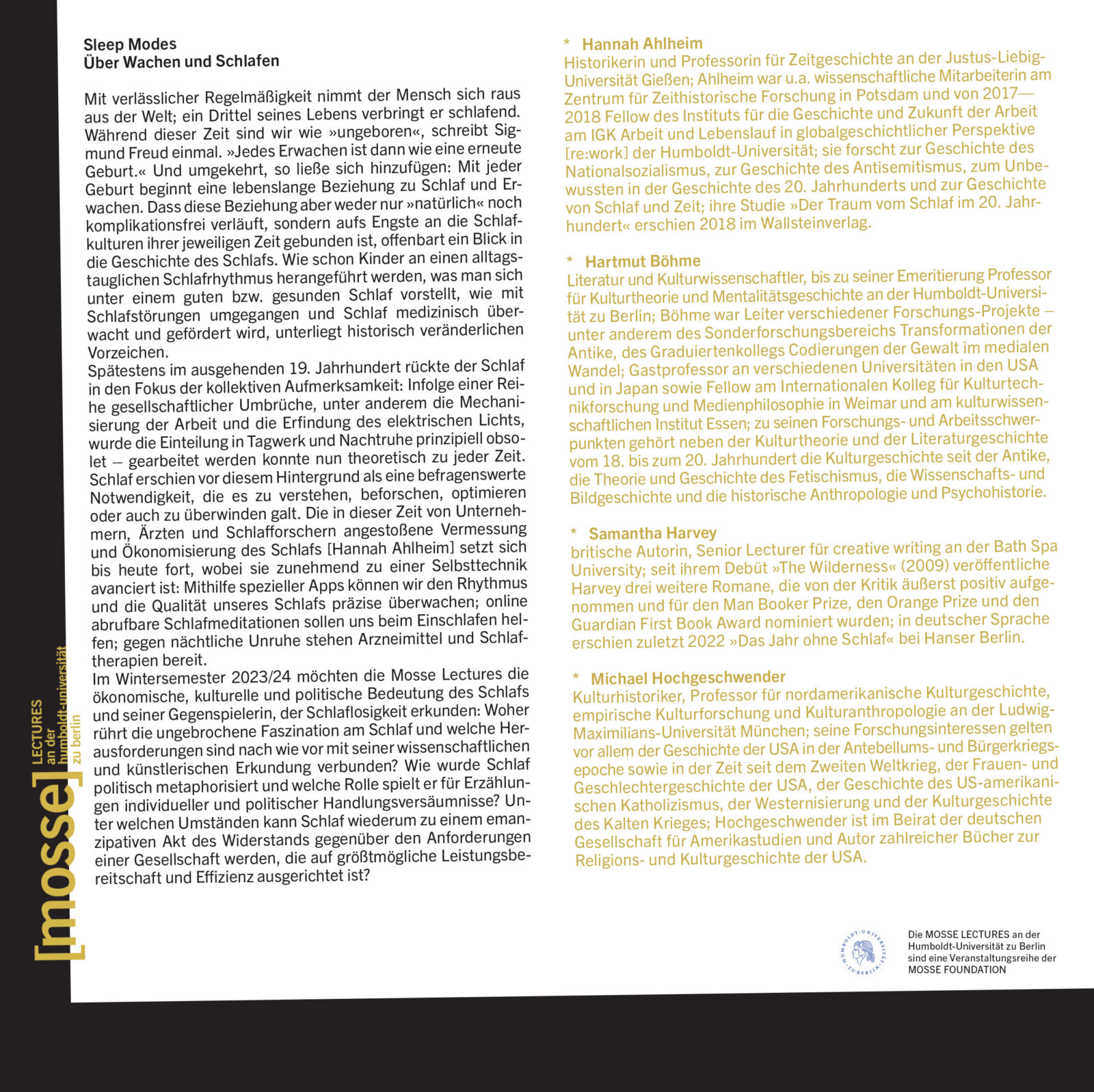
Auditorium of the Jacob-und-Wilhelm-Grimm-Zentrum
Geschwister-Scholl-Str. 1-3
10117 Berlin
GERMANY
Sponsored by:
[mosse] LECTURES an der humboldt-universität zu berlin
The Mosse Foundation
Global Mosse Lecture Series
Institut für deutsche Literatur
Humboldt University
Moderator: Stefan Willer (Humboldt University)
Lecture Description: So much has been said and written about the connection between insomnia and creativity, and these discussions often centred on a one-way causal connection: that creativity is a cause of insomnia. ‘I believe this sleeplessness comes only because I write,’ Kafka said in his Diaries. This in turn gives rise to lists of artists and writers who’ve suffered sleeplessness, and much anecdotal posturing around what the novelist Marie Darrieussecq calls ‘the fantasy of the chosen’ – the notion that insomnia is somehow symptomatic of a more than usually astute, alert and elevated mind; a mind awake in all senses. But what of the reverse connection between insomnia and creativity? Not that or if or why creativity causes insomnia, but rather insomnia’s impact on creativity. What does sleep deprivation do to the act of artistic creation? What part does writing, in particular, play in the insomniac’s life – what is it to write with one’s brain on fire?
This lecture looks at what could be thought of as sleepwriting – writing in the twilight zone of extreme sleep deprivation, writing as a substitute for sleeping. Can writing be a form of lucid dreaming, a surrogate for what is lacking during wakeful nights? A way, perhaps, of expressing and sorting subconscious processes; a means of sanity, and a route back to life, to feeling alive?
We explore this domain of sleepwriting to question how sleeplessness urges and alters a writer’s creativity, what is lost when sleep is insufficient or absent, and what there is to be found.
Lecture Series Theme: Sleep Modes. Über Wachen und Schlafen./Sleep Modes. On Waking and Sleeping.
Lecture Series Description: With reliable regularity, humans take themselves out of the world; they spend a third of their lives asleep. During this time, we are like “unborn,” Sigmund Freud once wrote. “Every awakening is then like a new birth.” And vice versa, it might be added: With each birth begins a lifelong relationship with sleep and awakening. A look into the history of sleep reveals that this relationship is neither “natural” nor free of complications, but is closely related to the sleep cultures of their times. How children are introduced to a sleep rhythm suitable for everyday life; what is imagined by good or healthy sleep; how sleep disorders are dealt with, and how sleep is medically monitored and promoted, has varied historically.
Since the late 19th century, sleep has become the focus of collective attention. Developments such as the mechanization of work and the invention of electric light abolished the traditional division into daytime work and nighttime rest – work could now theoretically be done at any time. In this context, sleep appeared to be a questionable necessity that needed to be understood, researched, optimized or even overcome. The surveying and economization of sleep initiated at this time by entrepreneurs, doctors and sleep researchers continues to this day and has increasingly become a self-technique: with the help of special apps, we can precisely monitor the rhythm and quality of our sleep; sleep meditations are designed to help us fall asleep; medicines and sleep therapies are available for nocturnal restlessness.
In the winter term 2023/24, the Mosse Lectures will explore the economic, cultural, and political significance of sleep and its counterpart, insomnia: Where does the unbroken fascination with sleep stem from, and what challenges are still associated with its scientific and artistic exploration? How has sleep been politically metaphorized and what role does it play in narratives of individual and political passivity? Under which circumstances can sleep become an emancipatory act of resistance to the demands of a society focused on maximizing performance and efficiency?
Mit verlässlicher Regelmäßigkeit nimmt der Mensch sich raus aus der Welt; ein Drittel seines Lebens verbringt er schlafend. Während dieser Zeit sind wir wie „ungeboren“, schreibt Sigmund Freud einmal. „Jedes Erwachen ist dann wie eine erneute Geburt.“ Und umgekehrt, so ließe sich hinzufügen: Mit jeder Geburt beginnt eine lebenslange Beziehung zu Schlaf und Erwachen. Dass diese Beziehung aber weder nur „natürlich“ noch komplikationsfrei verläuft, sondern aufs Engste an die Schlafkulturen ihrer jeweiligen Zeit gebunden ist, offenbart ein Blick in die Geschichte des Schlafs. Wie schon Kinder an einen alltagstauglichen Schlafrhythmus herangeführt werden, was man sich unter einem guten bzw. gesunden Schlaf vorstellt, wie mit Schlafstörungen umgegangen und Schlaf medizinisch überwacht und gefördert wird, unterliegt historisch veränderlichen Vorzeichen.
Spätestens im ausgehenden 19. Jahrhundert rückte der Schlaf in den Fokus der kollektiven Aufmerksamkeit: Infolge einer Reihe gesellschaftlicher Umbrüche, unter anderem die Mechanisierung der Arbeit und die Erfindung des elektrischen Lichts, wurde die Einteilung in Tagwerk und Nachtruhe prinzipiell obsolet – gearbeitet werden konnte nun theoretisch zu jeder Zeit. Schlaf erschien vor diesem Hintergrund als eine befragenswerte Notwendigkeit, die es zu verstehen, beforschen, optimieren oder auch zu überwinden galt. Die in dieser Zeit von Unternehmern, Ärzten und Schlafforschern angestoßene Vermessung und Ökonomisierung des Schlafs (Hannah Ahlheim) setzt sich bis heute fort, wobei sie zunehmend zu einer Selbsttechnik avanciert ist: Mithilfe spezieller Apps können wir den Rhythmus und die Qualität unseres Schlafs präzise überwachen; online abrufbare Schlafmeditationen sollen uns beim Einschlafen helfen; gegen nächtliche Unruhe stehen Arzneimittel und Schlaftherapien bereit.
Im Wintersemester 2023/24 möchten die Mosse Lectures die ökonomische, kulturelle und politische Bedeutung des Schlafs und seiner Gegenspielerin, der Schlaflosigkeit erkunden: Woher rührt die ungebrochene Faszination am Schlaf und welche Herausforderungen sind nach wie vor mit seiner wissenschaftlichen und künstlerischen Erkundung verbunden? Wie wurde Schlaf politisch metaphorisiert und welche Rolle spielt er für Erzählungen individueller und politischer Handlungsversäumnisse? Unter welchen Umständen kann Schlaf wiederum zu einem emanzipativen Akt des Widerstands gegenüber den Anforderungen einer Gesellschaft werden, die auf größtmögliche Leistungsbereitschaft und Effizienz ausgerichtet ist?
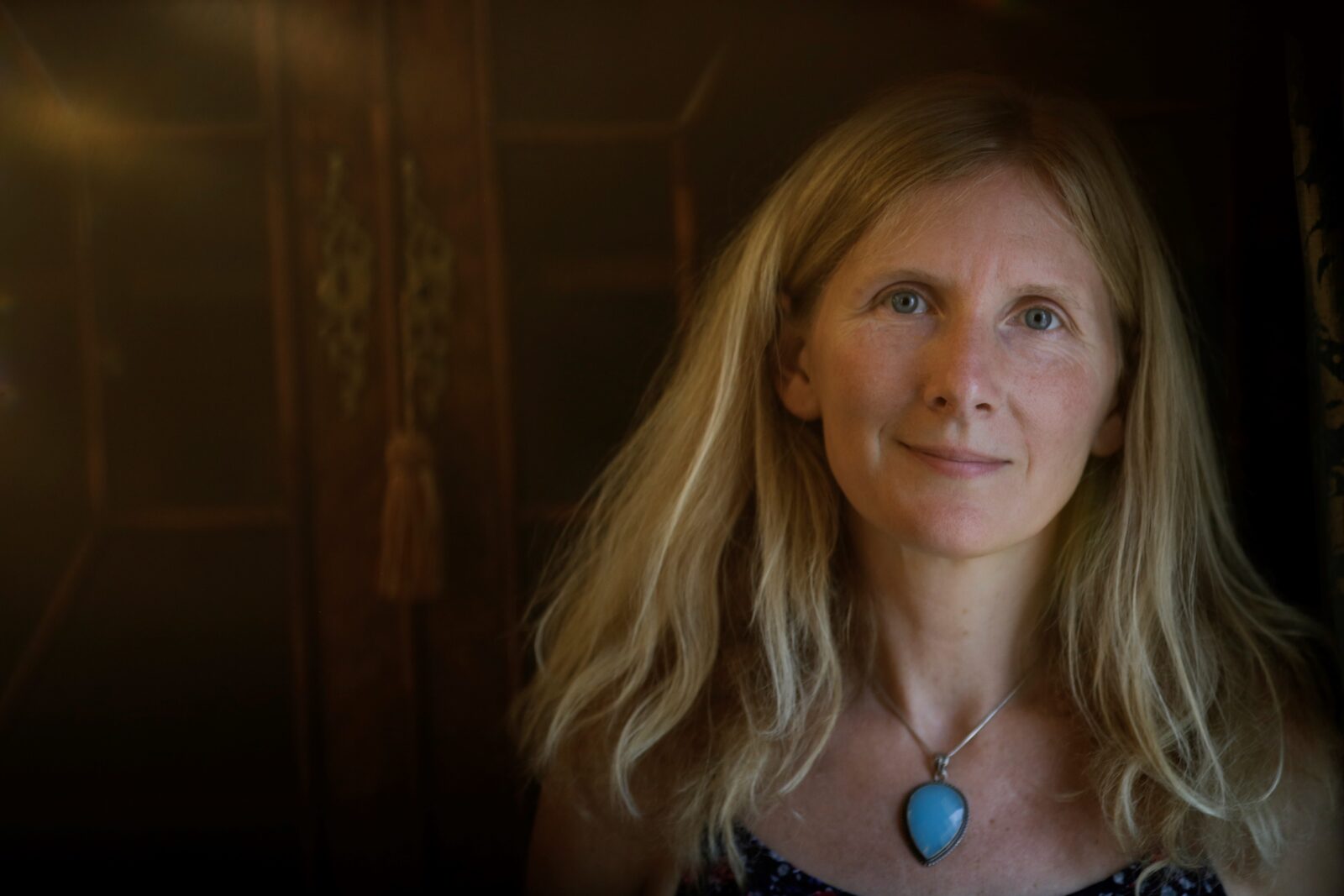
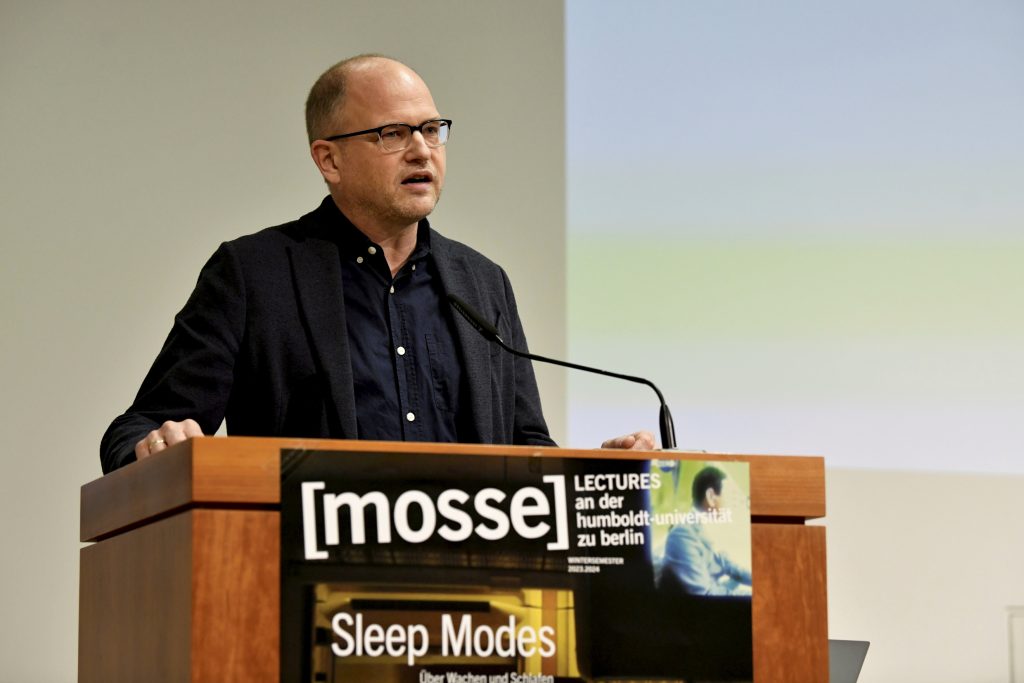
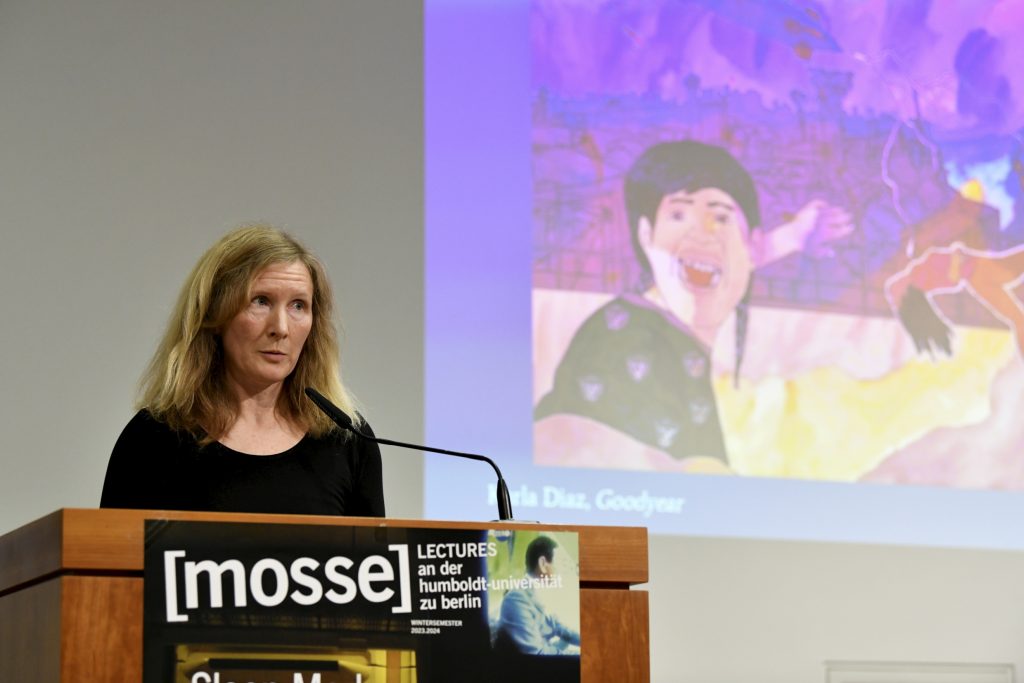
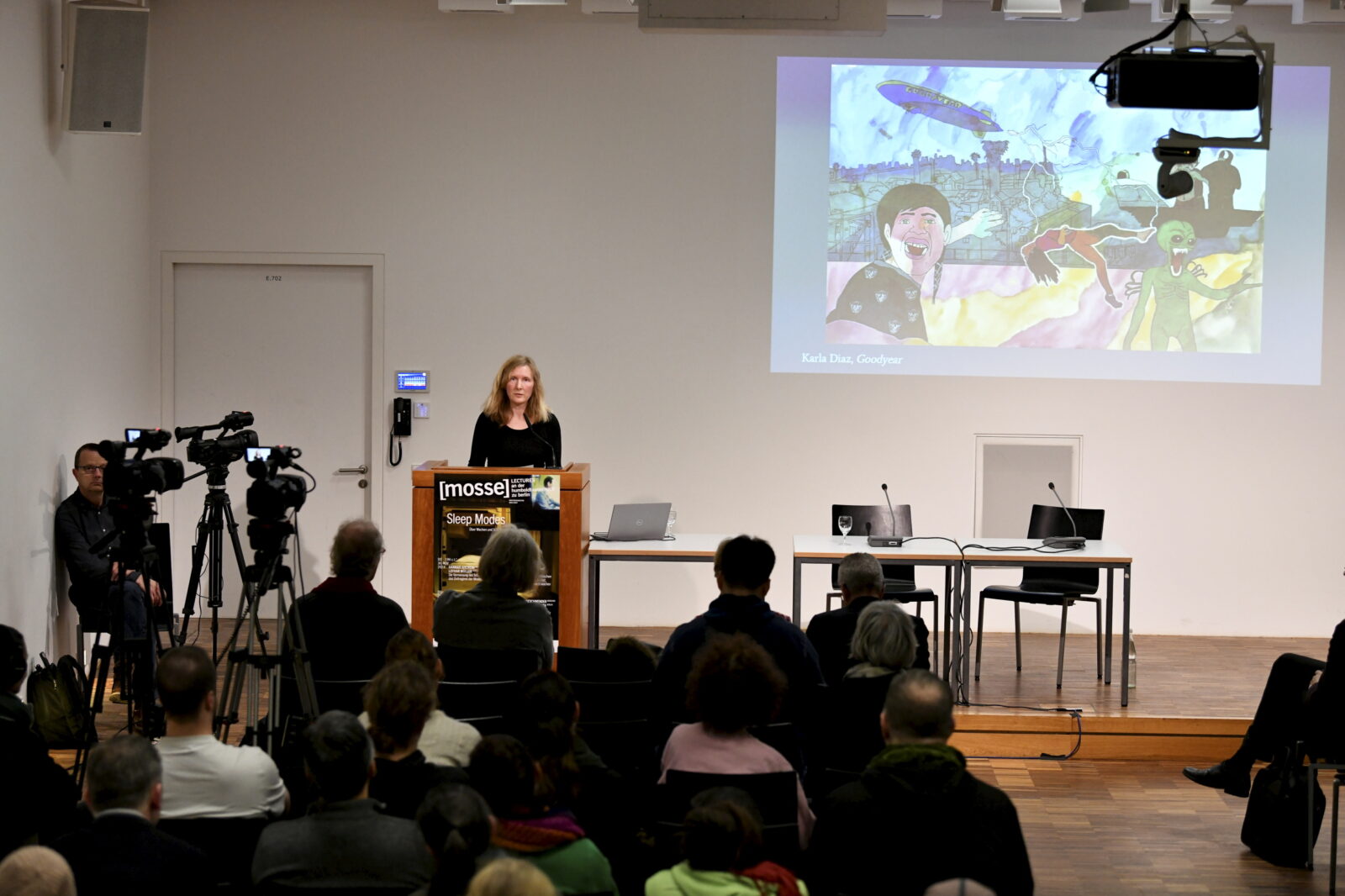
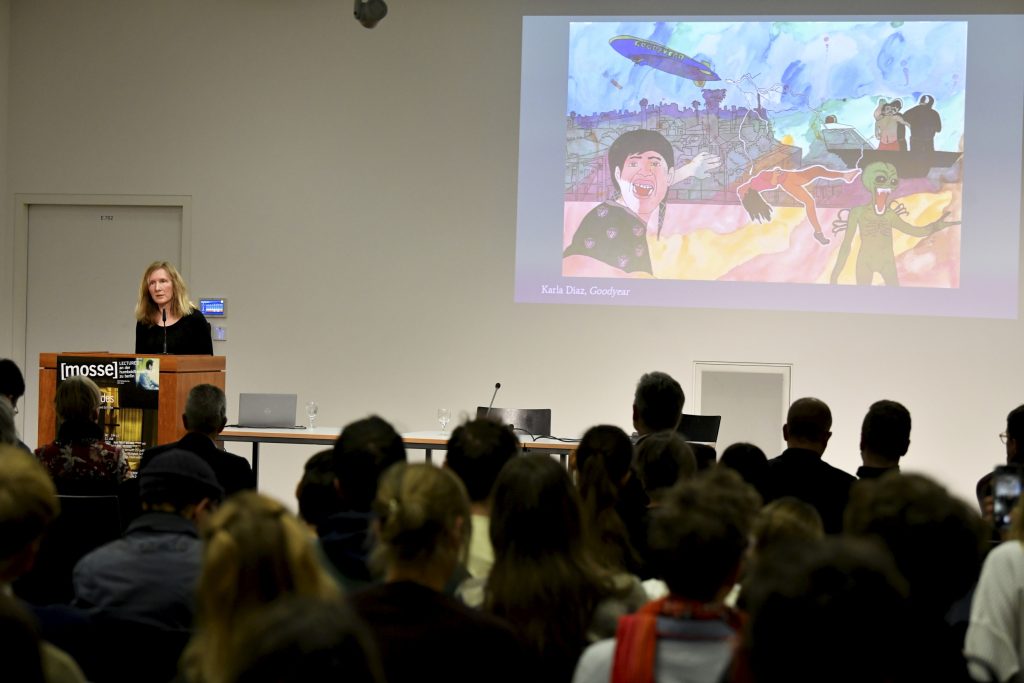
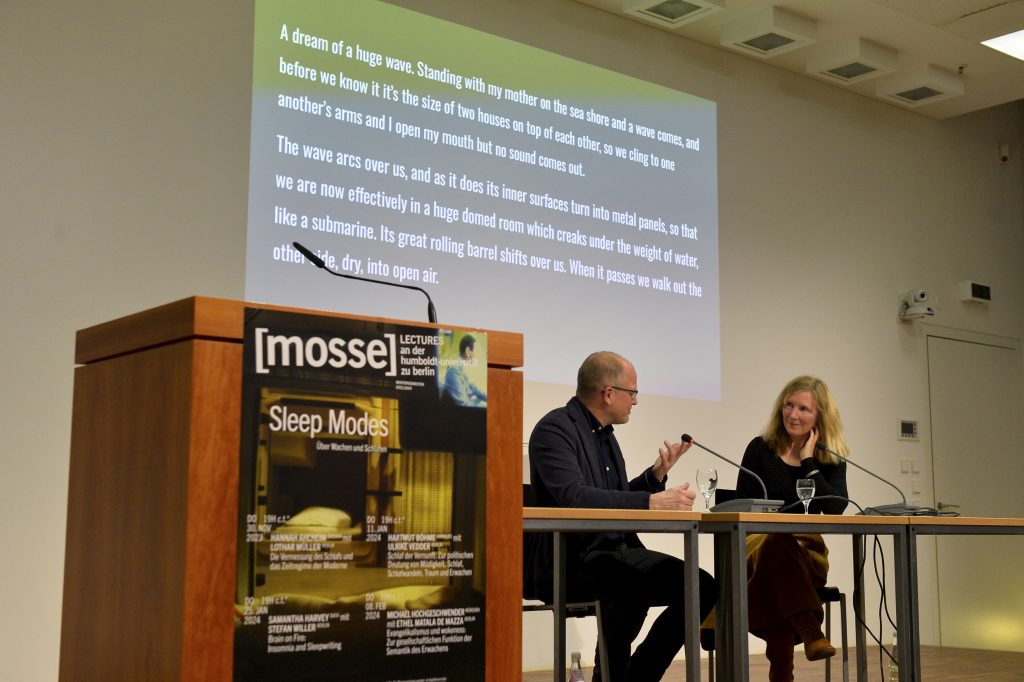
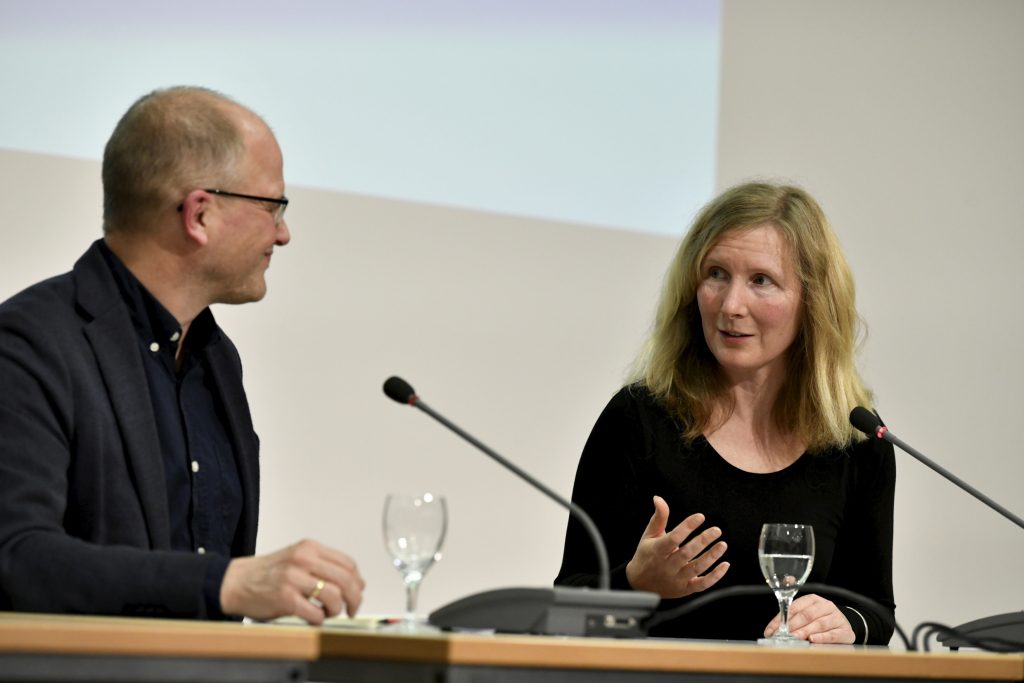
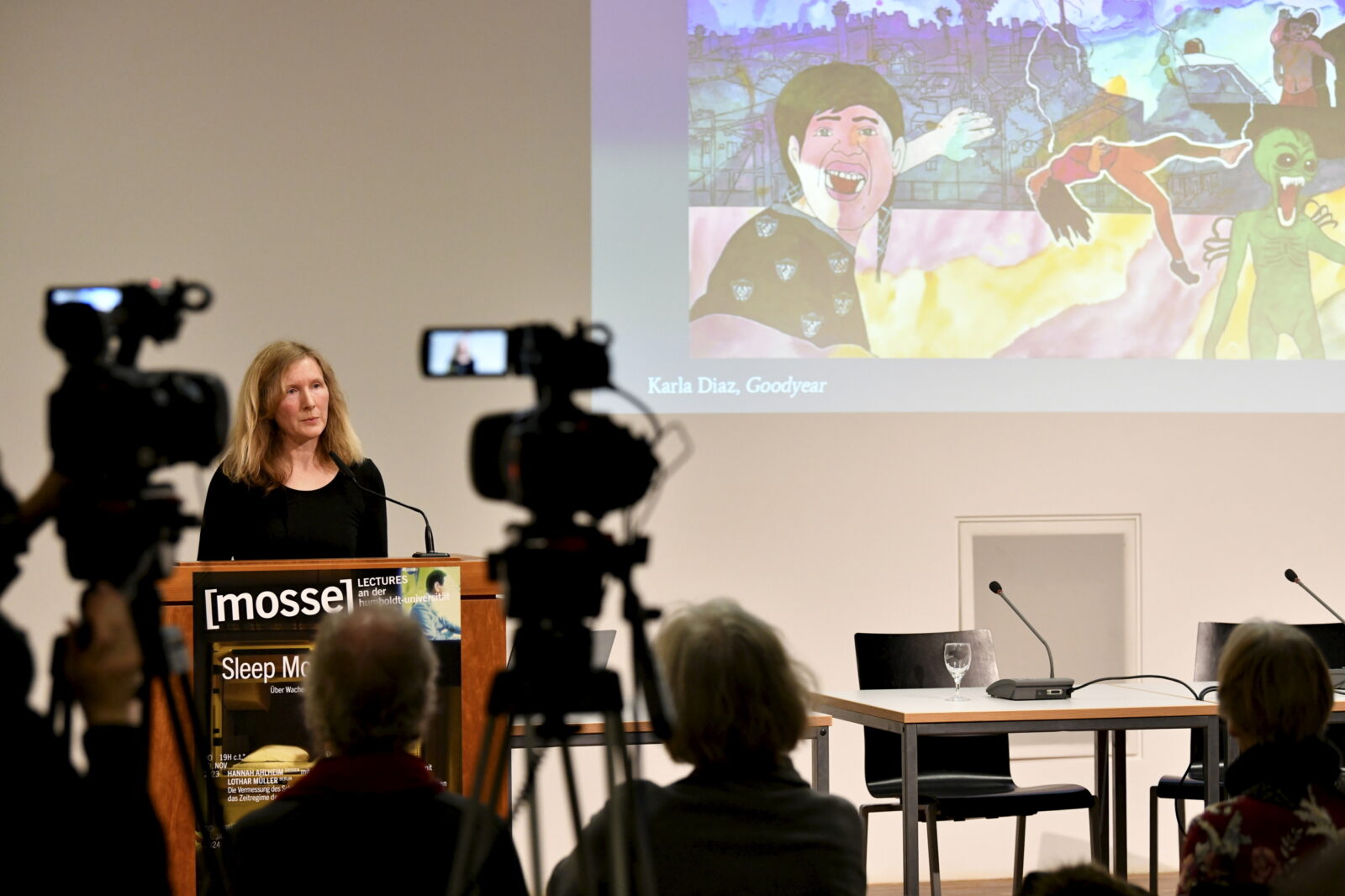
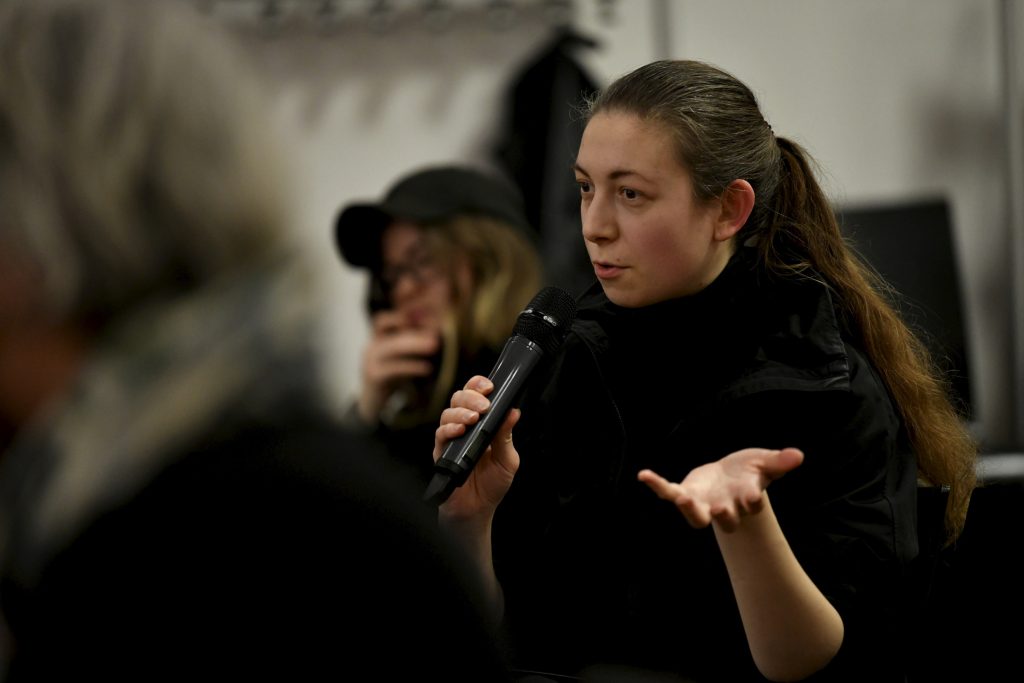
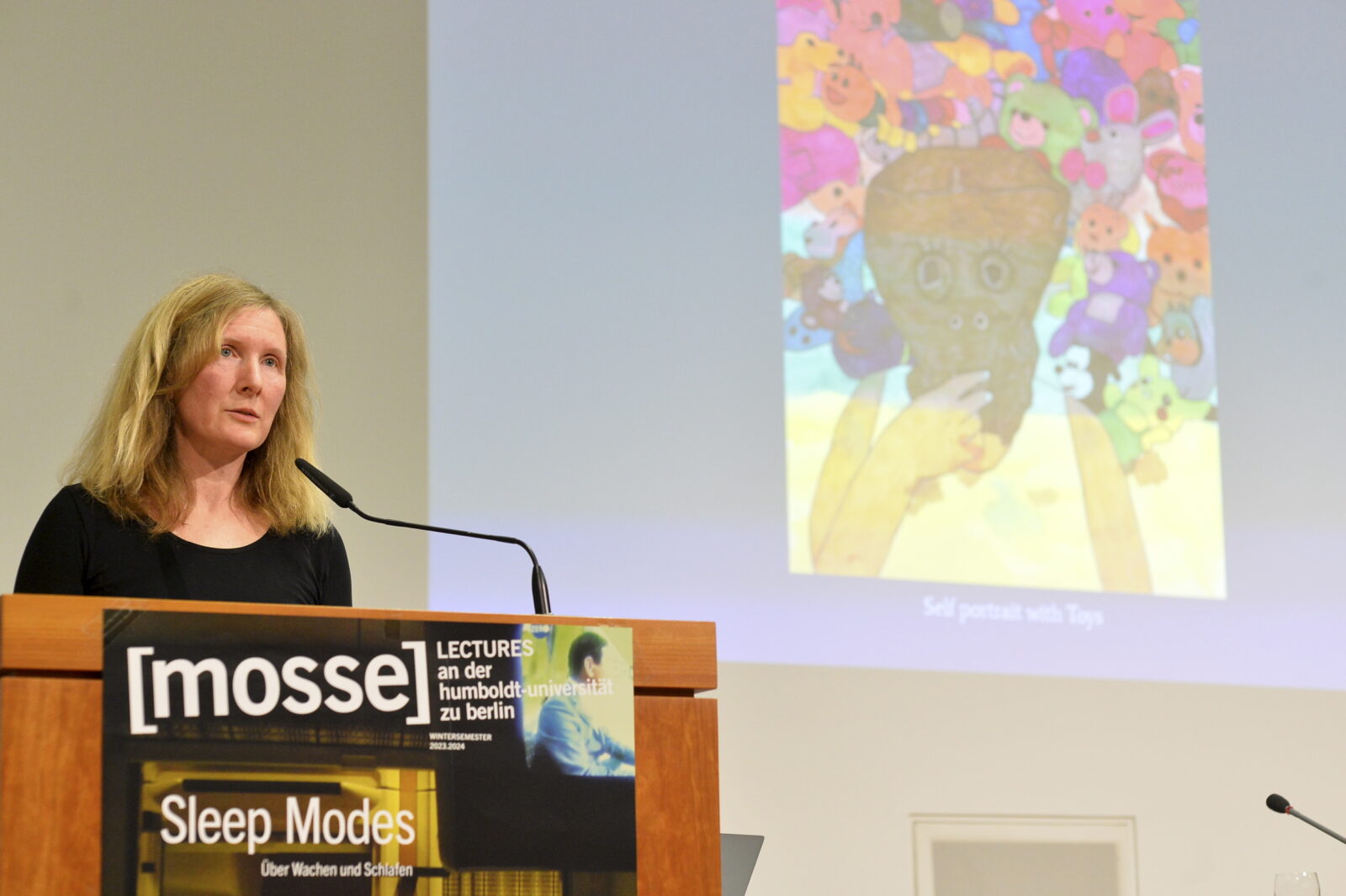
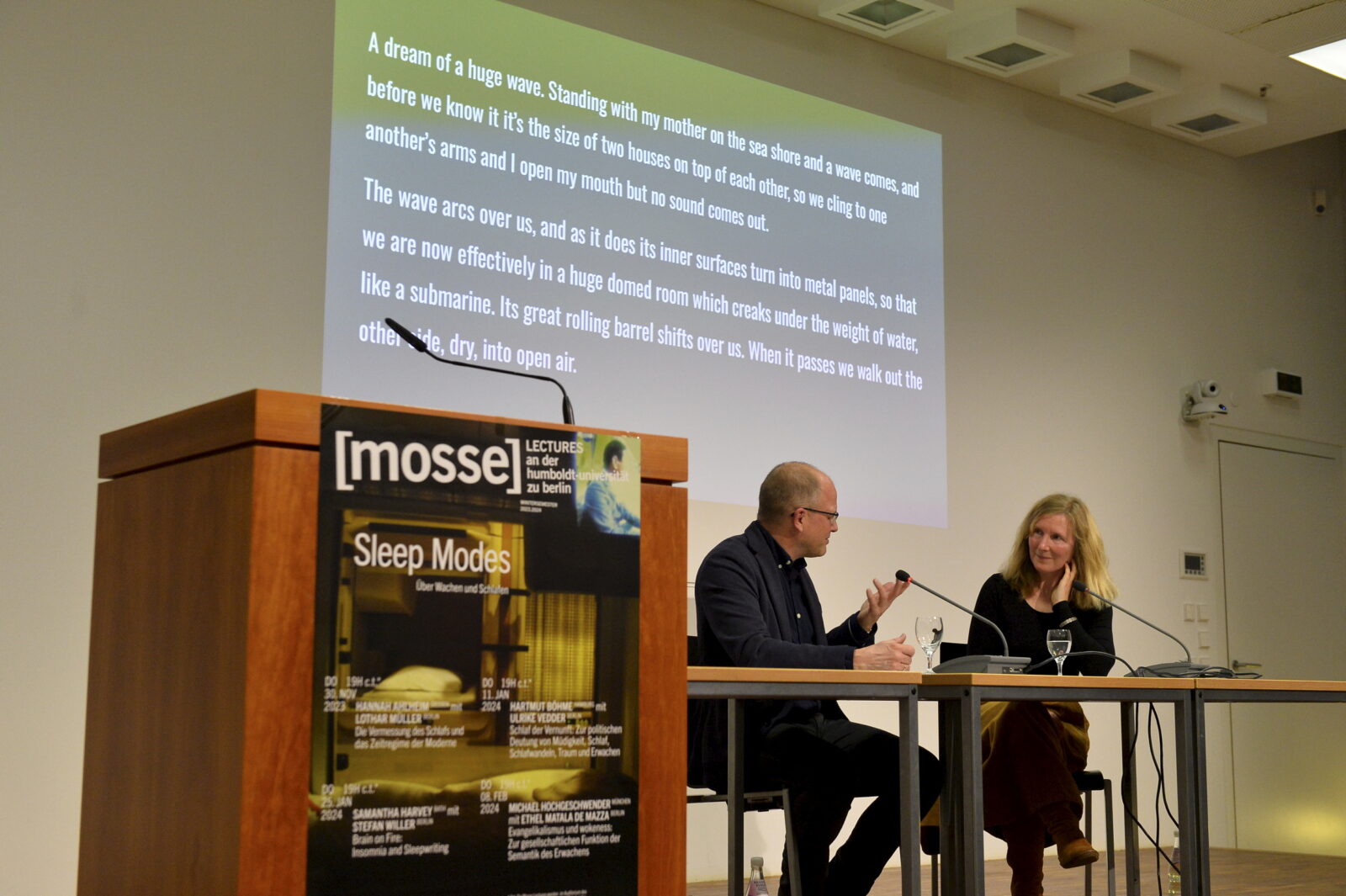
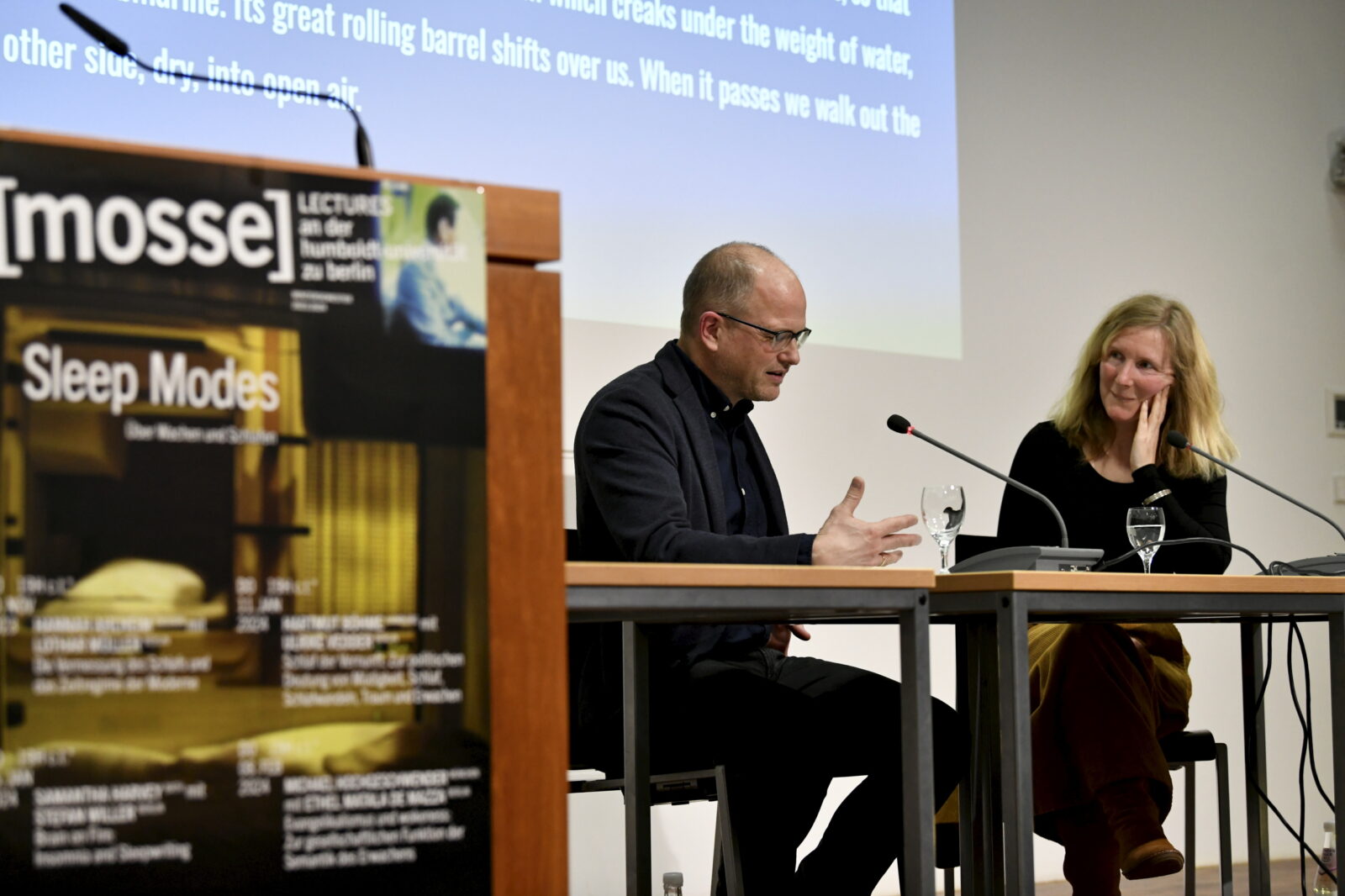
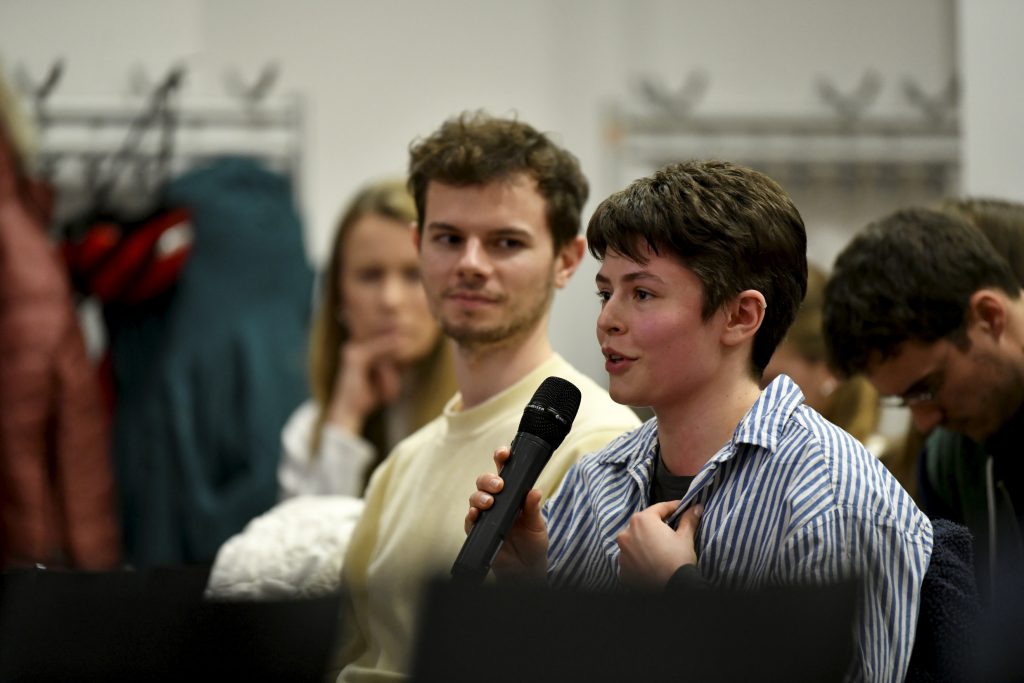
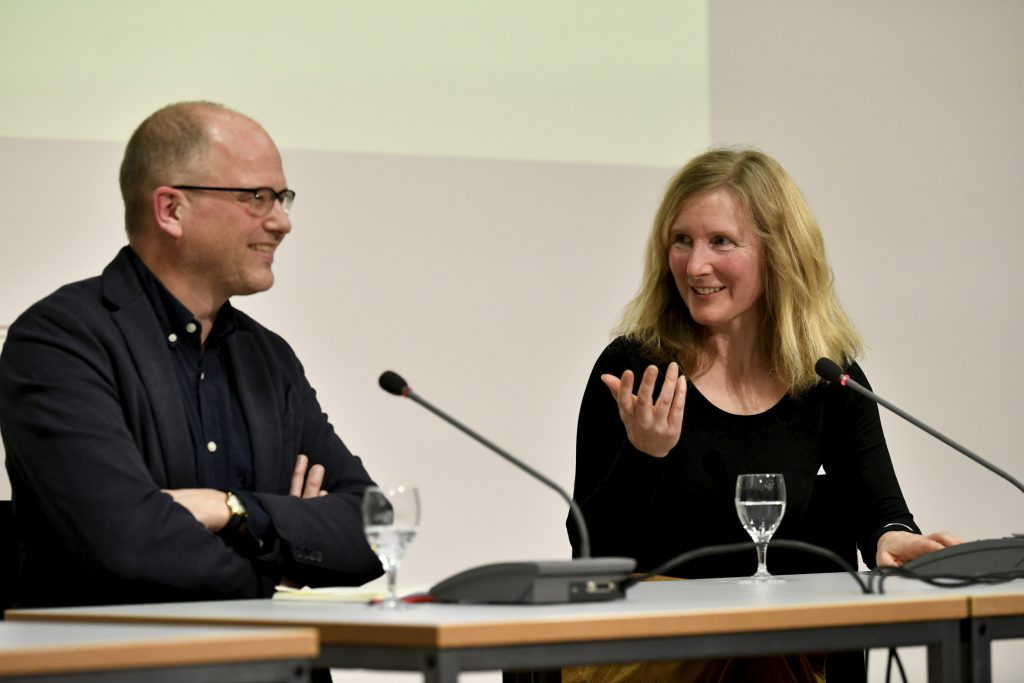
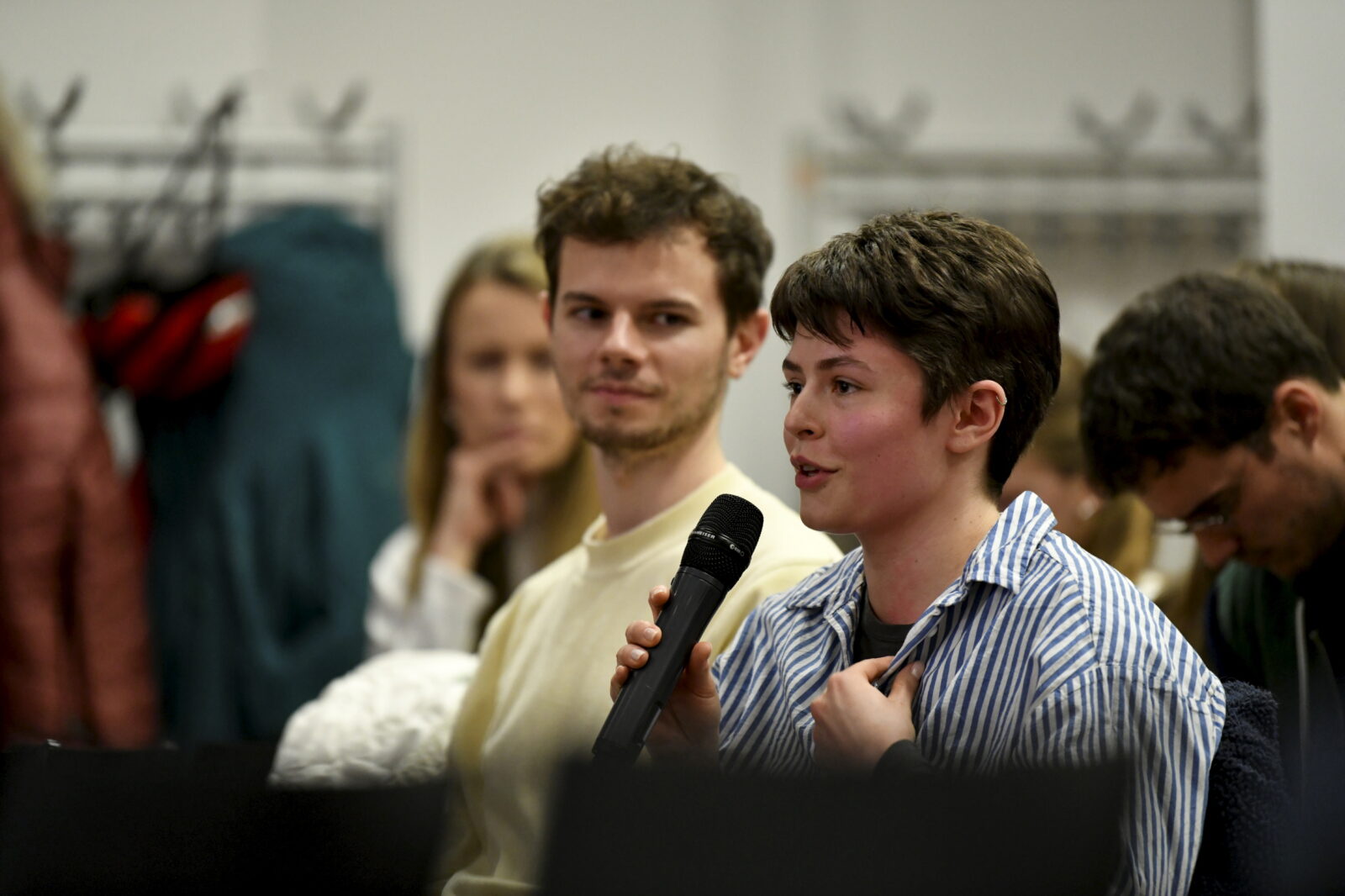
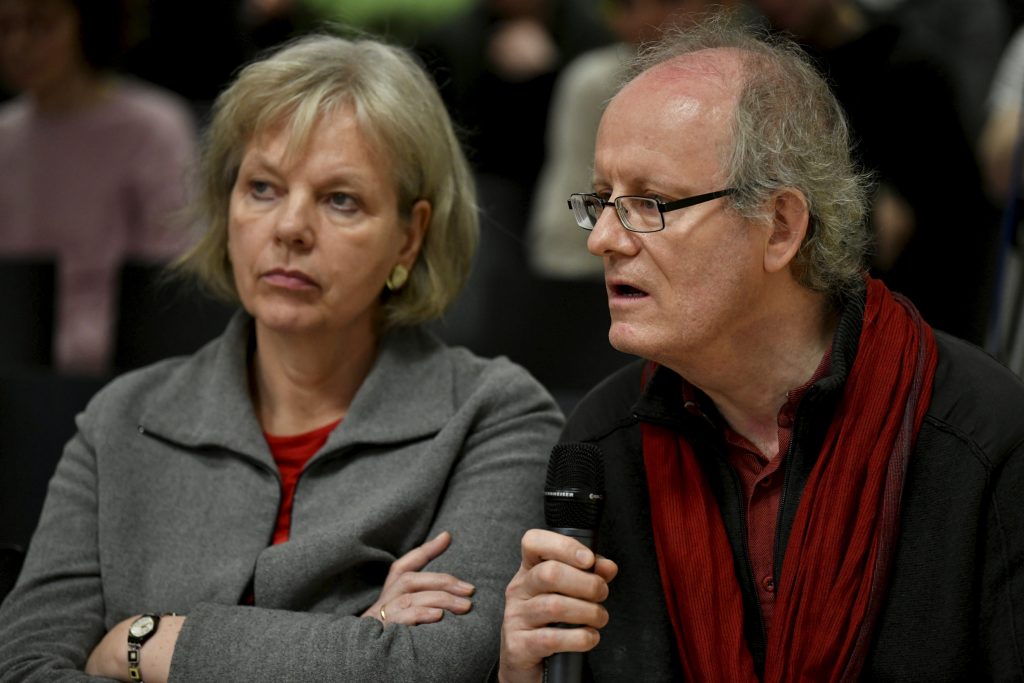
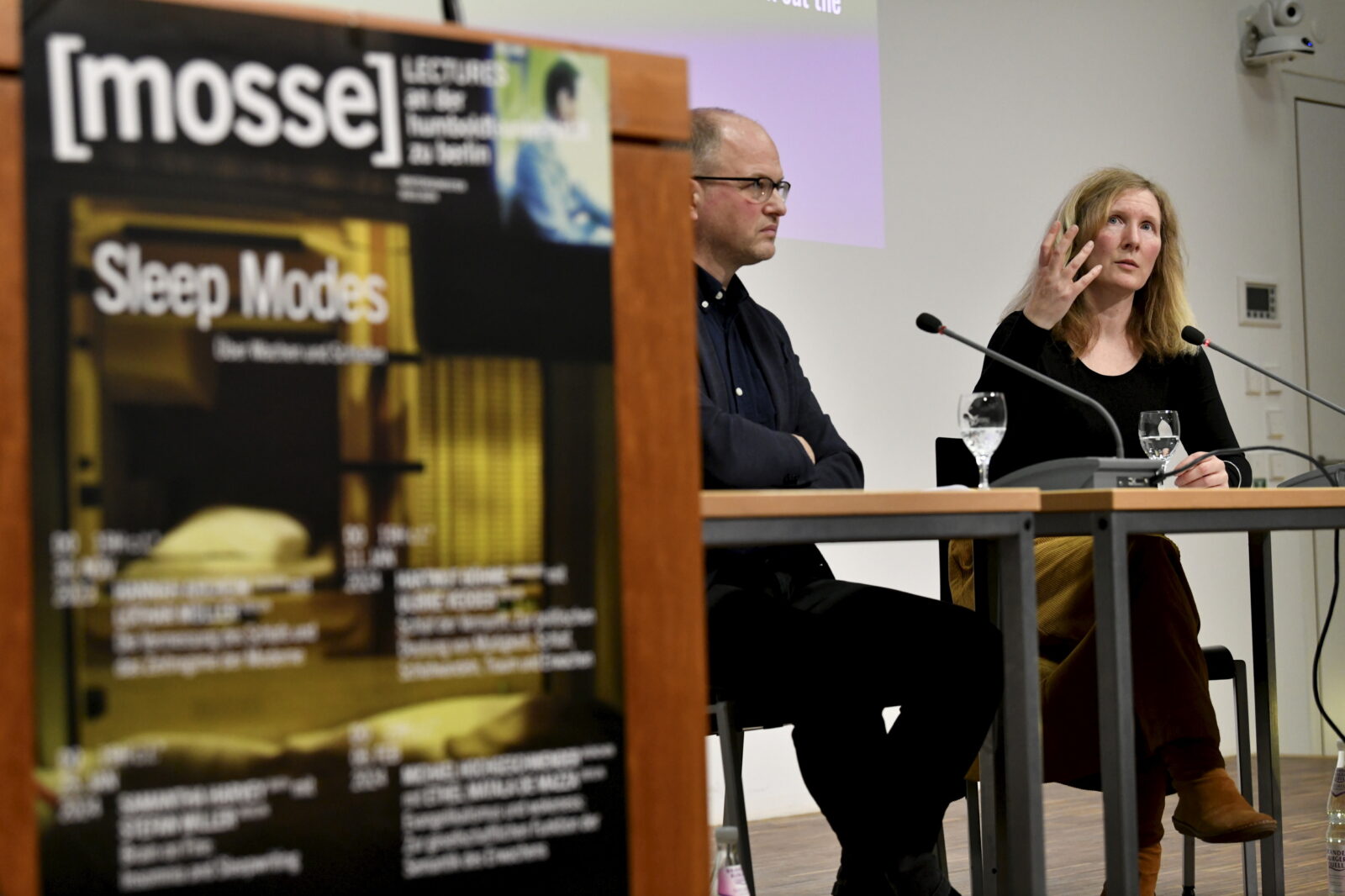
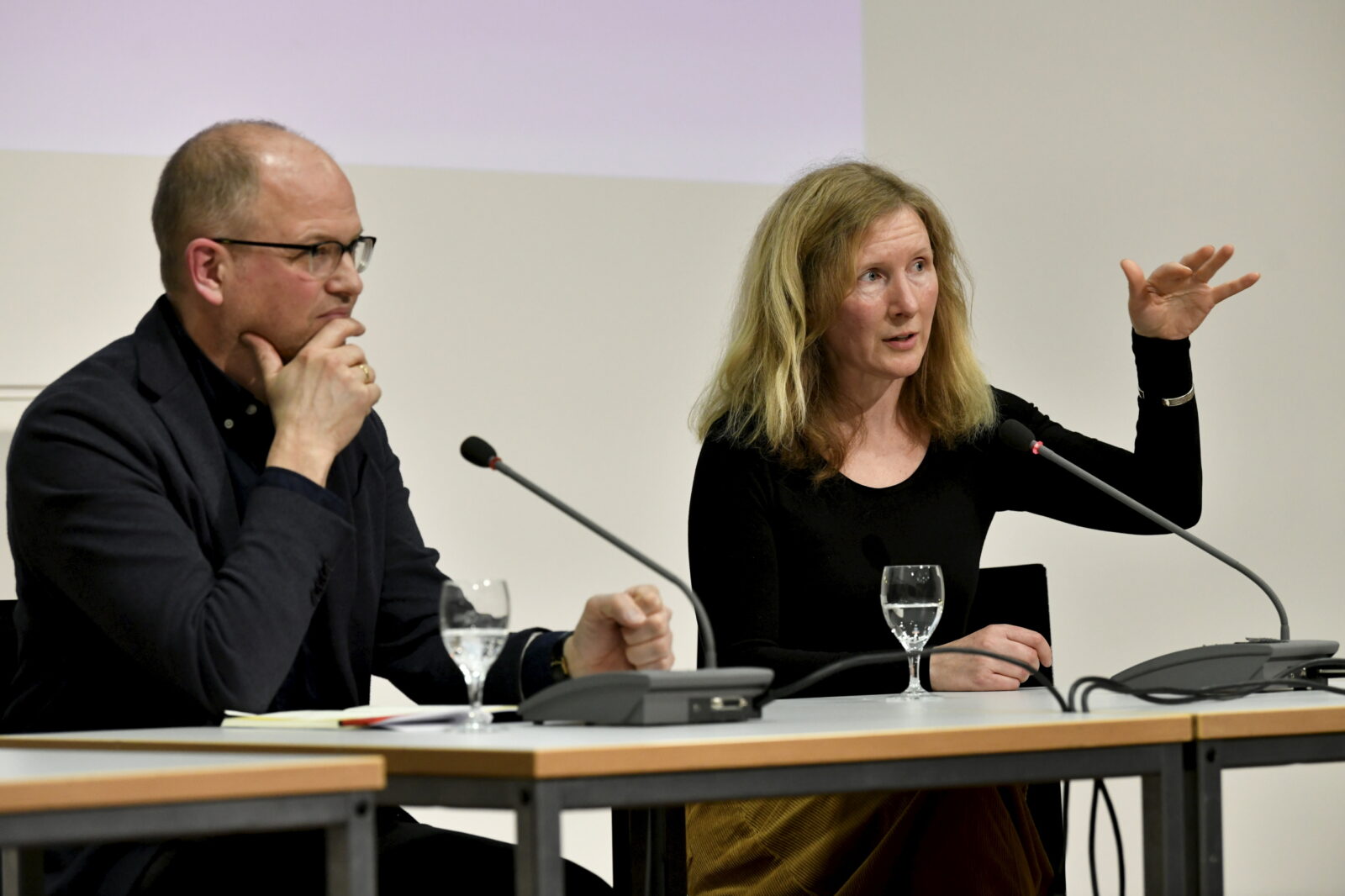
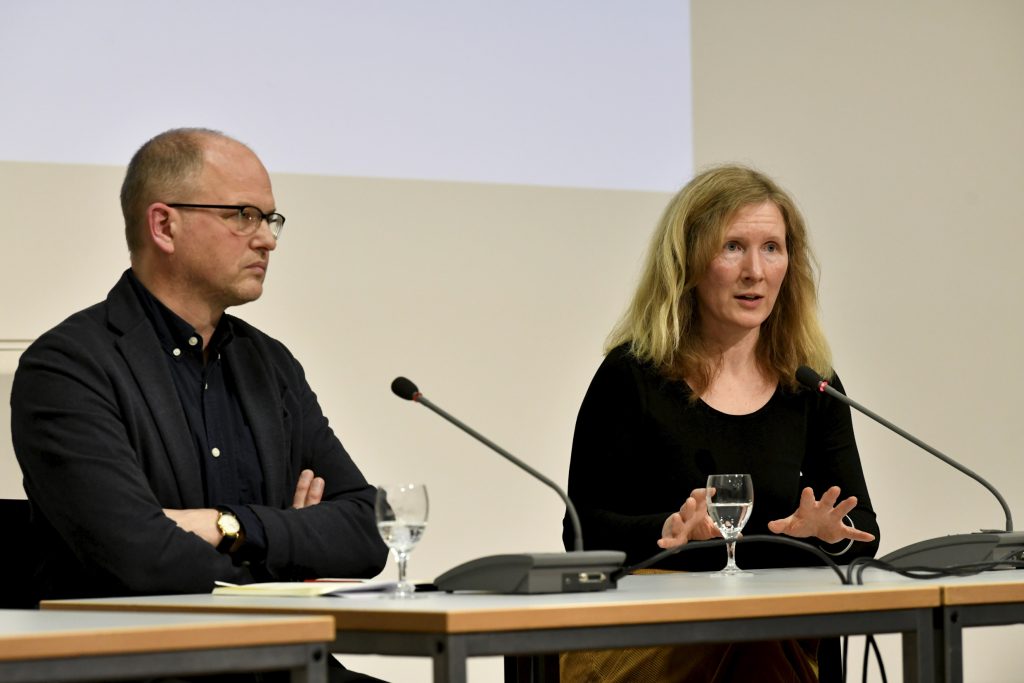
Photo credit: Niels Leiser for the Mosse Lectures
Samantha Harvey: British author, Senior Lecturer in creative writing at Bath Spa University; since her debut »The Wilderness« (2009), Harvey has published three further novels, which have been well received by critics and nominated for the Man Booker Prize, the Orange Prize and the Guardian First Book Award; in German, »Das Jahr ohne Schlaf« was last published in 2022 by Hanser Berlin.
Stefan Willer has occupied the position of Professor for modern German literature at Humboldt University, Berlin, since 2018. From 2014-2018 he was Professor for Cultural Research at Humboldt. His specialties include literary history, cultural history, and the intersection between music and literature. He has served as visiting professor or lecturer at Ludwig-Maximilians-Universität München, the Technische Universität Berlin, Stanford University, Columbia University, and the École des hautes études en sciences sociales, among others. He is the author of Poetik der Etymologie. Texturen sprachlichen Wissens in der Romantik (2003) and Erbfälle. Theorie und Praxis kultureller Übertragung in der Moderne 2014), as well as editor of several volumes.
