
2016: Jan-Werner Müller, “Populismus. Gefahr für die Demokratie” / “Populism: Danger to Democracy”
Jan-Werner Müller, “Populismus. Gefahr für die Demokratie” / “Populism: Danger to Democracy”
Berlin Mosse Lecture
https://mosselectures.wisc.edu/berlin/
Thursday, 3 November 2016, 19:00 CET
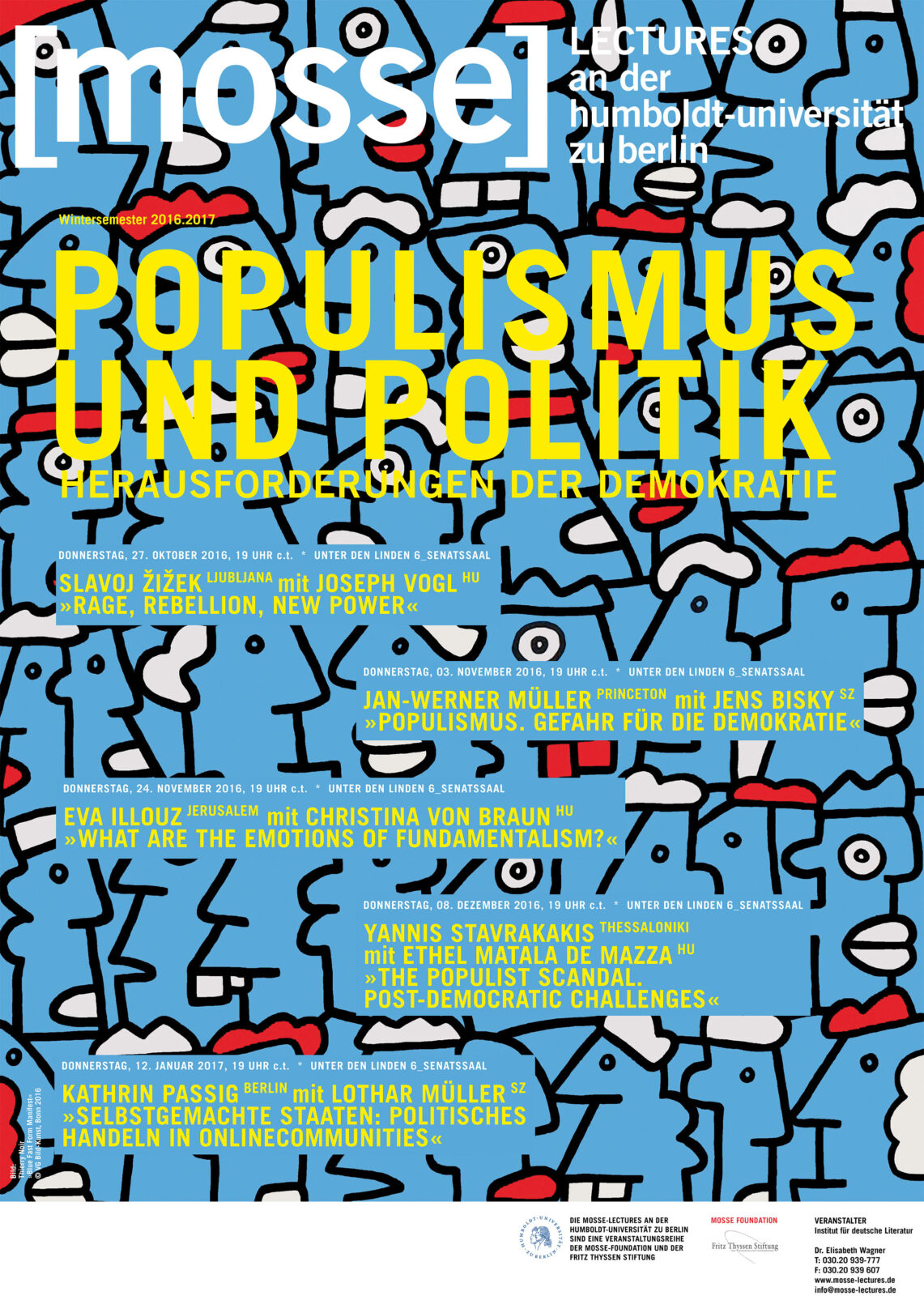
Senatssaal of Humboldt University
1. Stock
Unter den Linden 6
10117 Berlin
GERMANY
Sponsored by:
[mosse] LECTURES an der humboldt-universität zu berlin
The Mosse Foundation
Global Mosse Lecture Series
Fritz Thyssen Stiftung
Institut für deutsche Literatur
Humboldt University
Introduction: Michael Kämper-van den Boogaart (Humboldt University)
Moderator: Jens Bisky
Lecture Description: Ist Populismus wirklich eine so große politische Gefahr, wie immer behauptet wird? Könnte er nicht auch ein nützliches Korrektiv für eine liberale Demokratie sein, die dem Volk zunehmend fremd geworden ist? Warum sollte man auf den rechten Populismus nicht mit einem progressiven linken Populismus antworten? Der Vortrag offeriert einen klaren Begriff von Populismus und erklärt, warum Populismus mit Forderungen nach mehr Demokratie und dem Kampf gegen Neoliberalismus nichts zu tun hat. Darüber hinaus wird gezeigt, wie Populisten, einmal an der Macht, die Demokratie von innen aushöhlen. Schließlich werden Strategien vorgeschlagen, wie man sich mit Populisten auseinandersetzen sollte.
Lecture Series Description: “Populism” is a political phenomenon, closely connected with the history of democracy. Presently in official policy and partly in political philosophy it has become a fighting term to qualify so called “populists” as illegitimate profiteers of public anger and politically bungling moralists and opportunists. However, in times of permanent crisis, growing social inequality, and confusing global conflicts in Europe and other parts of the world, in Latin America in particular, populism succeeds politically, confronting established parties and government actions with demands, essential to our understanding of democracy. The term “populism”, common in the Anglosaxon world, where it originated, still has a positive meaning there, in the sense of communitarian self-organization in opposition to private profit and the privileges of the political class. Emerging mass democracy faces the dilemma that the people can execute their sovereignty in acts of periodical voting only, thus delegating every day politics to their representatives. Rulers and ruled find themselves bound in an ambivalent relationship. The “political” in its original meaning of a personal experience and a collective imagination – the “participation of the nonparticipants” which Jacques Rancière has referred to – can never be monopolized completely by official politics. Though different, populist movements have in common that they raise issues of participation as well as those of dissociation and dissent often neglected by political professionals. Lacking a mandate, populists are powerful in their rhetoric, absorbing resentment and animosity, emerging at the fringes of civil society, and also at its heart.
This program of the Mosse-Lectures will deal with the fractures of democracy, the uneasy relationship of democracy and demagogy, of populism and extremism. A cultural critique of populism should guide us to the political experience of a democracy popular with its citizens.
Jan-Werner Müller: Professor für Politische Theorie und Ideengeschichte an der Princeton University, z. Zt. Gastwissenschaftler am Institut für die Wissenschaft vom Menschen, Wien; Neuere Publikationen: »Verfassungspatriotismus« (2010), »Wo Europa endet. Ungarn, Brüssel und das Schicksal der liberalen Demokratie« (2013); »Das demokratische Zeitalter. Eine politische Ideengeschichte Europas im 20. Jahrhundert« (2013), zuletzt der Essay »Was ist Populismus?« (2016). In seinen publizistischen Beiträgen in der Frankfurter Allgemeine und Neue Züricher Zeitung nimmt er Stellung zu aktuellen politischen Fragen.
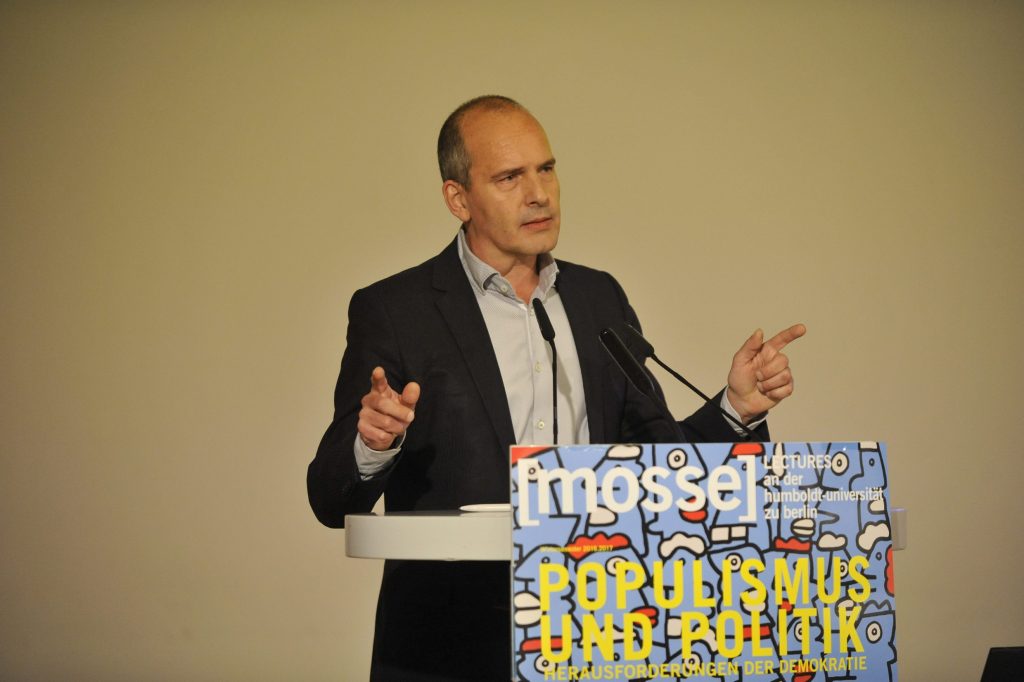
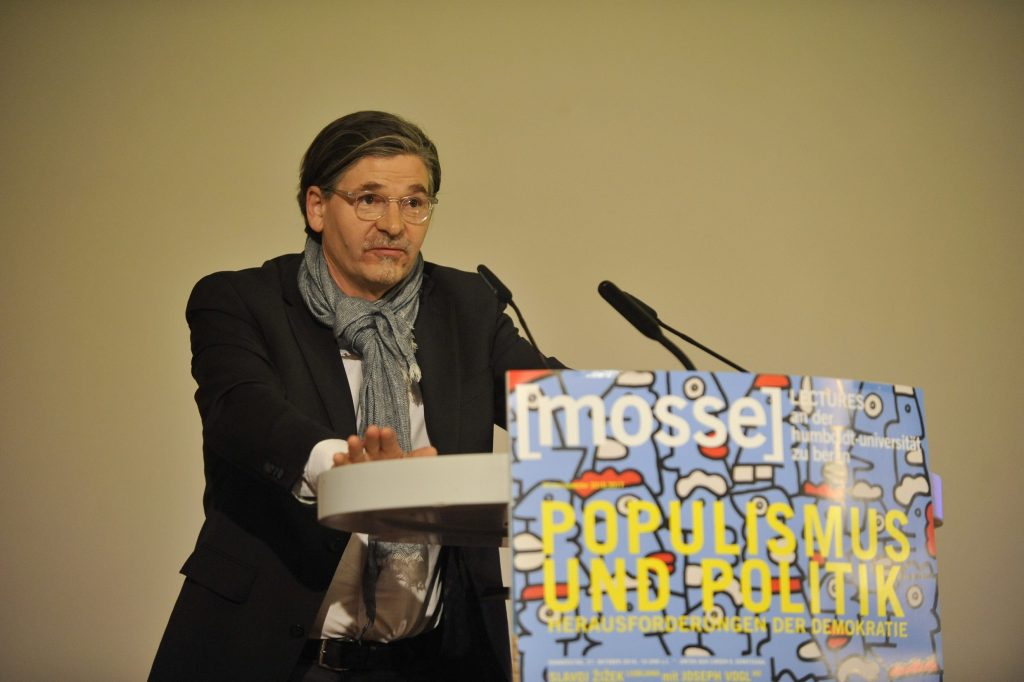
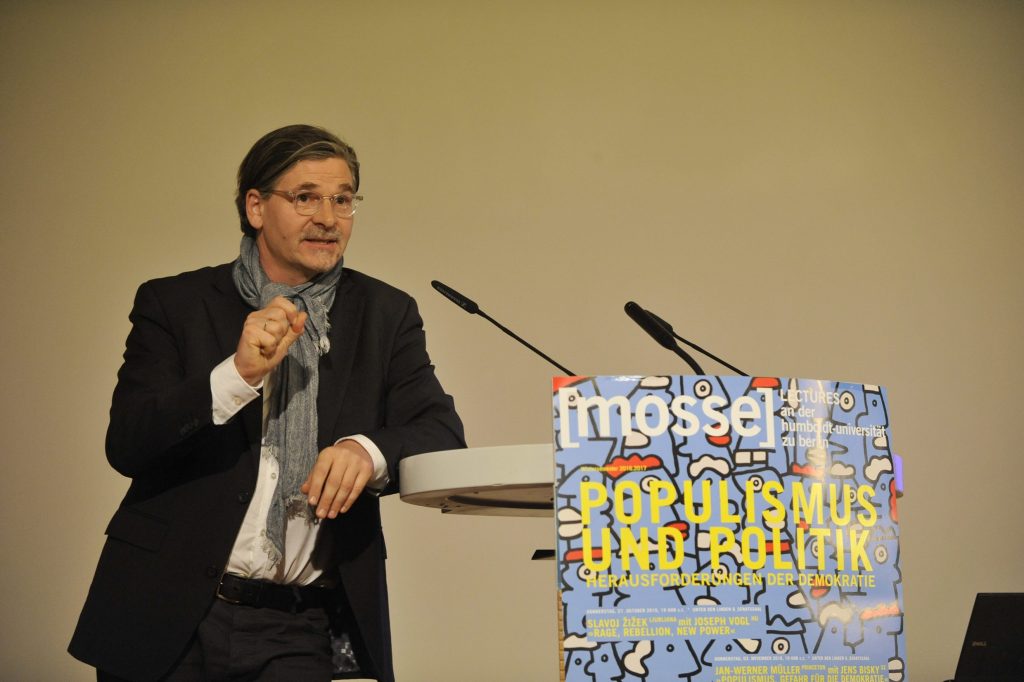
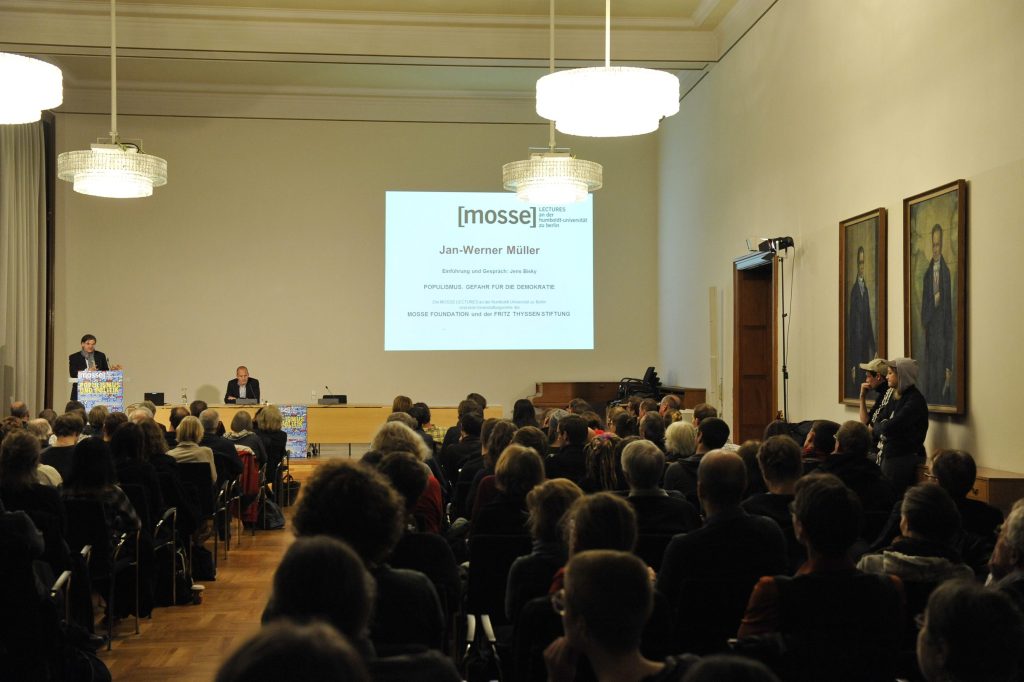
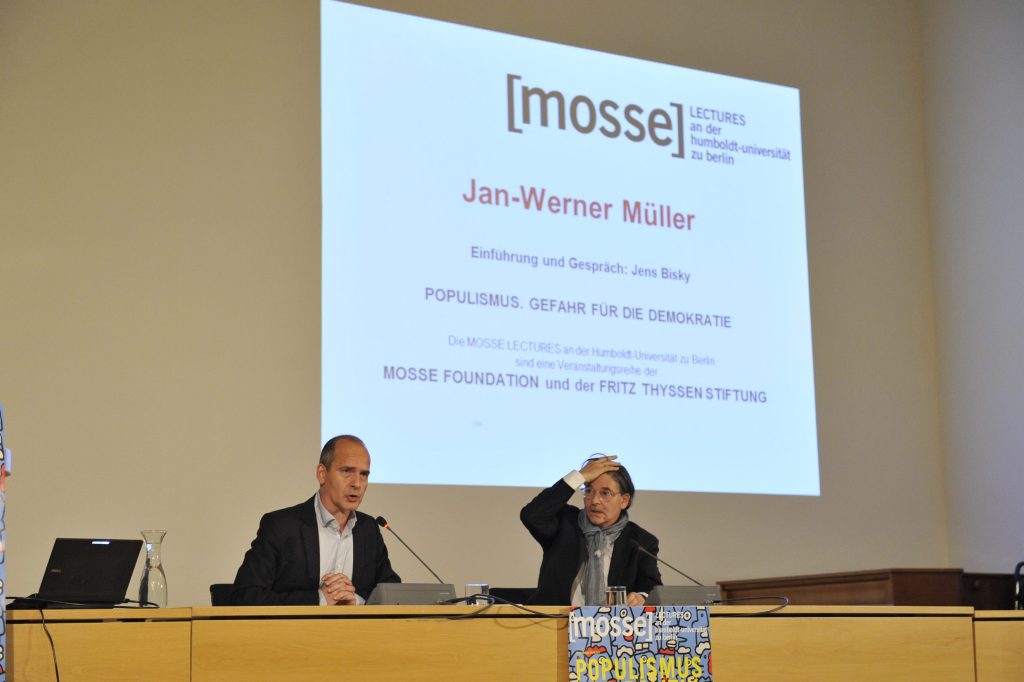
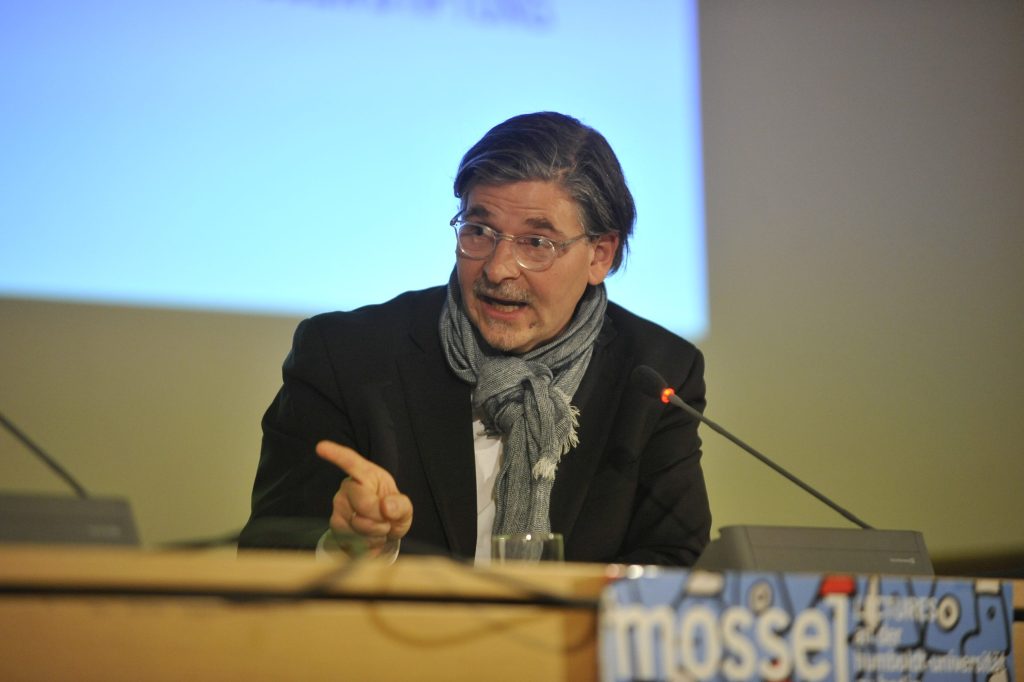
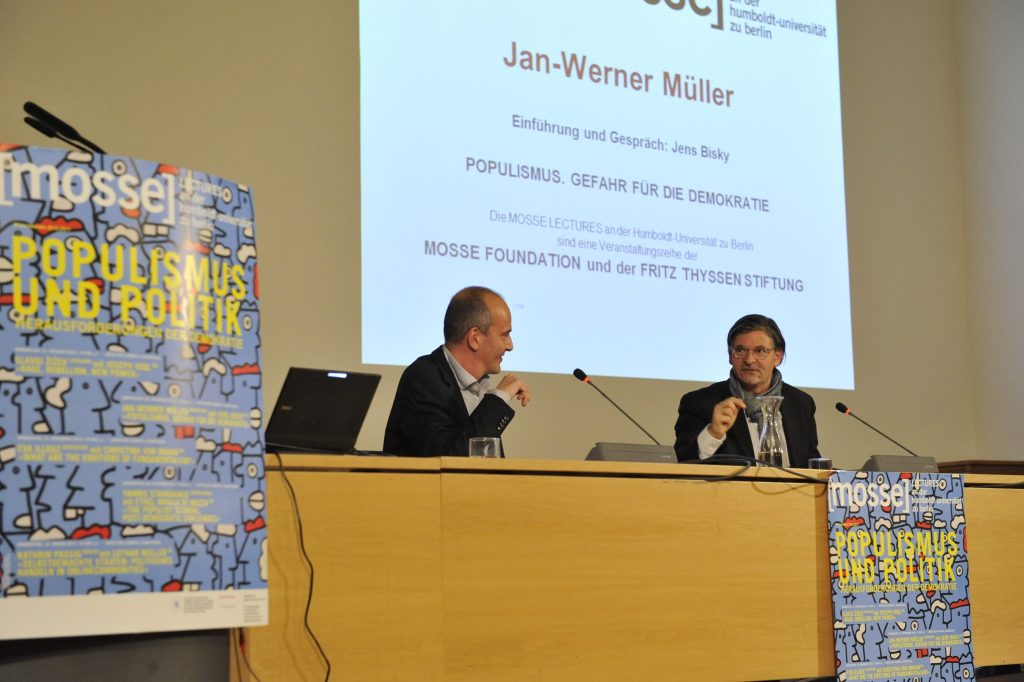
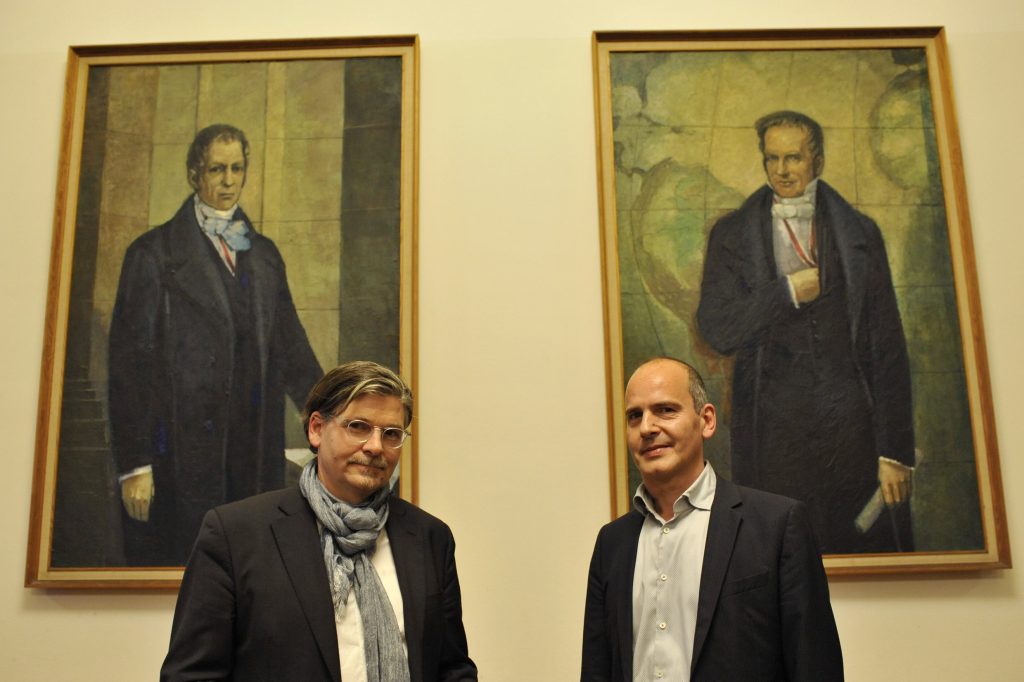
Photo credit: Niels Leiser for the Mosse Lectures
