
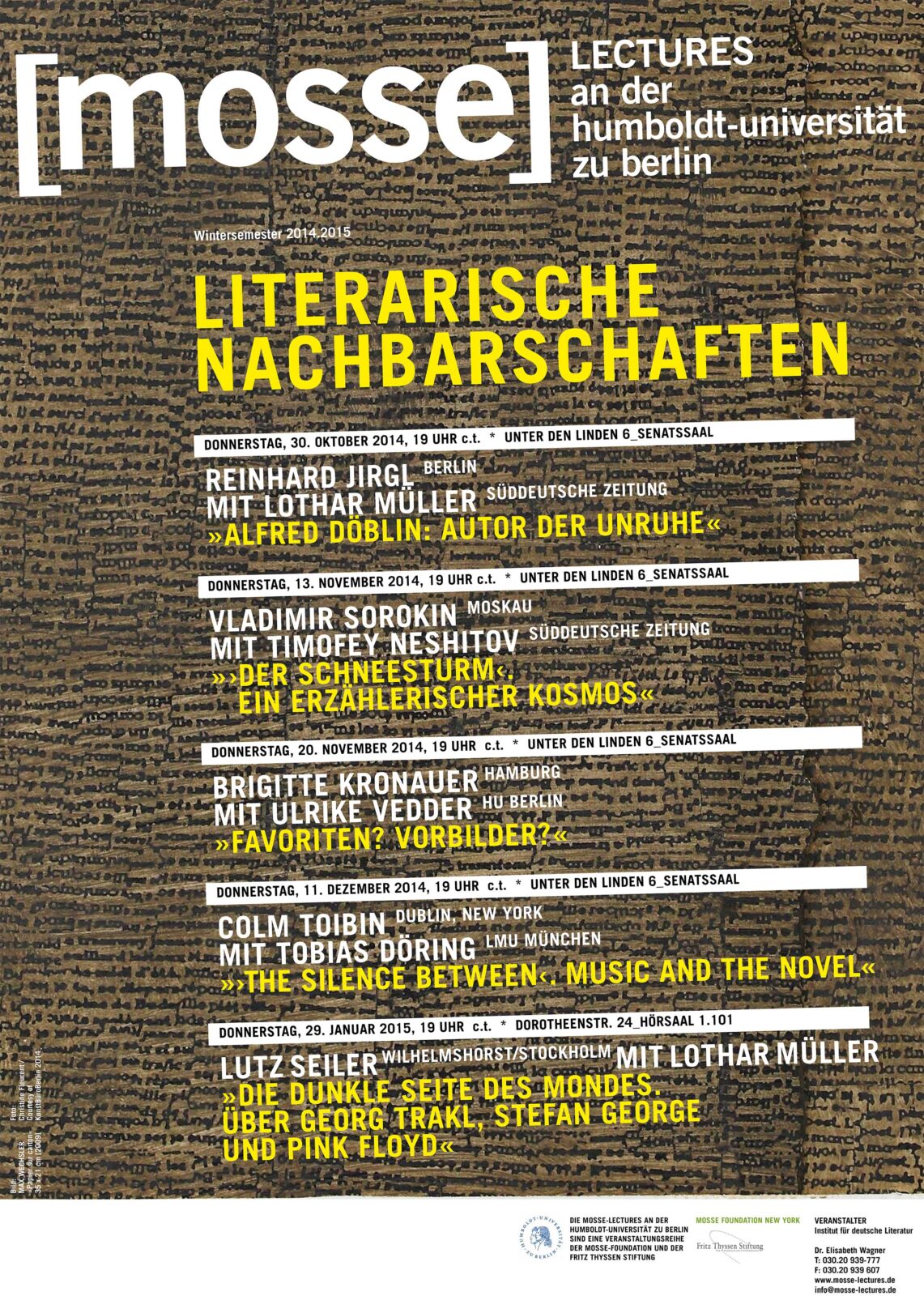
2015: Lutz Seiler, “‘Die dunkle Seite des Mondes’. Über Georg Trakl, Stefan George und Pink Floyd” / “‘The Dark Side of the Moon’: Georg Trakl, Stefan George, and Pink Floyd”
Lutz Seiler, “‘Die dunkle Seite des Mondes’. Über Georg Trakl, Stefan George und Pink Floyd” / “‘The Dark Side of the Moon’: Georg Trakl, Stefan George, and Pink Floyd”
Berlin Mosse Lecture
https://mosselectures.wisc.edu/berlin/
Thursday, 29 January 2015, 19:00 CET
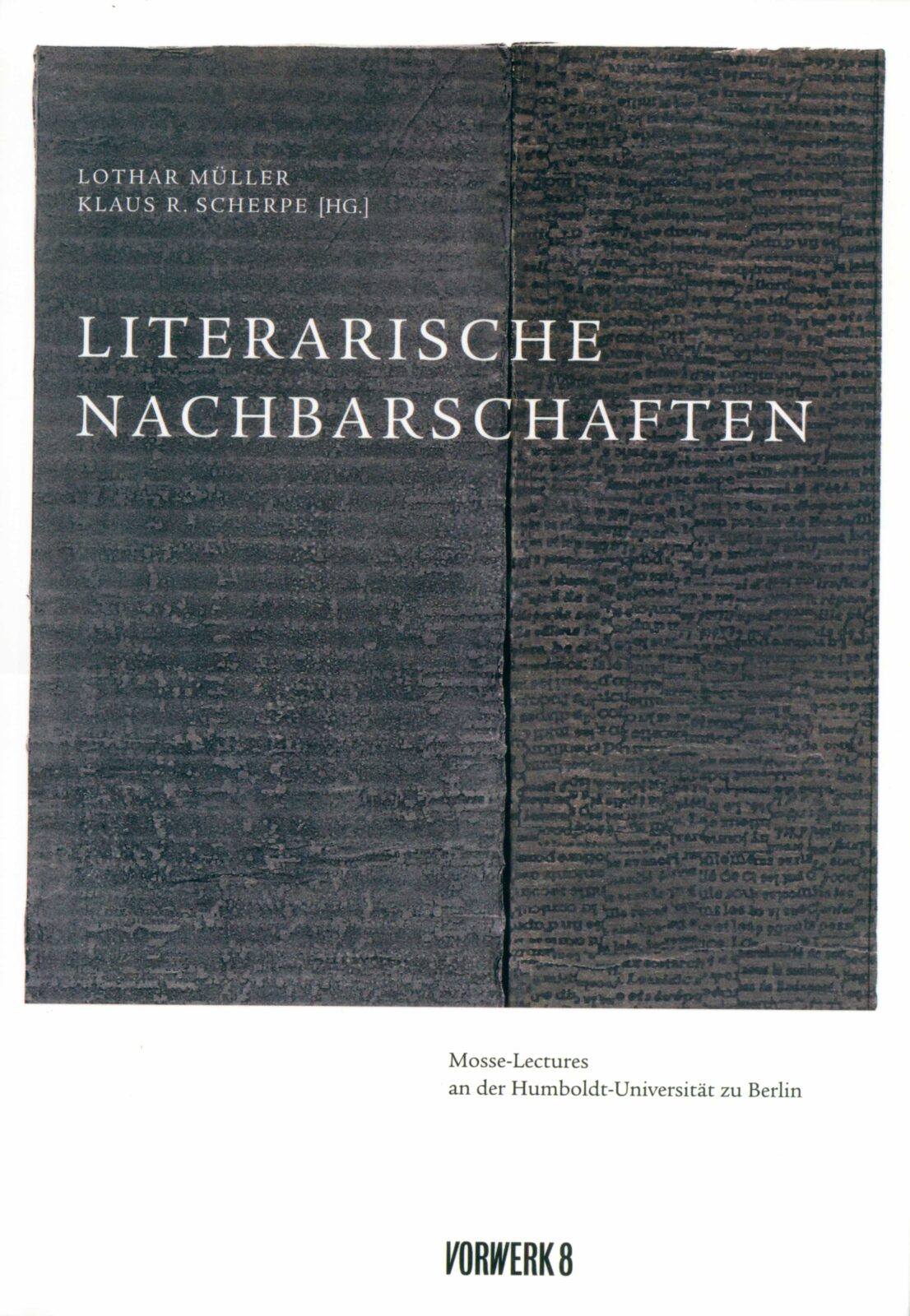
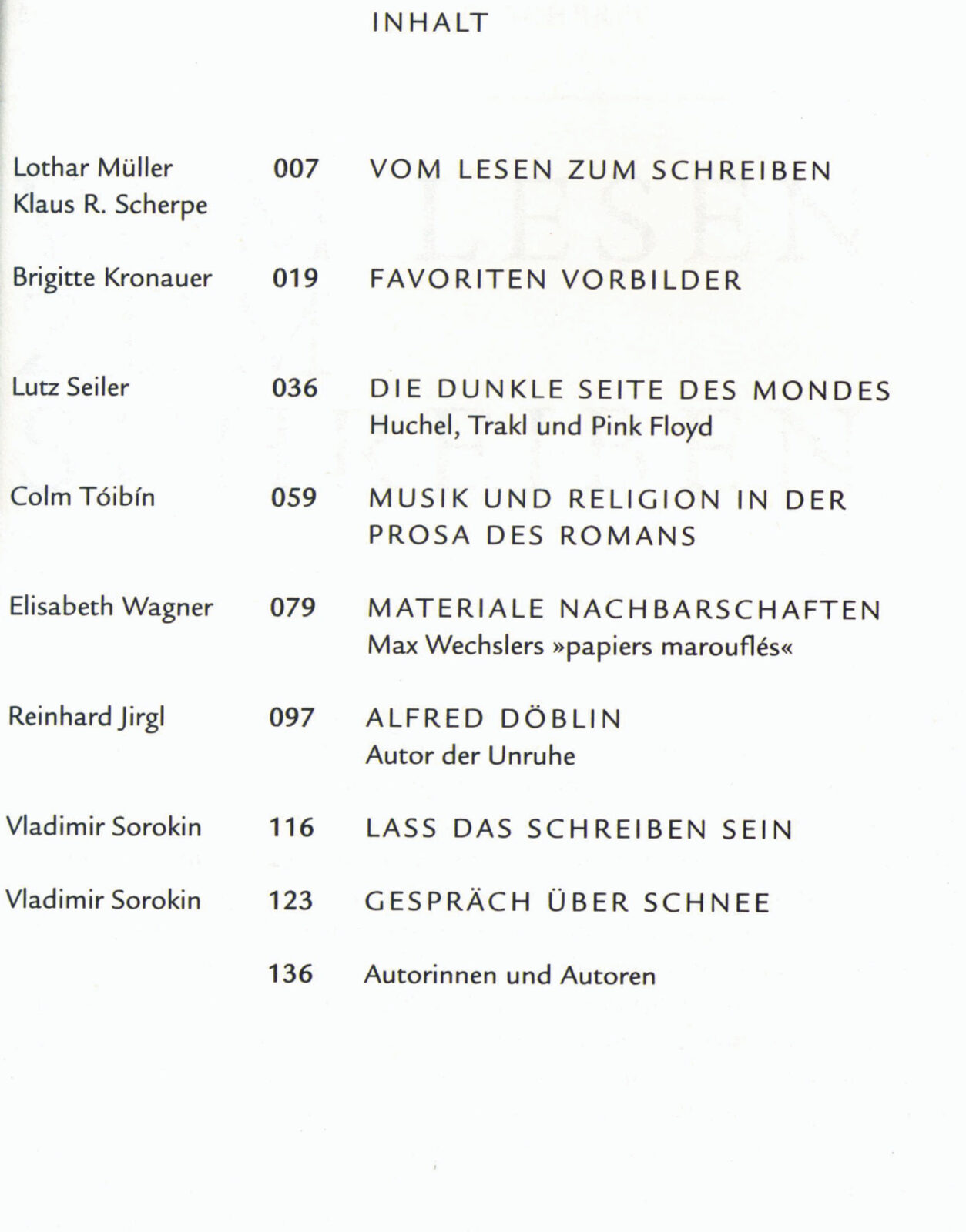
A version of this lecture was published in Lothar Müller, Klaus R. Scherpe, ed. Literarische Nachbarschaften. Mosse-Lectures an der Humboldt-Universität zu Berlin (Berlin: Vorwerk 8, 2016), 36-58. See table of contents below.
Senatssaal of Humboldt University
Under den Linden 6
1. Stock
10117 Berlin
GERMANY
Sponsored by:
[mosse] LECTURES an der humboldt-universität zu berlin
The Mosse Foundation
Global Mosse Lecture Series
Fritz Thyssen Stiftung
Institut für deutsche Literatur
Humboldt University
Moderator: Lothar Müller (Humboldt University)
Lecture Description: »Wo hat der Junge das nur her?«, fragte meine Großmutter öfter, und zwar meine Mutter, die es auch nicht wusste. Sobald das Nachdenken über die eigene Herkunft beginnt, setzt eine Suche nach Ausgangsgrößen ein. Die Geschichte des frühen Hörens, Lesens und Schreibens ist geprägt von Situationen, dem Erlebnis der ersten Begegnung, Ankerstellen, auf die das Schreiben ein Leben lang zurückkommen kann. Drei dieser Ankerstellen sollen zur Sprache kommen: Trakl, George und Pink Floyd – weniger im poetologischen Sinne, mehr als Erzählung vom Hören und Lesen. Lesegeschichte als Lebensgeschichte.
Lecture Series Description: First of all writers are readers, as J.M. Coetzee puts it, especially as they begin to write. Influences and models come into play, but then there is that visceral relationship that shapes matters of language, style and rhythm, creating adjacencies of writing, via affections, desires, often enough obsessions. The deep imprint former writers leave on texts may resonate as a kind of ghostwriting: the literary experience of a disturbing fictional past in the works of a Franz Kafka, Samuel Beckett or Thomas Bernhard. Worldly knowledge and literary appreciation quite often merge with an aesthetic sensibility and pleasure. Are writers, as literary critic Harold Bloom has asserted, haunted by an “anxiety of influence”? Are they overcome by literary paternities? Should we not rather suppose that literary proximity and intertextual understanding will strengthen and encourage a writer’s sense of reality, power of language, and order of ideas? The idées reçues of literature can be immensely creative in rewriting and overwriting. They may create a kind of architexture, negotiating and re-presenting the previous work. Robert Walser for example generates the existential density of his writing receiving inspirations from the scripts of Kleist and Büchner that make him a medium of a radically new literature. Or Vladimir Sorokin’s fiction where a kind of reproductive cloning of the classical writers of Russian literature takes hold of the imagination. Finally it is a matter of conjecture what, nowadays, the bulk of previous writings can mean to the younger generations of writers and readers. Well known authors from different countries and cultures are invited to the Mosse-Lectures to present and comment on the literary condition and constituting elements of their work.
Lutz Seiler: Autor von Gedichten, Erzählungen und poetologischen Aufsätzen, lebt in Stockholm und Wilhelmshorst im Haus von Peter Huchel, mit dessen Werk er sich verbunden fühlt. Erschienen sind in den letzten 15 Jahren zahlreiche preisgekrönte Lyrikbände u.a. »pech und blende« (2000), »vierzig kilometer nacht« (2003) und »im felderlatein« (2010); für die Erzählung »Turksib« erhielt er 2008 den Ingeborg-Bachmann-Preis; 2014 erschienen verstreut publizierte literarische Aufsätze unter dem Titel »Sonntags dachte ich an Gott« und der Roman »Kruso«, der mit dem Deutschen Buchpreis ausgezeichnet wurde. 2015 wird ihm der Marie-Luise-Kaschnitz-Preis verliehen.
Lothar Müller has worked as an editor for the Frankfurter Allgemeine Zeitung and the Süddeutsche Zeitung, and lectured at the Institute for Comparative Literature at the Free University. Since 2010, he has served as Honorary Professor in the Institute for German Literature at the Humboldt University Berlin. He is the author of numerous publications, including Adrien Proust und sein Sohn Marcel. Beobachter der erkrankten Welt (2021) and Weiße Magie. Die Epoche des Papiers (2012). He was awarded the Berlin Prize for Literary Criticism in 2013.
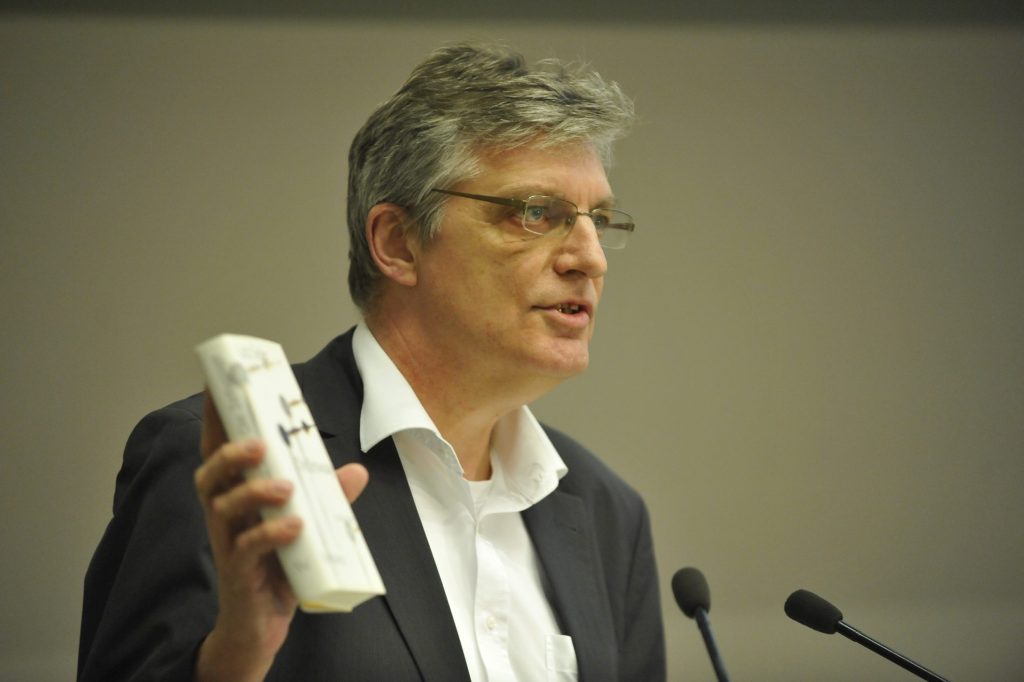
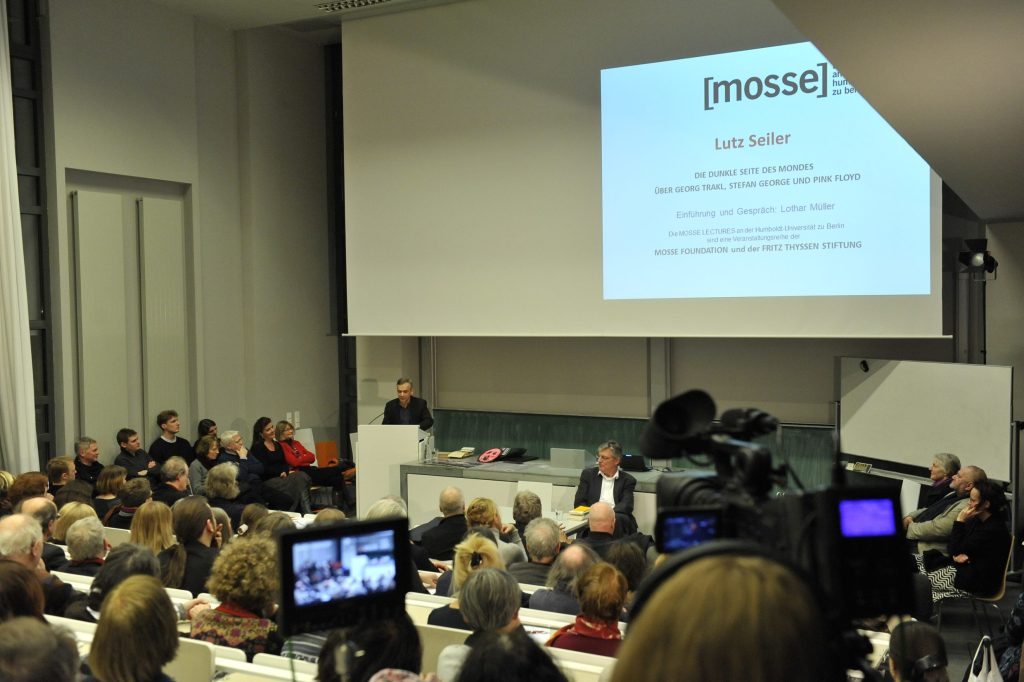
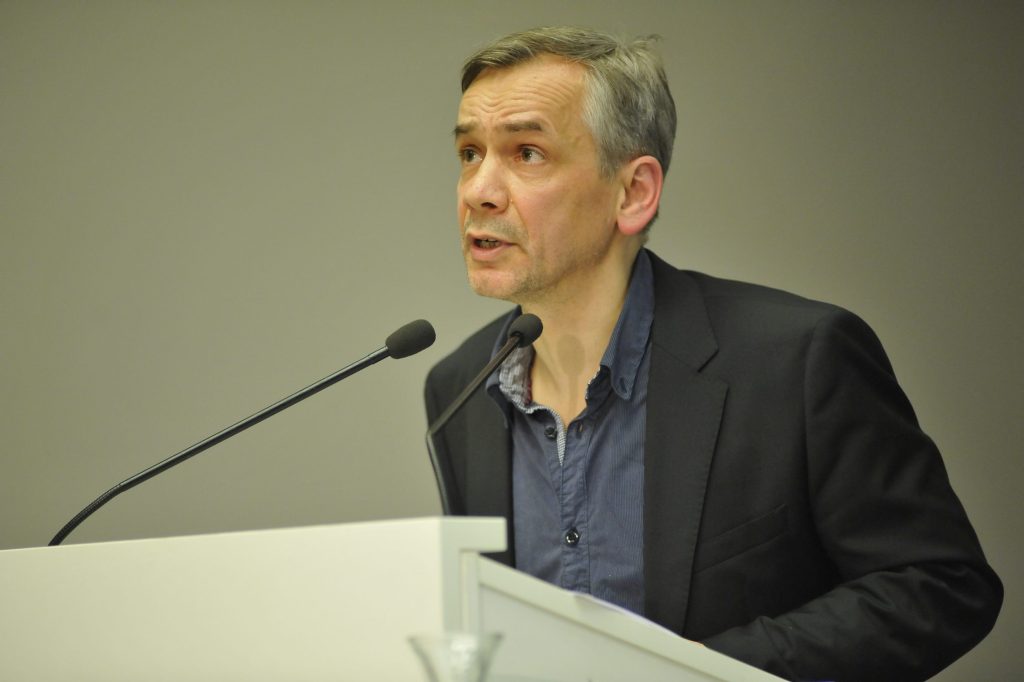
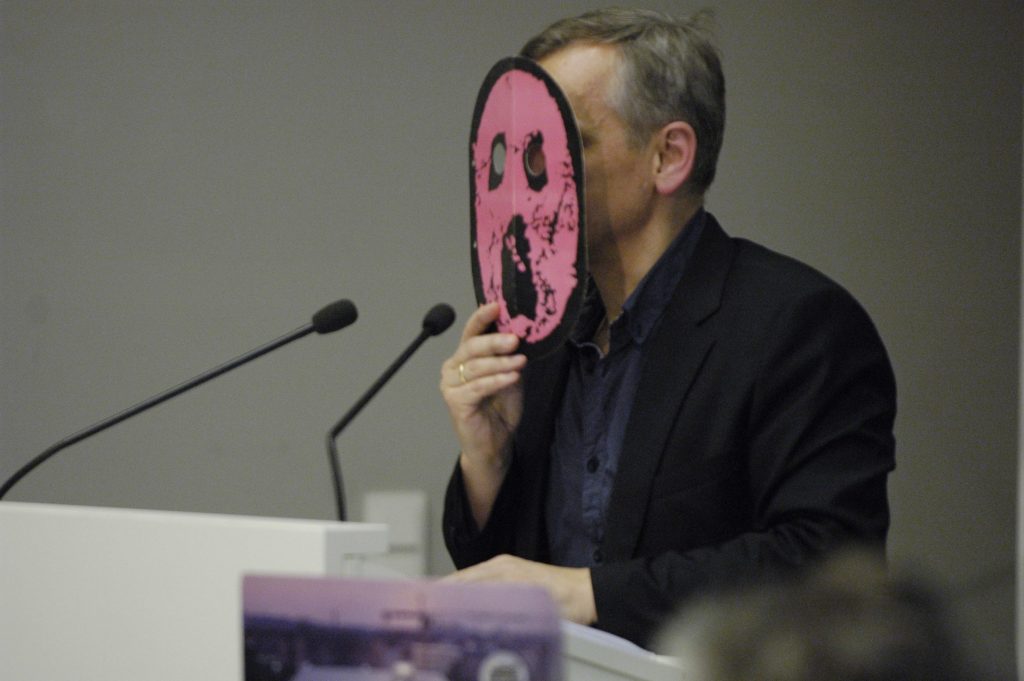
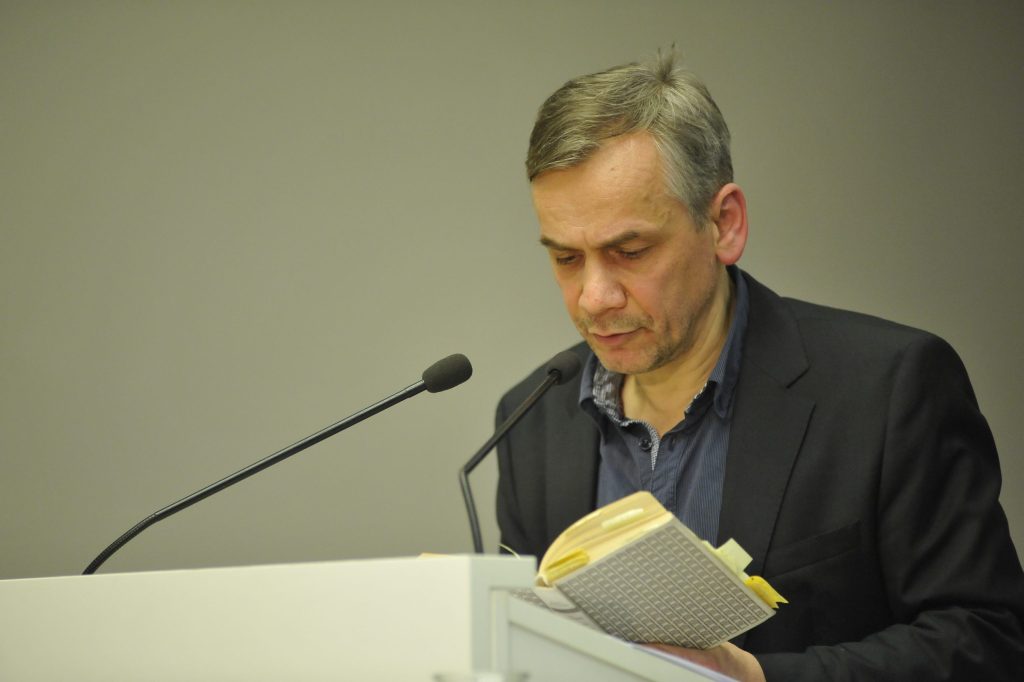
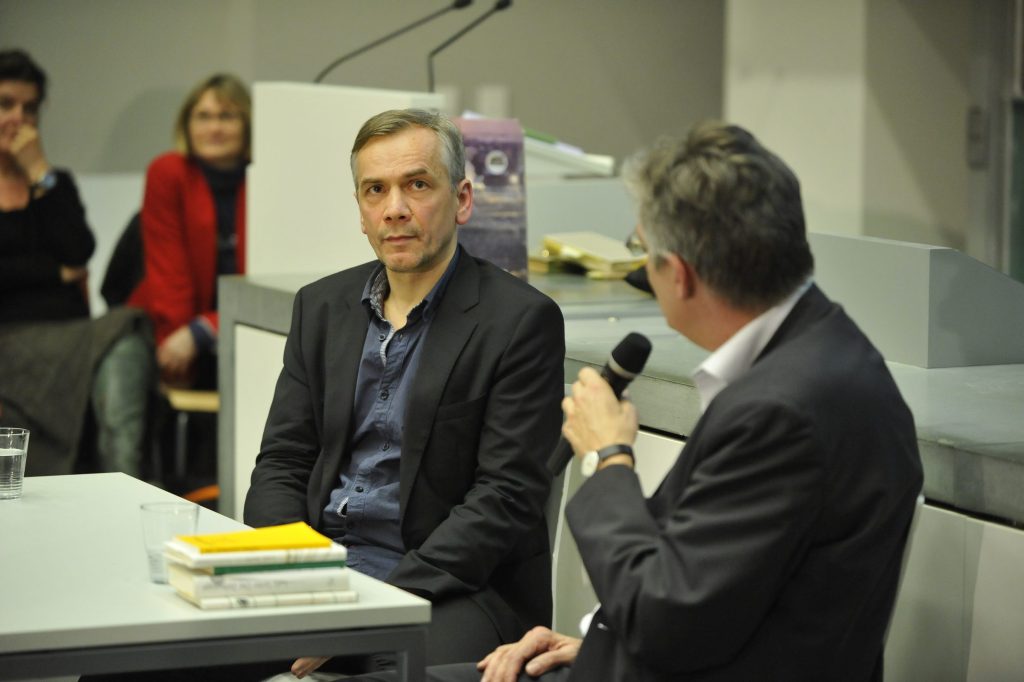
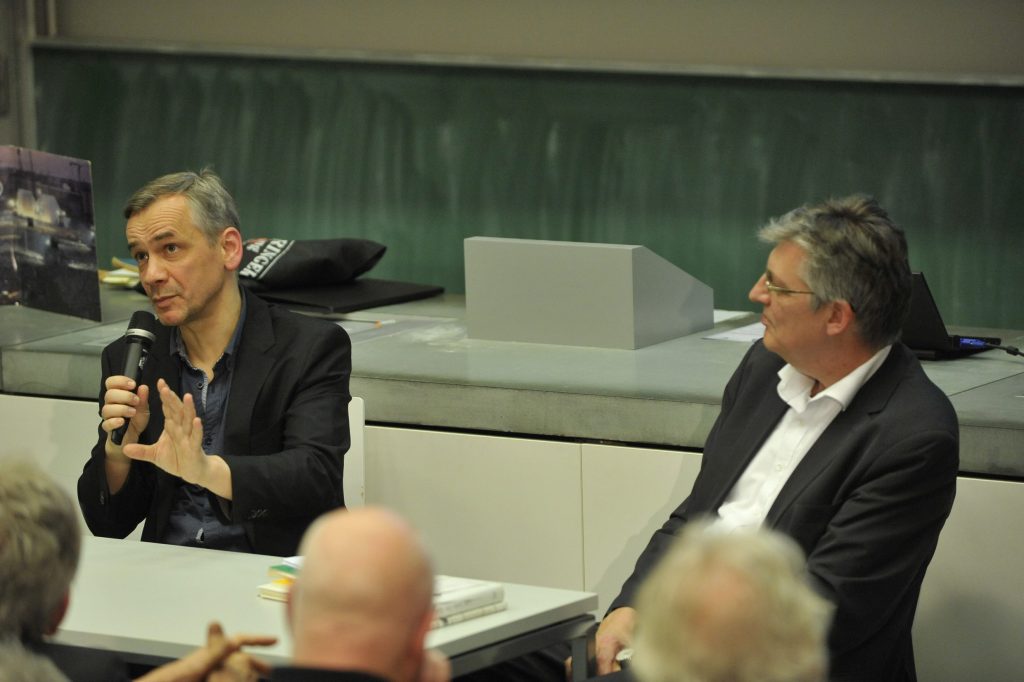
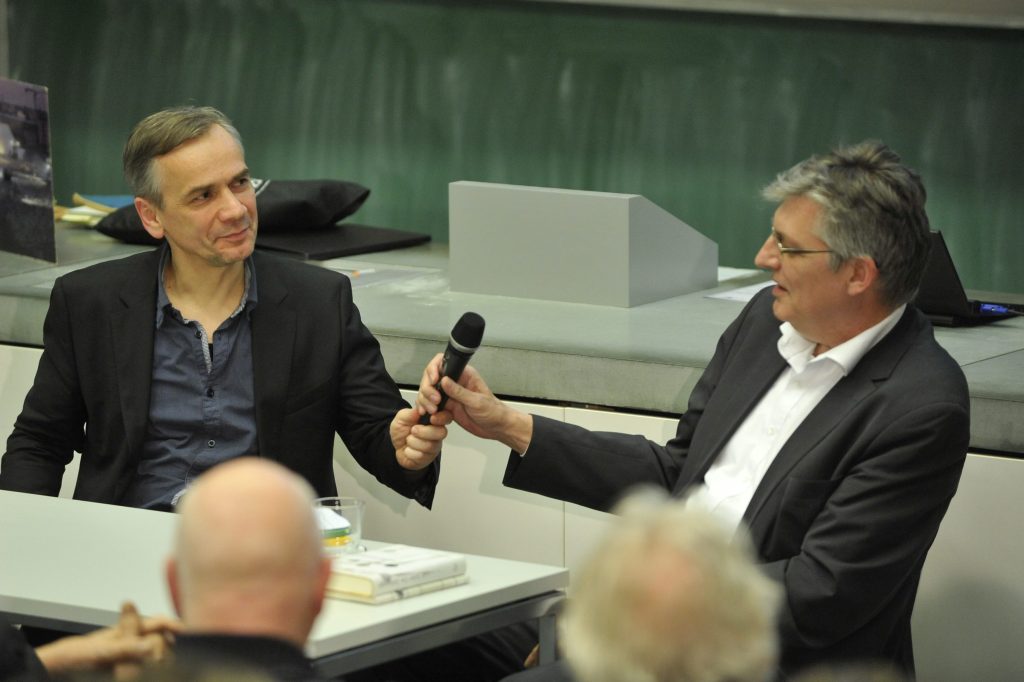
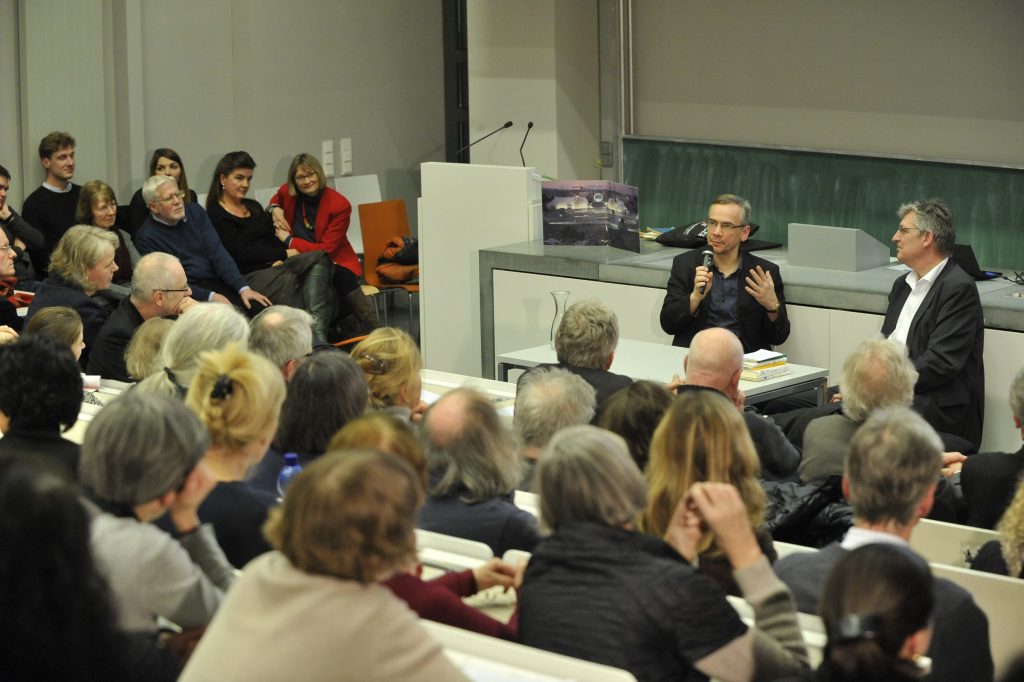
Photo credit: Niels Leiser for the Mosse Lectures
