
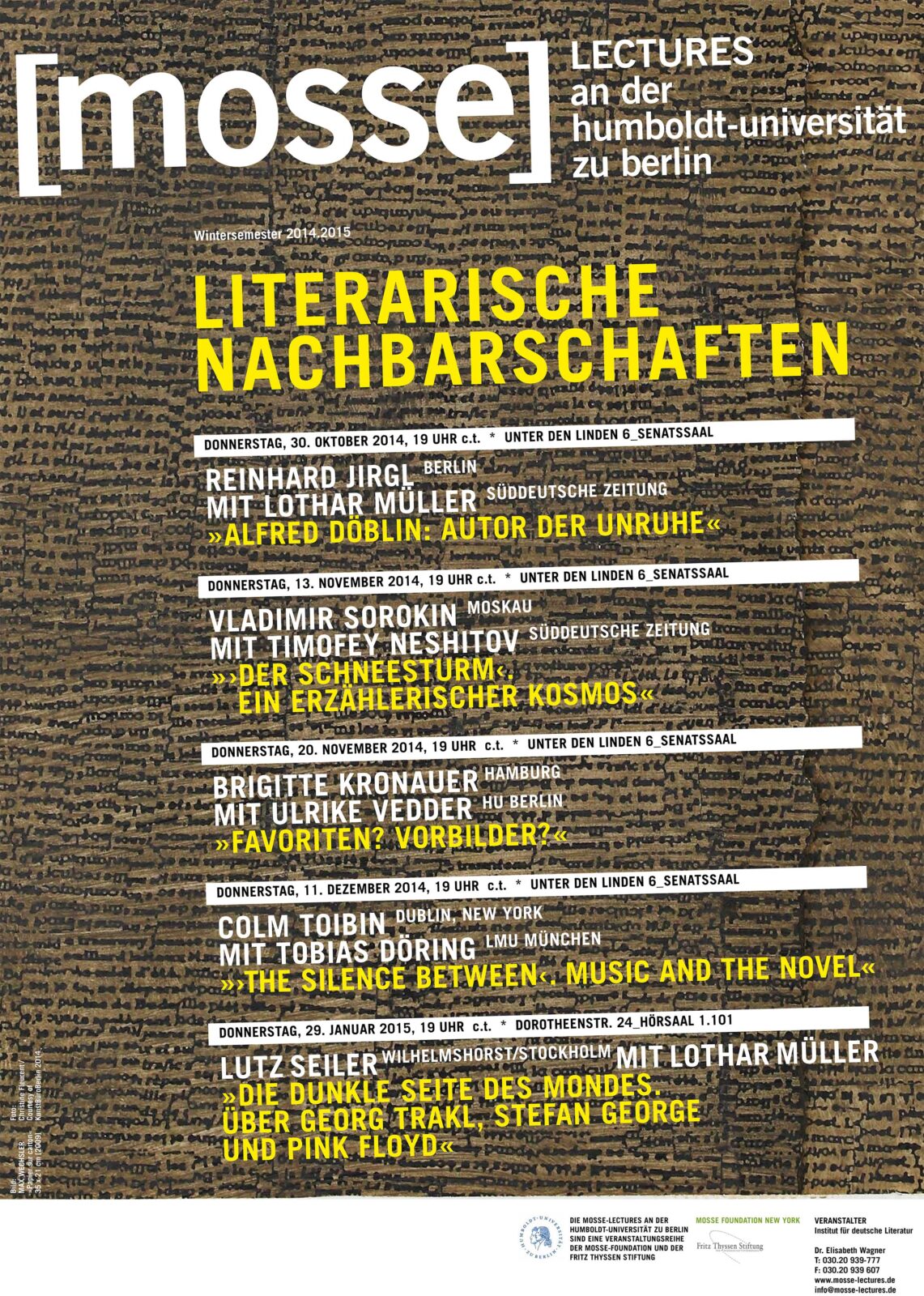
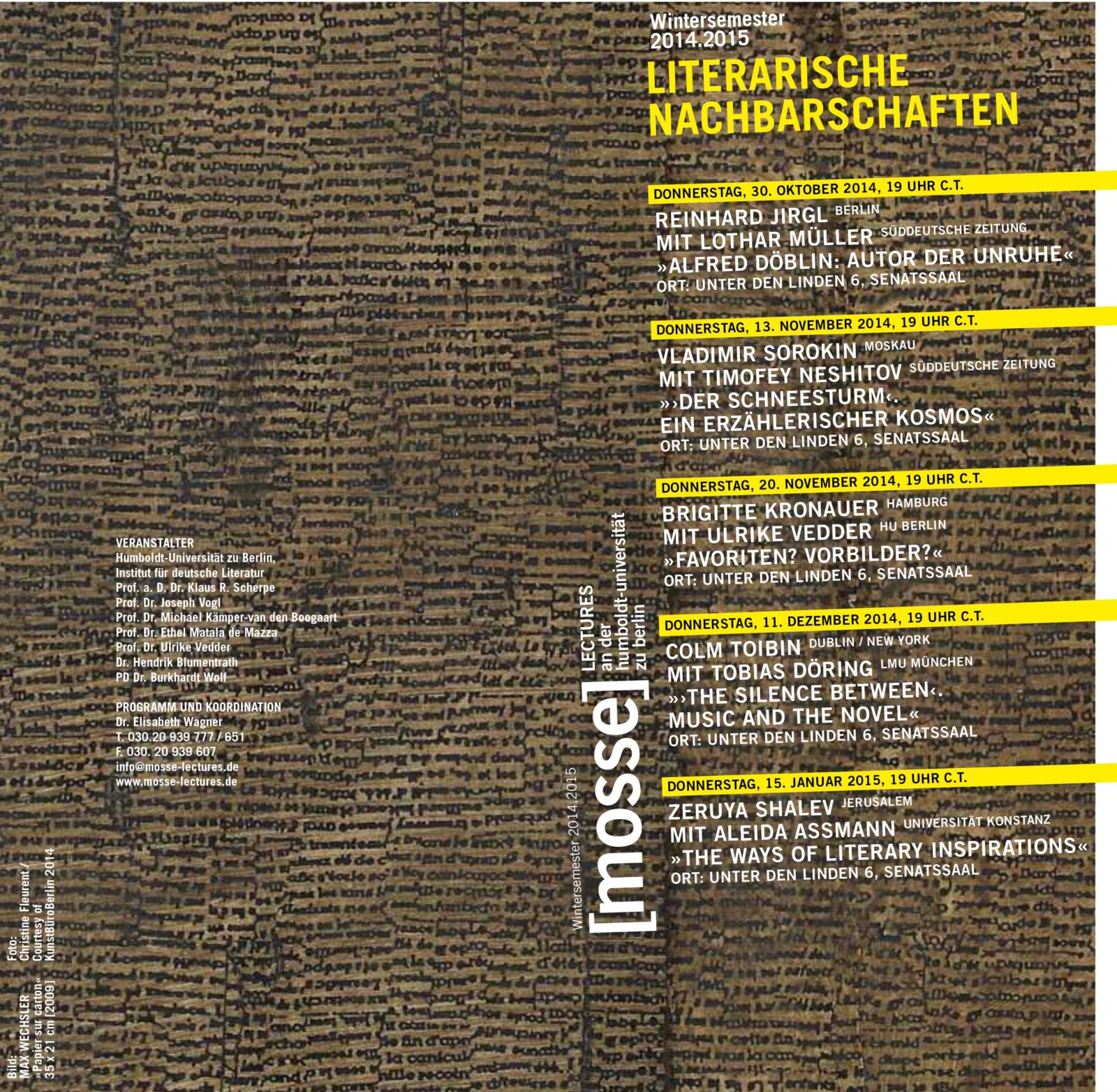
2014: Colm Toibin, “‘The Silence Between’. Music and the Novel”
Note: there are two parts to the lecture recording,
Colm Tóibín, “‘The Silence Between’. Music and the Novel”
Berlin Mosse Lecture
https://mosselectures.wisc.edu/berlin/
Thursday, 11 December 2014, 19:00 CET
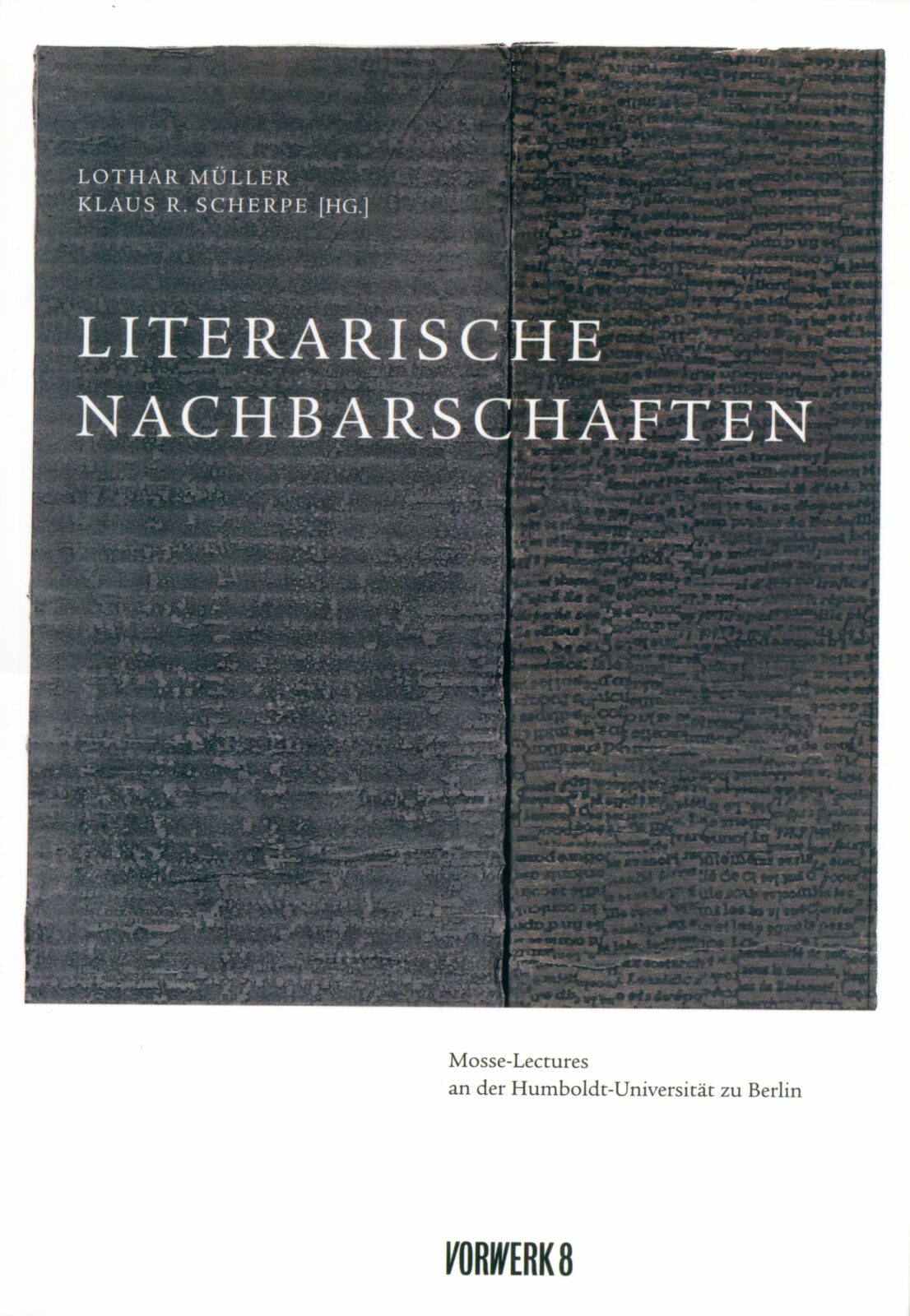
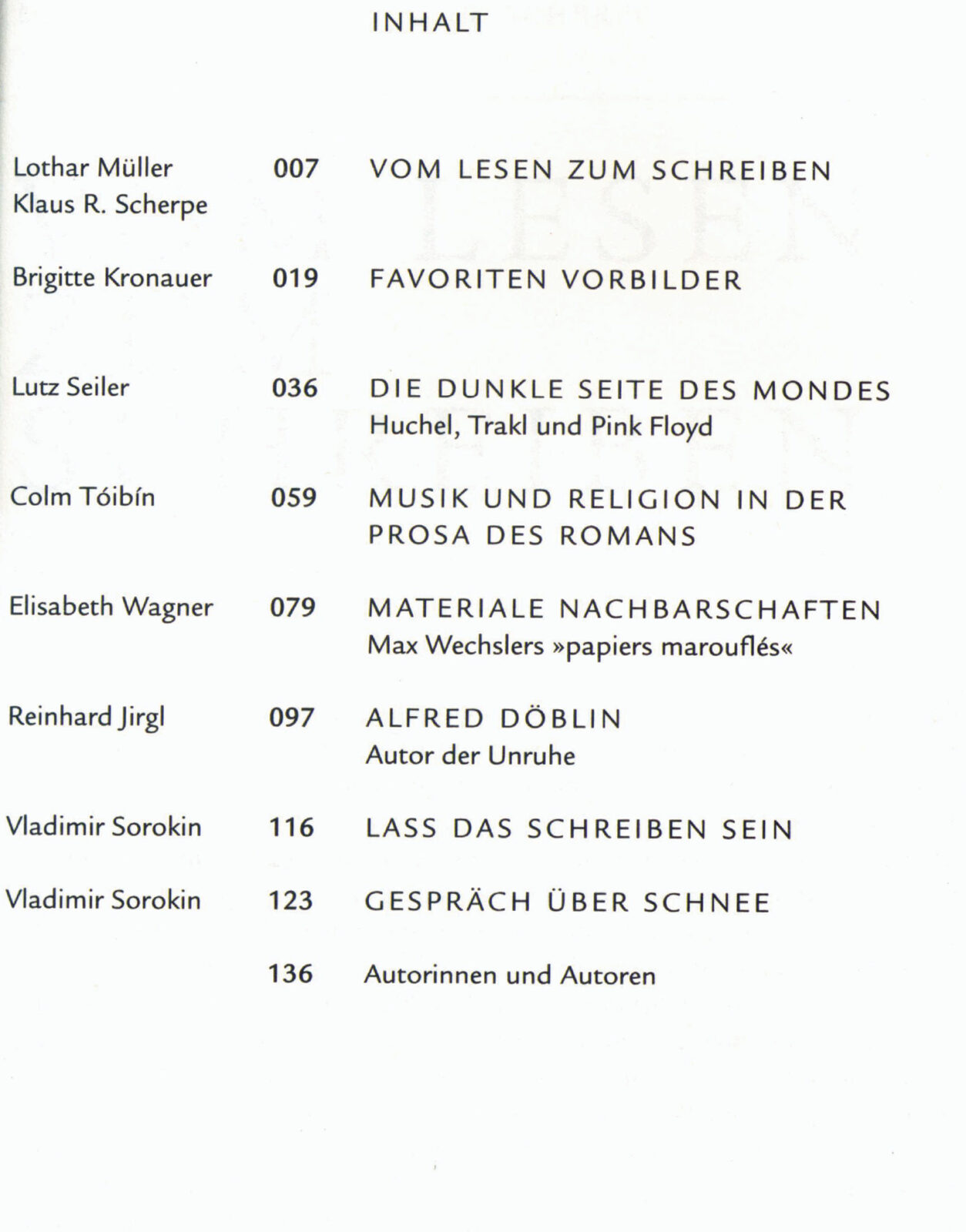
A version of this lecture was published in Lothar Müller, Klaus R. Scherpe, ed. Literarische Nachbarschaften. Mosse-Lectures an der Humboldt-Universität zu Berlin (Berlin: Vorwerk 8, 2016), 59-78. See table of contents below.
Senatssaal of Humboldt University
Under den Linden 6
1. Stock
10117 Berlin
GERMANY
Sponsored by:
[mosse] LECTURES an der humboldt-universität zu berlin
The Mosse Foundation
Global Mosse Lecture Series
Fritz Thyssen Stiftung
Institut für deutsche Literatur
Humboldt University
Introduction: Klaus Scherpe (Humboldt University)
Respondent: Tobias Döring (Ludwig-Maximilians-Universität München)
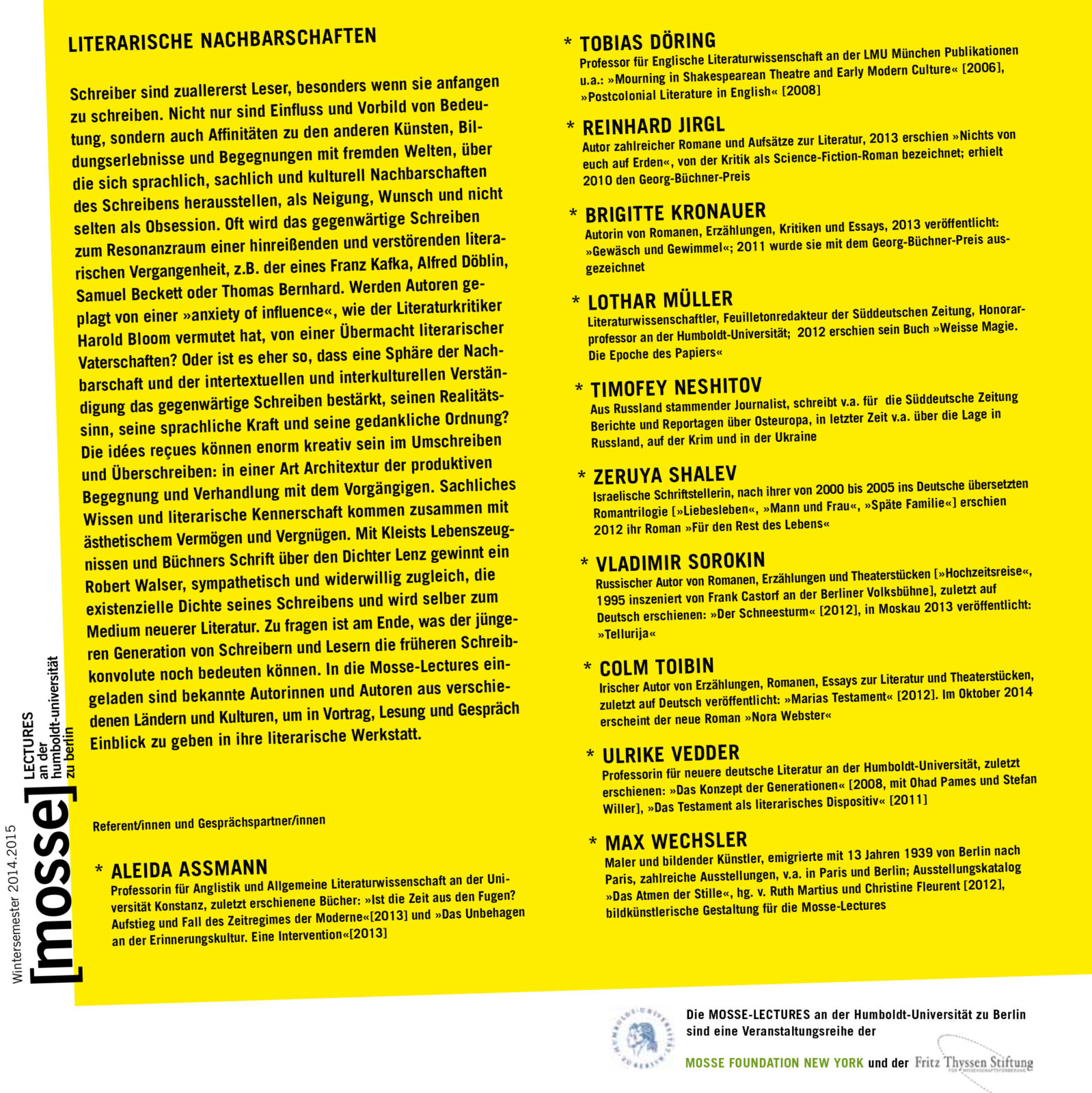
Lecture Series Description: First of all writers are readers, as J.M. Coetzee puts it, especially as they begin to write. Influences and models come into play, but then there is that visceral relationship that shapes matters of language, style and rhythm, creating adjacencies of writing, via affections, desires, often enough obsessions. The deep imprint former writers leave on texts may resonate as a kind of ghostwriting: the literary experience of a disturbing fictional past in the works of a Franz Kafka, Samuel Beckett or Thomas Bernhard. Worldly knowledge and literary appreciation quite often merge with an aesthetic sensibility and pleasure. Are writers, as literary critic Harold Bloom has asserted, haunted by an “anxiety of influence”? Are they overcome by literary paternities? Should we not rather suppose that literary proximity and intertextual understanding will strengthen and encourage a writer’s sense of reality, power of language, and order of ideas? The idées reçues of literature can be immensely creative in rewriting and overwriting. They may create a kind of architexture, negotiating and re-presenting the previous work. Robert Walser for example generates the existential density of his writing receiving inspirations from the scripts of Kleist and Büchner that make him a medium of a radically new literature. Or Vladimir Sorokin’s fiction where a kind of reproductive cloning of the classical writers of Russian literature takes hold of the imagination. Finally it is a matter of conjecture what, nowadays, the bulk of previous writings can mean to the younger generations of writers and readers. Well known authors from different countries and cultures are invited to the Mosse-Lectures to present and comment on the literary condition and constituting elements of their work.
Colm Toibin: Irischer Autor von Erzählungen, Romanen, Essays zur Literatur und Theaterstücken, ständiger Gastprofessor an der Columbia University in New York, bekannt für sein gesellschaftskritisches und engagiertes Schreiben, u.a. in der Schwulenbewegung, ebenso für die Selbstthematisierung der Literatur und anderer Künste; in deutscher Übersetzung sind u.a. erschienen: »Porträt des Meisters in mittleren Jahren« (2005), »Mütter und Söhne« (2009), »Brooklyn« (2010); 2012 veröffentlicht: »The Testament of Mary« (deutsch »Marias Testament«, 2014), als Theaterstück am Broadway aufgeführt, als Audio Book gelesen von Meryl Steep. Im Oktober erscheint der neue Roman »Nora Webster«.
Tobias Döring: Professor für Englische Literaturwissenschaft an der Ludwig-Maximilians-Universität München, Arbeitsschwerpunkte in den Postcolonial Studies undin der Frühzeit der Moderne, insbesondere zu Shakespeare, neben zahlreichen Literaturkritiken und Aufsätzen u.a. Autor der Monographien »Performances of Mourning in Shakespearean Theatre and Early Modern Culture« (2006) und »Postcolonial Literature in English« (2008), hg. mit Mark Stein 2012 »Edward Said’s Translocations«.
Klaus Scherpe served as professor of modern German literature at Humboldt University Berlin starting in 1993, where he also directed the Institute for German Literature between 1996 and 1998 and co-founded the Mosse Lectures in 1997. He is the author of How German Is It, and How American? Ironic Replays in Literature (2005) and Die rekonstruierte Moderne. Studien zur deutschen Literatur nach 1945 (1992), among numerous other works. From 1973-1993 he served as professor of modern German literature at the Free University of Berlin. He has been active as a guest professor at numerous universities around the world, including in the US, Japan, Australia, and Argentina.
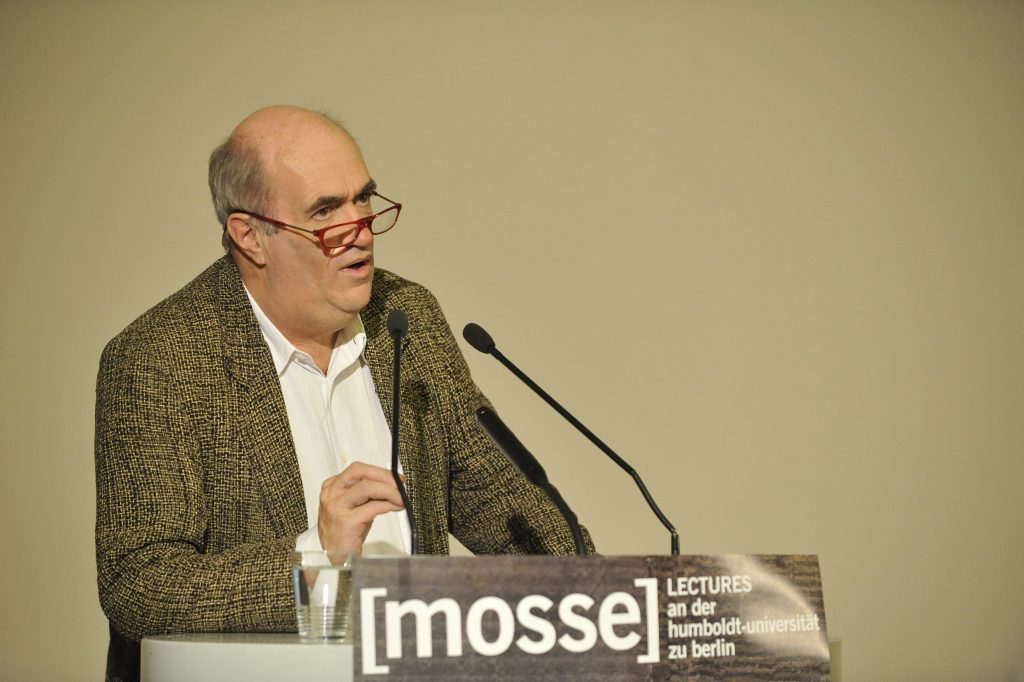
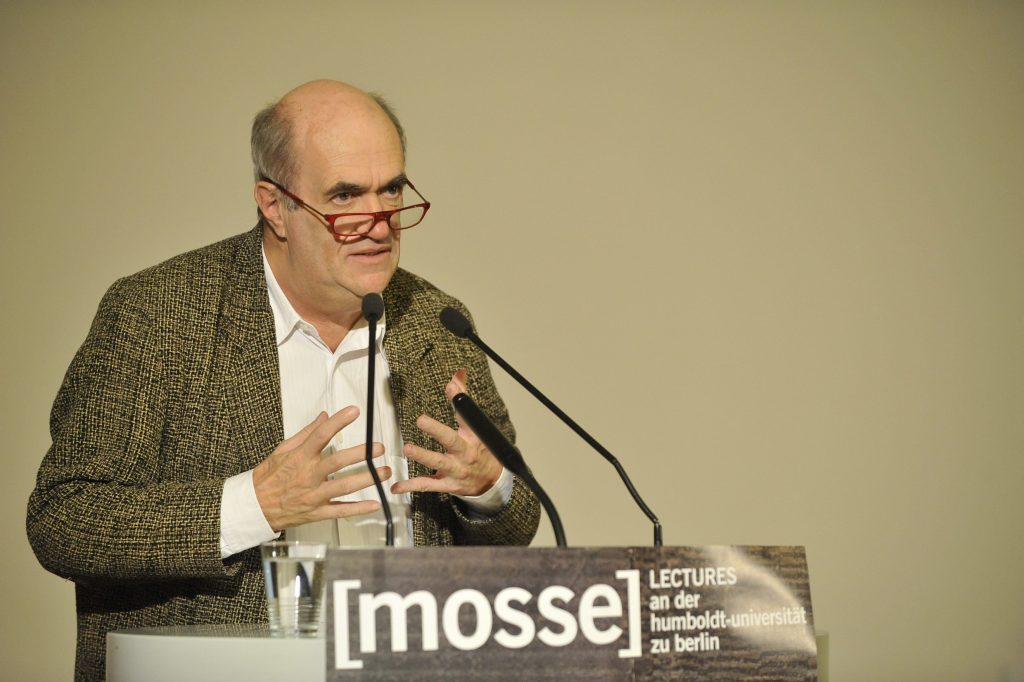
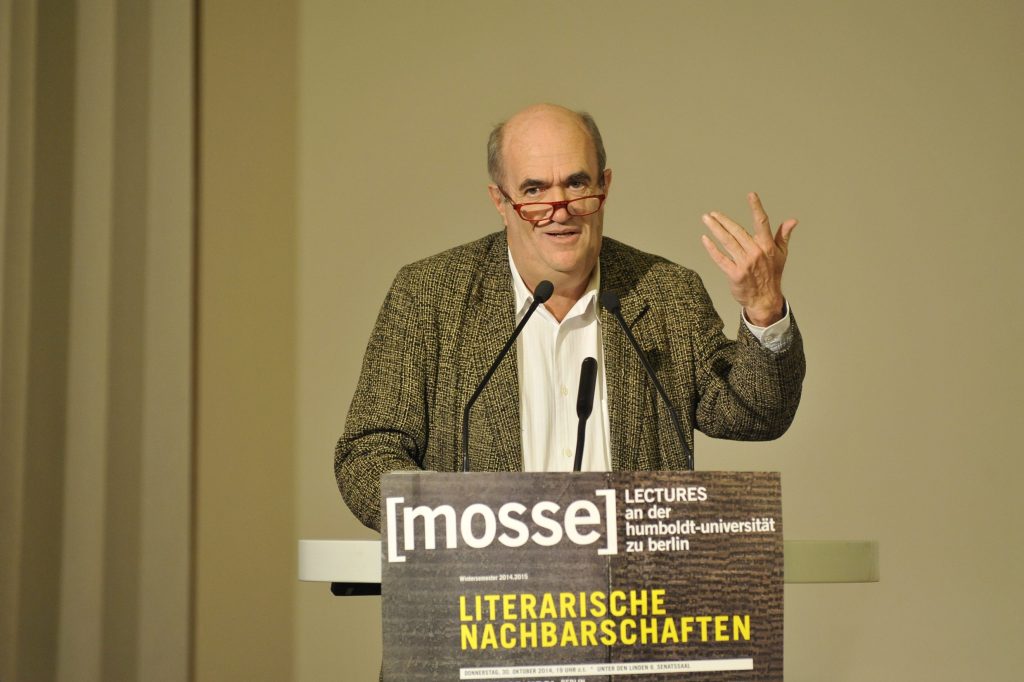
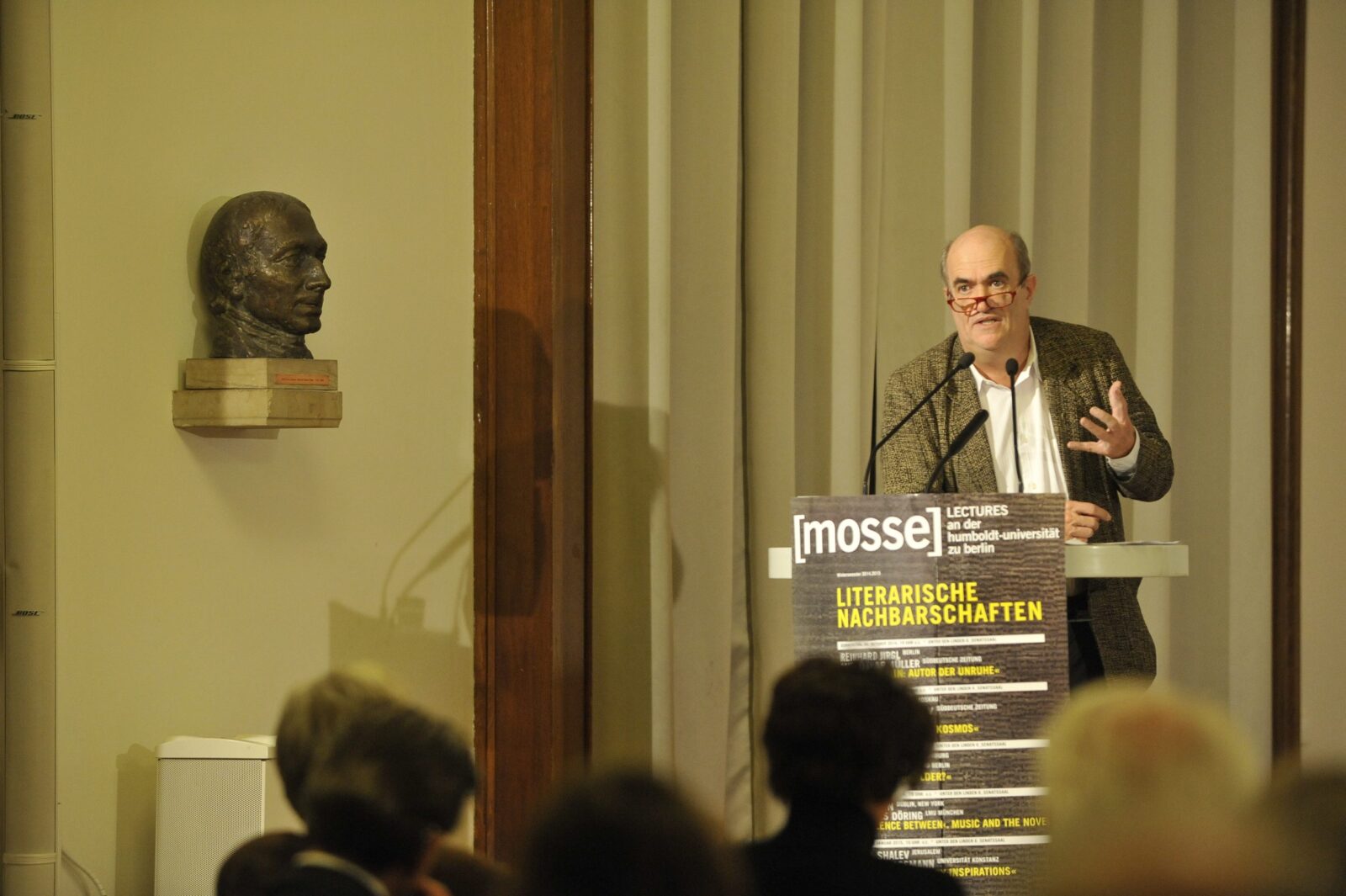
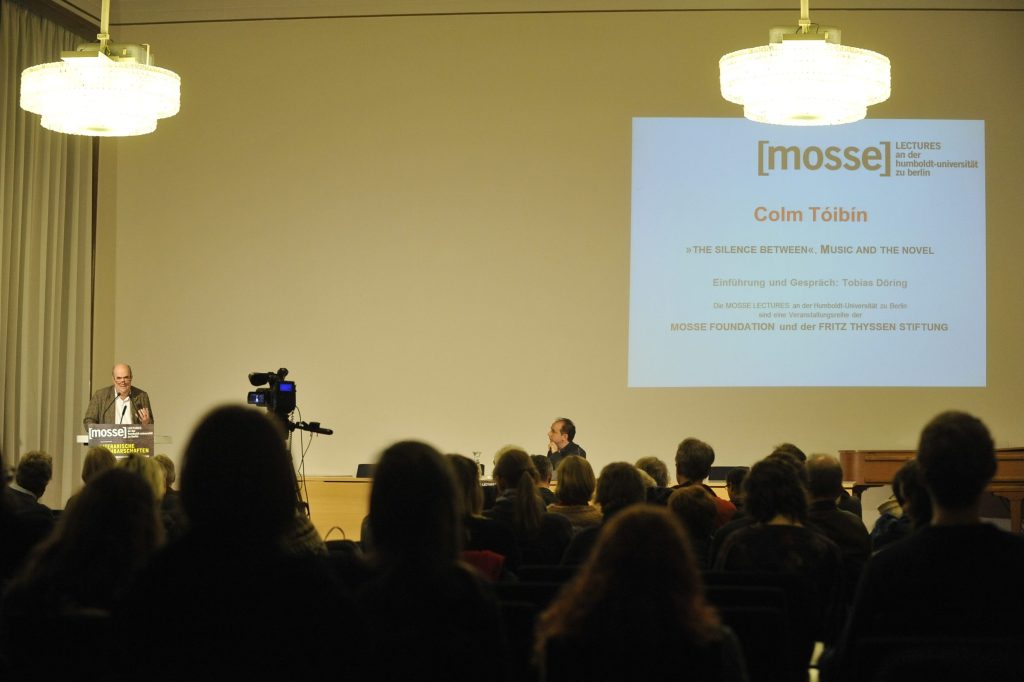
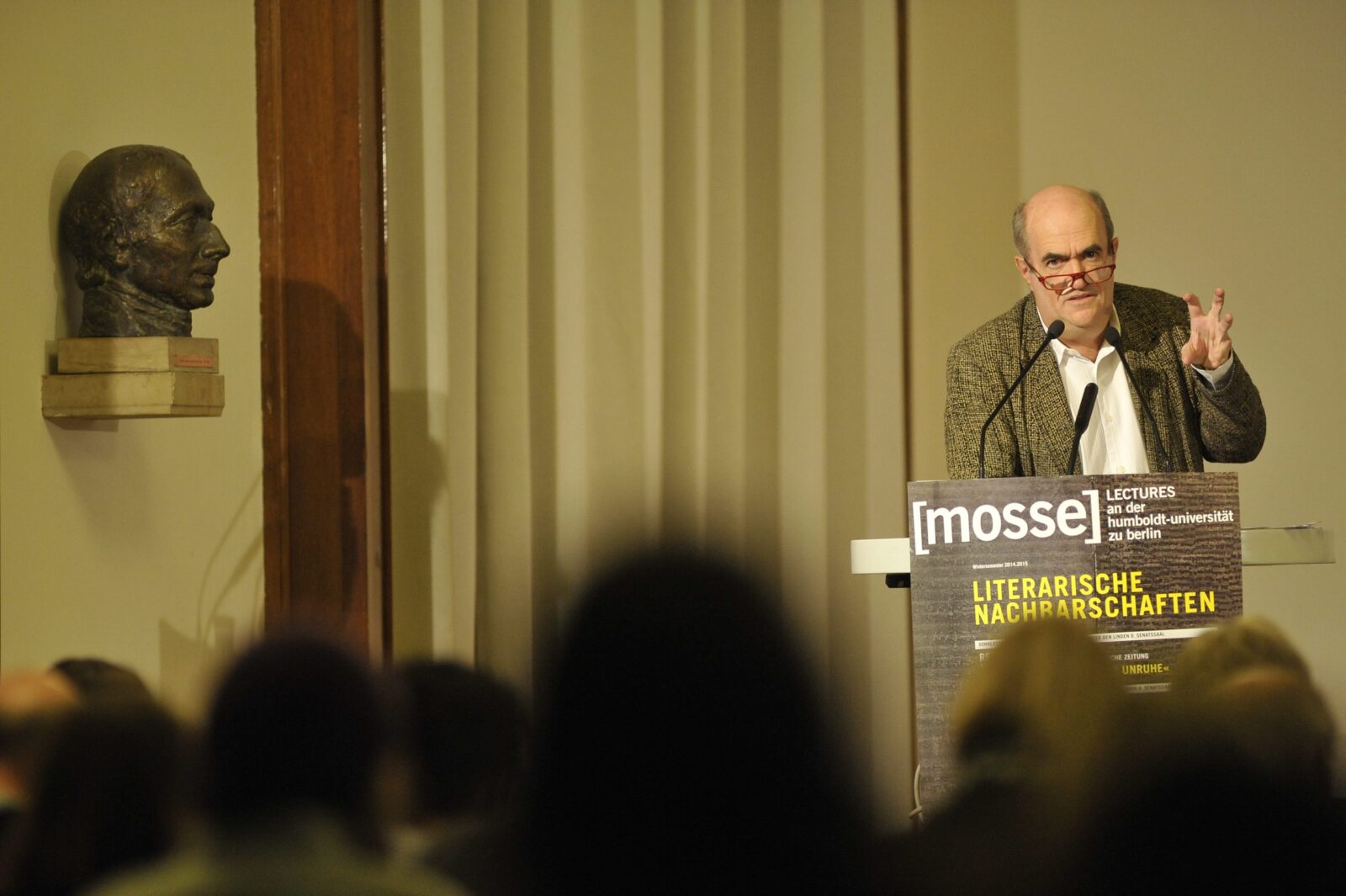
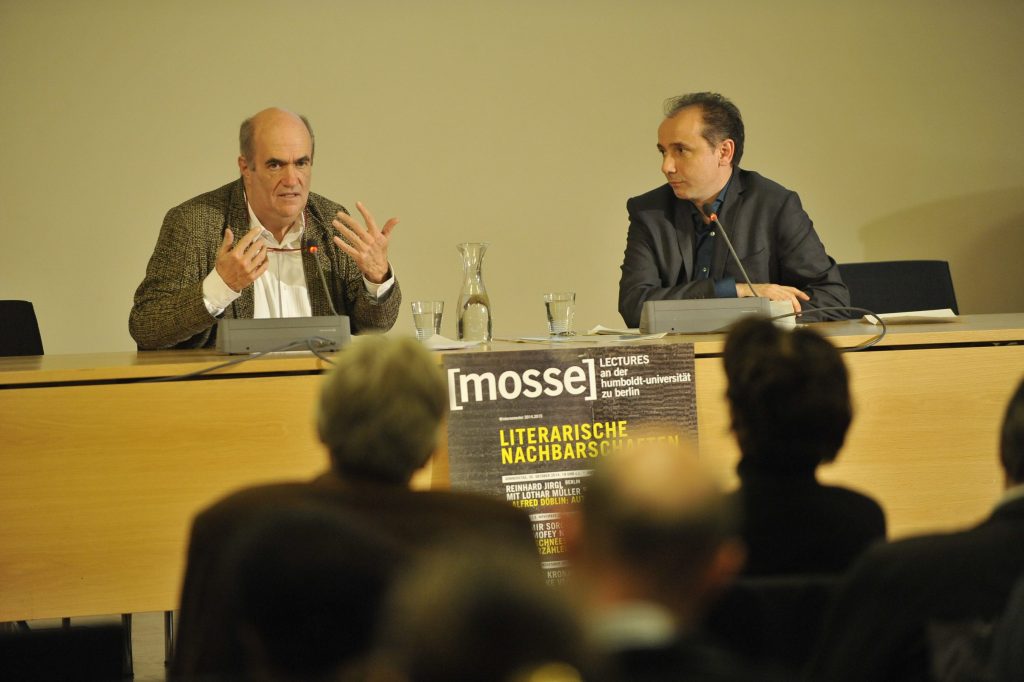
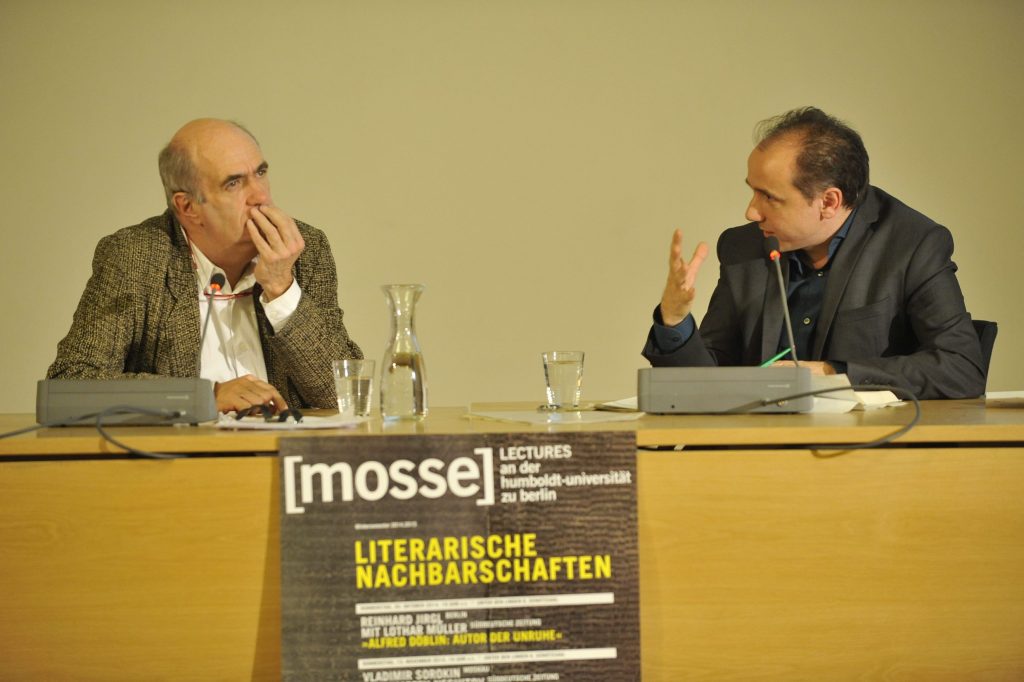
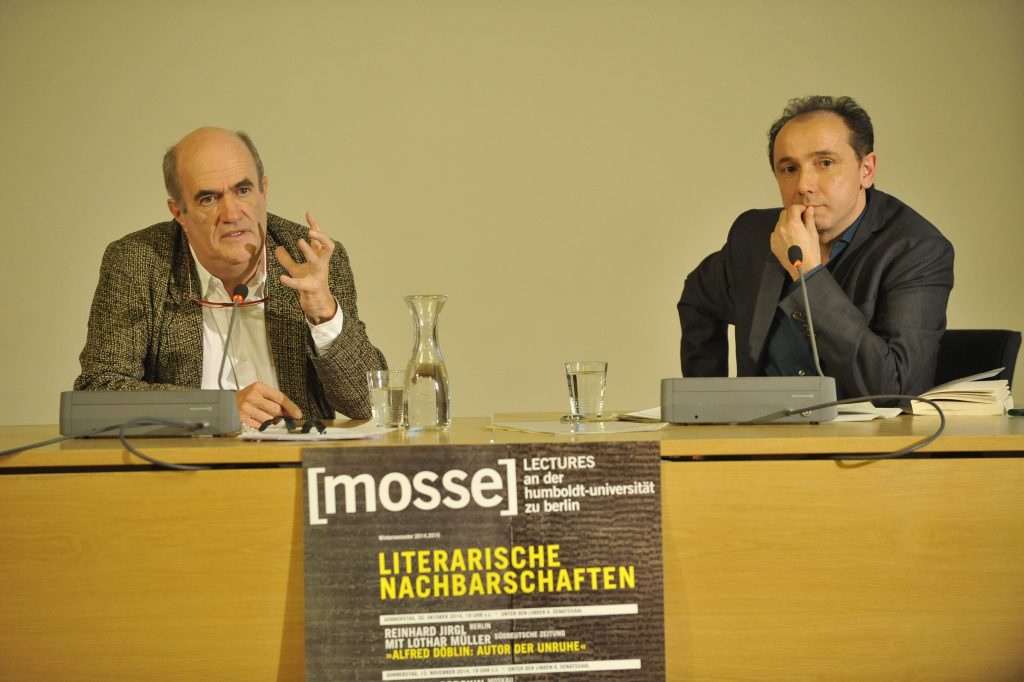
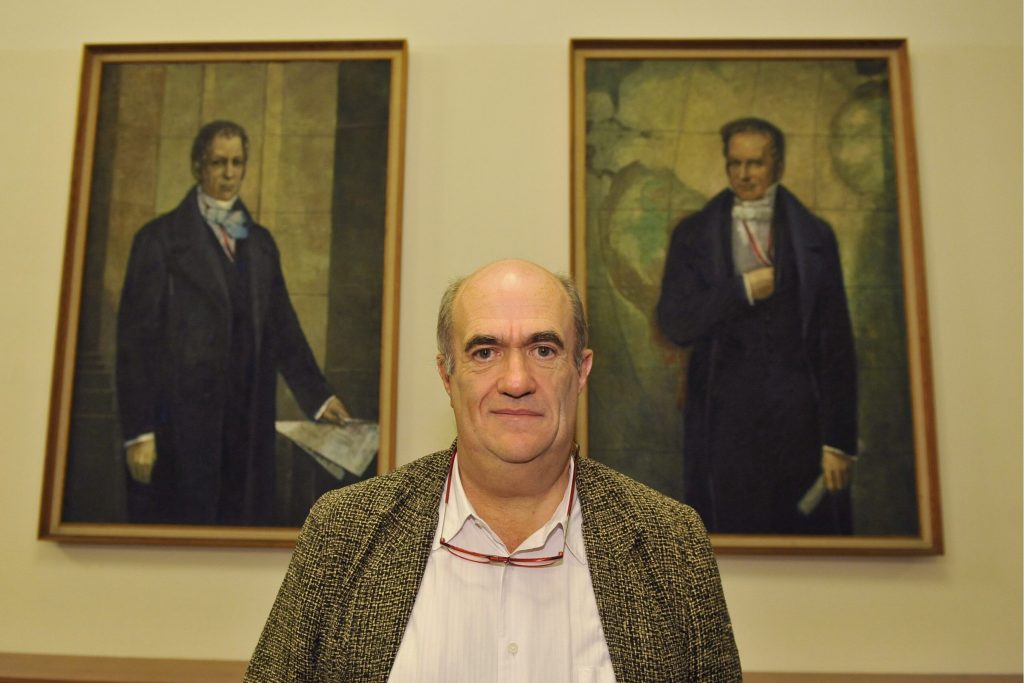
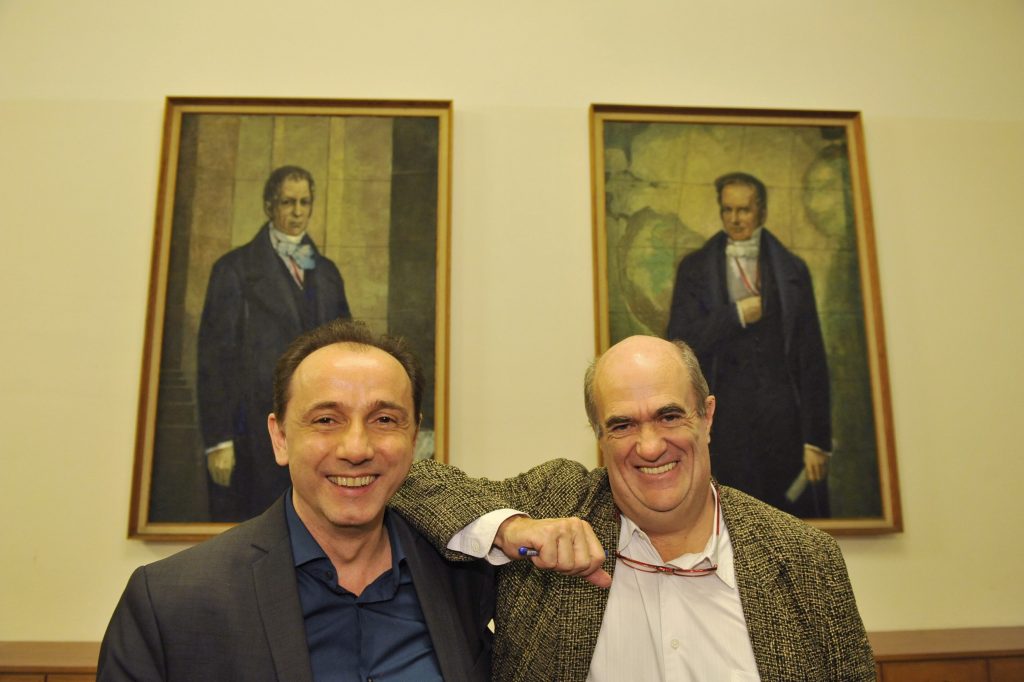
Photo credit: Niels Leiser for the Mosse Lectures
