
2009: Jeremy Rifkin, “Leading the Way to the Third Industrial Revolution and a New Social Europe in the 21st Century”
Jeremy Rifkin, “Leading the Way to the Third Industrial Revolution and a New Social Europe in the 21st Century”
Berlin Mosse Lecture
https://mosselectures.wisc.edu/berlin/
Wednesday, 23 June 2009, 19:00 CET
Senatssaal of Humboldt University
Unter den Linden 6
1. Stock
10117 Berlin
GERMANY
Sponsored by:
The Mosse Foundation
Global Mosse Lecture Series
Gerda Henkel Stiftung
Stiftung Preußische Seehandlung
Humboldt University
Institut für deutsche Literatur
Public Affairs Program of the Embassy of the United States
Lecture Description: Jede Nation muss sich die zentrale Frage stellen, wie das Land, unser Land, in 25 Jahren aussehen soll. Die sog. Dritte Industrielle Revolution ist das „Endspiel“ für das auf Kohle- und Uranenergien basierende Zeitalter. Sie ist der Aufbruch in eine lebenswerte Zukunft der Menschheit ohne Schadstoffbelastungen und Umweltschäden. Diese Dritte Industrielle Revolution wird im 21. Jahrhundert vor allem ein Neues Soziales Europa hervorbringen: die Attraktivität eines europäischen Traums von verbesserter Lebensqualität, sozialer Gerechtigkeit und Menschenrechten im Verhältnis zur Marktwirtschaft, mit neuen Ansätzen zur weltweit friedlichen Kooperation. Durch die globalen Krisen von Energie, Umwelt und Finanzen ist dieser Traum extrem gefährdet. Umso wichtiger ist es, unter diesen Bedingungen und Voraussetzungen einen Fahrplan, wenn auch nur als „gameplay“, für die nächsten 50 Jahre der europäischen Integration zu entwerfen.
Lecture Series Description: „Relations of uncertainties“ shape the modern world, the „age of anxiety“ according to W. H. Auden and Günther Anders. Probability theories have been created in response to this since the 17th century – in mathematics, statistics, the economy and in the arts. In the sciences, the establishment of models and formalisations grasp these uncertainties and put them into perspective, into the system. In the economic process this formalisation of knowledge is often not recognised as what it is or can be, what it produces – which is fiction. The logic of the abstraction of money on the financial markets creates its own reality, detached from the references to local, social, to political or even economic data. „Computers conceive the suffering of the millionaires“, writes Wolfgang Koeppen with irony in his New York fiction of 1976. But is it still possible to narrate a different world – such as the one of finances – with the familiar dichotomy of ‘natural’ and ‘artificial’, of ‘illusion’ and ‘reality’? The fuzzy term of virtual reality contains the old expression of virtue – should it be applied to the electronic networks of information which delineate within seconds the movements and events of the global finance markets on the screen? This „greater being“ as an emergent life form: changeable, flowing, without identity, endless. And catastrophic?
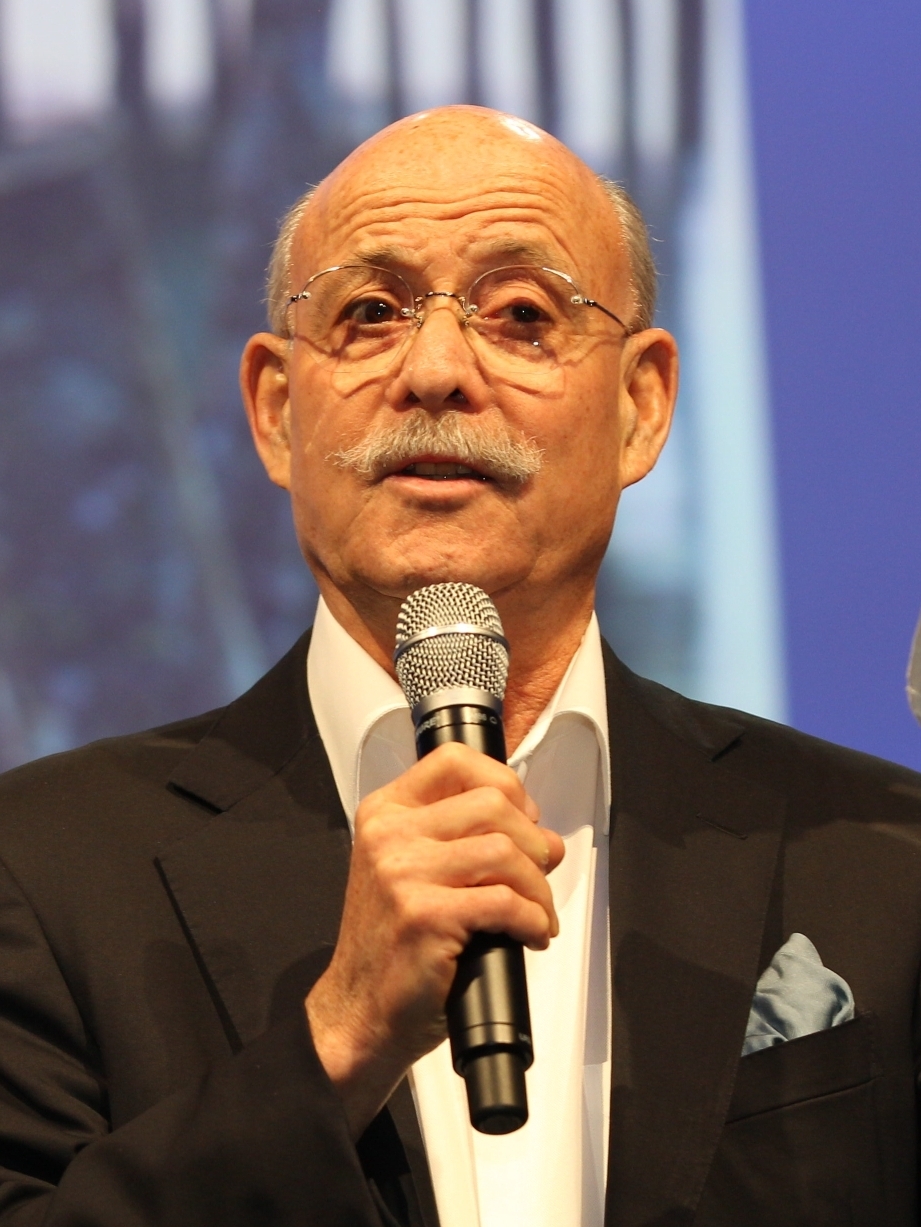
Jeremy Rifkin has been an advisor to the leadership of the European Union since 2000. He has advised three past presidents of the European Commission – Romano Prodi, Jose Manuel Barroso, and Jean-Claude Juncker – and is advising the current European Commission under the presidency of Ursula von der Leyen, as well as the former president of the European Parliament, David Sassoli. Mr. Rifkin has also advised numerous EU heads of state over the past twenty years, including Germany’s Angela Merkel, on the ushering in of a smart green Third Industrial Revolution economy.
https://foet.org/about/jeremy-rifkin/
