
2024: Marcus Twellmann, “Berliner Umlandliteratur” / “Literature from Around Berlin”
Marcus Twellmann, “Berliner Umlandliteratur” / “Literature from Around Berlin”
Humboldt University Berlin Mosse Lecture
mosselectures.wisc.edu/berlin/
Thursday, 12 December 2024, 19:15 CET
In the Media:
This lecture series was covered by Torsten Flüh for night Night Out @ Berlin: Transformationen der Landwirtschaft zwischen Zeilensaat und Reallaboren
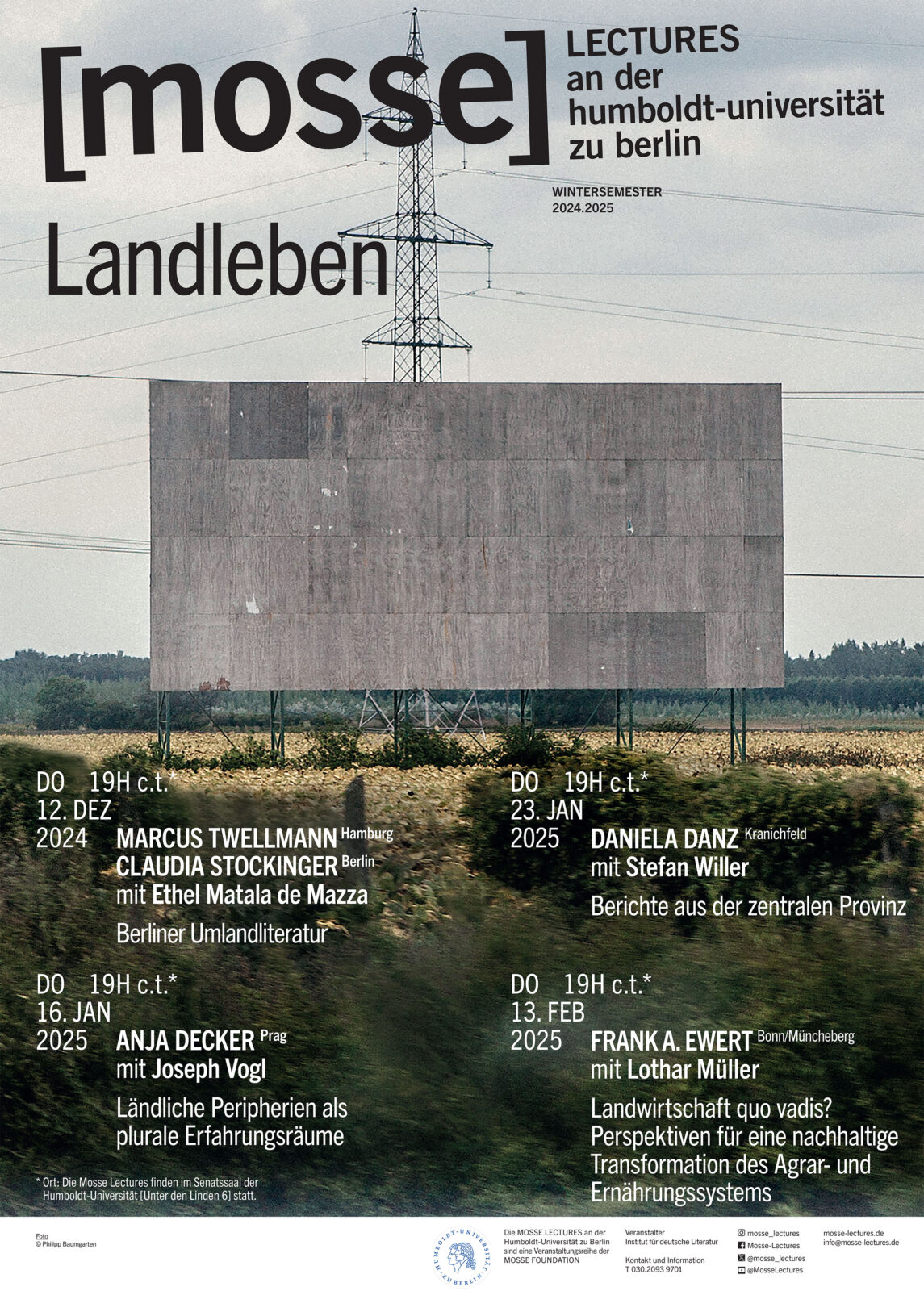
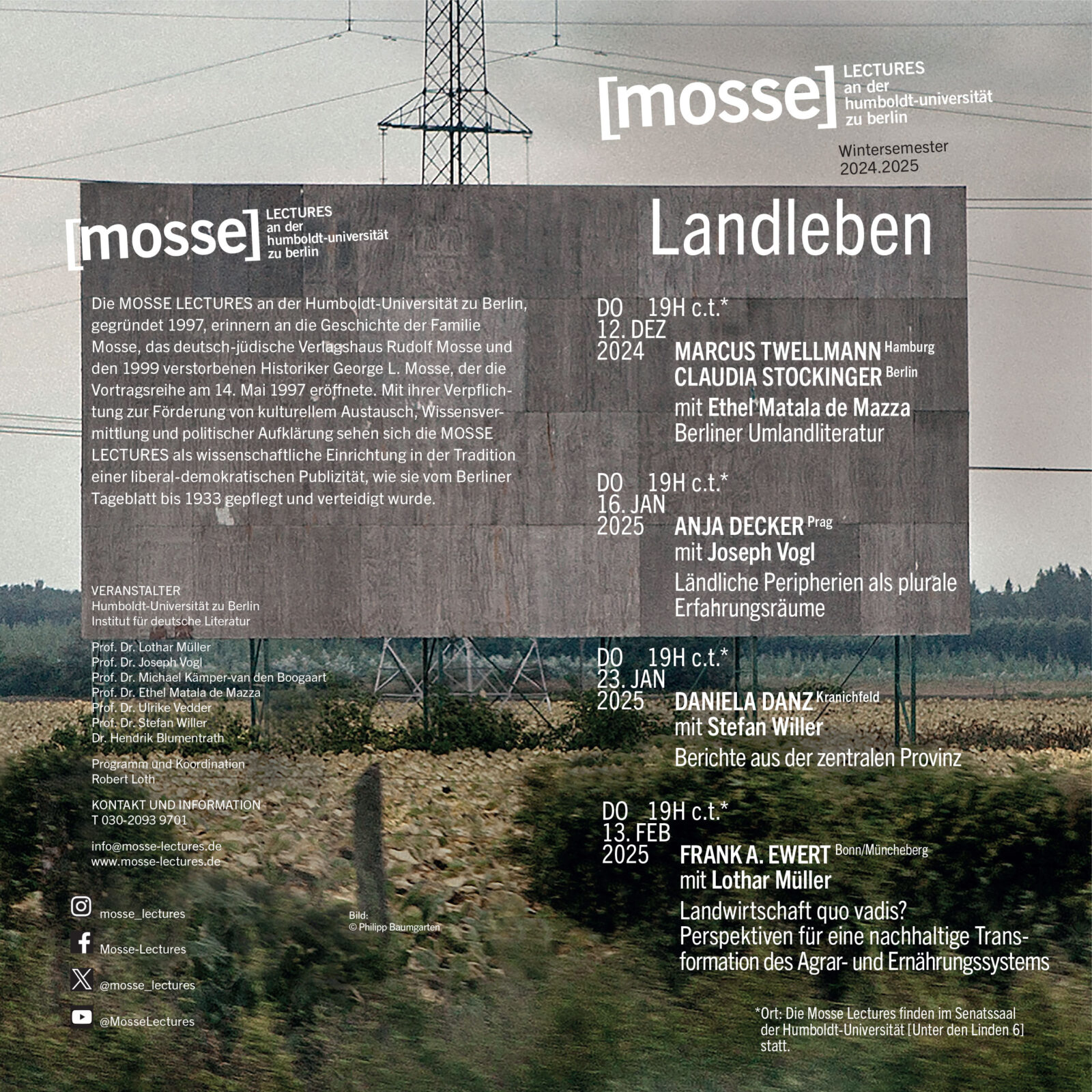
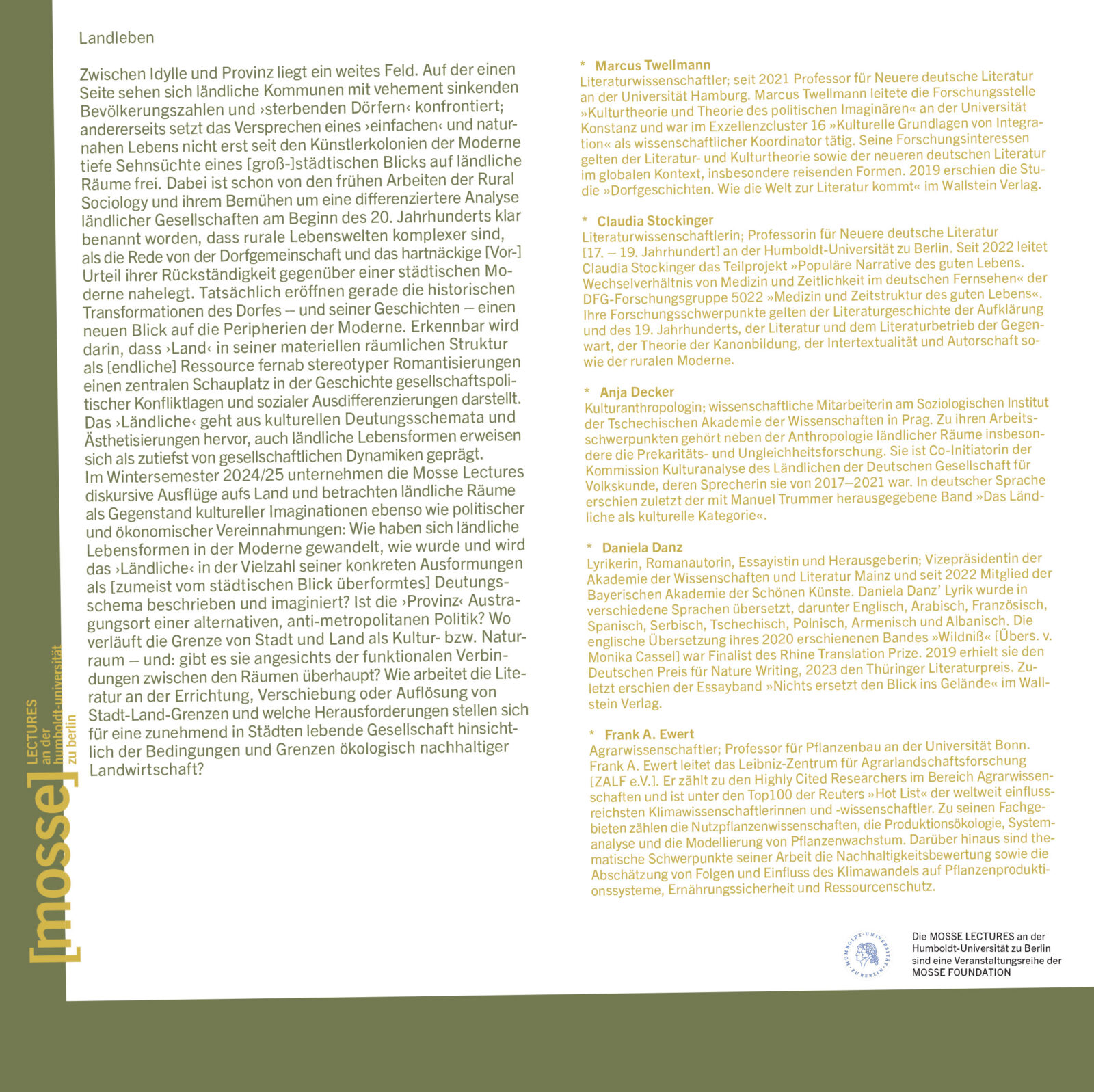
Senatssaal of Humboldt University
Unter den Linden 6
10117 Berlin
GERMANY
Sponsored by:
[mosse] LECTURES an der humboldt-universität zu berlin
The Mosse Foundation
Global Mosse Lecture Series
Institut für deutsche Literatur
Humboldt University
Moderator: Ethel Matala de Mazza (Humboldt University)
Lecture Description: If we consider ›Berliner Umlandliteratur‹ as part of a rurban assemblage, we can gain a relational perspective on different spaces and ask about the participation of literature in socio-natural processes. Without interpreting the relationship between city and countryside as a contradiction in advance, it is possible to consider such a potentially powerful use of the distinction by literary, political and scientific actors. While some observers recognize a societal divide here, others object to radicalized discourse actors who are inciting conflict. Does this accusation also apply to a critical science of the urban/rural divide? And how does storytelling operate in this context?
Lecture Series Theme: Landleben
Lecture Series Description: There is too far afield between idyllic and provincial. On the one hand, rural communities are confronted with severe population decline and ‘dying villages’, on the other hand, the promise of a ›simple‹ life close to nature has unleashed deep longings by an urban view on rural spaces, not just since the artists’ colonies of modernism. Yet the early works of rural sociology and its efforts to achieve a more differentiated analysis of rural societies at the beginning of the 20th century already clearly stated that rural lifeworlds are more complex than the talk of the village community and the persistent (pre-)judgment of its backwardness compared to urban modernity would suggest. In fact, it is precisely the historical transformations of the village – and its stories – that open up a new perspective on the peripheries of modernity. It becomes apparent that ›rurality‹ in its material spatial structure as a (finite) resource, far removed from stereotypical romanticizations, represents a central arena in the history of socio-political conflicts and social differentiation. The ›rural‹ emerges from cultural interpretation schemes and aestheticizations, and rural ways of life also prove to be deeply shaped by social dynamics.
In winter 2024/25, the Mosse Lectures will take discursive excursions into the countryside and consider rural spaces as the subject of cultural imaginations as well as political and economic appropriations: How have rural ways of life changed in modernity, how has the “rural” been described and imagined in the multitude of its concrete forms as a scheme of interpretation (mostly shaped by the urban view)? Is the ›province‹ the venue for an alternative, anti-metropolitan politics? Where is the boundary between city and countryside as a cultural or natural space – and does it even exist considering the functional connections between the spaces? How does literature work on the construction, shifting or dissolution of urban-rural boundaries and what challenges does an increasingly urban society face with regard to the conditions and limits of ecologically sustainable agriculture?
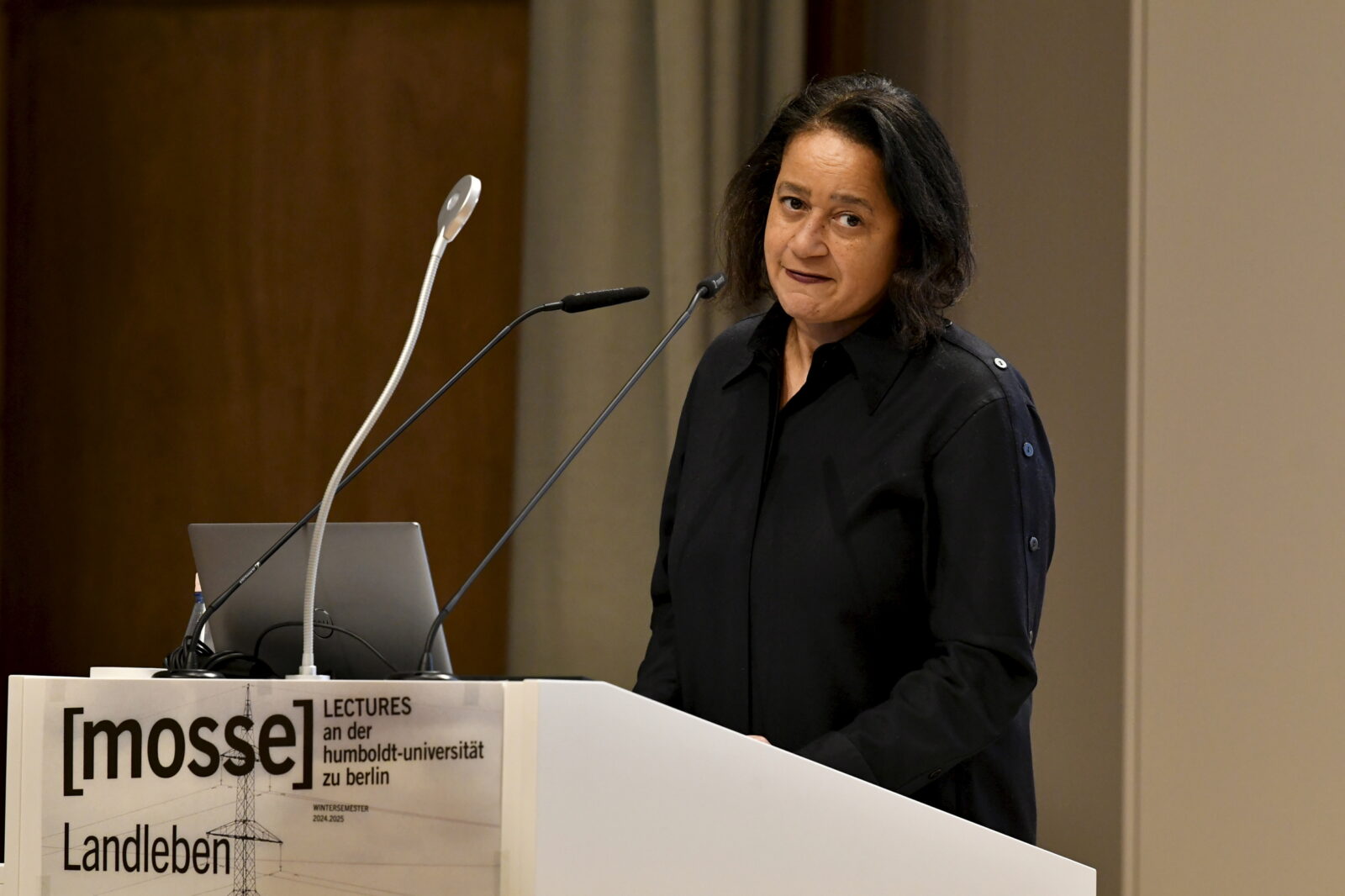
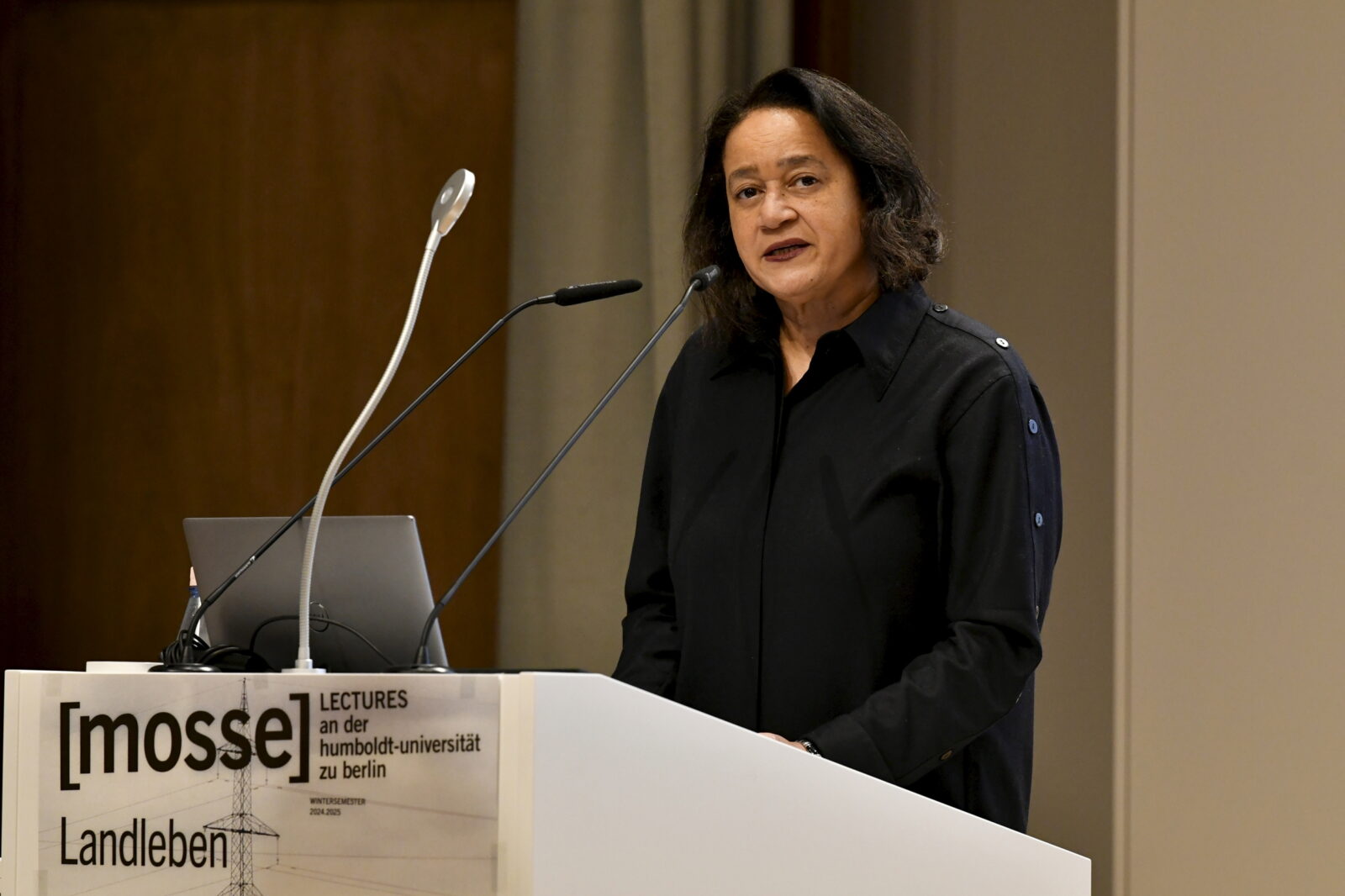
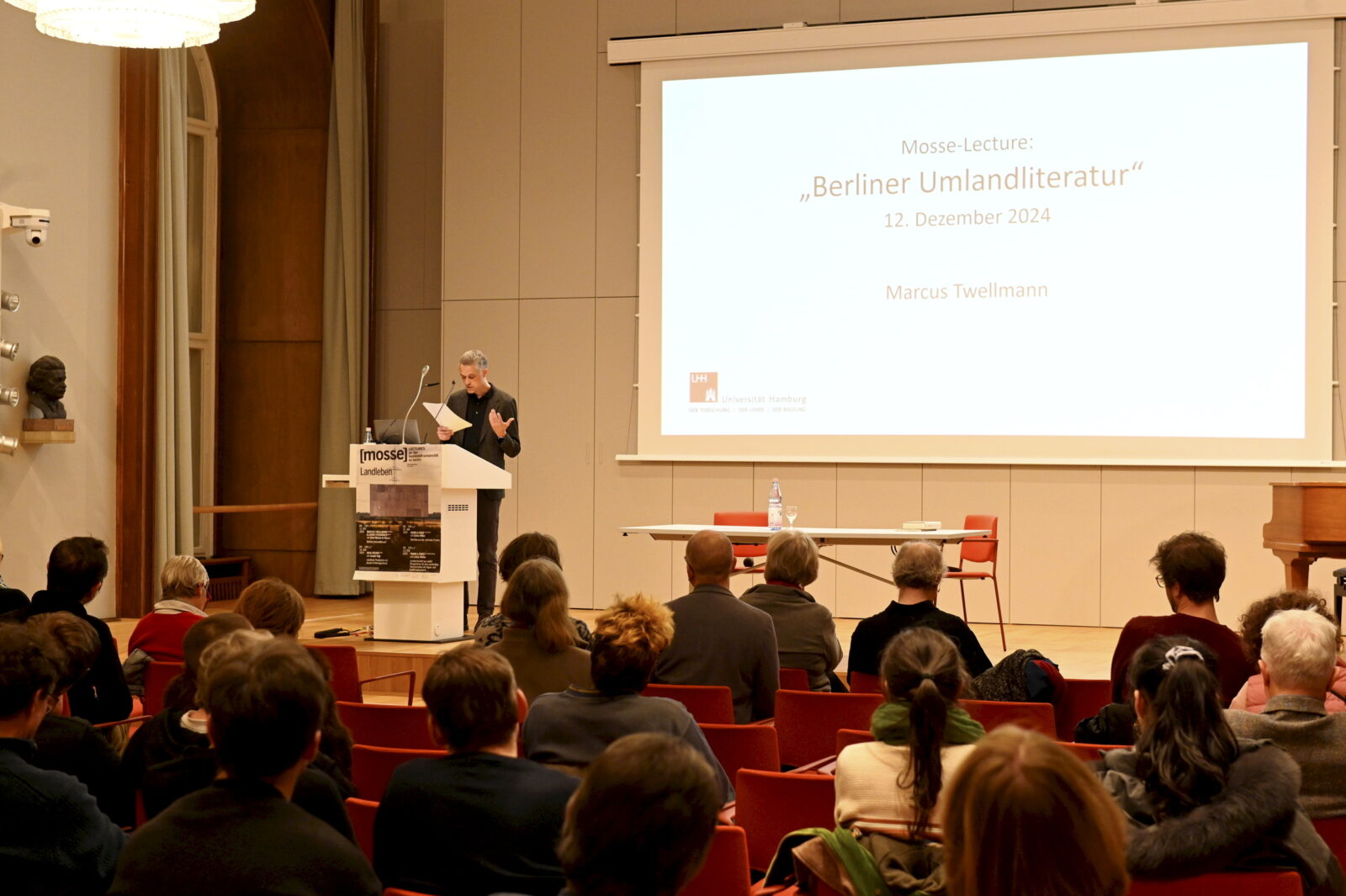
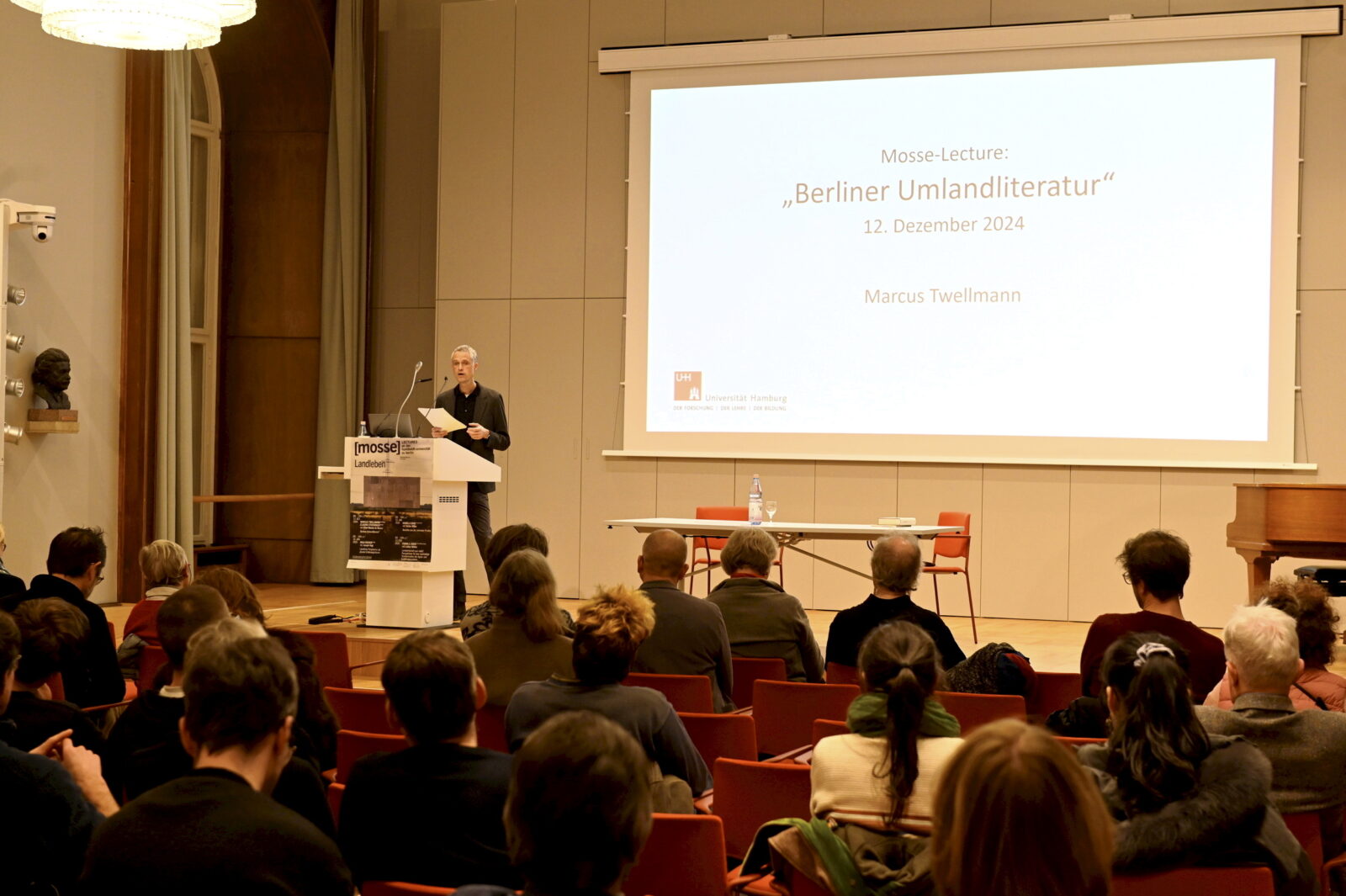
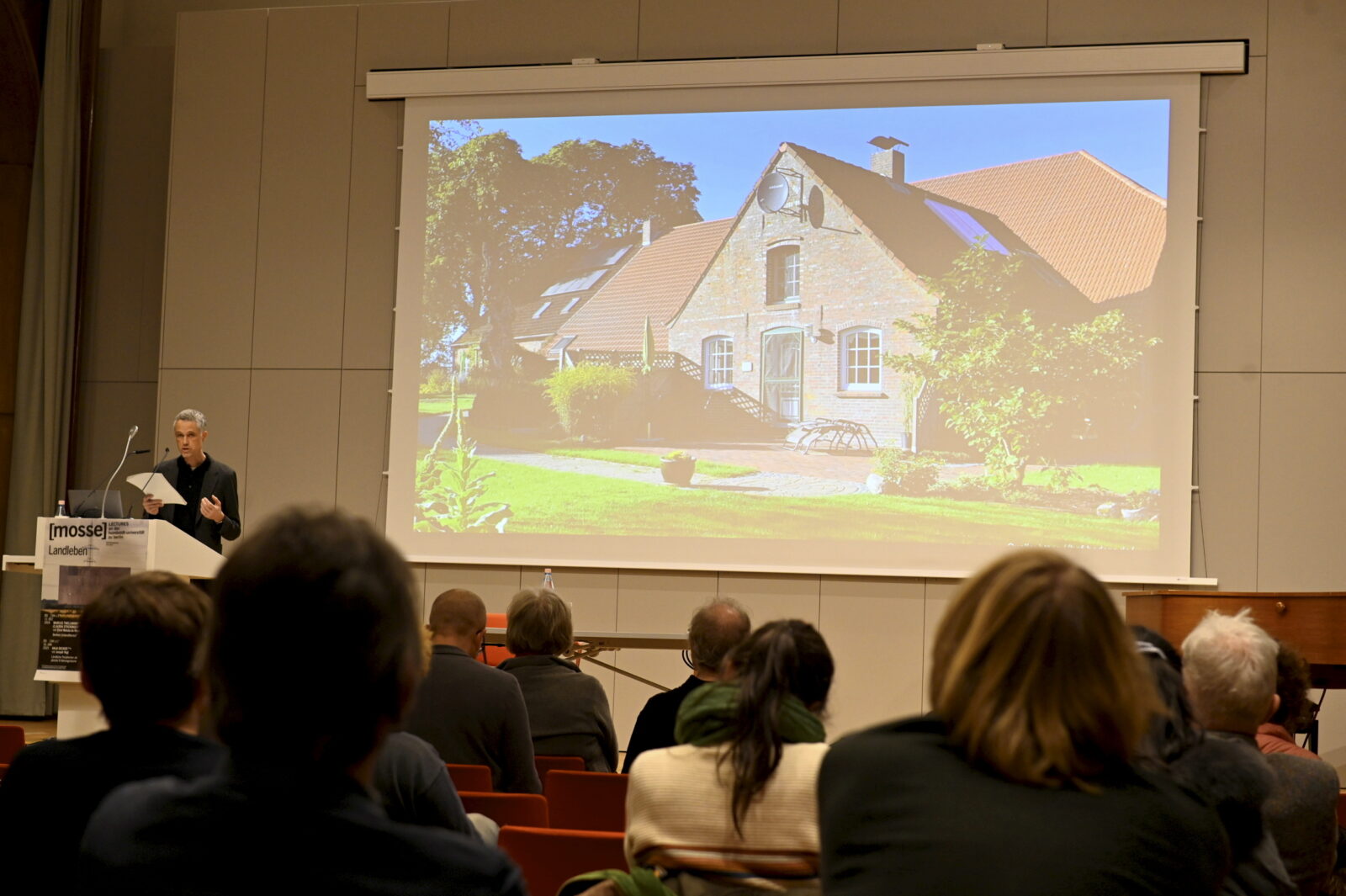
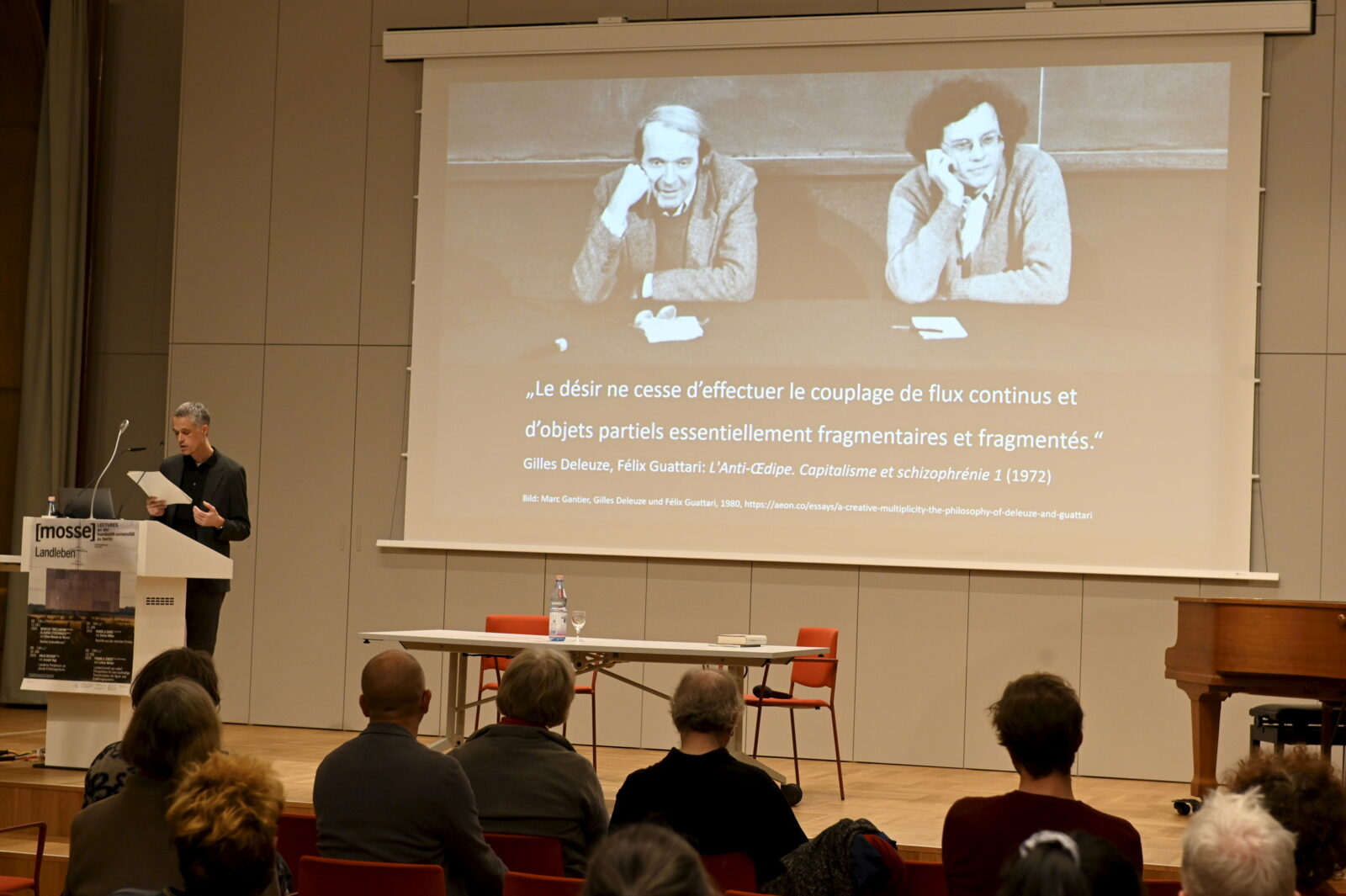
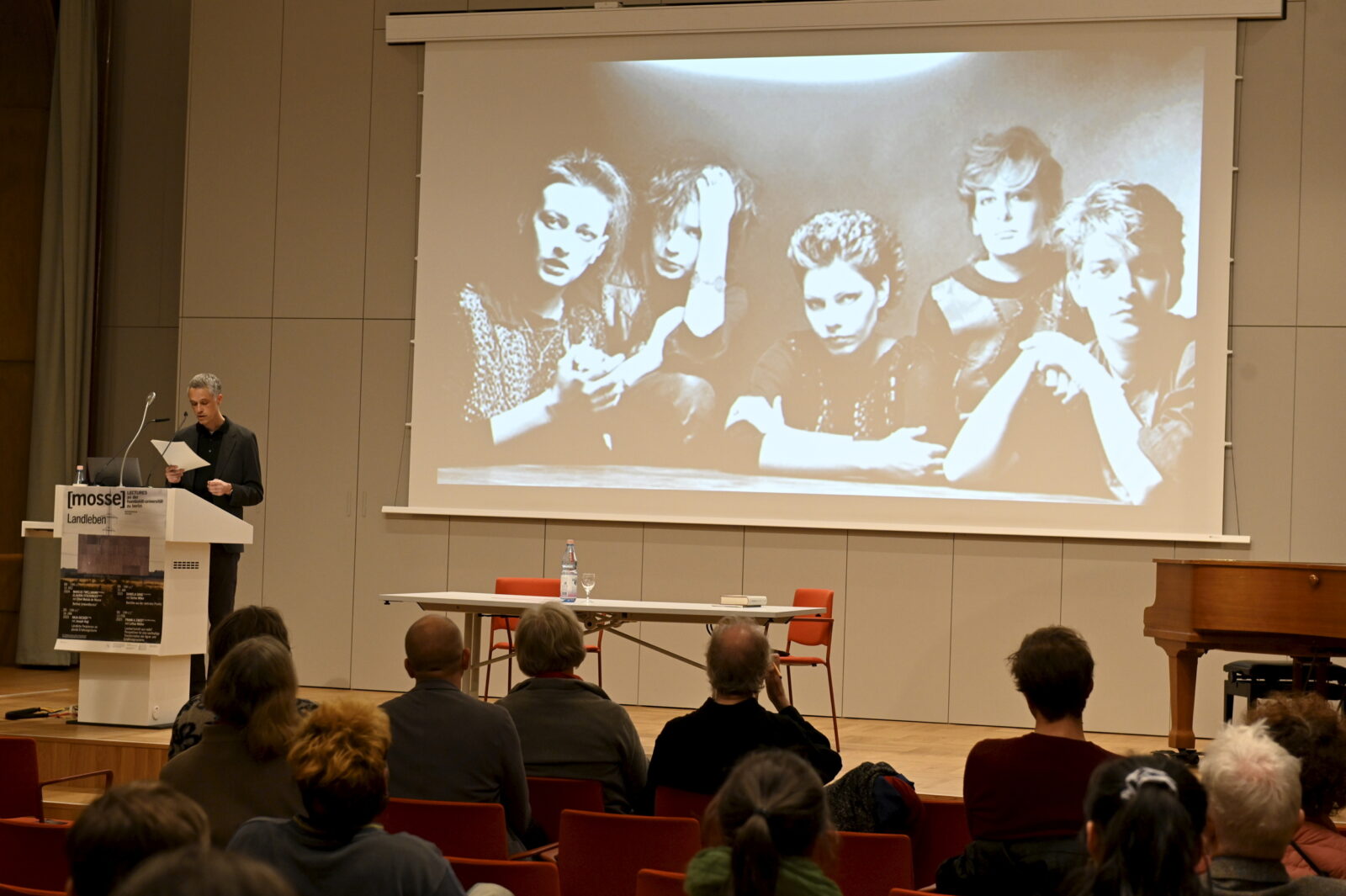
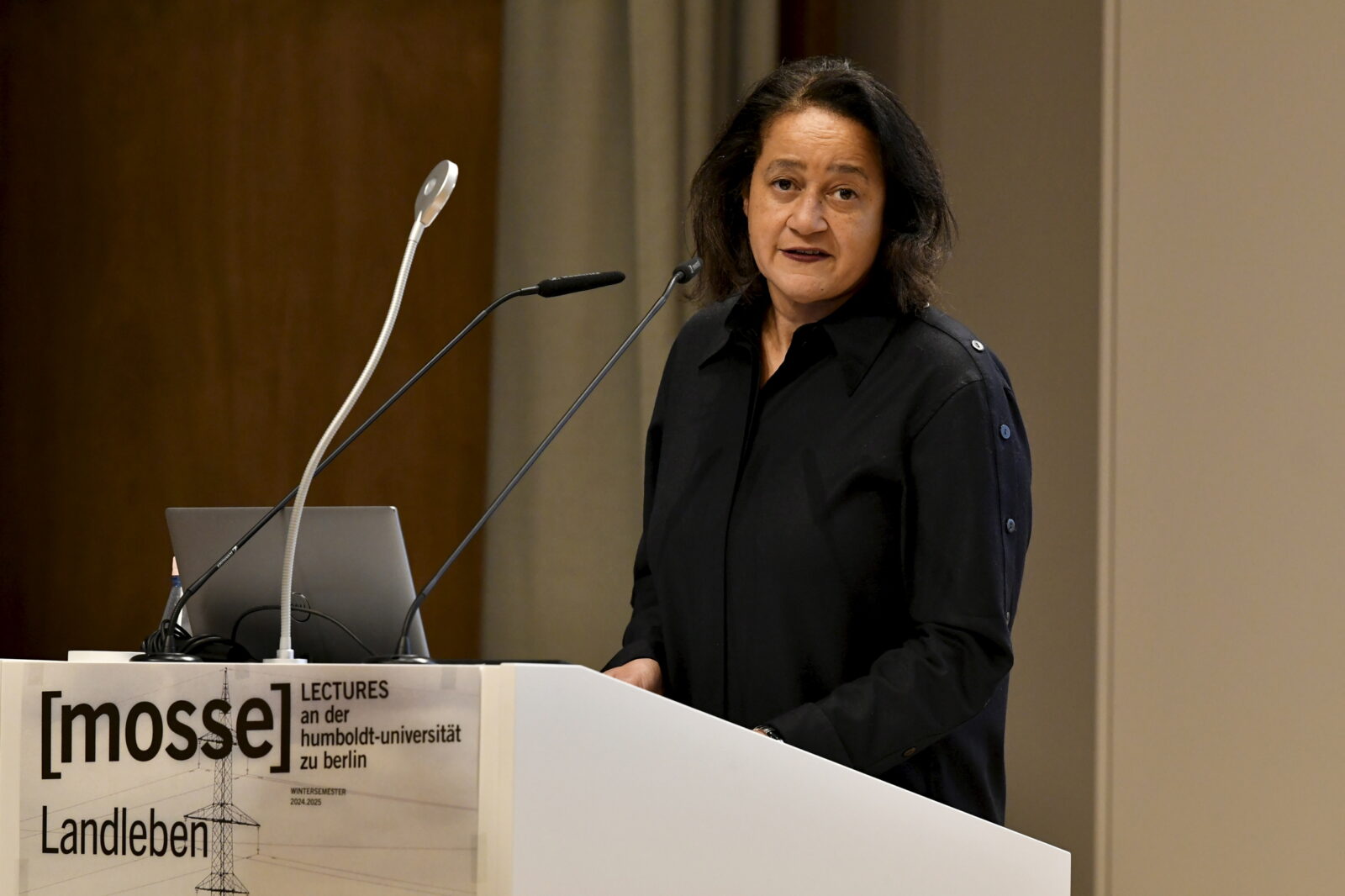
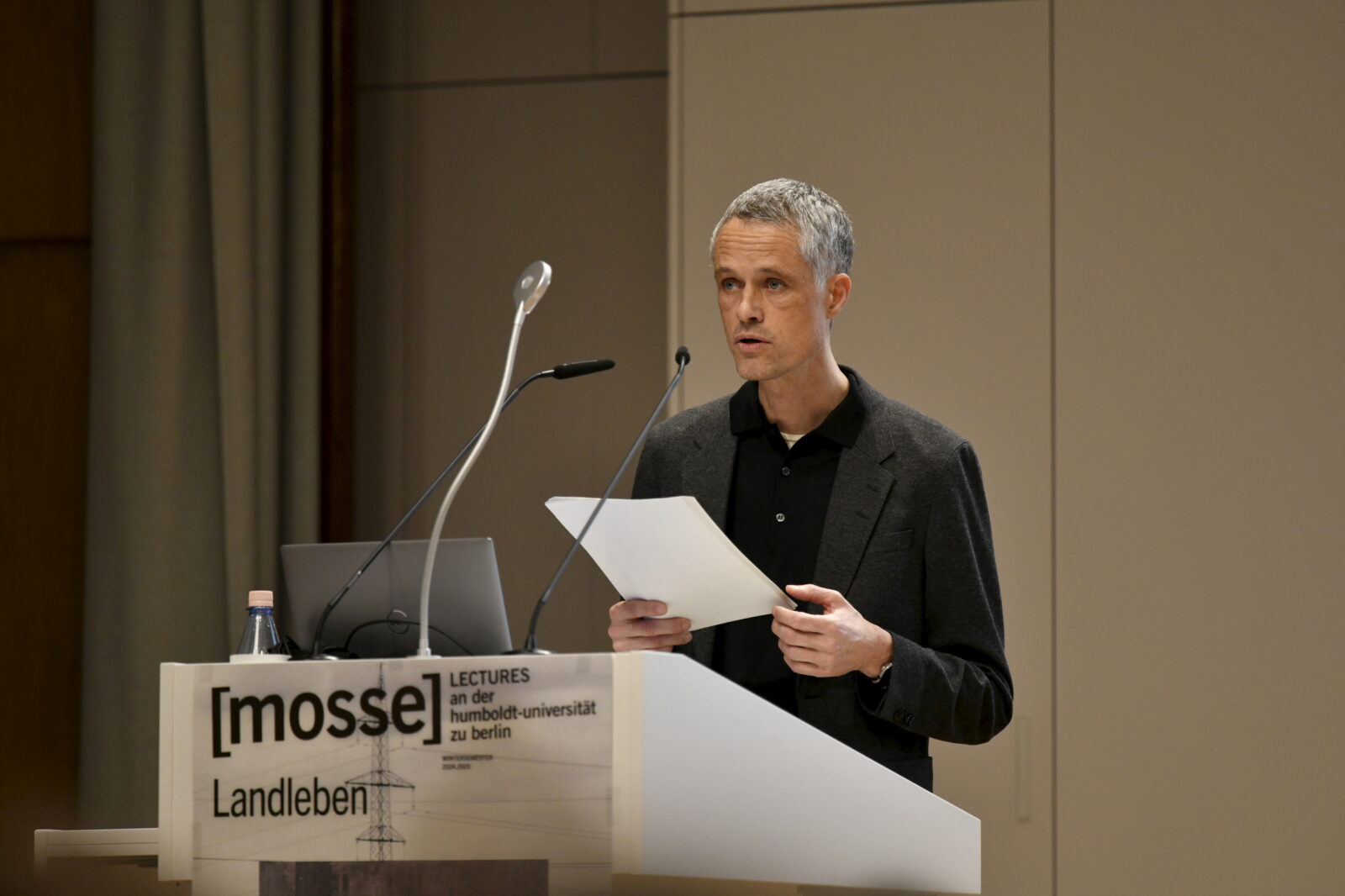
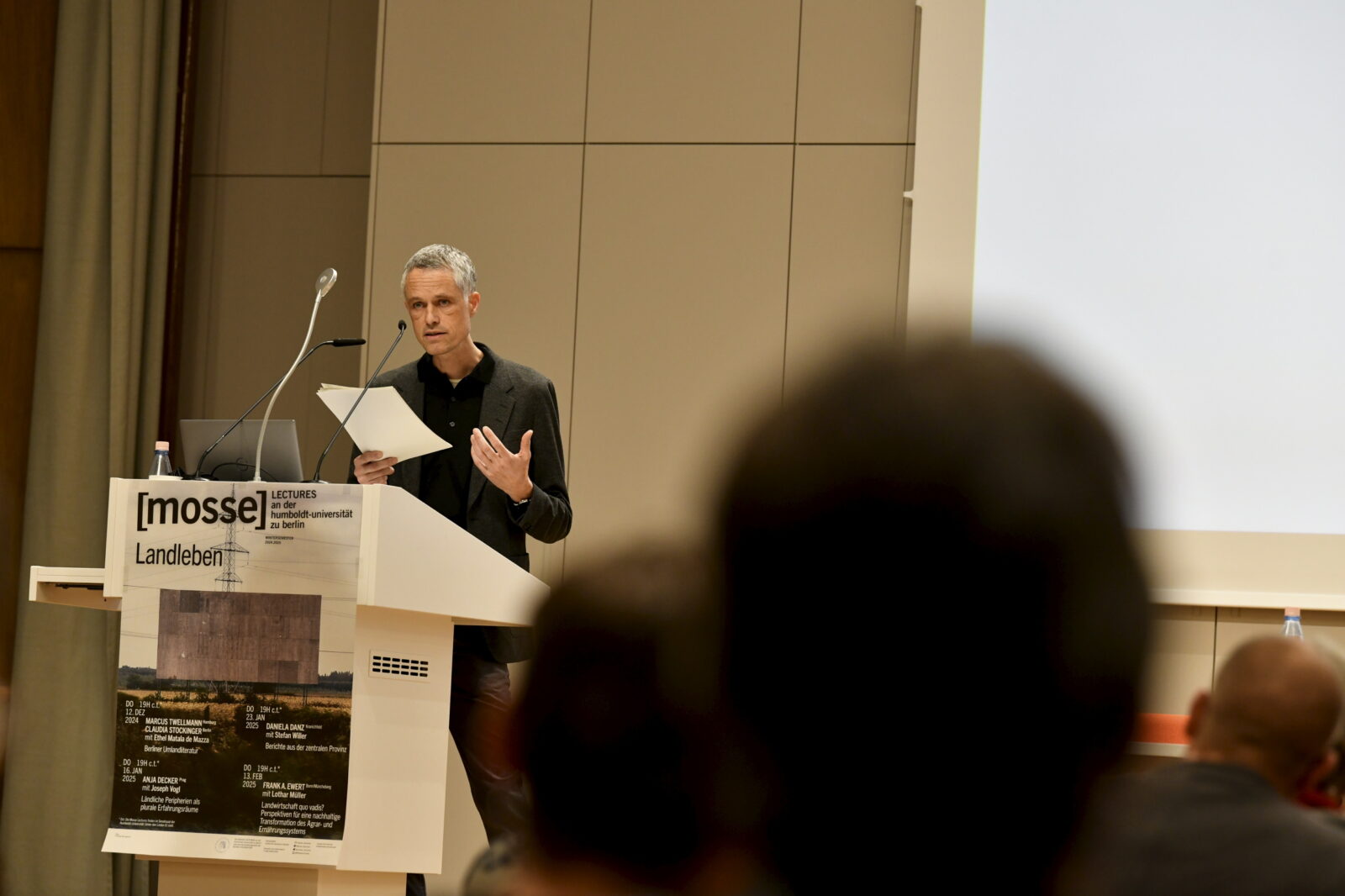
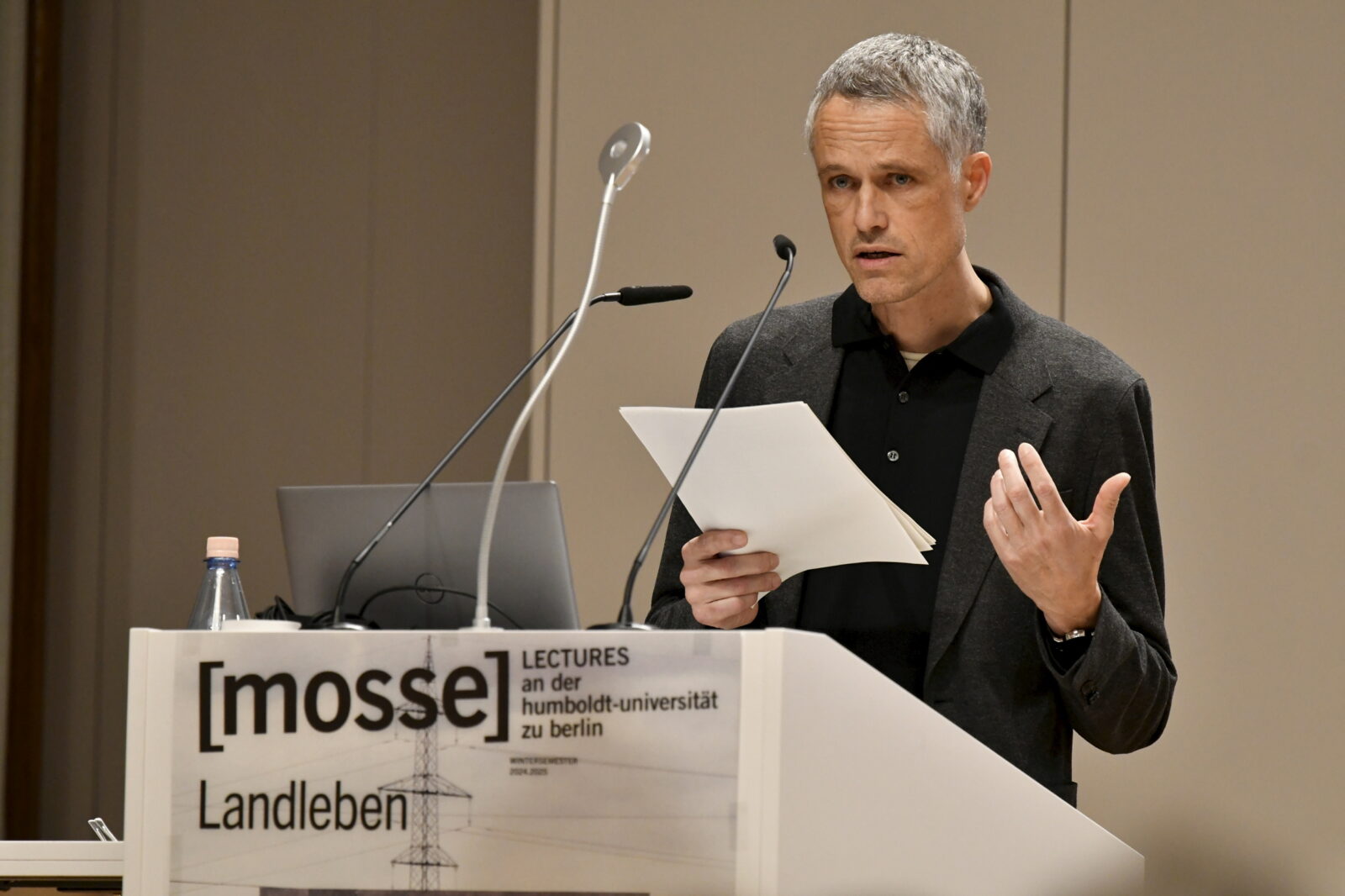
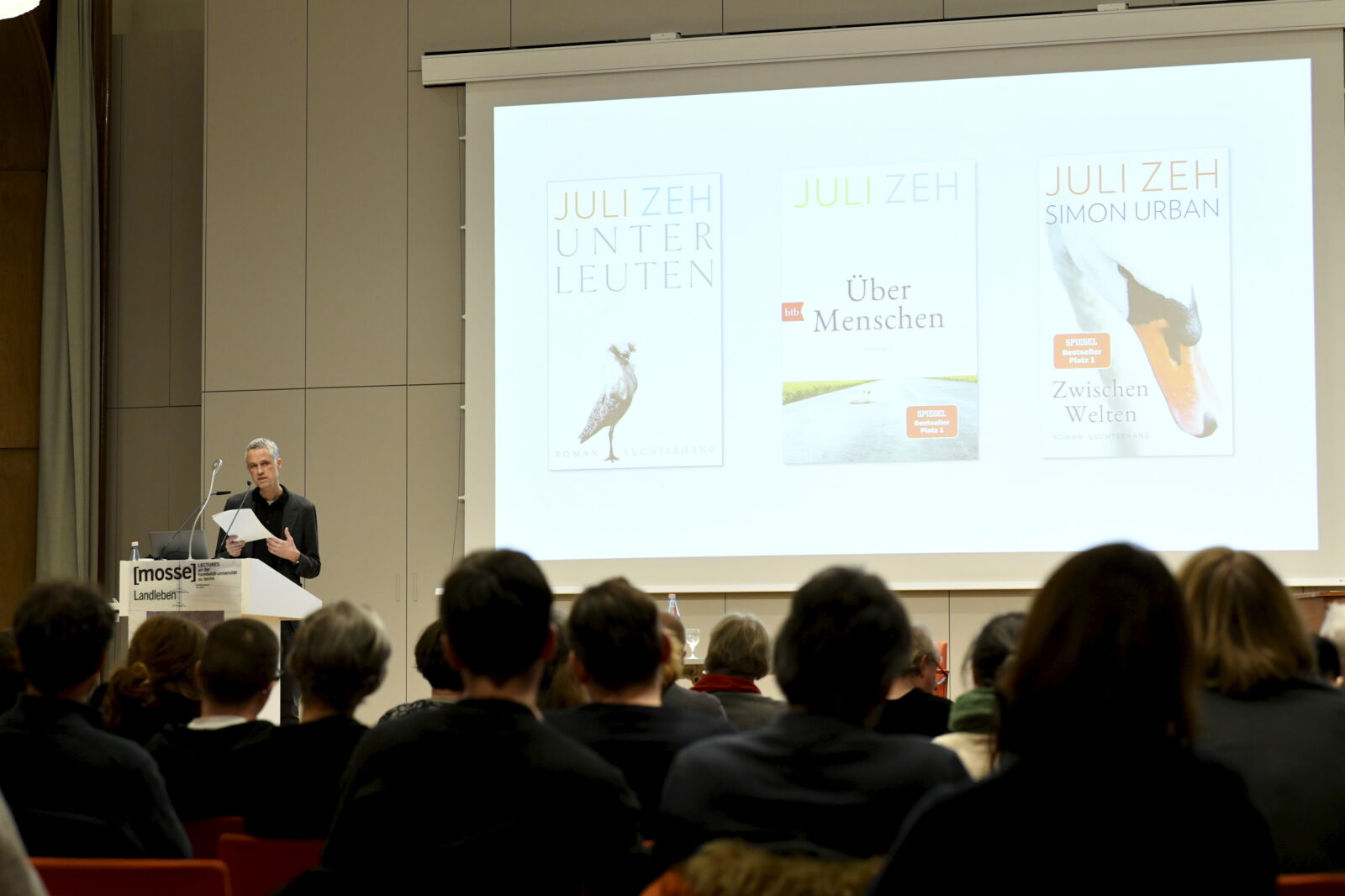
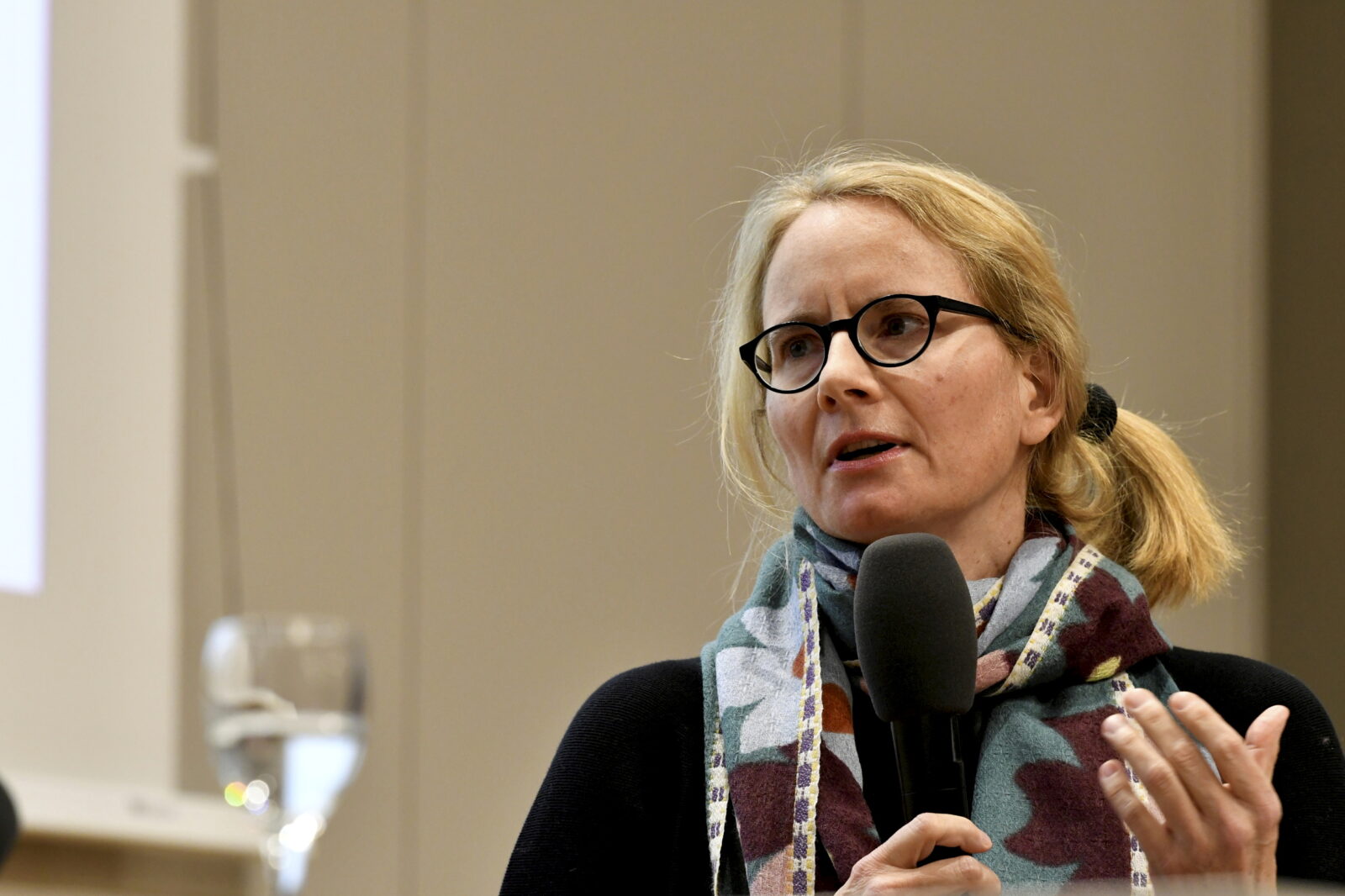
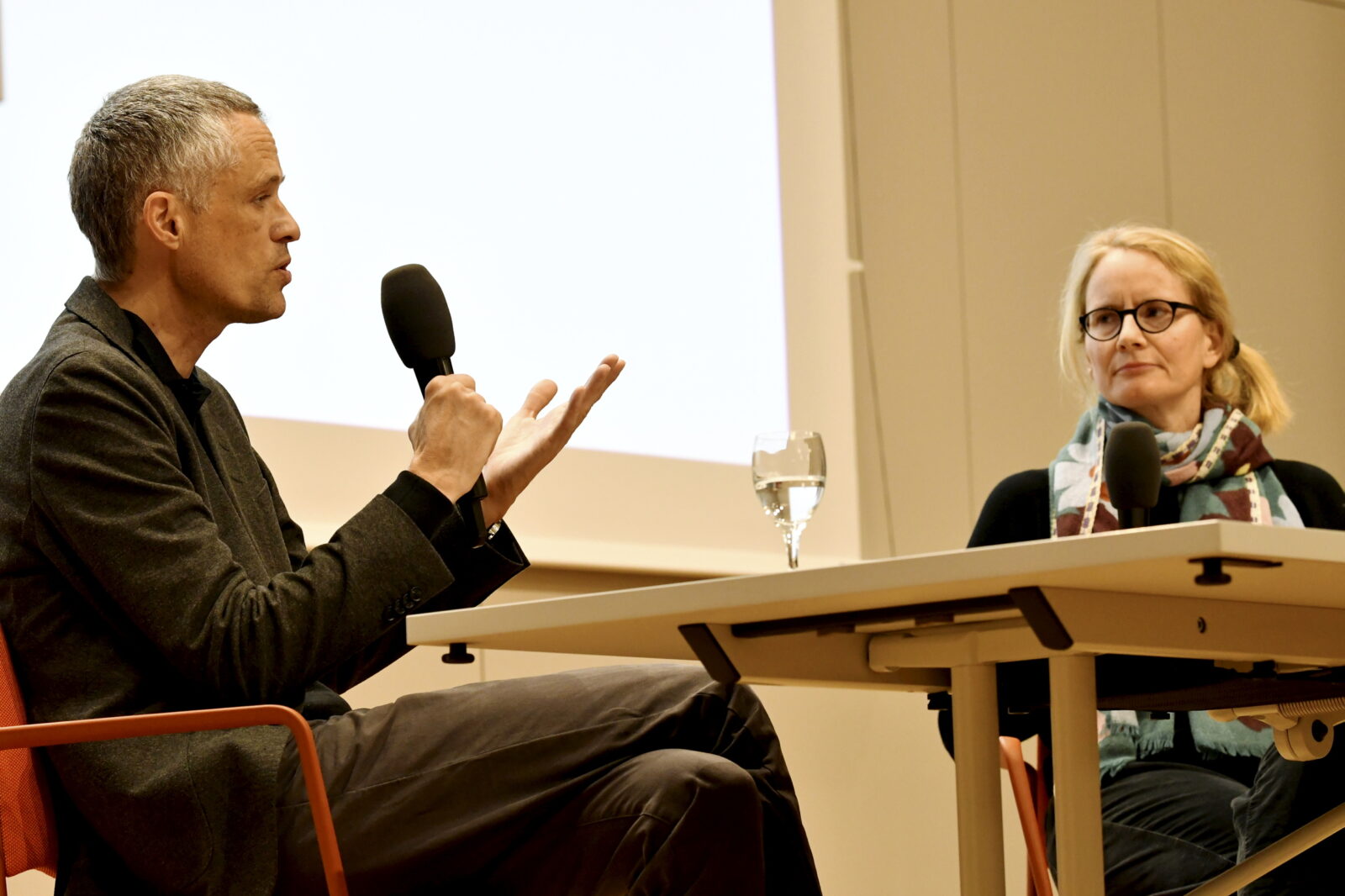
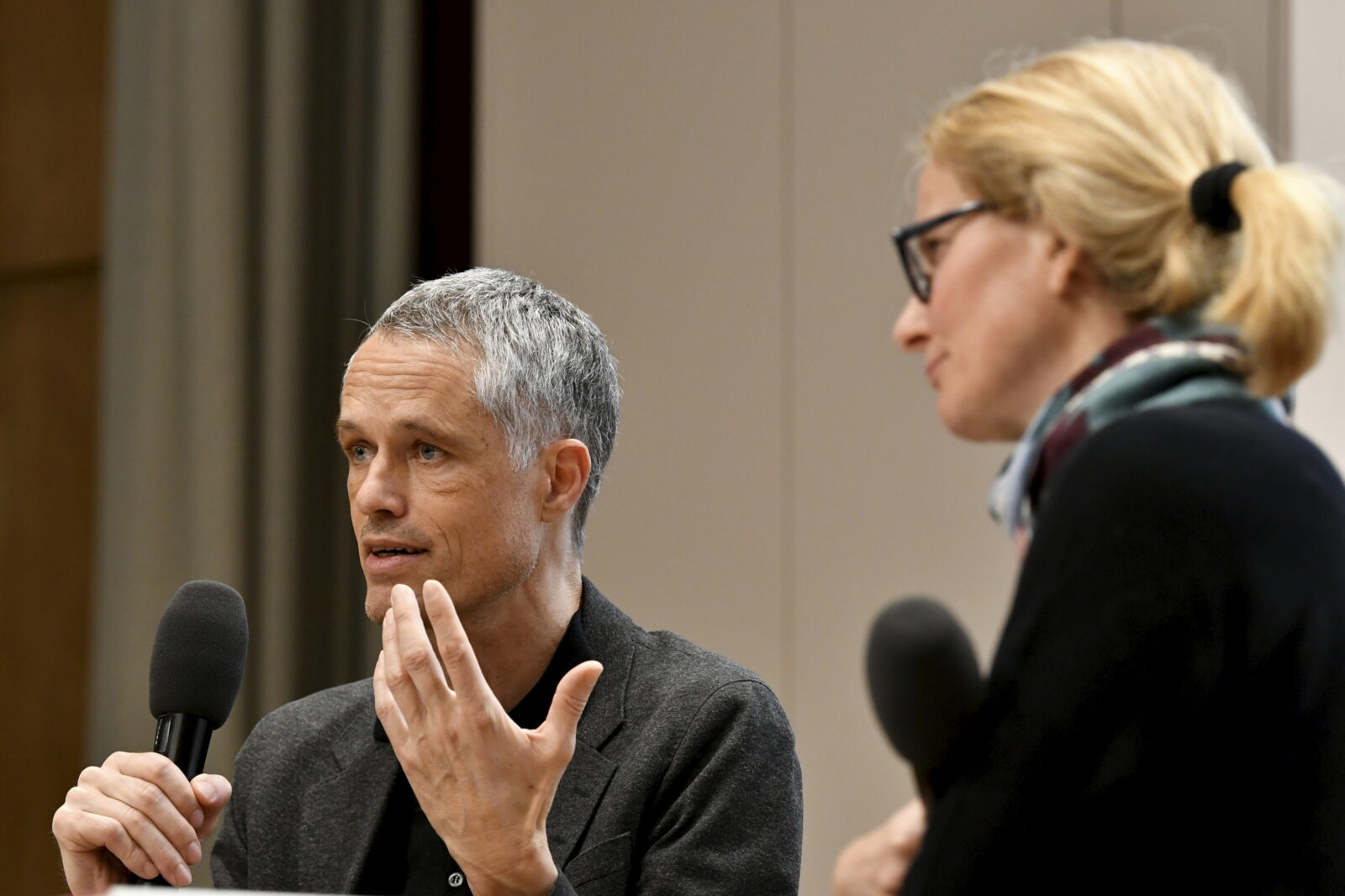
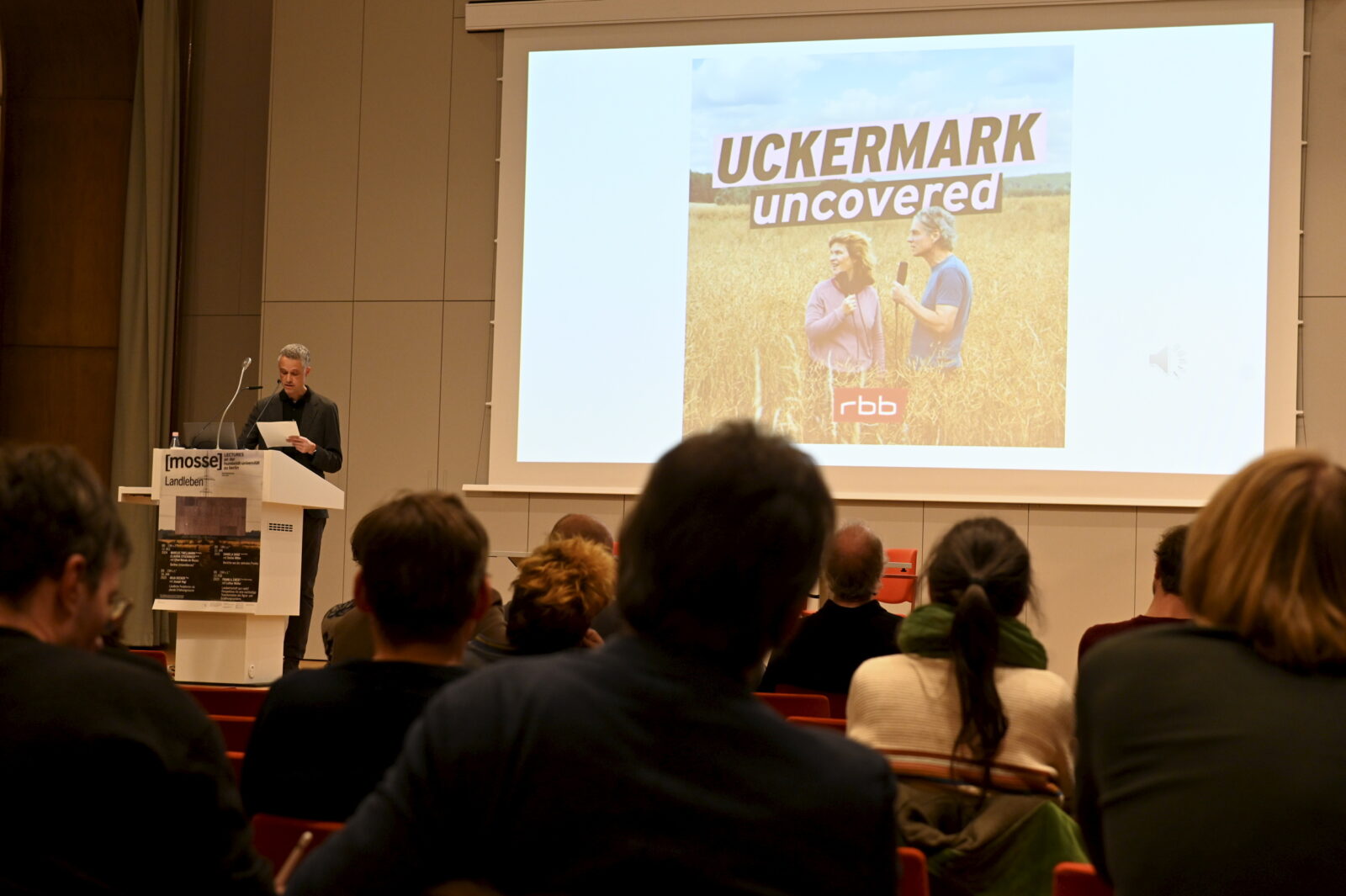
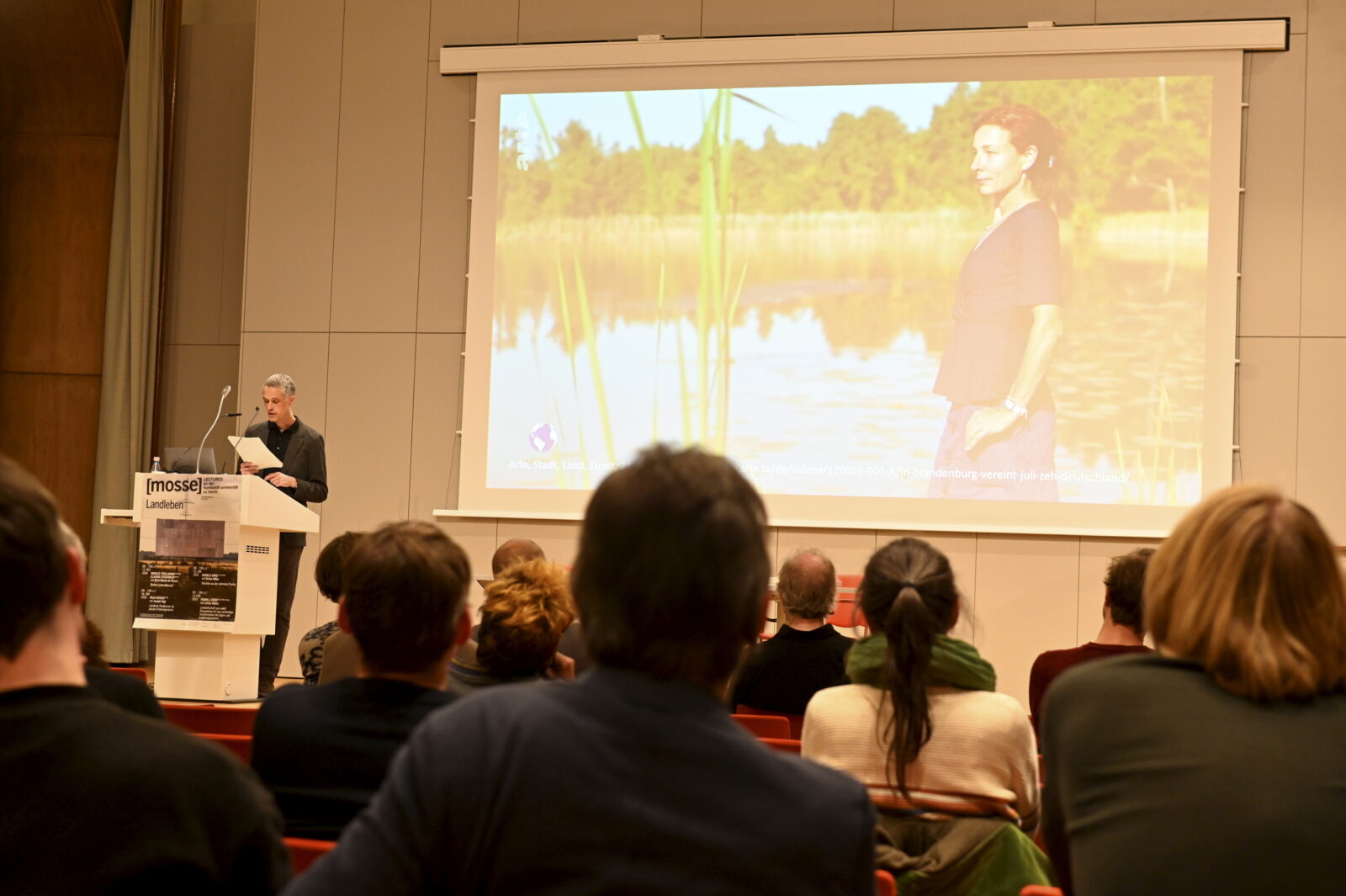
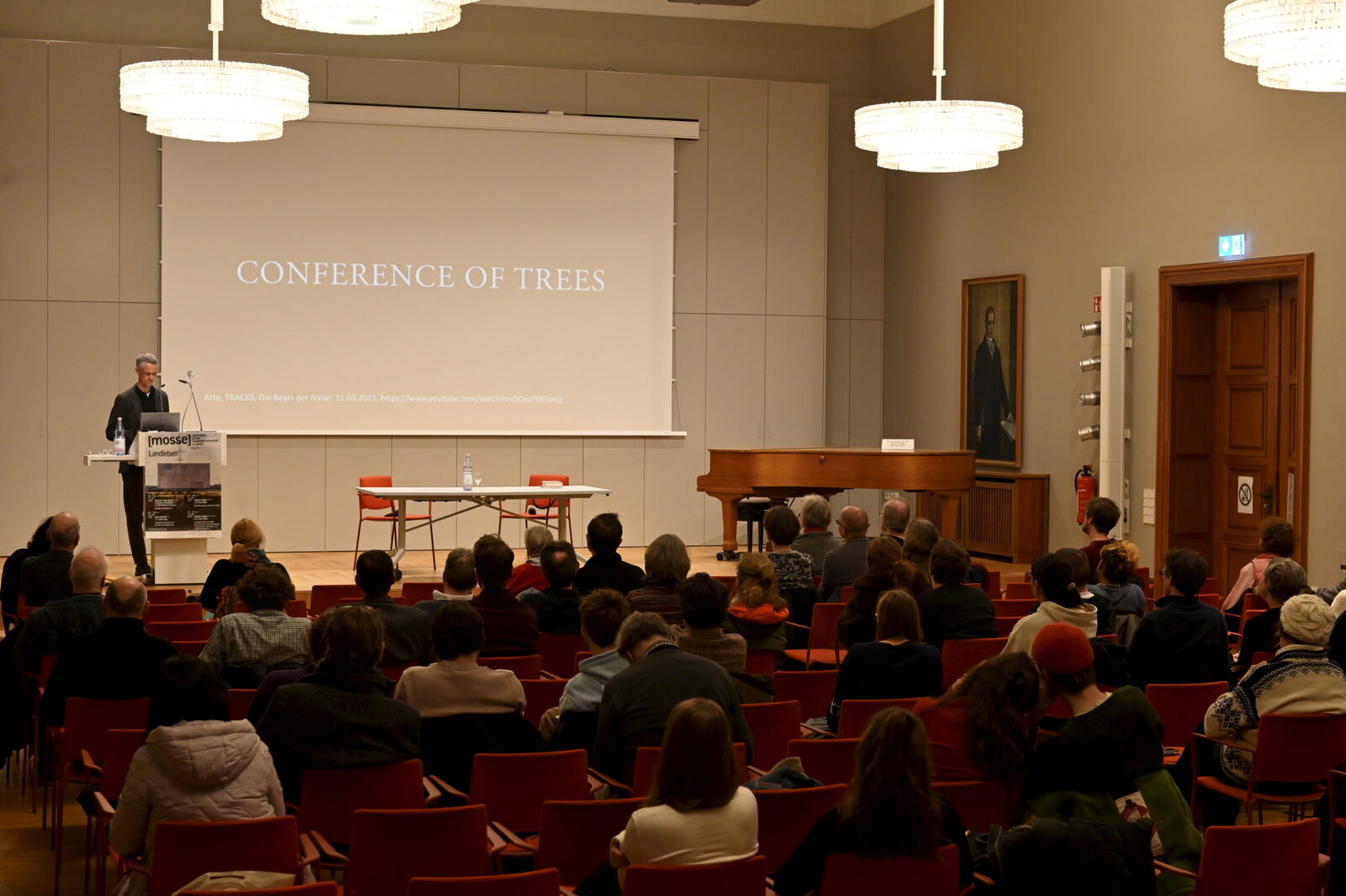
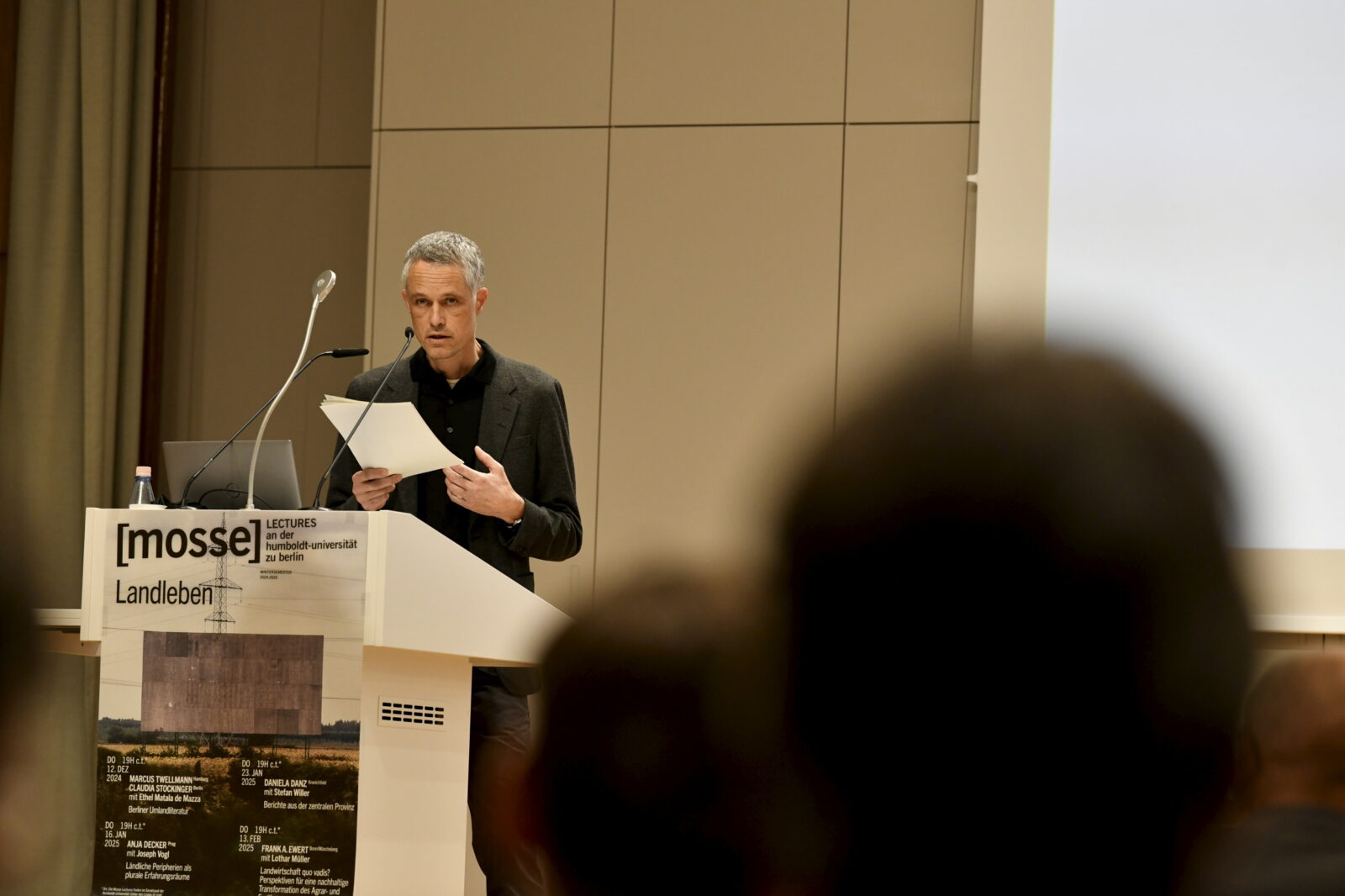
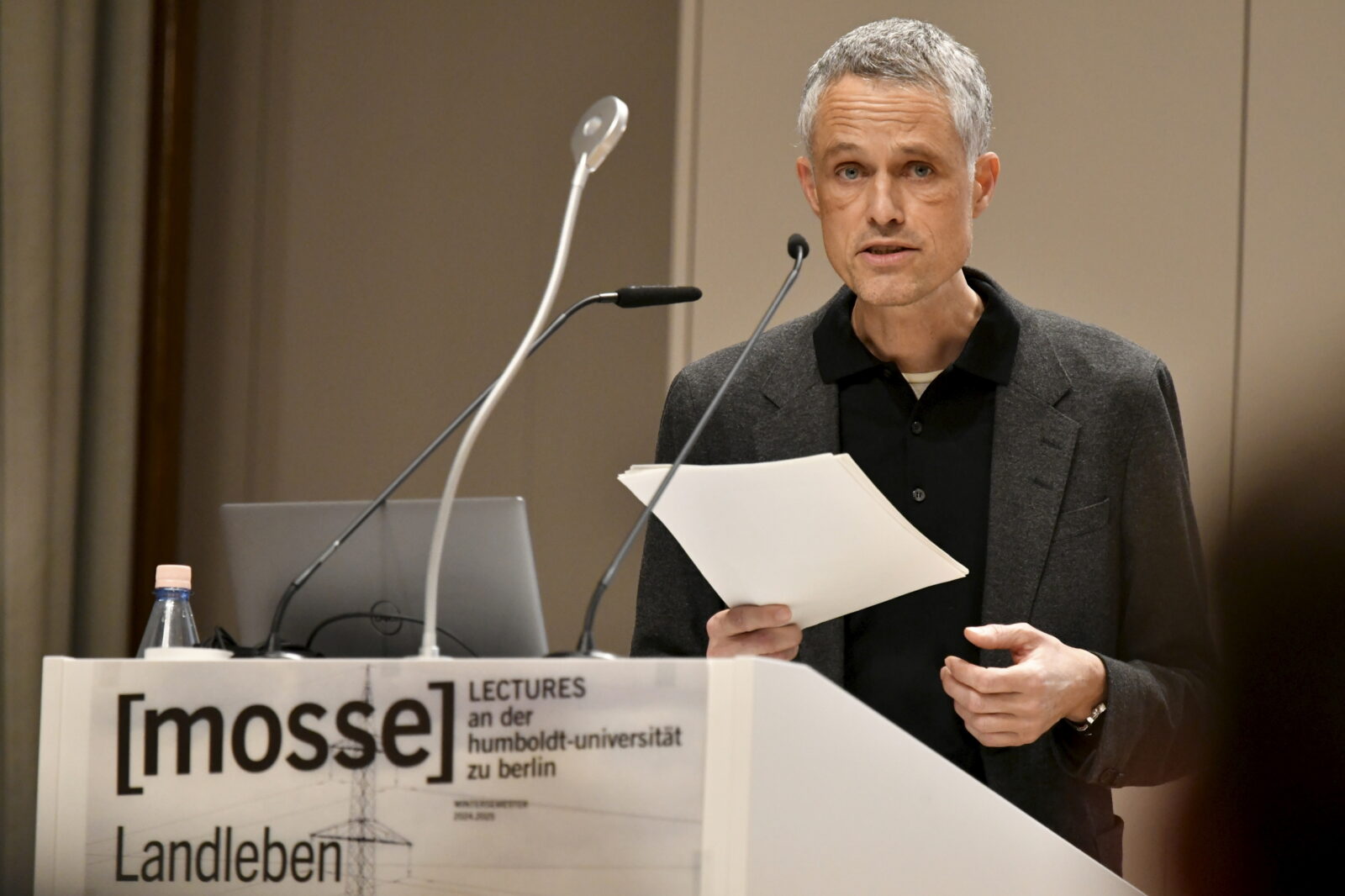
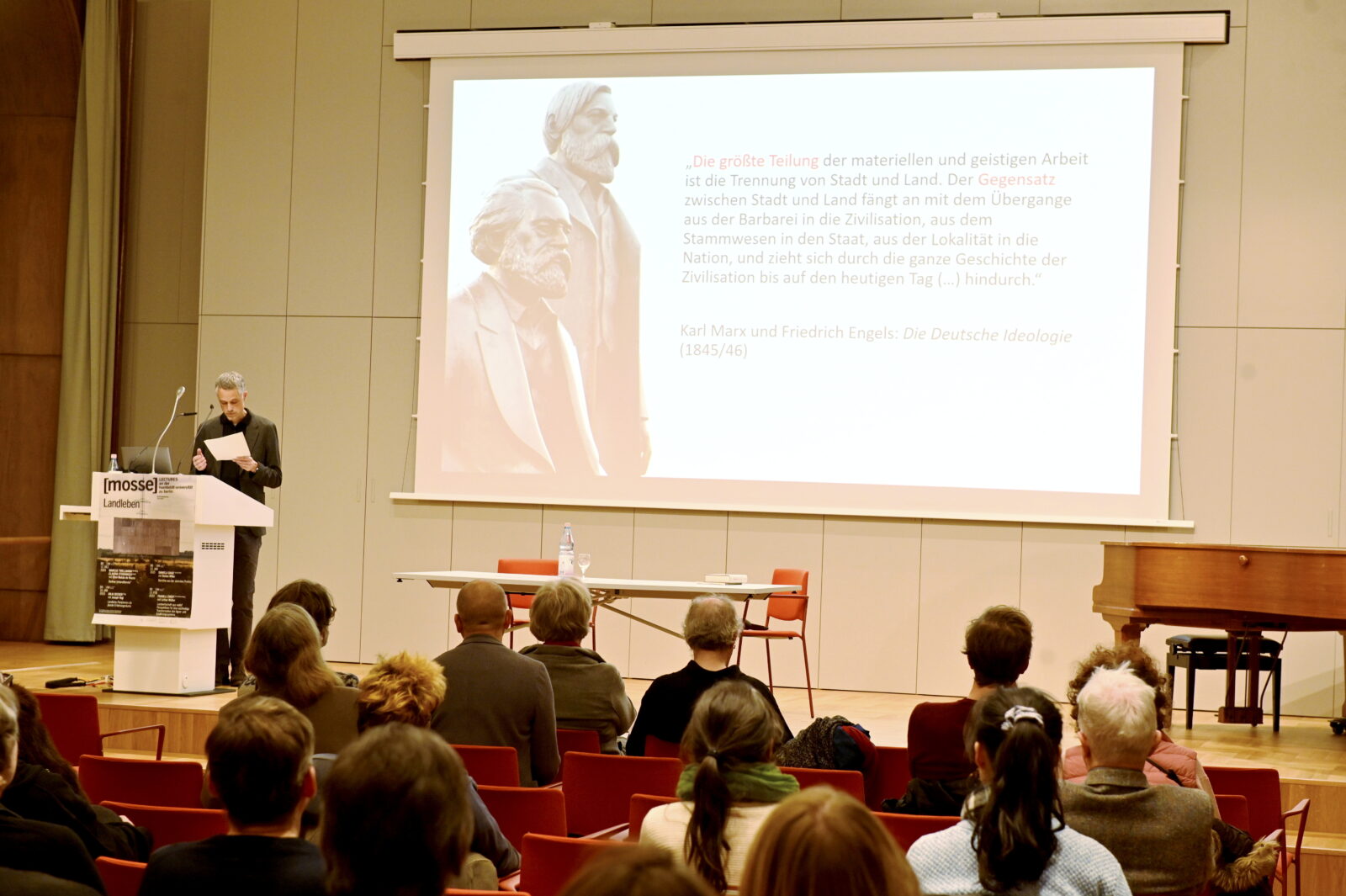
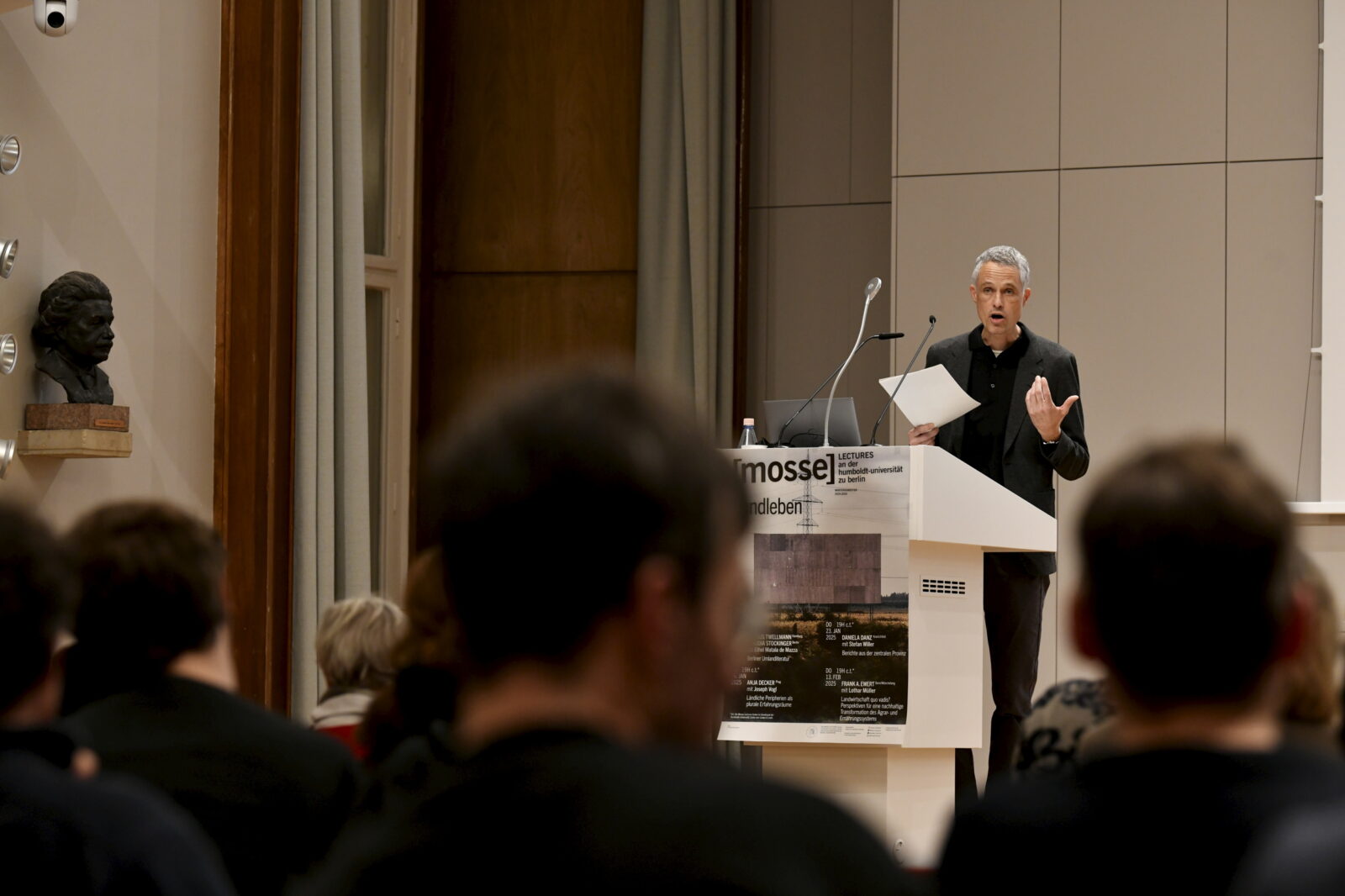
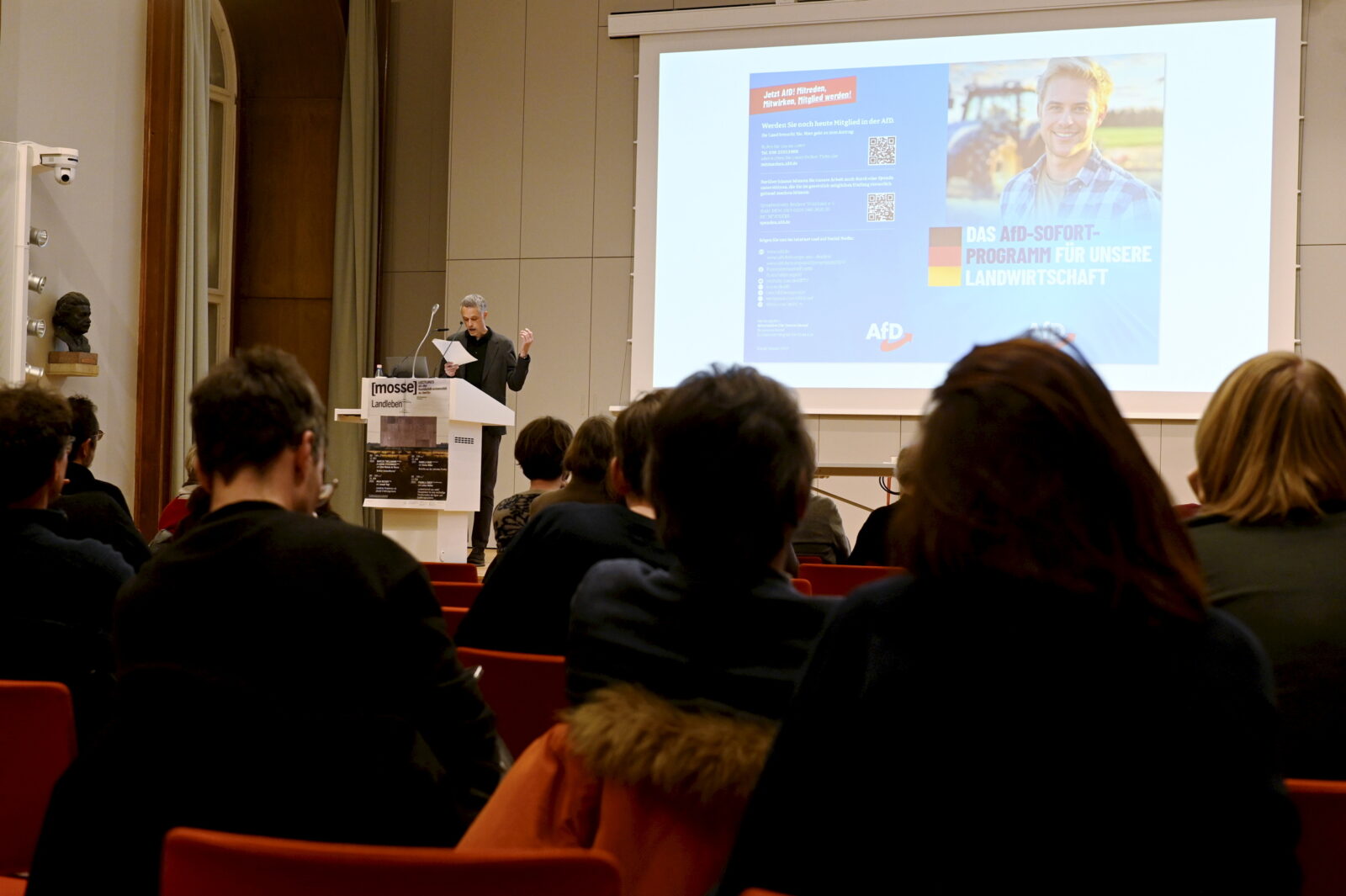
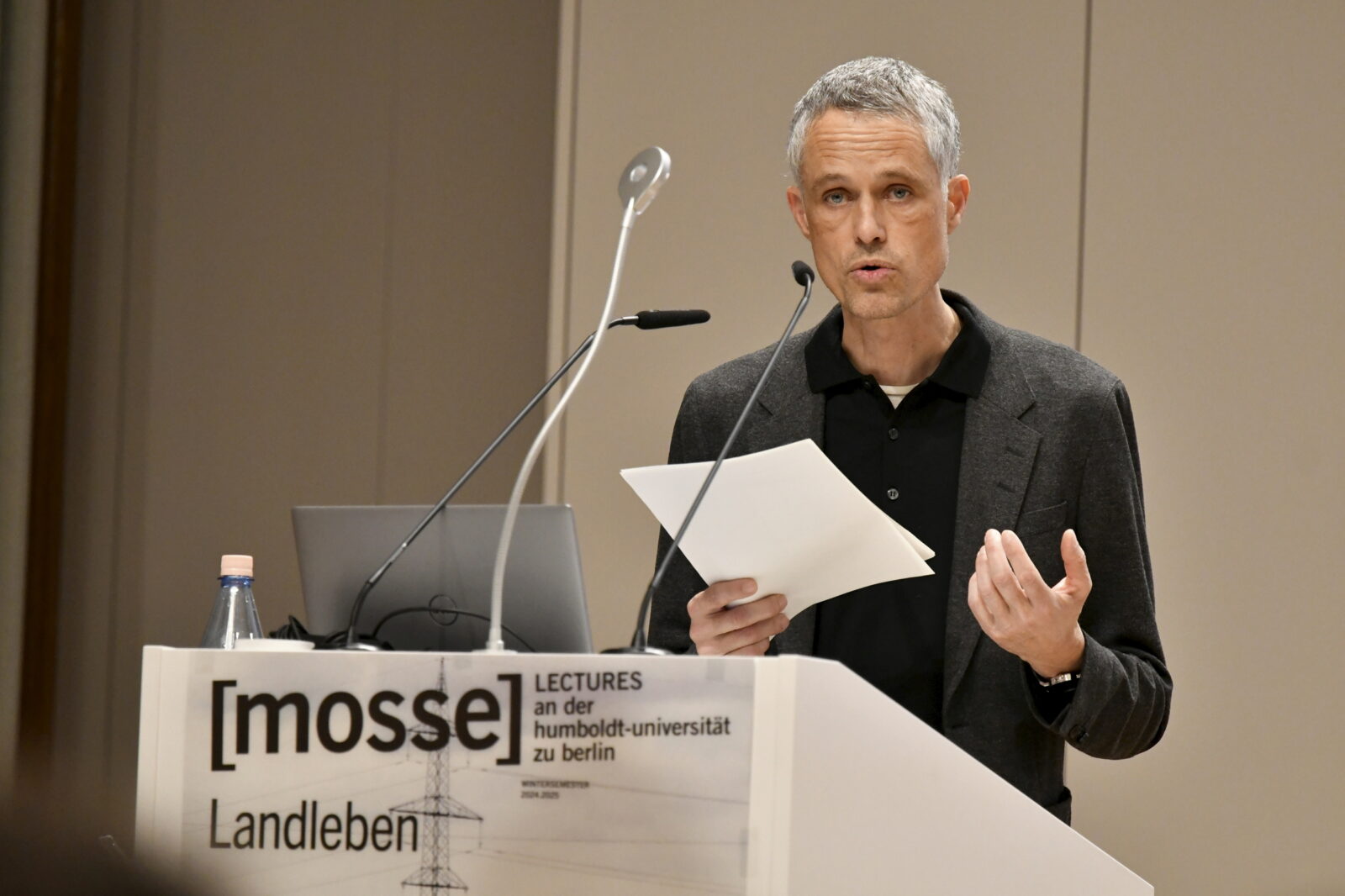
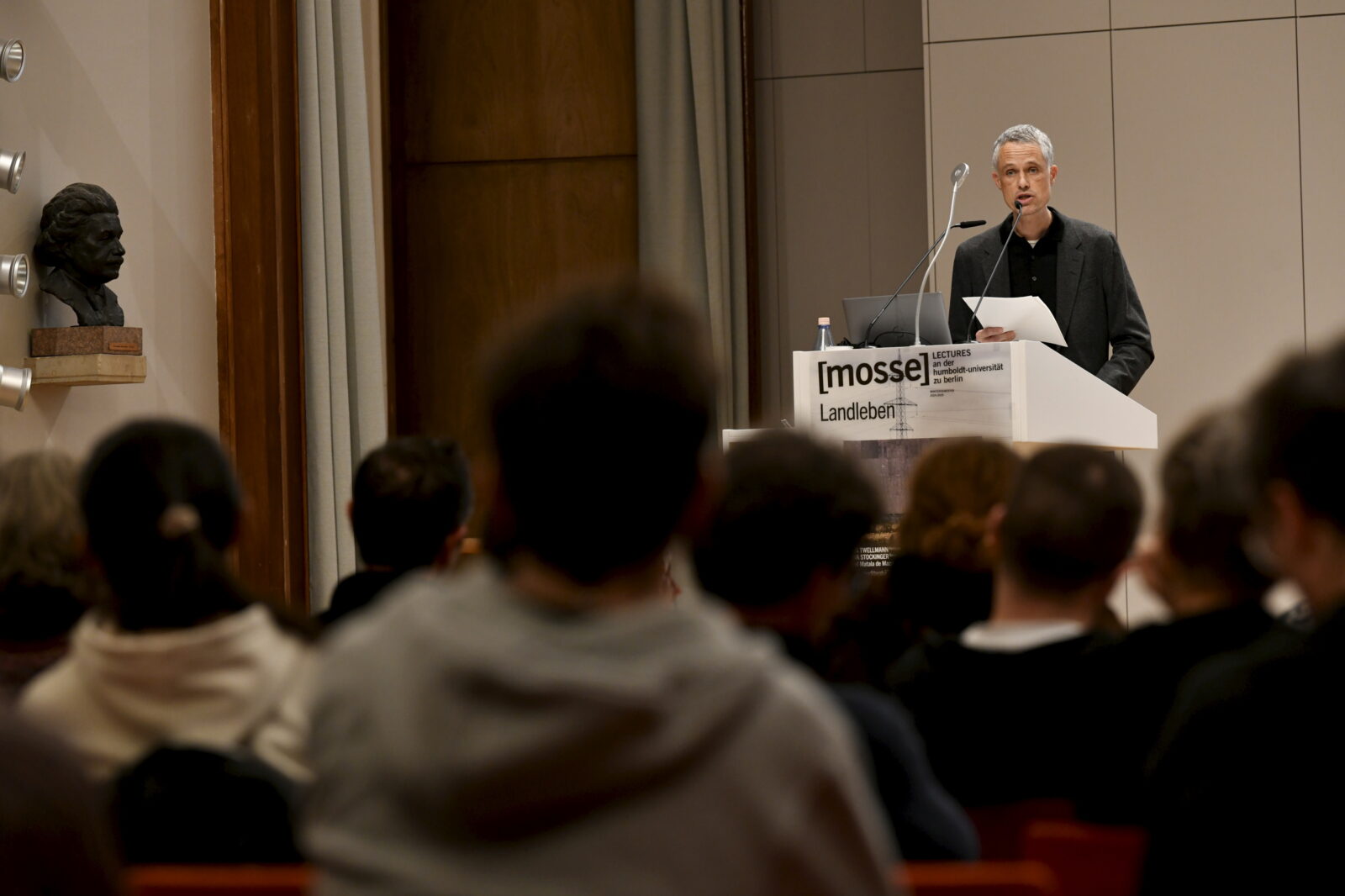
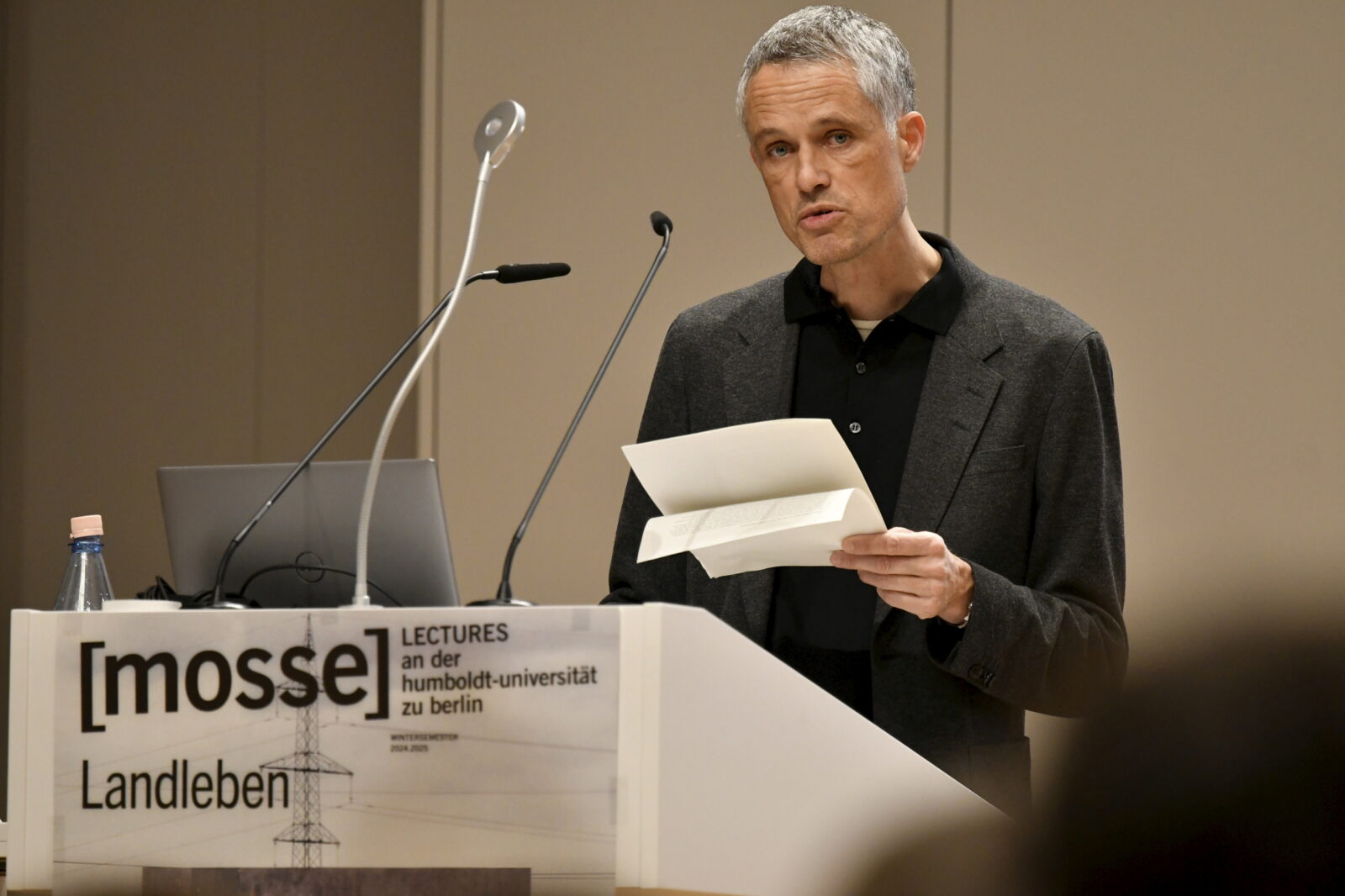
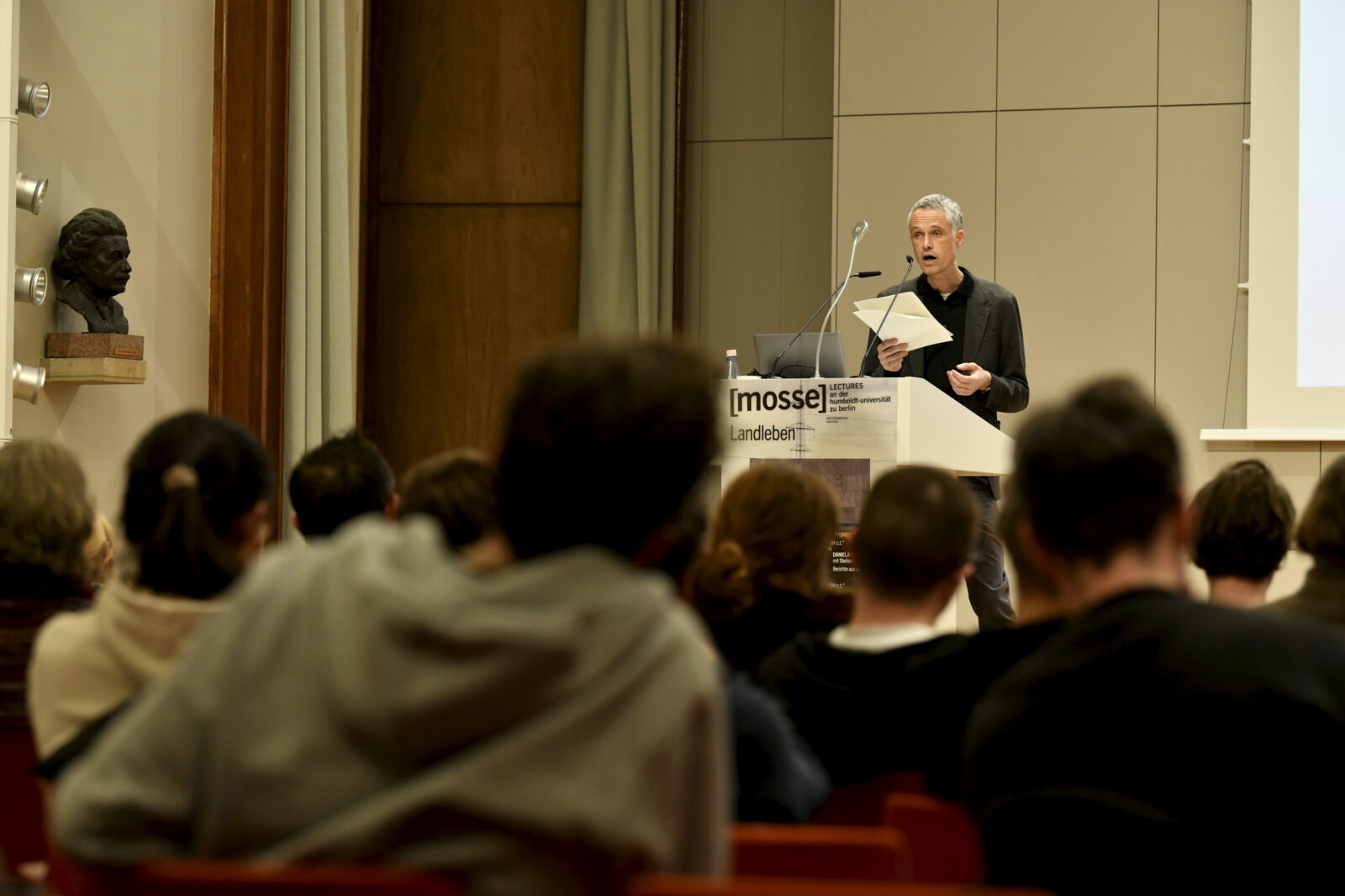
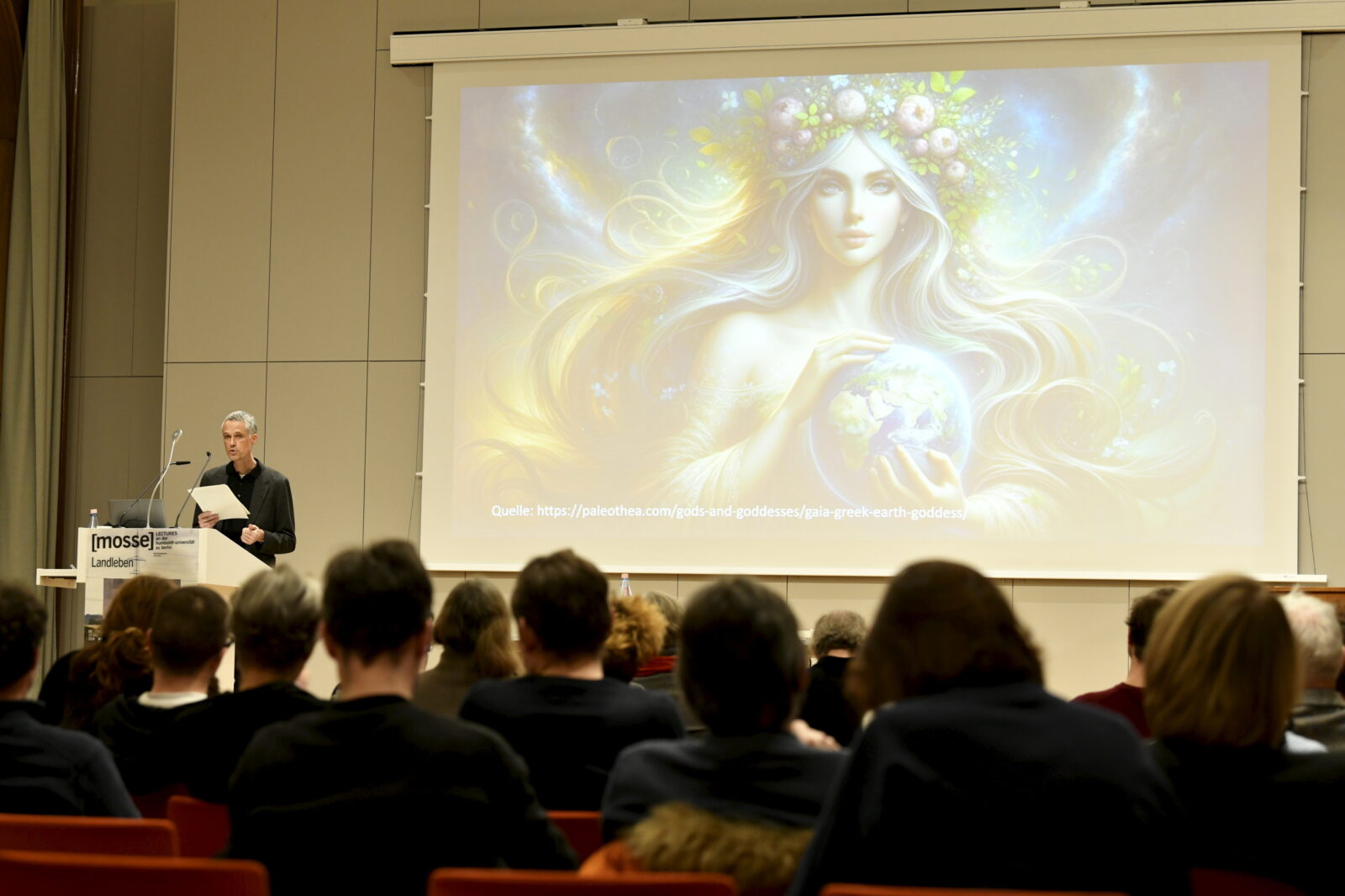
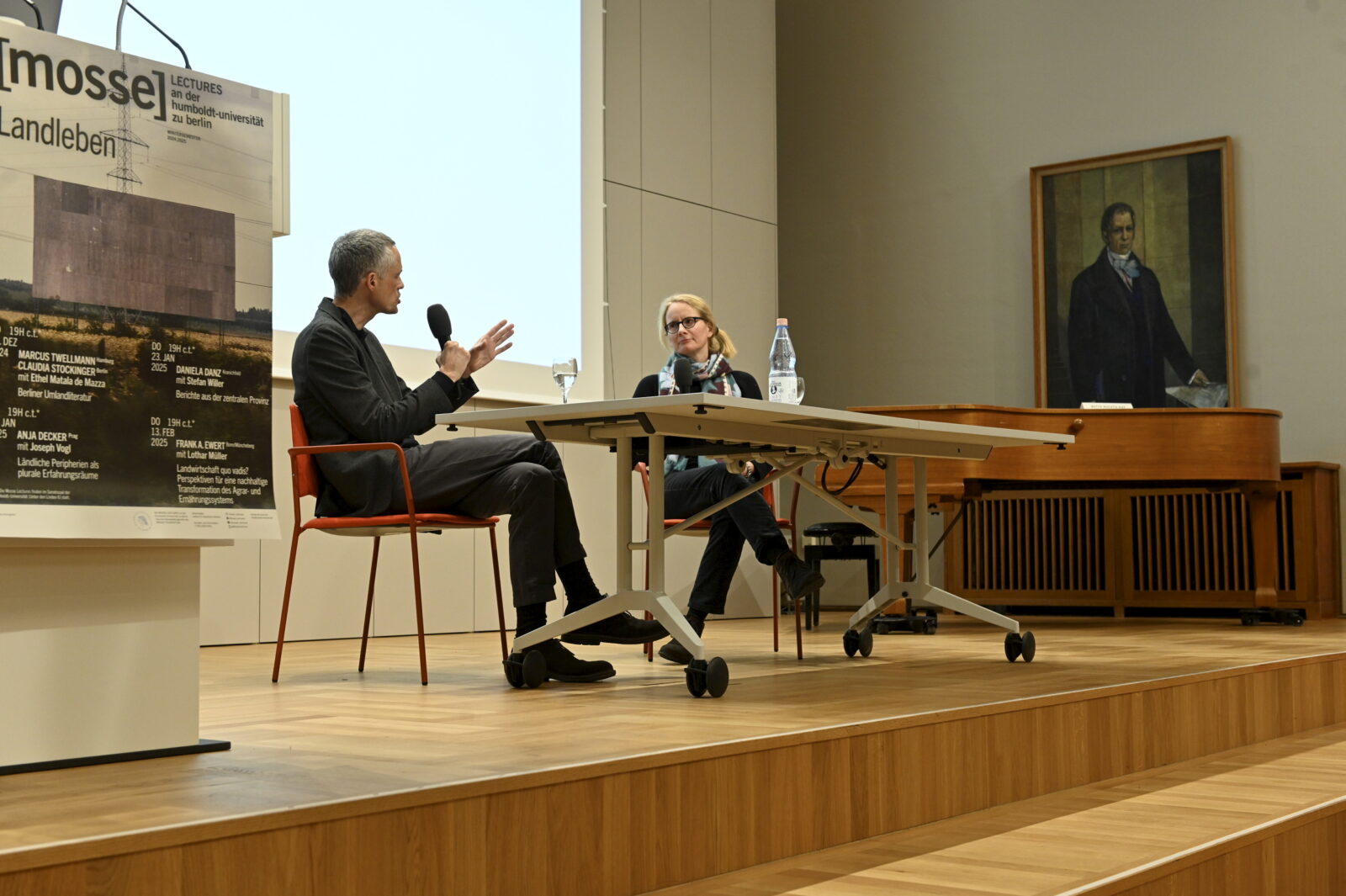
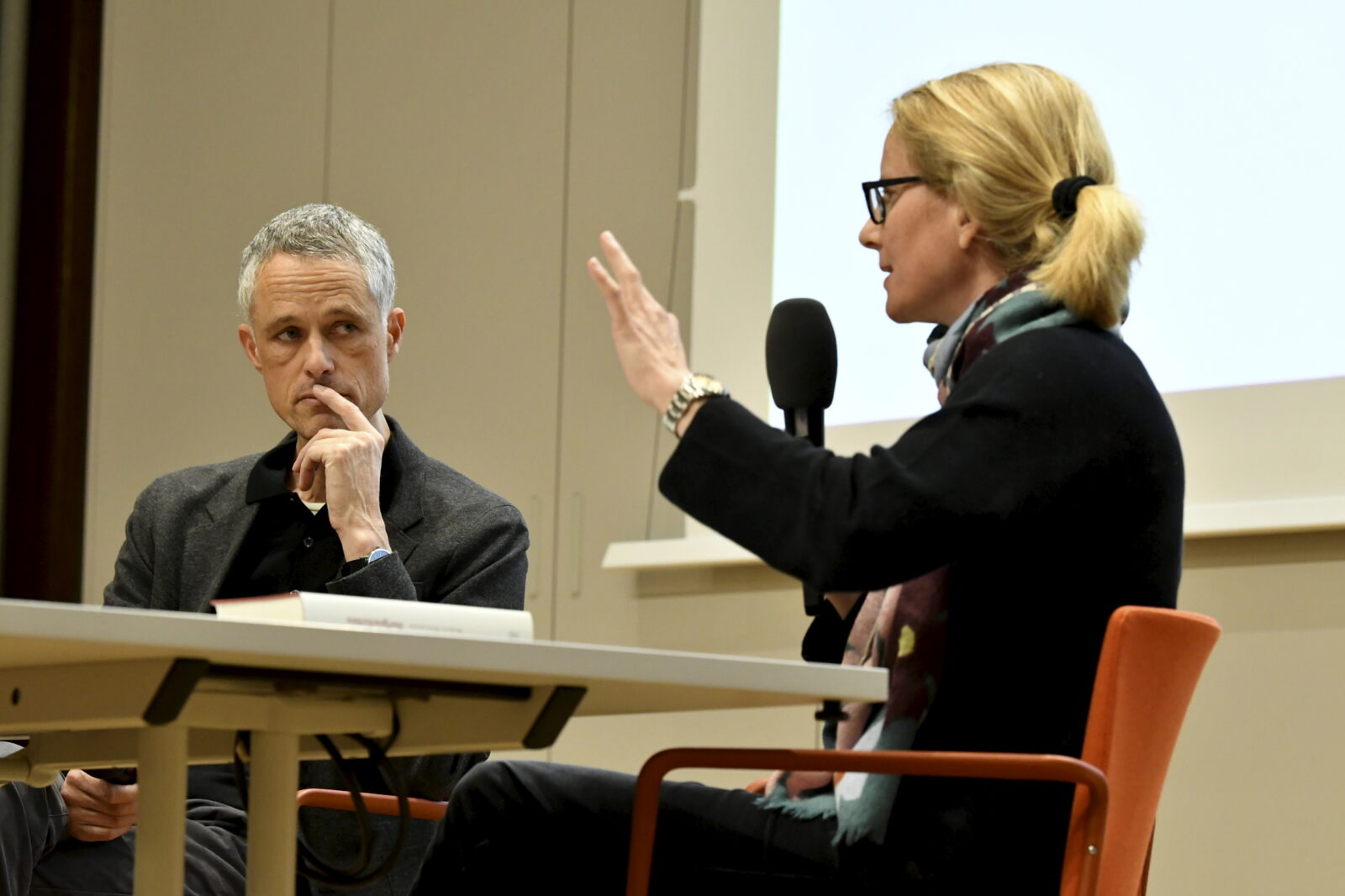
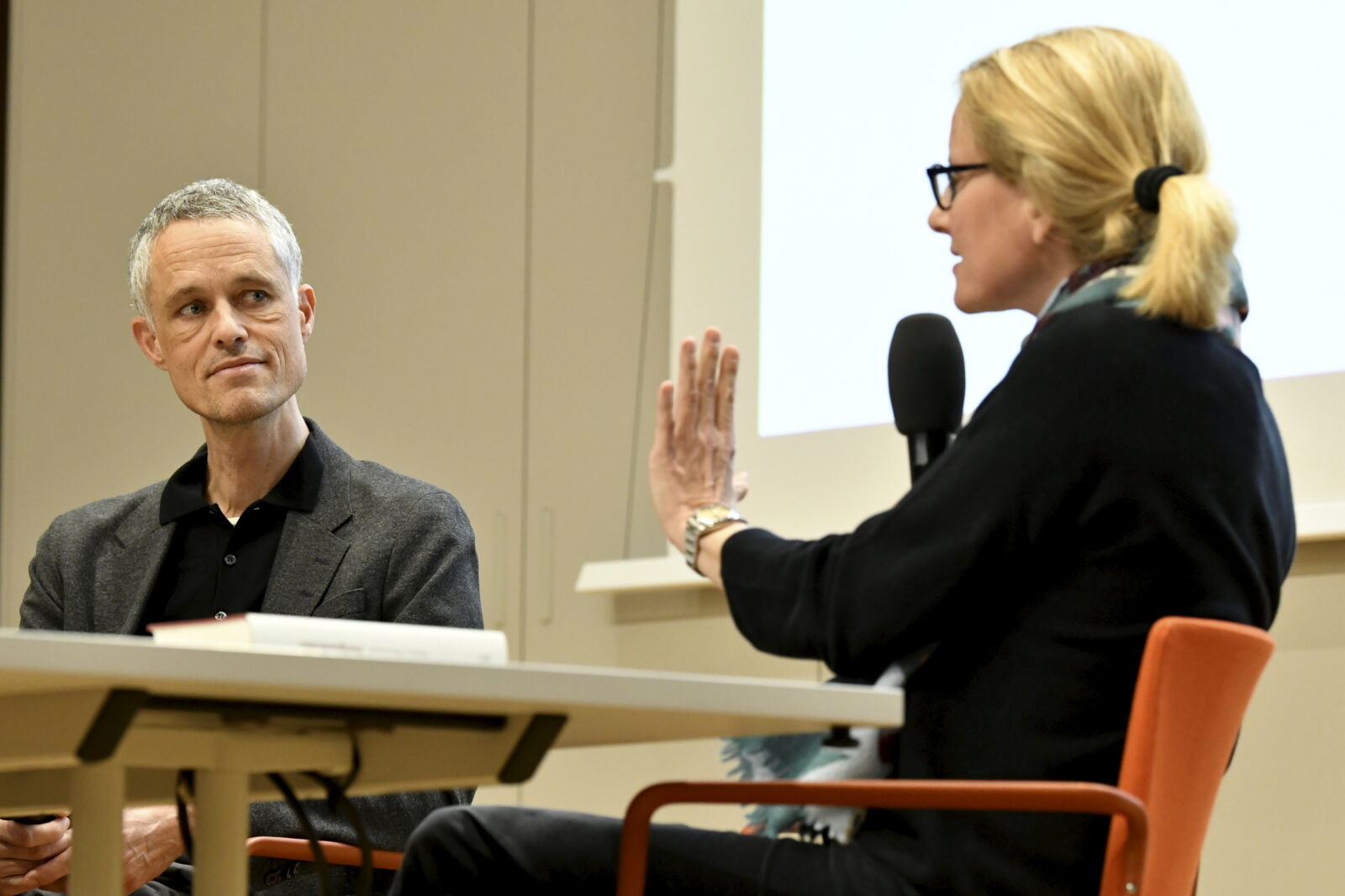
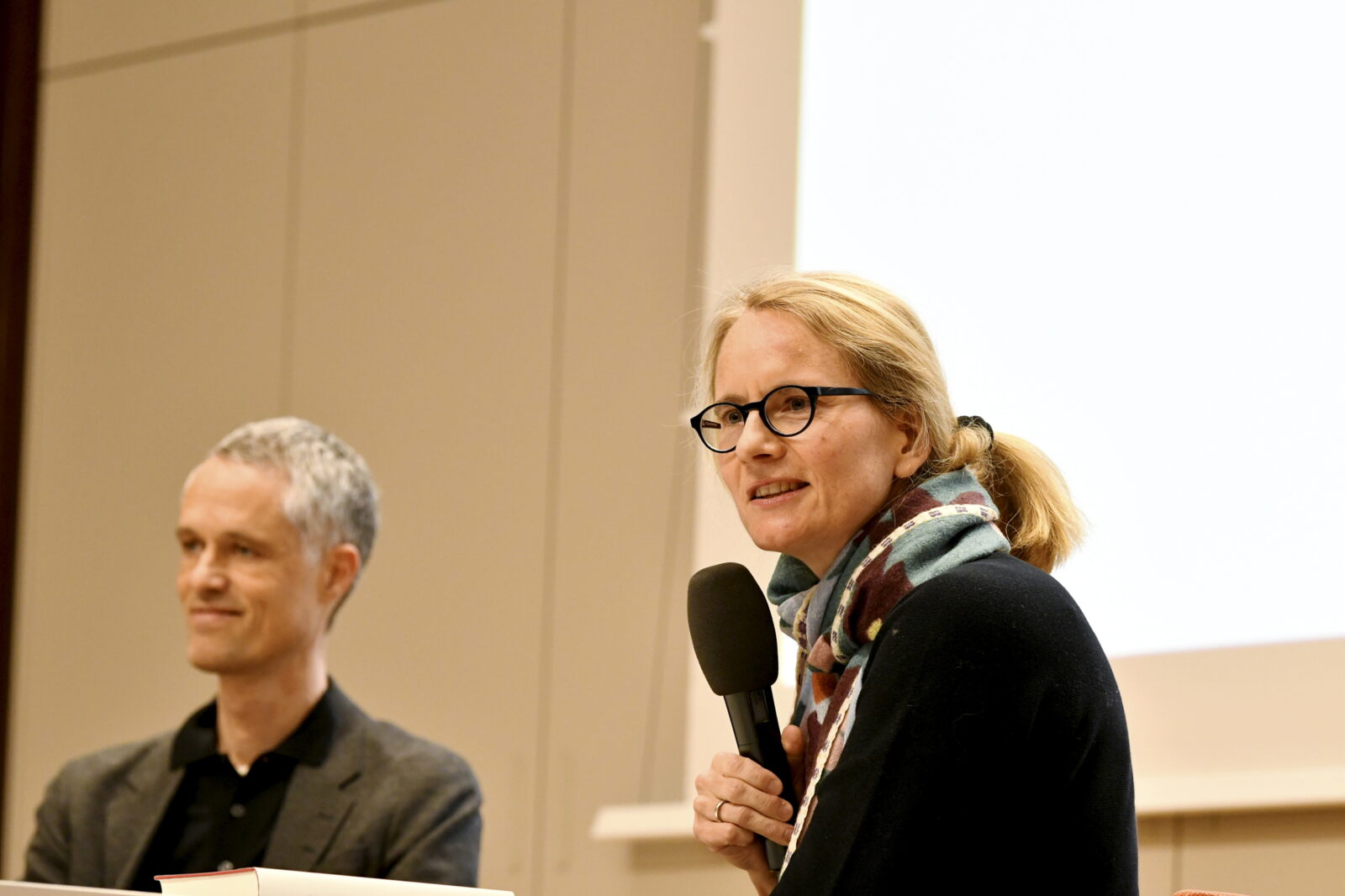
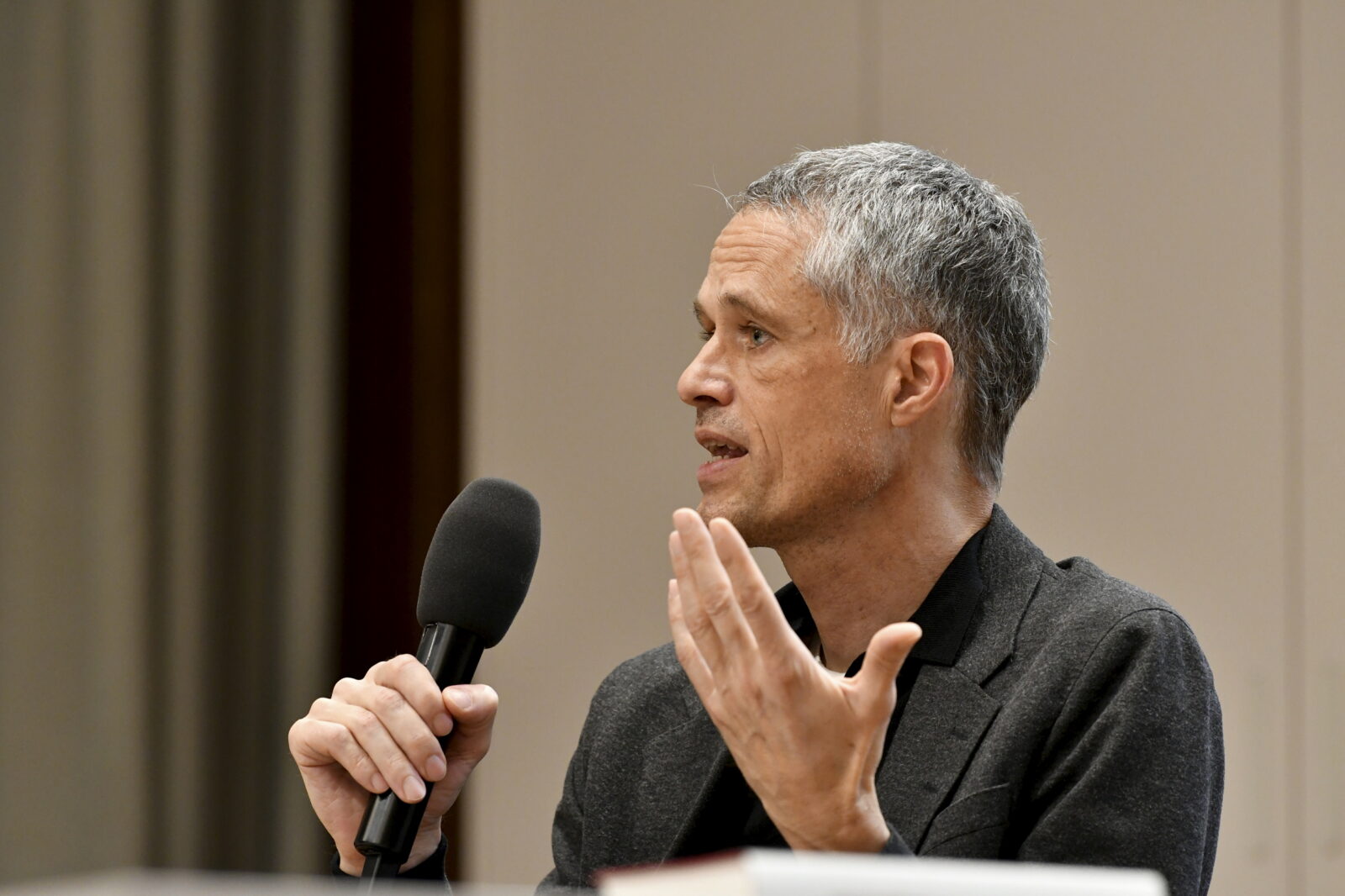
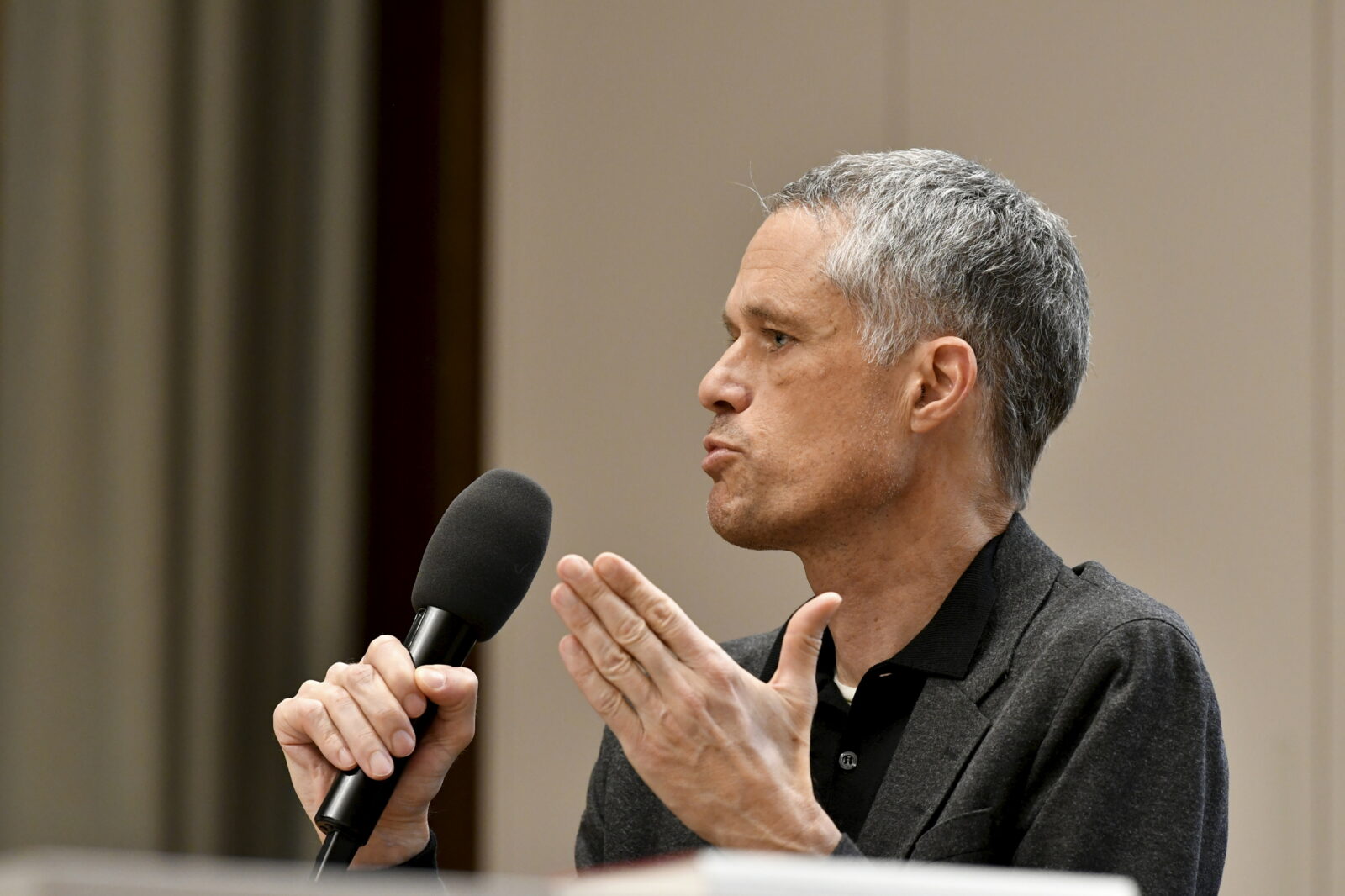
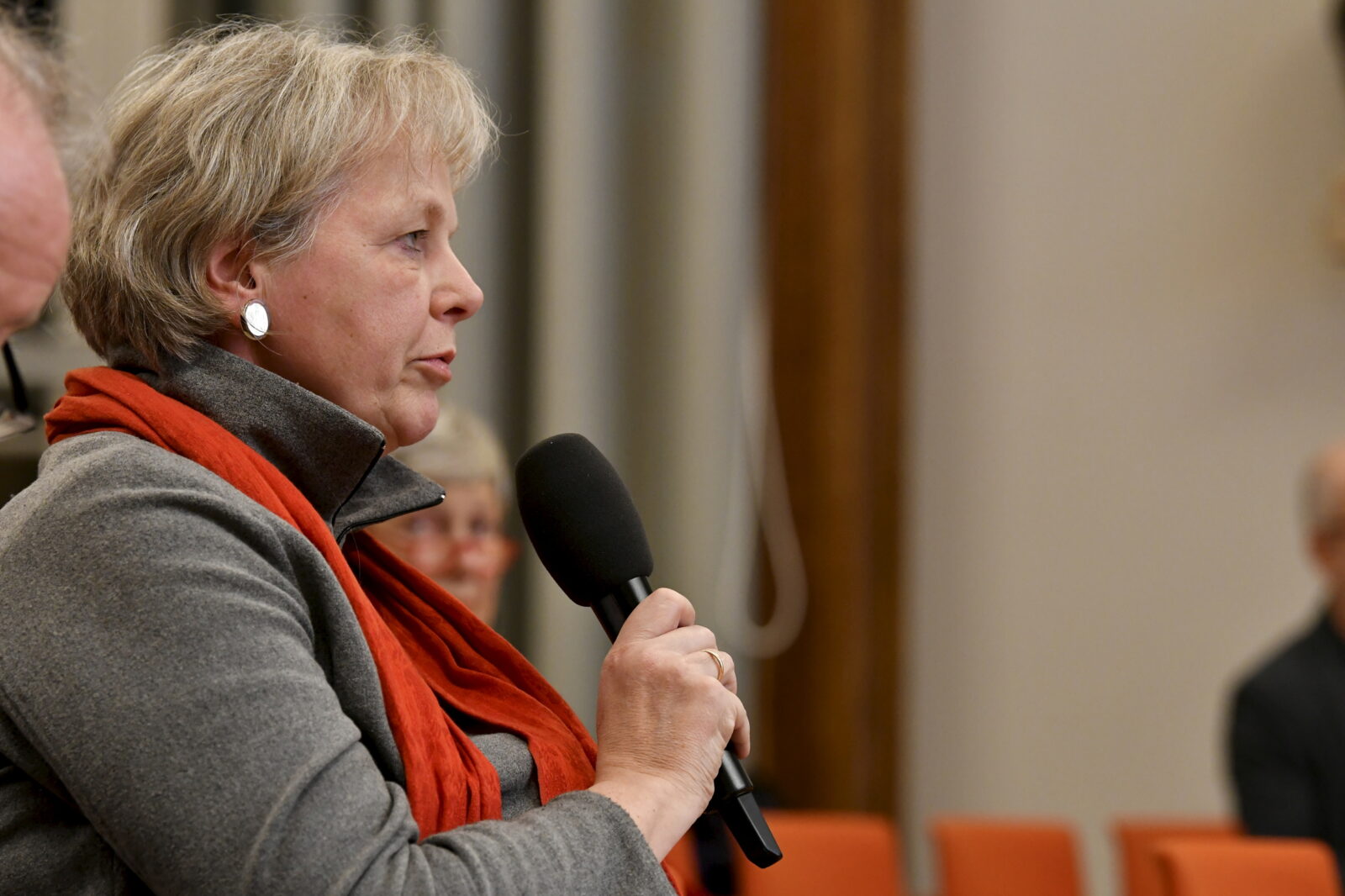
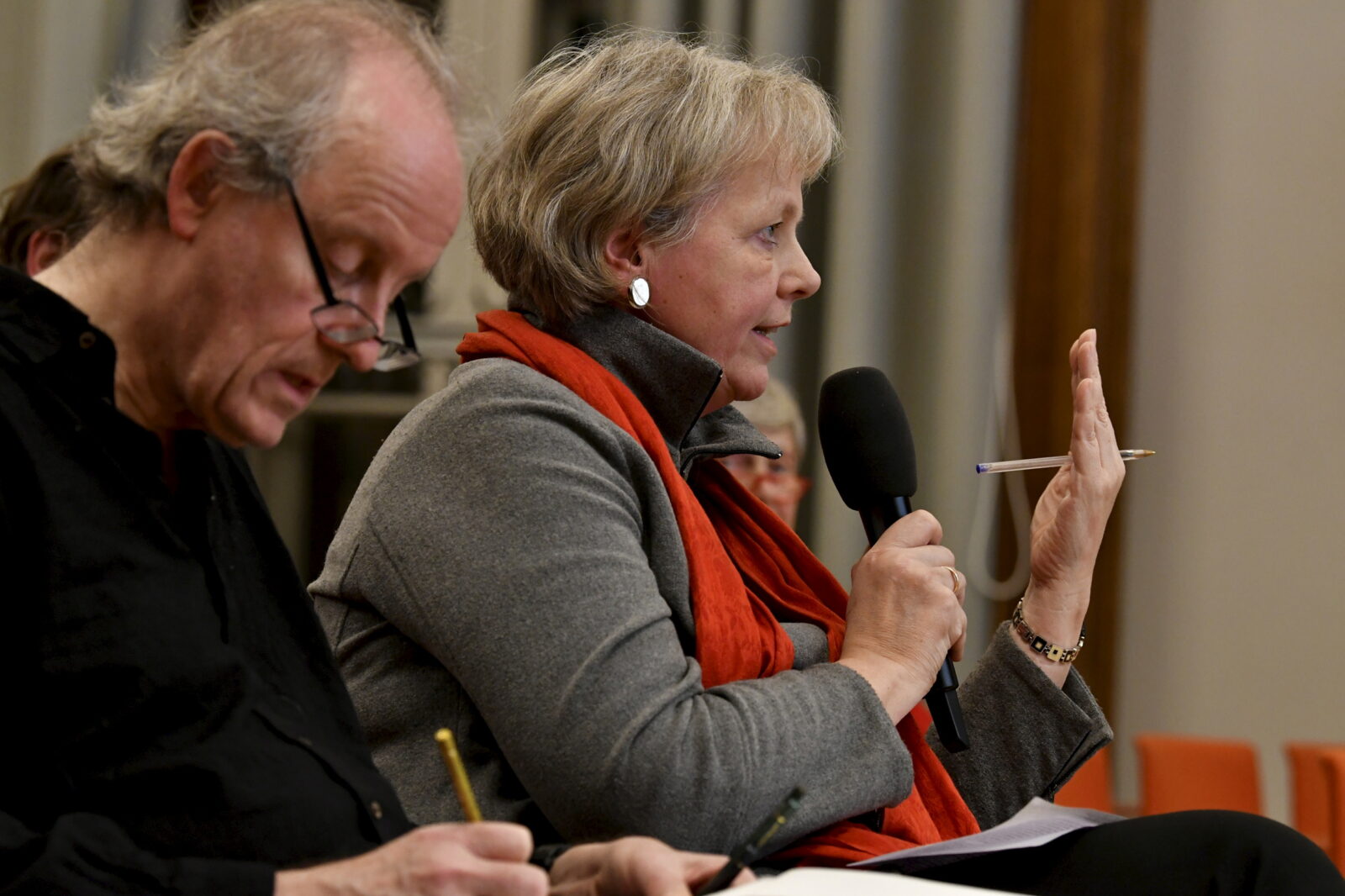
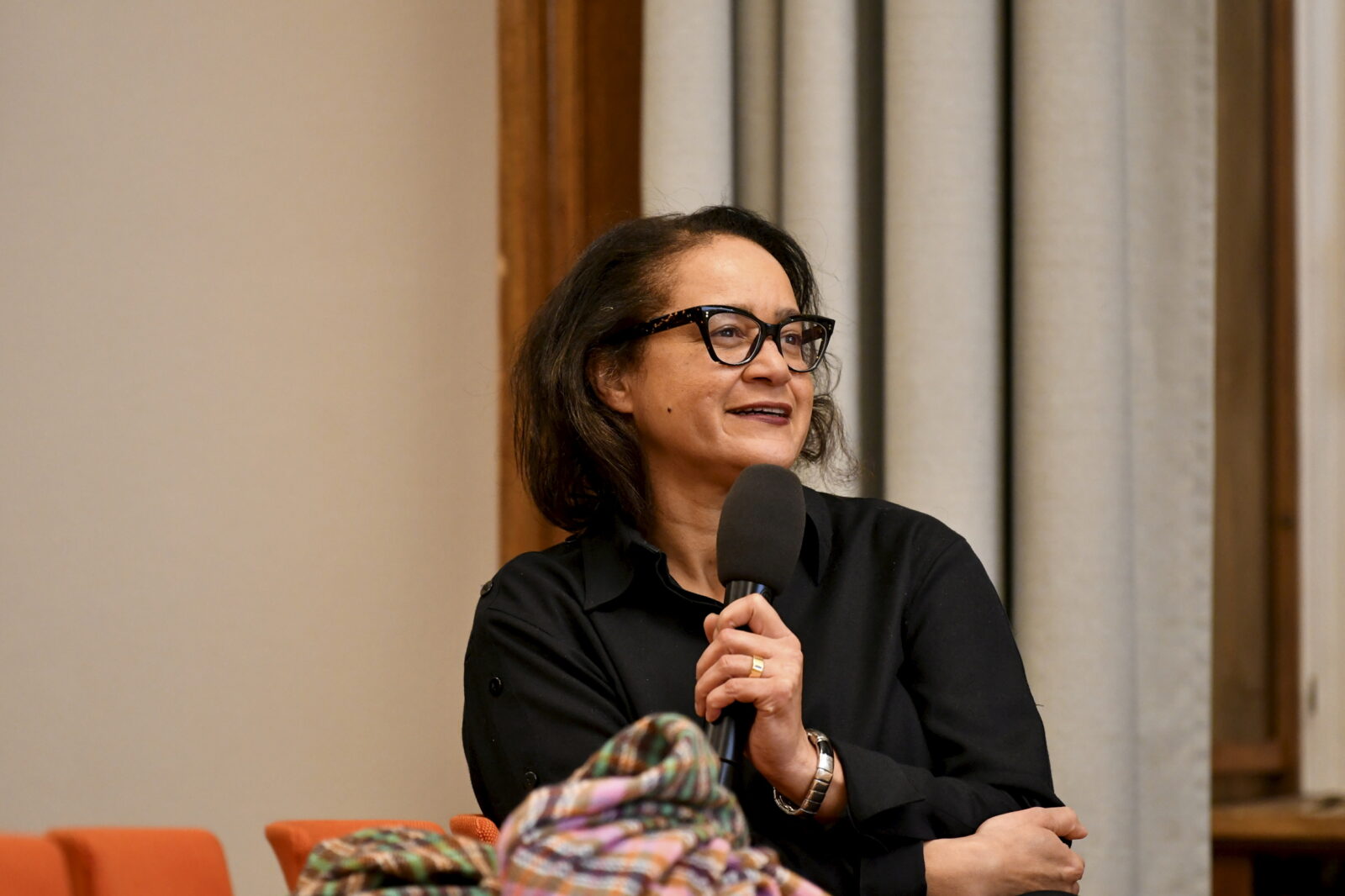
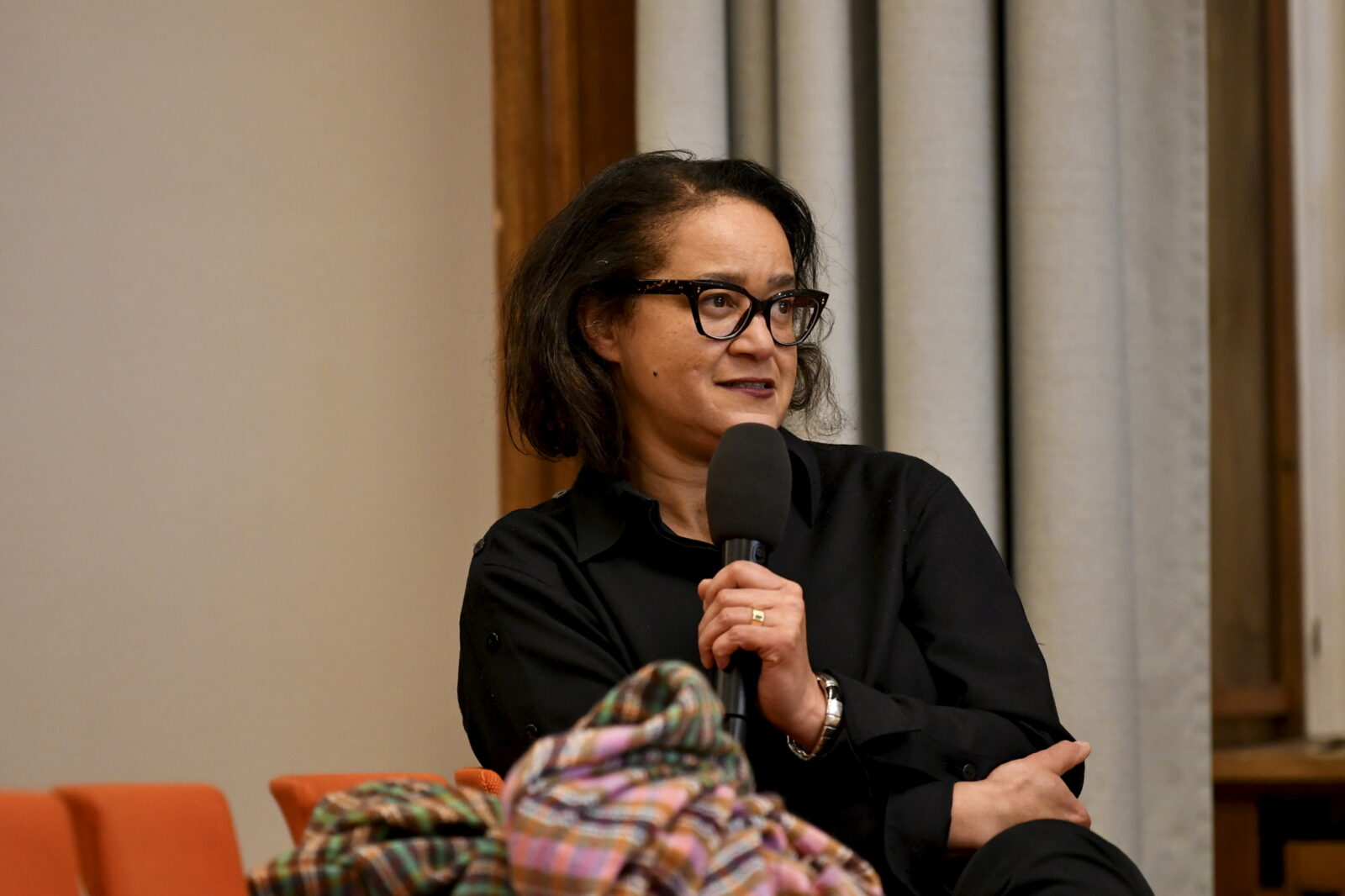
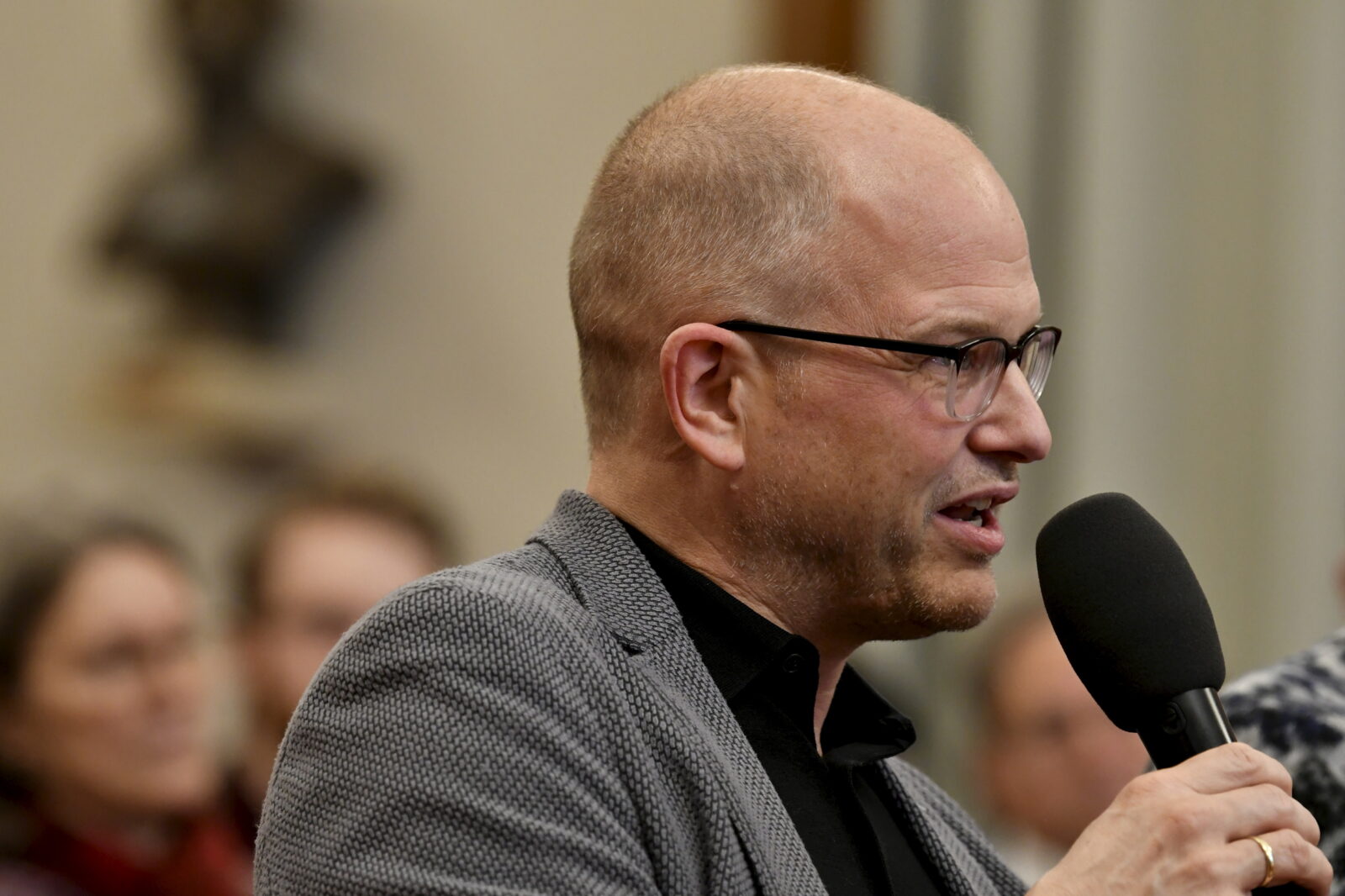
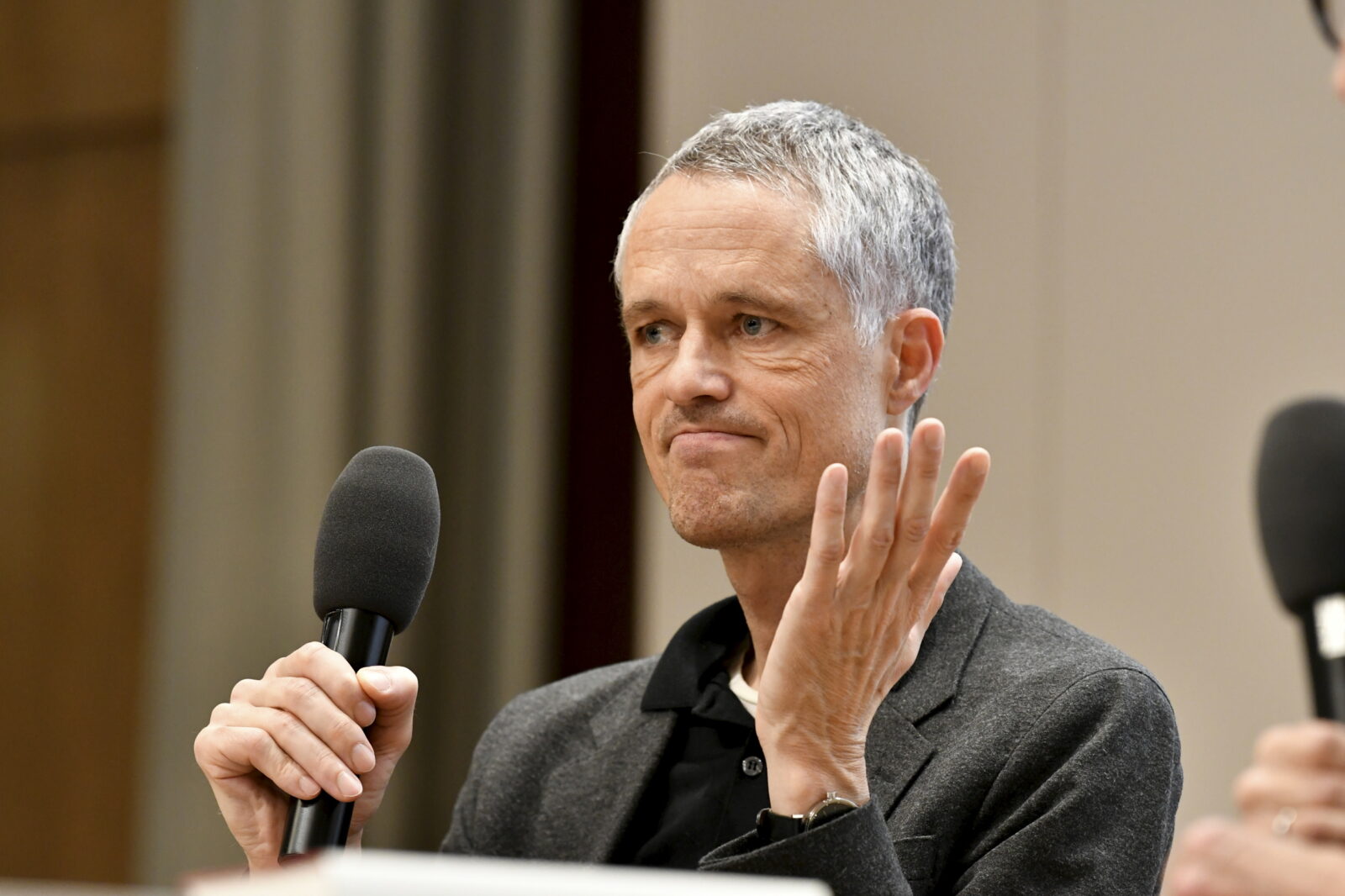
Photo credit: Neils Leiser for the Mosse Lectures
Marcus Twellmann: Literary scholar; Professor of Modern German Literature at the University of Hamburg since 2021. Marcus Twellmann headed the research center »Kulturtheorie und Theorie des politischen Imaginären« at the University of Konstanz and was scientific coordinator of the Cluster of Excellence 16 »Kulturelle Grundlagen von Integration«. His research interests include literary and cultural theory as well as recent German literature in the global context, especially traveling forms. In 2019, his study »Dorfgeschichten. Wie die Welt zur Literatur kommt« was published by Wallstein Verlag.
Claudia Stockinger: Literary scholar; Professor of Modern German Literature (17th – 19th century) at Humboldt University. Since 2022, Claudia Stockinger heads the sub-project »Populäre Narrative des guten Lebens. Wechselverhältnis von Medizin und Zeitlichkeit im deutschen Fernsehen« of the DFG Research Unit 5022 »Medizin und Zeitstruktur des guten Lebens«. Her research focuses on the literary history of the Enlightenment and the 19th century, contemporary literature, the theory of canon formation, intertextuality and authorship as well as rural modernity.
