
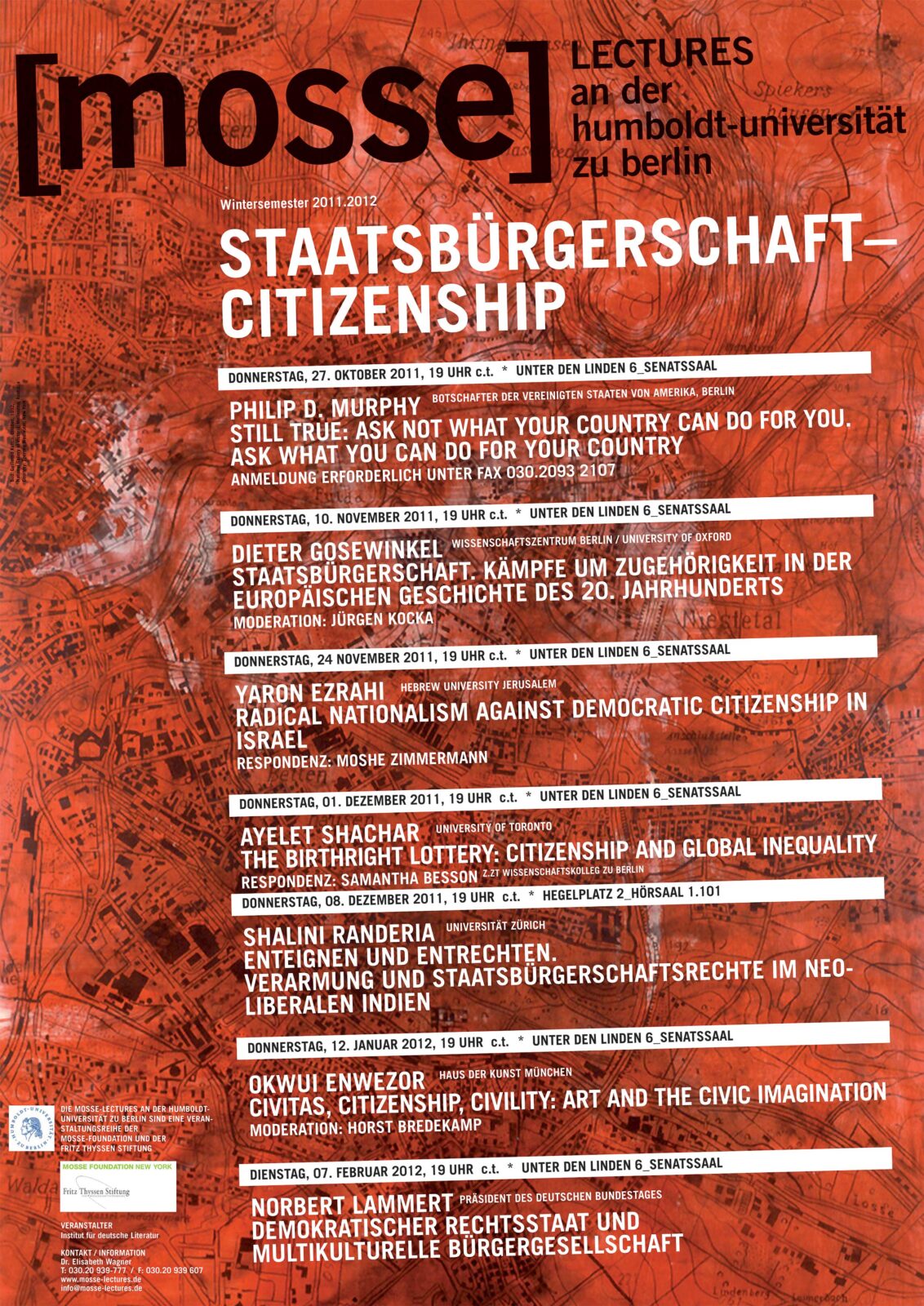
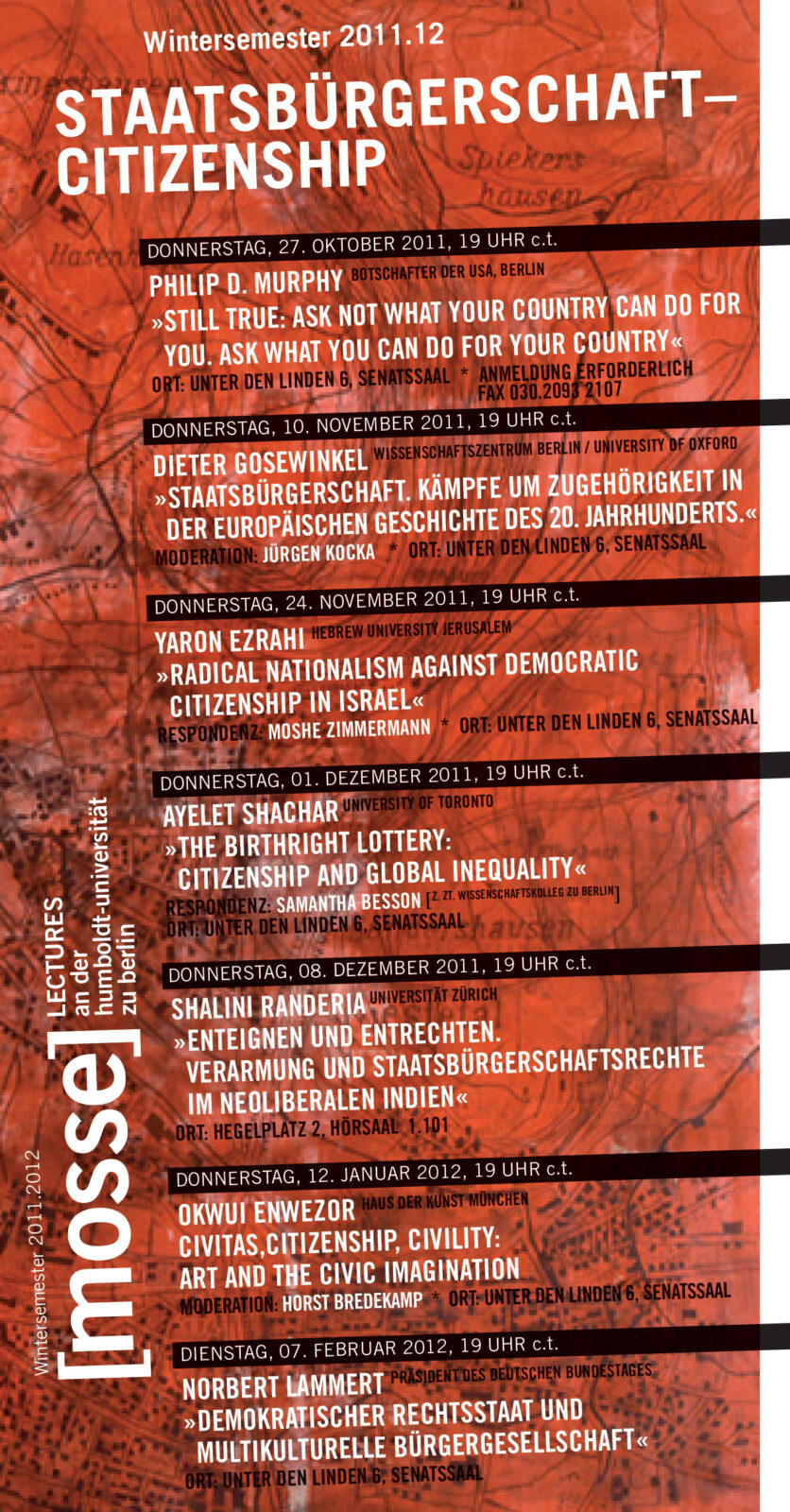
2012: Norbert Lammert, “Demokratischer Rechtsstaat und multikulturelle Bürgergesellschaft” / “Democratic Constitutional State and Multicultural Civil Society”
Norbert Lammert, “Demokratischer Rechtsstaat und multikulturelle Bürgergesellschaft” / “Democratic Constitutional State and Multicultural Civil Society”
Berlin Mosse Lecture
https://mosselectures.wisc.edu/berlin/
Thursday, 7 February 2012, 19:00 CET
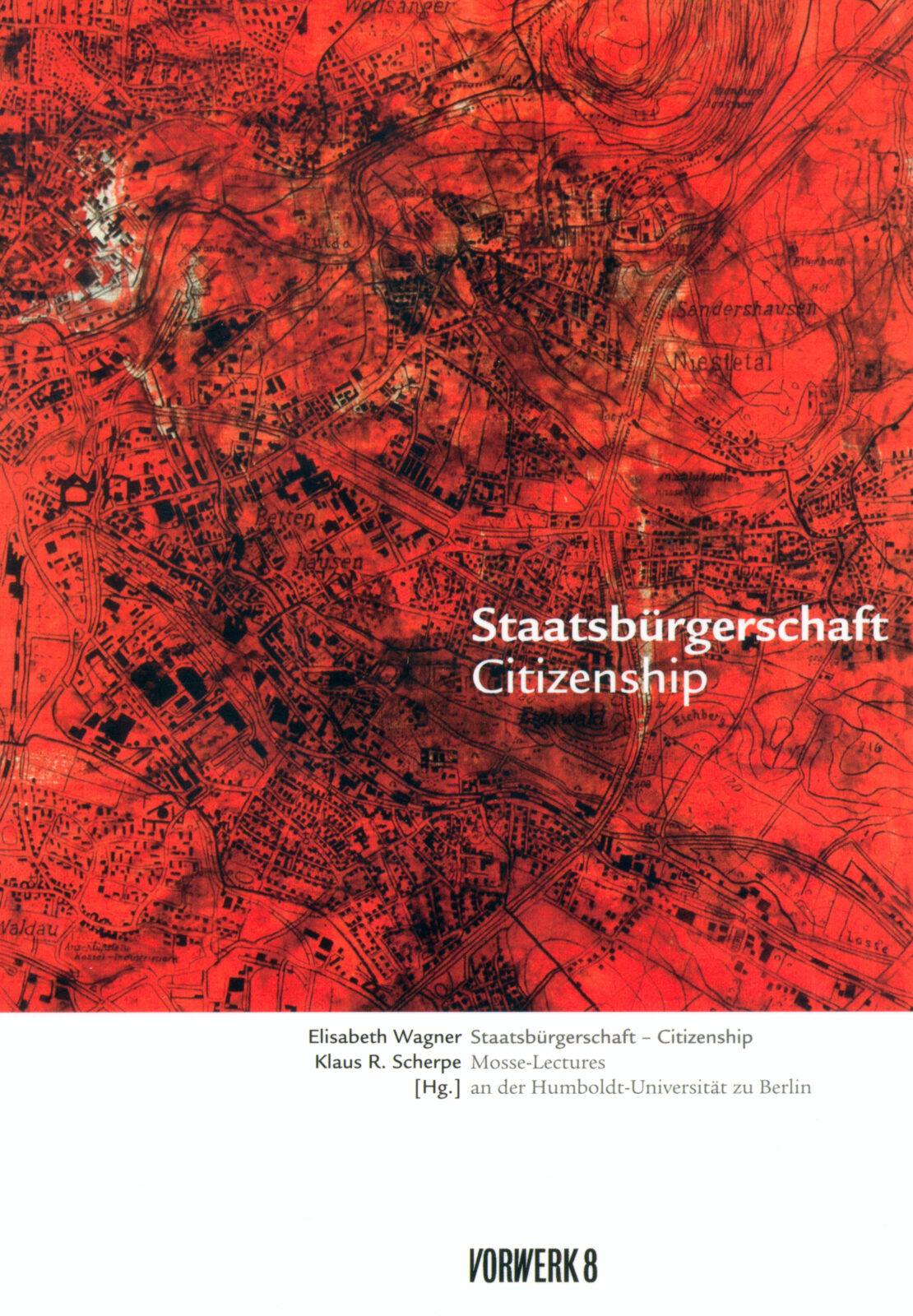
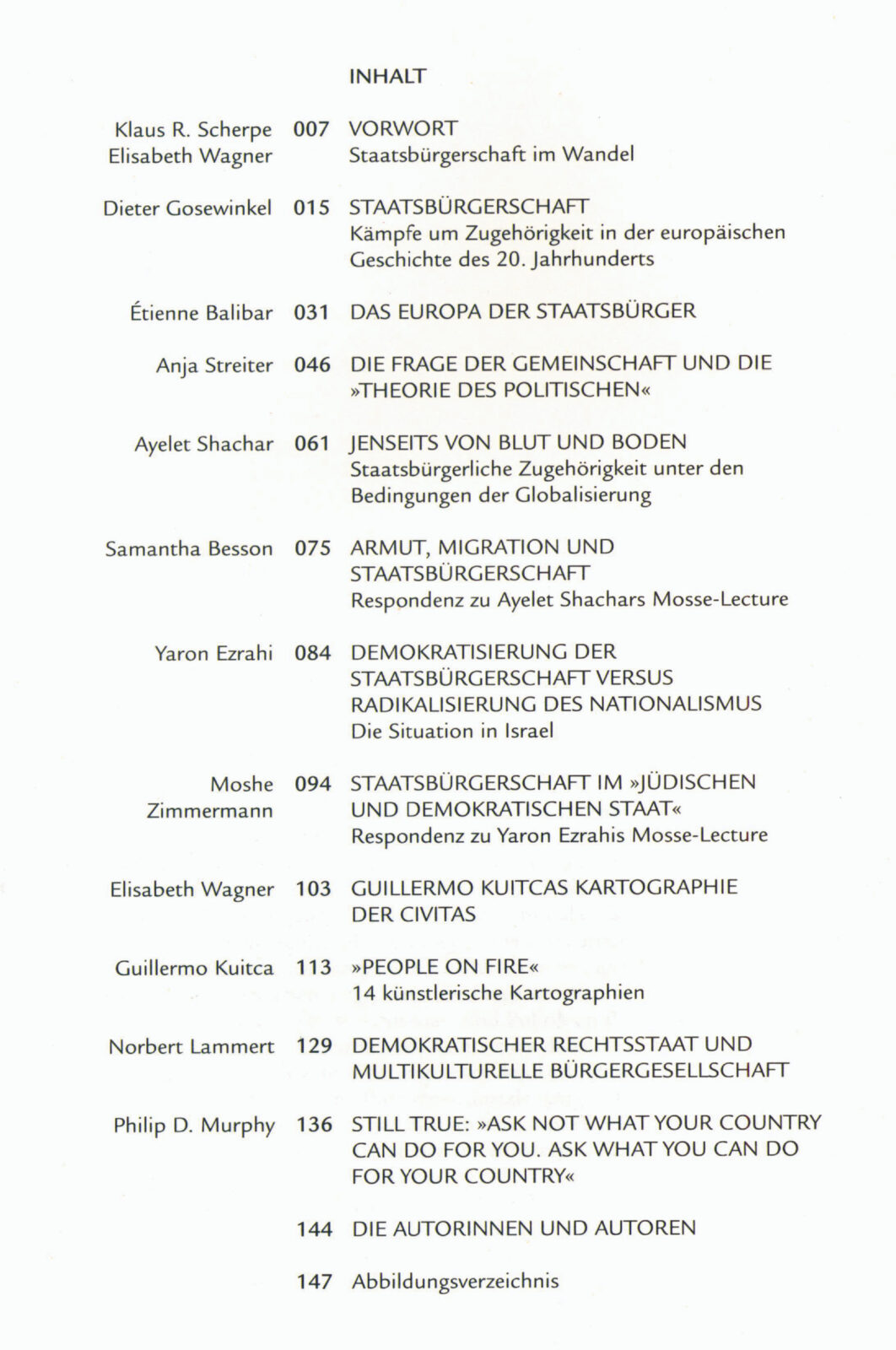
A version of this lecture was published in Elisabeth Wagner, Klaus R. Scherpe, ed. Staatsbürgerschaft/Citizenship. Rechtliche, Soziale, Kulturelle und Politische Grenzwerfe. Mosse-Lectures an der Humboldt-Universität zu Berlin (Berlin: Humboldt Universität zu Berlin, 2013), 129-135. See table of contents below.

Senatssaal of Humboldt University
Under den Linden 6
1. Stock
10117 Berlin
GERMANY
Sponsored by:
[mosse] LECTURES an der humboldt-universität zu berlin
The Mosse Foundation
Global Mosse Lecture Series
Fritz Thyssen Stiftung
Institut für deutsche Literatur
Humboldt University
Moderator: Jan-Hendrik Olbertz (President of Humboldt University)
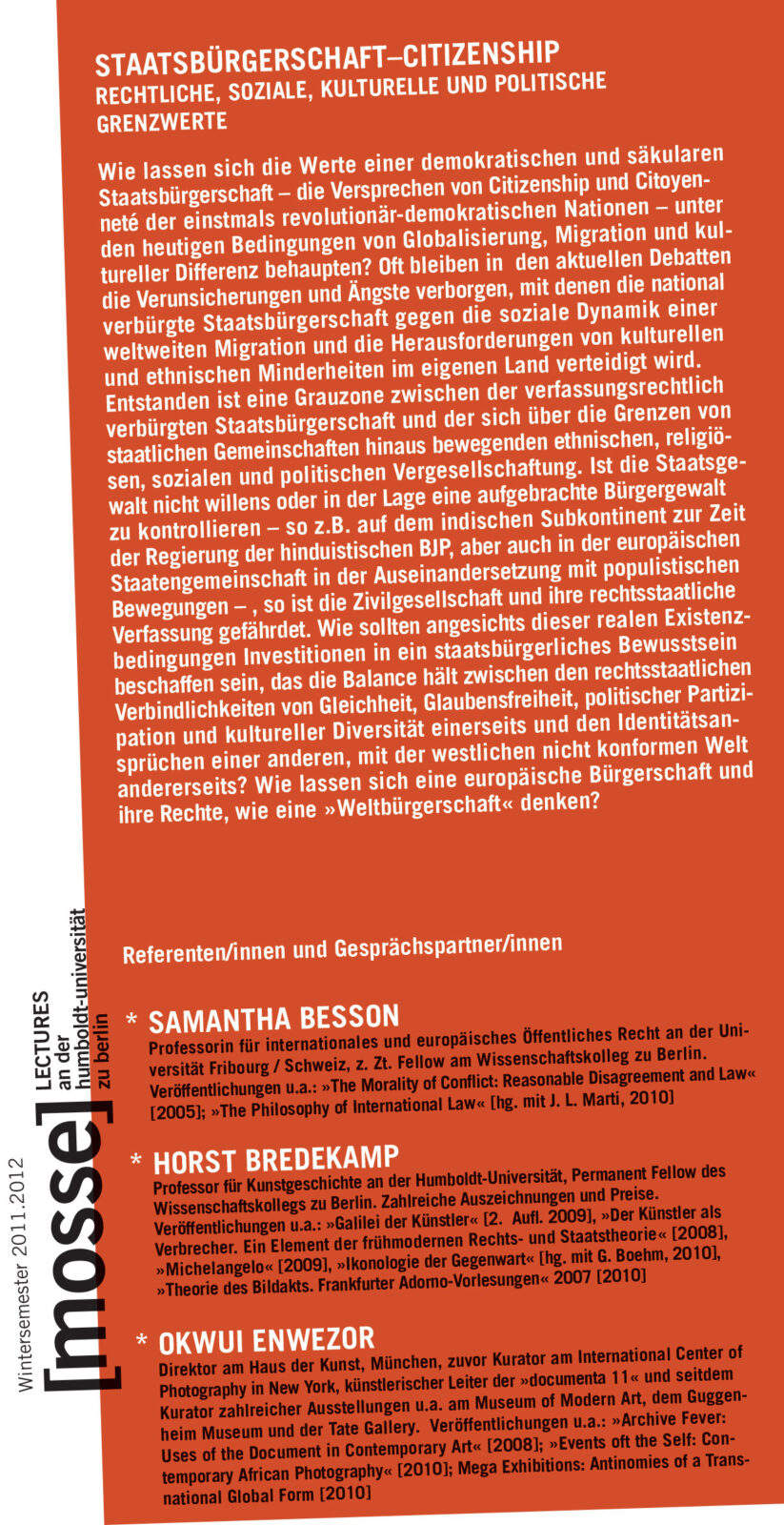
Lecture Description: In einer Gesellschaft, die zunehmend multikulturell geprägt ist, wird die Verständigung über gemeinsame und verbindliche Werte und Überzeugungen dringender. Integration kann nur gelingen, wenn neben ökonomischen und sozialen auch kulturelle Mindestvoraussetzungen für das Zusammenleben sichergestellt sind. Aufgabe der Politik ist es, genau dafür immer wieder einzutreten. Wie kann das geschehen, auch mit Hilfe der Zivilgesellschaft? Und welche Mindestvoraussetzungen müssen erfüllt, welche gemeinsamen Orientierungen unumstritten sein?
Lecture Series Description: Citizenship and Citoyenneté were a promise of the emerging revolutionary and democrat-ic nation states. How can such ideas and values be kept alive today under the conditions of globalization, migration and cultural difference? In the present debates feelings of uncertainty and anxiety arise in the attempt to defend the consent of citizenship against the dynamics of migration and the aspirations of cultural and ethnic minorities. A grey area has developed between citizenship granted by the constitution and the process of socialization beyond the limits of ethnic, religious, social, and political communities. State power and civilian violence – on the Indian subcontinent under the BJP government, but also within the European community – endanger civil society and its rights of the constitution. Facing these realities, what measures are necessary to make the general public aware of the rights and wrongs of granting citizenship, balancing the commitment of equality, religious freedom, political participation and cultural diversity on the one hand, and the different claims of identity from a world not conforming with western standards on the other? How should we conceive of a European citizenship and its rights, and imagine a »citizenship of the world«?
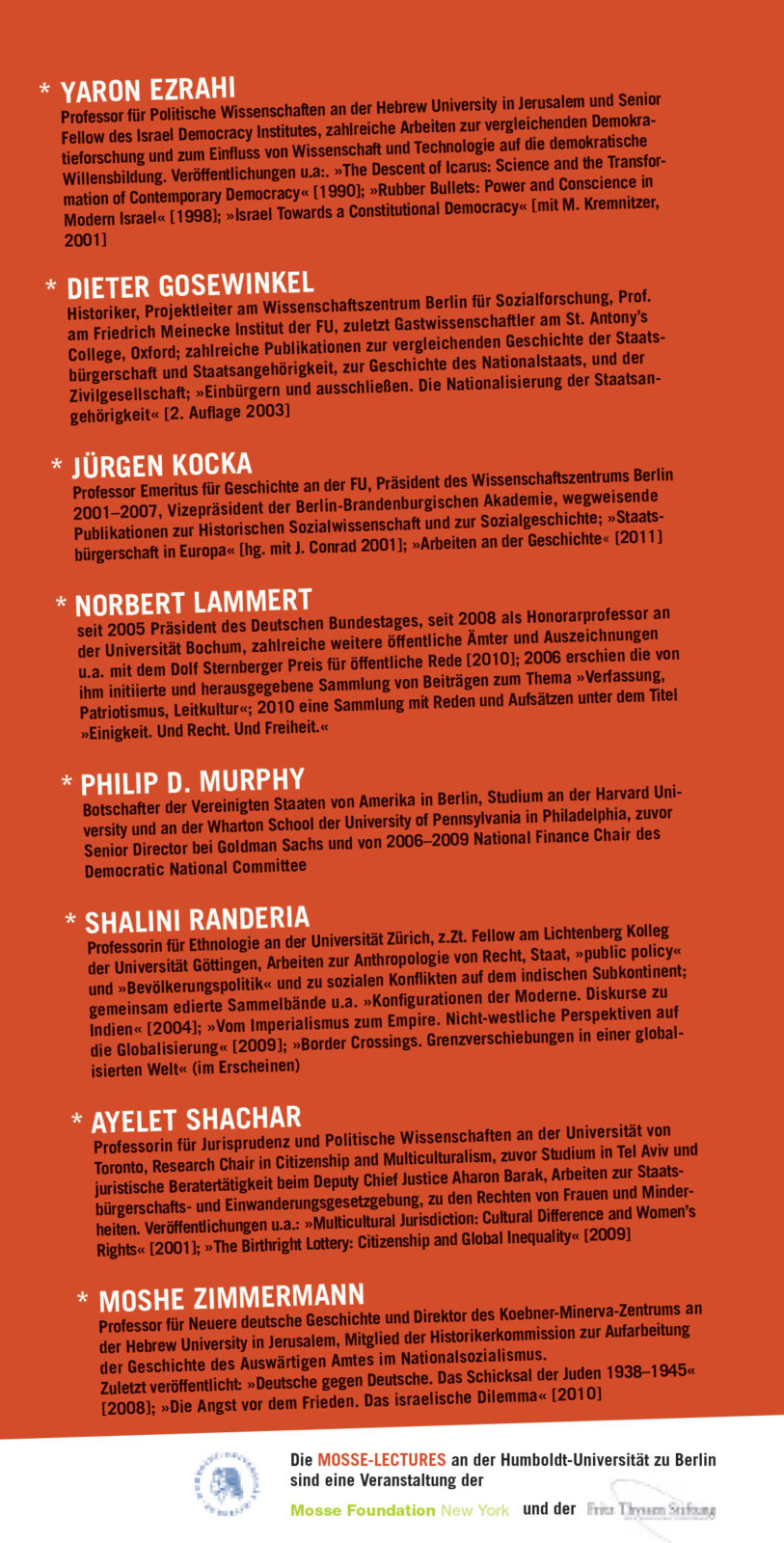
Norbert Lammert: seit 2005 Präsident des Deutschen Bundestages, seit 2008 Honorarprofessor an der Universität Bochum, zahlreiche weitere öffentliche Ämter und Auszeichnungen u.a. mit dem Dolf Sternberger Preis für öffentliche Rede (2010); 2006 erschien die von ihm initiierte und herausgegebene Sammlung von Beiträgen zum Thema Verfassung, Patriotismus, Leitkultur; 2010 eine Sammlung mit Reden und Aufsätzen unter dem Titel Einigkeit. Und Recht. Und Freiheit.
Jan-Hendrik Olbertz is the President of the International Psychoanalytic University Berlin, former president of Humboldt University of Berlin (HU) and served as a professor for Educational Science at HU. He studied Educational Science (German and music) at Martin Luther University Halle-Wittenberg from 1974-1978. He is the son of the agricultural scientist Manfred Olbertz who taught at the University of Rostock until 1991. In 1981, he received his Dr. paed. in educational science. Afterwards he served as a research assistant and as a chief assistant at Martin Luther University. In 1992, he earned his habilitation at this university. In 1990, Olbertz was a guest professor at the University of Bielefeld before becoming a professor for educational science with a focus on adult pedagogy at the Martin Luther University Halle-Wittenberg. From 2002-2010 he served as the minister of culture of the federal state Saxony-Anhalt for the Christian Democratic Union of Germany. His research interests are in the field of of adult pedagogy and university education.
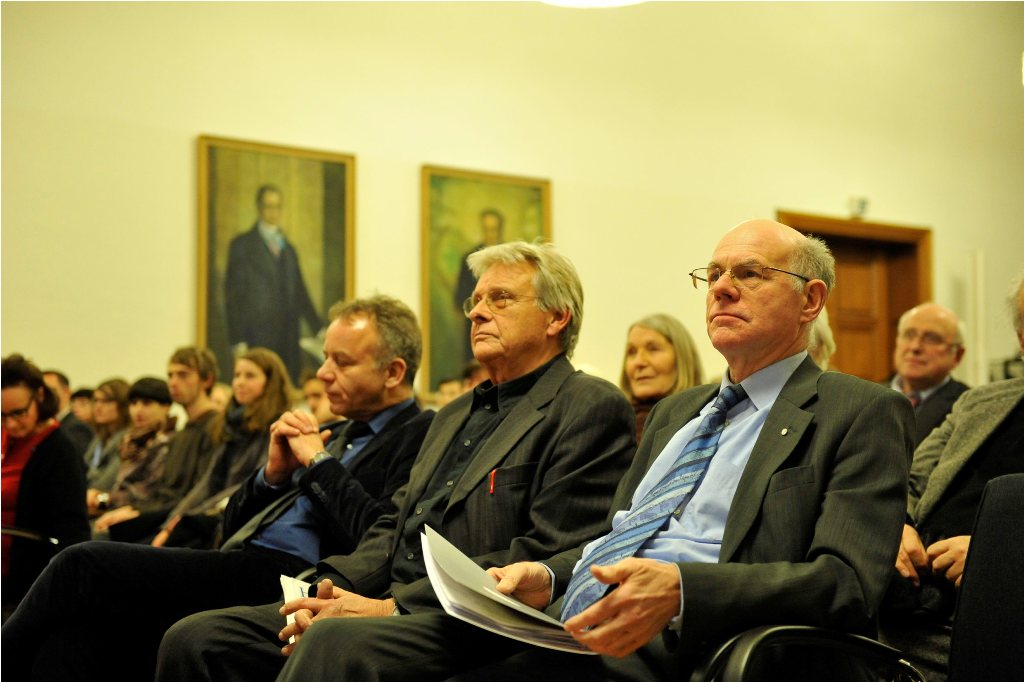
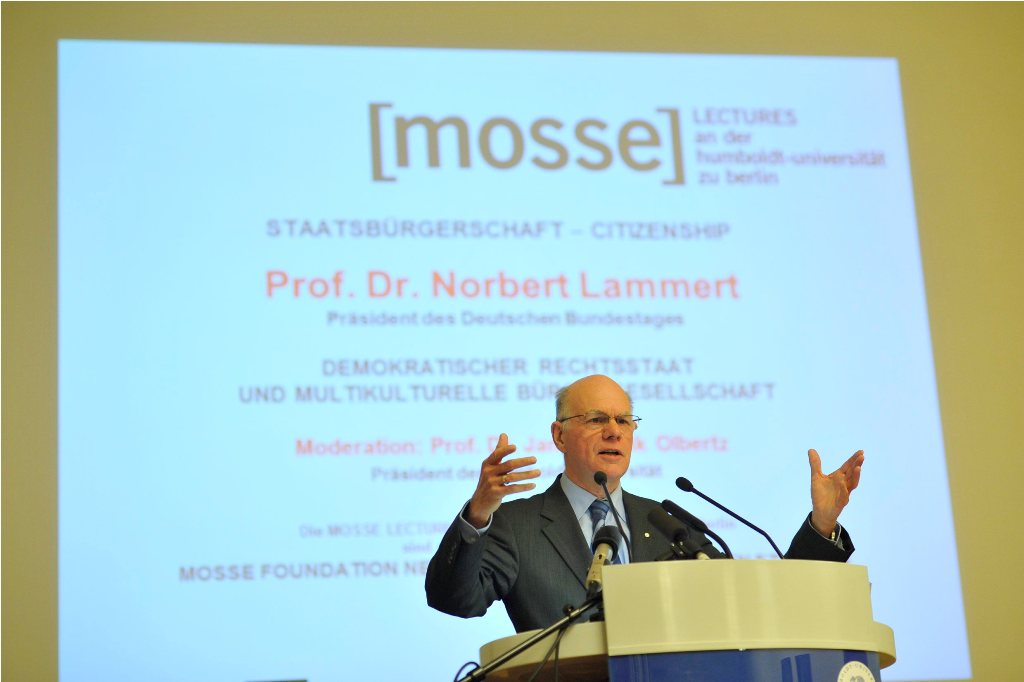
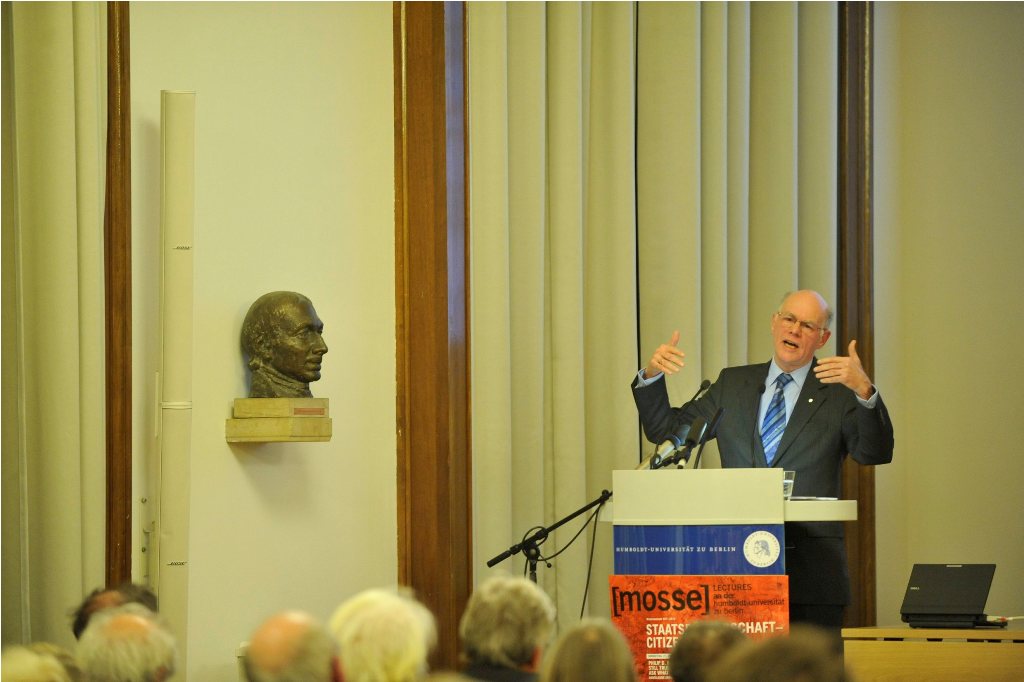
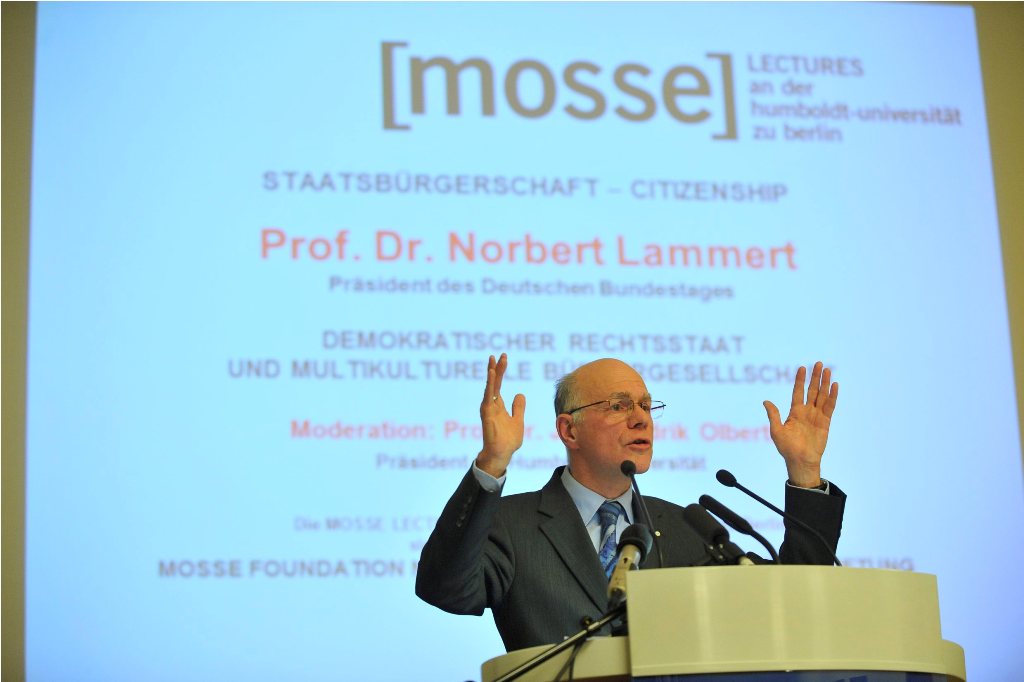
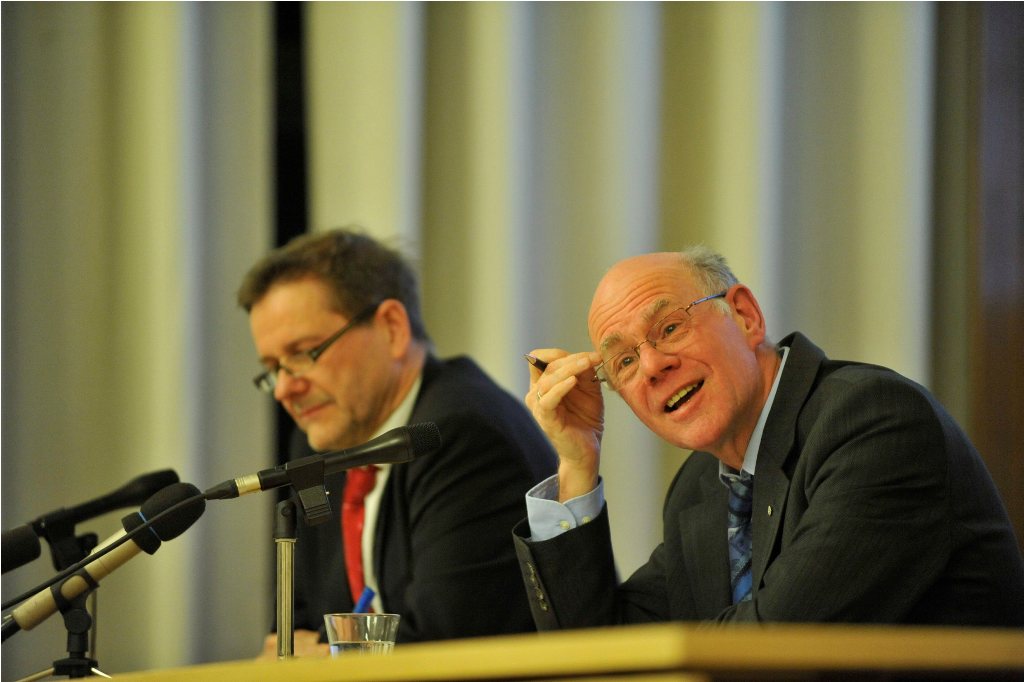
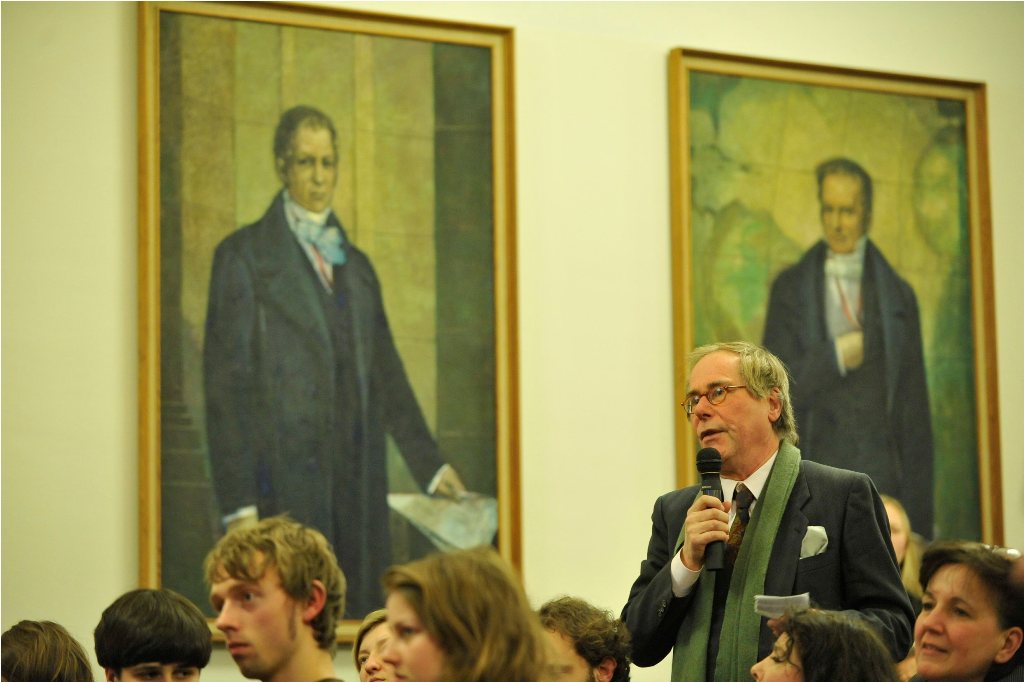
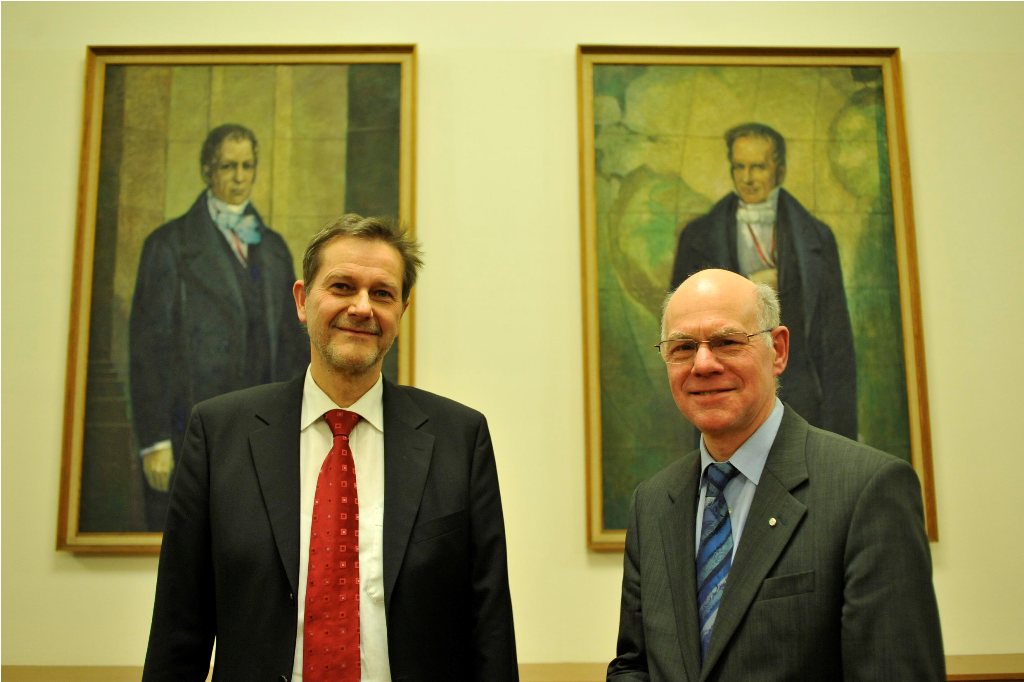
Photo Credit: Niels Leiser for the Mosse Lectures
