
2015: Sarah Stroumsa, “Passages: Between Acculturation and Conversion in Islamic Spain”
Note: there are two parts to the lecture recording
Sarah Stroumsa, “Passages: Between Acculturation and Conversion in Islamic Spain”
Berlin Mosse Lecture
https://mosselectures.wisc.edu/berlin/
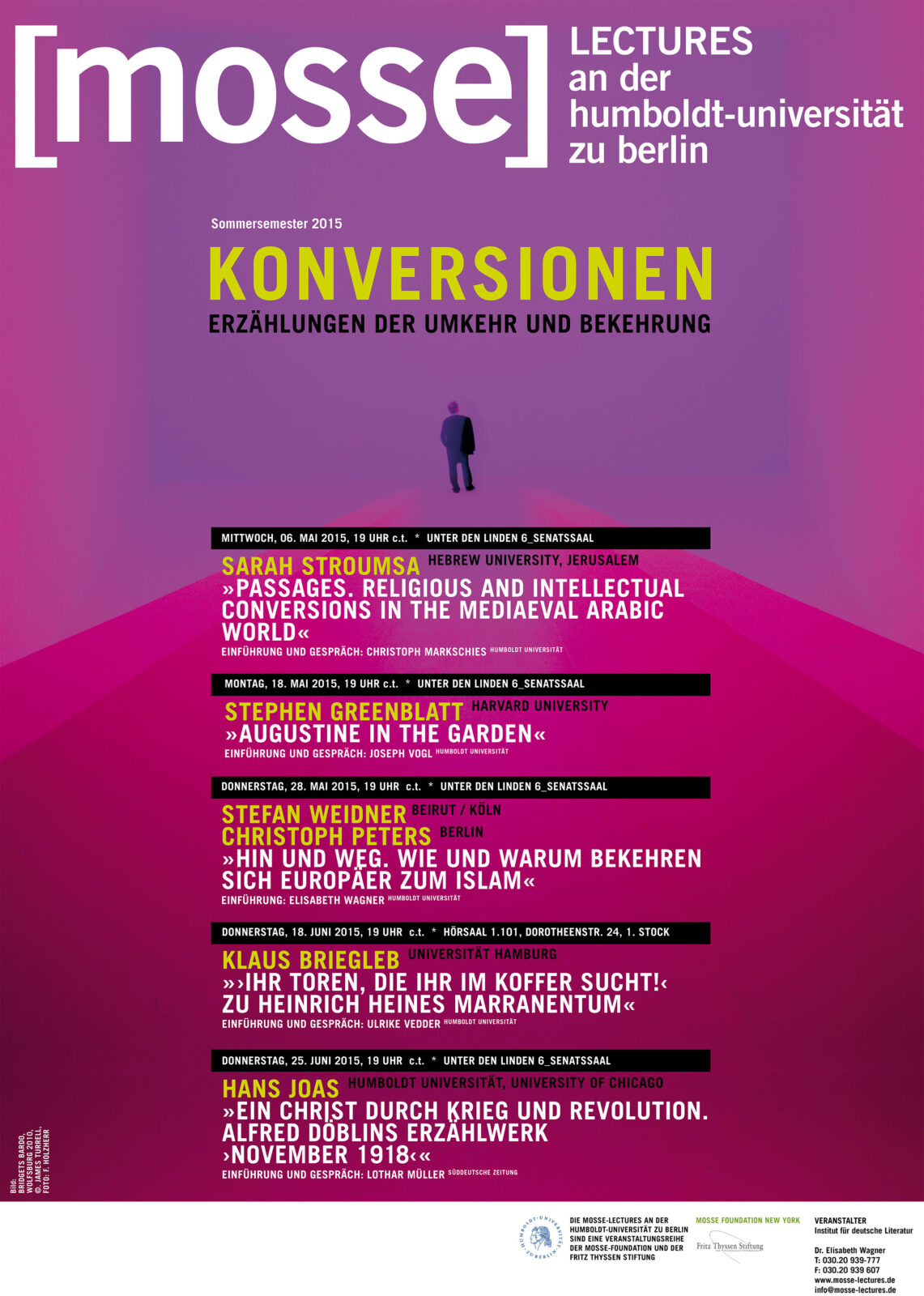
Wednesday, 6 May 2015, 19:00 CET
Senatssaal of Humboldt University
Unter den Linden 6
1. Stock
10117 Berlin
GERMANY
Sponsored by:
[mosse] LECTURES an der humboldt-universität zu berlin
The Mosse Foundation
Global Mosse Lecture Series
Fritz Thyssen Stiftung
Institut für deutsche Literatur
Humboldt University
Introduction: Klaus Scherpe (Humboldt University)
Respondent: Christoph Markschies (Humboldt University)
Lecture Description: Das Hochmittelalter im islamischen Spanien (al-Andalus) wird oft als ein Goldenes Zeitalter beschrieben, in dem Juden, Christen und Muslime harmonisch zusammen lebten. Die für diese Zeit nachgewiesene Dynamik der Konversionen zum Islam allerdings stört diese idyllisch fixierte Vorstellung. Es zeigt sich, welchem religiösen und sozialen Druck die religiösen Minderheiten ausgesetzt waren. Wenn wir uns die unterschiedlichen Reaktionen der jüdischen und christlichen Gemeinden in der Zeit des al-Andalus vergegenwärtigen, so können wir besser verstehen, was eine Konversion in der mittelalterlichen islamischen Welt bedeutete. Bei genauerem Hinsehen zeigt sich, dass es für die religiösen Minderheiten zwischen Assimilation und religiösem Zwang durchaus mehrere Möglichkeiten gab, sich zu entscheiden. Der Begriff »Konversion« erweist sich als mehrdeutig und facettenreicher als gemeinhin angenommen.
Lecture Series Description: Since the experience of Paulus on the road to Damascus, the profound inspiration that ›things cannot go on this way‹, has been told as individual and spiritual affair, as an evi-dential experience, but also as a narrative of cultural and political change, a transcenden-tal evocation of breakup and outbreak. Radical transition, individual or collective, consti-tutes the symbolical practice and rhetorical strategies of religious, philosophical, political and literary conversion narratives. Since the bitter fate of the conversos, the Jews at the time of the Spanish Reconquista, historical tradition has forced conversions as warning signs of violence and genocide, in modernity the racially, politically und religiously motivated expulsion and annihilation of minorities. How can possibly the radical appeal of confession and conversion be experienced, less dramatic and heroic, when practical everything is ›convertible‹, records of data and information, currencies, languages and identities? In retrospect, referring to the zone of transition, the »becoming otherwise«, the classical examples of a ›blitzconversion‹ might also reveal as a long term, manifold process of transformation, remembering e.g. the implementation of religious symbols, emblems and rites in secular forms. In the autobiographical narrations of conversion we will definitely find traces of the original culture in the text of the newly acquired living. In the program of the Mosse-Lectures the narratives of conversion from Maimonides to Heinrich Heine will be negotiated, as well as the concepts of conversion in the historical writings of religion, political philosophy, literature and anthropology.
Sarah Stroumsa: ist emeritierte Professorin des Alice and Jack Ormut Lehrstuhls für arabische Studien an der Hebräischen Universität von Jerusalem. Sie hat in den Abteilungen für arabische Sprachen und jüdisches Denken unterrichtet und war von 2008 bis 2012 Rektorin der Universität. Ihre zentralen Arbeitsgebiete sind die Philosophie und Religionsgeschichte des frühen arabischen Mittelalters, ebenso die mittelalterliche jüdisch-arabische Literatur und die Ideengeschichte von Juden und Muslimen im islamischen Spanien. Sie ist Mitglied der Berlin-Brandenburgischen Akademie der Wissenschaften, 2010 erhielt sie den Forschungspreis der Alexander von Humboldt Stiftung. Von ihren zahlreichen Schriften sind auf Englisch erschienen: Freethinkers of Medieval Islam (1999) und Maimonides in His World (2010).
Klaus Scherpe served as professor of modern German literature at Humboldt University Berlin starting in 1993, where he also directed the Institute for German Literature between 1996 and 1998 and co-founded the Mosse Lectures in 1997. He is the author of How German Is It, and How American? Ironic Replays in Literature (2005) and Die rekonstruierte Moderne. Studien zur deutschen Literatur nach 1945 (1992), among numerous other works. From 1973-1993 he served as professor of modern German literature at the Free University of Berlin. He has been active as a guest professor at numerous universities around the world, including in the US, Japan, Australia, and Argentina.
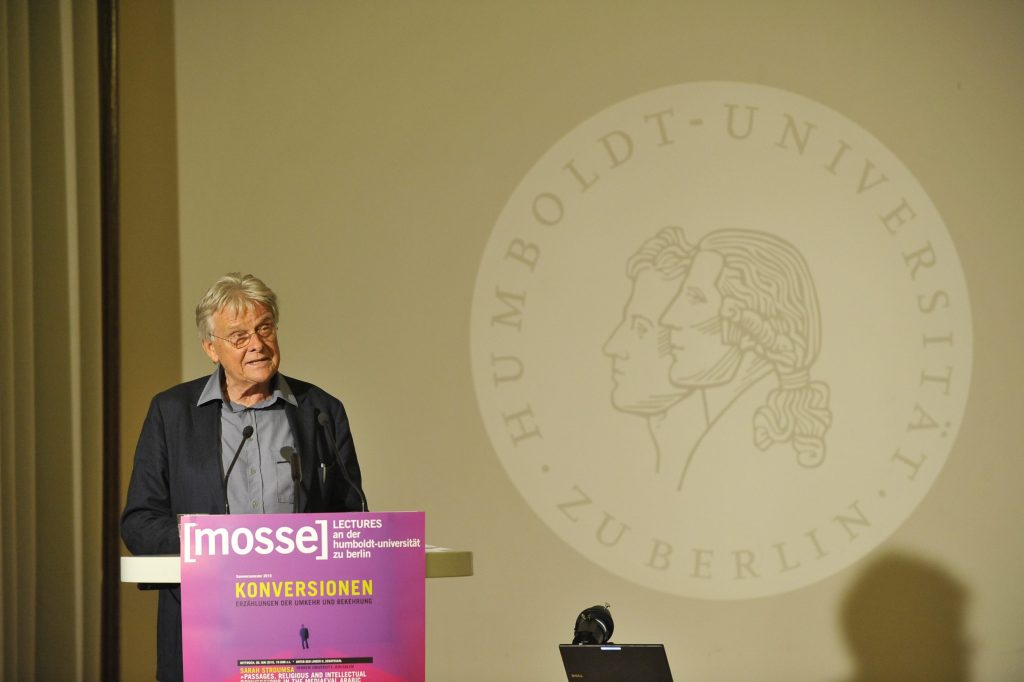
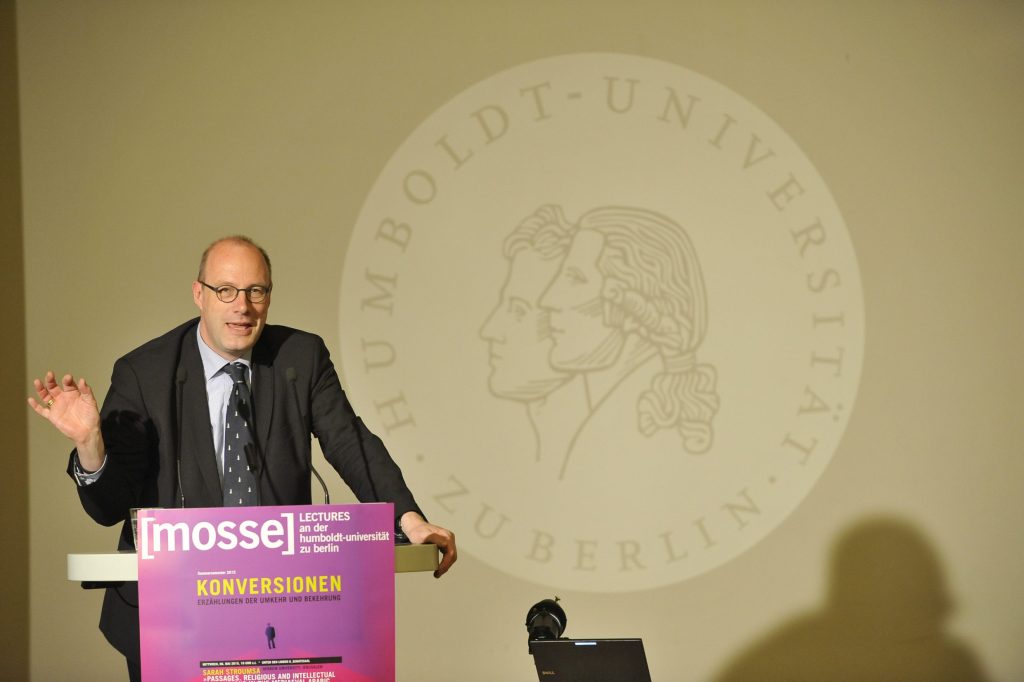
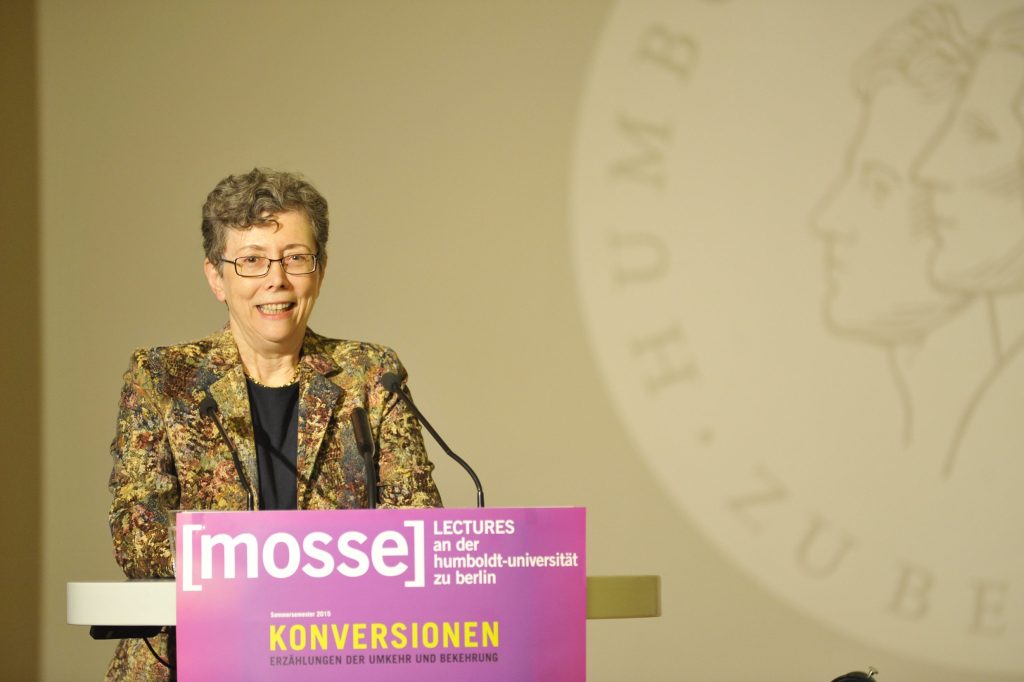
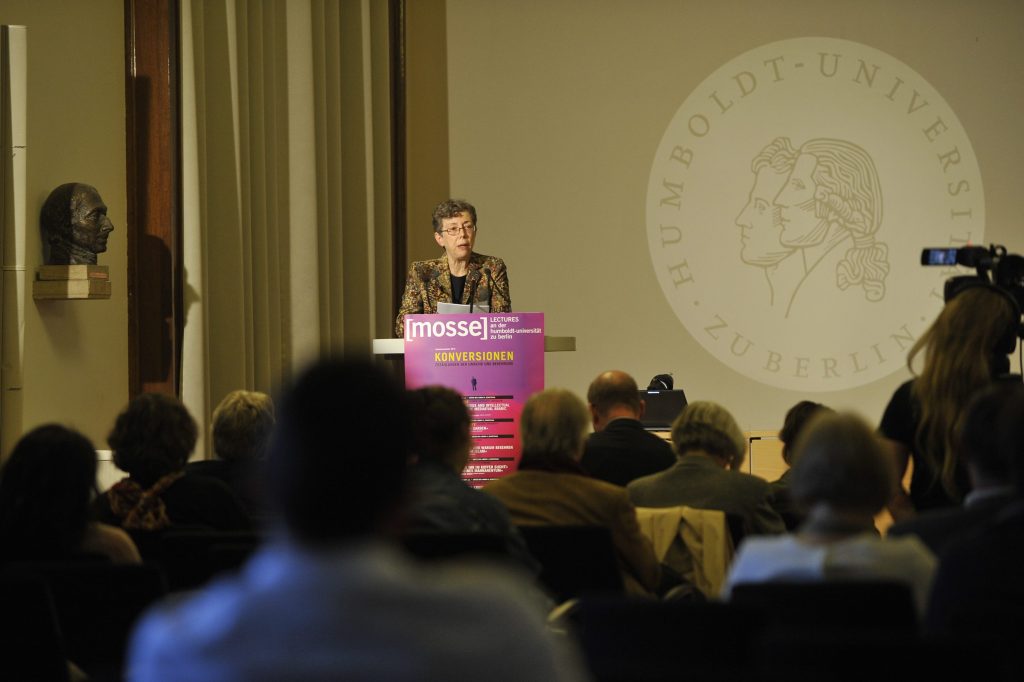
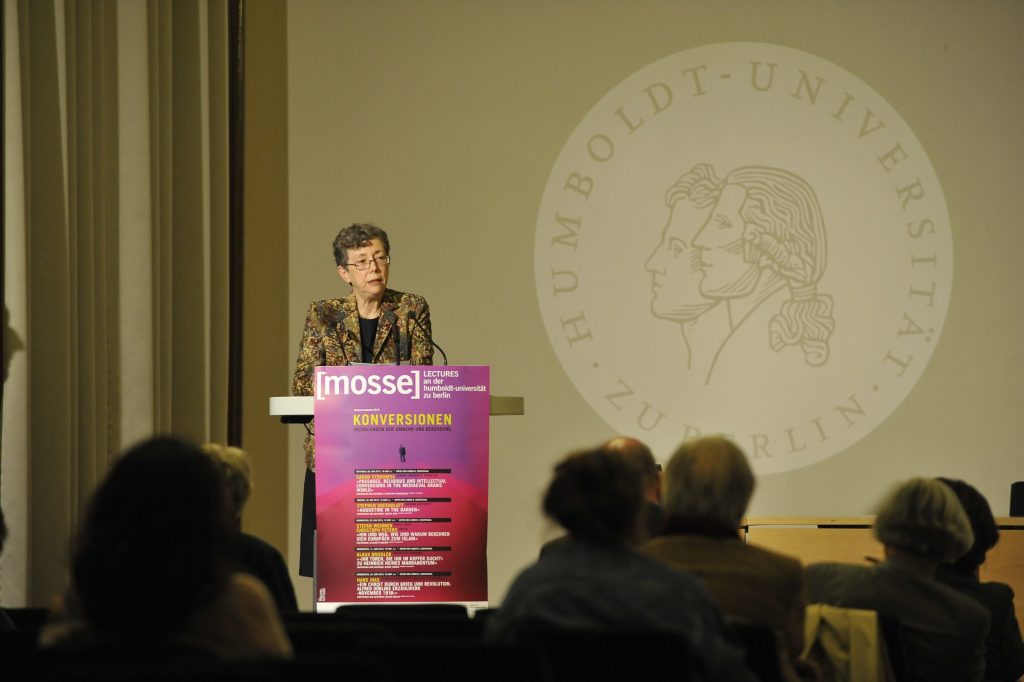
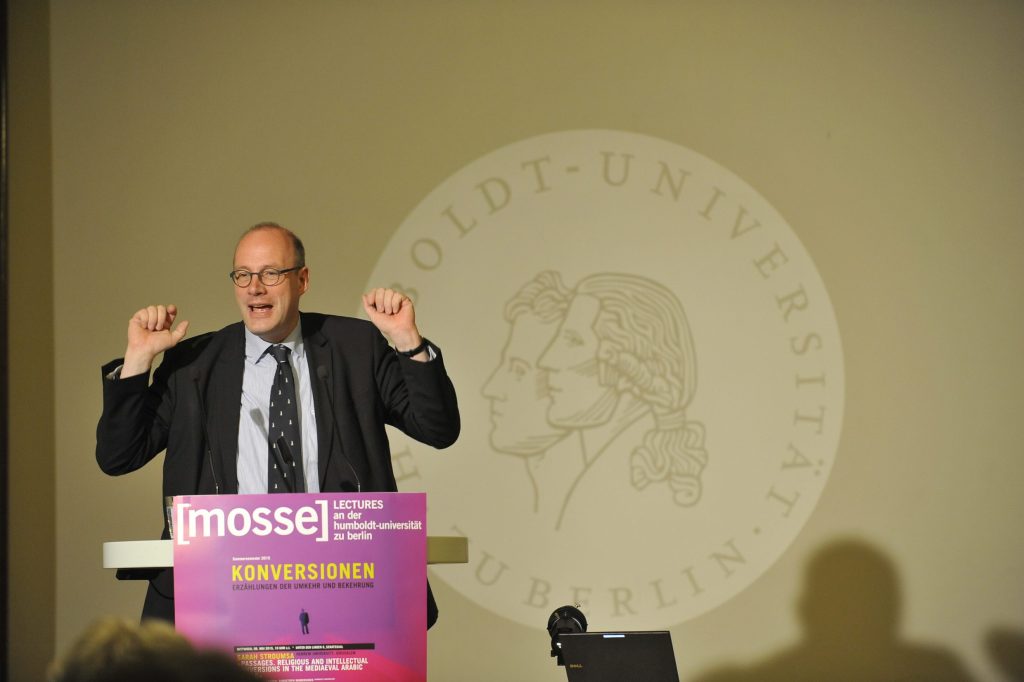
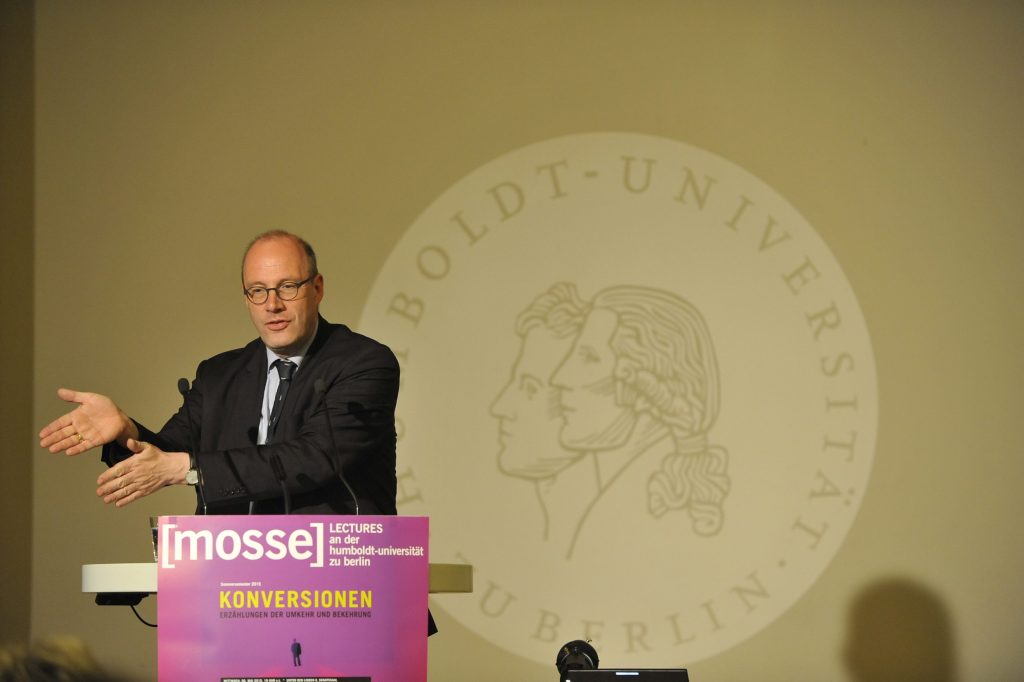
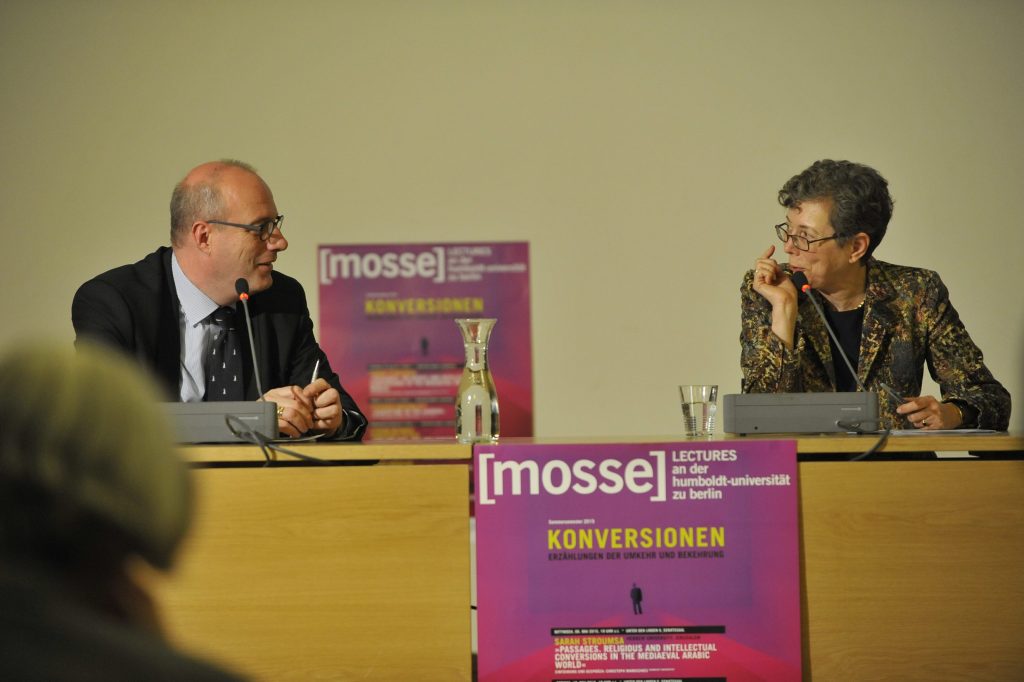
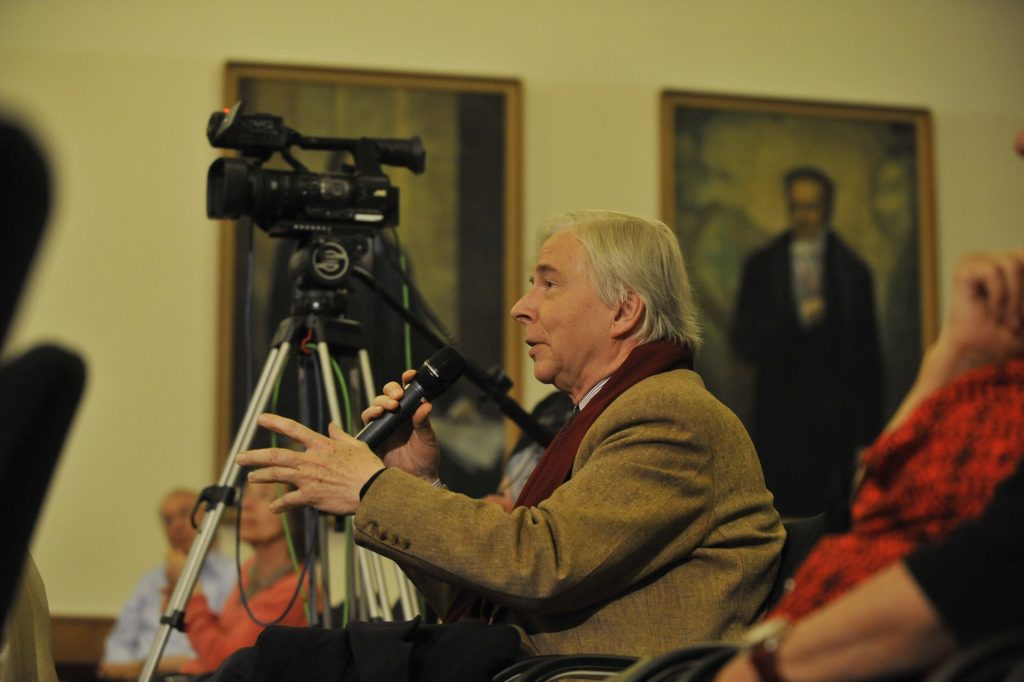
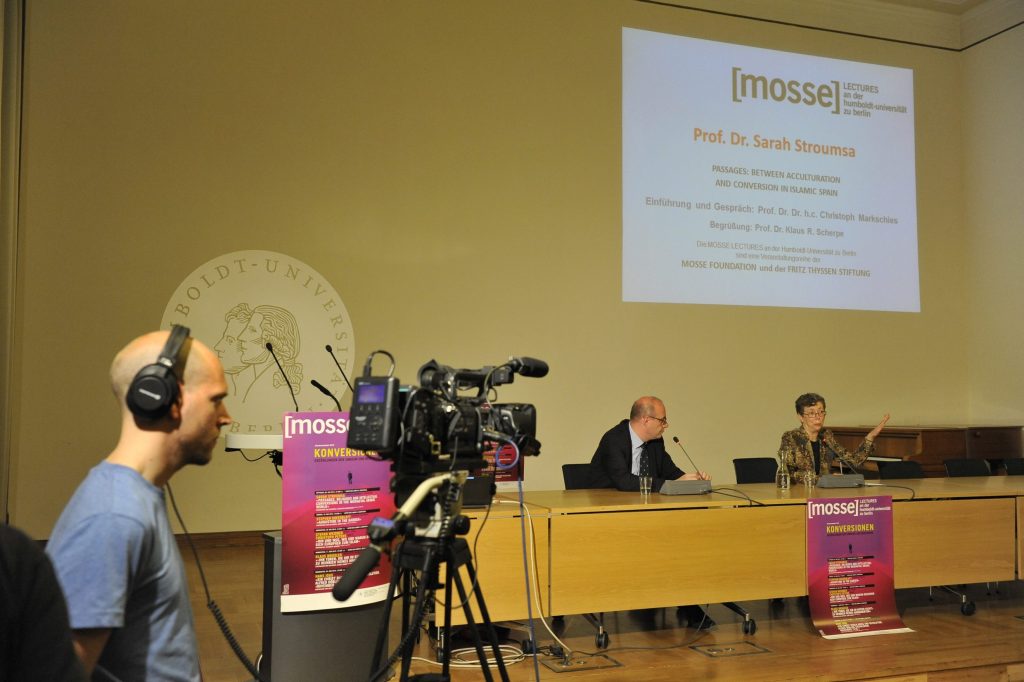
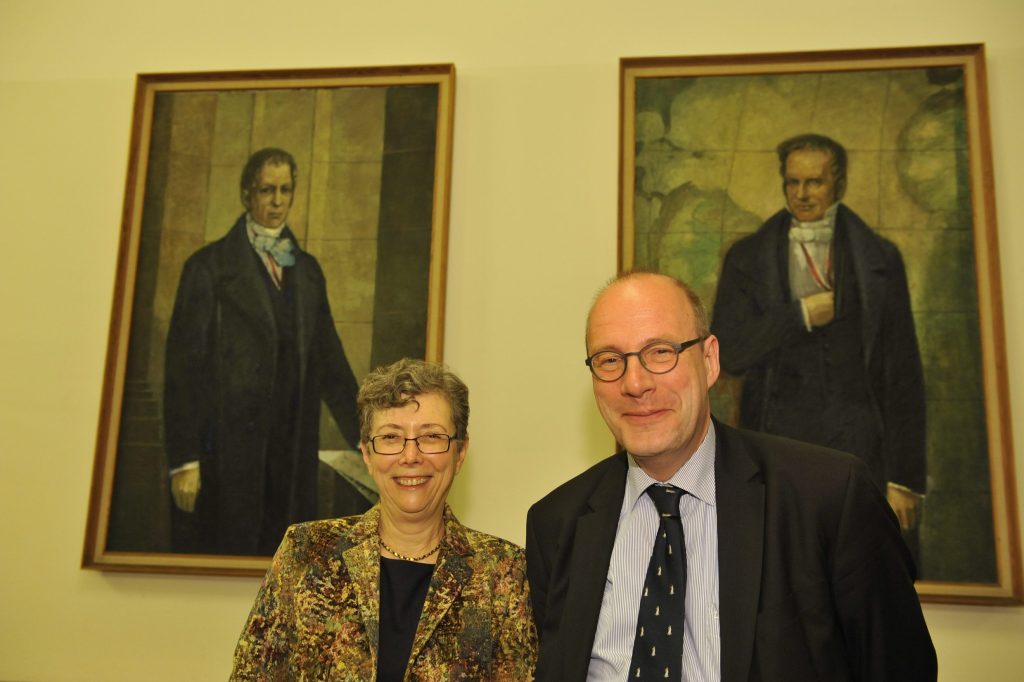
Photo credit: Niels Leiser for the Mosse Lectures
