
2015: Klaus Briegleb, “Ihr Toren, die ihr im Koffer sucht!‹ Zu Heinrich Heines Marranentum” / “‘You fools who are looking for your suitcase!’ On Heinrich Heine’s Marranentum”
Klaus Briegleb, “Ihr Toren, die ihr im Koffer sucht!‹ Zu Heinrich Heines Marranentum” / “‘You fools who are looking for your suitcase!’ On Heinrich Heine’s Marranentum”
Berlin Mosse Lecture
https://mosselectures.wisc.edu/berlin/
Thursday, 18 June 2015, 19:00 CET
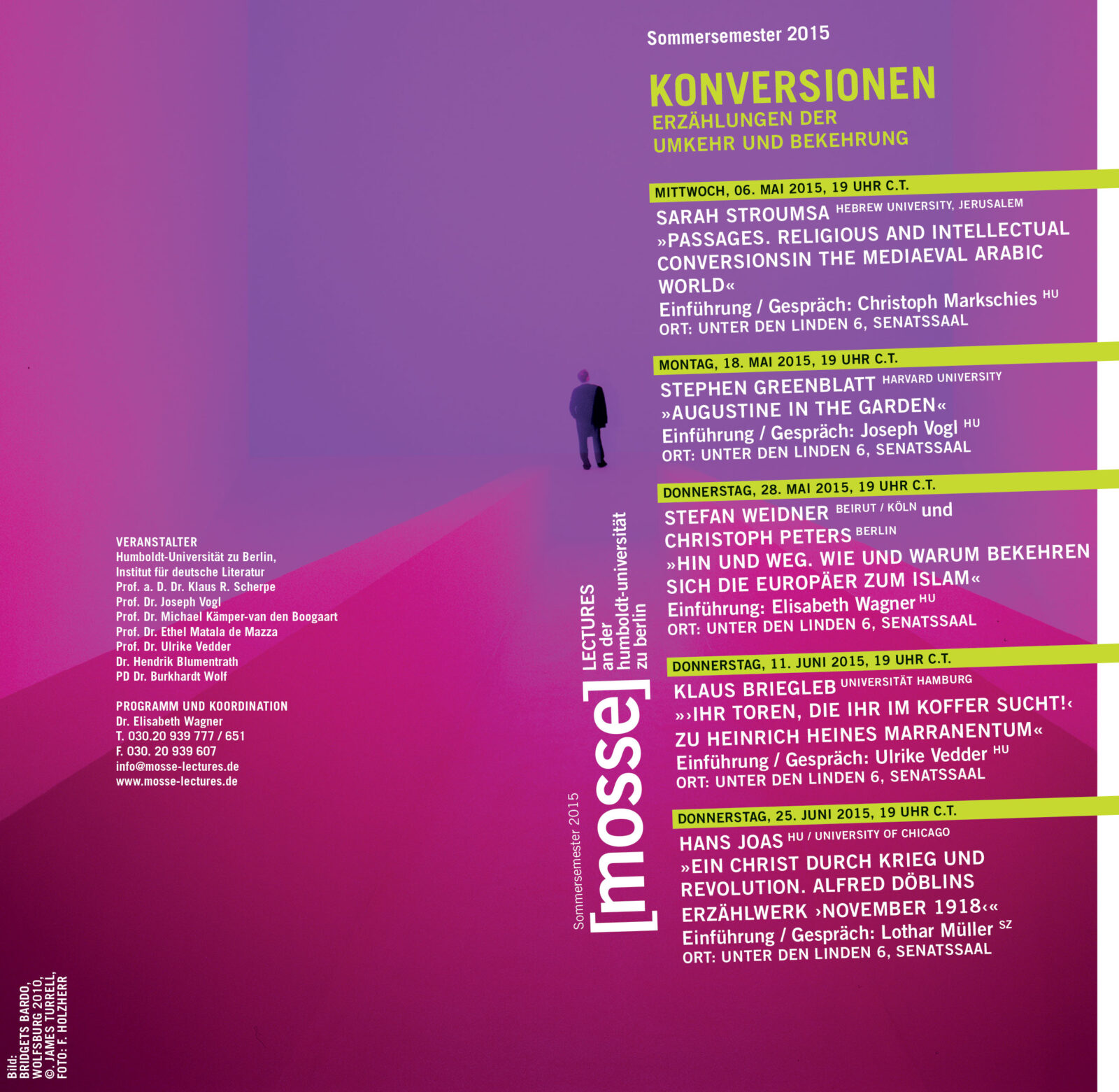
Hörsaal 1.101
Dorotheenstr. 24
10117 Berlin
GERMANY
Sponsored by:
[mosse] LECTURES an der humboldt-universität zu berlin
The Mosse Foundation
Global Mosse Lecture Series
Fritz Thyssen Stiftung
Institut für deutsche Literatur
Humboldt University
Moderator: Ulrike Vedder (Humboldt University)
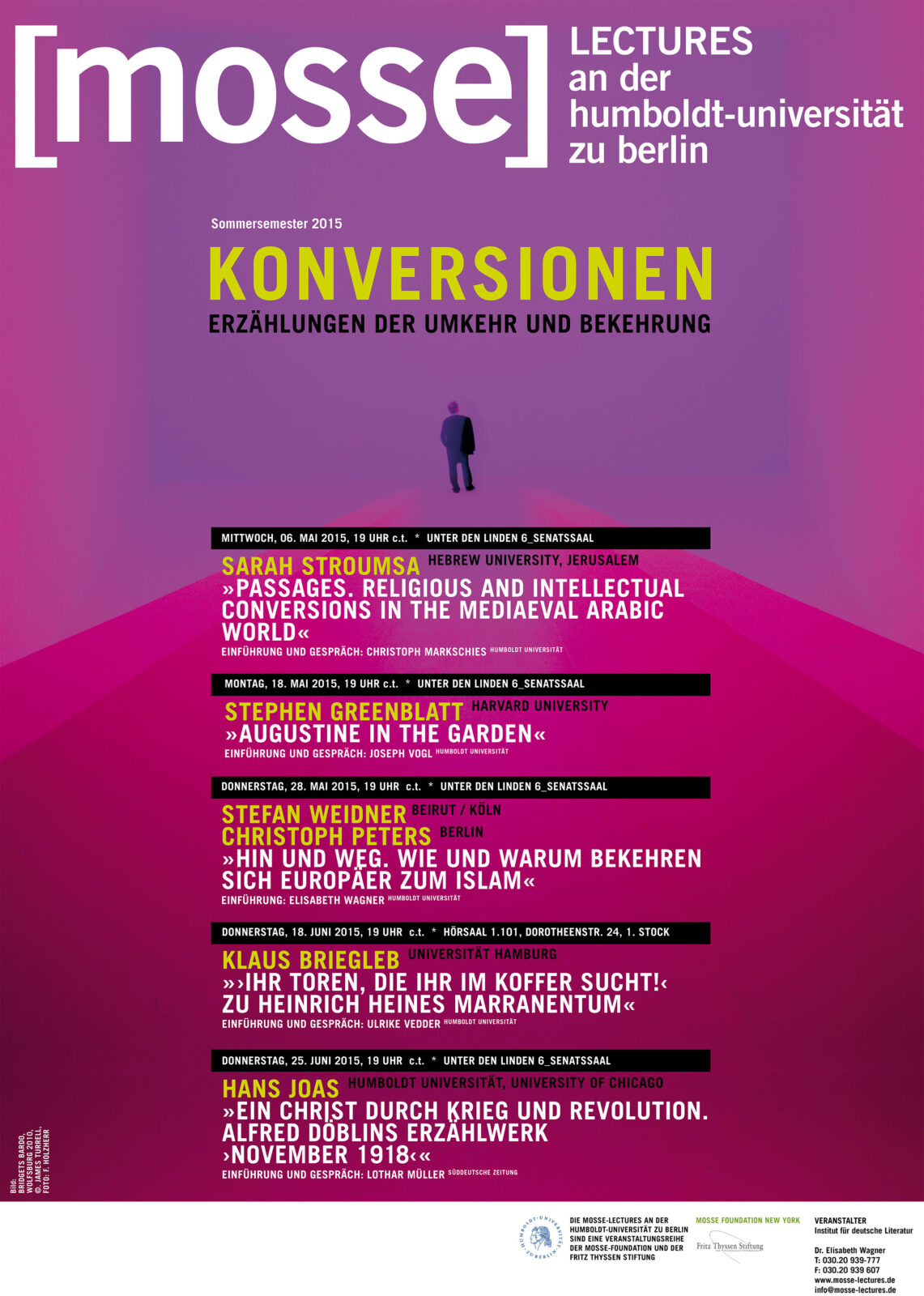
Lecture Description: »Marranen« heißen zunächst (zwangs)getaufte sephardische Juden, die insgeheim an ihrem Ursprung festzuhalten versuchten. Einlässliche Forschungen zu historischen Quellen und zur Deutung eines entfalteten »Marranentums« sind noch jung. Im Eintrag »Marranos« des Jahrbuchs Jüdische Kulturgeschichte heißt es in der Perspektive »Selbstverwirklichung durch Geheim-haltung«: »Die Bezeichnung Marrane hat sich in der Moderne zu einem Identitätsbegriff entwickelt (…). Zu Bewußtsein und Stolz auf die jüdischen Wurzeln kommt das Wissen um eine Leidens- und Verfolgungsgeschichte, die ihre Kulmination in der Shoa findet.«
Diese Einsicht ist auch in meinen Arbeiten zu Heinrich Heine erprobt, an die der Vortrag anknüpft. Noch einmal leitet mich dabei der Impuls, auf dieses Dichters − in ›marranischer Schreibweise‹ vorgetragene − Sorge um die Juden in Europa aufmerksam zu machen, worin ihm Fritz Heymann, Marranen- und Heineforscher (gestorben am 30. September 1944 in Auschwitz) bis zuletzt gefolgt ist. Seinem Gedenken ist mein Versuch gewidmet.
Lecture Series Description: Since the experience of Paulus on the road to Damascus, the profound inspiration that ›things cannot go on this way‹, has been told as individual and spiritual affair, as an evi-dential experience, but also as a narrative of cultural and political change, a transcenden-tal evocation of breakup and outbreak. Radical transition, individual or collective, consti-tutes the symbolical practice and rhetorical strategies of religious, philosophical, political and literary conversion narratives. Since the bitter fate of the conversos, the Jews at the time of the Spanish Reconquista, historical tradition has forced conversions as warning signs of violence and genocide, in modernity the racially, politically und religiously motivated expulsion and annihilation of minorities. How can possibly the radical appeal of confession and conversion be experienced, less dramatic and heroic, when practical everything is ›convertible‹, records of data and information, currencies, languages and identities? In retrospect, referring to the zone of transition, the »becoming otherwise«, the classical examples of a ›blitzconversion‹ might also reveal as a long term, manifold process of transformation, remembering e.g. the implementation of religious symbols, emblems and rites in secular forms. In the autobiographical narrations of conversion we will definitely find traces of the original culture in the text of the newly acquired living. In the program of the Mosse-Lectures the narratives of conversion from Maimonides to Heinrich Heine will be negotiated, as well as the concepts of conversion in the historical writings of religion, political philosophy, literature and anthropology.
Klaus Briegleb: ist Literaturwissenschaftler, Professor em. der Universität Hamburg, Herausgeber der Sämtlichen Schriften Heinrich Heines. Weitere Publikationen zu Heine: Opfer Heine? Versuche über Schriftzüge der Revolution (1986); Bei den Wassern Babels. Heinrich Heine, jüdischer Schriftsteller in der Moderne (1997und 2005). Das Jerusalemer Heine-Symposion. Gedächtnis, Mythos, Modernität, hg. zusammen mit Itta Shedletzky (2001). Weitere Publikationen u.a. zu Friedrich Schlegels Poetik, Lessings Frühschriften und zur Nachkriegsliteratur, darunter: Missachtung und Tabu. Eine Streitschrift über die Frage: Wie antisemitisch war die Gruppe 47? (Berlin 2003).
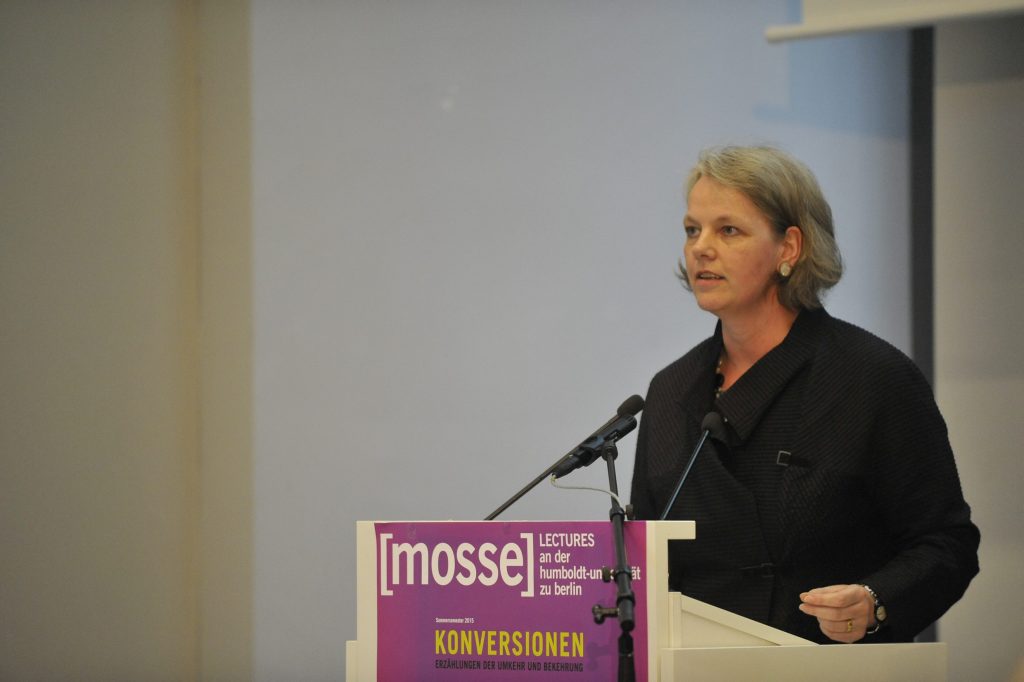
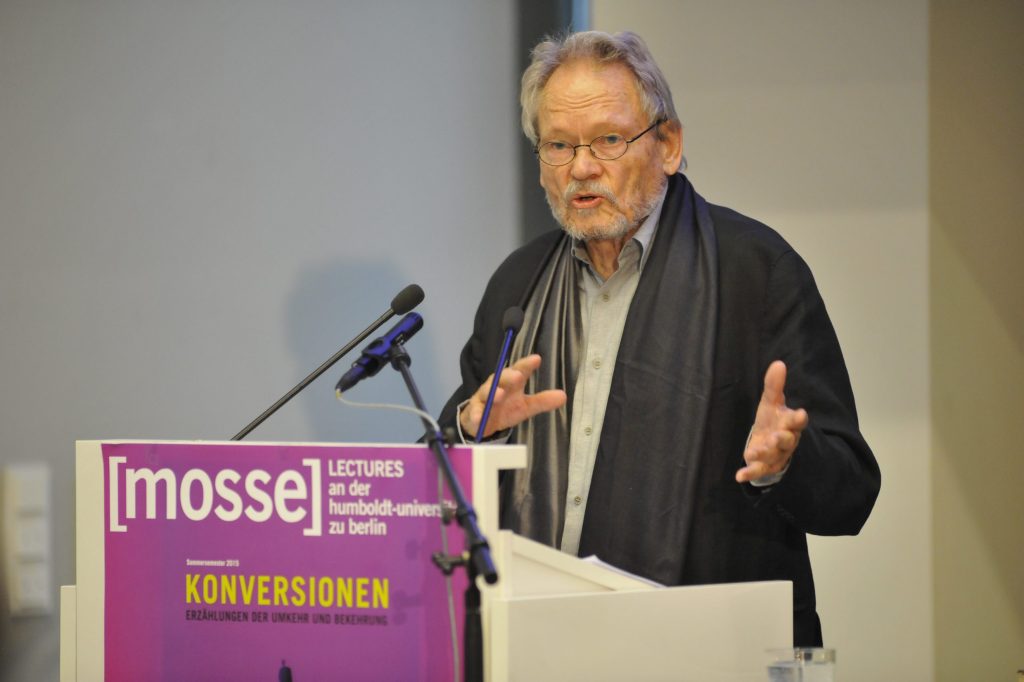
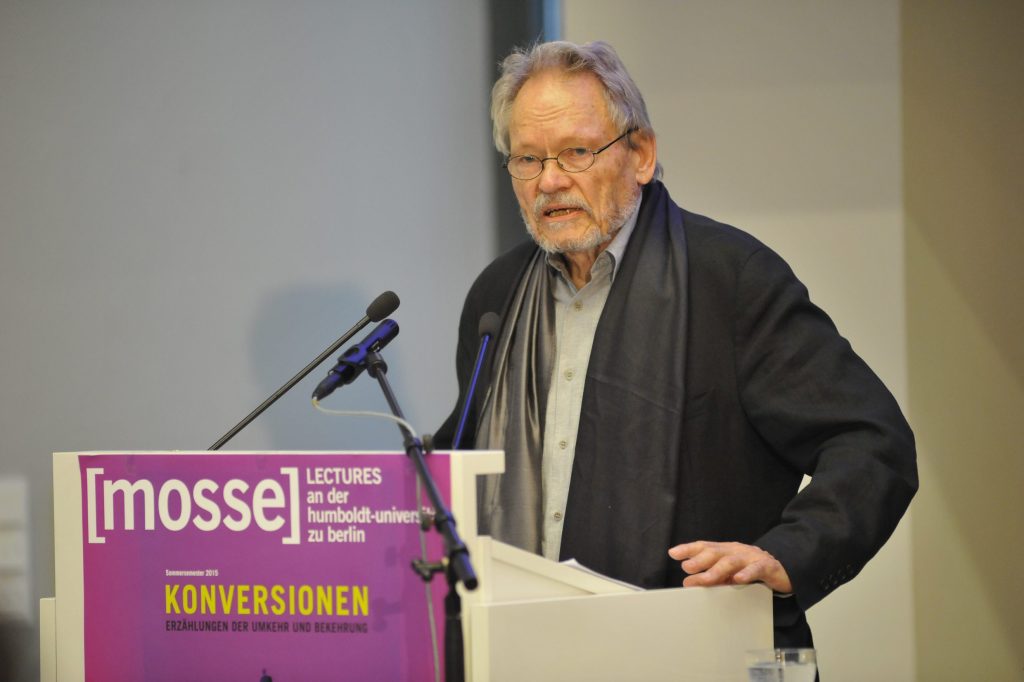
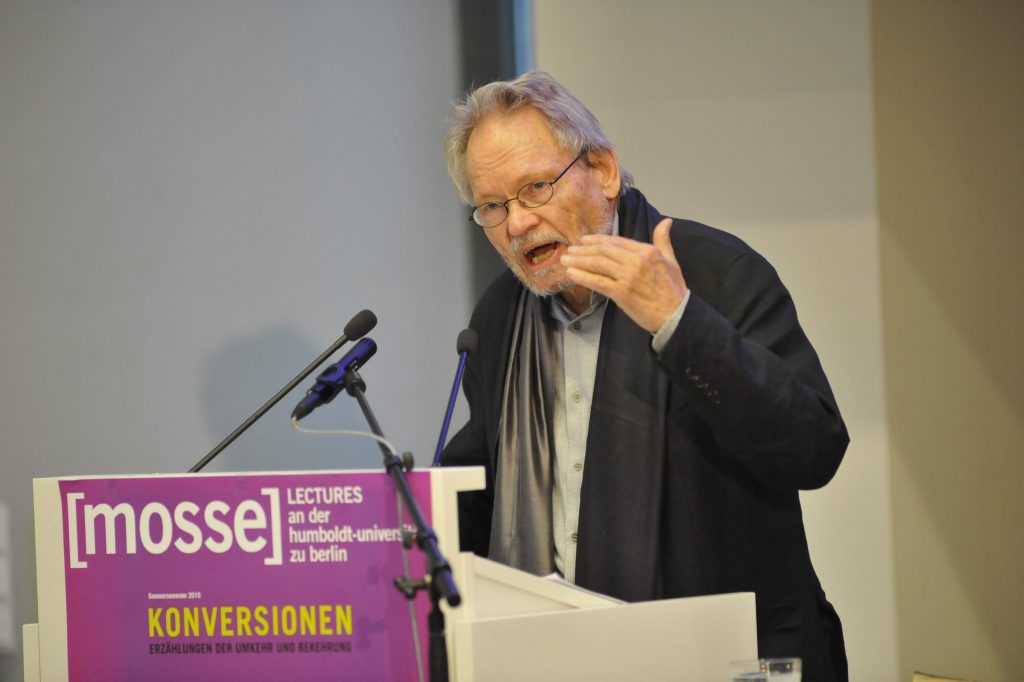
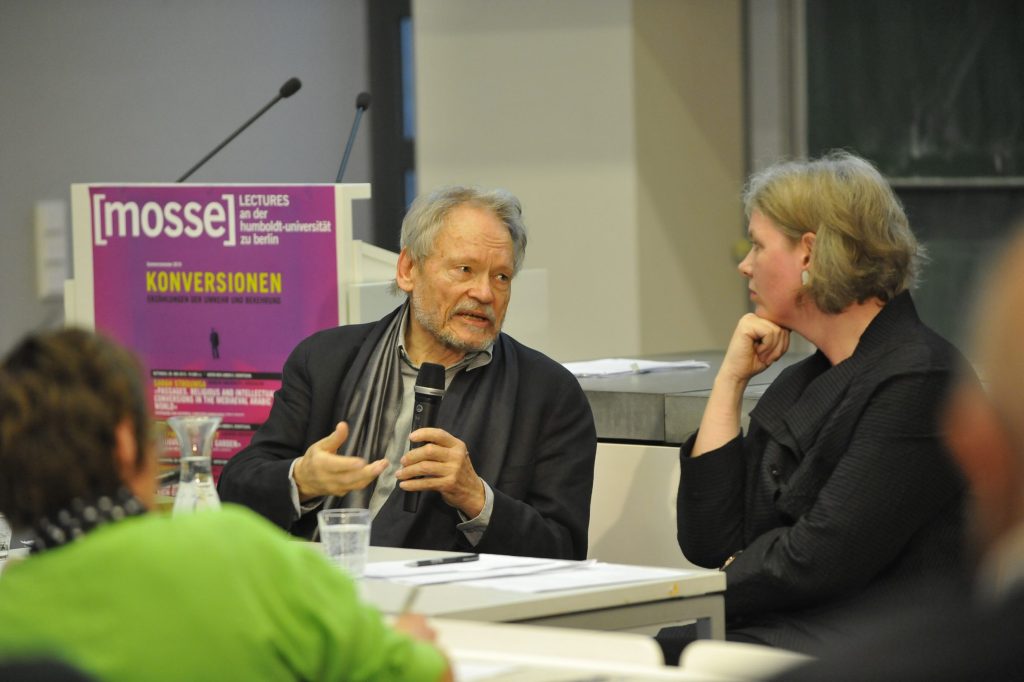
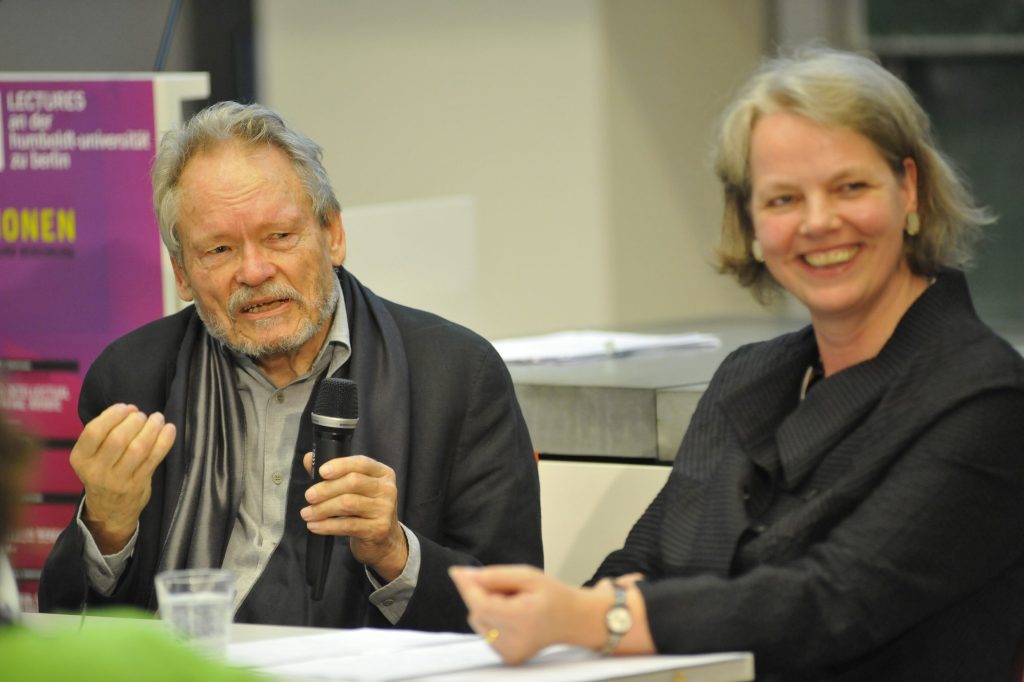
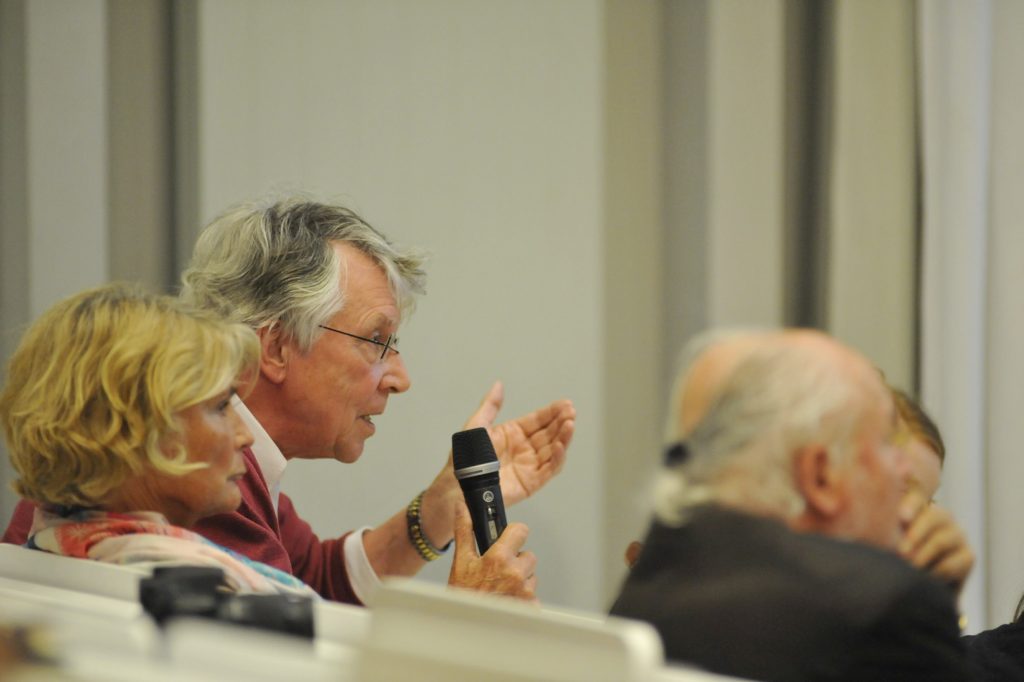
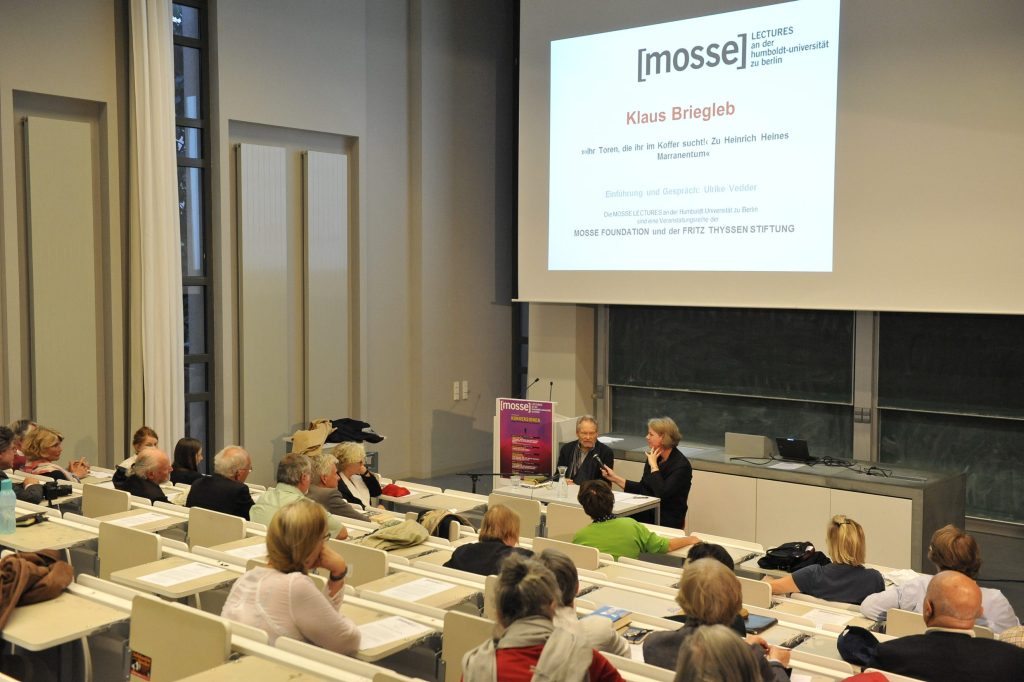
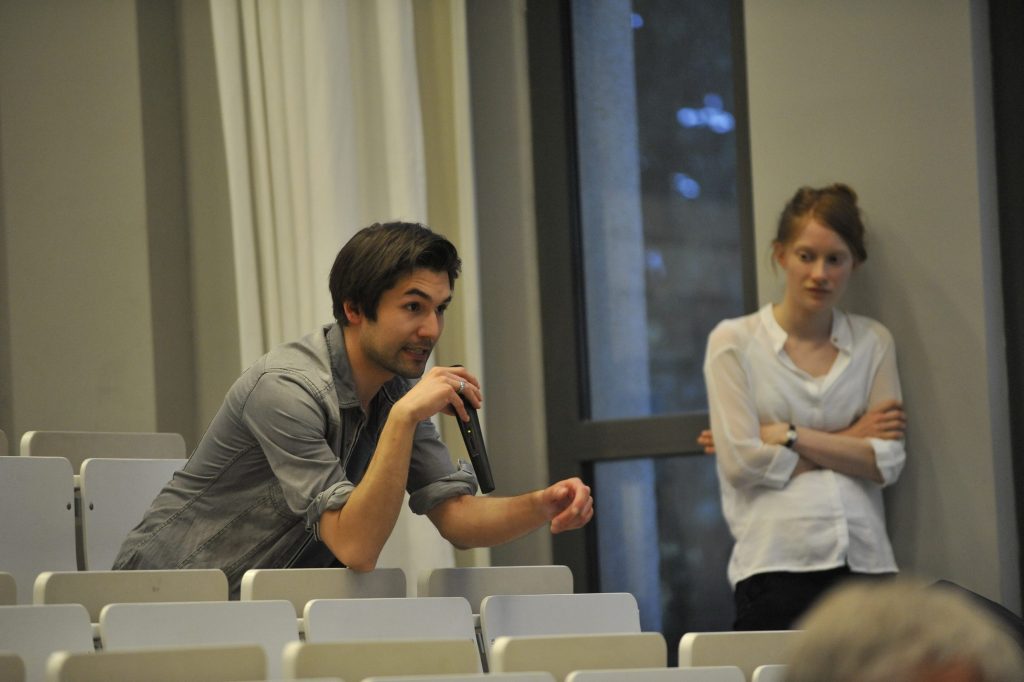
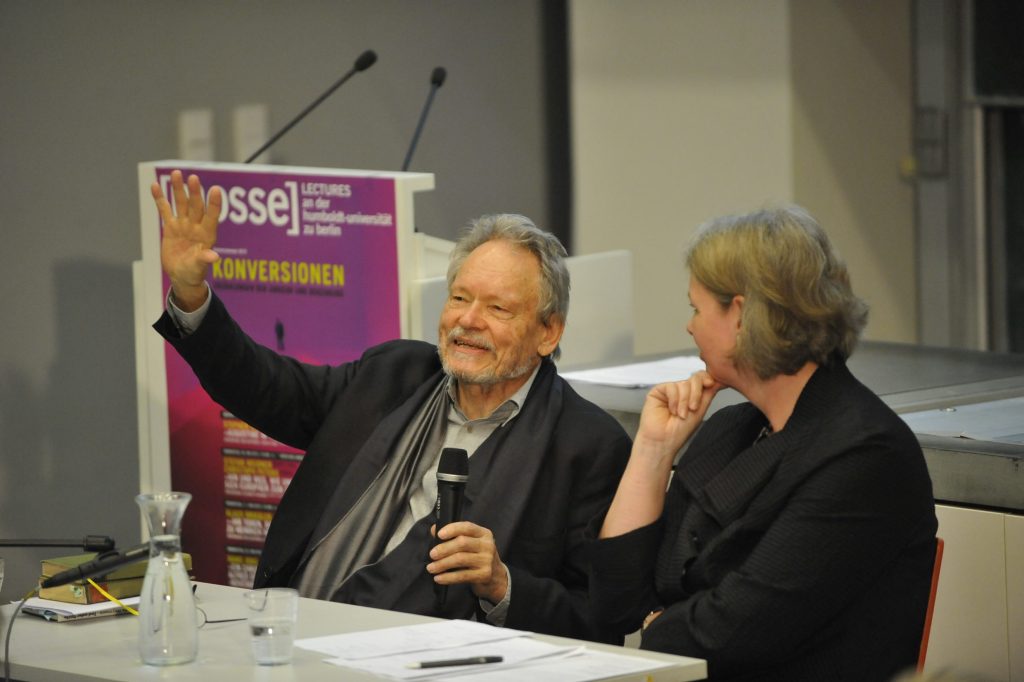
Photo credit: Niels Leiser for the Mosse Lectures
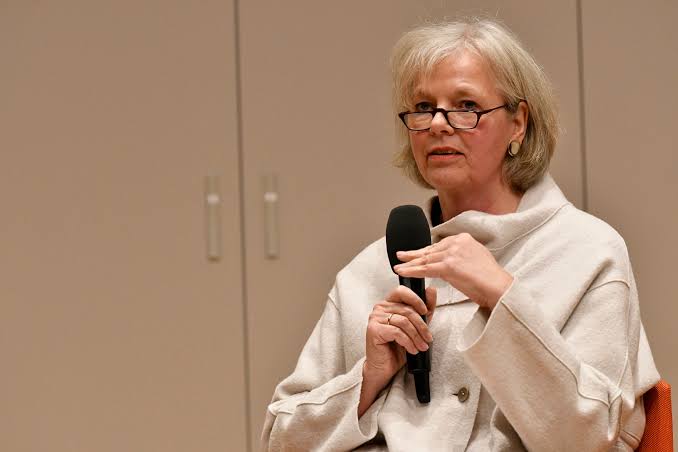
Her research focuses on literature and material culture (museum narratives, literary thing culture, poetics of collecting); literary and cultural history of genealogy, generation, heritage; gender studies in literary studies; narratives of liminality (death narratives, coma, old age, dementia, care, poetics of the afterlife).
She is part of the interdisciplinary project team of „Liminality and Transfer“ (funded by the Einstein Foundation Berlin, 2023-2027) and the Collège doctoral „Littérature et savoirs, XVIe – XXIe siècles“ (in cooperation with Sorbonne nouvelle).
