
2015: Moshe Idel, “Secrets and Mysteries in Kabbalah and Modern Scholarship”
Moshe Idel, “Secrets and Mysteries in Kabbalah and Modern Scholarship”
Berlin Mosse Lecture
https://mosselectures.wisc.edu/berlin/
Thursday, 29 October 2015, 19:00 CET
Senatssaal of Humboldt University
Unter den Linden 6
1. Stock
10117 Berlin
GERMANY
Sponsored by:
[mosse] LECTURES an der humboldt-universität zu berlin
The Mosse Foundation
Global Mosse Lecture Series
Fritz Thyssen Stiftung
Institut für deutsche Literatur
Humboldt University
Introduction: Klaus Scherpe (Humboldt University)
Respondent: Christina von Braun (Humboldt University)
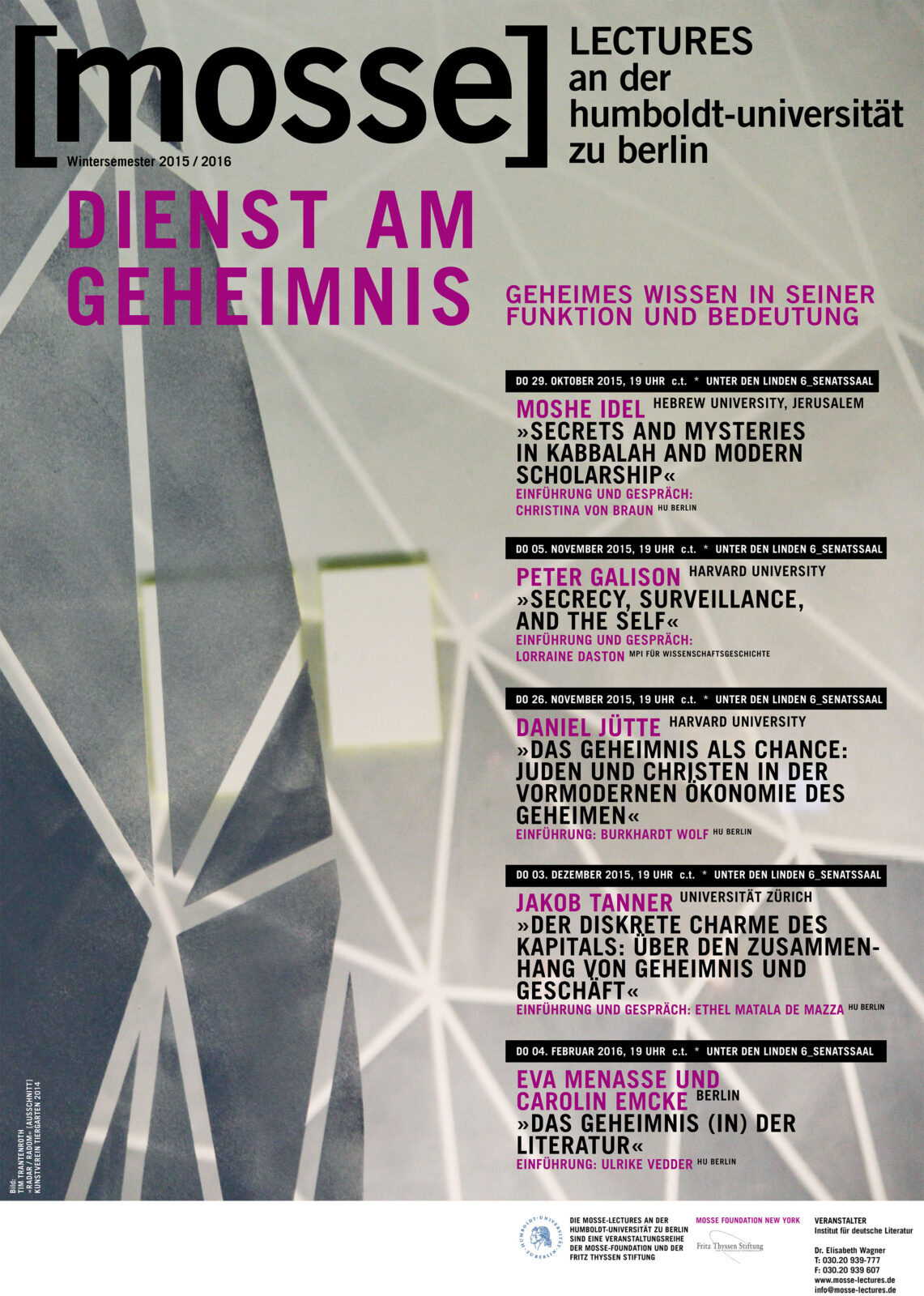
Lecture Description: Drei Theoretiker des Geheimnisses in der Moderne sind zu benennen: Leo Strauss, Mircea Eliade und Gershom Scholem. Am Anfang des Vortrags werden verschiedene »Arkanisierungen« (Geheimhaltungen) des Judentums vor der Kabbalah behandelt und Überlegungen zum Hintergrund des Verständnisses der Kabbalah in der Wissenschaftsgeschichte angestellt. Im Zentrum des Vortrags steht die Funktion der verschiedenen biblischen und rabbinischen Termini für das Geheimnis. Der Begriff »Sod« kann drei verschiedenen Bedeutungen und Funktionen annehmen: gemeint ist zum einen der rein nummerische Wert der Wortbedeutung, der vergleichsweise zu ermitteln ist, zum andern die symbolische Funktion des Geheimnisses im biblischen Wortschatz und in den Ritualen des Judentums und darüber hinaus die allegorische, die ›intellektuelle‹ Entschlüsselung des »Sod«. Die Bedeutung der »Geheimnisse der Torah« (»Sitrei Torah«) ist umstritten: die Frage einer ›authentischen‹ Esoterik. Der Begriff »Seter« betrifft die vielfachen Bedeutungen des Begriffs Geheimnis in den Schriften des Abraham Abulafia. Abschließend soll die Schematisierung dessen, was in der Kabbalah unter »Geheimnis« zu verstehen ist, diskutiert werden, so bei Martin Buber und in den Mystifikationen einiger moderner Gelehrter.
Lecture Series Description: In modernity, “open” and democratic societies guarantee public participation, information and transparency, contrary to traditional societies, where secrecy served to constitute political sovereignty and religious authority. Georg Simmel, however, has argued that to “maintain secrecy is one of the greatest achievements of mankind”, considering that a society without secrets, normally associated with guilt and shame, distance and distinction, would not be worth living in. Any discourse of enlightenment has to take into account this peculiar kind of knowledge which emerges from the interaction of secrecy and revelation, of concealing and unveiling. It is not the secret as such, but the process of keeping something secret or binding somebody in secrecy that creates this dubious reality, frequently resulting in an act of betrayal or conspiracy. Historically we can speak of an “economy of secrecy” when symbolic actions, social structures and corporate relationships are affected by this precarious knowledge, as for instance in the Early Modern Age in the social relationship between Christians and Jews. In literature, gothic novels as well as detective stories are inspired by such hidden knowledge and deliberately obscured meaning. The Mosse-Lectures will deal with multiple forms of the secretum, the making of secretive knowledge, from the mysteries of Judaism to the practices of the political Arcanum; issues of intimacy as well as political power plays of secrecy will be discussed, not to forget modes of coding, reaching from ancient cryptography to electronic encryption. Methods and practices of granting and refusing access will be observed, giving evidence of the cultural logic and effects of secret events, their staging and the eruptions of scandal. The lectures will focus on the mechanisms of the institutions of secrecy, from Freemasonry to the secret services and intelligence apparatuses of our days which specialize in the management of secrecy.
Moshe Idel ist Professor em. für »Jüdisches Denken« an der Hebräischen Universität und am Shalom Hartman Institute in Jerusalem, seit 2009 auch am Tikvah Center for Law and Jewish Civilization an der New York University, zahlreiche Gastprofessuren u.a. in Harvard, Yale und am Collège de France; neuere Veröffentlichungen u.a.: »Ben. Sonship and Jewish Mysticism« (2007), »Saturn’s Jews« (2011); auf Deutsch sind erschienen: »Der Golem« (2007), »Kabbalah und Eros« (2009), »Alte Welten, neue Bilder – Jüdische Mystik und die Gedankenwelt des 20. Jahrhunderts« (2012).
Christina von Braun: Born in Rome, primary school and high school in West Germany and London. Studies of Political Science and Sociology at New York University, N.Y. and Bonn/Cologne, West Germany. From 1968 onwards freelance work as film maker and writer (1968-1969: New York; 1969-1981: Paris, France; 1981-1994: Bonn). 1991-1993 Fellow at the Institute for Cultural Studies, an interdisciplinary academic research institution. 1994 Nomination as full Professor at the Institute for Cultural History and Theory at Humboldt University in Berlin. Since 1990: Guest professor at different universities in the USA (Columbia, Dartmouth, University of Virginia), Israel (Hebrew University) and France (Paris VI), as well as in Austria (Vienna, Klagenfurt, Salzburg, Innsbruck). Author of more than fifty films (documentaries, essays and fiction), twenty books and numerous essays on cultural history, religion, and gender. From 1996-2005 founder and head of the department of Gender Studies at Humboldt University. In 2012 co-founder and first director of the Center for Jewish Studies Berlin-Brandenburg.
Klaus Scherpe served as professor of modern German literature at Humboldt University Berlin starting in 1993, where he also directed the Institute for German Literature between 1996 and 1998 and co-founded the Mosse Lectures in 1997. He is the author of How German Is It, and How American? Ironic Replays in Literature (2005) and Die rekonstruierte Moderne. Studien zur deutschen Literatur nach 1945 (1992), among numerous other works. From 1973-1993 he served as professor of modern German literature at the Free University of Berlin. He has been active as a guest professor at numerous universities around the world, including in the US, Japan, Australia, and Argentina.
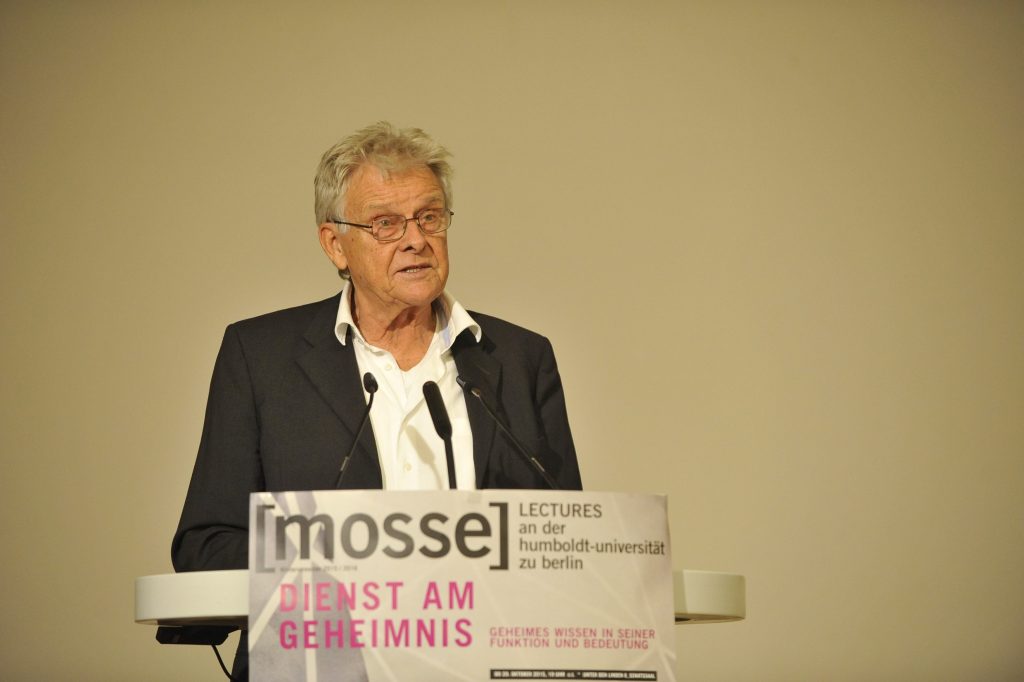
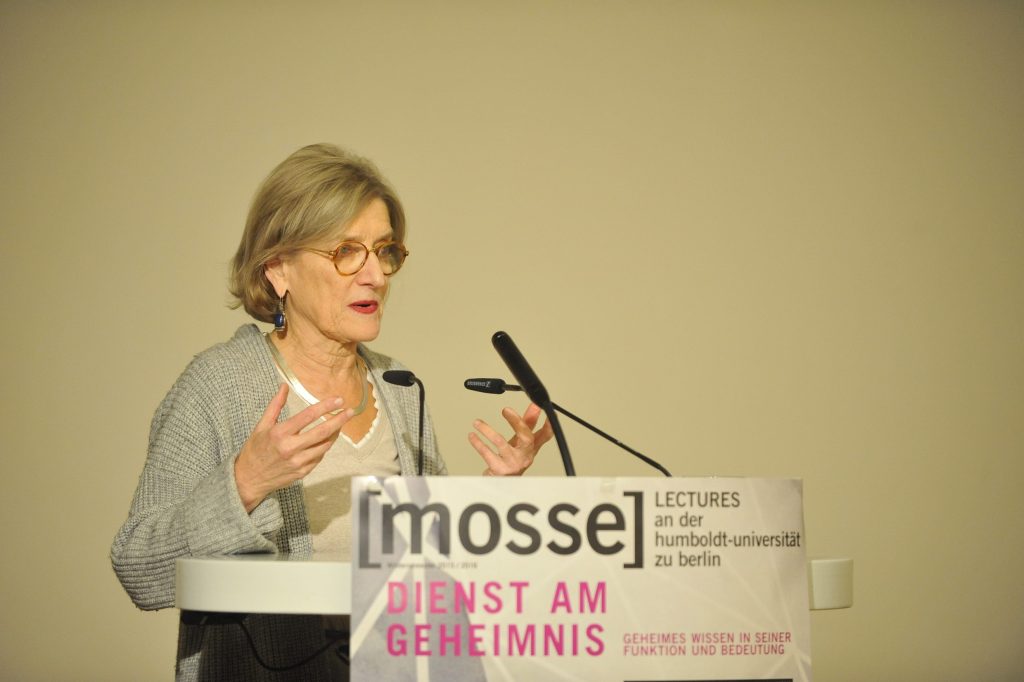
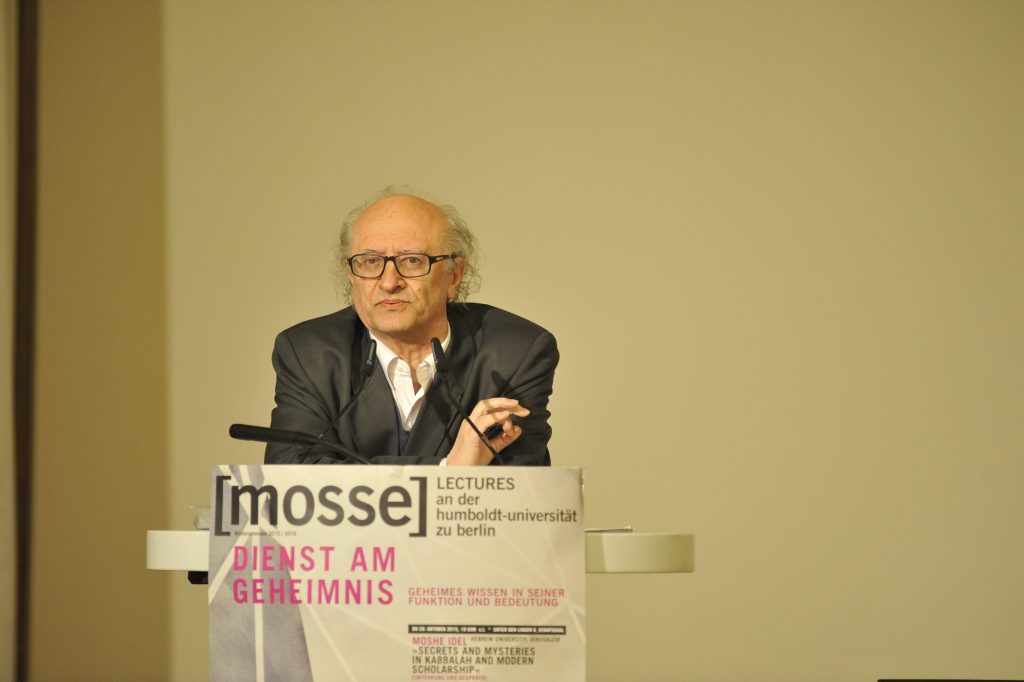
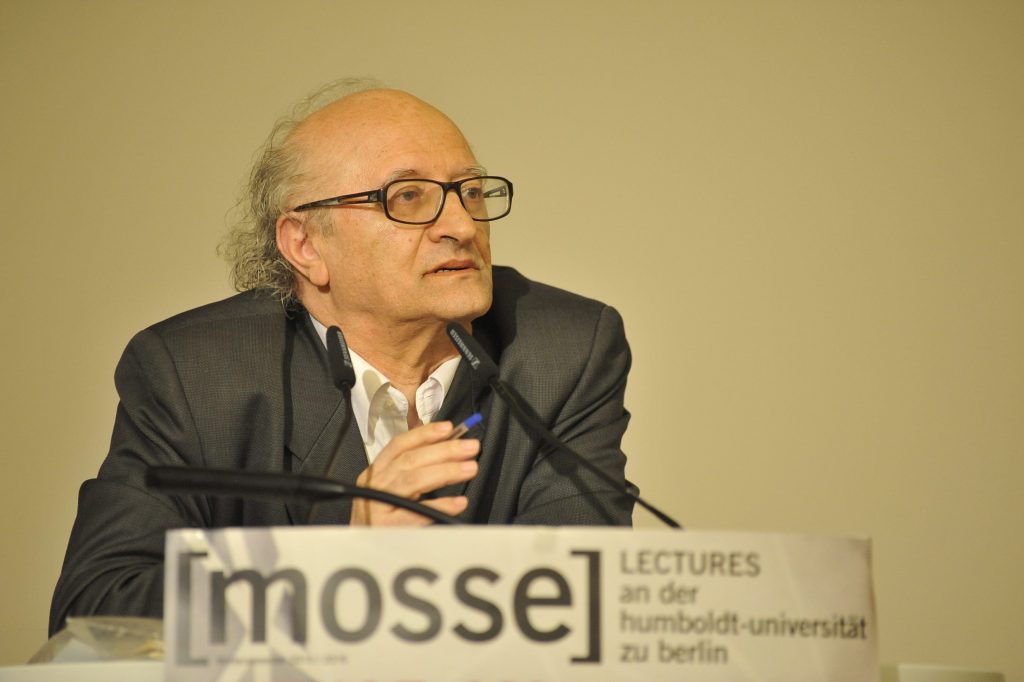
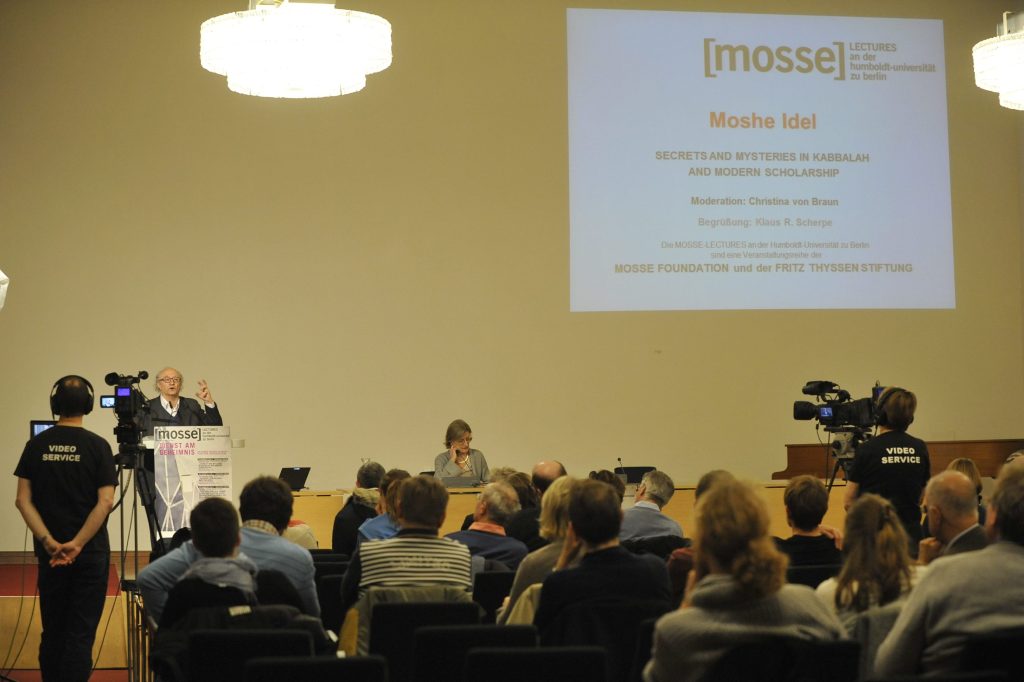
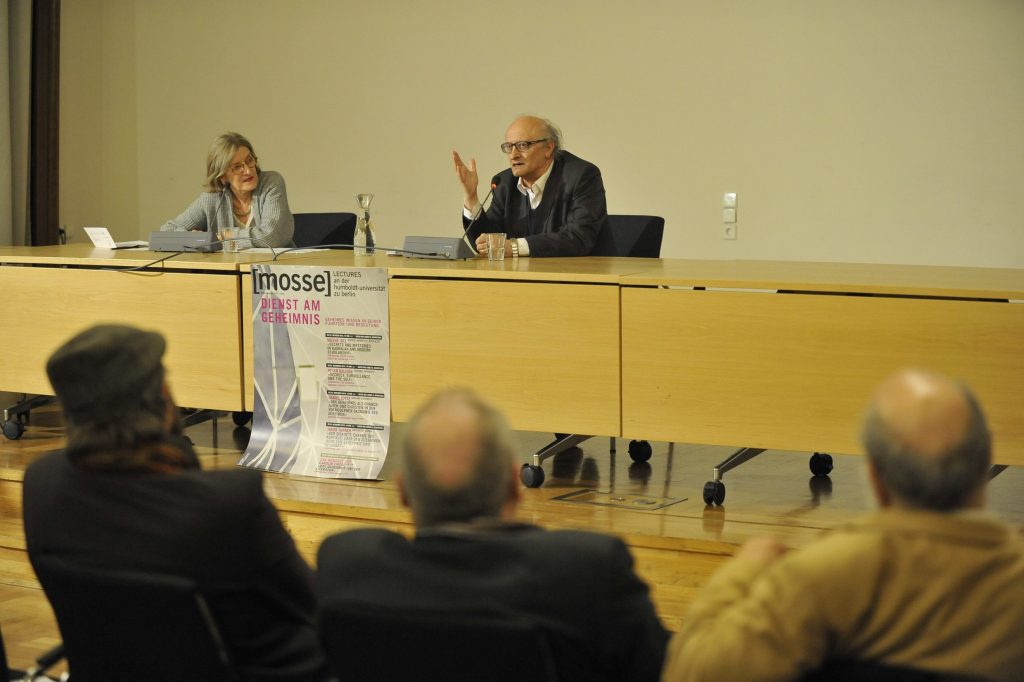
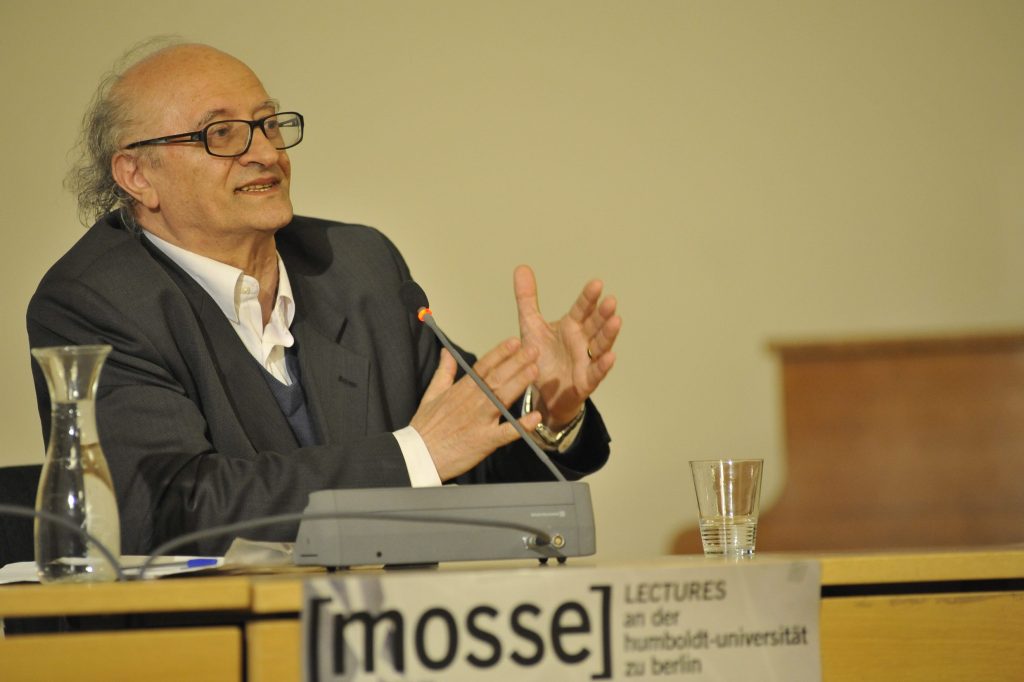
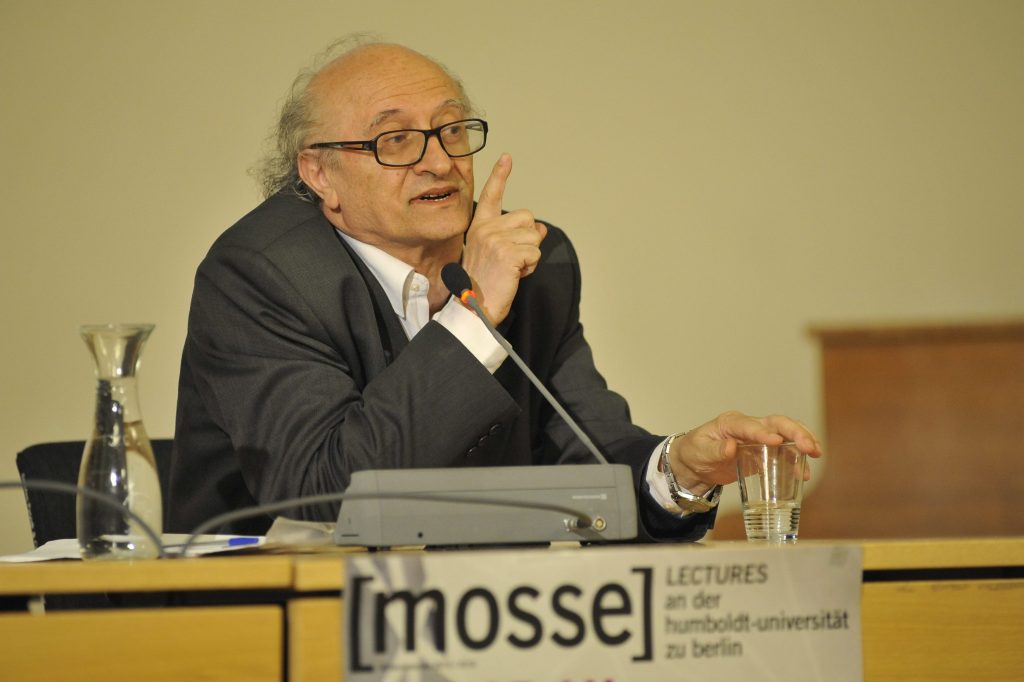
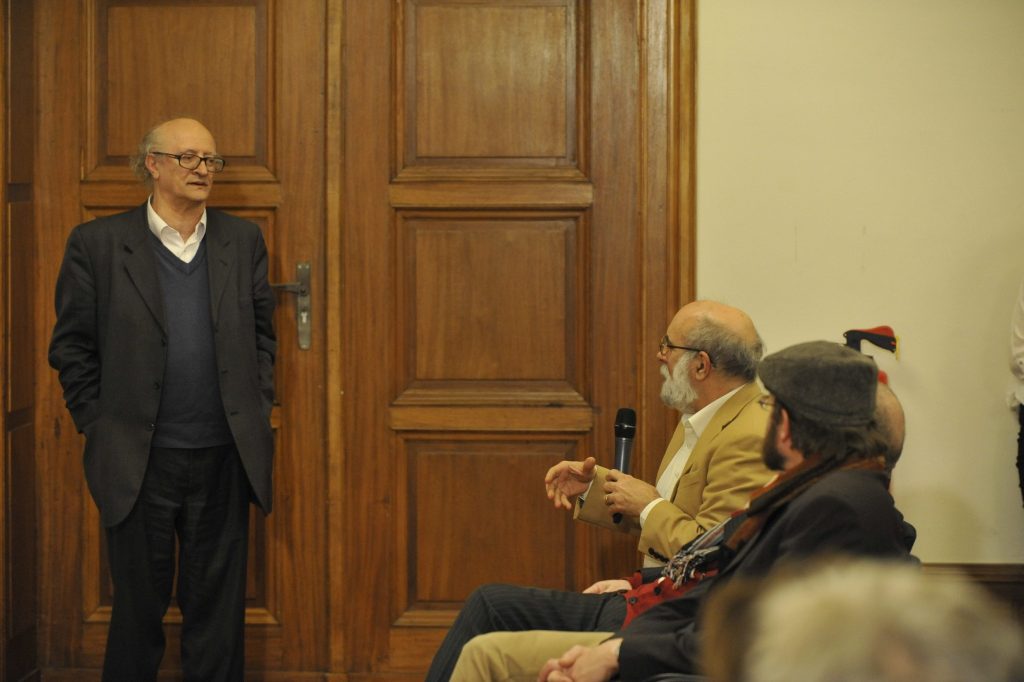
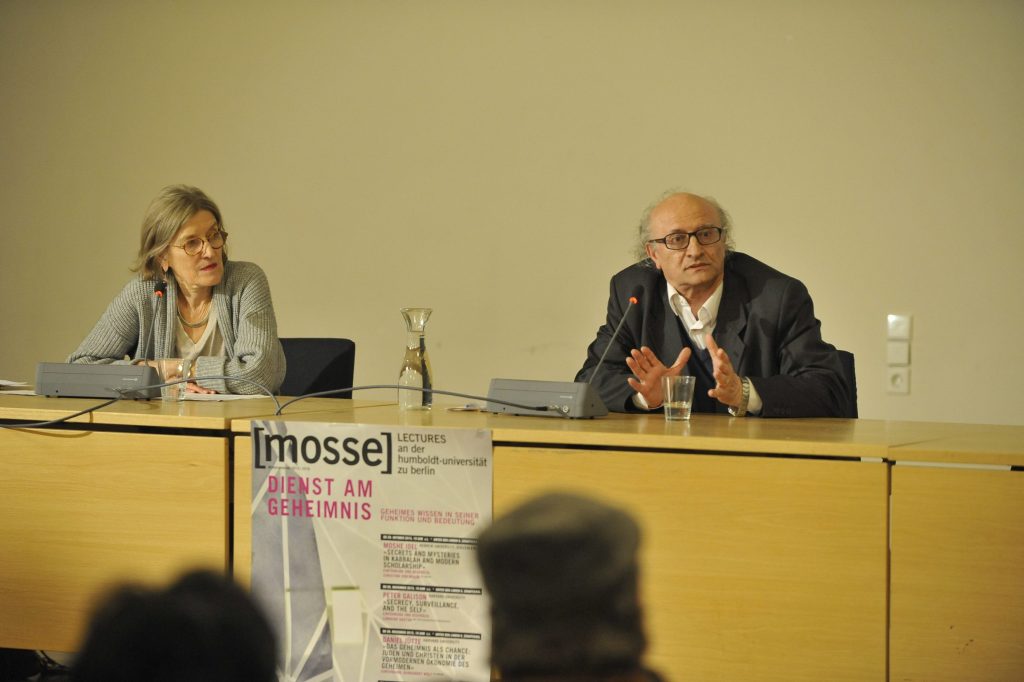
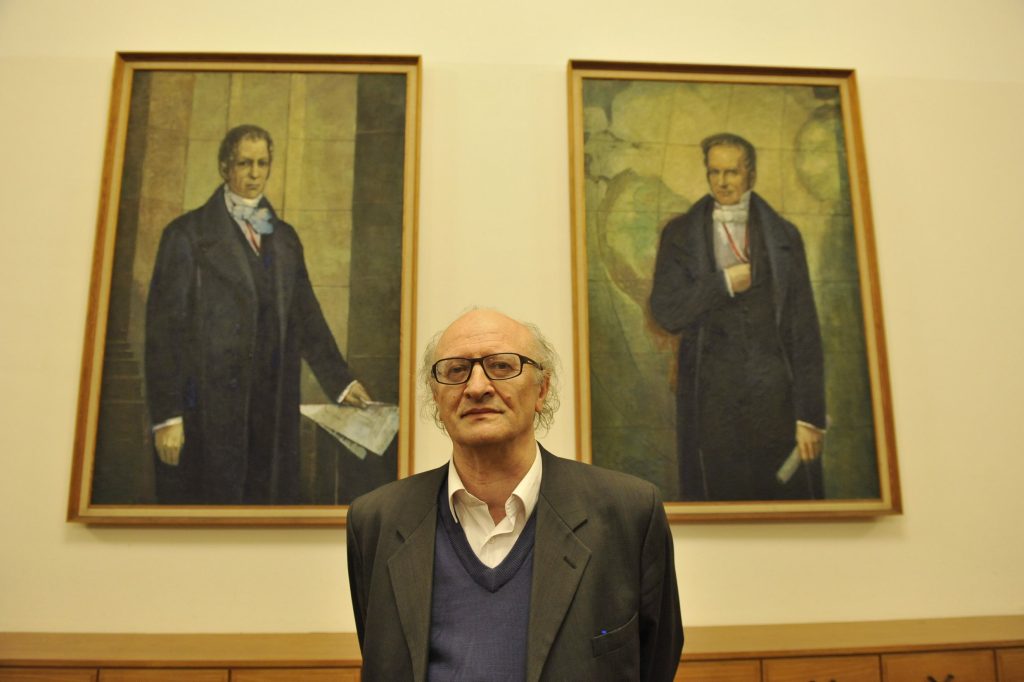
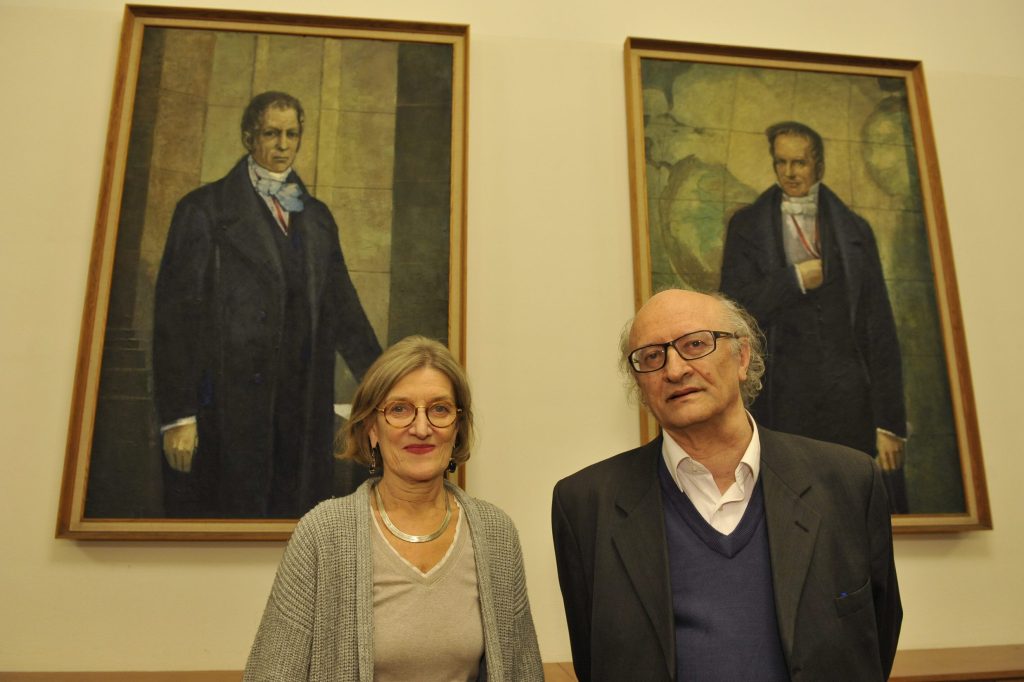
Photo credit: Niels Leiser for the Mosse Lectures
