
2016: Joseph Vogl, “Das seltsame Überleben der Theodizee in der Ökonomie” / “The Strange Survival of Theodicy in Economics”
Lecture (in English) at the University of California, Berkeley Mosse Lecture
Joseph Vogl, “Das seltsame Überleben der Theodizee in der Ökonomie” / “The Strange Survival of Theodicy in Economics”
Berlin Mosse Lecture
https://mosselectures.wisc.edu/berlin/
Thursday, 7 July 2016, 19:00 CET
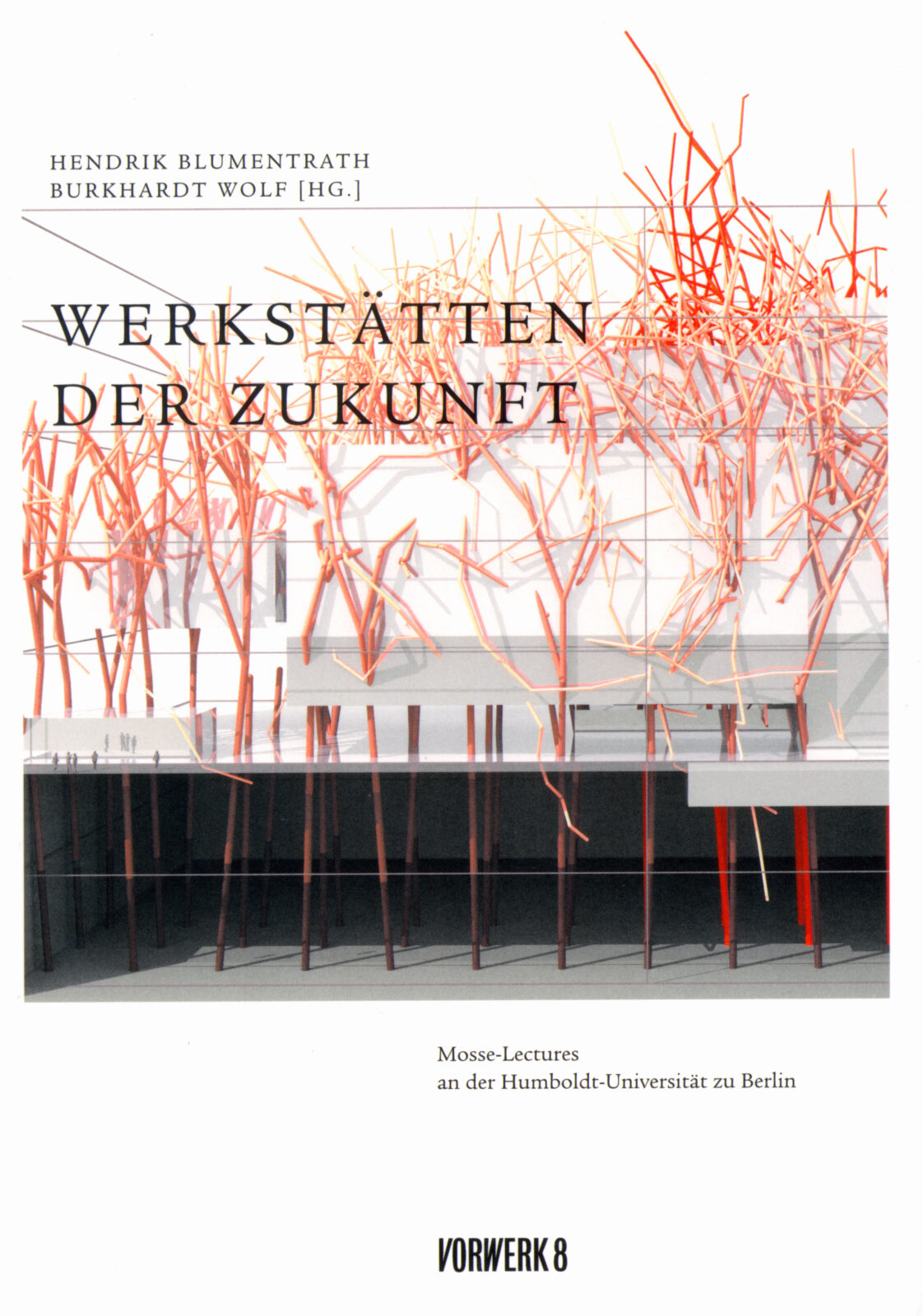
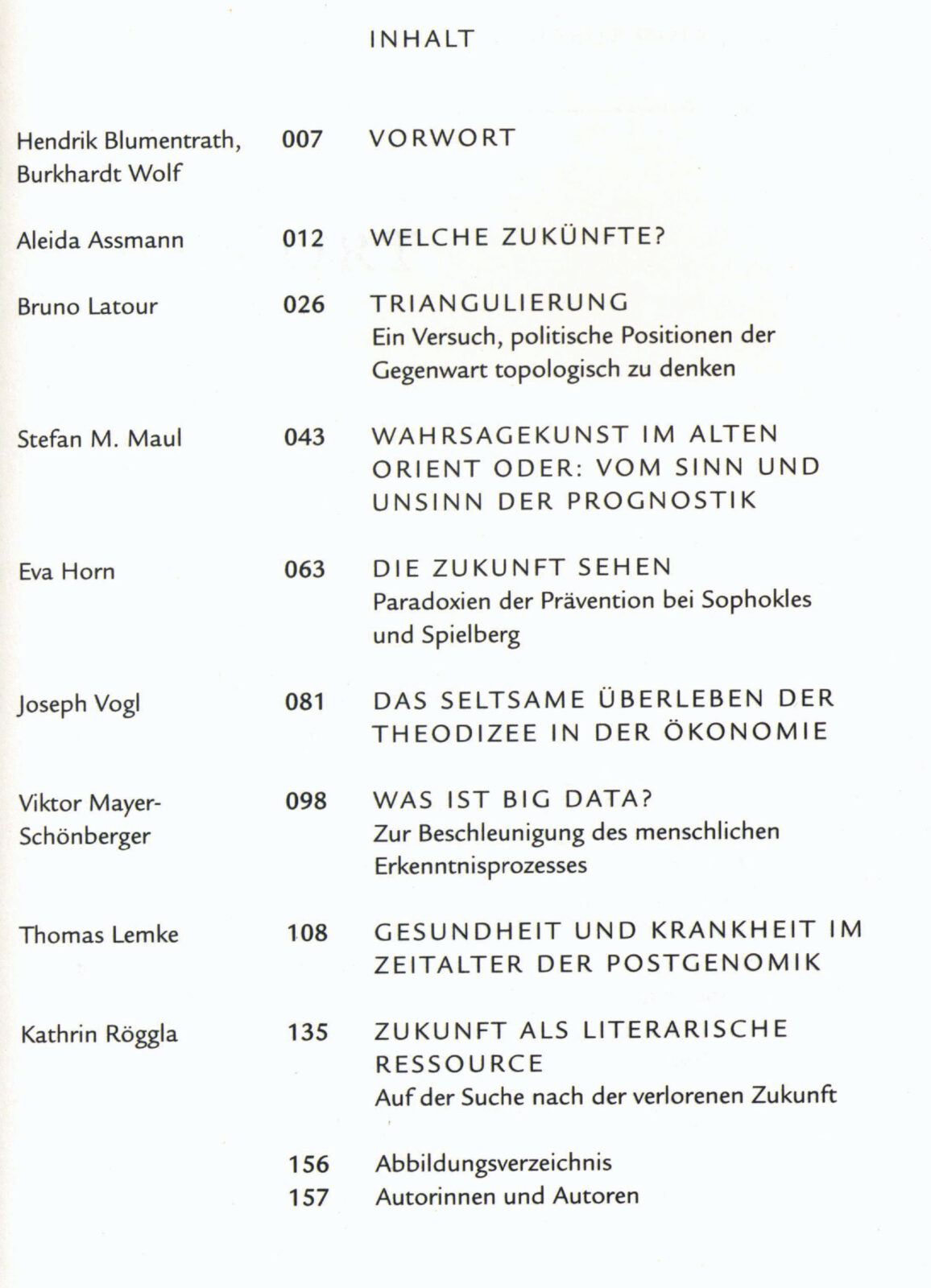
A version of this lecture was published in Hendrik Blumentrath, Burkhardt Wolf, ed. Werkstätten der Zukunft (Berlin: Vorwerk 8, 2018), 87-97. See table of contents below.
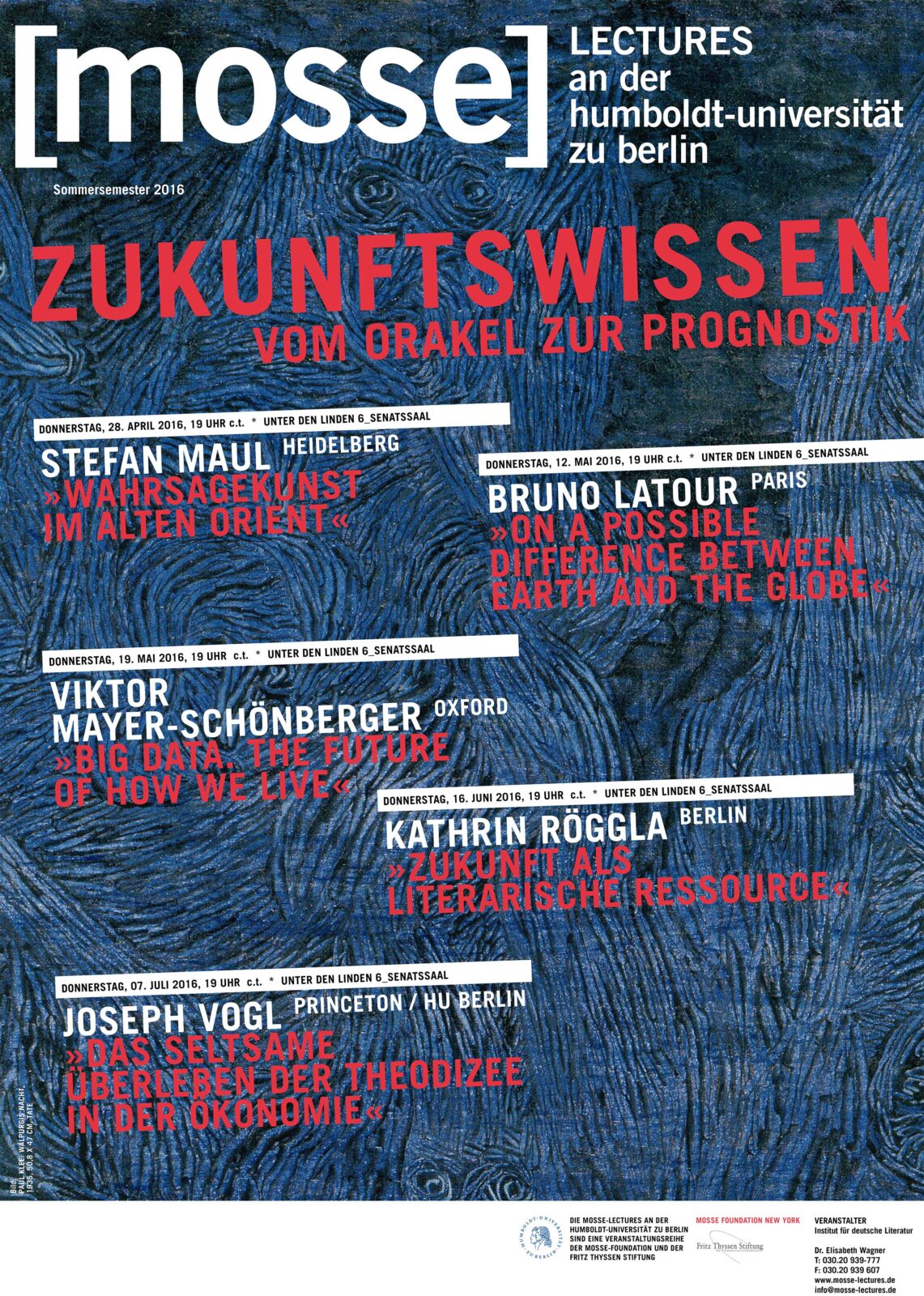
Senatssaal of Humboldt University
Unter den Linden 6
1. Stock
10117 Berlin
GERMANY
Sponsored by:
[mosse] LECTURES an der humboldt-universität zu berlin
The Mosse Foundation
Global Mosse Lecture Series
Fritz Thyssen Stiftung
Institut für deutsche Literatur
Humboldt University
Moderator: Michael Kämper-van den Boogaart (Humboldt University)
Lecture Description: Ähnlich wie die Theodizee einst das vernünftige und vorausschauende Wirken Gottes in einer Welt voller Desaster zu rechtfertigen versuchte, behaupten liberale Markttheorien, dass die gegenwärtige Finanzökonomie – trotz aller Krisen und Crashes – die beste aller ökonomischen Welten sei. Der Erfolg solcher Lehren liegt nicht nur darin, dass sie komplexe soziale Prozesse auf einfache Operationen wie Tauschakte reduzieren. In ihnen verkörpert sich auch eine elementare Hoffnungsfigur: dass Märkte und insbesondere Finanzmärkte privilegierte Schauplätze sozialer Ordnung seien; dass sich in ihnen eine Art praktischer Vernunft verwirkliche; dass die alte göttliche Vorsehung in den Regelmäßigkeiten des Wirtschaftssystems wiederkehre. Ökonomische Theorie erscheint dabei weniger realistisch, als zutiefst moralisch, metaphysisch und theologisch zu sein. Und es stellt sich die Frage, ob die letzten Finanzkrisen nicht einen ähnlichen Effekt wie das Erdbeben von Lissabon 1755 haben, das alle Versuche einer Theodizee erschütterte und nur in satirischer Form überleben ließ. Was heute auf dem Spiel steht, ist nicht weniger als die Geltung und die Haltbarkeit einer liberalen bzw. kapitalistischen ‚Oikodizee’, einer Theodizee der ökonomischen Welt.
Lecture Series Description: When Future no longer indicates the final judgement of the world, or the lapse of time until its arrival, then our vision of the time to come has changed profoundly. Future then, as Reinhard Koselleck has pointed out, can only be projected as an “empty space of time”, and that means that a great number of institutions and practices make their appearance, promising to make safe with their scientific models the journey into the unknown, possible shifts and formations: demographic development, climate change, energy supply, technological and geopolitical impact assessments, prospects for the stock market. Prognostics if not prophecies of the Future are the result of the changing world of today, often experienced as insecure and menacing. We have to realize, that the Futures we have are nothing but social constructions, a texture of the presence. Even in antiquity the divinatory knowledge of the oracle was not meant to “really see” the future reality. Nonetheless mights and morals and their perspectives could well be named and judged from the currently visible, from recognition and plausibility. Future knowledge is orientation knowledge, relevant in any policy advising. In this program of the Mosse-Lectures the scientific and imaginary knowledge of the Future in different disciplines, in the arts and religions will be negotiated, also the unknowing we have to admit. From the art of fortune telling in the Ancient Orient up to the present time of Big Data’s future viability the genesis and legitimacy of prognostics will be discussed. What does the reference of the future tell about the self conception of society? What are the rhetorical, technical und media means and tools to shape and perform the knowledge of the future? Beyond the classical apocalypse, how can collective desires and anxieties coin our notion of an ultimate future?
Joseph Vogl: ist Professor für deutsche Literatur, Kulturwissenschaft und Medien an der Humboldt-Universität und ständiger Gastprofessor an der Universität Princeton; ein wichtiger Gegenstand seiner Forschungen ist die Geschichte des Wissens und des politischen Denkens; Publikationen u.a. „Ort der Gewalt. Kafkas literarische Ethik“ (2. Aufl. 2010), „Kalkül und Leidenschaft. Poetik des ökonomischen Menschen“ (4. Aufl. 2004), „Über das Zaudern“ (2. Aufl. 2007), „Das Gespenst des Kapitals“ (5. Aufl. 2015) und „Der Souveränitätseffekt“ (2015).
Michael Kämper-van den Boogaart studied German and history, and taught at several schools before earning his PhD in 1990 from the University of Hamburg. In 2002, he was named professor of education and modern German literature at Humboldt University, Berlin, where, in 2011, he was elected vice president for Education and Teaching. He retired in 2023. He specializes in German language pedagogy, the history of education, and the history of 20th-century German literature. His many publications include Ästhetik des Scheiterns. Studien zu Erzähltexten von Botho Strauß, Jürgen Theobaldy, Uwe Timm u.a. (1992) and Thomas Mann für die Schule. Volk und Wissen (2001).
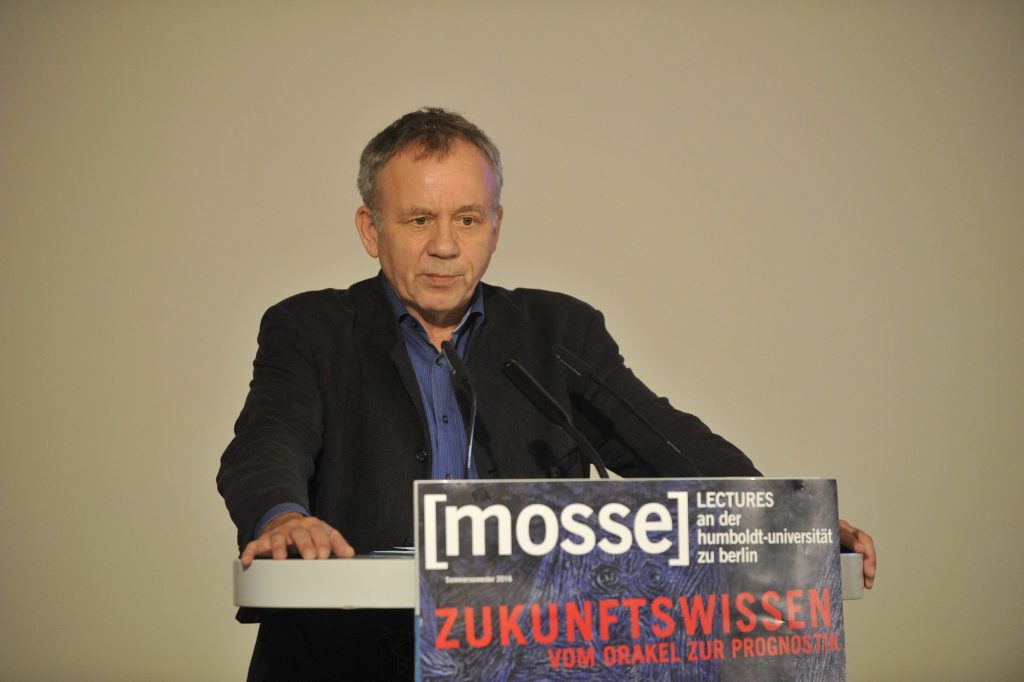
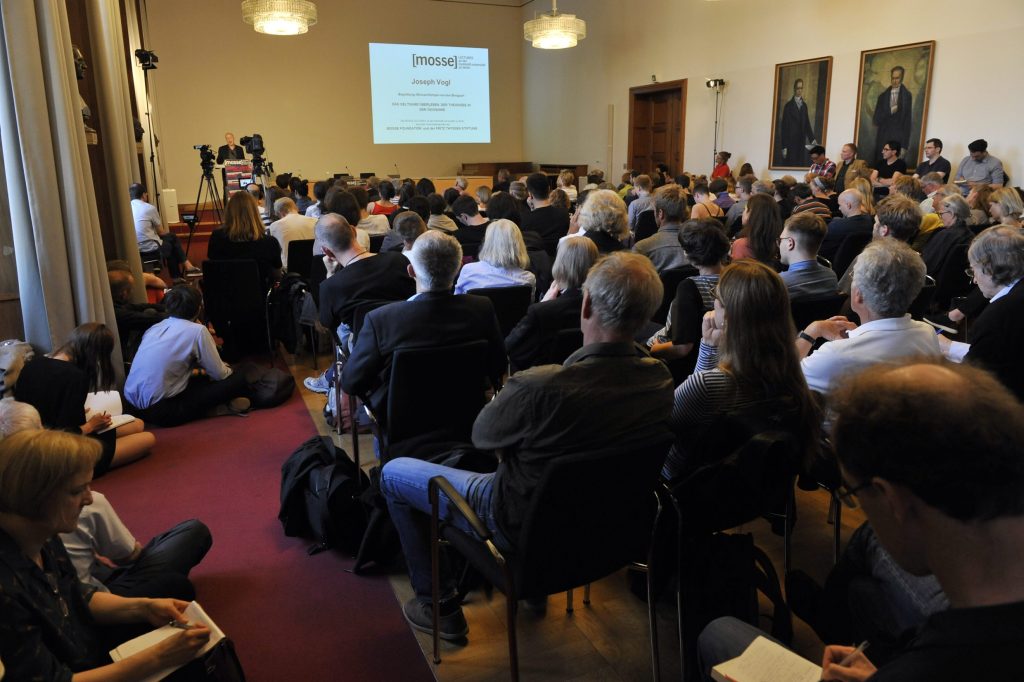
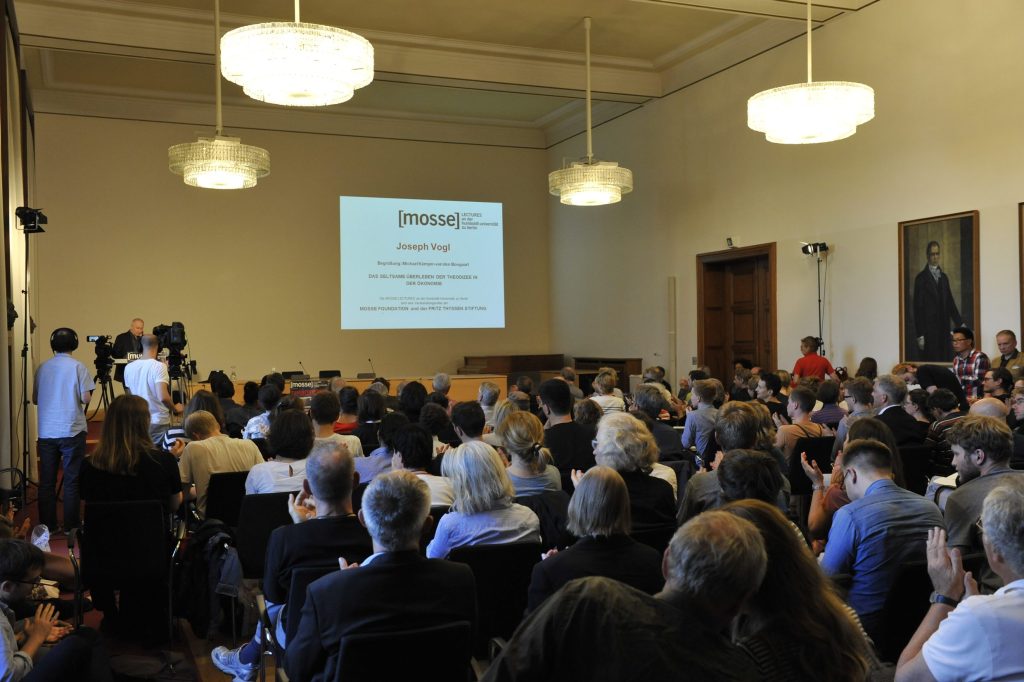
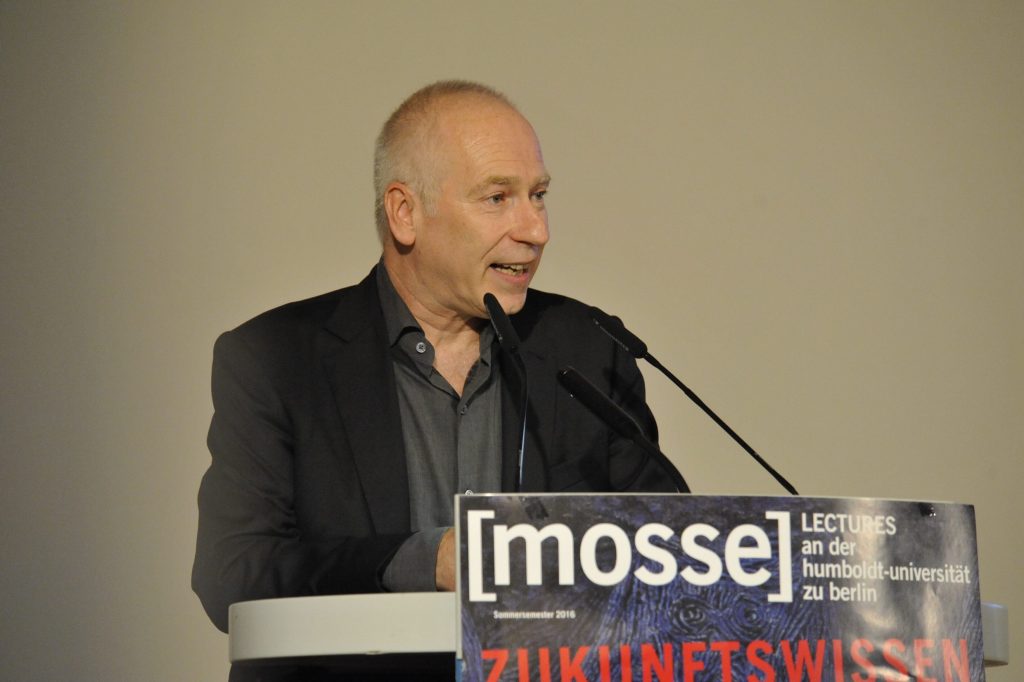
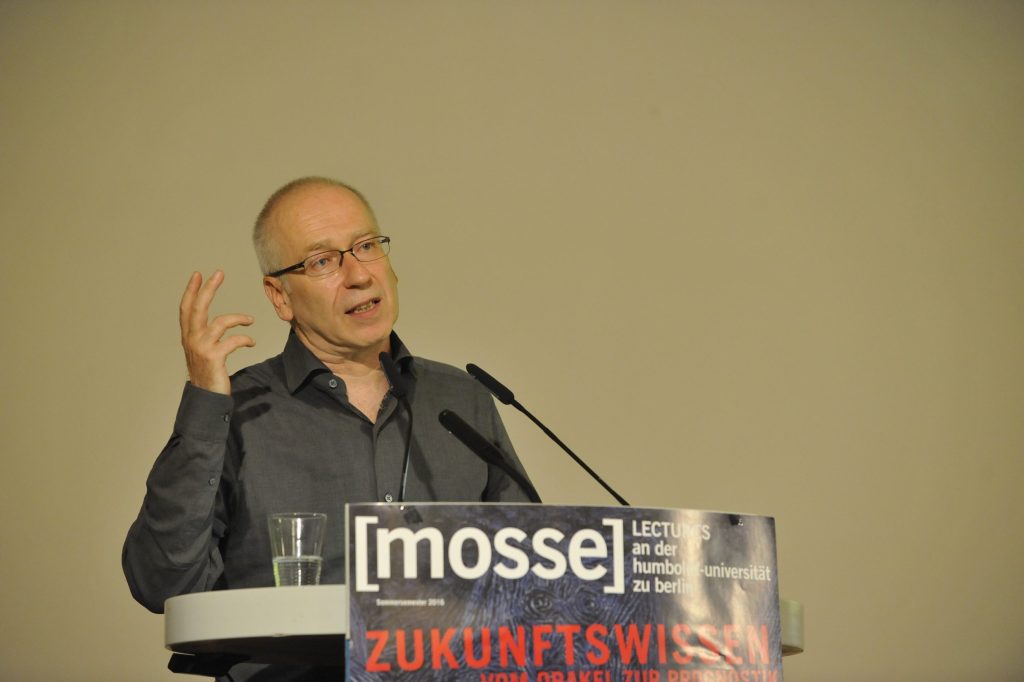
Photo credit: Niels Leiser for the Mosse Lectures
