
2017: Colin Crouch, “Antworten des Liberalismus auf die neuen Herausforderungen” / “Liberalism’s Responses to the New Challenges”
Colin Crouch, “Antworten des Liberalismus auf die neuen Herausforderungen” / “Liberalism’s Responses to the New Challenges”
Berlin Mosse Lecture
https://mosselectures.wisc.edu/berlin/
Thursday, 4 May 2017, 19:00 CET
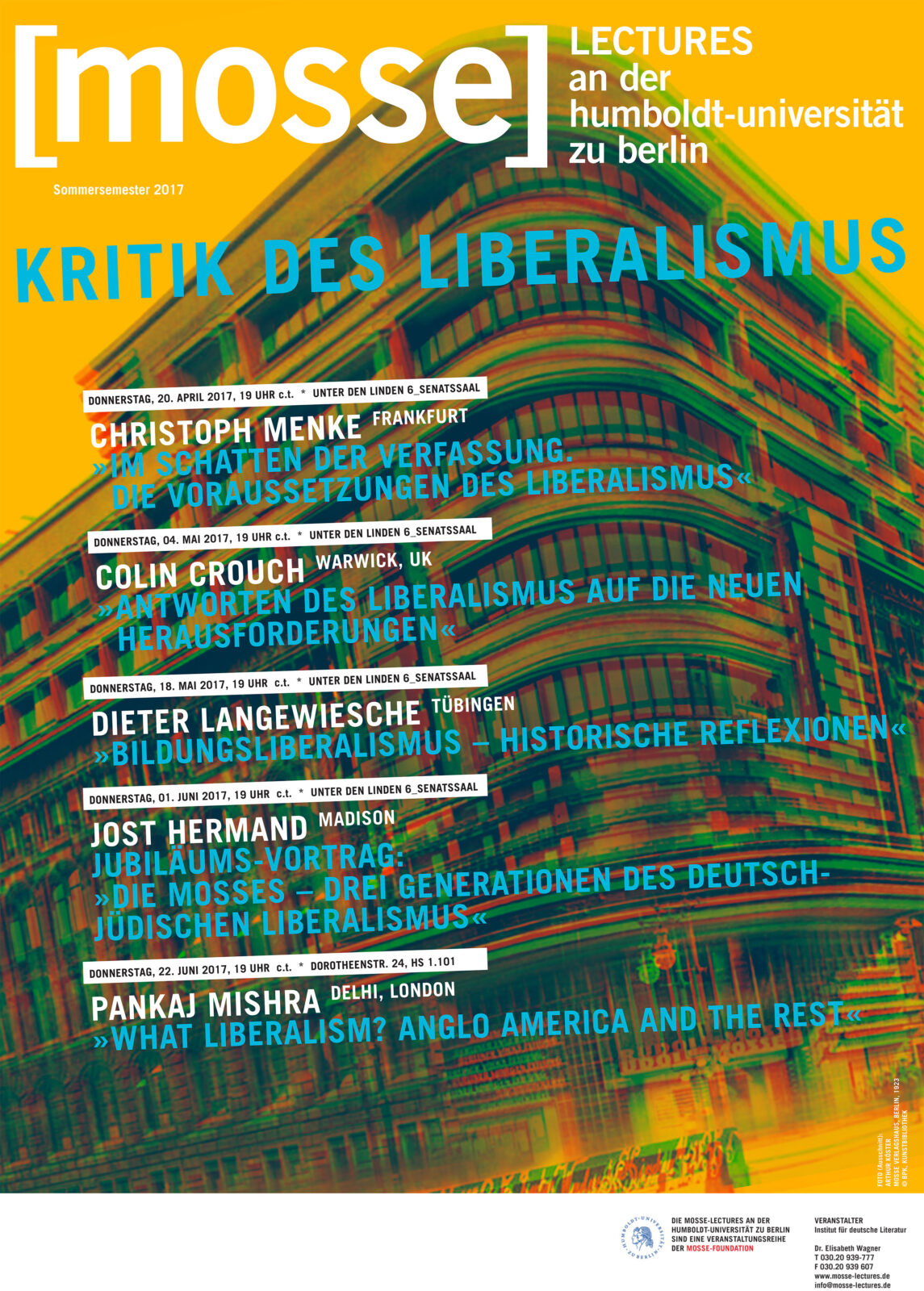
Senatssaal of Humboldt University
Unter den Linden 6
10117 Berlin
GERMANY
Sponsored by:
[mosse] LECTURES an der humboldt-universität zu berlin
The Mosse Foundation
Global Mosse Lecture Series
Institut für deutsche Literatur
Humboldt University
Moderator: Ulrike Vedder (Humboldt University)
Lecture Description: Die neuen Wellen von Nationalismus und Fremdenfeindlichkeit, die in letzter Zeit so viele Länder erfasst haben, bringen die alten Konflikte zwischen der liberalen Aufklärung und den aggressiven Seiten des Konservatismus zurück. Der Konflikt zeigt, wie das, was man unter ‚Liberalismus‘ versteht, in sich selber widersprüchlich ist. Neoliberale in verschiedenen Ländern finden sich wieder in Allianzen mit unterschiedlichen Varianten des Rechtspopulismus. Man kann beobachten, dass im linken Spektrum die Versuchung aufkommt, die sozialpolitische Agenda fremdenfeindlicher Parteien aufzugreifen. Wie verändern sich die politischen Ideen, Parteien und Allianzen der Liberalen angesichts dieser Herausforderungen?
Lecture Series Description: The notion of liberalism recalls one of the most influential political traditions of Europe and the Western world. It captures a variety of positions, ways of thinking, mentalities, practices, and programs that hardly fit under the rubric of one single and unitary concept. Since its 18th-century origins, the concept of ‘liberalism’ assembled an enticing conglomerate of political promises: emancipation and freedom, ideas of statehood, government, and law, free trade agreements and market utopias, projects of general education, and visions of a universal humanity. The liberal idea of ‘Bildung’ was at the center of the Mosse family’s great achievements; it was also at the core of the scholarly work of the historian George L. Mosse; with this lecture series we honor their legacy.
Historically liberalism was the arena of social and political conflicts in struggle with authoritarian and restorative tendencies on the one hand and socialist movements on the other. It raised hard questions about the reciprocal relationship between freedom and equality, self-determination and social justice, private ownership and common welfare. Liberalism, as it were, had the potential and the reservoir of ideas to find solutions to these questions.
In post-war West Germany the ordo-liberals, as they were called, were still striving to find a third way between laissez faire and a planned economy. Since the neoliberal dogma emerged in the 1970s, however, this modest critique of capitalism has given way to the implementation of the financial capitalism of our days. This series of Mosse Lecture will trace the shifts in the concept of ‘liberalism’ and its economic, ecological, and gender issues, global consequences and dislocations. The question arises whether a somehow obsolete liberalism, currently enforced under the rubric of neoliberalism, can offer solutions for problems which it has no means even to articulate on a global scale.
Colin Crouch: Der Soziologe und Politikwissenschaftler Colin Crouch ist Professor Emeritus der University of Warwick in Großbritannien und auswärtiges Mitglied des Max-Planck-Instituts für Gesellschaftsforschung in Köln. Er hat auf dem Gebiet der vergleichenden europäischen Soziologie, der Wirtschaftssoziologie und industriellen Beziehungen gearbeitet und auch zu aktuellen Fragen der britischen und europäischen Politik publiziert. In dt. Übersetzung liegen vor: »Die Postdemokratie« [2008]; »Das befremdliche Überleben des Neoliberalismus« [2011]; »Jenseits des Neoliberalismus« [2013]; »Die bezifferte Welt. Wie die Logik der Finanzmärkte das Wissen bedroht« [2015]; zuletzt erschienen: »Governing Social Risks in Post Crisis Europe« [2015] und »Society and Social Change in 21st Century Europe« [2016].
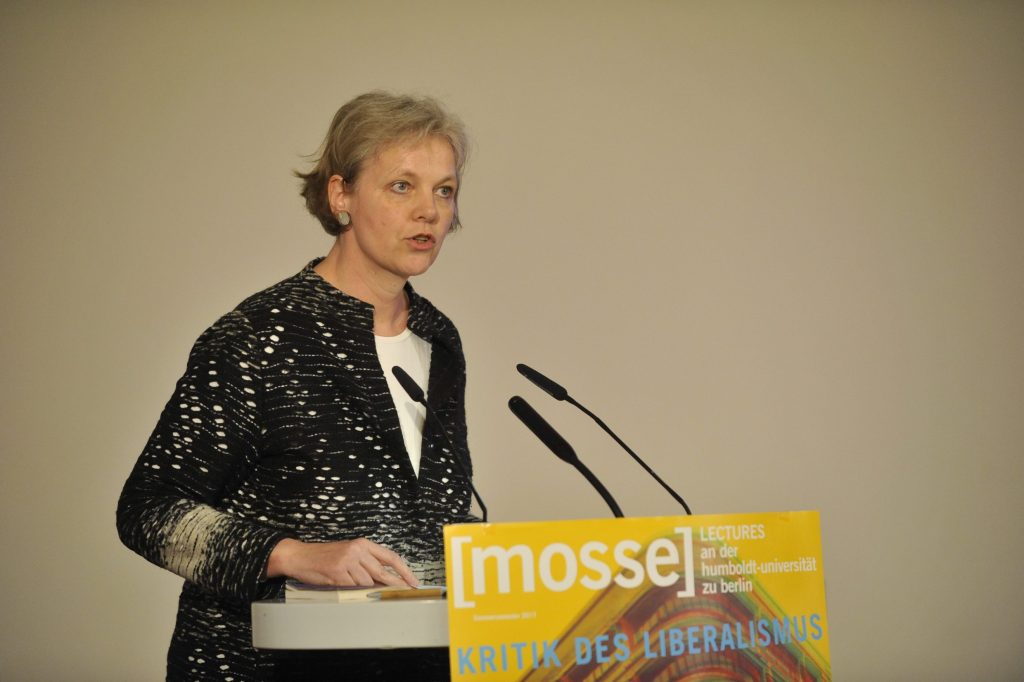
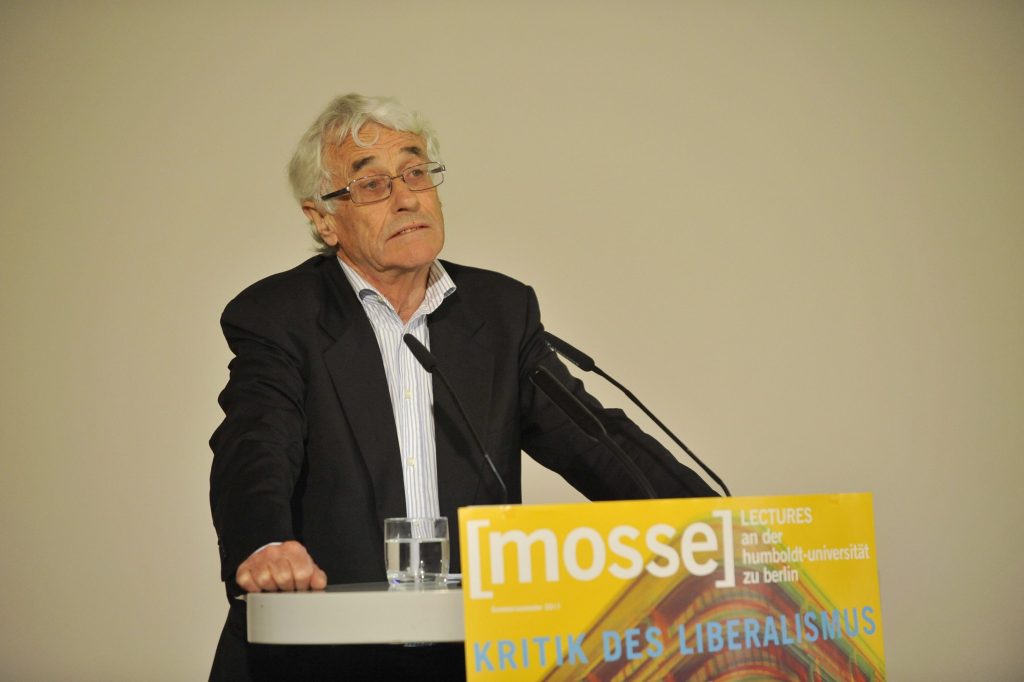
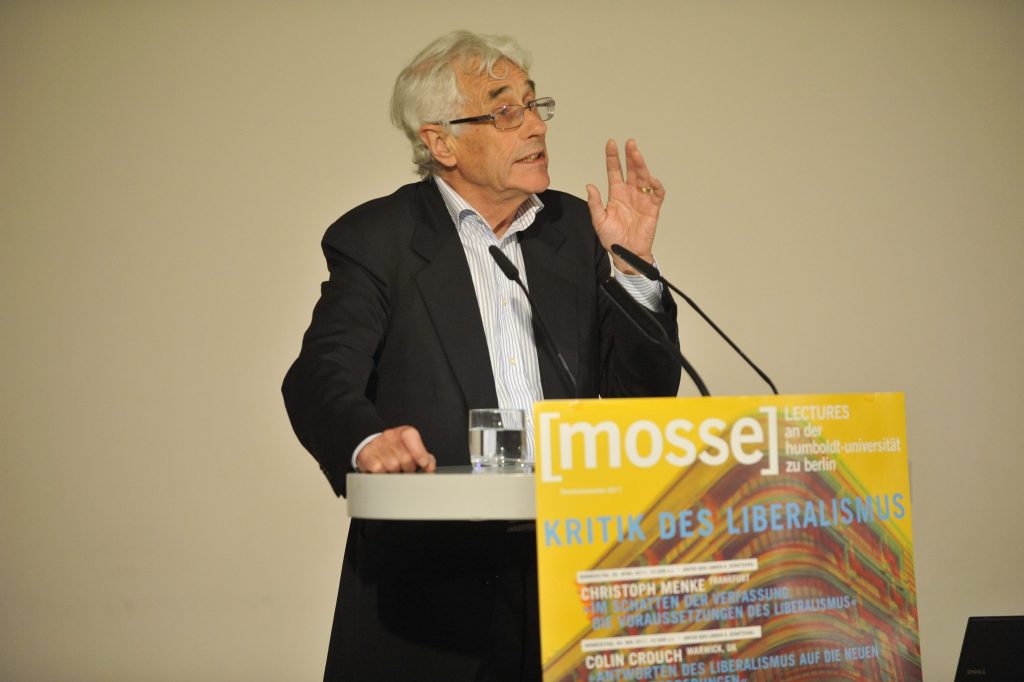
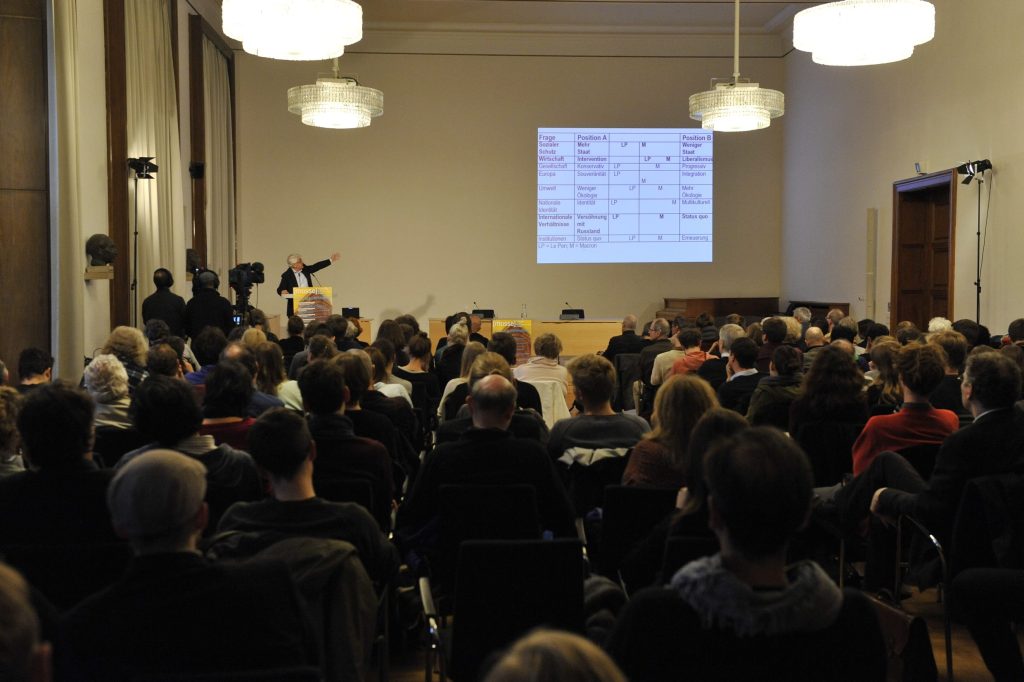
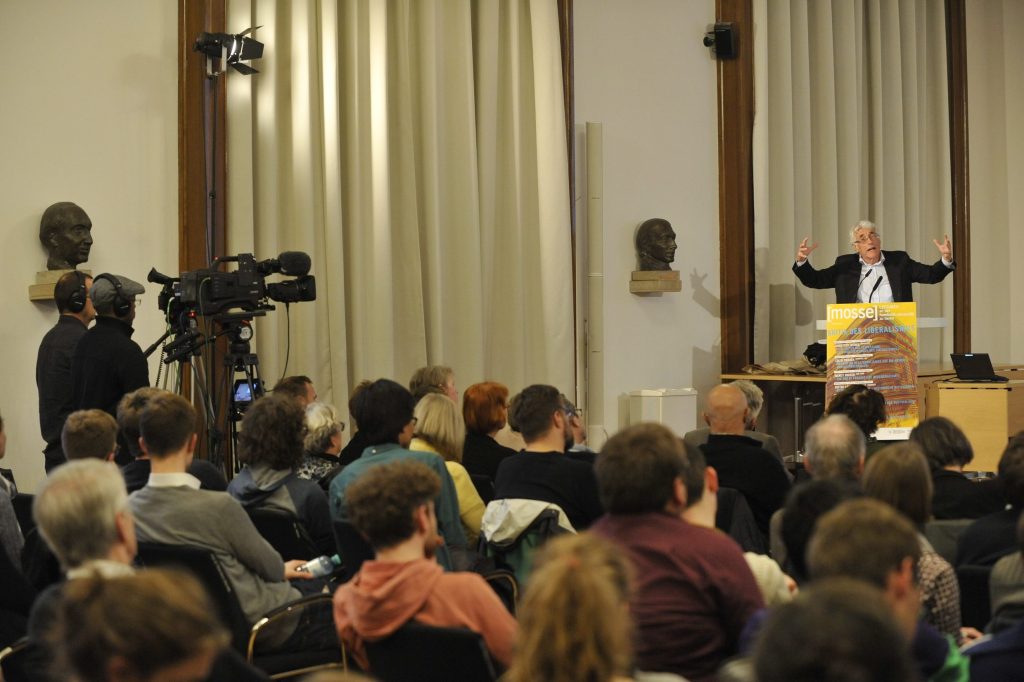
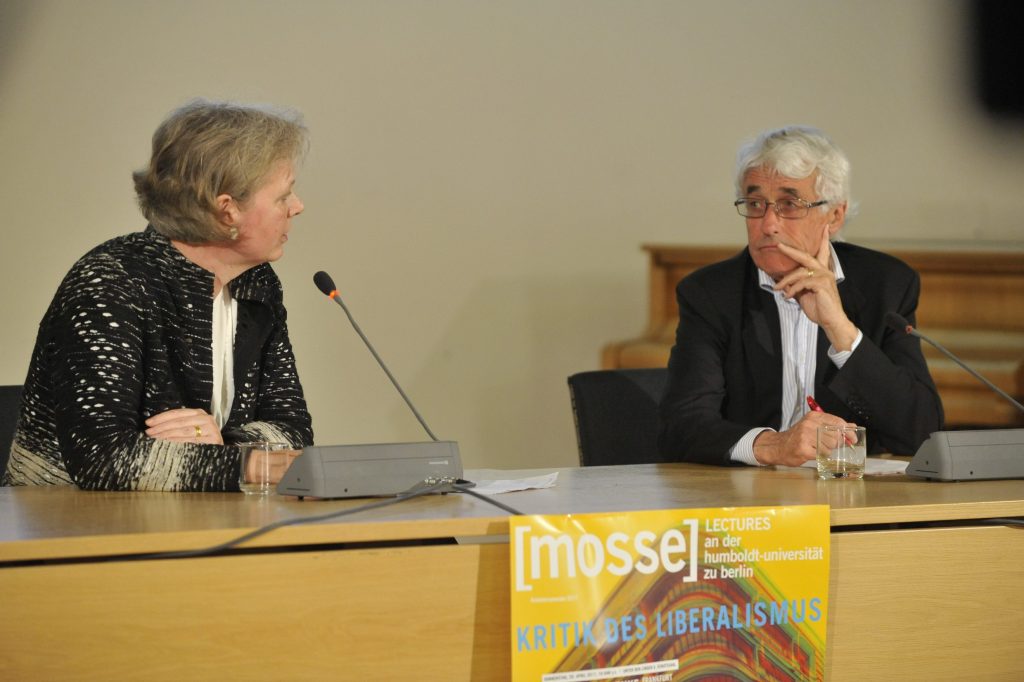
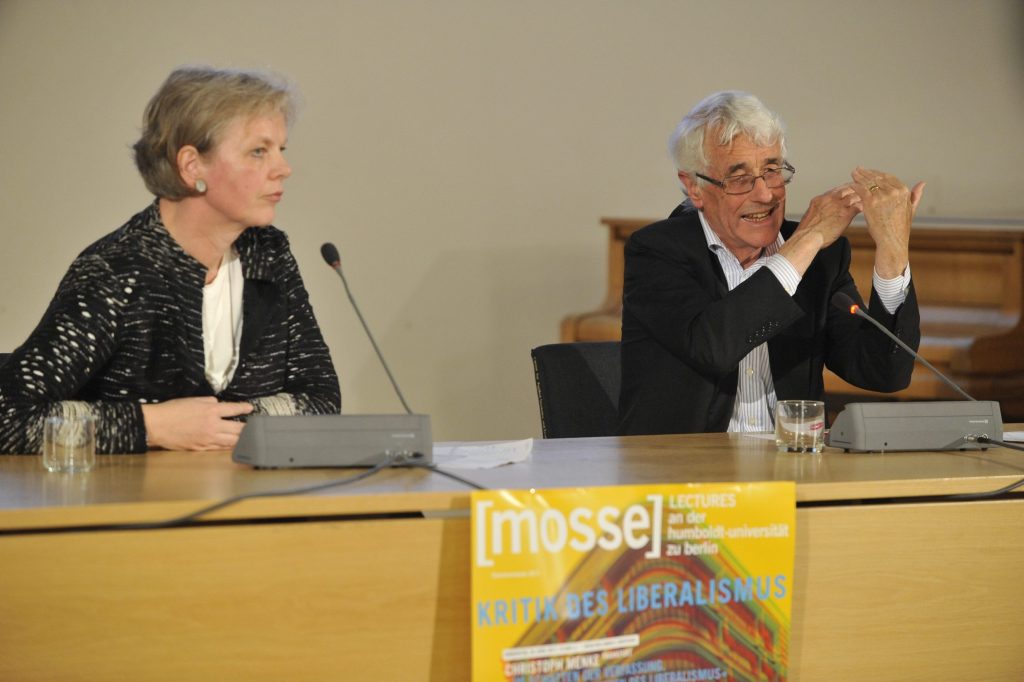
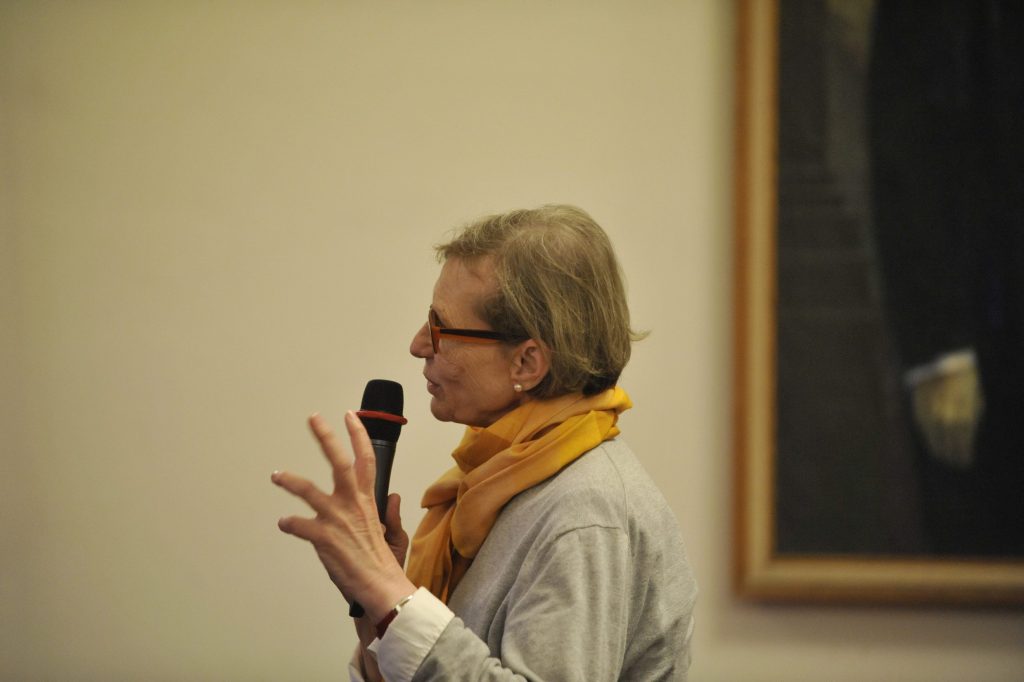
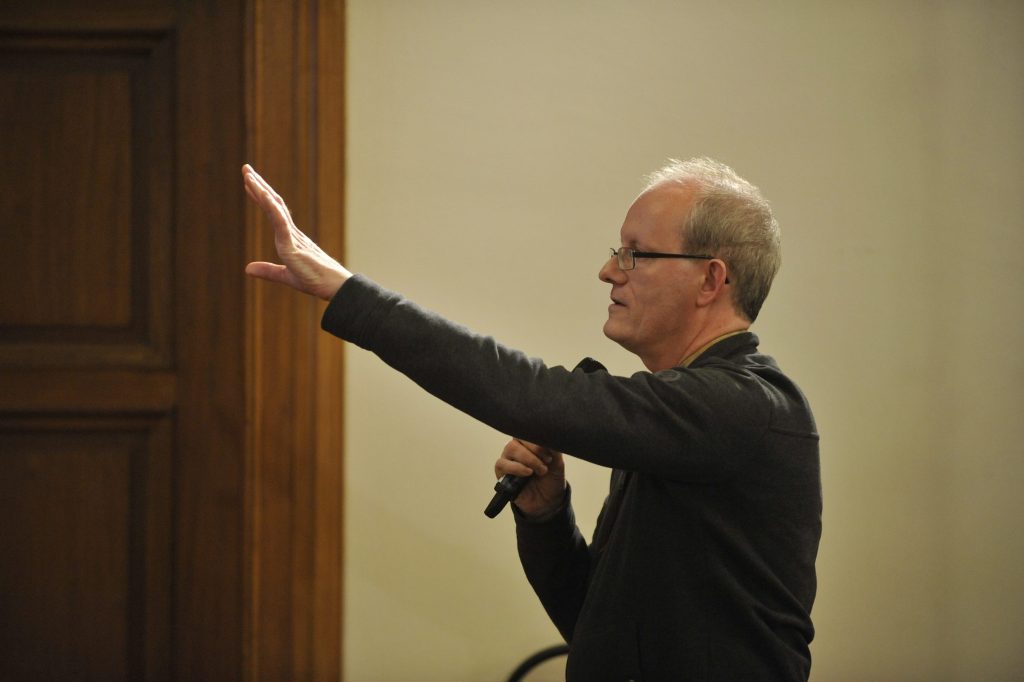
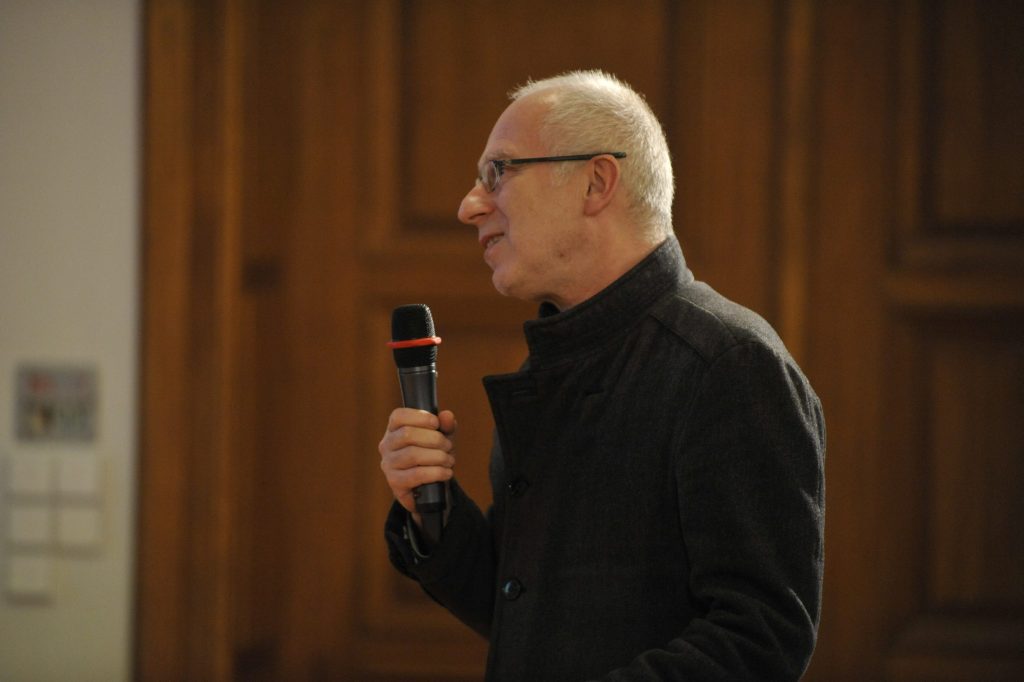
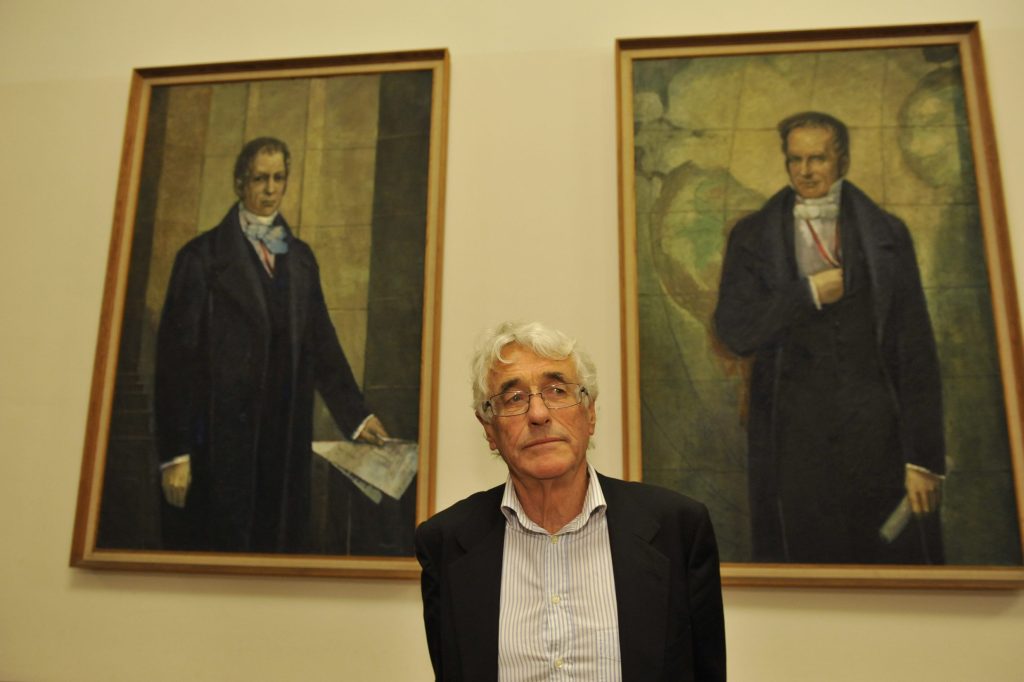
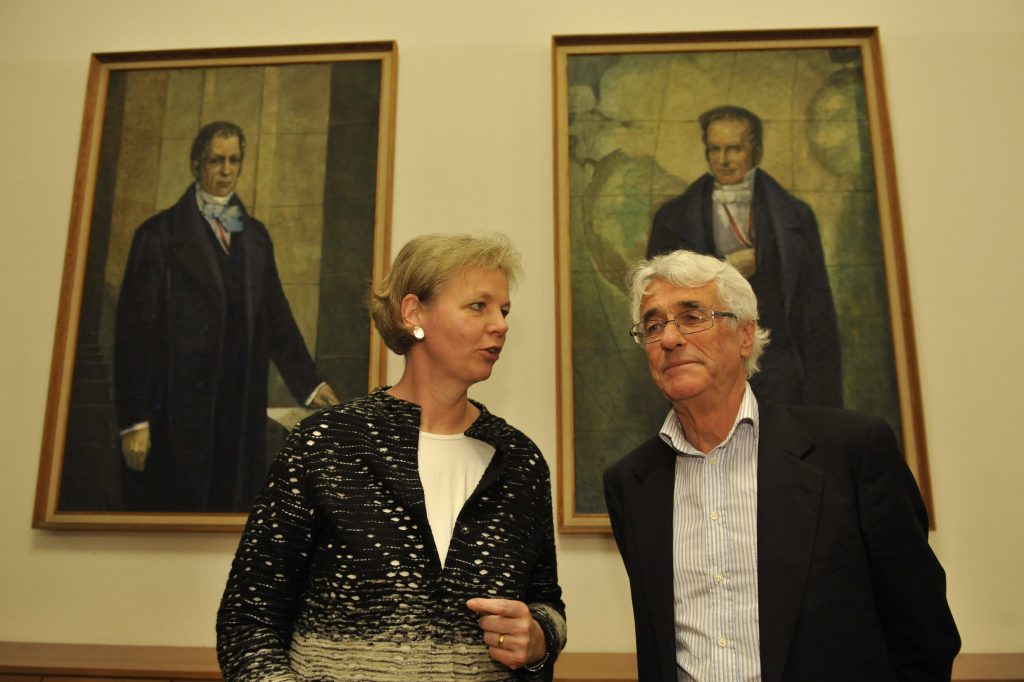
Photo credit: Niels Leiser for the Mosse Lectures
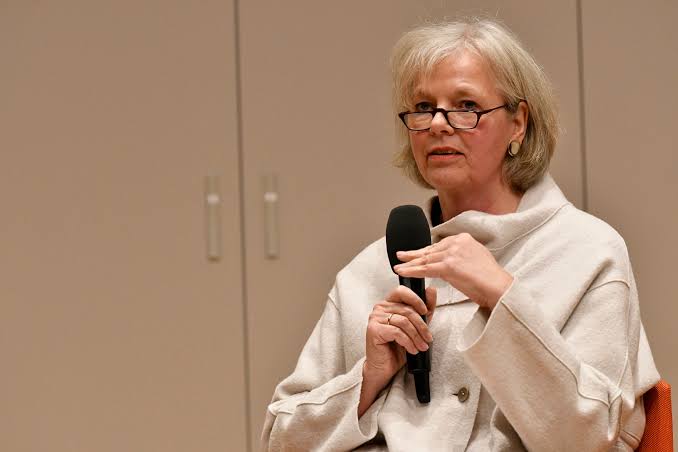
Her research focuses on literature and material culture (museum narratives, literary thing culture, poetics of collecting); literary and cultural history of genealogy, generation, heritage; gender studies in literary studies; narratives of liminality (death narratives, coma, old age, dementia, care, poetics of the afterlife).
She is part of the interdisciplinary project team of „Liminality and Transfer“ (funded by the Einstein Foundation Berlin, 2023-2027) and the Collège doctoral „Littérature et savoirs, XVIe – XXIe siècles“ (in cooperation with Sorbonne nouvelle).
