
2017: Dieter Langewiesche, “Bildungsliberalismus – historische Reflexionen” / “Educational Liberalism: Historical Reflections”
Dieter Langewiesche, “Bildungsliberalismus – historische Reflexionen” / “Educational Liberalism: Historical Reflections”
Berlin Mosse Lecture
https://mosselectures.wisc.edu/berlin/
Thursday, 18 May 2017, 19:00 CET
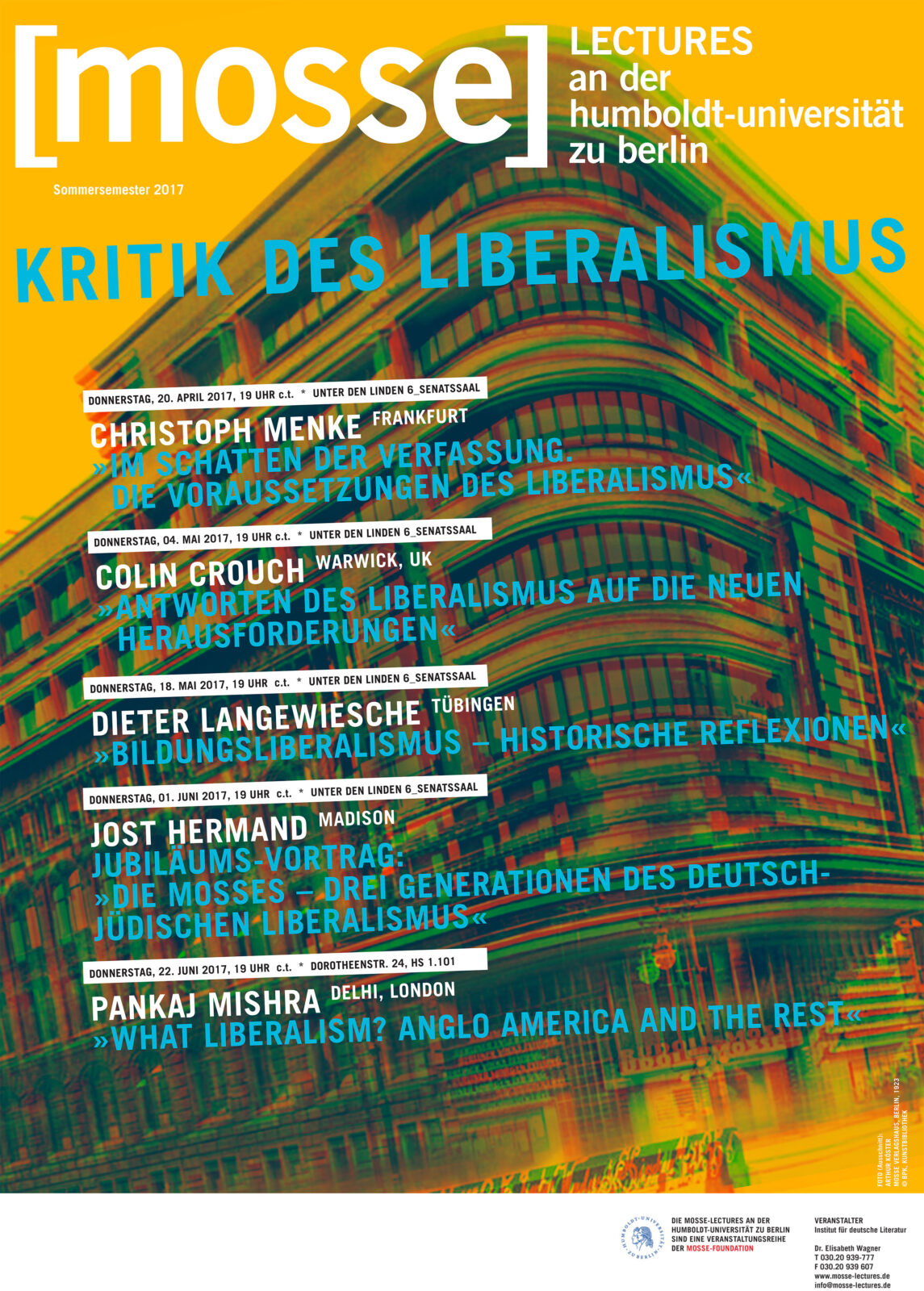
Senatssaal of Humboldt University
Unter den Linden 6
1. Stock
10117 Berlin
GERMANY
Sponsored by:
[mosse] LECTURES an der humboldt-universität zu berlin
The Mosse Foundation
Global Mosse Lecture Series
Institut für deutsche Literatur
Humboldt University
Moderator: Michael Kämper-van den Boogaart (Humboldt University)
Lecture Description: Unter Bildungsliberalismus wird entlang der Geschichte des 19. und 20. Jahrhunderts ein Problem erörtert, das heute wieder aktuell geworden ist: Wie offen sollte eine liberale Gesellschaft für religiöse Pluralität sein? Erzwingt Bildung, wie sie in Deutschland seit dem 19. Jahrhundert verstanden wurde, kulturelle Anpassung bis zur Aufgabe von Herkunftsidentität? Im 19. und frühen 20. Jahrhundert standen vor allem Juden vor dieser Frage. Was hatte ihnen der Bildungsliberalismus zu bieten? Was dachten sie darüber? Diese Fragen, die in intensiven innerjüdischen Kontroversen diskutiert wurden, werden auf den Spuren von George L. Mosse untersucht.
Lecture Series Description: The notion of liberalism recalls one of the most influential political traditions of Europe and the Western world. It captures a variety of positions, ways of thinking, mentalities, practices, and programs that hardly fit under the rubric of one single and unitary concept. Since its 18th-century origins, the concept of ‘liberalism’ assembled an enticing conglomerate of political promises: emancipation and freedom, ideas of statehood, government, and law, free trade agreements and market utopias, projects of general education, and visions of a universal humanity. The liberal idea of ‘Bildung’ was at the center of the Mosse family’s great achievements; it was also at the core of the scholarly work of the historian George L. Mosse; with this lecture series we honor their legacy.
Historically liberalism was the arena of social and political conflicts in struggle with authoritarian and restorative tendencies on the one hand and socialist movements on the other. It raised hard questions about the reciprocal relationship between freedom and equality, self-determination and social justice, private ownership and common welfare. Liberalism, as it were, had the potential and the reservoir of ideas to find solutions to these questions.
In post-war West Germany the ordo-liberals, as they were called, were still striving to find a third way between laissez faire and a planned economy. Since the neoliberal dogma emerged in the 1970s, however, this modest critique of capitalism has given way to the implementation of the financial capitalism of our days. This series of Mosse Lecture will trace the shifts in the concept of ‘liberalism’ and its economic, ecological, and gender issues, global consequences and dislocations. The question arises whether a somehow obsolete liberalism, currently enforced under the rubric of neoliberalism, can offer solutions for problems which it has no means even to articulate on a global scale.
Dieter Langewiesche: Dieter Langewiesche ist Professor für mittlere und neuere Geschichte an der Universität Tübingen; Autor wegweisender Bücher zur Geschichte der Arbeiterbewegung, des Nationalismus und Liberalismus u.a. »Liberalismus in Deutschland« [1988, 1995], »Liberalismus und Sozialismus: Gesellschaftsbilder – Zukunftsvisionen – Bildungskonzepte« [2003], »Nation, Nationalismus, Nationalstaat in Deutschland und Europa« [2000], »Reich, Nation, Föderation: Deutschland und Europa« [2008], mit Niels Birbaumer »Neurohistorie. Ein neuer Wissenschaftszweig?« [2017], Träger des Leibniz-Preises und des Bundesverdienstkreuzes am Bande.
Michael Kämper-van den Boogaart studied German and history, and taught at several schools before earning his PhD in 1990 from the University of Hamburg. In 2002, he was named professor of education and modern German literature at Humboldt University, Berlin, where, in 2011, he was elected vice president for Education and Teaching. He retired in 2023. He specializes in German language pedagogy, the history of education, and the history of 20th-century German literature. His many publications include Ästhetik des Scheiterns. Studien zu Erzähltexten von Botho Strauß, Jürgen Theobaldy, Uwe Timm u.a. (1992) and Thomas Mann für die Schule. Volk und Wissen (2001).
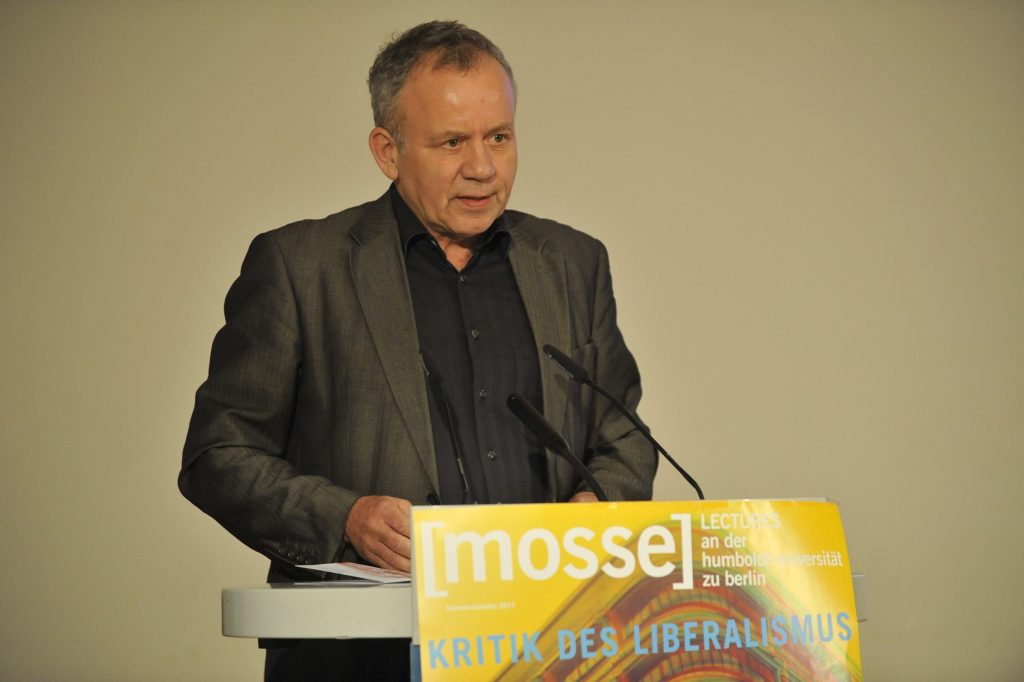
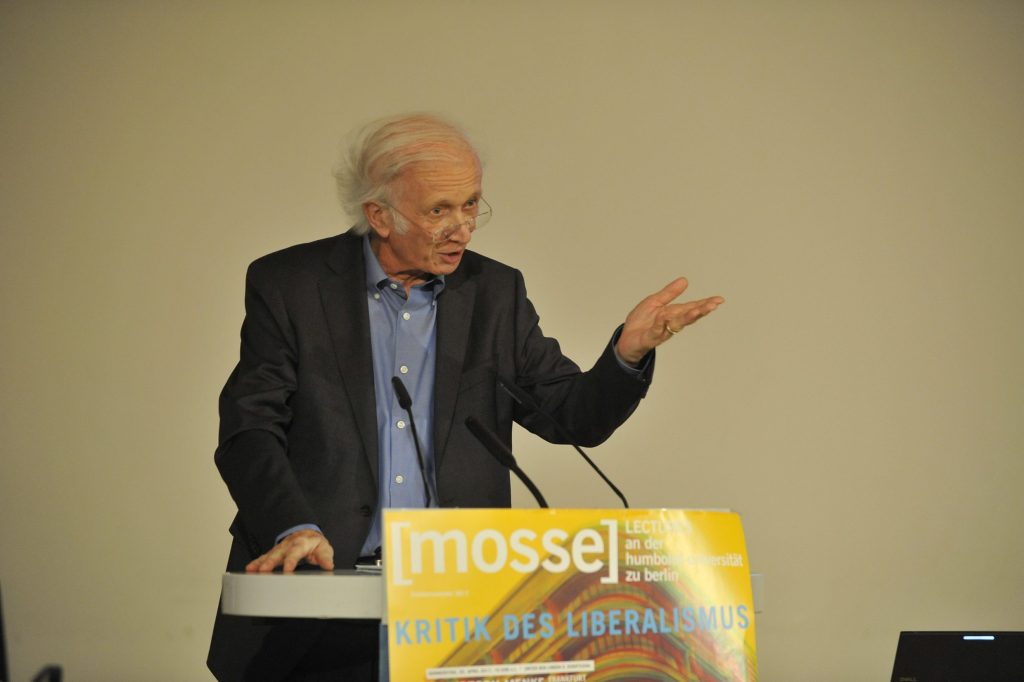
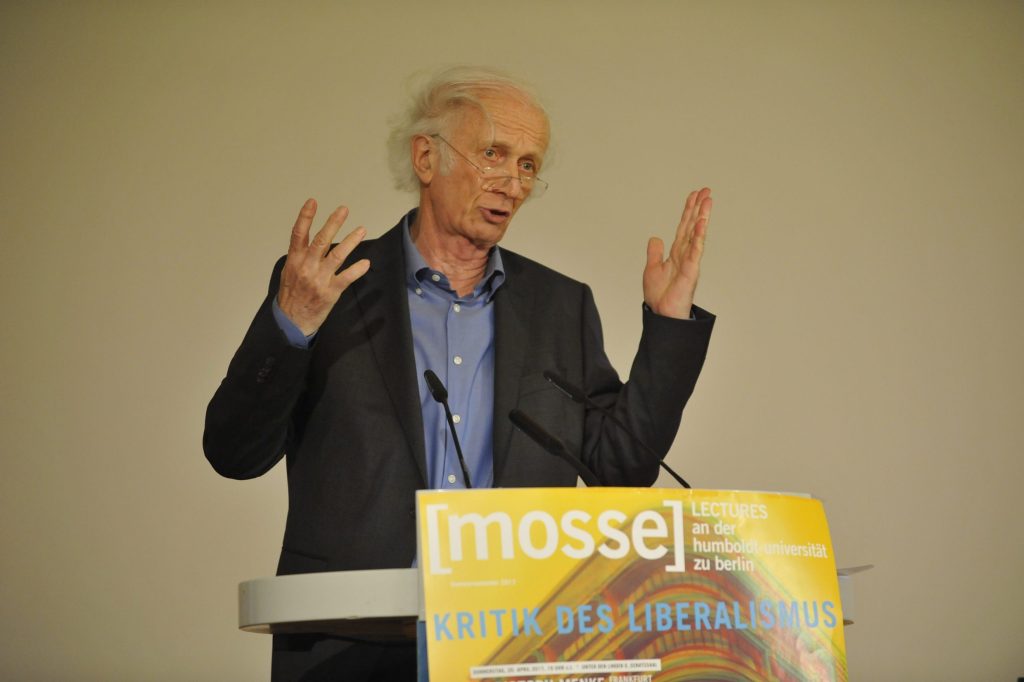
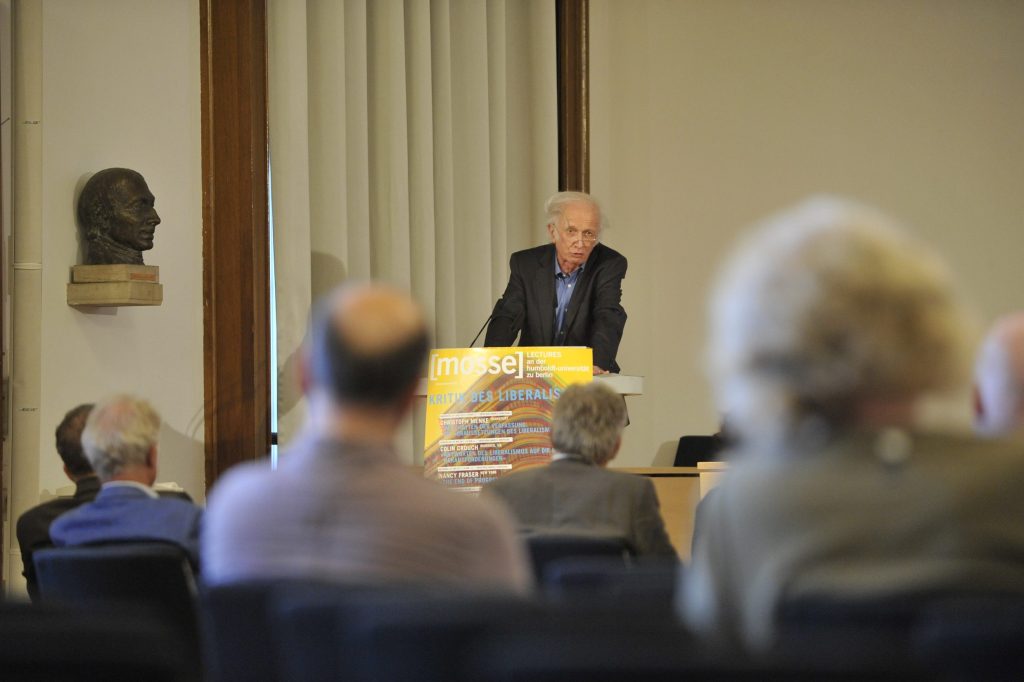
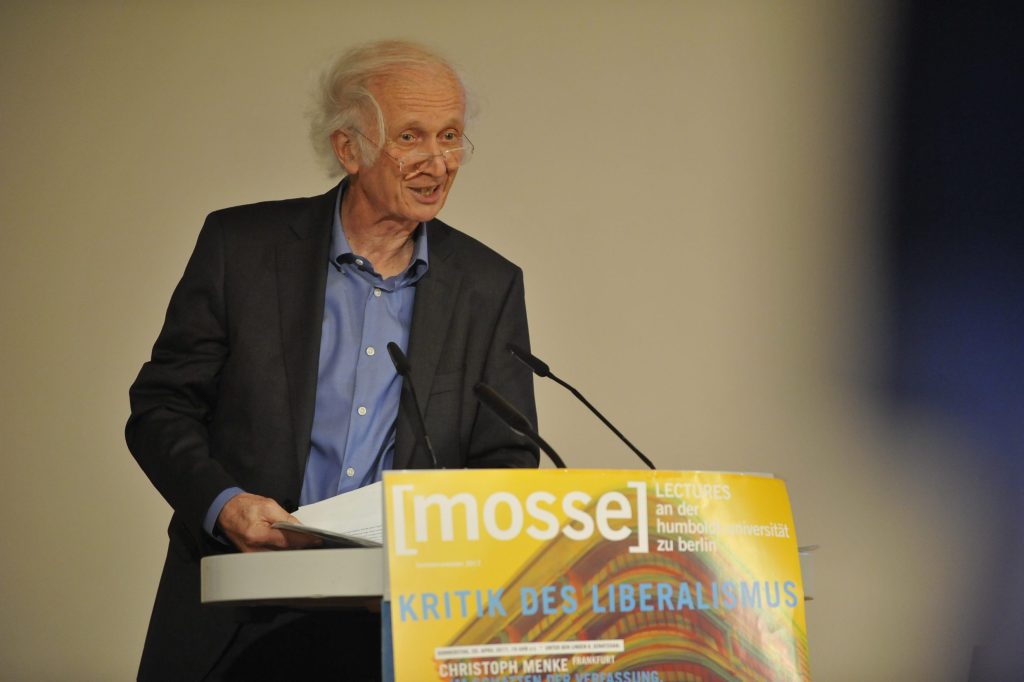
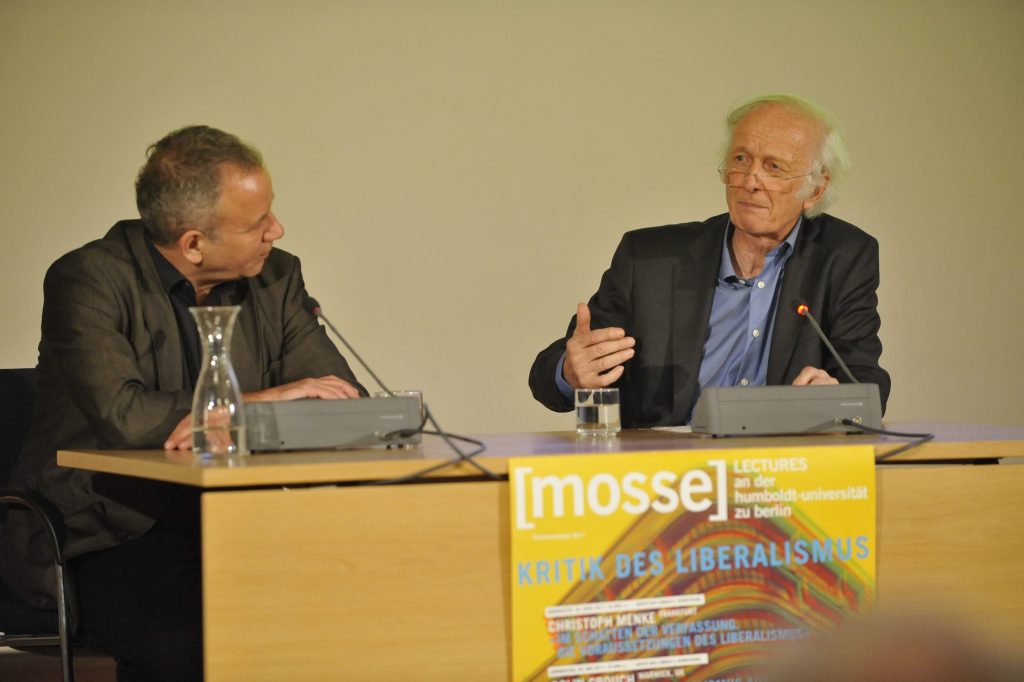
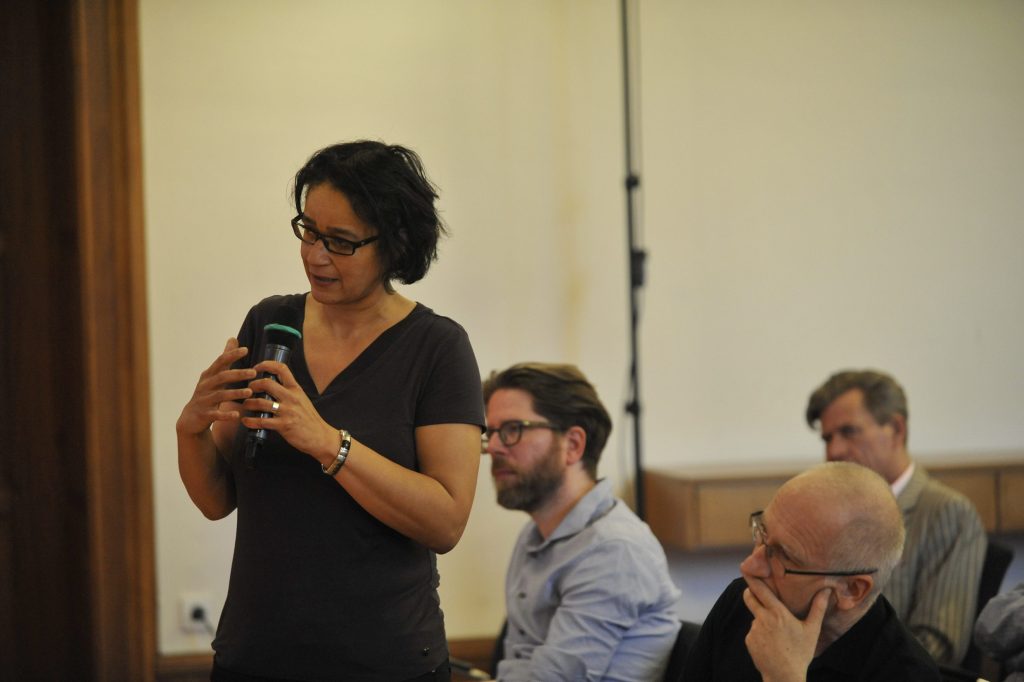
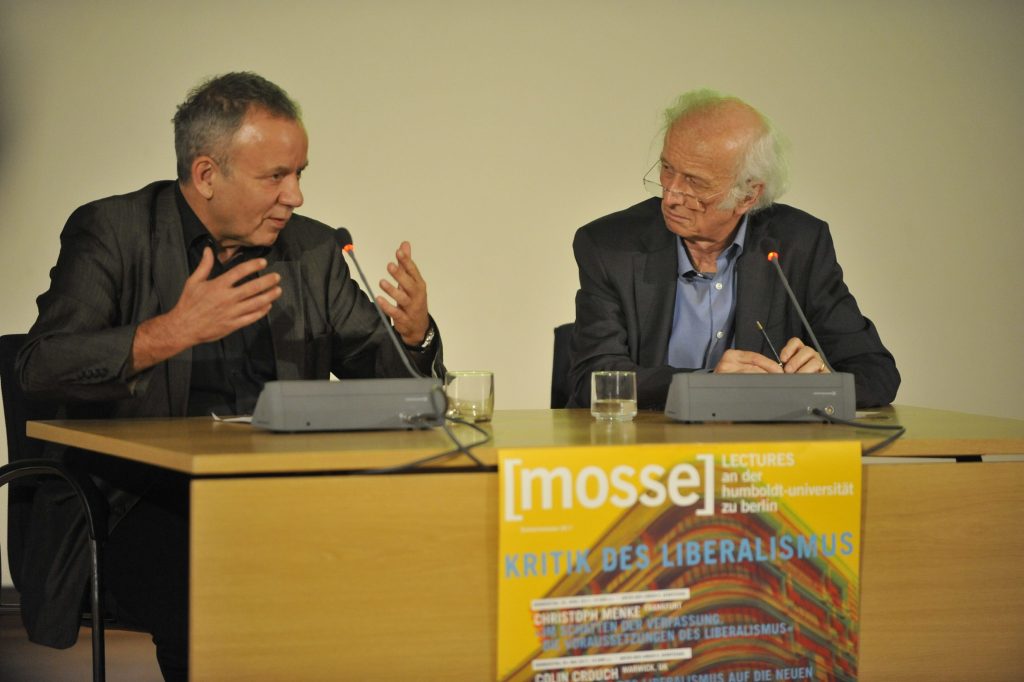
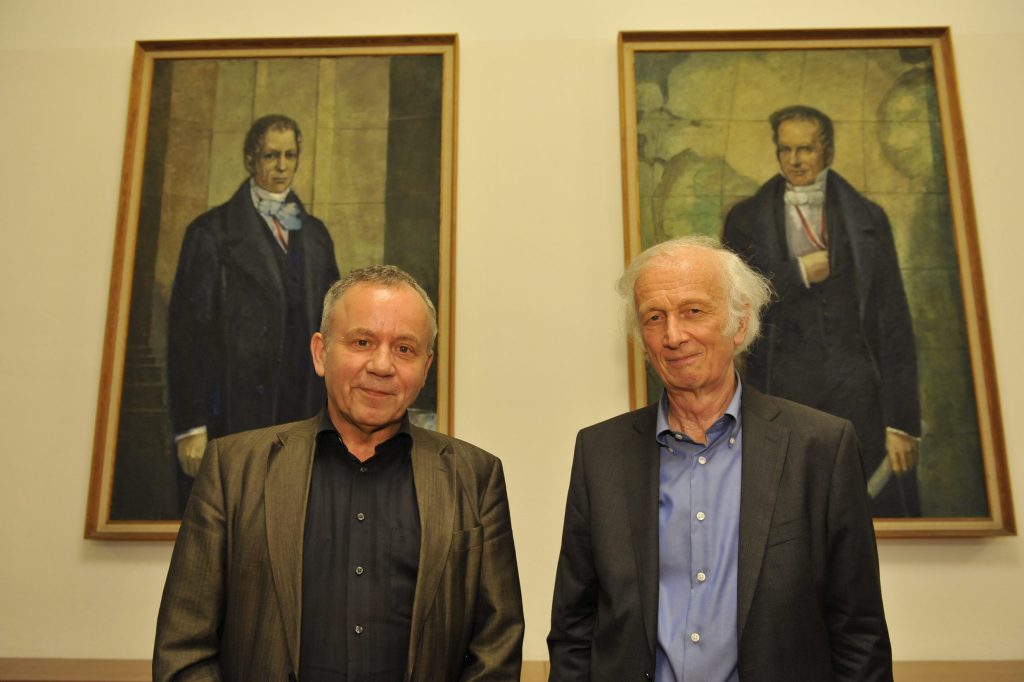
Photo credit: Niels Leiser for the Mosse Lectures
