
2017: Jost Hermand, Jubiläums-Vortrag: “Die Mosses – drei Generationen des deutsch-jüdischen Liberalismus” / Anniversary Lecture, “The Mosses: Three Generations of German-Jewish Liberalism”
Jost Hermand, Jubiläums-Vortrag: “Die Mosses – drei Generationen des deutsch-jüdischen Liberalismus” / Anniversary Lecture, “The Mosses: Three Generations of German-Jewish Liberalism”
Berlin Mosse Lecture
https://mosselectures.wisc.edu/berlin/
Thursday, 1 June 2017, 19:00 CET
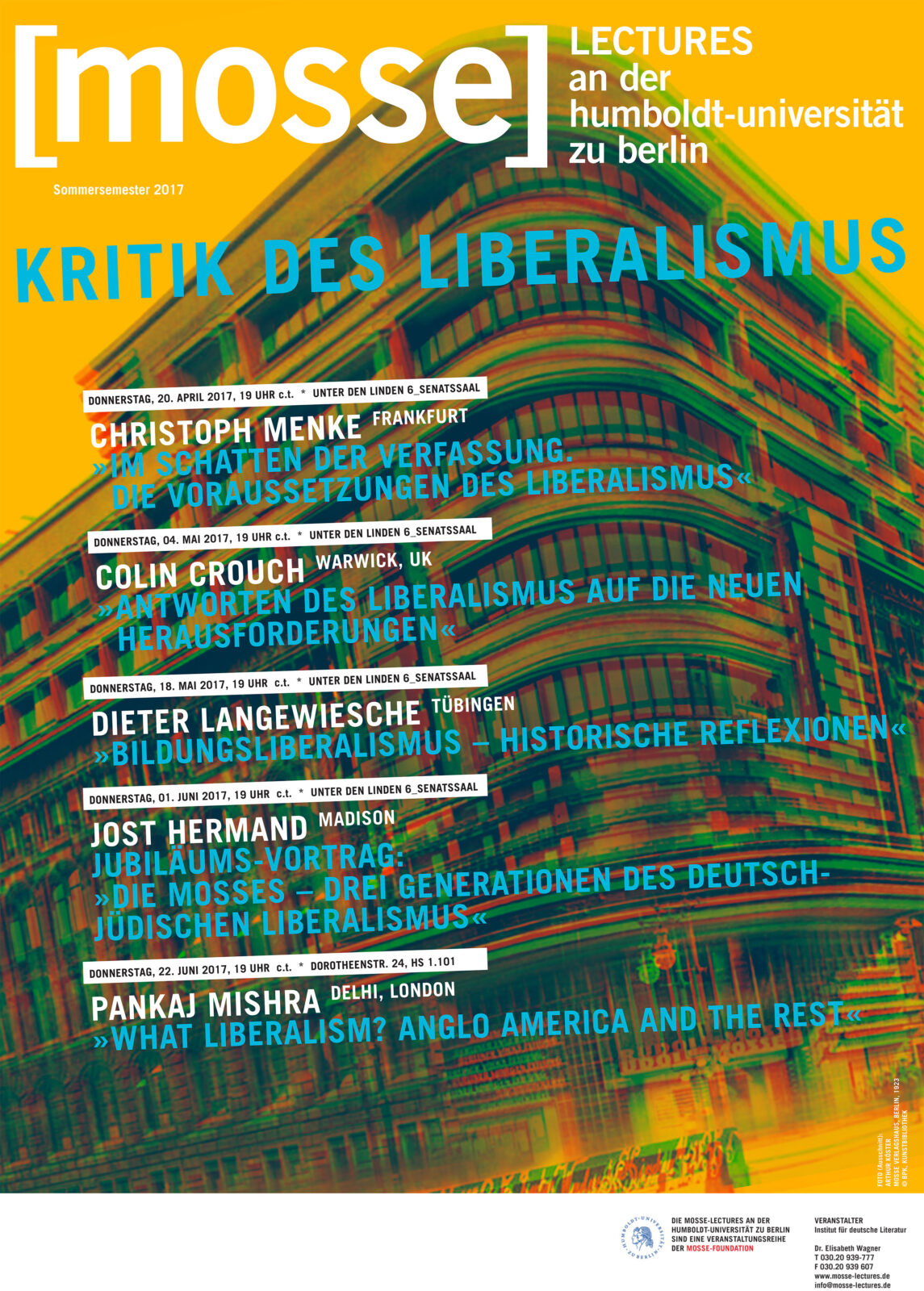
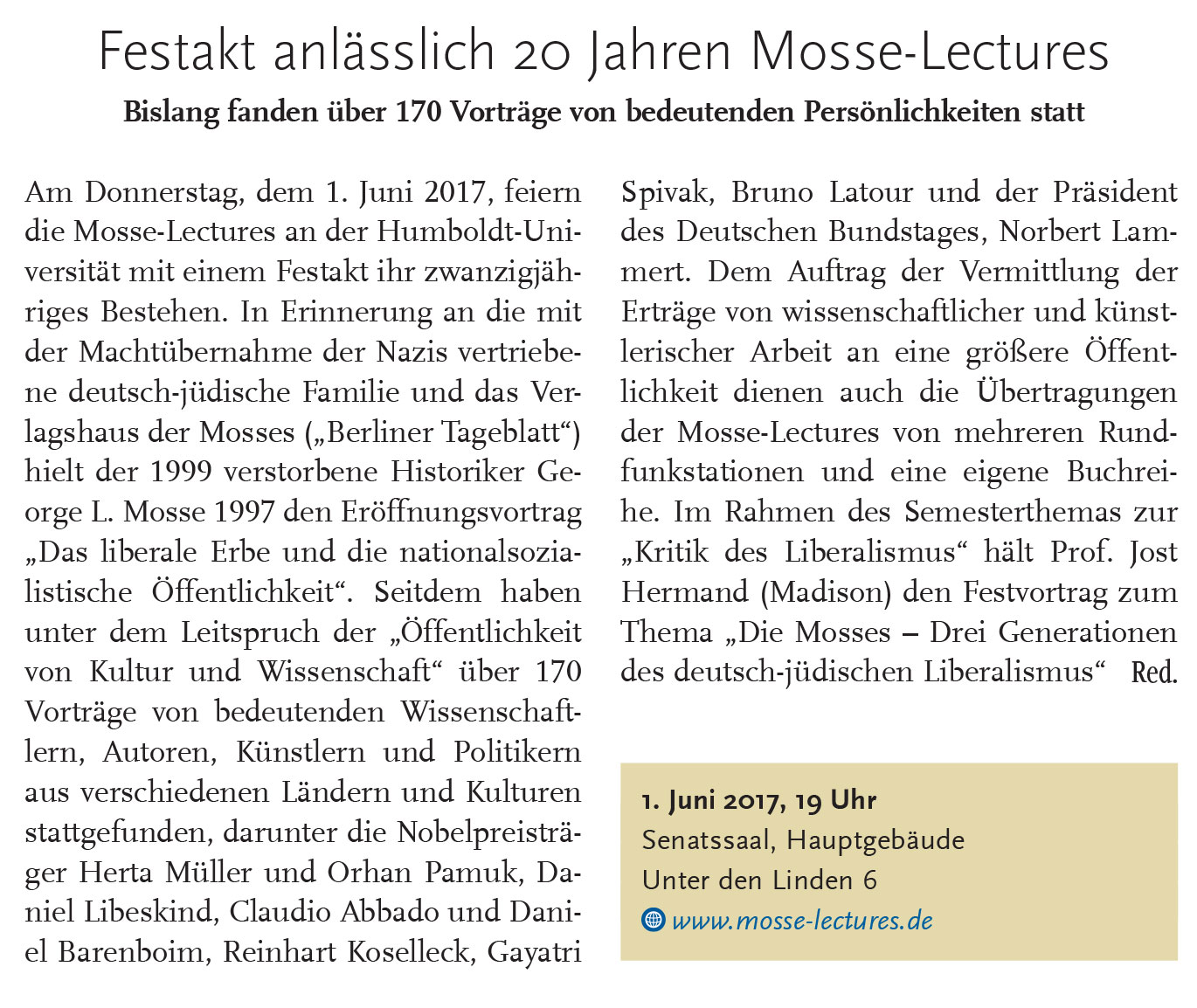
Senatssaal of Humboldt University
Unter den Linden 6
10117 Berlin
GERMANY
Sponsored by:
[mosse] LECTURES an der humboldt-universität zu berlin
The Mosse Foundation
Global Mosse Lecture Series
Institut für deutsche Literatur
Humboldt University
Welcome: Sabine Kunst (Humboldt University, President)
Introduction: Klaus Scherpe (Humboldt University
Moderator: Joseph Vogl (Humboldt University)
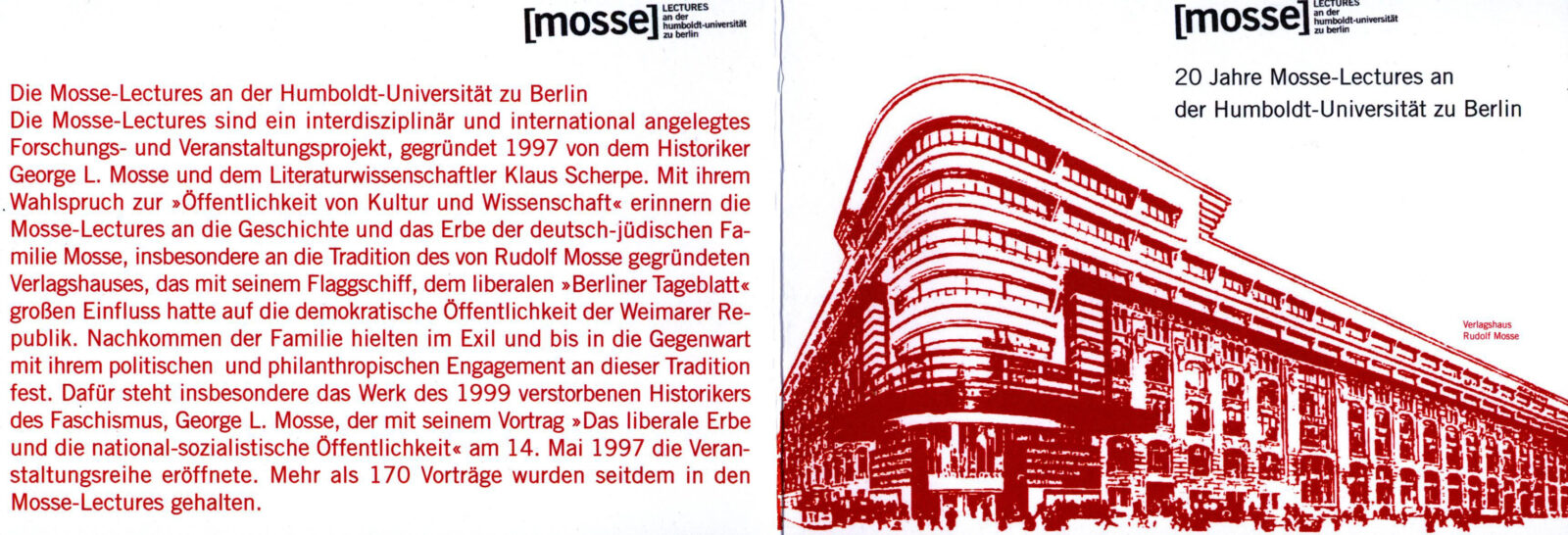
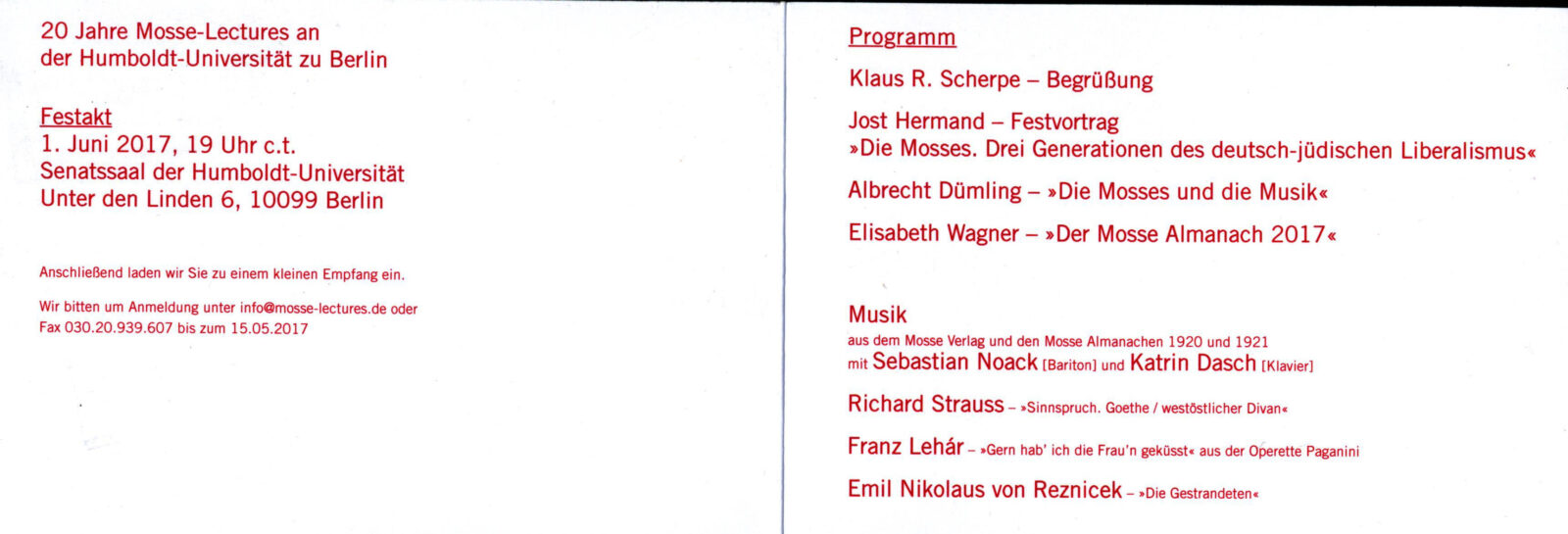
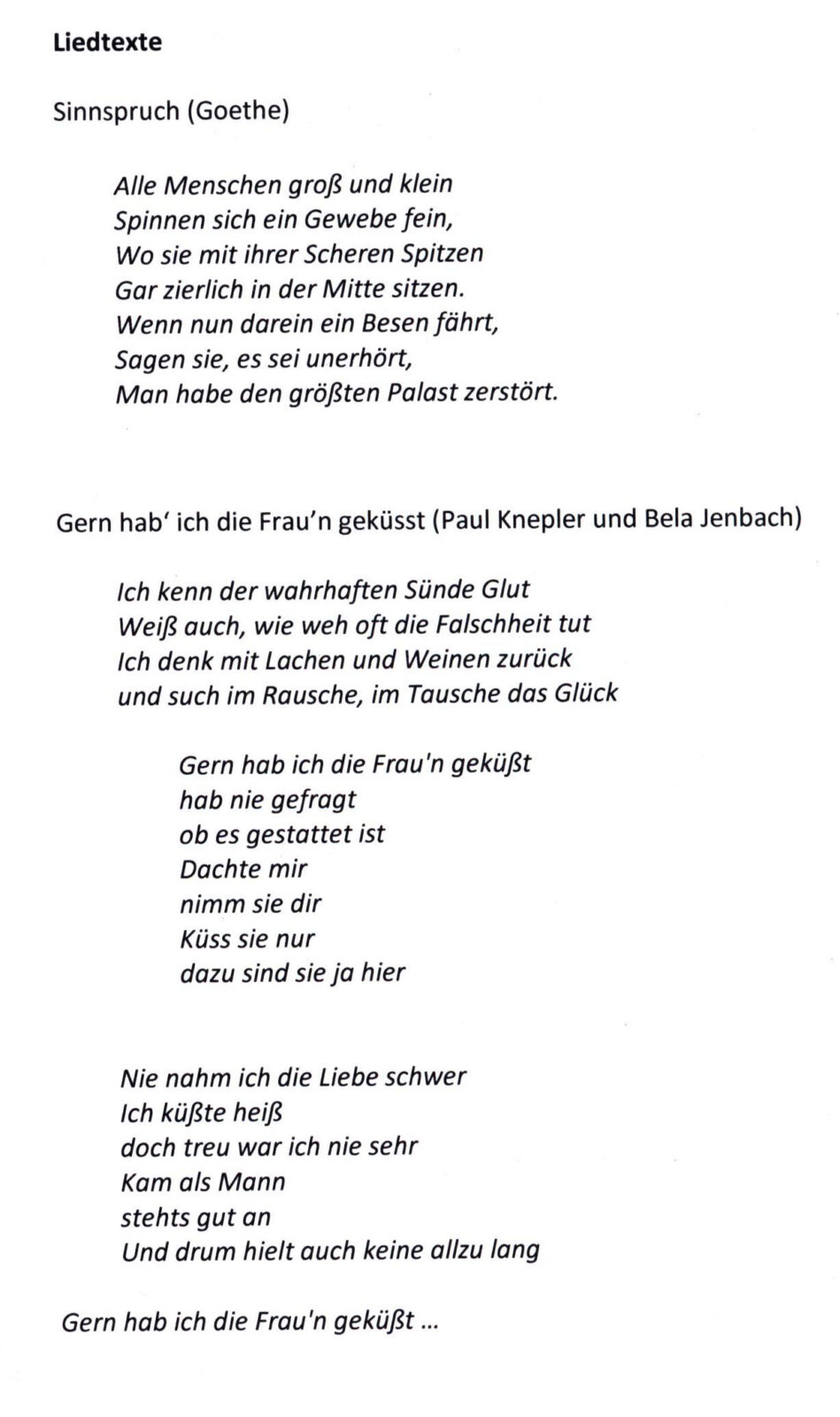
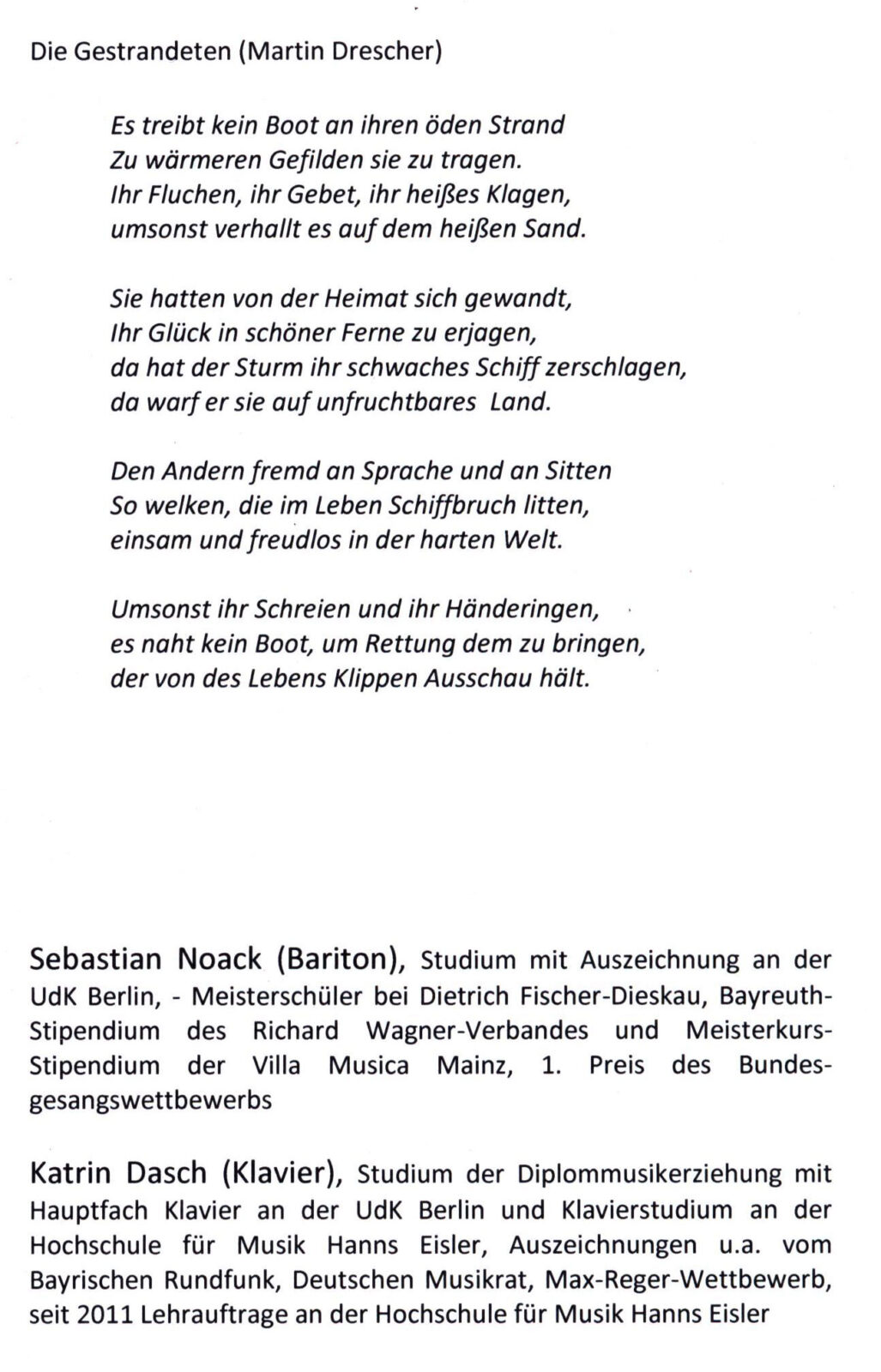
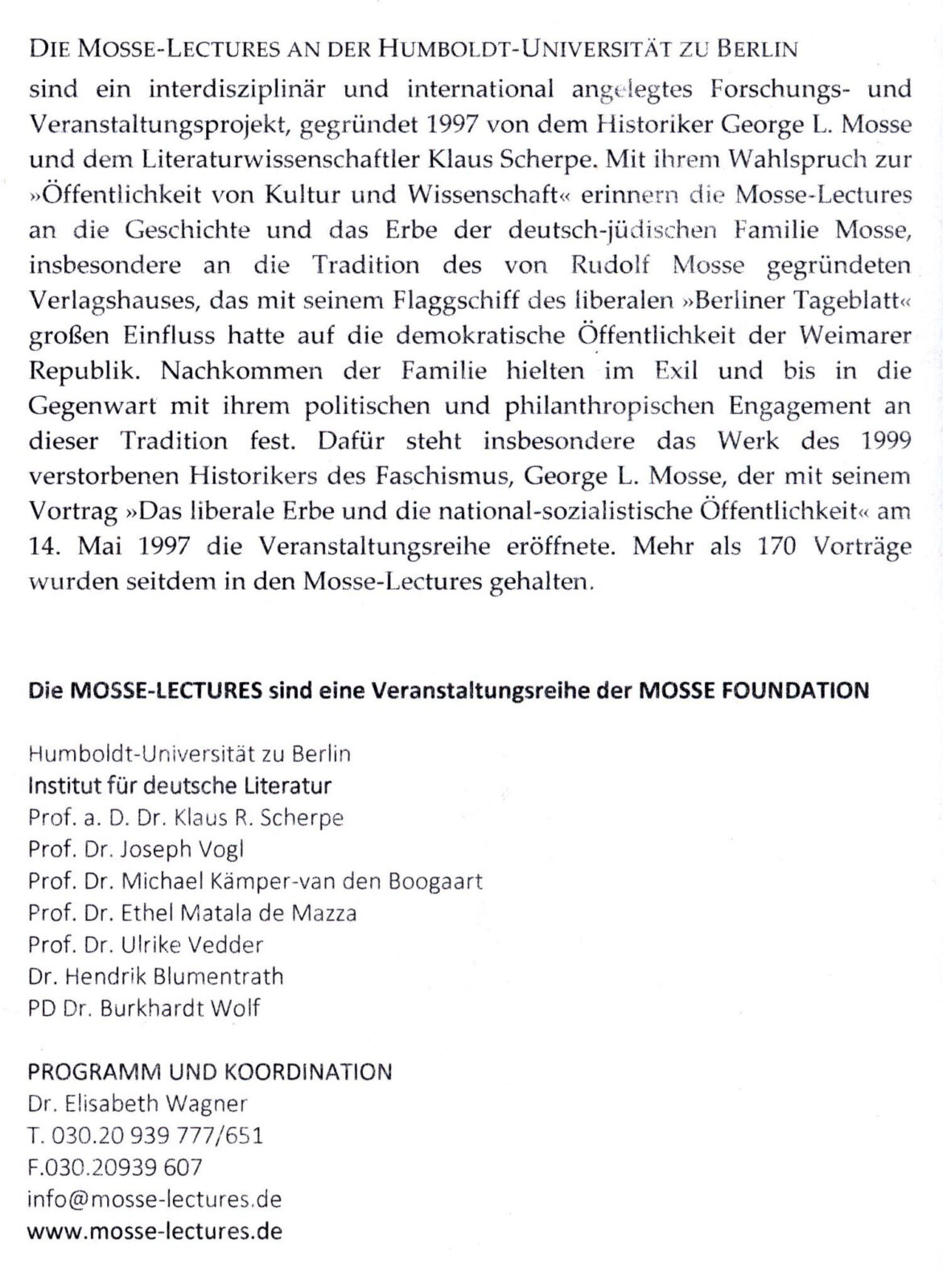
Lecture Description: Unter den aus dem Osten kommenden, nach Besitz und Bildung strebenden und sich zu Beginn des Zweiten Kaiserreichs in Berlin niederlassenden Juden zeichnete sich vor allem Rudolf Mosse durch einen bekennerischen Liberalismus aus. Als Zeitungsgründer, großzügiger Mäzen und religiöser Reformer vertrat er eine Haltung, die den damaligen Fortschrittlern und Freisinnigen entsprach. Sein Schwiegersohn Hans Lachmann-Mosse versuchte diese Tradition fortzusetzen, wurde jedoch 1933 von den Nazis aus Deutschland vertrieben. Erst seinem Sohn George L. Mosse gelang es, sich als Historiker in den USA erneut dafür einzusetzen, worin er den liberalen Trend innerhalb der deutsch-jüdischen Symbiose sah.
Lecture Series Description: The notion of liberalism recalls one of the most influential political traditions of Europe and the Western world. It captures a variety of positions, ways of thinking, mentalities, practices, and programs that hardly fit under the rubric of one single and unitary concept. Since its 18th-century origins, the concept of ‘liberalism’ assembled an enticing conglomerate of political promises: emancipation and freedom, ideas of statehood, government, and law, free trade agreements and market utopias, projects of general education, and visions of a universal humanity. The liberal idea of ‘Bildung’ was at the center of the Mosse family’s great achievements; it was also at the core of the scholarly work of the historian George L. Mosse; with this lecture series we honor their legacy.
Historically liberalism was the arena of social and political conflicts in struggle with authoritarian and restorative tendencies on the one hand and socialist movements on the other. It raised hard questions about the reciprocal relationship between freedom and equality, self-determination and social justice, private ownership and common welfare. Liberalism, as it were, had the potential and the reservoir of ideas to find solutions to these questions.
In post-war West Germany the ordo-liberals, as they were called, were still striving to find a third way between laissez faire and a planned economy. Since the neoliberal dogma emerged in the 1970s, however, this modest critique of capitalism has given way to the implementation of the financial capitalism of our days. This series of Mosse Lecture will trace the shifts in the concept of ‘liberalism’ and its economic, ecological, and gender issues, global consequences and dislocations. The question arises whether a somehow obsolete liberalism, currently enforced under the rubric of neoliberalism, can offer solutions for problems which it has no means even to articulate on a global scale.
Jost Hermand: William F. Vilas Research Professor für deutsche Literaturwissenschaft und Kulturgeschichte an University of Wisconsin, Madison, Honorarprofessor an der HU Berlin; zahlreiche Monographien zur deutschen Literaturgeschichte, zu Heinrich Heine, Bertolt Brecht, zur Kunst- und Musikgeschichte und zum Judentum in der deutschen Literatur, zuletzt: »Politische Denkbilder« [2011], »Verlorene Illusionen. Eine Geschichte des deutschen Nationalismus« [2012], »Vorbilder. Partisanenprofessoren im geteilten Deutschland« [2014], »Das liebe Geld! Eigentumsverhältnisse in der deutschen Literatur« [2015], »Grüne Klassik. Goethes Naturverständnis in Kunst und Wissenschaft« [2016].
Klaus Scherpe served as professor of modern German literature at Humboldt University Berlin starting in 1993, where he also directed the Institute for German Literature between 1996 and 1998 and co-founded the Mosse Lectures in 1997. He is the author of How German Is It, and How American? Ironic Replays in Literature (2005) and Die rekonstruierte Moderne. Studien zur deutschen Literatur nach 1945 (1992), among numerous other works. From 1973-1993 he served as professor of modern German literature at the Free University of Berlin. He has been active as a guest professor at numerous universities around the world, including in the US, Japan, Australia, and Argentina.
Elisabeth Wagner completed her PhD in Art History at the Free University of Berlin in 1997, the same year she co-founded the Mosse Lectures at Humboldt University. She is the author of Die Mosse-Frauen: Deutsch-Jüdische Lebensgeschichten (2024) and is active as a research associate at Humboldt University.
Joseph Vogl is professor of modern German literature at the Humboldt University, Berlin, a post he has held since 2006. His specialties include knowledge and literature, philosophy, media, and literary history. He was formerly a professor of history at Bauhaus University, Weimar, and of German literature at Ludwig Maximilian University, Munich. He also serves as Permanent Visiting Professor at Princeton University. He has authored, co-authored, and edited more than one hundred articles, books, chapters, and edited volumes, including Ort der Gewalt. Kafkas literarische Ethik (1990) and Das Gespenst des Kapitals (2010).
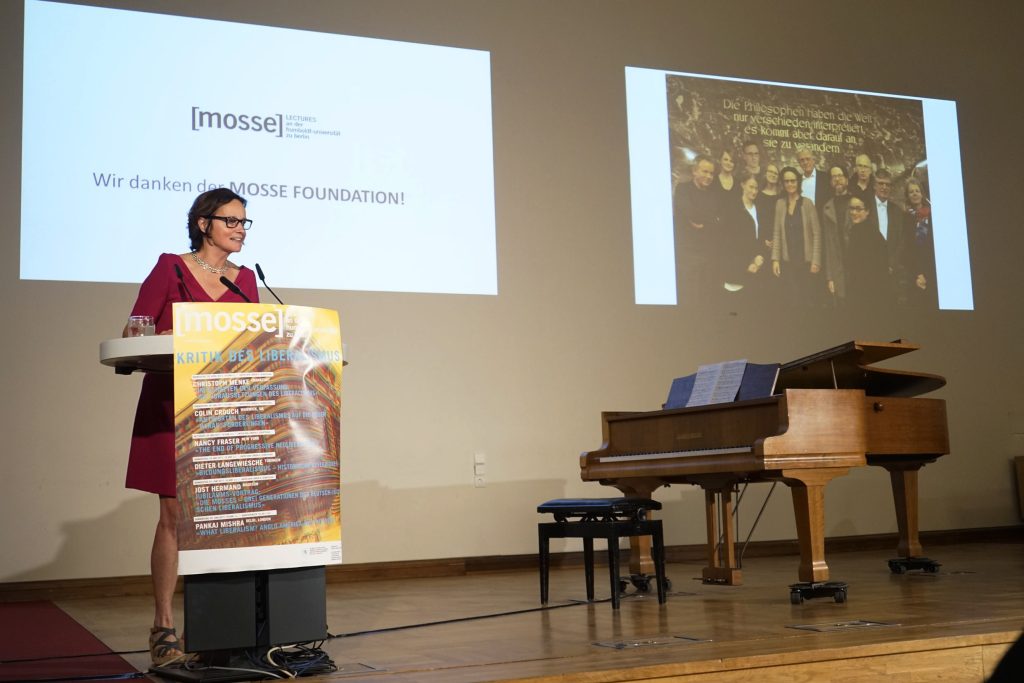
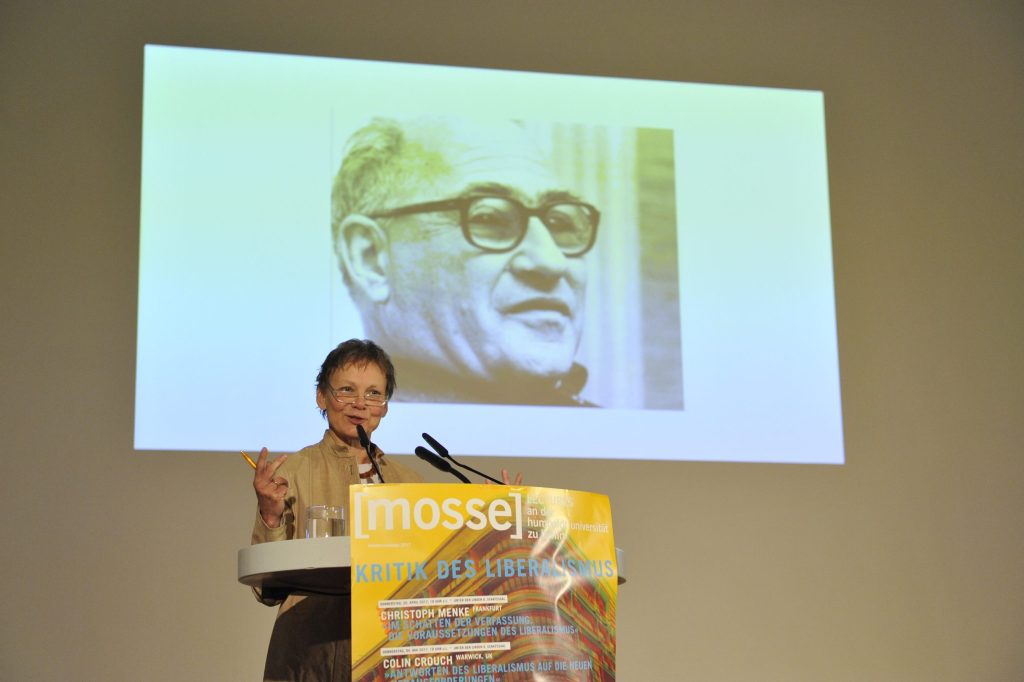
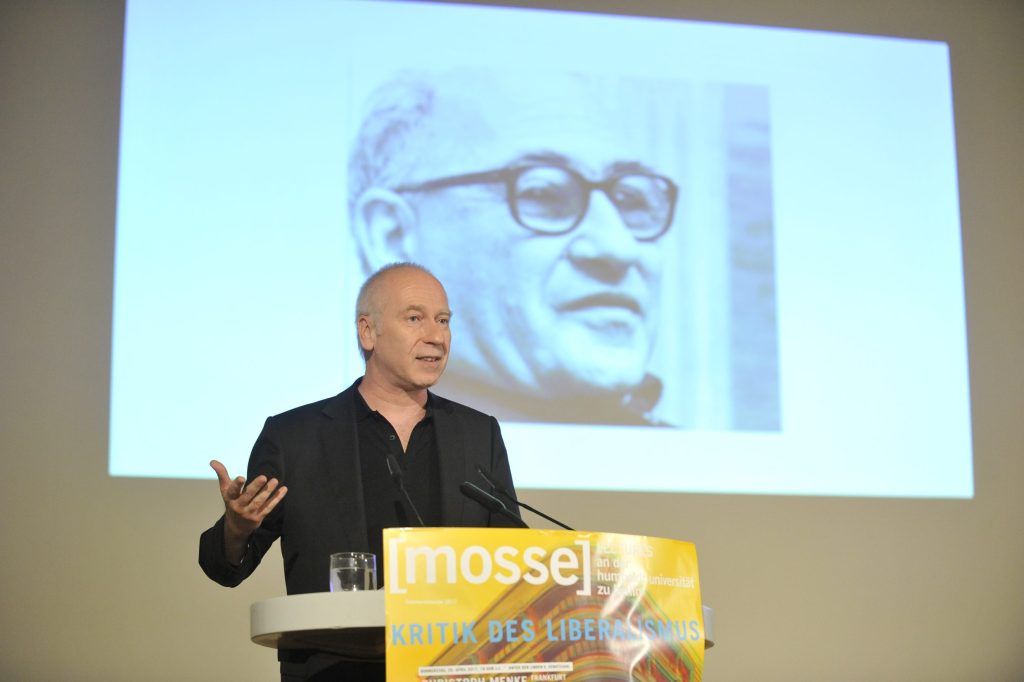
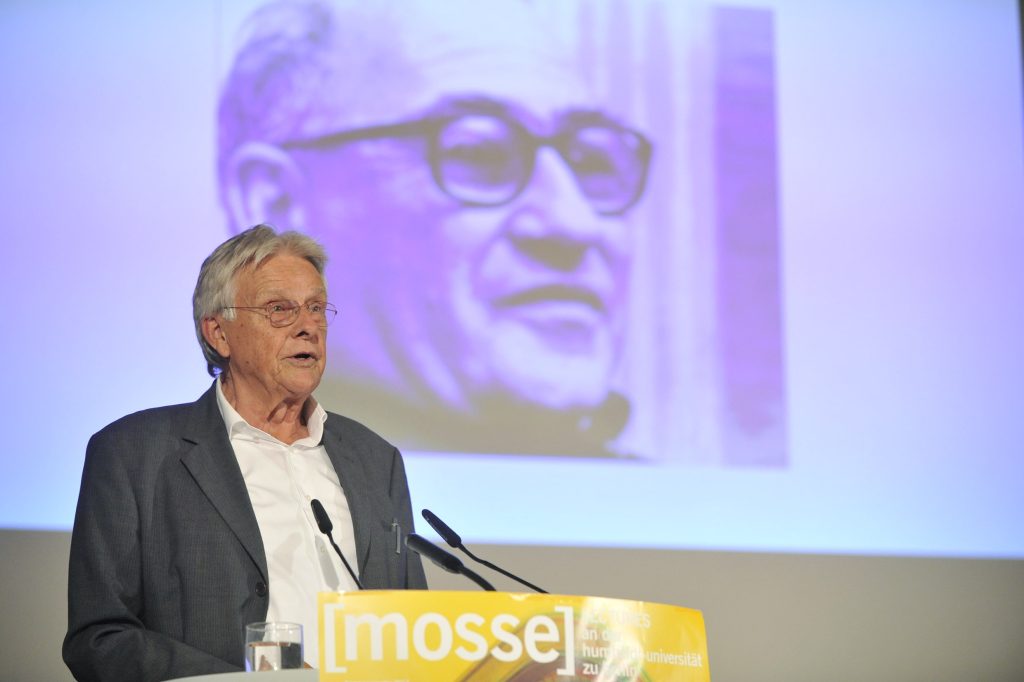
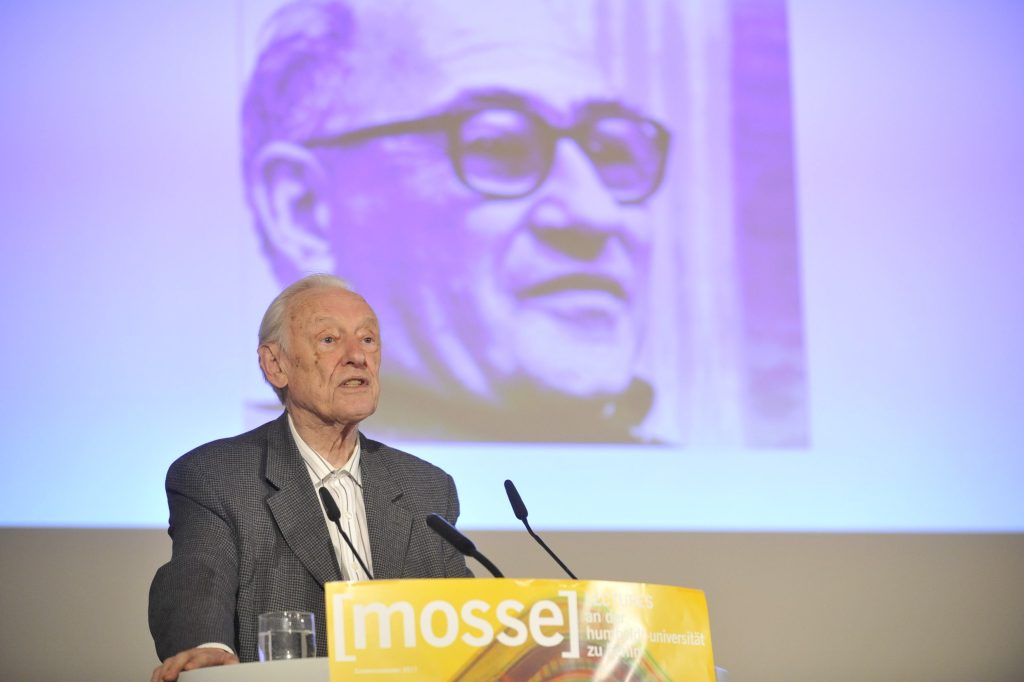
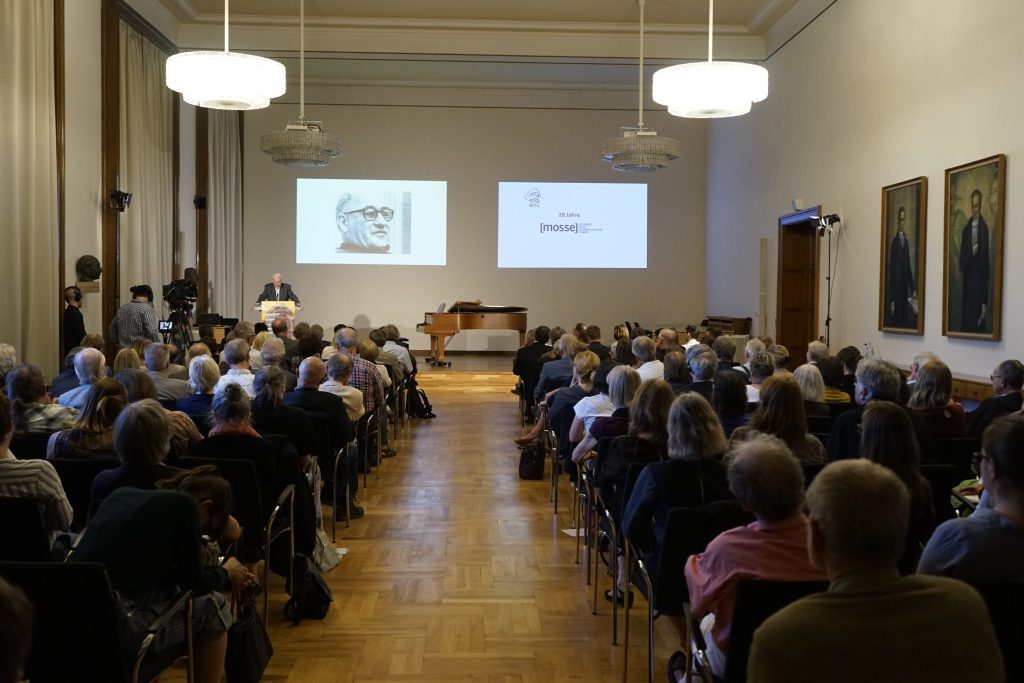
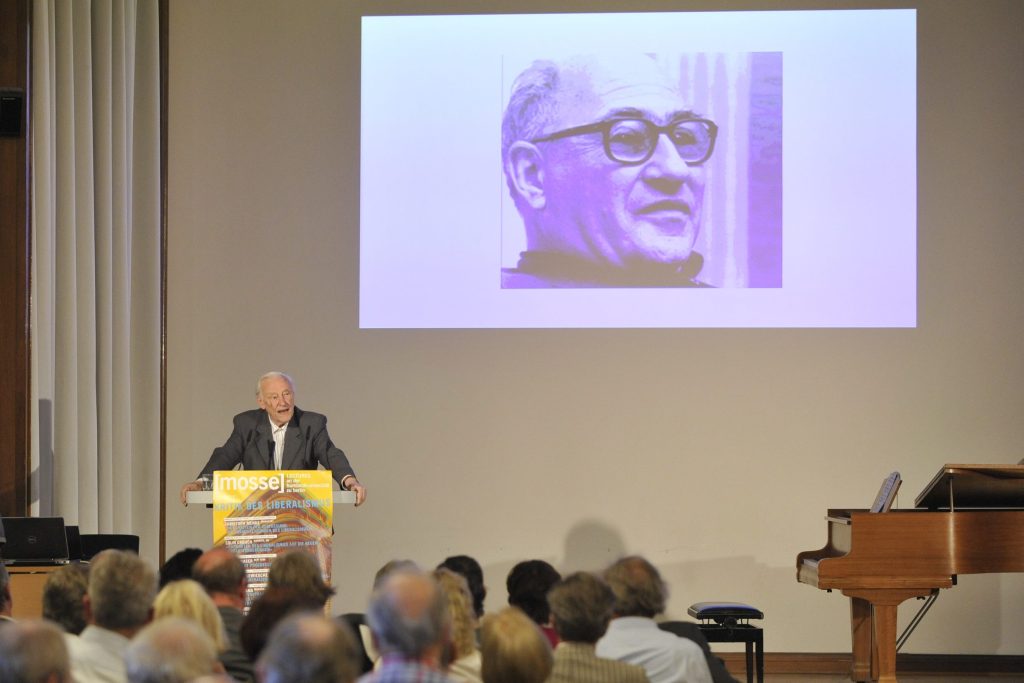
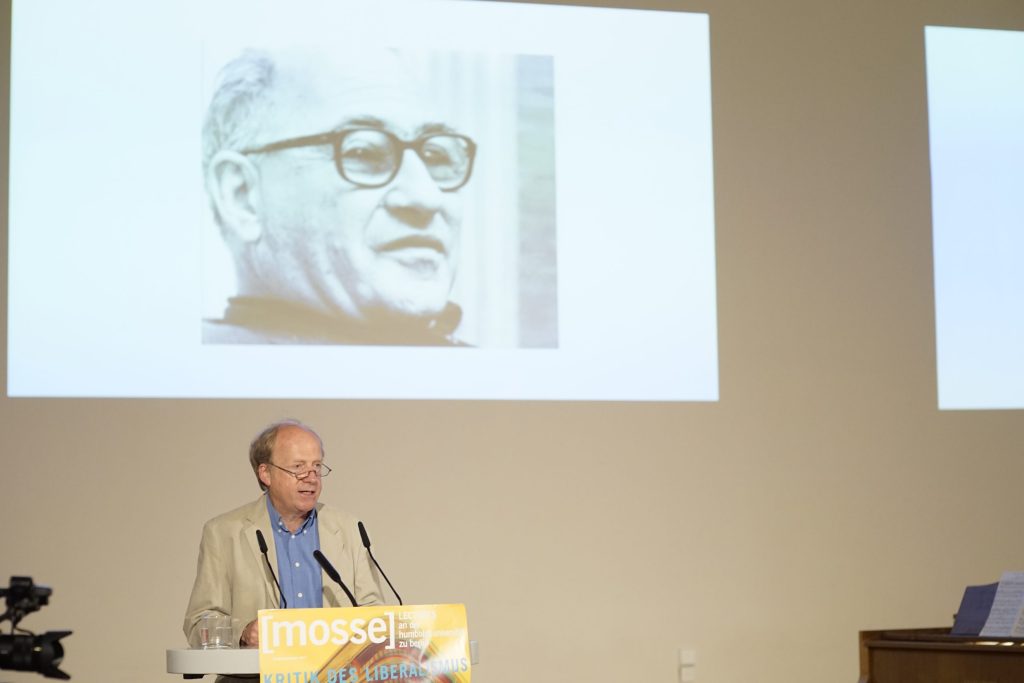
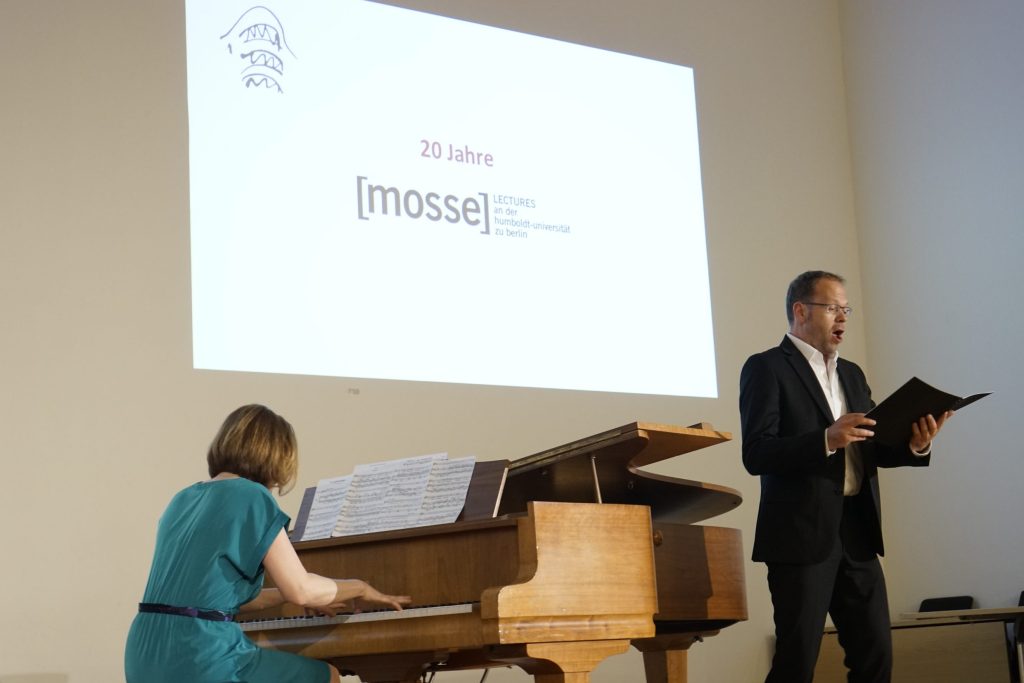
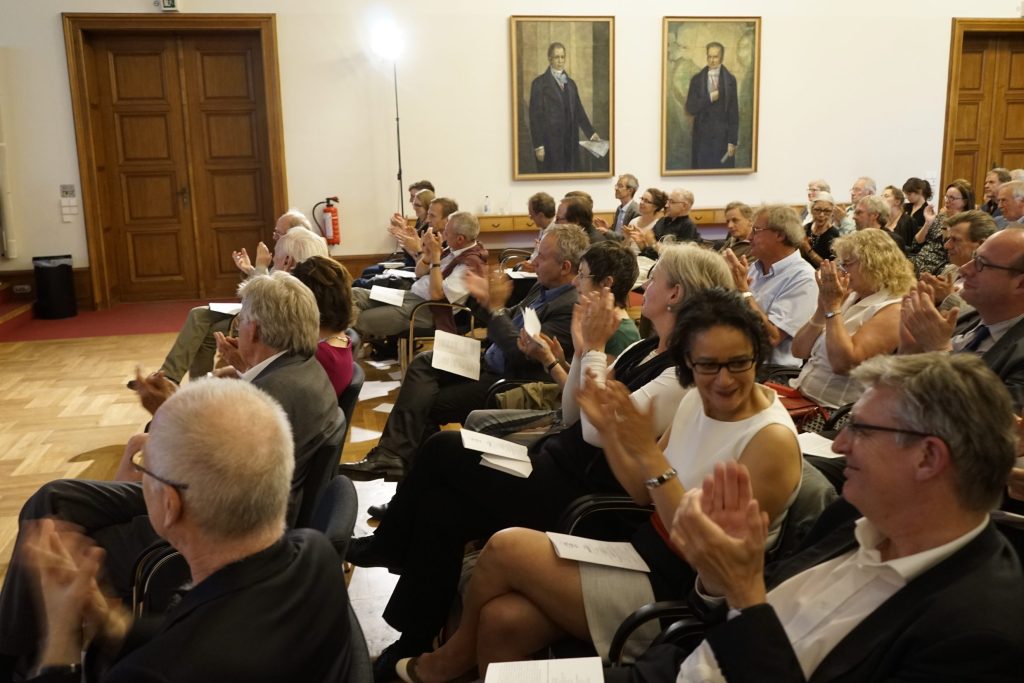
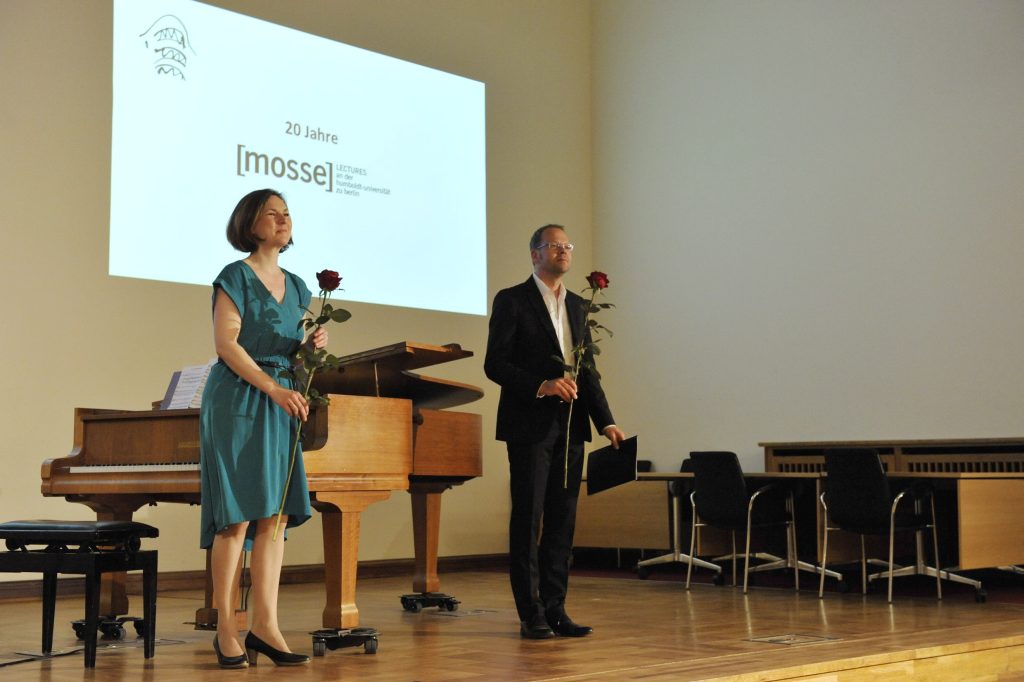
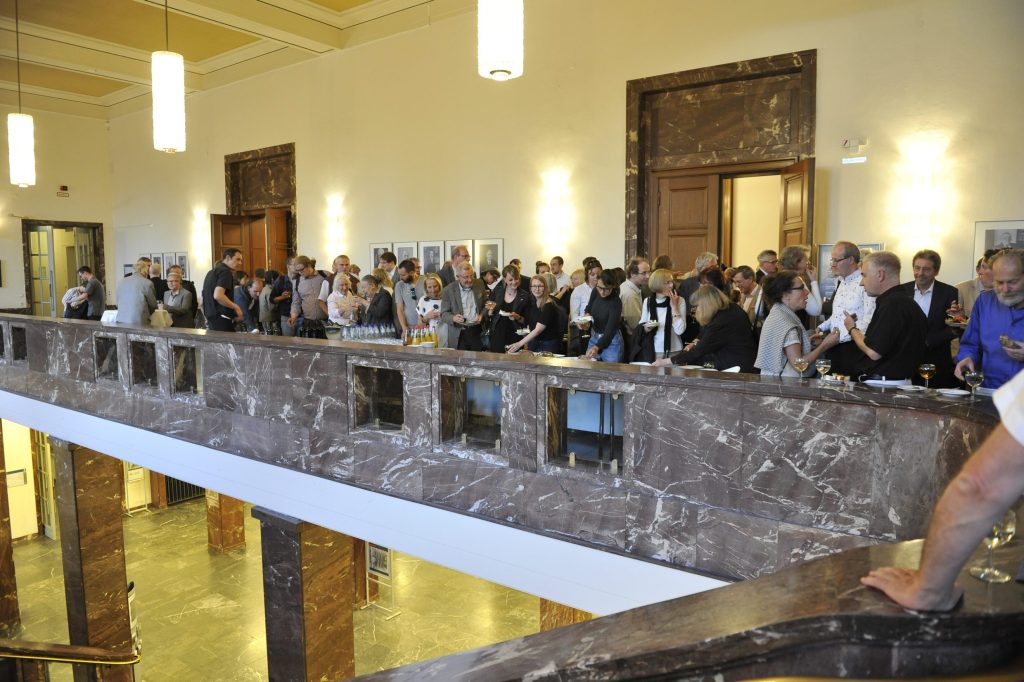
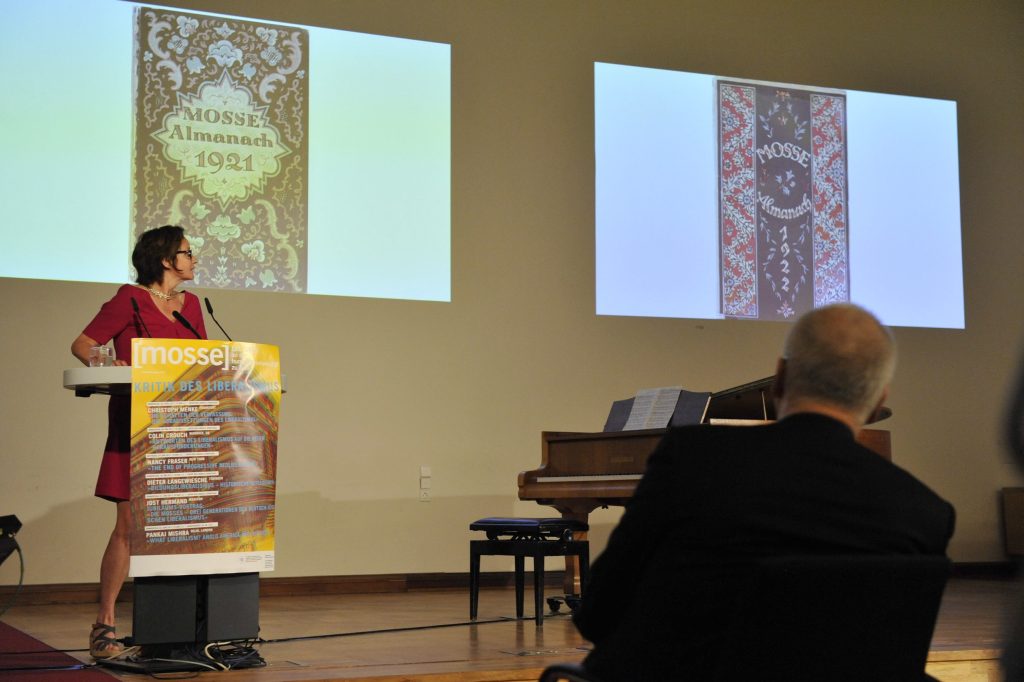
Photo credit: Niels Leiser for the Mosse Lectures
