
2018: Christoph Möllers, “Die autoritäre Revolte” / “The Authoritarian Revolt”
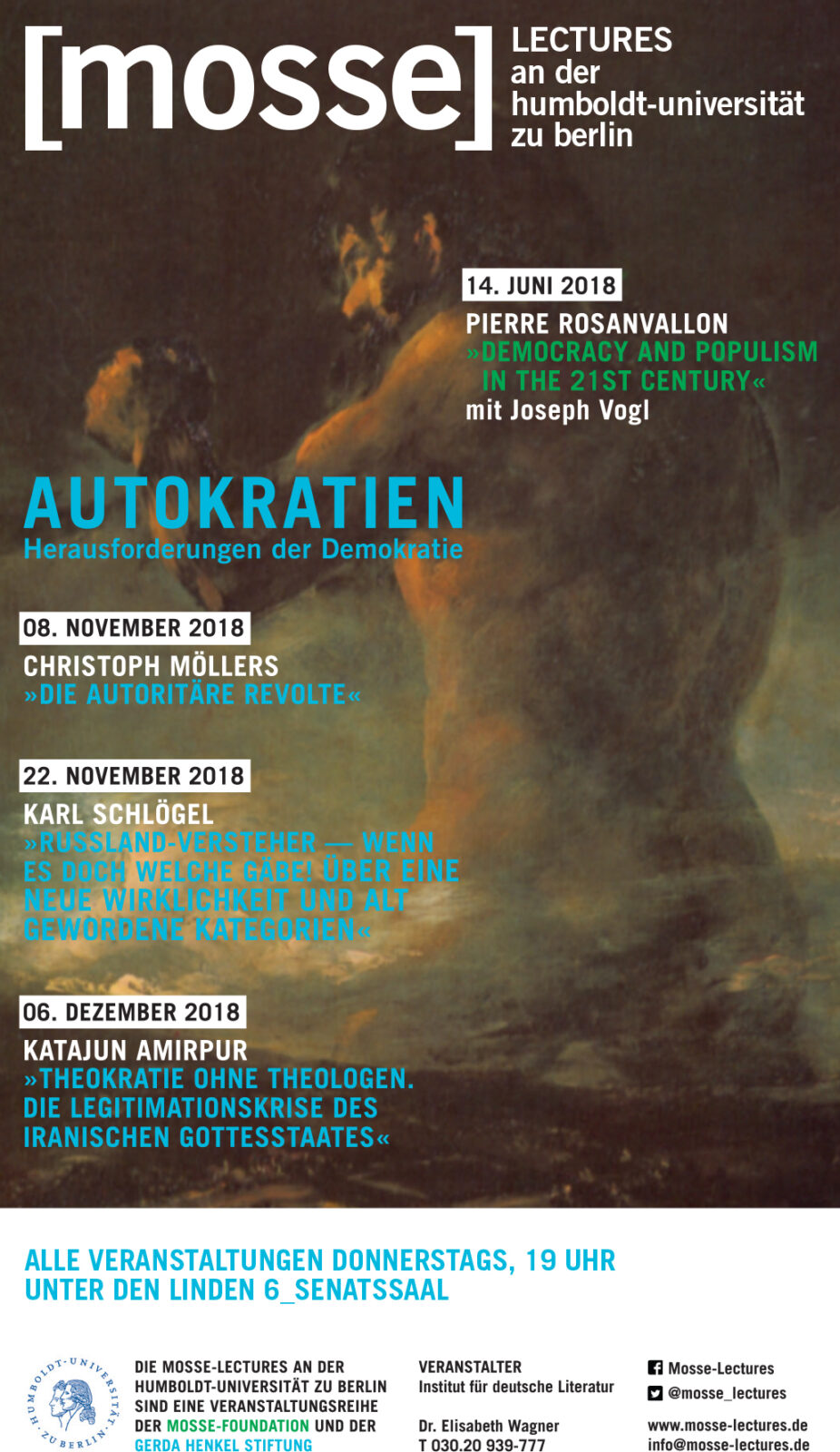
Christoph Möllers, “Die autoritäre Revolte” / “The Authoritarian Revolt”
Berlin Mosse Lecture
https://mosselectures.wisc.edu/berlin/
Thursday, 8 November 2018, 19:15 CET
Senatssaal of Humboldt University
Unter den Linden 6
1. Stock
10117 Berlin
GERMANY
Sponsored by:
[mosse] LECTURES an der humboldt-universität zu berlin
The Mosse Foundation
Global Mosse Lecture Series
Gerda Henkel Stiftung
Institut für deutsche Literatur
Humboldt University
Introduction: Michael Kämper-van den Boogaart (Humboldt University)
Respondent: Philip Manow (Universität Siegen)
Lecture Description: Während die Sozialwissenschaften nach Erklärungen für den globalen Erfolg autoritärer Bewegungen suchen, wäre es noch einmal interessant, die Geste der wissenschaftlichen Erklärung selbst in diesem Zusammenhang zu untersuchen. An ihr fällt zum Ersten auf, dass sie die antiliberale politische Mobilisierung nicht beim Wort nimmt, sondern durch etwas Anderes zu erklären pflegt, etwa durch soziale Ungleichheit oder Verlustängste. Zum Zweiten verläuft die Argumentation zumeist so, dass die Erklärungslast der Krise liberaler Institutionen auferlegt wird, nicht ihrem bisherigen Erfolg. Dabei könnte es erstaunlicher sein, dass demokratische Rechtsstaaten so lange funktioniert haben, als dass sie jetzt zu zerfallen drohen. Zum Dritten schließlich wird der politisch-performative Gehalt sozialwissenschaftlicher Erklärungsmuster gerne unterschlagen, also der Umstand, dass sich jede Erklärung der Krise auch als politische Stellungnahme in dieser deuten lässt. Diese drei Faktoren könnten im Ergebnis dazu führen, dass sozialwissenschaftliche Erklärungsversuche einer politischen Auseinandersetzung um die Zukunft liberaler Demokratien eher im Wege stehen, als sie weiterzubringen.
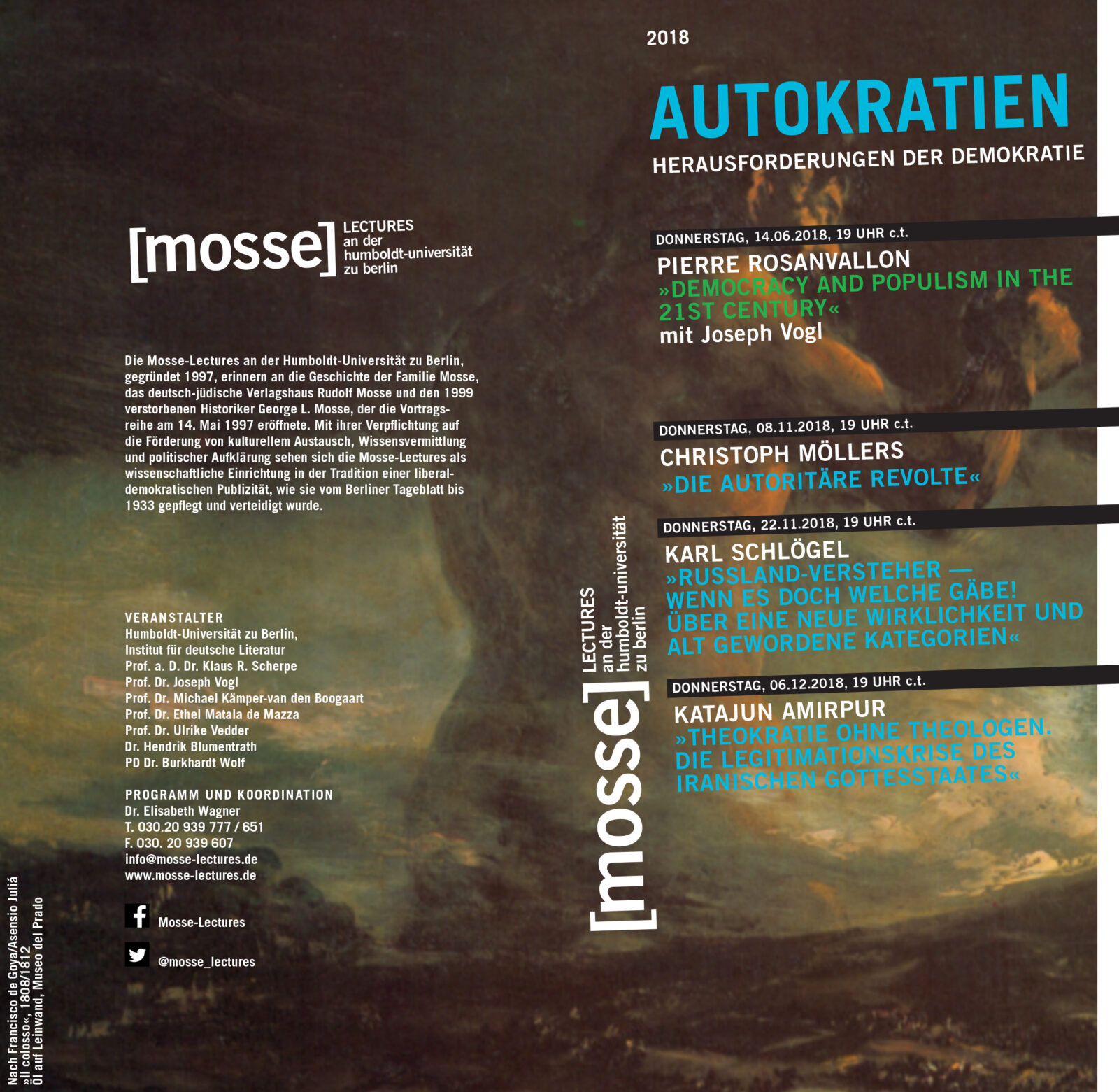
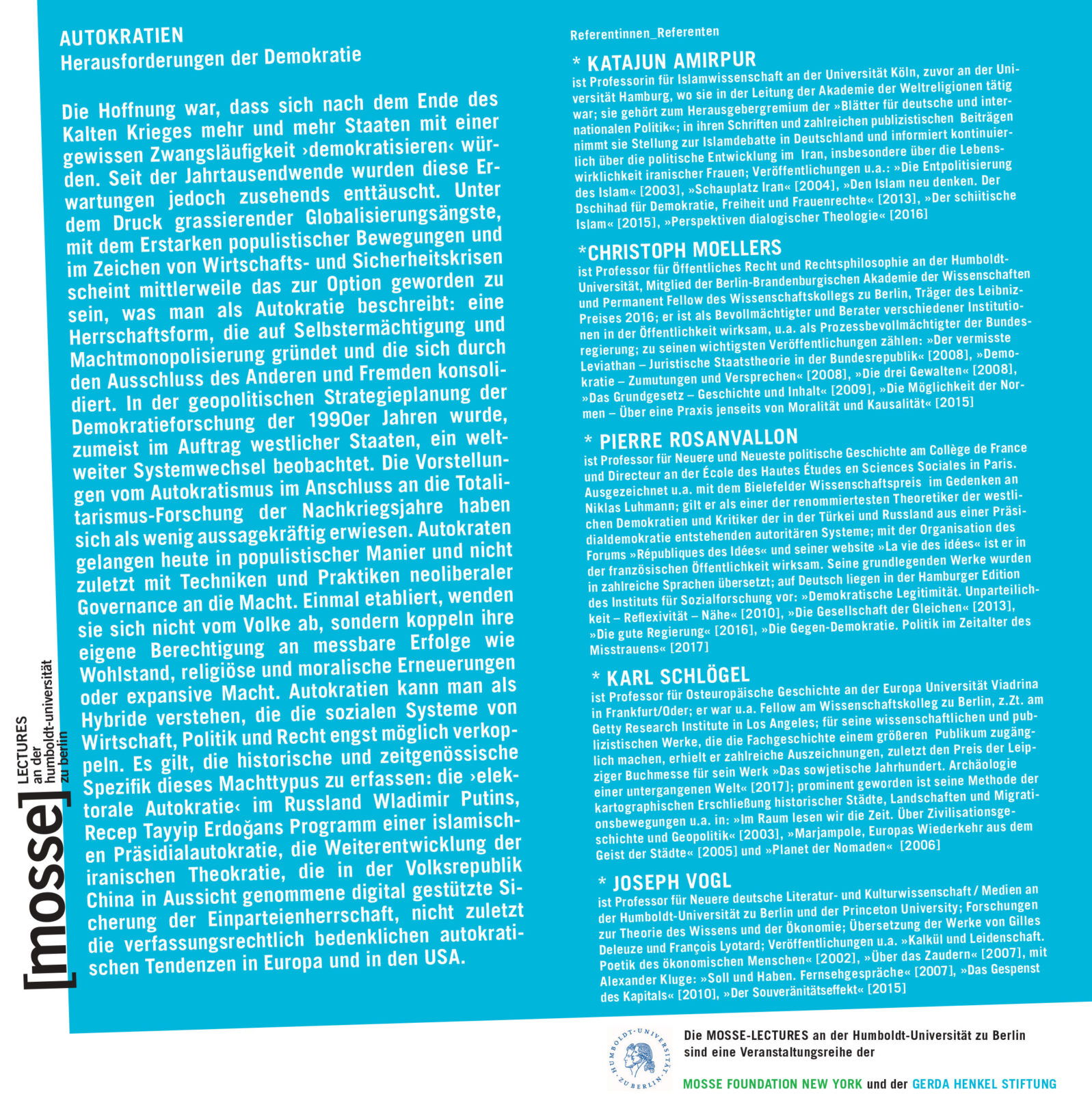
Lecture Series Description: After the end of the Cold War great hopes had been placed that necessarily more and more states would ‘democratize’, more or less. However, since the turn of the century these expectations were disenchanted rapidly. Under the pressure of widely spread fears of globalization, the growing influence of populist movements, and marked by economic and security risks, autocracy has become a political option: a form of government based on self-empowerment, monopolization, and strengthening itself by excluding the ‘others’. In the 1990ies, in its geopolitical strategies, the research of democracy, mandated mostly by western states, was convinced that a worldwide change of system could be observed. In this context conceptions of autocracy leading back to the studies on totalitarianism of the postwar period were largely misleading. In our days autocrats gain power in the manner of populism, and last but not least, executing techniques and practices of neoliberal governance. Once in power they pretend to serve ‘the people’, gaining authority with promises of prosperity, religious and moral renewal, forceful expansion. Autocracies can best be understood as hybrid forms of executing power, brusquely interweaving the social systems of economy, politics and law. In this series of the Mosse-Lectures the principal task will be to identify, historically and presently, the specifics of this type of power: the ‘electorate autocracy’ in Vladimir Putin’s Russia, Recep Erdogan’s conception of an Islamic presidential autocracy, the progression of Iran’s theocracy, the digitally supported backup of the one-parts-rule projected in China, not to forget the autocratic tendencies in Europe and the United States, questionable in terms of constitutional law.
Christoph Möllers: Christoph Möllers ist Professor für Öffentliches Recht und Rechtsphilosophie an der Humboldt-Universität zu Berlin, Träger des Leibniz-Preises 2016; er ist als Bevollmächtigter und Berater verschiedener Institutionen in der Öffentlichkeit wirksam; zu seinen wichtigsten Veröffentlichungen zählen: «Der vermisste Leviathan – Juristische Staatstheorie in der Bundesrepublik« (2008), »Demokratie – Zumutungen und Versprechen« (2008), »Die drei Gewalten« (2008), »Das Grundgesetz – Geschichte und Inhalt« (2009), »Die Möglichkeit der Normen – Über eine Praxis jenseits von Moralität und Kausalität« (2015).
Philip Manow ist Professor für Politikwissenschaften der Universität Bremen. 2018 erscheint sein Buch »Die politische Ökonomie des Populismus«.
Philip Manow is Professor of Comparative Political Economy at the Universität Siegen. He is interested in a wide range of topics across the humanities and the social sciences. His main research areas include the role of the welfare state in the political economy of advanced industrialized countries, political symbolism, modern parliamentarism, electoral systems, and the theory of democracy. In his research, he deals with extensive data sets and complex statistical methods. Philip was elected to the Social Science Class of the Berlin-Brandenburg Academy of Sciences and invited to the Center of Excellence at the University of Konstanz, Cultural Foundations of Integration (2017/2018). From 2014 to 2015, he was a Fellow at the Wissenschaftskolleg zu Berlin.
Michael Kämper-van den Boogaart studied German and history, and taught at several schools before earning his PhD in 1990 from the University of Hamburg. In 2002, he was named professor of education and modern German literature at Humboldt University, Berlin, where, in 2011, he was elected vice president for Education and Teaching. He retired in 2023. He specializes in German language pedagogy, the history of education, and the history of 20th-century German literature. His many publications include Ästhetik des Scheiterns. Studien zu Erzähltexten von Botho Strauß, Jürgen Theobaldy, Uwe Timm u.a. (1992) and Thomas Mann für die Schule. Volk und Wissen (2001).
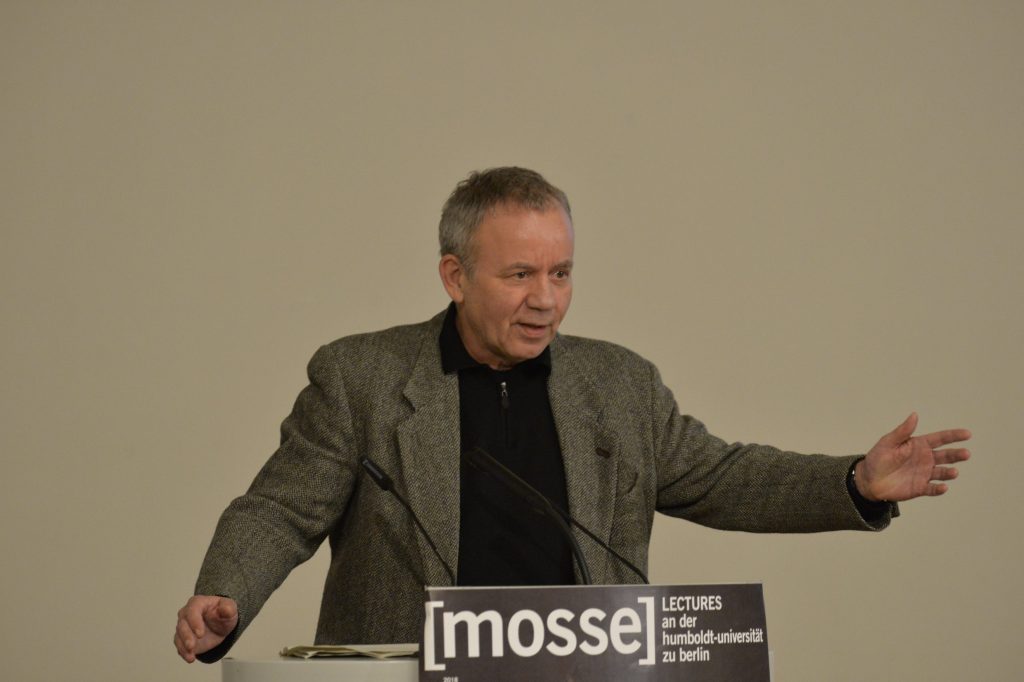
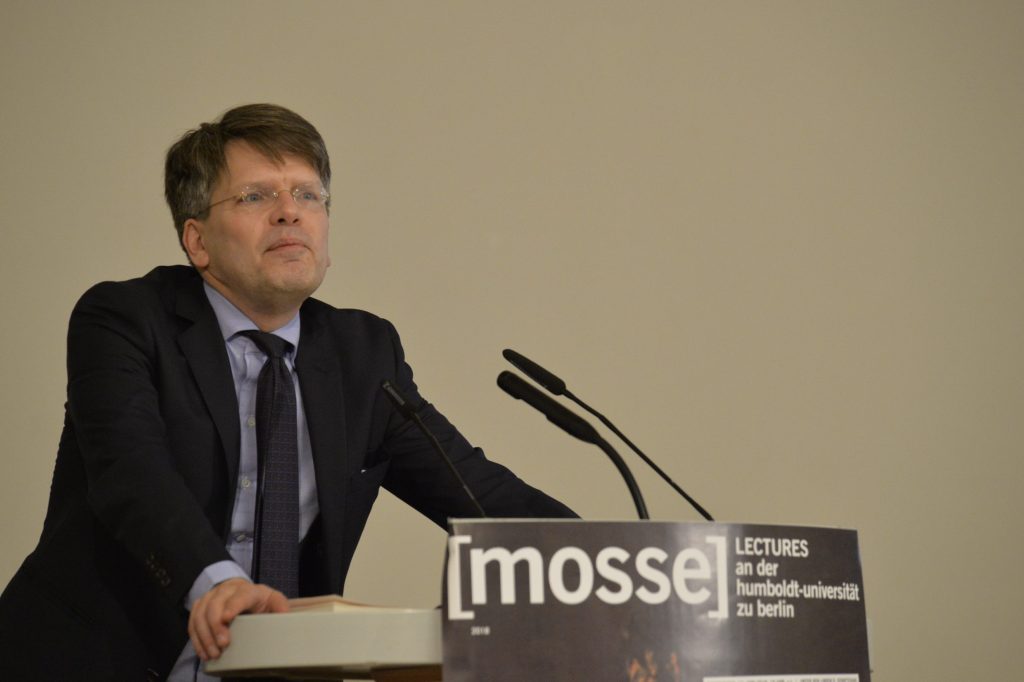
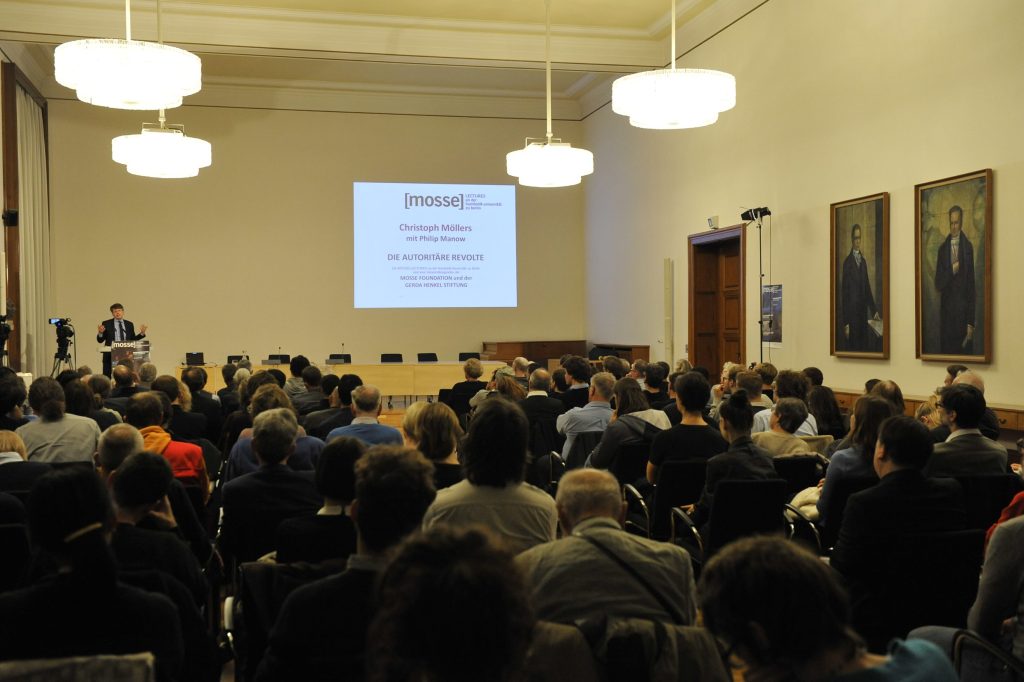
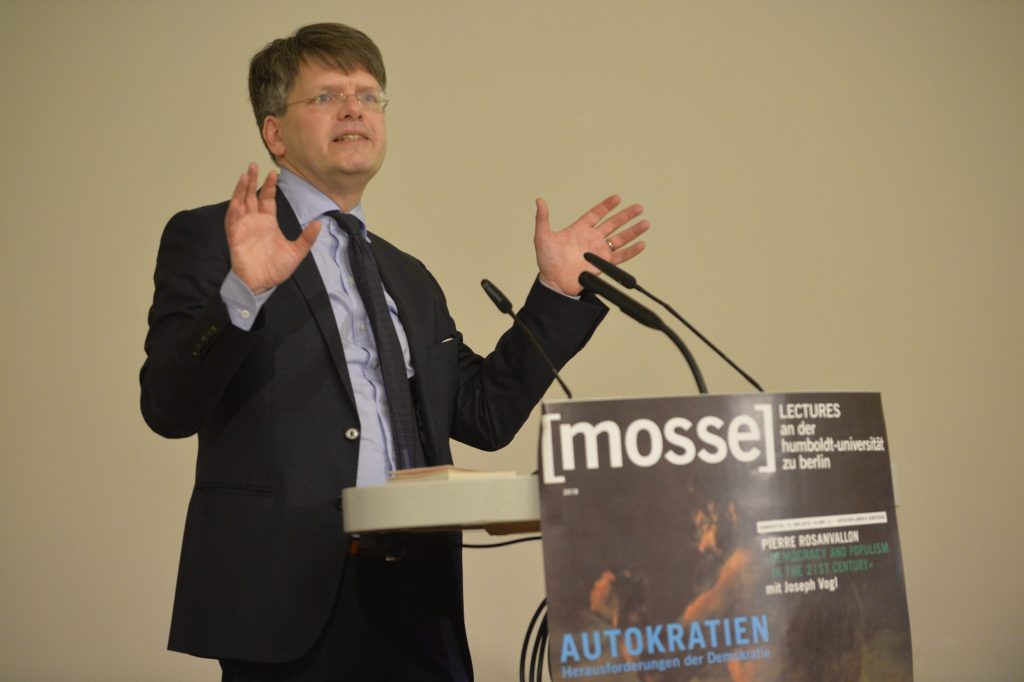
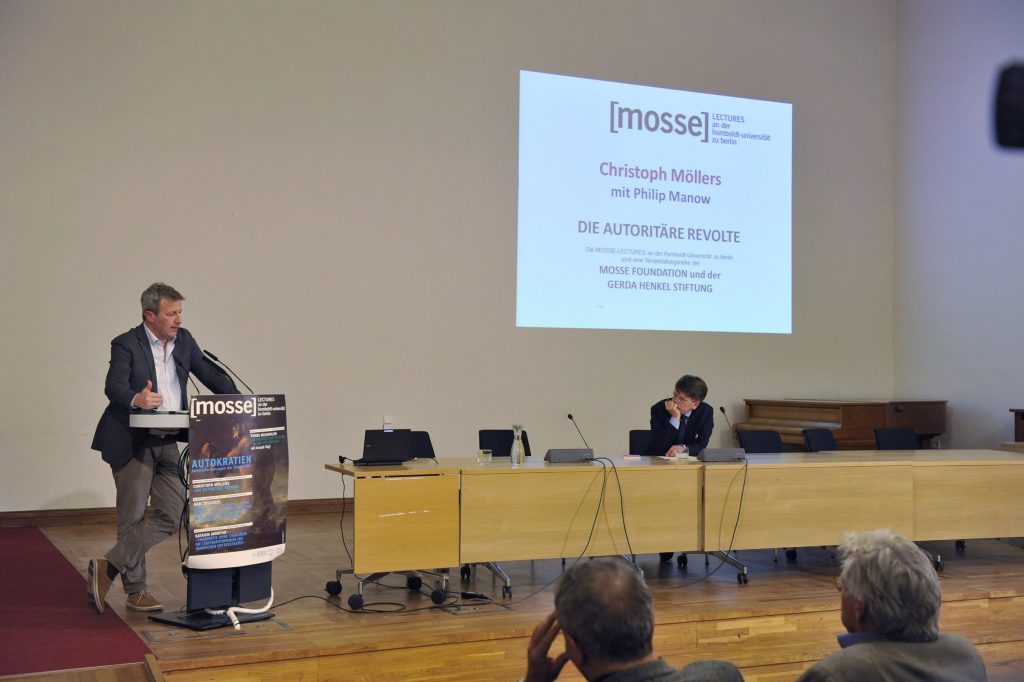
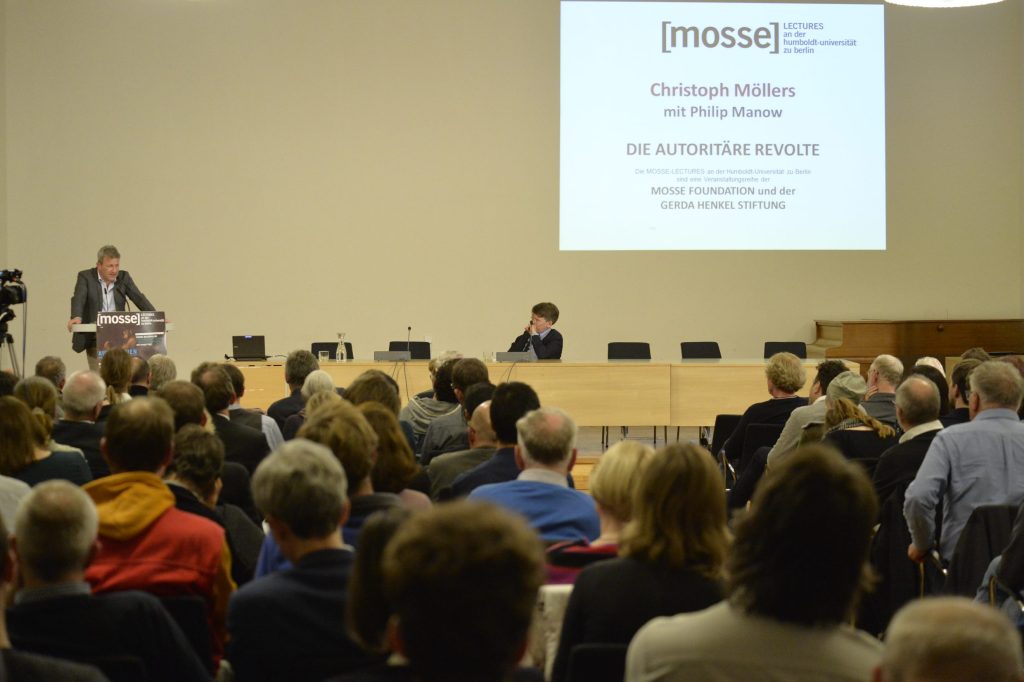
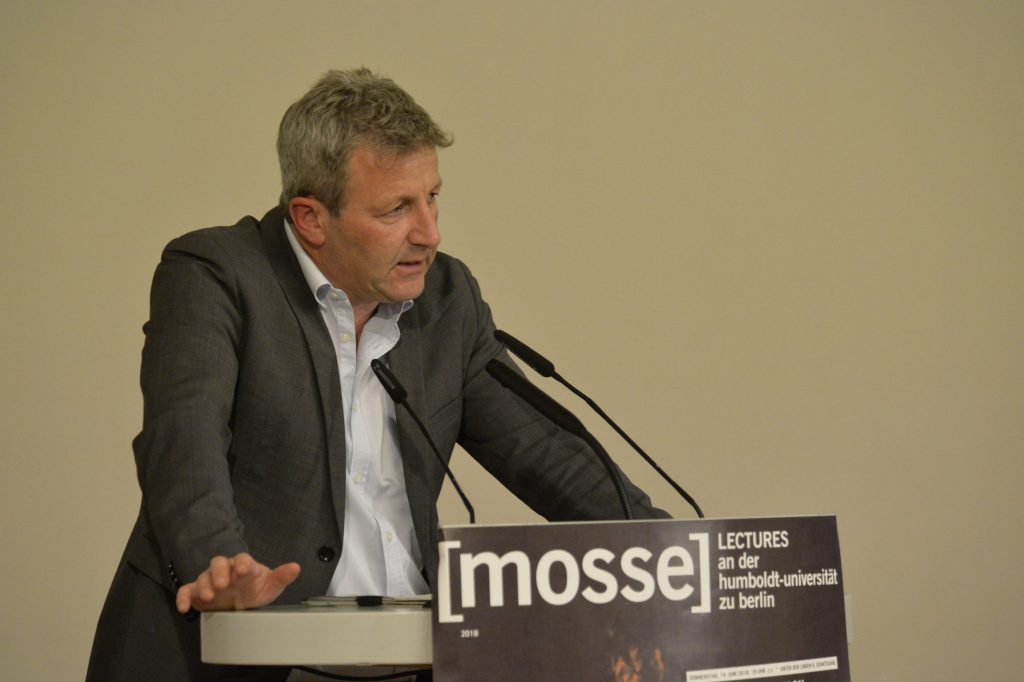
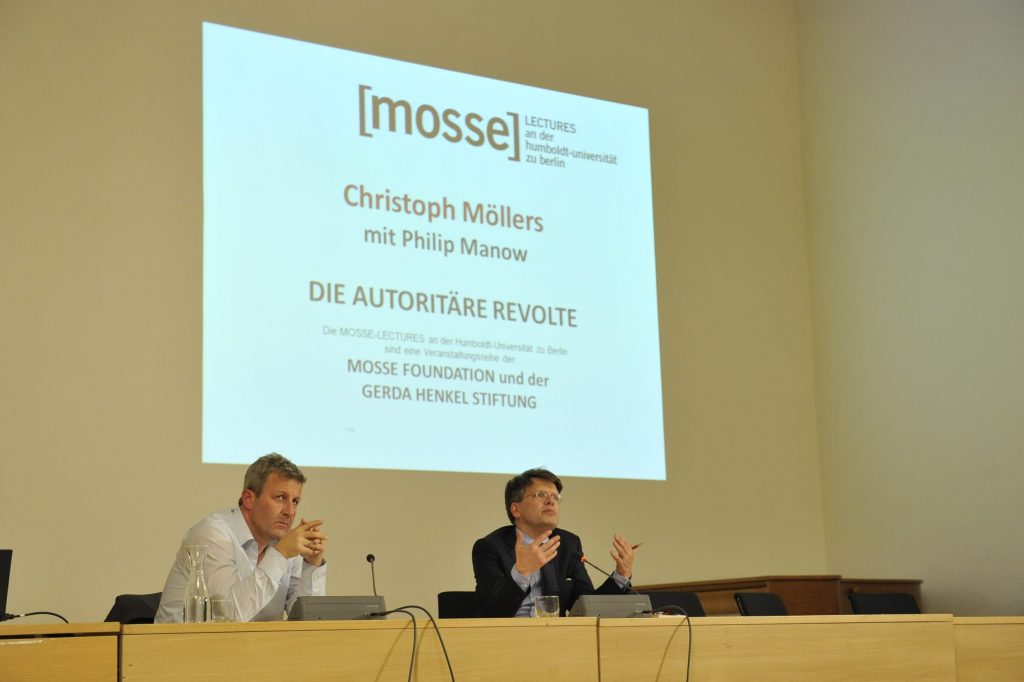
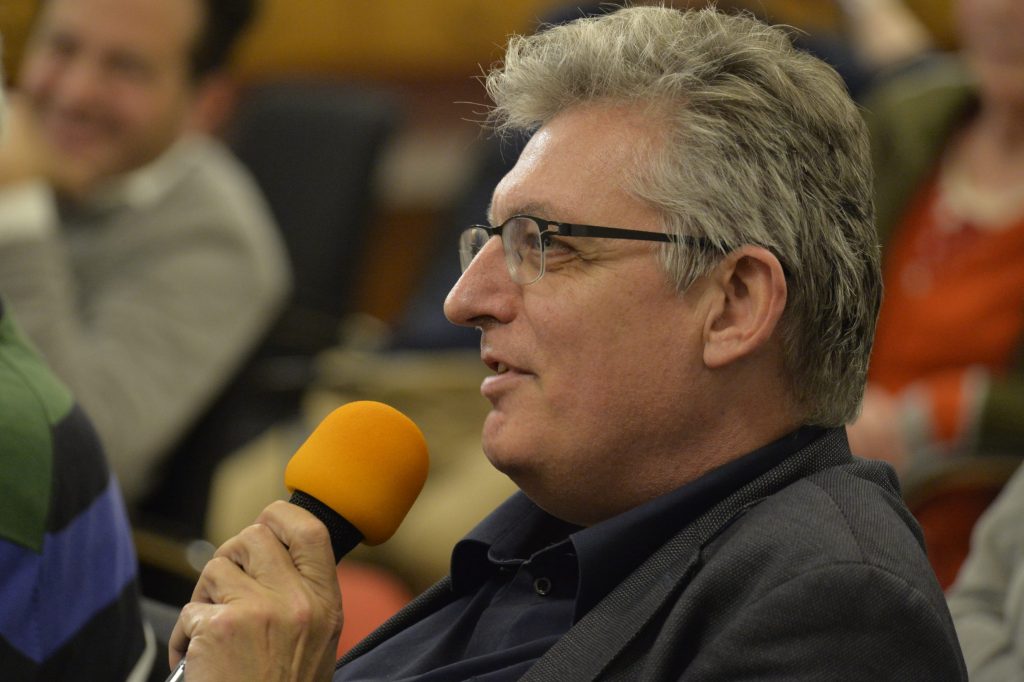
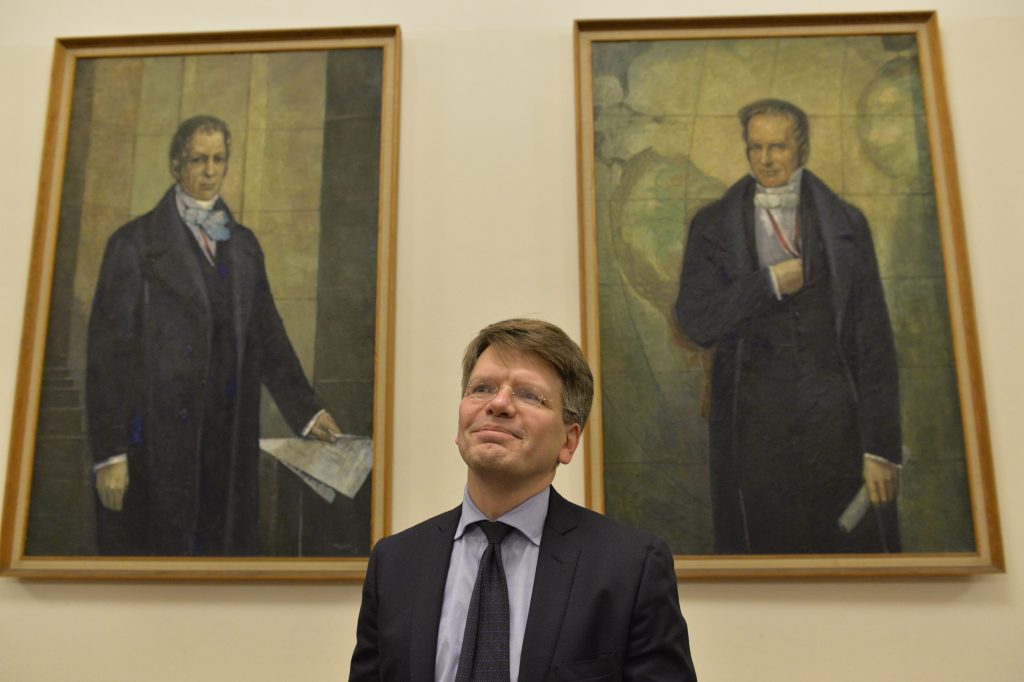
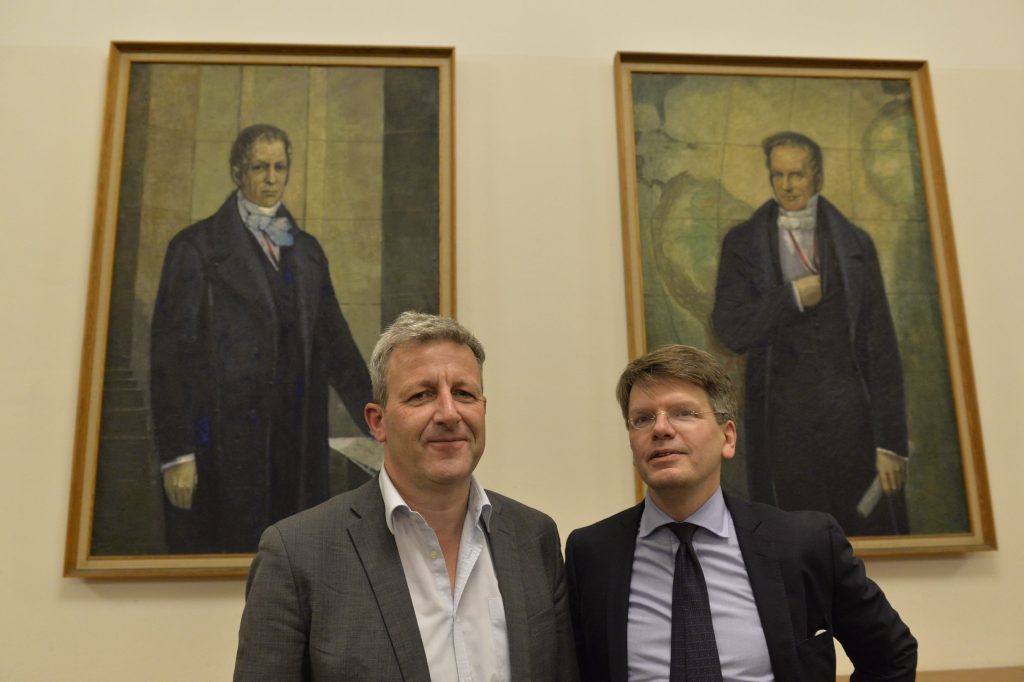
Photo credit: Niels Leiser for the Mosse Lectures
