
2018: Katajun Amirpur, “Theokratie ohne Theologen. Die Legitimationskrise des iranischen Gottesstaates” / “Theocracy without Theologians: The Legitimacy Crisis of the Iranian Theocracy”
Katajun Amirpur, “Theokratie ohne Theologen. Die Legitimationskrise des iranischen Gottesstaates” / “Theocracy without Theologians: The Legitimacy Crisis of the Iranian Theocracy”
Berlin Mosse Lecture
https://mosselectures.wisc.edu/berlin/
Thursday, 6 December 2018, 19:15 CET
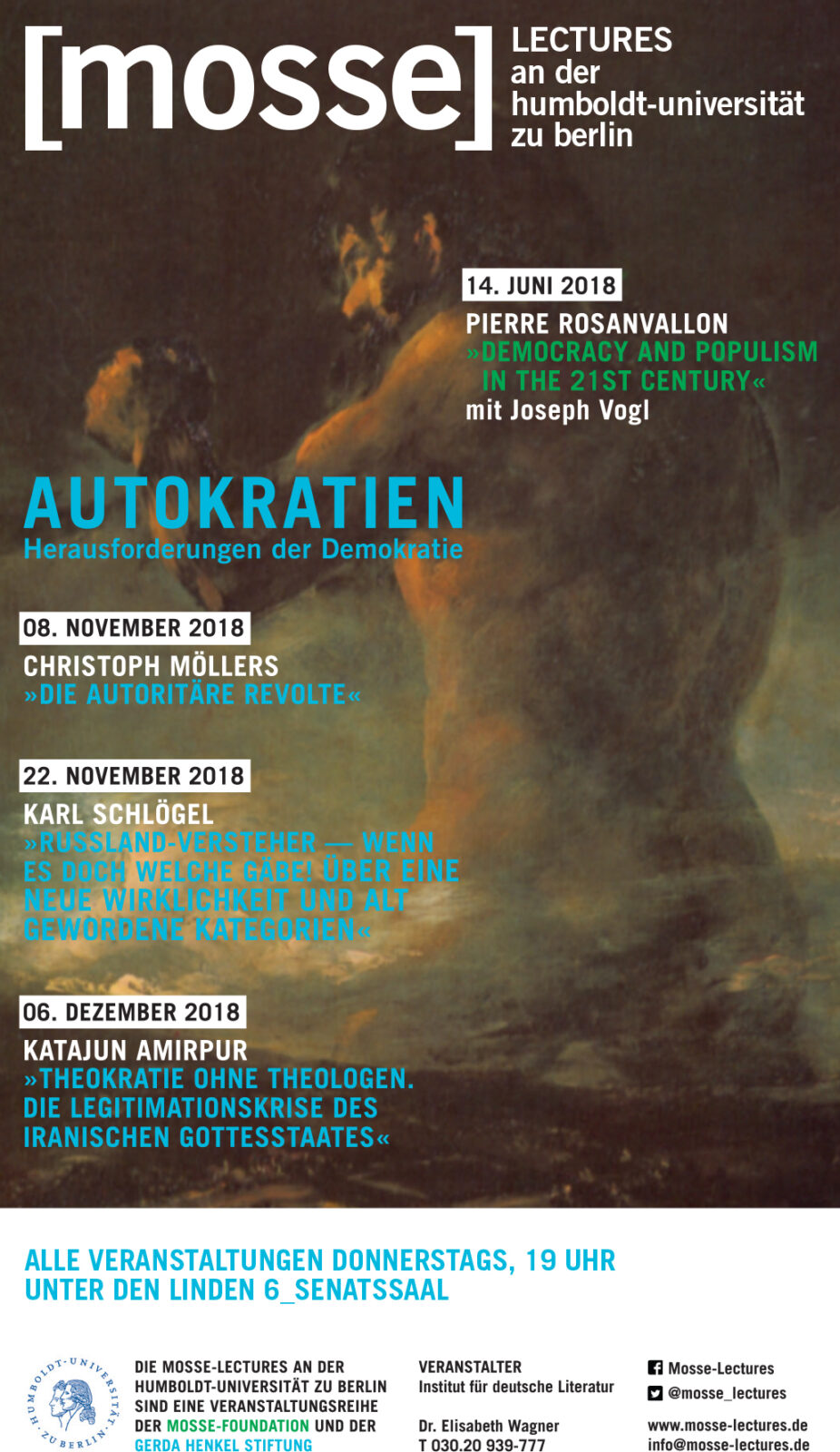
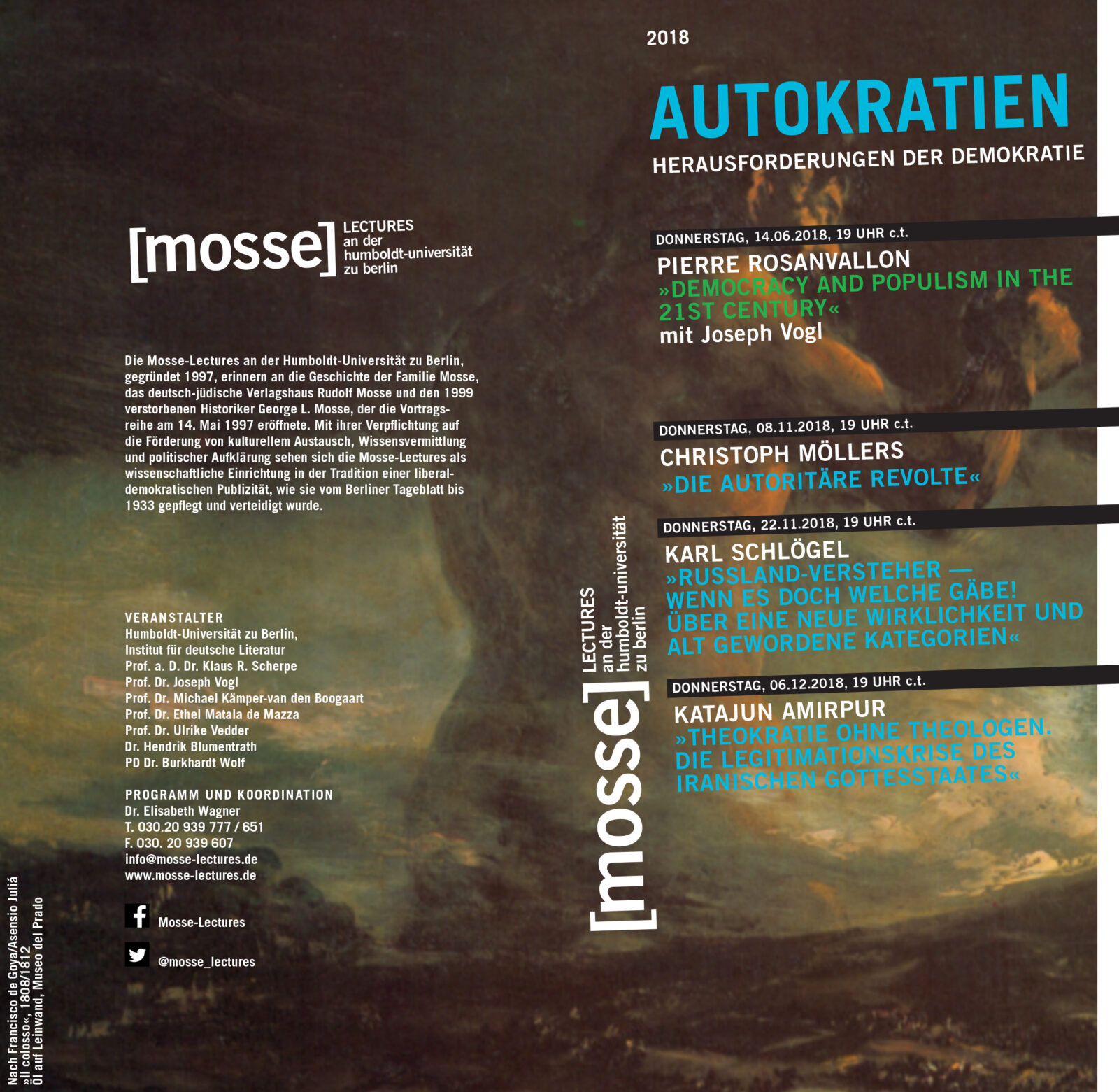
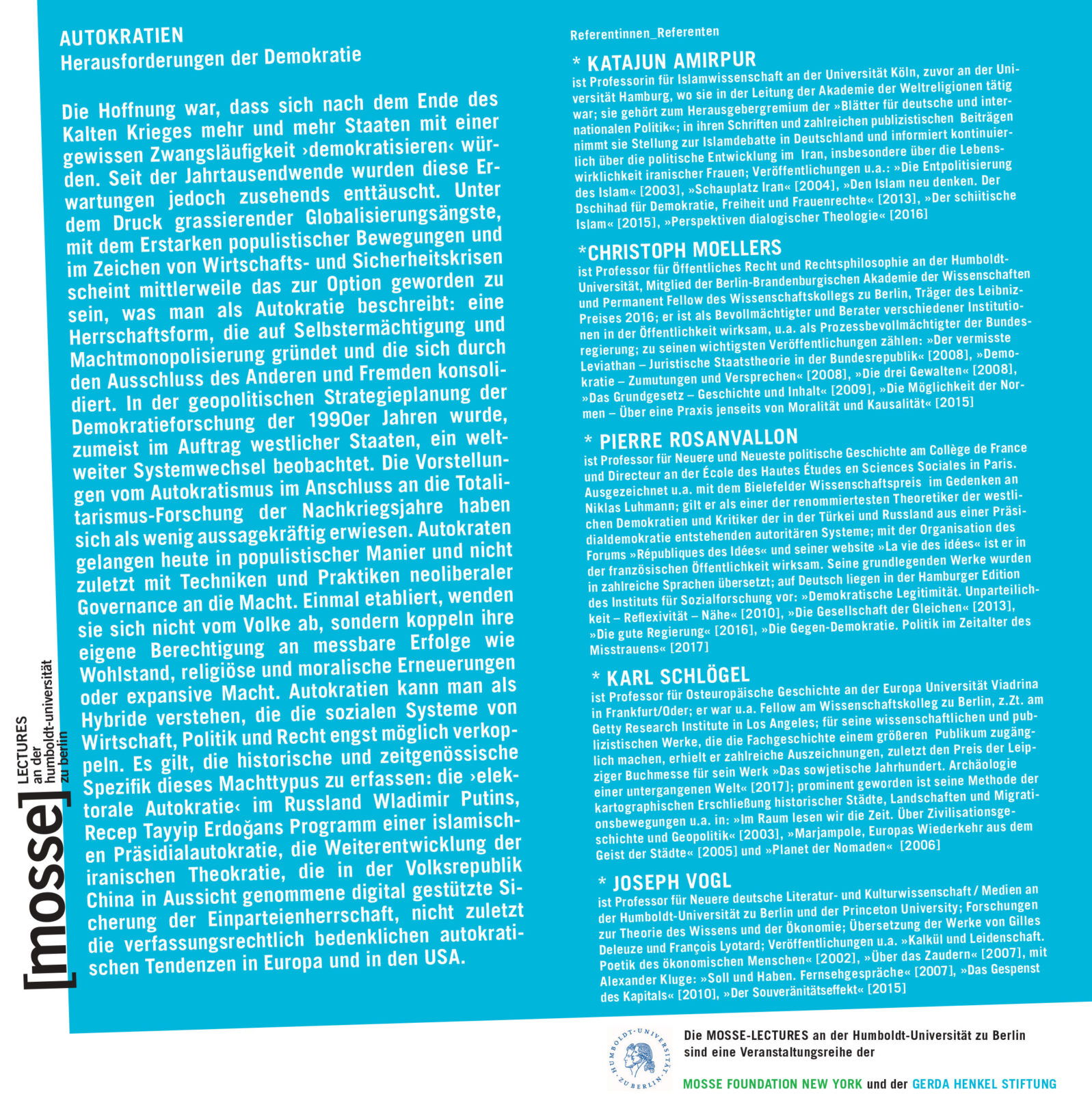
Senatssaal of Humboldt University
Unter den Linden 6
1. Stock
10117 Berlin
GERMANY
Sponsored by:
[mosse] LECTURES an der humboldt-universität zu berlin
The Mosse Foundation
Global Mosse Lecture Series
Gerda Henkel Stiftung
Institut für deutsche Literatur
Humboldt University
Moderator: Ulrike Vedder (Humboldt University)
Respondent: Stefan Weidner
Lecture Description: Der islamischen Theokratie Irans kommt nicht nur die Bevölkerung abhanden – 200.000 Iraner verlassen jährlich das Land – sondern auch die Theologen. Die theologische Kritik am Gottesstaat nimmt zu. Sie soll neben der gesellschaftlichen in diesem Vortrag eine zentrale Rolle spielen.
Lecture Series Description: After the end of the Cold War great hopes had been placed that necessarily more and more states would ‘democratize’, more or less. However, since the turn of the century these expectations were disenchanted rapidly. Under the pressure of widely spread fears of globalization, the growing influence of populist movements, and marked by economic and security risks, autocracy has become a political option: a form of government based on self-empowerment, monopolization, and strengthening itself by excluding the ‘others’. In the 1990ies, in its geopolitical strategies, the research of democracy, mandated mostly by western states, was convinced that a worldwide change of system could be observed. In this context conceptions of autocracy leading back to the studies on totalitarianism of the postwar period were largely misleading. In our days autocrats gain power in the manner of populism, and last but not least, executing techniques and practices of neoliberal governance. Once in power they pretend to serve ‘the people’, gaining authority with promises of prosperity, religious and moral renewal, forceful expansion. Autocracies can best be understood as hybrid forms of executing power, brusquely interweaving the social systems of economy, politics and law. In this series of the Mosse-Lectures the principal task will be to identify, historically and presently, the specifics of this type of power: the ‘electorate autocracy’ in Vladimir Putin’s Russia, Recep Erdogan’s conception of an Islamic presidential autocracy, the progression of Iran’s theocracy, the digitally supported backup of the one-parts-rule projected in China, not to forget the autocratic tendencies in Europe and the United States, questionable in terms of constitutional law.
Katajun Amirpur: Katajun Amirpur ist Professorin für Islamwissenschaft an der Universität Köln, zuvor an der Universität Hamburg, wo sie in der Leitung der Akademie der Weltreligionen tätig war; sie gehört zum Herausgebergremium der »Blätter für deutsche und internationale Politik«; in ihren Schriften und zahlreichen publizistischen Beiträgen nimmt sie Stellung zur Islamdebatte in Deutschland und informiert kontinuierlich über die politische Entwicklung im Iran, insbesondere über die Lebenswirklichkeit iranischer Frauen; Veröffentlichungen u.a.: »Die Entpolitisierung des Islam« (2003), »Schauplatz Iran« (2004), »Den Islam neu denken. Der Dschihad für Demokratie, Freiheit und Frauenrechte« (2013), »Der schiitische Islam« (2015), »Perspektiven dialogischer Theologie« (2016).
Stefan Weidner ist Autor, Übersetzer, Literaturkritiker und seit 2001 Chefredakteur der Zeitschrift »Fikrun wa Fann/Art & Thought«, die vom Goethe-Institut für den Dialog mit der islamischen Welt herausgegeben wird. Er hat zahlreiche Lyriker aus dem Arabischen übersetzt, darunter Adonis und Mahmud Darwisch. 2018 erschien seine Monographie »Jenseits des Westens. Für ein neues kosmopolitisches Denken«.
Professor of modern German literature at Humboldt University, Berlin, since 2009, Ulrike Vedder studies contemporary literature, gender studies, generations, and near-death experiences. Among other works, she is the author of Geschickte Liebe. Zur Mediengeschichte des Liebesdiskurses im Briefroman „Les Liaisons dangereuses“ und in der Gegenwartsliteratur (2002) and editor of Gender und Genre. Essayistik deutschsprachiger Autorinnen (2025). She also serves on the editorial board of Zeitschrift für Germanistik.
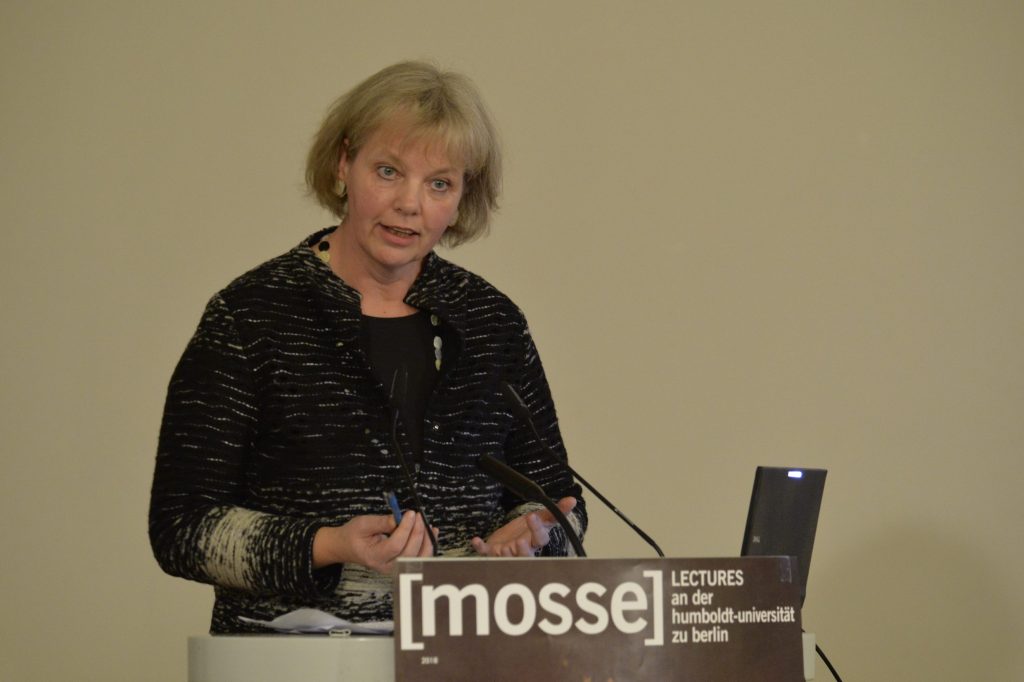
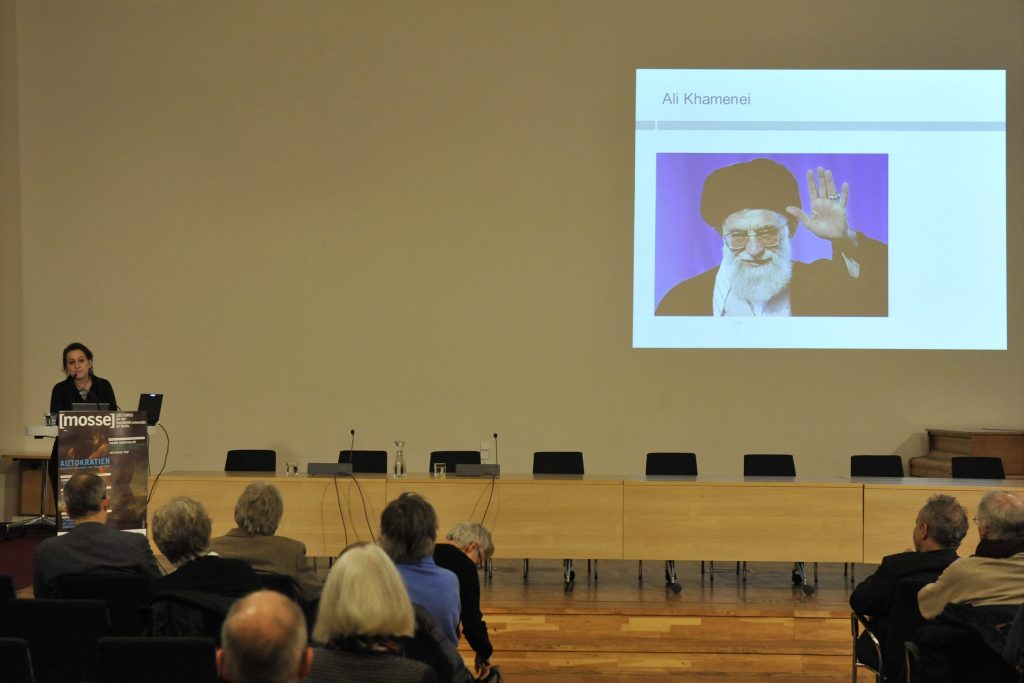
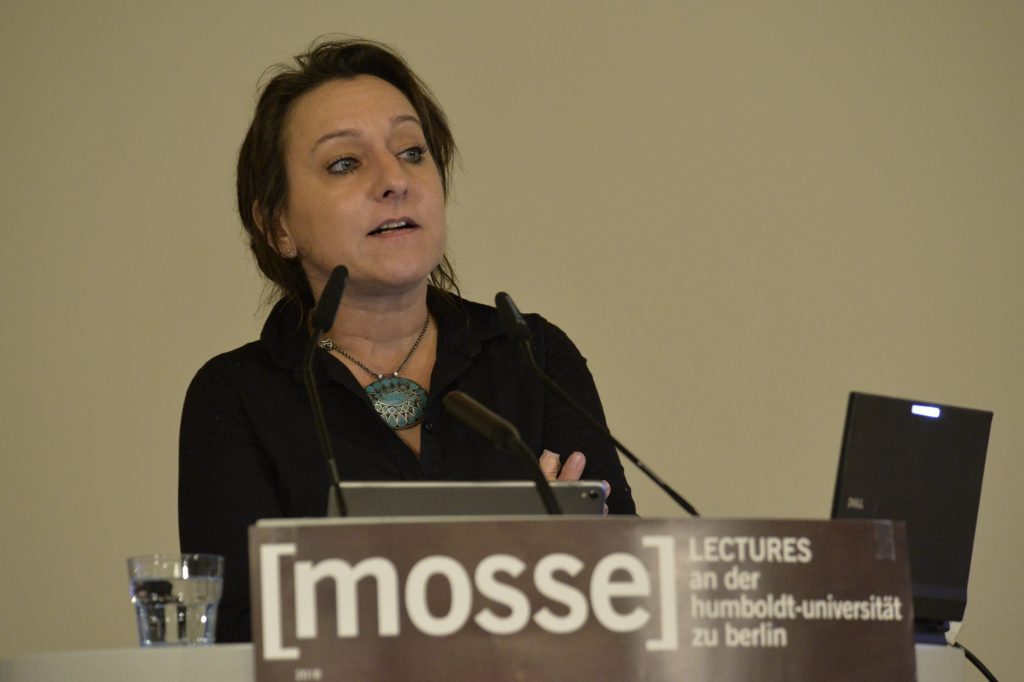
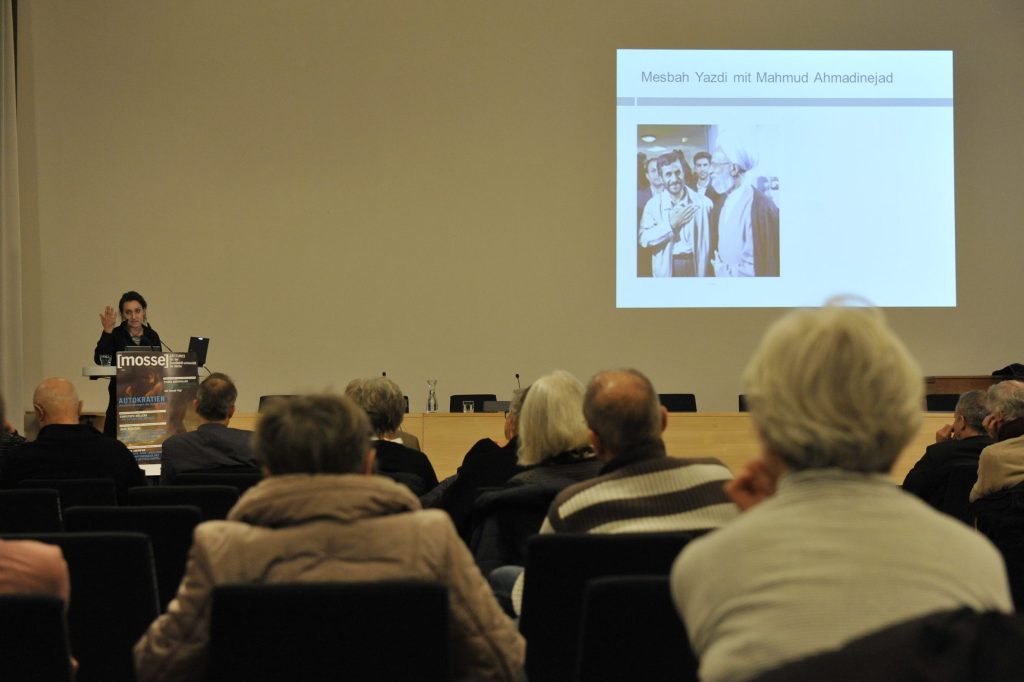
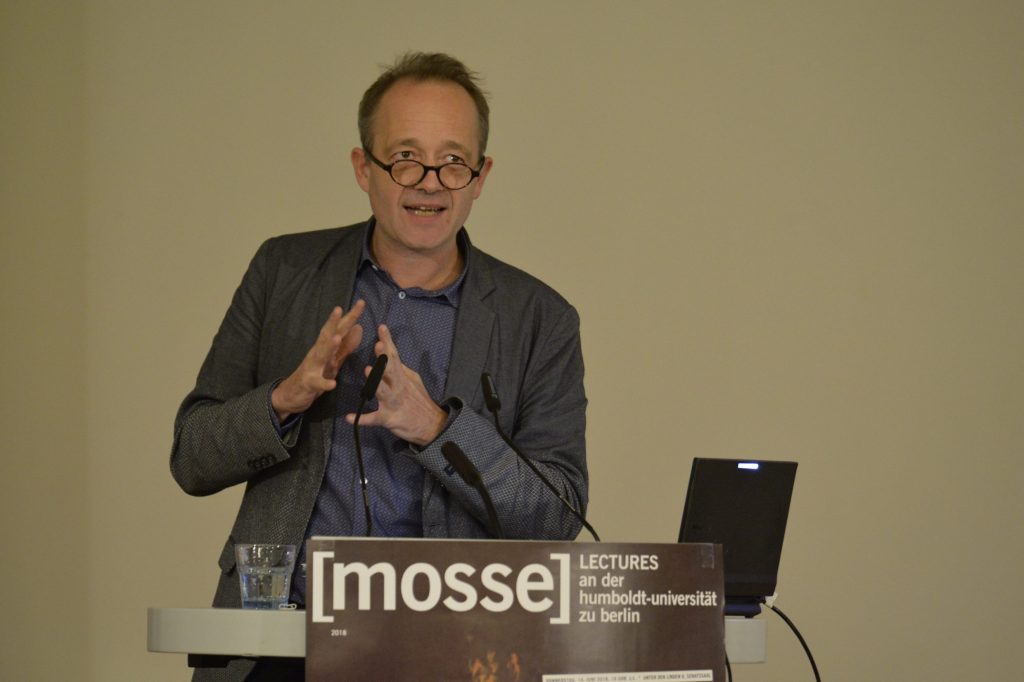
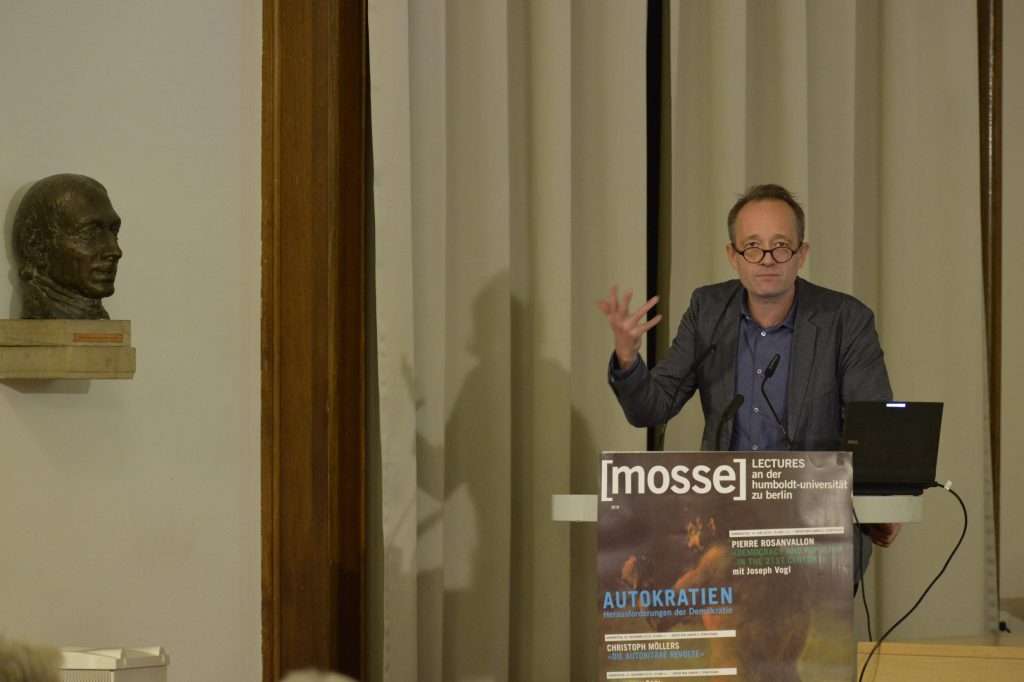
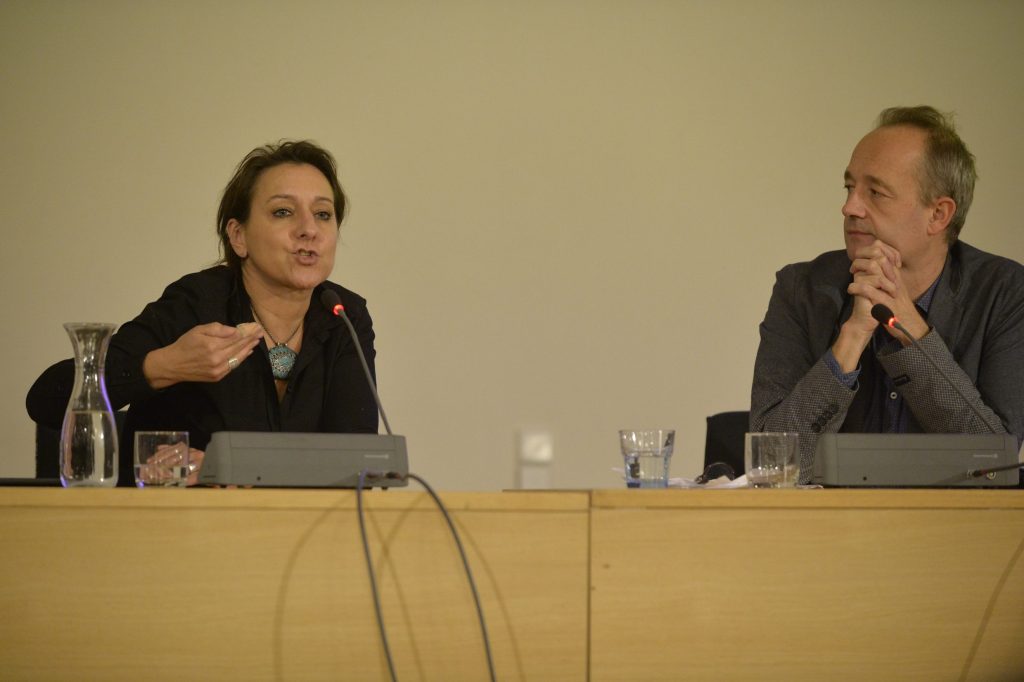
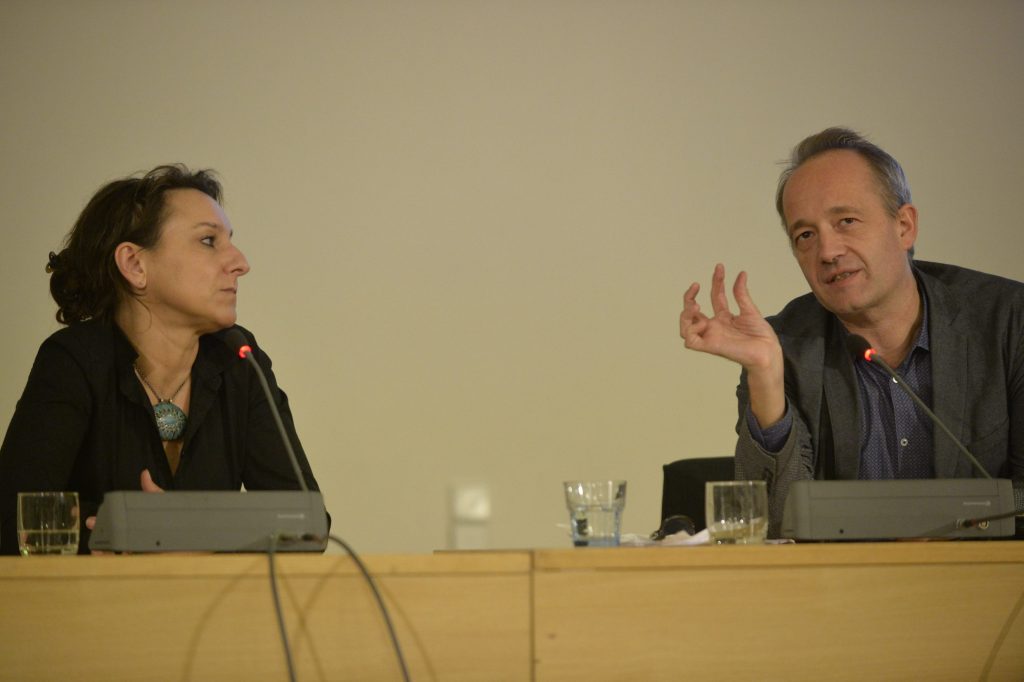
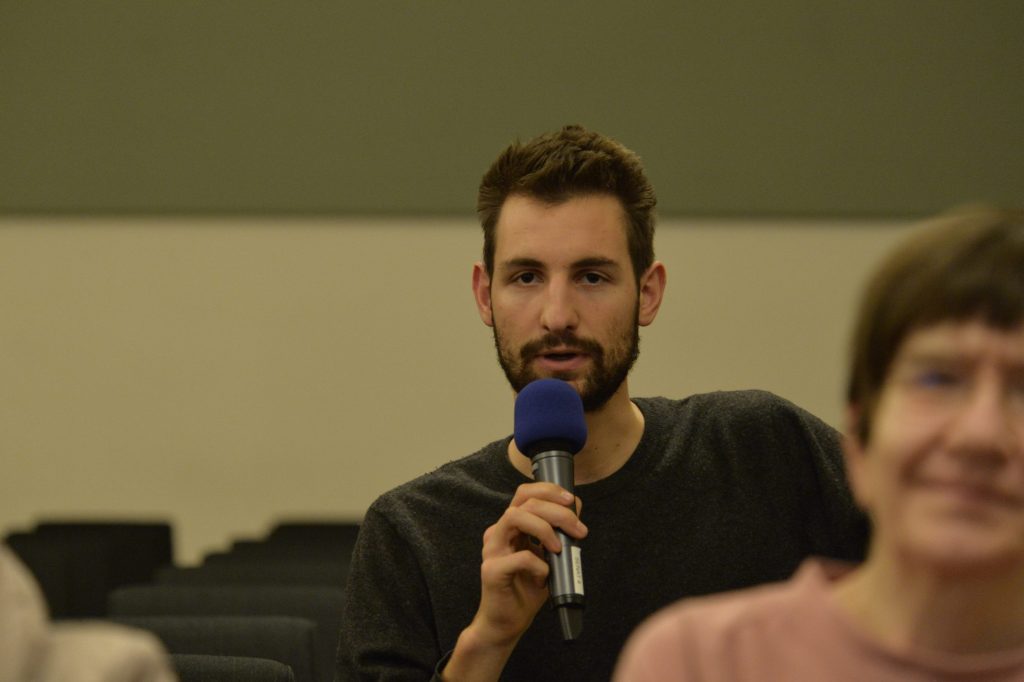
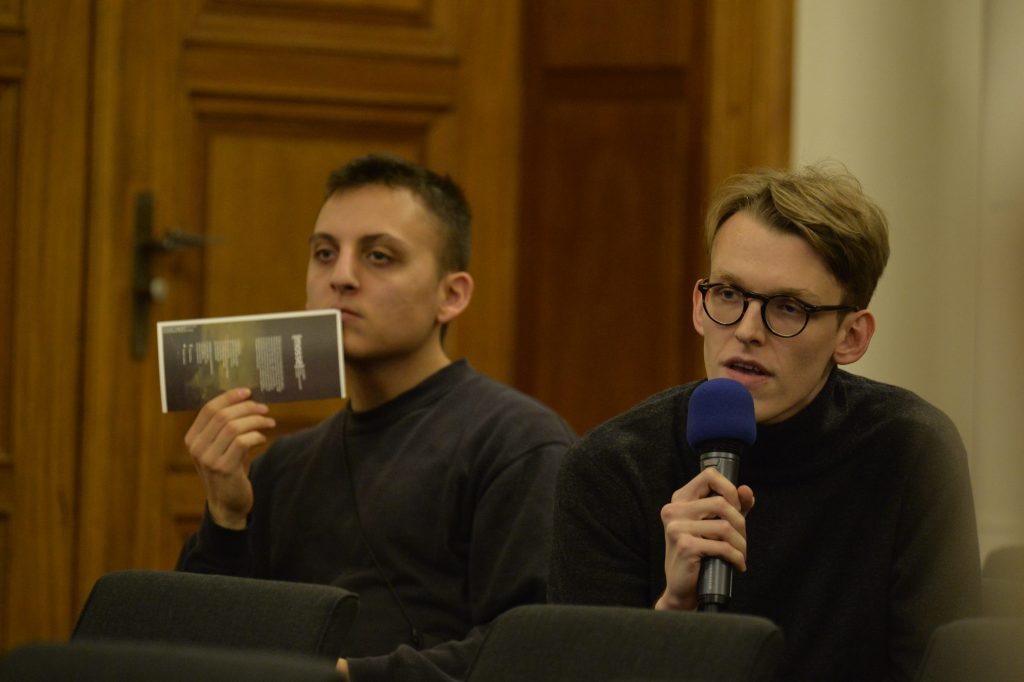
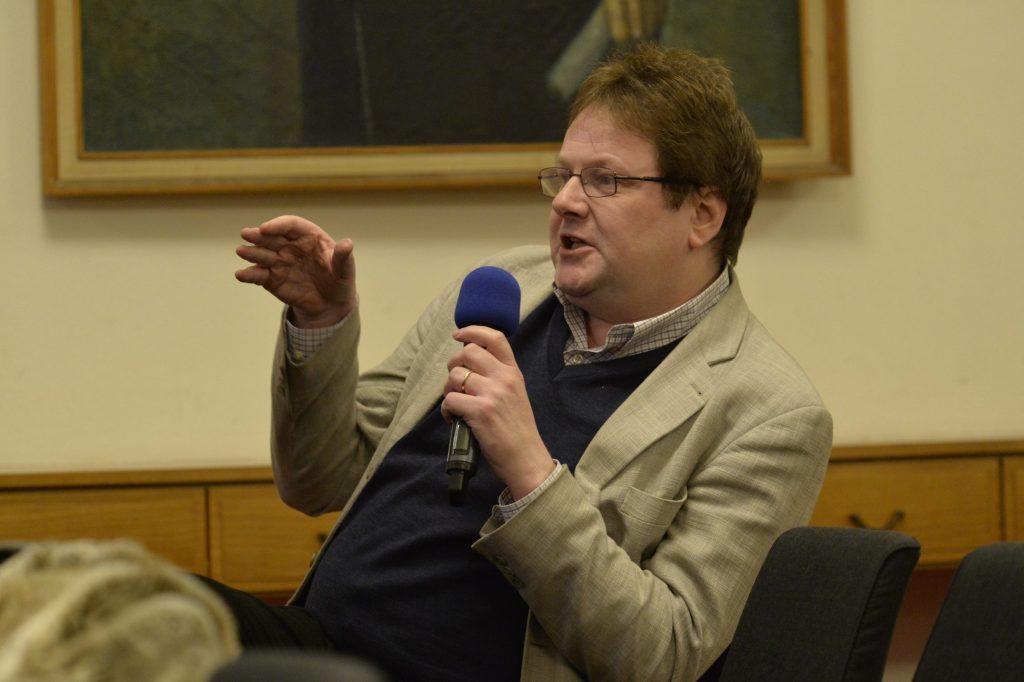
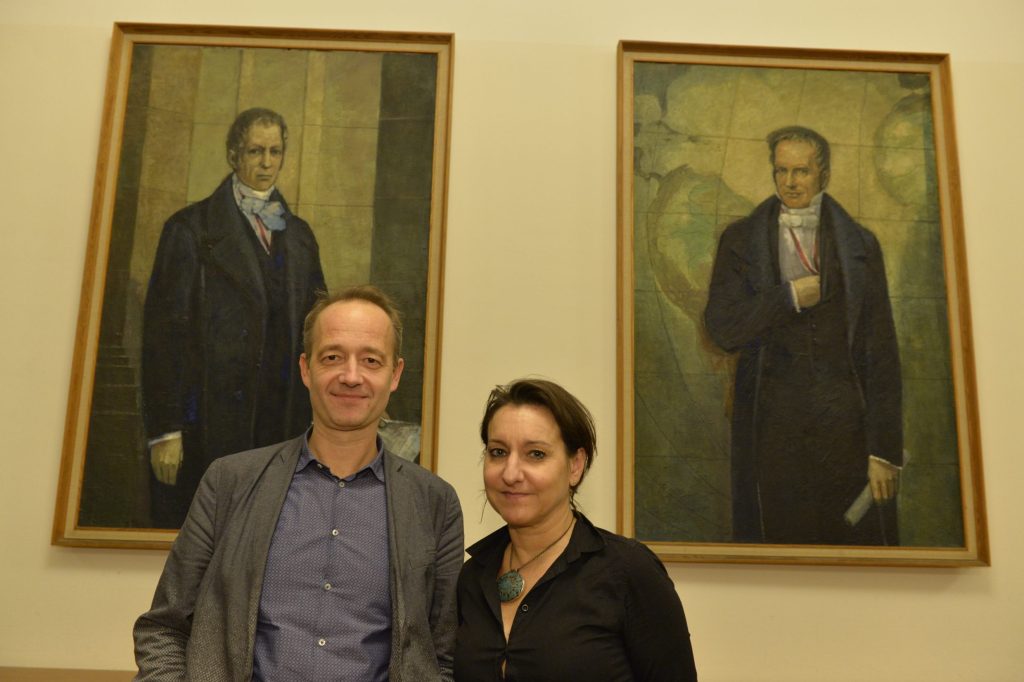
Photo credit: Niels Leiser for the Mosse Lectures
