
2019: Andreas Reckwitz, “Die Spätmoderne und ihre Drei-Klassen-Gesellschaft” / “Late Modernity and its Three-Class Society”
Andreas Reckwitz, “Die Spätmoderne und ihre Drei-Klassen-Gesellschaft” / “Late Modernity and its Three-Class Society”
Berlin Mosse Lecture
https://mosselectures.wisc.edu/berlin/
Thursday, 31 October 2019, 19:00 CET
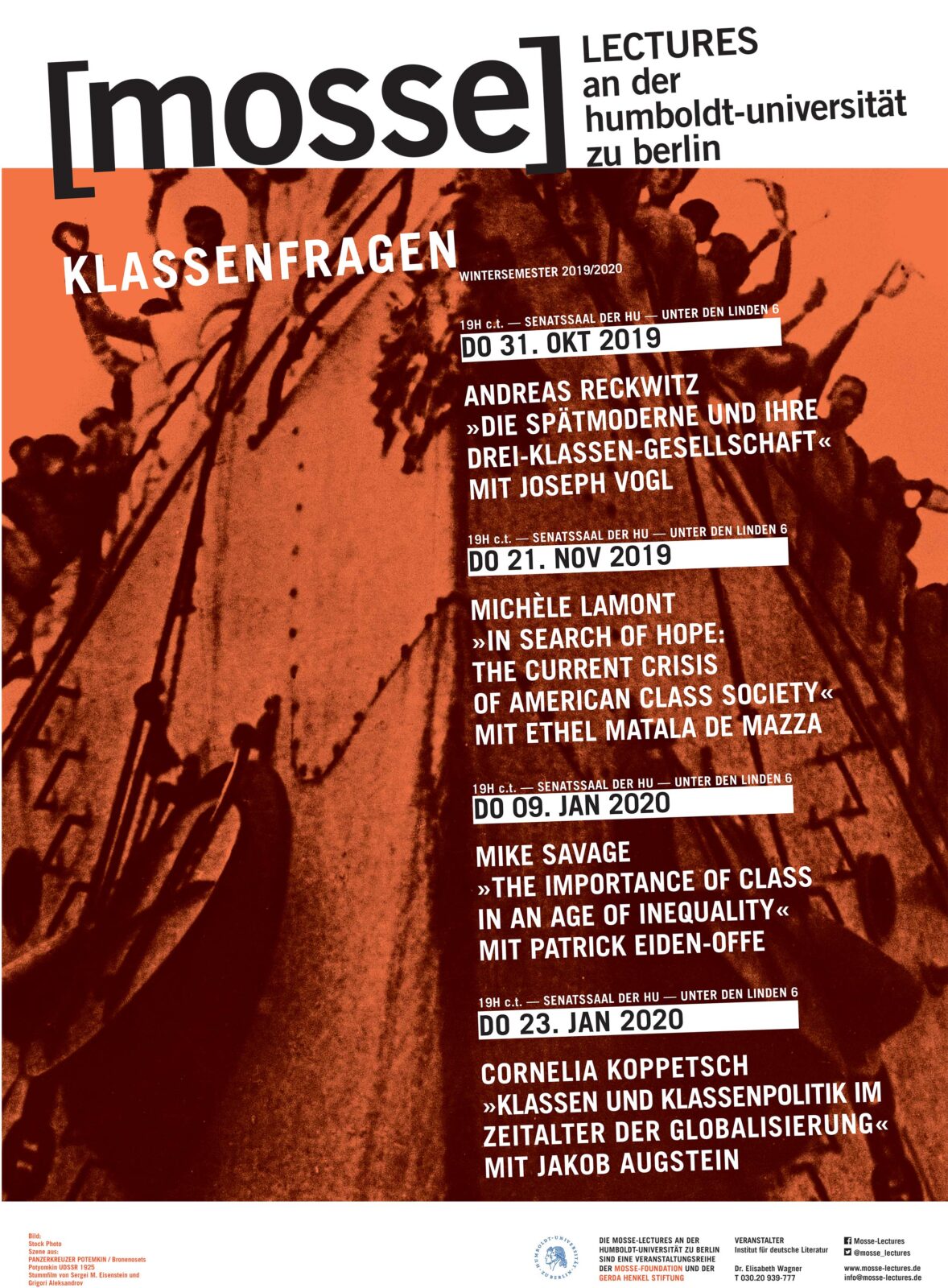
Senatssaal of Humboldt University
1. Stock
Unter den Linden 6
10117 Berlin
GERMANY
Sponsored by:
[mosse] LECTURES an der humboldt-universität zu berlin
The Mosse Foundation
Global Mosse Lecture Series
Gerda Henkel Stiftung
Institut für deutsche Literatur
Humboldt University
Moderator: Joseph Vogl (Humboldt University)
Lecture Description: In den Gesellschaften des globalen Nordens erlebt die Sozialstruktur in den letzten Jahrzehnten eine tiefgreifende Transformation. Der Vortrag verfolgt die These, dass es sich dabei nicht nur um eine Verstärkung sozioökonomischer Ungleichheiten, sondern auch um eine Divergenz von Mustern der kulturellen Lebensführung handelt, welche die Form eines Paternoster-Effekts annimmt: Aus der nivellierten Mittelstandsgesellschaft der industriellen Moderne steigt in der Spätmoderne eine neue, hochqualifizierte Mittelklasse empor, während eine neue prekäre Klasse absteigt und die traditionelle Mittel-klasse sich in einer Sandwich-Position wiederfindet. Prozesse der Valorisierung (Aufwertung) und Entwertung verlaufen parallel. Der Vortrag fragt nach den Ursachen, den Strukturmerkmalen und den künftigen Folgen dieser Entwicklung.
Lecture Series Description: Under the regime of a capitalist economy guided by profit interest, material insecurity and social fragmentation as well as inequality of life chances and educational opportunities are increasing for broad sections of the population; racist and social discrimination and exclusion are a daily experience for many. As a result, scholars in policymaking and the social sciences speak ever more frequently about the “return of class society”. Social movements emerge in different places, in various circumstances, driven by specific motivations. They are diversified and not centered any longer on the social and political organization of the working class. Equally diverse are their practices; they create confidence in their own power of emancipation and resistance thus replacing the former focus on class consciousness. Given a particular sense of belonging and solidarity shaped by birth, class and milieu, acquisition and possession, different lifestyles and habits, cannot be claimed solidly, but must be reconstructed symptomatically. Has an identity policy, accentuating the diversity of life design and lifestyle, replaced the organization of social policy? Has a liberalist and market orientated democracy, neglecting the obvious concerns of a “real existing class society” replaced social democracy? Can social change, apparent in our society, (an “authoritarian capitalism”, social movements of protest), bring forth a renewed “class policy”? How can new forms of solidarity and collectivity come into being in our times?
Andreas Reckwitz: Andreas Reckwitz ist Professor für Kultursoziologie an der Universität Viadrina in Frankfurt/Oder, zahlreiche Arbeiten zur Kulturtheorie in den Sozialwissenschaften, zur Soziologie der Subjekt-werdung und zum Strukturwandlung moderner Vergesellschaftung. Publikationen u.a.: „Die Erfindung der Kreativität. Zum Prozess gesellschaftlicher Ästhetisierung“, Berlin 2012; „Kreativi-tät und soziale Praxis“, Bielefeld 2016; „Die Gesellschaft der Singularitäten. Zum Strukturwandel der Moderne“, Berlin 2017; „Das Ende der Illusionen. Politik, Ökonomie und Kultur in der Spät-moderne“, Berlin 2019. In diesem Jahr erhielt er den Leibniz-Preis der DFG.
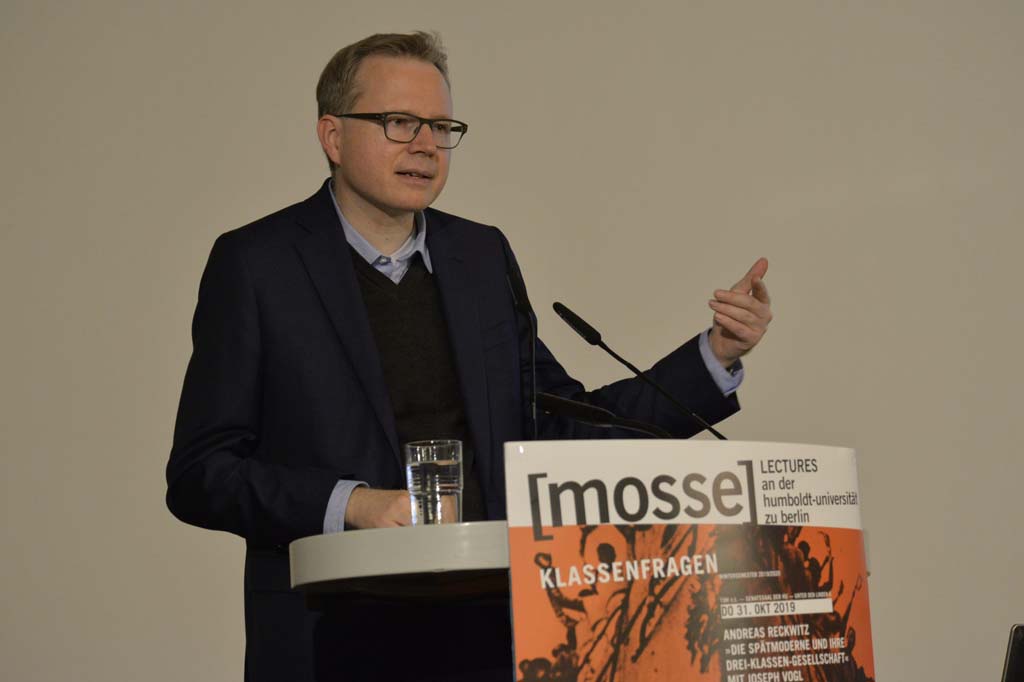
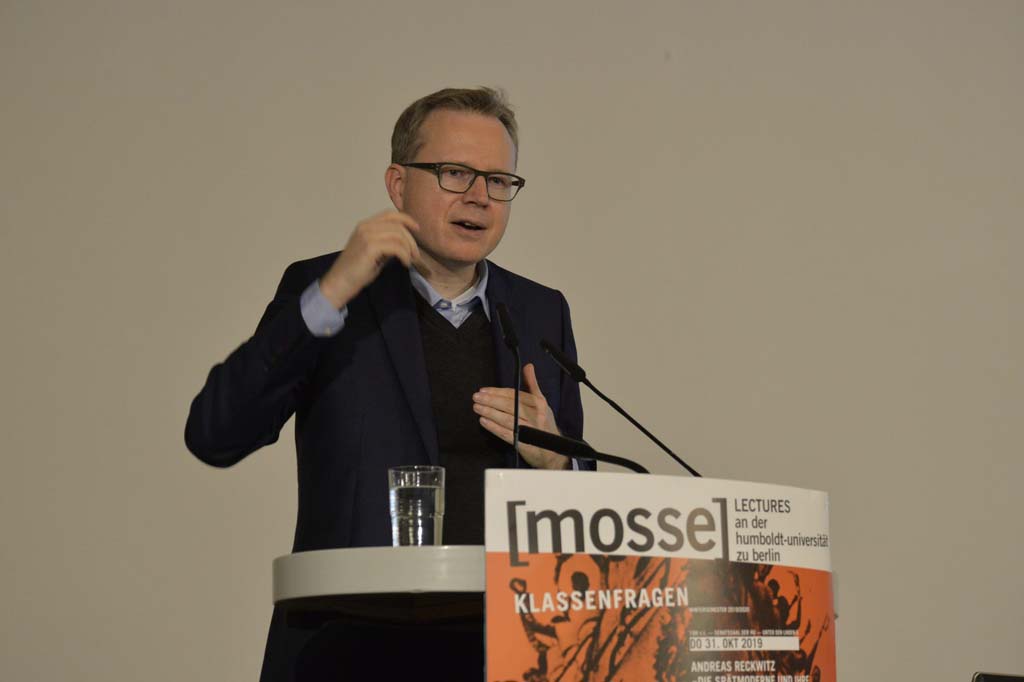
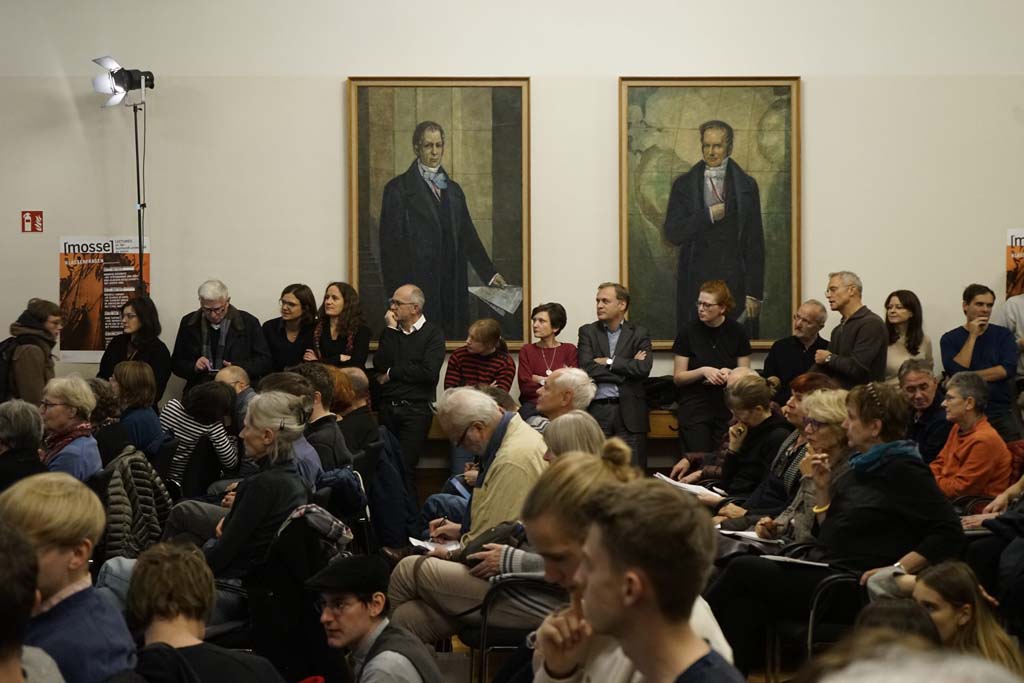
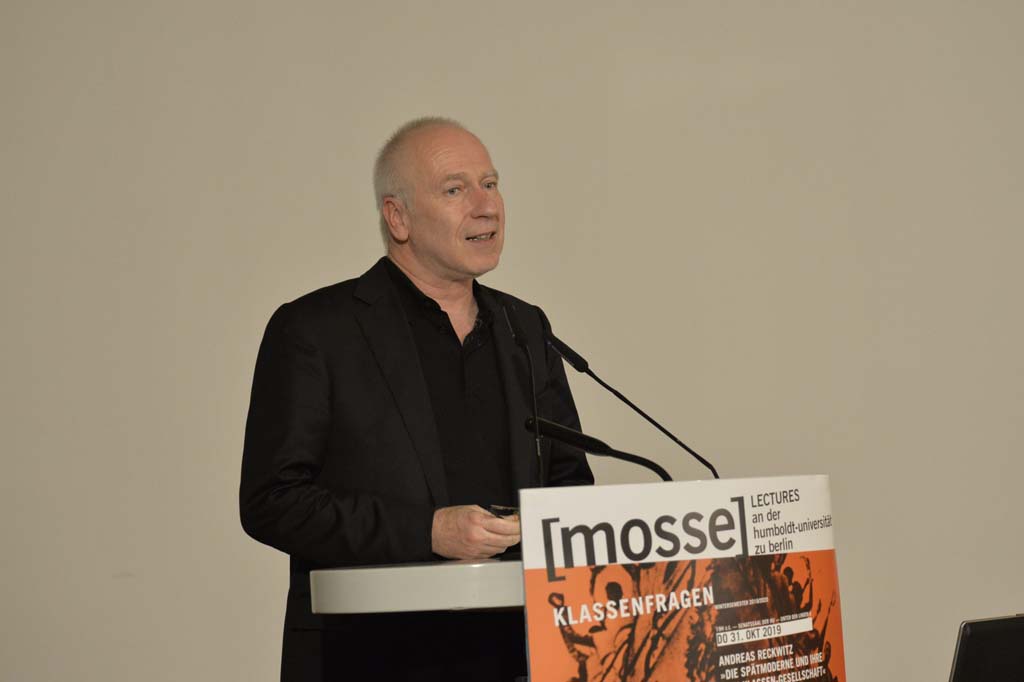
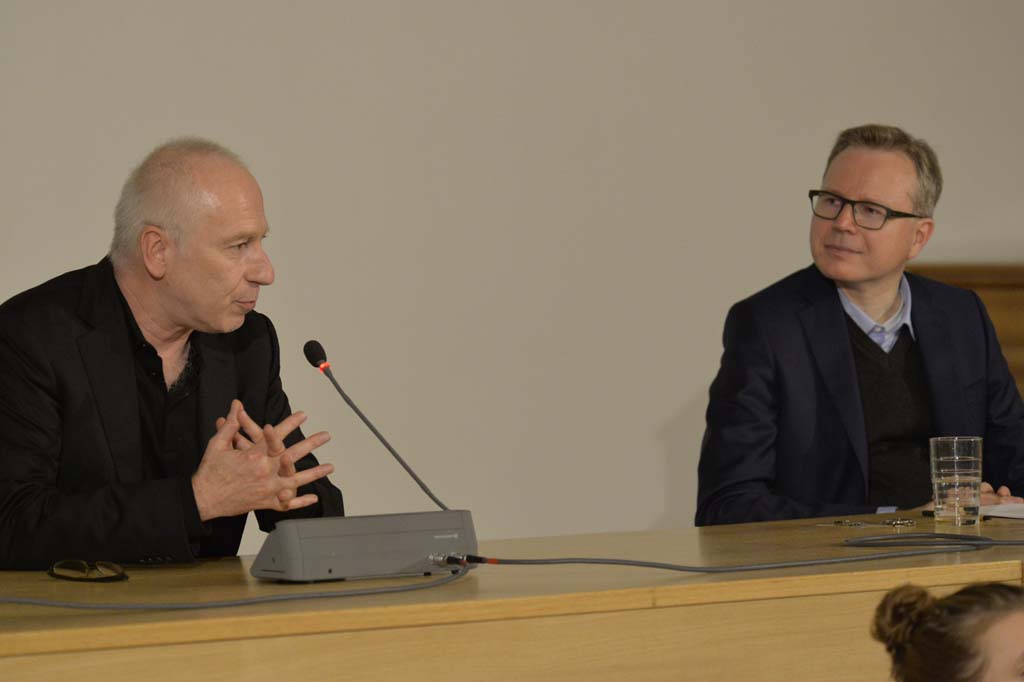
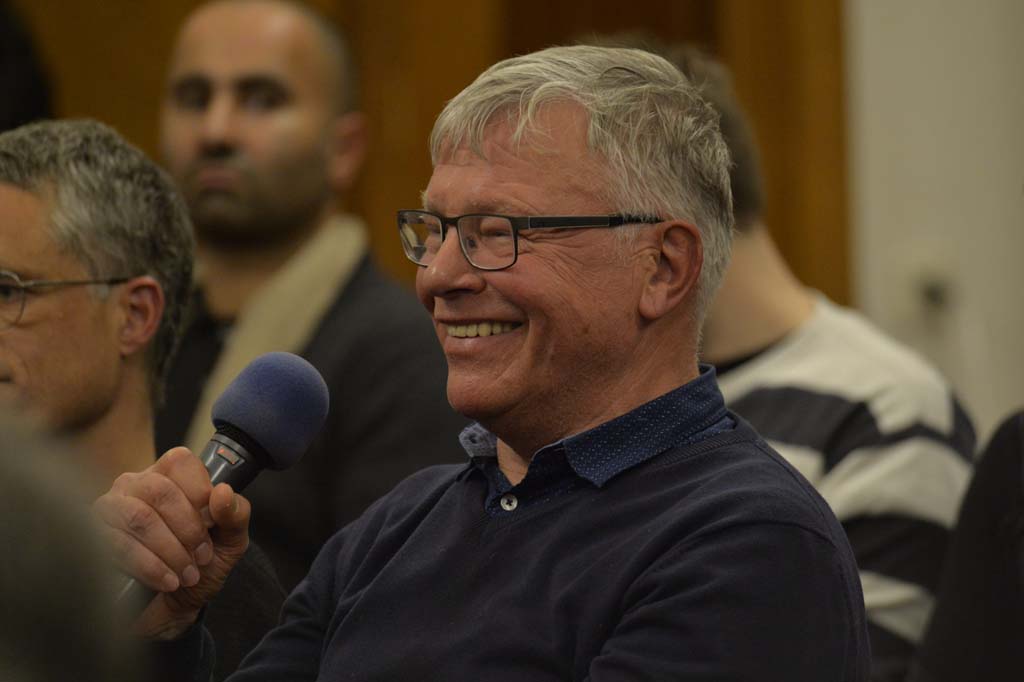
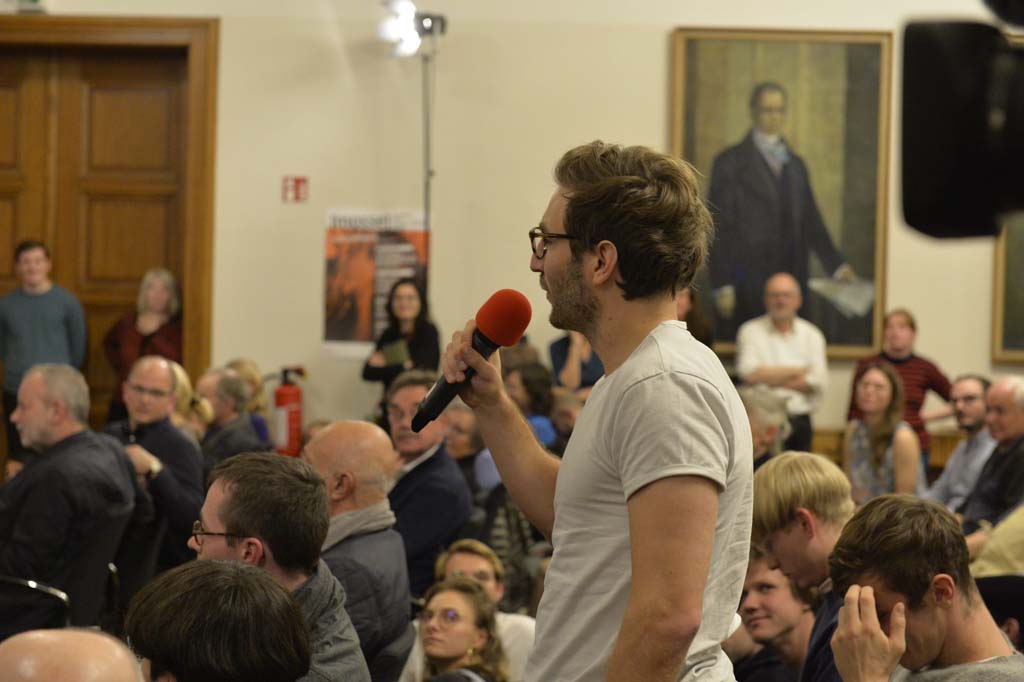
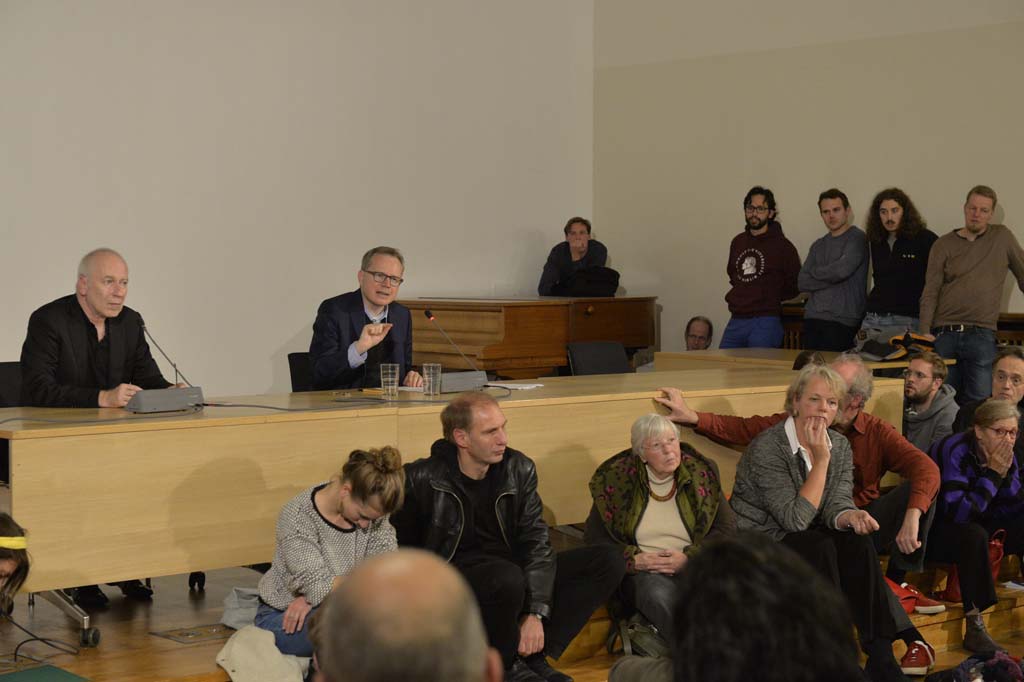
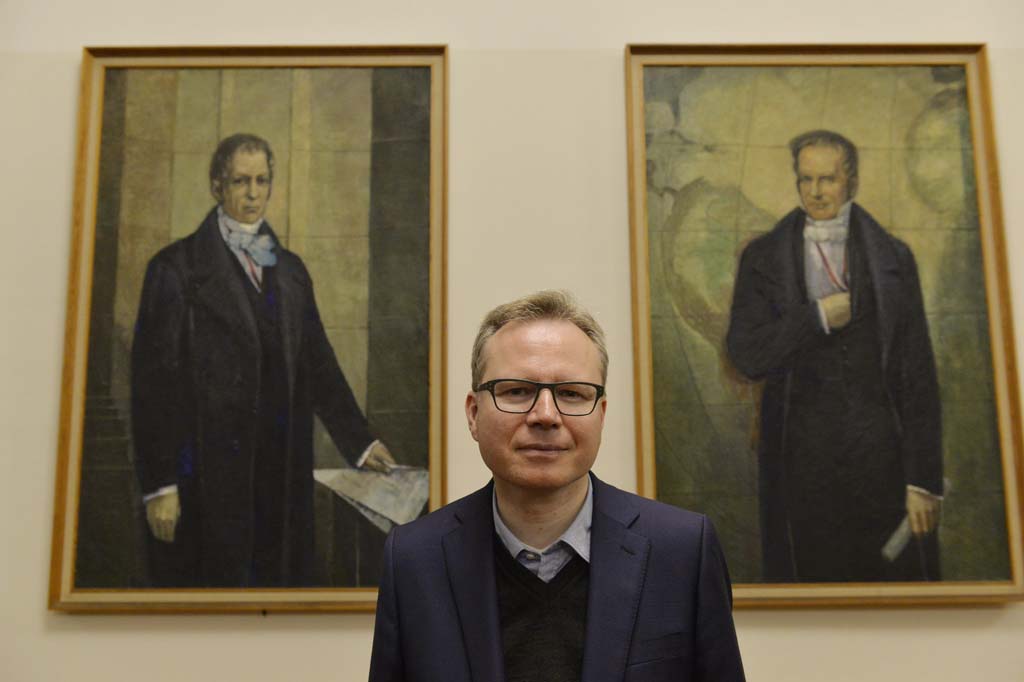
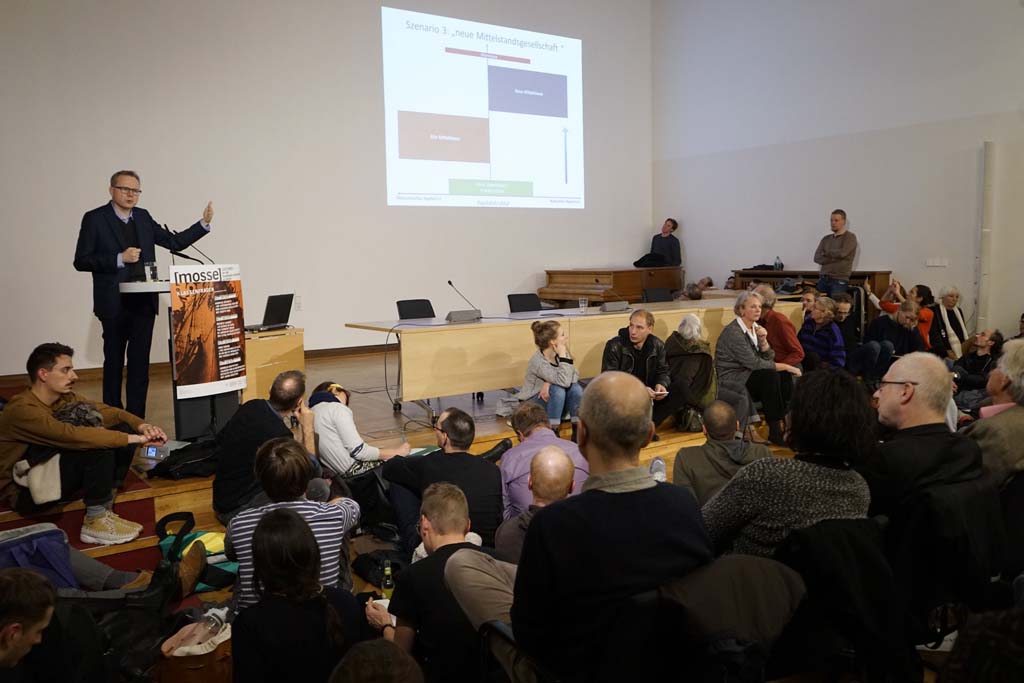
Photo credit: Niels Leiser for the Mosse Lectures
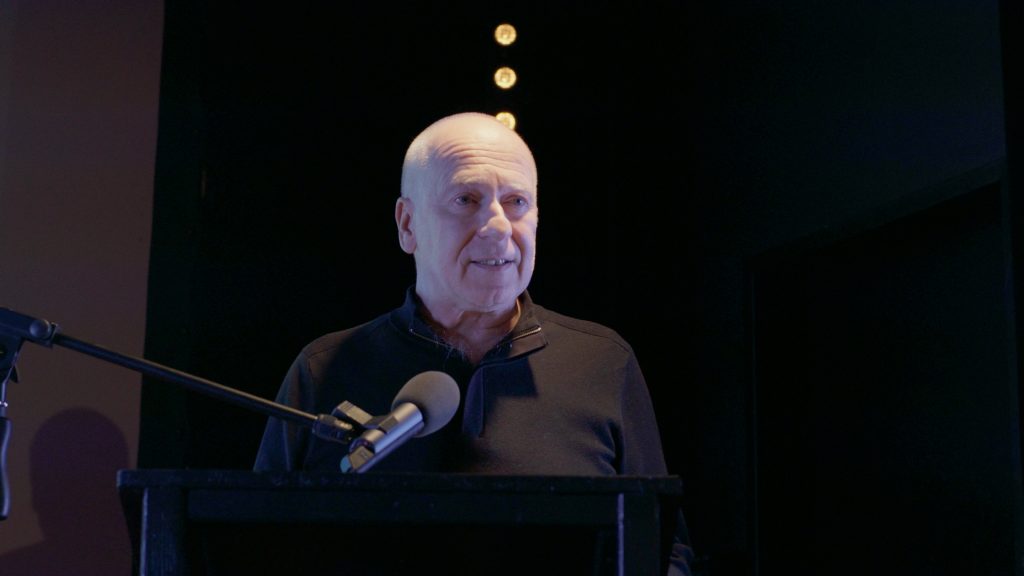
His research and teaching comprises literature from the eighteenth to the twentieth century, media and aesthetics, cultural and political theory. Recent research focuses on the history of financial economy, literature and economics, and the “poetics of knowledge” – the study of the relationships and interactions between forms of knowledge and poetic or aesthetic figures. He is the director or principal investigator of a range of research projects including “The Knowledge of Literature” (PhD-Net), “Small Forms in the History of Literature and Sciences” (Research Training Group), and “Matters of Activity: Image Space Material” (Cluster of Excellence).
Joseph Vogl published more than a hundred articles and book chapters, as well as numerous books and monographs. Among his most important written works are the monographs Ort der Gewalt. Kafkas literarische Ethik (1990); Kalkül und Leidenschaft. Poetik des ökonomischen Menschen (2002); Über das Zaudern (2007; On Tarrying, 2011). Besides his research in literature, cultural and media studies, he is well known for his intensive work on modern and present-day finance and economics, analyzing finance theories from the perspective of cultural history. This work culminated in his books Das Gespenst des Kapitals (2010; The Specter of Capital, 2014), Der Souveränitätseffekt (2015; The Ascendancy of Finance, 2017) and Kapital und Ressentiment. Eine kurze Theorie der Gegenwart (2021; Capital and Ressentiment: A Brief Theory of the Present, 2022), which received wide recognition in the fields of cultural studies as well as economics, and initiated a public debate. Further workings include translations from French to German (Deleuze, Lévi-Strauss, Lyotard) and numerous interviews on TV with Alexander Kluge (see Soll und Haben. Fernsehgespräche, 2009; Senkblei der Geschichten. Gespräche, 2020).
He was awarded the Günther Anders Prize for Critical Thinking (2022). For his book Der Souveränitätseffekt (The Ascendancy of Finance) Vogl was on the shortlist for the Leipzig Book Fair Prize 2015 in the category of non-fiction. In 1988 he received the Translation Prize for the Promotion of Franco-German Relations (DVA Foundation) for his translations of key works of modern French philosophy.
