
2022: Hannah Cloke, “Dreaming of Disaster: A River Journey of Imagination”
Hannah Cloke, “Dreaming of Disaster: A River Journey of Imagination“
Humboldt University Berlin Mosse Lecture
mosselectures.wisc.edu/berlin/
Thursday, 28 April 2022, 19:15 CET
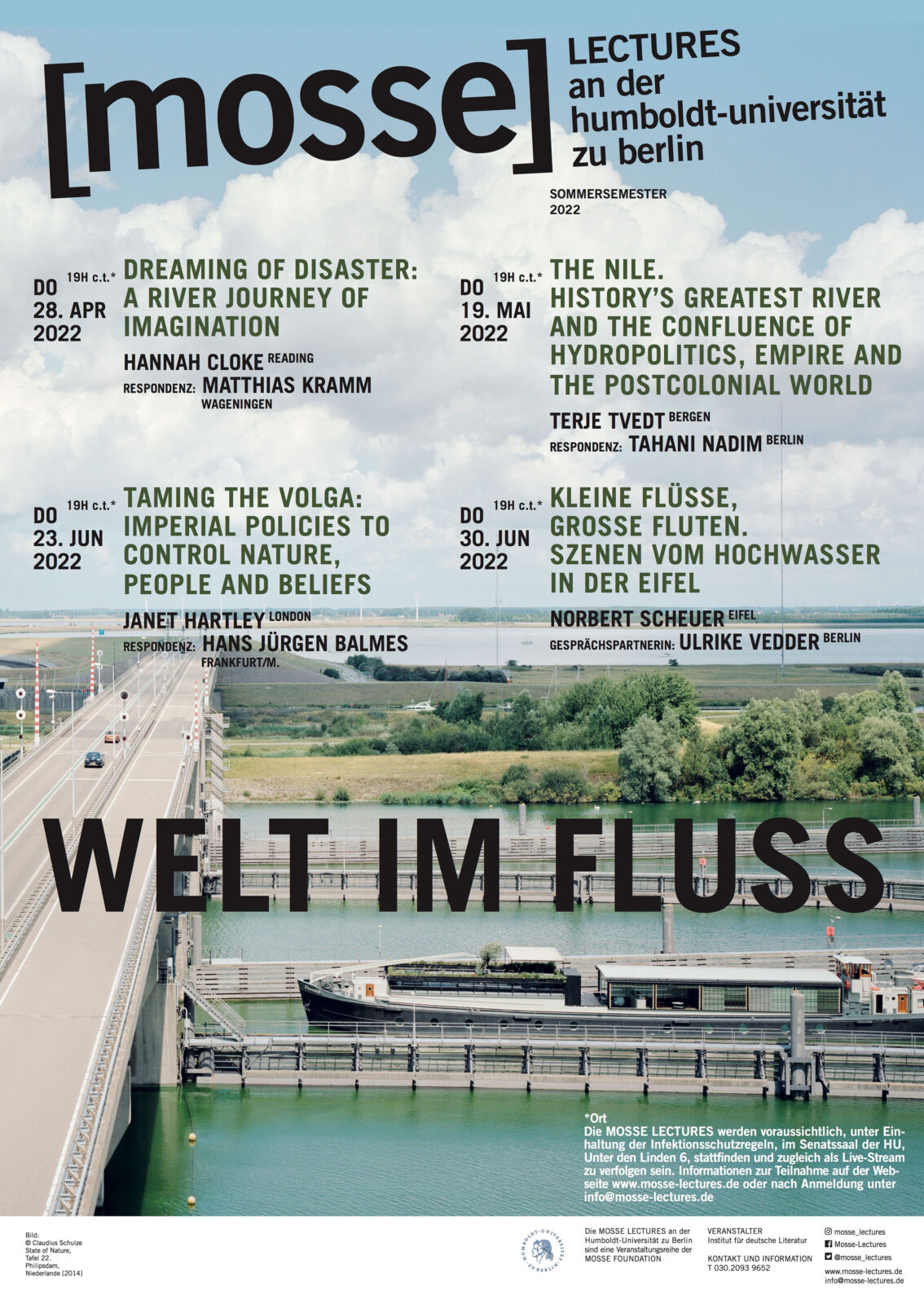
Senatssaal of Humboldt University
Unter den Linden 6
1. Stock
10117 Berlin
GERMANY
Sponsored by:
[mosse] LECTURES an der humboldt-universität zu berlin
The Mosse Foundation
Global Mosse Lecture Series
Institut für deutsche Literatur
Humboldt University
Moderator: Stefan Willer (Humboldt University)
Respondent: Matthias Kramm (Wageningen University)
Lecture Description: Every week, somewhere on our planet, people die in a flood. We can now predict many types of floods well before any rain has even fallen, or the storm has even begun to form. We have spent billions of Euros setting up sophisticated flood prediction systems that undertake billions of calculations to predict when and where floodwaters will be. But what is the point of all of this if nobody can understand the danger that they are in, or imagine their homes and lives swept away? The floods in Germany in the summer of 2021 showed failures to prevent deaths. But was this a failure of science, or a failure of imagination? This lecture will take you on a river journey, following the paths of individual water droplets, immersing you in both the scientific and human experience of flood disasters.
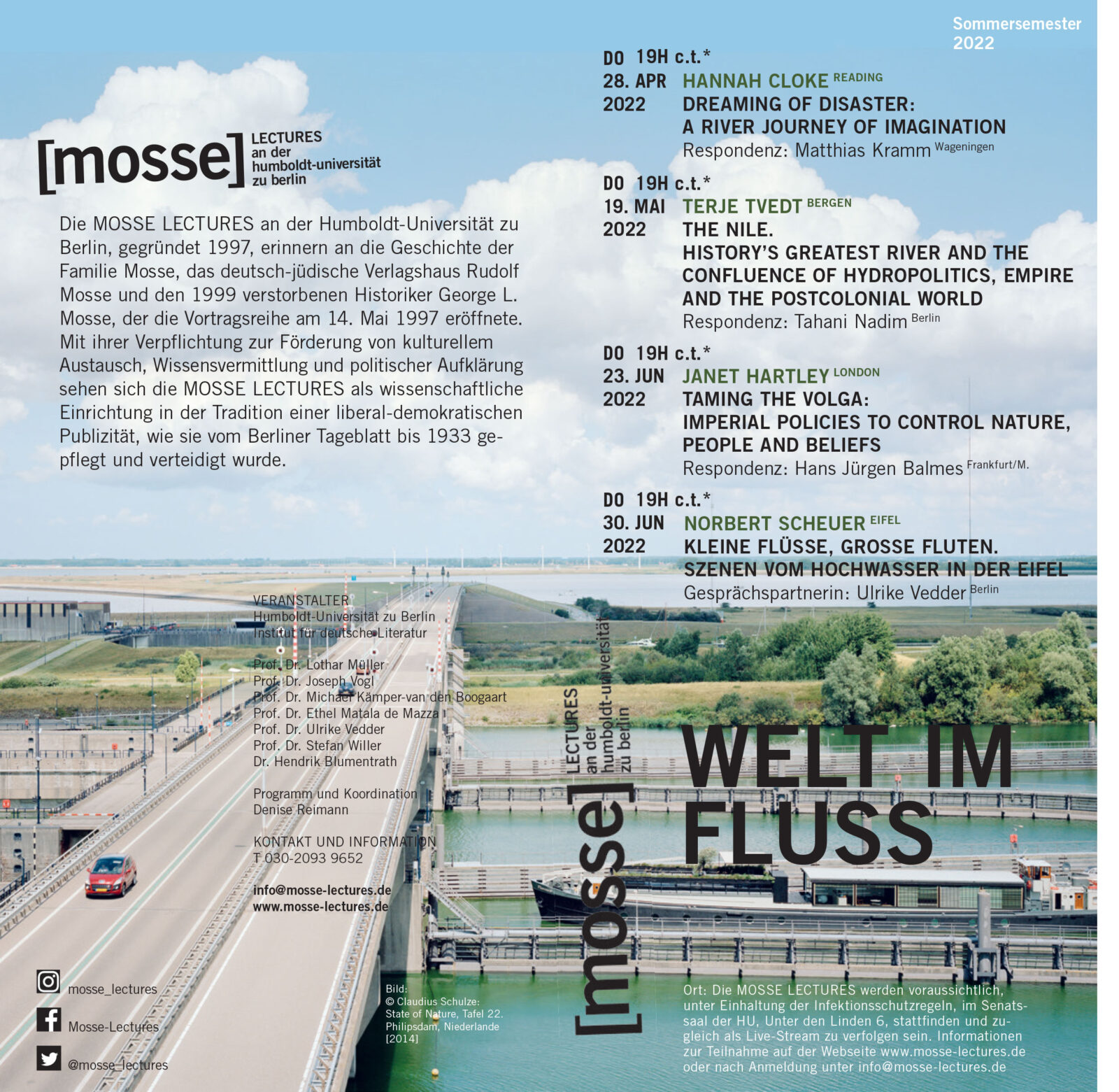
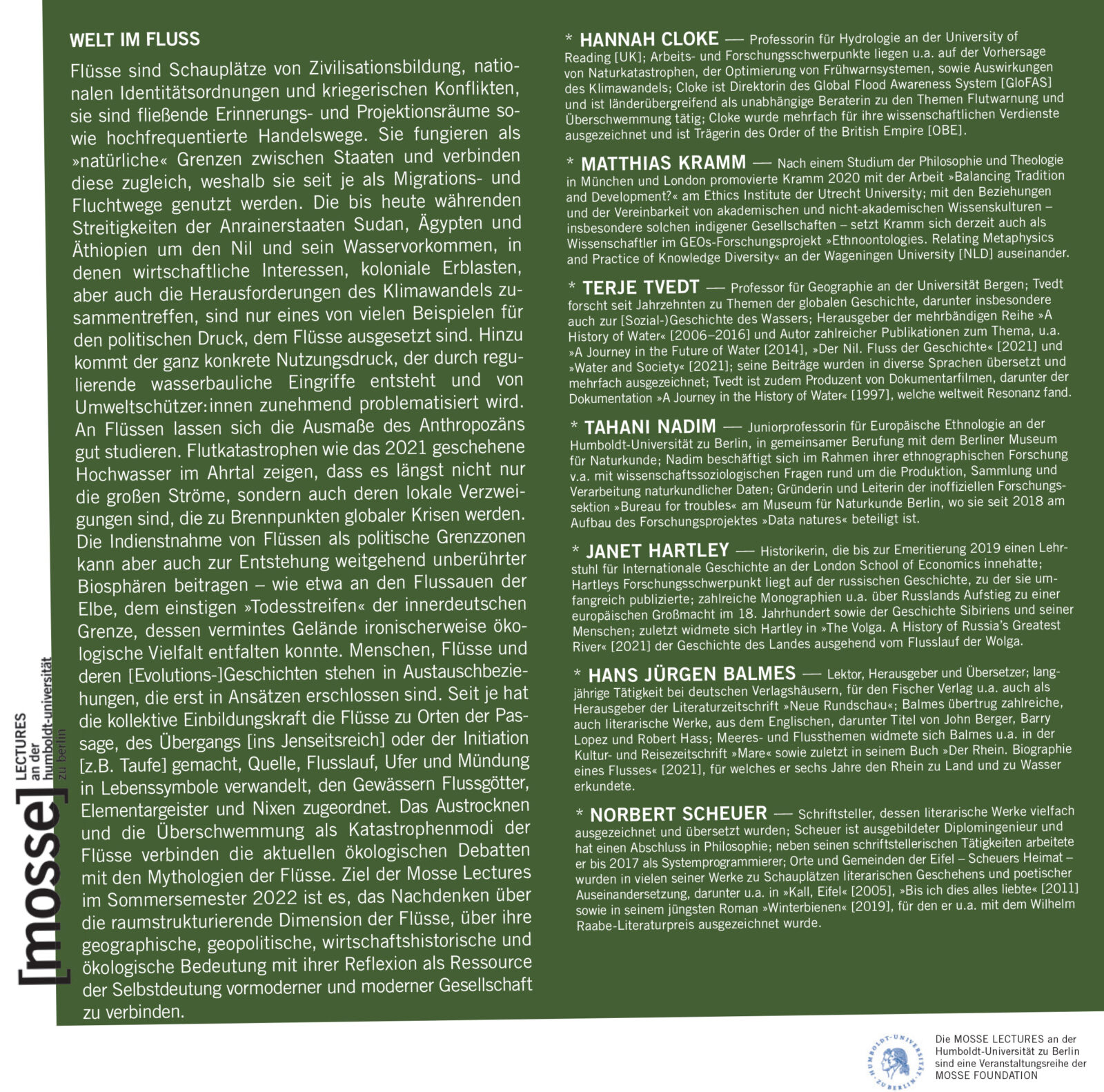
Lecture Series Theme: Welt im Fluss/World in River, World in Flux
Lecture Series Description: Flüsse sind Schauplätze von Zivilisationsbildung, nationalen Identitätsordnungen und kriegerischen Konflikten, sie sind fließende Erinnerungs- und Projektionsräume sowie hochfrequentierte Handelswege. Sie fungieren als „natürliche“ Grenzen zwischen Staaten und verbinden diese zugleich, weshalb sie seit je als Migrations- und Fluchtwege genutzt werden. Die bis heute währenden Streitigkeiten der Anrainerstaaten Sudan, Ägypten und Äthiopien um den Nil und sein Wasservorkommen, in denen wirtschaftliche Interessen, koloniale Erblasten, aber auch die Herausforderungen des Klimawandels zusammentreffen, sind nur eines von vielen Beispielen für den politischen Druck, dem Flüsse ausgesetzt sind.
Hinzu kommt der ganz konkrete Nutzungsdruck, der durch regulierende wasserbauliche Eingriffe entsteht und von Umweltschützer:innen zunehmend problematisiert wird. An Flüssen lassen sich die Ausmaße des Anthropozäns gut studieren. Flutkatastrophen wie das 2021 geschehene Hochwasser im Ahrtal zeigen, dass es längst nicht nur die großen Ströme, sondern auch deren lokale Verzweigungen sind, die zu Brennpunkten globaler Krisen werden. Die Indienstnahme von Flüssen als politische Grenzzonen kann aber auch zur Entstehung weitgehend unberührter Biosphären beitragen – wie etwa an den Flussauen der Elbe, dem einstigen „Todesstreifen“ der innerdeutschen Grenze, dessen vermintes Gelände ironischerweise ökologische Vielfalt entfalten konnte. Menschen, Flüsse und deren (Evolutions-)Geschichten stehen in Austauschbeziehungen, die erst in Ansätzen erschlossen sind.
Seit je hat die kollektive Einbildungskraft die Flüsse zu Orten der Passage, des Übergangs (ins Jenseitsreich) oder der Initiation (z.B. Taufe) gemacht, Quelle, Flusslauf, Ufer und Mündung in Lebenssymbole verwandelt, den Gewässern Flussgötter, Elementargeister und Nixen zugeordnet. Das Austrocknen und die Überschwemmung als Katastrophenmodi der Flüsse verbinden die aktuellen ökologischen Debatten mit den Mythologien der Flüsse. Ziel der Mosse Lectures im Sommersemester 2022 ist es, das Nachdenken über die raumstrukturierende Dimension der Flüsse, über ihre geographische, geopolitische, wirtschaftshistorische und ökologische Bedeutung mit ihrer Reflexion als Ressource der Selbstdeutung vormoderner und moderner Gesellschaft zu verbinden.
Rivers are the settings of the formation of civilizations, national identity orders and war conflicts; they are flowing spaces of memory, places of longing, and highly frequented trade routes. They function as “natural” borders between states and connect them at the same time, which is why they have always been used as migration and refugee routes. As such, the world’s rivers are important geopolitical spaces. The currently renewed disputes between the riparian states of Sudan, Egypt, and Ethiopia over the Nile and its water resources, in which economic interests, colonial legacies, but also the challenges of climate change converge, are just one of many examples of the political pressure to which rivers are exposed.
In addition, there is the very concrete pressure to exploit rivers that arises from regulating hydraulic interventions, which is being increasingly criticized by environmentalists. Rivers demonstrate the effects of the Anthropocene. Flood catastrophes such as the recent flood in Germany’s Ahr Valley clearly show that it is not only the major rivers but also their local branches that have long since become focal points of global crises. Yet the fact that the political use of rivers as border zones can also contribute to the creation of largely untouched biospheres is demonstrated by the floodplains of the Elbe, which, as peripheral landscapes, have been able to develop ecological diversity. People, rivers, and their (evolutionary) histories are in relationships of exchange that are only beginning to be explored.
The collective power of imagination has always made rivers places of passing, transition (into the realm of the beyond), or initiation (baptism) as well as transformed the source, course, banks, and mouth of the river into symbols of life, and assigned river gods, elemental spirits, and mermaids to them. The drying up and flooding of rivers as their catastrophic modes connect current ecological debates with the mythologies of rivers. In the summer semester of 2022, the Mosse Lectures will aim to combine a reflection on the spatially structuring dimension of rivers, on their geographical, geopolitical, economic–historical and ecological significance with a reflection on rivers as a resource for the self-interpretation of premodern and modern society.
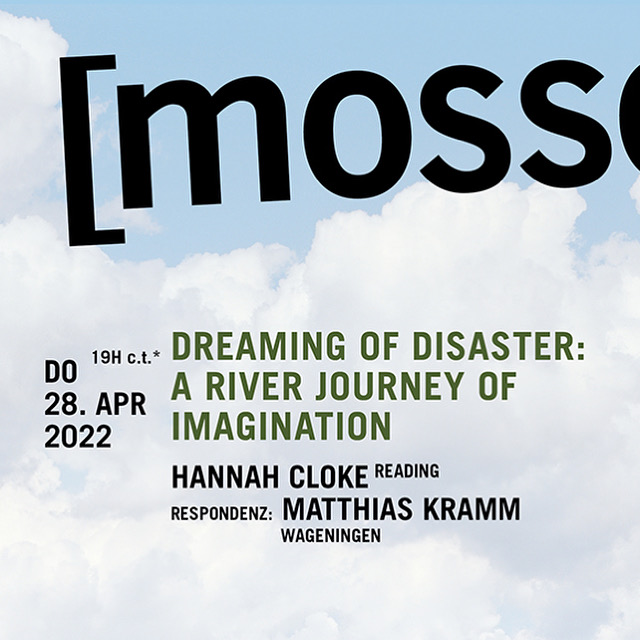
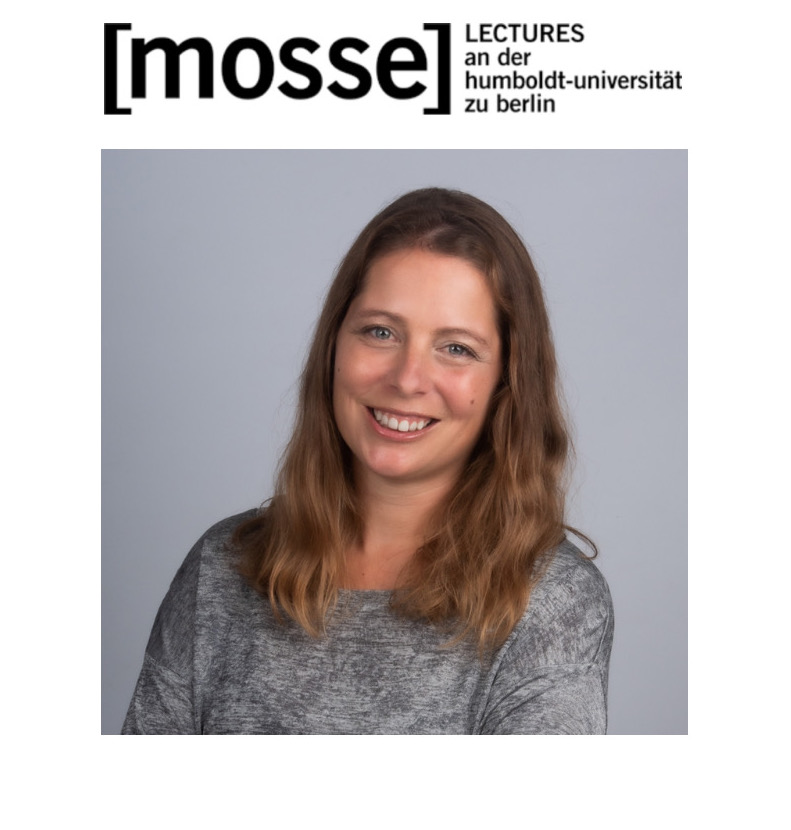
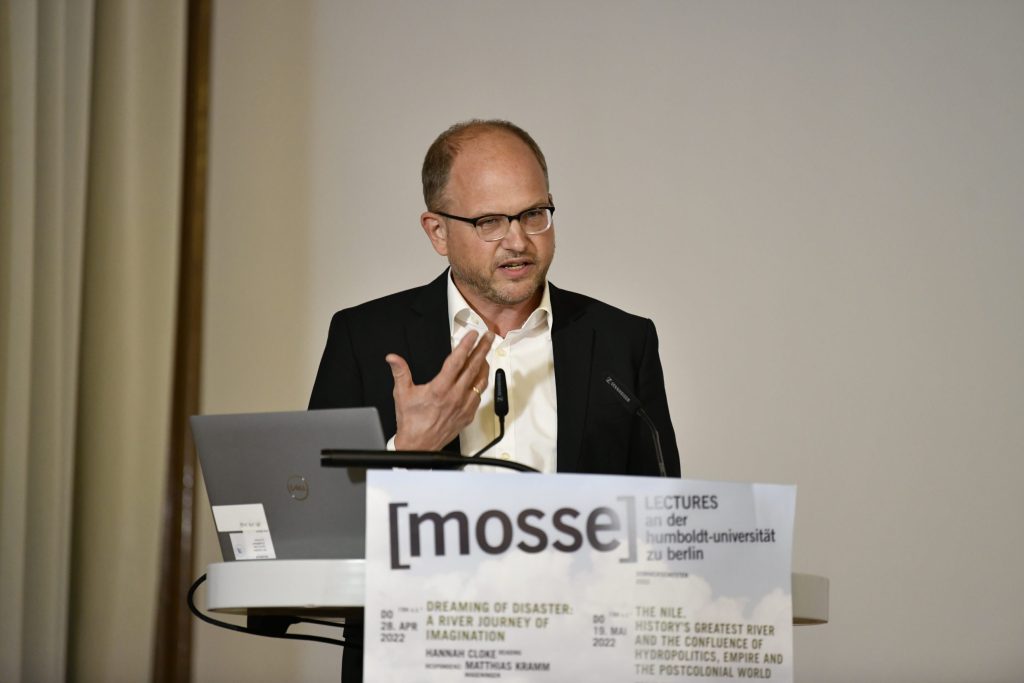
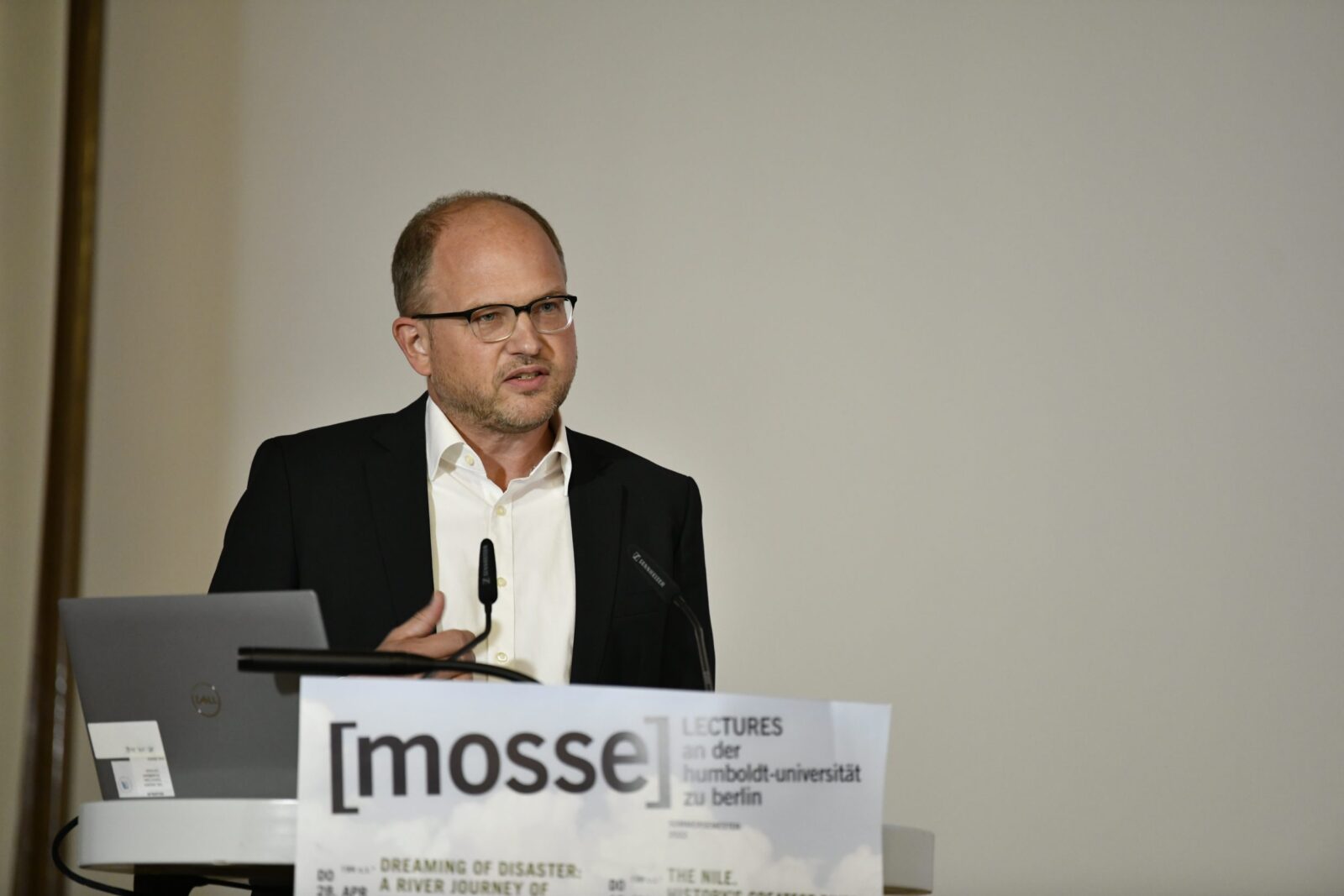
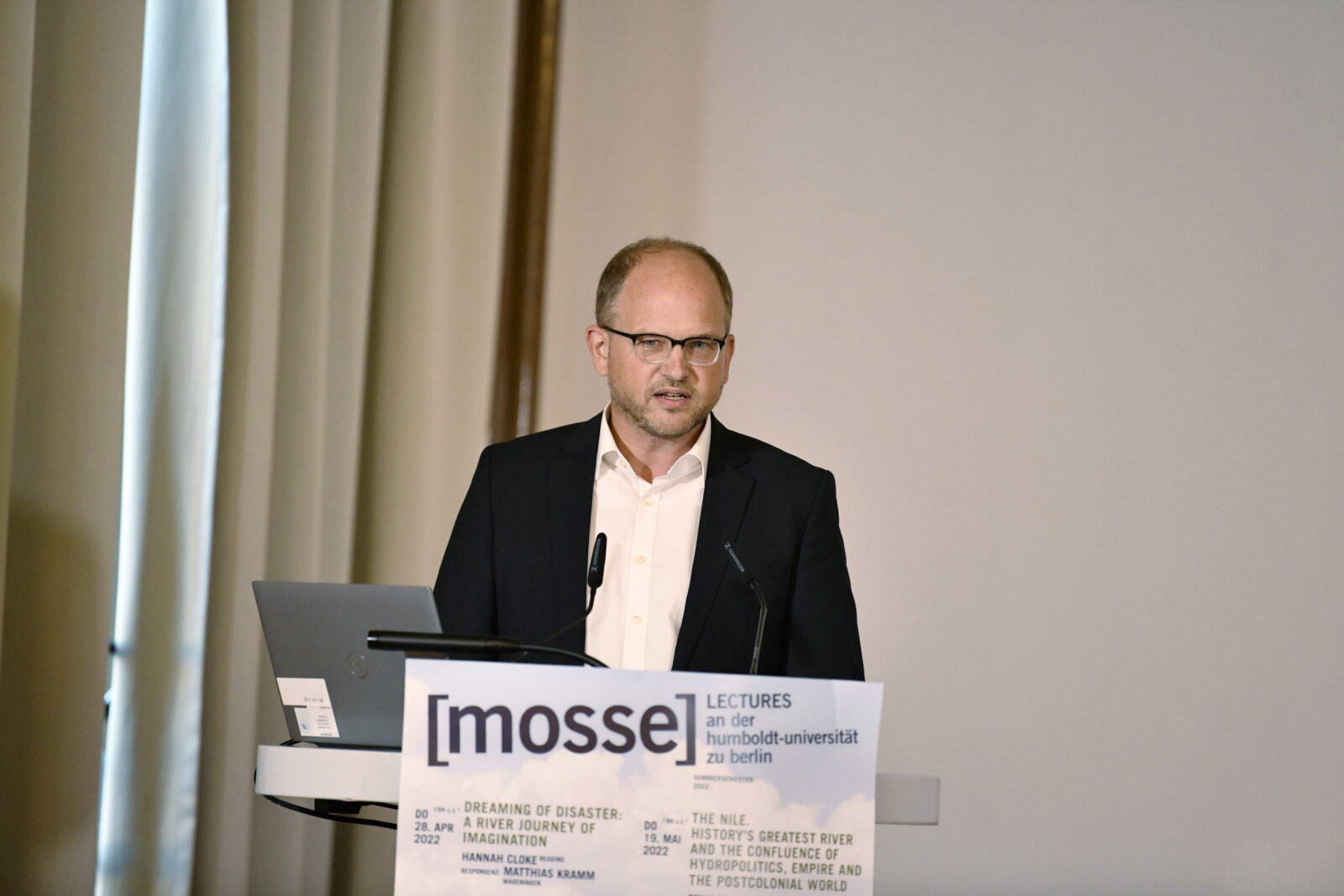
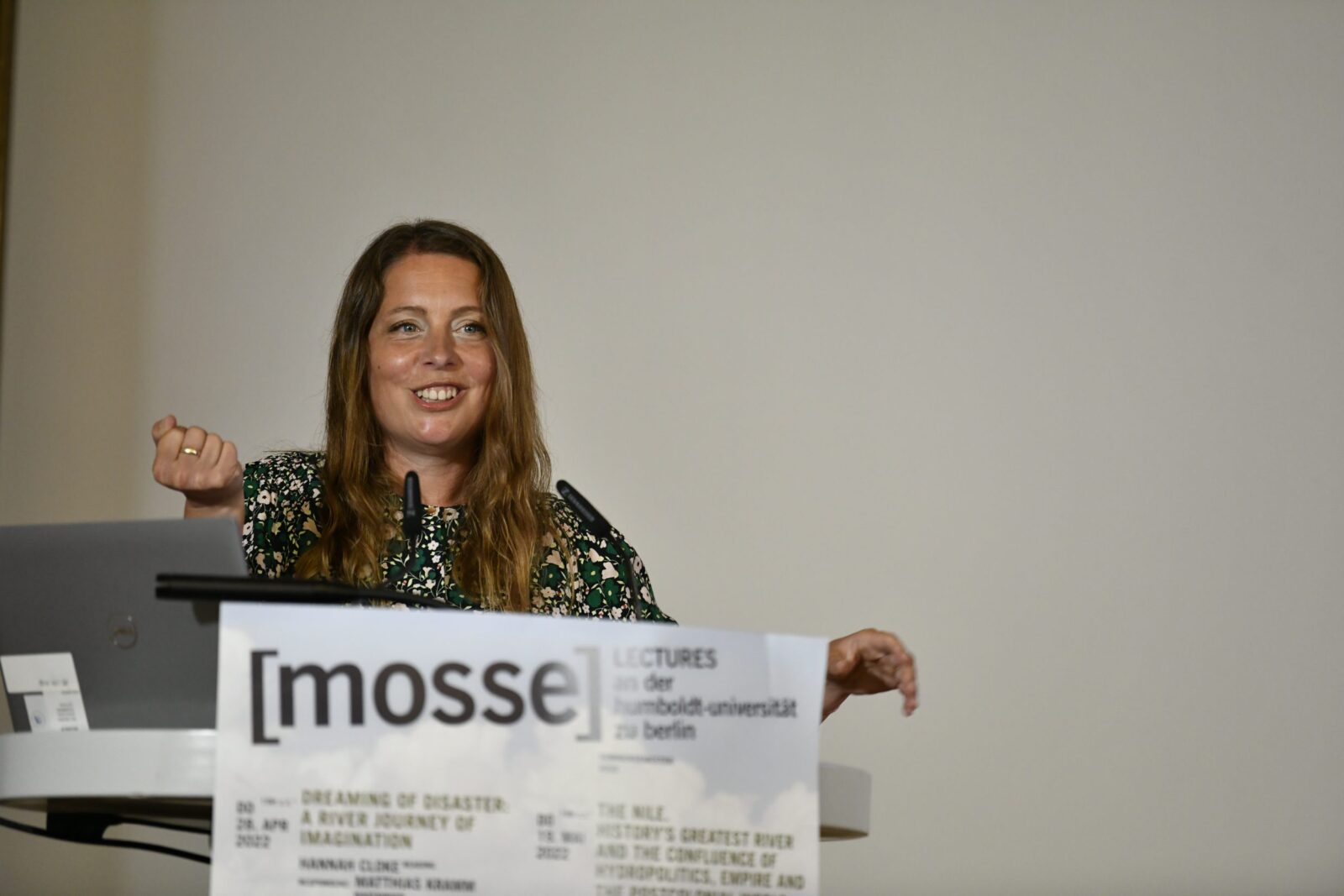
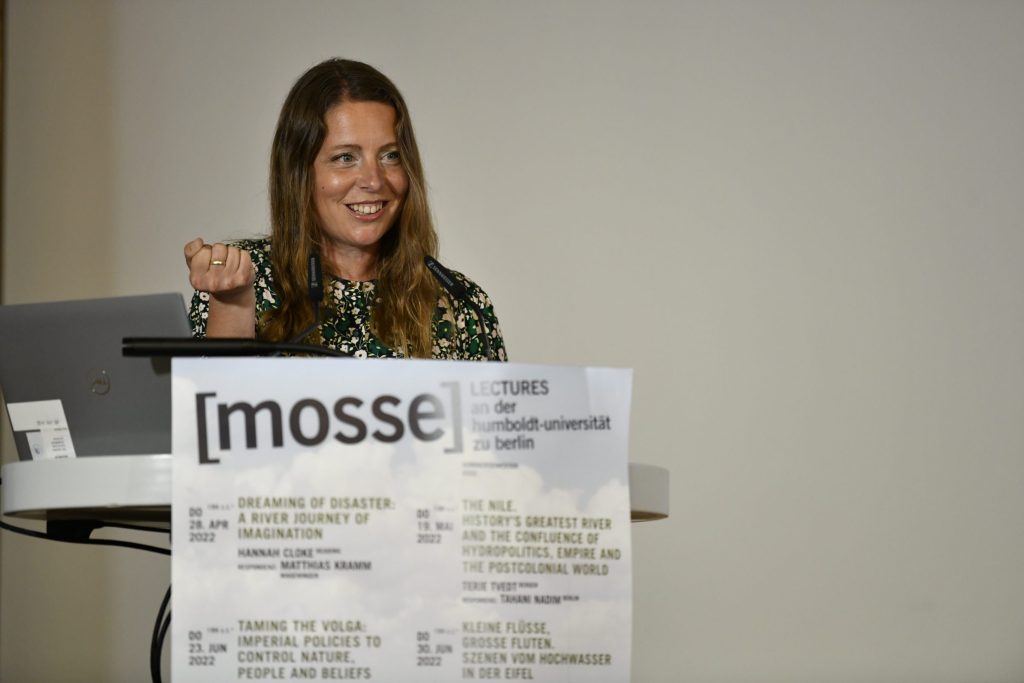
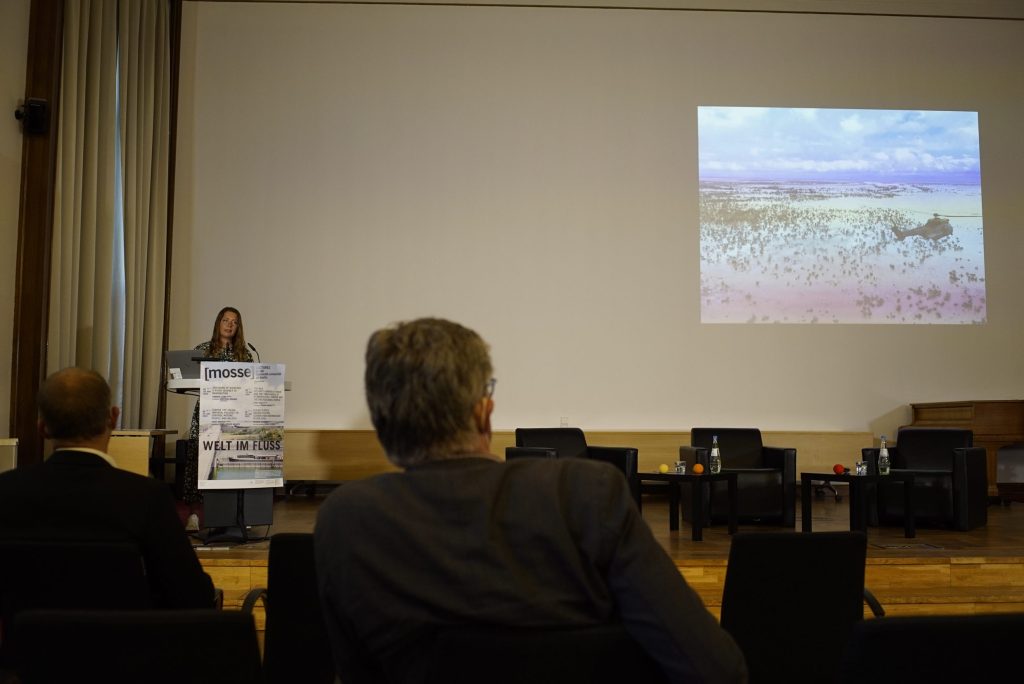
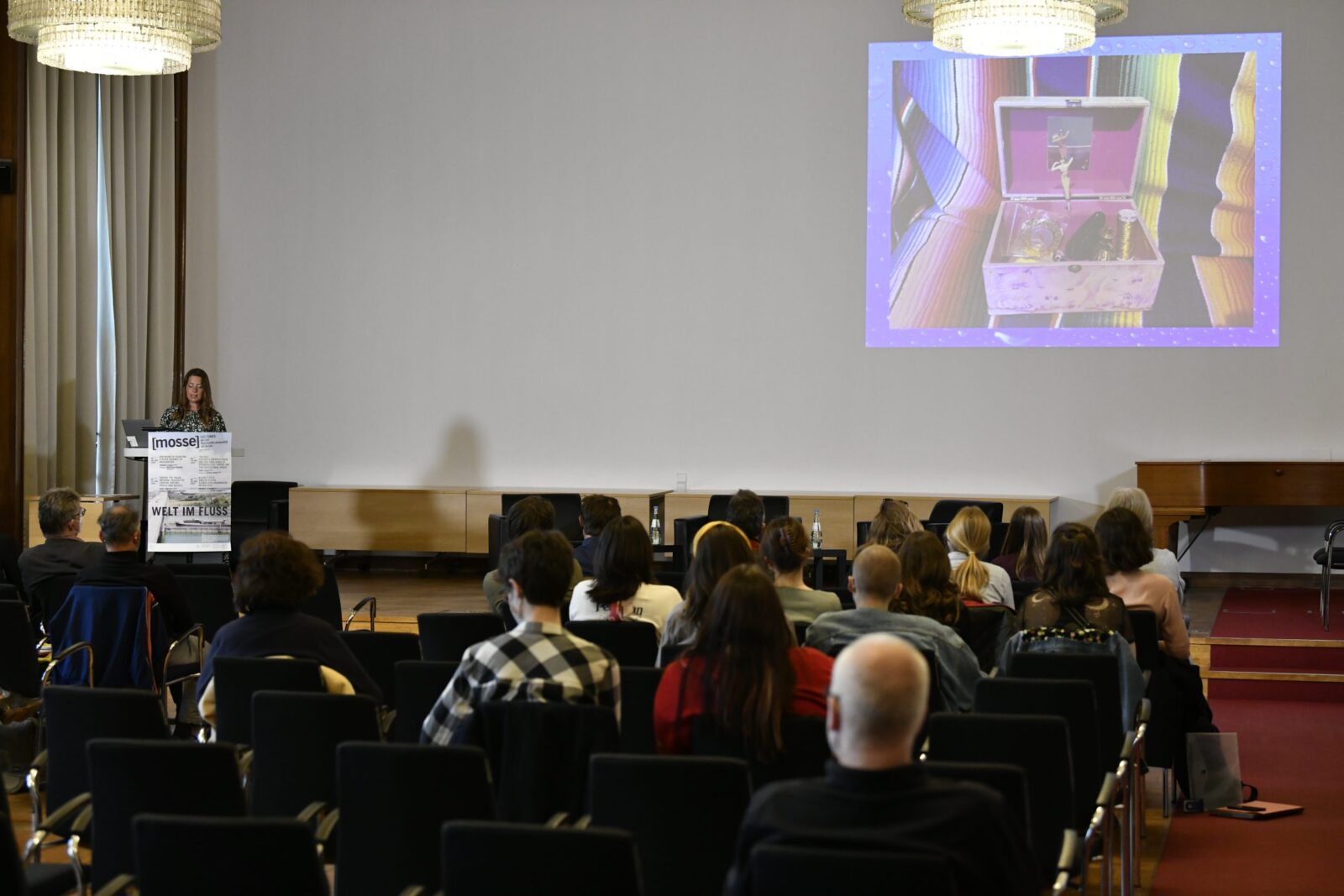
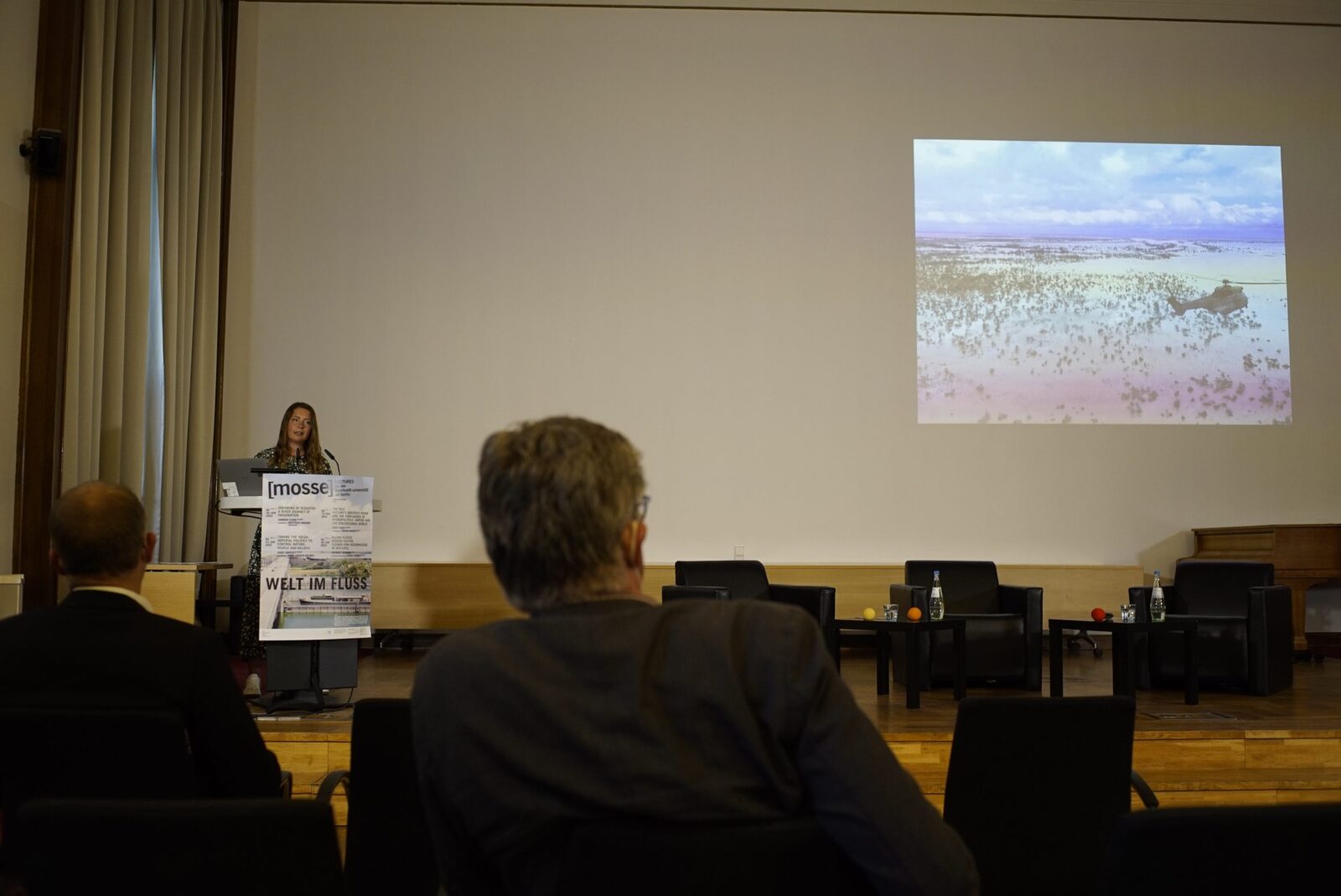
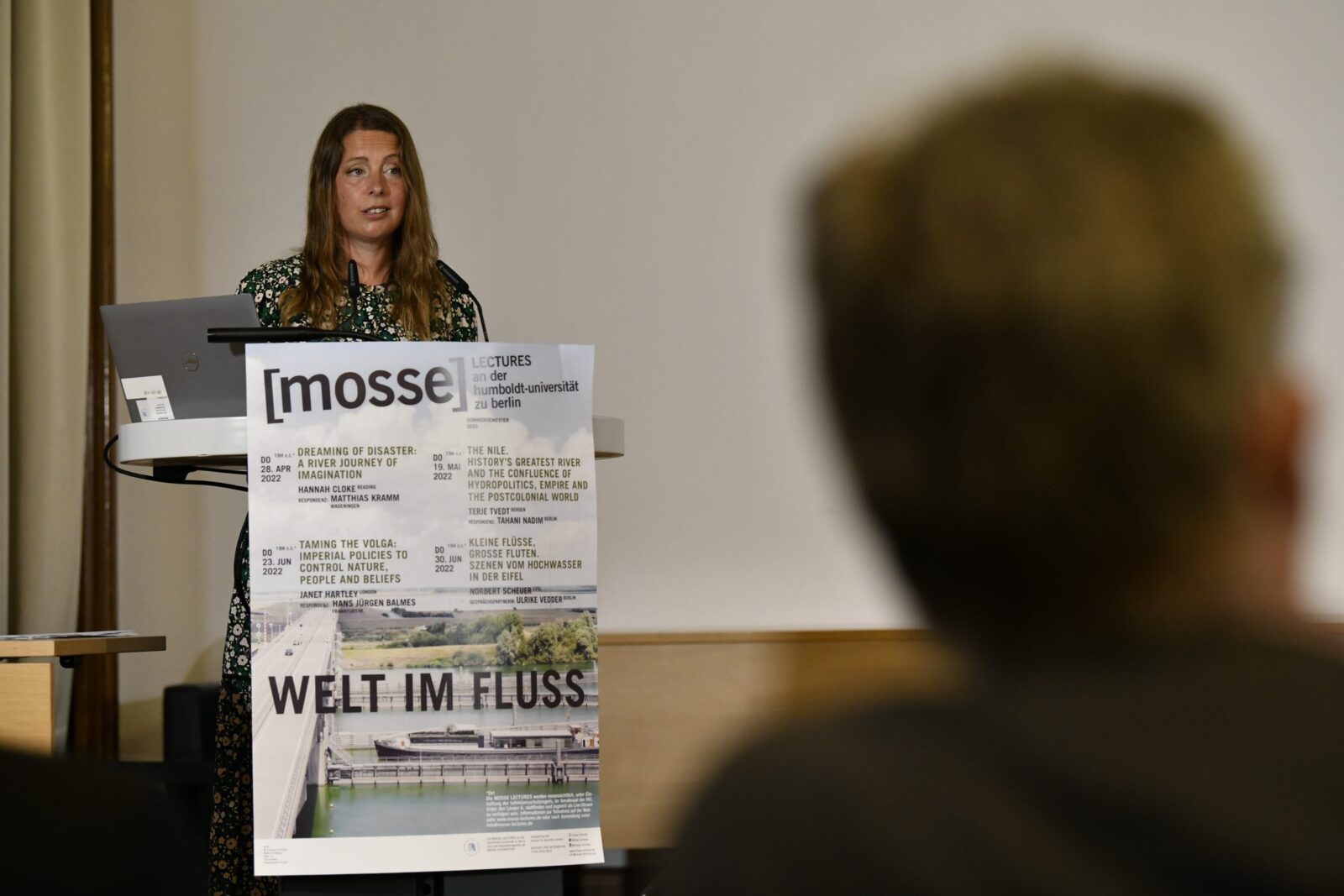
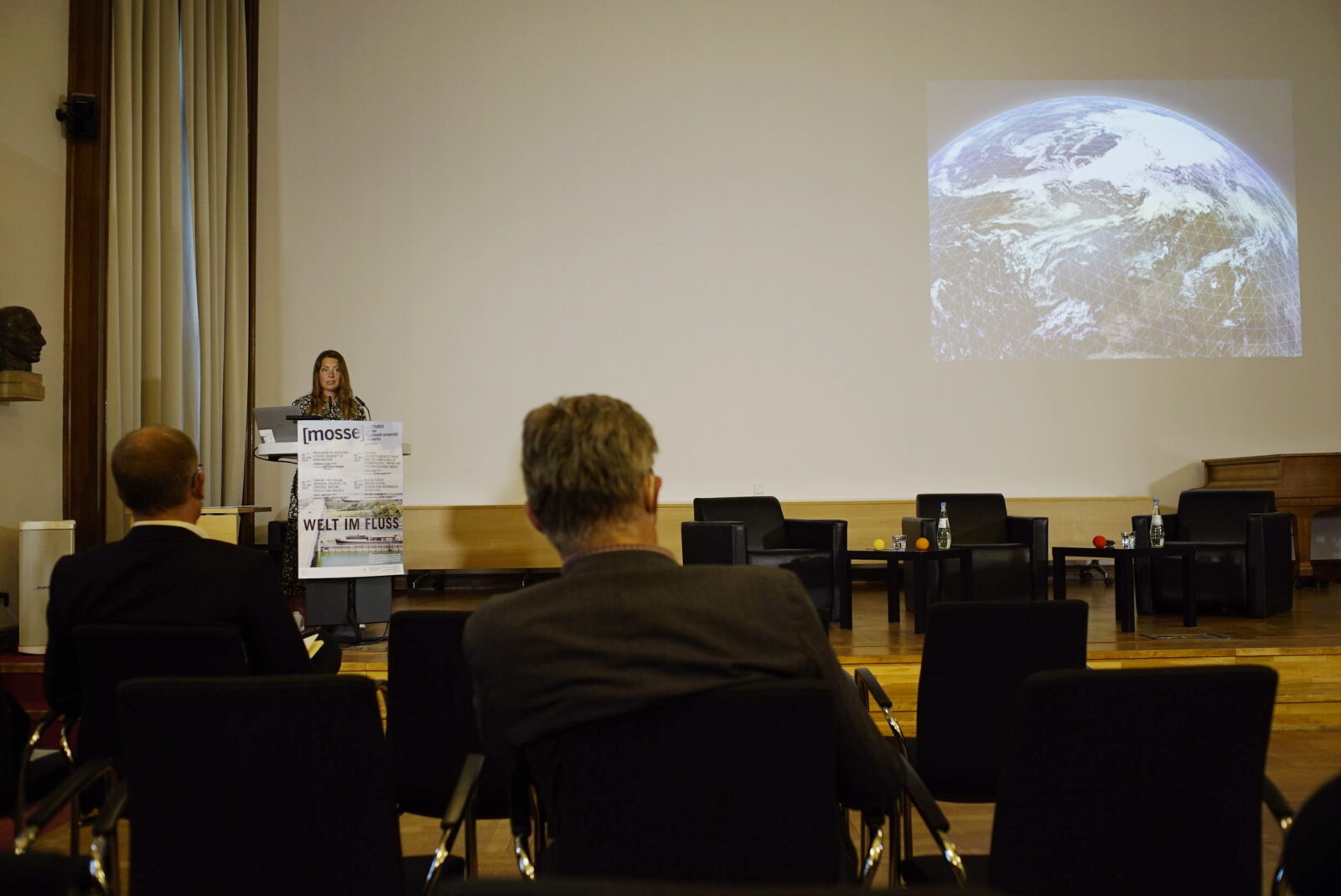
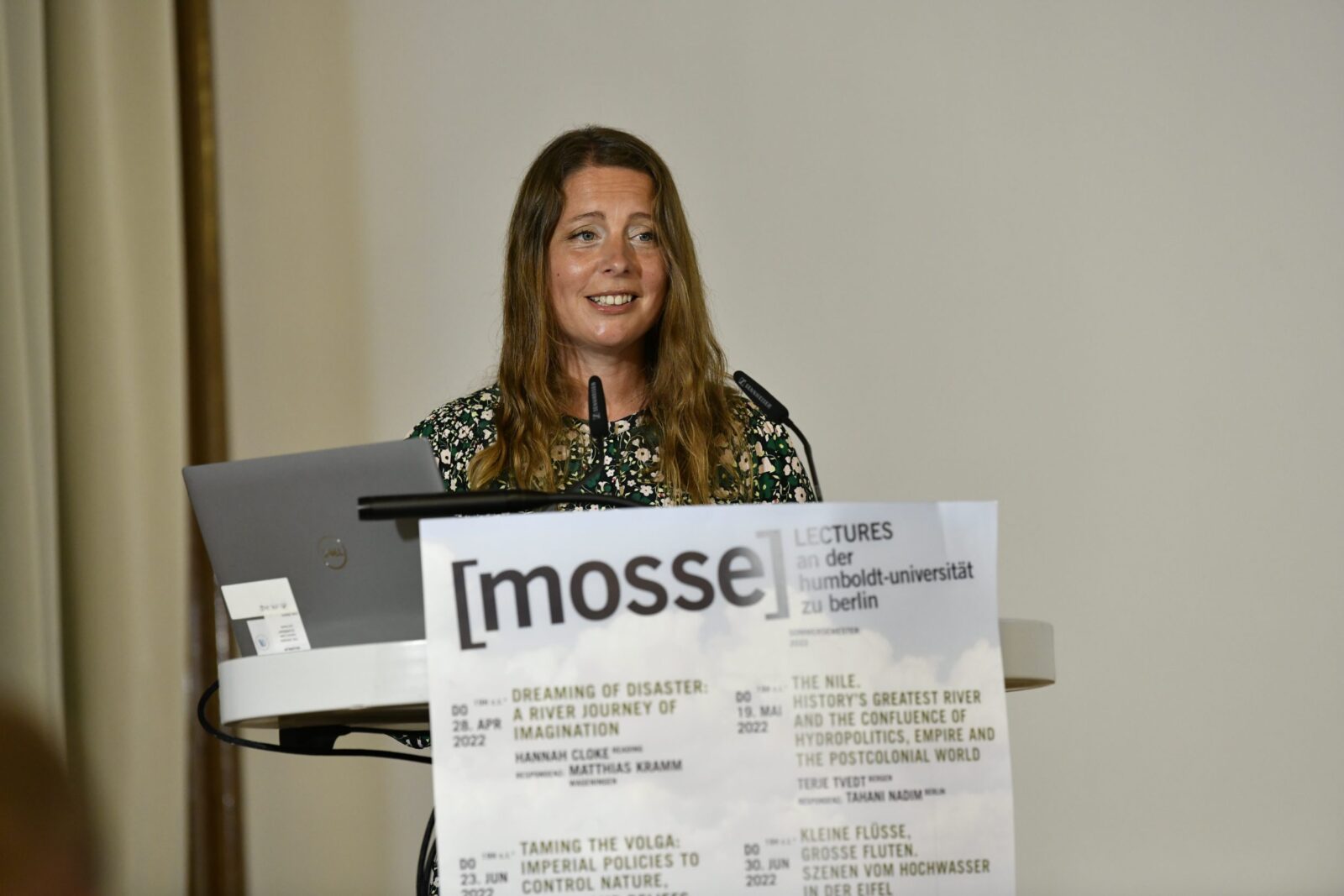
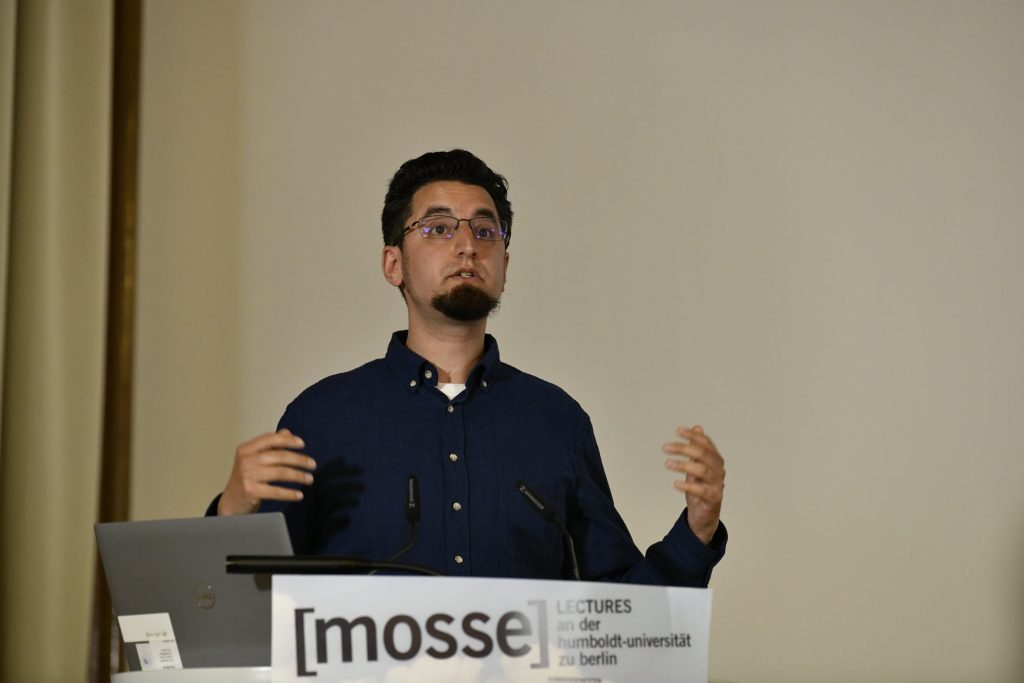
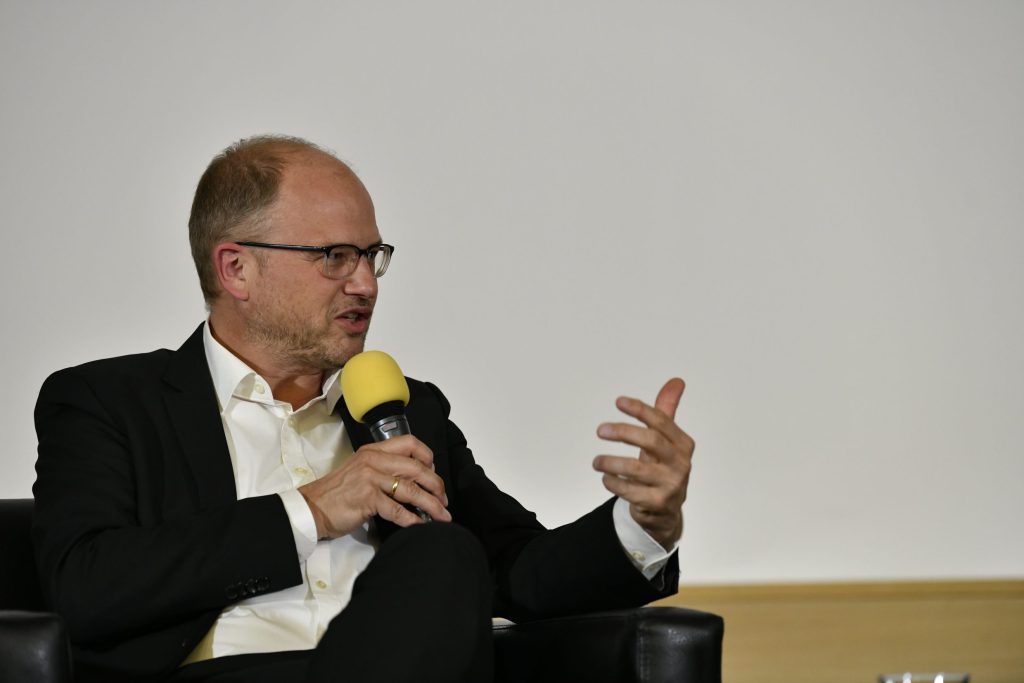
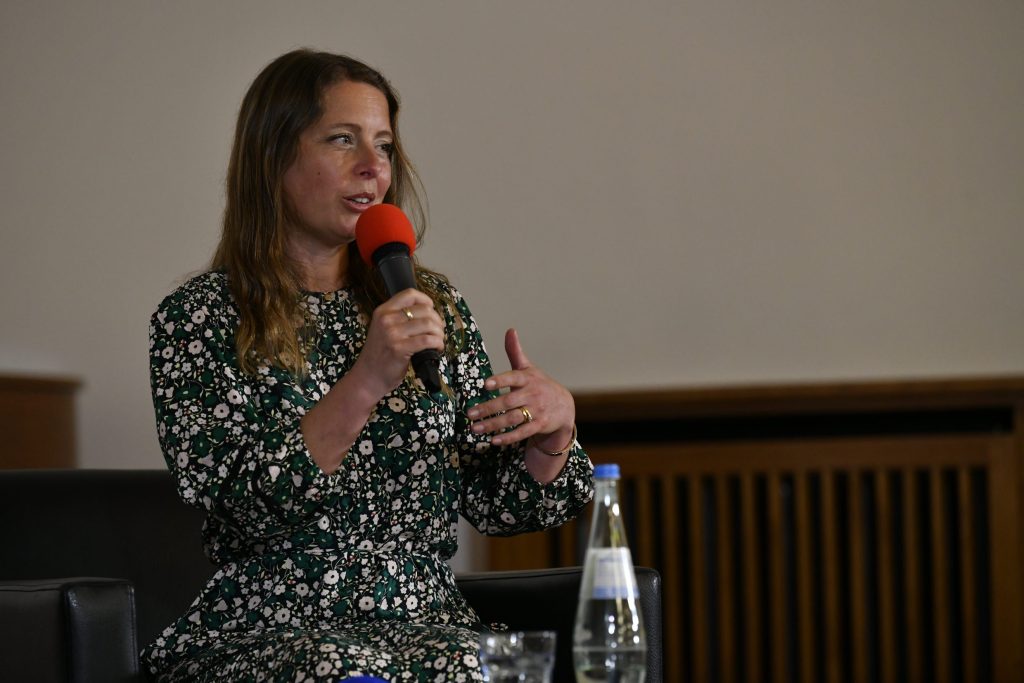
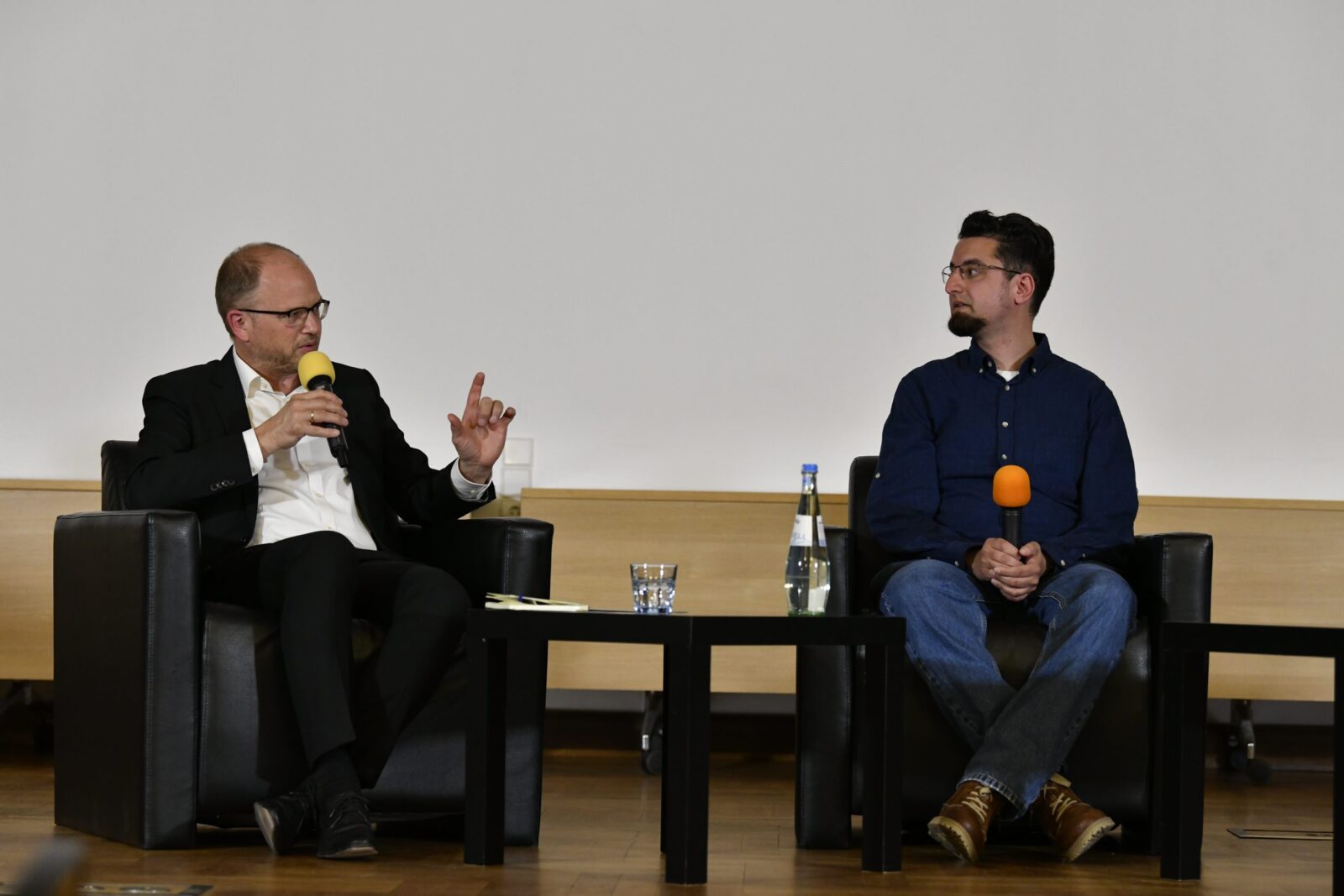
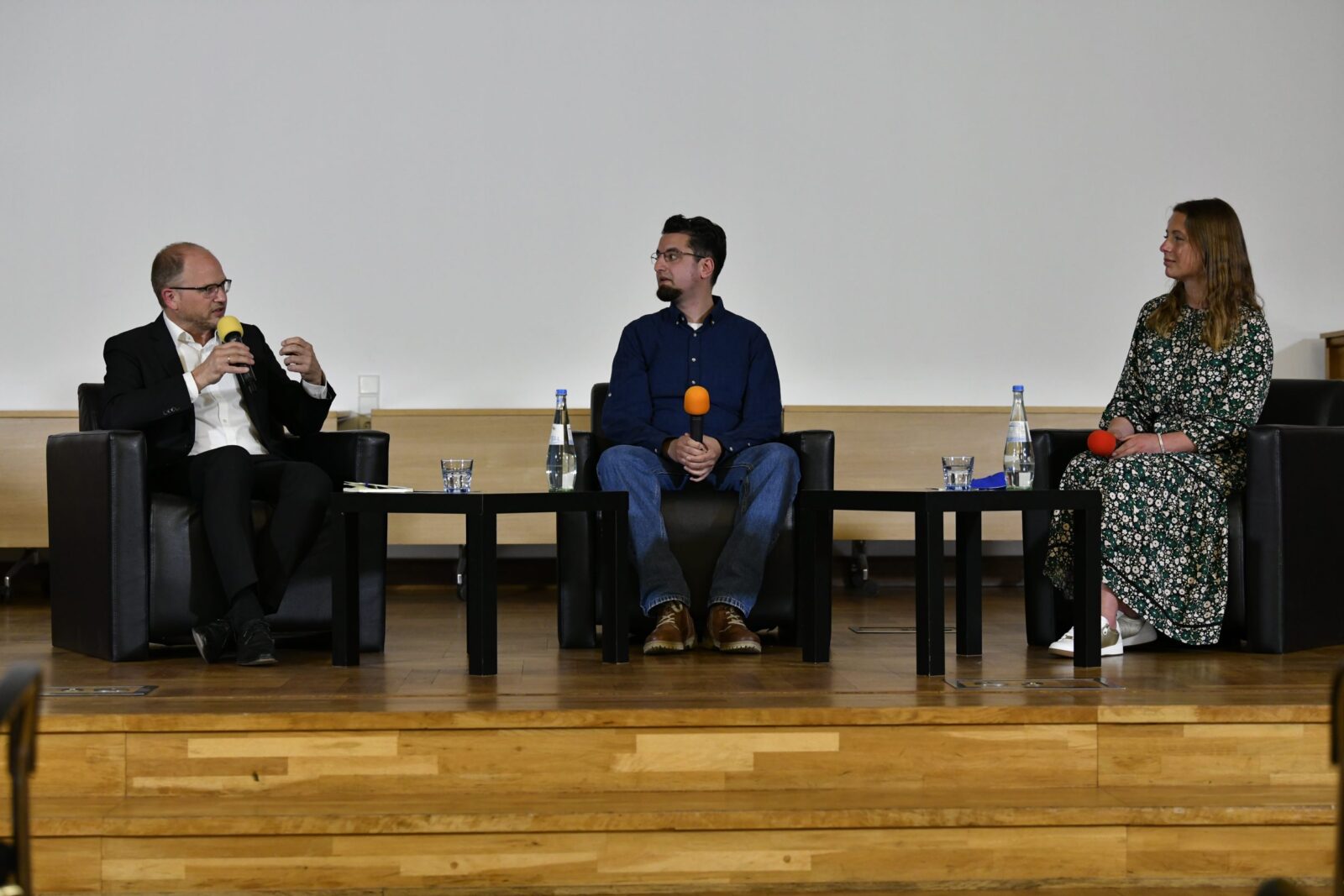
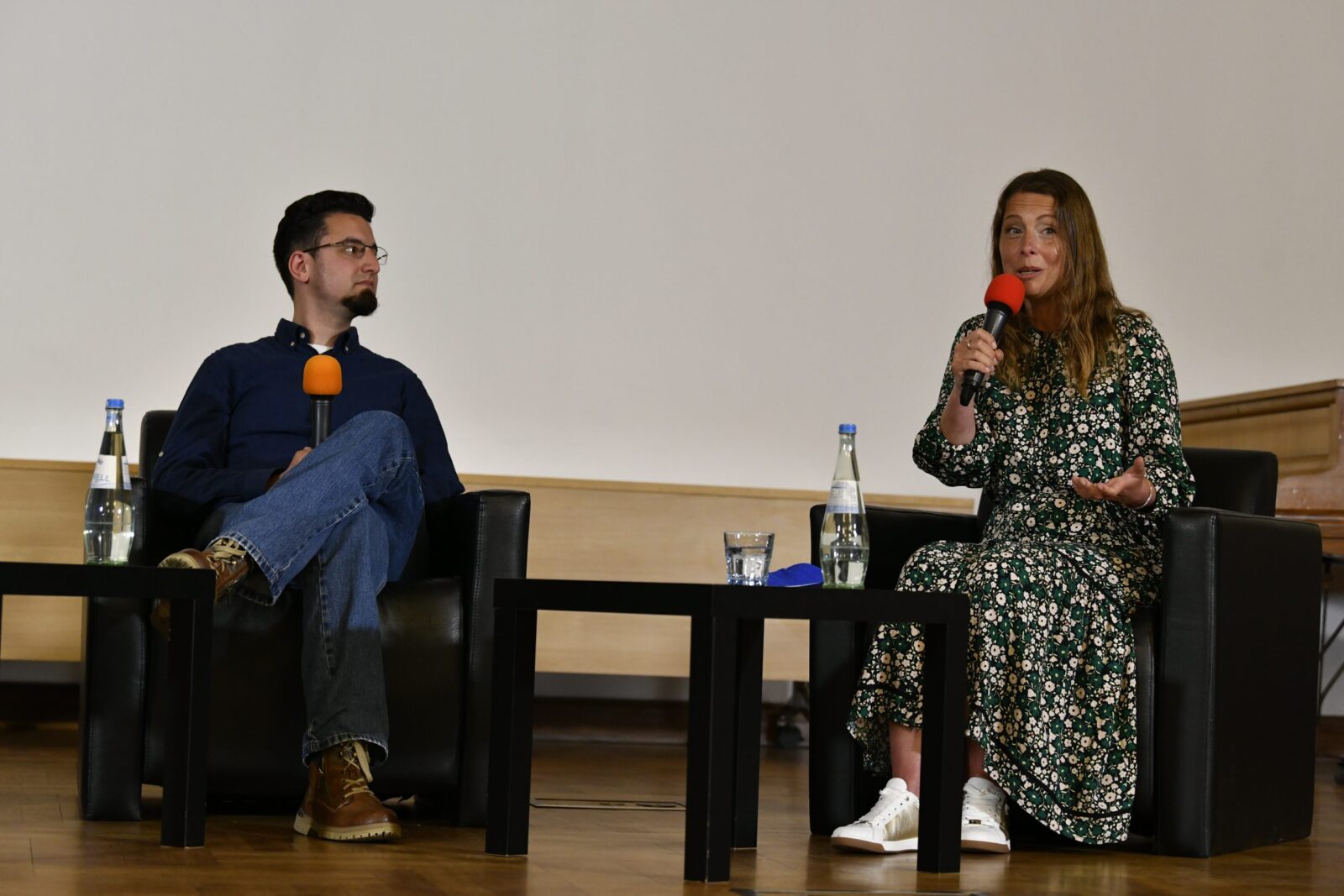
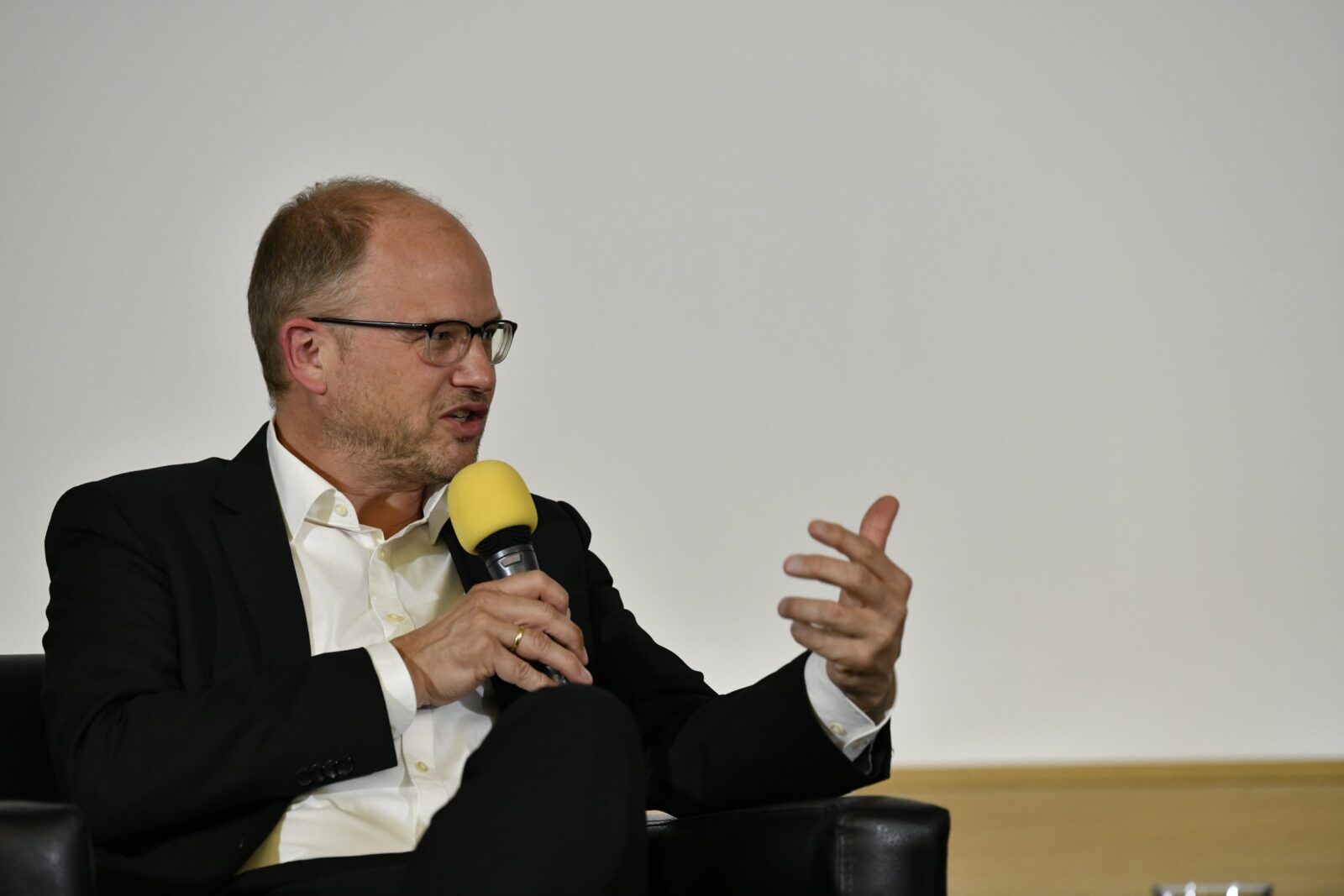
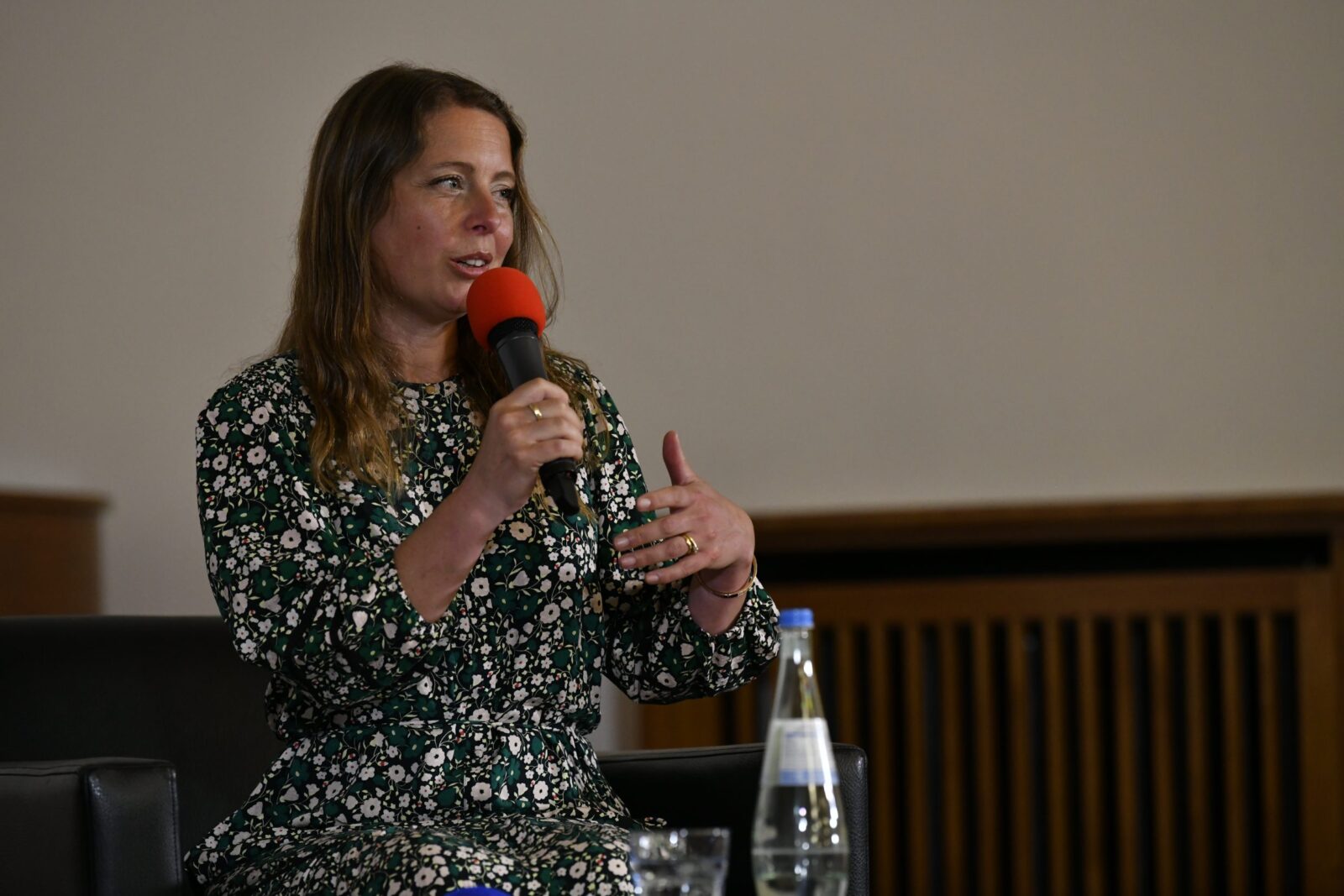
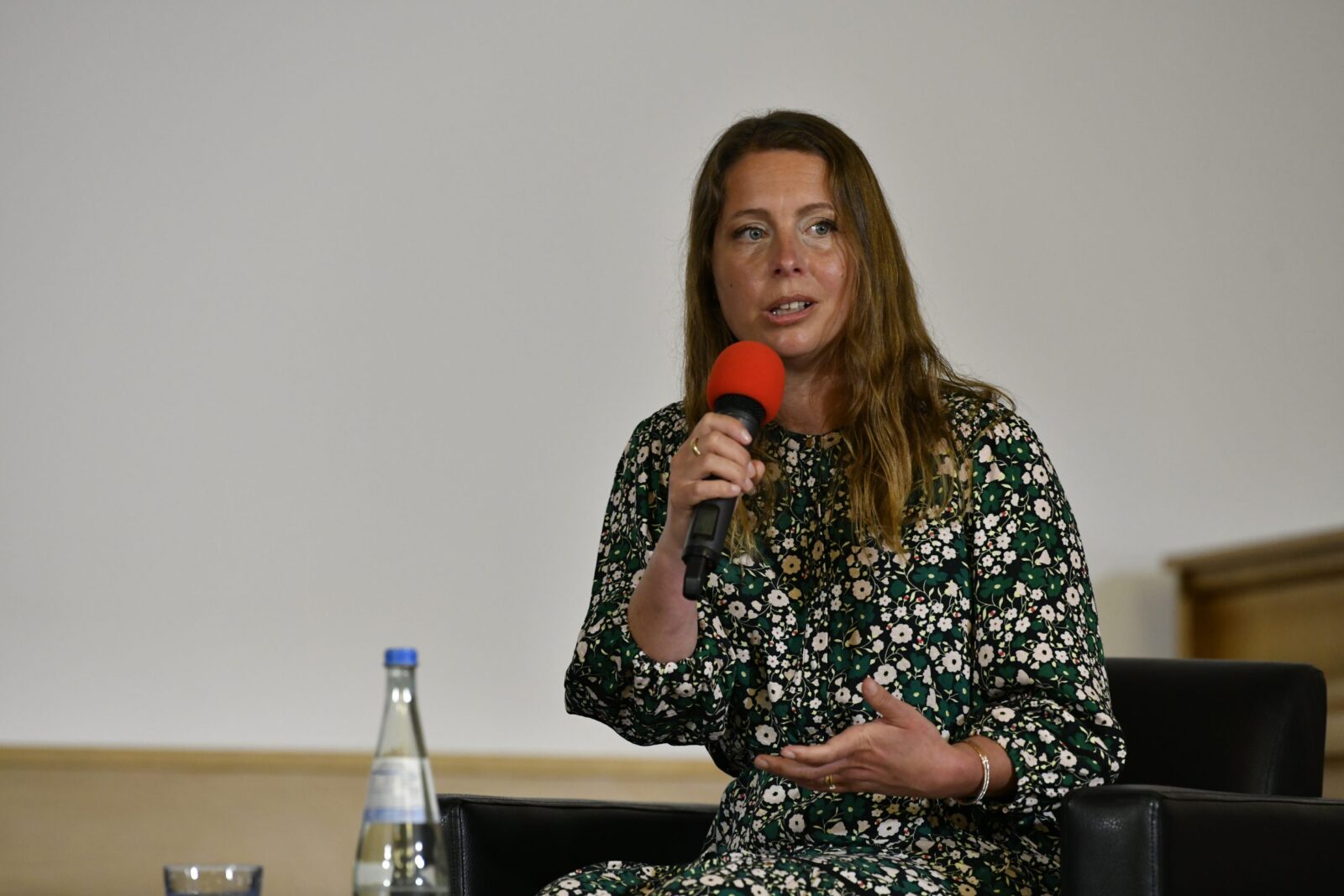
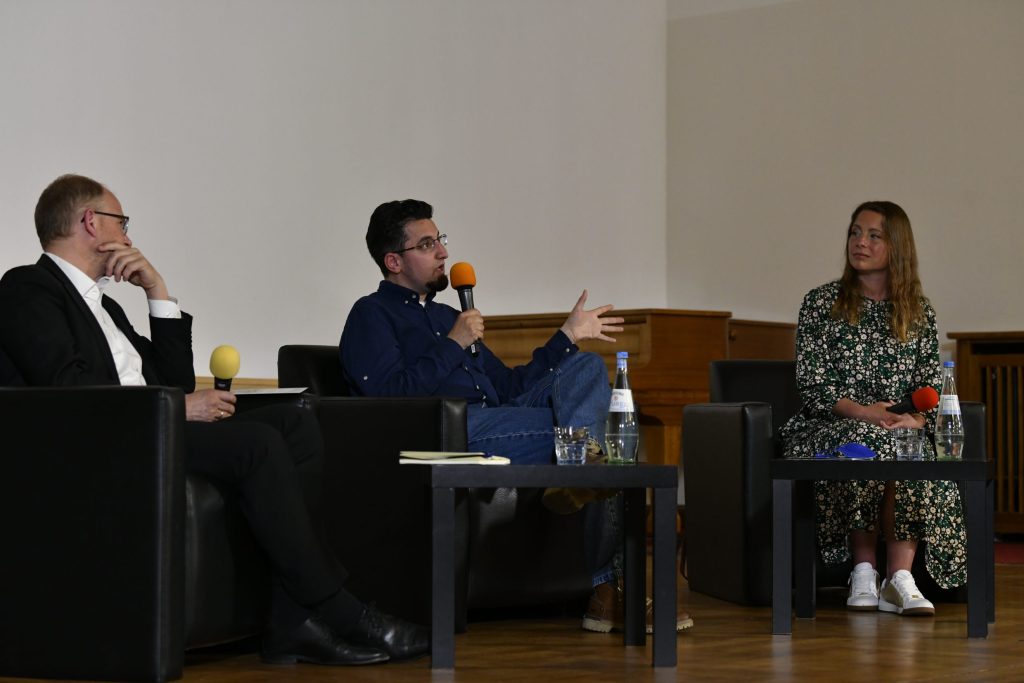
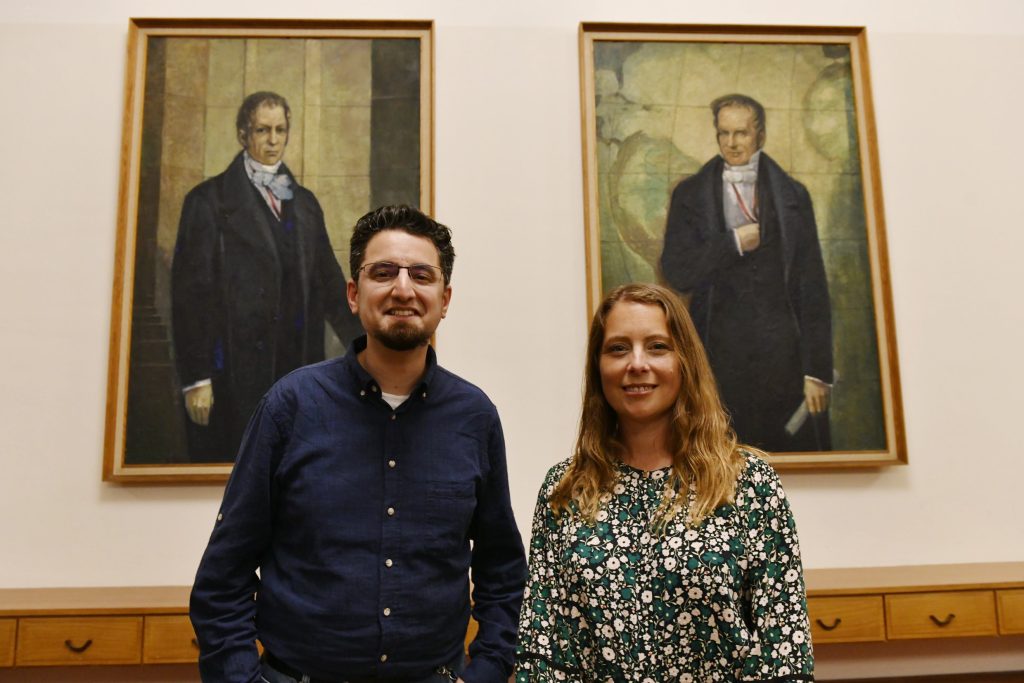
Photo credit: Niels Leiser for the Mosse Lectures
Hannah Cloke: Hannah Cloke ist Professorin für Hydrologie an der University of Reading (UK); Arbeits- und Forschungsschwerpunkte liegen u.a. auf der Vorhersage von Naturkatastrophen, der Optimierung von Frühwarnsystemen, sowie Auswirkungen des Klimawandels; Cloke war nach ihrer Promotion u.a. am Aufbau des European Flood Awareness System (EFAS) beteiligt und ist Direktorin des Global Flood Awareness System (GloFAS). Sie ist länderübergreifend als unabhängige Beraterin zu den Themen Flutwarnung und Überschwemmung tätig; Cloke wurde mehrfach für ihre wissenschaftlichen Verdienste ausgezeichnet und ist Trägerin des Order of the British Empire (OBE).
Matthias Kramm promovierte nach einem Studium der Philosophie und Theologie in München und London 2020 mit der Arbeit »Balancing Tradition and Development?« am Ethics Institute der Utrecht University; mit der Vereinbarkeit von akademischen und nicht-akademischen Wissenskulturen – insbesondere solchen indigener Völker – setzt Kramm sich derzeit auch als Wissenschaftler im GEOs-Forschungsprojekt »Ethnoontologies. Relating Metaphysics and Practice of Knowledge Diversity« an der Wageningen University (NLD) auseinander.
Stefan Willer is Professor of Modern German Literature at Humboldt-Universität zu Berlin. After studying German and Romance languages and literatures, and musicology, he earned his doctorate in 2001 from the University of Münster with a dissertation on Romantic linguistic theory. Between 2001 and 2018, he worked at the Leibniz Center for Literary and Cultural Research in Berlin, serving as deputy director since 2010. Also in 2010, he completed his habilitation at the Technical University of Berlin with a dissertation on the functions of inheritance and heritage in modern literary culture. Between 2014 and 2018, he held a special professorship at the Institute of Cultural History and Theory at Humboldt-Universität and moved to a chair at the Institute of German Literature in 2018. He has served as a visiting scholar and visiting professor at LMU Munich, the École des hautes études en sciences sociales in Paris, the National Autonomous University of Mexico, Stanford University, UC Santa Barbara, and Columbia University in New York City. His research focuses on the literary and intellectual history of generation, inheritance, and future, the interrelationships between literature and music, and theories of language and translation.
