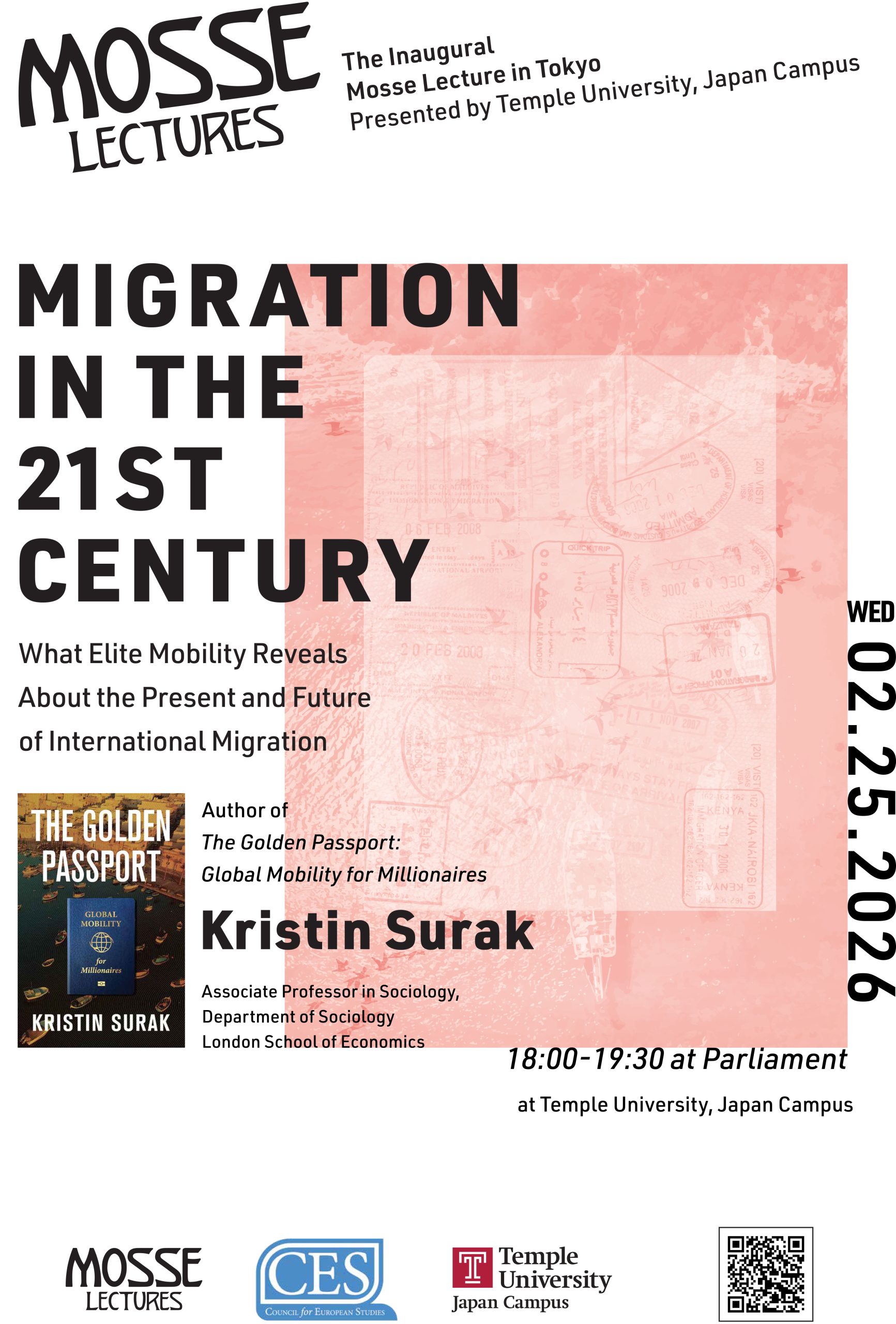
The Inaugural Mosse Lecture in Tokyo, Japan, presented by Temple University, Japan Campus
Kristin Surak “Migration in the 21st Century: What Elite Mobility Reveals About the Present and Future of International Migration”
Wednesday, 25 February 2026
18:00-19:30
Temple University, Japan Campus Access (Parliament)
1-14-29 Taishido, Setagaya-ku
Tokyo 154-0004
Language: English (without interpretation)
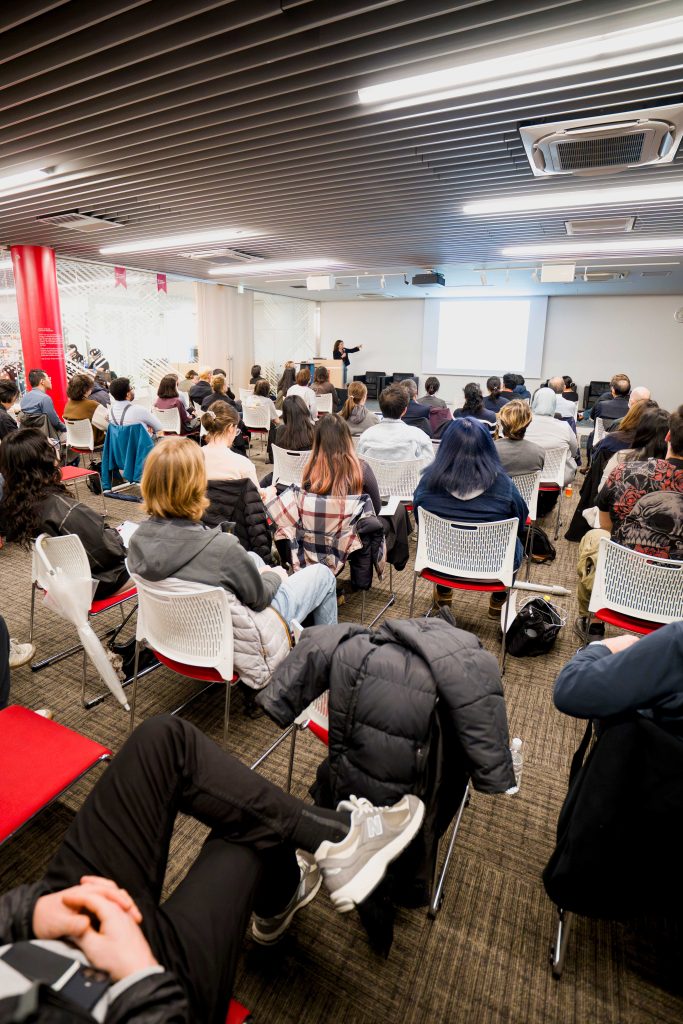
Overview: The study of human migration has traditionally focused on less powerful and possibly vulnerable populations such as refugees, labor migrants, marriage migrants, and others. However, elites are highly mobile too – and are perhaps the global movers par excellence. How does the study of the wealthy upend our basic assumptions about global migration? This talk draws on over a decade of fieldwork in more than twenty countries to expose the dynamics of elite mobility. Extending from the book The Golden Passport: Global Mobility for Millionaires, it cracks open the global market around the sale of citizenship to the rich buyers to reveal an unexpected story about rights, identity, and inequality. Indeed, traveling the world of golden passports challenges us to reconsider our fundamental assumptions about mobility, membership, and globalization and suggests how our own futures may be reconfigured.
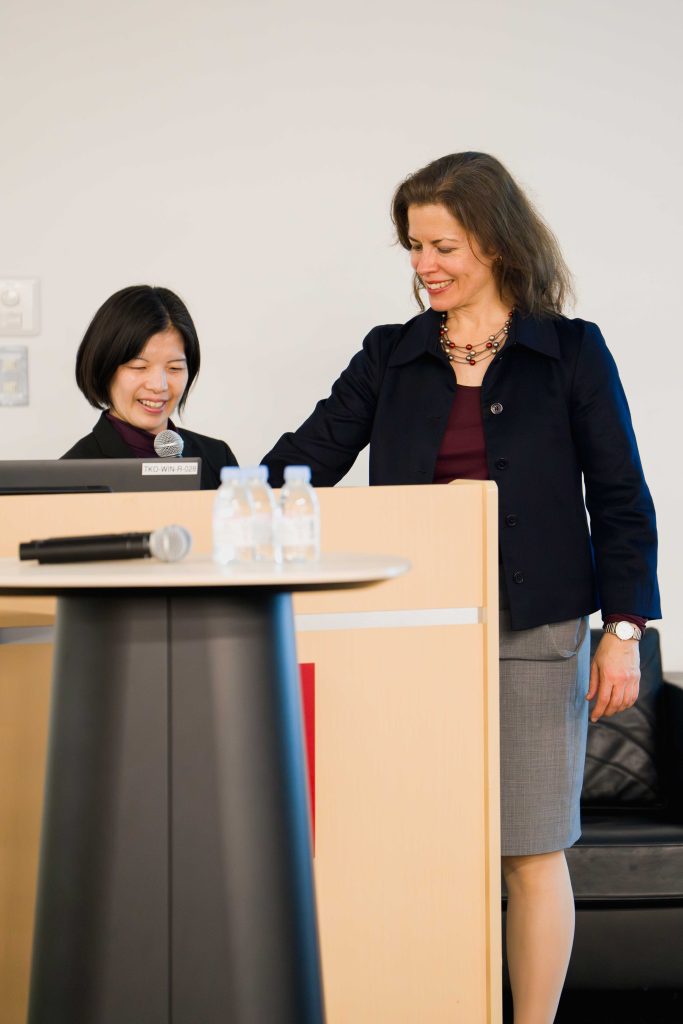
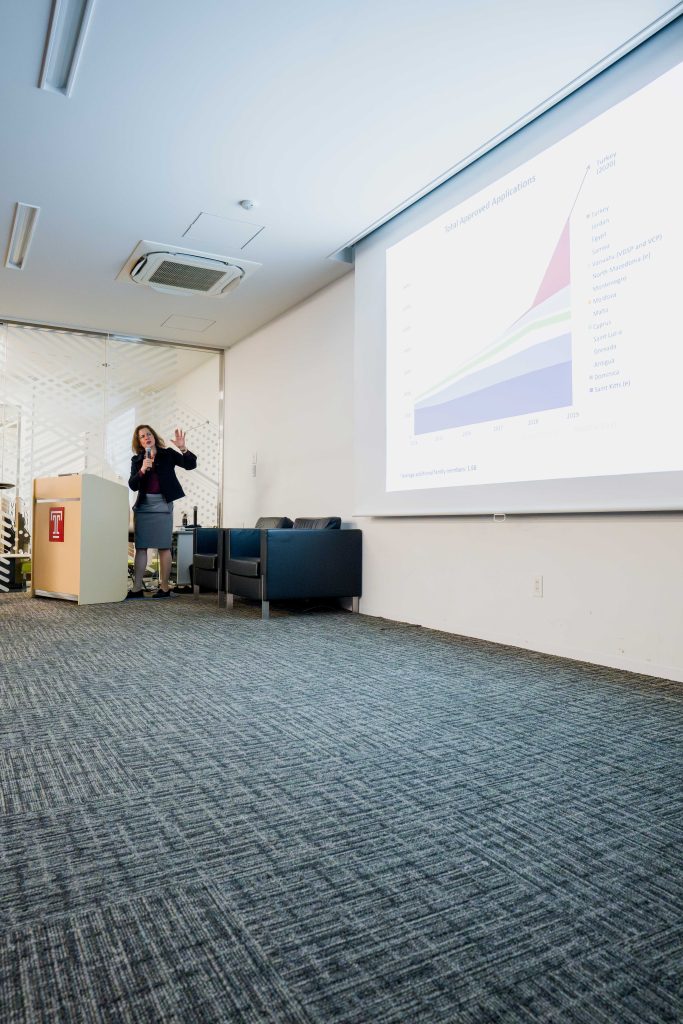
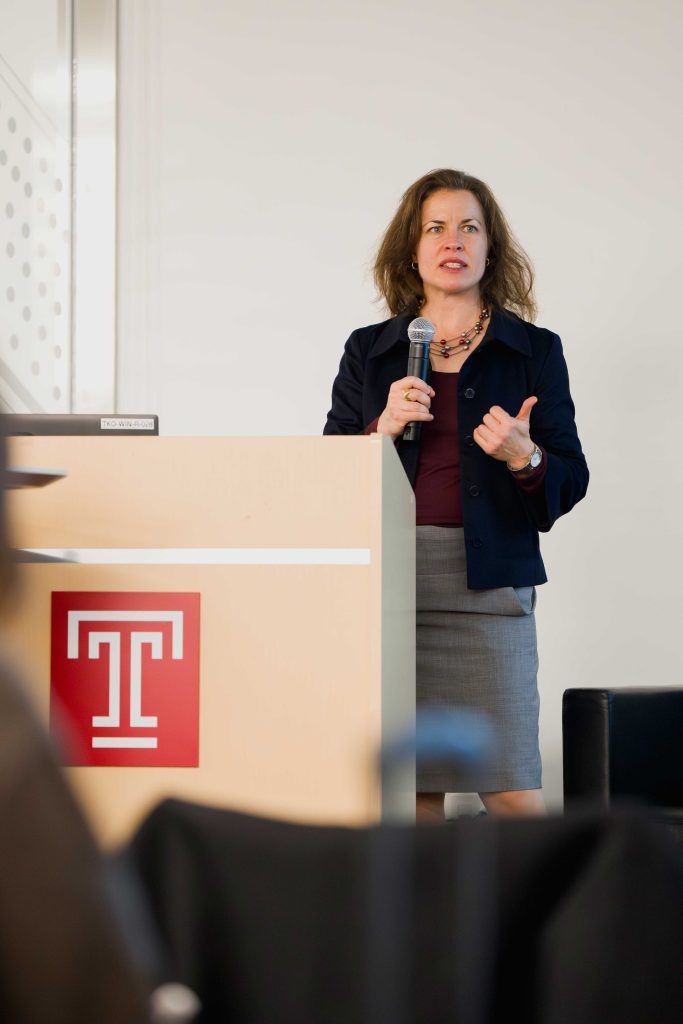
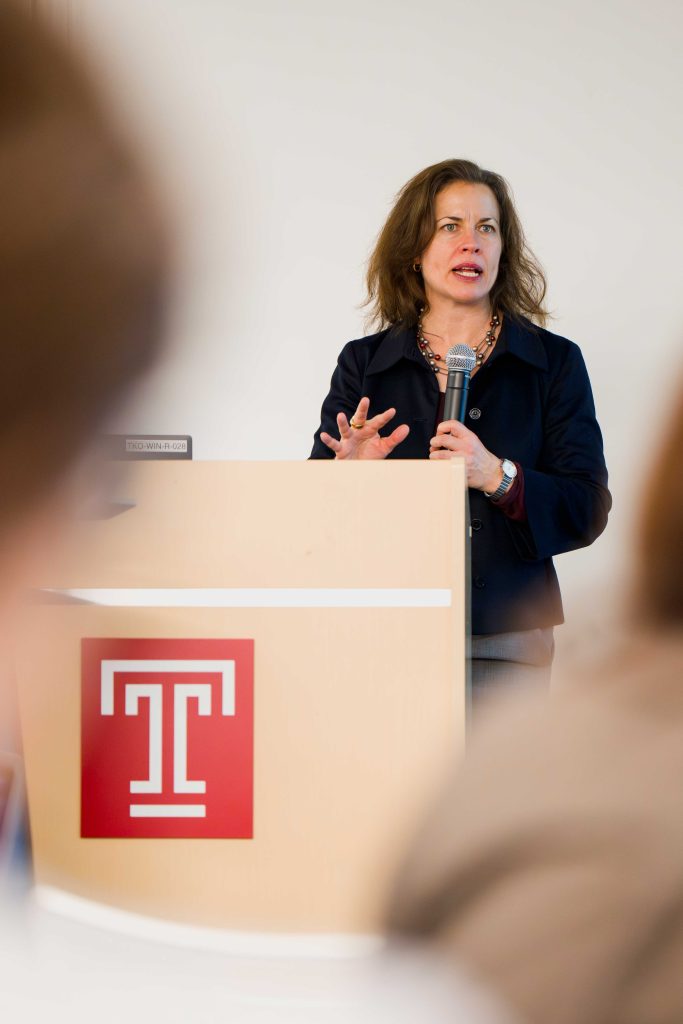
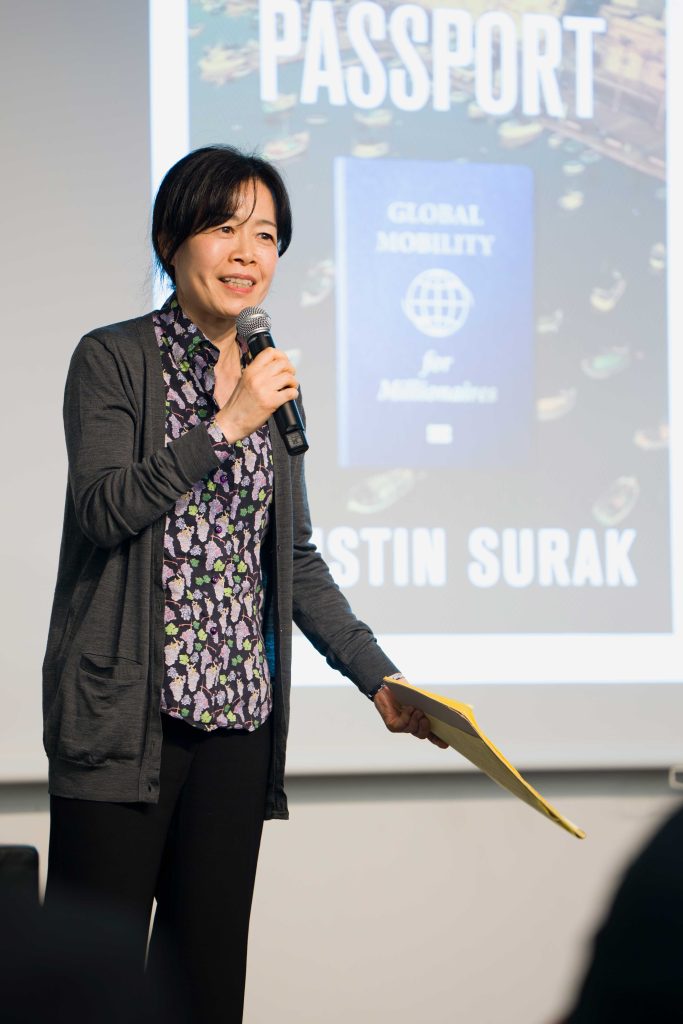
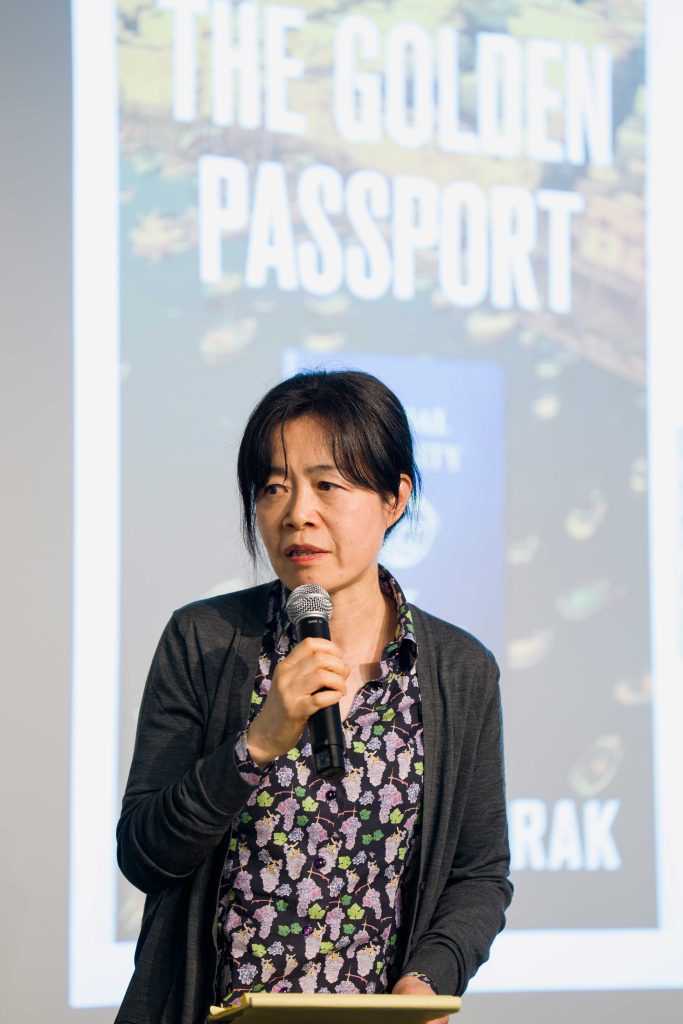
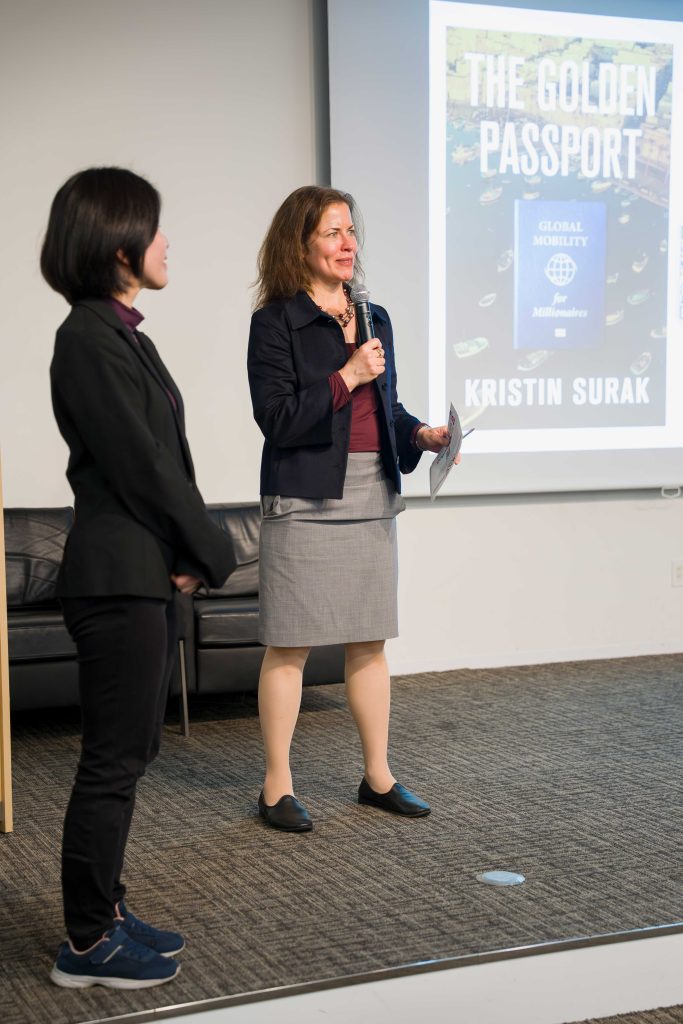
Kristin Surak joined the London School of Economics in 2020 as an Associate Professor in Political Sociology who specializes in the politics of global mobility. Her research on elite mobility, international migration, nationalism, and Japanese politics has been translated into over a dozen languages. She publishes in major academic journals and writes for popular outlets, including the London Review of Books, Washington Post, The Guardian, New Statesman, and Wall Street Journal. She also comments regularly for global sources, such as the BBC, Bloomberg TV, Huffington Post, Channel News Asia TV, and Sky TV News.
Professor Surak has held several internationally recognized positions, including being a Richard B. Fischer Member of the Institute for Advanced Study in Princeton, a Fung Global Fellow at Princeton University, a Sainsbury Fellow at the Sainsbury Institute for Japanese Arts and Cultures, and a Max Weber Fellow at the European University Institute. She is a Lifetime Fellow of Clare Hall at the University of Cambridge and an Academic Peer of Hitotsubashi University, and has been a visiting professor at the Tokyo University of Foreign Studies and at New York University in Abu Dhabi.
The American Academy of Political and Social Science has recognized her scholarship, which has been funded by the German Science Foundation (DFG), Economic and Social Research Council (ESRC), Japan Foundation, Fulbright-Hays Foundation, and Leverhulme Foundation, among others. Kristin has also advised a number of governments and governmental bodies, including ones within the European Commission and European Parliament.
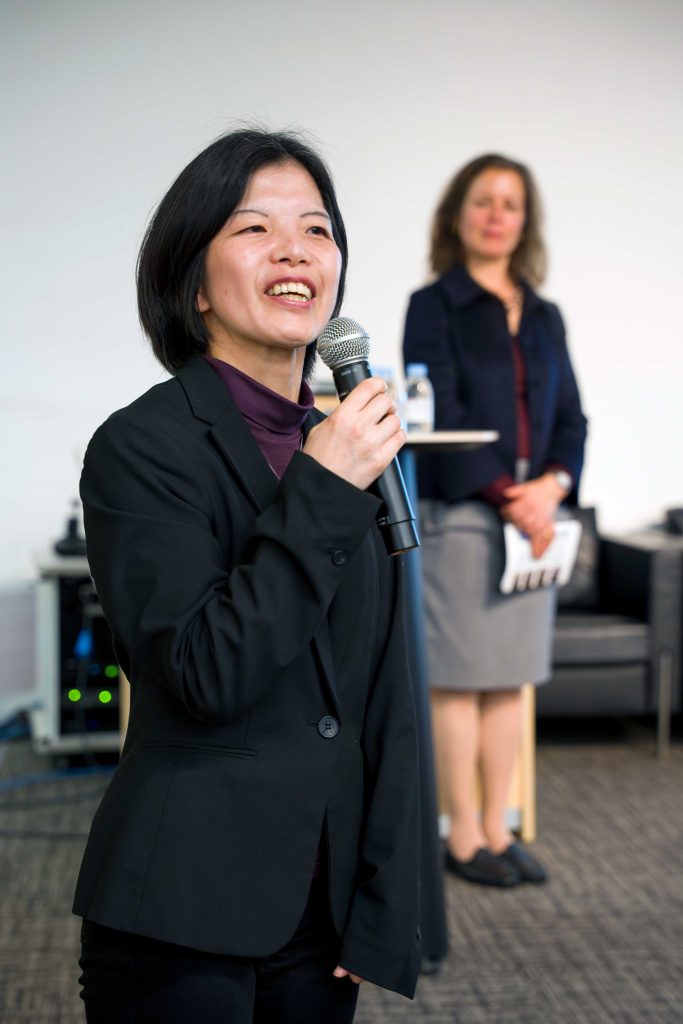
Sachiko Horiguchi‘s research interests lie in the social and medical anthropology of Japan, with a particular focus on youth mental health issues, education, and emerging multiculturalism in contemporary Japan. She has also been involved in medical anthropology education for medical professionals (especially those in primary care).
Gracia Liu-Farrer is professor of sociology at the Graduate School of Asia-Pacific Studies, and Director of Institute of Asian Migration at Waseda University, Japan. Her research examines immigration into Japan, transnational labor and student mobilities in East Asia as well as between Asia and Europe. She hopes to bring Asian experiences to migration and mobility theorization.