


 Robert Beavers, “‘Diminished Frame’ and ‘The Sparrow Dream'”
Friday, 6 February 2026
15:30 PT
BAMPFA
2155 Center Street
Berkeley, CA 94720
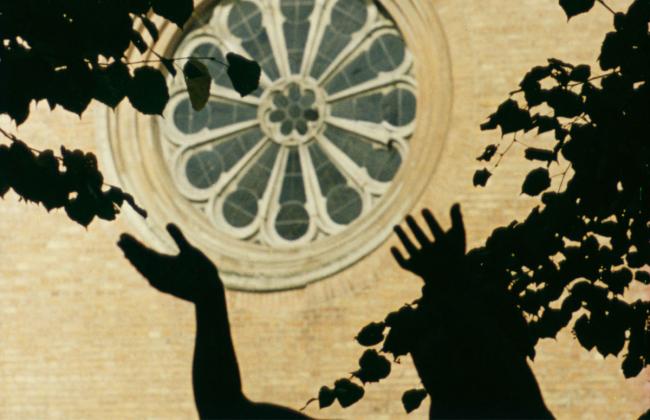
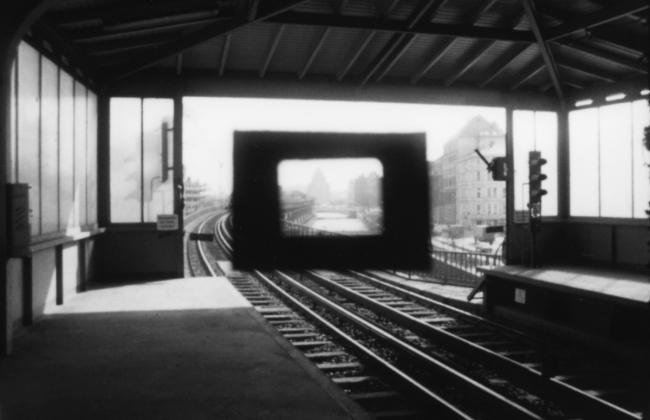
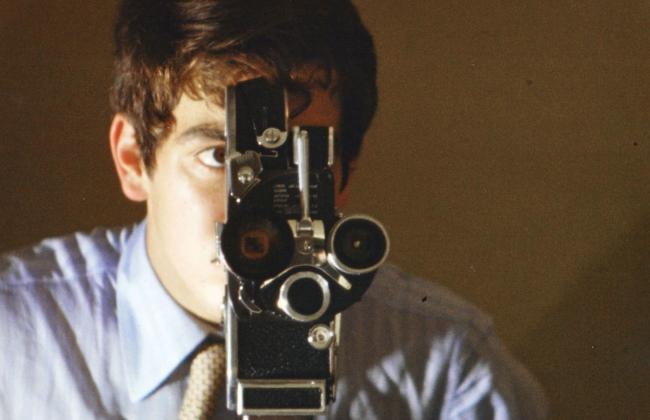
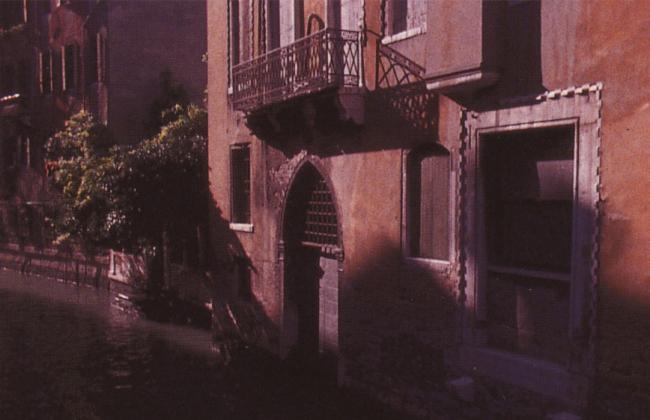
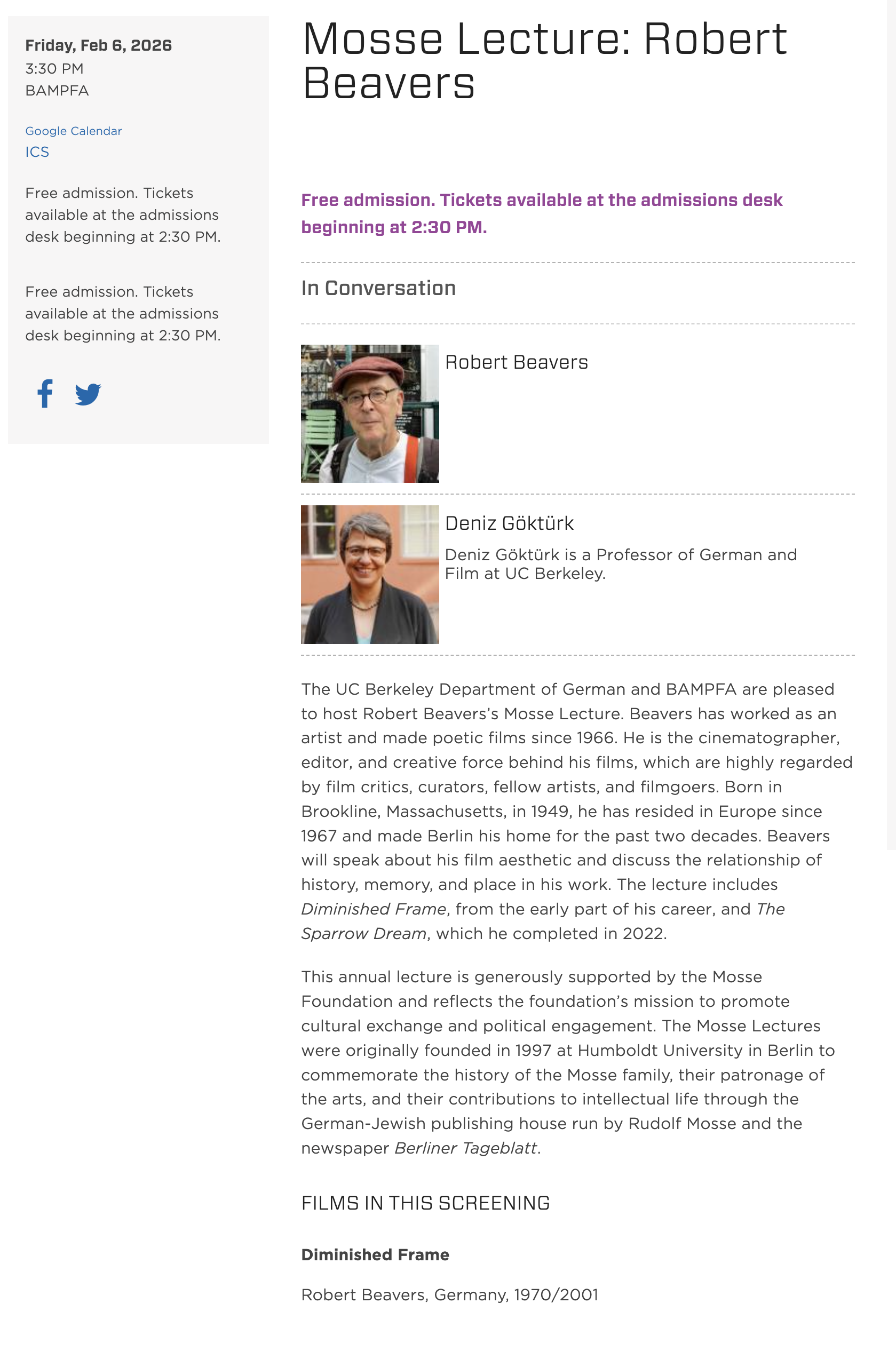
The UC Berkeley Department of German and BAMPFA are pleased to host Robert Beavers’s Mosse Lecture. Beavers has worked as an artist and made poetic films since 1966. He is the cinematographer, editor, and creative force behind his films, which are highly regarded by film critics, curators, fellow artists, and filmgoers. Born in Brookline, Massachusetts, in 1949, he has resided in Europe since 1967 and made Berlin his home for the past two decades. Beavers will speak about his film aesthetic and discuss the relationship of history, memory, and place in his work. The lecture includes Diminished Frame, from the early part of his career, and The Sparrow Dream, which he completed in 2022.
This annual lecture is generously supported by the Mosse Foundation and reflects the foundation’s mission to promote cultural exchange and political engagement. The Mosse Lectures were originally founded in 1997 at Humboldt University in Berlin to commemorate the history of the Mosse family, their patronage of the arts, and their contributions to intellectual life through the German-Jewish publishing house run by Rudolf Mosse and the newspaper Berliner Tageblatt.
Rebekah Rutkoff, Robert Beavers (New York: Columbia University Press, 2017).
Rebekah Rutkoff, Double Vision: The Cinema of Robert Beavers (Cambridge, MA: MIT Press, 204).
Diminished Frame Print Info
B&W/Color
16mm
24 mins
source: Robert Beavers
The Sparrow Dream Print Info
Color
16mm
29 mins
source: Robert Beavers
Born in 1949 in Brookline, Massachusetts, Beavers began to make films in the mid-1960s in New York City. By the end of that decade, he had relocated to Europe with fellow American filmmaker Gregory J. Markopoulos, who would be his lifelong companion until Markopoulos’s death in 1992. The majority of Beavers’s films were shot in the 1970s and 1980s in Italy, Switzerland, Germany, and Greece. Between 1994 and 2002, the artist involved himself in reediting the images and creating new soundtracks for his eighteen-film cycle, My Hand Outstretched to the Winged Distance and Sightless Measure.
Beavers’s films embody the ideals of the Renaissance in their fascination with perception, psychology, literature, the natural world, architectural space, musical phrasing, and aesthetic beauty. For many years now, Beavers has made Berlin his home with fellow filmmaker Ute Aurand. We will present seven films he has made since 2007, which continue his exploration of sense of place, reflection, and harmony.
—Susan Oxtoby, Director of Film and Senior Film Curator
Deniz Göktürk earned her PhD at Freie Universität Berlin, Germany, in 1995, with a dissertation on literary and cinematic imaginations of America in early twentieth-century German culture. She also worked as a certified translator of Turkish for law courts, hospitals, and publishers for several years. Her first full-time teaching appointment was at the University of Southampton, UK, in the School of Modern Languages and the Film Program from 1995 to 2001. She joined the Department of German at Berkeley in fall 2001. She has served as graduate adviser and department chair.
She has held awards and grants from the DAAD, the Economic and Social Sciences Research Council (ESRC) in the UK, the Institute for European Studies, the Institute for International Studies, the Townsend Center for the Humanities, the Center for Middle Eastern Studies, and Digital Humanities at Berkeley. She has been an invited fellow at the Institute for Advanced Study Konstanz and the Center for Cinepoetics at the Freie Universität Berlin.
On campus, she holds affiliations with the Department of Film and Media, the Berkeley Center for New Media, Digital Humanities, the Center for Middle Eastern Studies, the Center for Race and Gender, the Department of Gender and Women’s Studies, and the Program in Critical Theory. She has participated in cross-campus collaborations on “Cultural Forms in Transit” and a strategic working group on “Circulation.” She is co-founder and concept coordinator of TRANSIT, the electronic journal launched by the Berkeley German Department in September 2005, and coordinator of the Multicultural Germany Project.