
Mouhamadou El Hady Ba, “Decolonial Coup d’Etat?”
Thursday, 18 December 2025, 19:15 CET
Senatssaal of Humboldt University
Unter den Linden 6
10117 Berlin
GERMANY
With Joseph Vogl
Sponsored by:
The Mosse Foundation
Institut für deutsche Literatur
Humboldt University
Mosse Lectures
ZeughausKino
Deutsches Historisches Museum
Description: One interpretation of what is currently happening in West Africa, and more specifically in the Sahel, is that we are witnessing the completion of the decolonial project that had been interrupted and derailed by the maneuvers of the architects of Françafrique. The coups d’état that gave rise to the Alliance of Sahel States (ASS) would therefore be a »trick of history« to break free from the colonialism that keeps Africa in a world system that is essentially antithetical to the needs of its population. This interpretation is reinforced by the observation that, while Fanon asserts that decolonization is an essentially violent process, the decolonizations of the 1960s took place relatively smoothly. Smoothly, that is, in a way that maintained the privileges of a transnational ruling class.
In this lecture, I will show that the decolonial claims of the supporters of these coups are fallacious. To do so, I will draw on three points. First, the course of historical events in these countries argues more for a diversion of the populations’ legitimate anger than for a genuine anti-colonial revolution. Second, I will engage in a philosophical reflection on the nature of power and authority to argue that the regimes that emerged from these coups are, on balance, more illegitimate than the regimes they replaced. Finally, I will draw on two revolutionary pre-colonial moments: the founding of the Mali Empire and the Fouta Revolution led by Thierno Souleyman Baal to support the illegitimacy, even in light of the endogenous political traditions of the juntas of the ASS countries. Using work I did with Gregory Doukas, I will argue that deeply rooted decolonial work should have the same components that are evident in the Hunter’s Oath and the Fouta Revolution: 1) a collective endeavour to change reality 2) an emphasis on education, and 3) the promotion of responsibility not only at the collective level but also at the personal level.
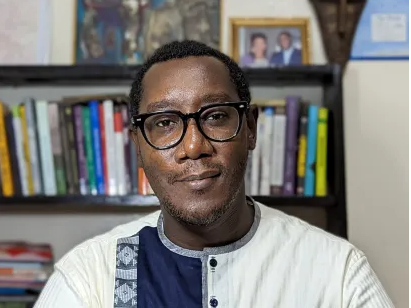 Mouhamadou El Hady Ba: Philosopher and cognitive scientist; Associate professor of philosophy at Université Cheikh Anta Diop in Dakar. His areas of expertise include logic, epistemology, and philosophy of science, as well as political philosophy and cognitive science. Ba has worked as a visiting scholar at the Università di Torino, the École des Hautes Études en Sciences Sociales in Paris, and most recently in 2021/22 as a Fulbright scholar at the University of Connecticut and the Institute of African Studies at Columbia University. He is also a founding member and first scientific director of the progressive, independent, and pan-African think tank Ipode. In this role, Ba has worked on terrorism in the Sahel region and political issues primarily concerning West Africa, among other topics.
Philosoph und Kognitionswissenschaftler; Außerordentlicher Professor für Philosophie an der Université Cheikh Anta Diop in Dakar. Zu seinen Fachgebieten gehören Logik, Epistemologie und Wissenschaftsphilosophie. Daneben befasst er sich mit politischer Philosophie und Kognitionswissenschaft. Als Gastwissenschaftler arbeitete Ba bereits an der Università di Torino, der École des Hautes Études en Sciences Sociales in Paris sowie zuletzt 2021/22 als Fulbright-Stipendiat an der University of Connecticut und am Institute of African Studies der Columbia University. Er ist außerdem Gründungsmitglied und erster wissenschaftlicher Direktor des progressiven, unabhängigen und panafrikanischen Thinktanks Ipode. In dieser Funktion hat Ba unter anderem zu Terrorismus in der Sahelzone und politischen Problemkonstellationen in Westafrika gearbeitet.
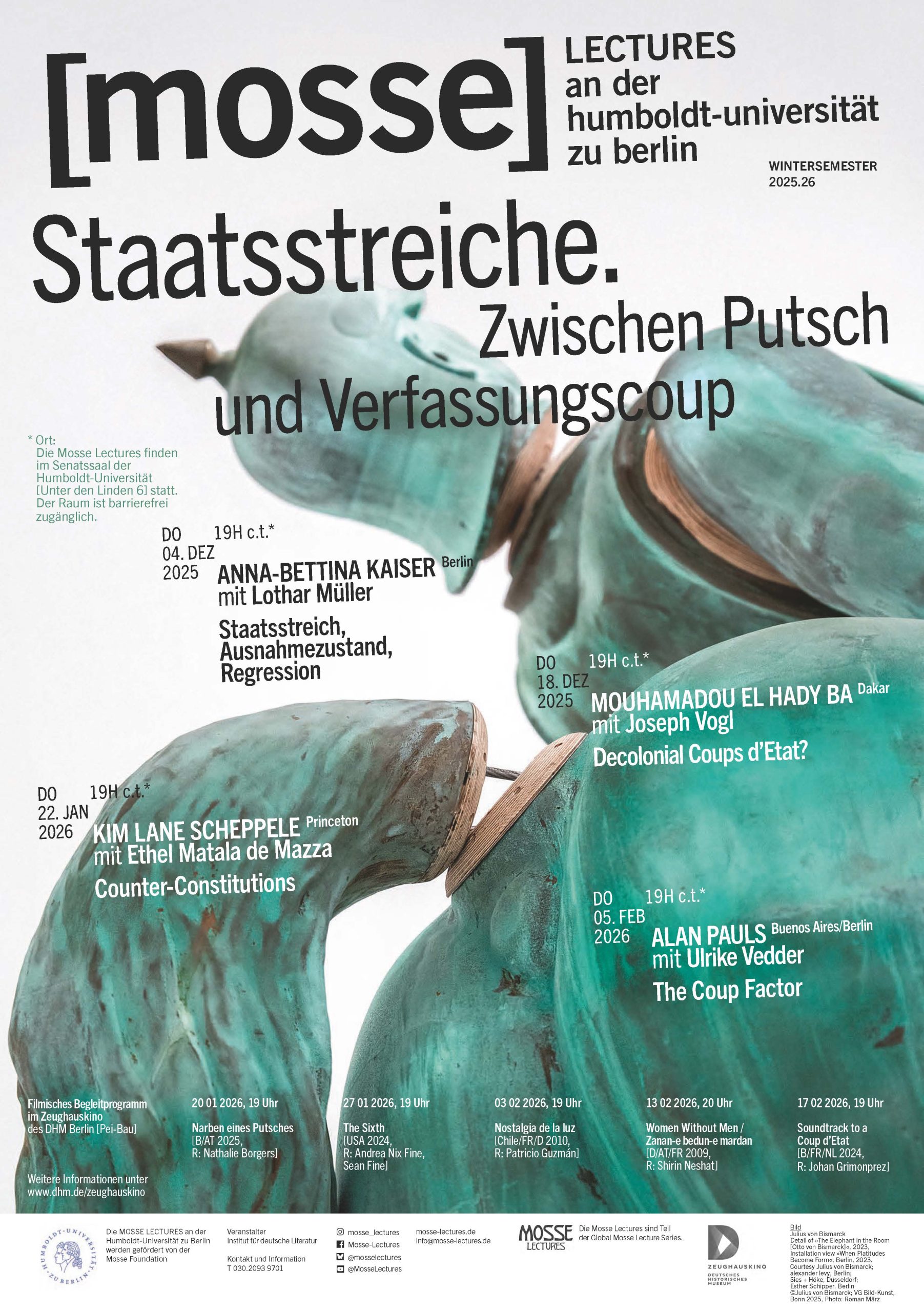
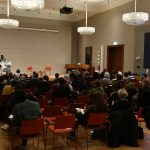
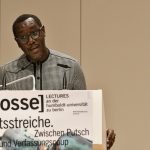
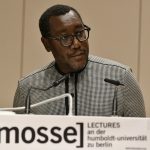
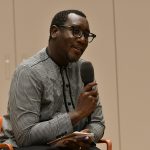
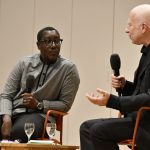
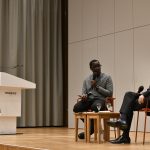
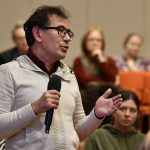
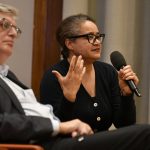
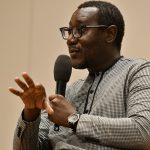
Photo Credit: Niels Leiser for the Mosse Lectures