2019: Tara Zahra, “The Gallery of Vanished Husbands, Picture Brides, and Lost Children, How Migration Made the Modern Family 01: Runaways”
Tara Zahra, “The Gallery of Vanished Husbands, Picture Brides, and Lost Children, How Migration Made the Modern Family 01: Runaways”
George L. Mosse Distinguished Lectures
https://mosselectures.wisc.edu/program/
Tuesday, 17 September 2019, 15:30 CDT
Pyle Center
Vandeberg Auditorium
702 Langdon Street
Madison, WI 53706
Sponsored by:
George L. Mosse Program in History
University of Wisconsin–Madison Department of History
University of Wisconsin–Madison Center for German and European Studies
Chair: Jennifer Ratner-Rosenhagen (University of Wisconsin–Madison)
Lecture Series Overview: We have become accustomed to thinking of migration stories as family stories. At least since the beginning of the era of mass migration, people have moved long distances to make families, escape families, or improve the lives of their families. Families – and the gender roles underpinning them – have also been at the heart of policymakers and politicians’ efforts to regulate and restrict migration. From the mass transatlantic migration of the turn of the twentieth century, to the refugee movements of the two World Wars, to the separation of families on the US southern border in 2018, migration policies have defined ideals of family and gender. On both sides of the Atlantic, meanwhile, mass migration was often perceived to be a direct cause of the dissolution of traditional families and gender roles. Were alarmists right to be worried? Looking at three examples – runaways, single women, and separated families – this lecture series will explore the role of mass migration in making & breaking families and transforming gender roles in the twentieth century.
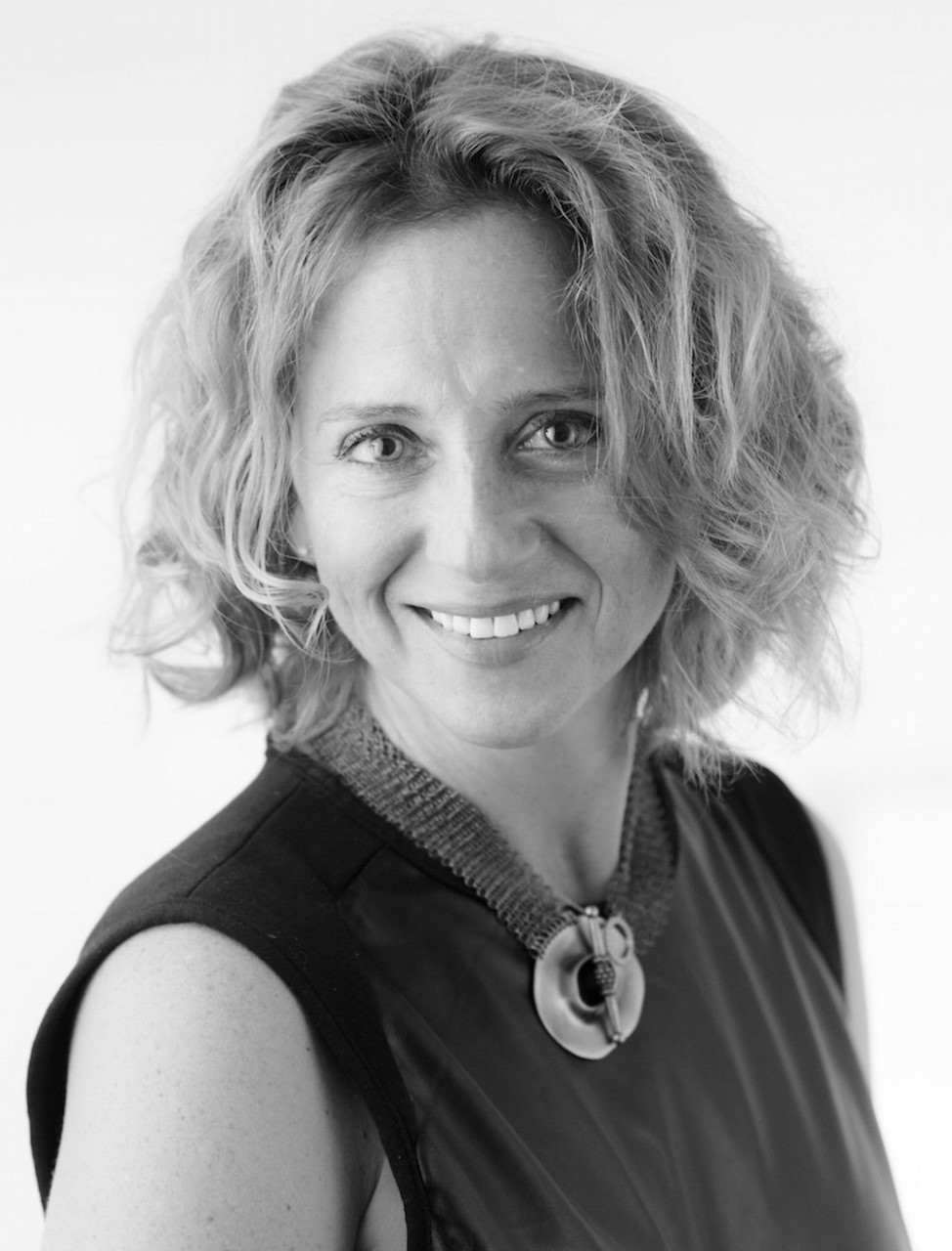
Ratner-Rosenhagen earned her PhD from Brandeis University in 2003. She has received numerous awards for her writing, including the Morris D. Forkosch Prize for the best first book in intellectual history, and her work has been supported by fellowships such as the Mellon Postdoctoral Fellowship. Along with her academic scholarship and teaching, Ratner-Rosenhagen is the founder of the Intellectual History Group at UW–Madison, an informal, interdisciplinary working group for faculty and graduate students interested in the varieties of intellectual history and history of ideas.