
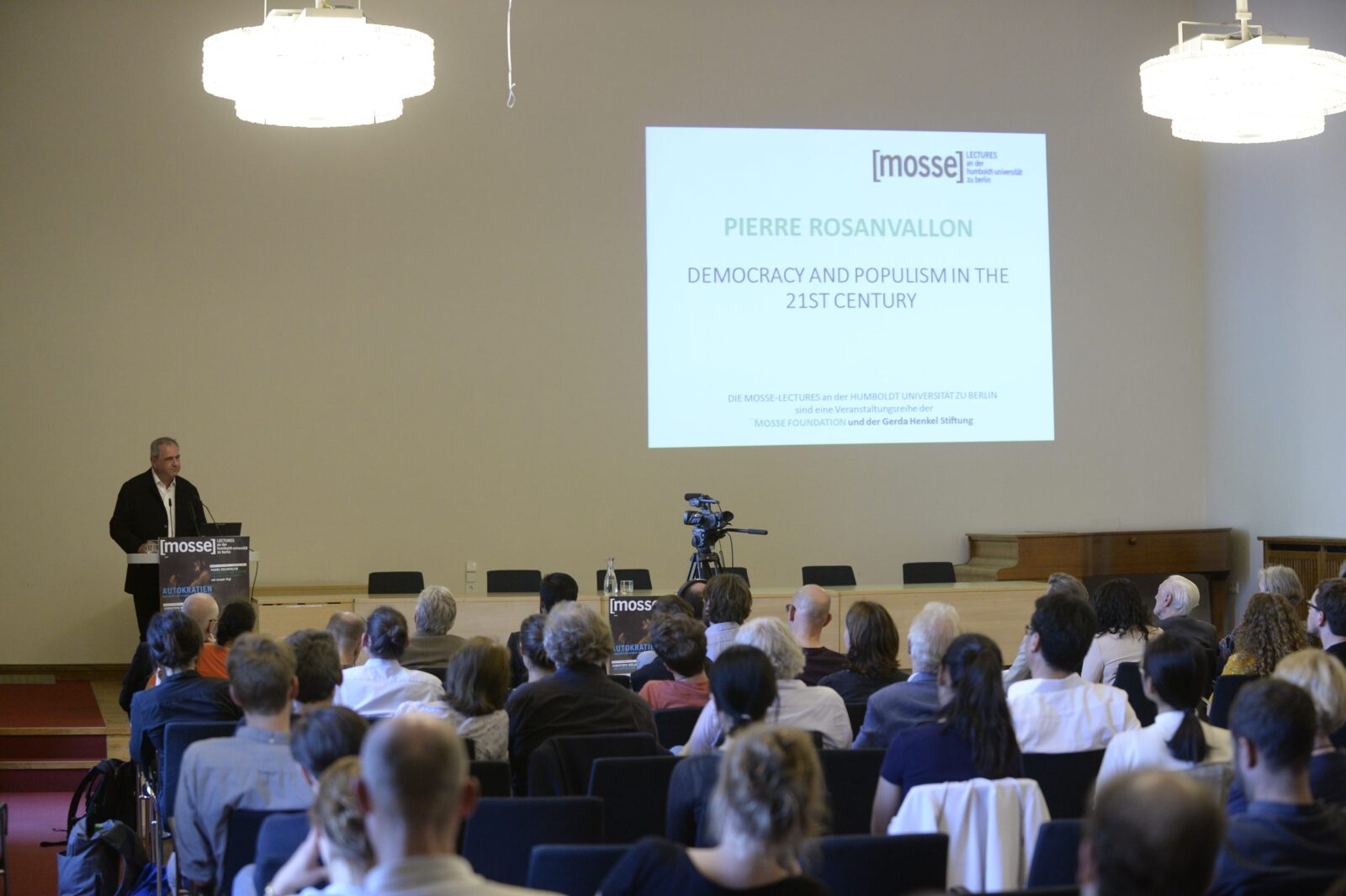
2018: Pierre Rosanvallon, “Democracy and Populism in the 21st Century”
Pierre Rosanvallon, “Democracy and Populism in the 21st Century”
Berlin Mosse Lecture
https://mosselectures.wisc.edu/berlin/
Thursday, 14 June 2018, 19:15 CET
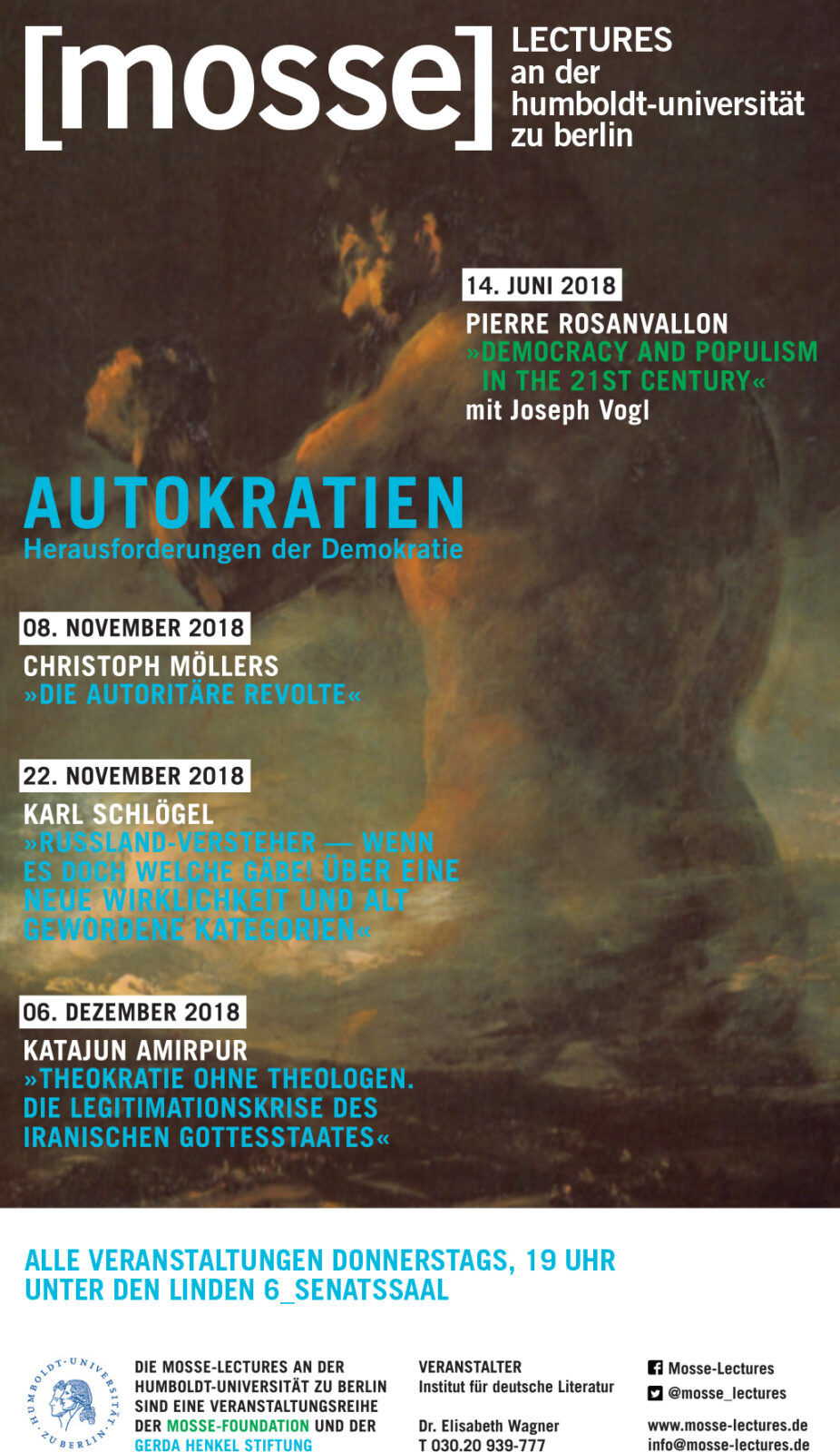
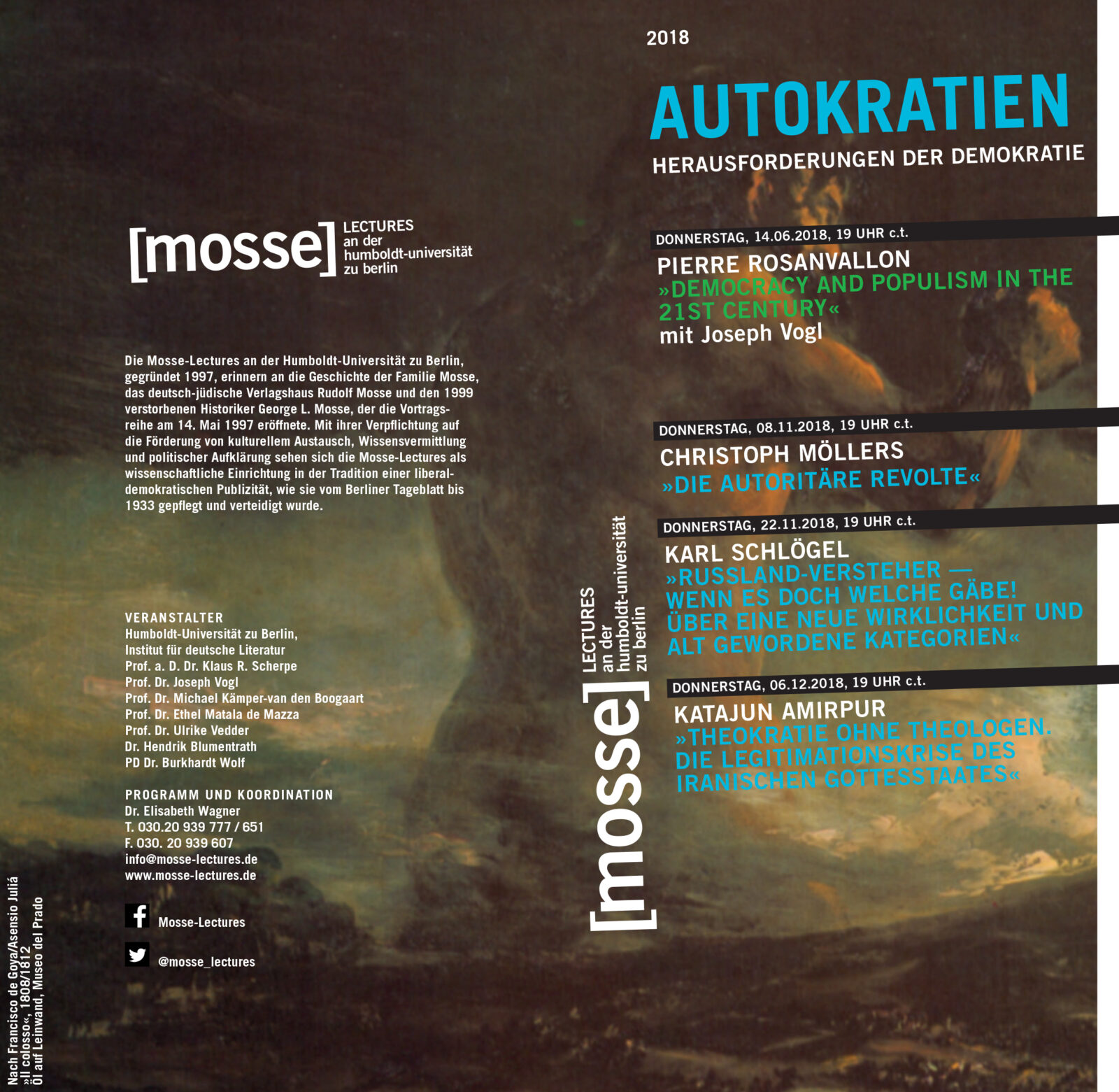
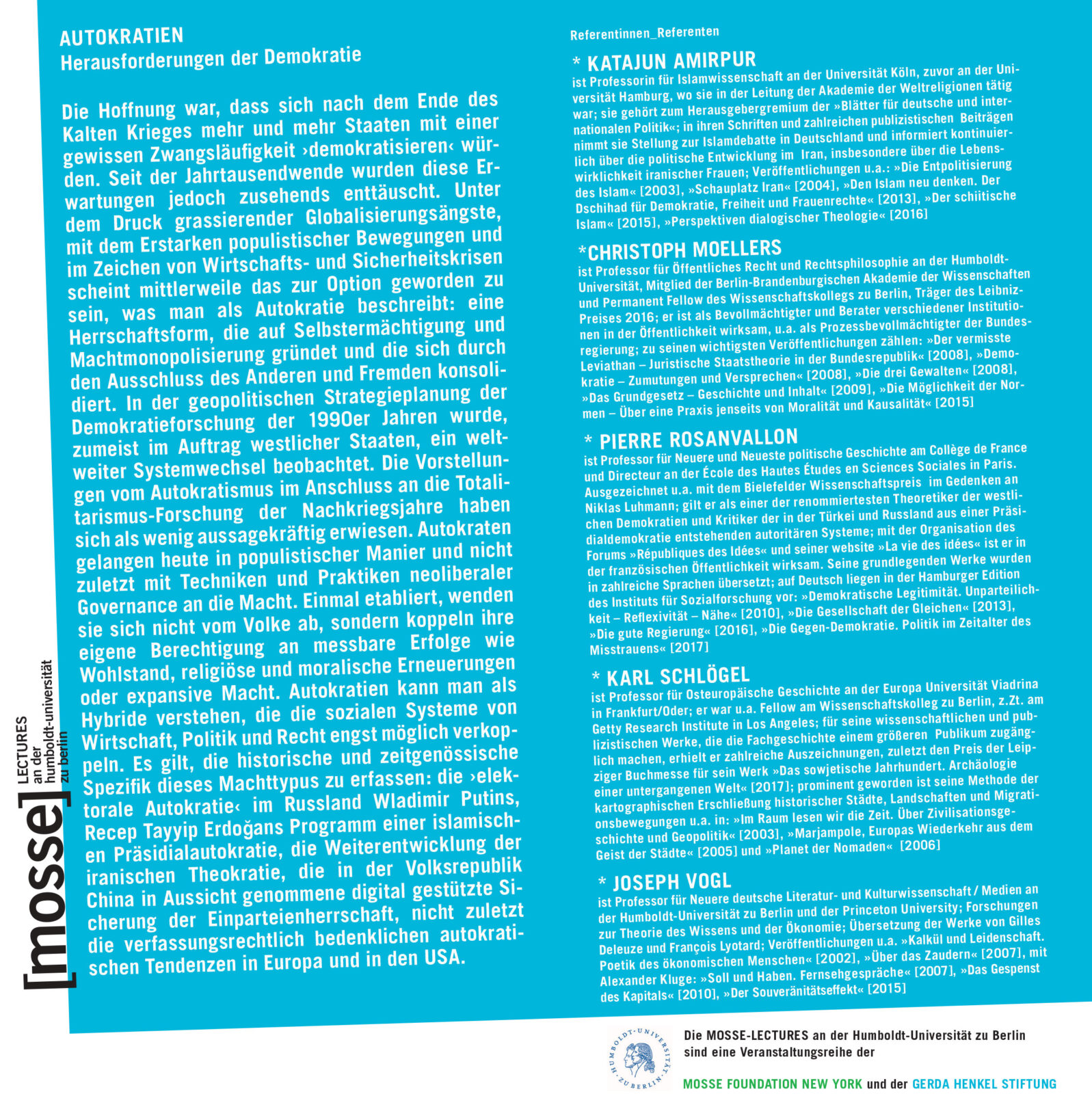
Senatssaal of Humboldt University
Unter den Linden 6
1. Stock
10117 Berlin
GERMANY
Sponsored by:
[mosse] LECTURES an der humboldt-universität zu berlin
The Mosse Foundation
Global Mosse Lecture Series
Gerda Henkel Stiftung
Institut für deutsche Literatur
Humboldt University
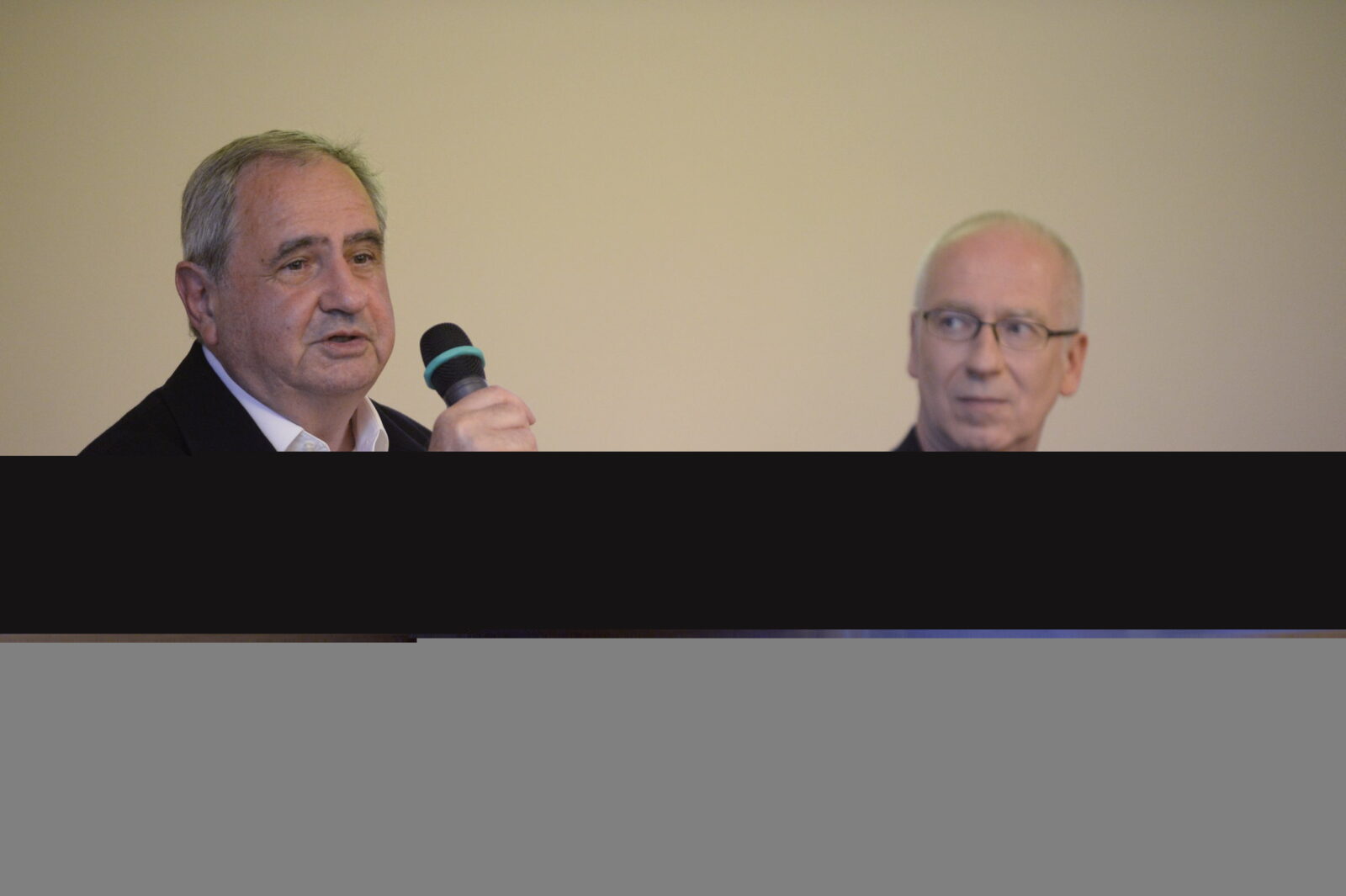
Moderator: Joseph Vogl (Humboldt University)
Lecture Description: Populismen setzen sich mit Macht überall in der Welt durch. Man muss diese historische Bewegung ernst nehmen, welche die Demokratien in noch nie da gewesener Art und Weise herausfordert. Dies einfach nur für einen Ausbruch von Demagogie zu halten, wird nicht ausreichen. Populismen gehen zurück auf eine grundlegende Enttäuschung und Entzauberung der Demokratie, ein Gefühl der Ohnmacht gegenüber den ökonomischen und gesellschaftlichen Umwälzungen. Über die gängigen Populismen könnte man das sagen, was Marx von der Religion sagte: um dieser Bewegung die Stirn zu bieten, muss man von Fall zu Fall aufdecken, wie deren nationalistische und protektionistische Visionen allein auf die Ökonomie bezogen und durch sie bedingt sind. In Weiterführung der Überlegungen in Rosanvallons Buch Die Gegen-Demokratie. Politik im Zeitalter des Misstrauens wird der Vortrag vor allem dieser Frage im Rahmen einer Globalanalyse nachgehen. Daraus ergeben sich Vorschläge, wie gegen die Bedrohung, die der Populismus für die Demokratie darstellt, qualifiziert und zweckmäßig vorgegangen werden kann.
Lecture Series Description: After the end of the Cold War great hopes had been placed that necessarily more and more states would ‘democratize’, more or less. However, since the turn of the century these expectations were disenchanted rapidly. Under the pressure of widely spread fears of globalization, the growing influence of populist movements, and marked by economic and security risks, autocracy has become a political option: a form of government based on self-empowerment, monopolization, and strengthening itself by excluding the ‘others’. In the 1990ies, in its geopolitical strategies, the research of democracy, mandated mostly by western states, was convinced that a worldwide change of system could be observed. In this context conceptions of autocracy leading back to the studies on totalitarianism of the postwar period were largely misleading. In our days autocrats gain power in the manner of populism, and last but not least, executing techniques and practices of neoliberal governance. Once in power they pretend to serve ‘the people’, gaining authority with promises of prosperity, religious and moral renewal, forceful expansion. Autocracies can best be understood as hybrid forms of executing power, brusquely interweaving the social systems of economy, politics and law. In this series of the Mosse-Lectures the principal task will be to identify, historically and presently, the specifics of this type of power: the ‘electorate autocracy’ in Vladimir Putin’s Russia, Recep Erdogan’s conception of an Islamic presidential autocracy, the progression of Iran’s theocracy, the digitally supported backup of the one-parts-rule projected in China, not to forget the autocratic tendencies in Europe and the United States, questionable in terms of constitutional law.
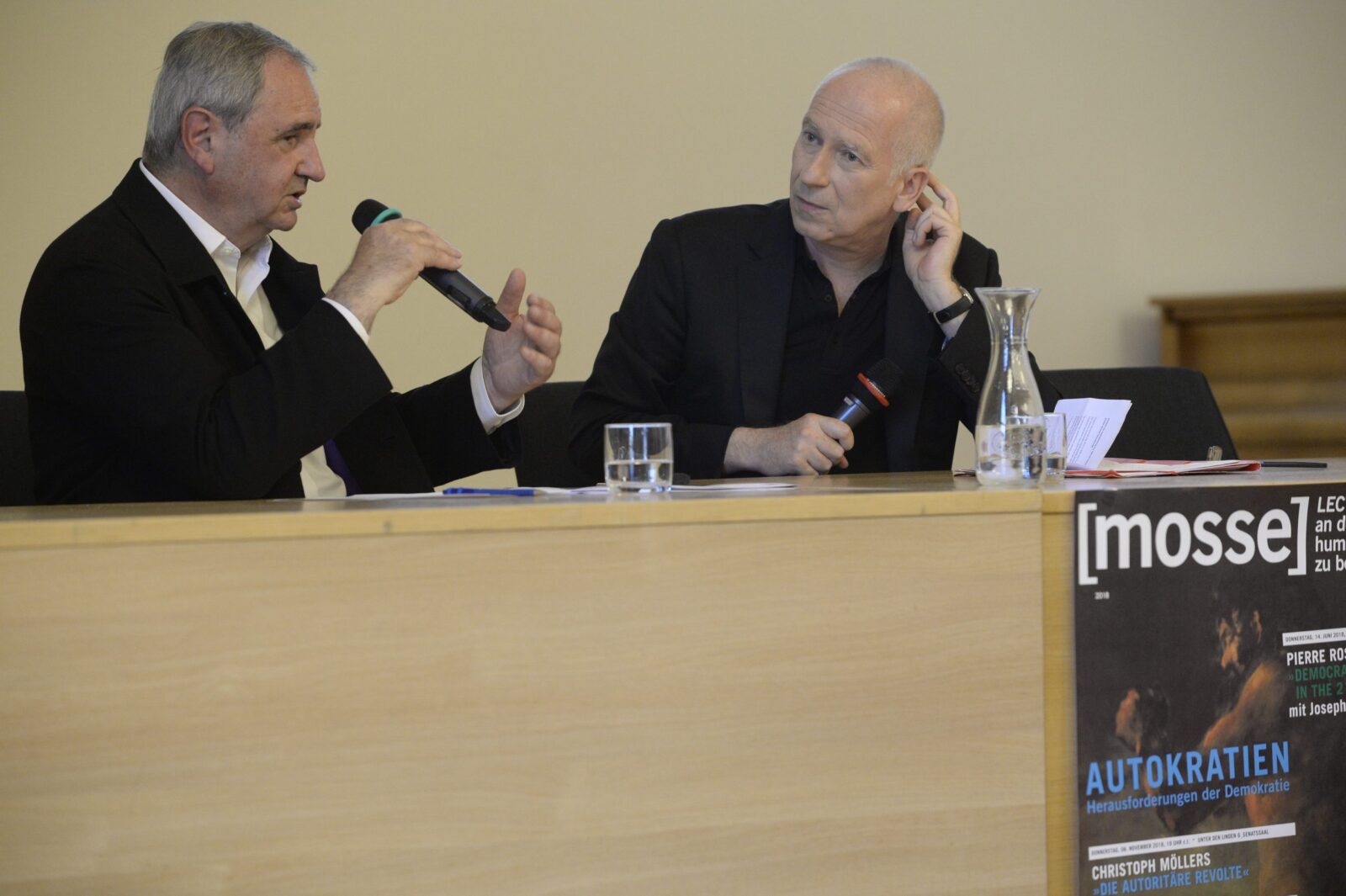
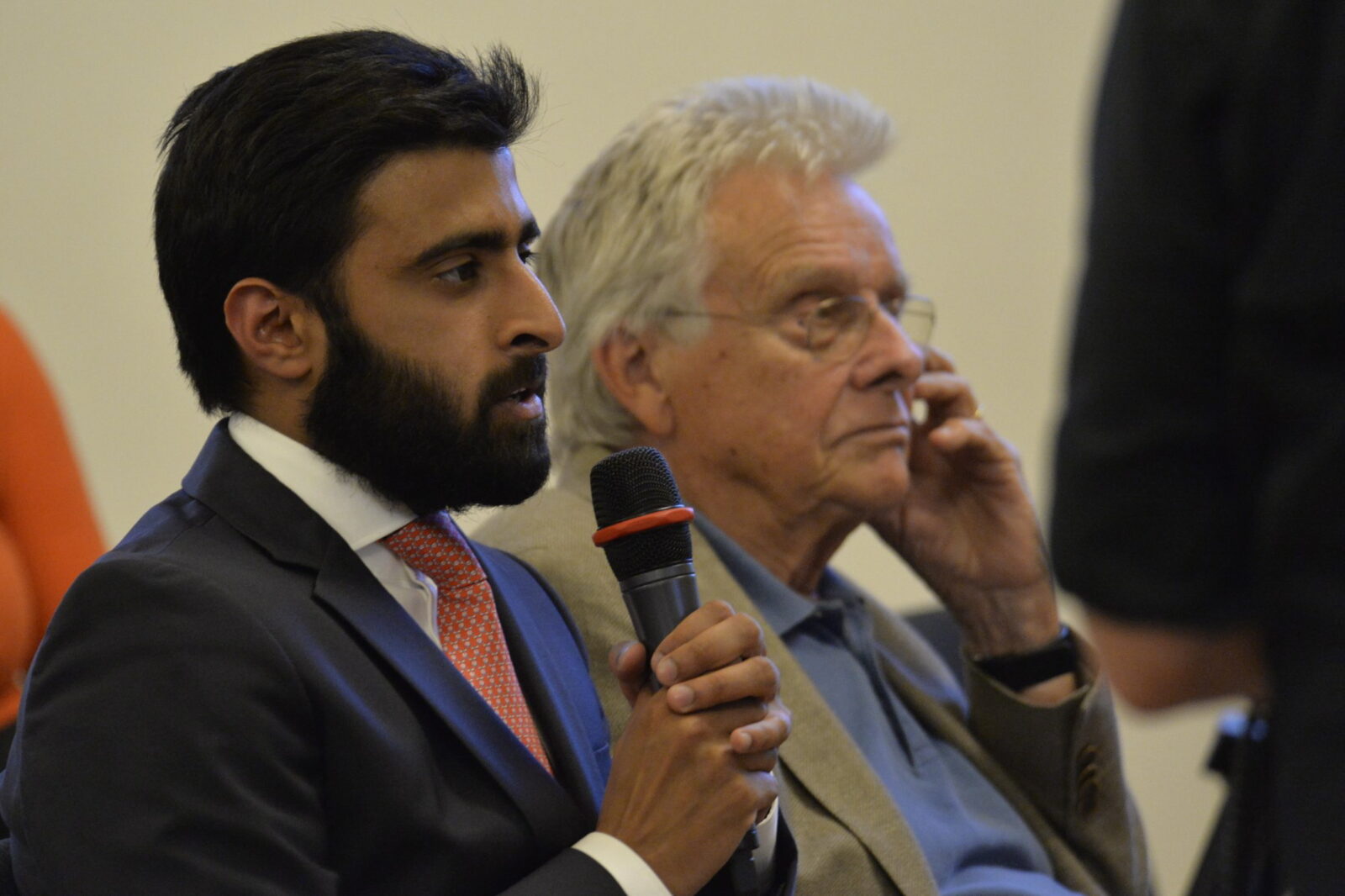
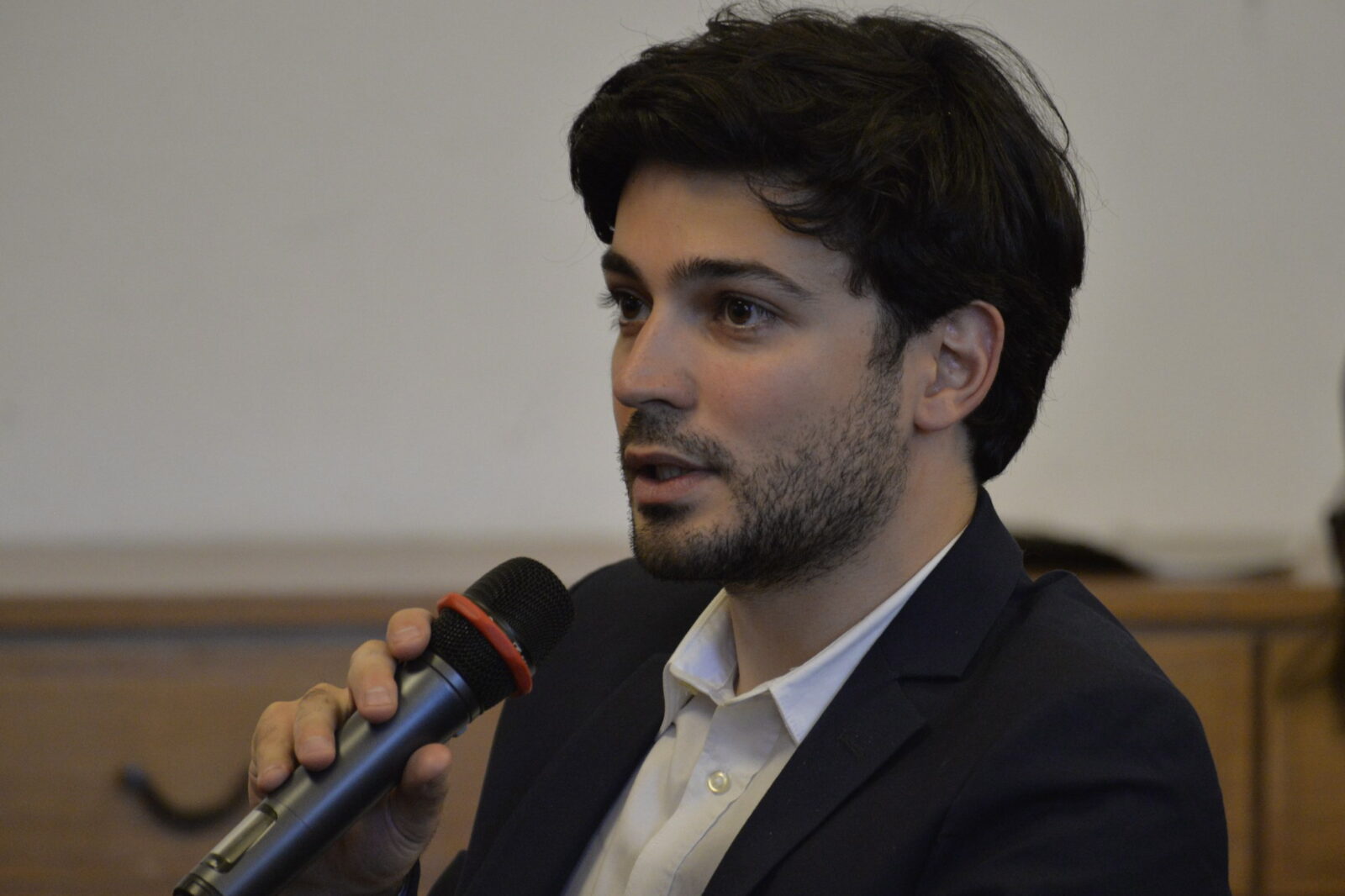
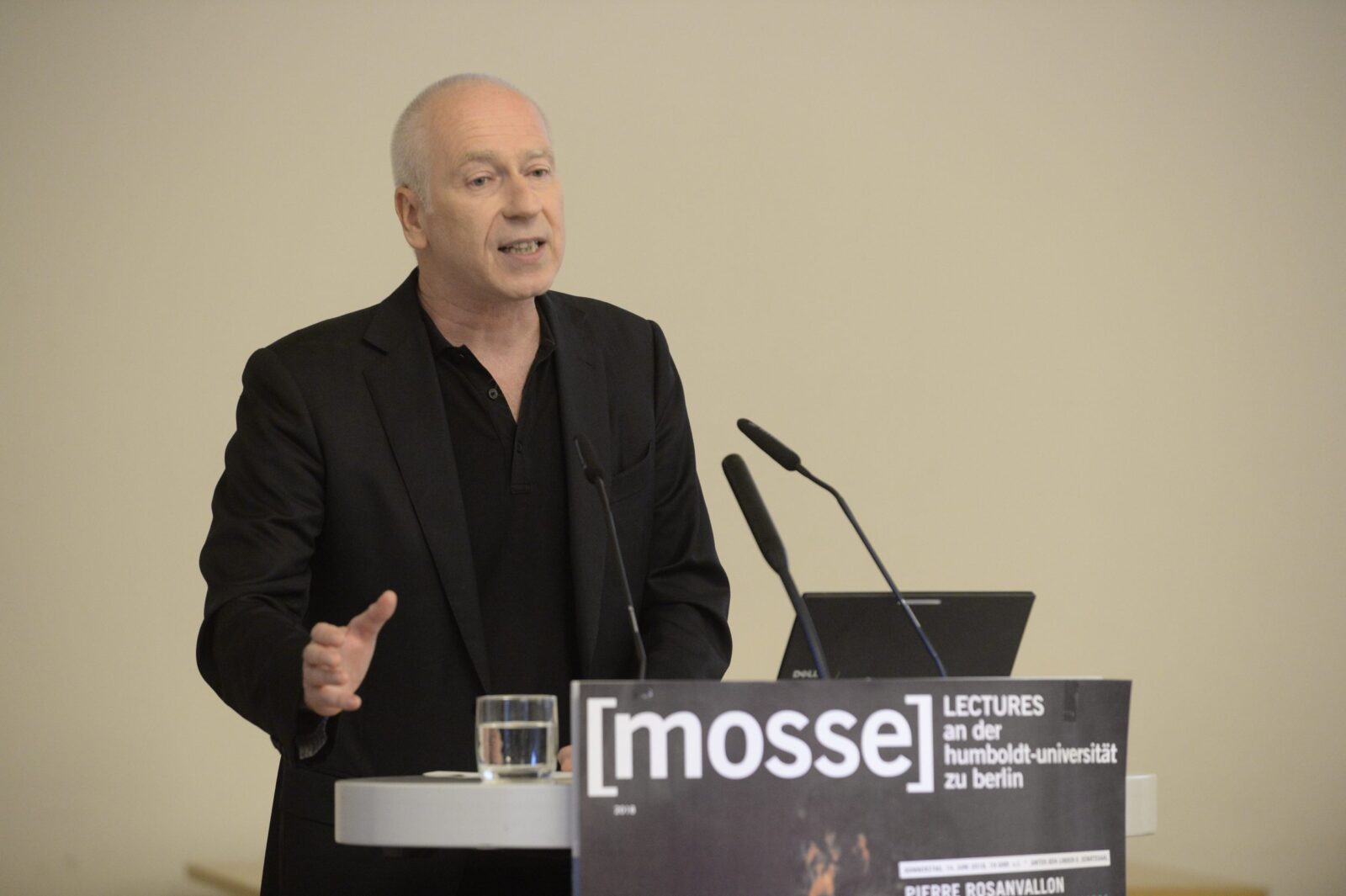
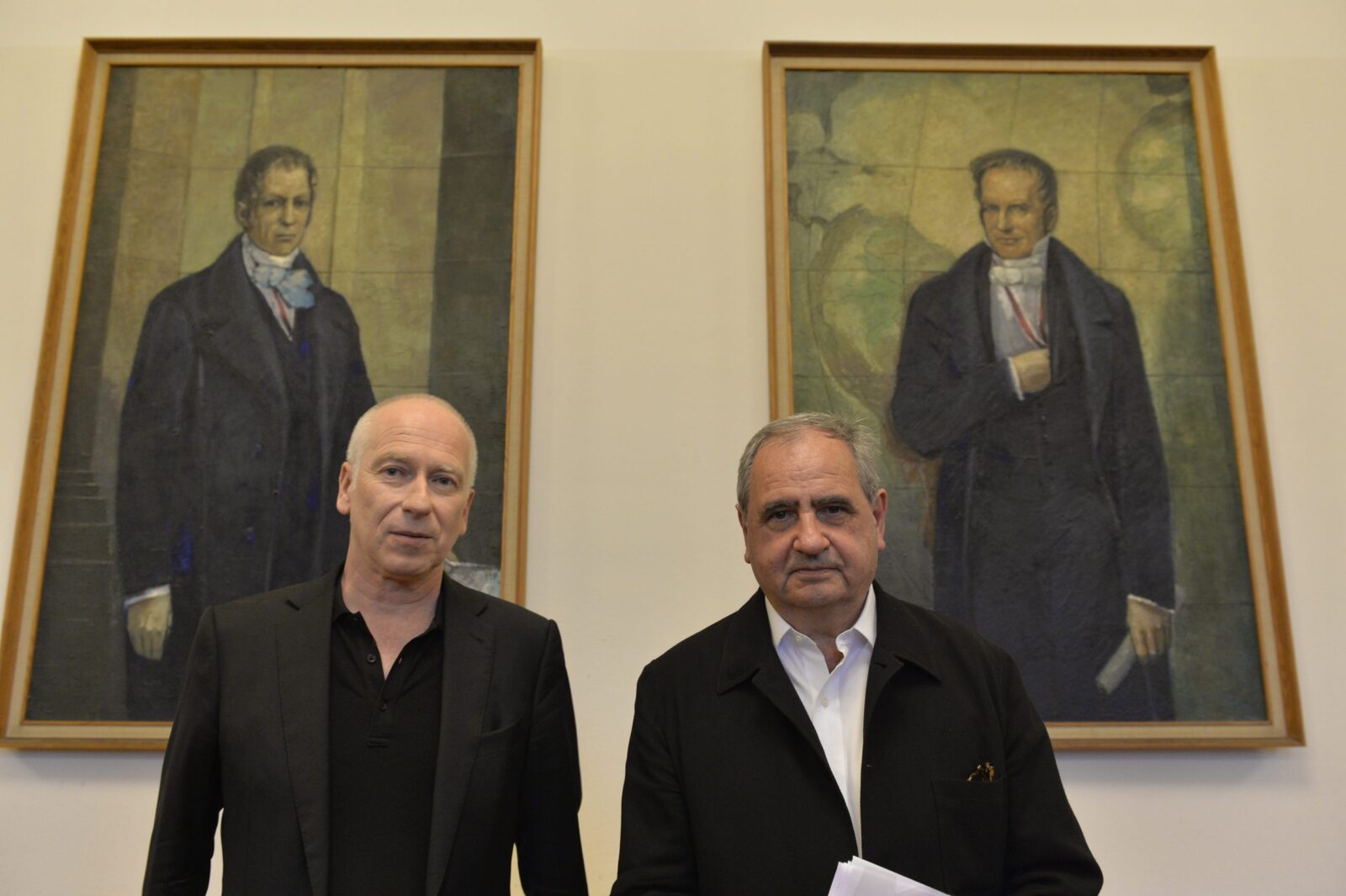
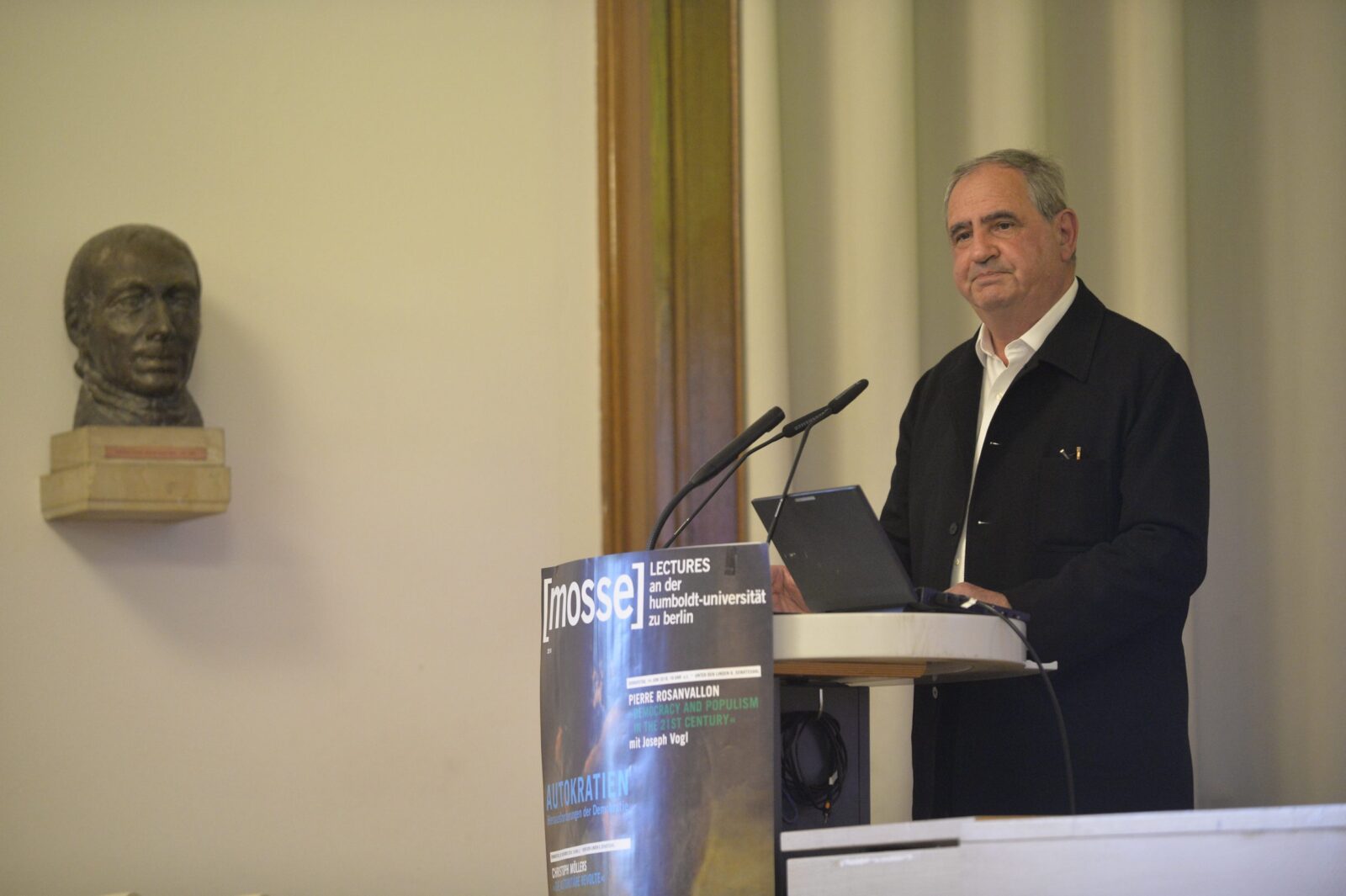
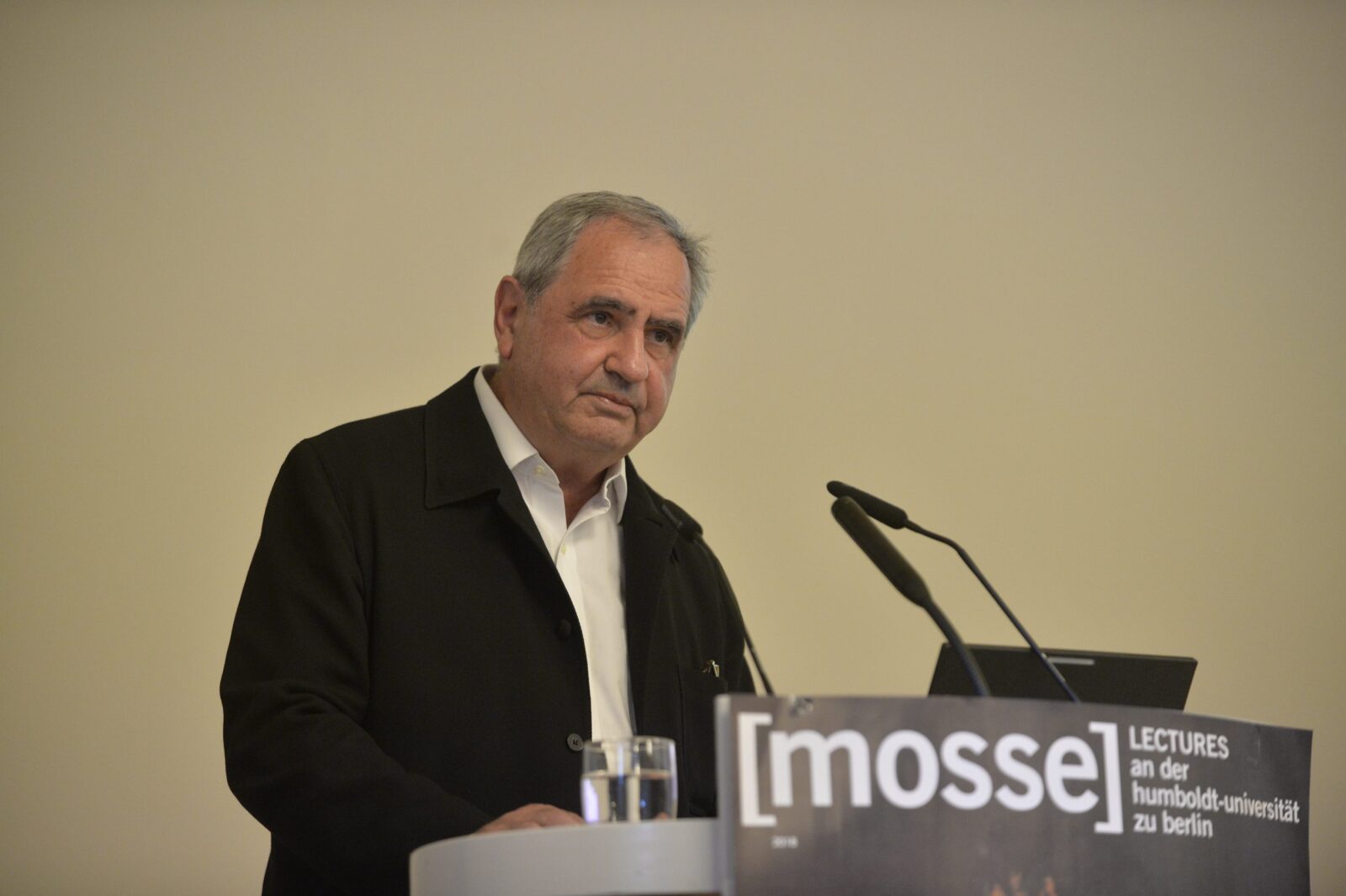
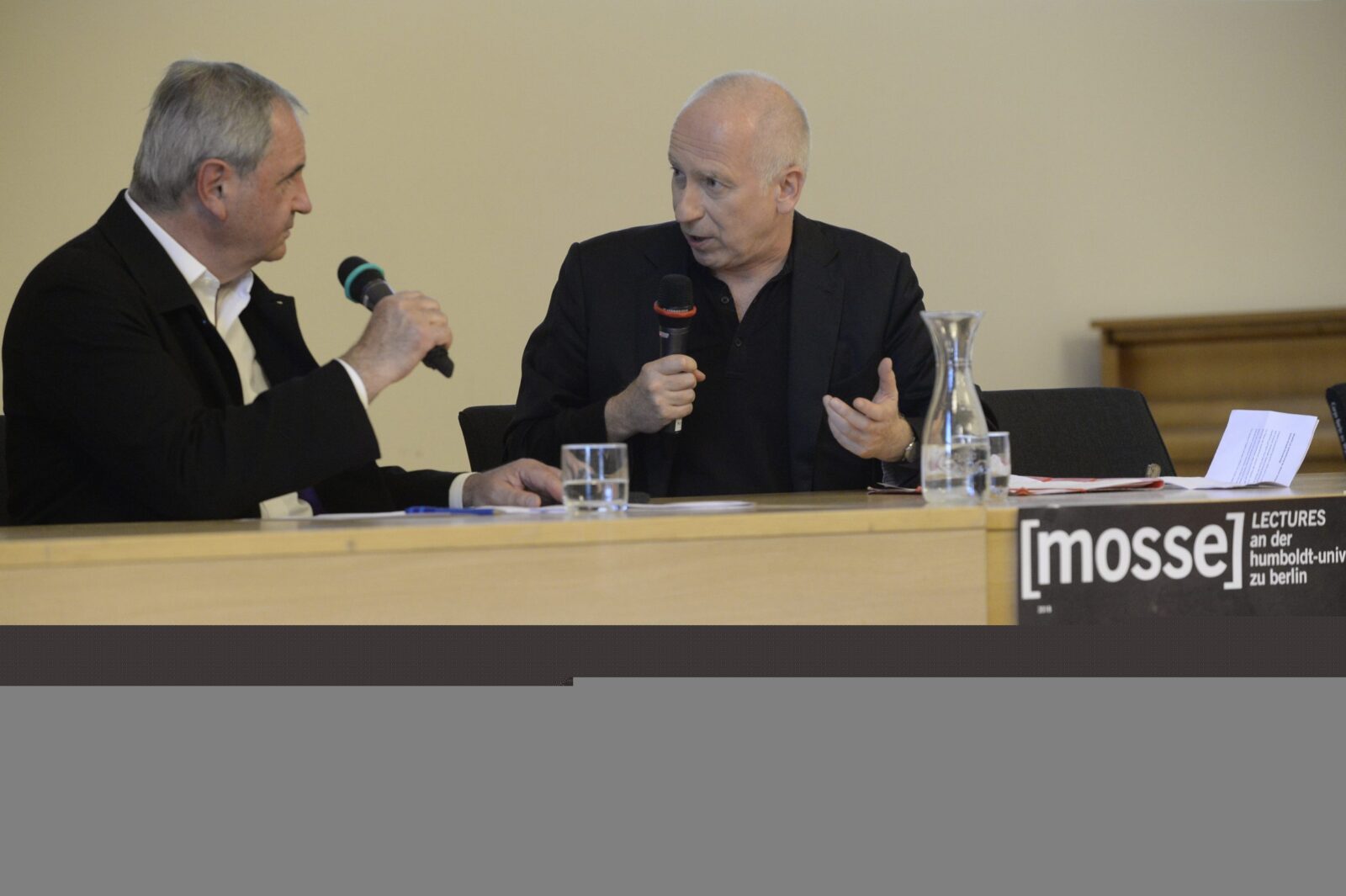
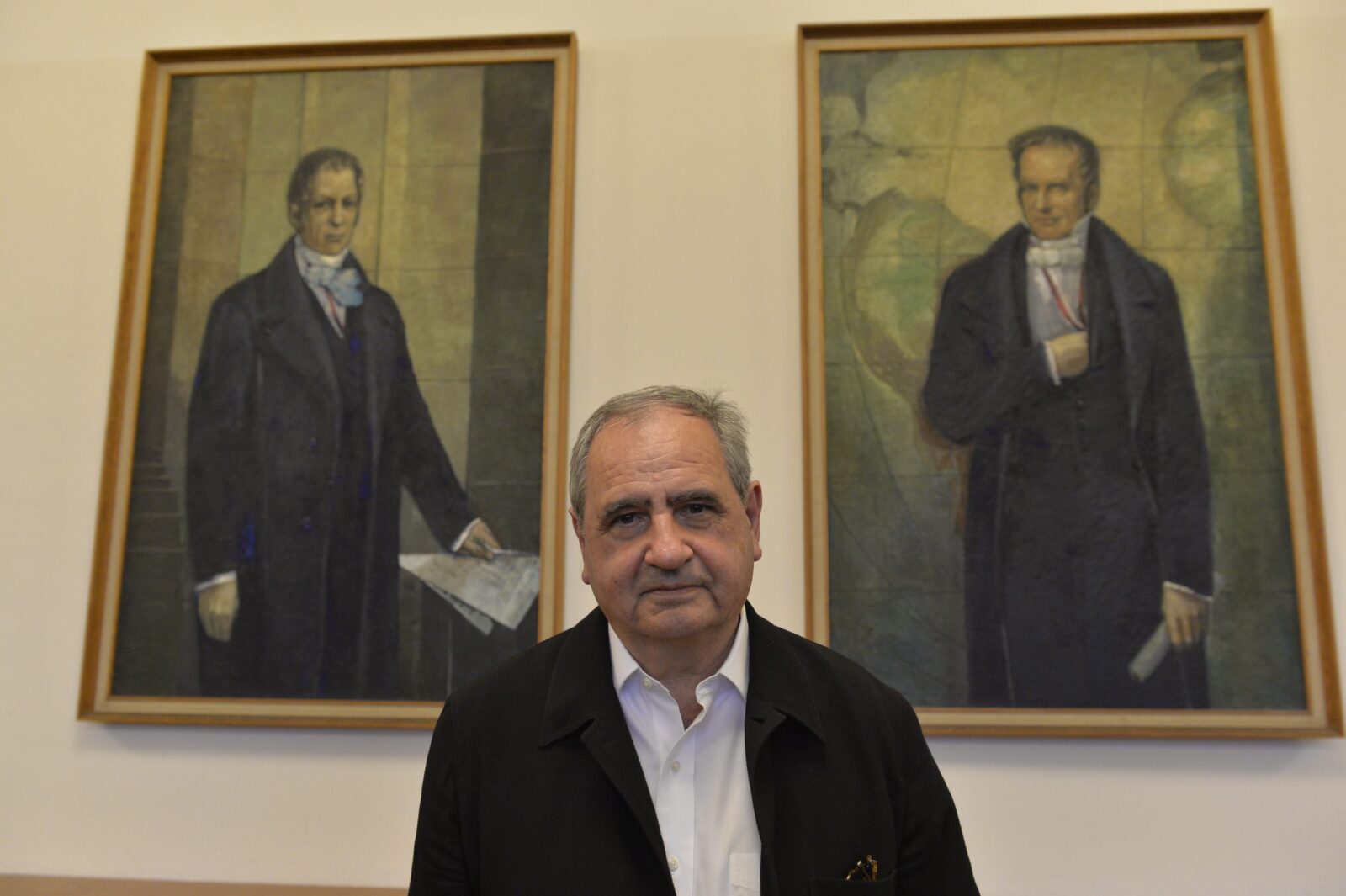
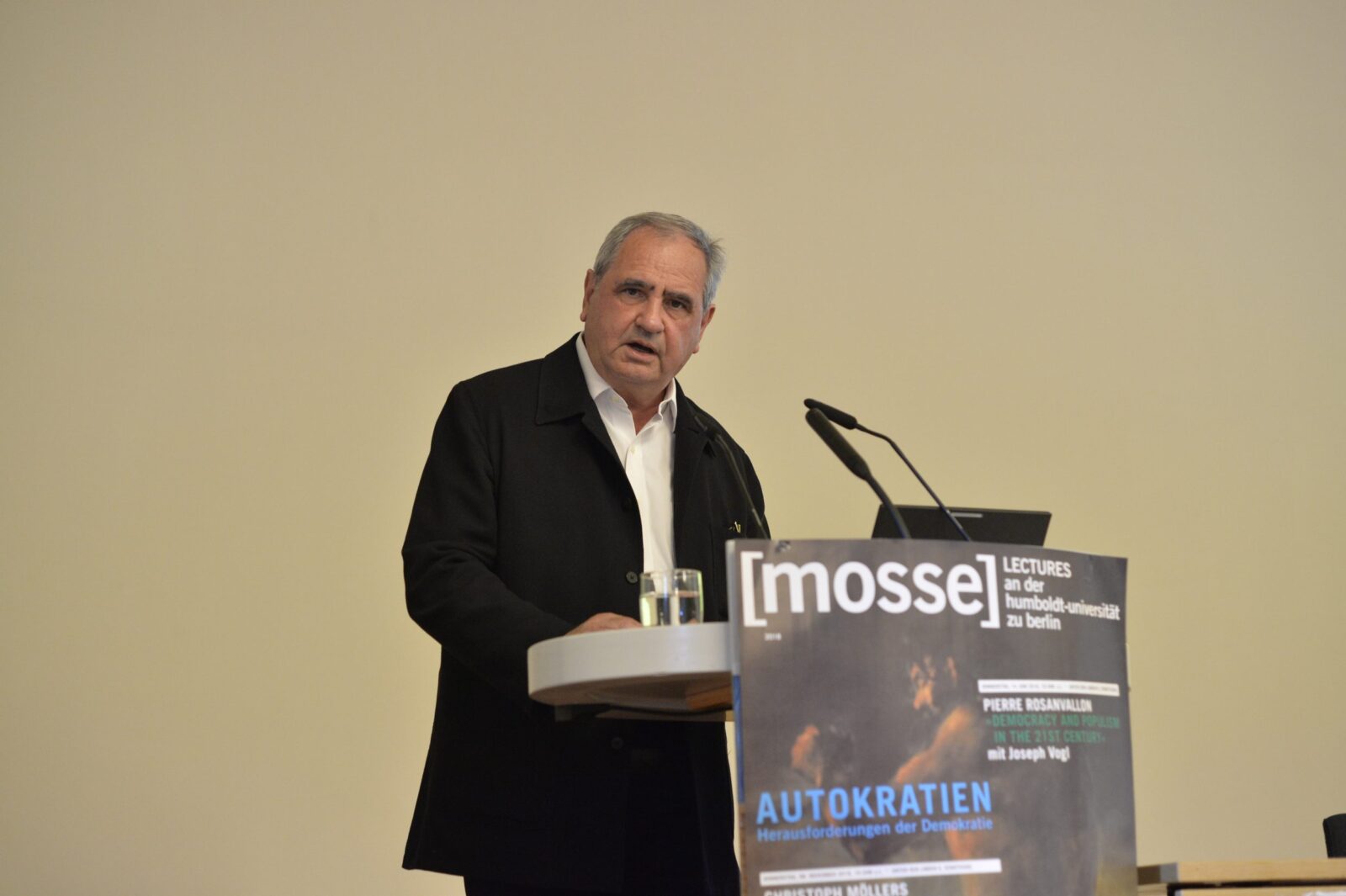
Pierre Rosanvallon: Pierre Rosanvallon ist Professor für Neuere und Neueste politische Geschichte am Collège de France und Directeur an der École des Hautes Études en Sciences Sociales in Paris. Ausgezeichnet u.a. mit dem Bielefelder Wissenschaftspreis im Gedenken an Niklas Luhmann, gilt er als einer der renommiertesten Theoretiker der westlichen Demokratien und Kritiker der in der Türkei und Russland aus einer Präsidialdemokratie entstehenden autoritären Systeme. Seine grundlegenden Werke wurden in zahlreiche Sprachen übersetzt. Auf Deutsch liegen in der Hamburger Edition des Instituts für Sozialforschung vor: Demokratische Legitimität. Unparteilichkeit – Reflexivität – Nähe (2010), Die Gesellschaft der Gleichen (2013), Die gute Regierung (2016), Die Gegen-Demokratie. Politik im Zeitalter des Misstrauens (2017).
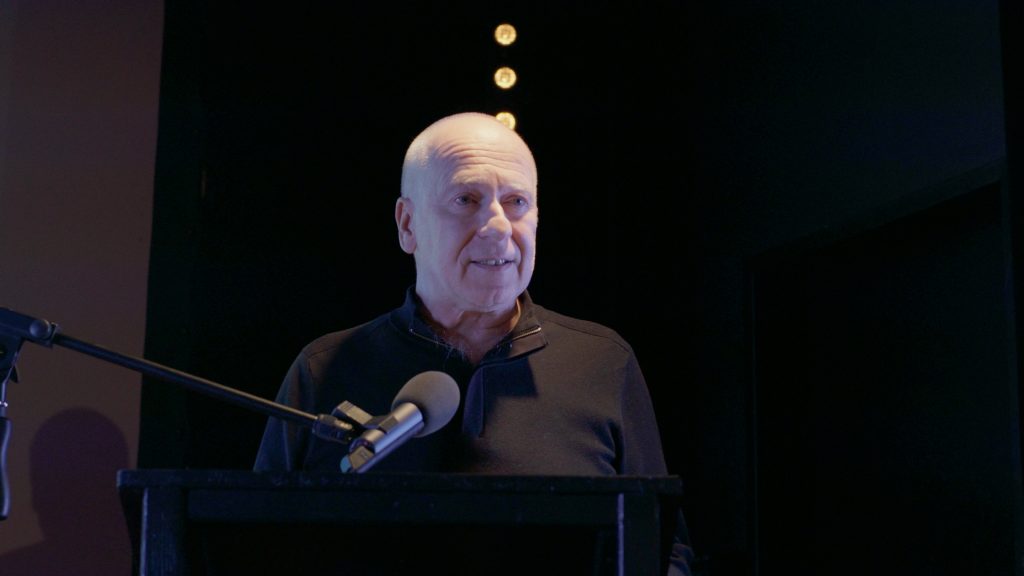
His research and teaching comprises literature from the eighteenth to the twentieth century, media and aesthetics, cultural and political theory. Recent research focuses on the history of financial economy, literature and economics, and the “poetics of knowledge” – the study of the relationships and interactions between forms of knowledge and poetic or aesthetic figures. He is the director or principal investigator of a range of research projects including “The Knowledge of Literature” (PhD-Net), “Small Forms in the History of Literature and Sciences” (Research Training Group), and “Matters of Activity: Image Space Material” (Cluster of Excellence).
Joseph Vogl published more than a hundred articles and book chapters, as well as numerous books and monographs. Among his most important written works are the monographs Ort der Gewalt. Kafkas literarische Ethik (1990); Kalkül und Leidenschaft. Poetik des ökonomischen Menschen (2002); Über das Zaudern (2007; On Tarrying, 2011). Besides his research in literature, cultural and media studies, he is well known for his intensive work on modern and present-day finance and economics, analyzing finance theories from the perspective of cultural history. This work culminated in his books Das Gespenst des Kapitals (2010; The Specter of Capital, 2014), Der Souveränitätseffekt (2015; The Ascendancy of Finance, 2017) and Kapital und Ressentiment. Eine kurze Theorie der Gegenwart (2021; Capital and Ressentiment: A Brief Theory of the Present, 2022), which received wide recognition in the fields of cultural studies as well as economics, and initiated a public debate. Further workings include translations from French to German (Deleuze, Lévi-Strauss, Lyotard) and numerous interviews on TV with Alexander Kluge (see Soll und Haben. Fernsehgespräche, 2009; Senkblei der Geschichten. Gespräche, 2020).
He was awarded the Günther Anders Prize for Critical Thinking (2022). For his book Der Souveränitätseffekt (The Ascendancy of Finance) Vogl was on the shortlist for the Leipzig Book Fair Prize 2015 in the category of non-fiction. In 1988 he received the Translation Prize for the Promotion of Franco-German Relations (DVA Foundation) for his translations of key works of modern French philosophy.
