
2017, Kathrin Passig, “Selbstgemachte Staaten: Politisches Handeln in Onlinecommunities” / “Self-Made States: Political Action in Online Communities”
Kathrin Passig, “Selbstgemachte Staaten: Politisches Handeln in Onlinecommunities” / “Self-Made States: Political Action in Online Communities”
Berlin Mosse Lecture
https://mosselectures.wisc.edu/berlin/
Thursday, 12 January 2017, 19:00 CET
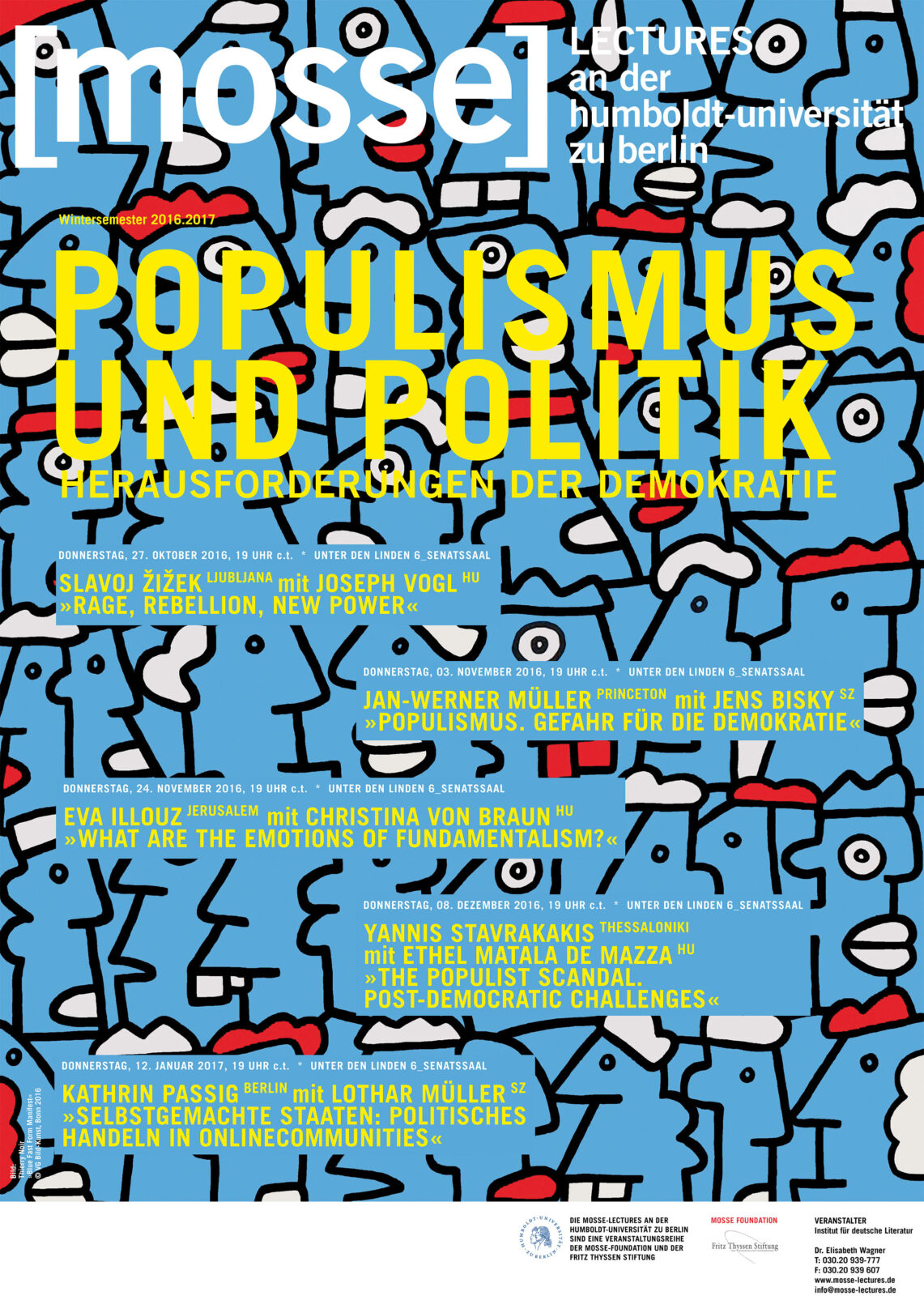
Senatssaal of Humboldt University
Unter den Linden 6
1. Stock
10117 Berlin
GERMANY
Sponsored by:
[mosse] LECTURES an der humboldt-universität zu berlin
The Mosse Foundation
Global Mosse Lecture Series
Fritz Thyssen Stiftung
Institut für deutsche Literatur
Humboldt University
Moderator: Lothar Müller (Humboldt University)
Lecture Description: Politik findet nicht nur da statt, wo Menschen in Anzug und Krawatte in Parlamenten oder auf Podien sitzen. Politik ist auch dort, wo sich Netzprojekte – von der WhatsApp-Gruppe bis zur internationalen Plattform – Regeln und Strukturen geben, Administratorinnen und Moderatoren wählen, Nutzer mit Sonderrechten ausstatten und andere vor die Tür setzen. Sollen die Teilnehmer einer Community über irgendetwas mitbestimmen dürfen? Wenn ja, wer? Nach welchem Verfahren? Die traditionelle Politik ist gut erforscht, die Innenpolitik von Netzgemeinschaften noch fast gar nicht. Aber politisches Handeln findet auch dort statt, wo man es nicht so nennt. Und die so getroffenen Entscheidungen haben nicht nur Folgen für die Zusammenarbeit in Onlineprojekten. Sie wirken auf den Rest der Welt zurück.
Lecture Series Description: “Populism” is a political phenomenon, closely connected with the history of democracy. Presently in official policy and partly in political philosophy it has become a fighting term to qualify so called “populists” as illegitimate profiteers of public anger and politically bungling moralists and opportunists. However, in times of permanent crisis, growing social inequality, and confusing global conflicts in Europe and other parts of the world, in Latin America in particular, populism succeeds politically, confronting established parties and government actions with demands, essential to our understanding of democracy. The term “populism”, common in the Anglosaxon world, where it originated, still has a positive meaning there, in the sense of communitarian self-organization in opposition to private profit and the privileges of the political class. Emerging mass democracy faces the dilemma that the people can execute their sovereignty in acts of periodical voting only, thus delegating every day politics to their representatives. Rulers and ruled find themselves bound in an ambivalent relationship. The “political” in its original meaning of a personal experience and a collective imagination – the “participation of the nonparticipants” which Jacques Rancière has referred to – can never be monopolized completely by official politics. Though different, populist movements have in common that they raise issues of participation as well as those of dissociation and dissent often neglected by political professionals. Lacking a mandate, populists are powerful in their rhetoric, absorbing resentment and animosity, emerging at the fringes of civil society, and also at its heart.
This program of the Mosse-Lectures will deal with the fractures of democracy, the uneasy relationship of democracy and demagogy, of populism and extremism. A cultural critique of populism should guide us to the political experience of a democracy popular with its citizens.
Kathrin Passig: lebt in Berlin von Sachbüchern, Essays, Vorträgen und ihrem automatischen T-Shirt-Generator zufallsshirt.de. 2006 gewann sie mit ihrem literarischen Debüt »Sie befinden sich hier« den Ingeborg-Bachmann-Preis, im Herbst 2016 den Johann-Heinrich-Merck-Preis für literarische Kritik und Essay. Gemeinsam mit knapp dreihundert Autorinnen und Autoren berichtet sie im Blog »Technik-tagebuch« (techniktagebuch.tumblr.com) unter dem Motto »Ja, jetzt ist das langweilig. Aber in zwanzig Jahren!« über Alltagstechnik. Zuletzt erschienen »Standardsituationen der Technologiekritik« (2013) und »Weniger schlecht programmieren« (2013, zusammen mit Johannes Jander). Mehr unter kathrin.passig.de.
Lothar Müller has worked as an editor for the Frankfurter Allgemeine Zeitung and the Süddeutsche Zeitung, and lectured at the Institute for Comparative Literature at the Free University. Since 2010, he has served as Honorary Professor in the Institute for German Literature at the Humboldt University Berlin. He is the author of numerous publications, including Adrien Proust und sein Sohn Marcel. Beobachter der erkrankten Welt (2021) and Weiße Magie. Die Epoche des Papiers (2012). He was awarded the Berlin Prize for Literary Criticism in 2013.
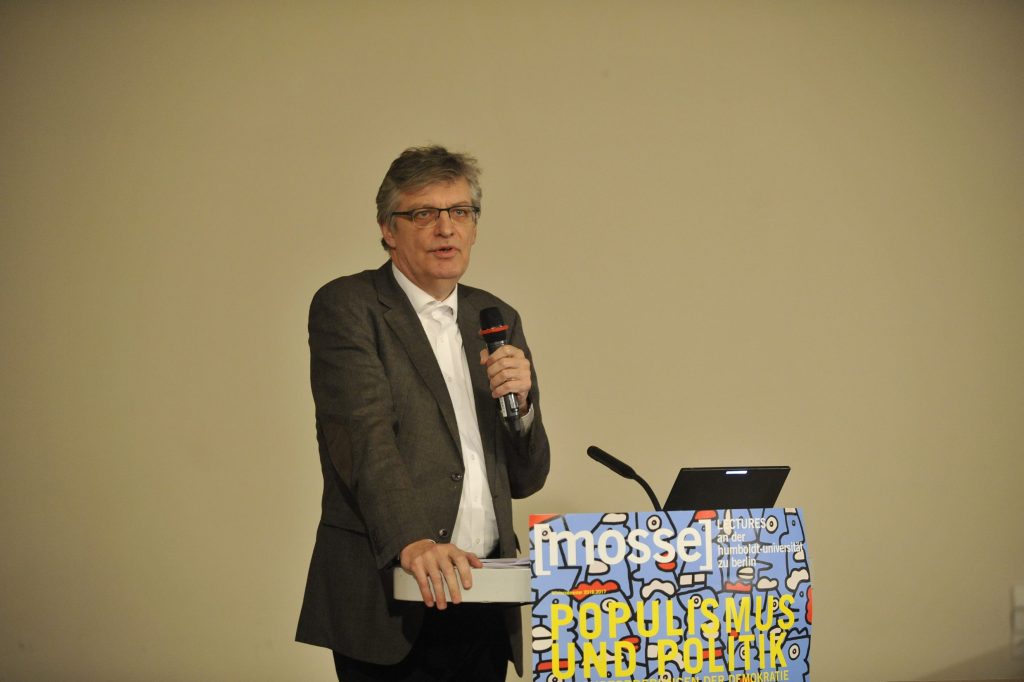
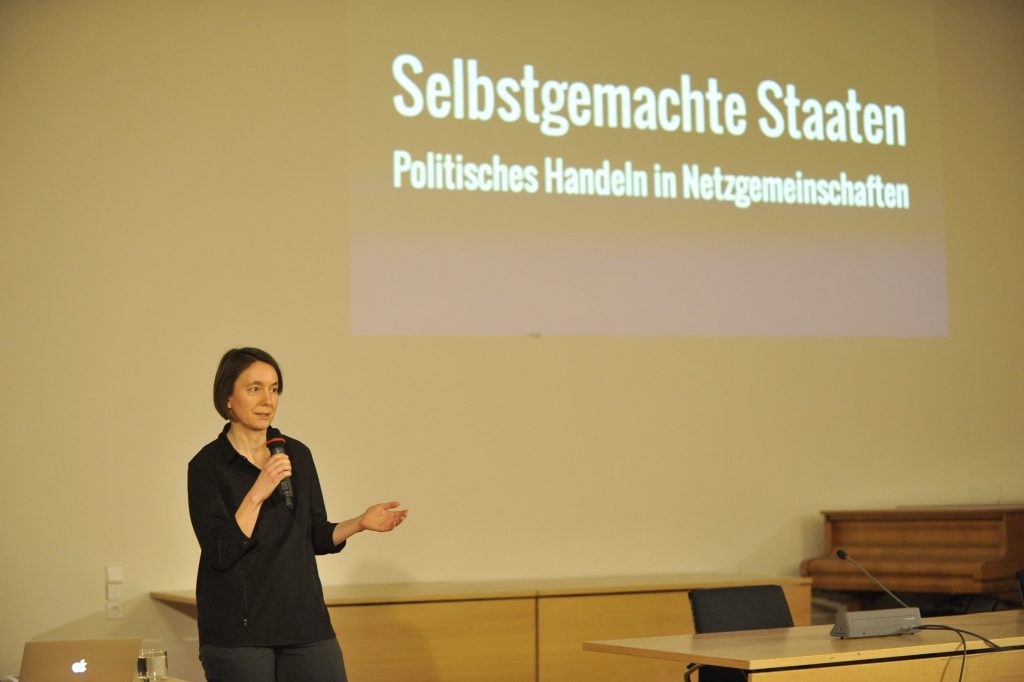
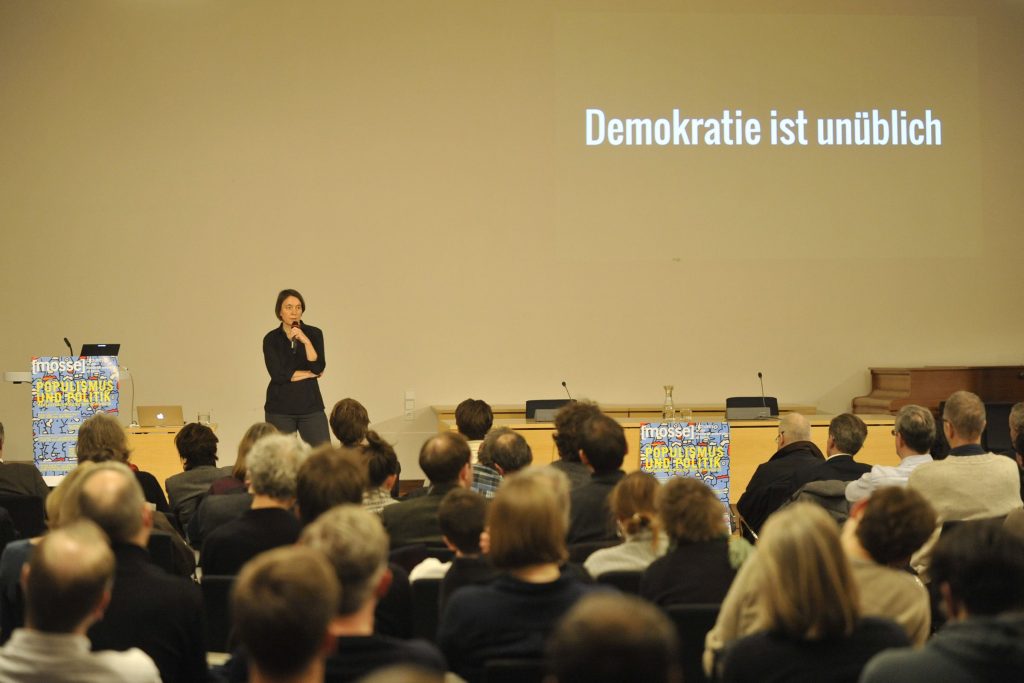
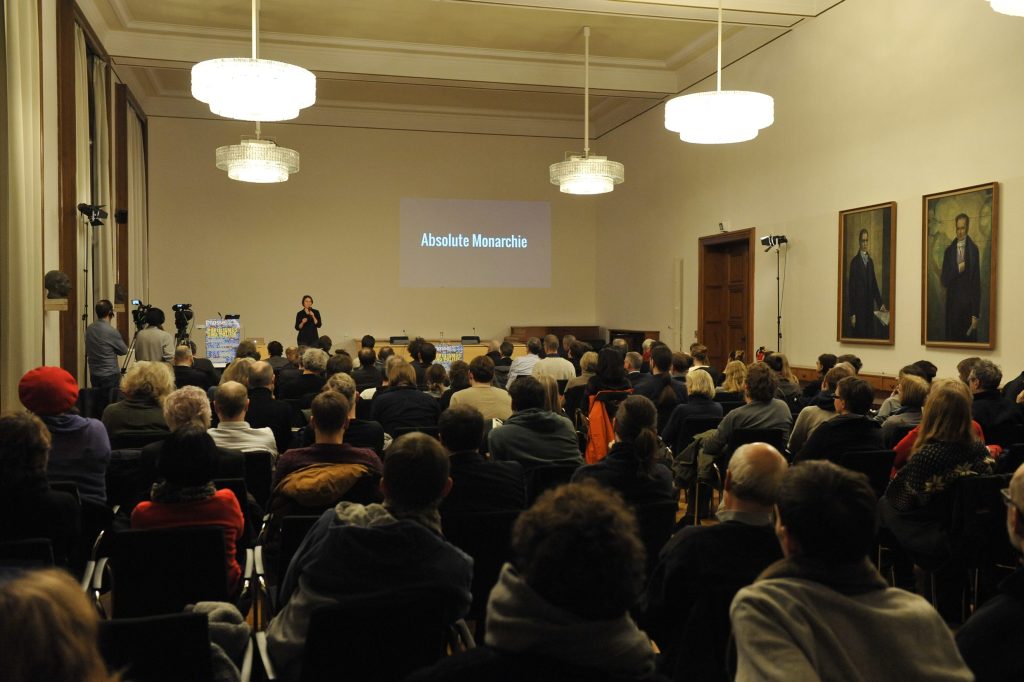
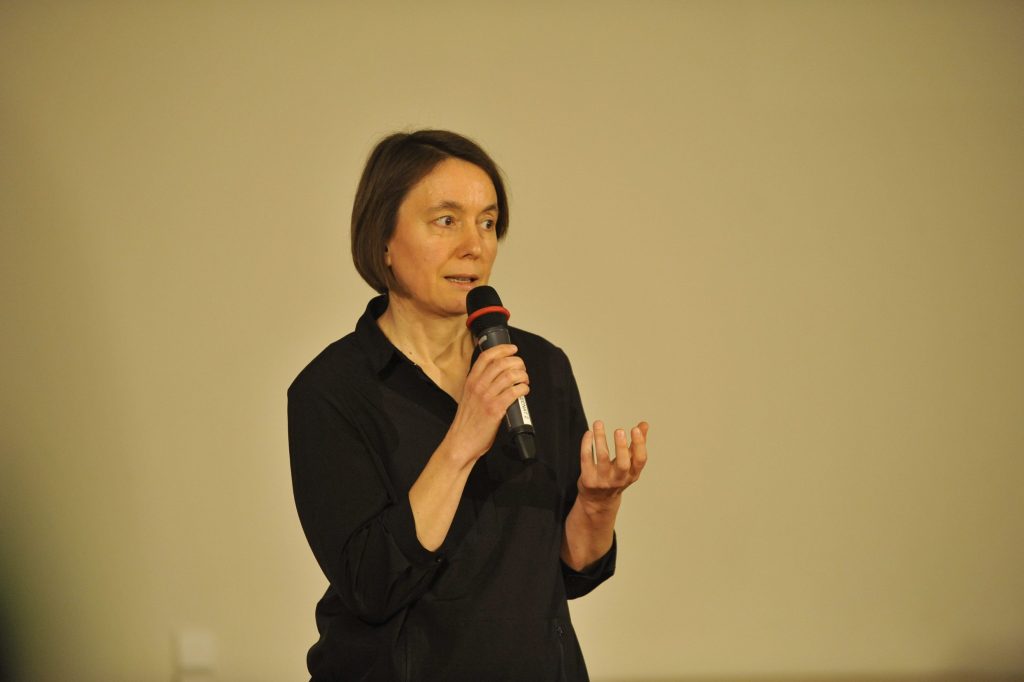
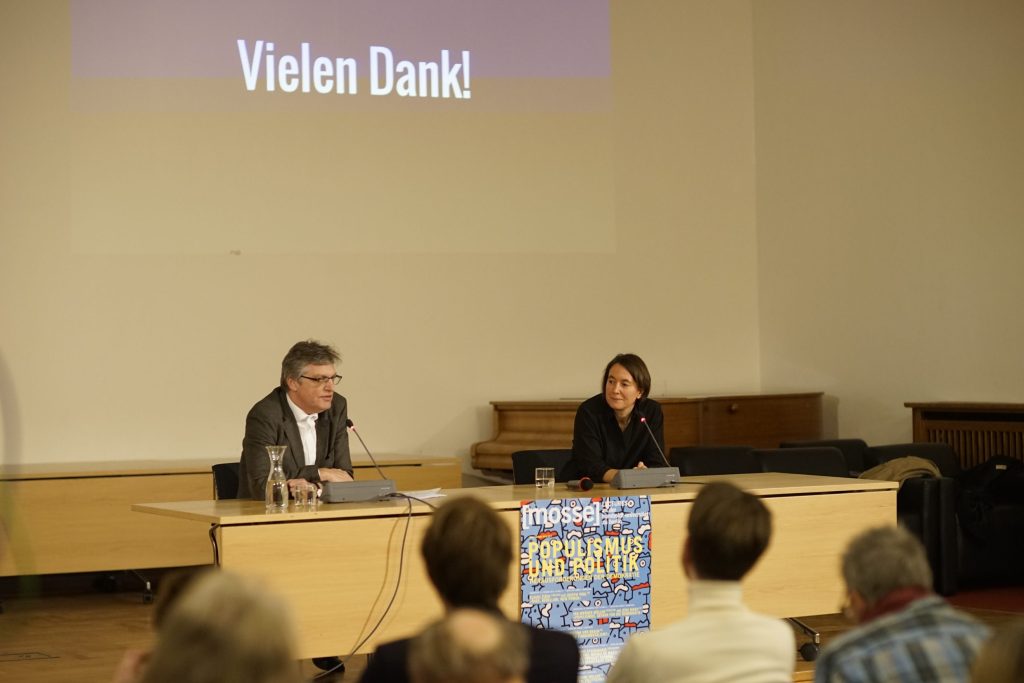
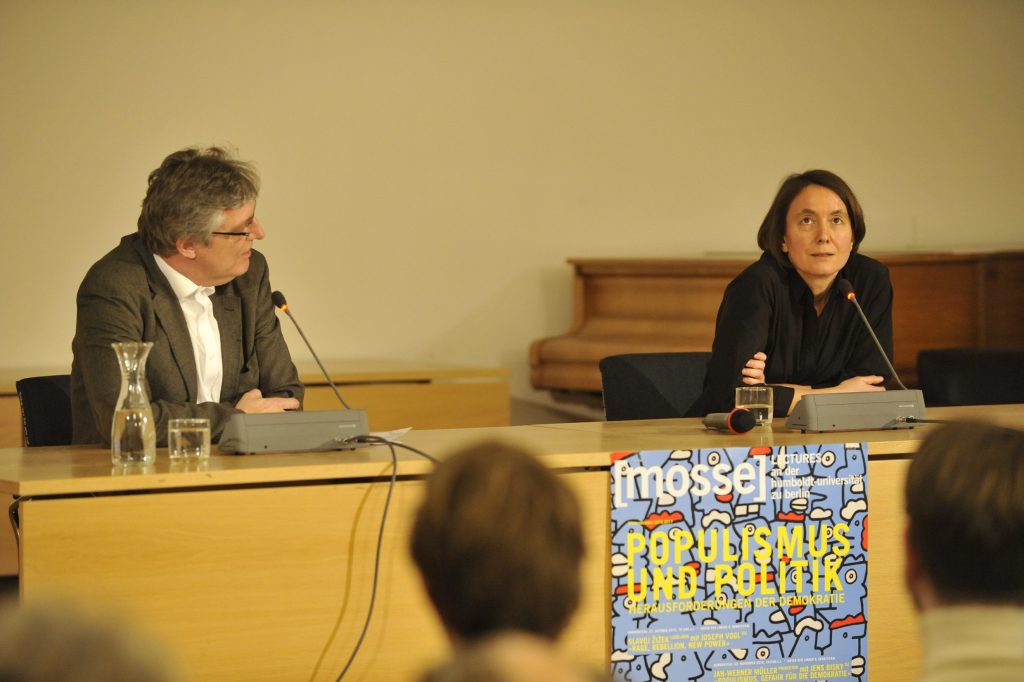
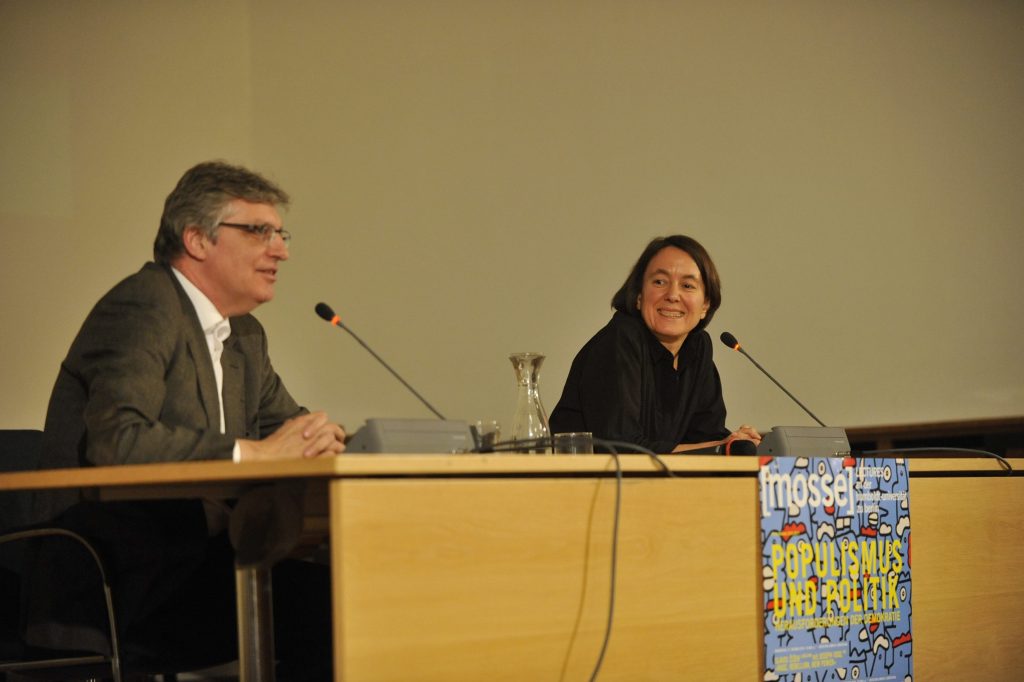
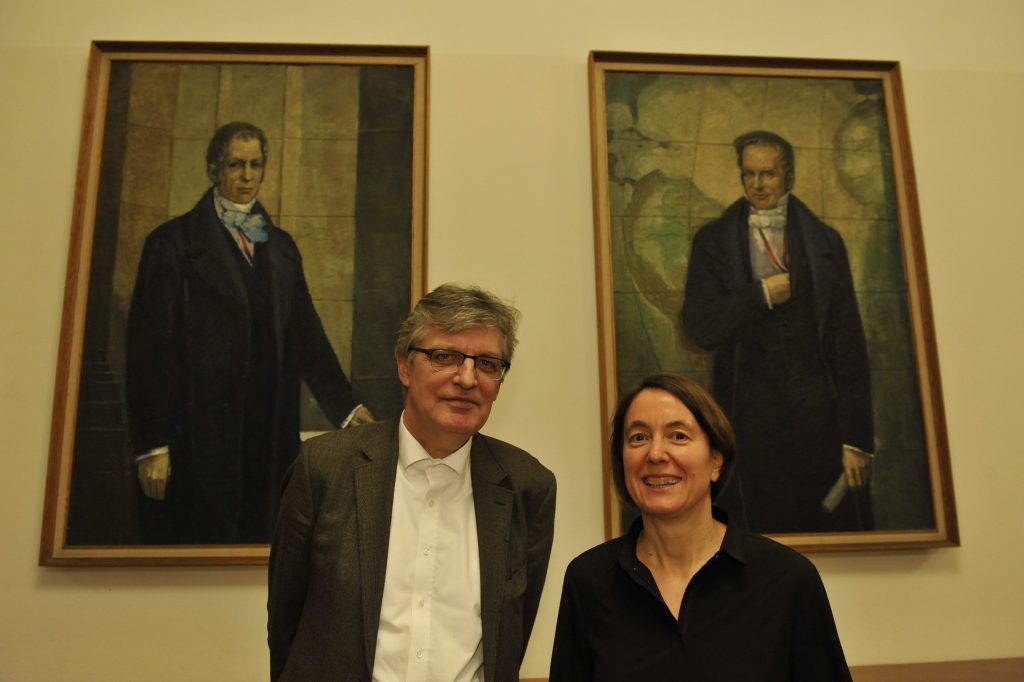
Photo credit: Niels Leiser for the Mosse Lectures
