
2026: Janosch Schobin, “Einsamkeit, die soziale Frage unserer Zeit?/Loneliness, the Social Question of our Time?”
Humboldt University Mosse Lecture
mosselectures.wisc.edu/berlin
Thursday, 5 November 19:00 CET
Senatssaal of Humboldt University
Unter den Linden 6
Berlin, Germany
Welcome and Moderation by Michael Kämper-van den Boogaart
Sponsored by:
Global Mosse Lecture Series
Humboldt University
The Mosse Foundation
Lecture Description:
Loneliness is considered a social issue of our time. There is talk of an »epidemic of loneliness.« Surprisingly, however, levels of loneliness in Germany had long been relatively stable or even declining. With the COVID-19 pandemic, this situation has changed abruptly. It is therefore time to assess why: Which social dynamics contribute to processes of social isolation? Upon closer examination, the question becomes: Which types of lonely individuals are actually increasing or decreasing in number at a time? The woman of the 1950s who was involuntarily without a partner, for example, is as clearly a child of her time as the young man of the 2020s, who believes that feminism has permanently alienated women from him, is one of our own. The question, therefore, is how social change and the different types of loneliness are interconnected.
Lecture Series Theme:
Alone Together
Lecture Series Description:
Die Einsamkeit als unfreiwillige Form des Alleinseins zählt zu den großen Beunruhigungsfaktoren westlicher Industriegesellschaften. Nicht zuletzt die Erfahrungen der Pandemie haben die gesellschaftlichen Folgen sozialer Isolation sichtbar gemacht und ins Zentrum der öffentlichen Aufmerksamkeit gerückt. Einsamkeit wird heute zunehmend als »Einsamkeitsbelastung« statistisch erfasst, als Symptom von »lost communities« diagnostiziert und als gesellschaftliches Risiko politisch adressiert. Gegenmaßnahmen reichen von sozialmedizinischen Präventionsprogrammen, nationalen Strategiepapieren bis zur Einrichtung eigener politischer Ämter. Die Allgegenwart der Einsamkeitsdiagnose bildet den Ausgangspunkt der Mosse Lectures im Wintersemester 2026/27.
Jenseits einer rein pathologischen Perspektive soll es um die grundsätzliche Ambivalenz von Einsamkeitserfahrungen gehen, wie sie bereits in der begrifflichen Differenzierung zwischen »Loneliness« und »Solitude« zum Ausdruck kommt. Figuren der Einsamkeit wurden und werden seit je in Philosophie, Literatur, Musik und bildender Kunst entworfen, wobei sie nicht nur als Ausdruck sozialer Isolation, sondern ebenso als Voraussetzung ästhetischer Erfahrung, existenzieller Selbstbefragung und individueller Freiheit in Erscheinung treten. Die Stichwortgeber:innen einer programmatischen, bisweilen euphorisch aufgeladenen Einsamkeit in der Moderne verbanden im 19. Jahrhundert den Rückzug in die Natur mit Projekten des Nature Writing
Die Mosse Lectures erkunden die Vitalität dieser Tradition in Literatur, Film und Populärkultur der Gegenwart und fragen insbesondere nach dem Verhältnis von »Eleanor Rigby« und »Lonesome Hero«, nach weiblichen, männlichen und queeren Figuren der Einsamkeit zwischen Isolation und Selbstbestimmung sowie nach den geschlechtsspezifischen, kulturellen und politischen Codierungen des Alleinseins.
Ergänzt wird die Vortragsreihe durch ein filmisches Begleitprogramm, das in Kooperation mit dem Zeughauskino am Deutschen Historischen Museum in Berlin an sechs Abenden im Januar und Februar 2027 zu sehen sein wird.
Loneliness, understood as involuntary solitude, has become a major concern in Western industrial societies. The experiences of the pandemic, in particular, has brought the social consequences of isolation sharply into focus and placed loneliness at the centre of public attention. Today, loneliness is increasingly being recorded statistically as a social burden, diagnosed as a symptom of »lost communities«, and addressed politically as a societal risk. Countermeasures range from social and medical prevention programs and national strategies to the establishment of dedicated political offices. The ubiquity of loneliness diagnoses forms the starting point for the Mosse Lectures in the winter term of 2026/27.
Moving beyond a purely pathological perspective, the focus will lie on the fundamental ambivalence of experiences of loneliness, reflected in the conceptual distinction between »loneliness« and »solitude.« Figures of loneliness have long be imagined in philosophy, literature, music, and the visual arts, not only as expressions of social isolation, but also as conditions of aesthetic experience, existential self-reflection, and individual freedom. In the 19th century, advocates of a programmatic, at times euphoric conception of loneliness in modernity linked the retreat into nature with projects of nature writing.
The Mosse Lectures trace the persistence and transformation of this tradition in contemporary literature, film, and popular culture, examining in particular the relationship between »Eleanor Rigby« and »Lonesome Hero,« female, male, and queer figures of loneliness who navigate the spectrum between isolation and self-determination. At stake are also the the gender-specific, cultural and political connotations of being alone.
The lecture series will be complemented by an accompanying film program, which will be shown on six evenings in January and February 2027 in collaboration with the Zeughauskino at Deutsches Historisches Museum in Berlin.

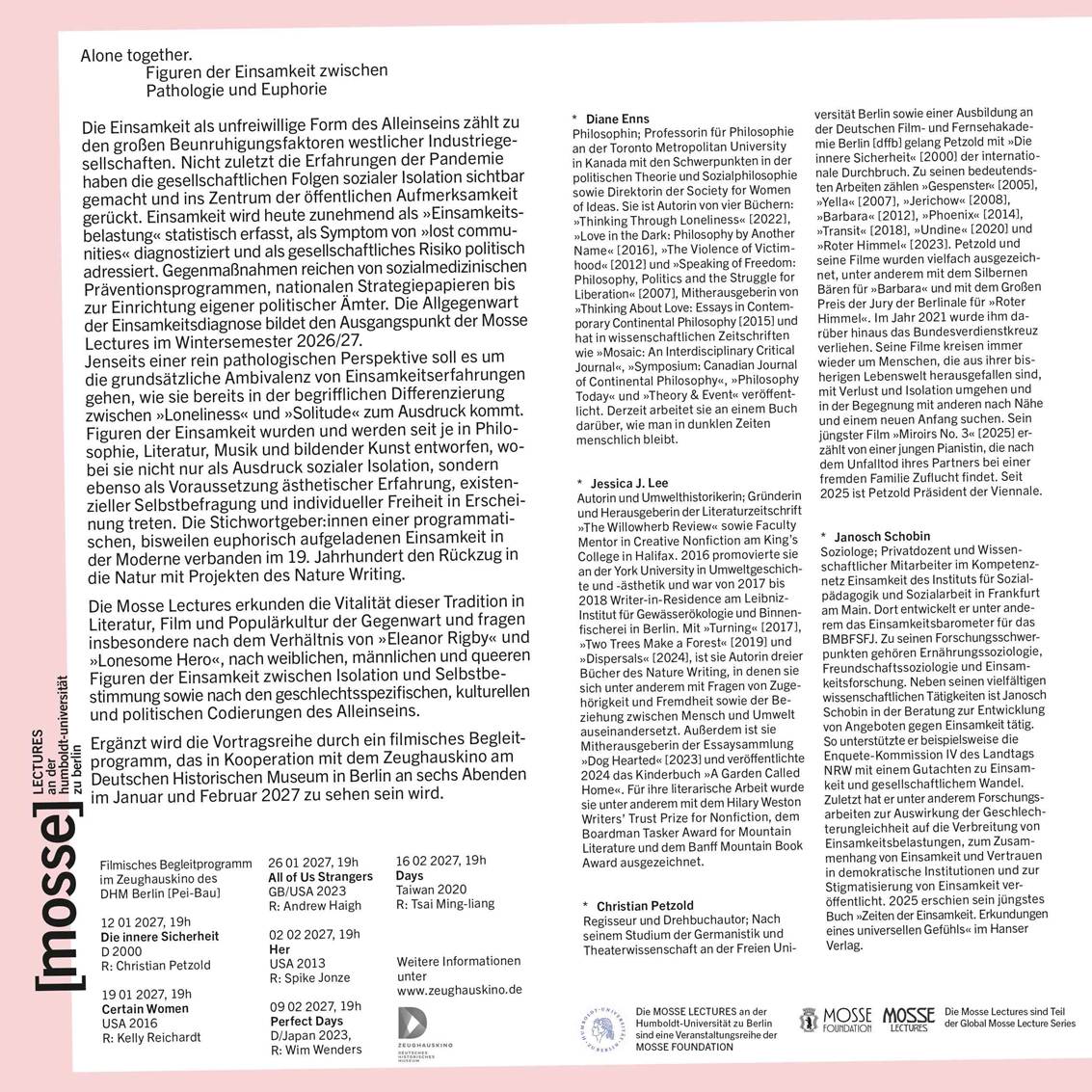
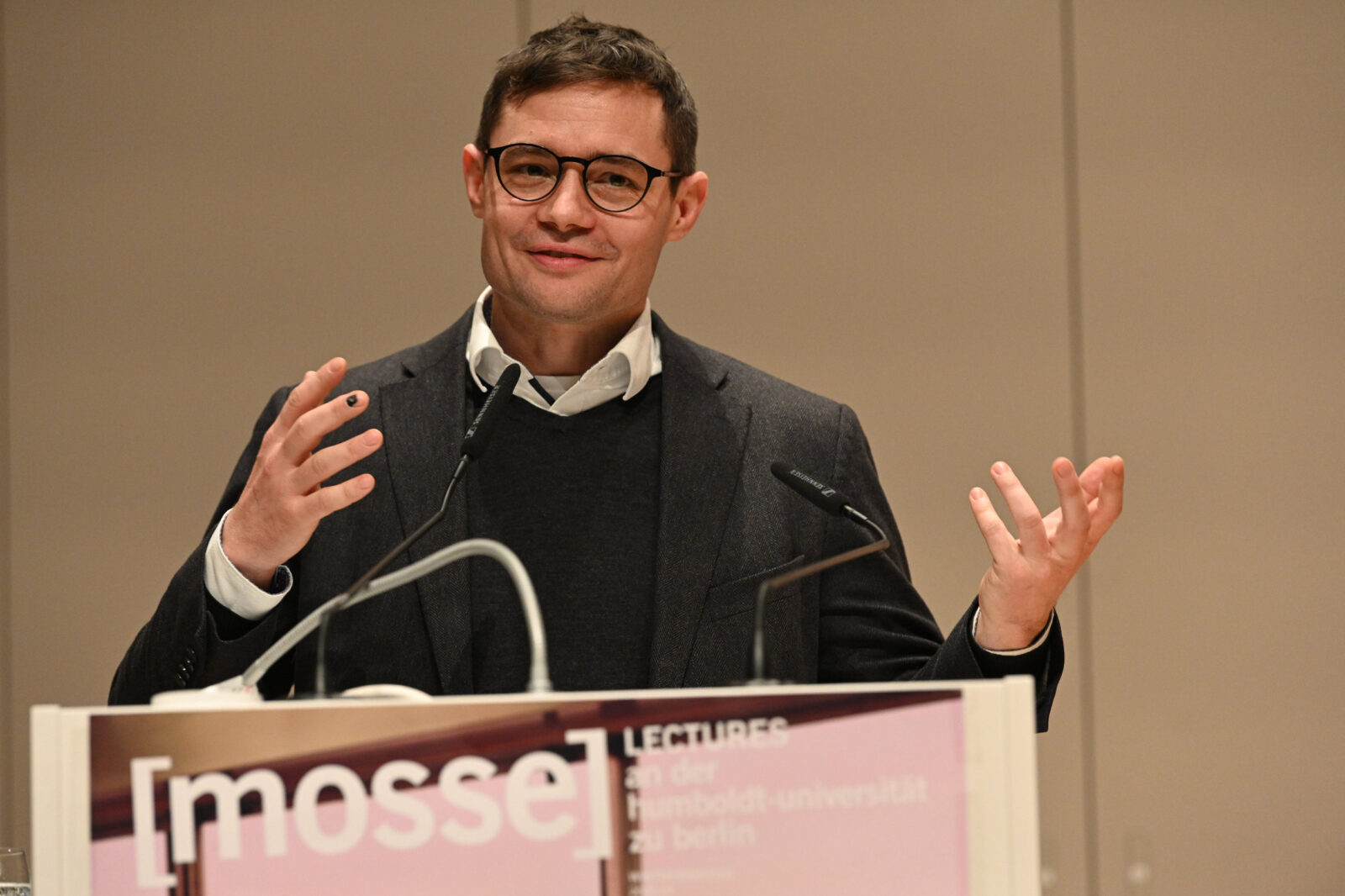
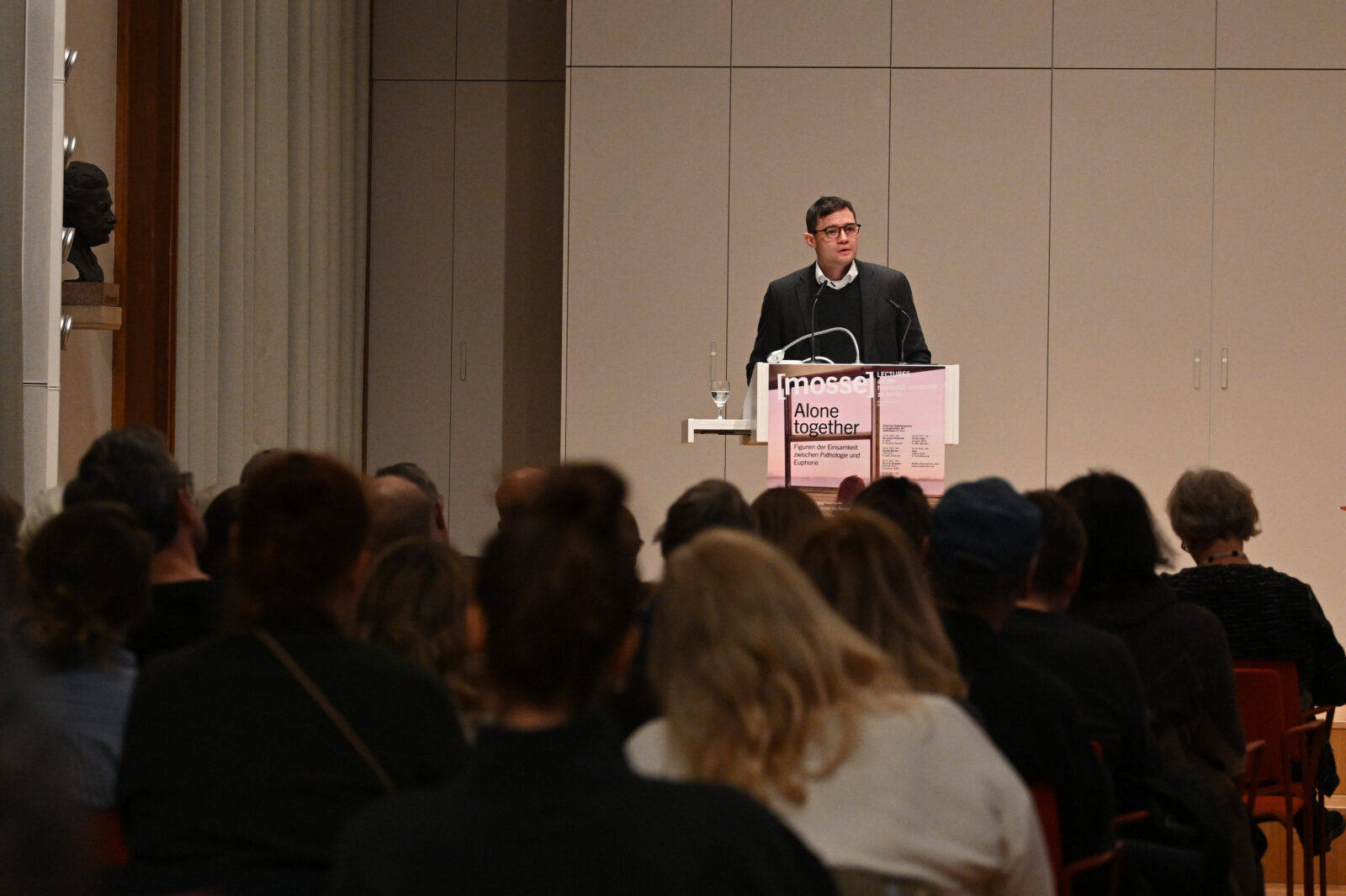
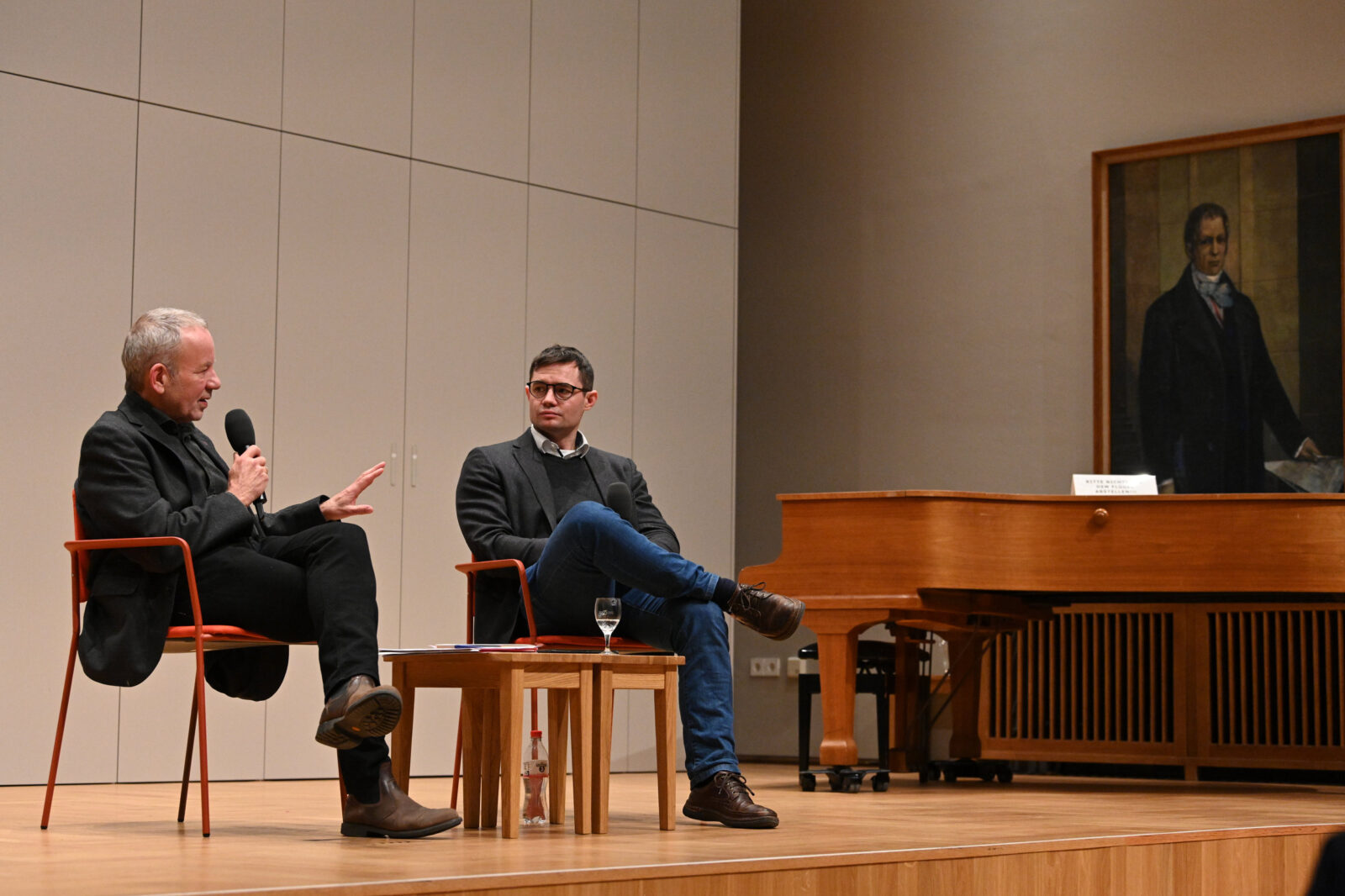
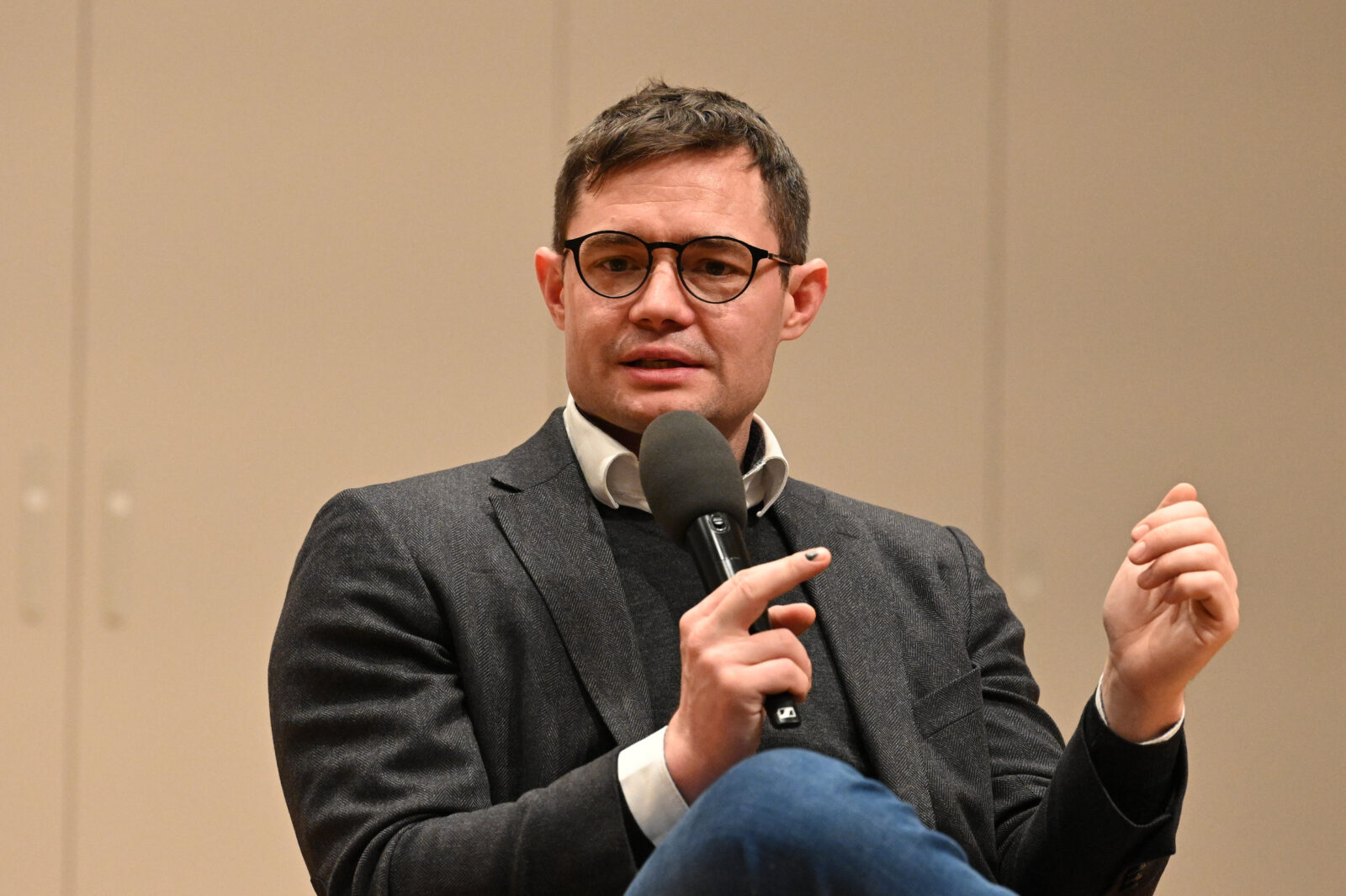
Photo credit: Neils Lesier for the Mosse Lectures
Janosch Schobin: Sociologist; Private lecturer and research associate at the Loneliness Network at the Institut für Sozialarbeit und Sozialpädagogik in Frankfurt am Main. Among other things, he develops the Loneliness Barometer for the BMBFSFJ there. His primary research interests include the sociology of food, the sociology of friendship, and loneliness research. Alongside his diverse academic activities, Janosch Schobin provides consultancy services on the development of programs to combat loneliness. For example, he supported the Fourth Commission of Inquiry of the North Rhine-Westphalia State Parliament with an expert report on loneliness and social change. His most recent publications cover topics including the impact of gender inequality on loneliness prevalence, the connection between loneliness and trust in democratic institutions, and the stigmatization of loneliness. In 2025, his latest book »Zeiten der Einsamkeit. Erkundungen eines universellen Gefühls« [»Times of Loneliness: Explorations of a Universal Feeling«], was published by Hanser Verlag.
