
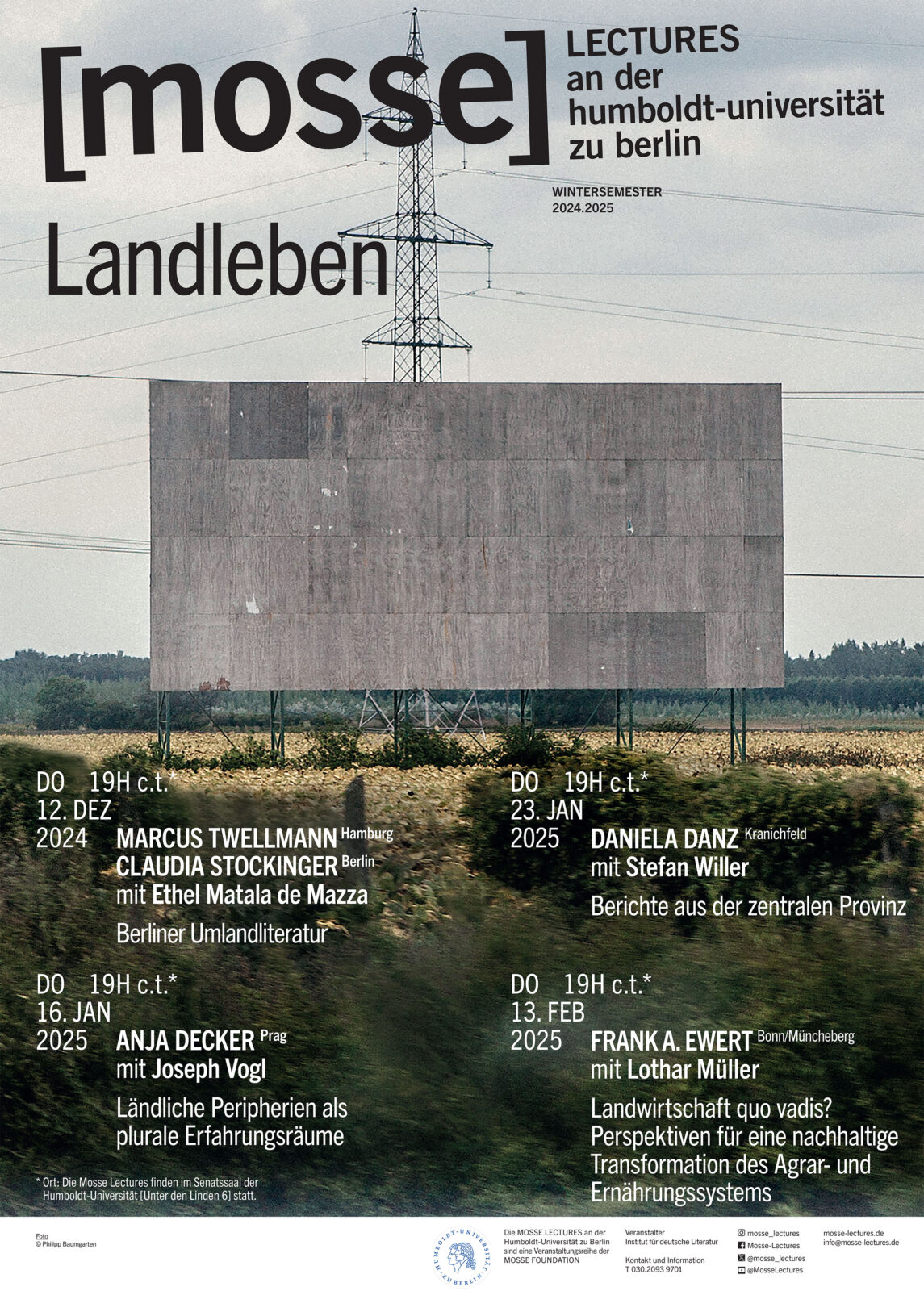
2024: Anja Decker, “Ländliche Peripherien als plurale Erfahrungsräume” / “Rural Peripheries as Diverse Experience Spaces”
Anja Decker, “Ländliche Peripherien als plurale Erfahrungsräume” / “Rural Peripheries as Diverse Experience Spaces”
Humboldt University Berlin Mosse Lecture
mosselectures.wisc.edu/berlin/
Thursday, 16 January 2024, 19:15 CET
Senatssaal of Humboldt University
Unter den Linden 6
10117 Berlin
GERMANY
Sponsored by:
[mosse] LECTURES an der humboldt-universität zu berlin
The Mosse Foundation
Global Mosse Lecture Series
Institut für deutsche Literatur
Humboldt University
Moderator: Joseph Vogl (Humboldt University)
Lecture Description: The life chances and scope for action in Europe’s rural peripheries are the subject of lively debates that are intensively shaped by the social and cultural sciences. Diagnoses and attributions, fears and hopes are as diverse as they are contradictory: rural peripheries are viewed as both disadvantaged and disadvantaging regions in which particular challenges arise for coping with everyday life. At the same time, they are perceived as spaces of opportunity in which solutions for dealing with precarity and multiple crises emerge. There is an increasing focus on the political consequences and social dynamics when regions and their populations are seen as ›left behind‹ or ›far from innovation‹ or are held responsible as bearers of ›potential‹. But how do residents of rural peripheries experience their participation and opportunities to shape the future? What spatial and temporal references come into play? What lessons emerge from the everyday negotiations of different perceptions on the ground? Based on many years of ethnographic research and qualitative interviews in the Czech Republic, the lecture examines subjective constructions of agency from the perspective of residents of rural peripheries.
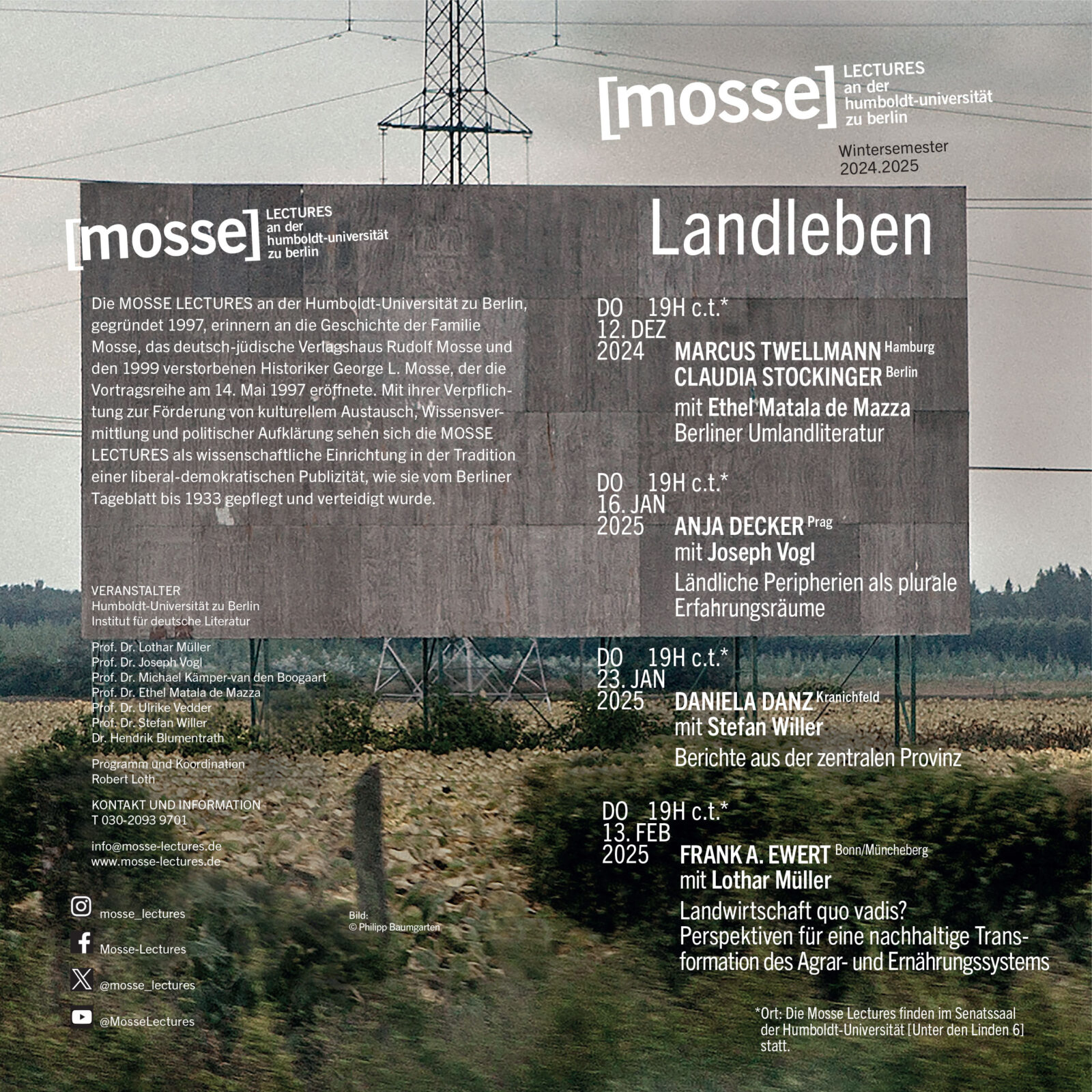
Lecture Series Theme: Landleben
Lecture Series Description: There is too far afield between idyllic and provincial. On the one hand, rural communities are confronted with severe population decline and ‘dying villages’, on the other hand, the promise of a ›simple‹ life close to nature has unleashed deep longings by an urban view on rural spaces, not just since the artists’ colonies of modernism. Yet the early works of rural sociology and its efforts to achieve a more differentiated analysis of rural societies at the beginning of the 20th century already clearly stated that rural lifeworlds are more complex than the talk of the village community and the persistent (pre-)judgment of its backwardness compared to urban modernity would suggest. In fact, it is precisely the historical transformations of the village – and its stories – that open up a new perspective on the peripheries of modernity. It becomes apparent that ›rurality‹ in its material spatial structure as a (finite) resource, far removed from stereotypical romanticizations, represents a central arena in the history of socio-political conflicts and social differentiation. The ›rural‹ emerges from cultural interpretation schemes and aestheticizations, and rural ways of life also prove to be deeply shaped by social dynamics.
In winter 2024/25, the Mosse Lectures will take discursive excursions into the countryside and consider rural spaces as the subject of cultural imaginations as well as political and economic appropriations: How have rural ways of life changed in modernity, how has the “rural” been described and imagined in the multitude of its concrete forms as a scheme of interpretation (mostly shaped by the urban view)? Is the ›province‹ the venue for an alternative, anti-metropolitan politics? Where is the boundary between city and countryside as a cultural or natural space – and does it even exist considering the functional connections between the spaces? How does literature work on the construction, shifting or dissolution of urban-rural boundaries and what challenges does an increasingly urban society face with regard to the conditions and limits of ecologically sustainable agriculture?
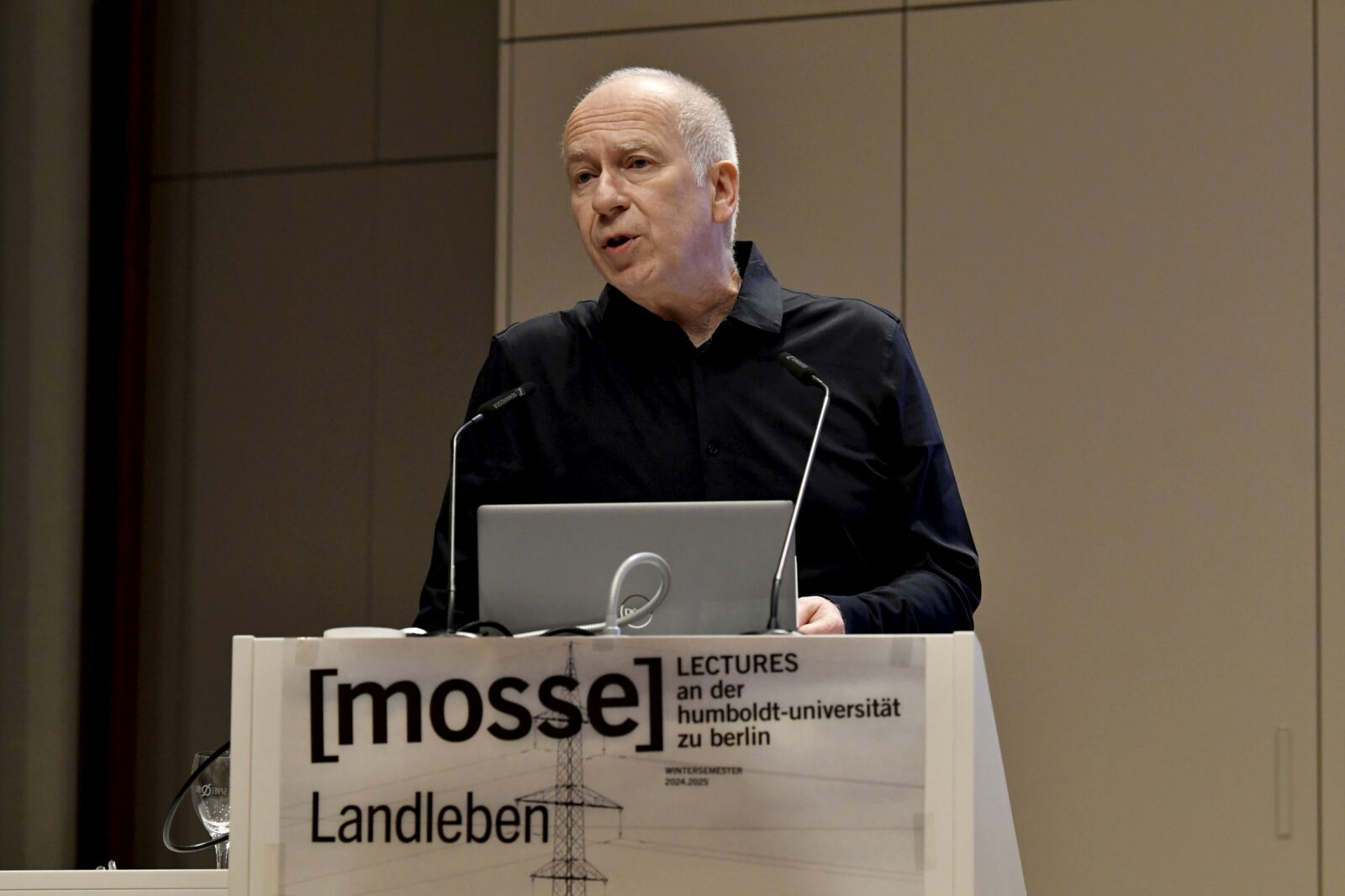
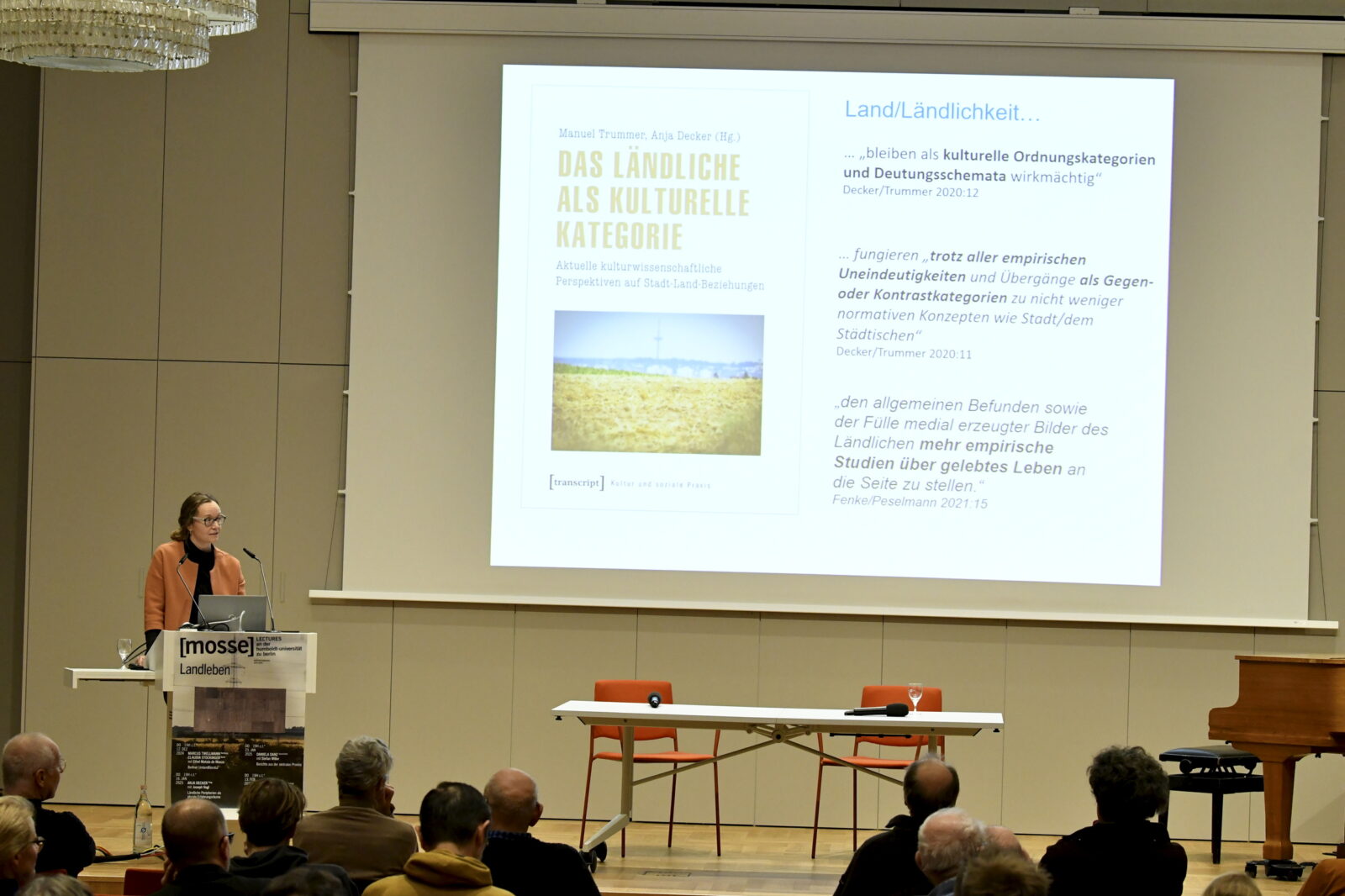
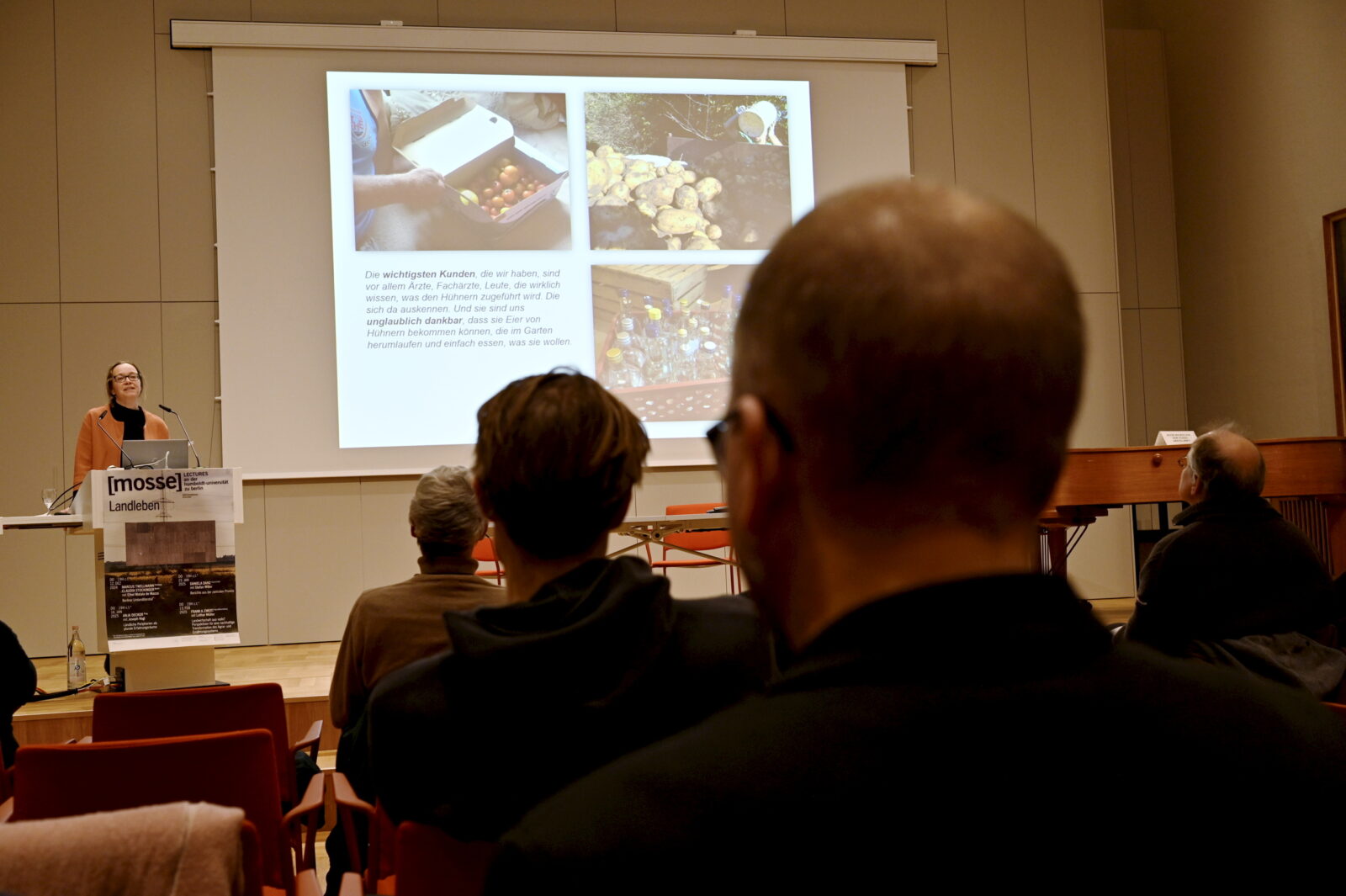
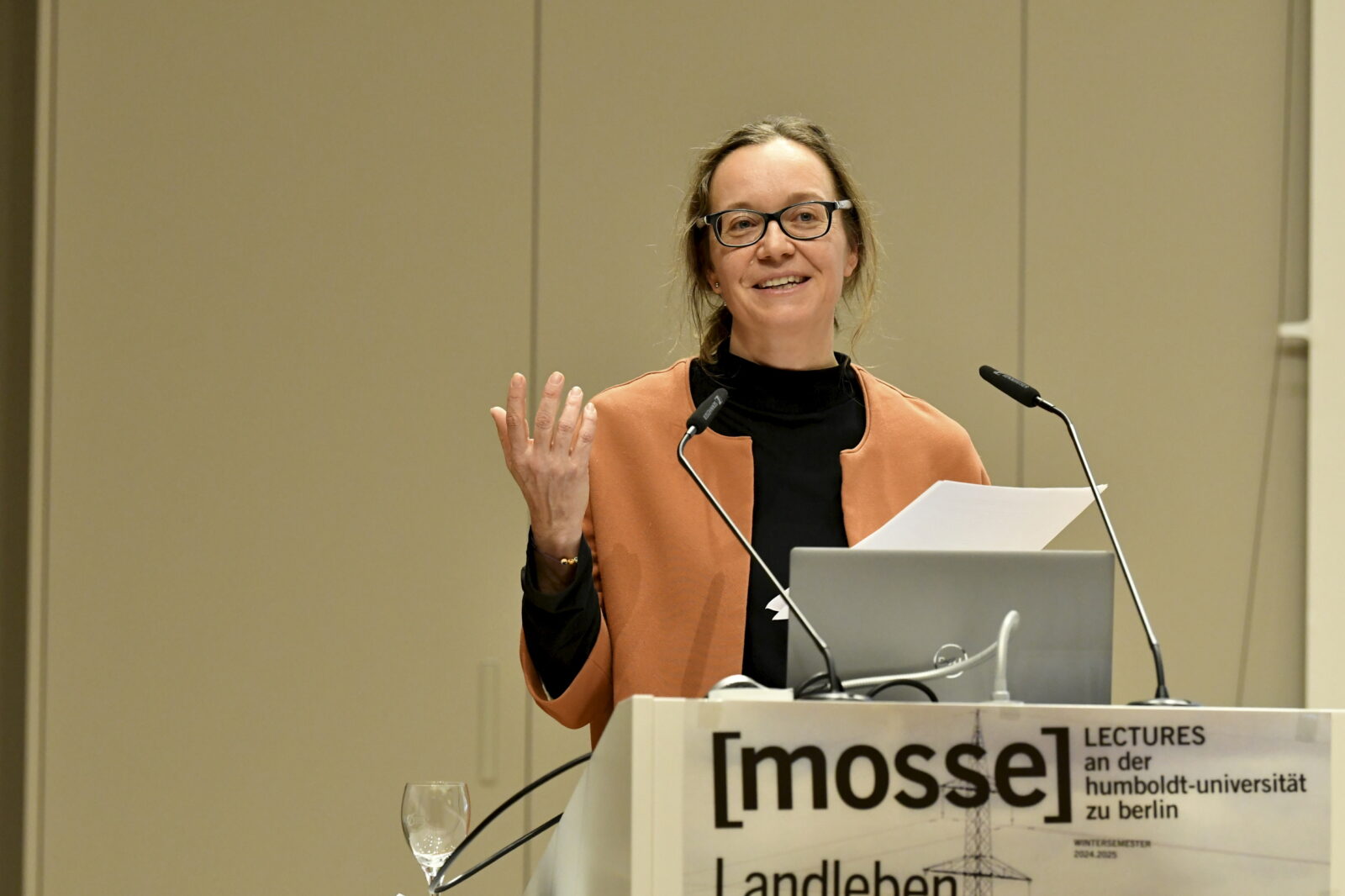
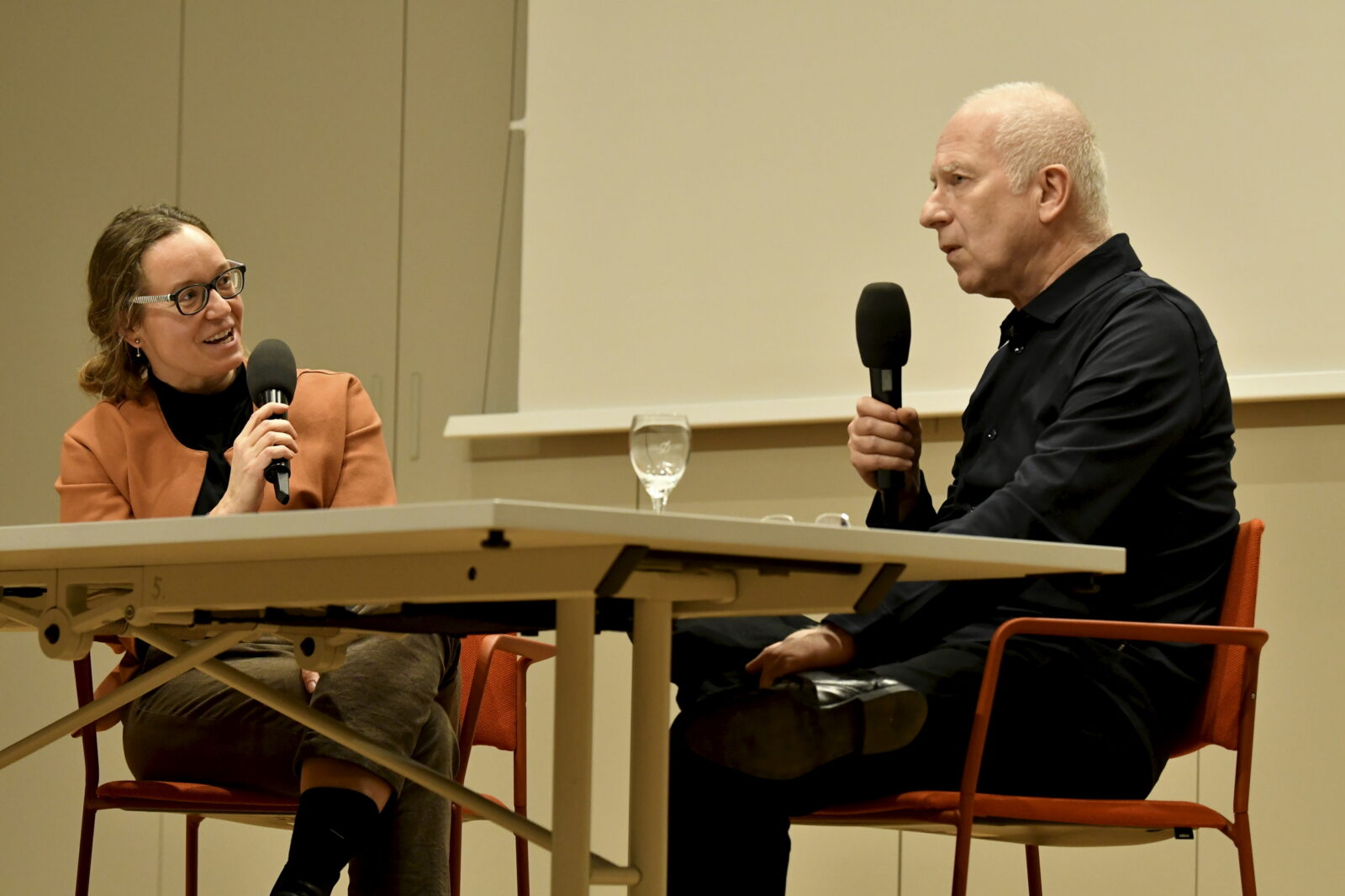
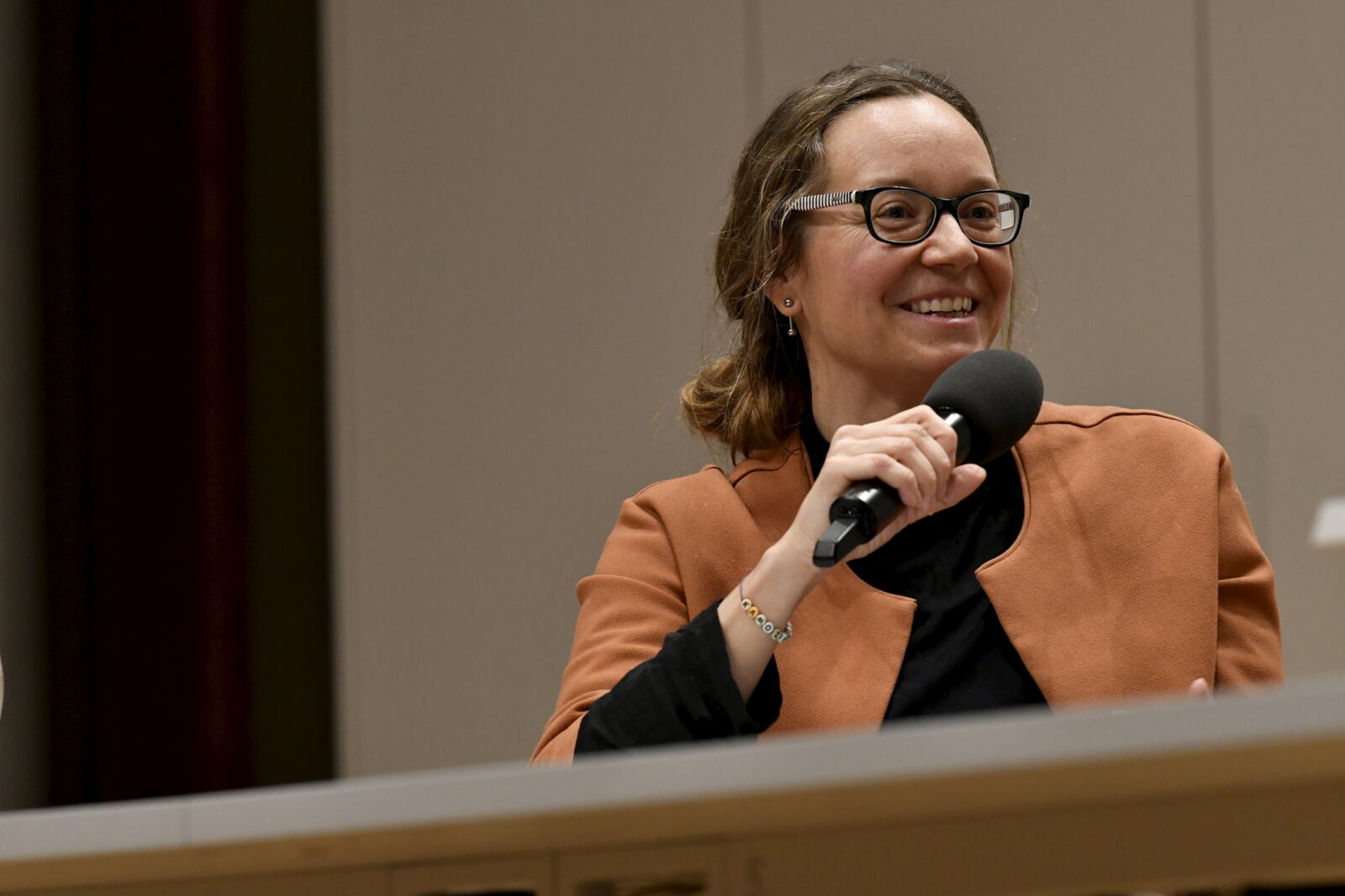
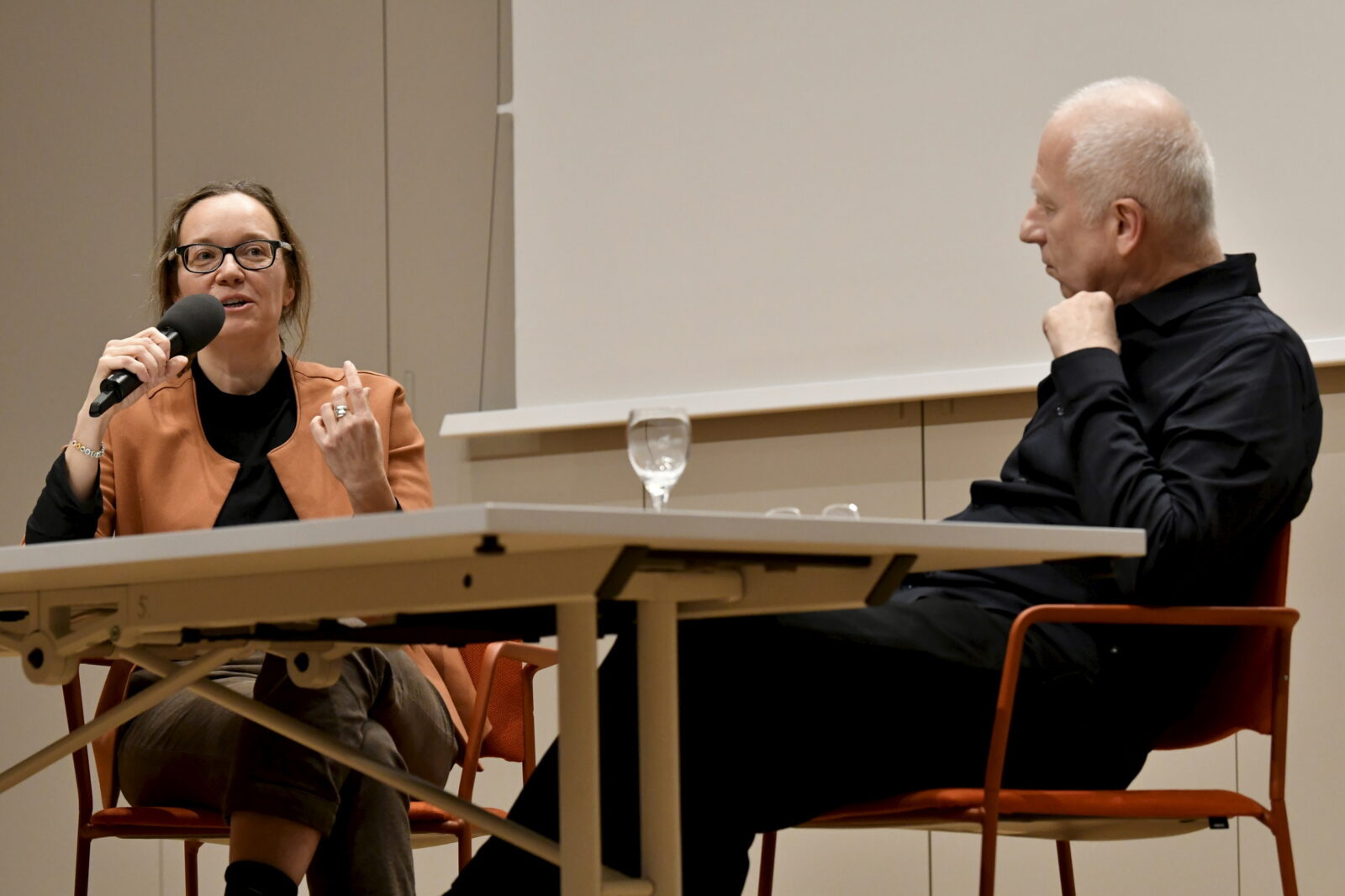
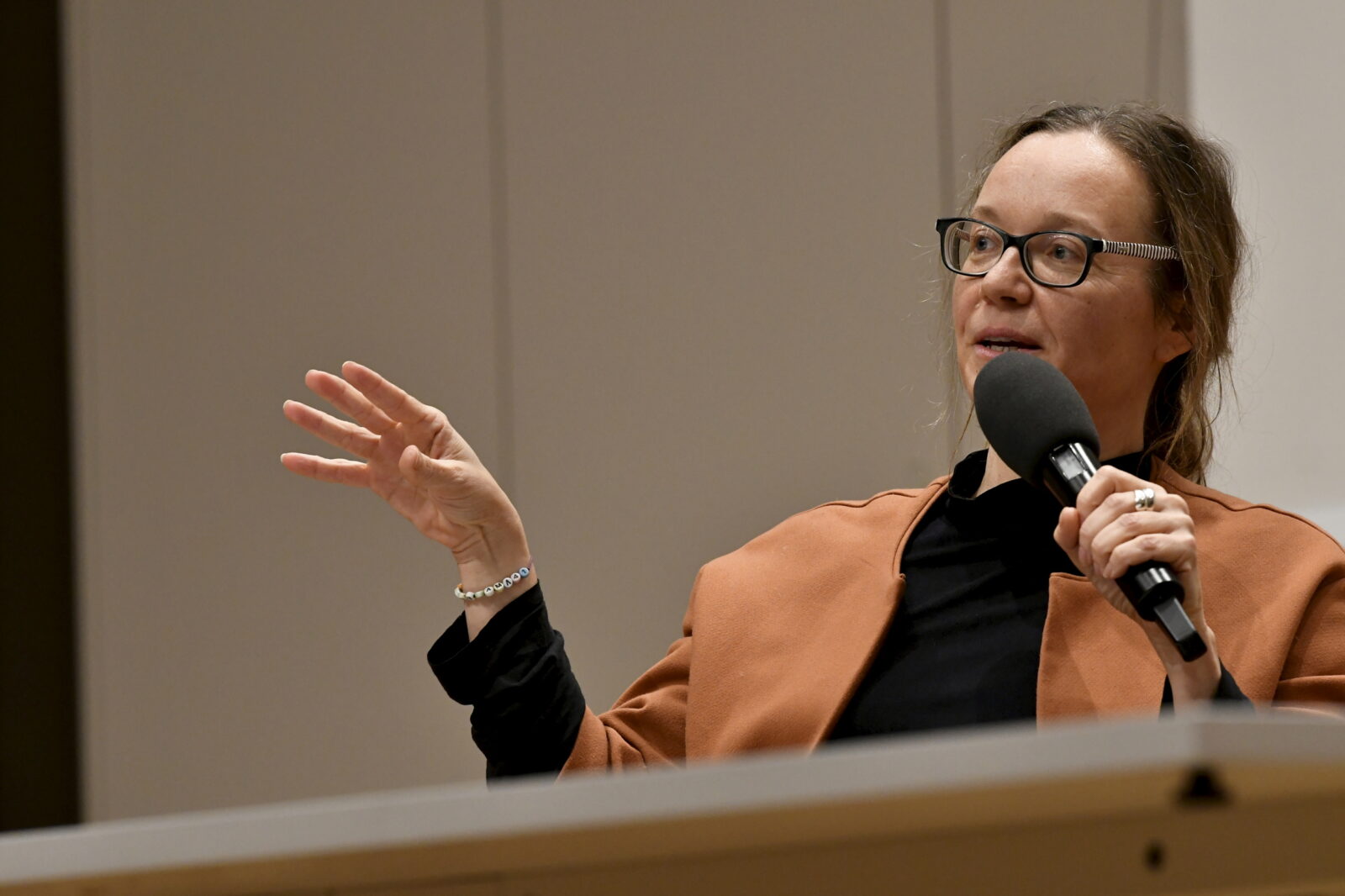
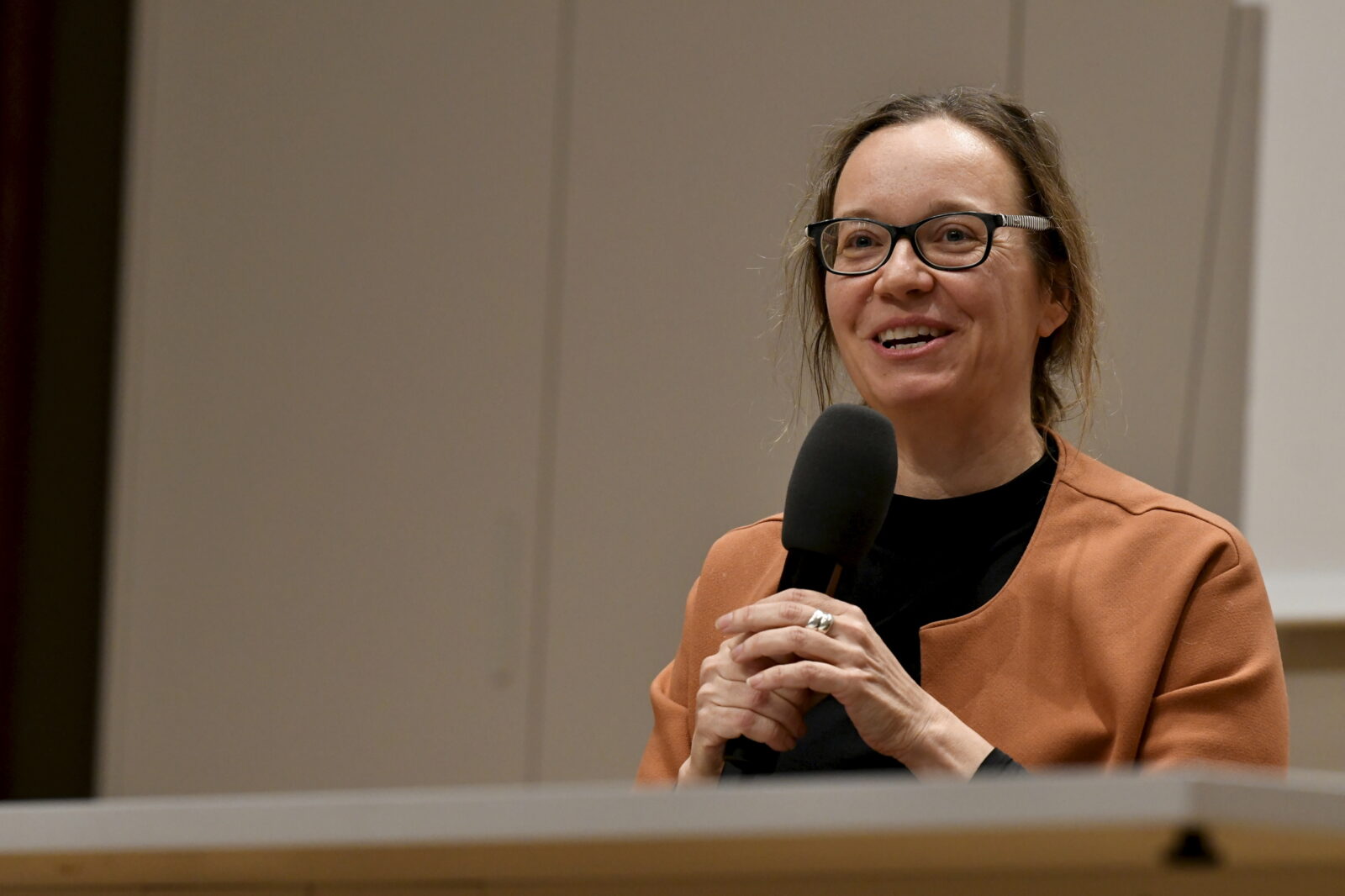
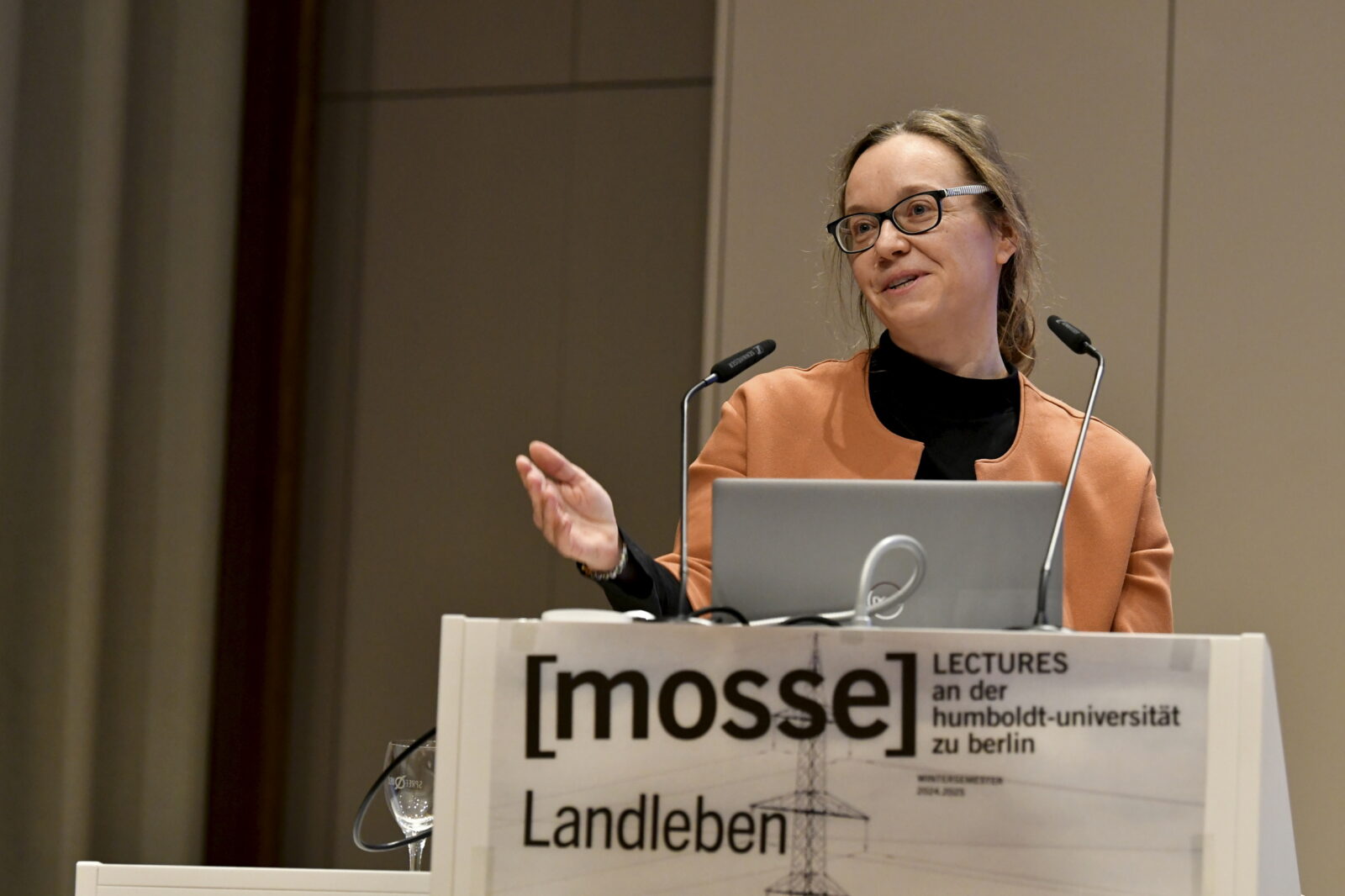
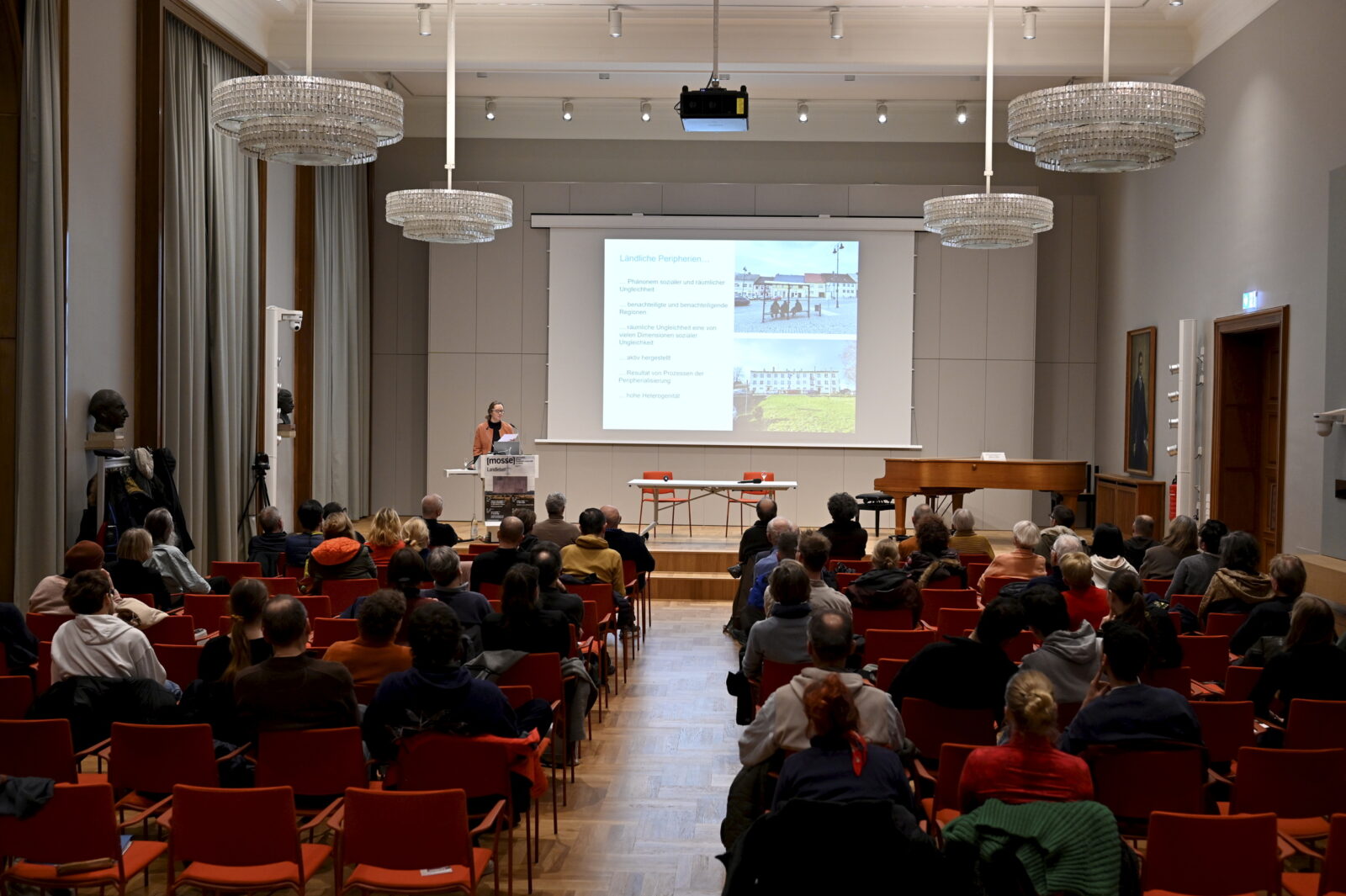
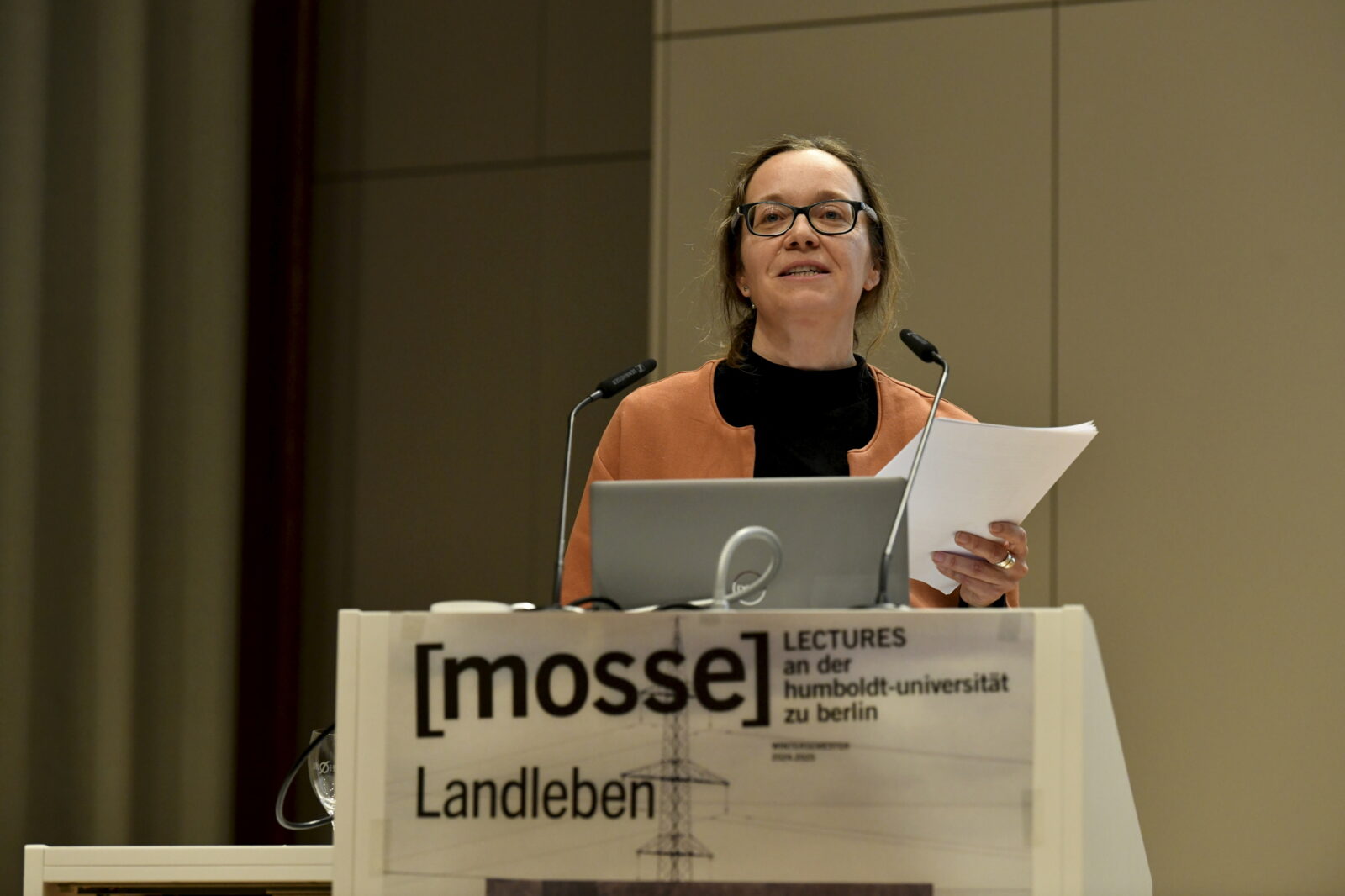
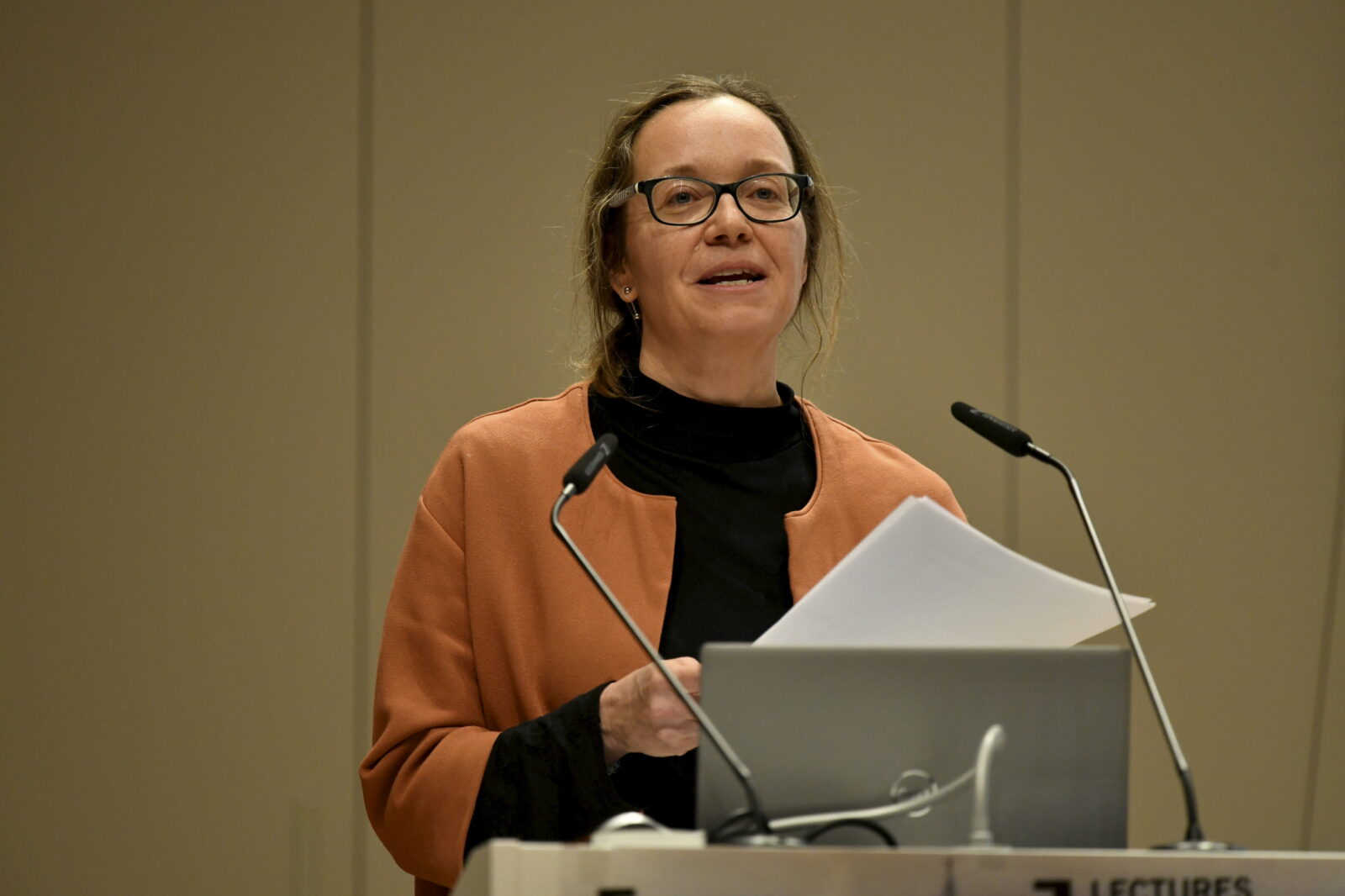
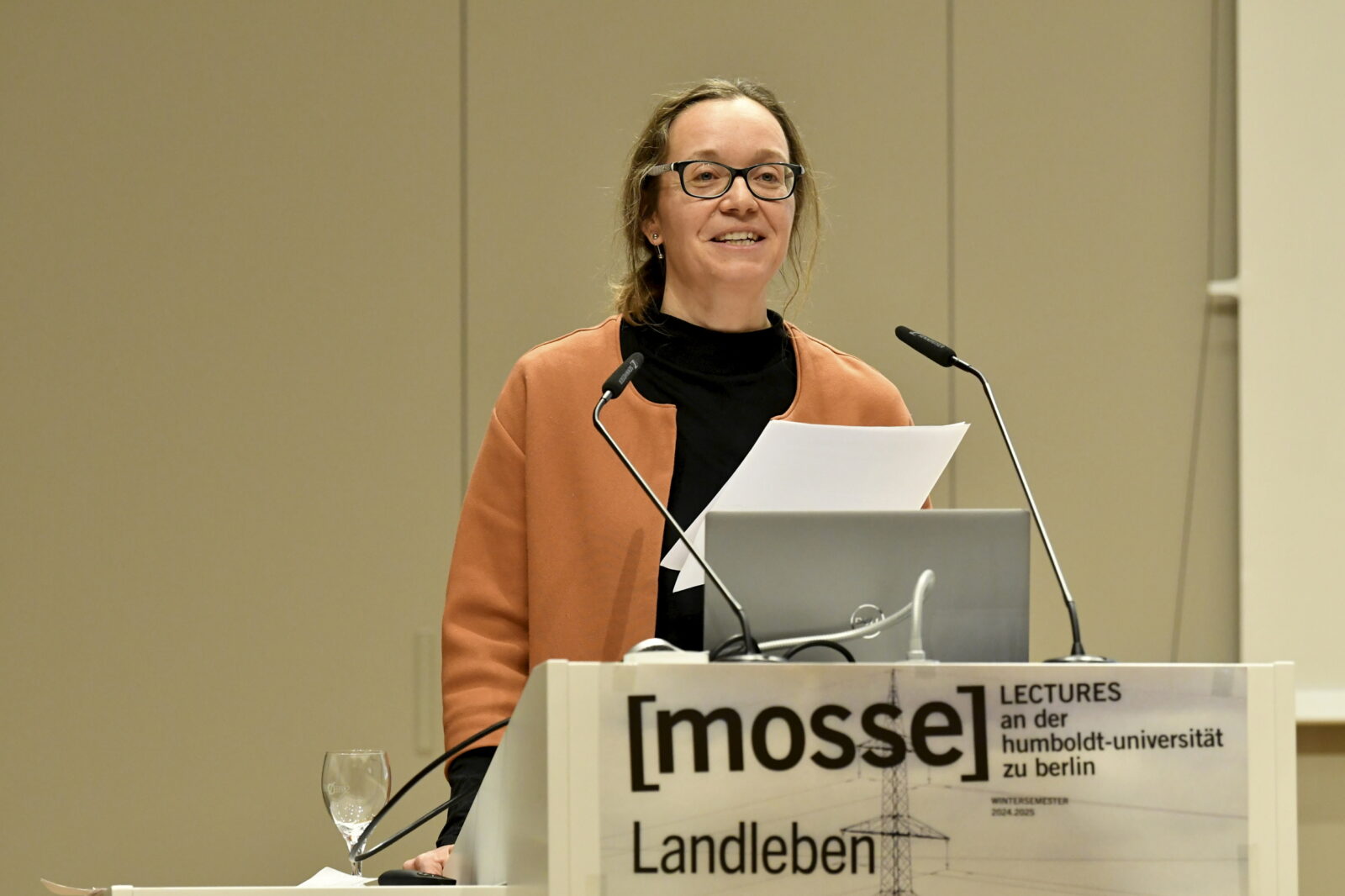
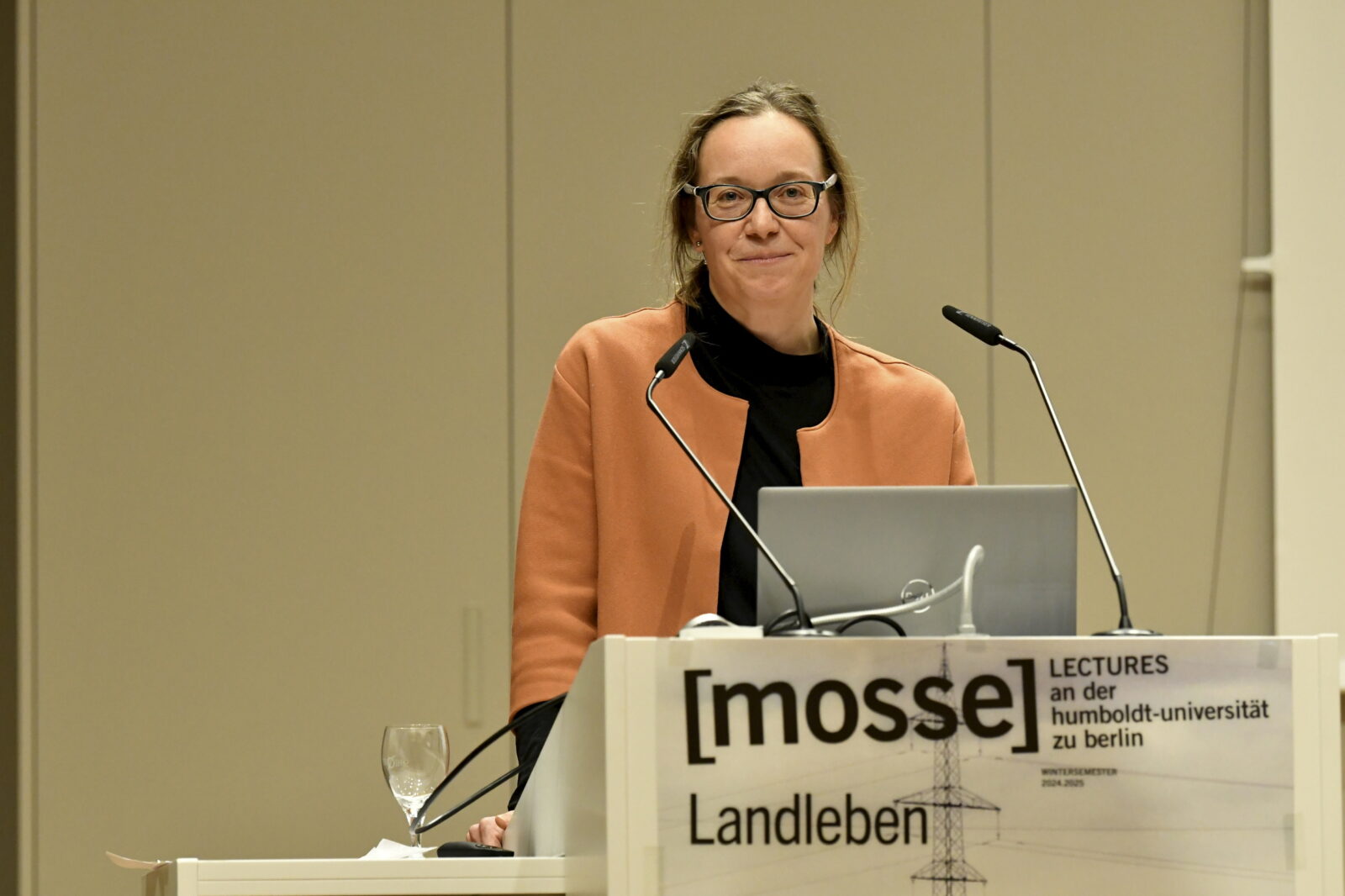
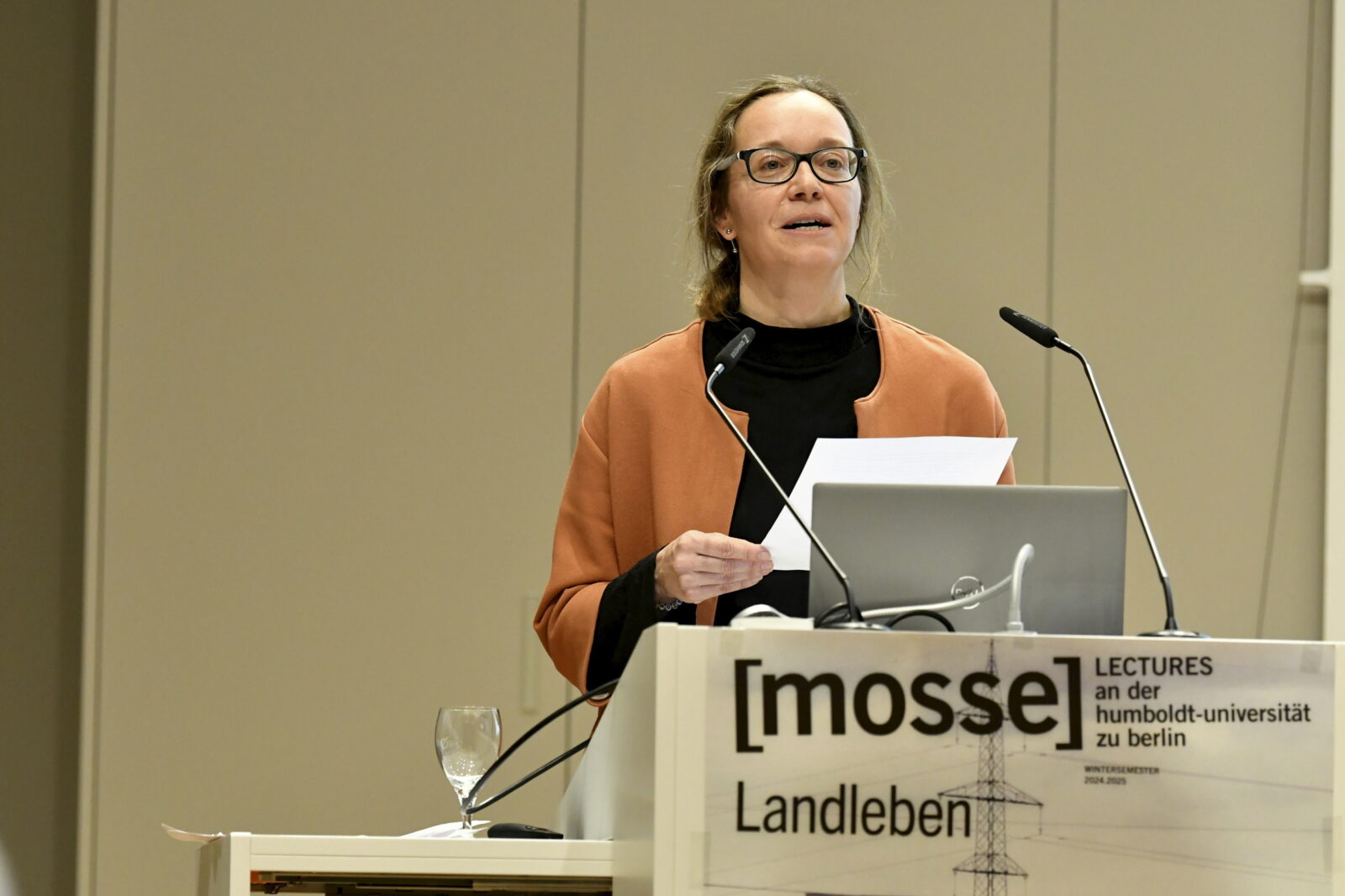
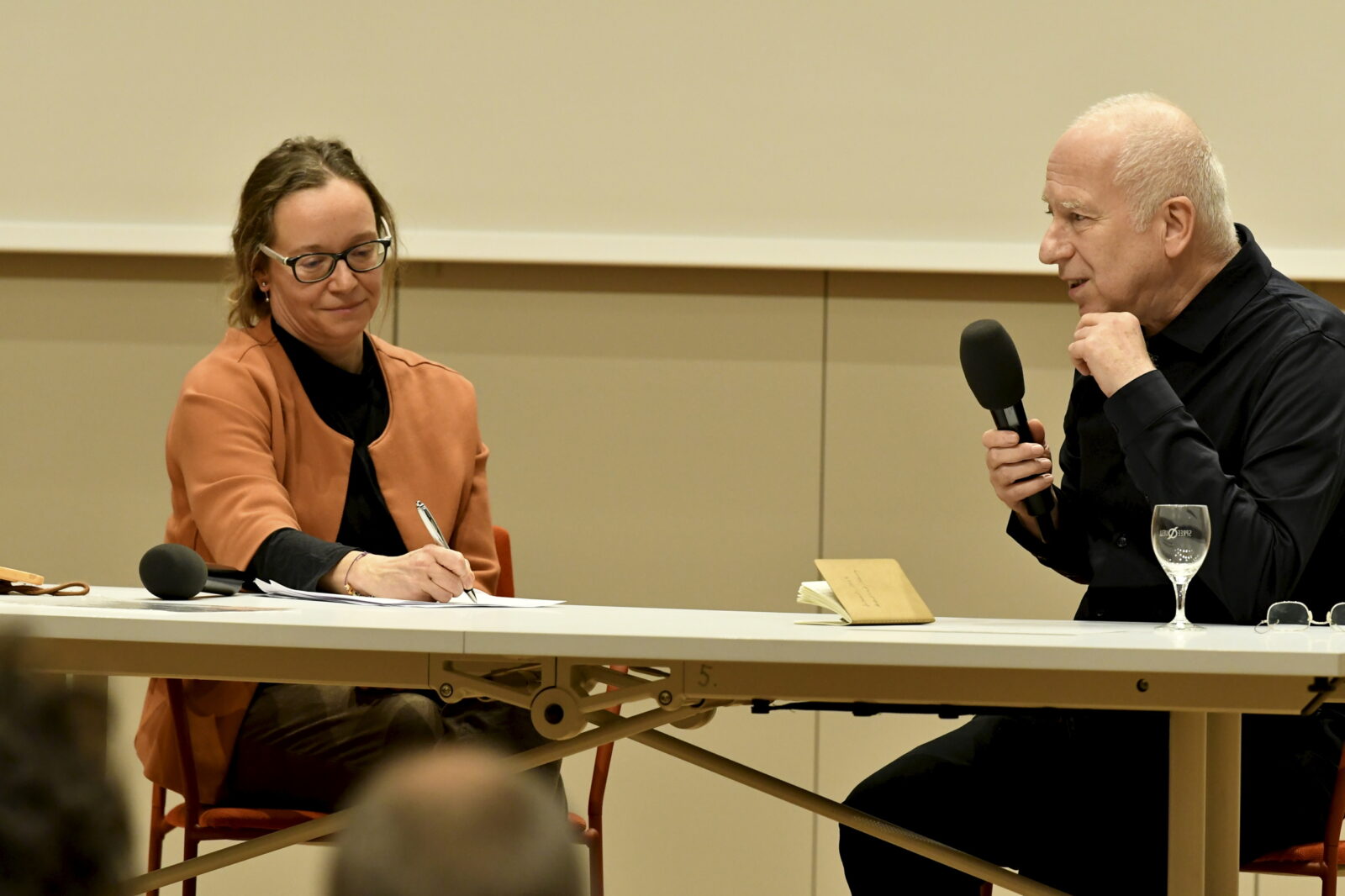
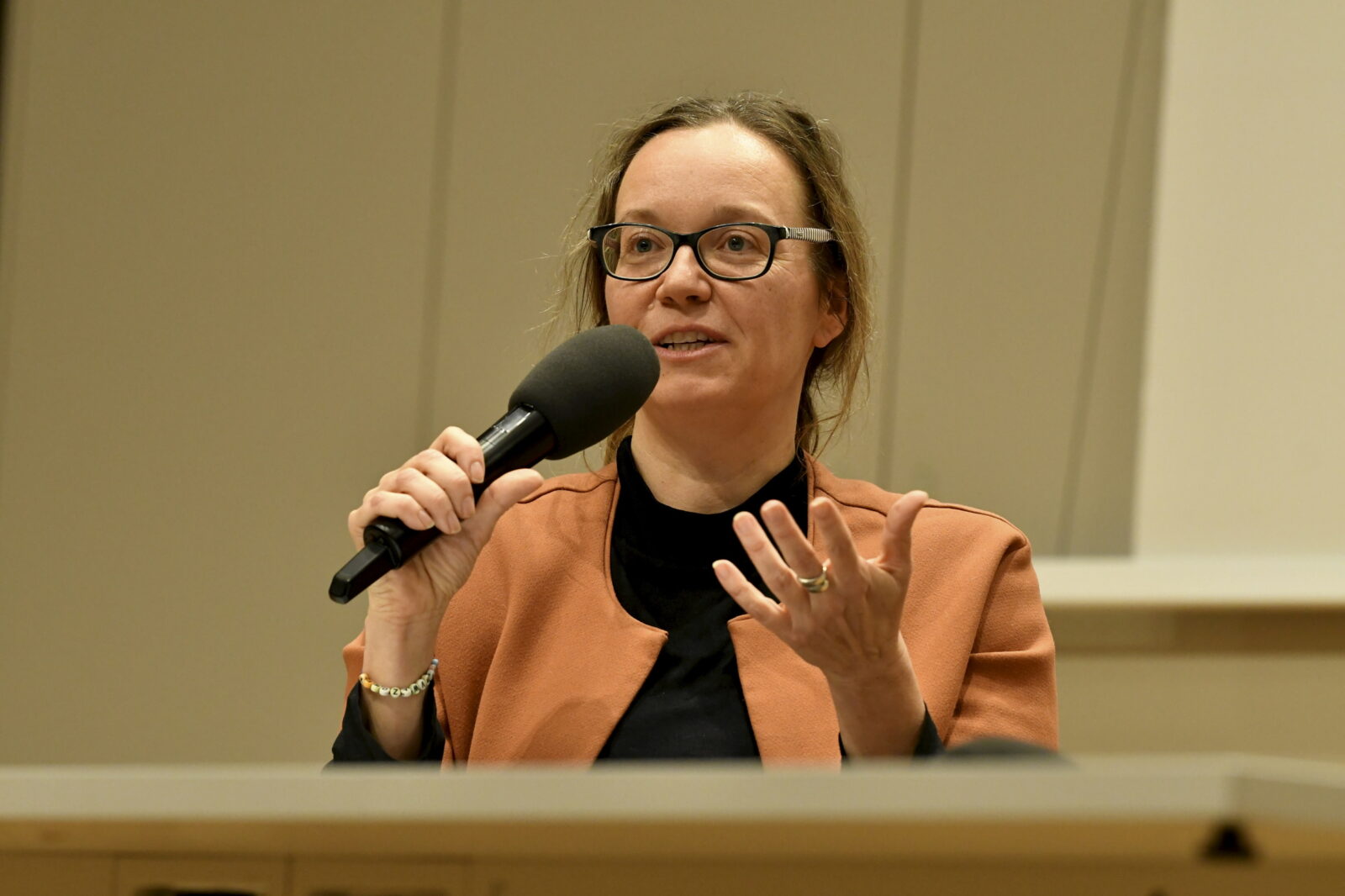
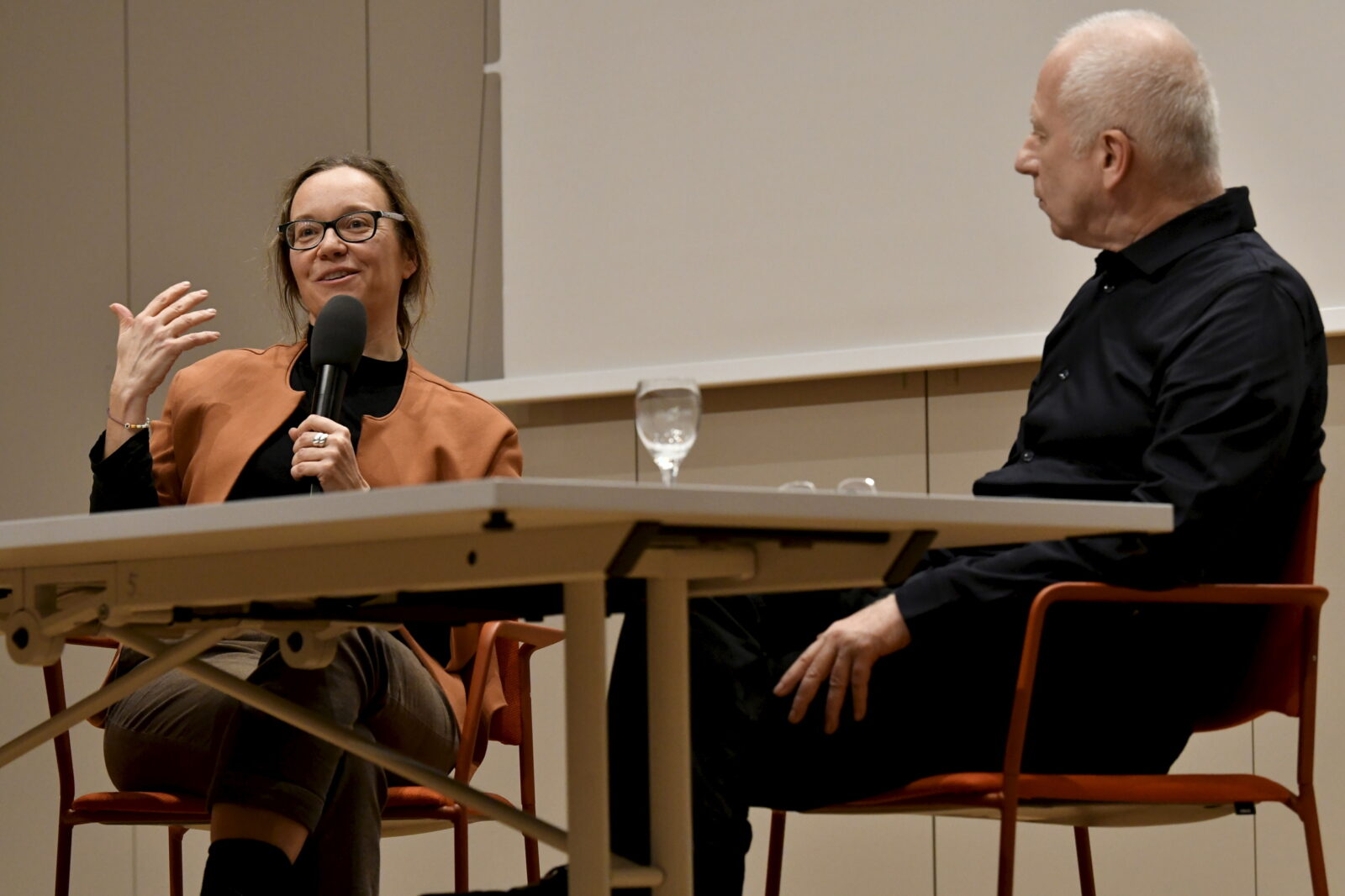
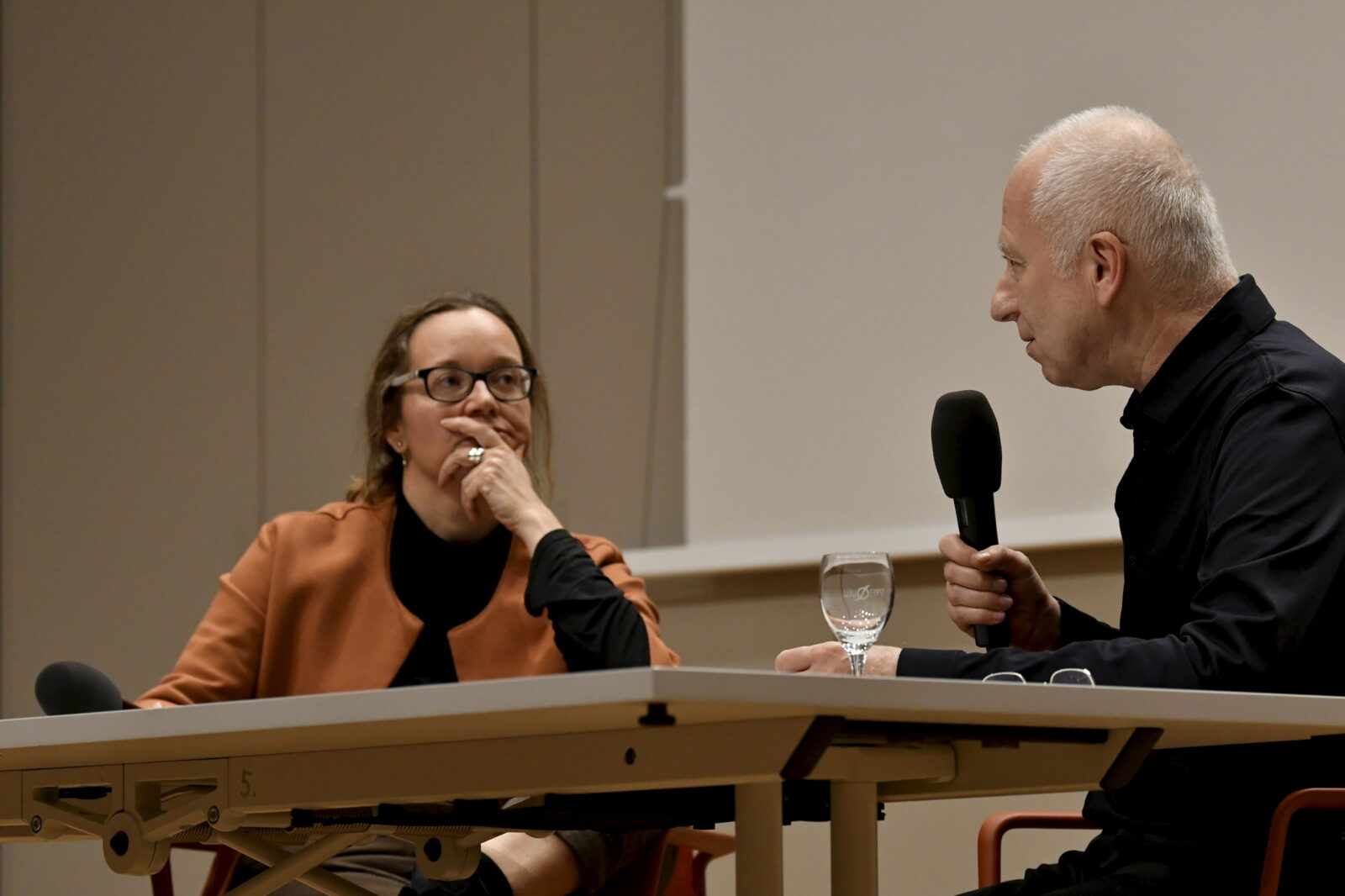
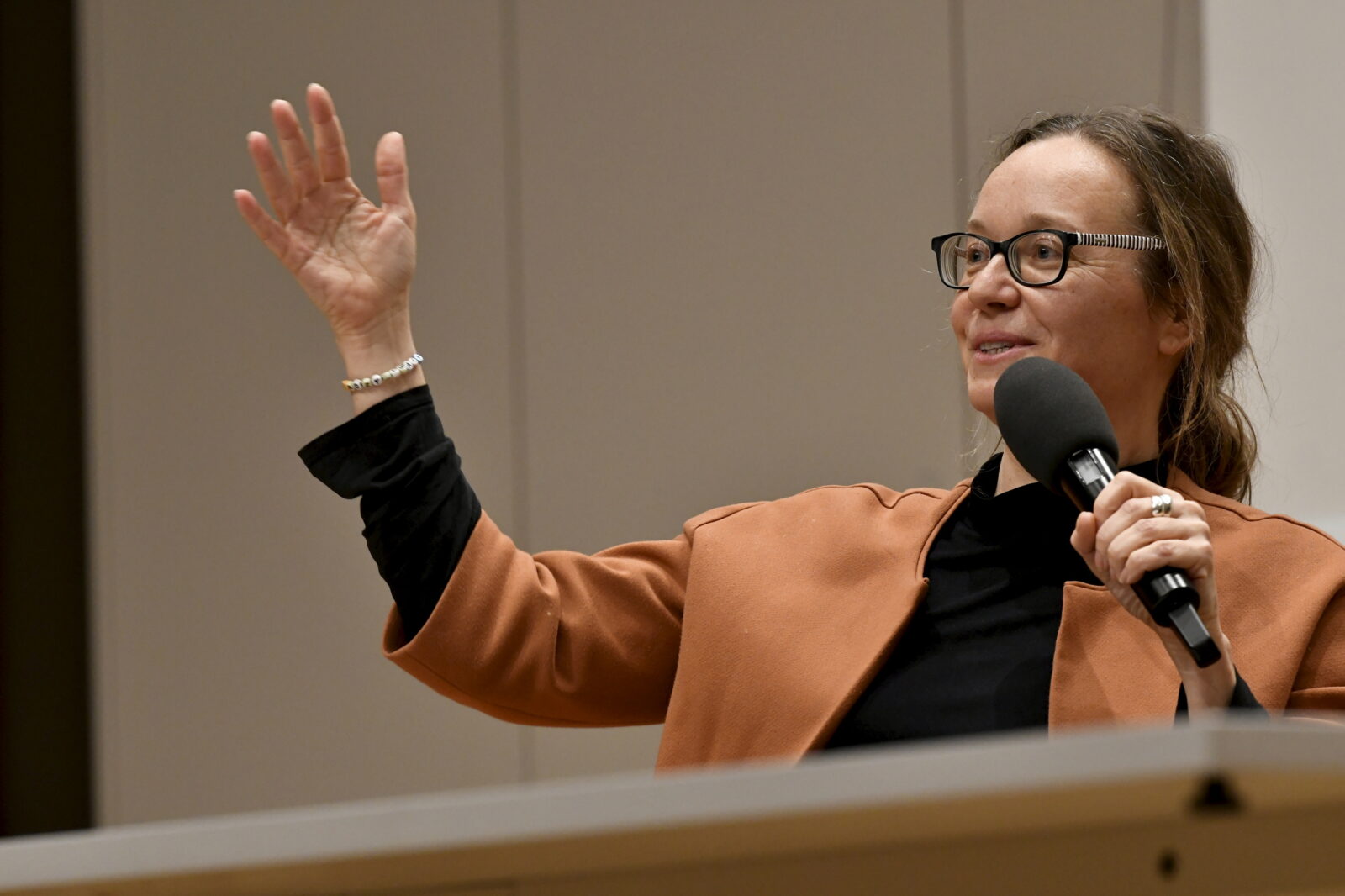
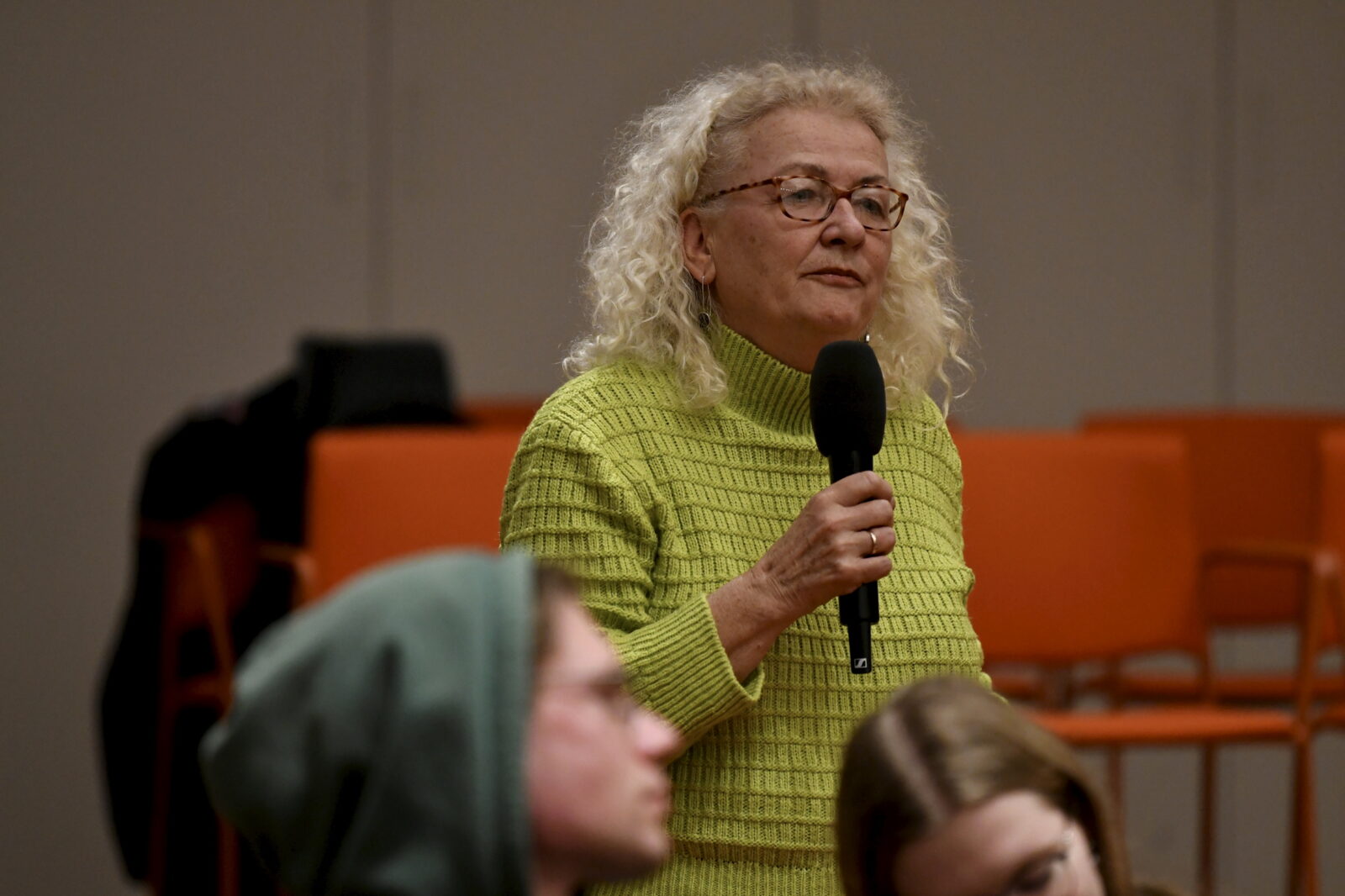
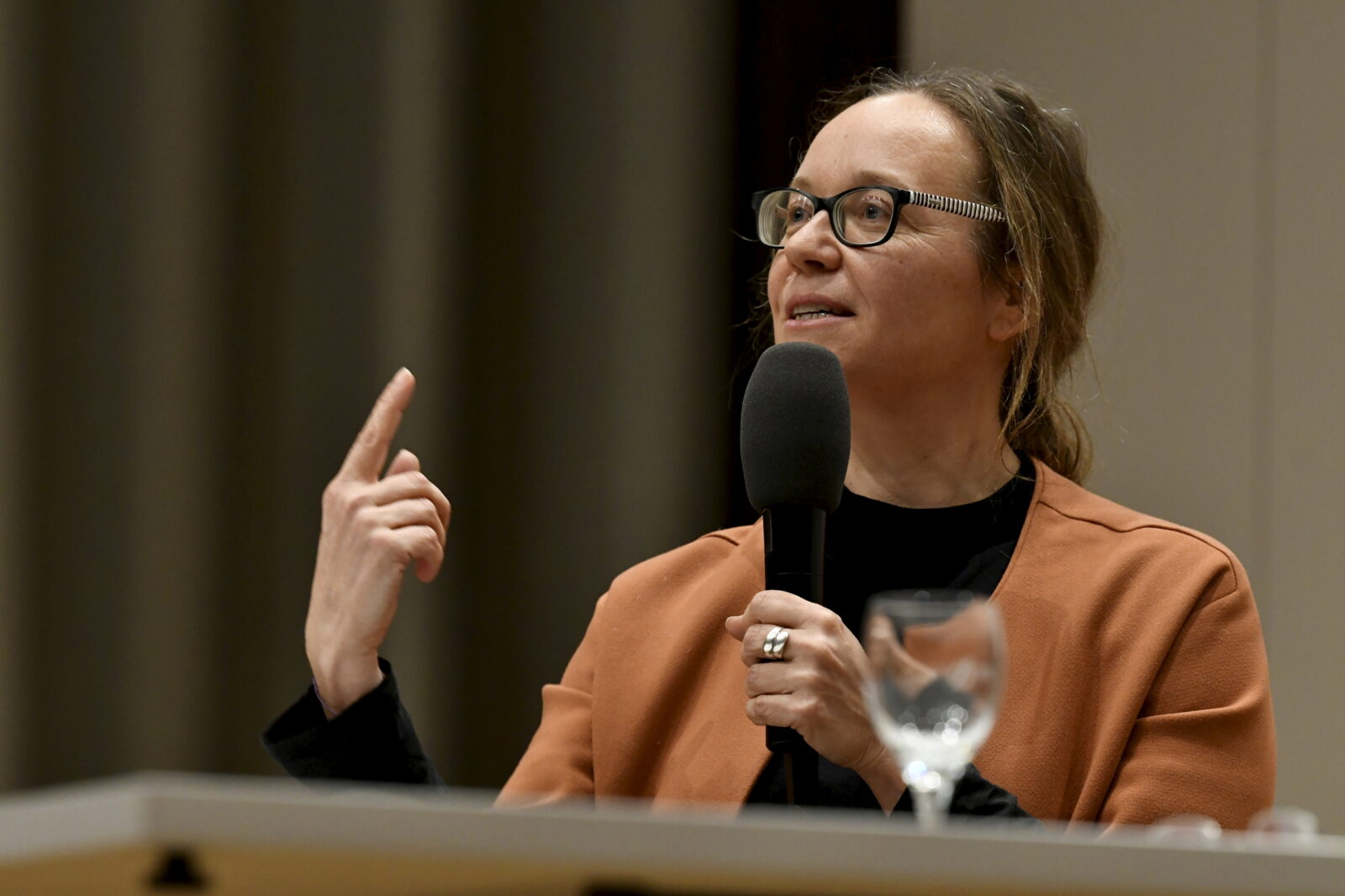
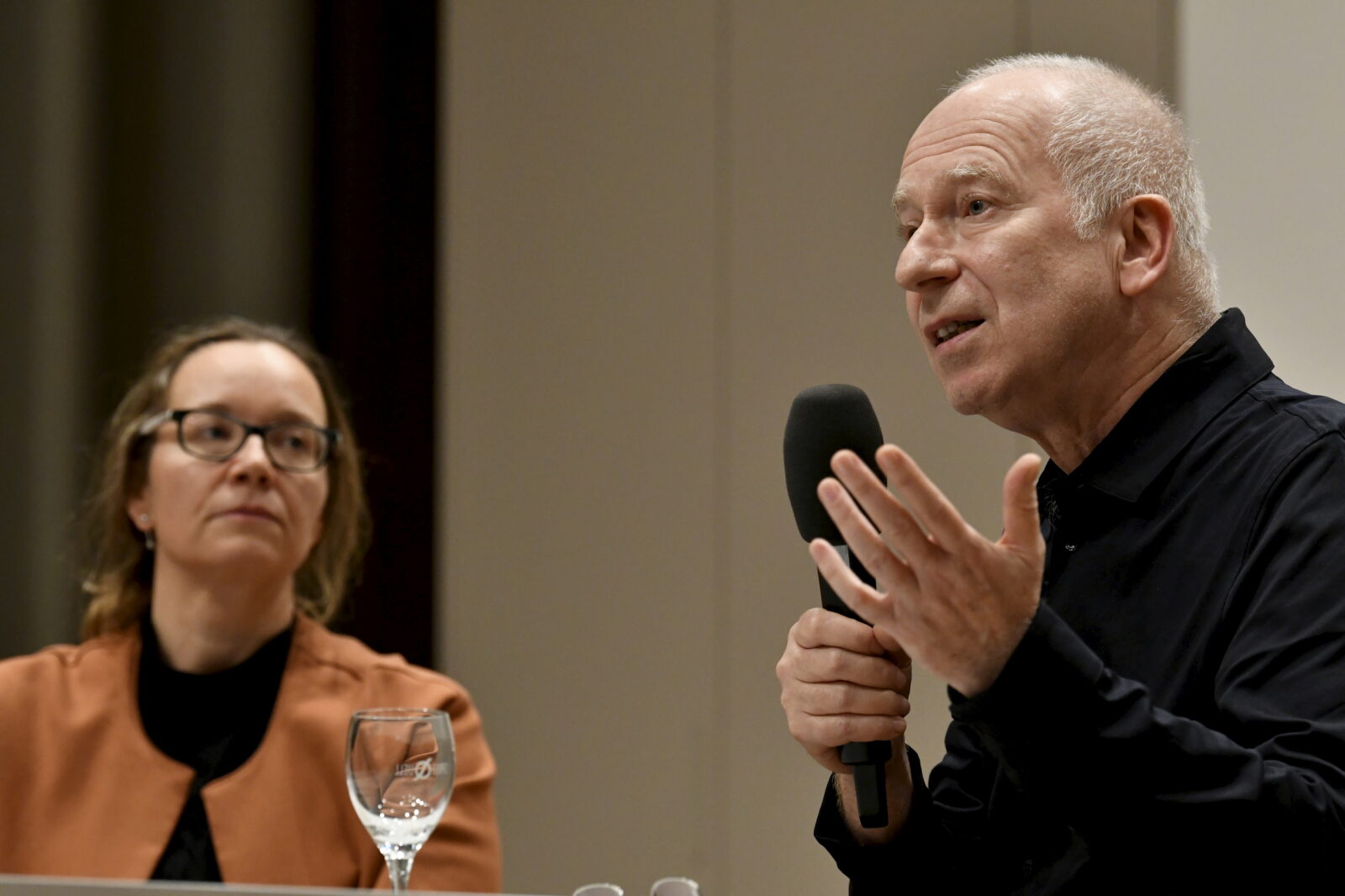
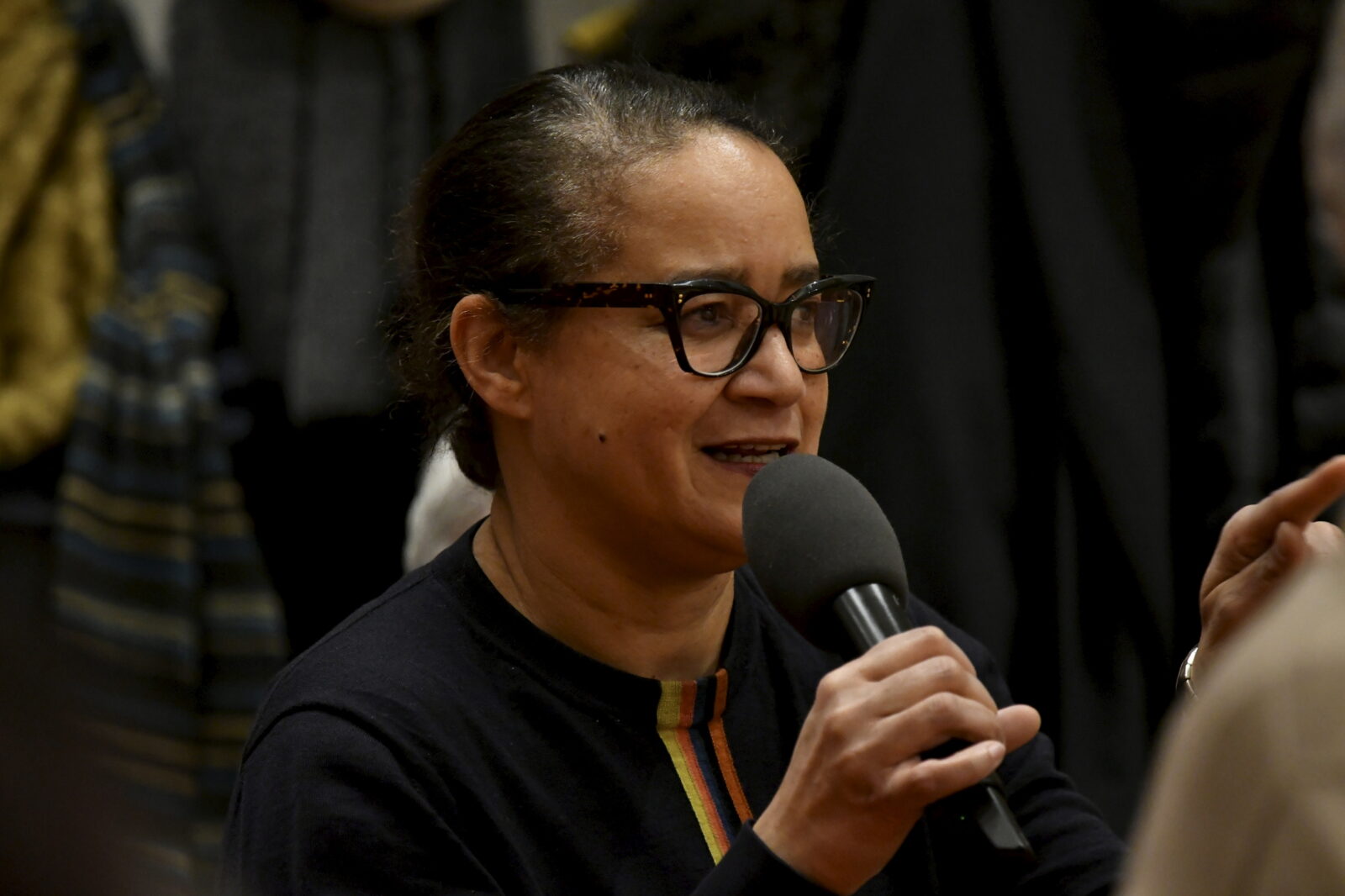
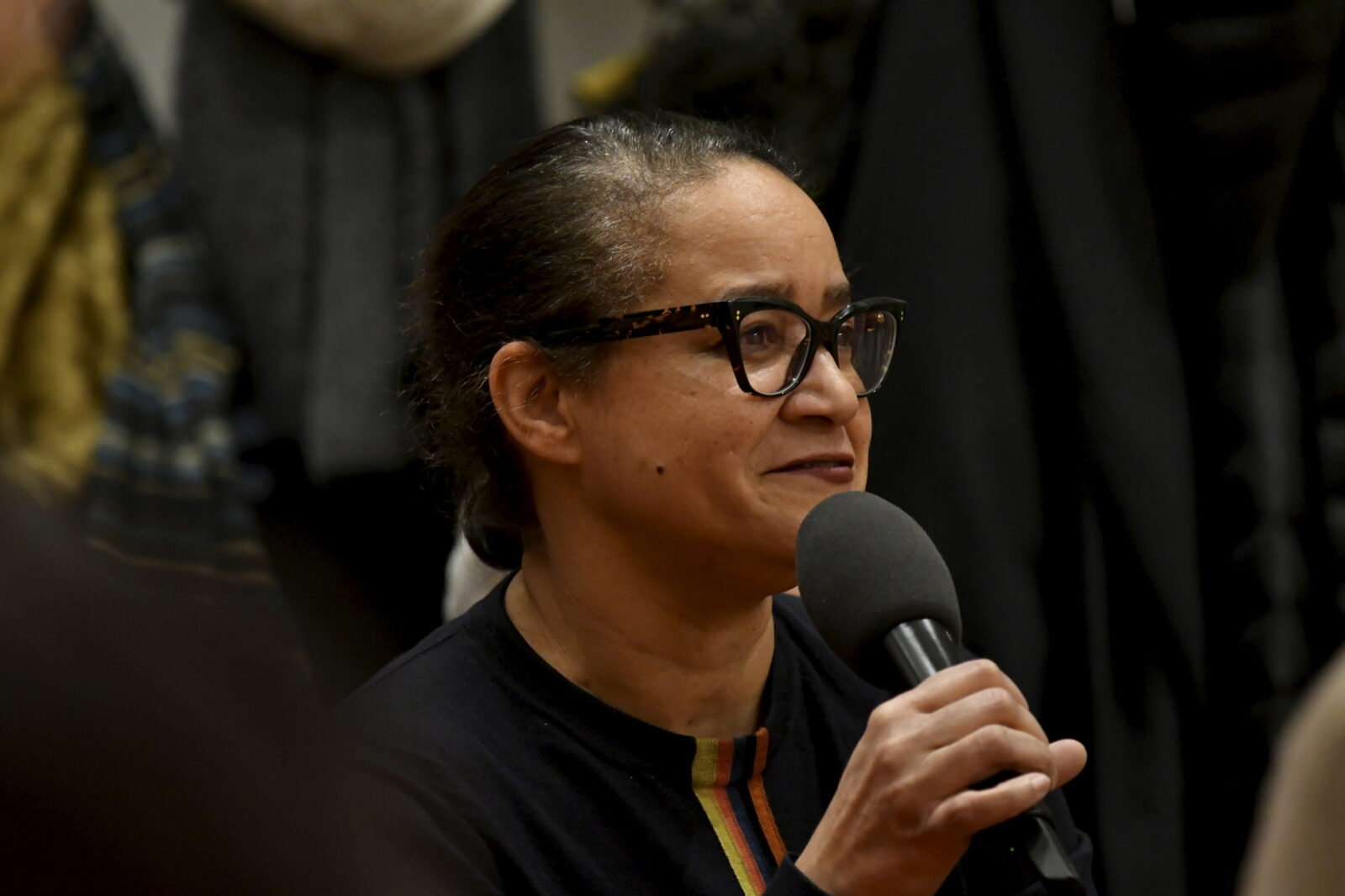
Photo credit: Neils Leiser for the Mosse Lectures
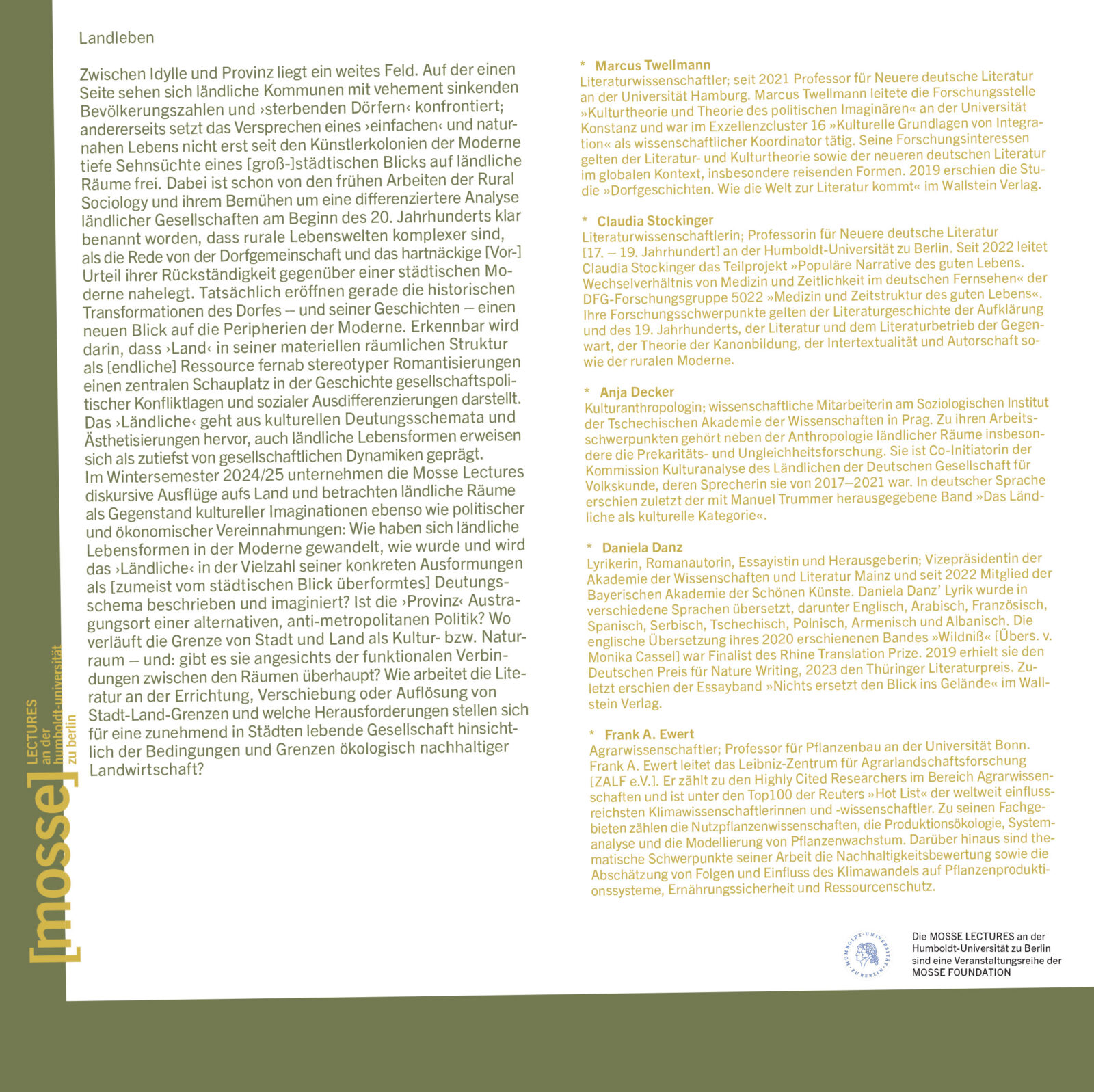
Anja Decker: Cultural anthropologist; Anja Decker is a research associate at the Sociological Institute of the Czech Academy of Sciences in Prague. Alongside the anthropology of rural areas, her work focuses in particular on research into precarity and inequality. She is co-initiator of the Commission for Cultural Analysis of the Rural at the German Society for Empirical Cultural Studies, of which she was spokesperson from 2017-2021. Her most recent publication in German was the volume »Das Ländliche als kulturelle Kategorie«, edited with Manuel Trummer.
Ethel Matala de Mazza has been professor of modern German literature at Humboldt University since 2010. She is the author of three monographs, including Der populäre Pakt. Verhandlungen der Moderne zwischen Operette und Feuilleton (Fischer, 2018) and Der verfaßte Körper. Zum Projekt einer organischen Gemeinschaft in der Politischen Romantik (Rombach, 1999). She has served as a visiting professor at Johns Hopkins University, the University of Indiana, Bloomington, and the University of California, Berkeley, Harvard University, and the University of Chicago. She received her terminal degree in German literature at the University of Munich in 2007.
In the Media:
This lecture series was covered by Torsten Flüh for night Night Out @ Berlin: Transformationen der Landwirtschaft zwischen Zeilensaat und Reallaboren
