2005: Bas Heijne, “De eeuwige homo” / “The Eternal Gay”
Bas Heijne, “De eeuwige homo” / “The Eternal Gay”
Amsterdam Mosse Lecture
https://mosselectures.wisc.edu/amsterdam/
Wednesday, 21 September 2005
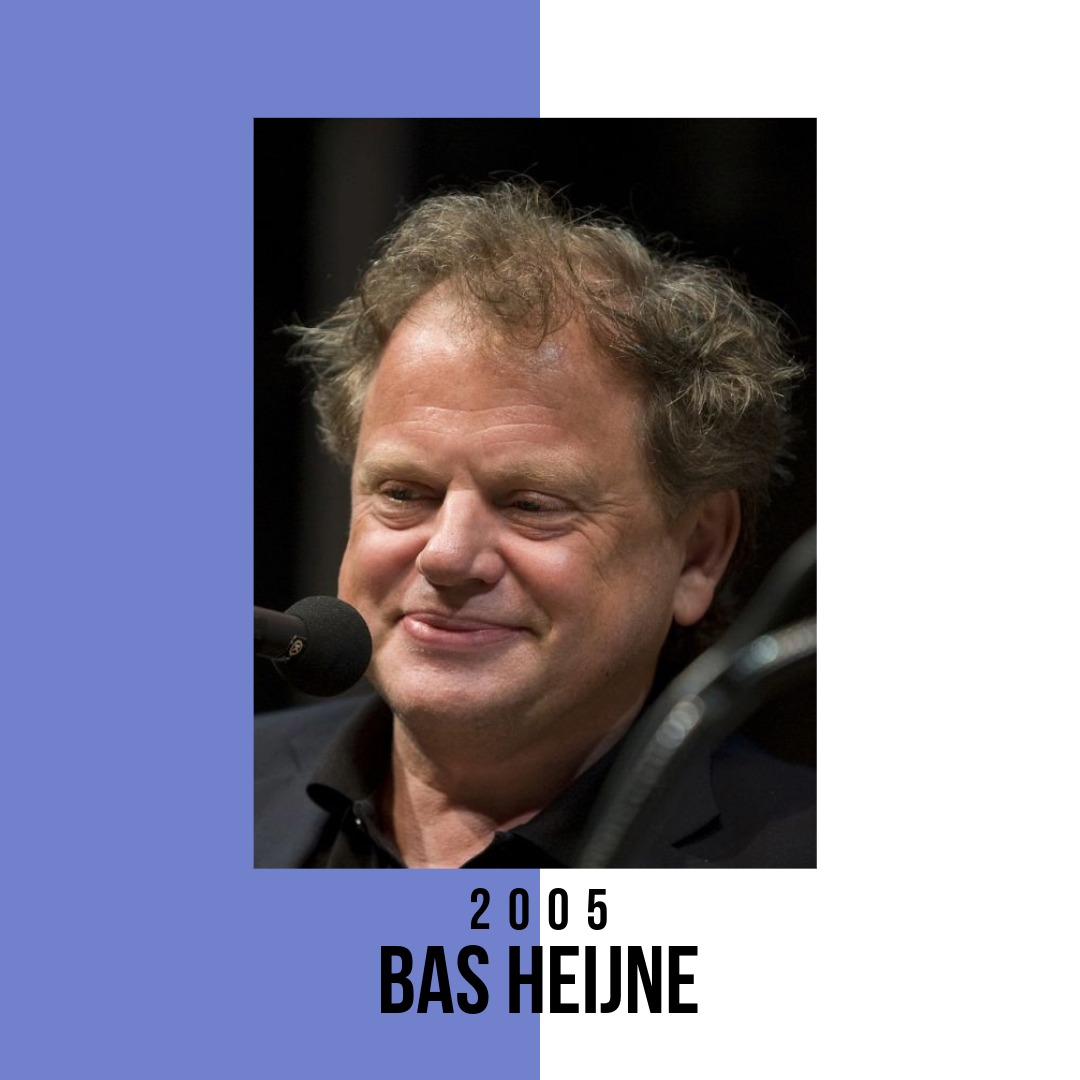
Heijne liet zien hoe homoseksualiteit nooit alleen als privézaak verschijnt. Zij wordt steeds opnieuw verbonden met beelden van burgerschap, cultuur en de vraag wie als normaal geldt.
The 2005 Mosse Lecture strongly connected to George L. Mosse’s work on respectability, nationalism, and social norms. Heijne showed how homosexuality never appears only as a private matter. It is continually connected to images of citizenship, culture, and the question of who counts as normal.
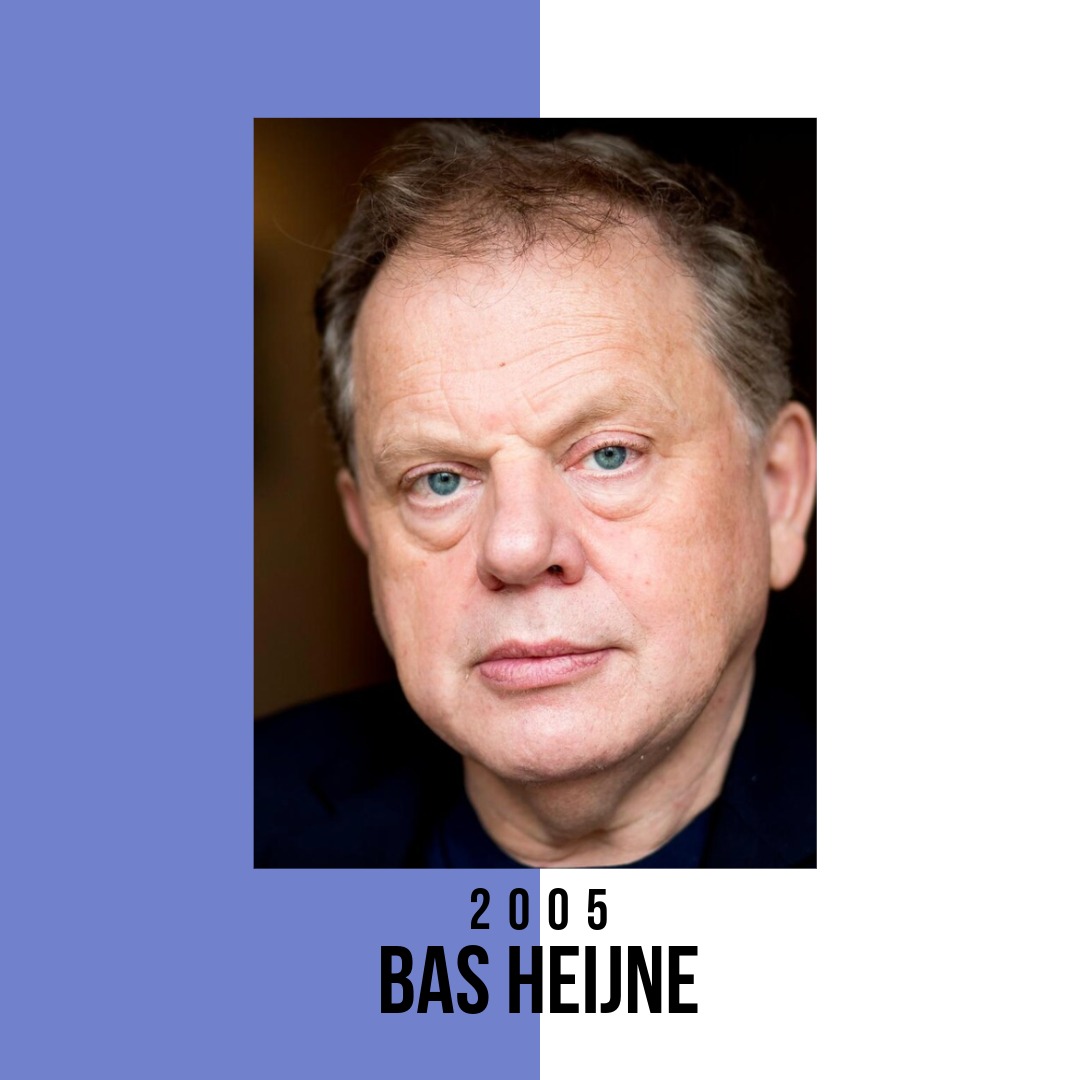
In De eeuwige homo dacht hij na over homoseksualiteit als publieke verbeelding. Wie spreekt er over “de homo”? Welke functie krijgt die figuur in debatten over vrijheid, identiteit en moderniteit?
Heijne is known for his reflective essays on culture, literature, and social change. In “The Eternal Homosexual,” he reflected on homosexuality as public imagination. Who speaks about “the homosexual”? What function does that figure acquire in debates about freedom, identity, and modernity?
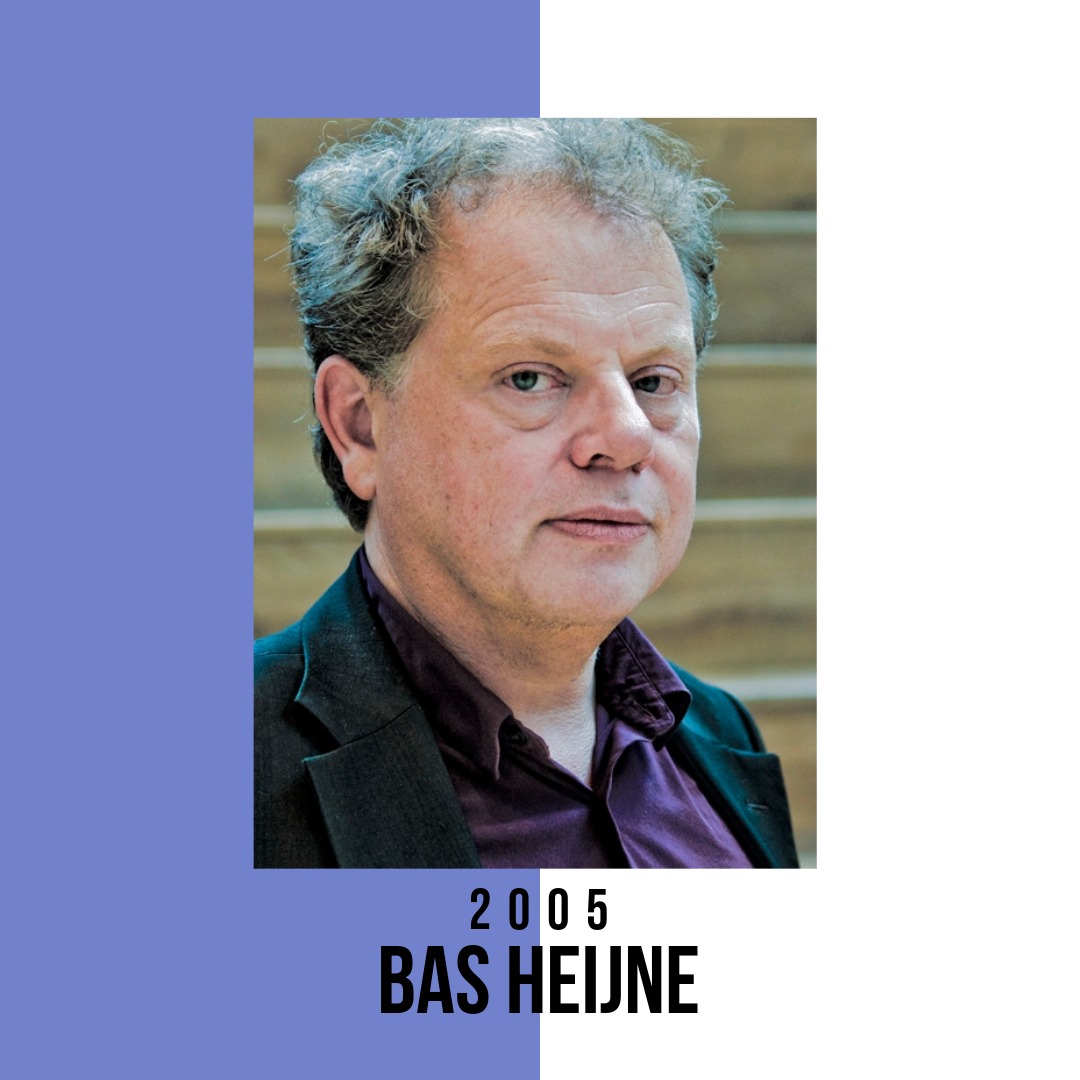
Met die titel richtte Heijne de aandacht op een hardnekkige figuur in cultuur en politiek: “de homo” als beeld waarop een samenleving haar angsten, verlangens en ideeën over beschaving projecteert.
Foto door Robert Tjalondo
In 2005, writer and essayist Bas Heijne delivered the Mosse Lecture under the title “The Eternal Homosexual.” With that title, Heijne drew attention to a persistent figure in culture and politics: “the homosexual” as an image onto which a society projects its fears, desires, and ideas about civilization. Photo: Robert Tjalondo
Sponsored by:
Stichting Mosse Fonds
IHLIA LGBTI Heritage
Universiteit van Amsterdam
Global Mosse Lecture Series
Universiteit van Amsterdam, afdeling sociologie en antropologie
dr. Gert Hekma
telefoon: 020-5287749
e-mail: g.hekma@uva.nl
Lecture Series Description: The annual Mosse lecture is an initiative of the George L. Mosse Fonds to promote the study of gay/lesbian history at the University of Amsterdam (UvA). It is organized in collaboration with IHLIA LGBTI Heritage. Mosse Lectures have been given by Hafid Bouazza, Marjan Sax, Ruud Douma aka Dolly Bellefleur, Bas Heijne, Maaike Meijer, Gerardjan Rijnders, Gerrit Komrij, Gloria Wekker, Stephan Sanders, M. Februari, Ted van Lieshout, Jet Bussemaker, Mohammed Benzakour, Hedy d’Ancona, Simon(e) van Saarloos, Gert Hekma, Karin Spaink, Joke Swiebel, and David Weissman.
Bas Heijne is a Dutch writer, essayist, columnist, translator, and interviewer. He studied English language and literature at the University of Amsterdam. He made his literary debut with the novel Laatste woorden [Last Words] in 1983, followed by the novel Suez in 1992, as well as short stories, travel writing, and numerous collections of essays. Heijne has also translated works by English-language authors including E. M. Forster, Evelyn Waugh, and Joseph Conrad. Since 1991, he has been associated with the Dutch newspaper NRC Handelsblad, where he became particularly well known as an essayist and weekly columnist.
Heijne’s essays examine contemporary culture and society, addressing subjects including identity, individual freedom, populism, political discontent, literature, and the relationship between the individual and the wider community. His publications include De wijde wereld [The Wider World, 2000], Onredelijkheid [Unreasonableness, 2007], Moeten wij van elkaar houden? [Must We Love One Another?, 2011], Onbehagen [Discontent, 2016], and Mens/onmens [Human/Inhuman, 2020]. In 2017, Heijne received the P.C. Hooft Prize, one of the Netherlands’ principal literary awards, for his complete body of reflective prose. In 2005, Heijne delivered the annual Mosse Lecture, titled “De eeuwige homo” [The Eternal Homosexual].
George Lachman Mosse (1918-1999), Amerikaans historicus van Duits-joodse oorsprong. Mosse deed onderzoek naar het Duitse nationaal-socialisme en de samenhang met mannelijkheid en (homo)seksualiteit. Hij werd in 1955 hoogleraar geschiedenis aan de universiteit van Wisconsin en schreef standaardwerken over het nazisme als The Crisis of German Ideology (1964) en Towards the Final Solution (1978). Later werd zijn belangstelling gewekt voor homo- en genderstudies. Mosse was onder meer gasthoogleraar in Amsterdam, Jeruzalem, Kaapstad, Cambridge, Parijs en Washington.